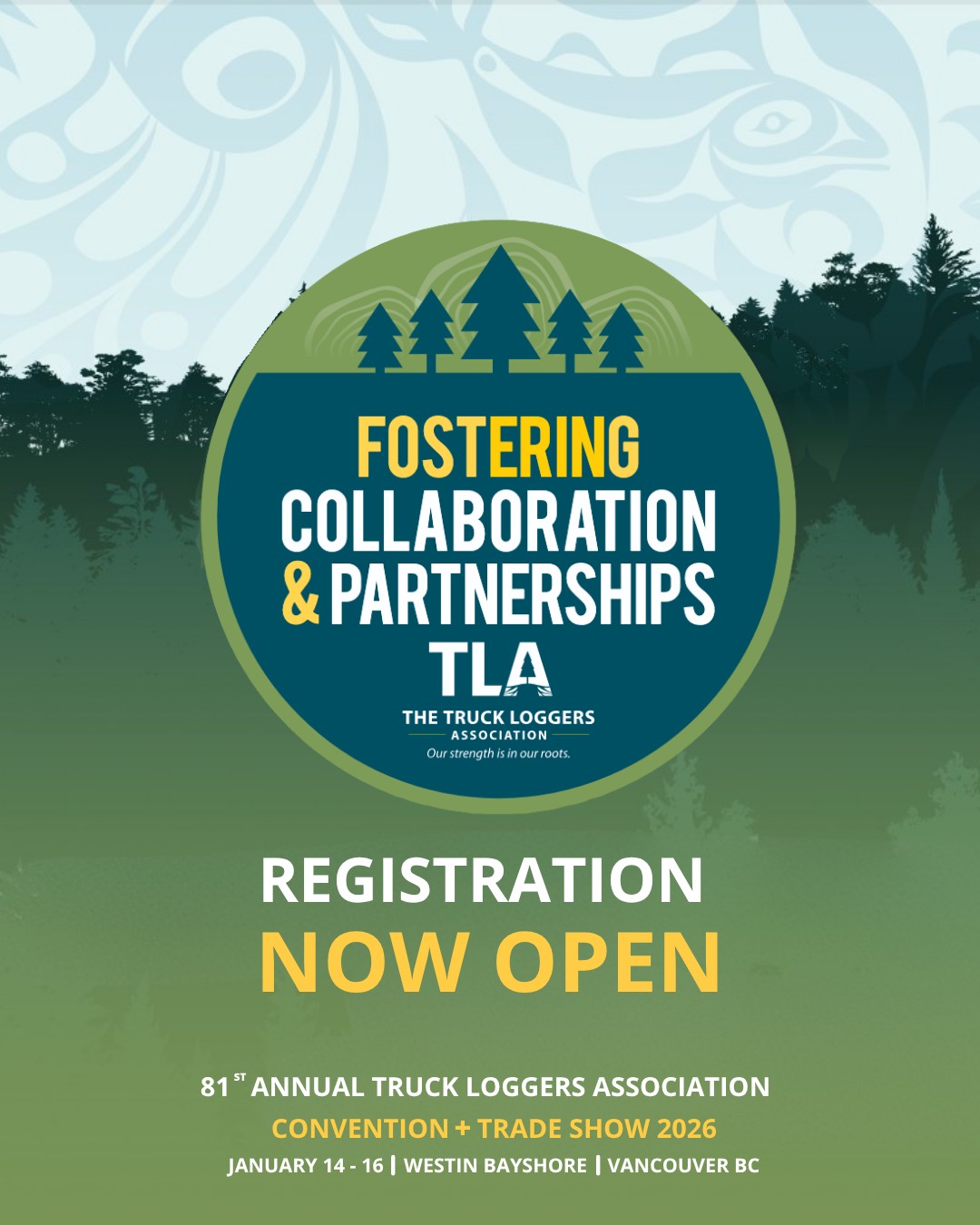
 For more than 80 years, the annual TLA Convention + Trade Show has been the premier gathering place for forestry’s top decision-makers. Whether you choose to sponsor the convention or exhibit at the trade show, your participation offers unmatched opportunities to connect, showcase, and grow your business. Unparalleled Networking: The TLA Convention + Trade Show brings together the leaders who shape the future of BC’s forest industry. As a sponsor or exhibitor, you’ll gain direct access to influential professionals—contractors, suppliers, government representatives, and business owners—all in one place. …Premium Brand Exposure: Visibility at the TLA Convention & Trade Show extends well beyond the event.
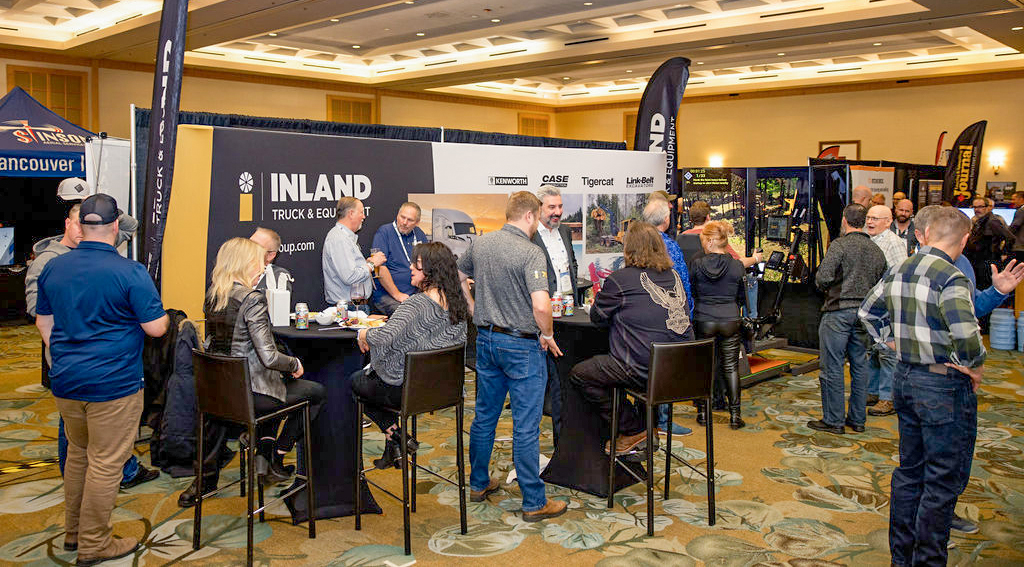 Sponsors enjoy high-profile recognition before, during, and after the convention, ensuring your brand stays top of mind among key industry players. Tracey Russell, Vice President-Equipment, Inland Truck & Equipment Ltd. is a regular at the Convention, “We sponsor the TLA Convention + Trade Show every year because it’s one of the best opportunities for exposure and relationship building – connections that have made a lasting impact on our business and our brand.”

Kim Haakstad
VANCOUVER, BC — For too many people across this province, the consequences of inaction for the struggling forestry sector are no longer theoretical — they are happening in real time. We have been sounding the alarm that the situation in BC is dire and today is further evidence that the sector needs an urgent response from our government. While softwood lumber duties and trade uncertainty add significant pressure, not everything can be blamed on the dispute. It is important to focus on the areas within our control, and those remain the core issues facing BC forestry: access to predictable, economic wood supply and the ability to operate in a competitive and efficient regulatory environment.
The solutions are well known and long overdue. The provincial government must urgently:
- Remove barriers to getting wood moving — by improving the efficiency and timeliness of cutting permits and road-building approvals, and fast-tracking improvements to BC Timber Sales
- Address operating costs — both at the harvest level and in manufacturing facilities
- Support First Nations with the capacity and tools to expedite referrals, co-develop land use plans, and increase revenue sharing—so that partnerships can move at the speed of opportunity
“We acknowledge the recent steps taken by the federal government. …But the most effective way to protect workers is to keep their workplaces open. Now the Province must act with urgency to stabilize wood supply, restore competitiveness, and reverse the steady loss of jobs and investment. Without swift, decisive action, BC will continue to see more closures. …COFI and our members are at the table, ready to work with government, First Nations, labour, and communities to find solutions that can stabilize the sector and rebuild confidence. But we need the province to step up now — not months from now, not after further losses. The time for urgent action was yesterday.”
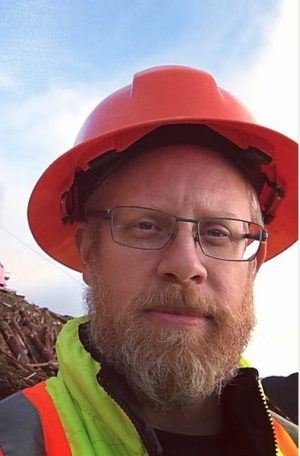

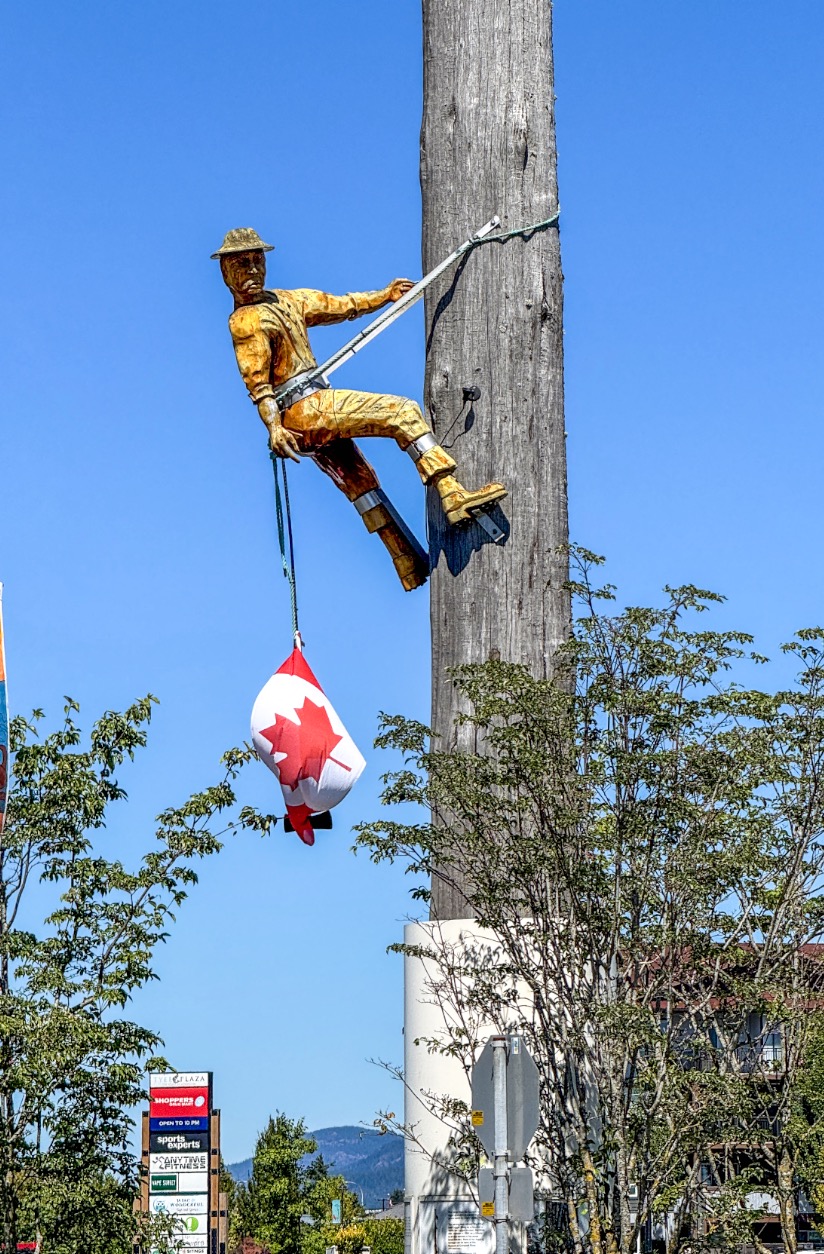 More than 100 unionized North Island forestry workers on strike rallied in Campbell River on Wednesday. They’ve been without a contract for more than six months. They warned their employer that they are united and will succeed in their demands… The United Steelworkers marched to the Campbell River offices of Western Forest Products… The company owns a controlling 55 per cent share of La-kwa sa muqw Forestry (LKSM). On Oct. 20, the union filed a common-employer application with the Labour Relations Board. “…we’re challenging the fact that LKSM is actually a separate company. …We believe our members deserve the same collective agreement that all WFP members have,” said Brian Butler, president of United Steelworkers Local 1-1937 …“What this issue is really about is the union’s demand that it wants all contractors, new contractors, working for us, including First Nation contractors, to be mandatorily certified with the union,” said Greg DeMille, Operations Manager of La-kwa sa muqw Forestry.


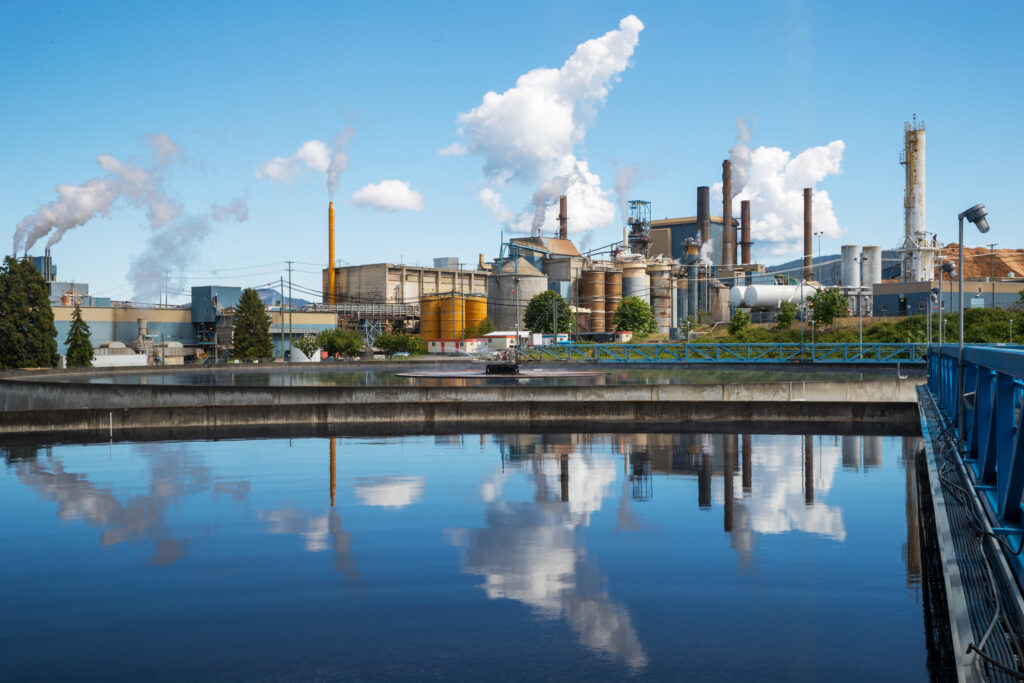
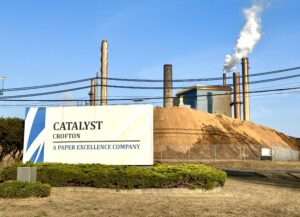 CROFTON, BC — The company that runs a pulp mill on Vancouver Island says it is permanently ending operations at the facility, affecting around 350 employees. Domtar says pulp operations at the mill in Crofton, about 70 kilometres north of Victoria, have been struggling for a while. Last year, Domtar announced that it was indefinitely halting paper operations at the site, which affected around 75 employees at the time. Domtar, formerly called Paper Excellence, confirmed that this latest curtailment will permanently close the entire site. The company says the site will continue to be managed in compliance with environmental laws, and it’s “exploring a variety of possibilities for the future of the site.” …Chris Stoicheff clarified that the mill will cease operations on Dec. 15 but most staff will still be employed at the mill until mid-February, some until April. Stoicheff says the company has three remaining mills in BC.

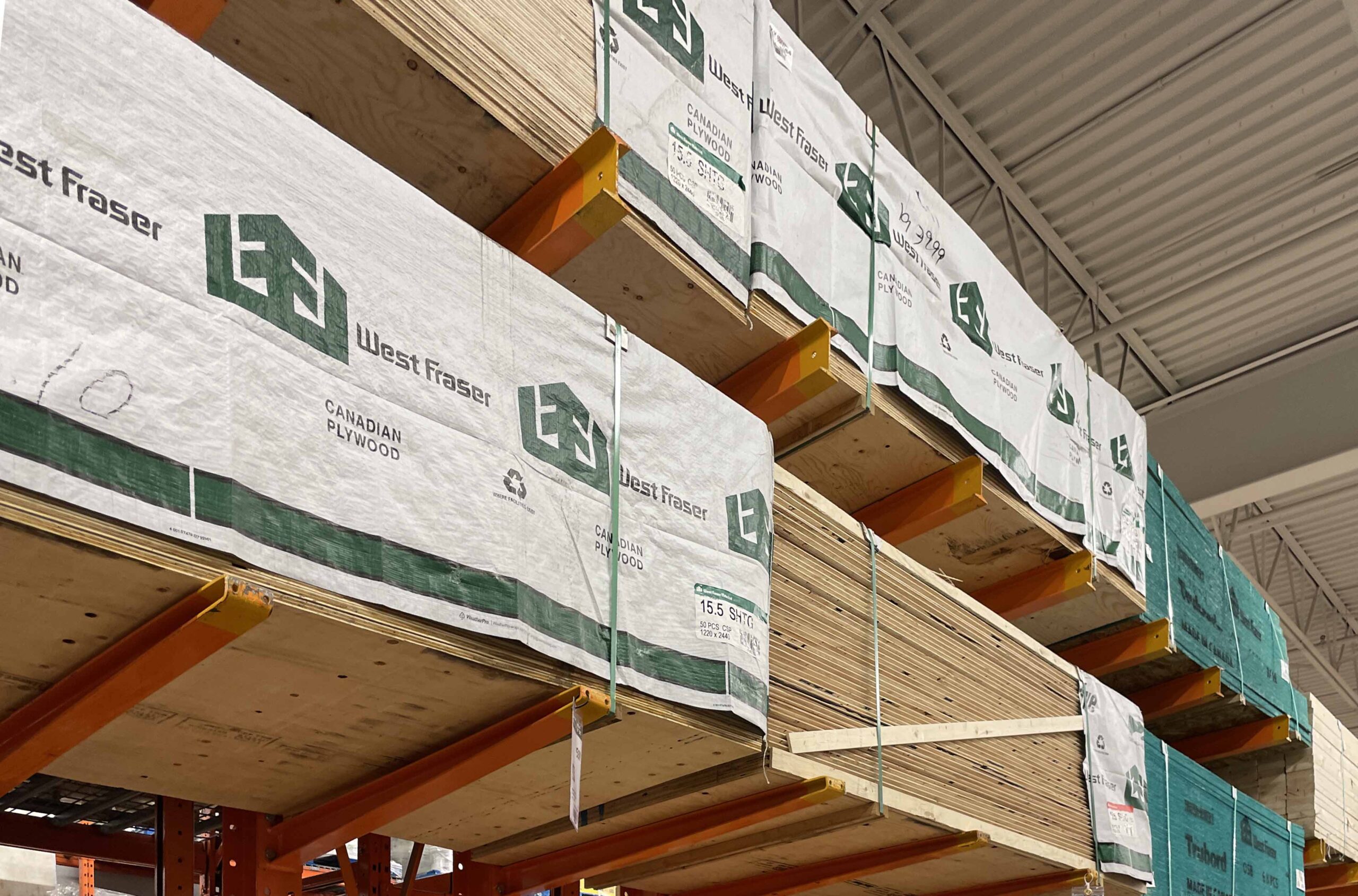 The District of 100 Mile House’s mayor and one of its councillors went to Victoria for meetings with provincial government officials over the impending West Fraser Mill closures on Monday, Nov. 24. During the Mayor’s Report at the Nov. 25 District of 100 Mile House Council meeting, Mayor Maureen Pinkney and Coun. Donna Barnett both revealed details about a visit to Victoria regarding issues surrounding 100 Mile, including the impending permanent closure of the 100 Mile West Fraser mill, as well as frequent closures of the emergency department at the 100 Mile Hospital. On Nov. 6, West Fraser Lumber announced in a release that it would be closing its 100 Mile House lumber mill following a two-month wind-down.

 MACKENZIE, BC — Forestry company Conifex Timber announced that it will temporarily curtail operations at its Mackenzie, BC sawmill for a planned four-week period commencing December 15, 2025. The curtailment is being implemented in response to, among other things, continued weakness in North American lumber markets. The curtailments will begin on December 15, for a planned four-week duration, Conifex said, adding that it is expected to reduce production by roughly 13 million board feet. The North American timber industry has gone through several curtailments in response to US President Trump’s decision to implement tariffs. …The company said it does not anticipate any challenges in securing sawlogs to maintain capacity operations in the future, once market conditions permit a return to full operations. It also expects to see gradual recovery in demand in the second half of 2026.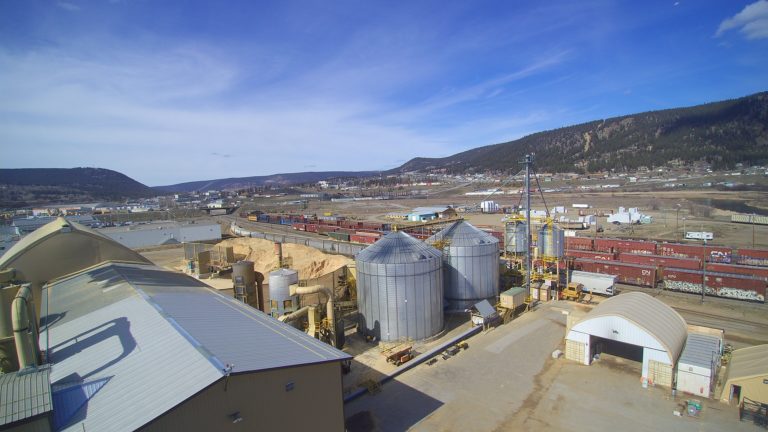




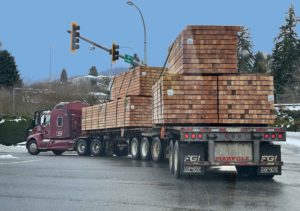 Ottawa threw the beleaguered softwood lumber industry a bone. …The new measures include $500 million in new loan guarantees for softwood lumber companies. “Loans are only good if i can sell my prioduct and pay for those loans,” said Brian Menzies, at the Independent Wood Processors Association of BC. “At 45%, I can t sell my product into the United States.” Other steps announced include cutting freight rates. …The measures are window dressing – say some – when compared to the impact of the steel industry supports. “I’m afraid we’ve come to the point that ‘Sophies choice’ is happening and softwood lumber is the child who’s going to be left behind,” said Menzies. It’s a concern shared at Leslie Forest Products, in Delta where James Sanghera said the measures won’t make a difference. “Most of the wood we’re sending down to the States is going on truck.”

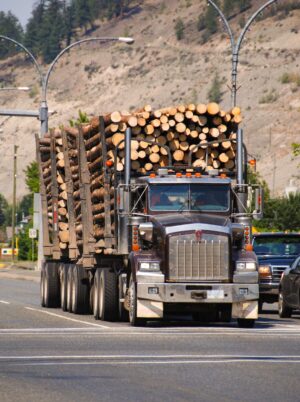 The looming closure of a lumber mill in central BC is highlighting the forestry industry’s challenges in accessing an economically viable timber supply — with one academic urging an “emergency response” to deal with it. West Fraser Timber announced it would shut its mill in 100 Mile House by the end of the year. BC’s forestry industry has taken major hits over the last few years, as escalating US duties on softwood lumber imports have piled atop challenges like a major beetle infestation and wildfires, leading to thousands of jobs lost. …UBC professor Gary Bull explained that to have an “economically viable fibre supply,” it needs to make sense financially for a company to transport logs from a forest to its mill. And the viability is complicated by the fluctuating price of lumber. …Bull estimated that insect outbreaks and wildfires have contributed to a 50 to 60 per cent reduction in available fibre near 100 Mile House.

 “The BCIT School of Construction and the Environment offers two Associate Certificate programs designed to support workforce development in the North American lumber and sawmill sector:
 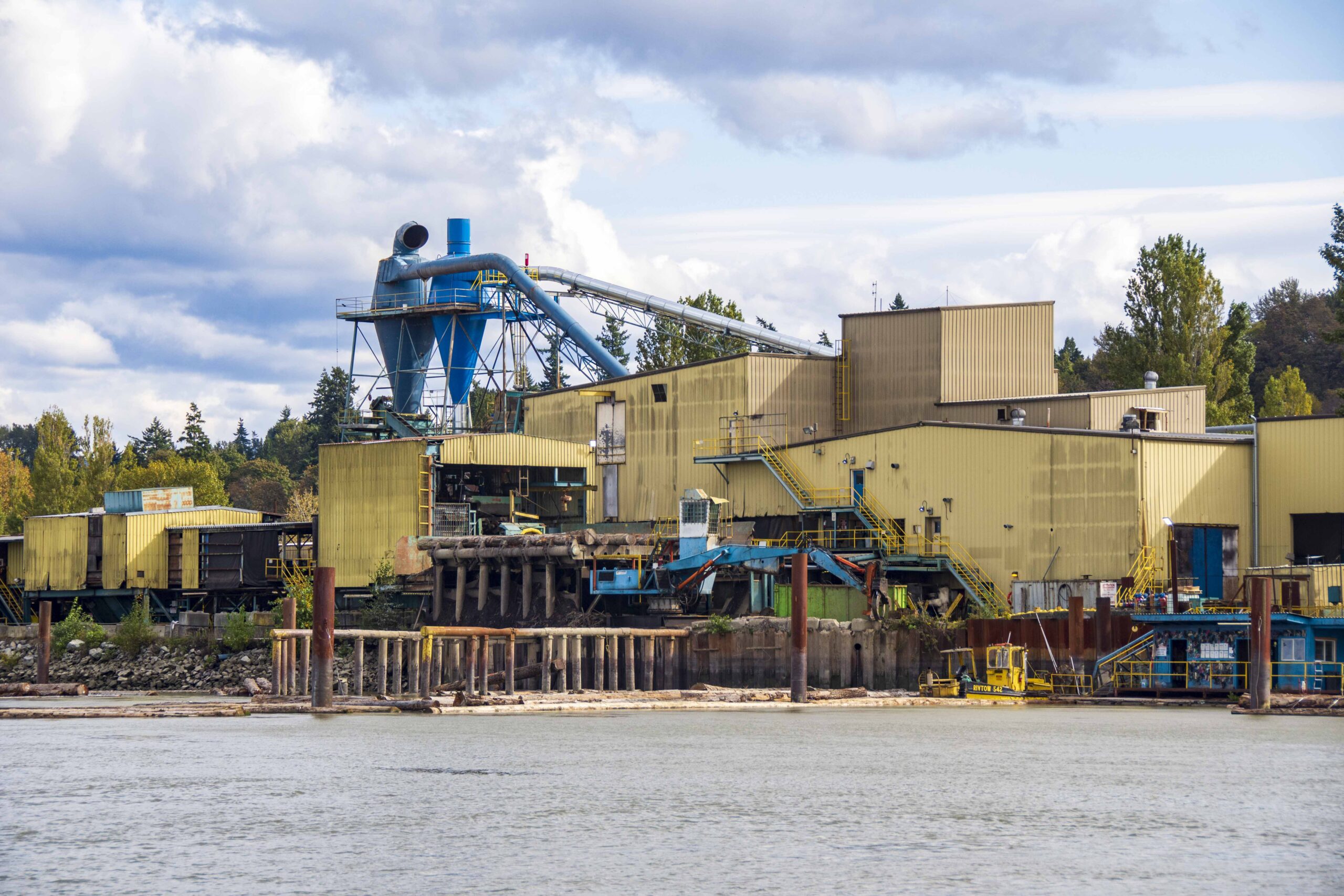 VANCOUVER, BC — A large fire broke out on the banks of the Fraser River in Delta on Thursday morning. Fire crews from Delta and Surrey were called between 9 a.m. and 10 a.m. to the former sawmill under demolition north of the Alex Fraser Bridge on Alaska Way. The land is owned by the Port of Vancouver and the organization confirmed the fire is at the site of the former mill. There are currently no impacts to port operations. …The fire broke out on the site of the former Acorn mill, which stopped operations after a blaze in April 2024. The sawmill was built in 1963 and was acquired by forestry giant Interfor in 2001. It was used primarily to cut specialty timber for traditional Japanese home construction. In 2022,
  The BC NDP’s new
 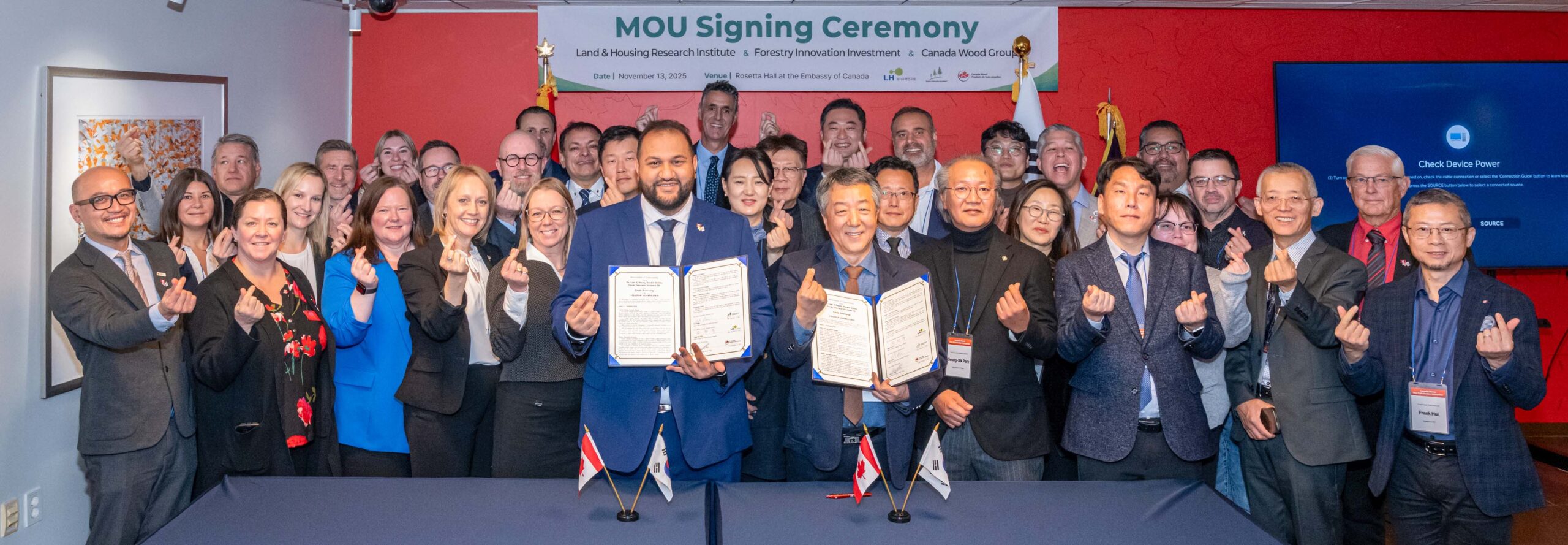 Delegates from B.C.’s largest forestry trade mission to Asia have returned home, bringing back business deals, signed agreements and deeper ties with key trading partners in Japan and South Korea, driving growth and investment for B.C.
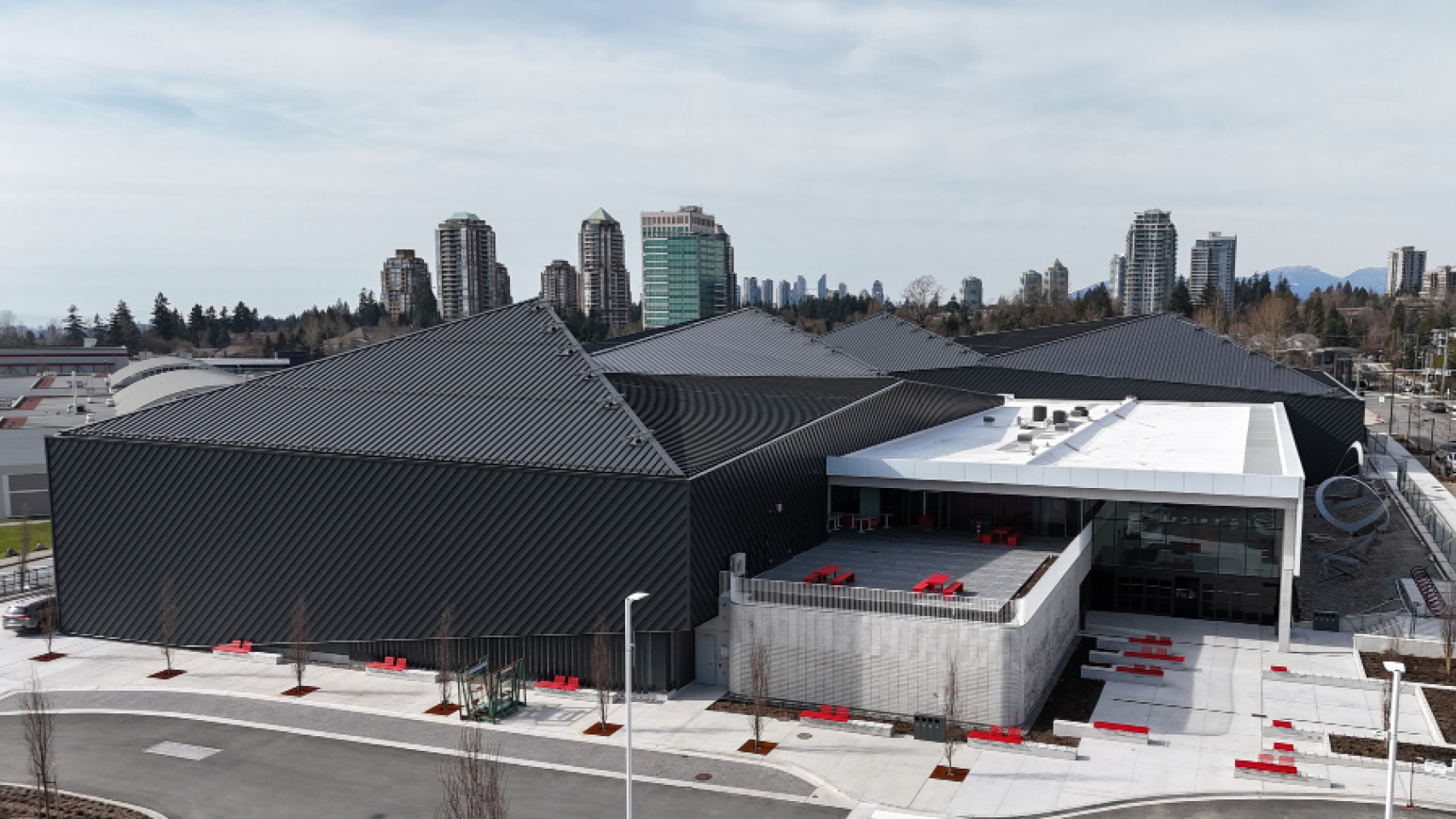
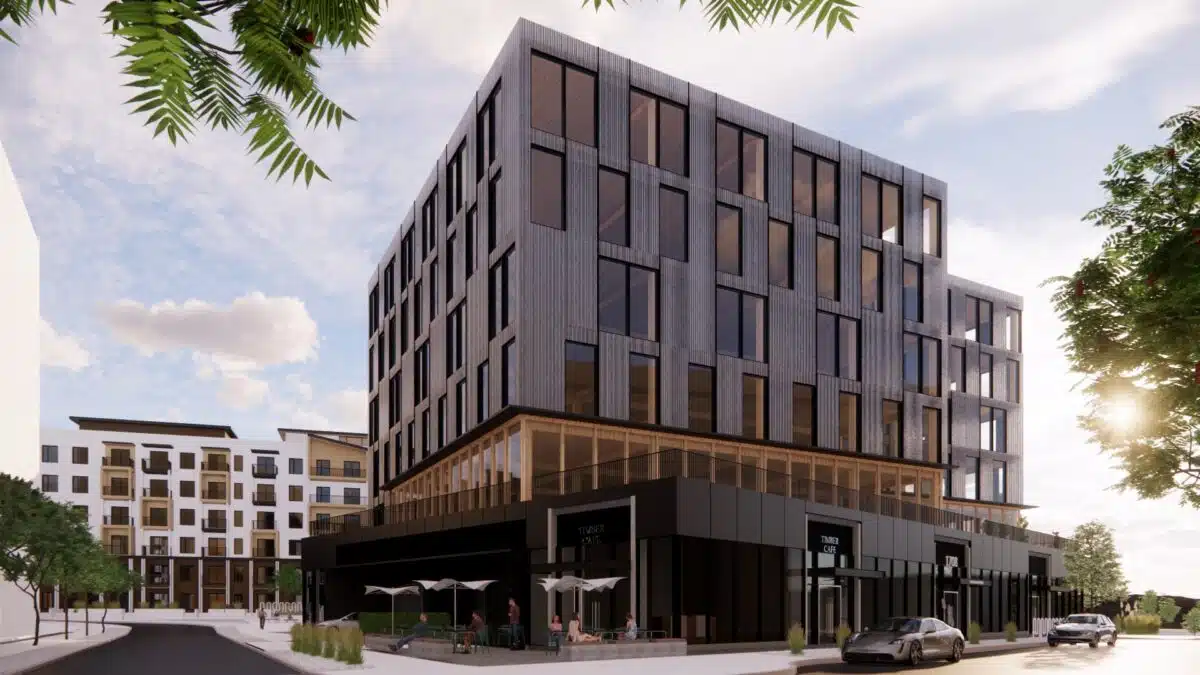
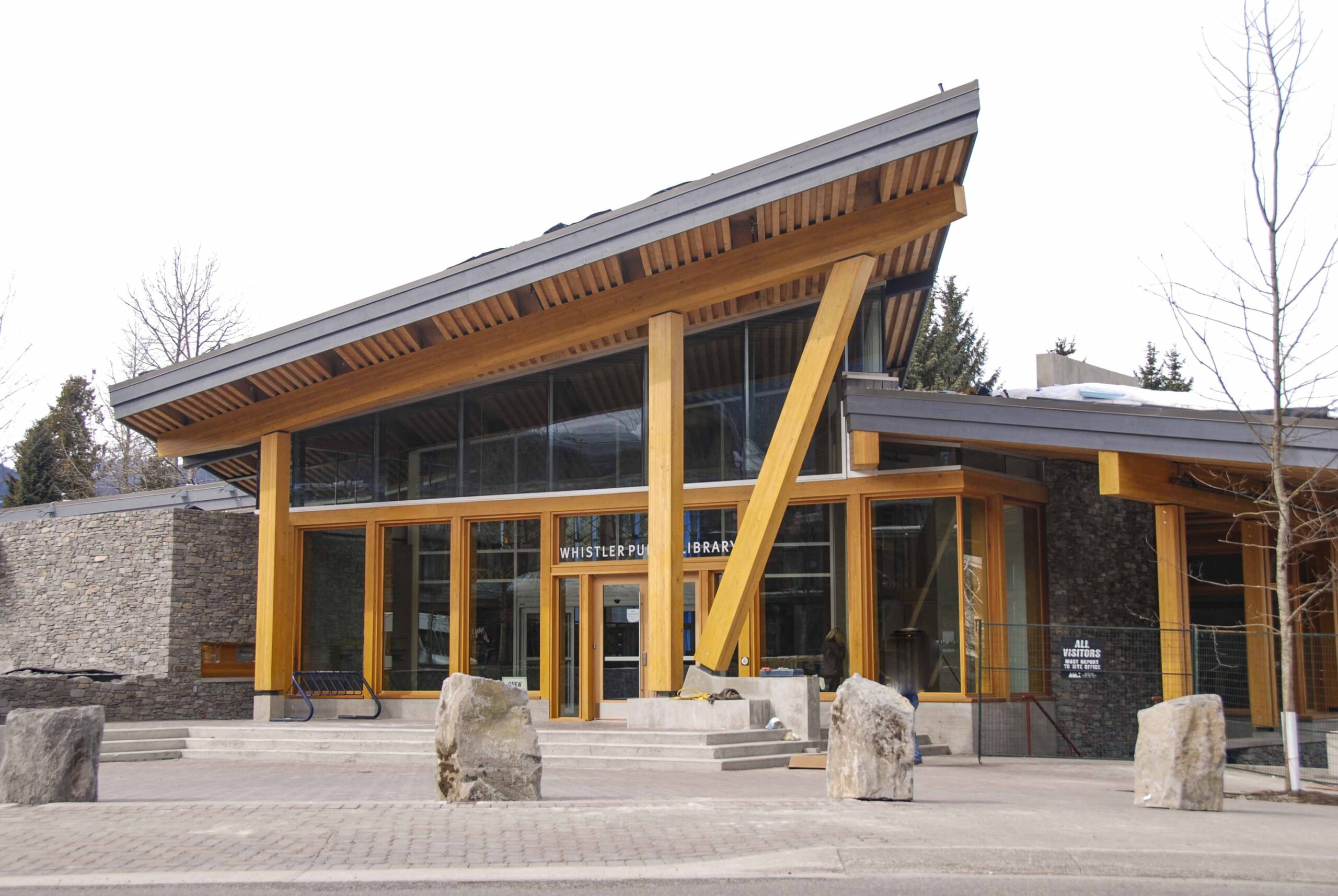 The audience of dedicated urbanists at Vancouver’s Robson Square Theatre was startled earlier this year when the first speaker at a debate about mass timber—which B.C. has been promoting vigorously—said it isn’t the for-sure climate-change silver bullet that everyone likes to think it is. Adam Rysanek, a UBC professor of environmental systems who specializes in energy efficiency, poked hard at the assumption that, because everyone thinks of mass timber as just wood—a plant! that comes out of the ground!—it must be natural and environmentally friendly and surely better than concrete. But Rysanek kept making the point at the Urbanarium debate that those ideas are not fully proven. A study he cited, which aimed to factor in all the uncertainties of carbon emissions in different types of building materials, found there is not a clear answer yet about the differences between mass timber and concrete.


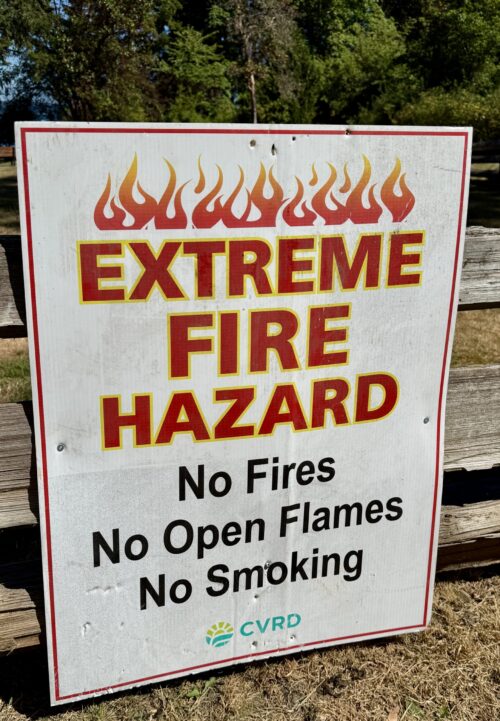 FORT ST. JOHN, B.C. — The B.C. Ministry of Forests is encouraged that the Government of Canada has taken a huge step to amp up aerial firefighting capacity. Anthony Housefather, parliamentary secretary to Eleanor Olszewski, federal minister of emergency management and community resilience and minister responsible for Prairies economic development, recently highlighted a new multi-million-dollar investment of over $257.6 million for four years to Natural Resources Canada. The funds will be used to lease firefighting aircrafts, which can include waterbombers or other aircrafts to deliver water or fire retardant drops in hard-to-reach areas. …The Ministry of Forests will be hosting a
 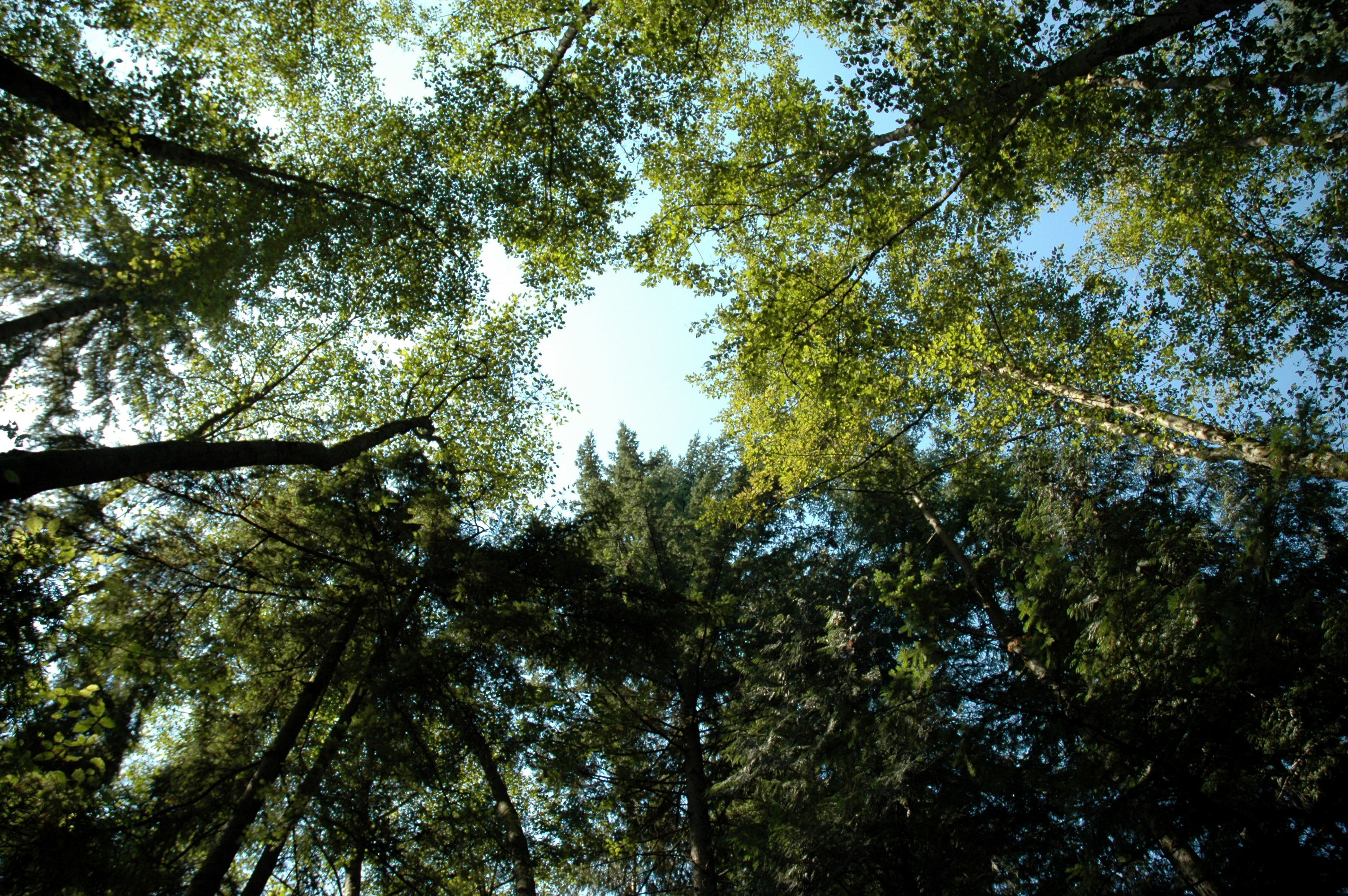 Joshua Wright says a yellow cedar tree he photographed last year was the largest he’d ever seen in a decade of hiking around Vancouver Island. …Wright measured the cedar’s diameter at 2.79 metres, a size that should have ensured protection for the tree, along with a one-hectare buffer under provincial law. But when he returned to the area south of Gold River in June, Wright says the tree had been felled as part of a logging operation approved by the province. …the area where Wright documented the yellow cedar overlaps significantly with a category of old-growth representing the largest trees left standing. …Yet the deferrals required support from First Nations to go ahead, and at the time, there was no significant funding to help communities offset foregone revenues. …the yellow cedar was felled in an area where Matchlee Ltd. Partnership, majority owned by Mowachaht/Muchalaht First Nation, holds a non-renewable forest licence.

 A BC Resource Sector Coalition says current federal and provincial policymaking has become unpredictable enough to justify an immediate pause on all implementation and action under Declaration on the Rights of Indigenous Peoples Act (DRIPA). …“We write to you on behalf of thousands of British Columbians whose livelihoods, communities, and futures are tied to the natural resource sector. Today, those livelihoods are at risk,” the letter begins. “A series of federal and provincial policy decisions have destabilized the industries that sustain our province and are eroding the economic foundations of British Columbia.” …The coalition is composed of a cross-industry membership spanning land and marine activity: BCCA, Geoduck Underwater Harvesters Association, ICBA, Deep Sea Trawlers Association of BC, Guide Outfitters Association of British Columbia, Pacific Prawn Fishermen’s Association, North West Loggers Association, and the Council of Marine Carriers.


 Prince George residents had better pay attention to last week’s report showing that unelected bureaucrats in Victoria are playing politics when they decide how much can be logged up here. I’ve been informed that our unelected Office of the Chief Forester, currently led by Shane Berg, is figuring out the Annual Allowable Cut (AAC) in the Prince George Timber Supply Area for the next 10 years. The process, known as a Timber Supply Review (TSR), masquerades as scientific and expert-driven, but in reality it’s politics. The amount we log is largely pre-determined and the game is how to manipulate the models and forests to achieve it. That’s why we get glyphosate with our blueberries and fertilizer-poisoned cattle. It’s why we don’t thin the plantations or do more selective logging. …The Office of Chief Forester prioritizes the “timber supply” over diverse, fire-resistant forests, as if the two are mutually exclusive.
 I am writing to express my concern for the fate of B.C.’s remaining old growth forests, including the globally rare and at-risk Inland Temperate Rainforest. Most of this endangered forest is still not protected, and thus all creatures who dwell therein are equally unprotected. The Valhalla Wilderness Society … is putting forth a plan to protect the remaining intact Inland Temperate Rainforests through its three park proposals: the Rainbow-Jordan Wilderness proposal; the Selkirk Mountains Ancient Forest Park proposal; and the Quesnel Lake Wilderness proposal. This protection is crucial for the survival of these rare temperate rainforests. David Eby, you are undoubtedly well informed as to the many scientific reasons for protecting more forest, especially old growth forests…Importantly, only the BC Park Act and the BC Protected Areas Act can provide secure protection to preserve forest for future generations. Please adopt and implement the VWS park proposals as quickly as possible.
 The Forest History Association of BC is hosting its 43rd Annual General Meeting tonight, December 1, 2025 at 7:00 pm PST. All members are warmly invited to attend this virtual gathering and take part in shaping the direction of the organization for the coming year. The AGM will include key updates on current projects, board activities and election, and ongoing efforts to preserve and share BC’s forest and community history. For those interested in learning more about the FHABC’s mission—promoting research, storytelling, and education about the province’s rich forest heritage—visit their objectives
 B.C. has invited stakeholders, experts, Indigenous partners and government representatives from throughout the country to a wildfire symposium in Vancouver on Dec. 5, 2025. The focus will be the 2025 wildfire season, wildfire technology, active forest management and national readiness for future wildfires. The symposium includes advancing discussions on a national leadership strategy and stronger collaboration that will shape the framework of wildfire resiliency in Canada. Enhancing a national framework for wildfire resilience, including the challenges and opportunities people and communities are facing, is one intended outcome for the upcoming symposium on wildfires to be hosted in B.C. After the second-worst wildfire season nationally, B.C. is leading the symposium to bring together national and international experts, provincial, federal and territorial governments, as well as key industry and Indigenous partners, with the goal of sharing best practices and considering mitigation and preparation steps for 2026.
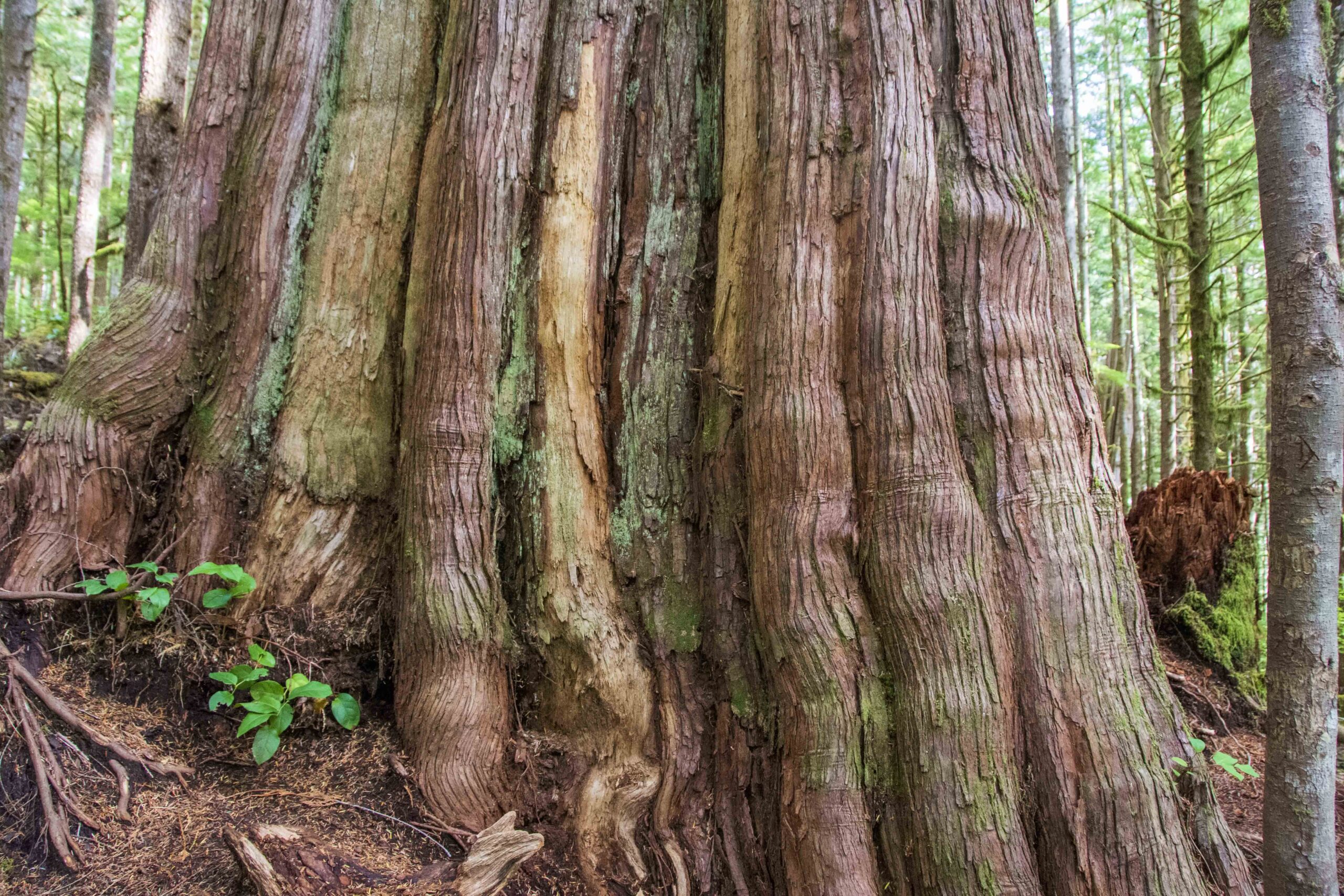 A proactive new tool that can help preserve old forests in British Columbia has been developed by University of Alberta researchers. A new study gives crucial insight into where to focus conservation measures, by identifying areas of old-growth forest in areas predicted to be stable in the face of climate change. The approach shifts the focus toward what can still be protected, says Nick Pochailo, who led the study…. “Old-growth forests located in areas of potential climatic stability offer exceptional long-term conservation value. By identifying these places, land managers can prioritize and plan conservation efforts more effectively.” …old-growth forests account for about 25 per cent of BC’s forested areas. They’ve shrunk from 25 million hectares to about half that due to logging, wildfires, and pests like the mountain pine beetle… computer models predict how these ecosystems might shift by the 2050s, then mapped the changes to geographically pinpoint areas most likely to survive.
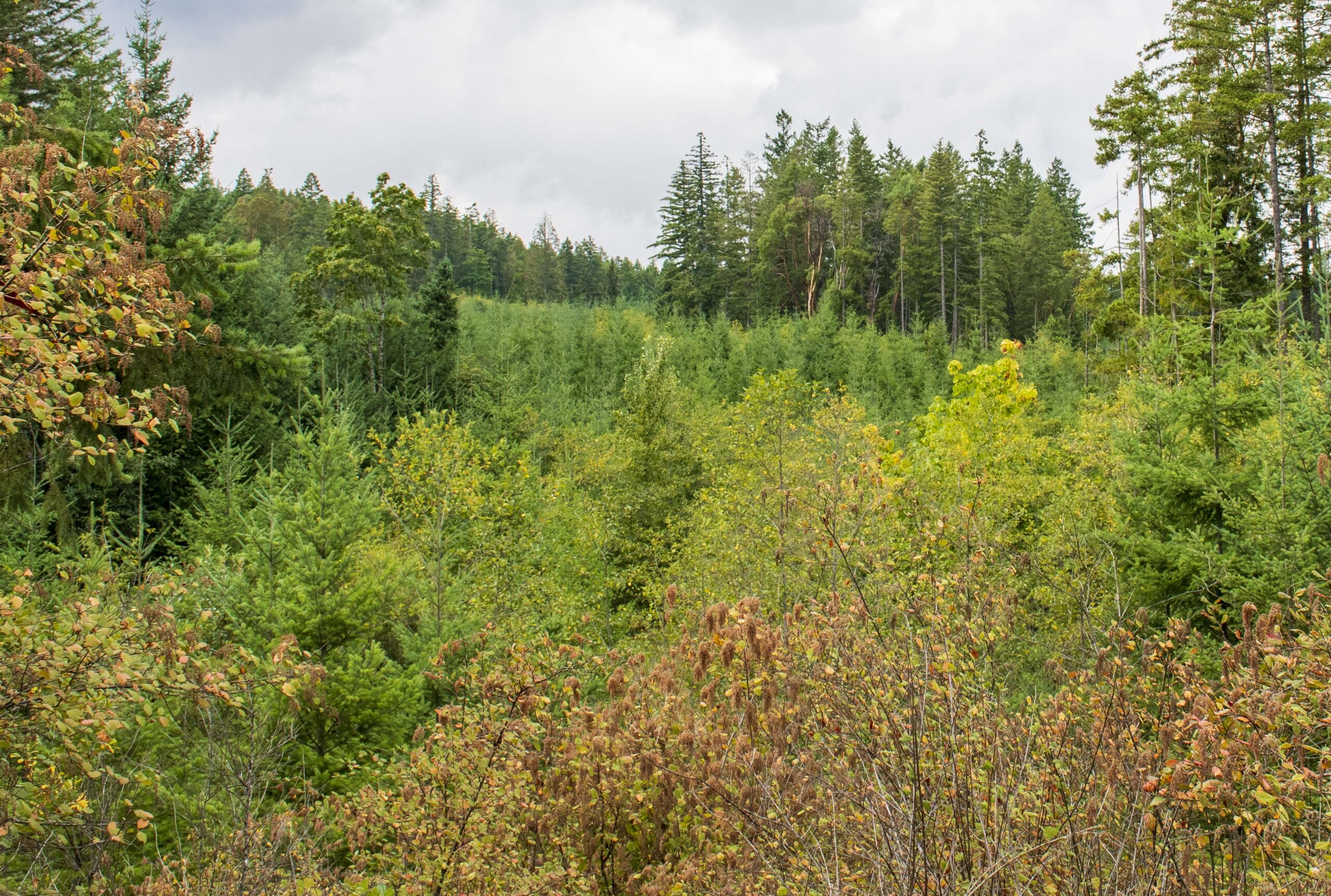 A First Nation in north-central B.C. says it is banning the use of herbicides across all of its territory, which includes Prince George and the Robson Valley. The Lheidli T’enneh First Nation says the ban is being put into place because of the negative impacts herbicides, and glyphosate in particular, have had on the environment and wildlife for which they are stewards. “It is our duty to disallow toxic chemicals in our territory that reduce biodiversity and have negative impacts on our members’ health, wellbeing and the environment where we exercise our living rights and traditions,” Lheidli T’enneh Elected Chief Dolleen Logan said in a statement. She also says the nation expects both government and private industry workers operating in the region to adhere to the ban. It was not immediately clear if the ban would also apply to private and municipal property. More details coming Tuesday morning.
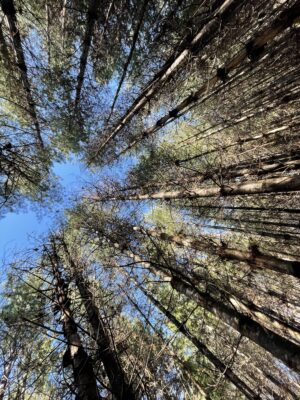 The new allowable annual cut (AAC) for Tree Farm Licence (TFL) 49 near Vernon has been chopped. The cut, which is the maximum amount of timber that can be harvested each year, is now 150,500 cubic metres, and takes effect immediately. That’s a 26.2% reduction from the previous AAC. “That decision reflects a return to sustainable harvest levels following wildfire impacts in 2021 and 2023,” said the
 The return of cold and snow at the close of the year typically signal the end of the wildfire season. …Zombie fires, sometimes betrayed by a plume of steam emerging from the bubbling ground in the frozen forest, were once a rare occurrence in the boreal regions that stretch across the far north through Siberia, Canada and Alaska. But in a rapidly heating world, they are becoming increasingly common. The overwintering burns are small – and often hard to detect – but they are transforming fires into multi-year events. …“It is a massive problem,” says Lori Daniels, a professor at the University of BC. Current estimates show that only about 15% of the northern hemisphere is underlain by permafrost, yet these frozen soils contain roughly twice as much carbon than is now in the atmosphere. By burning slowly and at a lower temperature, they release vastly more particulate pollution and greenhouse gas emissions than flaming fires.


 The crowd stretched from the doors of City Hall to the Ward Street sidewalk in Nelson to hear guest speaker David Suzuki and other forest ecology advocates at a rally held Nov. 18 in Nelson. …The Broken Promises rally was held simultaneously in Nelson, Victoria, Vernon, Revelstoke, Smithers, Courtenay, Parksville, and Powell River to protest what is seen as provincial government backtracking on the protection of old growth forests, biodiversity and watersheds, and continuing with timber volume as the only priority. …Speaker Suzanne Simard said failure to use that foresight, to respect all life and give back more than we receive, has resulted in climate change, biodiversity loss, and land degradation. …She said the province should stop clearcutting and creating tree plantations that are flammable and subject to erosion. …Slocan Valley ecologist and forester Herb Hammond spoke about secondary forests… That’s where we should get our wood and our employment…
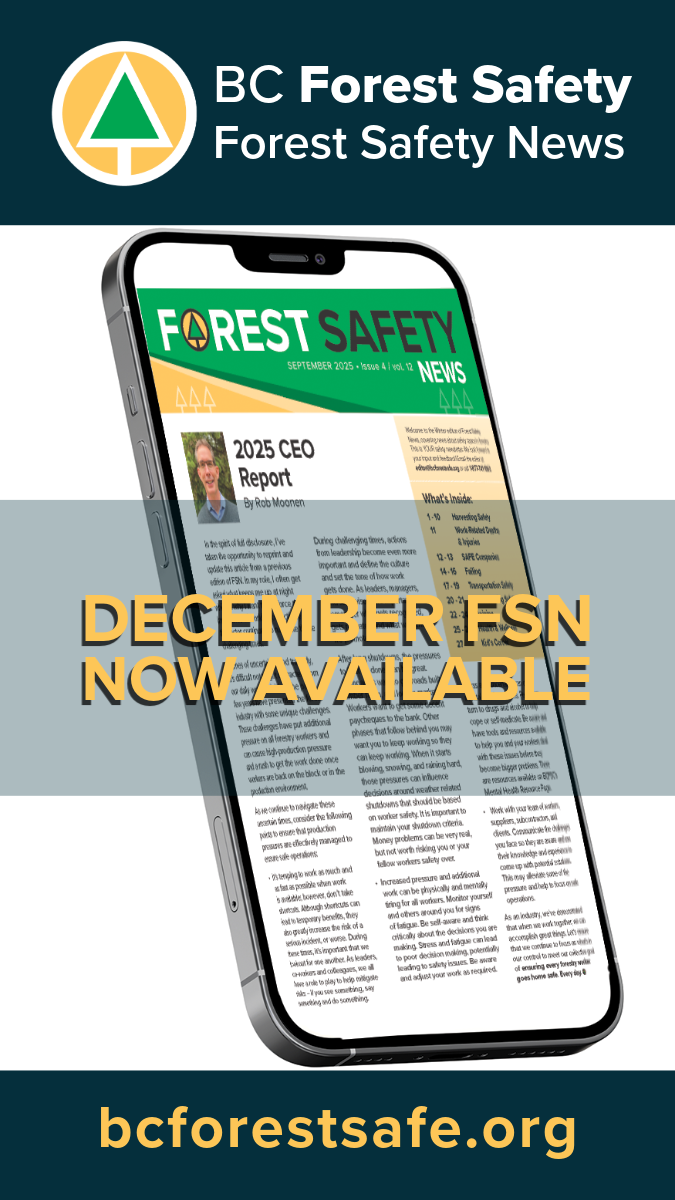 The December issue of Forest Safety News is here, bringing timely insights and practical tools for safer forestry work this winter. One standout feature explores how RPAS drones are transforming field safety, reducing worker exposure during steep-slope layout, post-fire assessments, and difficult terrain navigation. It’s a look at technology that’s not just impressive — it’s making real crews safer in real time. This issue also recaps the 18th Annual Vancouver Island Safety Conference, where powerful keynote speakers shared stories of perseverance, leadership, and the importance of mental and physical well-being. The message was clear: safety culture is built person by person, conversation by conversation. You’ll also find a useful update on winter driving and hauling preparedness, including tips for planning routes, managing changing conditions, and supporting drivers during the toughest season of the year. Packed with practical advice, inspiring stories, and forward-looking innovations, this issue offers a strong finish to 2025 for BC’s forest sector.
 WorkSafeBC is holding a virtual public hearing on
  In this newsletter you find these stories and more: