
Christine Gelowitz
Wildfires may fade from view in the fall, but the danger — and need for action — remains. More than 880,000 hectares burned in B.C. this year; that’s 75 per cent higher than the 20-year average. With the likelihood of more extreme fire seasons ahead, work to prepare for and mitigate the wildfire risk needs to happen year-round, not just when we smell smoke. And registered forest professionals are at the forefront of that preparation.
Earlier this year, the Ministry of Forests provided a $620,000 grant to Forest Professionals BC to expand the role of forest professionals in reducing wildfire risk. The funding is helping strengthen professional standards, develop new training programs, and build a connected community of practitioners who share knowledge and stay current with the fast-changing realities of managing wildfire in forests. …If we want fewer catastrophic wildfire seasons, we need to empower the work guided by forest professionals: fund multi-year treatment programs, fast-track permits for well-designed prescribed burns, reward projects that show measurable risk reduction, and keep the work in the hands of people who are trained, tested, and accountable to the public.
 Was Premier David Eby ever really serious about running anti-American softwood lumber ads? Maybe, briefly, back when nobody cared about $100,000 worth of sponsored content promoting B.C. wood products. But after Ontario’s ads blew up Canada-U.S. trade talks, Eby seemed to realize the true value of his campaign — namely, in not running it at all. On Monday, Eby all but admitted his tough talk over the past 10 days about the urgent need to educate Americans on B.C.’s softwood sector was just leverage to score a meeting with federal cabinet ministers. …The premier had spent several weeks loudly proclaiming that these softwood ads were essential, and that they would go forward regardless of what the federal government thought. …In exchange for backing off his threat, Eby hyped up a “softwood summit” on Monday his government called the “turning point in our fight for forestry workers.”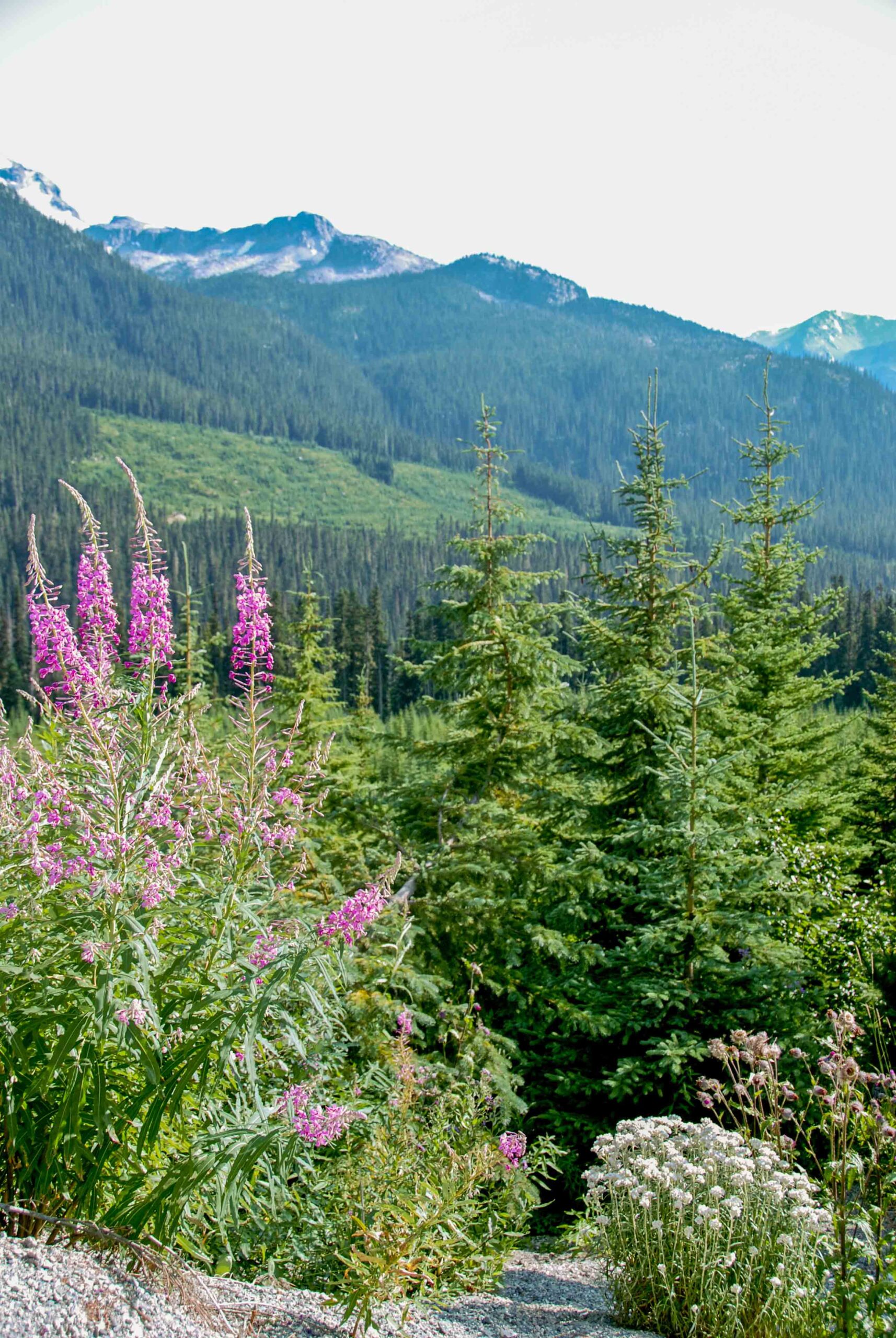
 Uh oh. BC Premier David Eby is about to launch his own anti-tariff advertising campaign aimed at US citizens. Eby said this week he expects ads targeting US lumber penalties to begin airing some time in November. It’s safe to say they will not mention Ronald Reagan. …Eby’s teaser for the BC ad campaign shows stacks of Canadian lumber, overlaid with a simplified graph of “winners” and “losers,” terms US President Trump likes to use. In these ads, the losers are American consumers and the Canadian lumber industry, and the winners are the Russians. “It’s important to speak directly to Americans looking to build homes or renovate,” Eby said. …Eby’s got a better case on lumber trade than Ford has on cars and trucks. US home builders have acknowledged that they can’t produce enough lumber for domestic needs, despite Trump’s claim that the US has plenty of trees.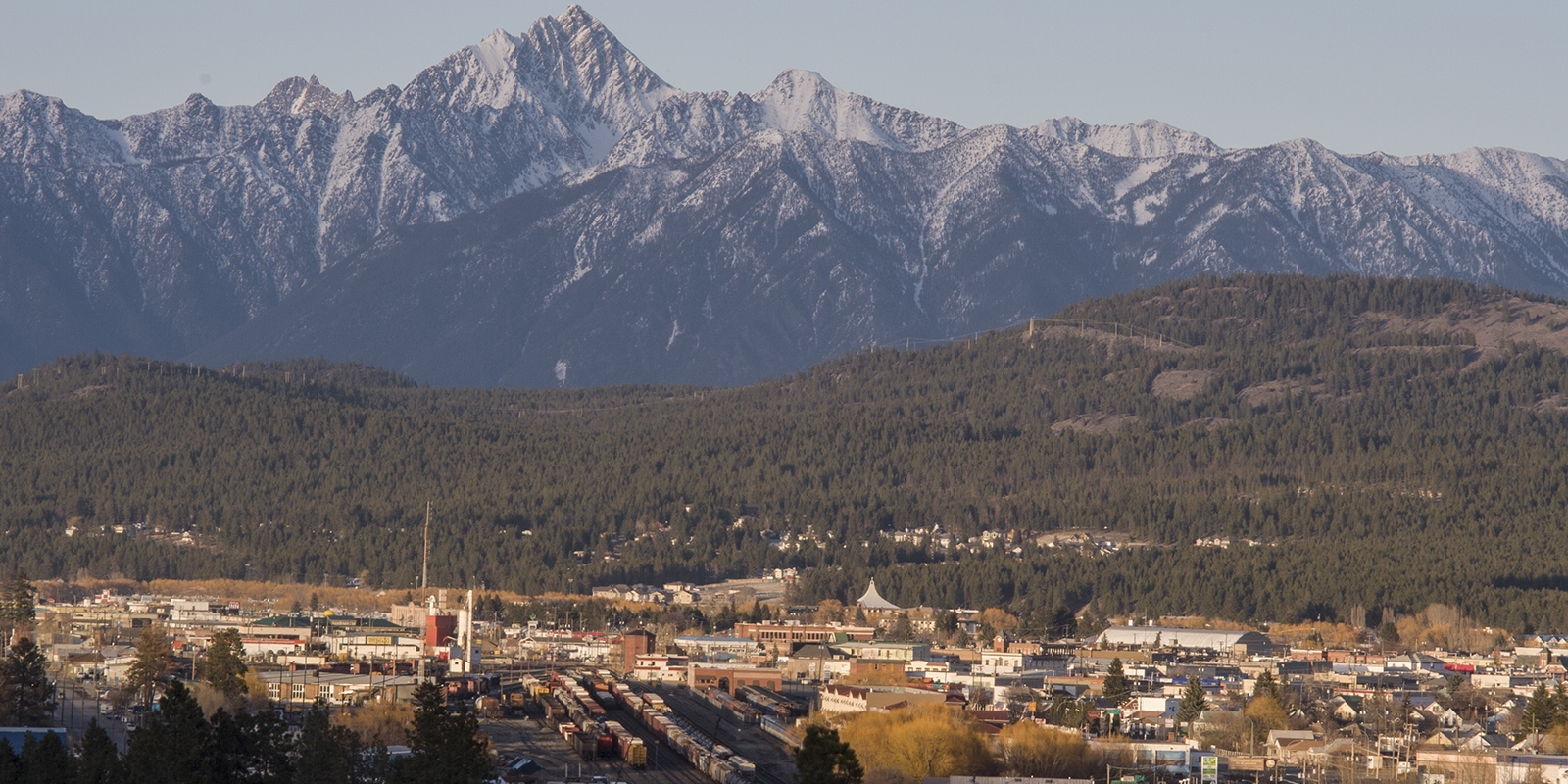

 The BCIT School of Construction and the Environment offers two Associate Certificate programs designed to support workforce development in the North American lumber and sawmill sector:
 SASKATCHEWAN — A massive pile of logs that caught fire Monday morning at the Meadow Lake Mechanical Pulp yard was continuing to burn Tuesday, and fire crews say the blaze won’t stop anytime soon. “It’s actually probably going to burn for at least a week, maybe longer, just due to the amount of material burning,” Meadow Lake fire department Chief Joe Grela said. …“We’re probably talking about 100,000 cubic meters of logs here, so quite an immense material,” Grela said. The company that owns the mill, Domtar, said the destruction of the wood is a huge loss. …”It’s always unfortunate when something like this happens, but it’s particularly unfortunate at a difficult time for the sector across the country.” The mill’s wood room was shut down as firefighters kept an eye on the smouldering logs. The fire department said the rest of the mill was running as usual.
 Efforts are underway to diversify and strengthen British Columbia’s forestry sector with a new office in London, England. The office will be a hub for BC’s forestry sector to expand its market share across Europe and the United Kingdom. “British Columbia is the second largest exporter of softwood lumber in the world, and with US President Trump’s continued attacks on our forestry workers and economy, we are not sitting idly by,” said Ravi Parmar, Minister of Forests. BC’s Crown corporation, Forestry Innovation Investment (FII), will be expanding its presence to the U.K. to work with the forestry industry there, around Europe, and eventually, select markets in the Middle East and northern Africa, to grow BC’s forestry sector footprint internationally. This new office will give B.C.’s forestry sector a representative to help expand growing wood markets in the UK and Europe. …This is the newest FII office, joining offices in China, India and Vietnam, and industry-led offices in Japan and South Korea.



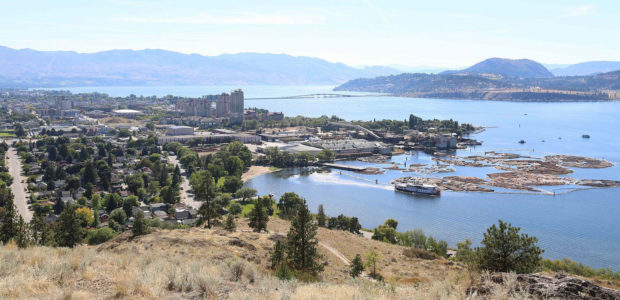

 British Columbia’s forest sector is at a crossroads — facing tough challenges, but also leading the way in solutions that matter most to our province: housing, wildfire resilience, reconciliation, and sustainable economic growth. At the 2026 COFI Convention, leaders from across industry, government, and Indigenous and community partners will come together to rebuild competitiveness and chart the future of a strong, sustainable forest sector. Join us in Vancouver for the largest forest sector gathering in Western Canada. April 8 – 10, 2026 at the JW Marriot Parq Vancouver
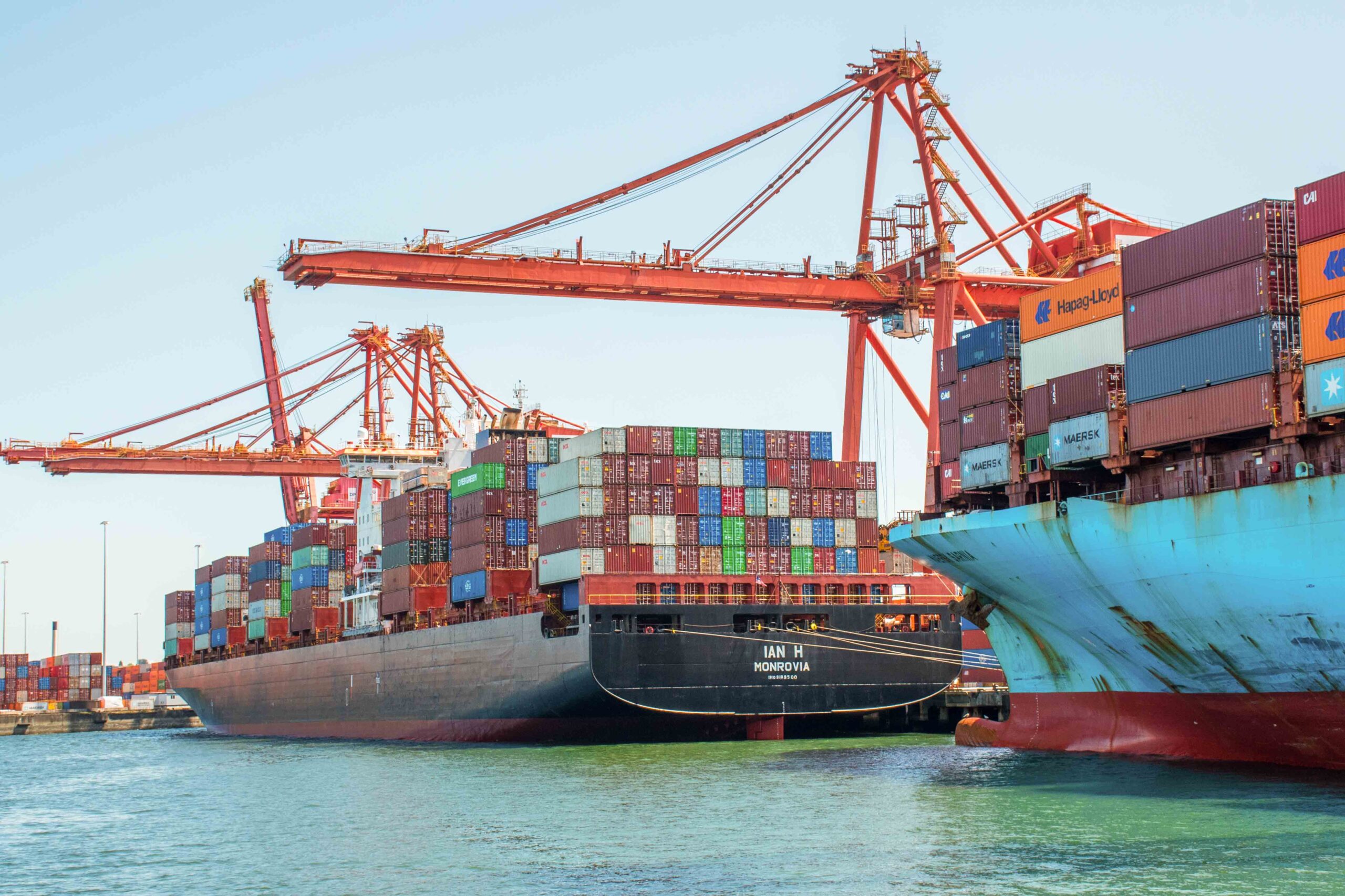 Canada’s merchandise exports fell by three per cent in August to a seasonally adjusted $60.5 billion. This was the second lowest month of the year after April as sales to the U.S. retreated. Imports rose by 0.9 per cent to a seasonally adjusted $66.9 billion during the month. Consequently, the trade deficit grew to $6.3 billion, down from a revised $3.8 billion in July. …The decline was led by a 21.2 per cent drop in forestry products and a 12.5 per cent decline in energy products. The steep decline in forestry products in August 2025 followed the increase of anti-dumping and countervailing duty rates on Canadian softwood lumber that took effect in the U.S. in late July and early August. Section 232 tariffs on lumber in effect in October will be a further headwind. …Year-to-date exports are down slightly (-0.1 per cent) with lower forestry products and building and packaging materials exports (-6.1 per cent)


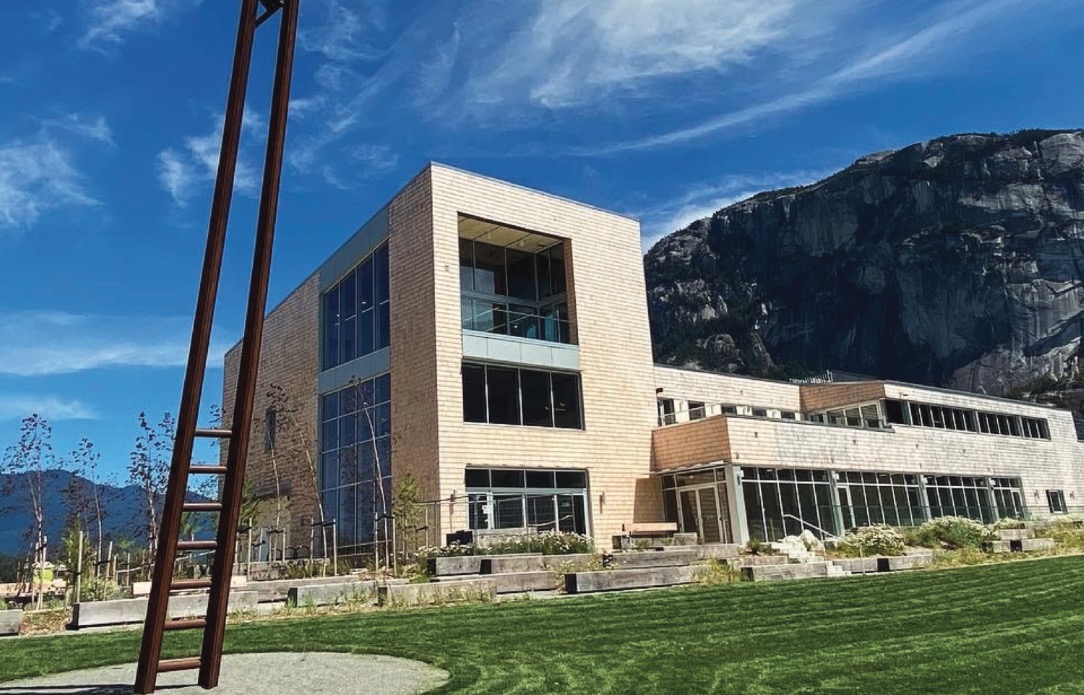 At the recent 2025 Vancouver Regional Construction Association (VRCA)
 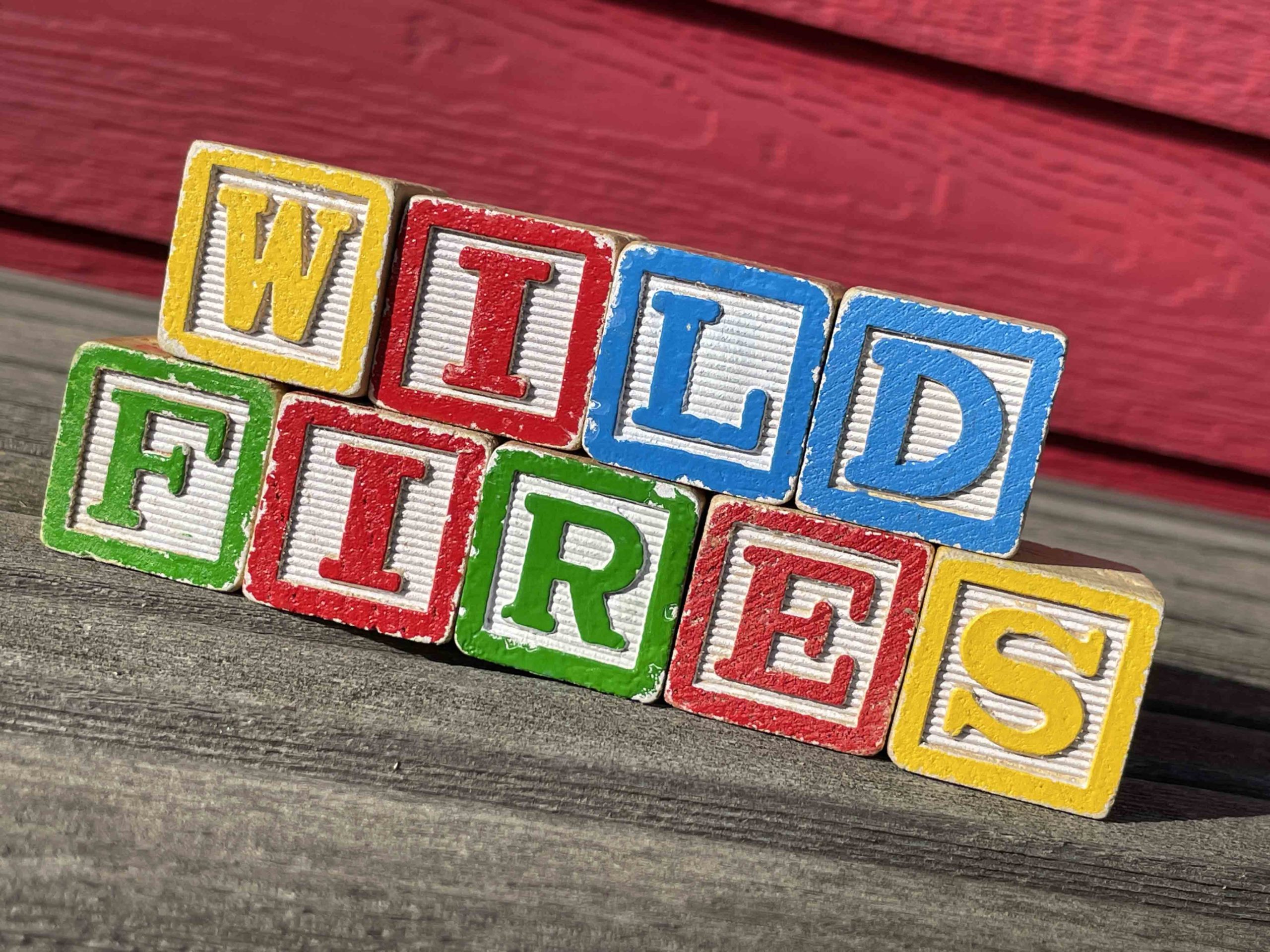 Campbell River council has given the green light to the fire department to apply for a $419,000 grant through the Union of British Columbia Municipalities. This funding will help mitigate wildfire risks within the city over the next five years. Fire Chief Kelly Bellefleur and Assistant Fire Chief Stephanie Bremer told council the grant will be used to develop a new Community Wildfire Resiliency Plan (CWRP) with a more comprehensive, science-based framework. It will assess current wildfire risks in the city, identify priority treatment zones, and establish a five-year framework for wildfire mitigation and community preparedness. The grant will also help the city upgrade the fire department’s capacity to fight wildfires by purchasing a Type 2 Structure Protection Unit, a mobile trailer equipped with pumps, hoses and sprinklers designed to protect multiple structures during a wildfire, among other priorities.
 Alberta’s wildfire season unofficially came to an end Oct. 31, though there are still 30 burning. Since the season began on March 1, there have been 1,245 wildfires across the province. Nearly 682,000 hectares were scorched—slightly less than 2024 (705,621) and much less than 2023 (2,212,399). The Calgary Forest Area had 63 wildfires that burned around 35 hectares—the lowest number compared to the other zones in the province. The Slave Lake Forest Area was the most damaged, with more than 379,000 hectares burned from 214 wildfires. The moderate fire season around Calgary was thanks to normal temperatures from June to August, with a warmer May and September. The rain also kept fires at bay with the third-wettest July on record in Calgary. According to Environment and Climate Change Canada, there were 110 hours of smoke this year. “This is not a lot compared to most of the recent years,” said Natalie Hasell, ECCC warning preparedness meteorologist.

 On Friday, October 17, the Ministry of Forests, through the Value-Added Accelerators, in partnership with the BC First Nations Forestry Council, the Council of Forest Industries, and the BC Value-Added Wood Coalition, hosted the Coastal Currents Regional Fibre Flow Forum in Richmond. Coastal Currents was designed to bring together stakeholders from across the coastal region to share insights, discuss fibre flow challenges and opportunities, and foster connections that support business development. Modeled after successful regional forums such as Roots in the Koots (Nelson), the Robson North Thompson Forestry Coalition, and the Northwest Fibre Symposium (Terrace), this event focused on collaboration within a specific geographic area to strengthen the value-added wood sector. The response was overwhelming, the session sold out, welcoming over 70 participants with strong representation from both the value-added and primary sectors.
 BANFF – Most of the homes destroyed by the destructive Jasper wildfire were in neighbourhoods with many combustible roofs, highly flammable conifer trees and woody vegetation close to buildings after embers showered down on the national park townsite. That’s according to one of two independent Parks Canada-commissioned reports released last week, which examined the devastating wildfire in Jasper in July 2024 that destroyed 358 buildings – approximately one-third of the national park townsite. …“Once structures ignited, strong winds drove fire growth through densely-built up neighbourhoods, with structure to structure ignition dominating the spread,” according to the 71-page report by FP Innovation Wildfire Operations. “In the areas surrounding the townsite, continuous fuel pathways were often present between the wildland and structures. Consequently, a high proportion of ignitions were likely caused by direct flame contact and radiant heat emanating from burning wildland fuels. …The findings in FP Innovation’s report, said Martens, reiterate that “FireSmart works.”
 Since its inception almost 10 years ago, the Forest Enhancement Society of BC (FESBC) has been guided by a simple but powerful principle: collaboration drives impact. …Partnering with First Nations organizations has also deepened our understanding of how traditional knowledge can guide projects with a generational focus. This approach has helped foster greater Indigenous participation and leadership within forestry, contributing to a more inclusive and sustainable future. …Together, we are investing in projects that help create healthier, more productive and resilient forests for the future, and we are also strengthening the relationships that help make it all possible.
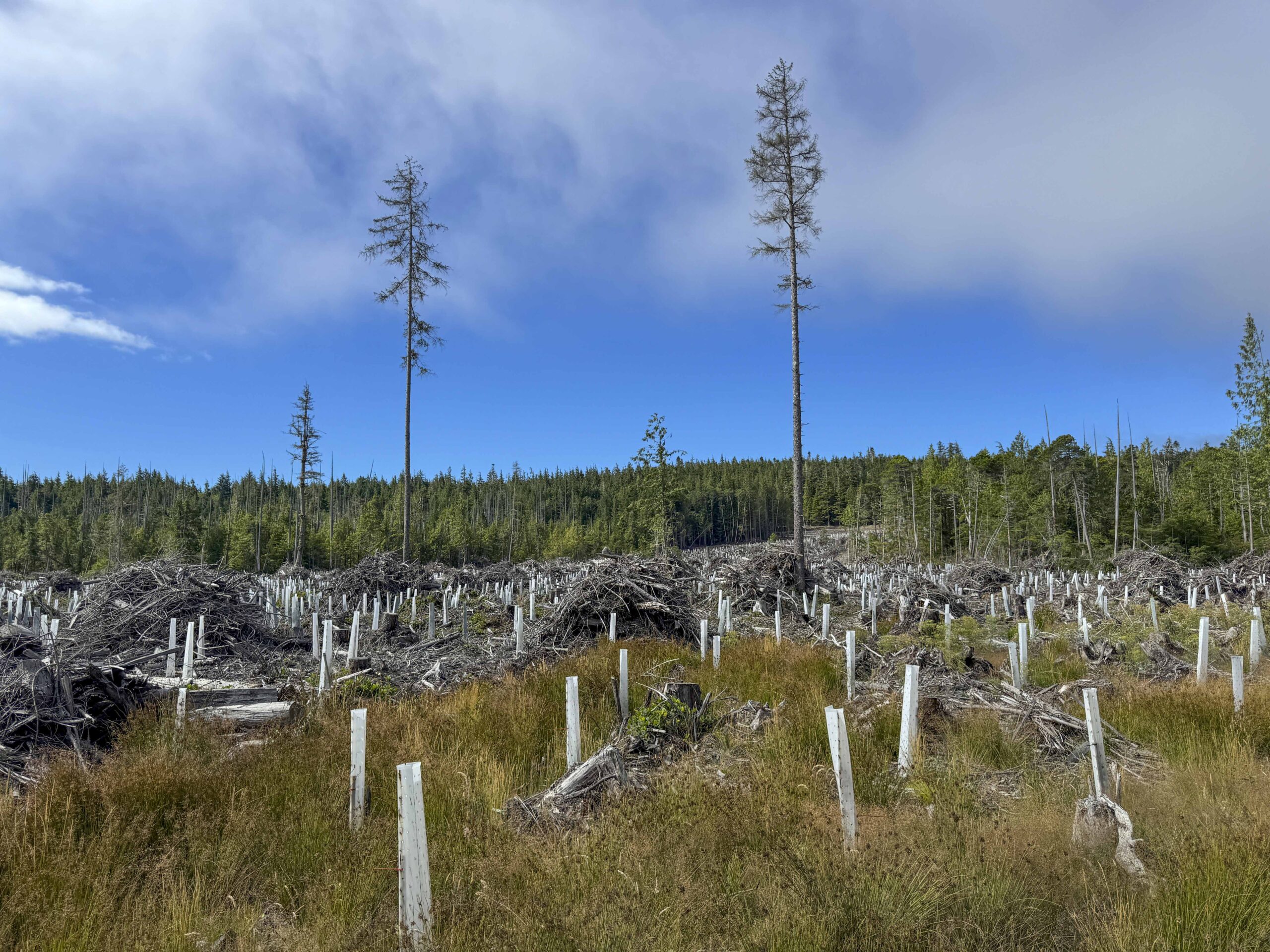
 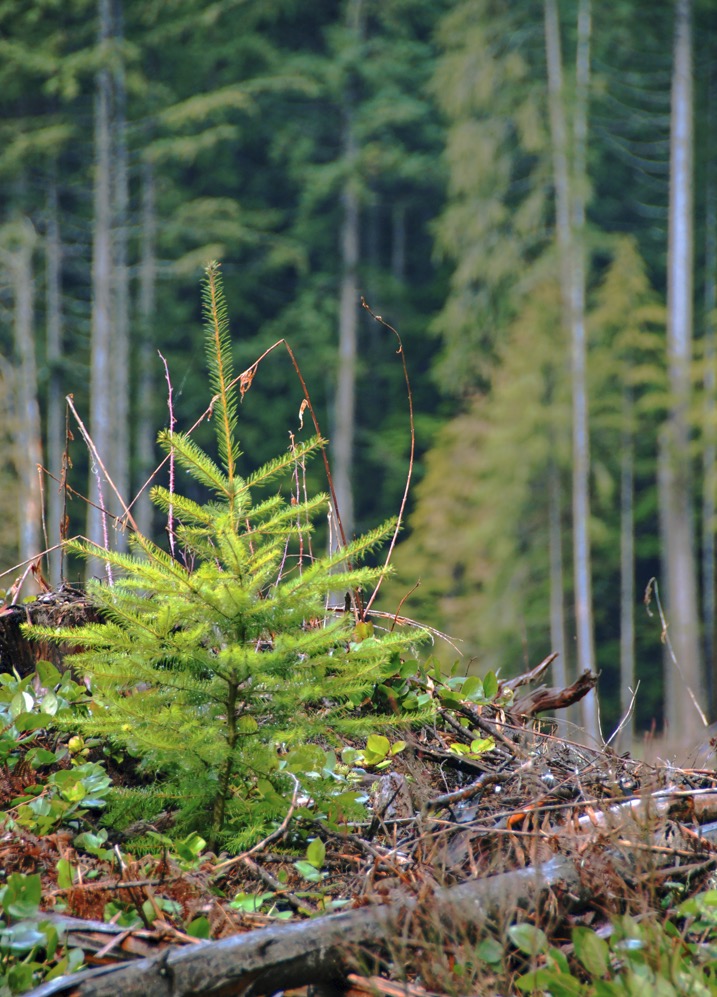 As wildfires continue to devastate communities across North America, it’s time we confront a hard truth: neglecting the forests that surround our towns is no longer an option. …Silviculture — the science of managing forest growth, composition, and health — is not just a tool for local timber production. It’s a vital strategy for climate resilience and community safety. Through practices like selective harvesting, thinning, and replanting, silviculture reduces fuel loads, promotes biodiversity, and maintains the ecological balance necessary to prevent catastrophic fires. Critics often question the ethics of cutting trees in the age of climate change. But when done responsibly, harvesting followed by replanting can actually enhance carbon sequestration. …Moreover, strong forest management isn’t just about trees — it’s about people. …Let’s stop treating forest management as a luxury or a controversial topic. It’s a necessity. Investing in silviculture is investing in the safety, sustainability, and future of our communities.
 In response to the article, “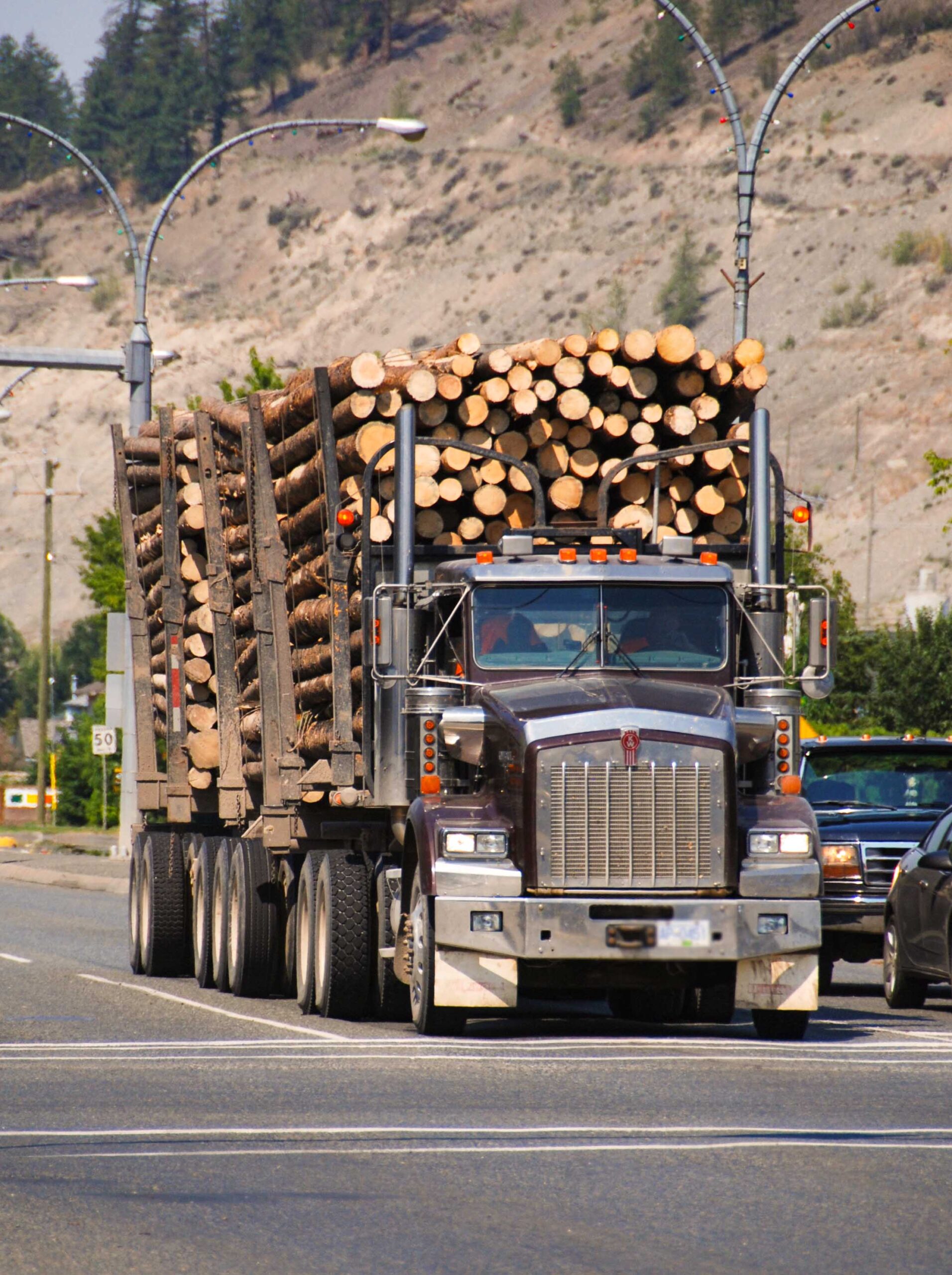
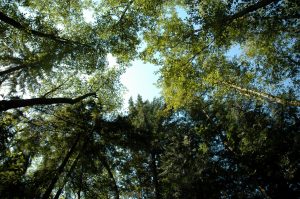 QUESNEL, BC — Given what’s going on around the world, it’s easy to understand why more areas in BC are taking a closer look at the Community Forest form of log harvesting tenure. It returns the management and responsibility for small, designated areas of forest land back into the hands of appointed people who live, work and care about them. Some control of what happens to and on the forest land in their own back yard has a growing appeal to its residents. …A community forest attempts to better accommodate other land users. …Co-operating with others as one cohesive unit becomes the catalyst for achieving dynamic, site specific land use solutions. It’s challenging but exciting work. It requires administering a cocktail of flexibility and responsiveness. Nick Pickles understands all that. It’s part of the appeal to being manager of the Three Rivers Community Forest based in the Cariboo region.
 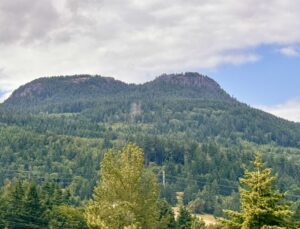 North Cowichan Mayor Rob Douglas has, again, sent a letter to Minister of Forests Ravi Parmar asking the province to help increase the amount of timber that the municipality’s saw and pulp mills have access to. Douglas said that three tree-farm licenses held by Western Forest Products supply much of the timber and fibre for local mills. He said that improving access to timber in these areas could help stabilize mill operations and reduce the impact of challenging market conditions and trade pressures. Douglas said Parmar’s mandate is to ensure a sustainable land base to enable the harvest of 45-million cubic metres of timber while the province is on track to harvest only 29-million cm this year. …The Domtar pulp mill in Crofton, along with Western Forest Products’ sawmills and remanufacturing plant in Chemainus and Cowichan Bay, collectively employ more than 670 workers and generate $7.7 million per year in property taxes for North Cowichan.
 The TLA commends the Provincial Forest Advisory Council (PFAC) for its ongoing work to develop a long-term vision for BC’s forest sector, and
  The Province is making 187 amendments to 38 regulations across 10 ministries to reduce red tape, improve permitting timelines and make government services more efficient and accessible. This work is part of Better Regulations for British Columbians (BR4BC) amendment package… This year’s focus is on expediting permitting and approval timelines for people and businesses in British Columbia. By streamlining approval processes, such as removing construction permit requirements for very small private water systems, simplifying the level of authority needed for special-use forestry permits, and eliminating outdated provisions related to soil relocation and open burning activities, the Province is making it easier to do business in B.C.
 Backgrounder: On October 24, 2025, the Honourable Rebecca Chartrand, Minister of Northern and Arctic Affairs, on behalf of the Honourable Tim Hodgson, Minister of Energy and Natural Resources,
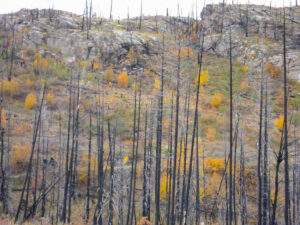 For the Northwest Territories government’s 2024 Forest Health Report, published last month, researchers were only able to survey about one third of the area they would normally study. Smoke from nearby wildfires reduced visibility for crews on the ground and in the air, making it difficult for researchers to do their work. Even so, one of the report’s findings is the sheer impact of a drought that has covered much the NWT since June 2022 – and its effect on forests. Of about four million hectares of forest surveyed by researchers in 2024, more than 220,000 hectares showed stresses from either the ongoing drought or the high water of 2020 and 2021, the report asserted. Because the survey work was limited by factors like smoke, researchers think the real extent of the issue “is likely substantially larger.” …Drought can contribute to tree and plant mortality, which in turn creates fuel for wildfires.
 VANCOUVER, BC – NorthX Climate Tech (NorthX), a BC-based innovation catalyst backing the builders of Canadian climate hard tech, today launched a funding opportunity for Canadian wildfire technologies. Through the 2025 Wildfire Tech Call for Innovation, NorthX will provide up to $3 million in non-dilutive investments to Canadian companies developing advanced technologies that prevent mega wildfires, enhance firefighting response, and support faster recovery. “With each passing year, wildfires are posing an ever-growing threat to communities across Canada,” said Sarah Goodman, President & CEO of NorthX. “In response, NorthX led the way with Canada’s first wildfire innovation call in 2024. This new round builds on that success, backing Canadian innovators developing the tools to fight fires, cut emissions, and protect lives.” …Founded in 2021 with an initial investment from the Government of Canada, the BC Government, and Shell Canada, NorthX Climate Tech (NorthX) is a catalyst for climate action…

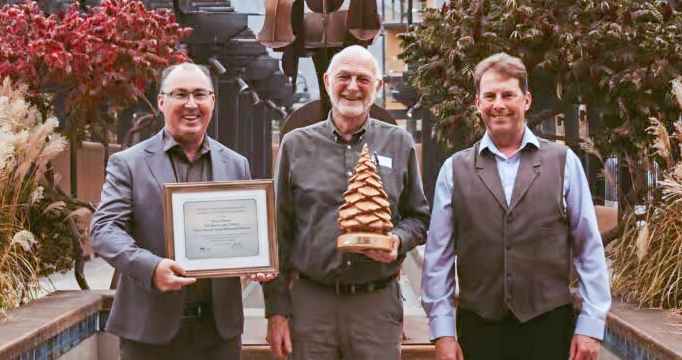
 CAMPBELL RIVER – The Forest Practices Board will conduct an audit of Aat’uu Forestry Limited Partnership’s Forest Licence A19236 in the Campbell River Natural Resource District of the North Island Timber Supply Area, starting Monday, Oct. 20, 2025. The audit will examine whether forestry activities carried out between Oct. 1, 2023, and Oct. 24, 2025, comply with the Forest and Range Practices Act and the Wildfire Act. …Forest Licence A19236 is held by Aat’uu Forestry Limited Partnership, a company owned by the Ehattesaht First Nation, and is managed by Strategic Natural Resource Group from its Campbell River office. The licence covers an operating area of about 60,000 hectares, of which Aat’uu currently manages an allowable annual cut of approximately 50,000 cubic metres. The audit area is on the west coast of Vancouver Island, about 70 kilometres south of Port McNeill, near the community of Zeballos, within Ehattesaht territory and neighbouring territories of the Nuchatlaht and Ka:’yu:’k’t’h’/Che:k:tles7et’h’ Nations.
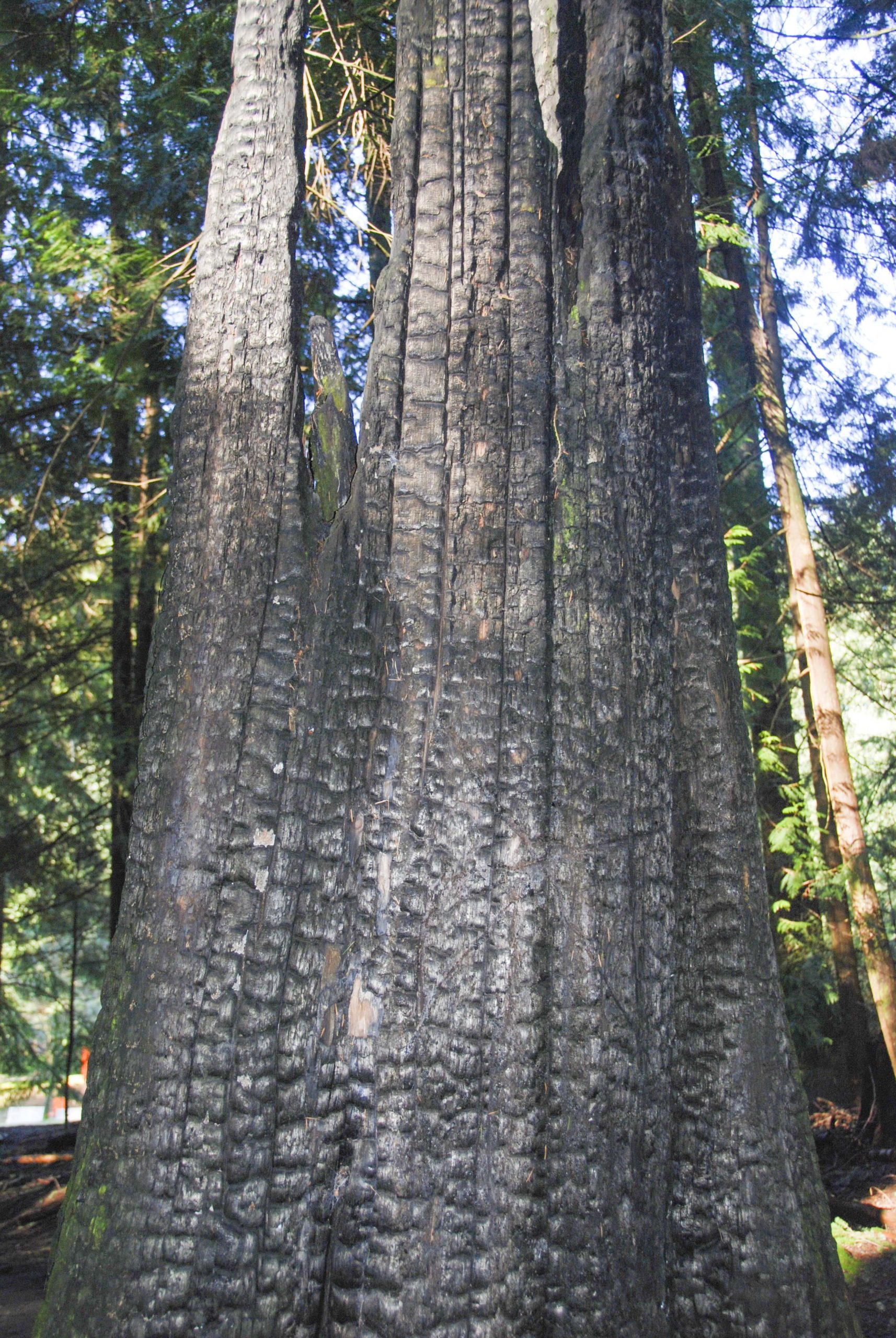 Two new reports on the July 2024 devastating wildfire in Jasper, Alta., confirm the blaze was caused by lightning and accelerated by “tornado-force fire-generated” winds and dry conditions. The fire — three separate blazes that merged into one — destroyed a third of the community’s structures. It forced 25,000 residents and displaced an estimated 2,000 people. The reports, commissioned by Parks Canada, say efforts to reduce fuel for wildfires, including prescribed burns, helped mitigate the blaze. But one of the reports, which looks at how the fire formed and developed, says more burns and other attempts to reduce fuel would have been beneficial, since the fire began in an area south of town that had not burned or been treated in over a century. …The reports come after the town published its own fire report earlier this year, leading to controversy with the province as it said Premier Danielle Smith’s government caused command challenges in the fire response.
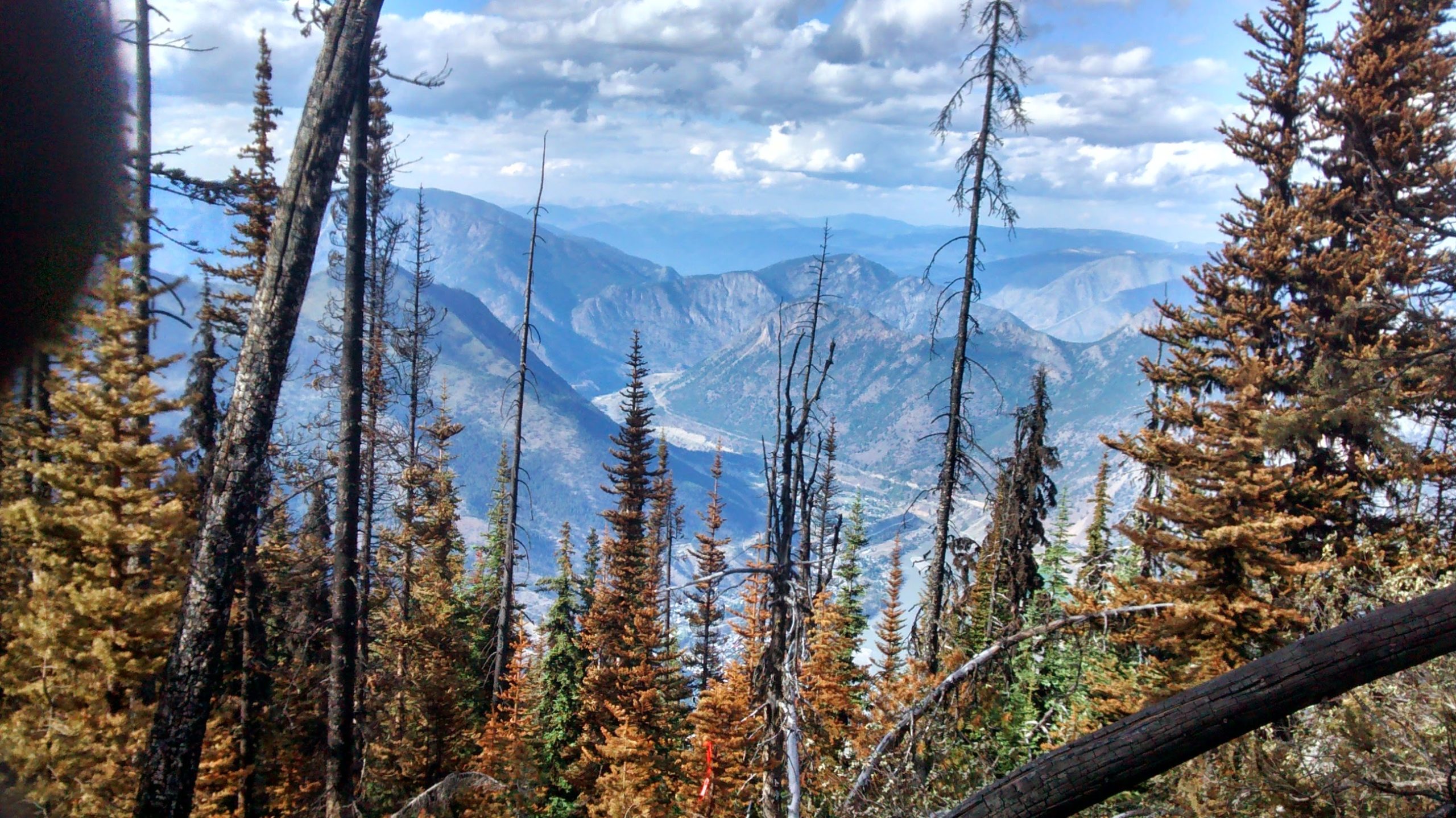 The Northwest Territories could see more difficult wildfire seasons ahead – all the way into the next century, according to recent research. One
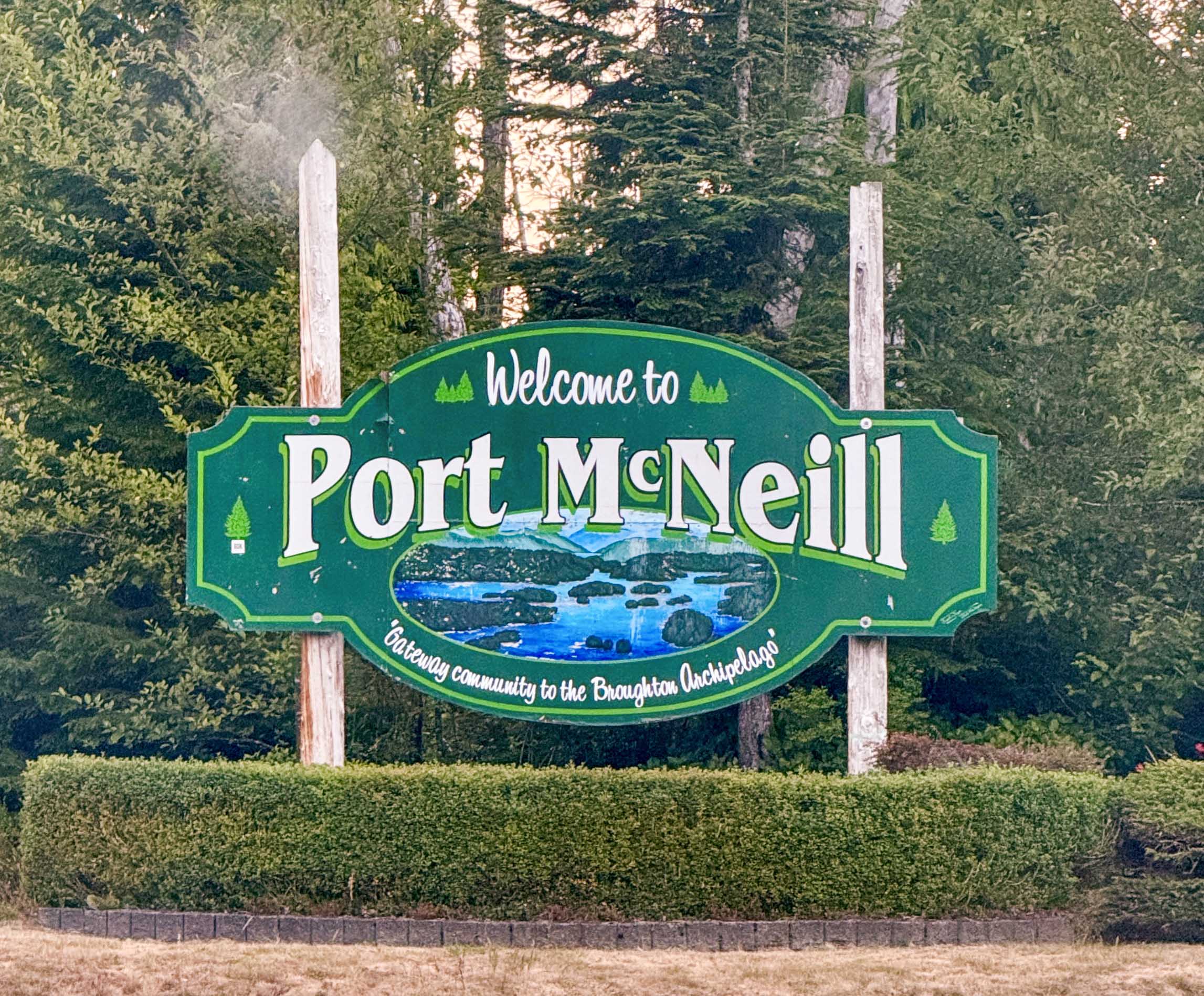 The Forest Practices Board, an independent watchdog, is set to conduct an audit on a forestry operation near Port McNeill. The Aat’uu Forestry Limited Partnership’s Forest Licence A19236 in the Campbell River Natural Resource District of the North Island Timber Supply Area is the subject of the audit, starting on Oct. 20. “The audit will examine whether forestry activities carried out between Oct. 1, 2023, and Oct. 24, 2025, comply with the Forest and Range Practices Act and the Wildfire Act,” reads a press release from the Forest Practices Board. “Activities subject to audit include timber harvesting; road and bridge construction, maintenance, and deactivation; silviculture; wildfire protection; and related operational planning.” The Aat’uu Forestery Limited Partnership is a company owned by the Ehattesaht First Nation. It is managed by Strategic Natural Resource Group from an office in Campbell River.
 The BC Forest History Association is pleased to welcome Dr. Barry Cooke, Research Scientist with the Canadian Forest Service, as our second speaker of 2025. Dr. Cooke is one of Canada’s leading experts on modeling insect outbreak processes and patterns, with more than 30 years of experience studying spruce budworm population dynamics and forest insect ecology. He has authored over 90 scientific publications, advancing our understanding of budworms, beetles, and other major forest pests through spatial simulation modeling. Join us for this free online presentation, “A History of Debate on Budworms: A BC Perspective.” Tuesday, October 21st 2025 – 7:00 to 8:00 PST
  Canada’s vast forests are the envy of much of the world, but they’ve seen brighter days. Our changing climate has beckoned wilder wildfires, disease and drought. And after decades of cutting big and fast to maximize profits, the country’s logging industry is in freefall. But there’s opportunity in crisis — or that’s the bet some First Nations in British Columbia are making. …“Now we’re dealing with a lot of scrub in that corner that we didn’t get to before,” Garry Merkel, a professional forester and a member of the Tahltan Nation. …In Manitoba, the forestry industry watched this summer as profits went up in smoke. Devastating fires burned more forest in logging areas than any year in recorded wildfire history, according to an analysis by Manitoba reporter Julia-Simone Rutgers. And forestry companies are “scared to death,” said.


 See these stories and more in the October newsletter: As we mark Manufacturing Month and Ergonomics Month, we’re highlighting ways employers can help keep workers safe.
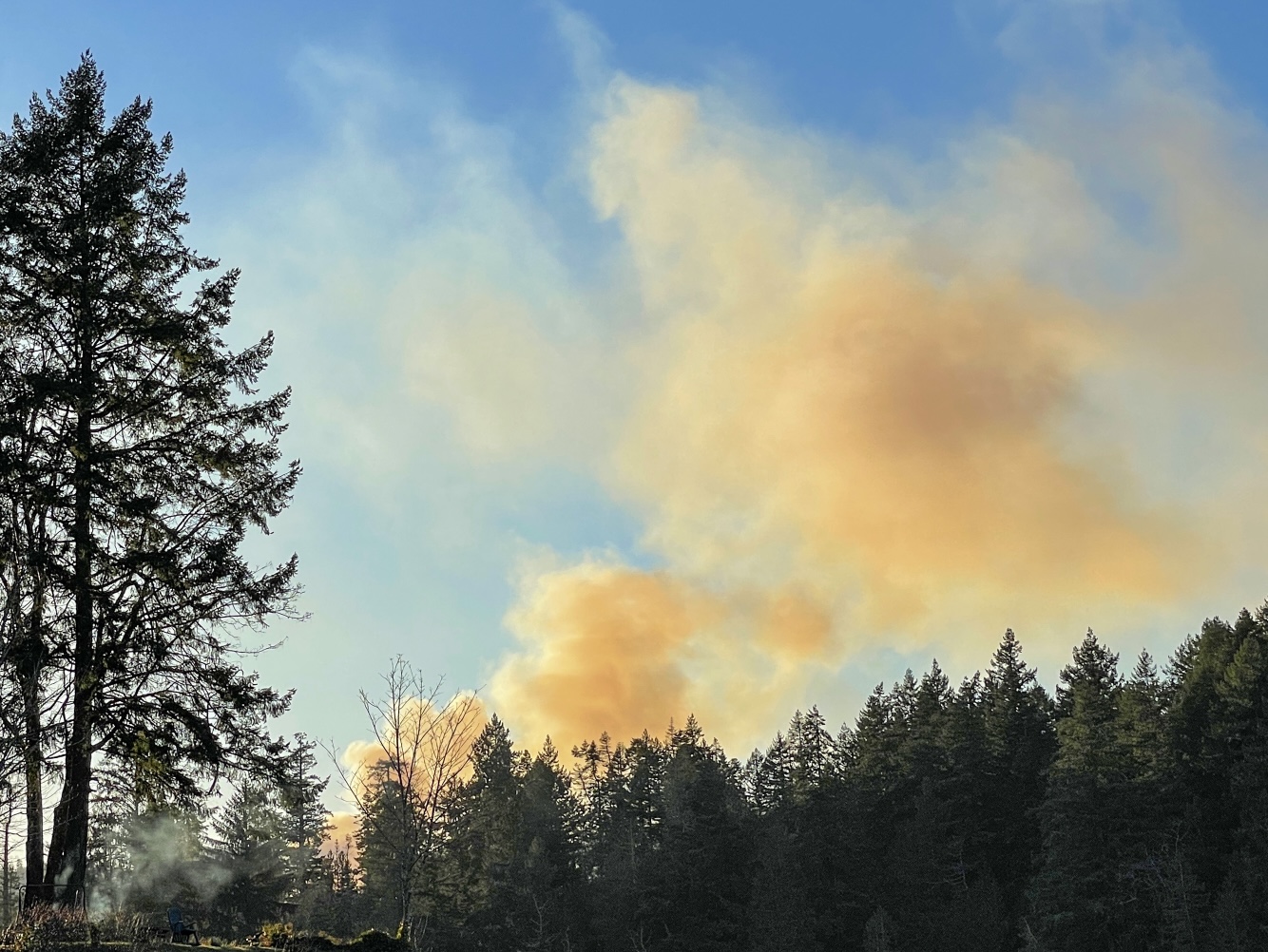 There’s been a cool edge to the air the last week or so. You may have noticed something else in the air, too — smoke. Unfortunately for those with health conditions like respiratory problems and heart disease, and for those who don’t want to develop them, two jurisdictions in the Cowichan Valley still allow at least some backyard burning, and wood burning appliances are still common everywhere in the Cowichan Valley Regional District. The Town of Ladysmith, City of Duncan and Town of Lake Cowichan have completely banned backyard burning. The Municipality of North Cowichan has cut back on what it allows, but there are still large swaths of territory within its boundaries where lighting up a burn pile is still allowed. … Cowichan’s transfer stations accept yard waste free of charge, so people can take their debris there instead of lighting it up. So consider your alternatives, and the people around you before you burn. Smoke travels.
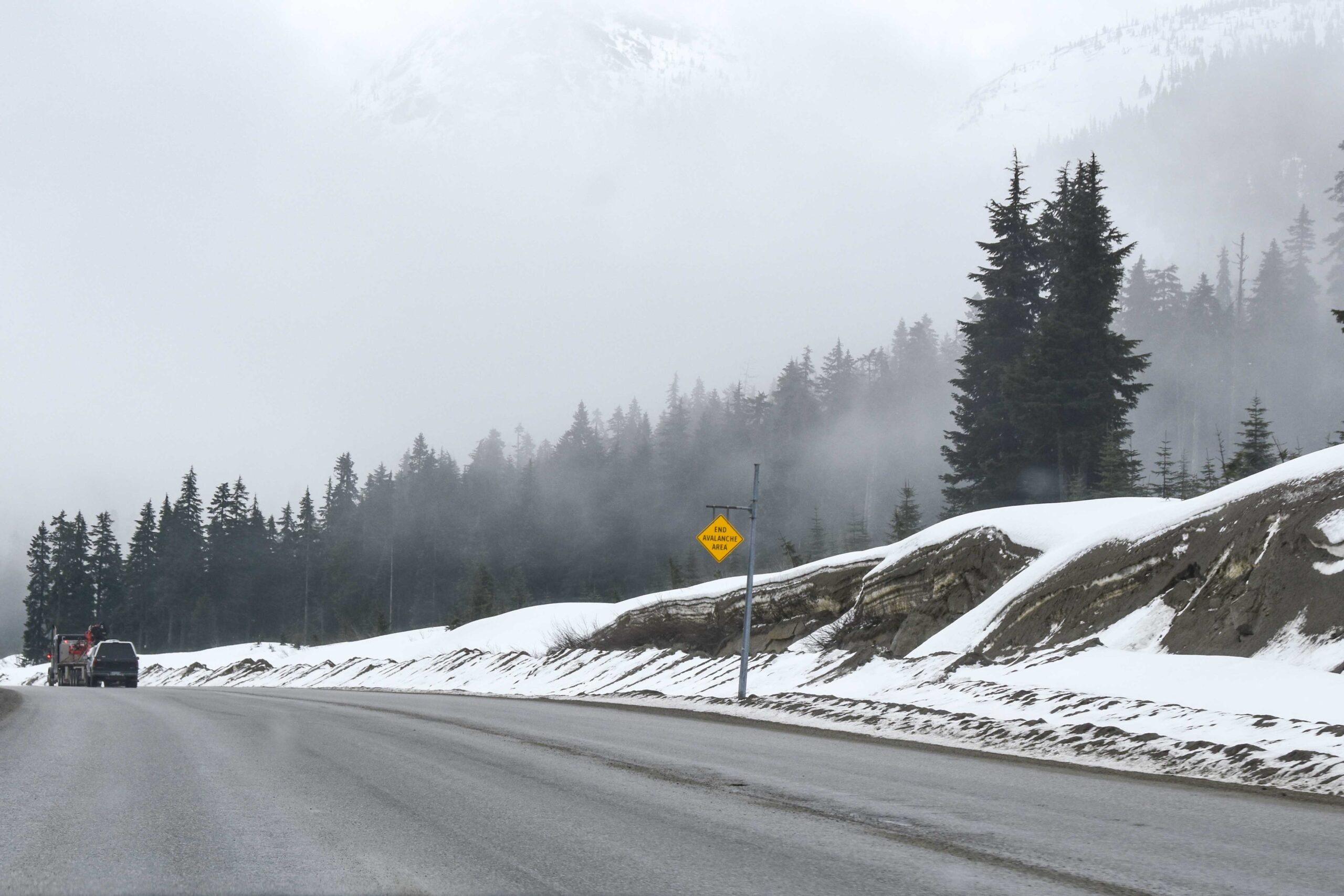 Does your workplace safety program include steps to reduce the risks your drivers face when driving on the job in winter? It needs to. Your safety responsibilities don’t change with the seasons. But you do need to address the additional driving hazards created by winter road and weather conditions. Some of the biggest hazards for log haulers include: