David Elstone
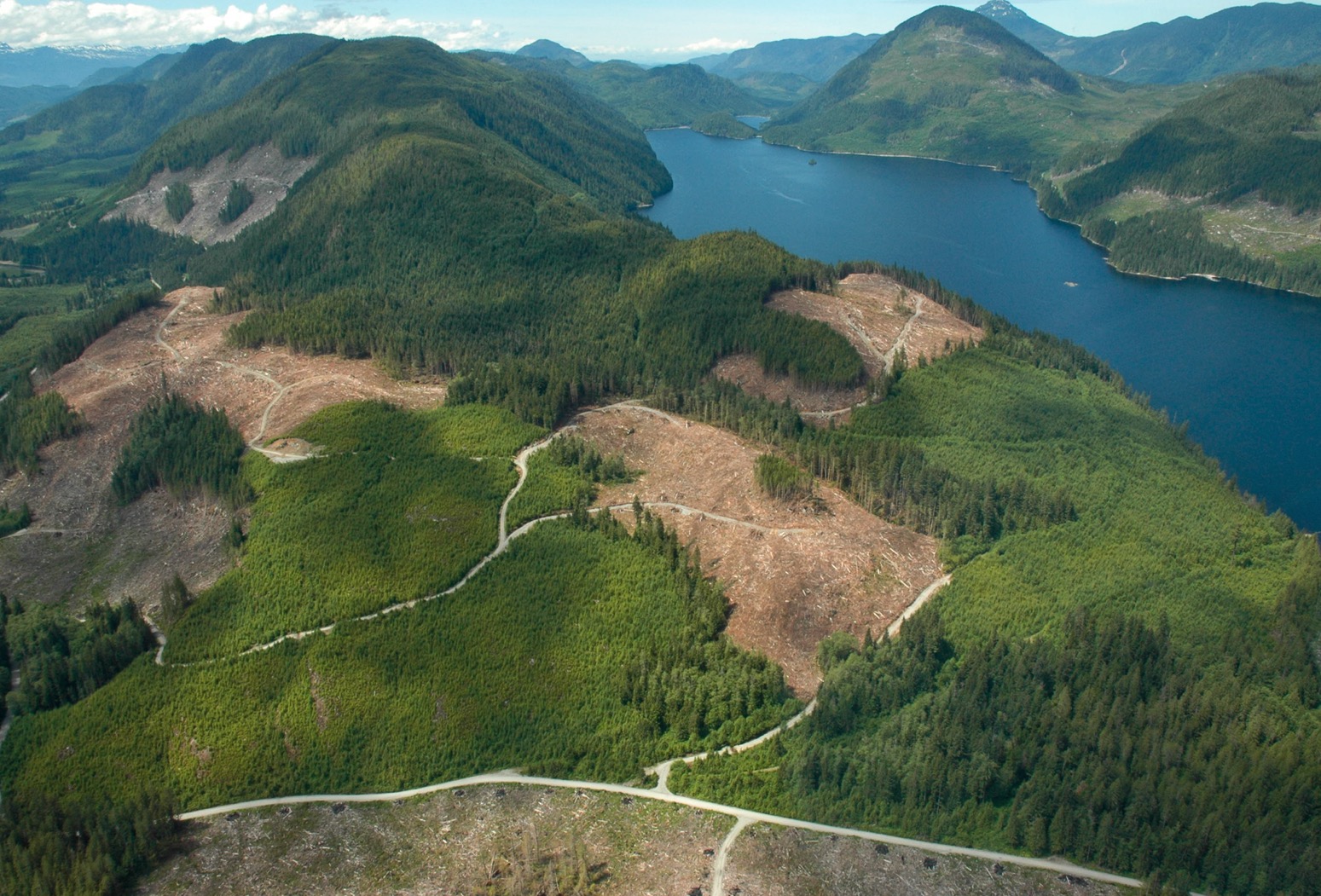
Five years after the Modernizing Forest Policy in BC paper signalled the province’s intention to address the “disparity” in stumpage rates among Community Forest Agreements (CFAs), Woodlot Licences (WLs), and First Nations Woodland Licences (FNWLs), the issue remains unresolved. The question should not simply be whether all these tenure types should use tabular rates; but rather how BC should fund transformational change in forest management. …In 2025, CFAs and WLs paid substantially lower stumpage on harvested timber than FNWLs, whose rates were more comparable to major tenures such as Tree Farm Licences and Forest Licences. …While CFAs and WLs use tabular rates, stumpage for FNWLs is determined using the appraisal approach and revenue sharing. All three tenure types are area-based and, at least in principle, are meant to support a more locally intense form of forest stewardship than typical industrial forestry.
That distinction matters. If lower stumpage is simply treated as a revenue loss to government, the debate will remain stuck. If it is treated as a policy tool to secure measurable stewardship, wildfire resilience, and community stability, the discussion becomes far more productive. …The better approach is to stop treating equity reform in rates as a narrow revenue problem and start treating it as a performance bargain. If tenure holders want access to tabular rates instead of higher appraisal-based rates, they should be prepared to commit to measurable stewardship outcomes. …That is the trade-off those at the policy table should be debating. Tabular rates should not be viewed as a giveaway, nor should they be dismissed as a loss of revenue. They should be designed as a trade-off: more flexible administration of pricing and potentially lower rates in exchange for measurable stewardship gains, wildfire resilience, and community benefits.

 Alberta’s forestry sector enters a second half of 2026 with cautious optimism, even as weak housing markets supply, U.S. tariffs and softwood lumber duties continue to weigh on the industry. Ken Greenway, Alberta Forestry and Parks’ executive director of strategy, policy and economics, said northern Alberta’s timber industry remains relatively stable compared to some other parts of Canada, where forestry communities have faced sharper contractions. “We haven’t seen huge disruptions,” Greenway said. “Pulp is a weak market and that’s an area of concern, but softwood products prices are slowly moving to the positive side.” …“It’s a cyclical market, we’re at the bottom of a cycle at the moment. The current contraction across Canada – we have not seen as much in Alberta. We hope to withstand this storm.” The industry is also becoming more involved in wildfire mitigation.
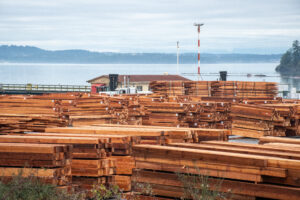 Western Forest Products says a curtailment at its Cowichan Bay sawmill is expected to last until this fall. The curtailment began on May 11, affecting 54 employees. On Wednesday, WFP told CHEK News it currently expects the curtailment to remain in effect through September. The forestry company says the curtailment is due to “persistently weak market conditions” and that it is trying to mitigate impacts on employees by “providing work opportunities at our other operations where possible.” “Conditions are being monitored closely, and we will keep employees informed should the expected duration change,” said Western Forest Products. The curtailment in Cowichan Bay comes as an indefinite curtailment continues at the WFP sawmill in Chemainus. The Chemainus sawmill was curtailed in July 2025, affecting approximately 120 workers, and in January it was announced that the curtailment was expected to last for all of 2026. [END]
 Researchers at the University of Northern British Columbia (UNBC) have received a grant to conduct studies on earthquake-resilient buildings, food packaging, forest diversity and more. The $866,000 granted to five faculty members is being supported through the Natural Sciences and Engineering Research Council of Canada (NSERC) Discovery grant program. …Erin Crockett, ecosystem science and management assistant professor, is receiving $202,000 over the five years to examine “how tree species diversity and structural complexity influence forest growth and resilience in British Columbia.” …Fei Tong, assistant engineering professor, is receiving $190,000 over five years to develop “a new structural system for tall buildings in seismically active regions like Vancouver… The approach, which will be adapted for both conventional construction and tall mass timber buildings, aims to keep buildings safe, functional, and repairable after major earthquakes.”
 BC Supreme Court Justice Barbara Young sent a chilling message to BC landowners when she refused to reopen the case where she designated Aboriginal title over private land in Richmond. Montrose Properties argued it had never received any formal notification that its fee-simple title could be affected by the outcome. This being the first case where Aboriginal title was applied to private as well as Crown land in BC, the federal, provincial and Richmond city governments all supported reopening the application. …Young didn’t rule out that the Cowichan Nation might someday seek to take over all the private land included in the designation of Aboriginal title. …It will be months and maybe years before her findings and those of the New Brunswick court are reconciled. …In the interim, Young has put provincial landowners on notice that they… are at risk from a claim of Aboriginal title.

 VANCOUVER, BC — Canfor Corporation announced it has completed the acquisition of PinkWood Ltd, Western Canada’s largest I-joist facility based in Calgary, Alberta. The acquisition, announced on June 9, 2026, complements Canfor’s existing operations in Alberta and British Columbia “We’re excited to welcome the PinkWood operation, its management team and its employees to the Canfor family,” said Susan Yurkovich, President and CEO of Canfor. “The acquisition represents a strong strategic fit for both companies and supports the continued growth of Canfor’s value-added manufacturing capabilities.” PinkWood will retain its name and operate as a wholly owned subsidiary of Canfor. The operation will add 120 employees, and 46 million linear feet of annual I-joist production capacity.
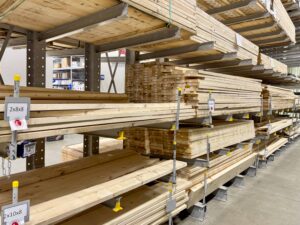 The Canadian lumber industry saw enormous price spikes during the pandemic years of 2020-2022, with costs close to triple what they are today for some products. … “We saw prices skyrocket during COVID, but so too did the cost to operate,” said Aspen Dudzic, the Alberta Forest Products Assocation’s communications director. “And interestingly, post-COVID, we saw the market prices for lumber go down, but the costs to operate have not come down in the same way.” Even though lumber costs have seen a huge drop in prices in a vacuum, why haven’t these cost savings been passed on to the consumer? …“The supply chain is really complex,” Dudzic said. “Nothing we do operates in a vacuum, so there’s a lot of other compounding costs that we have to look at, like inflationary pressures, upticks in fuel and energy prices. …Top of mind is the ongoing trade war with the US.
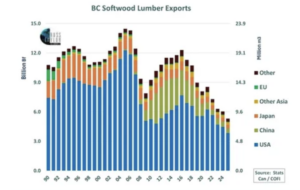 BC has seen lower timber harvests and lumber and lumber exports. …BC exported 2.5 million m3 of softwood logs in 2025, a trend that has been in place since 2022. …BC lumber exports have always focused on the US market, with 64% of production and 76% of total exports directed at the US in 2025. But with US duties and tariffs totalling over 45%. the volumes started to drop in 2025 Q4. Total BC lumber exports in 2025 were 5.1 billion bf, a drop of 12% from 2024. Lumber exports to the US were 3.83 billion bf in 2025, a drop of 14.3% from 2024. …In the first quarter of 2026, total BC lumber exports were lower by 20.1% compared to 2025 Q1, with exports to the US down by a whopping 24.7% (the bite of US duties and tariffs is evident), lower to Japan by 17.7% but higher to China by 10%. It will be challenging for BC mills in export markets for much of 2026 unless demand improves or prices move higher—both unlikely until 2027.
 SURREY, British Columbia — The Honourable Randeep Sarai, Secretary of State (International Development) announced over $8 million in RTRI funding for four Surrey businesses to help them diversify exports, grow locally, and compete globally – building prosperity for British Columbians and all Canadians. These investments support the Government of Canada’s measures to help businesses in sectors affected by global trade disruptions – such as forestry, manufacturing, and steel and aluminum – boost productivity, reduce costs, build more resilient supply chains, and reach new markets. … More details about these


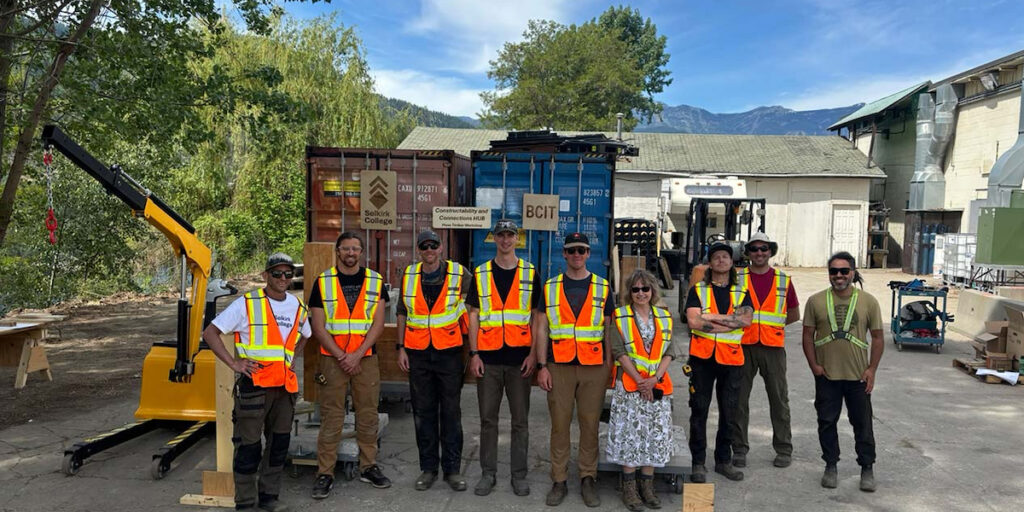
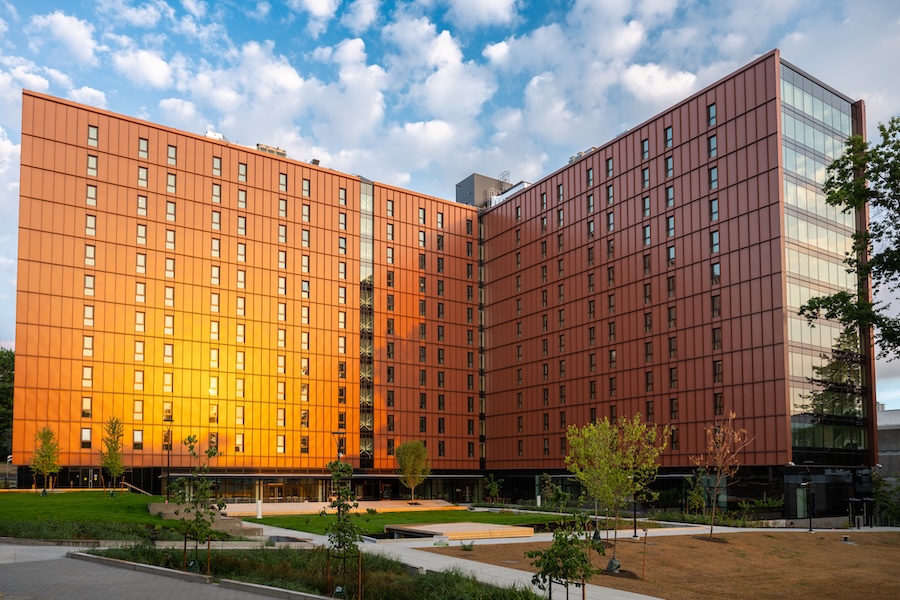


 British Columbia is expanding the BC Timber Sales Value-Added Manufacturing Program by creating a new dedicated category that will secure fibre for custom cutters and processors. BC’s action builds on Canada’s Forest Sector Transformation Task Force, which was commissioned in response to U.S. President Donald Trump’s new duties and tariffs on Canadian wood products. The task force recommends strong support for value-added operators so Canada can build high-quality products at home. “British Columbia’s path forward for forestry can’t just be providing dimensional lumber to Americans. We have to make more in B.C.,” said Ravi Parmar, Minister of Forests. …Custom cutters and processors are a group within the value-added wood-manufacturing sector without their own sawmilling facilities. …BC Wood Specialties Group Association’s chair, Kelly Marconi said “our custom cutting and processing members were part of the task force’s public consultation, so we are pleased to see this inclusive change.”

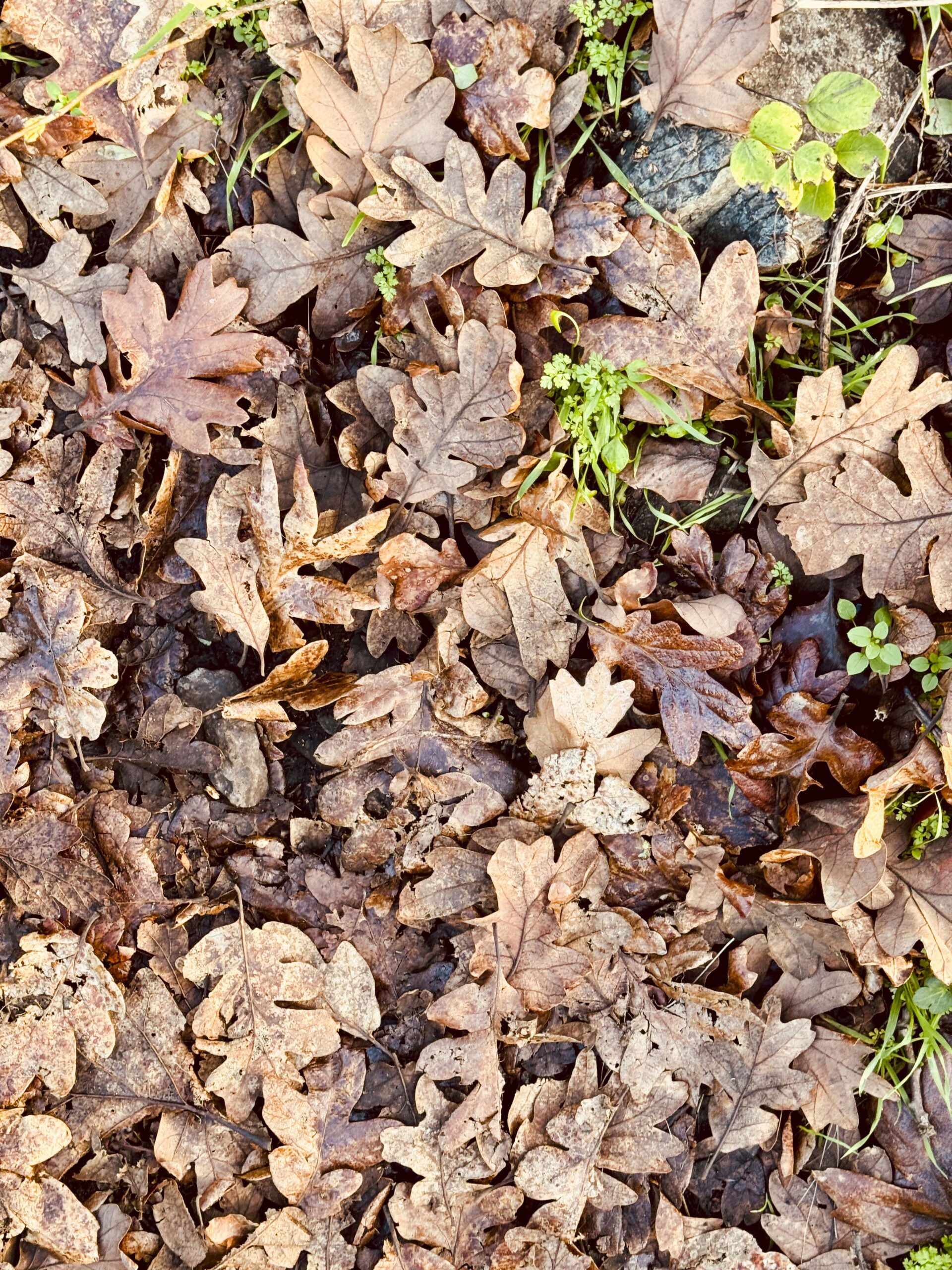


 …As some resource roads across the province fall into disrepair … outdoor groups are working to save them.
 Open letter to Premier David Eby, B.C.’s Minister of Forests, Ravi Parmar, spoke in Revelstoke about his hopes for sawmills, old- growth and caribou protection (recently). It is evident Parmar is misinformed about the issues critical to the Revelstoke community and other British Columbia residents, and is failing to act on your government’s commitments to climate action, environmental protection, and sustainability. When asked about protecting old-growth within the Revelstoke region, such as the Rainbow-Jordan Wilderness (RJW), Parmar stated: “What I wouldn’t support is just saving land for the sake of saving land and seeing mills close down.” That response demonstrated a lack of understanding of community priorities. …The minister’s comments also show a lack of understanding of the Old Growth Strategic Review, which your government commissioned and committed to implementing. Rather than perpetuating the volume-based resource extraction model, a shift to a value-added sustainable forestry is needed for the provincial economy and long-term employment opportunities.
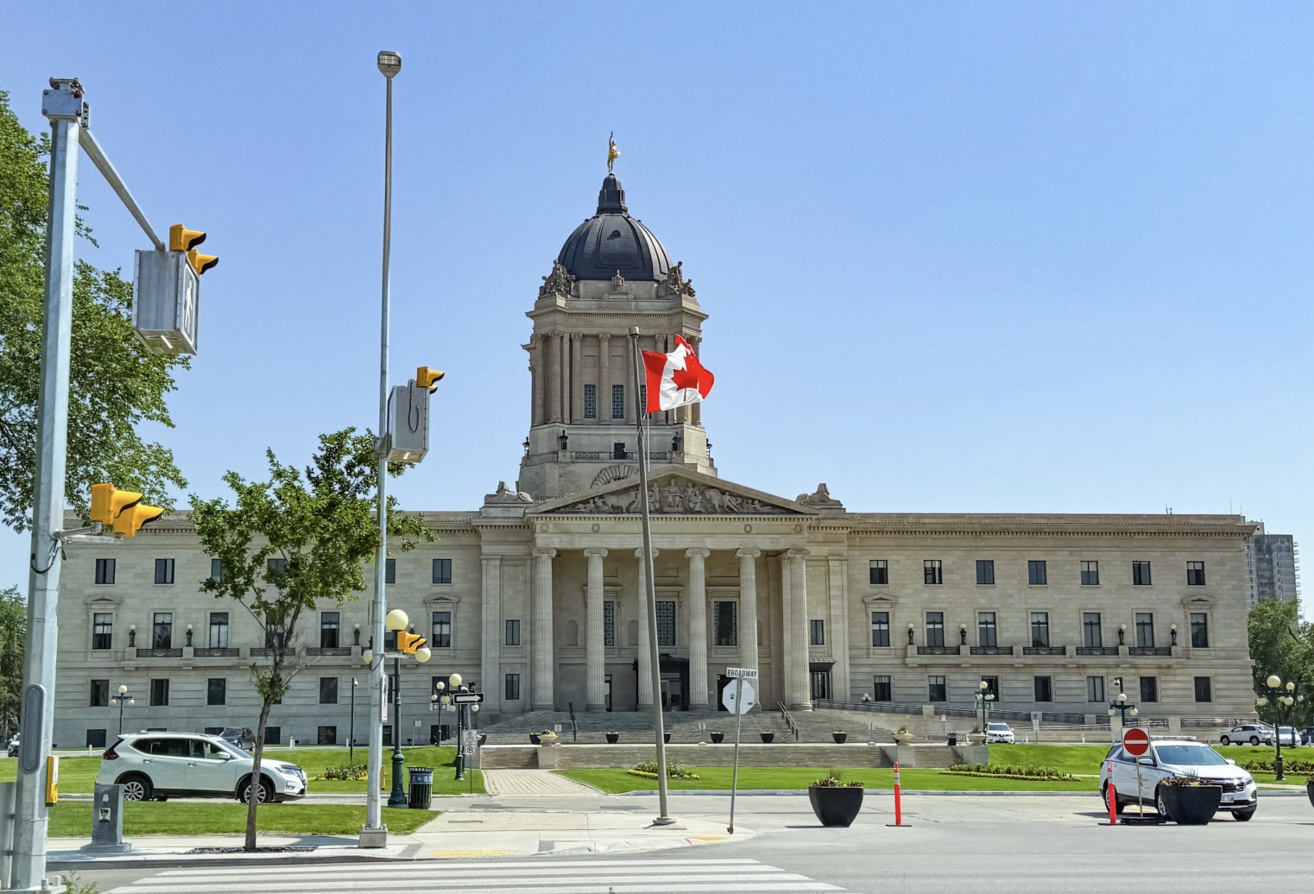 Mayor Scott Gillingham announced today he will bring forward a proposal to City Council next week to maintain full funding for tree planting in the 2026 Urban Forest Renewal Program. The move follows public feedback about a proposed budget amendment that would have reduced 2026 tree planting work by $1.236 million to offset a provincial government change to the City’s Strategic Infrastructure Basket funding allocation. “Winnipeggers care deeply about our urban forest, and I’ve heard that clearly,” said Mayor Scott Gillingham. “The public wants this tree planting funding protected. I agree, and I’ll be bringing forward a plan to Council next week to do exactly that.” City Council adopted Winnipeg’s first Urban Forest Strategy in 2023, setting a long-term plan to protect, preserve, and grow the city’s tree canopy.
 ALBERTA — Harvesting plans for forestry companies operating in the High Prairie and Slave Lake regions were presented June 17 at a joint open house in High Prairie. Plans were displayed by West Fraser Timber that operates High Prairie Forest Products, Tolko Industries, and by Millar Western Forest Products that bought the Slave Lake Pulp Mill from West Fraser and became the owner in April 2024. No representative was present from West Fraser. Companies hosted the event to allow citizens to comment on the proposed plans. Tolko plans to have operations in the Sweathouse area south of Snipe Lake, Salt Prairie and Whitemud, says woodlands supervisor Callie Skellett. …Millar Western plans to harvest trees in three areas, forestry superintendent Stuart Adkins says.
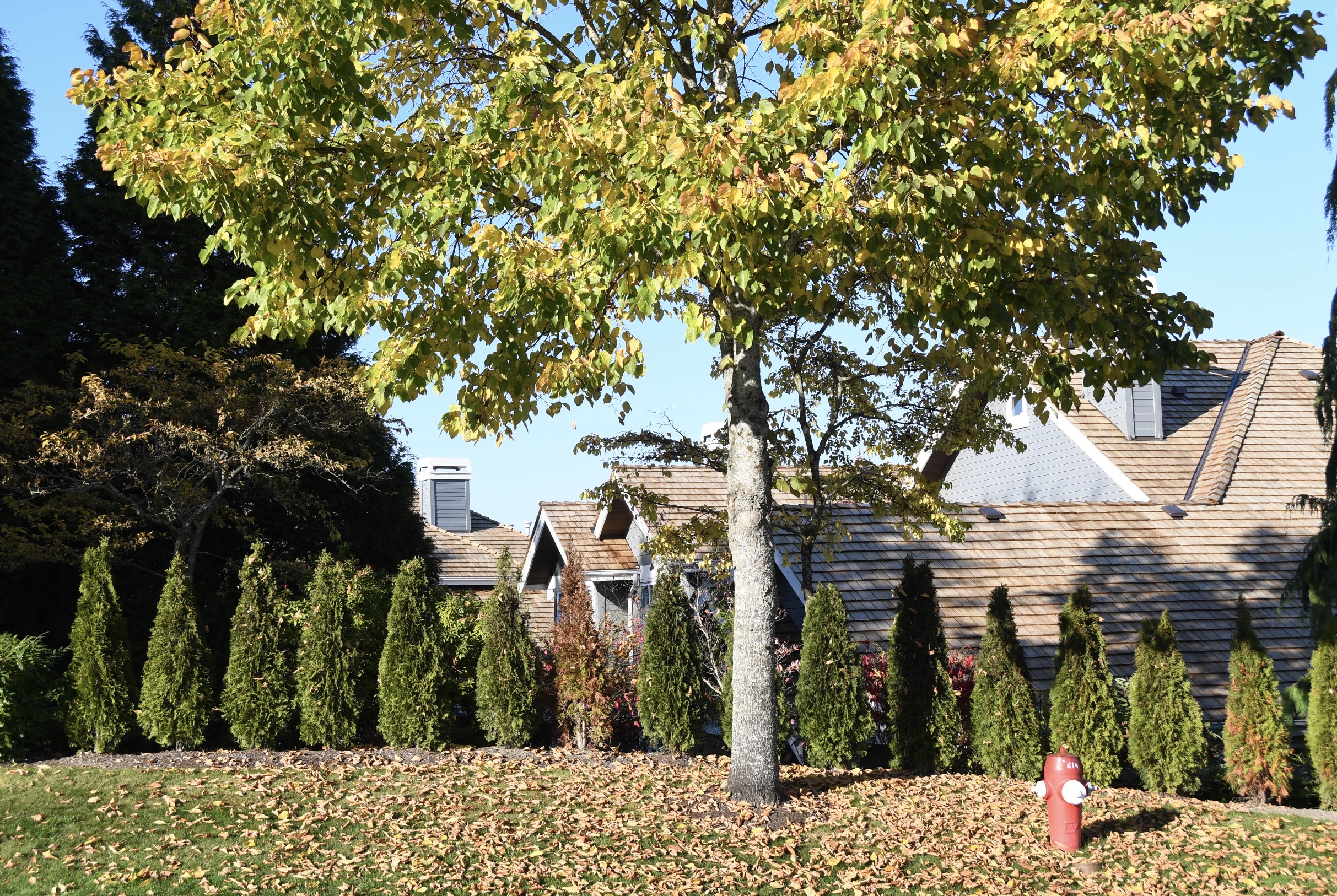 The average Metro Vancouver tree has a lifespan of less than eight years. That makes it even more important to preserve as many trees as possible. The startling statistic, from Brian Minter, a prominent B.C. horticulturist, serves as a deadly warning: Metro Vancouver’s unusually early and severe watering restrictions are a threat to the region’s trees. Given that so many young trees in Metro Vancouver do not reach their tween years — mostly for lack of watering — Minter has come to think of the metropolis’s relatively few older trees as rare and precious “gold.” …Because of lack of time, knowledge or concern, Bill Manning, retired director of horticulture for Vancouver parks said, many homeowners, tenants and strata councils don’t recognize that, though they’re not allowed to use sprinklers on trees, they are permitted to water trees by hand using a hose with a spring-loaded shut-off nozzle, a watering can, or drip irrigation.

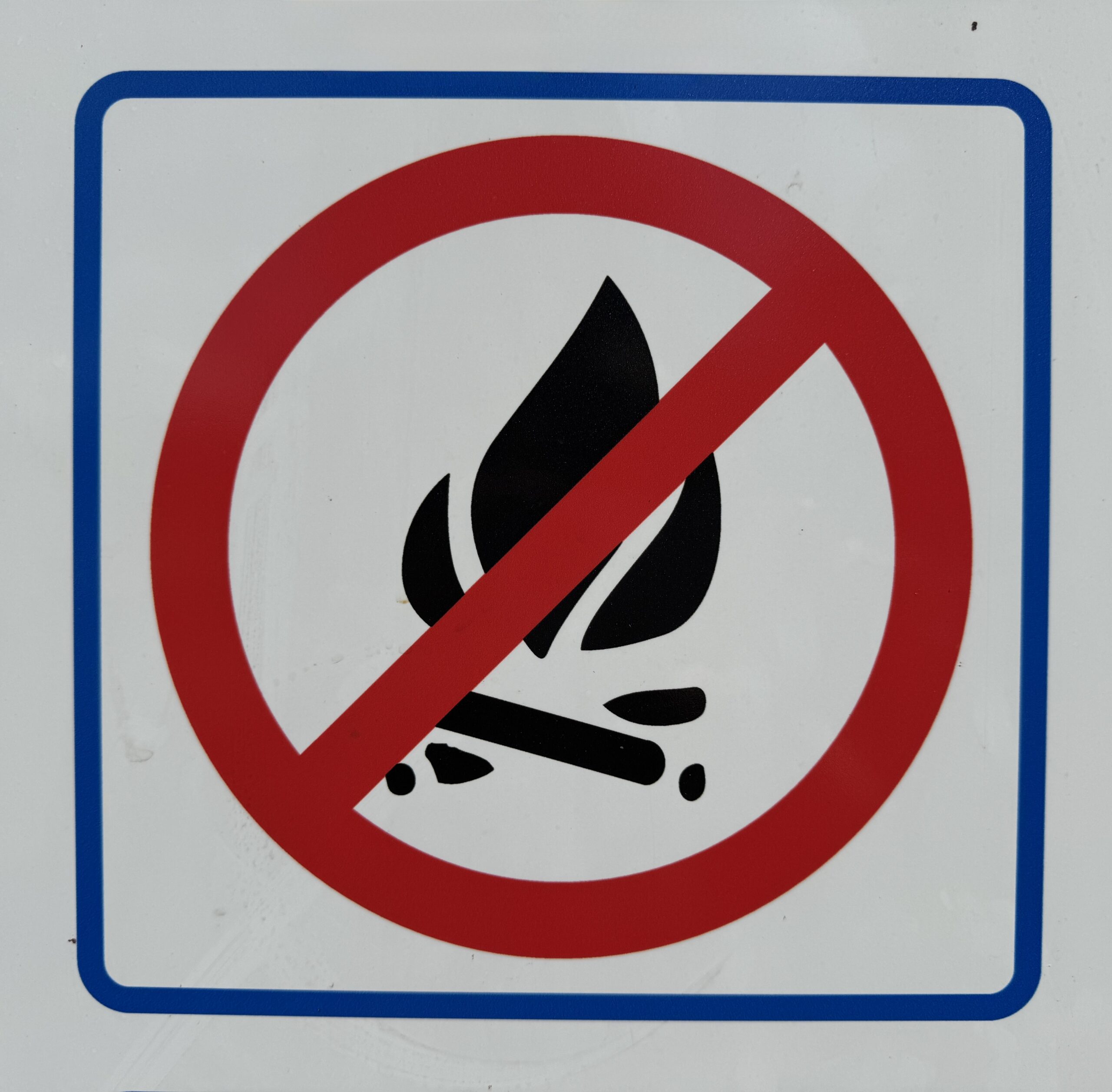
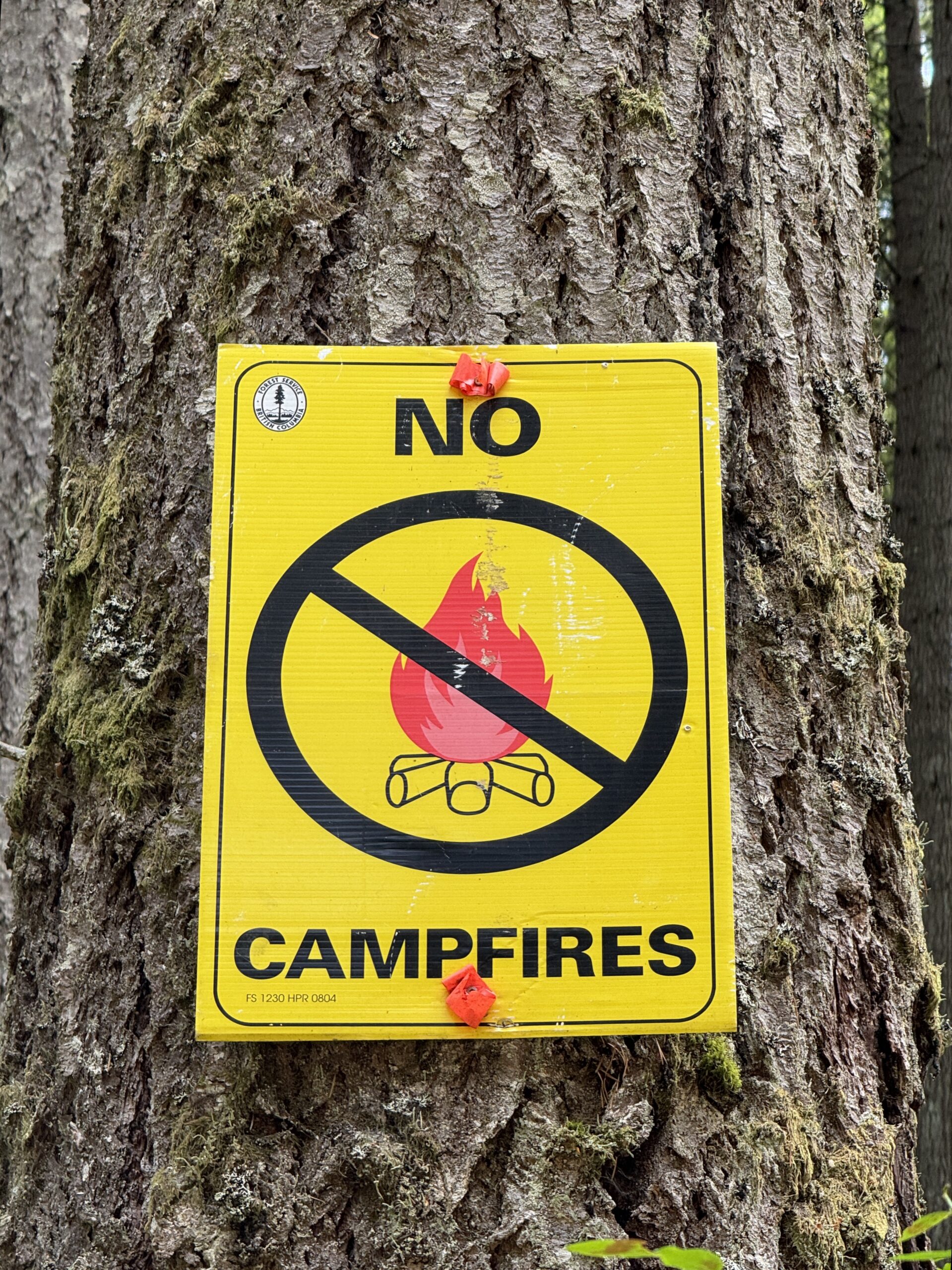 KAMLOOPS – Effective at 12 p.m. (noon) on Friday, July 10, 2026 Category 1 campfires will be prohibited throughout the Kamloops Fire Centre to help prevent human-caused wildfires and protect public safety. This campfire prohibition will remain in effect until October 9, 2026 at 12 p.m. (noon), or until the orders are rescinded. As of Friday, July 10, category 1, 2 and 3 fires are prohibited in the Kamloops Fire Centre: A campfire is defined as: Any fire no larger than 0.5 metres high by 0.5 metres wide (a fire larger than this is considered a Category 2 fire), Used by any person for recreational purposes or by a First Nation for a ceremonial purpose.
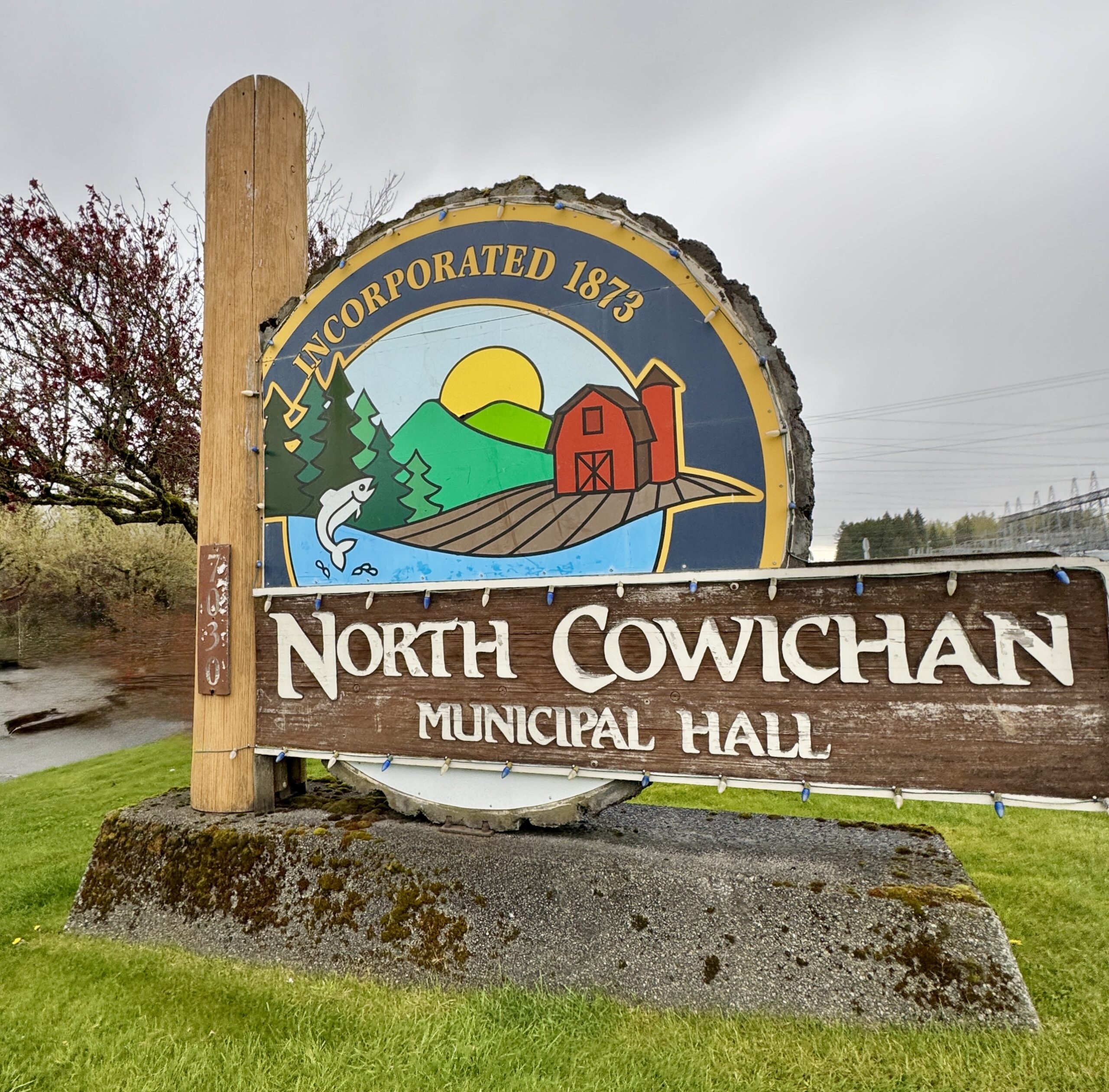 Starting July 9, the municipality of North Cowichan will be closing forestry gates and restricting vehicle access to Mount Prevost, Mount Sicker and Grace Road, to help reduce wildfire risks in the area. The municipality notes that access roads to Mount Prevost will remain open for firefighting efforts, as a
 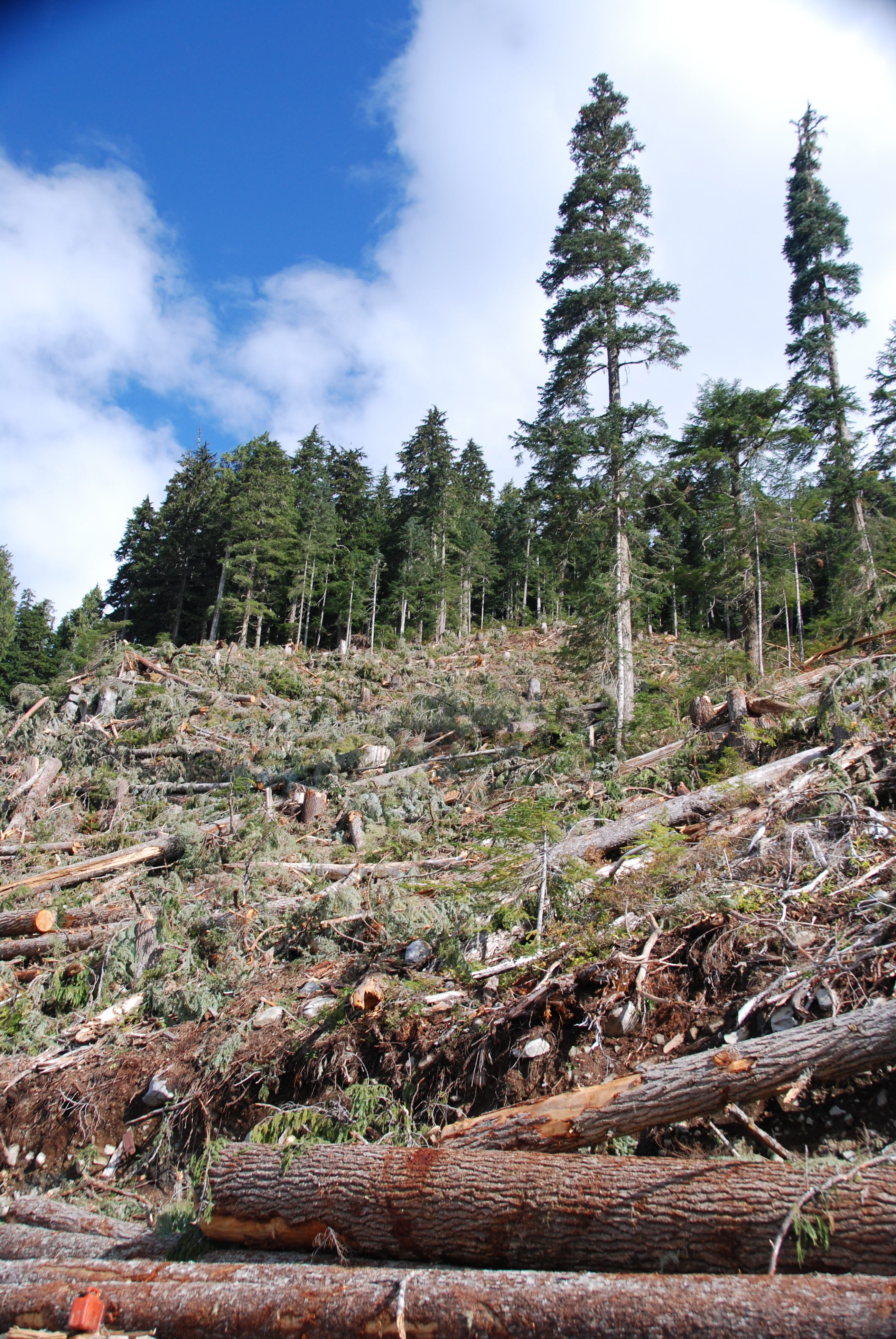 …The 2021 floods in British Columbia’s Fraser Valley cost an estimated
  REGINA, SK — Today, the Honourable Nathalie Provost, Secretary of State (Nature), highlighted eight tree-planting projects across Saskatchewan. These projects represent a $24.5 million investment to plant over five million trees, helping to protect nature and biodiversity in Canada by restoring critical habitats for species at risk and advancing Indigenous-led forest planting and restoration efforts. Announced in March 2026, the $3.8 billion A Force of Nature: Canada’s Strategy to Protect Nature is based on three pillars for action to harmonize nature protection and economic growth… Federal programs have made historic progress in restoring forests and building greener communities across the country as we work toward to our goals of protecting 30% of lands, waters, and oceans in Canada by 2030. Indigenous leadership is at the heart of protecting nature. Anchored in traditional knowledge and stewardship, it is critical to achieving our national and international commitments on nature.
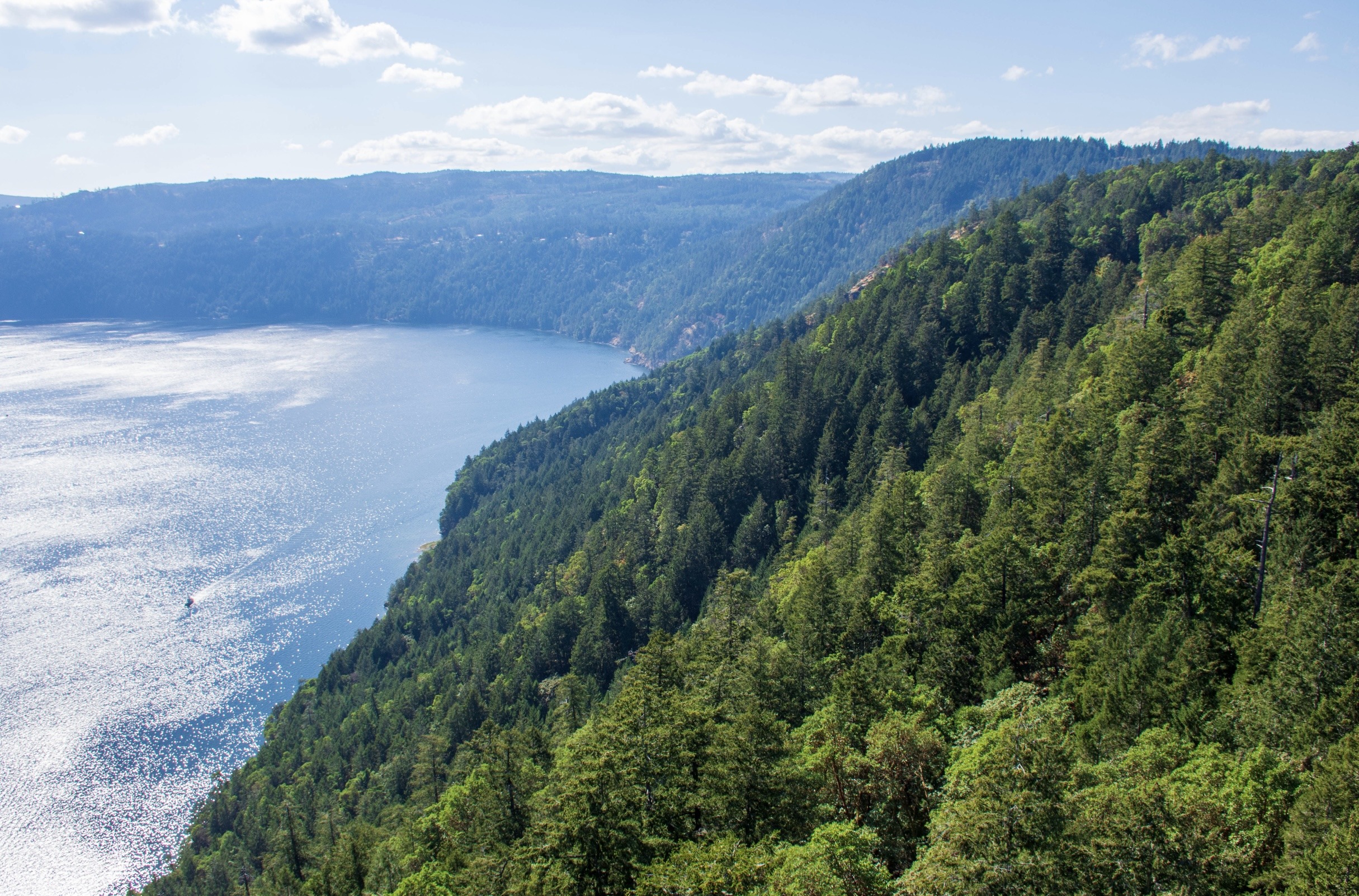 Vancouver Island, BC — The Coastal Fire Centre reports a shift from warm, dry conditions to cooler, wetter weather over the first week and a half of July. However, previous weather conditions point towards a drier summer season for Vancouver Island. “Looking at the next seven days from a typical standpoint, we’re not elevating dryness specifically. But we’re also not bringing in much precipitation either. So, we’re essentially just keeping conditions generally steady,” said Ken Dosanjh, meteorologist with Environmental and Climate Change Canada, on July 2. In early July the Fire Danger Rating measure … shows much of Vancouver Island at the ‘low’ level, which entails easy fire start and quick spread but with minimal involvement of deeper fuel layers or larger fuels. Port Alberni, Nanaimo and the Victoria area have a ‘moderate’ fire danger rating, with forest fuels drying and an increased risk of surface fire starting.


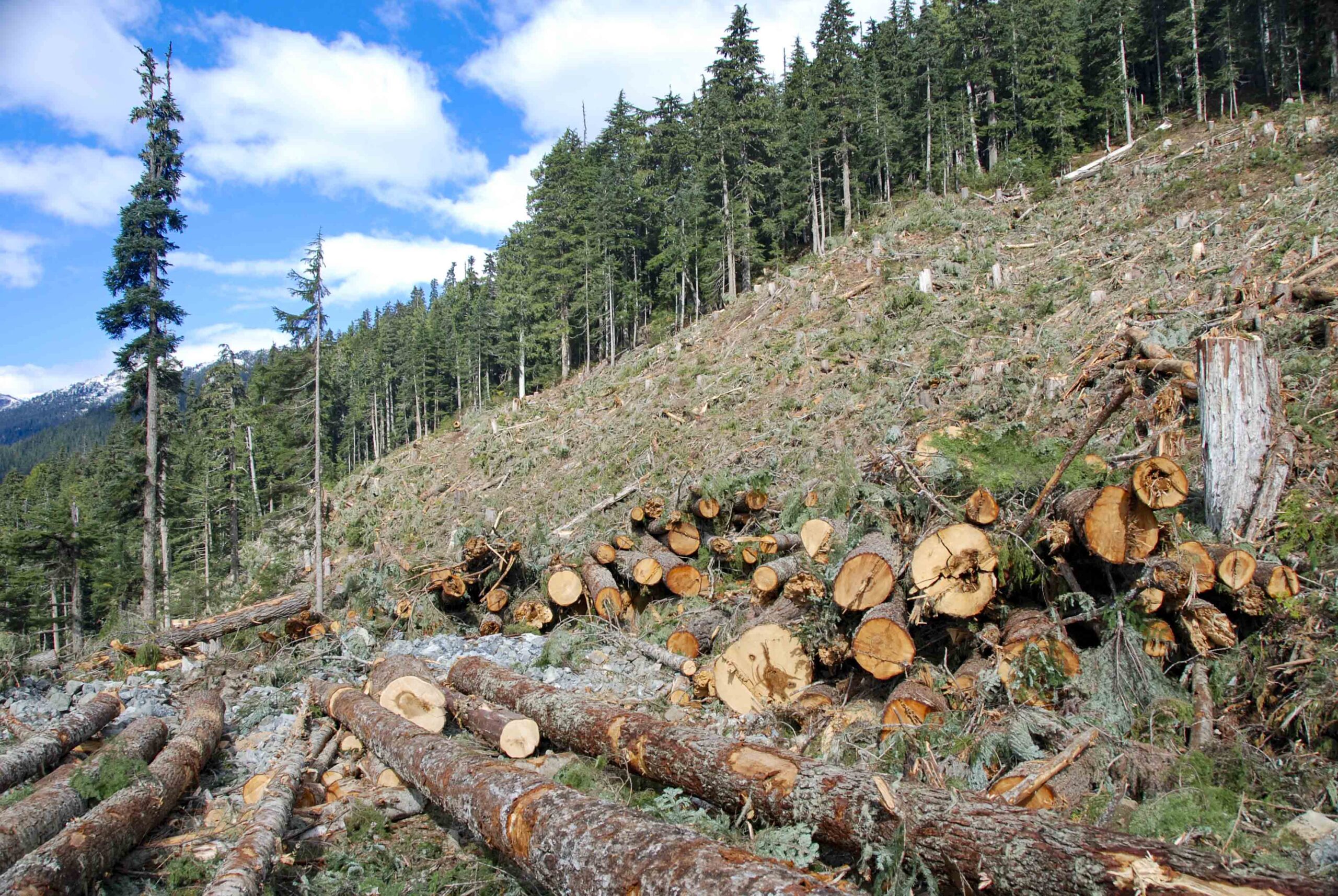 EDMONTON — Current clearcutting practices sometimes outpace the recovery times of vital boreal forest species, according to a groundbreaking global analysis led by University of Alberta researchers.
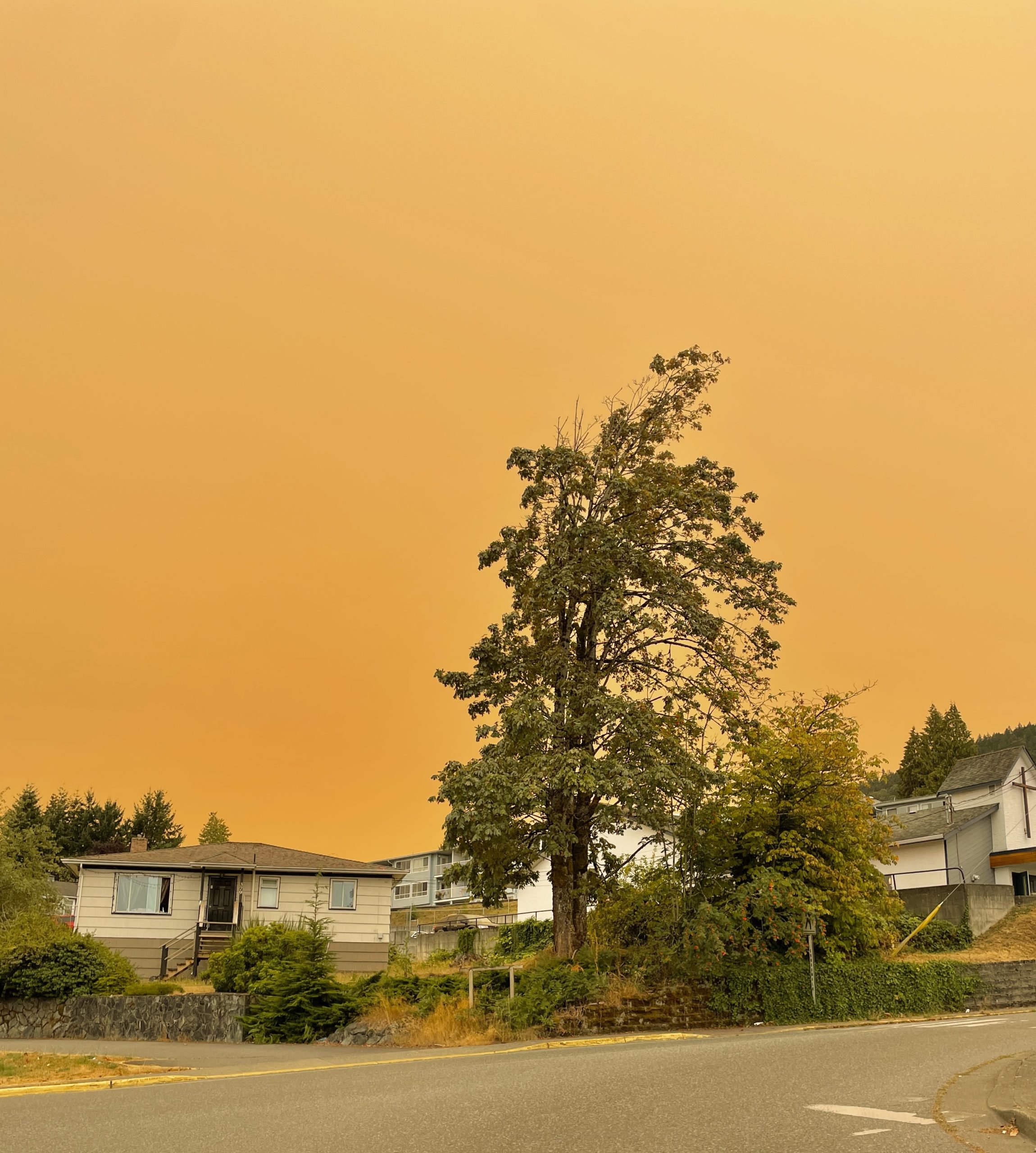 Smoke from two major wildfires burning in British Columbia’s Fraser Canyon is leading to air quality warnings across parts of the province, with an emergency physician warning the health effects extend far beyond watery eyes and a scratchy throat. “It is considered to be one of the biggest public health threats that we face,” said Dr. Courtney Howard, who is also the president-elect of the Canadian Medical Association. … “The particulate matter in smoke that’s less than 2.5 microns can go all the way down into our lungs, and the ultrafine particles can actually cross over into our bloodstream,” she said. …Howard said scientists are only beginning to understand the long-term health effects of repeated wildfire smoke exposure because the research is still limited. “We don’t have good evidence on the long-term outcomes yet,” she said. But a small number of studies, according to Howard, have suggested possible links with high rates of brain cancer and lung cancer.
 Across BC, significant wildfires have become an annual occurrence, underscoring the need for forest management practices to reduce long-term wildfire risk. While activities such as prescribed burning are beneficial for fuel management, both wildfire and prescribed fires produce smoke that can pose significant risks to human health. Notably, the impacts of smoke often extend beyond areas directly affected by fire, as smoke can travel significant distances, exposing communities both near and far from the fires. While the health risks specific to prescribed fire smoke remain understudied, the impacts of wildfire smoke on human health are becoming more widely understood. Substantial


