 Day Three of the Truck Loggers Association convention opened with a private screening of BC Is Burning, a documentary produced by professional forester Murray Wilson examining British Columbia’s escalating wildfire crisis and the forest conditions shaping fire behaviour. Introduced by moderator Vaughn Palmer as an “urgent, powerful documentary,” the film explores how fuel buildup, insect damage, drought, and decades of fire suppression have contributed to larger, more intense wildfires, while highlighting a range of forest management approaches being applied in BC and elsewhere, including California. The screening was followed by a Q&A moderated by Palmer with Dr. Carolyn Smyth of Natural Resources Canada, Rob Schweitzer of the Ministry of Forests and BC Wildfire Service, and Jim McGrath of Tk’emlúps te Secwépemc, all of whom also appeared in the film. Discussion focused on fuel mitigation, fire salvage, carbon dynamics, and policy and permitting constraints.
 The
The)

 The Nova Scotia government is defending itself after three other provinces levelled accusations that it is being secretive and undermining Canada’s fight against the United States over softwood lumber. Nova Scotia is urging the US Department of Commerce to reject requests from Quebec, Alberta and Ontario for the Atlantic province to provide much greater detail on how it calculates fees charged for harvesting timber. …Nova Scotia asserts that it should not be blamed for its surveys of private timberland owners that could result in higher fees for cutting down trees when compared with other provinces. The US has levied countervailing duties, arguing that other provinces have tree-harvesting fees that are too low when compared with Nova Scotia, which is exempt from US lumber duties. …Lawyers for Quebec, Alberta and Ontario urged the Commerce Department to make inquiries, saying the US should even consider abandoning the private surveys as a benchmark. [to access the full story a Globe & Mail subscription is required]
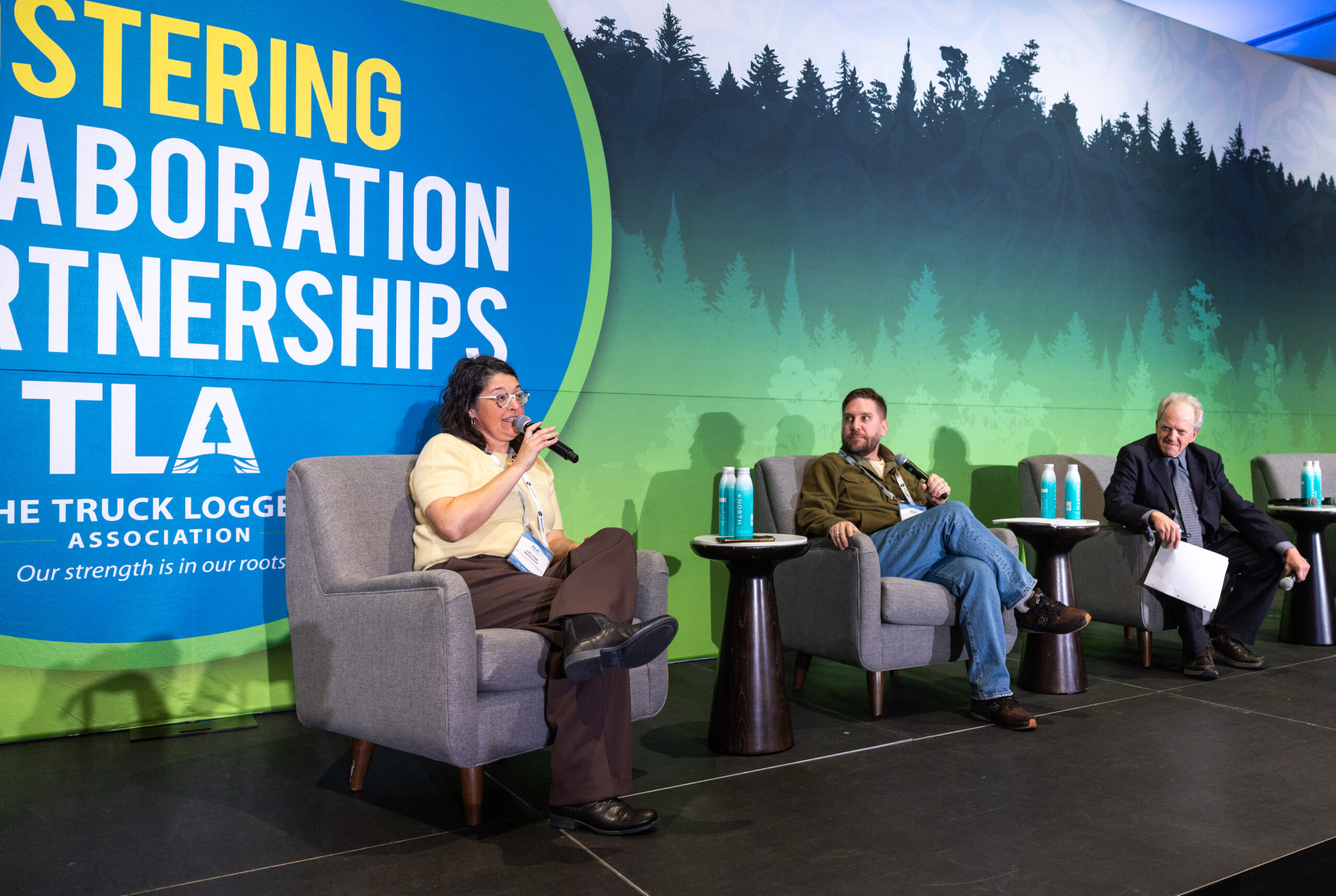
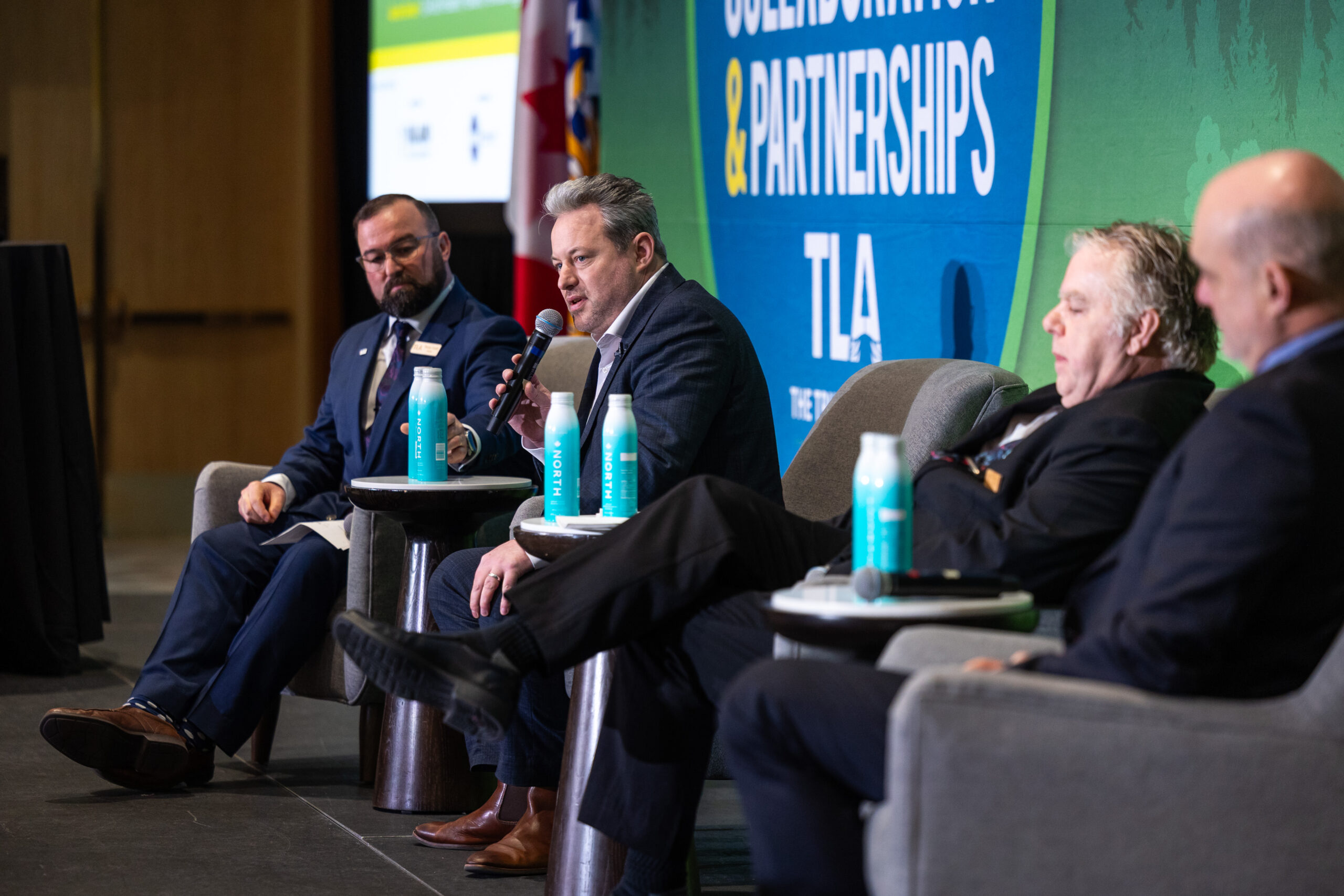 Interim opposition leader Trevor Halford told logging contractors Friday that the province’s forestry downturn is being driven by a system that is “not functioning at the pace this sector requires.” Halford, the interim leader of the B.C. Conservatives spoke at the Truck Loggers Association’s convention in Vancouver. “This crisis is not about forests disappearing. It is not about fibre not existing. It is about permits not moving, decisions not being made, and systems that do not function at the pace this sector requires,” Halford said. Halford opened by citing a Vancouver Sun story that described the B.C. forest industry as “on the edge of collapse,” and quoting TLA executive director Peter Lister, who told the convention he had “never seen it as bad” in more than 35 years in the sector. …Halford said the industry has heard “explanations” from the government, but needs measurable results. “Accountability matters. Transparency matters. Results matter,” he said.
 Facing growing backlash over the unintended consequences of its reconciliation policies, the B.C. NDP government has hit pause on controversial changes to the Heritage Conservation Act…Forests Minister Ravi Parmar announced the move Monday, saying he’d “heard loud and clear” that municipalities, business groups, the real estate sector and …the public needed more time to understand the changes. “It was very clear to me that I was not in a position to bring forward amendments this spring,” he said. …It’s the opposite approach to where the NDP started on the file just four months ago, charging forward with the changes so aggressively that their passage—following secret negotiations with First Nations and non-disclosure agreements slapped on everyone else—seemed like a fait accompli. …The NDP say they are in listening mode now, on the Heritage Conservation Act. The question is whether the government truly understands that changes built without public trust are simply no longer viable.

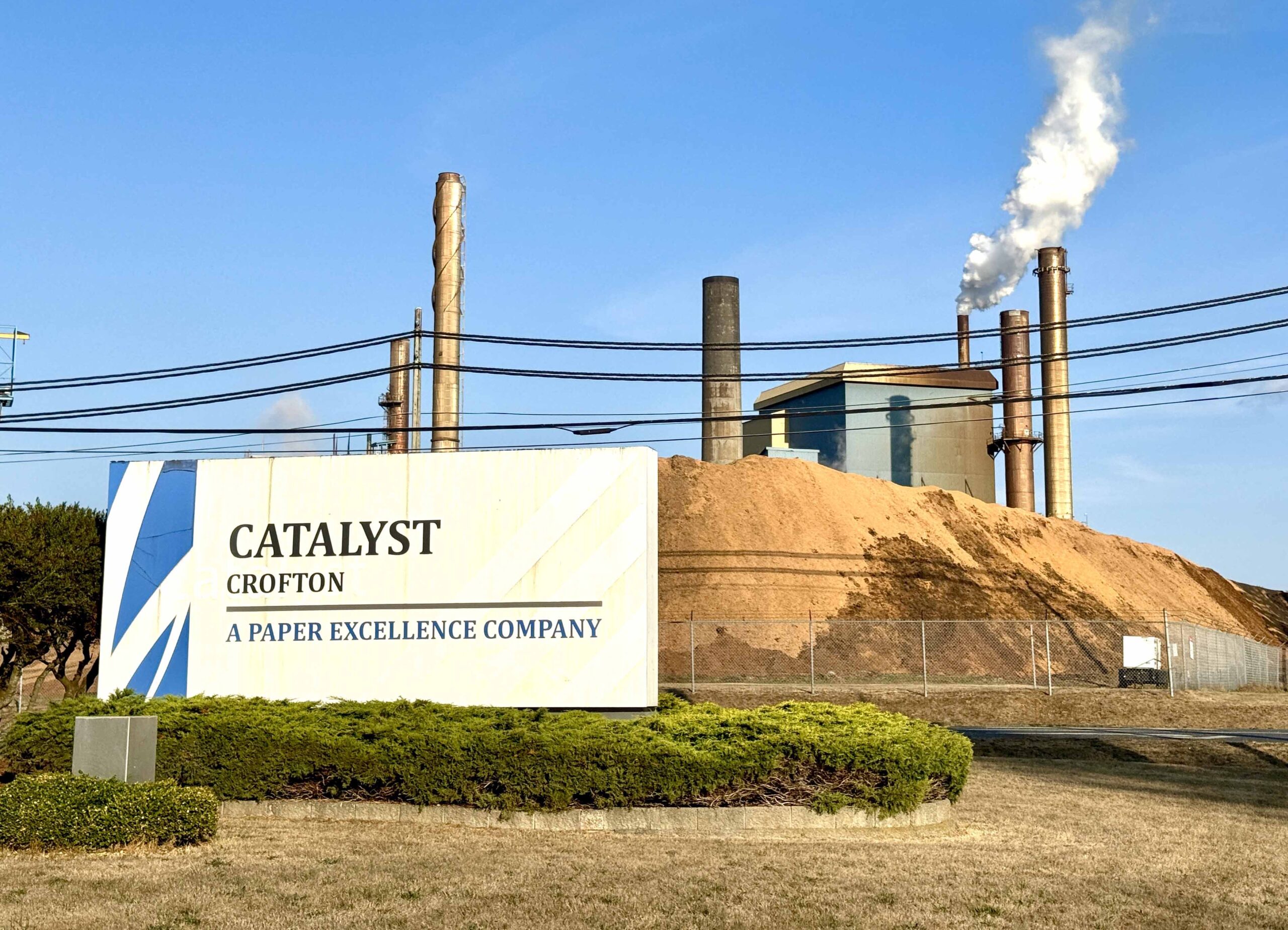 North Cowichan’s mayor wants the federal government to extend its temporary Employment Insurance program to include workers at the Crofton pulp mill who will be working until mid-April. In letters to Minister of Jobs and Families Patty Hajdu and Jeff Kibble, MP for Cowichan-Malahat-Langford, Rob Douglas said the temporary EI measures that Ottawa introduced last summer in response to major economic conditions across the country, including mill closures, are set to expire on April 11. That’s just three days before approximately 60 workers, who are being maintained at the Crofton mill for operational considerations beyond its closure in early February, will receive their layoff notices on April 14. …Douglas said that, on behalf of the community, he is requesting that the federal government extend the temporary EI measures or implement an exemption mechanism to ensure that all Crofton mill workers affected by the closure are treated equitably.




 Canada’s annual inflation rate ticked up to 2.4% in December compared to the same period last year, when the federal government implemented a GST break that brought some prices down, Statistics Canada said. The temporary tax cut, which began on Dec. 14, 2024, lasted for two months. It reverberated through monthly inflation data for part of 2025 but officially fell out of the year-over-year movement last month, sending price growth accelerating, according to the data agency. December’s rate was a smidge higher than the 2.2% rate seen in November. It was partly offset by a year-over-year decline in gas prices. With energy excluded, inflation rose to 3% in December. …”The main takeaway here is that after a year of some wide divergences, almost all of the main measures of inflation are now very close to [2.5%], in tune with the Bank of Canada’s view on the pace of underlying inflation,” wrote BMO’s Douglas Porter.
 VANCOUVER, BC – Canfor Pulp Products announced the expiration of the go-shop period provided for in the previously announced arrangement agreement dated December 3, 2025 between Canfor Pulp and Canfor Corporation, pursuant to which Canfor Corp will acquire all of Canfor Pulp’s issued and outstanding common shares not already owned by Canfor Corp and its affiliates. Under the terms of the Arrangement Agreement, each shareholder of Canfor Pulp will have the option to receive: 0.0425 of a common share of Canfor Corp per Canfor Pulp Share held, or $0.50 in cash per Canfor Pulp Share held. …During the Go-Shop Period, Canfor Pulp was permitted to actively solicit, evaluate and enter into negotiations with third parties that expressed an interest in acquiring Canfor Pulp. …The Go-Shop Period expired on January 19, 2026. Canfor Pulp did not receive any Acquisition Proposals.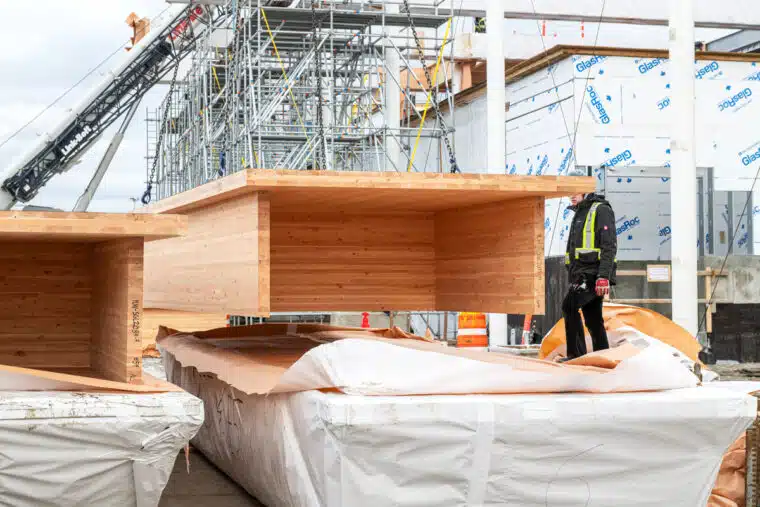



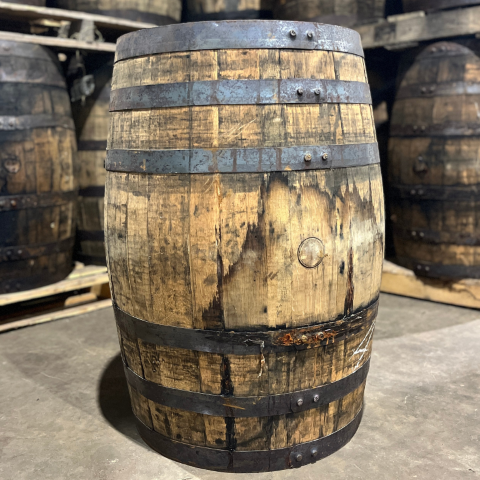
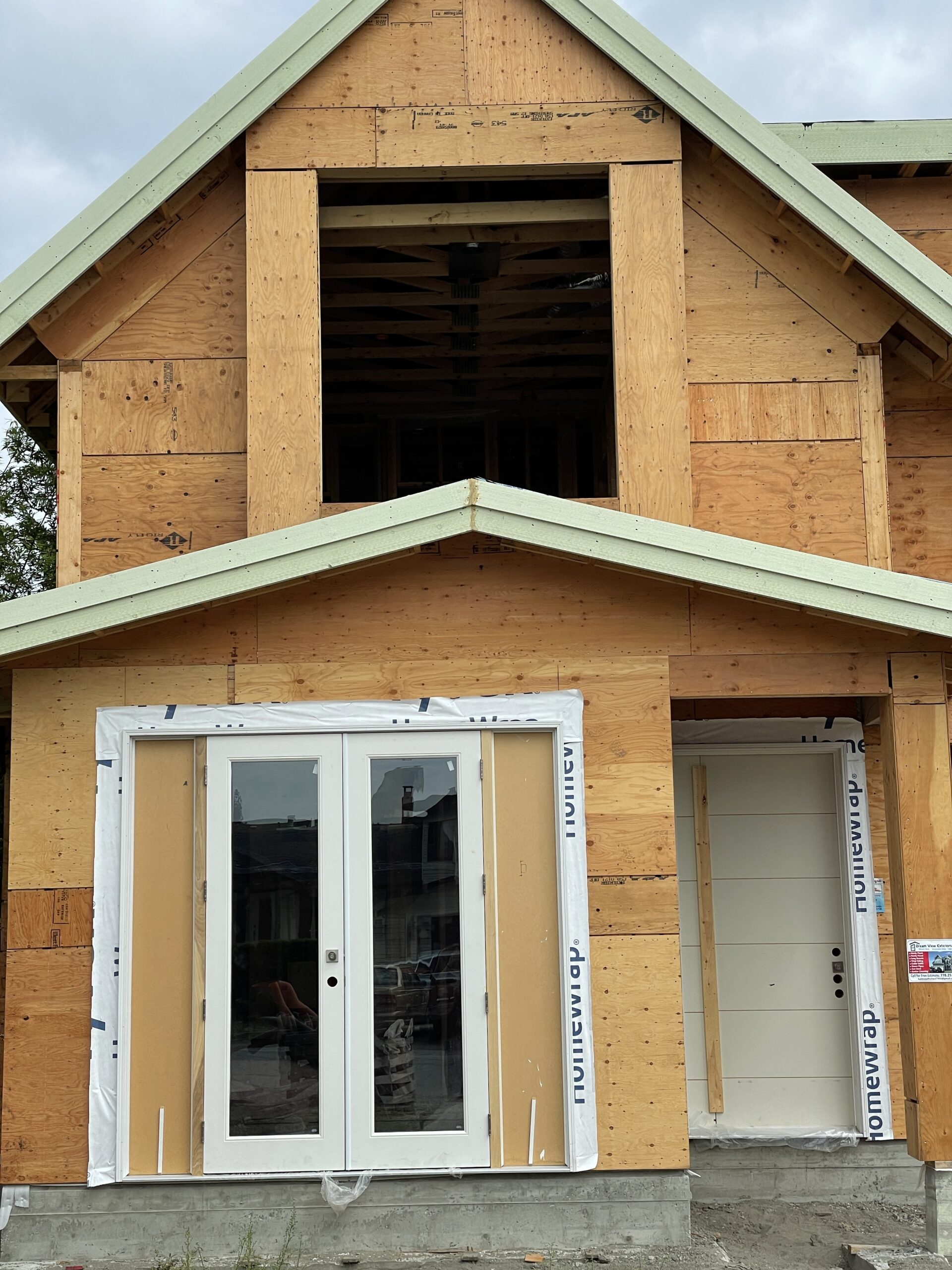 The federal government is looking for a hub to build modular homes for the Arctic. Prince George, with its forestry infrastructure, industrial base and transportation networks, is being considered as a possible site for that industry. Mayor Simon Yu [said] the city has everything it needs to create a new industry for the region. “We have to seize the moment,” said Yu. “For housing developments up in the Arctic, Prince George will be the centre of action. …This is a key to solve our lumber problem. We’ve got the wood, we’ve got the technology, we have a university here, we have a research program, we have CNC here, we have the workers and we will get this modular home factory going. We need to add value to wood products to create jobs right here and build houses for our overseas markets as well as for Canada.”

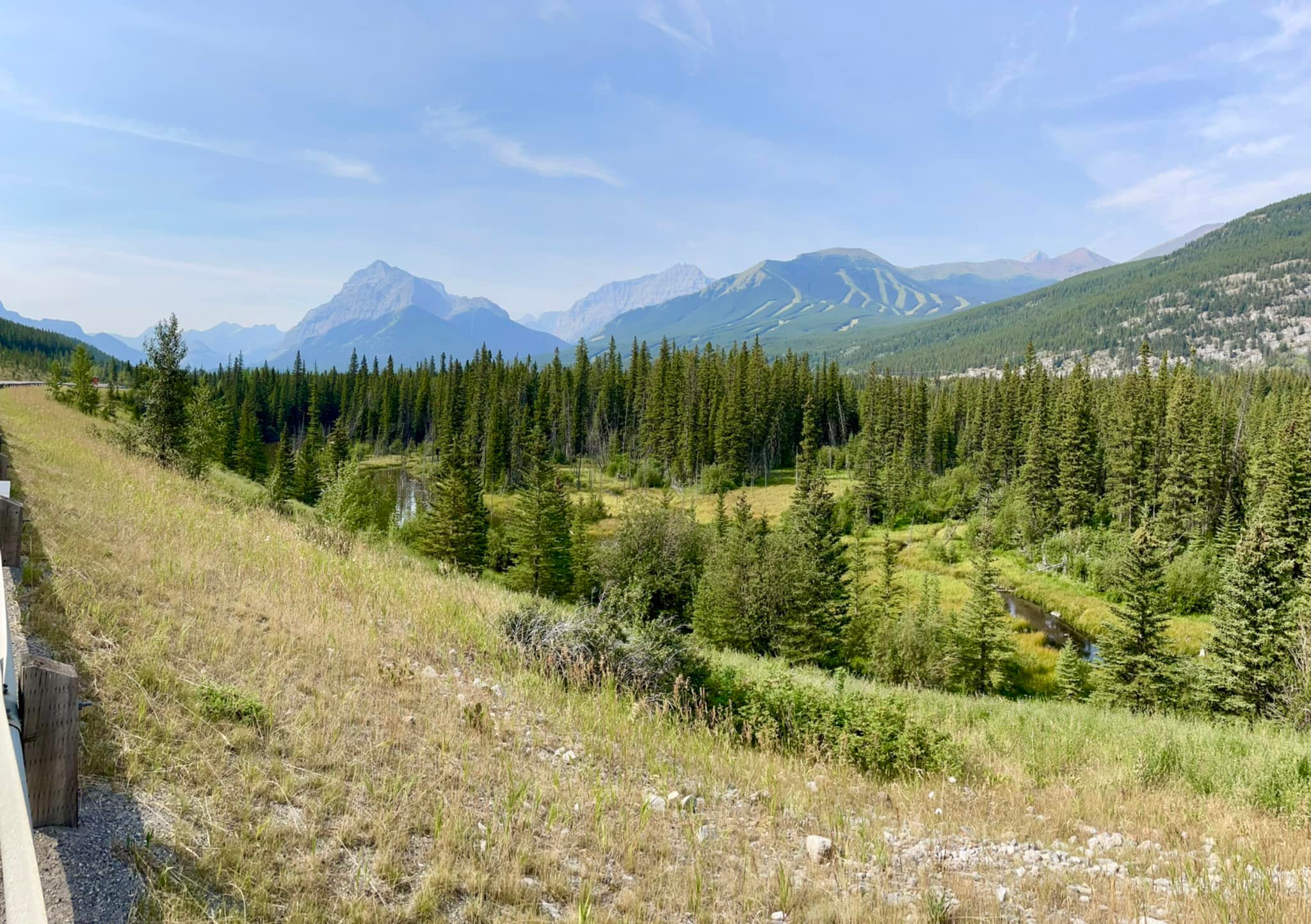 Federal forest managers left vast stretches of beetle-killed pine standing in Jasper National Park, a failure that became a key driver of the catastrophic 2024 wildfire that destroyed roughly a third of the town, according to a Canadian Forest Service report that contradicts cabinet’s climate-change narrative. The analysis says a severe Mountain Pine Beetle infestation peaked about seven years before the fire, leaving behind extensive dead lodgepole pine that dramatically worsened fire behavior. …Blacklock’s Reporter says the Forest Service document, Jasper wildfire complex 2024 fire behaviour documentation, reconstruction and analysis, concludes that dead pine from beetle mortality formed a major part of the fuel load. Tree death altered forest structure, accelerated the drying of surface fuels, and created an abundance of dry, woody material that sharply increased fuel consumption and fire intensity. Internal reports and Access to Information records show Parks Canada was slow for years to remove dead pine through cutting or prescribed burns.
 A broad coalition of forestry workers, community leaders and industry representatives has organized a petition asking the public to support their push for the provincial government to take immediate action to address the current challenges faced by an ailing forest industry. The group has launched a new province-wide platform called Forestry Is a Solution to ask British Columbians to show their support for forestry workers and their families. …The campaign has identified as its top priority that the provincial government expedite permits and project approvals to speed up access to economic fibre. It also seeks to improve the competitiveness of BC’s forest industry by reducing administrative barriers and regulatory burdens. The coalition says it’s time to fix BC Timber Sales and its policies to ensure a reliable and competitive supply of logs for mills and secondary manufacturing.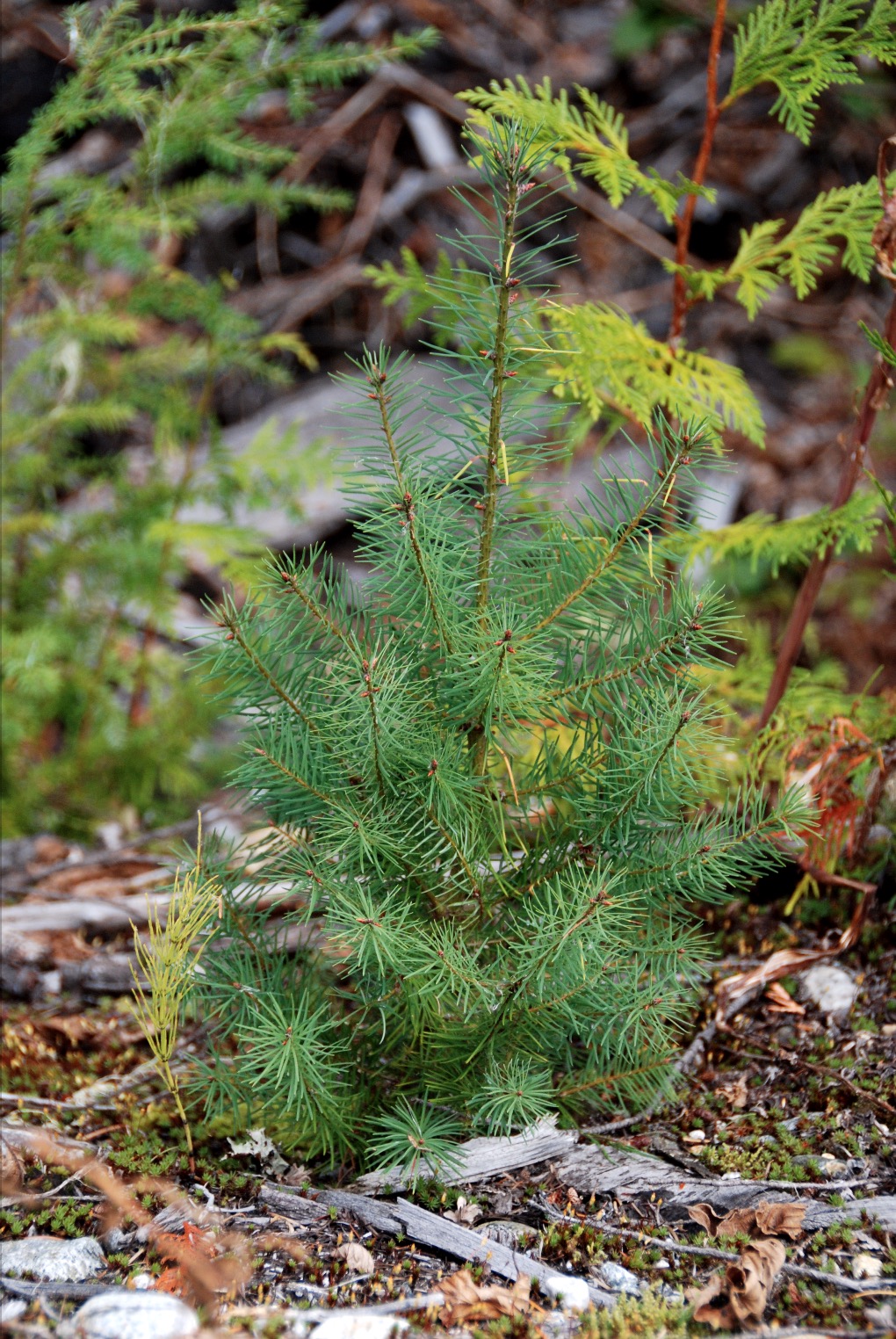

 STRATHCONA COUNTY, AB – Project Forest has partnered with Keyera and Strathcona County to establish the Keyera Legacy Forest. This forest restoration initiative is focused on restoring wildfire-impacted land and supporting community biodiversity in Alberta’s industrial Heartland. Located in Strathcona County, northeast of Fort Saskatchewan, the project will restore over 95 acres of ecologically degraded land. Strathcona County will use a Conservation Easement to ensure permanence and create a “green island” within Alberta’s Industrial Heartland. …The Keyera Legacy Forest is a unique example demonstrating how restoration and industry can coexist, delivering long-term community and ecological benefits. This is a rare, once-in-a-lifetime opportunity to responsibly restore designated industrial land. This project represents a voluntary commitment by Keyera to invest in long-term environmental stewardship, guided by values rather than obligation.
 Government is postponing the introduction of proposed amendments to the Heritage Conservation Act that had originally been anticipated for spring 2026. This decision reflects the need to continue engagement to gather and incorporate additional feedback from industry, local governments and First Nations. Input received to date has confirmed the importance of streamlining the permitting for major projects on Crown land and private residential projects, ensuring quicker community rebuilds following a disaster, and better protecting heritage and significant First Nations cultural sites. The Ministry of Forests will continue to engage with industry, project proponents, First Nations, local governments and other interested parties. Specifically, the Province will be inviting industry partners to a cross-sector meeting in the coming weeks to discuss the permitting process, and will continue to welcome feedback as the work progresses.
 “British Columbia has the forests, the workers, and the expertise to lead the world, yet the sector currently faces significant headwinds from global competition, challenging operating conditions, and damaging U.S. trade actions,” the coalition stated. “This campaign is about homegrown solutions that use our resources to solve our most urgent challenges—from building affordable housing to reducing wildfire risks in our backyard”. The initiative centers on a new digital hub,
 OTTAWA, ON
  PRINCE GEORGE, BC — On the anniversary of the Babine Forest Products mill explosion, the United Steelworkers union is remembering the two workers killed and the more than 20 others injured in the 2012 tragedy, while welcoming long-overdue reforms to BC’s combustible dust safety regulations. Fourteen years ago, two workers went to work at the Babine sawmill near Burns Lake, BC, and did not return home after a powerful explosion caused by combustible wood dust. The disaster remains one of the deadliest industrial workplace tragedies in the province’s history. …At its November 2025 meeting, WorkSafeBC’s Board of Directors approved significant amendments to Part 6 of the Occupational Health and Safety Regulation to modernize how combustible dust hazards are regulated in BC. …The new requirements include mandatory combustion risk assessments, written combustible dust management programs, stronger controls on ignition sources and dust accumulation, and enhanced training and worker consultation. The amendments will come into force on Jan. 4, 2027.
Deposits $10.6 Billion CAD + Interest 2.6 Billion + FX Gain 0.5 Billion = Total $13.7 Billion
Canadian softwood lumber exporters are currently paying a combined duty deposit rate of 45.16% on lumber imported into the United States.