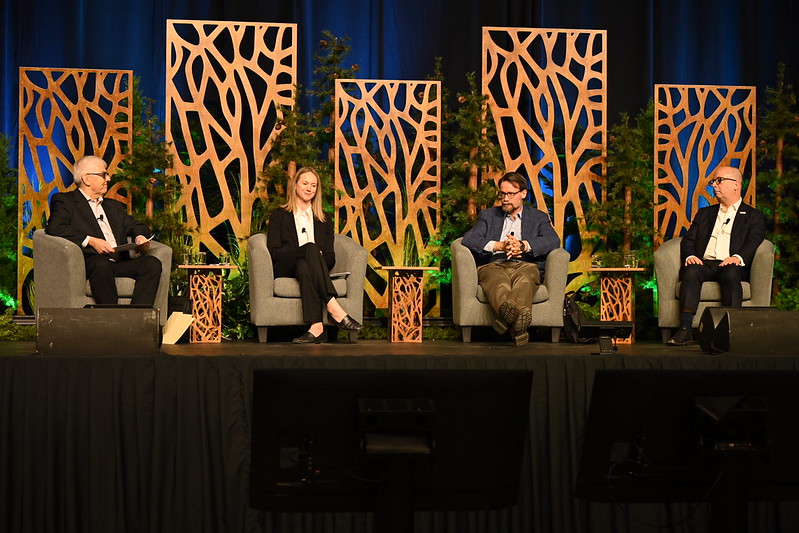
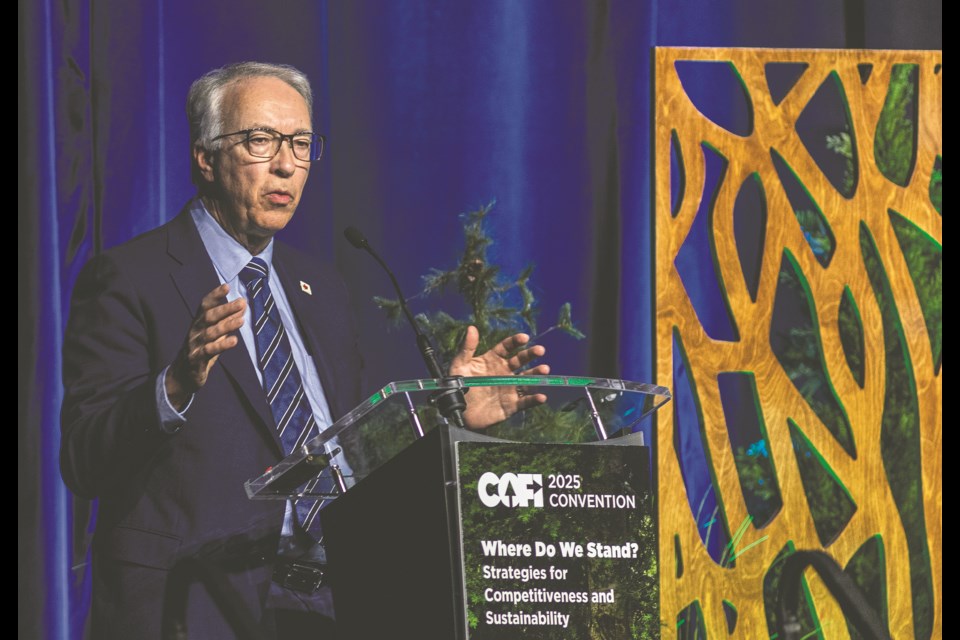
Former Oregon Governor John Kitzhaber opened the conference’s second day with a call for systemic change in how western jurisdictions respond to the interconnected crises of wildfires, community risk, and forest health. Speaking from decades of experience, Kitzhaber urged British Columbia to move beyond reactive firefighting and fragmented policy to create a landscape-level, cross-boundary strategy rooted in collaboration. “We need to reframe the problem,” he said. “We have a land management crisis masquerading as a wildfire crisis.” …Following Kitzhaber’s address, the panel tackled the challenge of bringing those high-level ideas into local practice. COFI Vice President Zara Rabinovitch moderated the conversation, which featured MLA Ward Stamer, wildfire researcher James Whitehead, and Klay Tindall of Lil’wat Forestry Ventures.







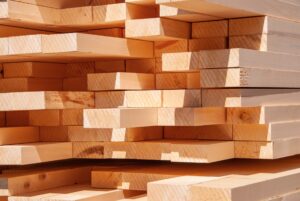 The US is set to more than double the duty it charges on softwood lumber imports from Canada, with the planned new rate set at 34.45%, up from the previous 14.54%. …New softwood lumber duties were long-feared amid the growing trade war between Canada and the US, and would be the latest blow to BC’s beleaguered forestry industry, which has seen thousands of workers laid off over the last few years. BC Premier David Eby condemned the planned duty hike as an “attack on forest workers and British Columbians” in a statement on Saturday. While Canada may have been spared additional tariffs from the US on Wednesday, anxiety around levies on BC’s softwood lumber industry remains high. …Under the U.S. Tariff Act, the Department of Commerce determines whether goods are being sold at less than fair value or if they’re benefiting from subsidies provided by foreign governments.
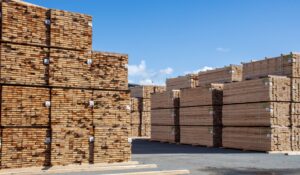 Canadian lumber has been left out of Trump’s tariff blitz, despite the president’s repeated threats to add to import taxes to a big chunk of US wood supply. Prices for two-by-fours are tumbling. Lumber futures contracts shed 8.7% to end at $606 per thousand board feet, the lowest price since mid February. They are on track for their worst day since the pandemic-era lumber bubble burst three years ago. Prices had risen this year in anticipation of another layer of import taxes. …That climb is unwinding. But the decline can also be chalked up to expectations that tariffs will push up residential construction prices and strain affordability. The tariffs Trump announced Wednesday will add about $6,400 to the cost of building an average house, UBS analyst John Lovallo estimates. That assumes that about 7% of the materials are imported and subject to an average tariff of 22%. [to access the full story a WSJ subscription is required]

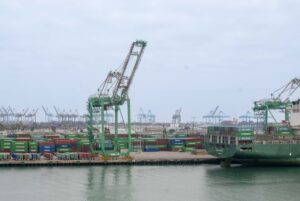 MONTREAL — The notion that Canadian companies can simply switch supply chains in response to American tariffs is a fantasy, experts say. Businesses north of the border are looking elsewhere to source their material and sell their products. But companies caught up in tightly braided supply channels after decades of trade pacts and sector specialization may quickly bump into barriers around everything from transport and labour costs to resource availability, manufacturing capacity and market saturation. …Cancelling contracts with Canadian suppliers would trigger breakage fees of up to $500 million per U.S. factory, the group said. Many parts cross the border multiple times before final assembly. …Auto, lumber and steel producers would face some of the toughest challenges in the hunt for new markets, Paschen said. …Forestry players face an entirely different dilemma. Lumber exports, while ample, have a low value per volume compared to some other commodities.




 In April 2023, close to 600 USW activists, staff and retirees from across the country gathered in Toronto for the 55th USW National Policy Conference, this central body that guides our union’s direction in Canada.

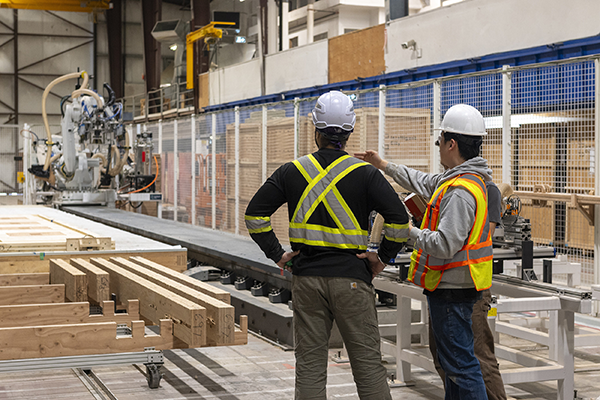
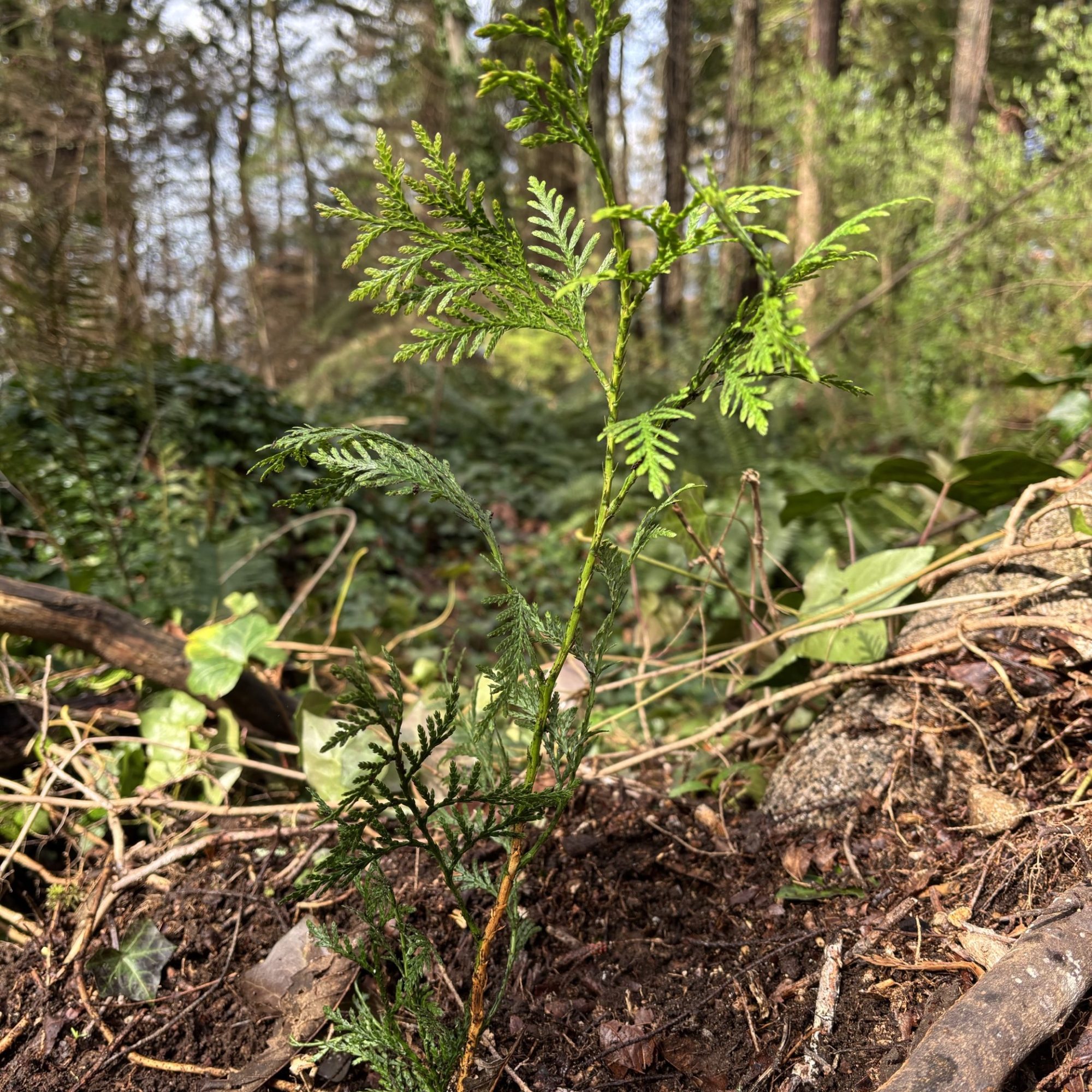

 The Province is taking action to adapt B.C.’s forests to ensure long-term sustainability and good-paying jobs by enlisting BC Timber Sales (BCTS) to play a larger role in reducing wildfire risk and enhancing forest and community resilience through its operations. This work is increasingly urgent given the threat of sector-specific tariff threats coming from the United States. … BCTS manages forest harvesting on more than 20% of B.C.’s public land. In January 2025, the Ministry of Forests initiated a review of BCTS, undertaken by an expert task force, to create pathways for a stronger, more resilient forestry sector. A progress update was announced at the Council of Forest Industries convention on Friday, April 4, 2025. “We have all witnessed the impacts of wildfire on B.C.’s communities, and we are uniting all parts of my ministry to tackle this challenge head on,” said Ravi Parmar, Minister of Forests.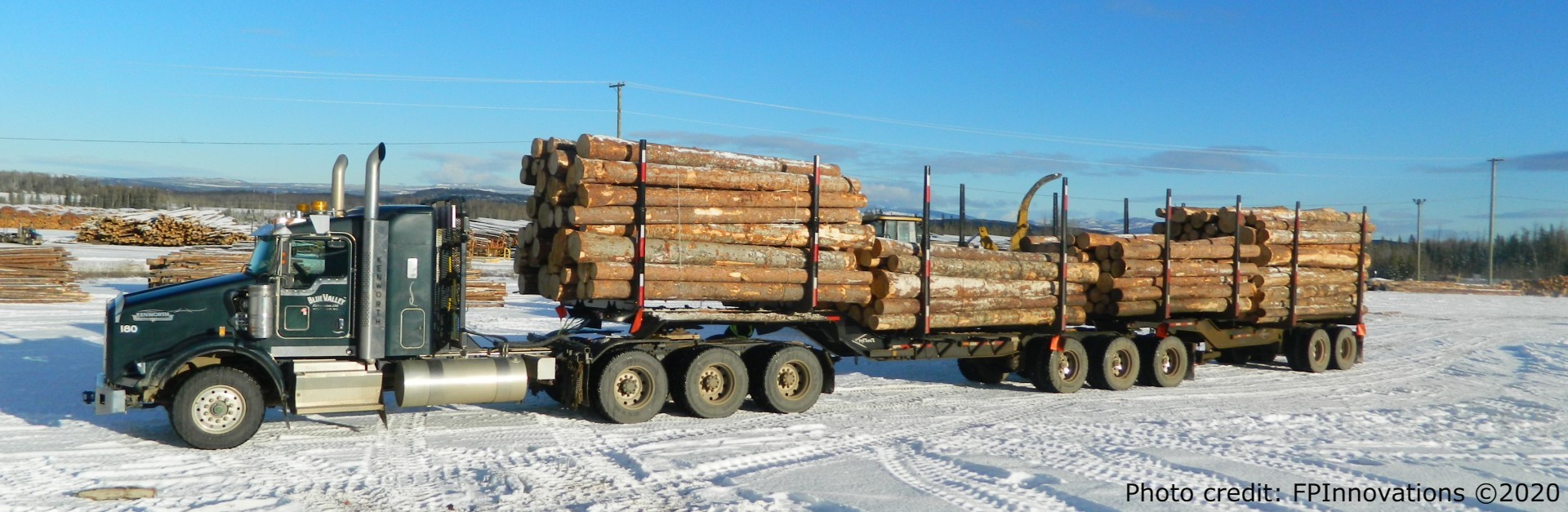
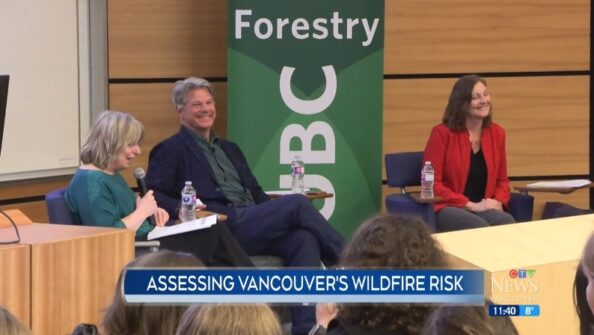 B.C.’s wildfire season is fast approaching, and experts are warning that urban areas of the province – including Metro Vancouver – may be at risk as fires grow more frequent and intense. A panel of experts – including bestselling author of Fire Weather John Vaillant and UBC Centre for Wildfire Coexistence co-director Dr. Lori Daniels – spoke about urban wildfire risks at the university’s Vancouver campus Thursday night. Daniels told CTV News a combination of climate change, forest management practices and urban expansion into fire-prone areas has contributed to a rise in the amount of land and structures burned in recent years. While in some parts of the province – such as the Okanagan Valley – there is a sense that it’s “not if, but when” a destructive wildfire will hit, Daniels said Metro Vancouver is also vulnerable.
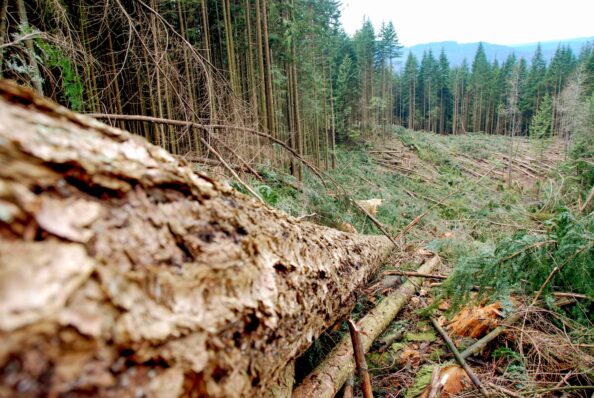 The federal government is pitching in more than $180,000 for a Kamloops-area study to determine whether rehabilitating wildfire-damaged landscapes can provide an economic opportunity through carbon credits. It’s part of a total $20 million the federal government will be injecting into B.C.’s forestry sector. Jonathan Wilkinson, minister of energy and natural resources, said 67 projects in the province will receive funding, including a number of Kamloops and Shuswap-area initiatives. The Secwepemcul’ecw Restoration and Stewardship Society will receive $184,355. …Tolko Industries will be getting $400,000 in federal funding to conduct further research into a finger jointing process for parallel laminated veneer products produced at its Heffley Creek facility. Local Indigenous groups are also set to receive funding as part of the Indigenous Forestry Initiative program. …And as part of the Global Forest Leadership program the Wood Pellet Association of Canada based in Revelstoke is set to receive $180,000 to help advance international standards for wood pellets.
 The BC Supreme Court has dismissed a lawsuit from Teal Cedar Products, a forestry company, which claimed it lost millions of dollars due to new timber rules in Haida Gwaii. The company argued that the new regulations unfairly devalued their forest tenures. The rule changes included reducing the amount of timber that could be harvested and implementing conservation measures. Teal, which owned forest licenses affected by the regulations, claimed these changes amounted to “constructive expropriation,” meaning the government’s actions took away the value of their property rights, without formally seizing the property. Chris Tollefson, a University of Victoria law professor and public interest lawyer who represented the Haida Gwaii Management Council, said private operators need to know rules evolve based on changing values and science, and companies aren’t owed compensation “where the change is bona fide, is not being used to discriminate or target them.”