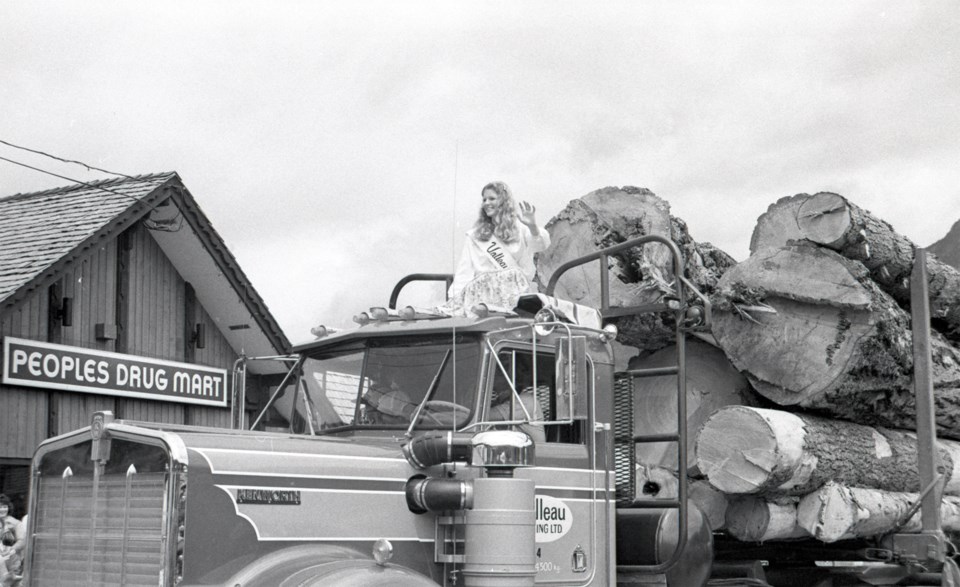
Kevin Mason
Tariff anxiety continues and is now refocused on the latest “deadline”. Despite all the tumult and spilt ink, markets are generally ascribing a low probability to duties actually being introduced. While tariff speculation is dominating conversations between buyers and sellers… we have heard no reports of meaningful pre-buying or “insurance” purchases. This is unsurprising given various supply-chain constraints, the high cost of working capital, and the difficultly of developing new relationships in short order. Buyers want protection against tariffs, but that isn’t going to happen because the US can’t self-supply most forest products. Buyers will pay up.
For some commodities, imports (and imports from Canada specifically) are a small part of US domestic consumption, so would be easier to replace. For others (including lumber, OSB, newsprint and uncoated mechanicals), replacing imports would be slow and expensive, allowing suppliers to pass on all—or almost all—of the tariff amount to consumers. In some cases, producers straddle the border and may be able to slow/idle Canadian operations while running their US assets at full tilt. …However, if some producers expect the tariff regime to be a mere negotiating ploy, with the possibility they could be reduced/removed over the next year, drastic actions (i.e., outright closures in Canada and/or new mills in the US) would not be taken. Everyone is trying to navigate through these times, with no easy answers other than “be prepared.”




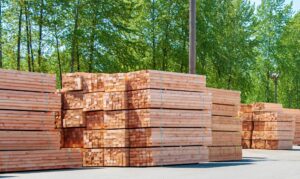 The vast majority—72%—of respondents to an HBSDealer poll question say the United States should not pursue a policy of aggressive growth. However, an aggressive approach has been launched —and then quickly paused. …For the home improvement industry, tariffs on Canadian lumber continue to be a central and controversial topic. …NAHB Chairman Carl Harris. “NAHB urges the administration to reconsider this action on tariffs, and we will continue to work with policymakers to eliminate barriers that make housing more costly and prevent builders from boosting housing production.” …Meanwhile, with a deeply ingrained opposition to imports subsidized by the Canadian government, the U.S. lumber industry applauds the tariffs. It also discounts the idea that increasing the tariffs on Canadian lumber imports would lead to significantly higher home prices. The US Lumber Coalition argues that softwood lumber prices are currently low and have not kept pace with general inflation.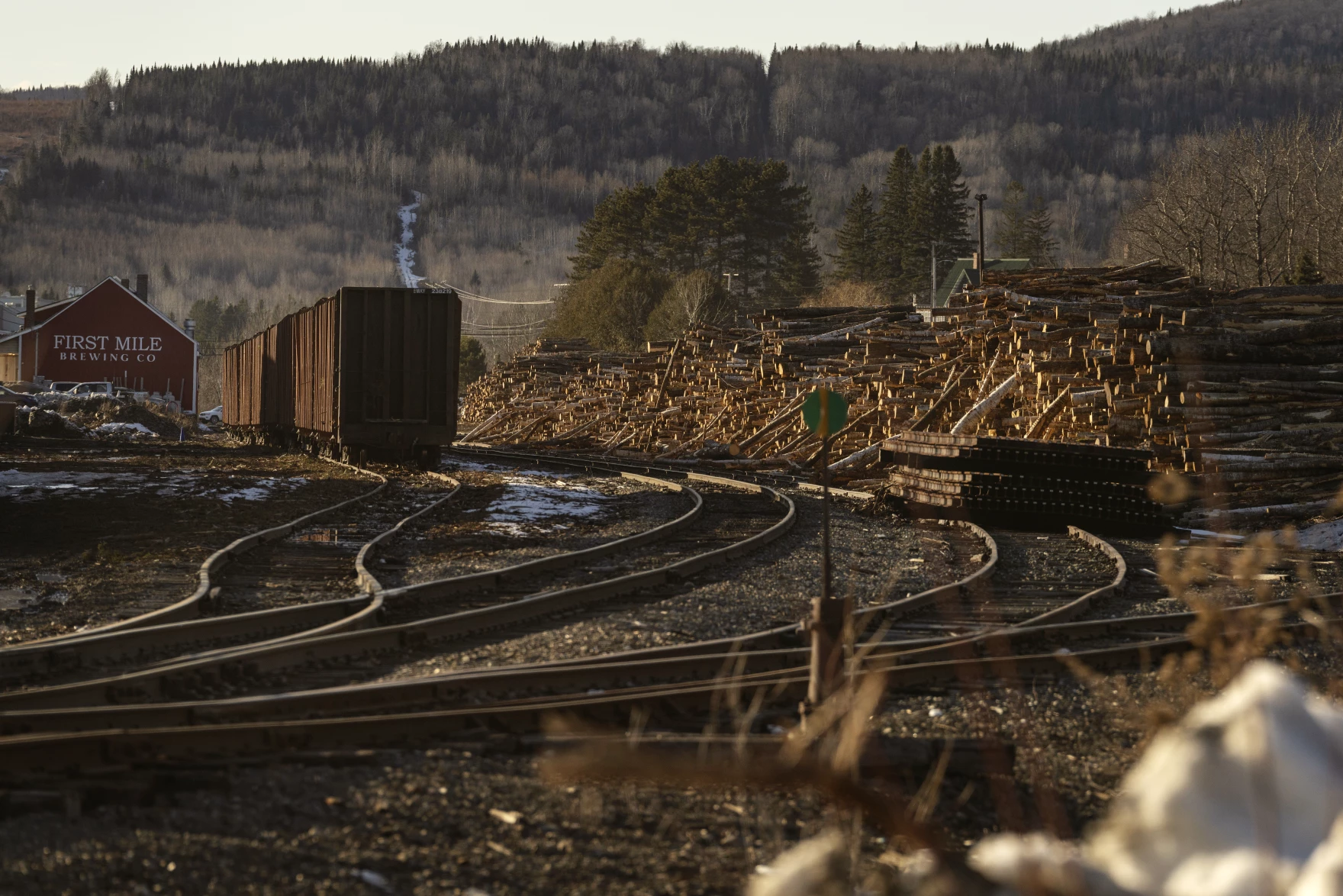


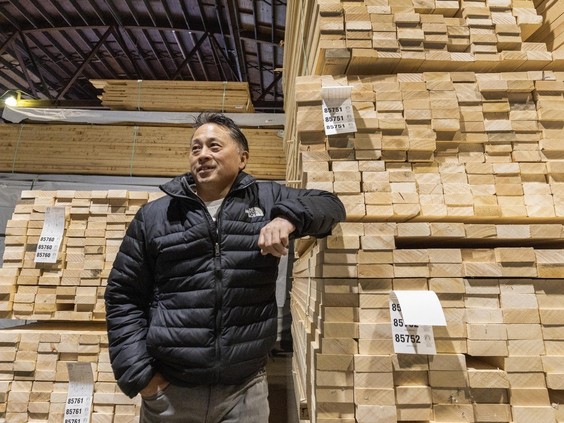

 BURNABY, BC — The United Steelworkers union welcomes Premier David Eby and the Government of BC’s decision to expedite major projects, representing an investment of approximately $20 billion, and for establishing a council to advocate for forest workers in the face of existing and pending duties and tariffs. The strategic move to advance critical mineral and energy products not only boosts the province’s economic resilience, but also ensures job security for USW members. …By accelerating these projects, the province is taking proactive steps to mitigate external economic pressures and reinforce that B.C. is a key leader in the sector. The advisory council to deal with potential impacts of increased duties and possible additive tariffs on lumber exports to the U.S. is equally important. The USW is pleased to be included in the council, which is working to get rid of the softwood duties.



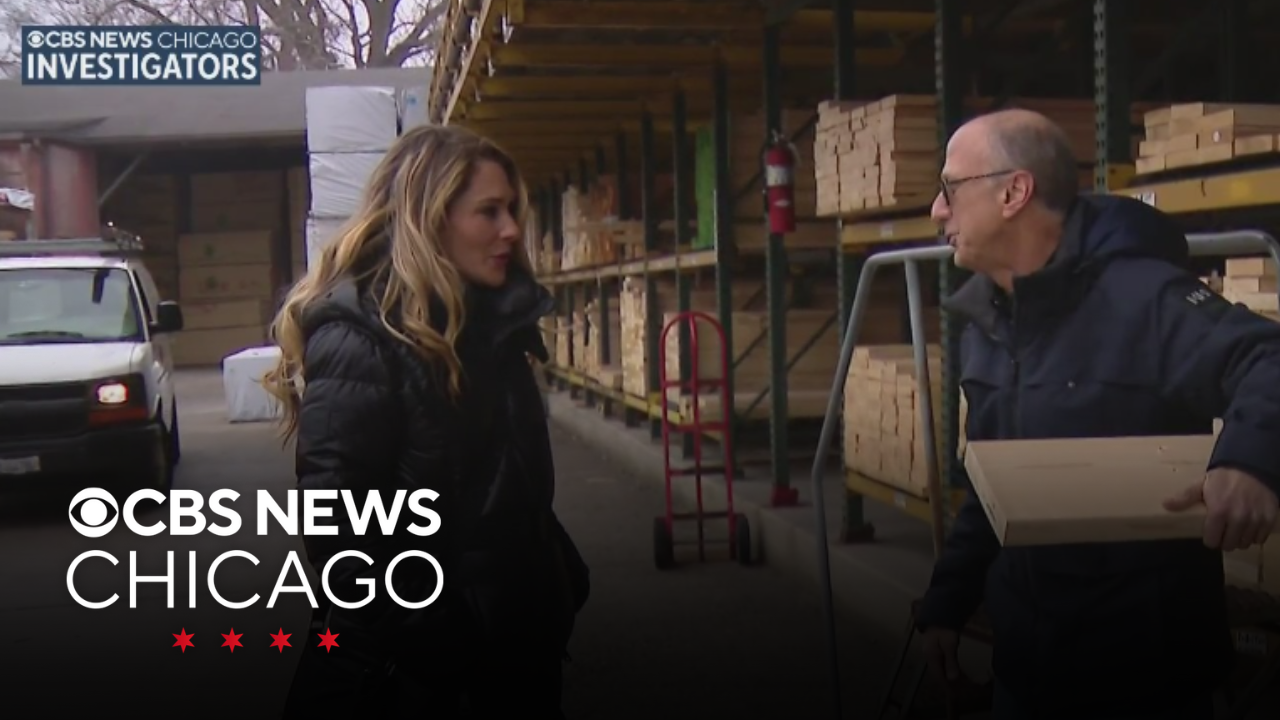
 President Trump’s tariff plans threaten to raise US home construction costs, making it even more difficult for Americans already facing a tight housing market. Trump’s proposed 25% tariffs have been delayed until at least March, along with a 10% levy now in effect on products from China, could make building a typical home as much as $29,000 pricier, said David Belman, a second-generation homebuilder in Wisconsin. A large portion of that increase — as much as $14,000 — would come from the tariff on Canada, said Belman. …Current lumber inventories may only last one to two months, even with demand still weak and the US not yet in its peak building season, said Dustin Jalbert at Fastmarkets. “It’s not going to take long for prices to have to start moving higher here to keep the supply chain stocked,” Jalbert said. Lumber futures in Chicago slumped 4.6% Tuesday on news of tariff delays, erasing gains from the previous two sessions.
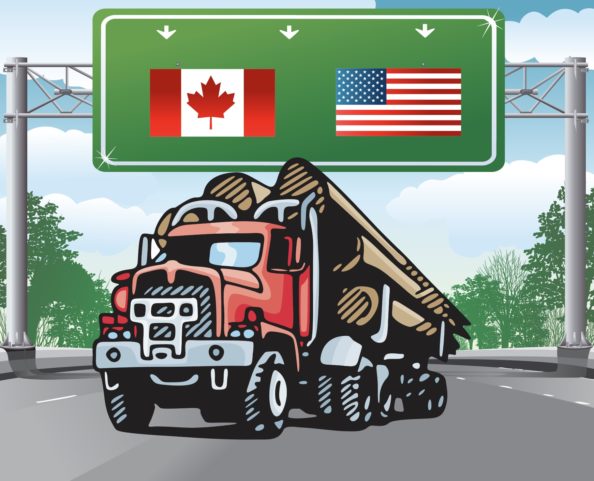 Stocks in B.C.’s three major publicly traded forestry companies were predictably down this morning (February 3), when stock markets opened after this weekend’s declaration of a trade war between the U.S., Canada and Mexico. U.S. stock markets were jolted, too, Monday morning, as was the S&P TSX composite Index. The Canadian dollar fell to $0.68 to the American dollar following Saturday’s confirmation that Trump will hit Canadian imports with 25 per cent tariffs, and 10 per cent tariffs on Canadian energy imports, beginning Tuesday. North American stocks fell sharply in early morning trading before recovering somewhat. Canadian companies that are highly exposed to the U.S. were jolted, with companies like West Fraser Timber, Canfor Corp and Interfor Corp. experiencing early morning drops of four, five and six per cent respectively, before correcting somewhat later in the morning.
 Don’t miss these headlines and more in the February Market News and Insights:

 Dear Minister Ravi Parmar: I am writing to you in reference to your recent Minister’s Statement regarding photos of tree spiking claimed to be of Fairy Creek, submitted to you anonymously and without verification. I understand from the reporter who subsequently interviewed me that the purported sender was “Friends of Fairy Creek.” My name is Kathy Code and I am a Fairy Creek Forest Defender. …Thus, I was dismayed to read your statement. Not only are you giving public voice to unsubstantiated claims from an unknown sender, but the weight of your office gives some credence to the underlying accusations. …I ask on behalf of the citizens of BC that you withdraw your statement as a means of maintaining the dignity of your office.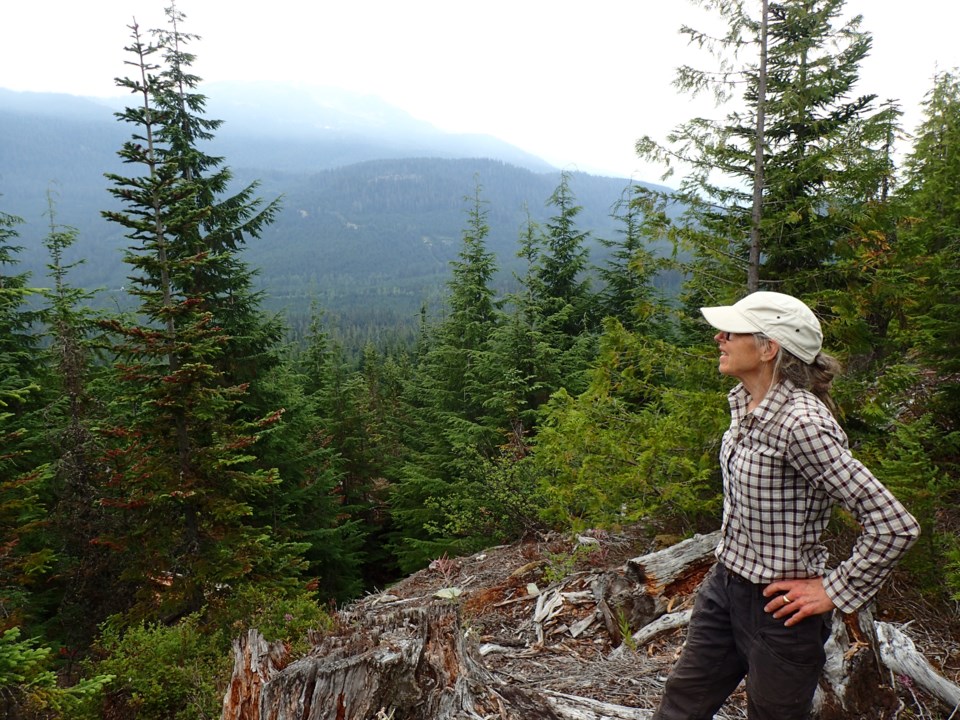
 The overall goal is to have a working forest while sustaining ecological and cultural values so that future generations have access to forest areas just as diverse and healthy as those currently enjoyed. For Sunshine Coast Community Forest (SCCF) operations manager, Warren Hansen, ecosystem-based management (EBM), a tool introduced in its operations in 2021, “came from the heart” of what the community wants from SCCF. In his opening remarks at a Jan. 30 Community Advisory Panel and public information webinar, he noted that SCCF’s board and community advisory panel are committed to using EBM in stewarding its tenure by harvesting timber in a way that curbs losses of biodiversity. The overall goal is to have a working forest while sustaining ecological and cultural values so that future generations have access to forest areas just as diverse and healthy as those currently enjoyed. To do that, SCCF relies on advice from contractors including Laurie Kremsater and Anna Yuill, who presented an overview of EBM to about 35 people tuned into the webinar.



.jpg)