
Kevin Mason
In looking across the entire forest products space this year, it is abundantly clear that demand is weak across all segments. There is no expectation of an improvement in 2025 as consumption remains poor and restocking efforts are expected to be limited. As such, any hopes of better supply/demand dynamics are going to come down to supply discipline (slowbacks/downtime/closures). We have some thoughts about how this might play out in the various sectors: Timber and Timberland—Timber harvest guidance will naturally follow wood products demand. Finding a home for pulpwood has been problematic for several years and will only become more difficult amid ongoing downstream capacity shuts. New demand is possible over time, but nothing is expected in the near-term.
Solid Wood—A raft of capacity closures in both Canada and the US had brought the lumber market into better balance to begin 2025. However, with demand weakening further through the first half of 20025 (and given a bleak medium-term outlook), further capacity rationalization will be required to restore balance and lift prices (Canada will be the focus, but the US could also see shuts). In OSB, prices are already at cash- cost levels, demand could slip further in the coming months, and new greenfield capacity is slated for late ’25 and early ’26. Accordingly, closures/downtime are sorely needed. For both lumber and OSB, producers may be awaiting the outcome of the Section 232 investigation before making major changes to operations.

 The Albanese Labor Government released a


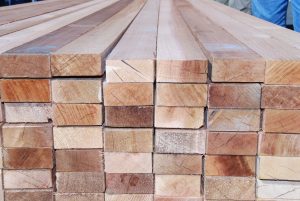 New Zealand has a strong story to tell about free trade, farming and renewable forestry resources. …Given the healthy relationship between the US and New Zealand on the trade front, the temporary relief of tariffs on timber and lumber imported into the US has been welcomed. Though we realise that this tariff exemption could be short lived based on the outcome of the Section 232 investigation aimed at determining the global effects imports of timber, lumber and their derivative products have on the US supply chain. As a small niche supplier of wood products that are needed by the US domestic building market, there is a strong argument for keeping New Zealand timber and lumber imports tariff free to avoid any additional price hikes and further supply chain disruptions. …Like many, we now wait for completion of the section. 232 Investigation.


 UK — Housing programmes delivered by Homes England resulted in 38,308 new houses starting on site and 36,872 new homes completed between 1 April 2024 and 31 March 2025. This represents an increase in both starts (by 5%) and completions (by 12%) compared to the same period the previous year. 30,087 of new starts on site were for affordable houses — a 0.6% increase on the previous year, and representing 79% of all starts. …Eamonn Boylan, Chief Executive of Homes England, said: ”The statistics demonstrate the importance of programmes like the Affordable Homes Programme (AHP) to enable the delivery of these much-needed homes — and comes hot on the heels of the government committing a further £39 billion in funding to affordable homes over a 10 year period, giving confidence and certainty to the sector.”
 The fashion industry is often seen as a voracious, thirsty villain that extracts billions of liters of water out of the environment. …These conditions are the biggest ‘WHY’ for Spinnova, a Finnish startup that works tirelessly to create technology for sustainable natural fibers to match its growing demand. …But before we delve into the details, would you believe the core idea for Spinnova was actually born from… a spiderweb? Back in 2009, Juha Salmela, a cellulose expert from Finland attended an Oxford University conference. He heard a presentation from a leading spider researcher, who explained the similarities between spiderweb’s protein and nanocellulose. And, that happened to be his Eureka moment. What if wood fiber could be spun into textile fiber in a similar manner? Fast forward to 2023, the wood-based Spinnova fiber was born. …The process at Spinnova starts with sourcing cellulose-rich raw materials such as FSC-certified wood pulp.
 UK waste wood market processed over 96% of material, annual statistics published this month by the Wood Recyclers’ Association (WRA) showed. The association said that there was “strong demand” for material in 2024. According to the statistics, 4.5 million tonnes of waste wood arose in the UK last year. Of this, 4.33 million tonnes (96%) were sent for reuse, recycling or recovery, the figures showed. The organisation compiled the 2024 figures through its annual survey of members who handle approximately 90% of the market, combining the findings with latest industry data. The figures are somewhat similar to 2023 which saw 97% of the material processed.
 As per a study documented in RSC Sustainability (Royal Society Of Chemistry), researchers have explored a new approach to using cellulose fibre manufacturing. The study highlighted the use of waste products from agriculture, which Sweden has in abundance. Taking a leap from commonly researched wood-based cellulose, the researchers instead focussed on products including oat husks, potato pulp, wheat straw, and sugar beet pulp to create dissolving pulp for clothes – a key ingredient in making textiles. In this regard, Diana Bernin, Assistant Professor at the Department of Chemistry and Chemical Engineering at Chalmers University of Technology and senior researcher in the study, mentioned this study, which is centered on generating textile from waste products, as a significant step in creating a circular economy. She also added that these waste products are more beneficial than using cotton.
 Forestry Australia has welcomed the release of the Federal Government’s Timber Fibre Strategy, congratulating Minister Julie Collins and the Albanese Government for delivering a timely and important roadmap to support a sustainable, world-leading forest and wood products sector.
 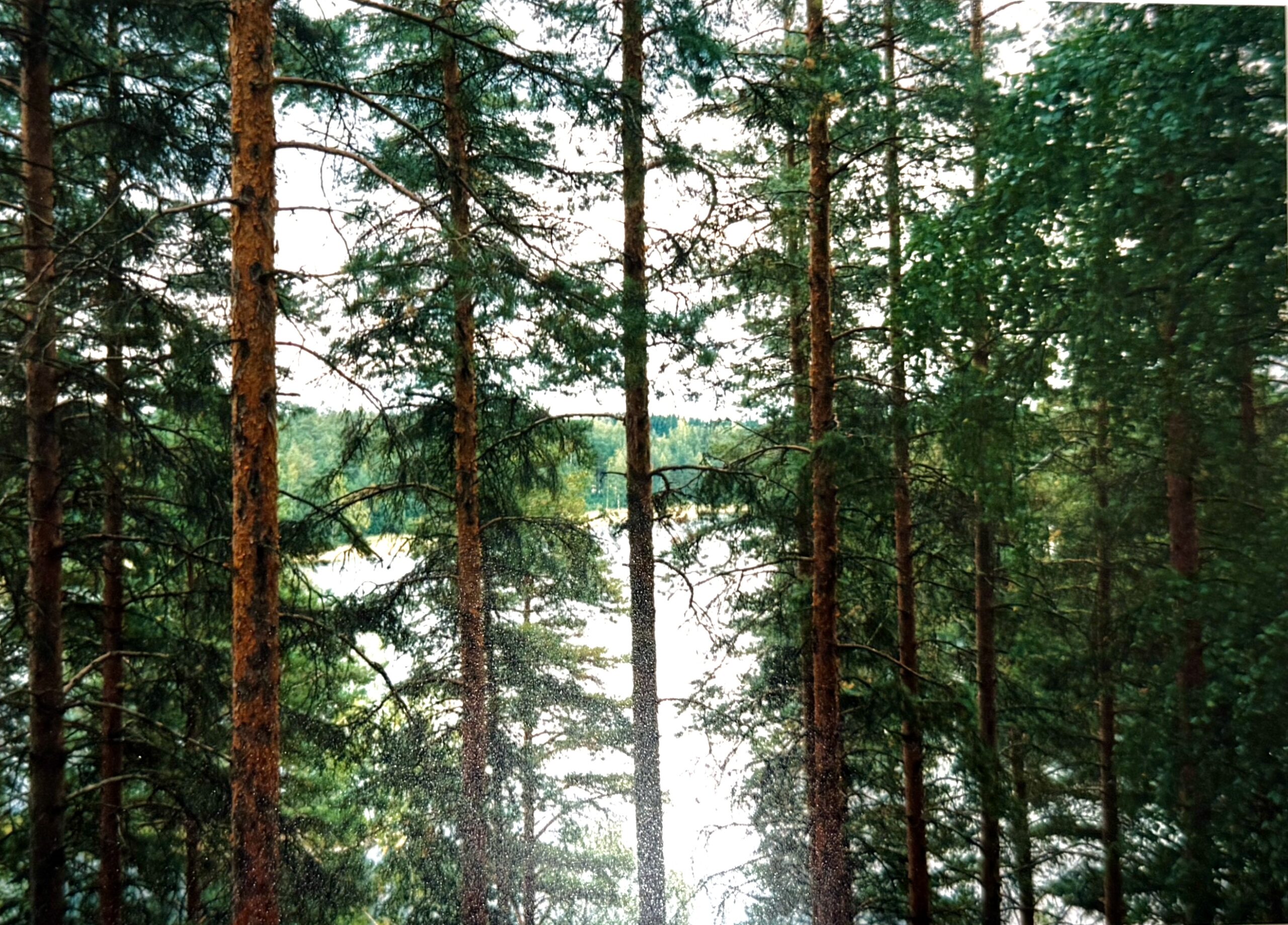 The Ministry of Agriculture and Forestry has unveiled a broad package of measures aimed to boosting forest growth and pollution-absorbing carbon sinks. The moves will help Finland reach its goal of carbon neutrality by 2035, as required by law and stipulated in the government programme, ministry officials said on Friday. The agency is led by Minister of Agriculture and Forestry Sari Essayah, chair of the Christian Democrats. The government of Prime Minister Petteri Orpo (NCP) approved the financing of forest-related climate measures during its mid-term policy review session last spring and in its second supplementary budget of 2025. The measures include moves to step up fertilisation of forests and expansion of the forest cover in an effort to increase carbon sequestration, in other words woodlands’ capacity to absorb and store carbon from emissions that would otherwise contribute to global warming.
 The Forest Stewardship Council (FSC) reaffirms its support for the Green Claims Directive (GCD) and the Empowering Consumers Directive (ECD) and welcomes the European Commission’s recent decision not to withdraw the GCD proposal. These legislations are critical in the fight against greenwashing and ensuring that consumers have access to accurate, reliable, and verifiable information. FSC, together with ISEAL, has contributed concrete feedback into the GCD and ECD discussions since their onset, with the aim of raising the bar for environmental claims and ensuring the provisions will work in practice. Together, the two proposals offer a powerful framework to ensure that environmental claims and labels placed on the EU market are trustworthy and transparent. Labels rooted in robust, independent certifications like FSC, support companies to enhance accountability and consumer trust.
 As a forester and now in my role at Grown in Britain, I regularly encounter a range of misconceptions about home-grown timber. …First, let’s address the elephant in the room. The UK imports a significant amount of timber, and these figures are often cited to suggest something isn’t working as it should be. However, increasing timber use in construction is a positive development, as it replaces more carbon-intensive materials. One of the key reasons Grown in Britain was set up – is we import substantial amounts of timber whilst neglecting our own forests and woodlands. Over 10 years ago, when GiB started, the government considered over 60% of our woods were not managed. Our initiative, alongside the efforts of many, has reduced this to nearer 40% today. …With global and UK timber demand increasing, it seems inappropriate to import so much when we’re not fully utilising our resources.
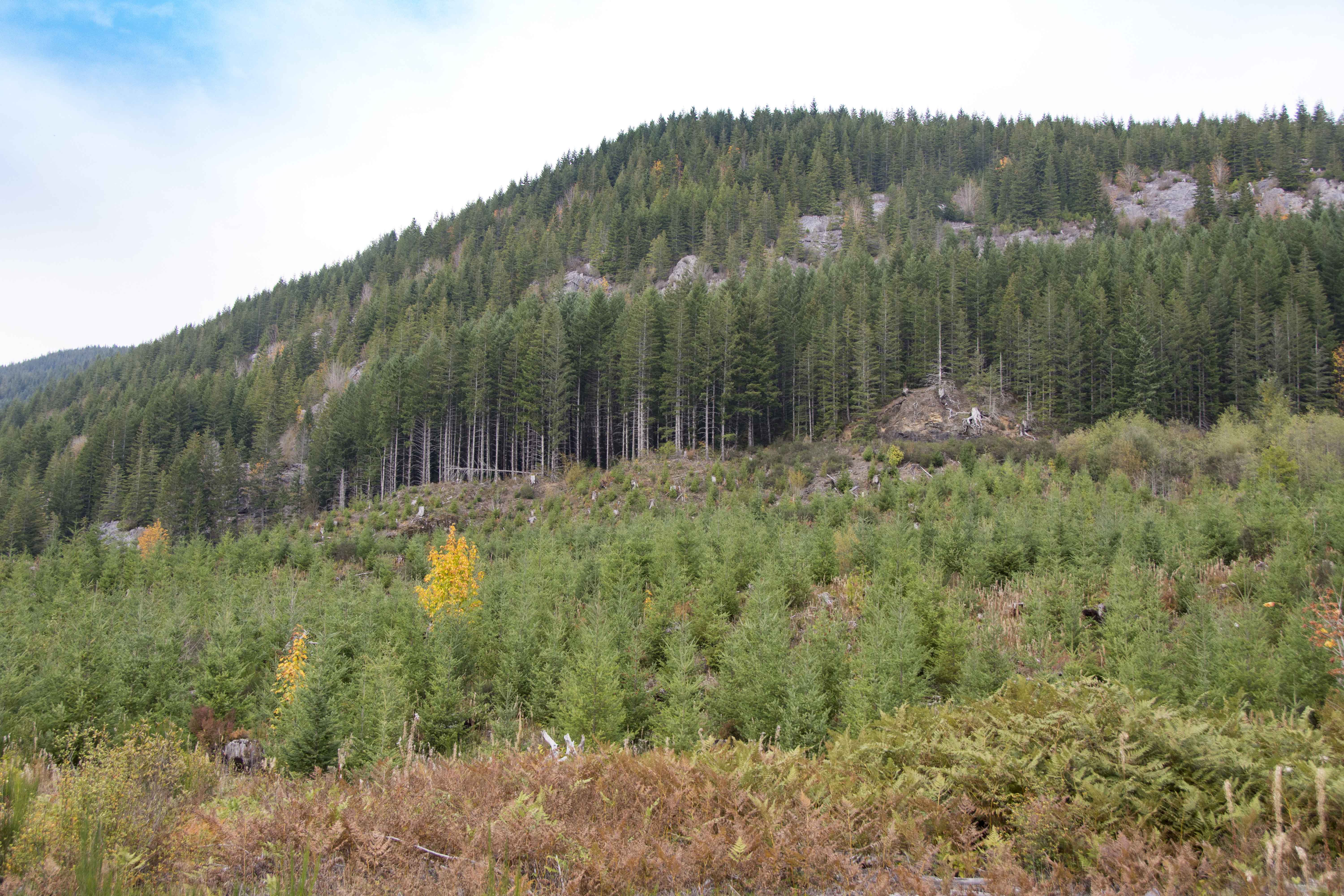 Young forests regrowing from land where mature woodlands have been cut down have a key role to play in removing billions of tons of atmospheric carbon dioxide (CO2) and combating climate change, a new study reveals. …Forest regeneration offers a cost-effective method for carbon removal, but rates vary by location and forest age. Researchers have discovered that young secondary forests, particularly those aged between 20 and 40 years, exhibit the highest rates of carbon removal—locking away up to eight times more carbon per hectare than newly regenerating forests. …Their study reveals that if 800 million hectares of restorable forest begin regenerating in 2025, up to 20.3 billion metric tons of carbon could be removed by 2050, but delays sharply reduce this potential.
 The European Commission on Wednesday proposed an EU climate target for 2040 that for the first time will allow countries to use carbon credits from developing nations to meet a limited share of their emissions goal. The European Union executive proposed a legally-binding target to cut net greenhouse gas emissions by 90% by 2040, from 1990 levels – aiming to keep the EU on course for its core climate aim to reach net zero emissions by 2050. But following pushback from governments including France, Germany, Italy, Poland and the Czech Republic, the Commission also proposed flexibilities that would soften the 90% emissions target for European industries. Reflecting Germany’s public stance, up to 3 percentage points of the 2040 target can be covered by carbon credits bought from other countries through a U.N.-backed market, reducing the effort required by domestic industries.
  In an update to the joint UNESCO-WRI-IUCN report
 When Domino’s advertised its “smokehouse” pizzas in 2023, it trumpeted that the meat was smoked over timber logged from “Aussie Mountain ash”. It also advertised that the timber was certified as sustainable. But what the advertising didn’t promote was that mountain ash forests are critically endangered, with logging listed as one of the key processes threatening them. And now the ABC can reveal the certification that assured consumers that logging was sustainable was breached in seven different ways, according to the organisation that accredits certifiers. Those breaches included potentially stealing the trees from the neighbouring state forest, ignoring protections for waterways and logging potential endangered species habitat. “I think Australians should be absolutely appalled that the world’s tallest flowering tree is chipped up to make woodchips to smoke pork bellies to put on pizzas. It’s ridiculous. What are we talking about? Endangered possum pizzas?” Professor Lindenmayer said.
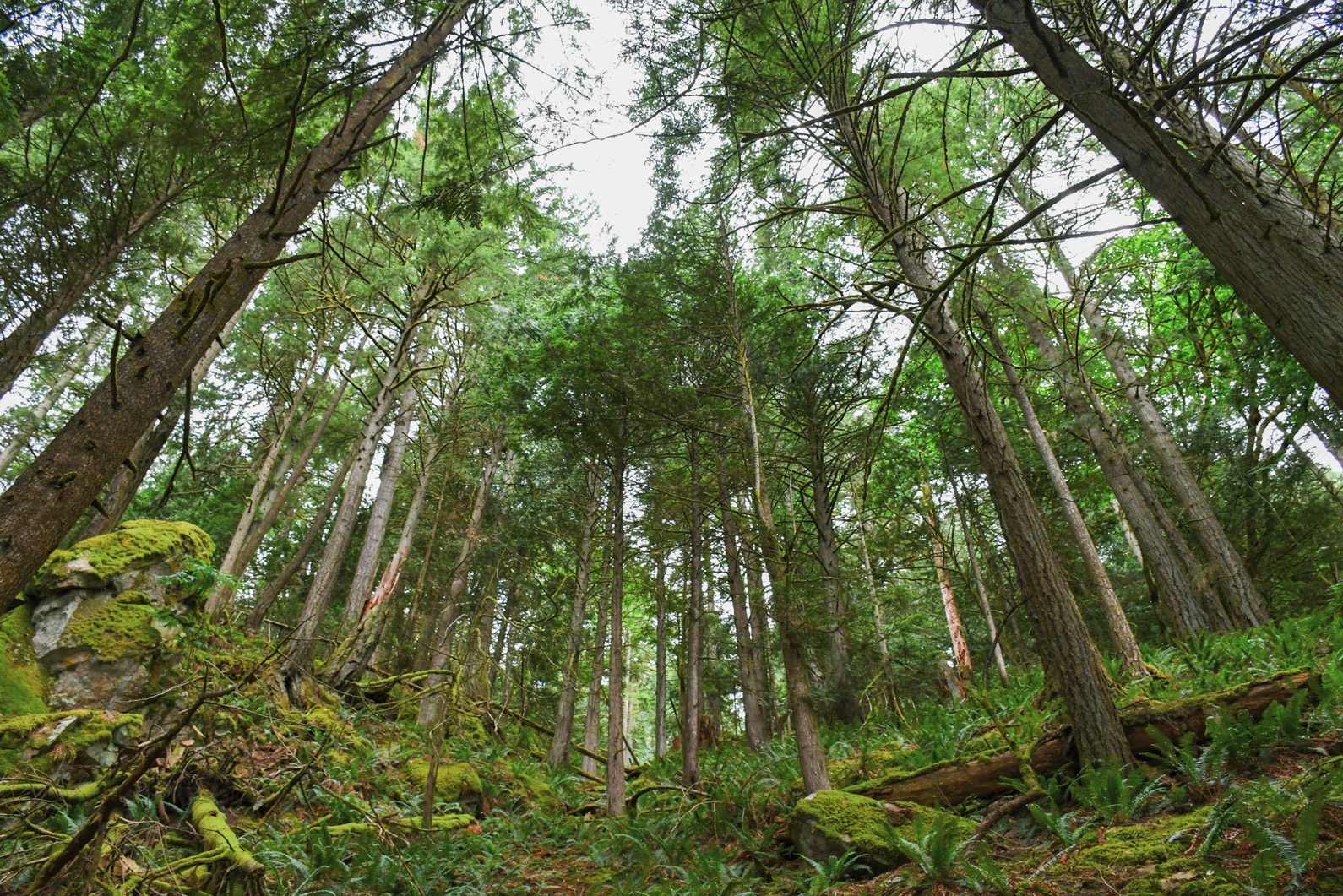 Naturally-regenerating forests are often ignored by policymakers working to curb climate change even though they hold an untapped potential to rapidly absorb planet-warming carbon from the atmosphere, scientists found in a research paper published Tuesday. These so-called secondary forests, which have regenerated themselves after being razed, often for agriculture, can help bring the world closer to the net-zero emissions target needed to slow global warming, the research published in the journal shows. That is because these young forests, which are made of trees between two and four decades old, can remove carbon from the atmosphere up to eight times faster per hectare than forests that were just planted, they found. It comes as companies worldwide are raising millions of dollars to regrow forests from scratch to generate carbon credits they can sell to polluting industries seeking to offset their greenhouse gas emissions.
 Judges across the world are proving sceptical of companies’ attempts to offset their greenhouse gas emissions by buying carbon credits,
  Protecting and restoring forests are essential for curbing climate change. But while efforts often focus on conserving mature forests and planting new trees (both of which are badly needed), a critical piece of the puzzle is often overlooked: managing naturally regrowing forests to increase the carbon they remove. Until now, scientists did not have a detailed picture of the carbon removal value of naturally regrowing forests. But
  While biomass production and extraction in the European Union continue to grow, its long-term viability is at risk due to declining ecosystem conditions. A new



 Firefighters across Europe continue to battle forest fires amid blistering heatwaves, as blazes broke out in Germany, Greece and Turkey on Saturday. Hundreds of German firefighters have been battling blazes for days in the forested regions of Thuringia and Saxony, including the Gohrischheide nature reserve near the Brandenburg border. …Firefighters in Greece made progress in containing a wildfire that broke out on Friday afternoon in eastern Attica. …Strong winds and dry conditions have raised the risk of wildfires across Greece, prompting heightened vigilance by emergency services. In Turkey, firefighters have reportedly brought several large wildfires under control in the western Izmir province. …Ground crews, supported by planes and helicopters, worked around the clock for three days to contain the fires, according to the Turkish forestry directorate. …Turkey also reportedly sent two aircraft and 11 fire engines along with support vehicles to Syria on Saturday to help in the firefighting efforts there.
 ISTANBUL/PARIS/BRUSSELS – Firefighters battled wildfires in Turkey and France on Monday and more than 50,000 people were evacuated as an early summer heatwave hit Europe. Health alerts were issued in France, Spain, Italy, Portugal and Germany. Even the Netherlands, used to a milder climate, issued a warning for high temperatures in the coming days, coupled with high humidity. “Large parts of Western Europe are experiencing extreme heat and heatwave conditions that are normally observed in July or August, rather than June,” said the EU’s Copernicus Climate Change Service. …In Turkey, wildfires raged for a second day in the western province of Izmir, fanned by strong winds, Forestry Minister Ibrahim Yumakli said. More than 50,000 people have been evacuated from five regions, including more than 42,000 in Izmir, Turkey’s AFAD emergency management authority said.