
Kevin Mason
In looking across the entire forest products space this year, it is abundantly clear that demand is weak across all segments. There is no expectation of an improvement in 2025 as consumption remains poor and restocking efforts are expected to be limited. As such, any hopes of better supply/demand dynamics are going to come down to supply discipline (slowbacks/downtime/closures). We have some thoughts about how this might play out in the various sectors: Timber and Timberland—Timber harvest guidance will naturally follow wood products demand. Finding a home for pulpwood has been problematic for several years and will only become more difficult amid ongoing downstream capacity shuts. New demand is possible over time, but nothing is expected in the near-term.
Solid Wood—A raft of capacity closures in both Canada and the US had brought the lumber market into better balance to begin 2025. However, with demand weakening further through the first half of 20025 (and given a bleak medium-term outlook), further capacity rationalization will be required to restore balance and lift prices (Canada will be the focus, but the US could also see shuts). In OSB, prices are already at cash- cost levels, demand could slip further in the coming months, and new greenfield capacity is slated for late ’25 and early ’26. Accordingly, closures/downtime are sorely needed. For both lumber and OSB, producers may be awaiting the outcome of the Section 232 investigation before making major changes to operations.
 Is Brazil playing fair when it comes to trade? An investigation launched July 15 by the Office of the United States Trade Representative (USTR) aims to find the answer. The Section 301 investigation will seek to determine whether acts, policies, and practices of the Government of Brazil related to a host of trade issues — including ethanol market access and forestry practices — are “unreasonable or discriminatory and burden or restrict U.S. commerce.” “Brazil has walked away from its willingness to provide virtually duty-free treatment for U.S. ethanol and instead now applies a substantially higher tariff on U.S. ethanol exports,” the USTR office wrote in announcing the investigation. The announcement also said Brazil appears to be failing to effectively enforce laws and regulations designed to stop illegal deforestation — which undermines the competitiveness of U.S. producers of timber and ag products.

 Amid global economic uncertainties and tightening trade policies, Việt Nam’s wood industry is navigating through significant headwinds. While long considered a strong export sector, local enterprises are now re-evaluating their strategies to not only sustain growth but also reposition Vietnamese wood products on the global trade map. According to Nguyễn Liêm, chairman of the Bình Dương Furniture Association, major shifts in trade policies among importing countries have been felt since early this year. …The US remains the largest market, accounting for nearly 50% of the industry’s export value. …Recently, the US Department of Commerce (DOC) initiated anti-dumping and countervailing investigations into plywood imported from Việt Nam. …Besides the US, the European Union has also implemented new technical and legal requirements. Regulations such as the EU Deforestation Regulation (EUDR), the Carbon Border Adjustment Mechanism (CBAM), and the Corporate Sustainability Reporting Directive (CSRD) are demanding more rigorous environmental and traceability standards.
 Investigators at UK-based non-profit, Earthsight, have uncovered a booming trade in illegal Russian timber stretching throughout Europe and breaching war sanctions. The investigation ‘
 The Albanese Labor Government released a


 President Trump announced his team struck a trade deal with Indonesia on Tuesday and said details would be forthcoming. …The announcement comes after Trump unveiled a new batch of letters to over 20 trade partners outlining tariffs on goods imported from their countries beginning in August. The letters set new baseline tariff levels at 20% to 40% — except for a 50% levy on goods from Brazil. …Trump has also escalated tariff tensions with Canada, Mexico, and the European Union recently. On Thursday, Trump announced a 35% tariff on Canadian goods and followed that up with promises of 30% duties on Mexico and the EU. The EU has been preparing options for a trade deal, while also preparing an extensive list of counter-tariffs that would affect 72 billion euros ($84 billion USD) of American products should talks fail. “There will be a huge impact on trade,” the EU’s chief negotiator said Monday.
 New Zealand has a strong story to tell about free trade, farming and renewable forestry resources. …Given the healthy relationship between the US and New Zealand on the trade front, the temporary relief of tariffs on timber and lumber imported into the US has been welcomed. Though we realise that this tariff exemption could be short lived based on the outcome of the Section 232 investigation aimed at determining the global effects imports of timber, lumber and their derivative products have on the US supply chain. As a small niche supplier of wood products that are needed by the US domestic building market, there is a strong argument for keeping New Zealand timber and lumber imports tariff free to avoid any additional price hikes and further supply chain disruptions. …Like many, we now wait for completion of the section. 232 Investigation.
 UK softwood traders enjoyed a period of strong trading through the first two months of Q2, supported by a rise in demand gaining momentum through both April and May. This followed on from a stable Q1 when imports increased by just under 2% against the same period in 2024. Since the beginning of this year, a number of Nordic producers were short of spruce logs for structural grades, and in many cases switched to pine. That move had a knock-on effect on the amount of redwood available for production at some mills. With good demand and some shortages, Q2 prices moved upwards, not only to the UK but other markets in Europe and the US as well. However, the UK merchants adopted a more sceptical and cautious approach. Many held back from making longer-term commitments on the forward market to ensure the recovery and stability in the market was sustainable.
 Timber and forestry investment is gaining ground in Europe, as private equity increasingly shifts towards climate-aligned strategies. A recent EY report highlights growing momentum behind timber and forestry funds, previously seen as niche, now positioned as core components of sustainability-focused portfolios. Despite global private equity fundraising falling to $680 billion in 2024, the lowest since 2015, investors are favouring fewer, larger deals. Europe is leading in sustainable asset allocation, with over half of all new fund launches in Article 8 and 9 categories under the EU Sustainable Finance Disclosure Regulation, according to Morningstar. Timber and forestry funds attracted $8.4 billion in 2024, slightly down from 2023 but above the five-year average. These funds often deliver double-digit internal rates of return, with top-performing vintages exceeding 16 percent.

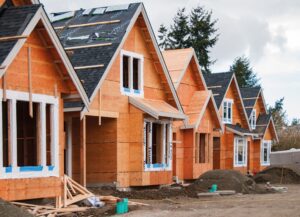 UK — Housing programmes delivered by Homes England resulted in 38,308 new houses starting on site and 36,872 new homes completed between 1 April 2024 and 31 March 2025. This represents an increase in both starts (by 5%) and completions (by 12%) compared to the same period the previous year. 30,087 of new starts on site were for affordable houses — a 0.6% increase on the previous year, and representing 79% of all starts. …Eamonn Boylan, Chief Executive of Homes England, said: ”The statistics demonstrate the importance of programmes like the Affordable Homes Programme (AHP) to enable the delivery of these much-needed homes — and comes hot on the heels of the government committing a further £39 billion in funding to affordable homes over a 10 year period, giving confidence and certainty to the sector.”
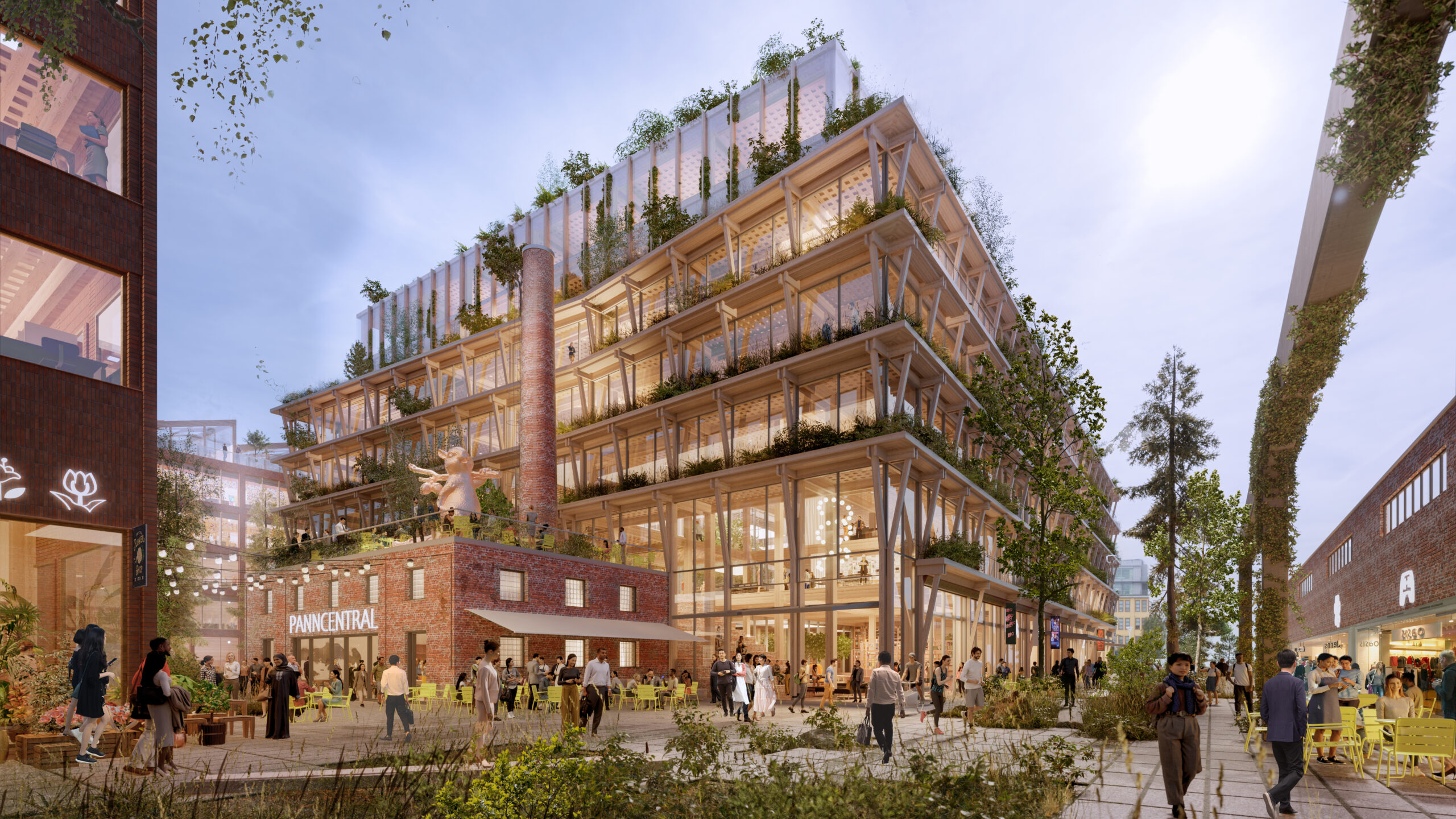

 GALWAY, Ireland — Minister of State with responsibility for Forestry, Michael Healy-Rae, announced a new report “
 The fashion industry is often seen as a voracious, thirsty villain that extracts billions of liters of water out of the environment. …These conditions are the biggest ‘WHY’ for Spinnova, a Finnish startup that works tirelessly to create technology for sustainable natural fibers to match its growing demand. …But before we delve into the details, would you believe the core idea for Spinnova was actually born from… a spiderweb? Back in 2009, Juha Salmela, a cellulose expert from Finland attended an Oxford University conference. He heard a presentation from a leading spider researcher, who explained the similarities between spiderweb’s protein and nanocellulose. And, that happened to be his Eureka moment. What if wood fiber could be spun into textile fiber in a similar manner? Fast forward to 2023, the wood-based Spinnova fiber was born. …The process at Spinnova starts with sourcing cellulose-rich raw materials such as FSC-certified wood pulp.
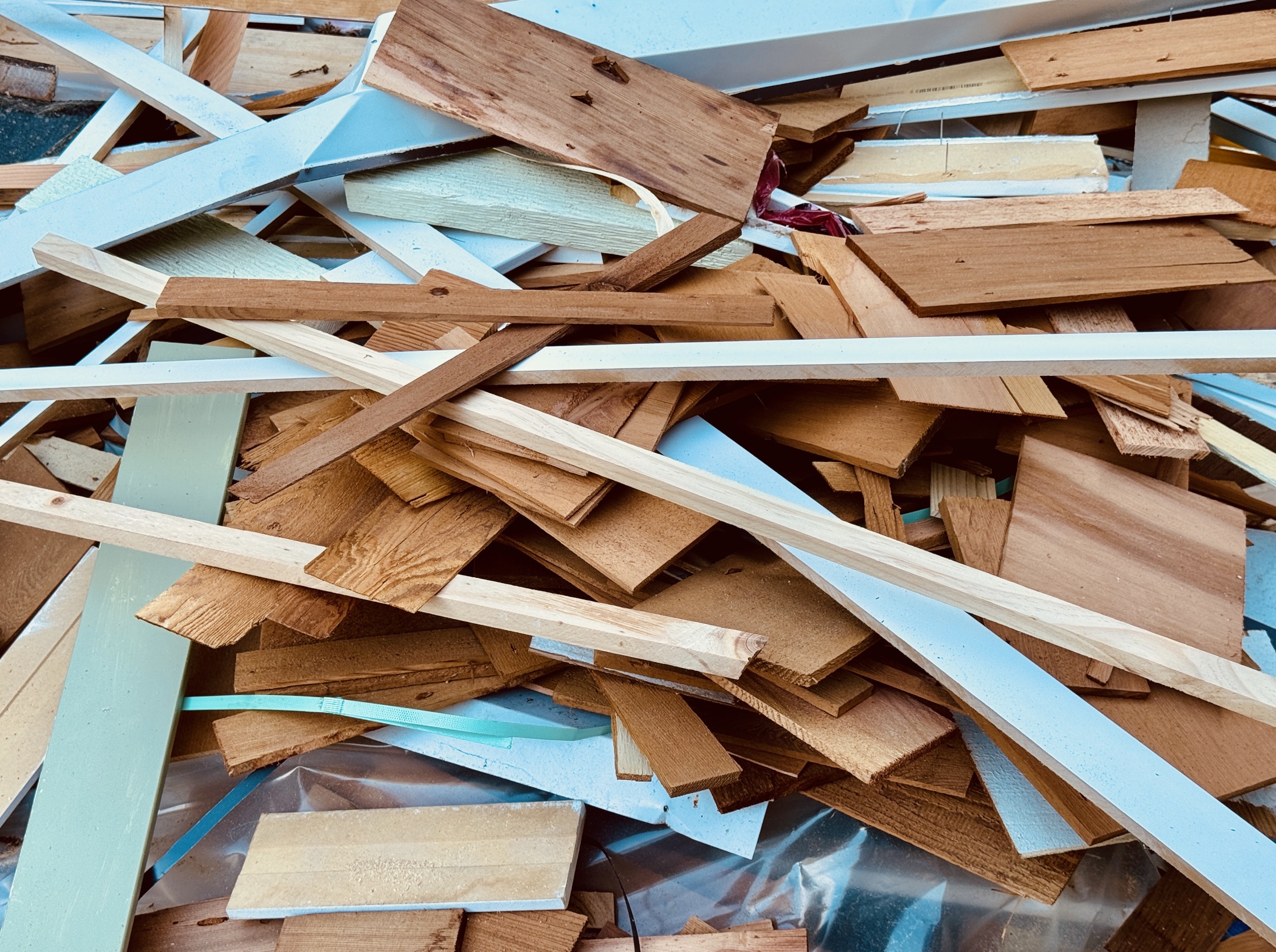 UK waste wood market processed over 96% of material, annual statistics published this month by the Wood Recyclers’ Association (WRA) showed. The association said that there was “strong demand” for material in 2024. According to the statistics, 4.5 million tonnes of waste wood arose in the UK last year. Of this, 4.33 million tonnes (96%) were sent for reuse, recycling or recovery, the figures showed. The organisation compiled the 2024 figures through its annual survey of members who handle approximately 90% of the market, combining the findings with latest industry data. The figures are somewhat similar to 2023 which saw 97% of the material processed.
 As per a study documented in RSC Sustainability (Royal Society Of Chemistry), researchers have explored a new approach to using cellulose fibre manufacturing. The study highlighted the use of waste products from agriculture, which Sweden has in abundance. Taking a leap from commonly researched wood-based cellulose, the researchers instead focussed on products including oat husks, potato pulp, wheat straw, and sugar beet pulp to create dissolving pulp for clothes – a key ingredient in making textiles. In this regard, Diana Bernin, Assistant Professor at the Department of Chemistry and Chemical Engineering at Chalmers University of Technology and senior researcher in the study, mentioned this study, which is centered on generating textile from waste products, as a significant step in creating a circular economy. She also added that these waste products are more beneficial than using cotton.
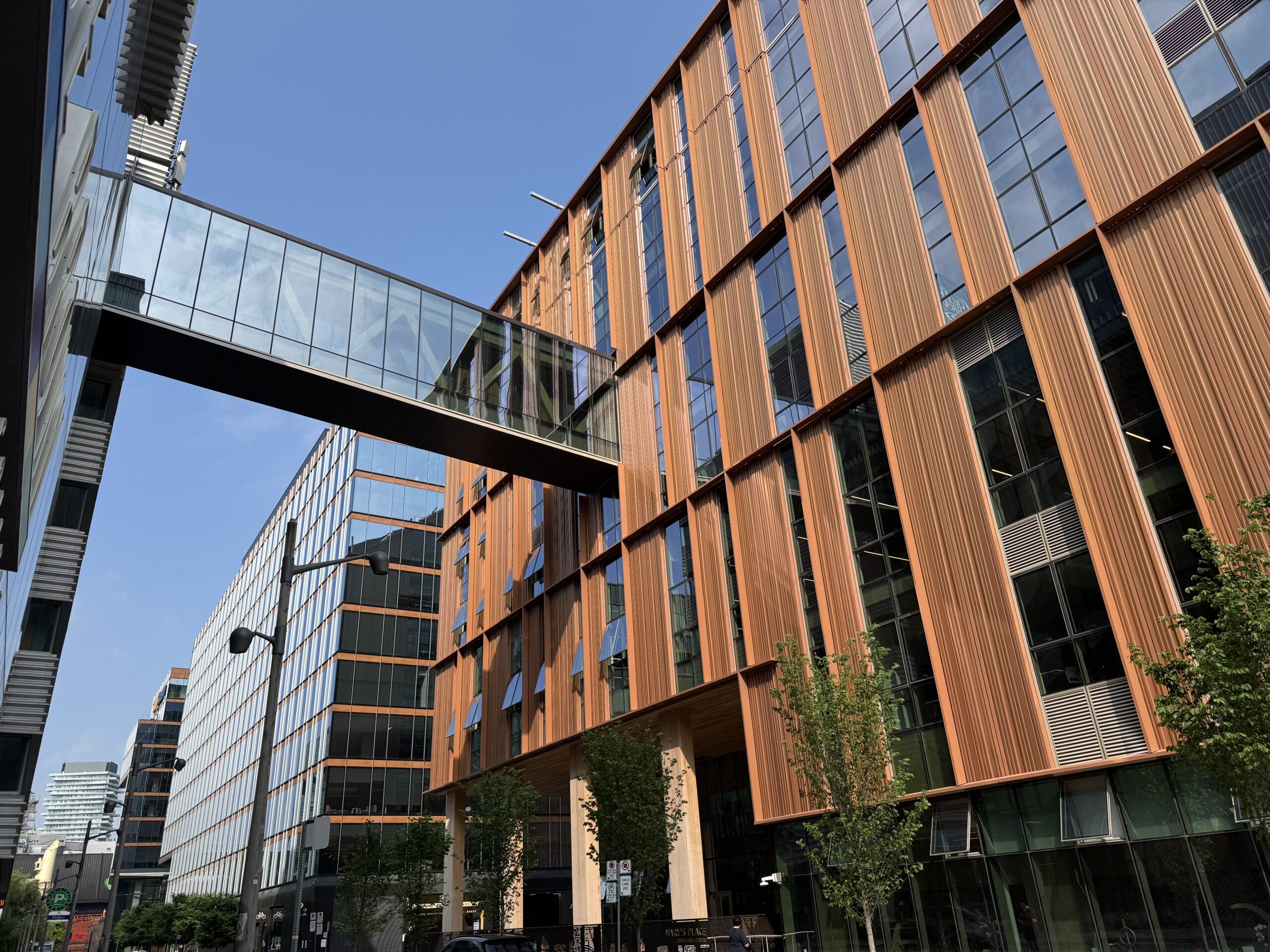 The ultimate problem for architects is that the most sustainable building is always the one that is already there. There is a huge amount written about green buildings, much of it nonsense. There is some confusion about buildings layered in vines and living walls, and buildings that actually are green. Contemporary architecture’s issue is mostly embodied in one material: concrete. …The rate at which we are still using it is astonishing: half of all the stuff manufactured by weight is concrete. From 2011 to 2013, China used more concrete than the US had in the whole of the 20th century. …There are signs, however, that architects are beginning to shake things up. The first credible alternative is, perhaps a little ironically, that oldest of building materials, timber. [A Financial Times subscription may be required to read the full story]
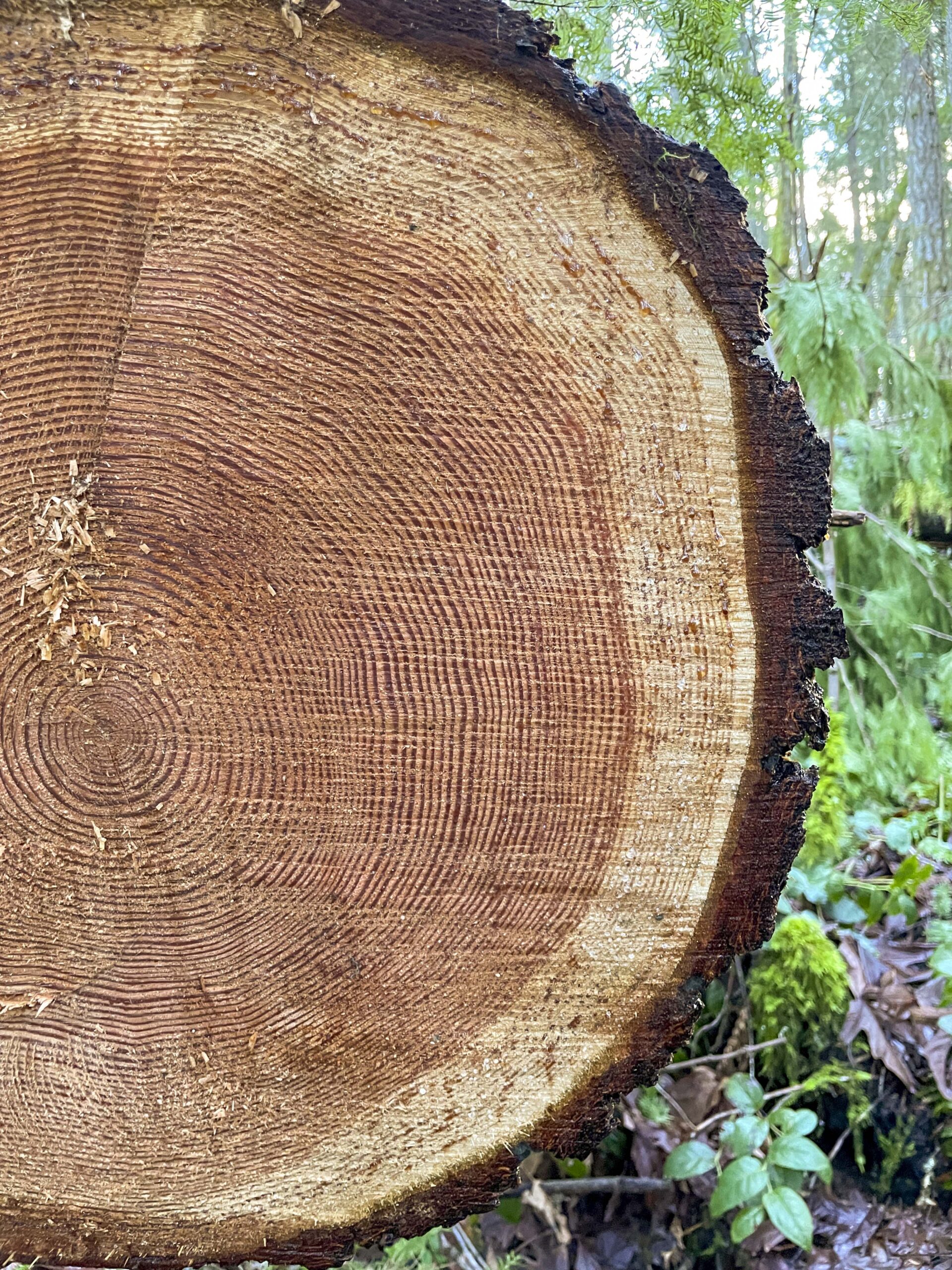 Although a casual observer just sees the bark on a tree, a lumber expert might envision the potential for boards inside, thinking of the bark largely as waste. In many cases, bark does turn into waste in the logging industry. That’s lots of waste, because bark can account for up to 15% of a tree’s weight, and “only a fraction of this is currently being utilized, primarily for landscaping or for energy; the rest is left at the harvest or handling site to naturally decompose,” according to Sumanth Ranganathan, Dr.-Ing, a biochemical engineer at Scion, a research institute in Rotorua, New Zealand, and his colleagues. For some trees, though, that wasted bark is a potential treasure-trove of biopharmaceuticals, from anti-inflammatories to cancer-fighting drugs. …Each year, the country’s logging industry produces about 2.5 million metric tons of bark. Ranganathan’s team envisions feeding that into a bark-based biorefinery.

 The General Directorate of Forestry (OGM) under Türkiye’s Ministry of Agriculture and Forestry has issued a stark warning, urging extreme caution as temperatures are forecast to rise by 6 to 12 degrees Celsius between July 19 and 25. As record-breaking summer heat and dry winds sweep across the Mediterranean basin, Türkiye is once again on the front lines of a growing global crisis: forest fires. Citing meteorological data, the OGM emphasized that a combination of soaring heat, low humidity and wind can create a dangerous trifecta, fueling wildfires that spread rapidly and with devastating intensity. “Even a moment of carelessness can ignite a fire of catastrophic scale,” the statement read. Citizens are urged not to burn brush, discard cigarette butts, light open fires or leave glass bottles in nature during this critical period. With 86% of wildfires caused by human activity, the risk is real and preventable.

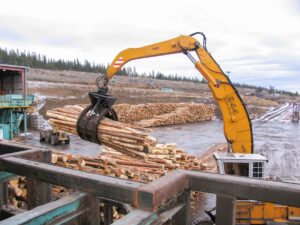 Russia’s timber industry is warning of widespread production shutdowns as the sector reels from Western sanctions, declining demand and a surging ruble that has battered the country’s export competitiveness. …The Russian Association of Organizations and Enterprises of the Pulp and Paper Industry described the current moment as one of the industry’s most difficult periods in modern history. Industry data show that timber harvesting fell 13% in 2024 compared with pre-war levels in 2021, lumber production dropped 11% and plywood output declined 23%. Even pulp production, one of the sector’s more stable outputs, decreased by 3%. Major industry players including Segezha Group and ULK Group have been restructuring loans over the past two years in response to falling output, sliding prices and soaring costs. But the situation has continued to deteriorate, especially within the export-heavy pulp and paper sector. Compounding the problem is the Central Bank’s steep 20% key interest rate along with a hike in the profit tax rate from 20% to 25%.
 BRUSSELS – Wildfires have scorched hotspots in several Mediterranean countries this month, with blazes forcing thousands of people into lockdown in Catalonia in Spain, and encroaching on France’s second-biggest city of Marseille. …European wildfires have burnt 227,000 hectares of land since the beginning of the year – more than double the average for this time of year over the past two decades, according to the EU’s European Forest Fire Information System. …It’s not yet clear if 2025 will be a record year, as that will depend on how the fire season evolves in the coming months. The number of fires in Europe has also surged this year so far, with 1,118 blazes detected as of July 8, versus 716 in the same period last year, EFFIS said. …Scientists say the Mediterranean region’s hotter, drier summers put it at high risk of wildfires. …Climate change exacerbates this risk , by creating hotter and drier background conditions.
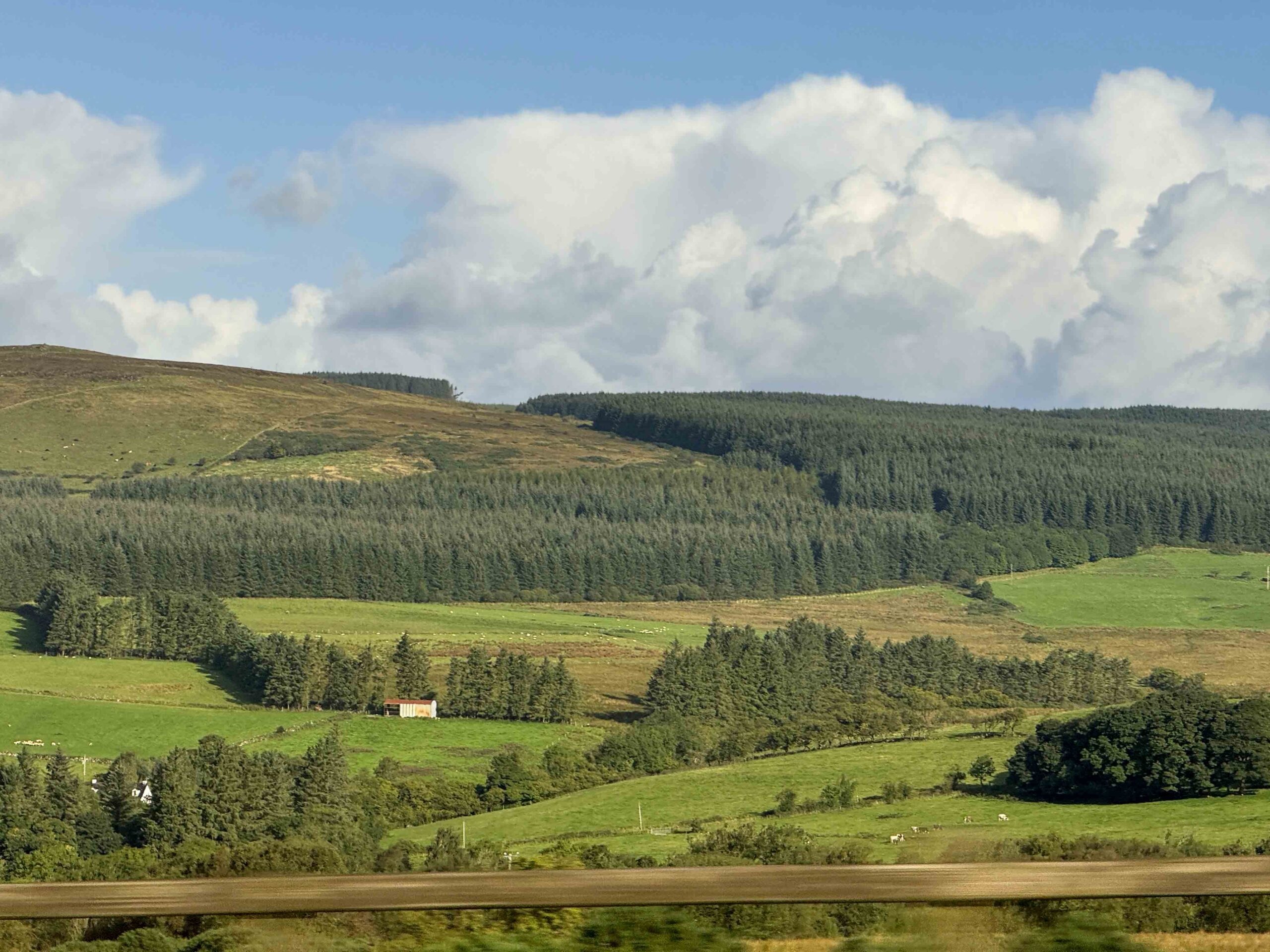 The current glorious weather provides an opportunity for all to recreate and enjoy. However, such weather patterns give rise to extreme fire risk. Teagasc Forestry advisors tell us more on the nature of such risks and offer practical advice on mitigating forest fire danger threats. On July 10, 2025, the Department of Agriculture, Food and the Marine issued a
 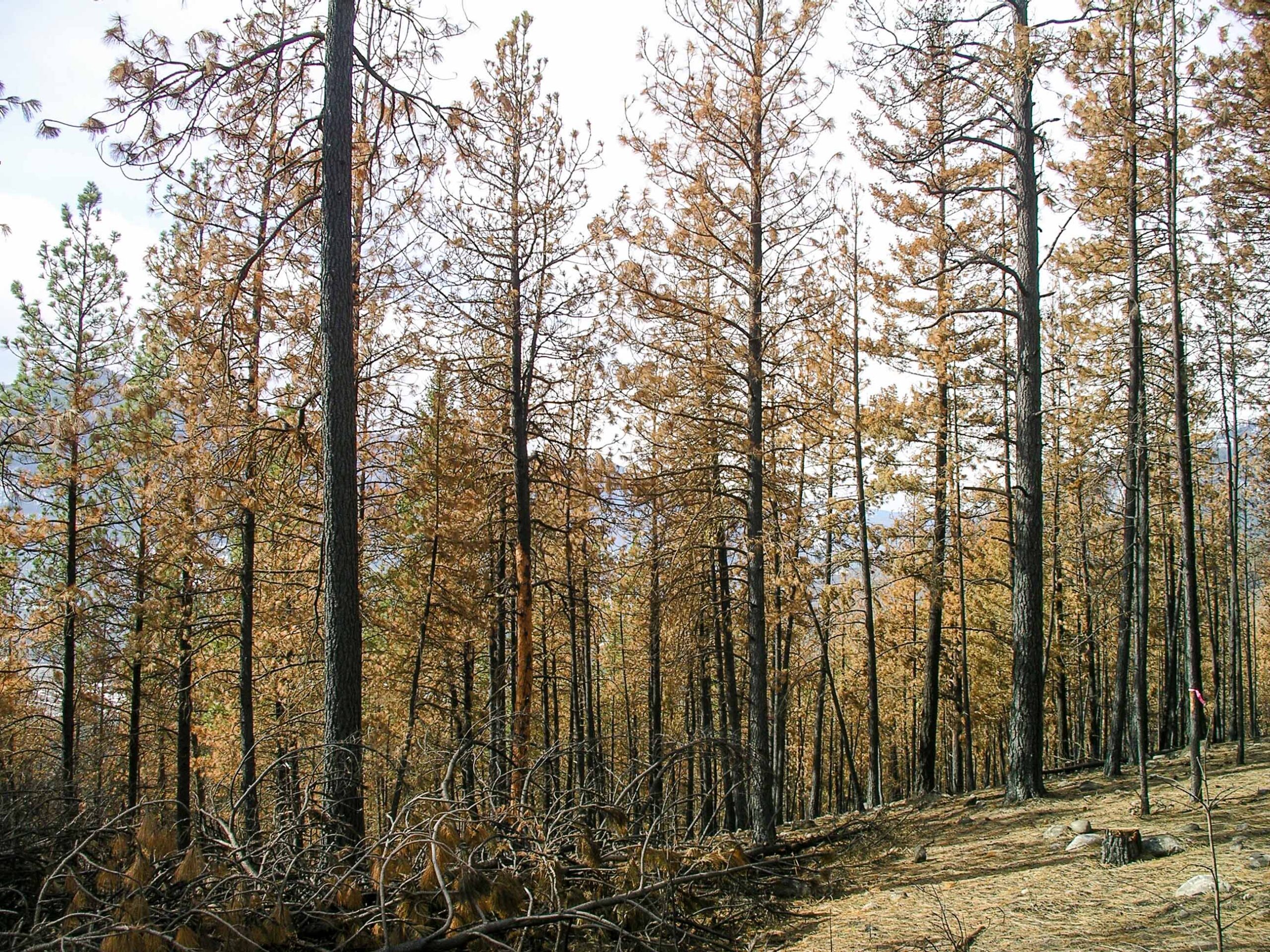 Last year, more than 112 thousand hectares of dry forests were listed in the Estonian Natura 2000 habitats. These are forests with minimal anthropogenic load, and in Estonia they are overgrown dunes, old natural forests and spruce forests with rich ground cover. The Estonian Environmental Service, the University of Tartu and the Estonian University of Life Sciences are jointly developing a plan for the maintenance of dry forests. Taavi Tattar, Head of the Nature Conservation Planning Department of the Environmental Service, pointed out that dry forests are in poor condition both in Estonia and throughout Europe. “They’re either too uniform in age or have impoverished structure. Certain species need forests with diverse structures for their life and activities, coarse woody debris, dead trees, and so on. On a broader scale, diverse forests are also more resistant to disease and better able to adapt to climate change,” Tattar said.
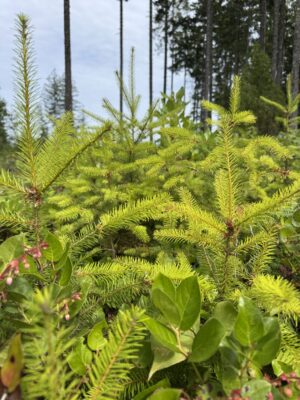 A new paper published in
 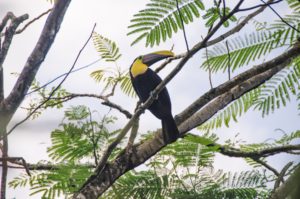 Brazil once again leads the world in the loss of primary tropical forests. New data shows the country accounted for 42% of global primary rainforest loss in 2024, largely due to widespread fires throughout the nation and in neighboring Bolivia, Colombia and Peru. The 2024 spike in Amazon forest loss was due in large part to one of the worst fire seasons on record. But what’s often missed is the fact that recent fires in tropical primary forests are by no means a “natural” disaster. Rather, the conflagration represents a perfect storm of climate change-induced environmental conditions, governance failures and unchecked, organized criminality. Fires in the Amazon are largely started by arson and related criminal activity accompanying agriculture, logging, mining and road building. In fact, a recent survey of government data concluded that 91% of forest loss in the Brazilian Amazon is linked to illegal activity like land-clearing for agriculture and artisanal mining, often orchestrated by well-structured international criminal enterprises.
 A new study in The Journal of Cleaner Production confirms that Forest Stewardship Council (FSC) certification contributes to maintaining and increasing forest cover, especially in lower-middle income countries. These findings reinforce the conclusions of previous research and provide insights on adapting regional certification strategies to increase sustainable forest management. The study investigated the critical role of FSC certification in promoting sustainable forest management and mitigating deforestation across diverse economic and climatic contexts. Using dynamic panel data model and Generalized Method of Moments estimations on 70 countries from 2000 – 2021, the researchers examined forest cover as a measure for impact of FSC certification. Results indicate that FSC certification contributes to maintaining and increasing forest cover across diverse economic and climatic contexts. This positive impact is most strongly observed in lower-middle income countries. Scaling up certification and integrating it into national policies could benefit countries of this economic category.
 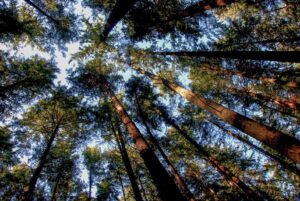 Forestry Australia has welcomed the release of the Federal Government’s Timber Fibre Strategy, congratulating Minister Julie Collins and the Albanese Government for delivering a timely and important roadmap to support a sustainable, world-leading forest and wood products sector.
 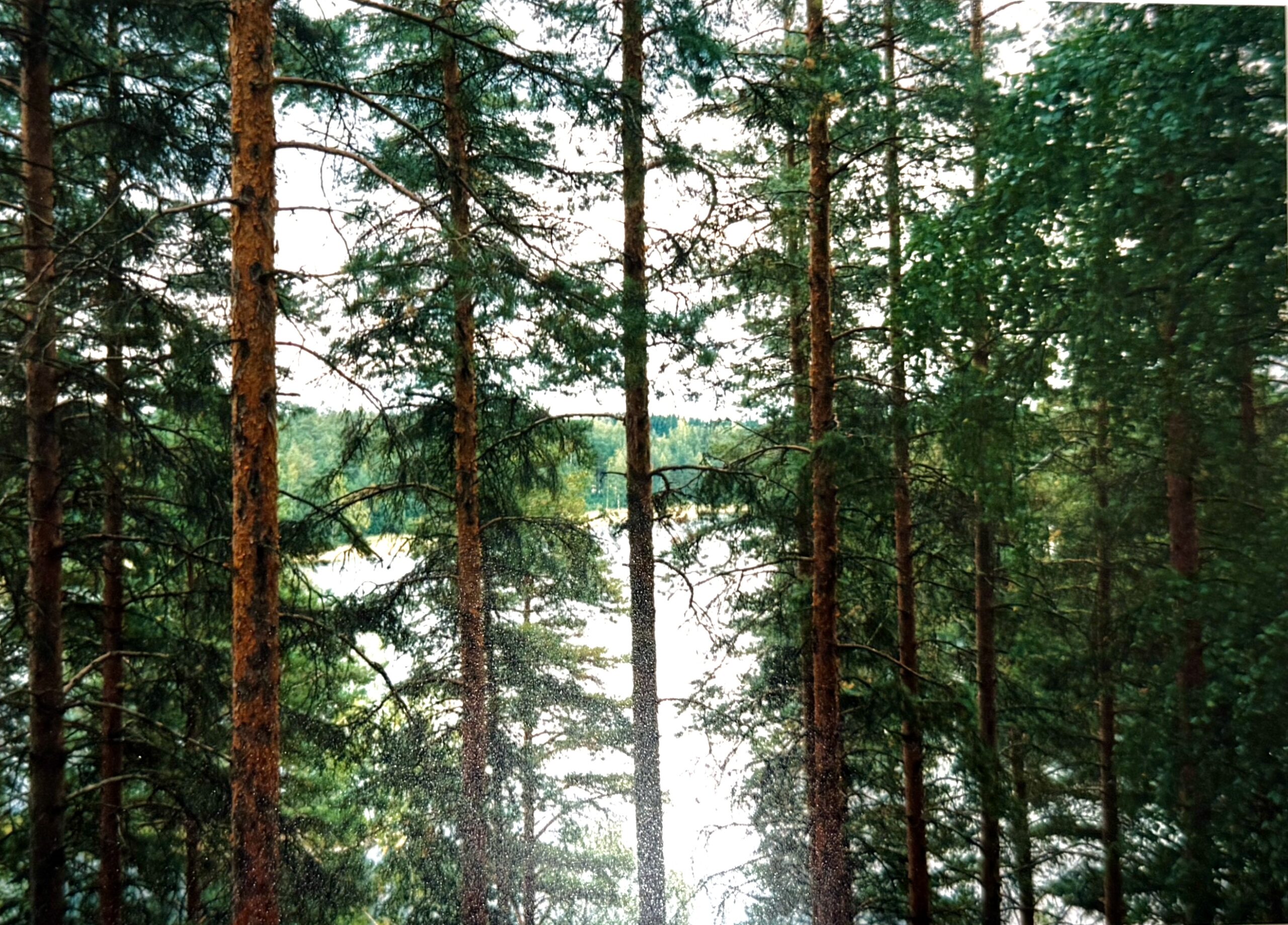 The Ministry of Agriculture and Forestry has unveiled a broad package of measures aimed to boosting forest growth and pollution-absorbing carbon sinks. The moves will help Finland reach its goal of carbon neutrality by 2035, as required by law and stipulated in the government programme, ministry officials said on Friday. The agency is led by Minister of Agriculture and Forestry Sari Essayah, chair of the Christian Democrats. The government of Prime Minister Petteri Orpo (NCP) approved the financing of forest-related climate measures during its mid-term policy review session last spring and in its second supplementary budget of 2025. The measures include moves to step up fertilisation of forests and expansion of the forest cover in an effort to increase carbon sequestration, in other words woodlands’ capacity to absorb and store carbon from emissions that would otherwise contribute to global warming.
 As a forester and now in my role at Grown in Britain, I regularly encounter a range of misconceptions about home-grown timber. …First, let’s address the elephant in the room. The UK imports a significant amount of timber, and these figures are often cited to suggest something isn’t working as it should be. However, increasing timber use in construction is a positive development, as it replaces more carbon-intensive materials. One of the key reasons Grown in Britain was set up – is we import substantial amounts of timber whilst neglecting our own forests and woodlands. Over 10 years ago, when GiB started, the government considered over 60% of our woods were not managed. Our initiative, alongside the efforts of many, has reduced this to nearer 40% today. …With global and UK timber demand increasing, it seems inappropriate to import so much when we’re not fully utilising our resources.
 Seeds from two trees that survived the atomic bomb attack on Hiroshima at the end of World War Two are being grown at a Staffordshire university. The seeds were collected from an oriental plane tree in the grounds of the Tenma Elementary School, which was destroyed by the bombing, and a 200-year-old ginkgo tree growing in Shukkeien Garden. Both trees were situated less than a mile from the bomb site on 6 August 1945 and miraculously survived the bombing. They will now be cared for by experts at Keele University until they become tall and sturdy enough to be planted in the ground. The university says it is part of an international project to promote peace and hope. The seeds were sent to Keele through the Green Legacy Hiroshima initiative, which aims to distribute seeds and saplings from ‘survivor trees’ worldwide.

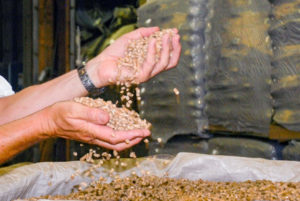 …In the aftermath of the earthquake and tsunami, Japan shut down not just Fukushima but all of its nuclear plants, a move that resulted in the loss of a third of its electrical power. …Japan faced a daunting energy crisis that it addressed… with conventional fuels such as natural gas and “bioproducts” including wood pellets derived from the logging of BC’s Interior forests. …Last year, roughly two million tonnes of those pellets arrived Japanese ports from BC, linked to a dozen mills in the province that make wood pellets derived from trees logged in the province’s rapidly dwindling primary forests — natural forests never previously subject to industrial logging. …Which means that in the name of creating allegedly clean energy, forests are being razed just to burn the wood. …The strain on the province’s stressed forests is [also] coming from other bioenergy producers, including those who want to use wood to make jet fuel.
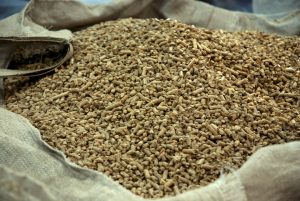 Drax power station is once again the UK’s largest single source of carbon emissions, according to new analysis from think tank Ember. Emissions from the biomass-burning power plant rose to 13.3 million tonnes of CO2 in 2024, a 16% increase from the previous year. Drax biomass power plant has been the UK’s top emitter for the last 10 years running. Drax now emits more than the next four largest polluters combined and more than the six most emitting gas power plants combined. Emissions from the Drax power plant are equivalent to over 10% of the UK’s total transport emissions and nearly 3% of the country’s territorial total. Despite its emissions increase, Drax received around £2 million per day in subsidies in 2024, an average of £10 per household. The power station burned 7.6 million tonnes of wood, 99% of which was imported. Recent investigations have found instances of old growth forests being cut down for this purpose.
 A Norwegian start up is showing how a little black powder could have a big impact on farming — from healthier livestock to stronger soils and a more climate-friendly future. Why it matters: The ongoing emphasis on reducing antibiotic use in livestock production and increasing soil health means farmers are looking for new tools to help them achieve this. Obiochar, based in rural Norway about 120 kilometres north of Oslo, is using a fully automated system to turn biomass – in this case dead trees from nearby forests that can’t be used by the lumber industry – into a powerful tool for agriculture. And while biochar itself isn’t new, Obiochar ‘s unique, dual-focused approach to using biochar is setting it apart from its competitors. The company is developing biochar products both for livestock gut health in the form of feed additives and soil enhancement as an amendment.
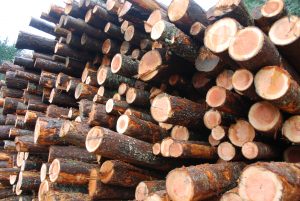 Companies around the world have poured hundreds of millions of dollars into conservation projects in Brazil designed to protect the Amazon rainforest in return for carbon credits offsetting their emissions. Reuters found that many of those projects are profiting people and businesses fined by Brazilian authorities for destroying the rainforest. Reporters analyzed 36 conservation projects in the Brazilian Amazon offering voluntary carbon offsets on the global market’s biggest registries. At least 24 of those involved landowners, developers or forestry firms that have been punished by Brazil’s environmental agency Ibama for their roles in illegal deforestation, Reuters found. The offenses ranged from clear-cutting the rainforest without authorization to transporting felled trees without valid permits and entering false information in a government timber tracking system. Government officials and experts said these infractions reflected the range of roles in the illicit timber trade devouring the rainforest.
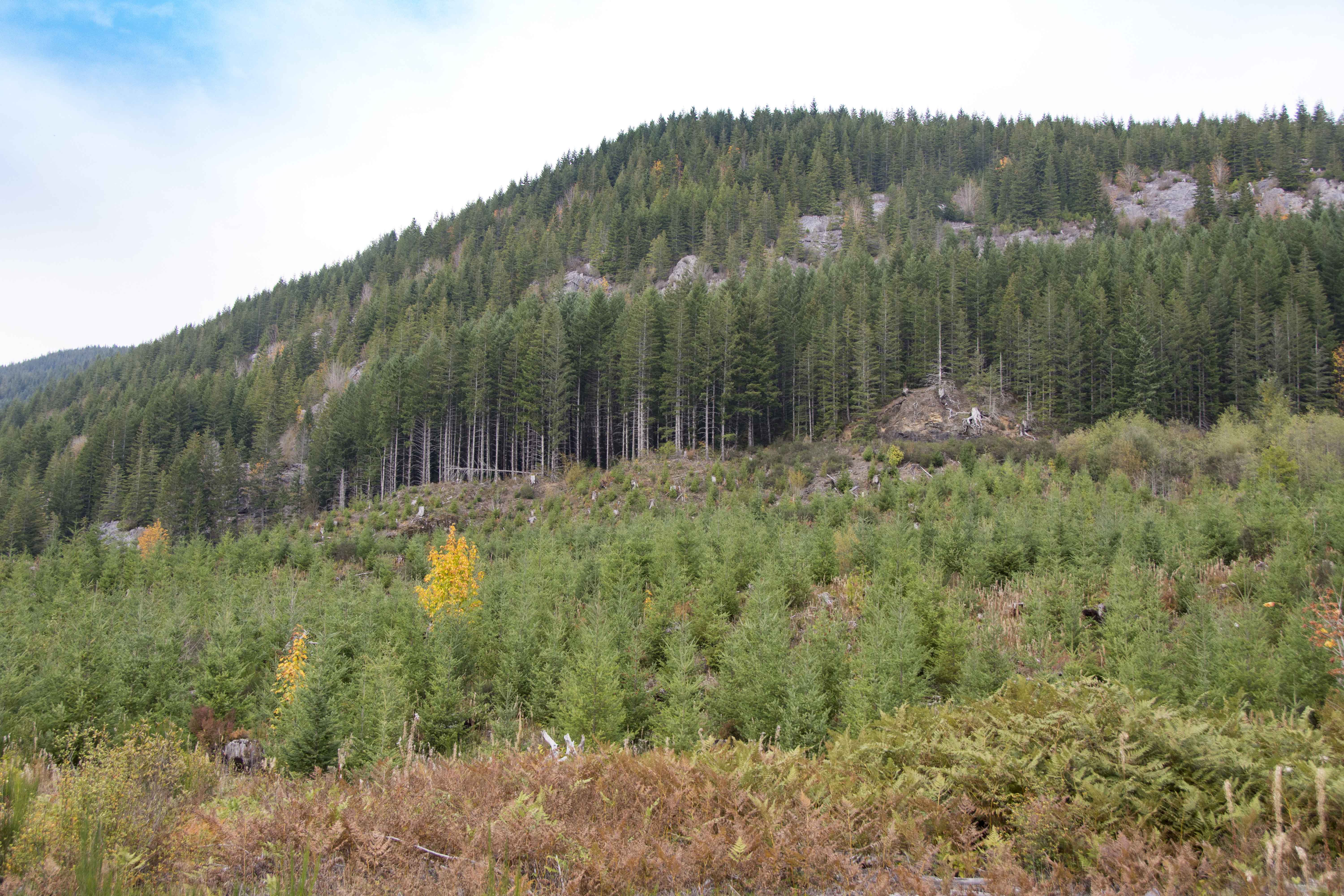 Young forests regrowing from land where mature woodlands have been cut down have a key role to play in removing billions of tons of atmospheric carbon dioxide (CO2) and combating climate change, a new study reveals. …Forest regeneration offers a cost-effective method for carbon removal, but rates vary by location and forest age. Researchers have discovered that young secondary forests, particularly those aged between 20 and 40 years, exhibit the highest rates of carbon removal—locking away up to eight times more carbon per hectare than newly regenerating forests. …Their study reveals that if 800 million hectares of restorable forest begin regenerating in 2025, up to 20.3 billion metric tons of carbon could be removed by 2050, but delays sharply reduce this potential.
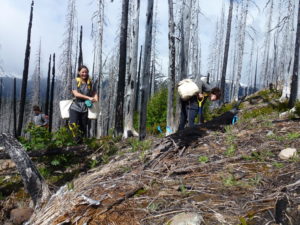 The European Commission on Wednesday proposed an EU climate target for 2040 that for the first time will allow countries to use carbon credits from developing nations to meet a limited share of their emissions goal. The European Union executive proposed a legally-binding target to cut net greenhouse gas emissions by 90% by 2040, from 1990 levels – aiming to keep the EU on course for its core climate aim to reach net zero emissions by 2050. But following pushback from governments including France, Germany, Italy, Poland and the Czech Republic, the Commission also proposed flexibilities that would soften the 90% emissions target for European industries. Reflecting Germany’s public stance, up to 3 percentage points of the 2040 target can be covered by carbon credits bought from other countries through a U.N.-backed market, reducing the effort required by domestic industries.
  In an update to the joint UNESCO-WRI-IUCN report
 When Domino’s advertised its “smokehouse” pizzas in 2023, it trumpeted that the meat was smoked over timber logged from “Aussie Mountain ash”. It also advertised that the timber was certified as sustainable. But what the advertising didn’t promote was that mountain ash forests are critically endangered, with logging listed as one of the key processes threatening them. And now the ABC can reveal the certification that assured consumers that logging was sustainable was breached in seven different ways, according to the organisation that accredits certifiers. Those breaches included potentially stealing the trees from the neighbouring state forest, ignoring protections for waterways and logging potential endangered species habitat. “I think Australians should be absolutely appalled that the world’s tallest flowering tree is chipped up to make woodchips to smoke pork bellies to put on pizzas. It’s ridiculous. What are we talking about? Endangered possum pizzas?” Professor Lindenmayer said.
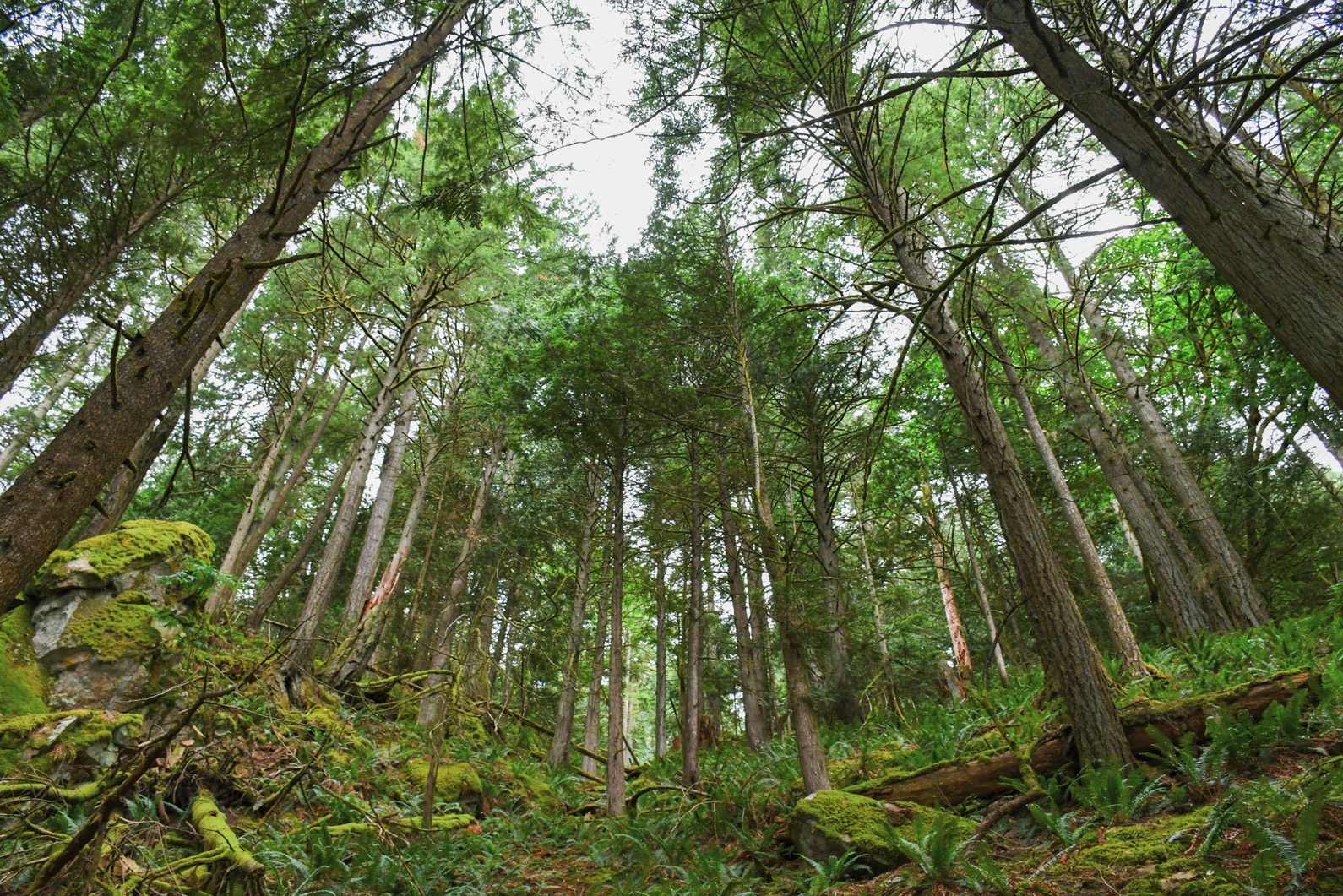 Naturally-regenerating forests are often ignored by policymakers working to curb climate change even though they hold an untapped potential to rapidly absorb planet-warming carbon from the atmosphere, scientists found in a research paper published Tuesday. These so-called secondary forests, which have regenerated themselves after being razed, often for agriculture, can help bring the world closer to the net-zero emissions target needed to slow global warming, the research published in the journal shows. That is because these young forests, which are made of trees between two and four decades old, can remove carbon from the atmosphere up to eight times faster per hectare than forests that were just planted, they found. It comes as companies worldwide are raising millions of dollars to regrow forests from scratch to generate carbon credits they can sell to polluting industries seeking to offset their greenhouse gas emissions.
 Judges across the world are proving sceptical of companies’ attempts to offset their greenhouse gas emissions by buying carbon credits,
 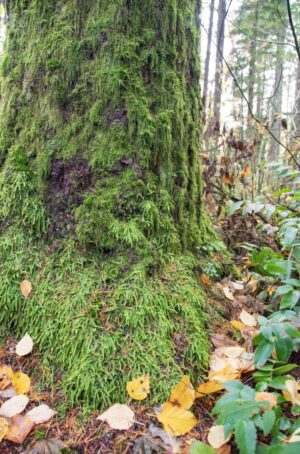 Protecting and restoring forests are essential for curbing climate change. But while efforts often focus on conserving mature forests and planting new trees (both of which are badly needed), a critical piece of the puzzle is often overlooked: managing naturally regrowing forests to increase the carbon they remove. Until now, scientists did not have a detailed picture of the carbon removal value of naturally regrowing forests. But



 DS Smith has brought online a €90 million biomass boiler at its Rouen paper mill in Normandy, France – one of Europe’s largest mill energy transitions to date. The new system replaces the site’s coal-fired boiler with a low-carbon, circular solution powered by locally sourced biomass waste. The project is expected to cut CO₂ emissions by 99,000 tonnes annually – equivalent to removing 40,000 cars from the road or powering 13,000 French homes each year. The boiler will process around 94,000 tonnes of biomass fuel each year, including industrial and municipal waste wood – mainly from the Paris and Normandy regions – as well as paper production by-products. Up to 70,000 tonnes of wood waste will be diverted from landfill annually, supporting DS Smith’s 2030 zero-landfill target.
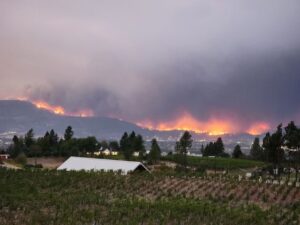 More than 15,000 residents of Marseille confined to their homes have been allowed out after a wildfire on the outskirts of France’s second city was brought under control, but officials have warned the country faces an exceptionally high-risk summer. Fanned by gale-force winds and kindled by parched vegetation, several fires have burned swathes of southern France in recent days, including Tuesday’s just north of the port city. The weather service has said the weeks ahead could be critical. “The fire is receding, but with a blaze this severe, over this big an area, it’s clear there may be fresh flare-ups, flames can jump, embers can reignite,” the prefect of the Bouches-du-Rhône department, Georges-François Leclerc, said on Wednesday.
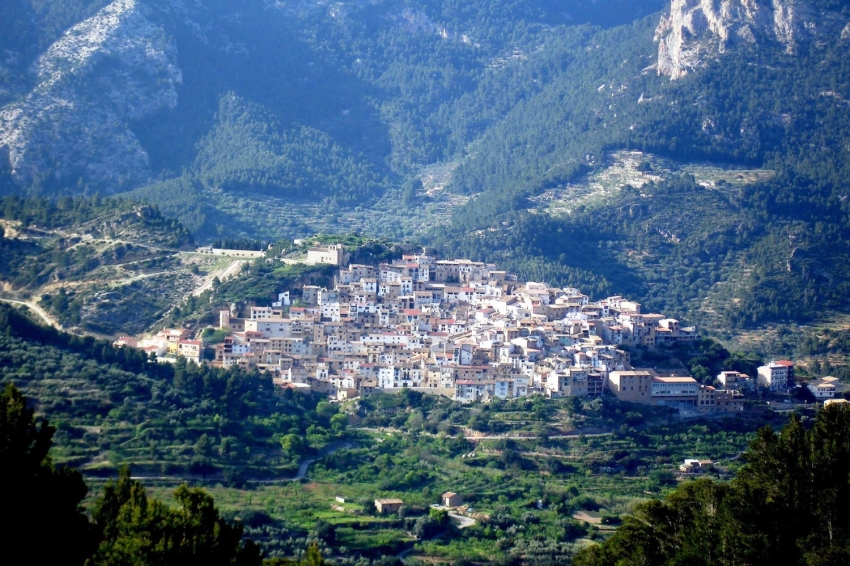
 Firefighters across Europe continue to battle forest fires amid blistering heatwaves, as blazes broke out in Germany, Greece and Turkey on Saturday. Hundreds of German firefighters have been battling blazes for days in the forested regions of Thuringia and Saxony, including the Gohrischheide nature reserve near the Brandenburg border. …Firefighters in Greece made progress in containing a wildfire that broke out on Friday afternoon in eastern Attica. …Strong winds and dry conditions have raised the risk of wildfires across Greece, prompting heightened vigilance by emergency services. In Turkey, firefighters have reportedly brought several large wildfires under control in the western Izmir province. …Ground crews, supported by planes and helicopters, worked around the clock for three days to contain the fires, according to the Turkish forestry directorate. …Turkey also reportedly sent two aircraft and 11 fire engines along with support vehicles to Syria on Saturday to help in the firefighting efforts there.