
 SÃO PAULO, Brazil — Suzano, the world’s largest pulp producer, and Kimberly-Clark announced the creation of a US$3.4 billion joint venture focused on the manufacture, marketing and distribution of consumer and professional tissue products, such as toilet paper, napkins, paper towels and facial tissues in over 70 countries. Suzano will acquire a 51% interest in the new entity, with Kimberly-Clark holding a 49% interest. Suzano will pay Kimberly-Clark US$1.734 billion in cash at the closing of the transaction. …The transaction is expected to close in mid-2026 and involves approximately 9,000 employees. The new business will be a company incorporated in the Netherlands and will include 22 manufacturing facilities located in 14 countries. Collectively, these facilities have capacity to produce 1 million tonnes of tissue a year. The assets to be included in the new joint venture generated net sales in 2024 of US$3.3 billion. Kimberly-Clark will retain its consumer tissue and professional businesses in the US.



 …Mikko Antsalo began by stating, “Softwood pulp markets are projected to remain well-balanced,” citing steady demand growth and the absence of new capacity announcements as stabilizing factors. He concluded by reinforcing Metsä Fibre’s preparedness for the future: “We offer customers an optimized supply chain, fossil-free production, and are well positioned to fulfill upcoming sustainability requirements.”
 Jonathan Rhone, CEO of CO280, began by stating that “capturing and permanently sequestering biogenic CO₂ from boiler stack emissions represents a $100 billion per year market opportunity for the global pulp and paper sector.” The market, he said, is being created by global technology and financial firms—“Microsoft, JPMorgan, Google”—that are purchasing high-durability carbon dioxide removals (CDRs) to meet their net zero obligations.
 …Parker Budding, representing Osapiens, followed with a presentation on how pulp producers can prepare for the EU Deforestation Regulation (EUDR), which comes into force on December 31, 2025. The regulation prohibits companies from placing products on the EU market unless they can prove the goods are deforestation-free and legally produced.
 A federal appeals court on Tuesday agreed to let many of President Trump’s sweeping tariffs on US trade partners remain in effect for now, extending a pause issued late last month after a separate court ruled the tariffs were illegal. The Federal Circuit Court of Appeals granted the Trump administration’s request for a longer pause after issuing a temporary stay of the lower court ruling last month. The court put the case on a fast track to be resolved by the end of this summer, noting that “these cases present issues of exceptional importance warranting expedited en banc consideration of the merits in the first instance.” The decision comes after the US Court of International Trade ruled on May 28 that Congress did not delegate “unbounded” tariff authority to the president in the International Emergency Economic Powers Act of 1977. Trump appealed the ruling and, hours later, the appeals court granted the temporary stay.
 LONDON — US and Chinese officials said on Tuesday they had agreed on a framework to get their trade truce back on track and remove China’s export restrictions on rare earths while offering little sign of a durable resolution to longstanding trade tensions. …Lutnick said the agreement would remove restrictions on Chinese exports of rare earth minerals and magnets and some of the recent US export restrictions “in a balanced way”, but did not provide details…. adding that both sides will now return to present the framework to their respective presidents for approvals. …The two sides left Geneva with fundamentally different views of the terms of that agreement and needed to be more specific on required actions, said Josh Lipsky. …They have until August 10 to negotiate a more comprehensive agreement, or tariff rates will snap back from about 30% to 145% on the U.S. side and from 10% to 125% on the Chinese side.
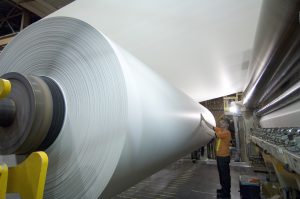 While the pulp and paper industry is inherently local—particularly in terms of production and sourcing of raw materials—trade is fundamentally cross-border and international. As a result, the sector is highly exposed to trade barriers and tensions, such as those created by the tariff policies introduced during the Trump administration. Tariffs are expected to put significant pressure on transportation and logistics—sectors that are intrinsically linked to the pulp and paper industry. This strain is partly mitigated by the fact that many pulp and paper companies have made substantial investments in overseas production capacity. Recent mergers in the industry, such as the Smurfit Kappa–WestRock merger and the International Paper–DS Smith merger, are also likely to offset some of the negative impacts of tariffs. These newly formed giants now operate production facilities in both Europe and the US. …This consolidation trend may render the pulp and paper industry more resilient.
  The Coalition for Fair Trade in Hardwood Plywood has petitioned for antidumping and countervailing duties to counter unfair trade practices by Indonesia, Vietnam, and China. These petitions were filed on Thursday, May 22, with the U.S. Department of Commerce and the International Trade Commission and have significant implications for our economy, in which hardwood plywood plays a critical role in producing numerous downstream products. The Coalition for Fair Trade in Hardwood Plywood alleges that the governments of Indonesia, Vietnam, and China are actively subsidizing dozens of programs benefiting their industries, including providing products at subsidized rates and multiple grant, tax, and lending programs.
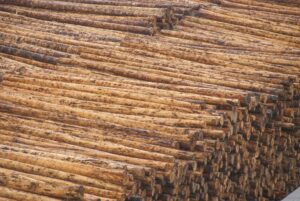 NEW ZEALAND — Forestry Minister Todd McClay has unveiled two-way forestry trade missions with India this year. The inbound visit – supported by industry partners – is expected to showcase New Zealand’s forestry systems and sustainable management practices. “The outbound mission will continue to open doors for deeper commercial and government partnerships,” McClay said. …McClay was speaking at the Fieldays Forestry Hub on Friday. Trade between New Zealand and India was valued at $3.14 billion in 2024. New Zealand’s exports to India last year included forestry products valued at $126 million. New Zealand’s wood exports to India have surged from $9.5 million in 2023 to an estimated $76.5 million this year. Pulp exports have more than doubled, from $20 million to $45.6 million. “India is one of the fastest-growing markets for our forestry exports – and we’re focused on turning that growth into long-term opportunity for New Zealand exporters,” McClay said.

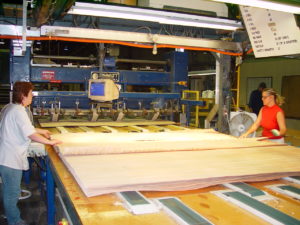 The EU has imposed anti-dumping duties on Chinese plywood imports, just a few days after Beijing tried to ease trade tensions between the two. The provisional levies of up to 62.4% follow a surge in imports of hardwood plywood over the past three years that had damaged domestic producers, the European Commission said. The Greenwood Consortium of EU producers, which brought a complaint against Chinese competitors last year, said it welcomed the move but argued for “definitive duties to be even higher than these provisional levels” when the commission makes a final decision later this year. Brussels has also taken the unusual step of monitoring imports of softwood plywood, which is not subject to duties, after allegations that Chinese exporters were disguising hardwood products in anticipation of the levies. …“The alleged practice consisted of placing very thin outer layers of softwood veneer on top of the hardwood plywood face veneer.
 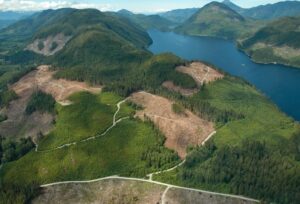 New Zealand exporters sending wood, beef and leather products to the European Union will soon have to comply with new rules that aim to reduce deforestation in the supply chain. New Zealand government officials and industry opposed the approach to anti-deforestation taken by the incoming European Union Deforestation Regulation (EUDR). This was due to increased compliance costs exporters would face in proving their products had not contributed to the loss of trees. …For New Zealand, this will affect the $213 million export trade. Exporters of wood products – a trade to Europe valued at around $100 million – would be required to provide traceability processes to show that their products did not contribute to deforestation, too. …The Wood Processors and Manufacturers’ Association’s Mark Ross, said a working group with forest growers, wood processors, and the Government had been set up to work through some issues, such as geolocation requirements.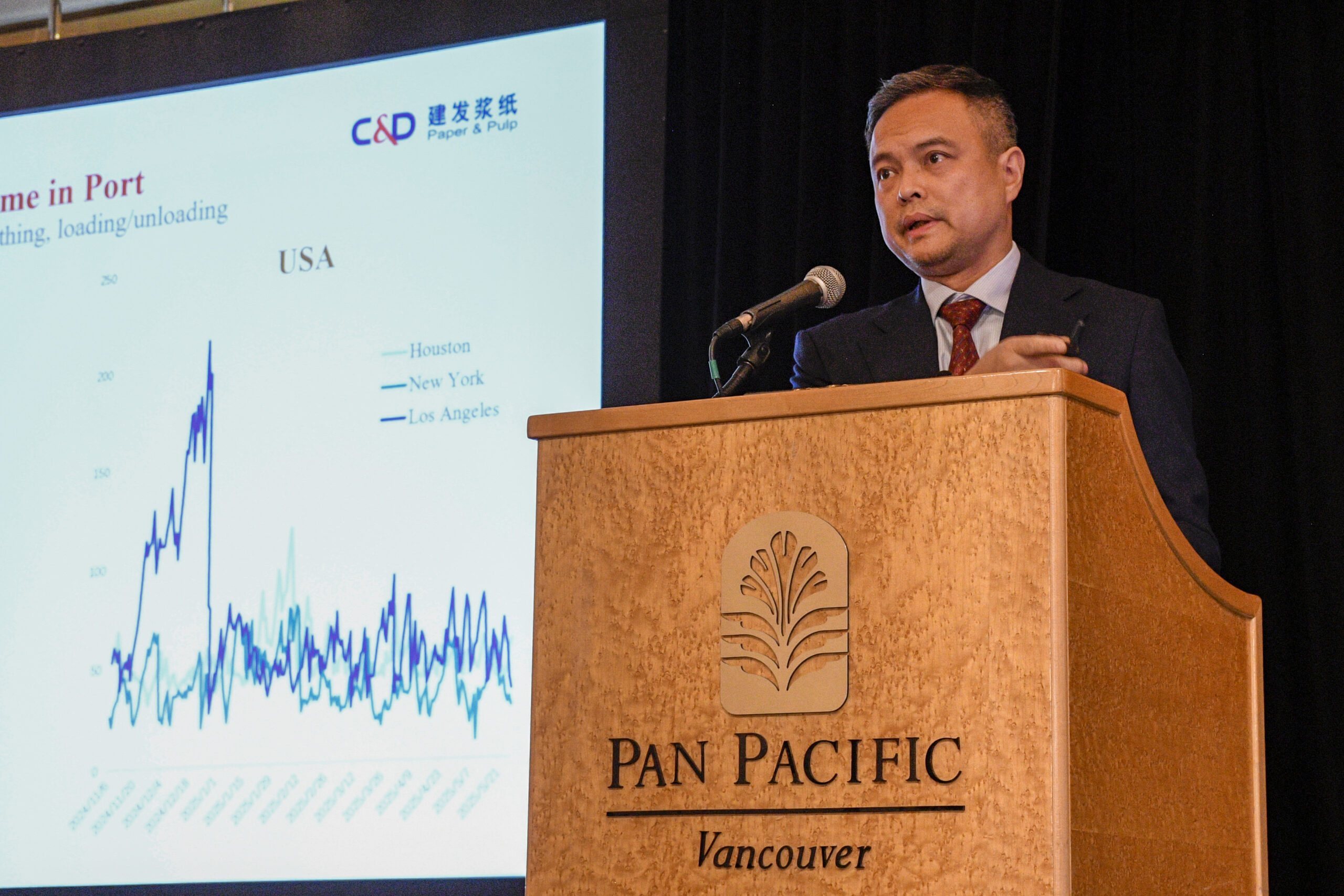

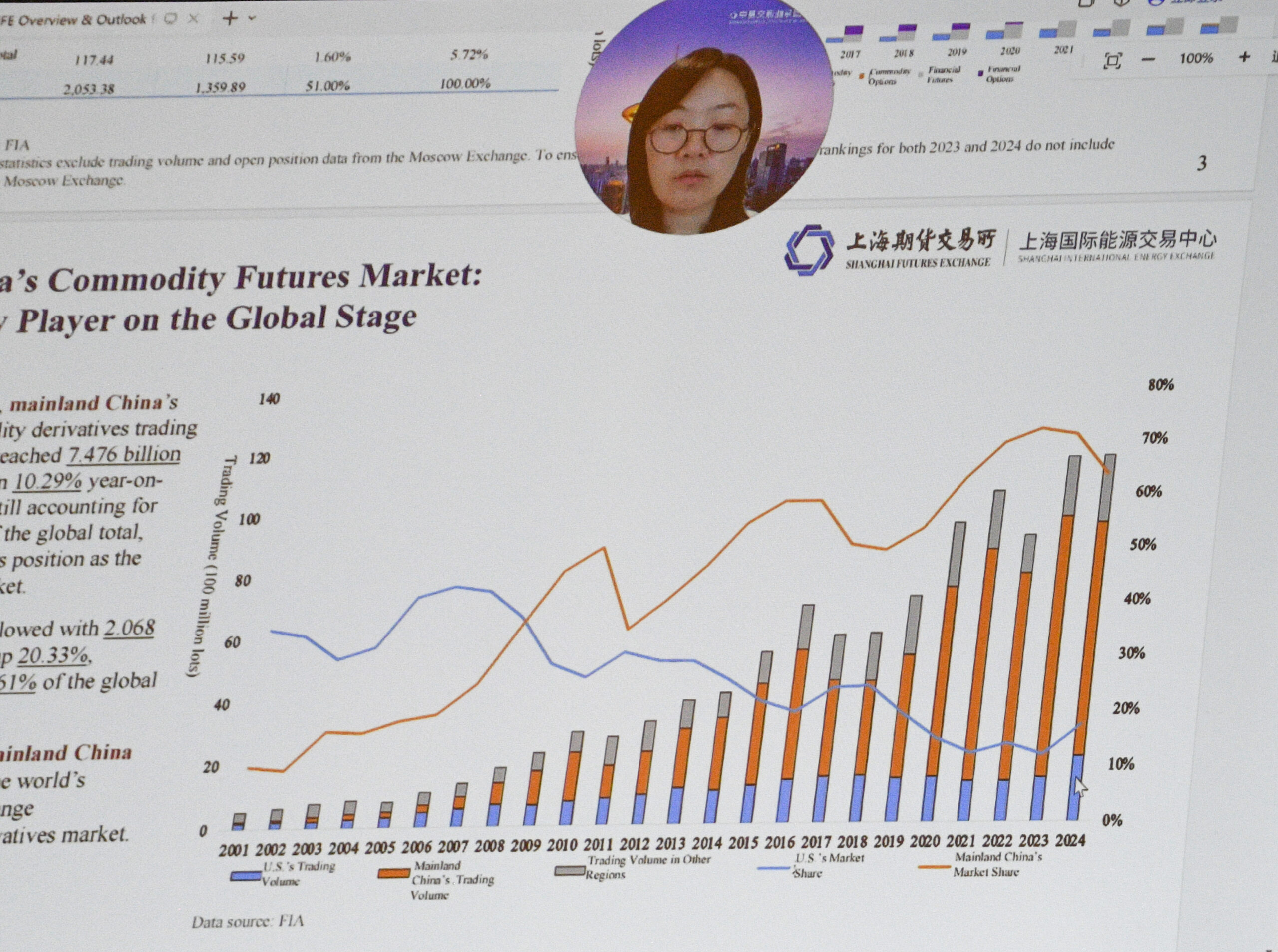 At International Pulp Week, three speakers discussed businesses that connect to China’s role in the global pulp industry — including trading, port logistics and the futures market. Haidong Weng, Executive Vice President of Pulp & Paper Research at Xiamen C&D… explained that after the US implemented its third wave of tariffs, Chinese exports of paper and board to the US fell sharply, with vessel density in major Chinese ports reflecting a significant pullback in trade flows. …He also described the cascading effects on US retail markets. …The scale and resilience of China’s port logistics were front and centre in a presentation by Tian Jun, representing the Shanghai International Port Group’s Luo Jing Terminal. Tian explained that SIPG views pulp as a strategic growth cargo across its network of general cargo terminals. …Another presentation came via video from Chi-Fei Fei of the Shanghai Futures Exchange (SHFE), who provided an overview of China’s pulp futures market.
 At International Pulp Week, Mathieu Wener, Senior Economist at Numera Analytics, provided a detailed overview of current trends in key end-use markets for pulp, with a particular focus on tissue and printing and writing papers. Drawing on recent data and modelling, he examined how these sectors have evolved post-pandemic, what is driving demand patterns today, and what may lie ahead. Wener began with tissue markets, where profitability has remained strong despite considerable cost pressures in recent years. “Producers passed through rising costs since 2022,” he noted, showing how eurozone parent roll and pulp prices had shifted over that period. Although price differentials between pulp and tissue had narrowed, margins remained healthy.” …Wener underscored the importance of tracking both macroeconomic forces and demographic trends in shaping pulp demand. For tissue, slowing population growth and cautious consumer behaviour would temper growth expectations. For printing and writing papers, the secular decline would continue, but at a somewhat more stable pace.
 The final presenter at International Pulp Week, Emanuele Bona, VP of Europe for the Pulp and Paper Products Council (PPPC), provided a comprehensive update on global market pulp demand trends, with a particular focus on the rebound underway in 2025 and the longer-term outlook for key markets and product segments. Bona began by noting that 2024 had been a weak year for market pulp demand, with global chemical market pulp demand falling by 0.9 percent. However, the first months of 2025 showed a marked improvement. “In 2025, after four months, demand is up almost one million tonnes,” he reported. Both softwood and hardwood pulp segments contributed to this recovery. …Looking ahead, Bona projected that global market pulp demand would return to growth but at a more moderate pace. “Growth to average 1.5 percent through 2029,” he said. The long-term trend for softwood pulp was expected to remain flat at best, while hardwood demand growth was projected to slow despite ongoing substitution trends.
 Economic growth forecasts for the US and globally were cut further by the Organisation for Economic Co-operation and Development (OEDC) as President Trump’s tariff turmoil weighs on expectations. The US growth outlook was downwardly revised to just 1.6% this year and 1.5% in 2026. In March, the OECD was still expecting a 2.2% expansion in 2025. The fallout from Trump’s tariff policy, elevated economic policy uncertainty, a slowdown of net immigration and a smaller federal workforce were cited as reasons for the latest downgrade. Global growth, meanwhile, is also expected to be lower than previously forecast, with the OECD saying that “the slowdown is concentrated in the United States, Canada and Mexico”. “Global GDP growth is projected to slow from 3.3% in 2024 to 2.9% this year and in 2026. It had previously forecast global growth of 3.1% this year and 3% in 2026. …The OECD adjusted its inflation forecast, saying “higher trade costs will also push up inflation.”
 An increasing demand for timber to meet Australia’s housing targets is set to drive a change in focus for one of Australia’s largest forestry regions. The Green Triangle, situated across the southern South Australia–Victorian border, has about 334,000 hectares of plantations, representing 17 per cent of Australia’s forestry industry. The region grows a mix of softwood timber, primarily used in domestic construction, and hardwood, which is often exported as wood chips and used in paper manufacturing. But as Australia looks to meet its goal of building 1.2 million new homes by 2029, investment in softwood is growing fast. “Both the state and the federal governments have incentives in place for industry and private investors to grow radiata pine,” University of Melbourne forest ecologist Rod Keenan said.
 New Forests, a global investment manager of nature-based real assets and natural capital strategies, is today announcing its Tropical Asia Forest Fund 2 (TAFF2) has made its first investment in timber processing infrastructure in Vietnam by investing in the Tavico Group (Tavico), one of the country’s leading suppliers of solid wood lumber and logs. Tavico was founded in 2005 as a log trader and sawn timber mill with annual production capacity of 12,000m3 of lumber per annum, which is equivalent to approximately 800 medium sized houses. Tavico has established a 3,200-hectare FSC certified community forestry program with small holder farmers which provides employment and revenue sharing opportunities for local communities. The investment from TAFF2 will look to expand this program for smallholder farmers in Vietnam.
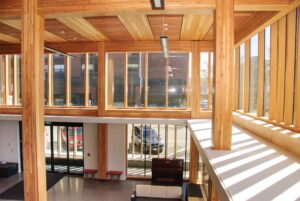 IRELAND — The Government is branching out in its bid to solve the housing crisis with a new “Wood First” plan that will see timber become the main building material used to build our homes, schools and libraries. It comes as the Cabinet will today give the green light to emergency legislation to extend rent pressure zones across the country in a scramble to stop greedy landlords cashing in on the Coalition’s rental policy changes. Forestry Minister Micheal Healy-Rae said Ireland has excellent forest resources that are being underused in our construction sector
 Mass timber construction is gaining traction for its sustainability and efficiency, yet it brings distinct insurance and risk management challenges that require industry collaboration and proactive strategies. Key Takeaways from this Article:
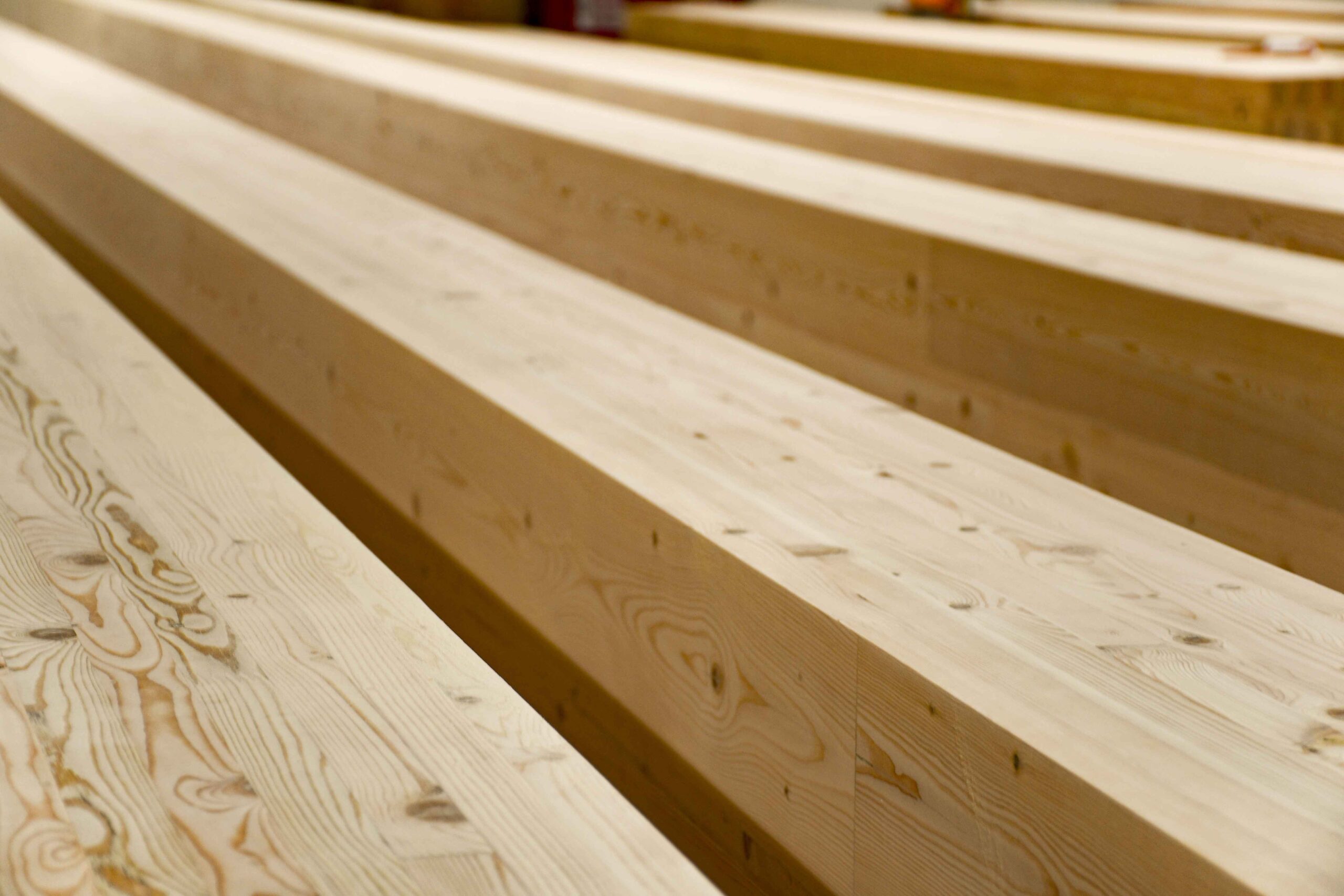 Maximising the use of bio-based products is key to meeting current sustainability targets. Yet according to sustainability consultancy Metabolic, using bio-based products for half of new housing in Europe would require production of engineered timber to increase nearly fivefold, and roundwood by four and a half times. Given the improbability of an uplift in production on that scale, as well as the current rapid growth in global demand and the UK’s own limited timber harvest, using the country’s waste timber to make ‘cross-laminated secondary timber’ – CLST – would seem to make a great deal of sense. Rather than its current fates of combustion for energy recovery, chipping for MDF, dumping in landfill, and other low-grade, non-circular activities, incorporating this plentiful material into supply chains would benefit the construction industry, as well as the country’s economy and environment. And it would also seem to be a highly achievable ambition – so why isn’t it happening?
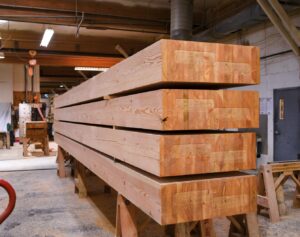 Amid the chaos of tariffs and economic uncertainty, Chris Evans is feeling deja vu with regards to the construction supply chain. Evans, the president of Swinerton-owned mass timber firm Timberlab, has helped the company through the process of building up a domestic supply chain. Evans said the company noted a lack of domestic supply, exacerbated by the COVID-19 pandemic. That led company leaders, in 2021, to work toward helping the firm become more vertically integrated, with its own fabrication facilities and domestic supply, and a sawmill coming online in 2027. Timberlab brought its first fabrication facility online in 2020 and a second in 2022, employing computer numerical control fabrication techniques to create cross-laminated timber and glulam, critical mass timber components.
 EDINBURGH, SCOTLAND — The International Sustainable Forestry Coalition (ISFC) welcomes the release by the International Organization for Standardization (ISO) of its new Standard covering the way greenhouse gas accounting should be applied to wood and wood-based products. Until the publication of this Standard, there had not been an internationally agreed upon accounting approach for biogenic carbon emissions and removals – an important piece of the puzzle to support corporate climate action and reach global net zero targets. The new series is ISO 13391 Wood and wood-based products — Greenhouse gas dynamics, and covers all essential components of carbon accounting for the sector: carbon in forests, carbon in harvested wood products and potential greenhouse gas emissions avoided through the use of wood-based products instead of fossil-based products.
 The legacy sewing pattern brands Simplicity, Butterick, McCalls, and Vogue, commonly referred to as the Big 4, have been sold to a liquidator.
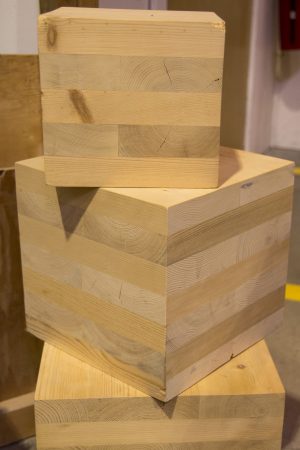 Global efforts to curb greenhouse gas (GHG) emissions are accelerating across industries, and the construction sector is no exception. With buildings responsible for a significant portion of global emissions, sustainable alternatives have come under intense scrutiny. Cross-laminated timber (CLT) has emerged as a promising substitute that not only reduces the carbon footprint associated with conventional materials like steel and concrete, but also contributes to long-term carbon storage. However, as CLT gains traction in mid- and high-rise construction, its full environmental impact—both positive and negative—must be understood. In a recent study, researchers combined economic modeling with a cradle-to-grave life-cycle assessment (LCA) to capture the comprehensive climate mitigation potential of CLT. This interdisciplinary framework was designed to quantify both the direct emissions benefits of material substitution and the broader market and ecological reactions that come into play when CLT adoption accelerates.
 …Mass timber provides several key learnings to understand how bioregional design can be developed and scaled. In the early 1990s, cross-laminated timber was invented in Austria, primarily driven by efforts to add value to softwood timber. The process involves glueing layered boards together to create strong, stable panels. Canada was an early adopter in North America, supported by knowledge-sharing with Europe and government-funded projects like the Wood Innovation and Design Centre in British Columbia. The US followed with key projects such as the Framework Building in Portland and T3 in Minneapolis, demonstrating that mass timber is viable for mid-rise and even high-rise buildings. The Canadian National Building Code was updated in 2020 and the American International Building Code was updated in 2021 to allow mass timber buildings up to 18 stories in certain conditions based on these pilot projects.
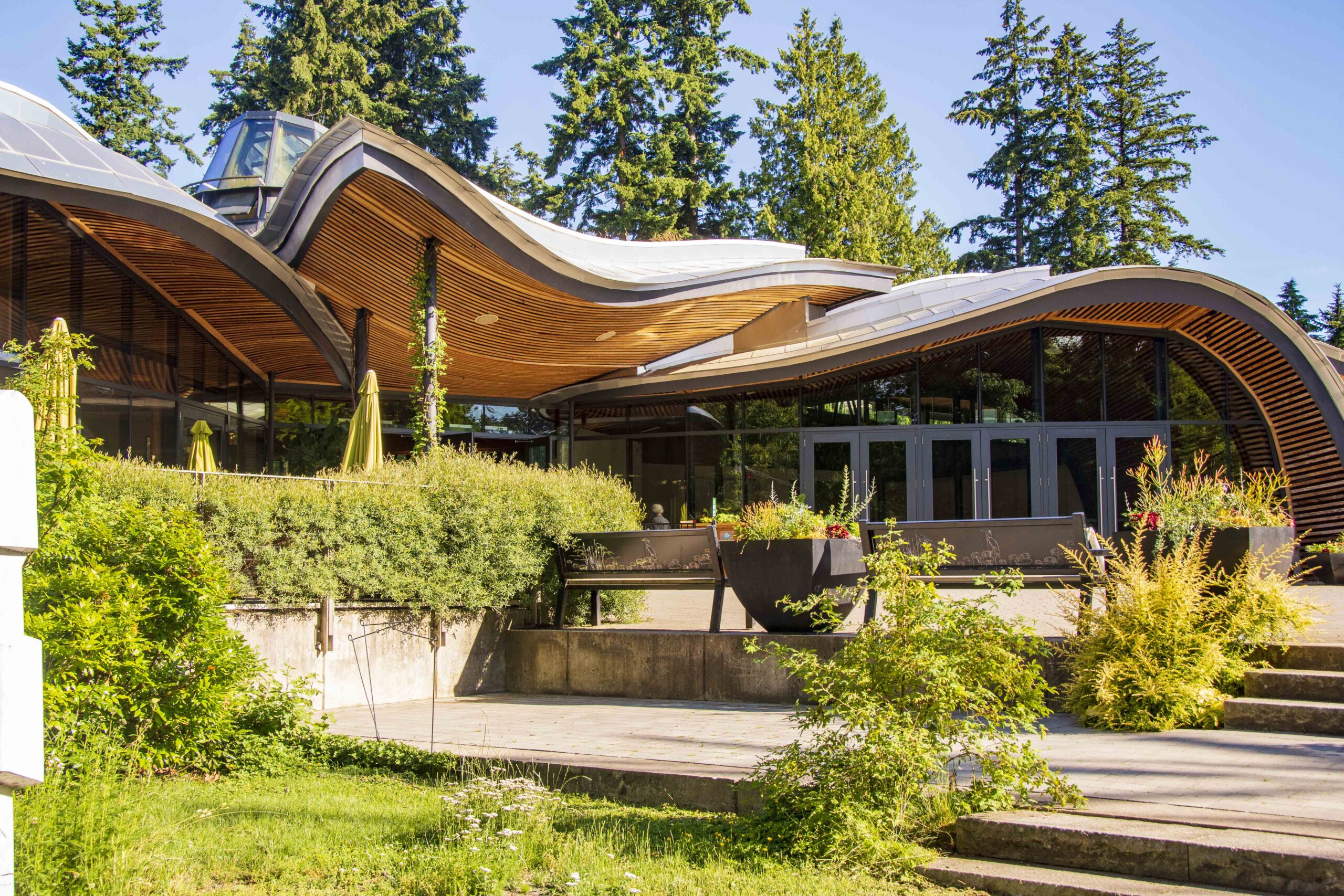 As the popularity of wood-based materials in building construction increases, facade-based applications are becoming more desirable and prevalent. Wood’s susceptibility to decay is a familiar phenomenon, and many established preservation methods exist. However, most wood treatments for external use are problematic from human health and environmental perspectives. Conventional preservation chemicals …contain known hazards. …For these reasons, scientists and manufacturers have been developing alternative techniques that are biocompatible and ecologically friendly, aiming to preserve wood effectively without the drawbacks of harmful chemicals. An established example is acetylation, a process that chemically alters wood to make it water resistant without toxic substances. …A Florida Atlantic University research team has developed a method to elevate the mechanical performance of hardwood as well. The technique strengthens the cell walls of trees by introducing an iron compound into their vascular systems. …Other investigations seek to prevent decay before it begins.
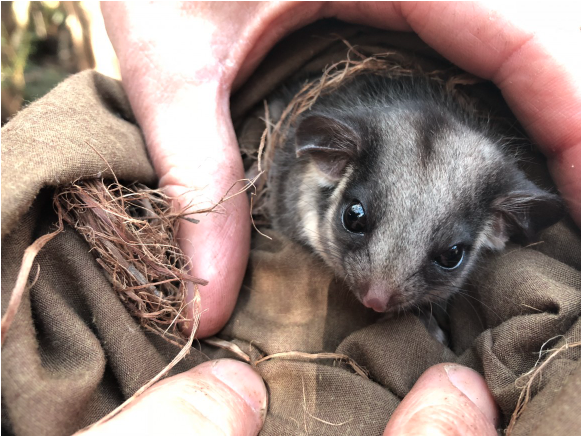
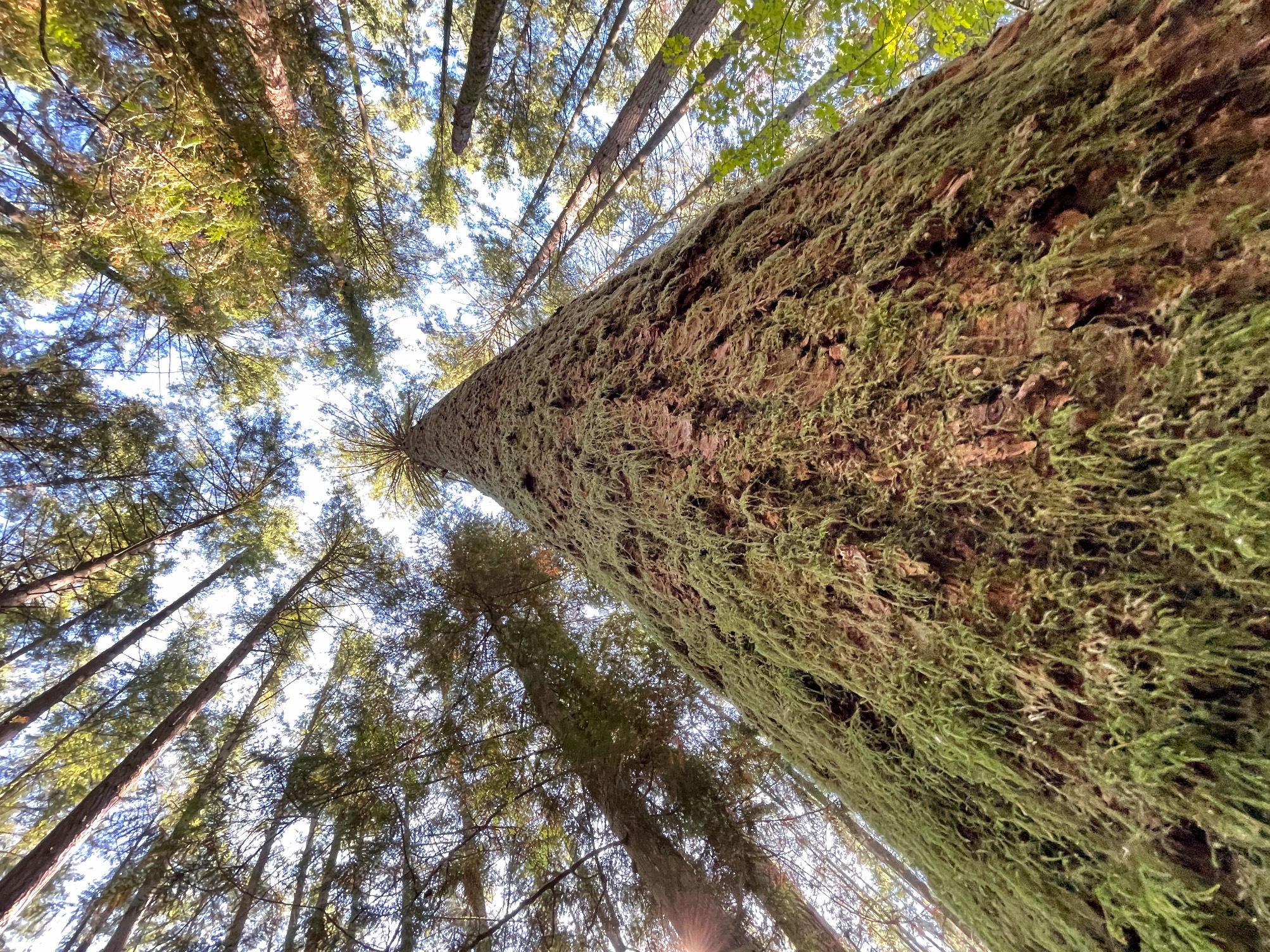 The world’s oldest forests are facing growing pressure from all sides. Their decline isn’t just an environmental concern – it carries serious consequences for people, climate stability and global biodiversity. According to a new
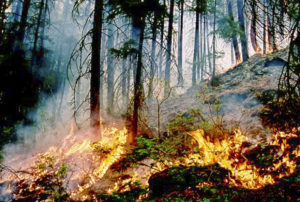 European funds to prevent forest fires have been poorly targeted and sometimes distributed in a hurry, according to a report from the EU’s spending watchdog. The number of forest fires in EU countries has increased dramatically over the last two decades as the climate crisis fuels ever bigger conflagrations. An area twice the size of Luxembourg has been consumed by flames in an average recent year, killing people, destroying homes and wildlife and sending megatonnes of planet-heating emissions into the air. The European court of auditors praised the decision to devote more money to preventing fires but said European-funded projects were not always spent where they could make the biggest difference. In Greece, authorities were using a map drawn up in 1980 to assess the risk of forest fires. In Portugal, one area selected as a priority for funds contained a zone that was underwater due to a recently built dam.
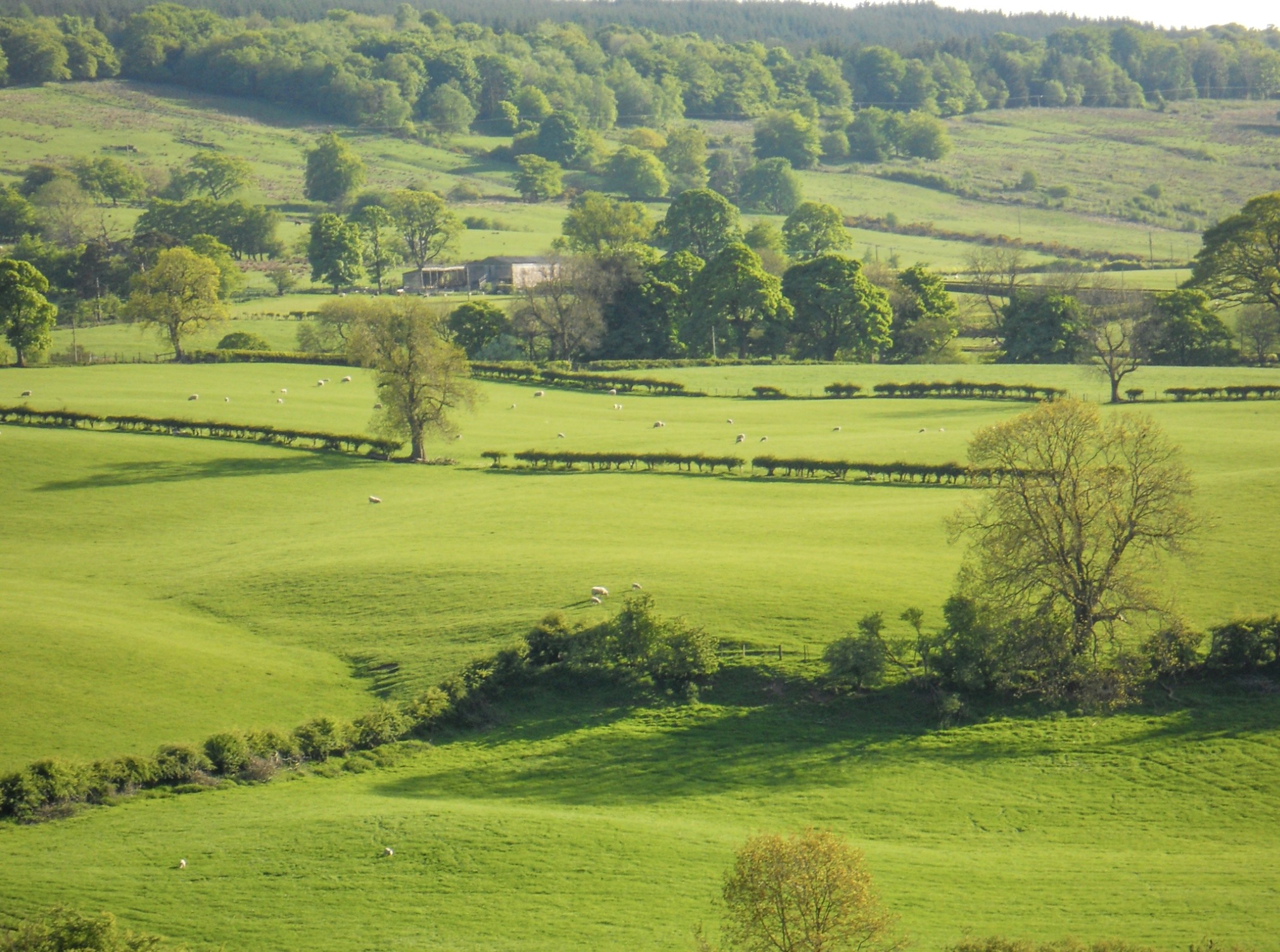 Urgent action must be taken to avoid a loss of wildlife due to the “plummeting” condition of the UK’s woodlands, according to a new report. The report, published by the Woodland Trust on Tuesday, found that the quality of woodland is on the decline, despite a slight increase in tree cover. Woodland covers 24% of Surrey, making it the most wooded county in England. Abigail Bunker, director of conservation and external affairs at the trust, said: “We are calling on the government and others to invest in the management of our woodlands.” She said investing in woodland management would mean wildlife could experience the benefits “of these precious ecosystems”. Woodlands are becoming less effective as habitats for wildlife because they lack complexity, such as having enough trees of differing ages, states and sizes.
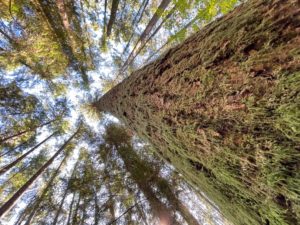 SWEDEN — To combat the growing risks from unsustainable business practices, governments and regulators worldwide require corporates to bring greater transparency and reporting to their sustainability impact. When comes to reporting, however, arguably, not all industries are the same. Forests are key to addressing both climate change and biodiversity loss, two of the most urgent challenges for the global community. …If reporting (and other) regulations are to encourage forestry organizations, and their stakeholders, to make more sustainable choices, more needs to be done to increase understanding of the specific sustainability impacts of the industry. Three key areas should be addressed: reporting models, underlying data, and success cases. …An evolving regulatory environment with potential broad implications for forest companies combined with a fragmented reporting landscape diminishes the useability of information for stakeholders as a steering tool.
 A quarter of a Welsh city will be covered by tree canopies within 10 years due to a new plan to boost its “urban forest”. Almost 30,000 trees will be planted in Newport to supplement about 250,000 existing trees. Wales was the first country in the world to measure its urban tree coverage. The council hopes these trees and others planted by private developers and landowners will take canopy cover in Newport – which at 18% had the highest proportion of any Welsh city in 2016 – to 25%. Joanne Gossage, service manager for environment and leisure at Newport council said the city had “green oasis” parks. She said: “We feel that Newport is a very green city and we don’t think it’s too far of a stretch to get to that 25%. “People’s perception of an urban forest is something dark, perhaps menacing and dingy. It’s not. It’s about trees making attractive frameworks in limited open space.”
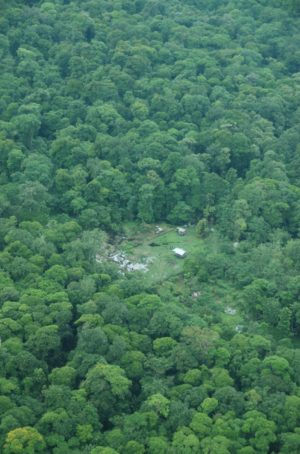 Around the world, nefarious state and nonstate actors are extracting enormous value from forests to fund their operations. The unlawful clearing of land and the harvest, transport, purchase, and sale of timber and related commodities have long been dismissed as a niche concern of environmental activists. But this is a mistake. Although unsustainable deforestation imperils the environment, illegal logging also poses an outsize—and underacknowledged—geopolitical threat. Environmental crime constitutes a growing economic and national security threat to the United States and countries around the world. Yet Washington has largely ignored illegal logging’s role in its fight against transnational criminal organizations, drug cartels, terrorists, and rogue regimes, as well as China’s part in this illicit trade. Thankfully, the blueprint for fighting transnational crime already exists: better cooperation among governments, increased enforcement, more transparent supply chains, public-private partnerships, and most important, following the money.
 This study investigates the role of Forest Stewardship Council (FSC) certification in advancing sustainable forest management and influencing forest cover changes across 70 countries from 2000 to 2021. Using dynamic panel data model and Generalized Method of Moments (GMM) estimations, the analysis addresses endogeneity concerns, such as those stemming from lagged dependent variables, providing robust and unbiased estimates. Results indicate that FSC certification significantly enhances forest cover, with the most pronounced effects observed in low- and middle-income countries. Additionally, the study explores how FSC certification interacts with income levels and climatic conditions, revealing region-specific variations in its effects. These findings highlight the importance of market-based conservation tools, such as FSC certification, which align economic incentives with sustainability objectives. The analysis provides practical insights, recommending the integration of FSC certification into responsible trade practices and the development of regionally tailored forest management strategies to maximize conservation outcomes.
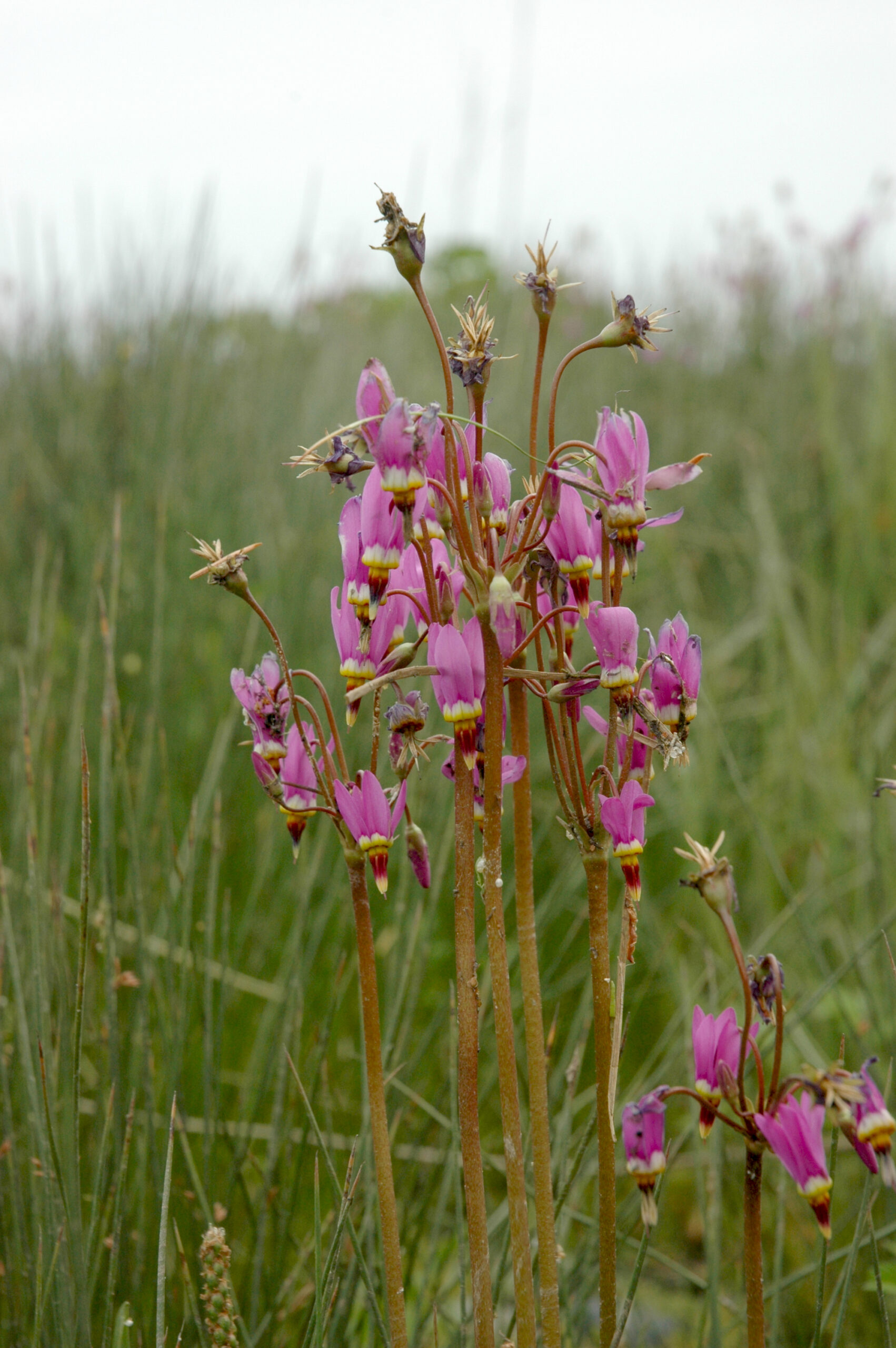 As efforts to combat deforestation intensify, attention is shifting to the sustainable use of forests. In Europe, non-wood forest products (NWFPs) are emerging as valuable, biodiversity-friendly alternatives. …In response, the EU has adopted a deforestation-free regulation, requiring companies to ensure products entering the European market are not linked to deforestation or forest degradation, while also respecting human rights and indigenous land. In FAO’s assessment of the state of the world’s forests in 2024, wood-based goods have historically dominated forest product production and trade, serving as the primary source of income and employment in forestry. …Amid growing awareness of forests’ broader ecological and economic roles, attention is shifting towards NWFPs, which are increasingly seen as sustainable and profitable alternatives. Although still secondary in trade value, NWFPS (medicinal plants, fruits, and resins) are gaining relevance as societies seek more diverse and ecologically responsible uses of forest resources.
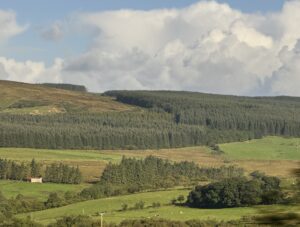 On May 22, the European Commission released its long-awaited country benchmarking classifications under the EU Deforestation Regulation (EUDR). …After years of development, one might have expected a risk classification tool robust enough to help companies navigate the complex terrain of global sourcing. Instead, the rankings are poised to mislead businesses into thinking certain countries are “low risk” when the realities on the ground tell a very different story. …The EUDR sets out dual requirements: products placed on or exported from the EU market must be both “deforestation-free” and “produced in compliance with the laws of the country of origin.” However, the EC’s benchmarking appears to focus overwhelmingly on deforestation metrics and existing EU political sanctions—giving little attention to equally critical issues like governance, corruption, and law enforcement capacity. Findings from Forest Trends’
 BRAZIL — Fallen logs are rotting, the trees grow sparser and the temperature rises in places sunlight hits the ground. This is what 24 years of severe drought looks like in the world’s largest rainforest. But this patch of degraded forest, about the size of a soccer field, is a scientific experiment. Launched in 2000 by Brazilian and British scientists, Esecaflor — short for “Forest Drought Study Project” in Portuguese— set out to simulate a future in which the changing climate could deplete the Amazon of rainfall. It is the longest-running project of its kind in the world, and has become a source for dozens of academic articles. …This resulted in the loss of approximately 40% of the total weight of the vegetation and the carbon stored within it from the plot. The main findings were detailed in
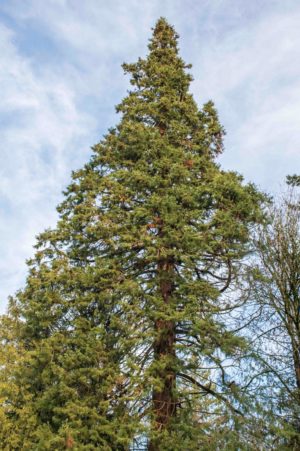 More evidence that trees display group cognition and communication has arrived from the Dolomites where a multidisciplinary team monitored a forest during a solar eclipse. Their research witnessed two things, that the trees of the forest synchronized bioelectrical activity during the eclipse, and that the process of synchronization was started and directed by the eldest trees—a full 14 hours before the eclipse even started. The results of their experiment, which
  Centuries ago, around 80% of Ireland’s green landscape was covered in trees – many of which were hundreds of years old. The arrival of modern agriculture changed that now less than 1% of the island is covered by ancient woodland. The Government hopes to reverse this historic trend and is aiming to cover 18% of the State in trees by 2050. Businesses are getting involved as well; Wolfman Digital bought a plot of land seven-years ago and staff were bussed out to plant trees on it. “Back in 2017, we decided we wanted to become carbon neutral,” CEO Alan Coleman said. “We were looking into our different options and we learnt three things about forests that really made us feel strongly that we wanted to start planting trees. “The first thing we learnt is that forestry is one of the strongest solutions to global warming.”
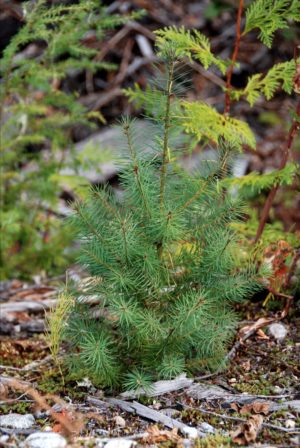 The future of the European forests is at risk due to our changing climate. To observe the effects of climate change, we often look at the large trees. But the young trees are the future of the forest and are also the most vulnerable. The current drought is the biggest threat to young trees. A recent study
 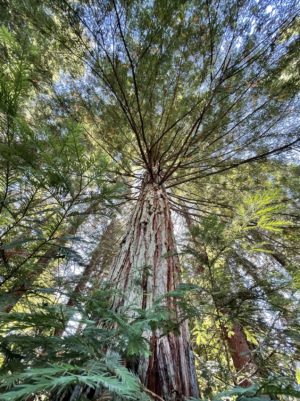 BRUSSELS – According to a document obtained by, 11 governments are urging the European Union to delay or weaken its upcoming deforestation law. This policy, a world first, aims to stop the 10% global deforestation caused by EU imports of soy, beef and palm oil, among other products. However, it has become a controversial part of Europe’s environmental agenda. After complaints from Brazil and the US and a reduction in reporting rules, the EU has already delayed its launch for a year, until Dec. 2025. The Commission announced last week that it would spare most countries from the strictest checks. A group of eleven countries led by Austria, Luxembourg and Germany, have demanded that the European Commission further simplify the rules and delay the application date. …The countries’ paper, that the EU agriculture ministers in Brussels will be discussing on Monday, said the requirements are “disproportionate” to the regulation’s goal.
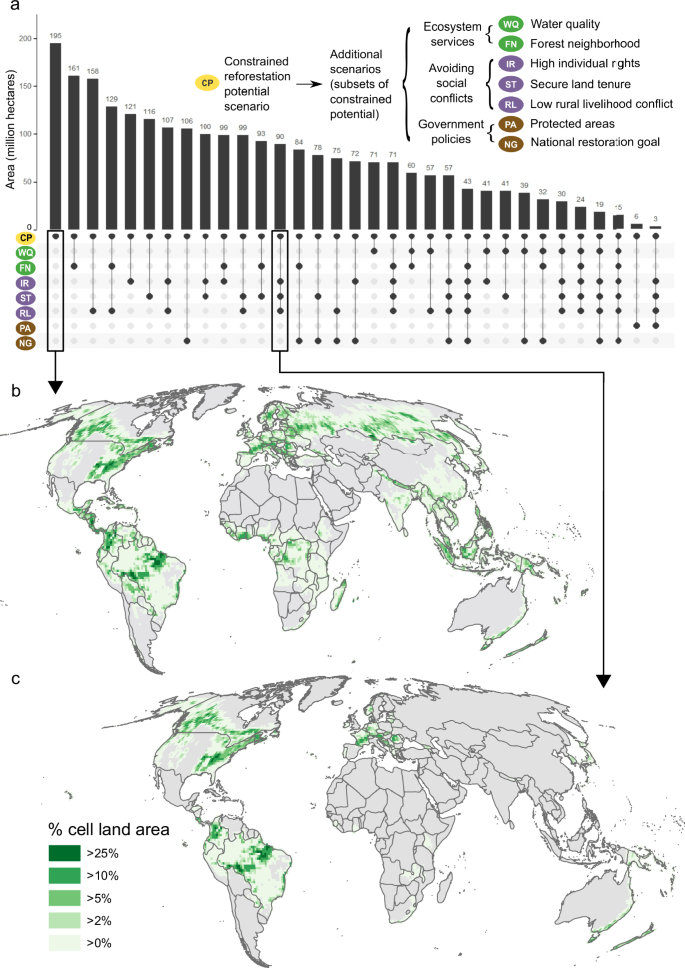

 Climate change has put Western Canada’s glaciers on track for devastating loss over the coming decades, with the southern half of BC expected to lose nearly 75% of the alpine ice — even if warming stops today, a new study has found. The planet has so far warmed an average of about 1.2 degrees Celsius above pre-industrial temperatures. If that increase climbs to 1.5 degrees C, 81% of Western Canadian and US glacier mass would melt, according to the study published Thursday in the journal Science. …Harry Zekollari, the study’s lead author and a glaciologist at Belgium’s Vrije Universiteit Brussel, said the international research team used eight glacier computer models to analyze the potential long-term evolution of the year-round ice. The results painted a dire picture for the world’s glaciers, as the planet has already locked in enough warming to melt 40% of the Earth’s year-round ice by the end of the century.
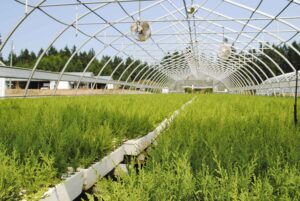 Replanting forests can help cool the planet even more than some scientists once believed, especially in the tropics. But even if every tree lost since the mid-19th century is replanted, the total effect won’t cancel out human-generated warming. …In a new study
 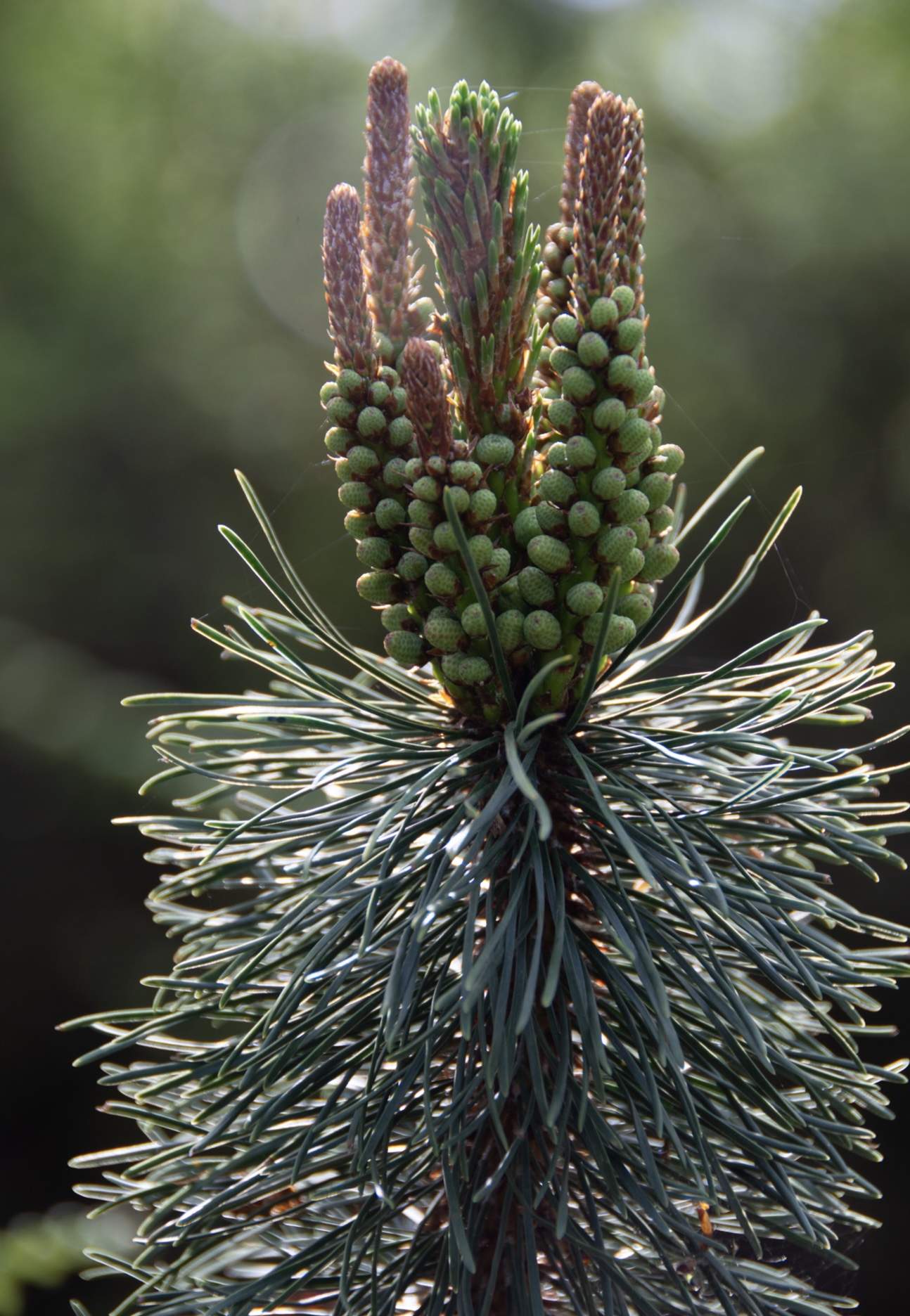 Hundreds of top environment lawyers are suing the New Zealand government over what they say is its “dangerously inadequate” plan to reduce emissions to net zero by 2050. It is the first time the country’s emissions reduction plan has faced litigation, and the lawyers believe it is the first case globally that challenges the use of forestry to offset emissions. …two groups representing more than 300 lawyers filed judicial review proceedings against the government in Wellington’s high court on Tuesday. The groups … claim … the government has abandoned dozens of tools to tackle emissions, failed to adequately consult the public, and too heavily relies on high-risk carbon capture strategies such as forestry. …They claim that the government is relying on “high risk” methods such as planting hundreds of thousands of hectares of introduced pine trees to offset emissions, and capturing carbon underground, with few alternatives to fall back on if something goes wrong.
 Researchers from the University of Nottingham and CSIRO Australia have developed a pioneering combined milling and combustion performance model to improve the selection of low carbon fuels for power generation. Published in the
  Rio Tinto has started growing pongamia trees in northern Australia, as part of a biofuels project aimed at reducing the mining giant’s reliance on fossil fuels. Pongamia trees are native to Australia and produce oil-rich seeds that can be processed into renewable diesel… Earlier this year, Rio Tinto trialled 10 million litres of renewable diesel — created from used cooking oil — across its Pilbara iron ore operations in Western Australia. The biofuel got used across the supply chain, featuring in Rio Tinto’s rail, marine, haul trucks, surface mining equipment and light vehicles… Forestry Industry Association of the Northern Territory (FIANT) manager Hanna Lillicrap said it was great to see a major mining company getting involved in the forestry sector. “It reflects a growing recognition of the role forestry can play as a climate-positive solution in emissions reduction strategies,” she said. “It’s great to see serious investment going into research to better understand the species and its potential,” she said.
 Even if conversations are dominated by electrification, Toyota is working on a different course to keep combustion engines relevant. A recent Nikkei Asia report reveals that Japanese automakers led by Toyota have opened a bioethanol facility in Fukushima, aiming to slash the carbon footprint of conventional engines with a new kind of “better biofuel”. …What sets this project apart is its focus on second-generation biofuels: non-edible plants and agricultural waste serve as the feedstock, rather than food crops like corn or sugarcane. By avoiding feedstocks that compete with food supply, Toyota’s program addresses a key criticism of traditional biofuels. …The choice of Fukushima for the facility is symbolic. The site reuses land in an area devastated by the 2011 nuclear disaster, turning “disaster zones” into productive, green-energy facilities. In doing so, Toyota’s project ties regional recovery to climate innovation. …Feedstock: Uses non-food biomass (e.g. wood chips, rice straw, plant waste) instead of edible crops.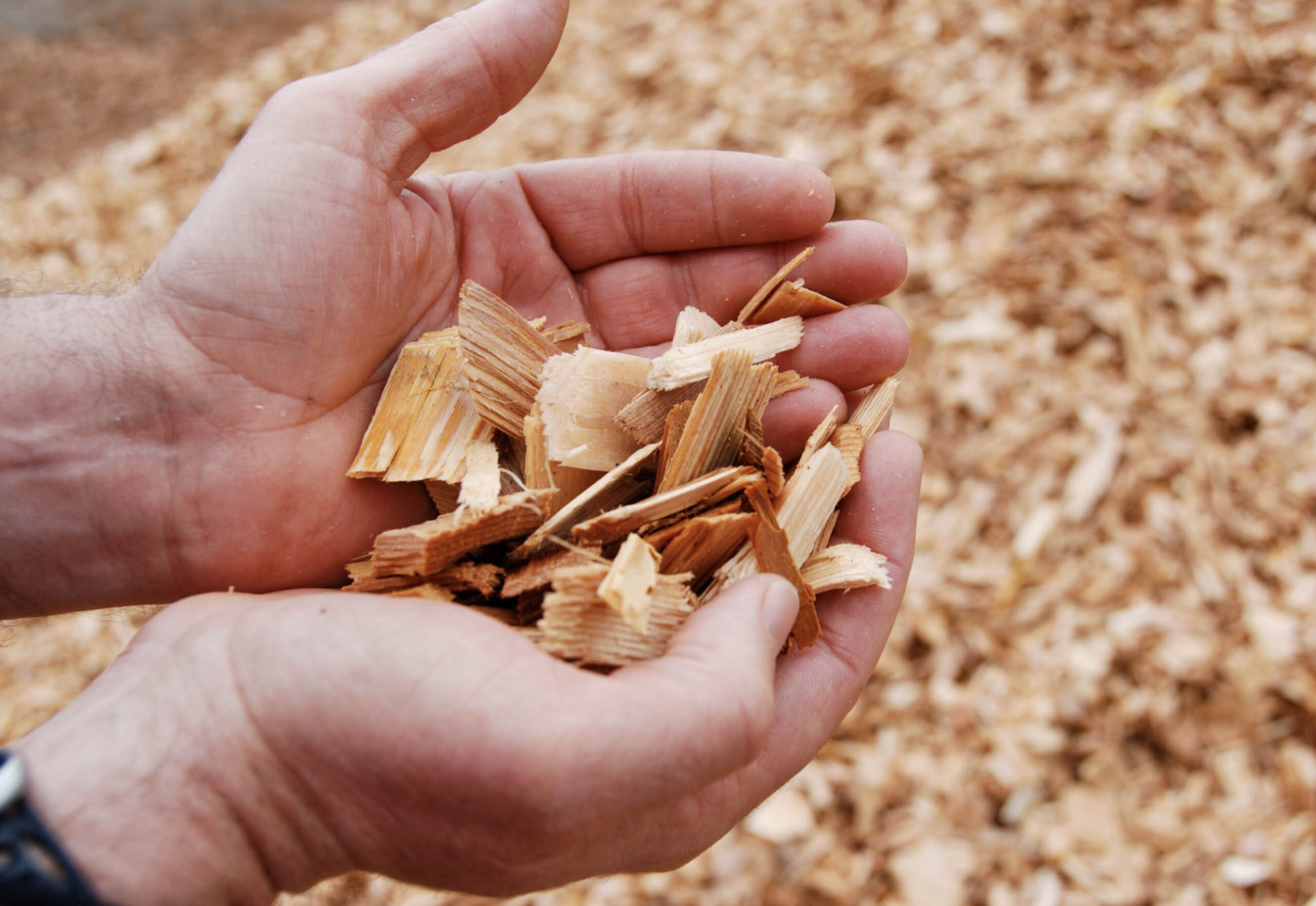
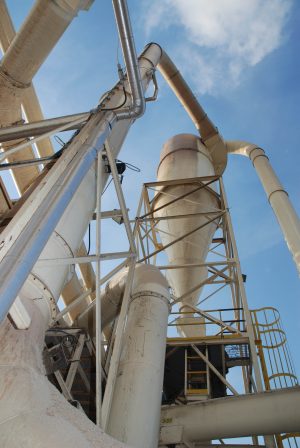 Mineral water producer Gerolsteiner Brunnen has broken ground on a new biomass combined heat and power (CHP) plant at its site in the Vulkaneifel region, Germany, in partnership with energy provider E.ON. The plant is set to significantly reduce the company’s reliance on fossil fuels and further its long-standing commitment to climate protection. Once operational in early 2027, the plant will supply up to 95% of Gerolsteiner’s heat demand and around 20% of its electricity needs. It will run on regionally sourced biomass, including wood chips from damaged or diseased wood, forest residues, and green waste, that would otherwise go unused in traditional wood processing industries… The project is expected to reduce the company’s carbon emissions by over 7,000 tonnes annually.
 The Amazon rainforest may be able to survive long-term drought caused by climate change, but adjusting to a drier, warmer world would exact a heavy toll, according to new research in which Cardiff University played a role. The findings show adapting to the effects of climate change could see some parts of the Amazon rainforest lose many of its largest trees, releasing carbon stored in them to the air, and reducing the rainforest’s carbon sink capacity. Parts of the Amazon are expected to become drier and warmer as the climate changes, but long-term effects on the region’s rainforests – which span more than 2 million square miles – are poorly understood. Previous research has raised concerns that a combination of severe warming and drying, together with deforestation, could lead to lush rainforest degrading to a sparser forest or even savanna.
 Canada’s wildfires have forced evacuations of more than 26,000 people and continue to spread with heavy smoke choking millions of Canadians and Americans and reaching as far away as Europe. Hazardous air quality alerts were issued for parts of Canada and the neighbouring United States. A water tanker air base was consumed by flames in Saskatchewan province, oil production has been disrupted in Alberta, and more communities are threatened each day. “We have some challenging days ahead of us,” said Saskatchewan Premier Scott Moe, adding that the number of evacuees could rise quickly. …Heavy smoke has engulfed part of the continent, forcing residents of four Canadian provinces and the US states of Michigan, Minnesota, Nebraska and Wisconsin to limit outdoor activities. …Elsewhere, extensive forest fires have been raging in Russia’s Far Eastern Federal District since early April, generating carbon emissions of around 35 million tons, Copernicus reported.