
Ken Kalesnikoff & David Eby
BC Wood announced that Premier David Eby will open the 22nd Annual Global Buyers Mission (GBM) and deliver the welcoming remarks on Friday, September 5th, before the tradeshow begins. This shows the significance of the GBM to British Columbia’s forestry and value-added wood industry, with the Premier joining us to explore the tradeshow floor and engage directly with the delegates. Premier Eby’s presence highlights the critical role of BC’s wood and forestry sector in driving innovation, sustainability, and economic growth. As one of the largest events of its kind in Canada, the GBM brings together over 700 delegates from around the globe, fostering connections that generated over $34 million in new business last year alone. For 22 years, the GBM has been a staple for generating business for Canada’s wood manufacturers. This showcases to international delegates, Canada’s wood manufacturing capabilities as some of the finest in the world.
 VANCOUVER, BC – Canfor announced today that its 77%-owned subsidiary, Vida AB, has entered into an agreement to purchase AB Karl Hedin Sågverk from Mattsbo Såg AB and certain minority shareholders for a purchase price of $164 million, including working capital of ~$39 million. AB Karl Hedin Sågverk operates three sawmills located in Central Sweden and will add approximately 230 million board feet to Vida’s annual production capacity. Following completion of this acquisition, Vida will have annual production capacity of approximately 2.1 billion board feet. Annual synergies of approximately $15 million are expected to be achieved within three years as a result of this transaction principally related to alignment of marketing programs as well as log procurement and operational practices. …These operations have access to exceptionally high-quality timber and are well positioned to complement Vida’s high-value product offering,” said CEO Susan Yurkovich. …The transaction is expected to close over the next several months.

 President Donald Trump on Friday announced he’s directing his administration to investigate imports of furniture into the United States that will lead to higher tariffs by October. “Within the next 50 days, that Investigation will be completed, and Furniture coming from other Countries into the United States will be Tariffed at a Rate yet to be determined,” Trump wrote. “This will bring the Furniture Business back to North Carolina, South Carolina, Michigan, and States all across the Union,” Trump said. …Already, furniture prices have been increasing over the past few months as Trump hiked tariffs on countries including China and Vietnam, the top two sources of imported furniture. Both countries imported $12 billion worth of furniture and fixtures last year, according to US Commerce Department data. …Furniture stocks, such as Wayfair, William-Sonoma and Restoration Hardware, all tanked in after-hours trading Friday.
 We welcome the recent announcement from the White House regarding the US–EU Framework Agreement on Reciprocal, Fair, and Balanced Trade. Notably, the European Union has committed to addressing U.S. concerns about the EUDR, acknowledging that US commodity production poses negligible risk to global deforestation. This recognition is a positive step toward ensuring Southern Pine lumber producers and exporters are not unfairly burdened by regulations that fail to account for the sustainability and stewardship practices already in place within the American forestry sector. …The EUDR’s stringent traceability requirements (such as geolocation data for every plot of land from which timber is sourced) present serious compliance obstacles for U.S. producers. …Recognizing the broad impact of the EUDR across multiple agricultural sectors, the forest products industry is strategically voicing its objections through official trade and commerce channels.
 The US International Trade Commission determined on August 21 that revoking the existing antidumping duty order and countervailing duty order on wooden cabinets and vanities from China would likely lead to “continuation or recurrence of material injury within a reasonably foreseeable time.” The Kitchen Cabinet Manufacturers Association (KCMA) said that ruling “means that the antidumping and countervailing duty orders will remain in place for at least another five years and continue to provide relief to the US domestic industry from dumped and subsidized merchandise from China.” As a result of the Commission’s affirmative determinations, the existing orders on imports of these products will remain in place. …The action comes under the five-year (sunset) review process required by the Uruguay Round Agreements Act. The Commission’s public report on Wooden Cabinets and Vanities from China will be available by October 3, 2025.
 As of mid-2025, the global tariff environment has grown increasingly unpredictable. The United States has reinforced its protectionist stance with new and expanded duties aimed at key trade partners. Most notably, a 50% tariff on imports from Brazil was enacted, targeting a wide range of products. Wood pulp and certain industrial inputs were explicitly exempted, though lingering confusion around the policy’s scope has led companies to reassess sourcing strategies. …Many of the early US tariffs implemented—such as those targeting Canadian softwood lumber, Chinese finished goods, and EU paperboard products—remain in place. …In response to this complex tariff environment, companies are increasingly focusing on supplier diversification, regional trade agreements, and nearshoring strategies to reduce risk. While some nations—like Mexico and Chile—have emerged as viable alternatives for sourcing pulp, packaging, and paper products, the reshuffling of trade lanes is still underway.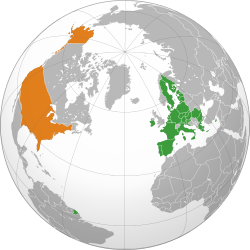


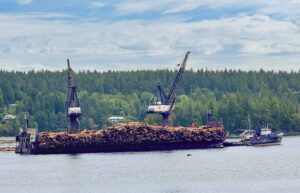 NEW ZEALAND — The timber industry is battening down the hatches, as it struggles with low demand, increased running costs, and wars and tariffs overseas.
 NEW YORK, NY -‑ Mercer International reported second quarter 2025. In the second quarter of 2025, net loss was $86.1 million compared to $67.6 million in the same quarter of 2024 and $22.3 million in the first quarter of 2025. Mr. Juan Carlos Bueno, Chief Executive Officer, stated: “Our operating results for the second quarter of 2025 reflect the impacts of ongoing uncertainties in the global trade environment coupled with the resulting weaker dollar. This challenging backdrop contributed to weaker demand for pulp in China during the quarter. …Our lumber sales realizations in both the U.S. and Europe increased in the second quarter of 2025 as a result of lower supply and steady demand.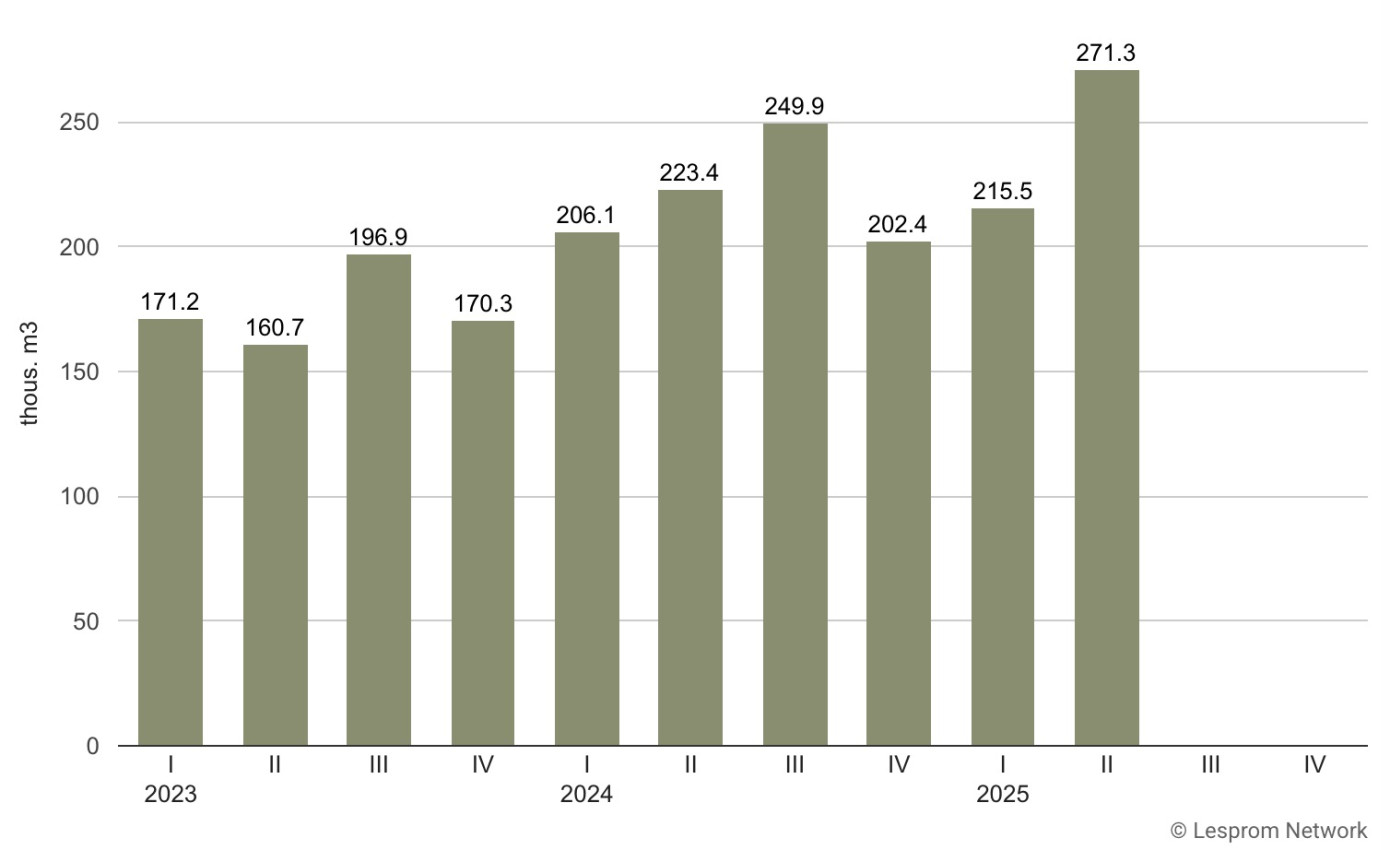

 US and Chinese negotiators have agreed in principle to push back the deadline for escalating tariffs, although America’s representatives said any extension would need Donald Trump’s approval. Officials from both sides said after two days of talks in Stockholm that while had failed to find a resolution across the many areas of dispute they had agreed to extend a pause due to run out on 12 August. Beijing’s top trade negotiator, Li Chenggang, said the extension of a truce struck in mid-May would allow for further talks, without specifying when and for how long the latest pause would run. However, the US trade representative Jamieson Greer stressed that President Trump would have the “final call” on any extension. …Trump is on course to impose extra tariffs on Mexico and Canada from Friday, barring last-minute deals.
.png)



 Japan’s housing starts fell 15.6% year-on-year in June 2025, slightly better than market expectations of a 15.8% drop and easing from May’s sharp 34.4% plunge—the steepest since September 2009. This marked the third consecutive monthly decline but the mildest in the sequence, as contractions slowed across key categories: owned (-16.4% vs -30.9%), rented (-14.0% vs -30.5%), built-for-sale (-17.9% vs -43.8%), and two-by-four homes (-5.7% vs -26.4%). On the other hand, prefabricated housing starts declined slightly more (-9.6% vs -9.3%), while growth in issued units moderated sharply to 10.2% from 76.7% in May.
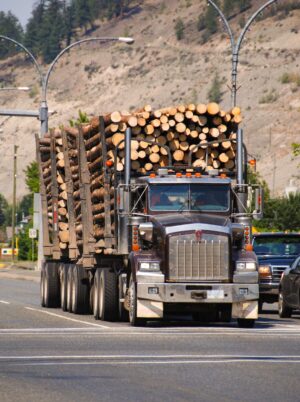 THE majority of consumers cannot identify the primary cause of deforestation – with an increasing number linking it to timber production. That’s going by the results of a major survey from the paper and pulp industry, which also found that more than 60 per cent of people believe only recycled paper should be used to produce new paper products. In contrast, 60 per cent of European consumers believe urban development poses the greatest threat, an increase from 55 per cent in both 2021 and 2023. 58 per cent believe palm oil plantations (up from 52 per cent in 2023), 54 per cent think construction and timber (up from 52 per cent in 2023), 52 per cent believe energy and wood fuel (slightly down from 54 per cent), and 46 per cent deem the paper and pulp industry is the most significant contributor – up from 42 per cent in 2023. …In reality, deforestation is primarily driven by agricultural expansion, especially in tropical and sub-tropical regions.
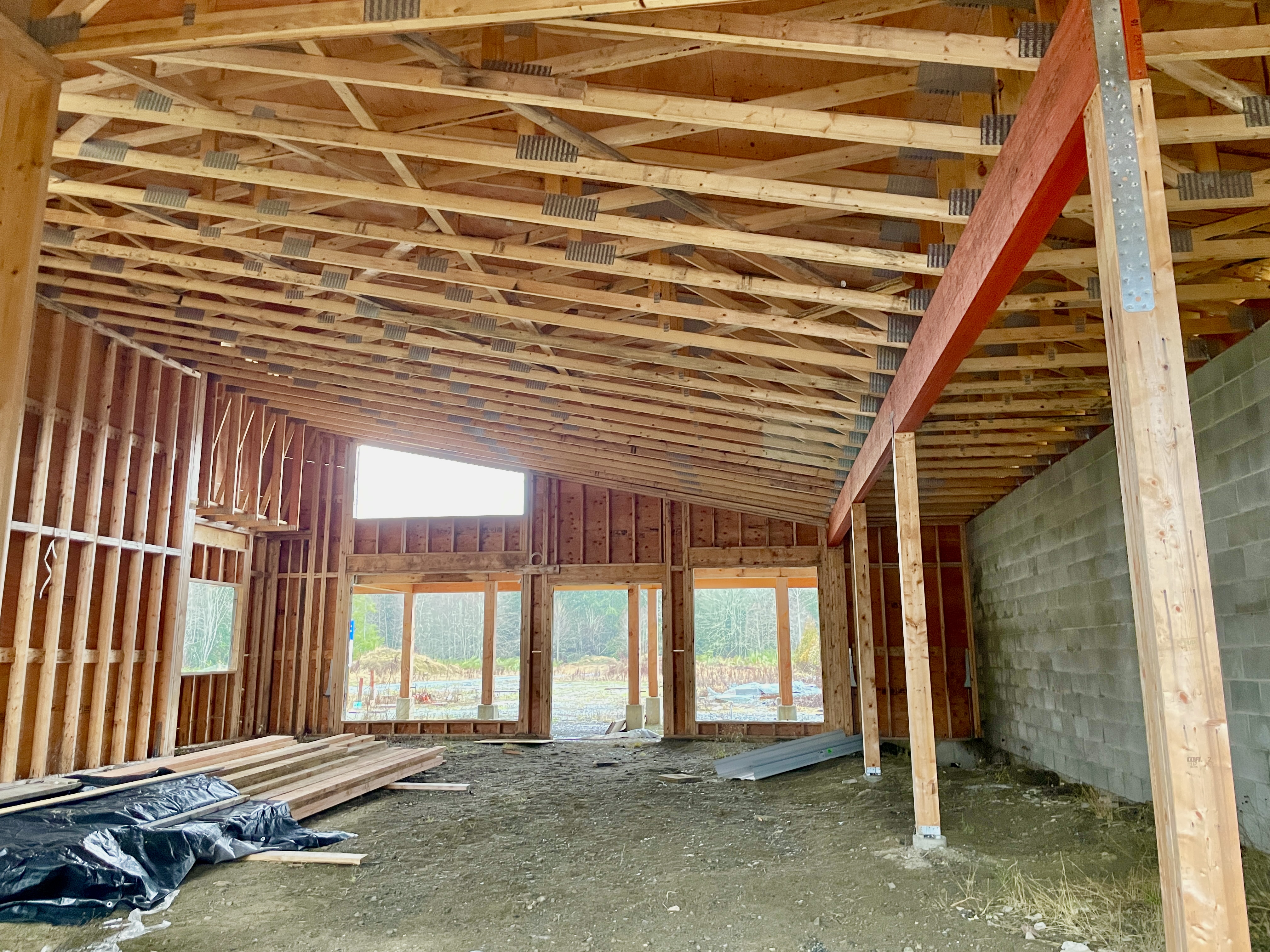 Timber roof trusses have the lowest climate impact across all measured span lengths when compared to concrete, steel, and glulam options. A study conducted by Zeina Alasadi and Selma Bergström Denizoglu at Chalmers University of Technology, Sweden, shows that nail plate connected timber trusses consistently outperform other materials in reducing CO₂ emissions, even when more timber units are required to match the span coverage of a single truss made from concrete or steel. The analysis covered trusses with spans from 6 to 26 meters and focused exclusively on emissions from the production phase, using life cycle assessment (LCA) data corresponding to stages A1–A3. The timber trusses were evaluated using verified environmental product declarations (EPDs) from Derome, which supplied design specifications and material volumes. Timber trusses with spans of 6, 8, 12, and 20 meters generated CO₂ emissions of 59.72 kg, 78.5 kg, 145.15 kg, and 352.5 kg respectively when scaled to match standard center distances.
 The European Federation of Wooden Pallet and Packaging Manufacturers (FEFPEB) has advised that the EU Deforestation Regulation (EUDR) will not have significant implications for customers using wood pallets and packaging for transport. The organization
  AUCKLAND, New Zealand — Consent has been granted for construction to begin on a $100 million development on Auckland’s Karangahape Rd that will have retail and office spaces. The 11-storey timber building will be located minutes from the new Karanga-a-Hape Station which is part of the City Rail Link*. Developers James Kirkpatrick Group (JKG) are planning to begin construction in early 2027 after reaching an agreement with Auckland Council. JKG managing director James Kirkpatrick said “This development will create a new benchmark for sustainable urban design and construction in New Zealand and will enable the city to realise the full social and economic potential of the City Rail Link. The building is designed by globally renowned local architects Fearon Hay and is targeting a world-leading 6 Green Star sustainability rating.
 Decarbonizing the economy requires a large-scale transition from fossil carbon-containing feedstocks to minerals and biomass, notably wood in buildings. Increasing harvesting is under discussion to meet the supply of wood for ‘timber cities’, with potentially negative impacts on forests and biodiversity. Here we investigate pathways to timber cities, including their impacts on land use, energy use and greenhouse gas emissions by quantifying global and regional wood cycles using Bayesian material flow analysis. We show that shifting wood fuel to industrial use and maximizing circular use of wood can make timber cities possible with the current harvest volume. Our results reveal that these pathways have better environmental performance than increased harvesting, reducing total CO2 equivalent emissions by 2100 by 40.8 Gt compared to business as usual. To achieve the wood transition, regional and cross-sectoral governance and planning are needed, addressing national-level pathways and inter-regional wood transport.
  Three nations joined forces Friday to establish what will become the second-largest nature reserve in Latin America. Mexico, Guatemala, and Belize announced the creation of a massive tri-national protected area spanning 14 million acres (5.7 million hectares) across the heart of the ancient Maya forest. The announcement came during a summit in Calakmul, where Mexican President Claudia Sheinbaum stood alongside Guatemalan President Bernardo Arévalo and Belize Prime Minister Johnny Briceño to reveal plans for the Biocultural Corridor of the Great Mayan Forest. “This is one of Earth’s lungs, a living space for thousands of species with an invaluable cultural legacy that we should preserve with our eyes on the future,” Sheinbaum said during the joint press conference. She called the move “historic.” The new reserve will encompass 50 existing protected areas across the three countries.
 One of the key agreements for Amazon rainforest protection – the soy moratorium – has been suspended by Brazilian authorities, potentially opening up an area the size of Portugal to destruction by farmers. Coming less than three months before Brazil hosts the Cop30 climate summit in Belém, the news has shocked conservation groups, who say it is now more important than ever that consumers, supermarkets and traders stand up against Brazilian agribusiness groups that are using their growing political power to reverse past environmental gains. Brazil is the world’s biggest soya bean exporter. The legume … posed a huge deforestation threat to the Amazon rainforest until stakeholders voluntarily agreed to impose a moratorium and no longer source it from the region in 2006. …Greenpeace Brazil called the move a “terrible mistake”, which was the result of political pressure from the “regressive wings of agribusiness”…
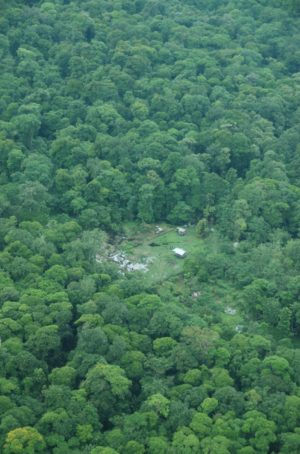 JAKARTA, Indonesia — The recreational vehicle industry is now the biggest consumer of tropical wood in the United States, UK-based NGO Earthsight and Indonesian NGO Auriga Nusantara said. They said evidence showed sheets of tropical “lauan” plywood found in Indonesia were likely being used in the floors, walls and ceilings of RVs produced by major brands like Jayco, Winnebago and Forest River. “Nature-loving RV owners will be horrified,” said Earthsight director Sam Lawson. …Indonesia has one of the world’s highest rates of deforestation linked to mining, farming and logging, and is accused of allowing firms to operate in Borneo with little oversight. …PT Kayu Lapis Asli Murni, sourced timber mostly from rainforest in areas the NGOs visited, half of which was then exported to US firms MJB Wood and Tumac Lumber in 2024, they said.
 The Forest Stewardship Council has allowed Asia Pulp & Paper — “one of the world’s most destructive forestry companies” — to resume its remedy process toward regaining certification it lost in 2007 for deforestation and land conflicts. Watchdog groups say the decision is premature because a legal review of APP’s links to Paper Excellence/Domtar, the biggest pulp and paper company in North America, is still unfinished. Critics warn the move could erode trust, enable greenwashing, and expose communities in conflict with APP-linked companies to further harm. NGOs are calling for the remedy process to be paused until the review is completed and for full transparency on corporate ownership and compliance.
 AUSTRALIA — The Victorian Government has
 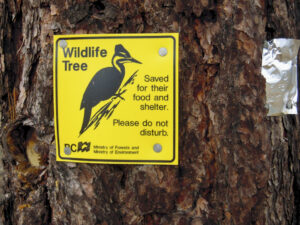 The European Court of Justice (ECJ) has issued a ruling on suspending logging to protect bird nesting sites in Estonia. However, the Ministry of Climate and forestry industry representatives interpret the ruling in opposing ways, each claiming their stance is the right one. The final decision on the matter is set to be made in the autumn by the Estonian Supreme Court, which should clarify whether current practices will be changed or not. Head of the Ministry of Climate’s Biodiversity Protection Department, Timo Kark, said overall the ECJ considered the suspension of logging to be justified. “In the opinion of the European Court, the birds directive must be interpreted such that its provisions apply to all bird species, including those that are not protected. So any activity that may result in birds being killed, such as logging during the spring-summer nesting period, can be suspended,” Kark said.
 Recent research
 In its report “
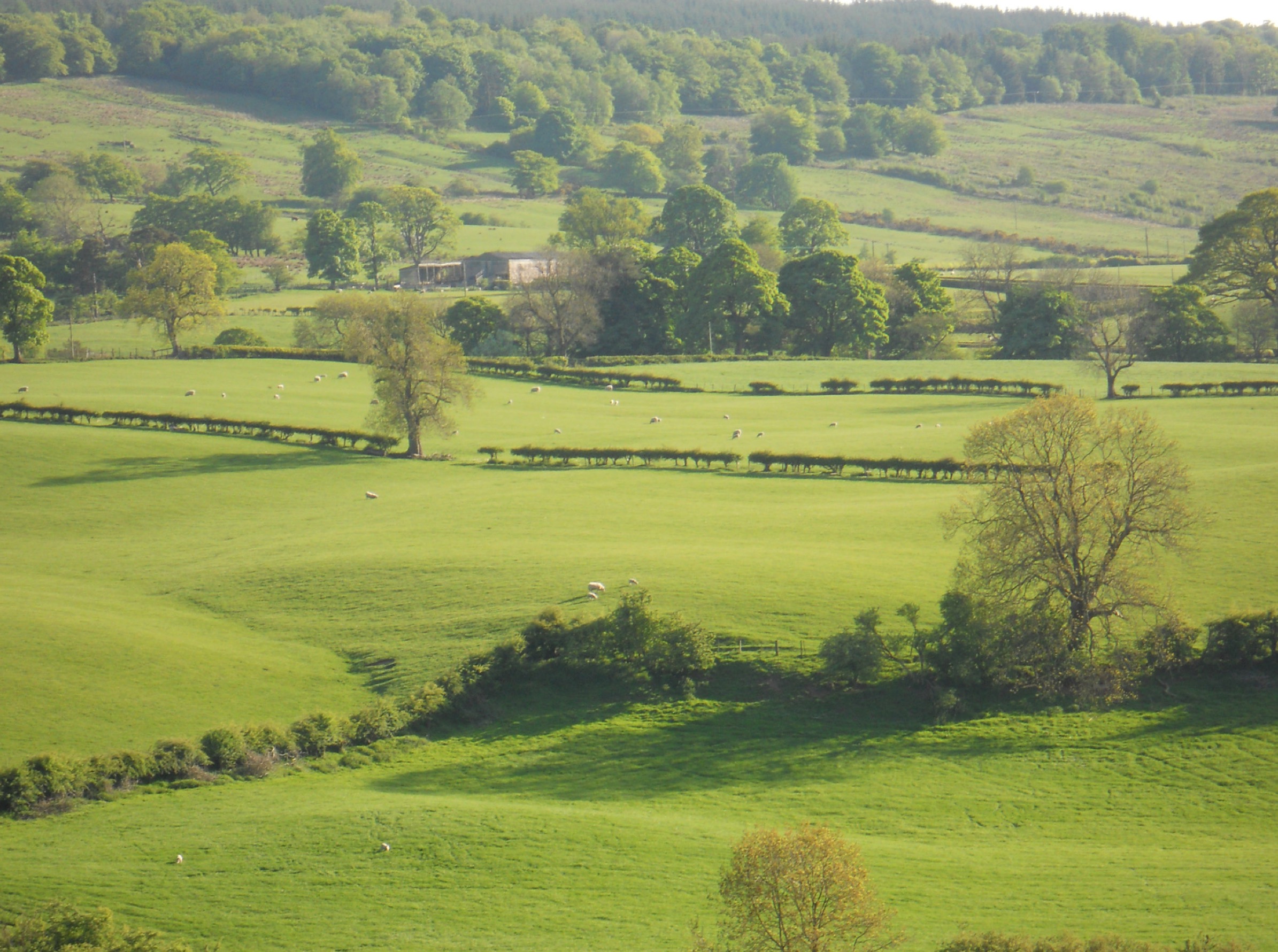 New research highlights concern from across Scotland about the role of industrial forestry corporations and asset management organisations who increasingly dominate the ownership and management of Scotland’s forests. The research concludes that more community ownership and management of woodlands, and more diverse ownership of forests across Scotland would increase community wealth and lead to greater environmental benefits, as well as producing more actively managed forests in Scotland. Three new discussion papers … analyse the effectiveness and impact of industrial forestry on local areas as well as for meeting national carbon and timber targets. Industrial forestry refers to predominantly single species, mostly unmanaged, Sitka Spruce forest, contrasting with more climatically resilient, sustainable, mixed species forestry. The papers recognise that, while mixed productive forestry has an important part to play in reaching Net Zero and delivering economic and social opportunities, basic assumptions about the benefits of industrial forestry can be questionable.
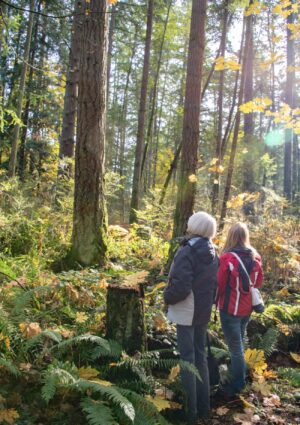 The forest products industry is an important part of the European economy and a crucial pillar for the transition to a low-carbon economy in the future. At the same time, this sector is not immune to trade uncertainty and geopolitical risks. As Europe looks to rely more on its own resources, there is an opportunity to better utilise the continent’s forests through investment and active management. …Although the EU has just 5% of the world’s forests, it produces approximately 20% of the world’s roundwood each year. Over the past decade, the EU has gone from being a net importer of roundwood and fuelwood to a net exporter – with the EU’s net trade surplus reaching 15.4m sqm in 2023. …Despite unpredictable trade flows… Research indicates that total demand for wood fibre in the EU will grow by 25% between now and 2050.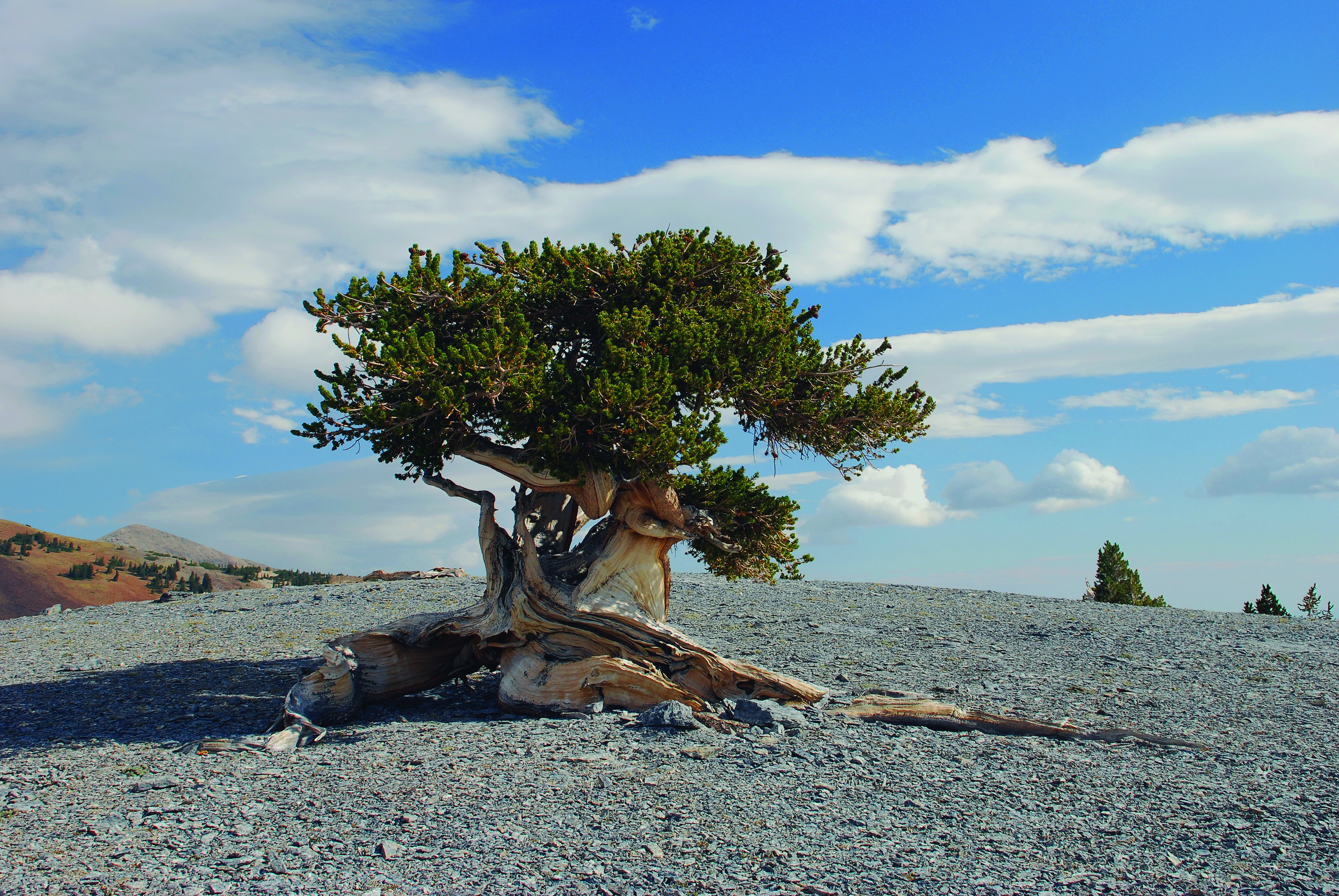
 Proposed changes to the EU deforestation law supported by a majority of member states will boost the potential for illegal trade of Russian and Belarusian timber, according to an NGO. In May 18 EU member states sent a letter to the European Commission proposing to simplify the EU Deforestation Regulation, the bloc’s legislation that aims to reduce the EU’s impact on global deforestation. …The European Commission decided to postpone its implementation to 30 December 2025. …The regulation boosts controls over illegal imports of timber by introducing more mandatory border checks and compulsory geolocation of timber. …“For so-called ‘no-risk’ countries, they would be exempt from geolocation requirements, and there would also be no obligation for authorities to carry out a minimum number of checks on those countries,” Ganesh said. …“NGOs have shown that wood, not just from Russia, but also from other high-risk tropical countries and deforestation hotspots, is regularly laundered through countries like China.
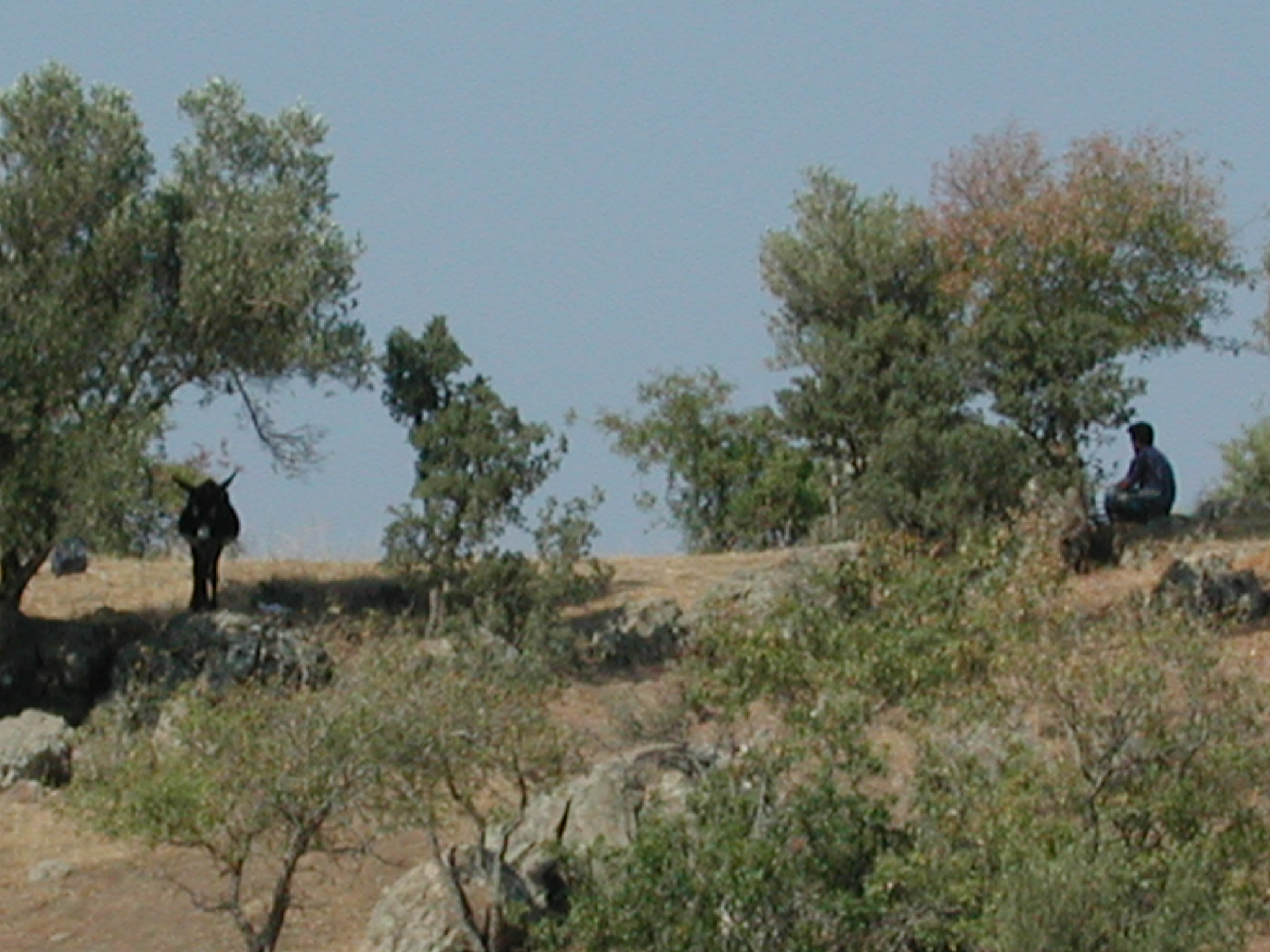 KALAVRYTA, Greece – Around the village of Kalavryta in southwestern Greece, hundreds of dying fir trees stand out among the dark green foliage, a stark reminder of how drought slowly drains the life from nature. Greek fir species Abies cephalonica are known to need cooler, moist climates. But prolonged droughts in recent years linked to a fast-changing climate in Greece are leaving them exposed to pest infestations, scientists and locals said. …Less water and moisture mean that fir trees become more vulnerable to attacks by pests that bore into their bark to lay eggs and create tunnels, disrupting the trees’ ability to transport nutrients between roots and branches and leading to their death. …In Kalavryta, authorities plan to remove dead and infested trees to limit the damage. But this might not be enough to save the forests. “We cannot stop climate change,” director of research at the National Observatory of Athens, Dr Kostas Lagouvardos said.
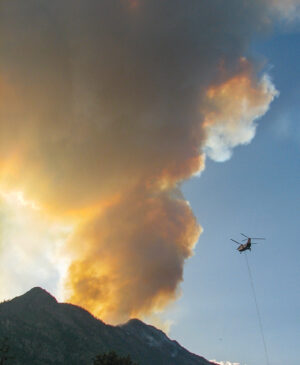 A deadly wildfire in Seyitgazi, Türkiye that killed 10 forestry workers was the result of a lack of training and institutional expertise, a senior union leader has claimed. The accusation was made by Yusuf Kurt, president of the Agriculture and Forestry Workers Union, who said unqualified personnel were deployed to the scene, while experienced staff had been reassigned due to internal rotation policies. Kurt criticized the practice of assigning staff who had never responded to wildfires before, simply as part of internal rotation policies. “Fire has no school, but the institution used to train its own staff through in-house training centers,” he said. “Now those centers are being shut down. Sending untrained personnel into active fires leads to fatal consequences.” Emphasizing the complexity of fire management, Kurt warned that theoretical knowledge is not enough. “Fire has a language. If you cannot read it, you cannot control it,” he said.
 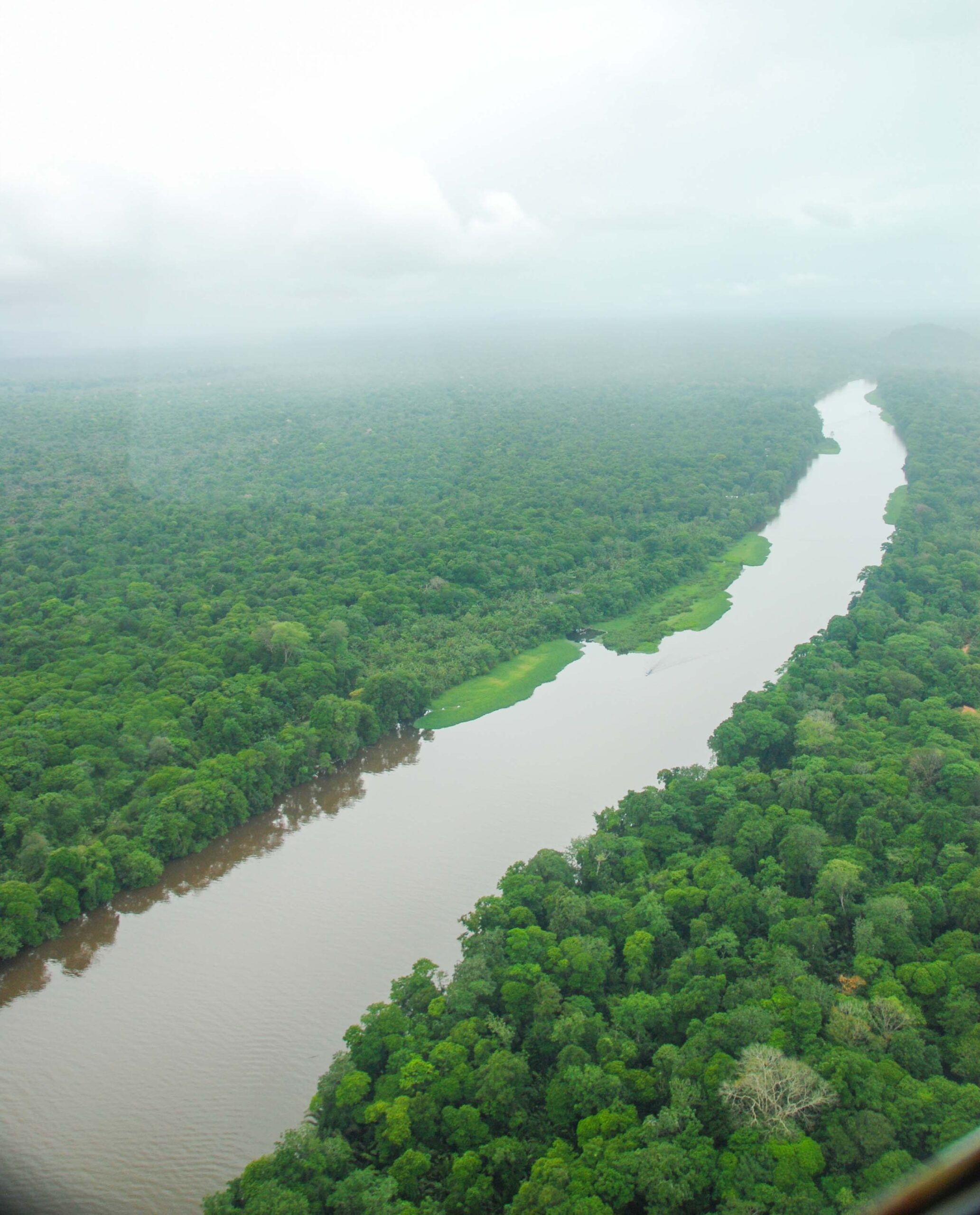 Costa Rica is advancing with the creation of a National Forest Traceability System, a key tool to guarantee the legality and sustainability of timber use. Public and private sectors came together for the first time to plan this initiative. This process is led by the Ministry of Environment and Energy through the Vice Ministries of Environment and Strategic Management of Costa Rica, with technical support from the FAO. It is part of a national strategy to strengthen forest legality, reduce the risk of illegal timber trade, and enhance the competitiveness of the Costa Rican forestry sector in demanding markets such as Europe (EUDR) and the United States (Lacey Act). “Costa Rica has made significant progress in forest legality, but the next step is to integrate technology and innovation into the process to ensure traceability from the farm to the primary wood product,” commented Franz Tattenbach, Minister of Environment and Energy.
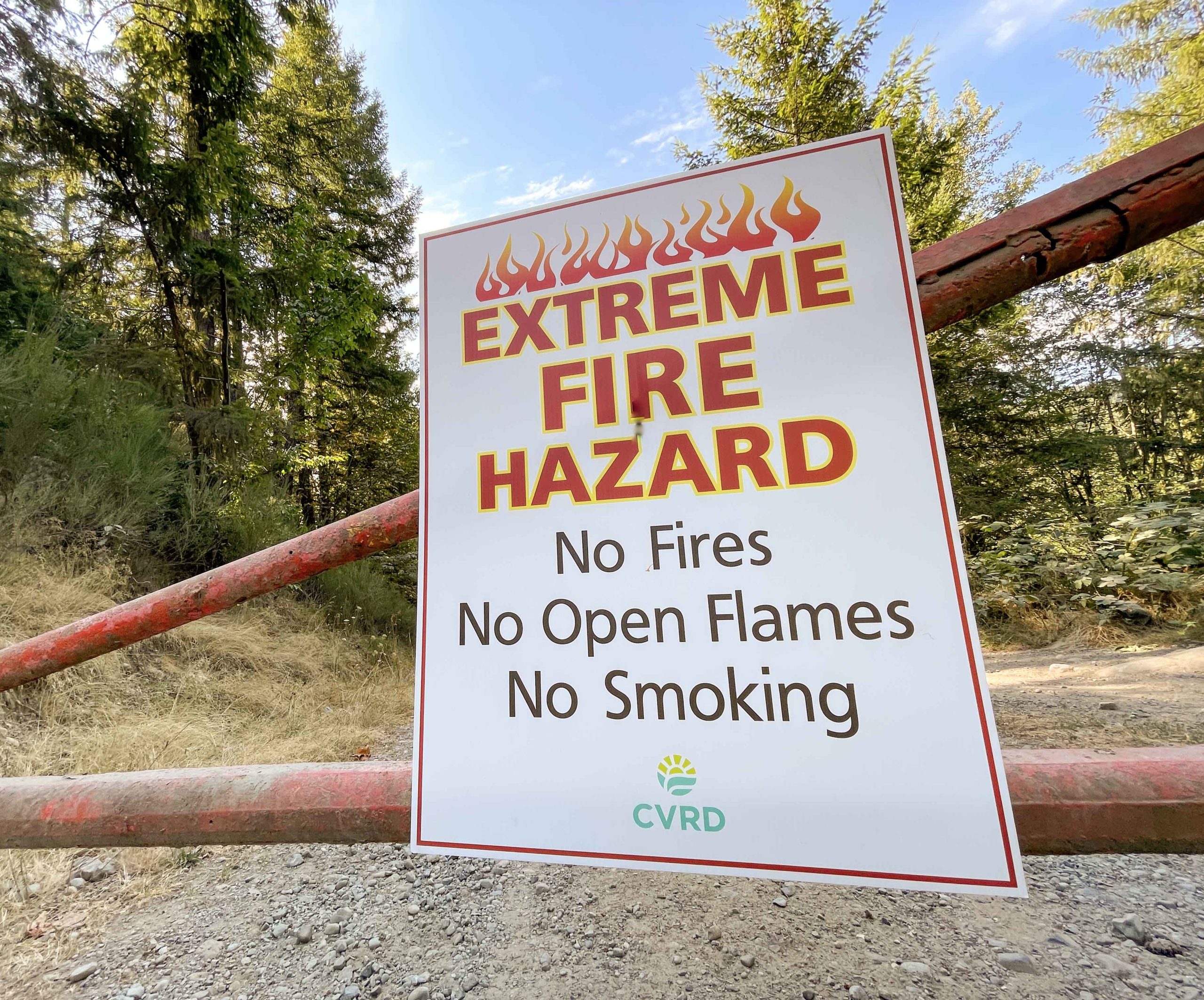 In 2023 and 2024 the world’s forests absorbed only a quarter of the carbon dioxide they did in the beginning of the 21st century, according to data from the World Resources Institute’s Global Forest Watch. Those back-to-back years of record-breaking wildfires hampered forests’ ability absorb billions of tons of carbon dioxide, curbing some of the global warming caused by fossil fuel emissions. Those two years also marked the first time wildfires surpassed logging or agriculture-driven deforestation as the biggest factor lowering forests’ carbon-capturing ability. It’s an emerging pattern that’s different from the last big drop, in 2016 and 2017, which was largely the result of increased deforestation for agriculture. …Other recently published studies suggest that climate change is making extreme-forest-fire years more common, and the worst events more frequent and intense. …“We’re reaching the point where global warming is feeding the warming,” said Werner Kurz, an emeritus scientist for the Canadian Forest Service. [A subscription to the New York Times is required to access the full story]
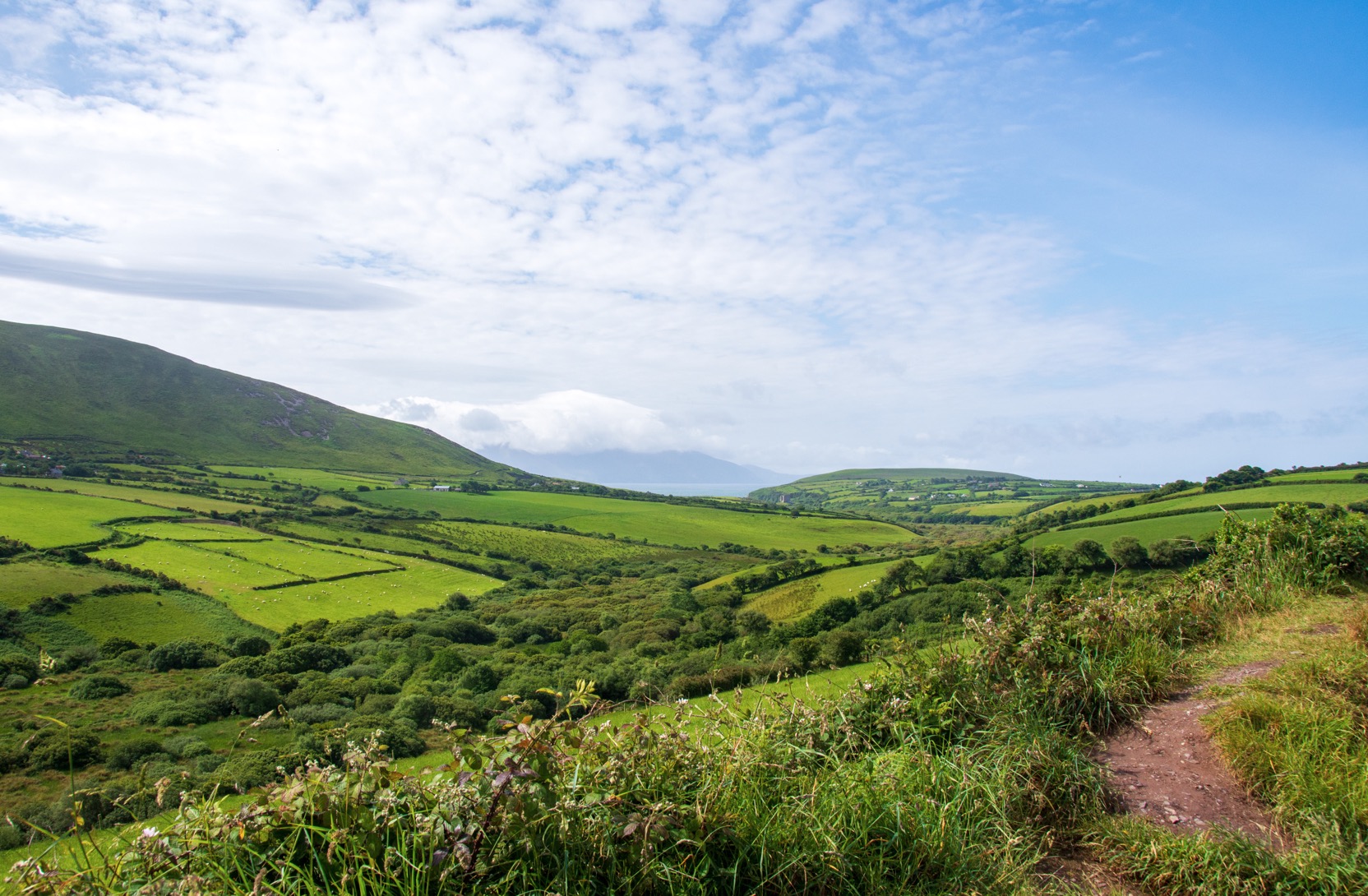 Alastair Collier is right to point out that to build forests that can withstand future conditions, we must invest in resilience from the outset (Britain’s forests need help to adapt to the changing climate
 At the southern tip of Europe’s largest river island, the ground falls away into a vast and unexpected vista. From a high, rocky ledge on Khortytsia Island, the view opens on to a sea of swaying young willows and mirrored lagoons. Some of the trees are already many metres tall, but this is a young forest. Just a few years ago, all of it was under water. “This is Velykyi Luh – the Great Meadow,” says Valeriy Babko, a retired history teacher and army veteran, standing on the former reservoir shoreline at Malokaterynivka village. For him, this extraordinary new-old environment represents more than nature alone. “It is an ancient, mythic terrain, woven through Ukrainian folklore,” he says. “Think of all those Cossacks galloping through its valleys of forests so dense the sun barely pierced them.”
 Climate-heating emissions from wildfires in the European Union have surged to record levels this year as flames have engulfed over 1 million hectares of land – equal to 13 times the size of New York City – since January. Blazes sweeping through the continent – with major hotspots in Spain and Portugal – have so far released 38.37 million tonnes of carbon dioxide (CO2) emissions into the atmosphere, more than the annual CO2 emissions of Sweden, according to data from the European Forest Fire Information System (EFFIS). That’s more than double the average historical CO2 emissions recorded during the same months over the last 20 years. …Forests act as important carbon sinks, but when they burn, they release back into the atmosphere the carbon stored in the trunks, branches and leaves of their trees as well as in the soil. …Scientists have warned of the emergence of a ‘feedback loop’ between climate change and fires.
  “Protecting diversity tends to be an afterthought when it comes to carbon-offsetting projects,” says conservation scientist Aakash Lamba, a CNCS postdoctoral research fellow. “The narrative at the moment is usually carbon first, biodiversity second.”In certain reforestation initiatives, for example, a single tree species might be planted because it can grow quickly and absorb large amounts of carbon in a short span of time. But the lack of diversity in such monocultures can lead to a slew of problems, including increased disease risk and soil degradation. Recognizing the interconnectedness of biodiversity and carbon offsetting goals could unlock unforeseen opportunities and funding for conservation programmes, Koh points out. The centre’s researchers have set about detailing how ‘win-win’ conservation projects have already brought about both biodiversity gains and carbon mitigation benefits. India’s tiger reserves provide a prime example of how habitat protection leads to more intact ecosystems and bolsters carbon sequestration.
 When we hear the terms “biodiversity crisis” and “mass extinction”, charismatic animals such as tigers, rhinos and sea turtles often spring to mind. But what about the small, inconspicuous species that play an important role in our ecosystems despite their size? Do they receive the attention and protection they need? Mosses may seem insignificant, but they form a rich and widespread group with around 20,000 species worldwide. Despite their small size, they play an important role in many ecosystems, for example by retaining moisture, serving as carbon sinks and contributing to nitrogen fixation in forests. Yet over 30 per cent of European species are endangered or potentially endangered. Many are poorly researched and often inadequately protected.
 New research is now showing that this key carbon sink is weakening, and the decline is accelerating. A recent study published in
  A lot of attention has been paid to how climate change can drive biodiversity loss. Now, MIT researchers have shown the reverse is also true: Reductions in biodiversity can jeopardize one of Earth’s most powerful levers for mitigating climate change. In
  The top United Nations court has ruled that nations are obligated under international law to limit climate change, and countries that don’t act could be held legally responsible for climate damages elsewhere. The decision is a win for many small countries vulnerable to climate impacts, which pushed for the issue to be heard by the International Court of Justice (ICJ). It’s the court’s first major ruling on climate change, but the decision is only advisory, meaning that countries are not legally bound by it. Still, legal experts say it could be a boost for other climate change lawsuits pending in national courts around the world. “It’s really groundbreaking,” says Maria Antonia Tigre, director of Global Climate Change Litigation at Columbia Law School. “I think it will create this new wave of climate litigation.”
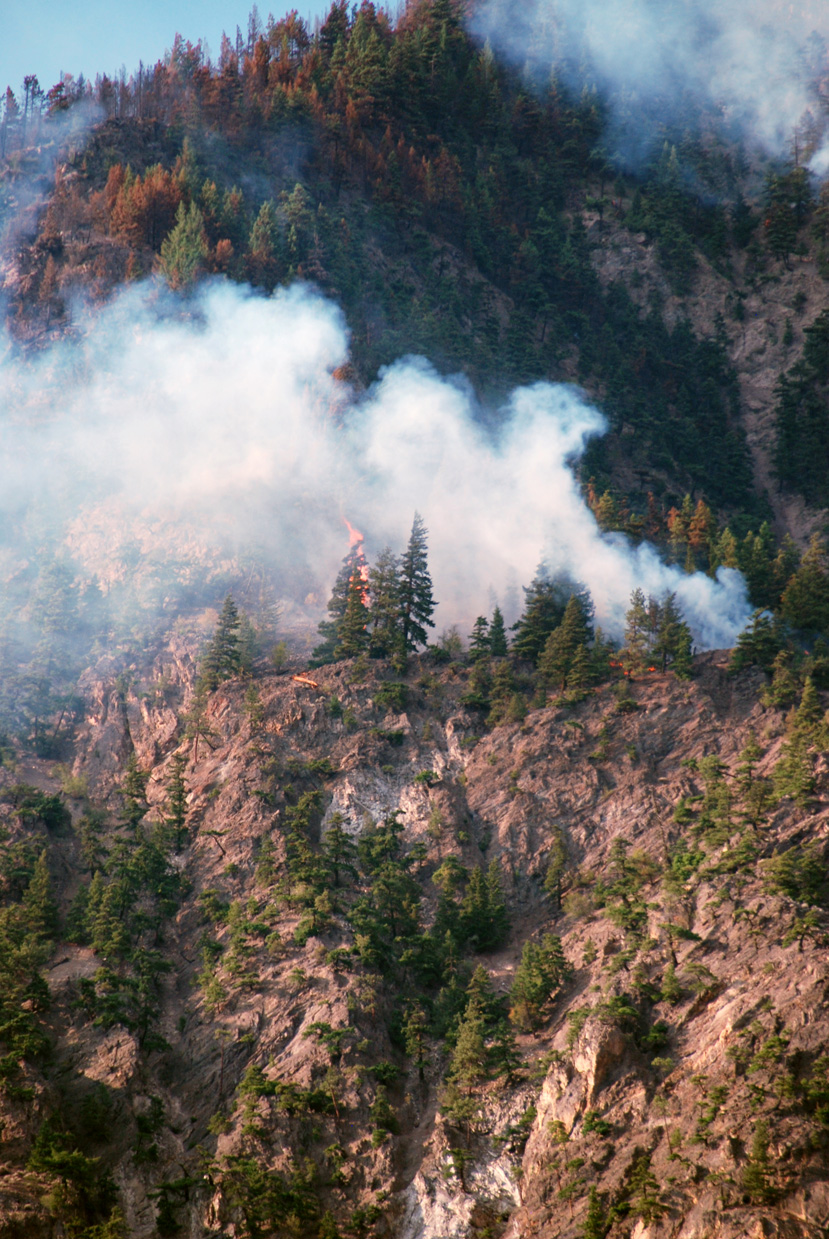 Choking smoke spewed by wildfires is far more dangerous than previously thought, a new study has found, with death tolls from short-term exposure to fine particulates underestimated by 93%. Researchers found that 535 people in Europe died on average each year between 2004 and 2022 as a result of breathing in the tiny toxic particles known as PM2.5 that are released when wildfires rage. Under standard methods, which assume PM2.5 from wildfires is as deadly as from other sources, such as traffic, they would have expected just 38 deaths a year. The study comes as wildfires ravage southern Europe, and new data from EU fire monitors shows that 895,000 hectares (2.2m acres) have burned so far in 2025, breaking records for this time of year. “Our paper shows the health impact for the same amount of particles is stronger for wildfire particles,” said Prof Cathryn Tonne, an environmental epidemiologist and co-author of the study.
 Spain has sent 500 more troops to fight raging wildfires, bringing the total deployed to 1,900, as the death toll from the blazes has risen to four. On Sunday, a firefighter died after an accident during firefighting efforts when his truck fell down a steep hill, the Castile and León regional government said. Spain’s Prime Minister Pedro Sanchez expressed “sadness” and “desolation” on X at the latest death. In neighbouring Portugal, where fires are also blazing, another firefighter was killed on Sunday in a “tragic” traffic accident, President Marcelo Rebelo de Sousa said. Fires have also broken out in Greece, France, Turkey and the Balkans as a heatwave has scorched swathes of southern Europe. Several large fires are still burning in the northwest and west of Spain, where 27,000 residents are currently evacuated from their homes.
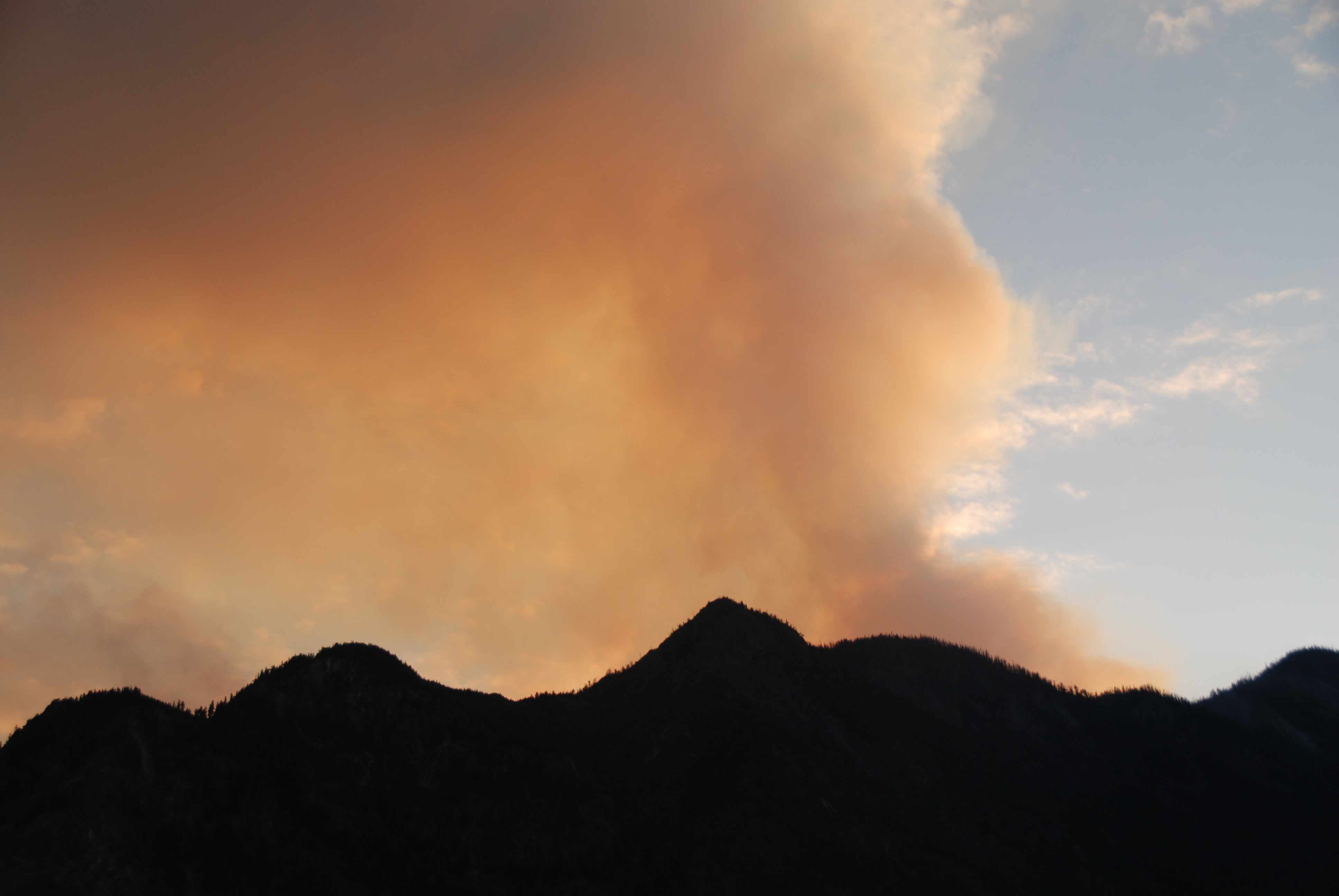 Spain is deploying a further 500 soldiers to battle wildfires that have torn through parched woodland during a prolonged spell of scorching weather, Prime Minister Pedro Sánchez said Sunday. The decision to add to the more than 1,400 troops already on wildfire duty came as authorities struggled to contain forest blazes, especially in the northwestern Galicia region, and awaited the arrival of promised aircraft reinforcements from other European countries. …Spanish national weather agency said on Saturday, the maximum temperature was 44.7 degrees Celsius in the southern city of Cordoba. …Portugal is set for cooler weather in coming days after a spate of severe woodland fires. …In Turkey, where recent wildfires have killed 19 people, parts of the historic region that includes memorials to World War I’s Gallipoli campaign were evacuated Sunday as blazes threatened homes in the country’s northwest. …Turkey has been struck by hundreds of fires since late June, with record-breaking temperatures.
 ATHENS — Wildfires intensified across southern Europe on Wednesday with a round-the-clock battle to protect the perimeter of Greece’s third-largest city and at least three deaths reported in Spain, Turkey and Albania. Outside the Greek port city of Patras, firefighters struggled to protect homes and agricultural facilities as flames tore through pine forests and olive groves. Tall columns of flames rose behind apartment blocks on the outskirts of the city. …Spanish Prime Minister Pedro Sánchez expressed condolences after the death of a firefighting volunteer in the hard-hit Castile and León region north of the capital, Madrid, where thousands have been displaced by evacuations. In Turkey, a forestry worker was killed Wednesday while responding to a wildfire in a southern region, officials said. The Forestry Ministry said the worker died in an accident involving a fire truck that left four others injured.
 PATRAS, Greece,/MADRID – Wildfires caused by arsonists or thunderstorms and fanned by a heatwave and strong winds wreaked destruction across southern Europe on Wednesday, burning homes and forcing thousands of residents and tourists to flee. Fire has affected nearly 440,000 hectares in the eurozone so far in 2025, double the average for the same period of the year since 2006… Authorities ordered residents of a town of about 7,700 people near Patras to evacuate on Tuesday and issued new alerts on Wednesday, advising residents of two nearby villages to leave. On the Greek islands of Chios, in the east, and Cephalonia, in the west, both popular with tourists, authorities told people to move to safety as fires spread. In Spain, a volunteer firefighter died from severe burns and several people were hospitalised as state weather agency AEMET warned that almost all of the country was at extreme or very high risk of fire.
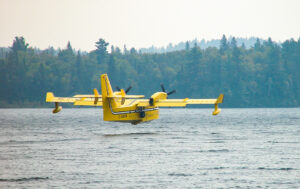 At least three people have died in a scorching heatwave that is fuelling dozens of wildfires across parts of southern Europe, forcing thousands of people from their homes. Red heat alerts have been issued in parts of Italy, France, Spain, Portugal and the Balkans, warning of significant risks to health as temperatures push above 40C (104F). Spain’s weather service Aemet said temperatures could reach 44C (111.2F) in Seville and Cordoba, while southern Portugal could also hit 44C. In Spain, an equestrian centre employee died after suffering severe burns in Tres Cantos, near Madrid, where winds over 70km/h (43mph) drove flames near homes, forcing hundreds to flee. In Spain’s north-western region of Castile and Leon, almost 4,000 people were evacuated and more than 30 blazes were reported. Another 2,000 people were evacuated from hotels and homes near the tourist hotspot of Tarifa. …In neighbouring Portugal, firefighters battled three large wildfires.
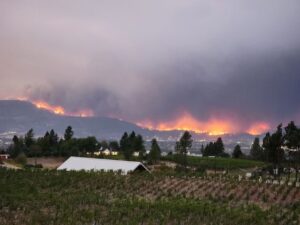
 France’s biggest wildfire this summer was spreading quickly Wednesday in a Mediterranean region near the Spanish border after leaving one person dead, authorities said. The fire had burned an area larger than Paris. About 2,000 firefighters and several water bomber aircraft battled the blaze that broke out Tuesday afternoon in the village of Ribaute in the Aude region, a rural, wooded area that is home to wineries. The fire, which has burned 13,000 hectares (32,000 acres), remained ‘’very active” on Wednesday, the local administration said in a statement. The weather was hot, dry and windy, making it difficult for firefighters to contain the blaze. One person died in their home, and at least 13 others were injured, including 11 firefighters, local authorities said. One person who was initially described as missing has been located and is safe.
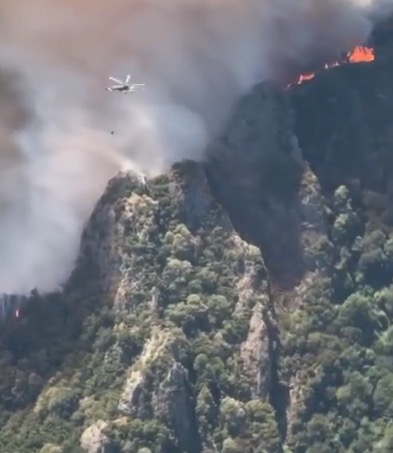
 Turkey faced a “very risky week” for wildfires, an official said Monday, as blazes across parts of southeast Europe and the Balkans damaged homes and led to a huge firefighting operation that included evacuations. Nearly 100 people face prosecution over the fires in Turkey. Blazes erupted near Bursa, Turkey’s fourth-largest city, over the weekend. A wildfire to the northeast of Bursa had been largely extinguished, but one to the south of the city continued, although its intensity had been “significantly reduced,” Forestry Minister Ibrahim Yumakli told reporters in Ankara. He also said that a fire that has been burning for six days in Karabuk, in northwest Turkey, had also “been reduced in intensity,” and a blaze in Karamanmaras in the south had largely been brought under control.
 Greece continued to battle major wildfires across the country amid a severe heatwave, but firefighters have brought many outbreaks under control. Extreme heat persisted, with temperatures reaching 42.4C (108.32F) in central Greece on Sunday. Firefighters were working on five major fire fronts late on Sunday in the Peloponnese area west of Athens, as well as on the islands of Evia, Kythira and Crete. Meanwhile, neighbouring Turkey has recorded its highest ever temperature as fires raged in several regions. Turkey’s forestry minister, Ibrahim Yumakli, said on Sunday that areas affected by fires were “going through risky times” and that he thought it would be several days before they were fully contained. On Saturday, Turkey’s environment ministry said meteorologists had recorded a reading of 50.5C in the south-eastern city of Silopi, surpassing the previous heat record of 49.5C.
 At least 10 forestry and rescue workers have been killed while battling wildfires in Turkey’s central Eskisehir province. Some 24 forest workers and volunteer rescue personnel were left “trapped inside the fire” following a change in the direction of the wind, Turkey’s Agriculture and Forestry Minister Ibrahim Yumakli said in a post on X. Five forestry workers and five volunteers from the AKUT rescue organisation lost their lives and 14 forest workers were taken to hospital, he said. The blaze in the Seyitgazi district of the province began on Tuesday morning and started spreading towards nearby areas, local media said.
 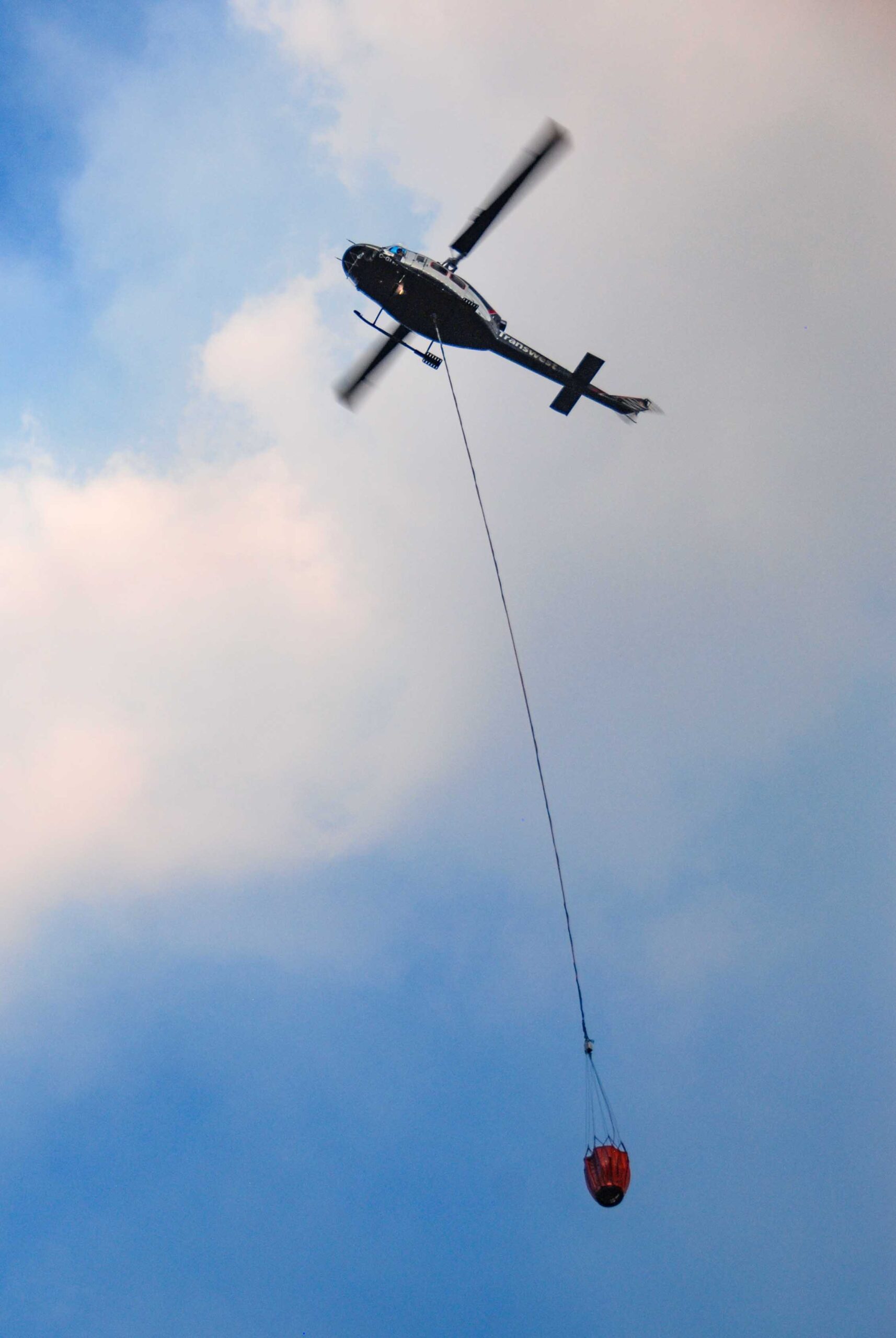 A firefighting helicopter crashed into the sea while attempting to collect water to combat a blaze in Athens. All three crew members were rescued and taken to a nearby hospital. Greece is combating a surge in wildfires amid soaring temperatures. A large wildfire broke out near the southern Greek city of Corinth on Tuesday, forcing the evacuation of several villages as firefighters battled flames under scorching conditions, authorities said. More than 180 firefighters, supported by 15 aircraft and 12 helicopters, were deployed to tackle the blaze in a pine forest in the mountainous area of the municipality, according to the local fire department. There were no immediate reports of injuries.