
Kevin Mason
As we have stated multiple times over the past months, demand is not coming to the rescue for this industry, thus capacity rationalization and supply discipline are crucial. The traditional refrain in the commodity space is that “low prices are the cure for low prices.” Well, prices are depressingly low for many key commodities, notably pulp, lumber and OSB, with precious little rationalization to date. Although some current commodity prices are slightly above trough levels, costs have risen substantially since then. Many softwood pulp mills in Canada and Scandinavia are losing money at these levels, yet there has been only a smattering of downtime concentrated in Finland. The tolerance for pain has been surprising!
For lumber, even with punitive duties on Canadians, a lot of production continues to run despite losing $100‒150/mbf. SYP prices are also horribly low and stuck below cash-cost levels. US producers expect Canadians to take the brunt of the closures, but they will likely need to curtail production as well given that the substitution of SYP for S-P-F is not happening at the speed many had hoped. Canadian sawmill shuts should also spur pulp mill shuts. On OSB, mills are in the money-losing zone and there is more capacity on the horizon with Kronospan and Huber mills soon to start up. Supply needs to be removed, but aside from a couple of temporary shuts from Arbec, nothing has transpired.
 Canada aims to establish duty-free access for up to 95 per cent of its exports to Indonesia over the next eight to 12 months, International Trade Minister Maninder Sidhu said, after signing a trade agreement. The Comprehensive Economic Partnership Agreement is Canada’s first in the economically crucial Indo-Pacific region since
  VANCOUVER — Canfor Corporation announced that its 77%-owned subsidiary, Vida AB, has completed the acquisition of AB Karl Hedin Sågverk. The transaction,
 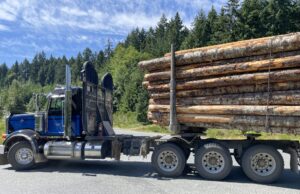 NEW ZEALAND — News that US President Trump imposed a tariff of 10 percent on imported timber has come as a relief to industry, which expected a higher figure. Mark Ross, chief executive of the Wood Processors and Manufacturers Association, said it was a relief as they thought it would be higher. “We’ve been working through the essential impact of a tariff on our products since March this year so it wasn’t a shock because we were, at one point, expecting a 50% tariff. “So 10% is a bit of relief. It is still going to have a financial impact on the wood processing industry in New Zealand. …Ross said they were working with exporters to work out how to handle the extra costs. …Ross said the United States was New Zealand’s third-largest export market and continued to grow.

 Donald Trump has called on the European Union to hit China and India with tariffs of up to 100% to force Russian president Vladimir Putin to end the war in Ukraine. The US president made the demand during a meeting between US and EU officials discussing options to increase economic pressure on Russia. …Last month, the US imposed a 50% tariff on goods from India, which included a 25% penalty for its transactions with Russia. Although the EU has said it would end its dependency on Russian energy, around 19% of its natural gas imports still come from there. If the EU does impose the tariffs on China and India it would mark a change to its approach of attempting to isolate Russia with sanctions rather than levies.


 New Zealand — Up to 119 jobs could go at Carter Holt Harvey’s Tokoroa factory, with locals calling the move devastating for the town. A union representing workers at Carter Holt Harvey’s Tokoroa plywood manufacturing plant says its closure will be devastating for the town. The company has begun consultation with staff on closing the plant and importing ply from overseas, with the loss of up to 119 full-time jobs. The proposed closure follows OJI Fibre Solutions cutting 130 jobs and closing the country’s last paper-making machine at nearby Kinleith in June this year. Red Middlemiss has been a union spokesperson at the ply plant for 23 years. He said Carter Holt Harvey can now make and import plywood from overseas for around 60 percent of what it costs to manufacture it locally.
 Timber illegally sourced from Russia has been found in the UK housing supply chain, according to an investigation by Australian forensic supply chain specialist Source Certain. Imports of Russian timber were prohibited in 2022 following the invasion of Ukraine. However, the investigation identified a smuggling operation that concealed the timber’s origin by relabelling it as material from the Baltic States, including Estonia, Latvia and Lithuania. The findings raise concerns for the housing and construction sectors, where suppliers investing in certified and responsibly sourced timber face higher operational costs. Industry voices warn that without effective monitoring, compliant businesses are being undercut and the credibility of the wider supply chain is being damaged. In response, UK-based Think Timber has introduced a packaging system designed to provide traceability from forest to building site. Each pack incorporates a unique QR code that, when scanned, verifies the chain of custody and origin of the material.



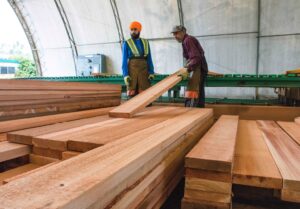 Wood production, processing, and export is one of Vietnam’s key industries, but it is currently facing a direct impact from trade competition and tariff barriers. …In early August 2025, the US imposed reciprocal duties of 20% on Vietnamese imports, and the figure could rise to 40% if illegal transshipment is detected. …“These moves are creating prolonged uncertainty for the wood processing industry,” Phuong says. “Although Vietnam’s wood exports grew by 8% in the first seven months of 2025, the risks remain high. The ability to control domestic raw material supply will be a decisive factor in maintaining Vietnam’s status as a sustainable source in the global market.” …Nguyen Chanh Phuong emphasises that despite the shifting policies, the US is the top market and is more stable than others. To mitigate risks, he stresses the need to expand into new export markets, diversify raw material sources, and produce more value-added products.
 Cardboard-box demand is slumping, flashing a potential warning about the health of the American consumer given that goods ranging from pizzas to ovens are transported in corrugated packaging. A historic run of pulp-mill closures is also signaling problems for the companies that make corrugated packaging as well as the timberland owners who sell them wood. International Paper, the country’s biggest box maker, announced last month the shutdown of two US containerboard mills, which make the brown paper that is folded into corrugated packaging. …It is a surprising turn in the e-commerce era. Box makers and analysts say demand presently suffers from uncertainty in US boardrooms and export markets because of President Trump’s tariffs as well as from weakening consumer spending. The sputtering housing market has also hurt, reducing the need for moving boxes as well as packaging for building products and appliances. [to access the full story a WSJ subscription is required]





 Air New Zealand has unveiled Hangar 4, a state-of-the-art aircraft maintenance facility that represents one of the airline’s most significant infrastructure investments. …Designed to serve the next 50 years of aviation, the new facility positions Air New Zealand at the forefront of modern fleet maintenance as it prepares for the arrival of next-generation aircraft. At 10,000 square metres, 35 metres high and 98 metres wide, Hangar 4’s scale allows Air New Zealand engineers to service a Boeing 787-9 Dreamliner and two Airbus A320/A321s simultaneously, supported by an additional 5000 square metres of specialist workshops and engineering spaces. Hangar 4 … is the largest single-span timber arch aircraft hangar in the southern hemisphere. Timber was chosen for its lighter weight, ability to be sourced sustainably – from plantations in Nelson and Wodonga – and for its performance in a coastal environment. …Prefabricated trusses, each weighing 38 tonnes, were built in 25-metre sections, assembled on site and lifted into place…


 This overview traces the modern history of wood science and technology, particularly from the European perspective. It begins with the early forestry schools in 18th-century Germany, which influenced the founding of similar institutions worldwide. These schools introduced technical subjects, including wood physics, to meet industrial demand, especially from the mining sector. Before formal studies began, early research on wood properties, including moisture relations and strength, appeared in encyclopaedias. With the Industrial Revolution, interest in wood as a construction material grew, linking wood research to engineering and materials science. In the early 20th century, dedicated wood technology institutes marked the birth of wood science as a distinct discipline. …The future of wood science lies in sustainability and the efficient use of resources. As interest in renewable, bio-based alternatives to steel and concrete grows, further research on wood functionalisation and modification will be vital.
  The Danish timber industry is warning of significant financial strain following the introduction of new packaging regulations, which came into effect on 1 January as part of the EU’s packaging directive. According to the Danish Wood Packaging Association (DTE), the rules on extended producer responsibility place the cost burden on manufacturers, even when customers dictate the design and specifications. DTE argues this “uneven” implementation could cost the sector over DKK 60 million annually, with pallet prices expected to rise by around 20%. …The association also criticised the fee structure, claiming it relies on outdated data and fails to differentiate between clean, recyclable wood and mixed wood waste, unnecessarily inflating costs and threatening Danish jobs. DTE is calling for reforms to align payment with design responsibility, adjust fees based on environmental impact, and ensure imported packaging is subject to the same standards.
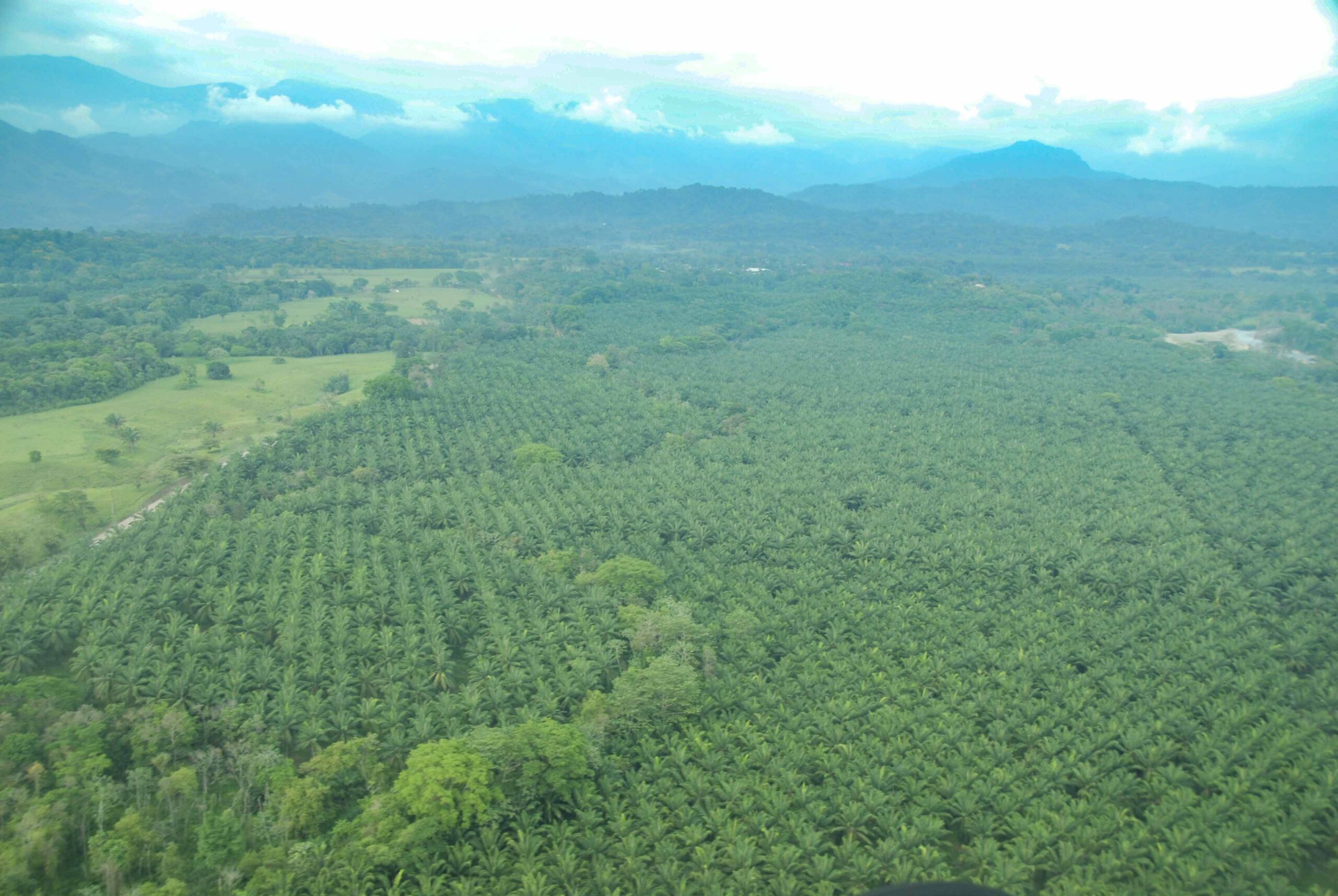
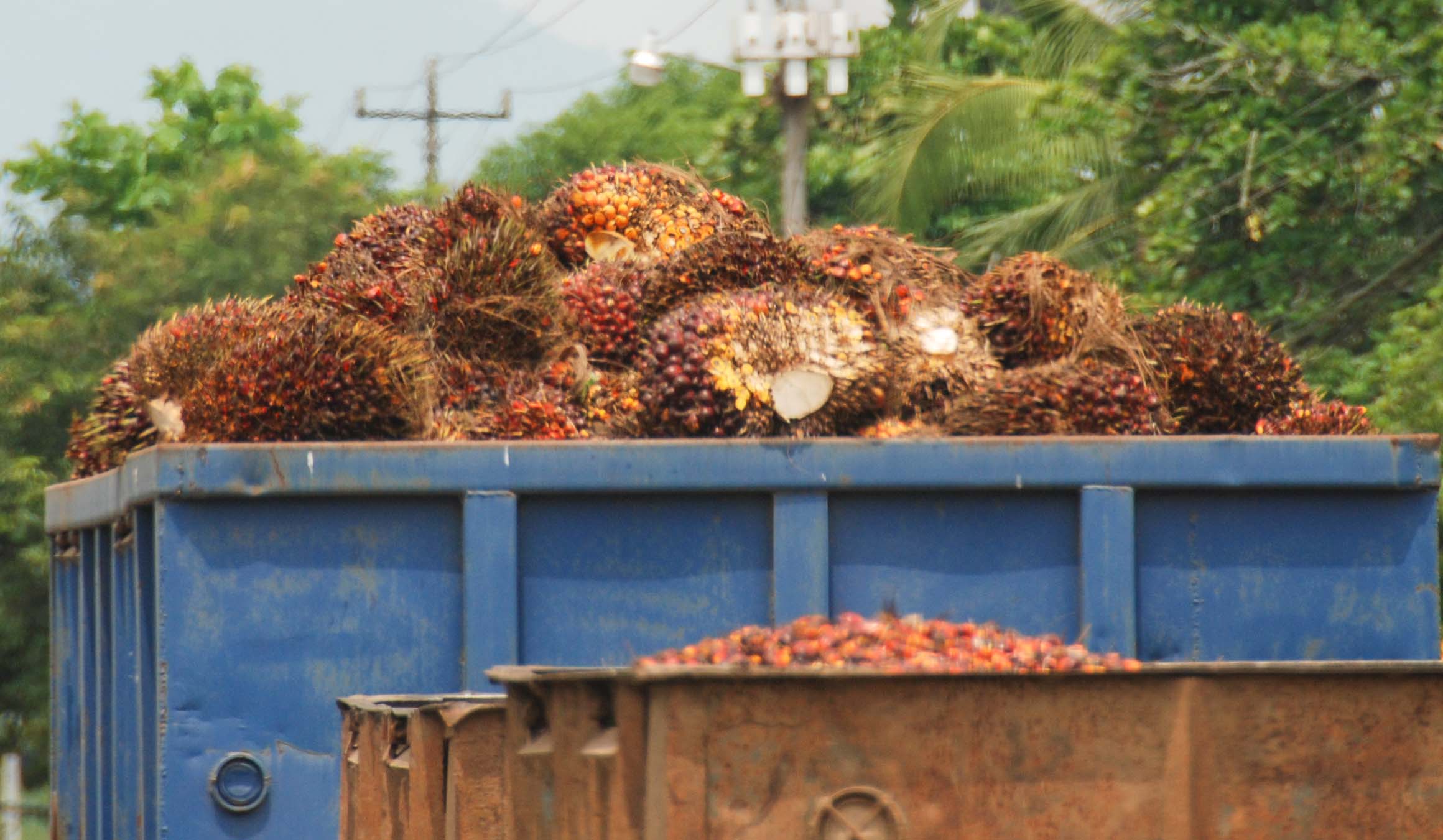 Industry concerns have been raised over a freshly-struck agreement between the EU and the US over future trading arrangements, which observers have asserted could lead to America being offered exceptions from complying with EUDR environmental laws, reports Neill Barston. As the Palm Oil Monitor non-governmental organisation noted, if America is to be permitted exemptions from data monitoring underpinning the entire basis of the much-anticipated deforestation laws following intense lobbying from its paper industry, then other trading partners including Malaysia and Indonesia – which have core interests in the supply of palm oils for the confectionery and snacks sector, should be allowed similar treatment. …Moreover, as the palm oil industry organisation stated, unveiling the broader US-EU Trade Framework Agreement presents an immediate major hurdle for the EU Commission. In seemingly offering preferential treatment for America, this could, in its view, lead to challenges from the World Trade Organisation over equal trading between nationalities.
 The Forest Stewardship Council (FSC) has suspended its Memorandum of Understanding (MoU) with Asia Pacific Resources International Holdings Ltd. (APRIL) and its corporate group, effective immediately. FSC was recently informed of serious allegations of violence involving Toba Pulp Lestari (TPL), a member of APRIL’s corporate group, and an Indigenous community in North Sumatra, Indonesia. These allegations, which include reports of attacks on community members, if confirmed, would be contrary to the intent and commitments of the MoU. FSC will consider lifting the suspension if an independent investigation is conducted which identifies the root causes of the conflict, and results in the transparent implementation of corrective measures in line with the Remedy Framework. Failure to demonstrate meaningful progress may lead to the termination of the MoU.
  A breakthrough in the creation of an oral contraceptive for wildlife has been made by British researchers – in a significant step towards ethical grey squirrel management. Scientists at the Animal and Plant Health Agency (APHA) have achieved infertility in rats through free feeding of an oral immunocontraceptive, and say initial studies show the formula has also succeeded in attaining a reaction in grey squirrels. Funded by the UK Squirrel Accord (UKSA), the research will develop a vaccine-based contraceptive and species-specific feeder to reduce grey squirrel numbers for the protection of UK red squirrels, trees and woodland ecosystems. …Fertility control is used as a safe and non-lethal option to tackle wildlife problems. …This contraceptive affects an animal’s immune system to prevent it creating the sex hormones and causes infertility in both males and females. Developing a formula that can survive the body’s digestive processes and make it into the bloodstream is a real challenge.
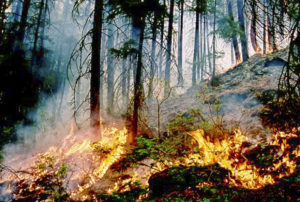 SPAIN — This summer has been marked by particularly severe forest fires in the northwestern region of Galicia, and locals have called for the revival of a once-common practice of burning undergrowth in the winter, Reuters reports. Hotter, drier summers mean more widespread and destructive forest fires, and locals and experts have called for controlled burning and other forest management methods to prevent such large-scale fires. In southern Galicia, the summer of 2025 brought the worst forest fires in 30 years. …Just a few weeks ago, the flames destroyed 190 square kilometers around the village where Perez lives. …Forestry experts and political leaders have said that a lack of investment in forest management and fire prevention over the past two decades has made the situation so dire. Victor Resco, at Leiden University, said that a new approach was needed across Europe at a time when fires are increasingly occurring closer to populated areas.
 Brazil will invest $1 billion in the
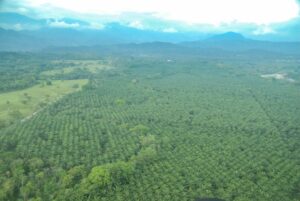 The European Commission has proposed delaying the EU’s flagship anti-deforestation law for the second year in a row as it continues its war on red tape. The rules, which would force companies to stop using commodities that have been produced on deforested land, are unpopular with many businesses who argue they impose complex regulatory burdens. Several of the EU’s trading partners have also complained about the law. …The EU’s environment commissioner Jessika Roswall, announcing the delay of the European Union Deforestation Regulation said “We need the time to combat the risk with the load of information in the IT system.” …It’s the latest in a long string of actions by the Commission since late last year to weaken or delay green rules, part of a grand push to get rid of red tape and boost the global competitiveness of European industry.
 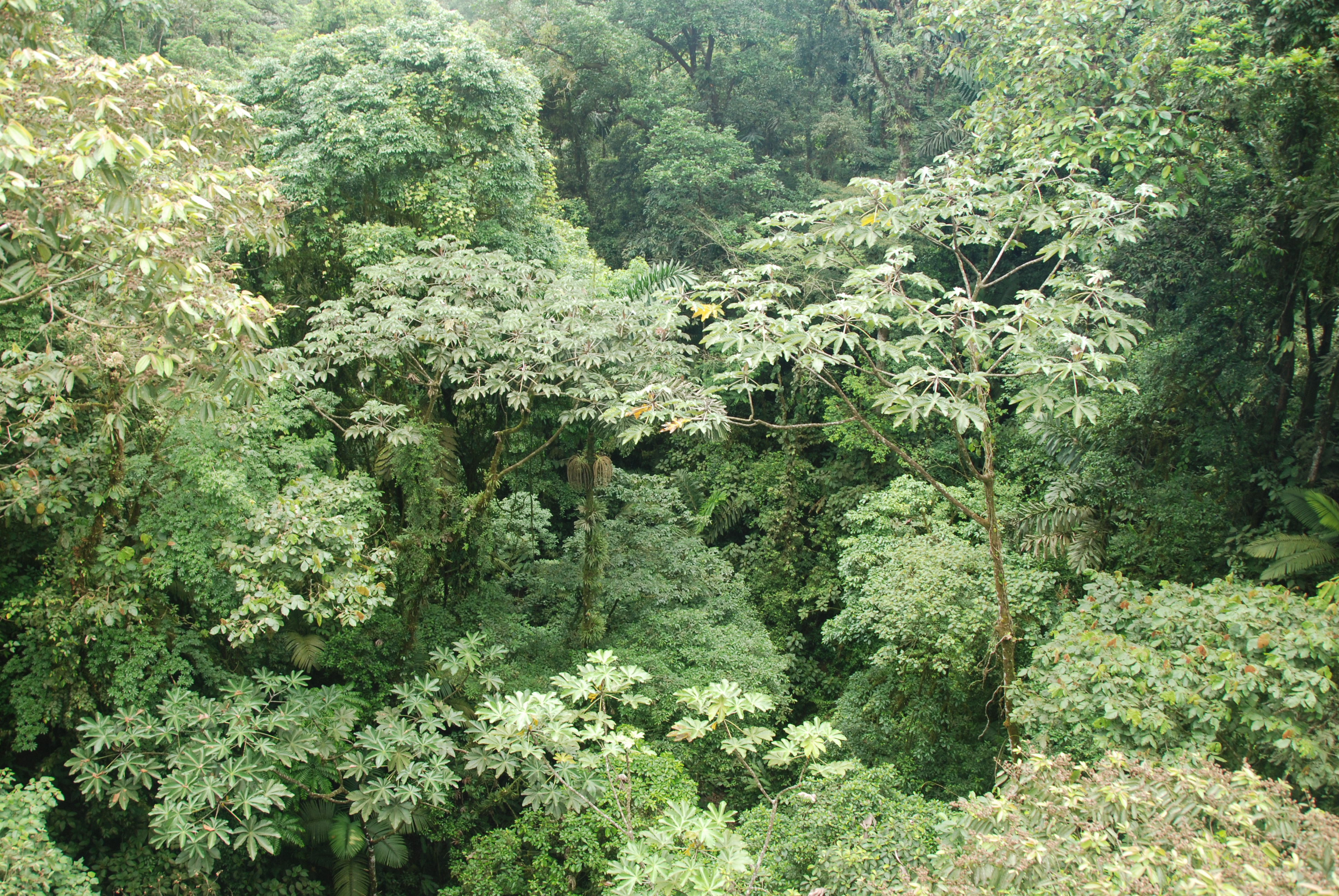 Increasing tree species diversity is widely suggested as a way to help forests withstand climate change – especially prolonged droughts. But a new international study led by the University of Freiburg, published in Global Change Biology, shows that simply mixing more tree species does not always boost forests’ resilience to drought. In fact, the effects of diversity on tree growth can shift from beneficial to negative as droughts drag on. Drawing on tree ring data from the world’s largest network of tree diversity experiments, researchers found that diverse forests can initially support better tree growth during single-year droughts. However, as droughts persist longer within a year or extend over consecutive years, these positive effects can turn negative depending on local conditions. In some cases, mixing tree species strengthened forest resilience; in others, it increased stress and competition for water. …Building resilient forests will thus require not just more species, but carefully selected combinations and adaptive management.
  The European Commission has announced dates for virtual training sessions on the EUDR Information System, open to all interested parties. These sessions provide guidance on submitting due diligence statements under the European Union Deforestation Regulation (EUDR). While these sessions are available to all, WPAC anticipates that most of our members will meet their EUDR obligations through the Sustainable Biomass Program (SBP) system, which we helped to develop. EUDR establishes robust requirements for traceability, due diligence, and risk mitigation. SBP has developed a voluntary EUDR module integrated into its Data Transfer System (DTS), helping Certificate Holders prepare now for compliance ahead of the December 2025 implementation deadline. …Learn more about
  Austria’s softwood sector may face a production decline of up to 10% if the EU Deforestation Regulation (EUDR) takes effect in its current form at the end of the year. The regulation requires full traceability of wood products across the entire supply chain, which industry representatives say is unworkable according to Markus Schmölzer of the Austrian Sawmill Association. Although the sector expects a 2% production increase in 2025, the EUDR poses a direct threat to the entire wood value chain. A decline in softwood production would affect manufacturers of building components, furniture, panel boards, paper, and pellet products, especially during winter months. …The Austrian industry urges the EU to either suspend the regulation entirely or revise it through an “Omnibus” legislative package aimed at reducing bureaucracy. …While supporting the goal of halting global deforestation, the sector proposes targeted monitoring for high-risk regions and exemptions for low-risk countries such as Austria.
 The European Union Deforestation Regulation (EUDR), one of the world’s most comprehensive legislations to curb tropical deforestation, will take effect at the end of December 2025. Since its adoption in 2023, debates over its implementation and effectiveness have been loud and persistent. Some claim the requirements are unclear or impossible to meet, especially for smallholders, while others fear the regulation will disrupt trade or place heavy burdens on businesses. …Despite the challenges, governments, companies and smallholders worldwide are showing that EUDR compliance is not only possible — it is already underway. Building on our previous analysis of why the EUDR is a necessary regulation to tackle deforestation linked to commodity supply chains, this article focuses on the practicality of compliance and highlights concrete steps being taken to prepare. …Guidance from EU national enforcement authorities, such as the Netherlands’ report, show that compliance with the EUDR is not rocket science.
  The UK’s largest and most advanced seed centre has opened in Cheshire. The store near Delamere Forest will process four tonnes of seeds every year, which Forestry England said was enough to grow millions of trees for decades to come. It added the centre was “a significant milestone in protecting the future resilience of our forests”. Forestry Minister Mary Creagh said the building was “nationally significant” because it was “part of our climate resilience”. Creagh added: “We are the largest wood importer in the world, and in a climate-constrained future we are going to have to grow more of our own.” The centre, funded through the Nature for Climate Fund and Forestry England, aims to provide seeds to grow climate-adapted trees. …Tristram Hilborn, chief operating officer of Forestry England, said: “What we need to consider for 100 a years’ time is the sort of trees that will thrive in that sort of climate.”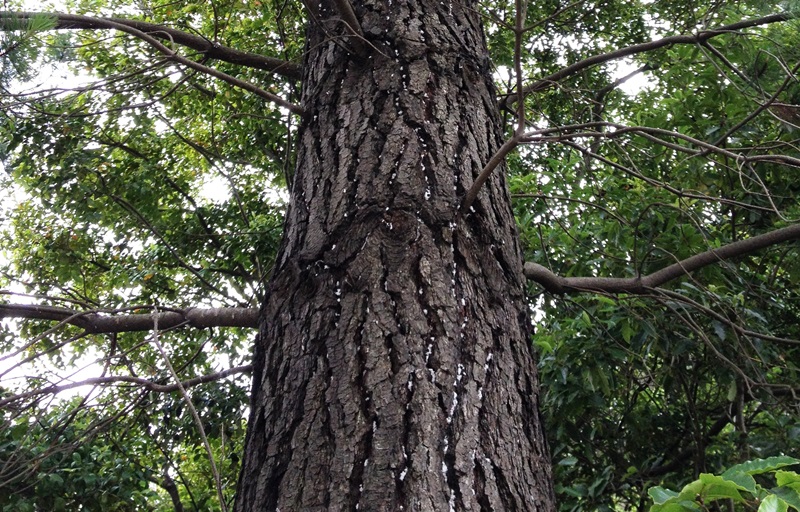


 UK — The majority of leading tropical forestry companies do not disclose where their materials come from, meaning they will fail to comply with the EU’s forthcoming Regulation on Deforestation-free Products (EUDR). The Zoological Society of London’s (ZSL) latest assessment found that only 18% of the world’s largest 100 tropical forestry companies disclose the countries from which they source. Additionally, only 4% state the percentage of their supply that is traceable to the forest management unit level. The assessment additionally found that none of the companies studied have published georeferenced maps for third-party FMUs, with only 3% reporting on how much of their supply is verified deforestation-free. Without clarity around sourcing and supply, companies are unable to prove responsible sourcing to stakeholders. Given that the timber and pulp industry is worth $480bn a year, ZSL said, small traceability failures can put billions of market value at risk.
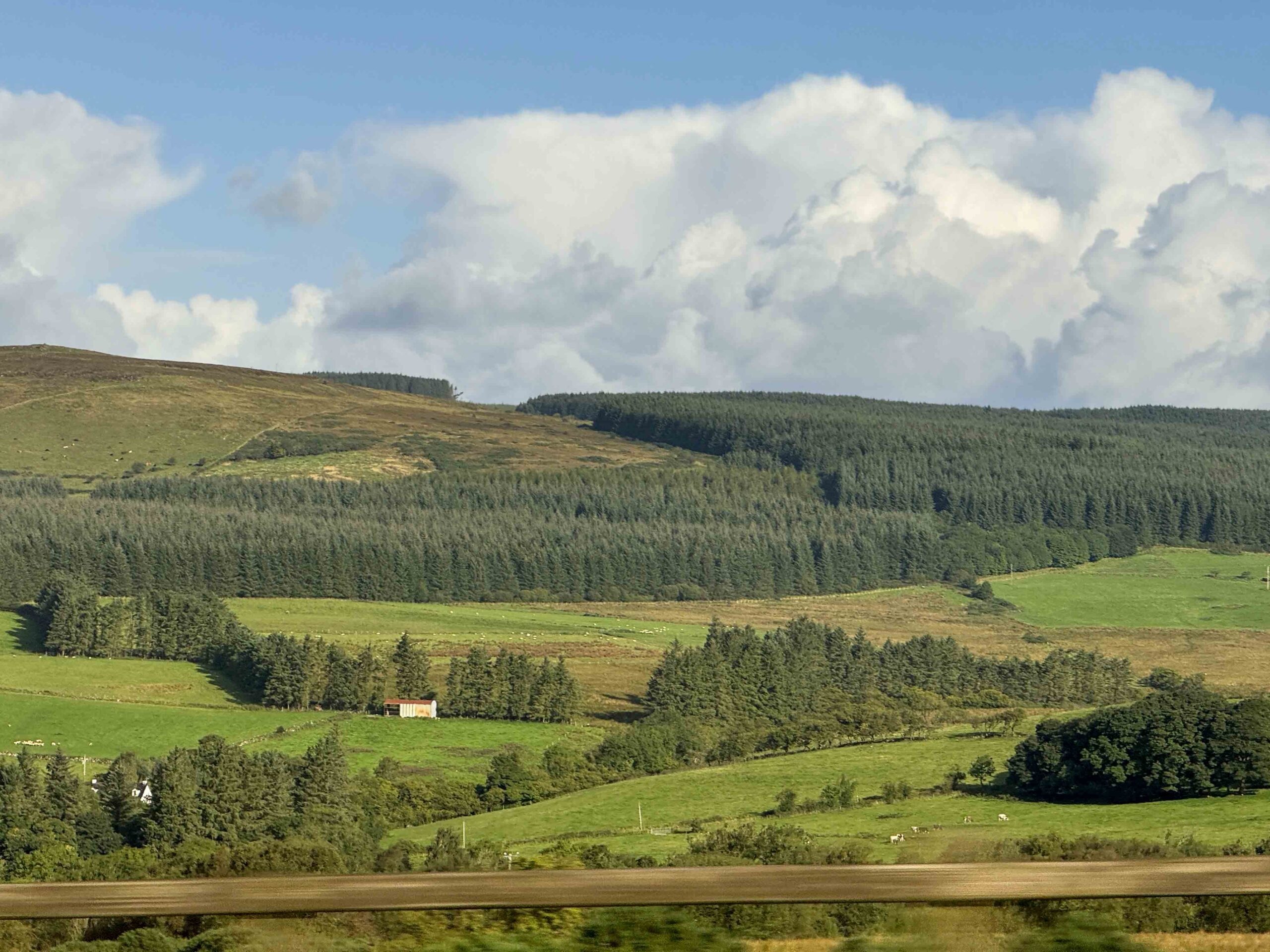 IRELAND — The next forestry programme must “ensure that forestry as a land use option is economically viable and competitive, while satisfying environmental requirements”, according to the Irish Farmers’ Association (IFA). IFA president Francie Gorman has said that forestry is a “strategically important sector that has a key role to play in achieving climate change targets”. …Ireland’s largest forestry and timber body, Forest Industries Ireland (FII) has highlighted the “huge opportunity” for farmers “to take advantage of afforestation grant schemes” during a meeting with the IFA this week. FII highlighted the need for more farmers to consider planting forestry on their land amid rapid growth in global demand for timber products, driving up the value of future forestry harvests. “The Irish timber industry has the potential to significantly grow as many countries move towards net zero carbon targets and focus on sustainable building materials such as timber.”
 The occurrence and fate of microplastics in forest ecosystems is a recognized knowledge gap. In this paper, we used an aligned extraction method to quantify microplastics (>20 µm) in organic and mineral forest soil horizons and throughfall deposition. Calculation of forest soil microplastic stocks and throughfall fluxes allowed an estimation of throughfall contribution to microplastic accumulation in forest soils back to 1950. We identified a short-term microplastic enrichment in decomposed litter horizons followed by an accumulation in lower mineral soil caused by litter turnover processes. Similar microplastic features in soil and throughfall deposition indicate that microplastics entering forest soils primarily originate from atmospheric deposition and litter fall, while other sources have a minor impact. We conclude that forests are good indicators for atmospheric microplastic pollution and that high microplastic concentrations in forest soils indicate a high diffuse input of microplastics into these ecosystems.
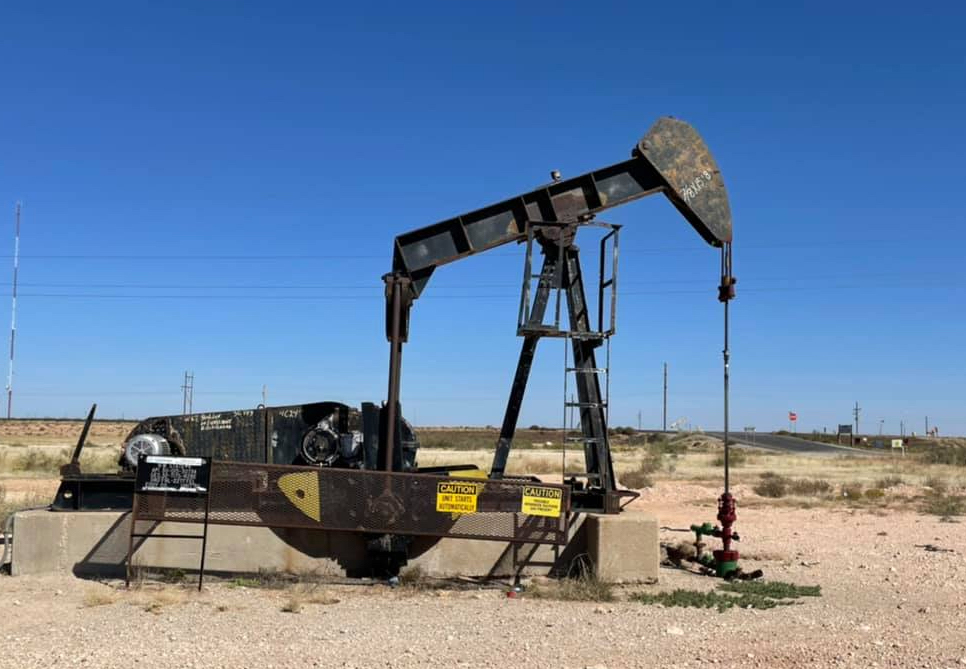 Planet-warming emissions from a group of the world’s largest fossil fuel producers have significantly ramped up the intensity of heat waves, a new study suggests, one of the first peer-reviewed papers to link dozens of climate-fuelled weather events to specific companies. The study led by a group of Swiss-based climate scientists says about one-quarter of the 213 recent heat waves they studied, including the 2021 B.C. heat dome, would have been virtually impossible without human-caused climate change. It says emissions from some individual companies, including relatively smaller ones and some of Canada’s oil-and-gas producers, would have been enough to make otherwise impossible heat waves statistically possible. …The researchers linked emissions from the group of cement and fossil-fuel producers to about half the increase in heat wave intensity connected to human-caused climate change.
 …Sweden, like Canada, sits atop vast boreal forests — part of the same great green belt circling the Northern Hemisphere. These forests act as planetary lungs, storing more carbon than even the Amazon. But the Swedish government’s latest forestry inquiry, En robust skogspolitik för aktivt skogsbruk, is heading in a troubling direction: grow more trees, cut them faster, and burn or export more biomass in the name of “green energy.” It sounds like a climate solution. But here’s the problem: forests are not factories. Most of the carbon in a boreal forest isn’t stored in the trees at all. It’s locked underground — in roots, fungi, humus, and delicate microbial networks built up over thousands of years. When forestry is intensified — shorter harvest cycles, heavier machines, wider clear-cuts — that underground bank of carbon is steadily drained. The trees grow back, yes, but the soil can take centuries to recover, if it recovers at all.
 AUSTRALIA — The Federal Government’s National Bioenergy Feedstock Strategy
  South Australia’s forestry industry says it can turn its timber waste into aviation and shipping fuel as part of the country’s move away from diesel fuels. The federal government has placed the development and implementation of biofuels as a key pillar of its 2035 climate targets. It also
  EUROPE — Climate change has large economic costs for society. An important effect is the disruption of natural resource supply by climate-mediated disturbances such as wildfires, pest outbreaks and storms. Here we show that disturbance-induced losses for Europe’s timber-based forestry could increase from the current €115 billion to €247 billion under severe climate change. This would diminish the timber value of Europe’s forests by up to 42% and reduce the current gross value added of the forestry sector by up to 15%. Central Europe emerges as a continental hotspot of disturbance costs, with projected future costs of up to €19,885 per hectare. Simultaneous climate-related increases in forest productivity could offset future economic losses from disturbances in Northern and Central Europe but not in Southern Europe. We find high disturbance-related cost of unmitigated warming, highlighting that climate change adaptation in forestry is not only an ecological but also an economic imperative.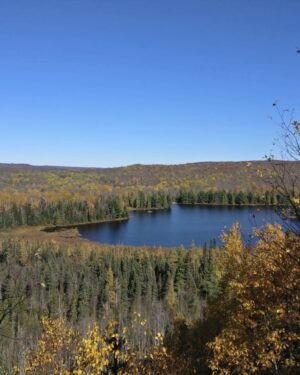
 In the Northern Hemisphere, the more than twofold difference between the atmospheric inversion and remote sensing–derived estimate of the net land carbon sink is an unresolved puzzle that challenges our fundamental understanding of the global carbon cycle. We provide several lines of evidence that much of this discrepancy can be resolved by a weak net land carbon sink that is distributed mainly in the Northern Hemisphere, together with a relatively small reduction in the magnitude of fossil fuel emissions and a small increase in ocean uptake. …A strong land carbon sink, as identified in past research, has often been used to support the potential of nature-based climate solutions in meeting climate stabilization targets. However, if the weak land sink hypothesis is correct, then the role of CO2 fertilization in enhancing forest carbon stocks might be overestimated. At the same time, projections of carbon accumulation in reforestation and afforestation projects may be optimistic too.
 Researchers warn that simultaneous fires across Europe are overwhelming firefighting resources. Climate change made weather that fuelled Portugal and Spain’s deadly wildfires this summer around 40 times more likely, new research has found. Blazes in the Iberian Peninsula broke out at the end of July. Fuelled by temperatures above 40°C and strong winds, the flames spread extremely rapidly. The area burned by these wildfires has now broken records across Spain and Portugal. A new super rapid scientific analysis by World Weather Attribution (WWA) has found that these hot, dry and windy conditions were made more likely and more intense by human-caused climate change. Dr Clair Barnes, researcher for the Centre for Environmental Policy at Imperial College London, warns that the “astonishing” size of these fires is a “sign of what is to come” with hotter, drier, more flammable conditions becoming more severe with climate change.
 Investors in Drax have a problem. Shares in the company that produces 10% of the UK’s renewable power plunged last week after the Financial Conduct Authority launched a probe into its financial reports. The investigation centres on whether the company had misrepresented the origin of the biomass pellets it burns to create electricity. …But even assuming Drax does what it says it does, it has a second problem. Its business model, reliant on burning imported sustainable biomass to generate power, is inherently controversial. Net zero supporters don’t think Drax is sustainable enough, fearing that forestry companies might classify more wood as rubbish if selling waste pellets became lucrative. …Drax may not be easy to like, but it does make up an important part of the UK energy system. …So far, politicians have walked a line, extending support but cutting its size.
 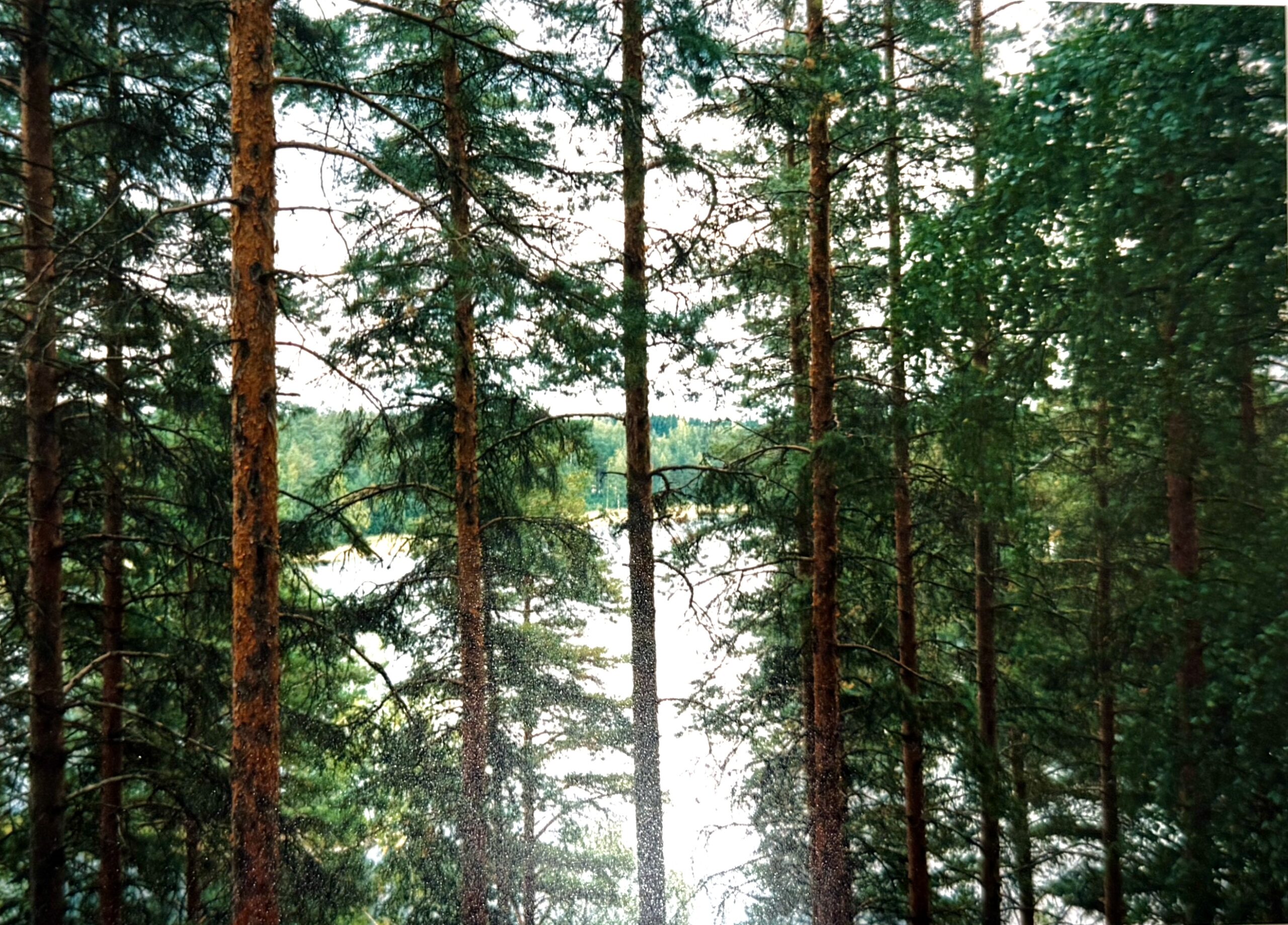 STOCKHOLM — A political fight has erupted in Sweden over whether forest owners should be paid to delay harvesting trees as part of the country’s contribution to the EU’s ambitious carbon removal targets. The EU’s Land Use, Land Use Change and Forestry (LULUCF) regulation requires the bloc to remove 310 million metric tons of CO2 equivalent by 2030. With Sweden holding the EU’s largest forest area, the country is expected to play a central role in meeting that target. In 2022, the government commissioned a parliamentary committee to explore how to incentivize carbon storage. Its proposal: legally binding contracts offering landowners 400 SEK (~$42) per ton of CO2 if they delay felling their trees for 5 to 20 years beyond the minimum harvest age. …The plan has triggered fierce opposition. The Swedish Forest Industries Federation warns that 7,200 jobs are at risk, with smaller sawmills particularly vulnerable. …Supporters, however, argue that paying landowners reflects the forest’s true value.
 Energy company Drax is under investigation by the UK’s financial watchdog over the firm’s sourcing of wood for biomass pellets in the wake of whistleblower claims. The London-listed group said the Financial Conduct Authority (FCA) probe covers more than two years, from January 2022 to March 2024, and will also look at compliance of Drax’s annual reports from 2021, 2022 and 2023 with rules over listing, disclosure and transparency. Drax said it will “co-operate with the FCA as part of their investigation”. Shares in the FTSE 250 firm fell 8% in morning trading on Thursday. It follows accusations by Drax’s former head of public affairs and policy, Rowaa Ahmar, in March that the company had misled over its sourcing of wood for biomass pellets, which were made as part of her claim for unfair dismissal at an employment tribunal. Drax denied her claims. The firm and Ms Ahmar reached a settlement with Drax just over a week after the case opened.