
Lawton Roberts
TAPPI, the premier association for the global pulp, paper, tissue, packaging, and converting industries, announced the appointment of Lawton C. Roberts as its new President and CEO, effective November 3, 2025. Roberts will succeed Larry N. Montague, who is retiring at the end of 2025 after 19 years of leadership, according to Pulp & Paper Chronicle. “I’m confident Lawton is the right person to lead TAPPI into its next chapter”, as quoted by PaperAge. Roberts, currently TAPPI’s Chief Operating Officer, has been with TAPPI since 2017 and has worked alongside Montague since 2006 in various capacities. TAPPI is a non-profit, volunteer-led association that is built around “a community comprised of thousands of member engineers, managers, scientists, academics, suppliers and others from around the world”. TAPPI is headquartered right outside of Atlanta, Georgia.

 From October 14, wooden furniture exported to the United States will continue to be subject to a new import tariff of up to 25 percent. This has come as a “shock” at a time when enterprises are accelerating production, raising concerns over the feasibility of maintaining Vietnam’s 2025 wood export targets. In the long term, aside from adapting to frequently changing tariff policies, enterprises in the wood industry are working to improve product quality. Expanding markets and building the Vietnamese wood brand are considered key solutions for the sector’s sustainable development. On September 29, U.S. President Donald Trump signed a decree imposing a 25 percent tariff on wooden furniture, effective from October 14. The tariff rate may increase to 50 percent for dressing tables and kitchen cabinets, and 30 percent for upholstered products early next year. This move is regarded as a “shock” to Vietnam’s wood industry.
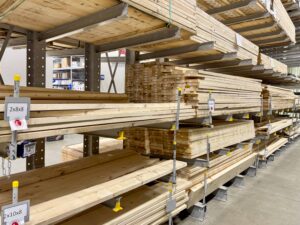 The European Commission proposed preliminary antidumping duties on imports of softwood plywood from Brazil, following an investigation launched
 On 31 July 2025, Metsä Group announced it would launch the planning of a EUR 300 million cost savings and profit improvement programme. Planning is now complete, and Metsä Group will initiate statutory negotiations concerning its personnel as part of it. “Our profitability has been undermined by three factors. First, increased uncertainties in global trade have reduced demand for our products. Second, changes in exchange rates have weakened our result and will continue to do so. Third, the increase in raw material costs and the general cost level has eroded our profitability,” says Jussi Vanhanen, President and CEO of Metsä Group. …According to preliminary assessments, the planned measures may lead to a permanent reduction of 800 permanent jobs. A significant share – 540 jobs – are expected to be in Finland. In addition to redundancies, the planned changes may lead to changes in duties.
 VANCOUVER, BC —
 Kimberly-Clark is buying Tylenol maker Kenvue in a cash and stock deal worth about $48.7 billion, creating a massive consumer health goods company. Shareholders of Kimberly-Clark will own about 54% of the combined company. Kenvue shareholders will own about 46%. The combined company will have a large stable of household brands under one roof, putting Kenvue’s Listerine mouthwash and Band-Aid side-by-side with Kimberly-Clark’s Cottonelle toilet paper, Huggies and Kleenex tissues. It will also generate about $32 billion in annual revenue. Kenvue has spent a relatively brief period as an independent company, having been spun off by Johnson & Johnson two years ago. The deal announced Monday is among the largest corporate takeovers of the year. …The deal is expected to close in the second half of next year. It still needs approval from shareholders of both both companies. …Shares of Kimberly-Clark slipped more than 15% before the market open, while Kenvue’s stock jumped more than 20%.
 Ikea is increasing the amount of products it makes in the US as the world’s largest home furnishings retailer comes under pressure from US President Donald Trump’s tariffs on furniture and kitchen cabinets. The flat-pack retailer, which made revenues of $5.5bn in the US last year, currently produces only about 15% of products that it sells in the US domestically. That compares with 75% local production in Europe and 80% in Asia. “We want to continue to expand in the US and Canada — how do we optimise a good supply set-up where we secure the right access to materials, to components, to production? That’s very long-term work that we’re doing,” Jon Abrahamsson Ring, chief executive of Inter Ikea. Trump imposed tariffs of between 10% and 50% on imports of foreign furniture and wood products. Ikea, which is responsible for about 1% of total industrial production, is set to take a significant hit.
 )
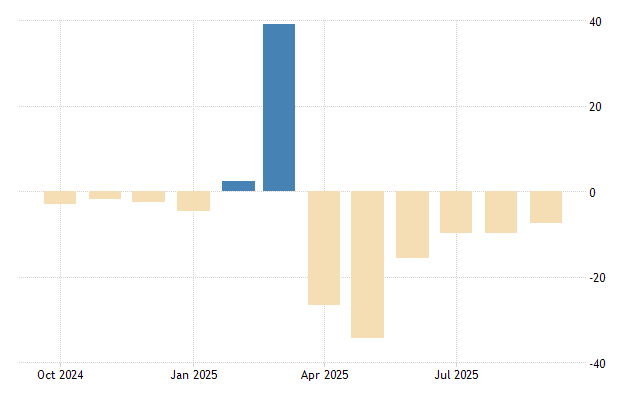



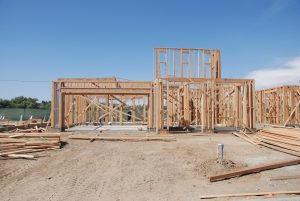 Anthony Cabrera, who started working with a contractor in March to construct the three-bedroom house, was eager to get ahead of a fresh round of tariffs on key building materials and home items that took effect earlier this week. Mr Cabrera had already seen his initial budget of roughly $300,000 balloon to $450,000 as prices for a range of products. …A recent report from Goldman Sachs found that US consumers will shoulder as much as 55% of the cost. It takes time to raise prices on consumers, the economists noted, and US firms will increasingly pass on costs in the coming months. The new tariffs “will create additional headwinds for an already challenged housing market” Buddy Hughes, chairman for the NAHB, said. Affordable housing construction could be hit particularly hard, said Elena Patel, of the Urban-Brookings Tax Policy Center. …Matthew Walsh, at Moody’s Analytics, said that cost uncertainty will be the most immediate effect.
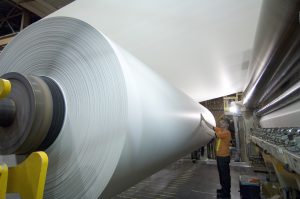 China’s pulp and paper industry continues to expand at an unprecedented pace, with new mill projects, advanced technologies, and state-backed financing driving record output. What began as a push to meet domestic demand has now evolved into an era of overcapacity and a structural imbalance that is reshaping trade dynamics, pricing strategies, and sustainability priorities worldwide. This expansion has far-reaching effects: global producers are contending with lower-priced exports, disrupted supply chains, and a shifting balance of power that challenges traditional market leaders in North America and Europe. …Industry observers expect consolidation in China’s pulp and paper sector, as smaller and less efficient mills struggle to survive. Strategic investments in transparency, benchmarking, and efficiency will be crucial for staying competitive in a tightening global market.
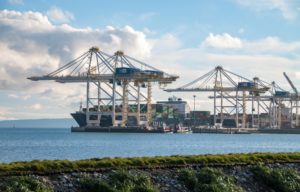 The UK timber industry is currently experiencing a crisis, even as it reports record sales of softwood, raising concerns over supply chain challenges, rising costs, and sustainability issues. The surge in softwood sales, particularly in the construction and woodworking sectors, has overshadowed the ongoing difficulties facing the industry. While the demand for timber has been high, particularly due to the growing construction boom and a shift toward more sustainable building materials, the challenges related to timber shortages and price increases remain deeply concerning for businesses across the sector. …The Timber Trade Federation (TTF) reports that softwood sales in the UK reached record levels in 2024. However, one of the most pressing issues facing the UK timber sector is the disruption of supply chains. The UK has faced considerable difficulty in securing a steady supply of raw timber. The global timber shortage has exacerbated the situation.
 Understanding the differences between lyocell vs cotton becomes crucial when choosing sustainable, comfortable fabrics for your wardrobe and home. Over 68% of US consumers now prioritize eco-friendly textiles in their purchasing decisions, yet many remain confused about lyocell’s advantages over traditional cotton. This comprehensive guide reveals the exact properties, environmental impact, and performance characteristics that distinguish these two popular fabrics in 2025. …Lyocell is a regenerated cellulose fiber made from wood pulp through an innovative closed-loop manufacturing process that recovers over 99% of solvents used in production. …The choice between lyocell vs cotton depends on your priorities: sustainability goals, budget constraints, specific use applications, and care preferences. Neither fiber is universally superior—each excels in different scenarios. Choose lyocell if you prioritize: environmental sustainability, moisture-wicking performance, luxury feel, and durability. …Our sustainability analysis shows lyocell winning decisively with 78% less water usage, no pesticide requirements, and complete biodegradability.
 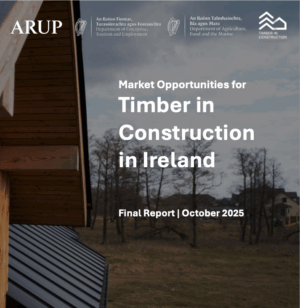 Ireland must realise the “massive opportunity” that exists as timber construction is set to triple market value and deliver climate action, Forest Industries Ireland (FII) said. The director of FII, Mark McAuley has welcomed a
 More companies that provide rayon, lyocell and modal to fashion brands are sourcing less from ancient and endangered forests, according to the nonprofit Canopy. Although the vast majority of cellulosic fibers are still spun from virgin materials, some of the biggest producers have been quickly adopting forest-friendly and circular materials. 70% of companies making semi-synthetic, cellulose-based fibers now exhibit green practices that reduce pressures on forests. 54% of fiber producers that the group tracked have reached the nonprofit’s favorable green rating. …Canopy uses this annual report in part to help brands make informed sourcing decisions. The use of recycled materials for such fibers is still rare, although it grew to 1.1% in 2024. Such textiles represent only 6% of the global fiber market, according to Textile Exchange. It found that fibers approved by Forest Stewardship Council (FSC) or other certification made up as much as 70 percent of cellulosic fiber market share.
 Several parliamentarians, key industry players and alternative materials start-ups in hemp, engineered bamboo and engineered timber attended an event designed to focus a spotlight on the new world of possibilities in building materials. The WWF and Forest Alliance NSW event was intended to showcase sustainable alternatives to timber products …with the protection of the proposed Great Koala National Park at the centre of conversations. The event was further by the Parliamentary Friends of Forests. Attending as exhibitors were House of Bamboo, Hemp Inside, Bamboo Society Australia, Australian Hemp Council, iHempNSW, BVN Architecture and betti & knutt. While XLAM … was originally on the list of presenters, an industry source says the pressure from forestry sources had forced the company to pull out. …Susie Russell was particularly inspired by House of Bamboo, realizing that similar products to timber can be made from bamboo, which only takes five years to grow.
 The world’s largest green timber label will vote next week on whether to begin work on new traceability rules, amid renewed scrutiny and accusations over whether the body is doing enough to prevent fraud within its supply chains. The Bonn-based Forest Stewardship Council (FSC) bills itself as “the world’s most trusted mark for sustainable forestry.” …But forestry experts and whistleblowers have alleged for years that the FSC lacks a proper control system, allowing bad actors to fraudulently pass off timber that was illegally or unsustainably logged as FSC-certified. Phil Guillery, who was the FSC’s integrity director from 2011-21,


 US civil society groups are urging the European Commission to resist Washington’s pressure to delay the EU’s deforestation regulation (EUDR) or tweak the rules to grant the country preferential treatment, according to a letter seen by Euractiv. The missive, sent this morning to Commission President Ursula von der Leyen and the Commissioners responsible for green rules, the economy and trade, warns against any backtracking. “We are particularly concerned by the Commission’s apparent willingness to offer the U.S. special treatment under the EUDR as part of ongoing EU-U.S. trade negotiations,” the letter reads. The organisations refer to the joint statement issued by Brussels and Washington in September, which labels the US as posing “negligible risk to global deforestation.” Rick Jacobsen, senior manager for commodities policy at the US NGO Environmental Investigation Agency, told Euractiv that US interests have “ramped up the pressure campaign” to weaken the law before it even comes into force.
 Wildfire experts from around the globe convened at Istanbul Forest Innovation Week (IFIW) to evaluate Türkiye’s approach to forest fire management, unanimously acknowledging the country’s advanced capacity in both fire detection and intervention. Experts emphasized the integration of cutting-edge technologies, such as unmanned aerial vehicles (drones), as a critical factor in Türkiye’s rising prominence in global wildfire resilience. Tiago Oliveira, chairperson of the Portuguese Agency for Integrated Rural Fire Management, highlighted the multifaceted challenges climate change poses to forests worldwide. He underscored that warming trends are prolonging fire seasons and increasing the number of days with severe fire conditions. Oliveira also stressed the indispensable role of local communities living near forests. … Warning about extreme fire scenarios, Oliveira noted, “When difficult conditions triggered by climate change occur, very intense fires begin, making firefighting extremely challenging because water can become ineffective.”


 Chopping down rainforests is daft. The social costs of clearing a typical patch of Brazilian Amazon are perhaps 30 times the benefits of rearing cows on it, by one estimate from 2023. The problem is, those costs, which include aggravating climate change, are spread across the entire world’s population, whereas the profits from cutting down the trees go to the men commanding the chainsaws. Somehow, the world has to find a way to make conservation pay. …Yet there is hope. Though Brazil lost more rainforest than any other country last year, due to to wildfires, it also shows how better policy can make a difference. …The pace of deforestation fell by 80% during Lula’s first terms (2003-11), and fell again when he returned in 2023, before the wildfires set things back. …Since preserving rainforests is a global public good, the world should help pay for it. [to access the full story an Economist subscription is required]

 …The World Resources Institute calculates that forests are burning at twice the rate they were two decades ago. In Canada … the frequency and severity of forest fires have quadrupled over the last half century. …the global wildfire defence market is projecting annual growth rates that range from 8.4% to 12.6%, much of it driven by public funding. For example, the United States’ budget for wildland fire management was $1.9 billion in 2025, a 10% increase from the previous year. …On October 22, a consortium of national organizations in Canada published an open letter to the federal government asking for a five-year investment of $4.1 billion in wildfire defence. …Coupled with U.S. auto tariffs, the wildfires prompted South Korea’s government to quickly assemble a US$8.6-billion supplementary budget, of which nearly a billion was earmarked for wildfire recovery. …The bushfire crisis of 2019/2020 in Australia caused AUD$2.4 billion of insured loss. …in 2025, Brazil allocated the equivalent of USD$95 million for firefighting efforts.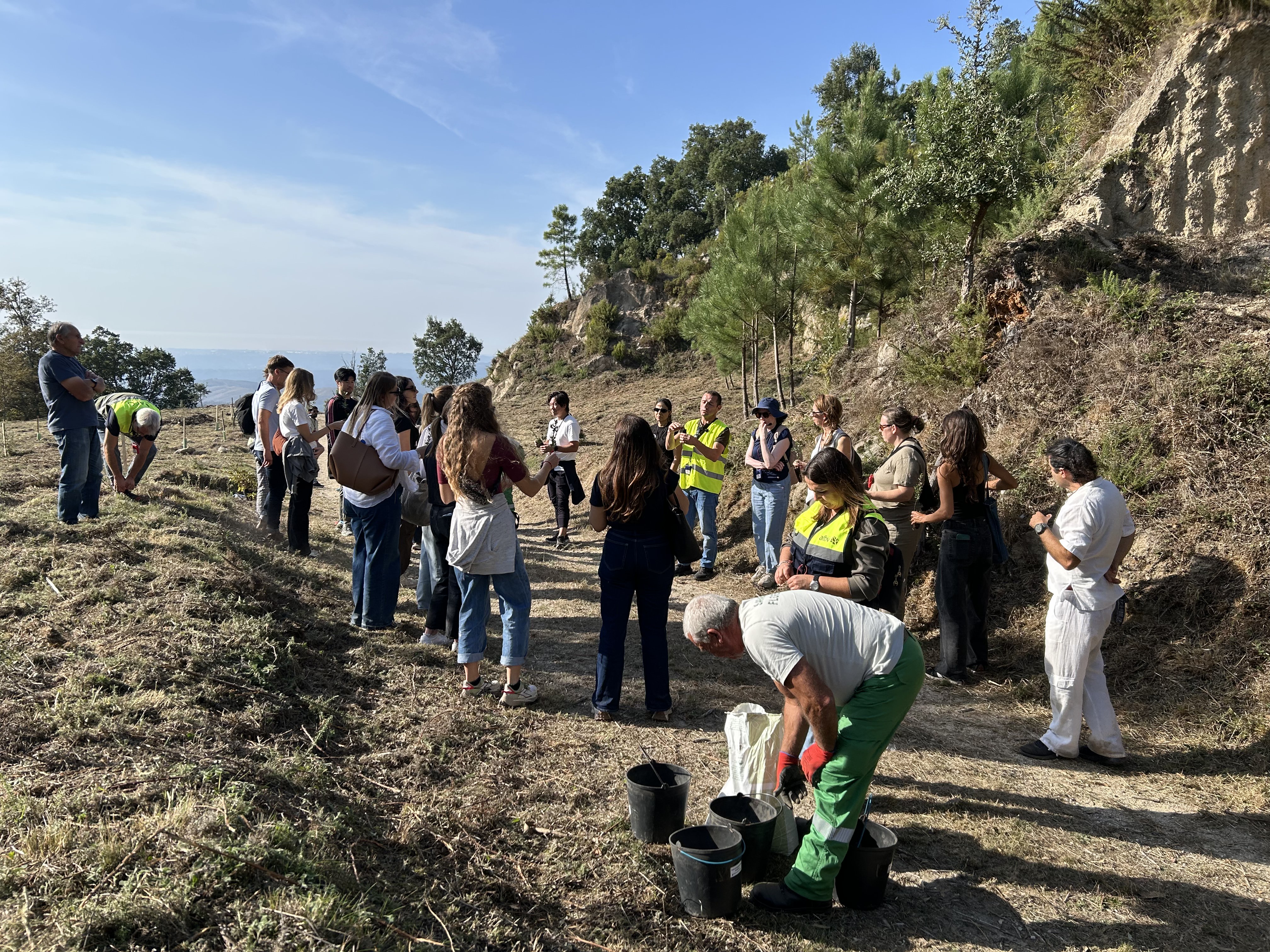




 SWEDEN — Ingka Investments, the investment arm of Ingka Group (the largest IKEA retailer), has agreed to acquire approximately 153,000 hectares of land in Latvia and Estonia, of which 89% are forestland, from Södra, Sweden’s largest forest owners’ association. Completion is subject to approval by the relevant regulatory authorities. “Our unique ownership structure allows us to invest with a long-term perspective rather than short-term quarterly thinking.” …As the world’s largest IKEA retailer, Ingka Group operates in 31 markets and represents 87% of global IKEA sales. …Niks Sauva, Country Manager, Ingka Investments Latvia, continued: “We’re committed to creating more value locally in the Baltics. Our goal is to increase the share of wood processed regionally to strengthen the Baltic forestry value chain.” …Completion is subject to approval by the relevant authorities in Latvia and Estonia.
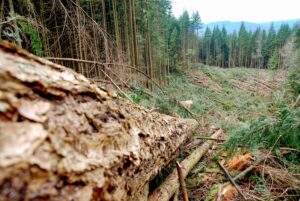 Europe’s sawn timber industry is grappling with growing strategic uncertainty and rising compliance costs while the EU prepares to delay implementation of its landmark anti-deforestation law for a second time. While the postponement of the regulation to December 2026 may offer temporary relief, it also threatens to erode market incentives for early adopters and undermine confidence in the bloc’s regulatory direction. Producers across the continent have already invested billions of euros to meet the regulation’s demanding traceability requirements—developing digital platforms, upgrading Enterprise Resource Planning (ERP) systems, and restructuring supply chains to prove that every cubic meter of wood originates from deforestation-free sources. …In a strongly worded letter to the EC’s Environment Commissioner Jessika Roswall, a
 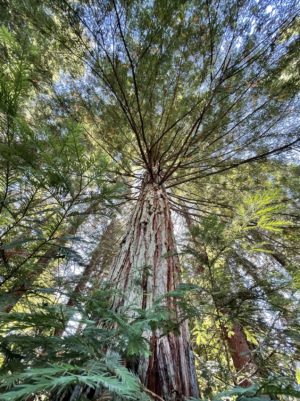 Major agri-food companies including Nestle, Ferrero and Olam Agri have warned that European Union delays to its anti-deforestation law are endangering forests worldwide. The EU last month proposed delaying the launch of its anti-deforestation law for a second time, citing concerns about the readiness of information-technology systems needed to support the law. The delay could postpone the ban on imports of commodities such as palm oil linked to forest destruction for another year. The law faces major opposition from industry and EU trade partners such as the United States and Brazil. EU Commissioner Jessika Roswall said last week the delay was not linked to U.S. concerns about the policy. …Contrary to the EU’s aim of simplifying rules for business, any changes at this stage would introduce uncertainty, annoy shareholders and risk the rules being watered down further, the companies said. The EU deforestation law was due to take effect on December 30.

 BELEM, Brazil — Google has struck its biggest carbon removal deal, agreeing to finance restoration of the Amazon rainforest with Brazilian startup Mombak, as big tech hunts for high-quality credits to offset emissions tied to energy-hungry data centres. The companies said the deal would offset 200,000 metric tons of carbon emissions. …The agreement highlights how big tech is looking for ways to soften the climate impacts of its huge investment in power-intensive data centres for AI, driving demand to offset carbon emissions through Brazil’s nascent reforestation industry. Last year, Alphabet’s Google committed more than US$100 million to an array of different carbon capture technologies, from enhanced rock weathering and biochar to direct air capture and a project making rivers more acidic. But when it came time to double down, it was hard to beat the efficiency of planting trees. [to access the full story a Bloomberg subscription is required]
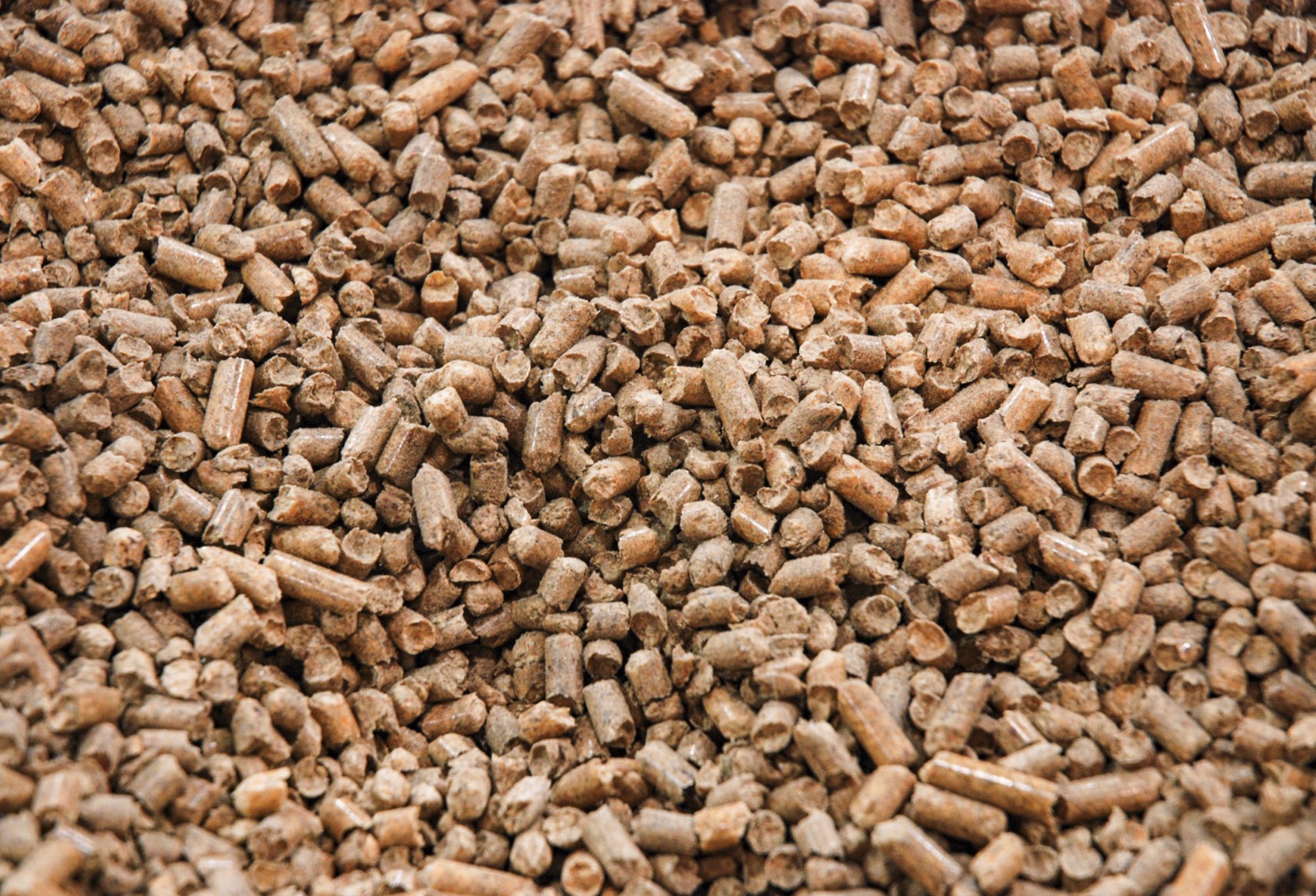 Britain’s biggest power plant will continue to earn more than £1m a day from burning wood pellets under a new government subsidy contract designed to halve its financial support, according to analysts. The Drax power plant in North Yorkshire is in line to earn £458.6m a year between 2027 and 2031 after the government agreed to extend its subsidies beyond 2026, according to analysts at Ember, a climate thinktank. The earnings are well below the £869m in subsidies handed to the Drax power plant last year for generating about 5% of the UK’s electricity from burning biomass after the government promised to curb the use of biomass in Britain’s power system. Under the contract, Drax will be paid to run just over a quarter of the time, down sharply from almost two-thirds of time currently. But the price it will earn for each unit of electricity generated will rise.
 Panama – Unveiled today at its General Assembly, the Forest Stewardship Council (FSC) reports a sharp slide in public concern for climate change, even after the hottest year on record. The 2025 Global Consumer Awareness Survey – conducted with Ipsos across 50 countries and 40,000+ respondents – find war and conflict (52%) now dominate public worries while climate change trails at 31%. That is a 21-point gap in the 2025 snapshot. Looking only at the 32 countries surveyed in both 2022 and 2025, the concern gap has widened from 12 points in 2022 – where economic hardship was on top position – to 16 points in 2025. …While ‘climate change’ may rank lower as an abstract global issue in the 50-country snapshot, across the forestry module markets, the impacts felt through forests –wildfires, droughts, floods, and biodiversity loss – rank among the top concerns within the forestry sector.
 The Earth’s forests, soil and oceans are reaching their critical limits to naturally store carbon, as decades of climate change take their toll, according to a new analysis. The
  Atmospheric carbon dioxide (CO₂) rose faster in 2024 than in any year since records began. …Our new satellite analysis shows that the Amazon rainforest is struggling to keep up. And worryingly, the satellite that made this discovery could soon be switched off [due to proposed NASA budget cuts.]. Systematic measurements of CO₂ in the atmosphere began in the late 1950s. …Across six decades of measurements, CO₂ has gradually increased. …The largest change was over the Amazon, where much less CO₂ is being absorbed. Similar slowdowns also appeared over southern Africa and southeast Asia, parts of Australia, the eastern US, Alaska and western Russia. Conversely, we detected more carbon being absorbed over western Europe, the US and central Canada. …It’s not yet clear whether 2023-24 is a short-term blip or an early sign of a long-term shift. But evidence points to an increasingly fragile situation, as tropical forests are stressed by hot and dry conditions.
 Google has announced plans to address greenhouse gases beyond carbon dioxide by purchasing credits to support the emerging market for removing short-lived but highly potent “superpollutants.” The company will buy up to 25,000 tonnes of superpollutant-destruction credits by 2030 from two organisations, Recoolit and Cool Effect—equivalent to about one million tonnes of CO₂ removal over the long term. While carbon dioxide remains a key focus, Google said gases such as methane, hydrofluorocarbons (HFCs), chlorofluorocarbons (CFCs) and nitrous oxide have a much greater near-term warming impact. “It’s the right thing to do for the planet,” said Randy Spock, Google’s carbon credits and removals lead. “CO₂ is obviously very important… but if we think only about CO₂, then we’re just looking at one piece of the puzzle.” …Sam Abernethy, a climate scientist at Spark Climate Solutions, said: “Superpollutants only get a few percent of climate finance… that’s a misallocation given their importance.”
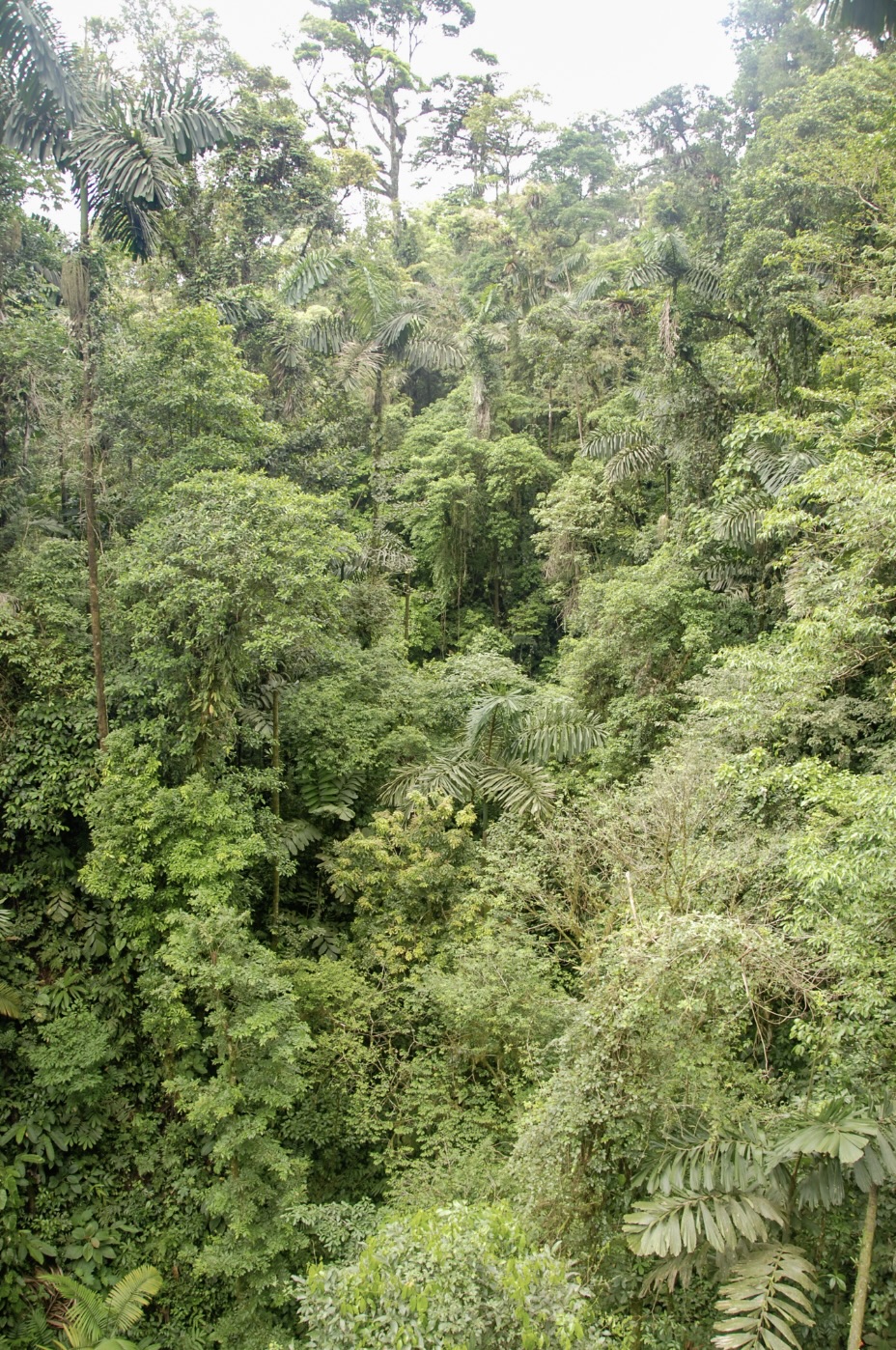 Woody trunks and branches of trees in the wet tropical rainforests of Queensland are losing their ability to absorb excess carbon dioxide. That’s according to an analysis of 49 years’ worth of data,
 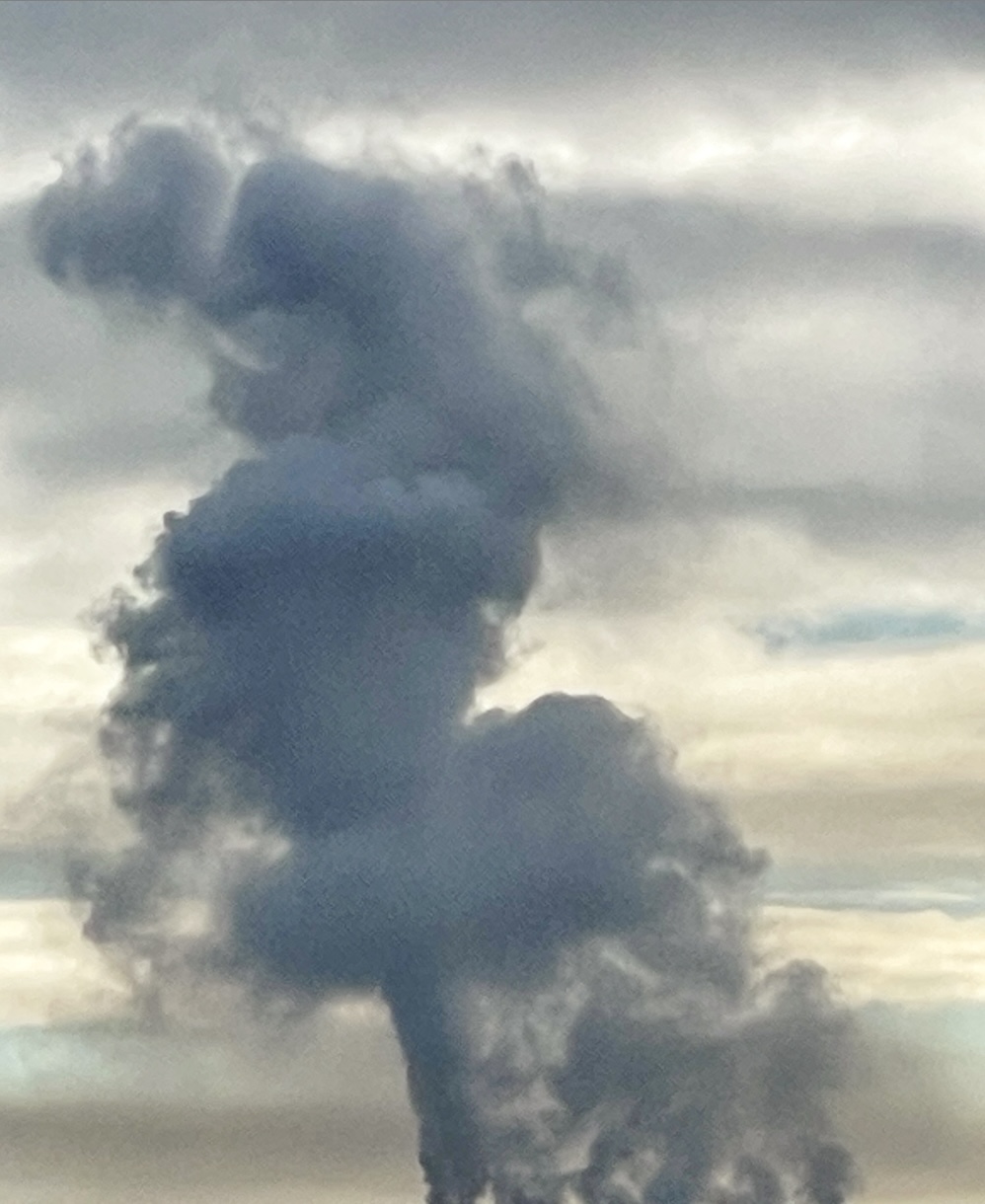 GENEVA — Heat-trapping carbon dioxide levels in the atmosphere jumped by the highest amount on record last year, soaring to a level not seen in human civilization and “turbo-charging” the Earth’s climate and causing more extreme weather, the United Nations weather agency said Wednesday. The World Meteorological Organization said in its latest bulletin on greenhouse gases, an annual study released ahead of the U.N.’s annual climate conference, that CO2 growth rates have now tripled since the 1960s, and reached levels that existed more than 800,000 years ago. Emissions from burning coal, oil and gas, alongside more wildfires, have helped fan a “vicious climate cycle,” and people and industries continue to spew heat-trapping gases while the planet’s oceans and forests lose their ability to absorb them, the WMO report said.
 In 2024, the Amazon Rainforest underwent its most devastating forest fire season in more than two decades. According to a new study by the European Commission’s Joint Research Centre, the fire-driven forest degradation released an estimated 791 million metric tons of carbon dioxide in 2024, a sevenfold increase compared with the previous two years. The carbon emissions from fires in 2024 surpassed those from deforestation for the first time on record. Brazil was the largest contributor, accounting for 61% of these emissions, followed by Bolivia with 32%, the study found. “The escalating fire occurrence, driven by climate change and unsustainable land use, threatens to push the Amazon towards a catastrophic tipping point,” the authors write. …The researchers estimated that the total emissions from deforestation and fire-driven degradation in the Amazon in 2024 was 1,416 million metric tons of CO2. This is higher than Japan’s CO2 emissions in 2022, which ranked fifth after China, the U.S., India and Russia.
 Josep “Pep” Canadell, executive director of the Global Carbon Project, says he believes countries large and small need to think twice before pledging to collectively plant billions of trees as a primary emissions-reduction strategy to meet climate action goals. “We have somehow sold reforestation as an easier path [to fighting climate change], and it’s not easy at all,” Canadell said. “In my view, it’s not even easier than carbon capture and storage, a technology we’re still developing. That’s because when you bring humans into landscapes and try managing these landscapes, this stuff becomes very complex.” Canadell is the co-author of a
 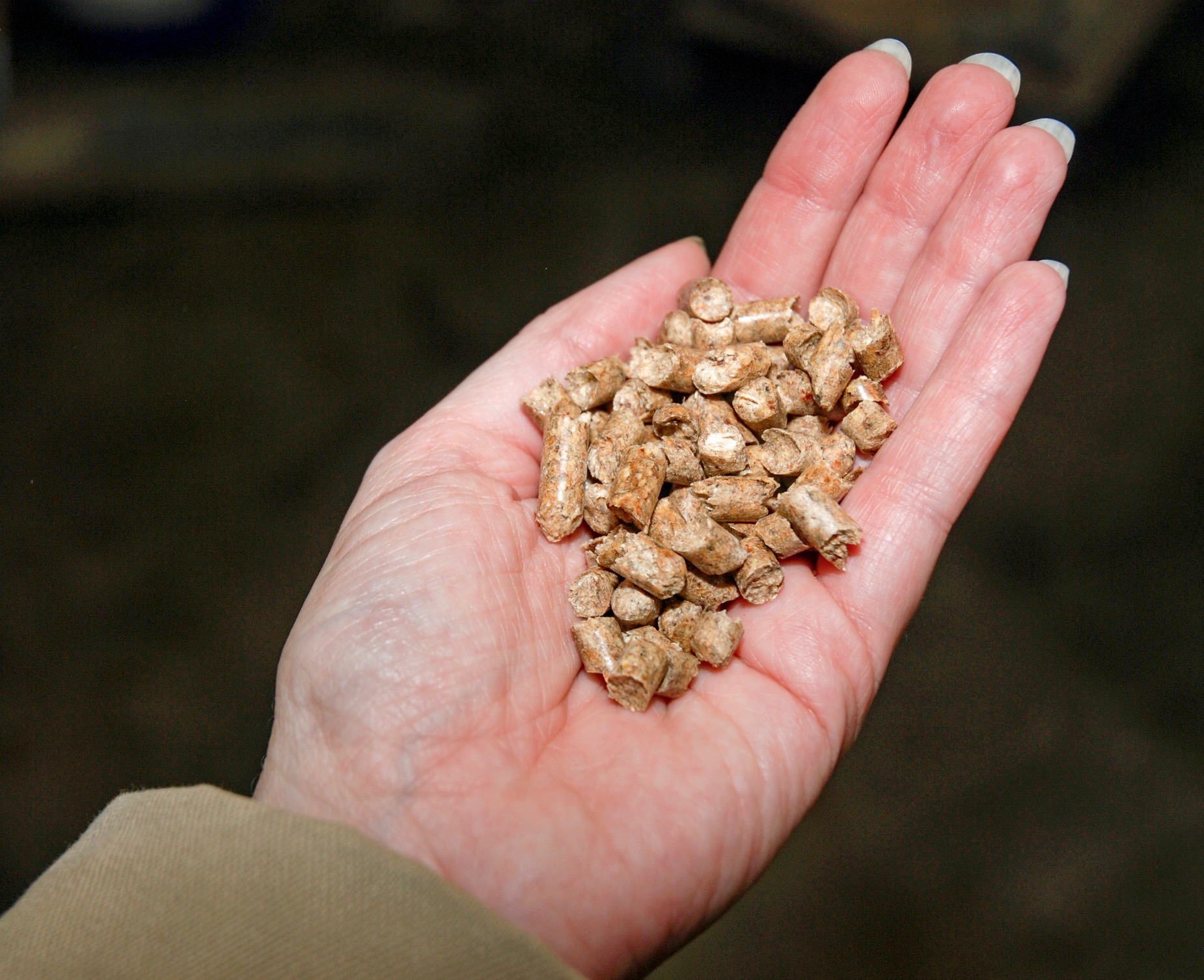 Ten lawsuits have been filed against Drax after diagnoses of asthma allegedly linked to its wood pellet fuel, it has been revealed. Current and former workers at the UK’s largest power station claim they have not been adequately protected against sustained exposure to wood dust, which can cause serious health problems including asthma, dermatitis and nasal cancer. Six compensation claims were settled out of court and four have trial dates in 2026, an investigation by Land and Climate Review found. A class action lawsuit was also filed against the company this month over health concerns in the US, representing 700 people who live near one of Drax’s wood pellet mills in Mississippi. The company is also being investigated by the UK Financial Conduct Authority over “historical statements” made about its wood pellet fuel.