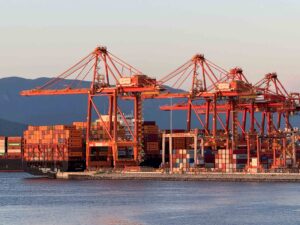
 HONG KONG — It is an image that just a year ago would have seemed unfathomable: the Canadian and Chinese leaders standing side by side. …The tide began turning early last month… Prime Minister Carney and leader Xi Jinping met on the sidelines of the Asia-Pacific Economic Co-operation summit in South Korea – the first time leaders of the two countries had met in eight years. …That has since been followed by another ministerial visit to China. China also reinstated Canada to its approved travel list for tour groups. …But as leaders in Ottawa and Beijing signal it may be time to start doing business again, some experts warn China could be attempting to exploit Canada at a vulnerable moment. …Meanwhile, the US has increasingly ramped up its economic war on its northern neighbor. …Beijing has said it will drop the canola tariffs if Ottawa does the same for Chinese electric vehicles.


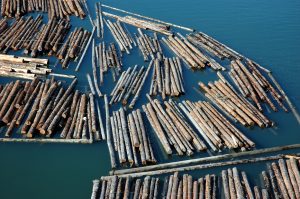 BEIJING — China will restore soybean import licences for three US firms and lift its suspension on US log imports starting November 10, its customs authority said on Friday in another sign of easing trade tensions between the two nations. …The halt on US log imports was a retaliatory measure after US President Trump’s March 1 order to investigate lumber imports. Investor sentiment improved after Trump met Chinese leader Xi Jinping in South Korea, reducing fears that the world’s two largest economies might abandon efforts to resolve their trade disputes. Following the meeting, Beijing lifted tariffs on some US farm goods. …However, traders remain cautious, as a 10% tariff on all US imports remains in effect, limiting expectations for a broader recovery in trade flows.
 EU and UK timber industry organisations have declared their “unwavering commitment” against imports of Russian and Belarusian wood products. In an announcement published on the TDUK website, CEI-Bois (European Confederation of Woodworking Industries), ETTF (European Timber Trade Federation), EOS (European Organisation of the Sawmill Industry), and TDUK (Timber Development UK) – have signed the united statement reaffirming the EU and UK woodworking industry’s and wood traders’ strong and unwavering commitment to complying with applicable legislation governing the import of wood products from Russia or Belarus. …Sanctions on wood from Russia and Belarus were introduced years ago, yet residual quantities of prohibited wood regrettably remain in circulation in Europe. …“Our message is clear: the EU and UK wood industry value chain is united in its determination not to import Russian and Belarusian wood. Integrity is a core value of our industry, and we reject illegal and unethical practices by any company.”
 Stora Enso is initiating a strategic review of its Central European sawmills and building solutions operations. The 2026 review will cover one business unit of Wood Products business area, including seven sawmills in Austria, Czechia, Poland, and Lithuania, and further processing units with three cross-laminated-timber (CLT) mills, as well as wood procurement, and international sales and distribution operations. Whilst the business in scope has a strong position in an attractive market, it does not bring strategic or operational synergies for Stora Enso’s core renewable packaging operations. …different scenarios will be assessed for the business and assets in scope, including the possibility to divest the business, to strengthen Stora Enso’s strategic focus on renewable materials and packaging. The synergetic sawmills in Northern Europe, including further processing operations, in Sweden, Finland, Estonia and Latvia are not part of the assessment, and this part of the business remains strategically important to Stora Enso going forward.


 NEW YORK — Mercer International reported third quarter 2025 Operating EBITDA of negative $28.1 million, a decrease from positive $50.5 million in the same quarter of 2024 and negative $20.9 million in the second quarter of 2025. In the third quarter of 2025, net loss was $80.8 million compared to $17.6 million in the same quarter of 2024 and $86.1 million in the second quarter of 2025. Mr. Juan Carlos Bueno, CEO, stated: “In the third quarter of 2025, persistent global economic and trade uncertainties, fiber scarcity in Germany as well as the impact of pulp substitution accelerated the decline in pulp market demand and pricing, which negatively impacted our operating results and contributed to a $20.4 million non-cash inventory impairment charge in the quarter.
 Japan’s housing starts rose 3.2% year-on-year in October 2025, defying market expectations of a 5.2% decline and reversing a 7.3% fall in September. It was the first annual increase since March, driven by rebounds in rented units (4.2% vs -8.2%), built-for-sale homes (14.8% vs -8.3%), and prefabricated housing (9.2% vs -0.4%). However, weakness persisted in owned homes (-8.2% vs -5.6%), while issued units slumped sharply (-36.3% vs 53.7%) and two-by-four homes also turned negative (-3.8% vs 2.1%). [END]
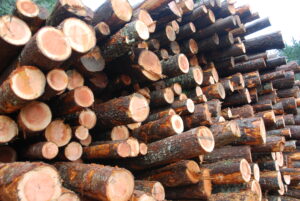 MOSCOW — Russia’s forestry sector could face a deep contraction next year as sanctions tighten, interest rates remain high and the ruble stays strong, Deputy Industry and Trade Minister Mikhail Yurin said Thursday. Addressing a Federation Council committee, Yurin said the industry has entered a “downward trend,” with the worst-case scenario pointing to a 20-30% drop in output in 2026. The ministry expects already falling production to continue declining into 2027 if geopolitical conditions worsen, Interfax quoted Yurin as saying. According to the Economic Development Ministry, wood-processing is among the weakest performers in Russia’s industrial landscape. Output fell 4.3% in the third quarter and the slump accelerated to 7.8% in October. …He said Russian timber exports have fallen by more than 20% since before the war, from $12.5 billion in 2021 to to $9.8 billion. Logging volumes are expected to hit a four-year low of 182 million cubic meters this year.
 China’s recent environmental policy shift is transforming the global recycled pulp market. After years of tightening restrictions on solid waste imports, China has now expanded its scope even further by banning certain types of recycled pulp. This development highlights the country’s ongoing goal to eliminate “foreign garbage” and improve the quality and sustainability of its locally produced paper. …In January 2021, China fully implemented the National Sword policy — a sweeping ban on most solid waste imports, including unsorted and recycled paper. …In October 2025, China took its environmental agenda a step further by targeting specific types of recycled pulp — particularly those processed through dry-milling techniques. …The new restrictions have rippled across the global paper recycling supply chain. Exporters that previously relied on China’s massive demand are scrambling to find alternative markets, while Chinese paper producers face delays and shortages in pulp supply.
 The global pulp and paper industry is entering a new period of uncertainty after several turbulent years marked by supply chain shocks, rising costs, and shifting market dynamics. While packaging demand continues to grow, analysts warn that the rapid build-up of new capacity could soon trigger a global oversupply of fibre-based products. According to a recent market analysis, the global paper and pulp market was valued at 500 billion USD in 2024 and is expected to reach 650 billion USD by 2033, representing an annual growth rate of around four per cent. The trend, however, hides deep structural divides – strong expansion in packaging and tissue paper, but continued decline in printing and writing grades. …Analysts agree that the coming decade will determine whether the paper and pulp sector can balance growth with sustainability – or whether the combination of overcapacity, energy costs, and environmental constraints will usher in a new era of consolidation.


 Futamura, a Japanese manufacturer of cellulose films and packaging products, has announced a solution to help reduce the quantities of microplastics generated from glitter products. Microplastics are defined as plastic particles less than 5mm in size, which can be either intentionally manufactured at that size (primary microplastics) or created when larger plastic items break down (secondary microplastics). Glitter has been particularly criticised in recent years for its contribution to microplastic pollution in oceans and soil. According to Futamura, biodegradable glitter can be created from its NatureFlex materials [wood pulp], which will safely degrade in the environment it was disposed of after use without producing harmful microplastics. …Currently, glitter based on conventional plastics can still be sold into cosmetic applications due to a transition period granted under the EU’s Microplastics Regulation. However, once this period ends cosmetic applications will also be banned.




 The return of cold and snow at the close of the year typically signal the end of the wildfire season. …Zombie fires, sometimes betrayed by a plume of steam emerging from the bubbling ground in the frozen forest, were once a rare occurrence in the boreal regions that stretch across the far north through Siberia, Canada and Alaska. But in a rapidly heating world, they are becoming increasingly common. The overwintering burns are small – and often hard to detect – but they are transforming fires into multi-year events. …“It is a massive problem,” says Lori Daniels, a professor at the University of BC. Current estimates show that only about 15% of the northern hemisphere is underlain by permafrost, yet these frozen soils contain roughly twice as much carbon than is now in the atmosphere. By burning slowly and at a lower temperature, they release vastly more particulate pollution and greenhouse gas emissions than flaming fires.
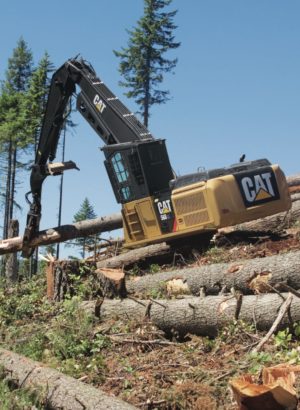 The timber industry built around the Tongass National Forest in Alaska got a boost from the Trump administration’s latest trade deal with China. In settling part of its trade battles, China agreed to accept imports of US sawlogs for the first time since banning them in March due to worries about insect pests. The resumption of exports — effective Nov. 12 — would help companies like Alcan Forest Products in Ketchikan, which for years has sold unprocessed logs to China. The latest agreement lasts one year, said Tessa Axelson, executive director of the Alaska Forest Association. A 10% tariff on products from both countries would still apply. …Southeast Alaska’s timber industry relies heavily on the nearly 17-million-acre Tongass, although most of the forest is off-limits to logging. Federal law allows the export of unprocessed logs, a practice long banned elsewhere to protect the domestic lumber processing industry. [to access the full story an E&ENews subscription is required]
 The European Parliament has approved measures to simplify the EU Deforestation Regulation adopted in 2023, which aims to ensure that products sold in the EU are not sourced from deforested land, according to the European Parliament. The new position grants companies an additional year to comply with the regulation. Large operators and traders must apply the obligations from 30 December 2026, and micro and small enterprises from 30 June 2027. The extension is designed to support a smooth transition and allow upgrades to the IT system used for electronic due diligence statements. Parliament agreed that the responsibility for submitting due diligence statements should rest with businesses that first place products on the EU market, not with later traders. Micro and small primary operators will now be required to file only a single simplified declaration instead of full due diligence reports.


 At face value, the amount of forest in Australia is officially increasing, and has been since 2008. But if an old-growth tree is felled in a forest and seedlings grow elsewhere, is the official account ecologically sound? Not according to new analysis, which suggests that the way Australia calculates forest cover obfuscates the impacts of ongoing deforestation. Australia calculates forest cover as a net figure, in which forest losses are “netted off” against forest gains. That is problematic, according to a report led by Griffith University’s Climate Action Beacon, because new forests do not store as much carbon or have the same wildlife benefits as established forests that are being destroyed. Prof Brendan Mackey of Griffith University, one of the study’s co-authors, described measuring forest losses and gains in net terms as “an accounting sleight of hand”.
 By 2015, the dense 1,385 hectares Kandowa Forest once filled acacia and mahogany … had vanished entirely. The disappearance of forests like Kandowa reflects a broader environmental catastrophe unfolding across South Darfur, where more than 70 percent of tree cover has been lost over the past decade… The violence that erupted between Sudan’s army and the Rapid Support Forces in April 2023 has only accelerated the destruction, pushing desperate families deeper into what remains of the forests. With gas supplies cut off and charcoal prices soaring fivefold, survival itself now depends on felling trees. …Salim outlined a more comprehensive approach: making alternative energy sources like gas and solar power affordable, launching large-scale reforestation…, and enforcing stronger laws to combat illegal logging and timber smuggling. …”If people have no peace, no jobs, no energy, they will keep cutting trees,” said Khaldi Fathi Salim, with South Darfur’s Ministry of Agriculture.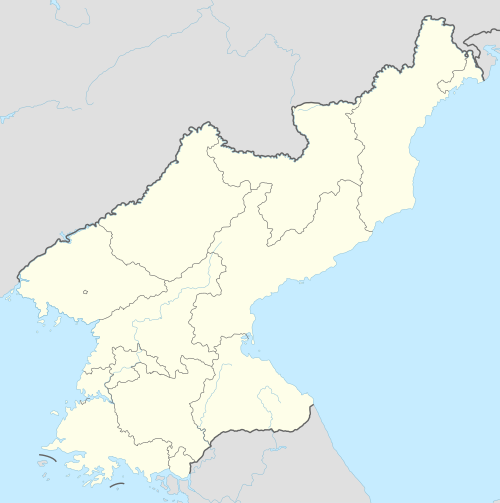
 Forest Stewardship Council (FSC) has confirmed that Motion 30/2025 passed at its General Assembly in Panama. The motion establishes a roadmap for a digital information and volume-control system designed to strengthen the integrity of FSC claims and reduce the risk of false or fraudulent declarations within the supply chain. FSC says the measure will support greater transparency and traceability across certified products. …The Policy Motion reads: FSC shall gradually phase in a requirement for Certificate Holders to use a universal information and volume control system. This system shall be implemented using a risk-based, stepwise approach with full implementation no later than 2030. FSC should also establish supporting tools and services to ensure that all producers and companies can comply with the requirement.
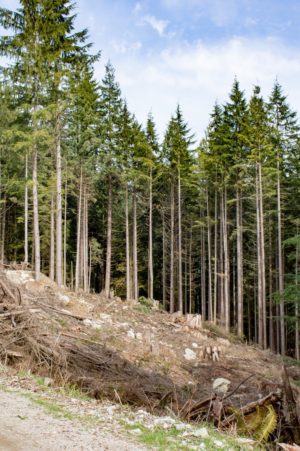 The controversial law was supposed to come into force in December last year but the latest proposal would see its implementation delayed for a second time to late 2026. European lawmakers backed on Thursday a proposal to slash due diligence requirements for business operators under the European Union’s anti-deforestation law, after pressure from industry groups and countries outside Europe claimed the law was too burdensome. The ballot followed the European Commission’s announcement last month of an IT glitch that effectively delayed the law’s implementation until the end of 2026. …Under the new draft bill to simplify the law, lawmakers backed a Commission proposal that seeks to reduce the data load handled by the IT system linked to the EU’s anti-deforestation law and to cut the administrative burden for farmers, foresters and other economic operators. …While most member states back the delay to 2026, many others continue to hold divergent views.

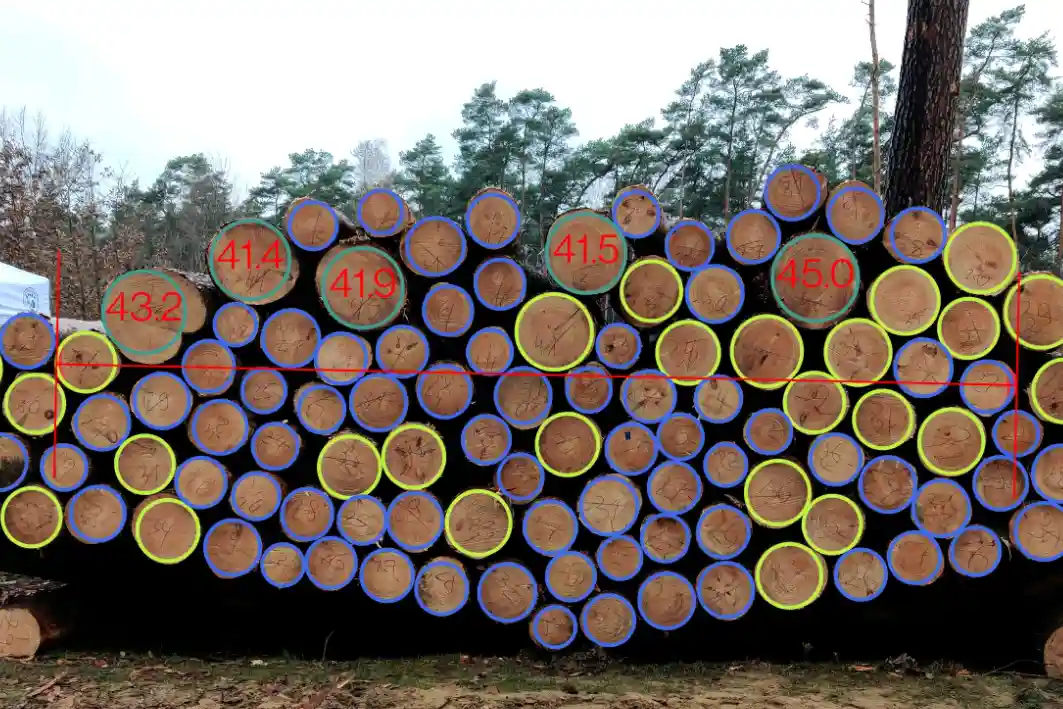
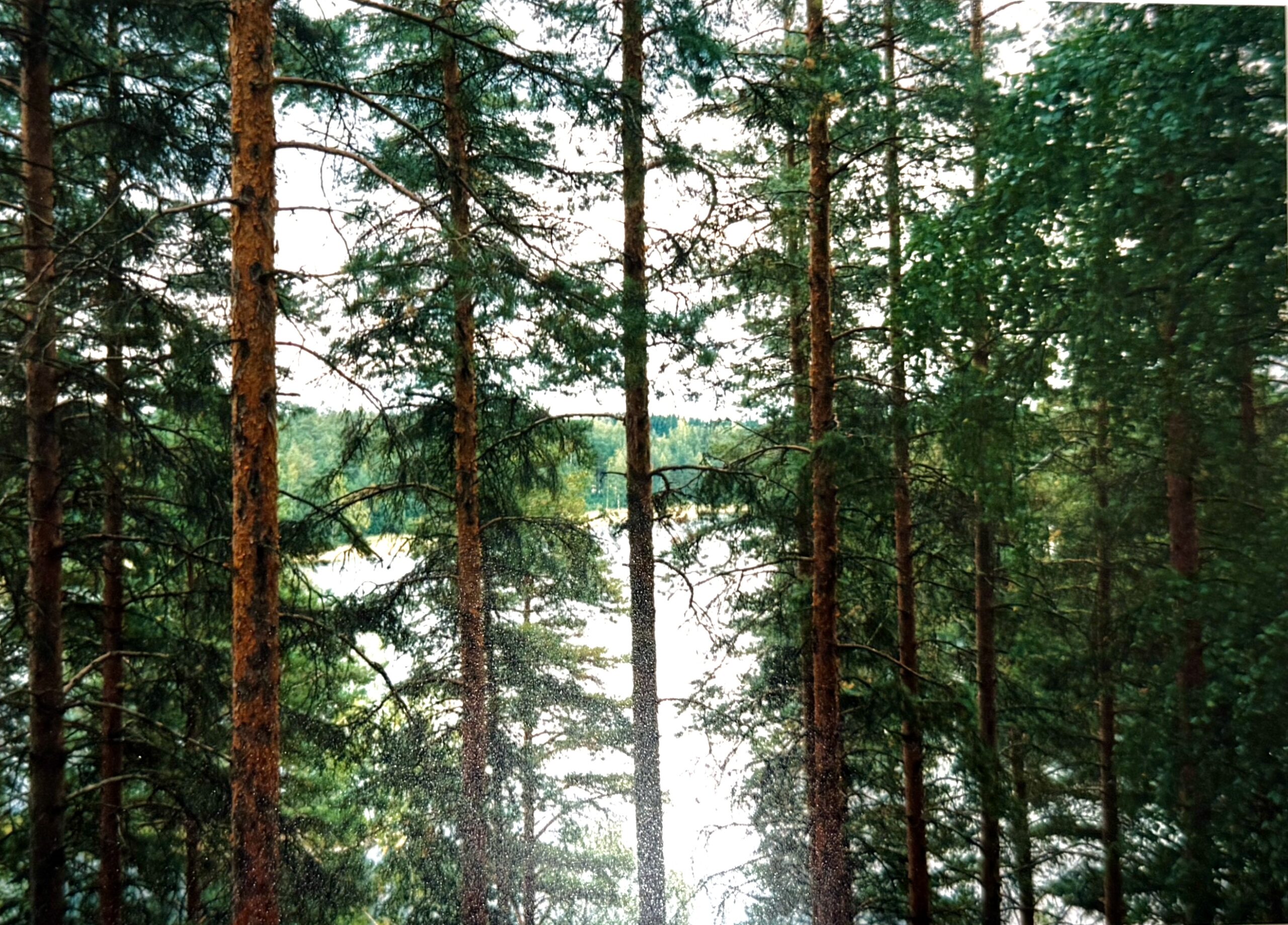 Sweden is one of the world’s largest exporters of forest-based products… Decisions made in Sweden about how forests are managed ripple outward far beyond the kingdom’s borders. That is why the Swedish government’s recent forestry inquiry should matter not just to those living in Sweden, but to anyone concerned about the global climate crisis. The inquiry’s central message is clear: increase forest growth, harvest more biomass, and thereby contribute to the green transition. This might sound promising. More trees mean more carbon absorbed, more wood products to replace unsustainable products. But the plan overlooks the most important part of the forest: the soil. …The government’s proposal even encourages fertilization with nitrogen to speed up tree growth. This can work in the short term, but after a decade, the effect largely disappears. …If Sweden does not get this right, what happens in Sweden’s forests will not stay in Sweden’s forests.
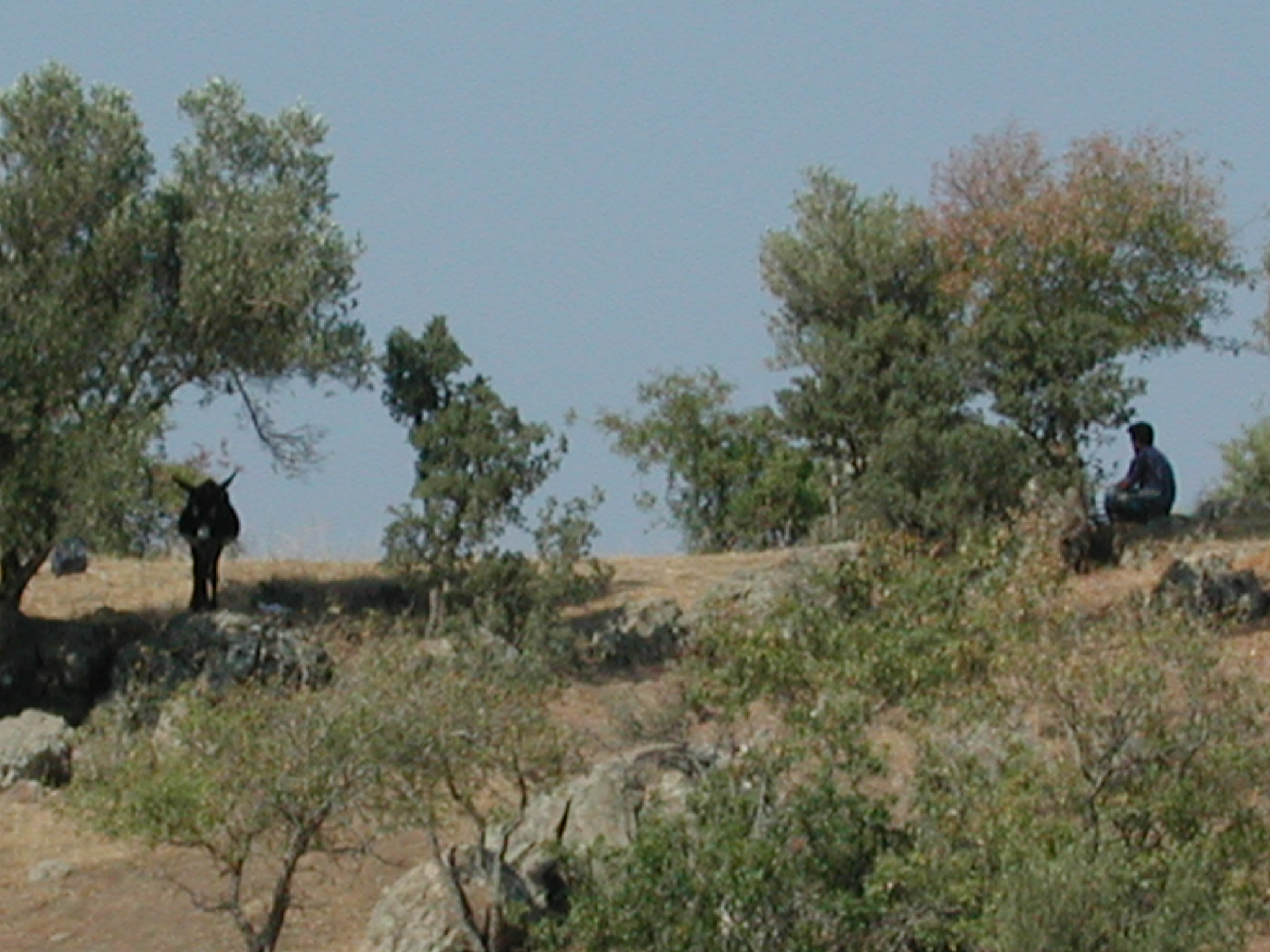 The Ministry of Family and Social Services and the Ministry of Agriculture and Forestry have launched the “Every Family One Sapling Our Green Homeland” campaign, a joint initiative that plants a sapling in the name of every newborn baby and newlywed couple across Türkiye. The project aims to support environmental sustainability while promoting demographic growth and family values. Announced within the framework of the “November 11 National Forestation Day,” declared by President Recep Tayyip Erdoğan, the campaign reflects Türkiye’s commitment to both population development and ecological preservation. The initiative is designed to strengthen the country’s ongoing “Green Homeland Mobilization” by encouraging citizens to contribute to afforestation efforts starting from birth or marriage. As part of the campaign’s official launch, Family and Social Services Minister Mahinur Özdemir Göktaş and Agriculture and Forestry Minister Ibrahim Yumaklı visited Ankara Bilkent City Hospital to meet with newborn babies and their families.


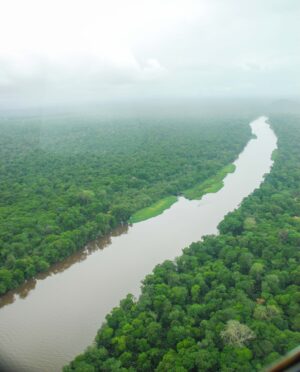 BOGOTA, Colombia — Interpol and partners launched a global law enforcement effort Wednesday aimed at dismantling criminal networks behind illegal logging, timber trafficking and gold mining, which drive large-scale deforestation and generate billions in illicit profits each year. The effort announced ahead of the UN COP30 climate summit in Brazil will focus mainly on tropical forests in Brazil, Ecuador, Indonesia, Papua New Guinea and Peru. “Criminals are making billions by looting the planet’s forests,” Interpol Secretary General Valdecy Urquiza said. “The only way to stop them is through determined law enforcement action and strong international cooperation.” …The announcement follows a major crackdown in the Amazon Basin last week, when Brazilian police, supported by Interpol, destroyed more than 270 illegal mining dredges operating on the Madeira River. Authorities said the raids dealt a significant blow to criminal groups linked to gold-smuggling networks that span Brazil, Bolivia and Peru.
 BELÉM, Brazil
 Drax power plant has continued to burn 250-year-old trees sourced from some of Canada’s oldest forests despite growing scrutiny of its sustainability claims, forestry experts say. A new report suggests it is “highly likely” that Britain’s biggest power plant sourced some wood from ecologically valuable forests as recently as this summer. Drax, Britain’s single biggest source of carbon emissions, has received billions of pounds in subsidies from burning biomass derived largely from wood. The report, by Stand.earth, claims that a subsidiary of Drax Group received hundreds of truckloads of whole logs at its biomass pellet sites throughout 2024 and into 2025, which were likely to have included trees that were hundreds of years old. The report could raise fresh questions for the owner of the North Yorkshire power plant, which has been forced in recent years to defend its sustainability claims while receiving more than £2m a day in green energy subsidies from UK bill payers.
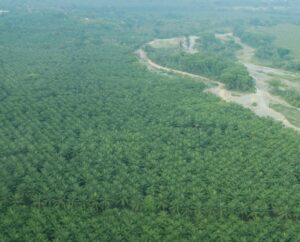 As he officially opened COP30, Brazil’s president, Lula Inacio da Silva said “the world will finally be able to say that it truly knows the reality of the Amazon”. …Last year the biggest cause of forest loss in the Amazon was fires, which were ignited to clear land for agricultural expansion or illegal mining. Despite a pledge made at COP26 in Glasgow in 2021 to halt and reverse deforestation by 2030, another 8.1 million hectares of forest were lost globally last year. Lula called for a consensus on a roadmap to deliver on the Glasgow deforestation promise. …But while more than 90 countries supported a deforestation roadmap, opposition from the likes of Saudi Arabia, Russia and India meant deforestation failed to make it to the final agreement, and COP president Andre Correa do Lago said Brazil would continue to work on developing one over the next year, to present at COP 31 in Turkey.
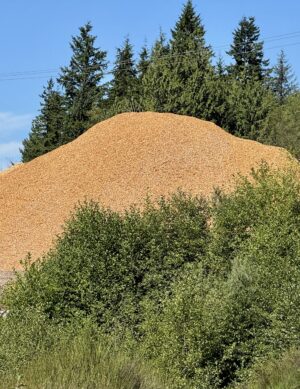 BRUSSELS — The European Commission has unveiled a new plan to end the dominance of planet-heating fossil fuels in Europe’s economy — and replace them with trees. The
  Africa’s forests have turned from a carbon sink into a carbon source, according to research that underscores the need for urgent action to save the world’s great natural climate stabilisers. The alarming shift, which has happened since 2010, means all of the planet’s three main rainforest regions – the South American Amazon, south-east Asia and Africa – are now part of the problem. Human activity is the primary cause of the problem. Farmers are clearing more land for food production. Infrastructure projects and mining are exacerbating the loss of vegetation and global heating – caused by the burning of gas, oil and coal – thereby degrading the resilience of ecosystems. …The worst affected were the tropical moist broadleaf forests in Democratic Republic of Congo, Madagascar and parts of west Africa. The study,
  In response to an article published by The Guardian regarding our Canadian sustainable biomass operations, Miguel Veiga-Pestana, Drax’s Chief Sustainability Officer, wrote this response: The environmental non-profit Stand.earth fails to see the wood from the trees when it comes to the Canadian forestry industry and Drax’s limited role within it (

 A new
A new 

 Brazil’s COP30 presidency pushed through a compromise climate deal on Saturday that would boost finances for poor nations coping with global warming but omitted any mention of the fossil fuels driving it. In securing the accord, Brazil had attempted to demonstrate global unity in addressing climate change impacts even after the world’s biggest historic emitter, the United States, declined to send an official delegation. But the agreement, which landed in overtime after two weeks of contentious negotiations in the Amazon city of Belém, exposed deep rifts over how future climate action should be pursued. …After tense overnight negotiations, the EU agreed on Saturday morning not to block a final deal but said it did not agree with the conclusion. …Panama’s climate negotiator, Juan Carlos Monterrey Gómez, said “A climate decision that cannot even say ‘fossil fuels’ is not neutrality, it is complicity. And what is happening here transcends incompetence,” he said.
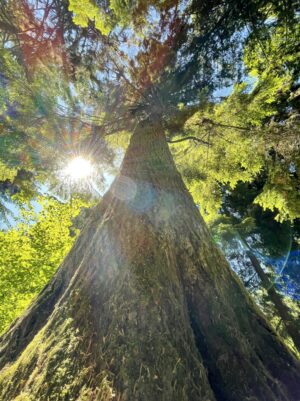 While the summit launched new financial instruments and strengthened the recognition of Indigenous rights, the final binding text is conspicuously silent on the one commitment that matters most right now: a concrete, mandatory roadmap to halt deforestation. …The Brazilian Presidency pushed hard for two ambitious roadmaps: one to phase out fossil fuels and one to halt deforestation. The strategy was to link them, acknowledging the obvious: we cannot save the Amazon if the world keeps warming. …The UN Framework Convention on Climate Change process proved unable to digest the complexity of the forest–climate nexus. We have effectively moved from a consensus-based approach to a plurilateral one, where progress rests on voluntary clubs of nations rather than global law. …If the political outcome disappointed, the financial and rights-based elements provide a measure of hope: The Tropical Forests Forever Faculty—a mechanism that pays nations for standing forests as an asset class, not just for avoided deforestation.
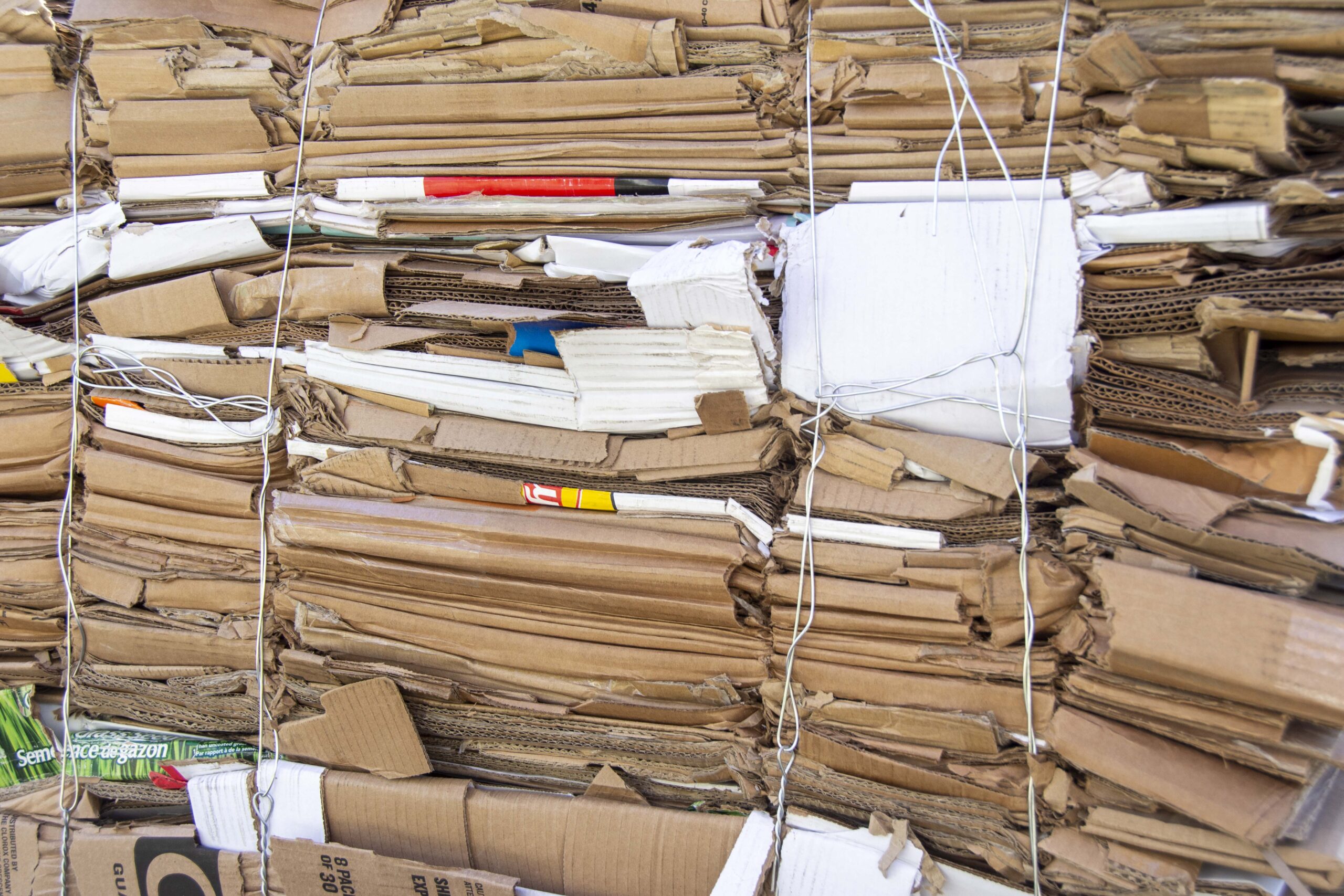 A new study has shown for the first time that waste cardboard can be used as an effective source of biomass fuel for large scale power generation. Engineers from the University of Nottingham have provided the first comprehensive characterisation of cardboard as a potential fuel source and created a new method to assess the composition of the material providing a practical tool for fuel assessment for cardboards. The study has been published in the journal Biomass and Bioenergy. This research demonstrates that cardboard shows differences in physical and chemical properties, including lower carbon content, reduced heating value, and a high prevalence of calcium carbonate fillers, particularly in printed grades. The researchers have also developed a new technique to analyse the calcium carbonate content of cardboard. Calcium carbonate is added to cardboard to improve its optical properties and stiffness, but forms ash during combustion which can reduce a boilers performance.
 BRAZIL — More than 30 years after the world first came together in Brazil to tackle climate change, global temperatures are still rising and so is impatience with talk over action. …For decades, protecting forests felt like an uphill struggle. Now, that’s changing. Forest nations and partners around the world are rewriting the economics of conservation, turning forest stewardship into an engine of prosperity and sustainable growth. In Guyana, our pioneering system for high-integrity carbon credits has shown how trees can be worth more standing than cut down. Brazil’s leadership on the new Tropical Forests Forever Facility (TFFF) is creating a predictable, long-term finance reward for countries to preserve their forests and direct proceeds to Indigenous Peoples and local communities. Across the world, investors are beginning to recognise that keeping forests standing is not just good for the planet, it’s good for their bottom line.