
The European Parliament approved legislation implementing last year’s US-EU tariff agreement, while the Canada-US-Mexico trade deadline nears. In other Business news: West Fraser’s Quesnel sawmill was fined for an accidental death in 2025; Timber Invest Group acquires eastern US timberlands; and New Zealand’s PF Olsen merges with Forest360. Meanwhile: UBC researchers advance AI-driven modular construction; a mass timber hospital in Ontario earns international recognition; and FSC Canada’s June newsletter is out.
In Forestry news: the Osoyoos Indian Band launched a new tree nursery; a new study says prescribed burning may reduce California’s wildfire smoke pollution; CAL FIRE announced $4.5M for forest health research; and Connecticut launched $1.2M in Community Forestry Grants. Meanwhile: BC urges wildfire caution as drought risks rise; Oregon’s Governor declared an emergency due to state-wide wildfire threat; and fire updates from Princeton and West Kelowna, BC; Timmins, Ontario; and South Georgia.
Finally, a Nature commentary says forest management must shift from profit to prevention.
Kelly McCloskey, Tree Frog News Editor

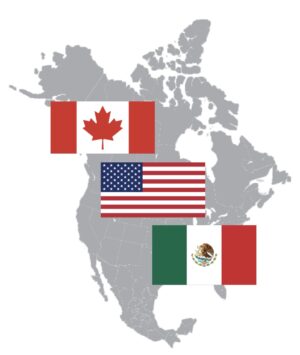 Canadian officials will meet their Mexican and American counterparts on July 1 for the first tri-lateral meeting to review the Canada-U.S.-Mexico (CUSMA) agreement, a spokesperson for Canada-U.S. Trade Minister Dominic LeBlanc confirmed. …LeBlanc’s office tells CTV News the meeting is scheduled to be virtual for now, but that things could evolve. Minister LeBlanc and Chief Trade Negotiator Janice Charette met with the United States Trade Representative Jamieson Greer on the sidelines of the G7 summit in France last week. …July 1 is the deadline for all three parties involved in the trade pact to decide whether to renew the deal for another 16 years, withdraw from the agreement altogether, or start an annual rolling review process that could last years.
 UK — A strong and reliable supply chain is essential to the continued growth of offsite construction in the UK, and the collaboration between West Fraser and
  The Trump administration wants to reimpose a 10% tariff on top trading partners including the EU and Canada, while hitting others with a higher rate, citing concerns about forced labor. The US Trade Representative’s Office made those proposals as part of a report with the results of its investigation into 60 trading partners over their failure to impose and enforce laws to prohibit goods made with forced labor. It’s one of two sprawling trade investigations the administration launched earlier this spring in an effort to restore President Donald Trump’s global tariffs that were struck down by the Supreme Court in February. …The USTR probe, conducted under Section 301 of the Trade Act of 1974, found that six countries have failed to effectively enforce existing laws prohibiting goods made with forced labor: Canada, Ecuador, the European Union, Indonesia, Mexico and Pakistan. The report recommended a 10% duty. It recommended the same duty for another nine countries.
 The European Union has formally removed its remaining tariffs on American wood-based industrial products after the European Parliament approved legislation implementing the long-awaited

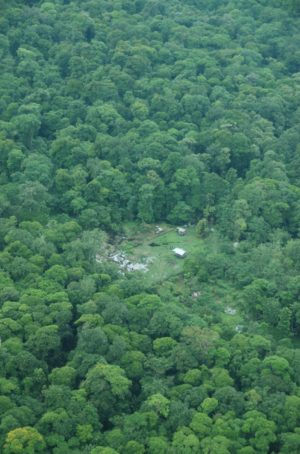 The US Trade Representative has determined that several Brazilian acts, policies, and practices are actionable under Section 301 and has proposed tariffs of 25% on all goods of Brazil, with specified exemptions and an annex of excluded products. …The determination covers multiple areas, including illegal deforestation, and states that timber and agricultural production linked to illegal deforestation can burden U.S. commerce by lowering costs for competing products and distorting prices. The notice describes timber-sector fraud risks, including the laundering of illegally harvested timber through supply chains, and states that illegally sourced timber products can devalue legally sourced timber prices by an estimated 7% to 16%. On wood-related findings, the notice references concerns that Brazilian products may be made with timber harvested illegally. It also describes limits in auditing and verification under Brazil’s Forest Code registration system. …The notice sets a public comment schedule that opens June 1, 2026.


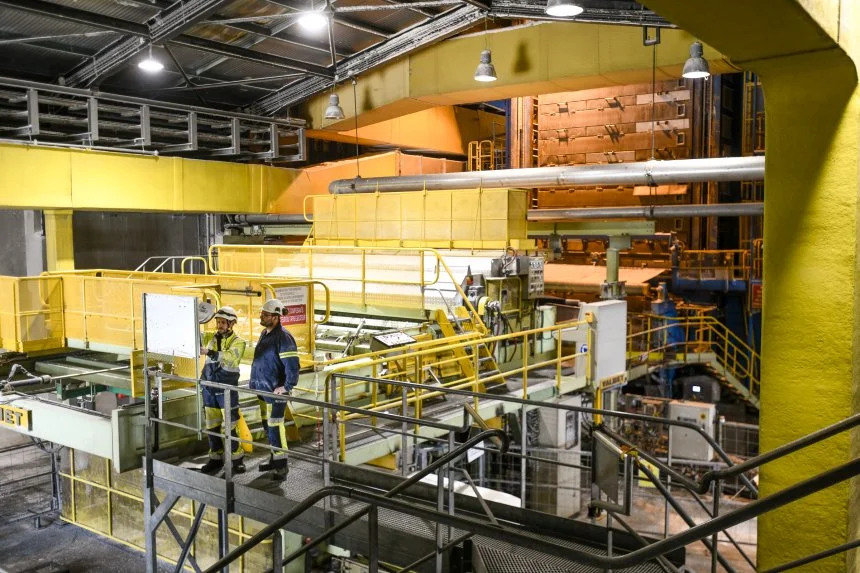

 NEW ZEALAND — PF Olsen and Forest360 have merged to become New Zealand’s biggest independent forestry manager, trading as Stand Forestry. The companies announced their merger late last year, backed by new investment from Adamantem Capital’s Environmental Opportunities Fund and supported by PF Olsen’s Quayside Holdings. …The new brand will combine 75 years’ experience, a workforce of more than 200 skilled professionals and 480,000ha of forestry under management on both sides of the Tasman, the companies said. …The company recently launched a new carbon joint venture model in New Zealand to make it easier for farmers and landowners to participate in the Emissions Trading Scheme. …The merged group has more than 1000 clients, from major institutional investors to family-run businesses and private landowners. PF Olsen also has a large operation in Australia, managing 212,000ha.


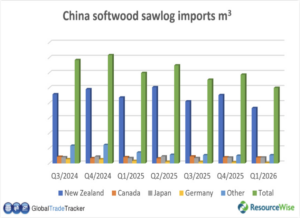 China remains one of the world’s major importers of softwood logs and lumber, but its
  Global oil prices fell on Monday following news of a tentative deal between Iran and the U.S. to extend their ceasefire agreement and reopen the Strait of Hormuz, but a veteran oil watcher doesn’t see crude prices returning to pre-war levels anytime soon. Eric Nuttall, partner at Ninepoint Partners, said that traders are trying to determine where the price of oil will settle out in the coming days and weeks, as many key details about the deal still need to be ironed out. …Nuttall noted that even if the strategically important Strait of Hormuz is fully reopened as a result of the Iran-U.S. deal, it will take time for oil markets to recover from the volatility of the last three and a half months. …In addition to the logistical backlog and supply chain disruption, the war in Iran has caused extensive damage to petroleum facilities across the Middle East, Nuttall explained.
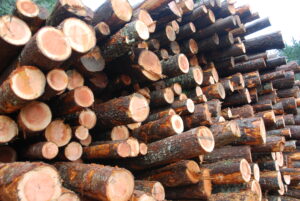 Russia’s timber exports to China, its largest overseas market, fell sharply in the first four months of 2026 as Beijing’s prolonged property downturn weighed on demand, adding to mounting pressure on an industry already struggling with sanctions, high borrowing costs and weak profitability. Exports of Russian sawn timber to China dropped 30% year on year to 2.6 million cubic meters in January-April, while export revenue declined 26% to $603.7 million, the Vedomosti business daily reported. …China accounted for roughly half of Russia’s sawn timber exports in 2025 after Europe closed its market following Moscow’s full-scale invasion of Ukraine. But weakening Chinese construction activity, rising logistics costs and a stronger ruble have eroded demand, leaving Russian producers with fewer alternative markets. Russia’s total sawn timber exports fell 32% year-on-year to around 4 million cubic meters in the January-April period. China imported 11.2 million cubic meters of Russian sawn timber in 2025.
 Join us for the 16th edition of this flagship event—the only conference of its kind this year offering such a comprehensive view of the Cellulose market, covering the entire value chain from upstream to downstream. CelCo started up the conference Investing in Cellulose in 2011. Since then, it has been running every year in London, in November, the first Monday of the London Pulp Week. Its objective is to gather the entire cellulose value chain: from specialty wood pulp and cotton linters pulp suppliers to all viscose, acetate, ether & MCC, nitrate, cellophane, tyrecord, sausage casings, and sponge applications, as well as final converters up to “Brand levels” (textile, hygiene, pharmaceutical, cigarette, automotive, food, construction industries, etc.). The one-day conference includes a full-day event with 8 speakers, a breakfast, formal lunch, coffee breaks, and a cocktail the previous evening. The event will be held on Monday, November 9, 2026, from 9:30 a.m. to 4:00 p.m. at the luxurious Waldorf Hotel near Covent Garden. …This event is organized by CelCo, a cellulose consulting company registered in Switzerland, led by Christian Chavassieu, and assisted by its partner, Numera Analytics.
 A proposed change to England’s fire-safety guidance could make it much harder to use timber in load-bearing structures above 11 metres. The consultation on changes to Approved Document B, the fire-safety guidance used under the Building Regulations in England, closes on 1 July 2026. Under the draft text, load-bearing elements of structure in buildings with a storey more than 11 metres above ground level should be made from materials or products achieving at least class A2-s3,d2. Most structural timber and mass timber products do not normally meet this reaction-to-fire classification. The proposal would move the debate beyond external walls and cladding. It could affect the structural frame itself in a much wider group of mid-rise residential, commercial and mixed-use buildings. This matters because mass timber and CLT are increasingly used in projects where developers want faster construction and lower embodied carbon compared with concrete or steel.
 SINGAPORE — The Alliance to End Plastic Waste today published


 Timber frame homes built in as little as five days could be a way to increase the pace of housebuilding in London, some of the capital’s largest construction companies have heard. Industry leaders travelled to Scotland to learn how the housing is produced, from sustainable forestry through to completed homes, as developers and ministers look for ways to increase the number of homes in the city. Scotland has adopted timber frame construction on a greater scale than England. About 92% of new homes north of the border are built using timber frame, compared with 13% in England. Andrew Orriss, of the Structural Timber Association, said: “Scotland builds faster, greener, and more efficiently than England. …“And the reason is timber frame. …Mayor of London Sir Sadiq Khan has a target to build 88,000 new homes per year. …In Britain, structural timber are only permitted to a maximum height of 18 metres, or up to 6 storeys.
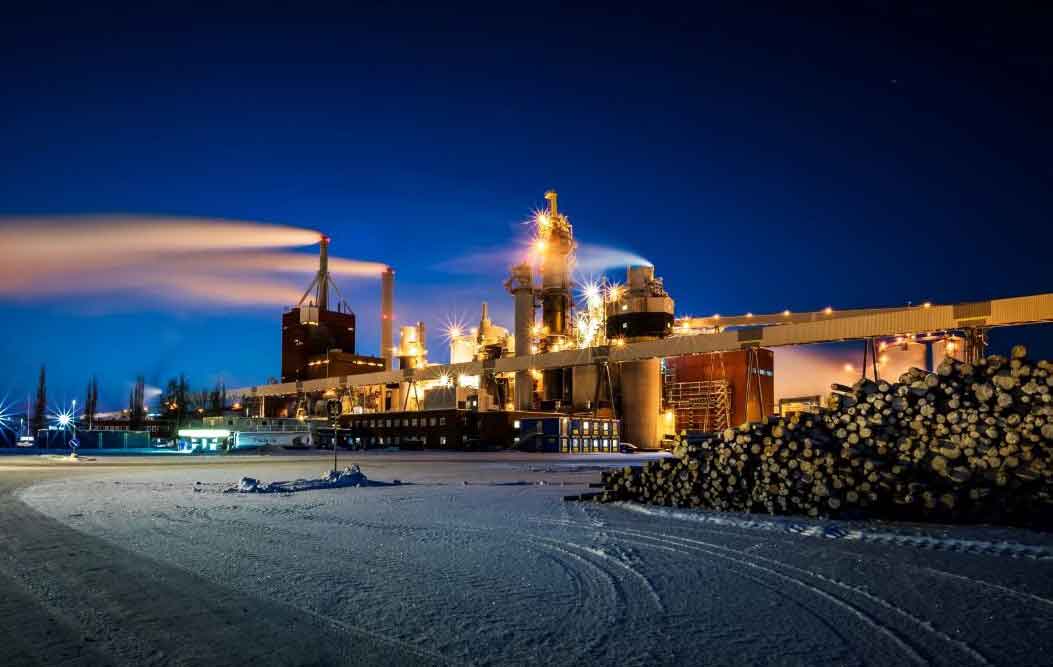
 Japanese domestic 2×4 production rose 33.9% in 2025 to 112,610 m³, while more housing companies are specifying domestic dimension lumber. For Canadian exporters, the message is clear: competition is no longer only imported lumber from Europe or Russia. Domestic Japanese producers are also gaining ground, especially in Sugi-based 2×4 applications. Japan’s domestic 2×4 segment is still relatively small compared with the country’s total structural wood market, but the latest survey results show a market moving decisively in favour of local supply. That matters for Canadian producers because Japan remains one of the world’s most important premium wood markets, and 2×4 construction has historically been a core outlet for Canadian dimension lumber. The Association to Promote the Use of Domestic Wood in 2×4 Construction recently released the results of its annual survey of domestic 2×4 production and usage trends. …The survey results indicate a significant increase in Japanese domestic dimension lumber production and consumption.
  IRELAND — Minister for Agriculture Martin Heydon [et al]… welcomed the final report from the interdepartmental and industry


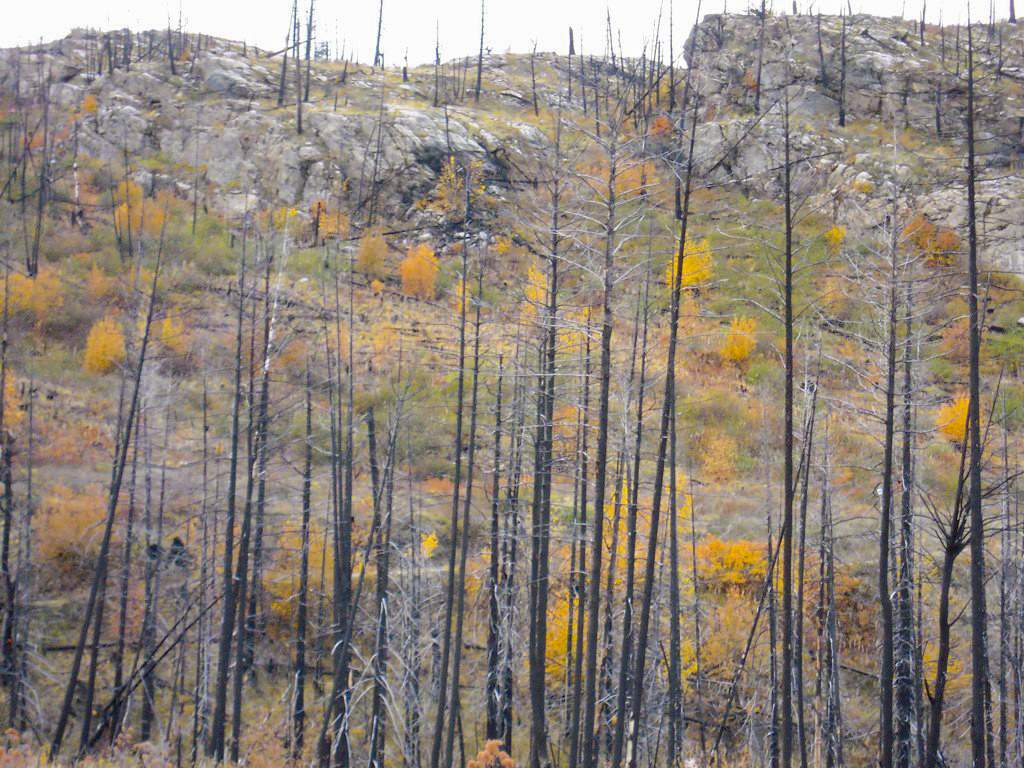 The natural cooling effect of snow in northern forests following forest fires is rapidly diminishing. As a result, a fragile climate equilibrium threatens to disappear, potentially leading to additional warming in one of the most climate-sensitive regions on Earth. This is the conclusion of new research by Vrije Universiteit Amsterdam. …After a forest fire, the landscape in northern regions often remains open and covered with snow for a long time. This snow reflects a great deal of sunlight and makes the Earth’s surface brighter—an effect known as snow albedo. For years, this compensated for part of the warming caused by CO2 emissions from forest fires. [The study found] that the cooling effect of snow has decreased by nearly 30 percent since the 1960s. Whereas in the past almost half of Canadian forest fires eventually reached natural climate equilibrium …this now applies to only about one in four or five fires.

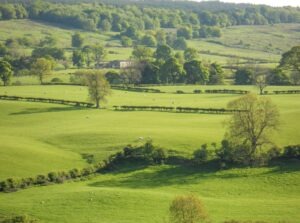 LONDON — The world’s rainforests are to be better protected from deforestation as the government will confirm during London Climate Action Week, that plans to take forward new rules in Great Britain including using powers in the Environment Act alongside legislation strengthening the UK Timber Regulation. Under the proposals UK businesses who trade in commodities sourced from rainforests… will need to check that their supply chains are not contributing to illegal deforestation. …UK companies have been at the forefront of global efforts to tackle deforestation within their supply chains, but voluntary action alone cannot tackle this global challenge, and several major supermarkets have been calling for stronger regulation. Rainforests and other forests are vital for storing carbon and sustaining biodiversity, yet they are increasingly threatened by deforestation. … Rules will be enforced using powers in the Environment Act, alongside legislation strengthening existing timber rules.
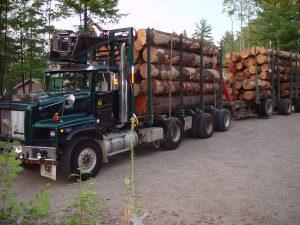 AUSTRALIA — Tasmania’s public native forestry company has corrected the record in a parliamentary committee after earlier stating that all logs from public native forests were processed in Tasmania. Tasmanian sawmill operator James Neville-Smith confirmed that some logs had been sent to Victoria, where processors had received compensation from the Victorian government as part of its industry shutdown. Mr Neville-Smith said the decision was due to retooling a sawmill to be plantation-only, meaning that hardwood logs needed to be processed elsewhere. Logs displaying stickers from Tasmanian state forests were also spotted at a mill in Powelltown, in the Yarra Valley, that was also a recipient of millions in Victorian compensation payments. Victoria phased out native forest logging in 2024. Since then, environmental groups have raised concerns about large quantities of logs being transported to Victoria on the Spirit of Tasmania, but were told that all were from private forests.
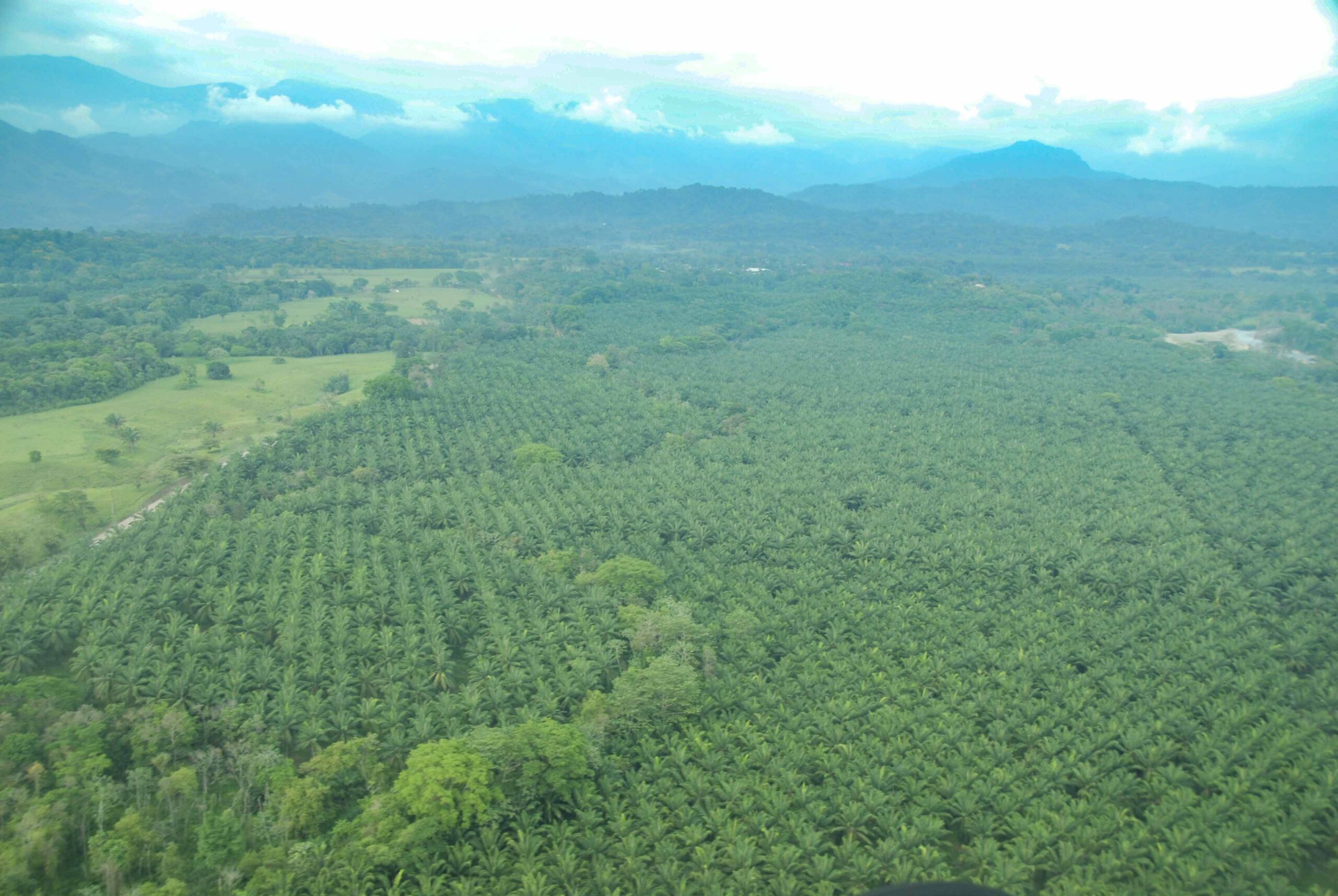
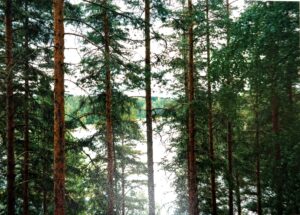 During the 1930s, Italy’s government launched a sweeping reforestation effort in the Prealps region near Lake Como, planting fast-growing Norway spruce on land that had been pasture and meadow for centuries. It was a conscious decision, made mainly to answer the demand for timber, but it did not involve much ecological thinking. Now, 90 years later, a new study has gone back to measure what that decision actually did to the landscape, and the results are not flattering. According to the study, ‘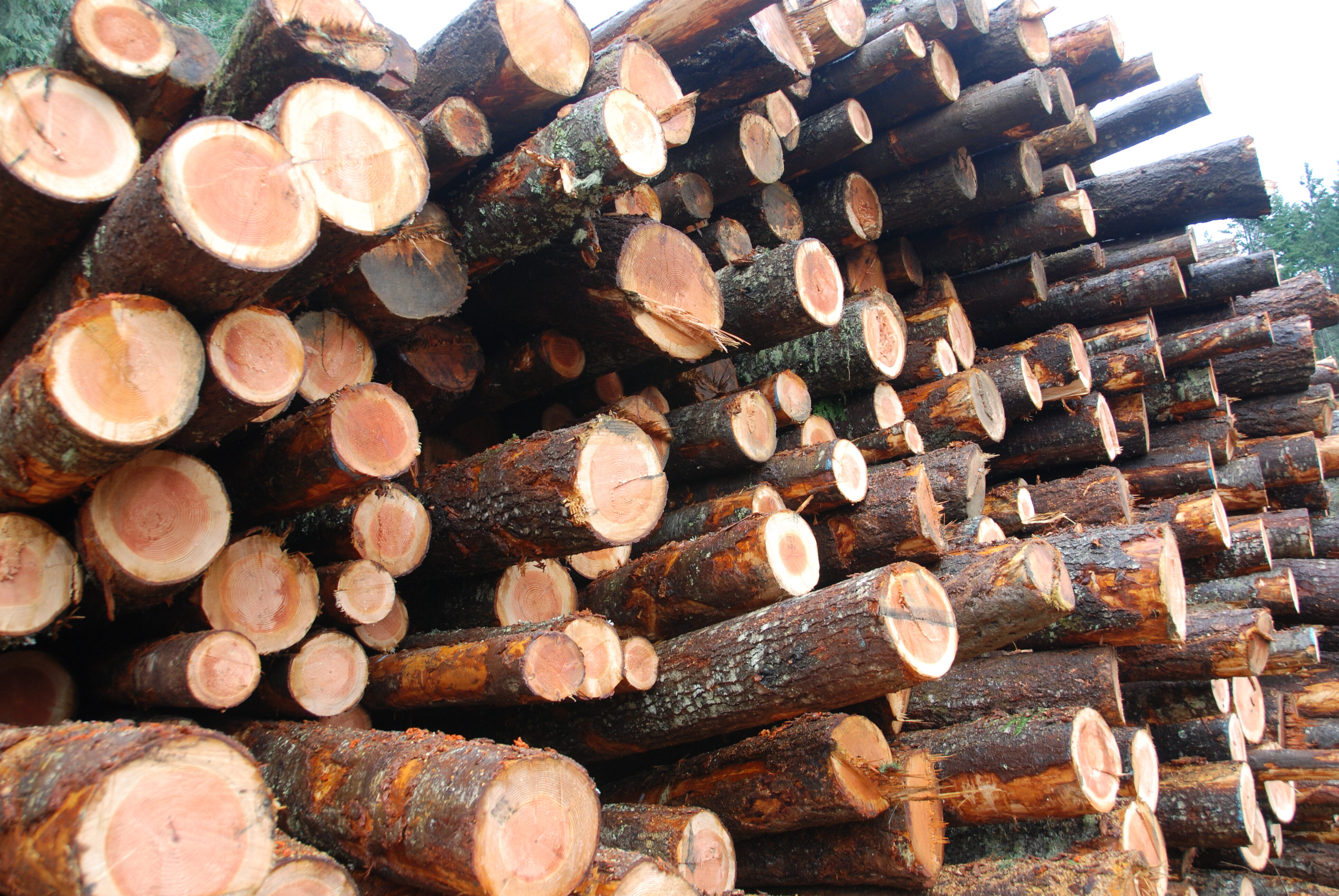

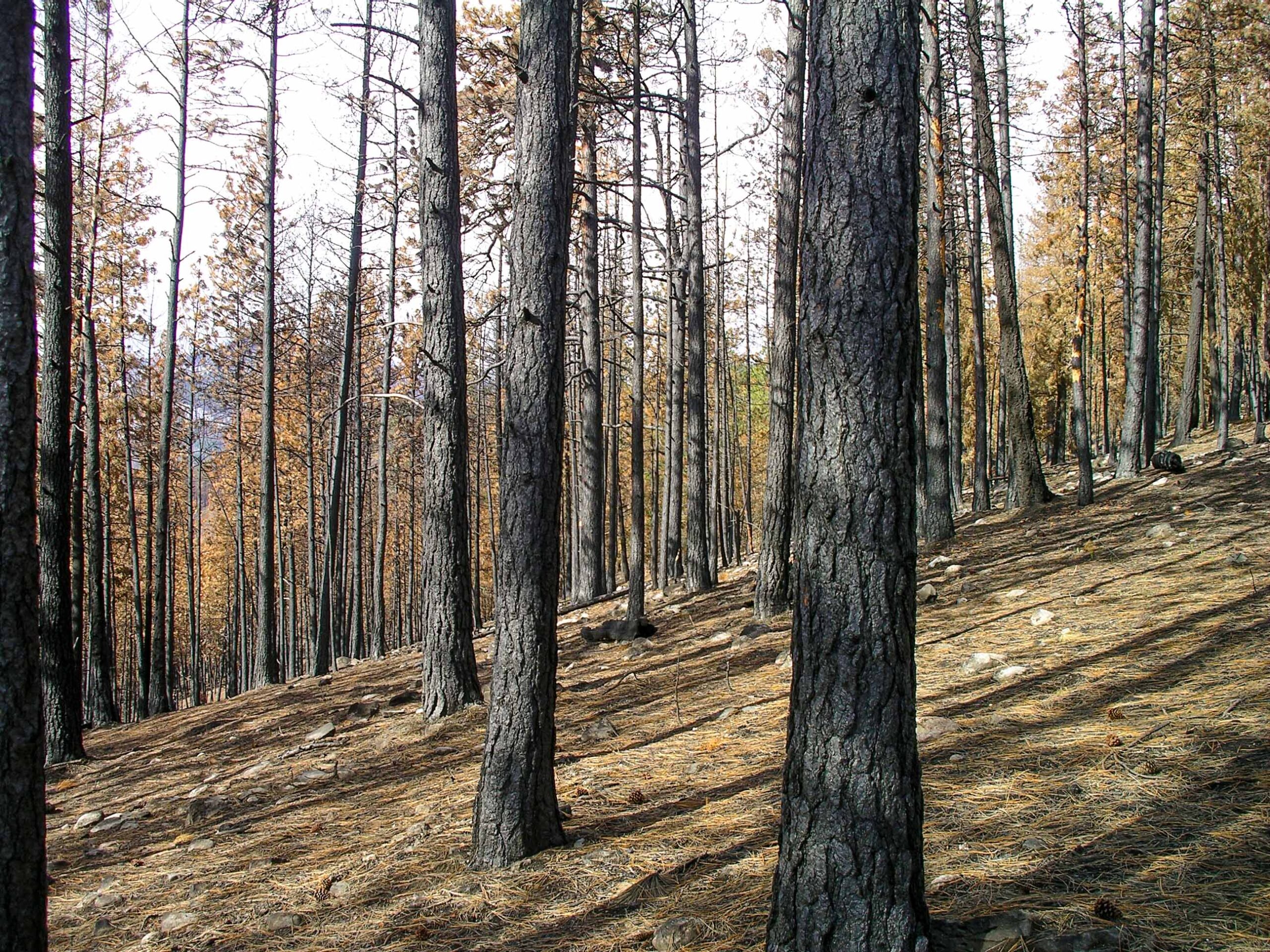 OFUNATO, Iwate — An industry organization aimed at promoting the use of fire-damaged timber has been launched in this northeastern Japan city, in response to a forest fire that broke out here in February 2025 burning approximately 3,370 hectares. The organization, named “TEAM Shinrin Saisei Ofunato” … aims to address challenges surrounding the harvesting of damaged trees and expand distribution channels for related wood products. Trees can still be utilized for parts that were not burned or if the damage was limited to the bark, but they must be cut down promptly before moisture loss makes them difficult to use. By strengthening cooperation among the logging, lumber processing, and construction sectors, which are currently divided into separate segments of the wood industry, the organization hopes to make better use of the damaged timber and encourage forest owners to proceed with logging and reforestation.
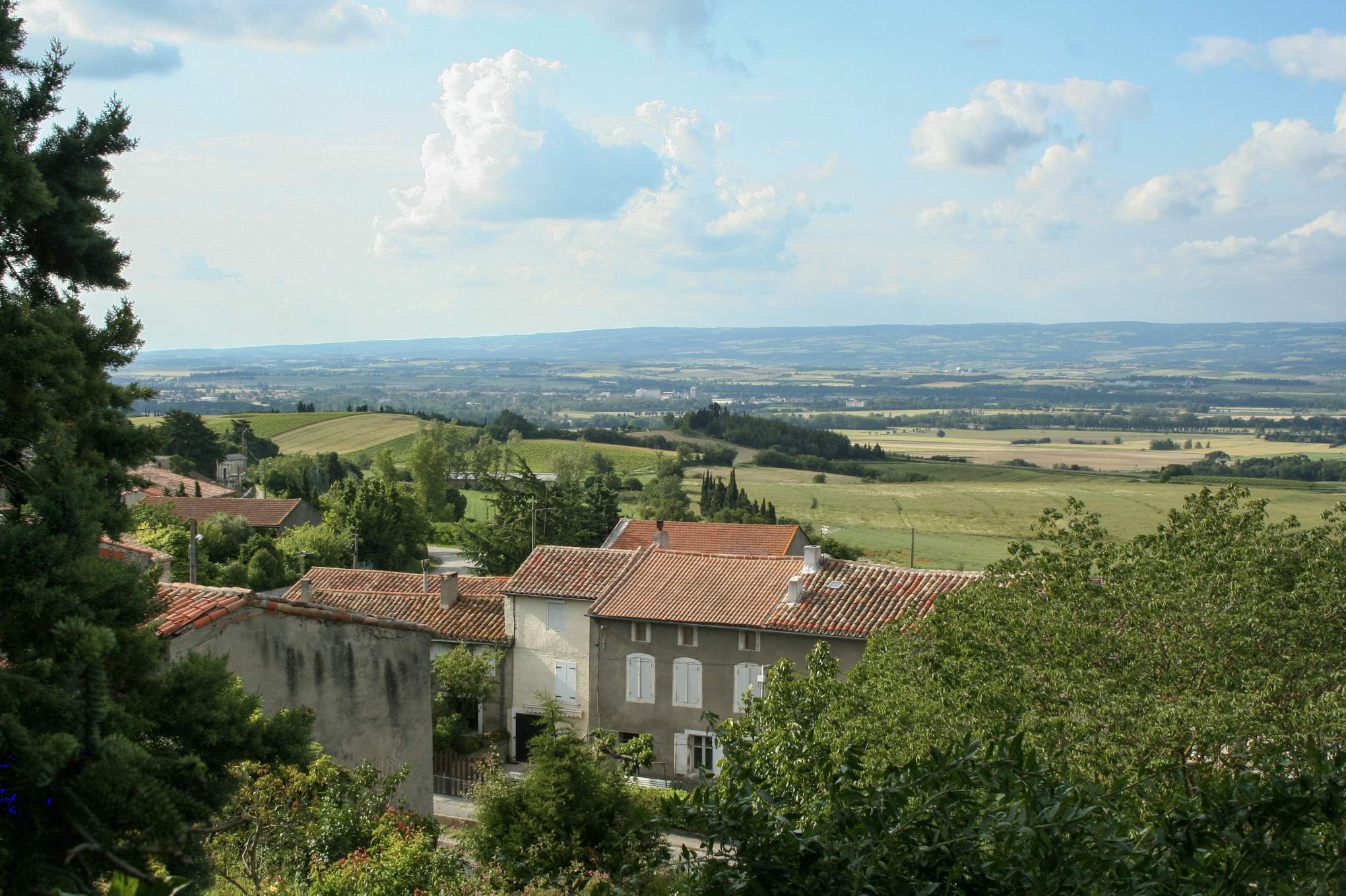 From the rainforests of French Guiana to ancient woodlands in eastern France, thousands of hectares of forest are gaining new protections. On 9 June, France said it has created seven new biological reserves and expanded two existing ones. Together, they safeguard an additional 157,000 hectares of forest as it works toward placing 10 per cent of its land under ‘strong protection’ by 2030. “This translates into less pressure on natural environments and stronger protection for species and habitats,” says Monique Barbut, France’s minister for ecological transition, biodiversity and international climate and nature negotiations. However, the vast majority of that land – around 99.5 per cent – lies in a single reserve in French Guiana, France’s overseas territory in South America. The new reserves in metropolitan France collectively cover under 1,000 hectares. …The remaining eight reserves, spread across metropolitan France, range from the mountain forests of Bannes-Ravines in the Vosges to the Mediterranean woodlands of Pas de la Lauze in Hérault.
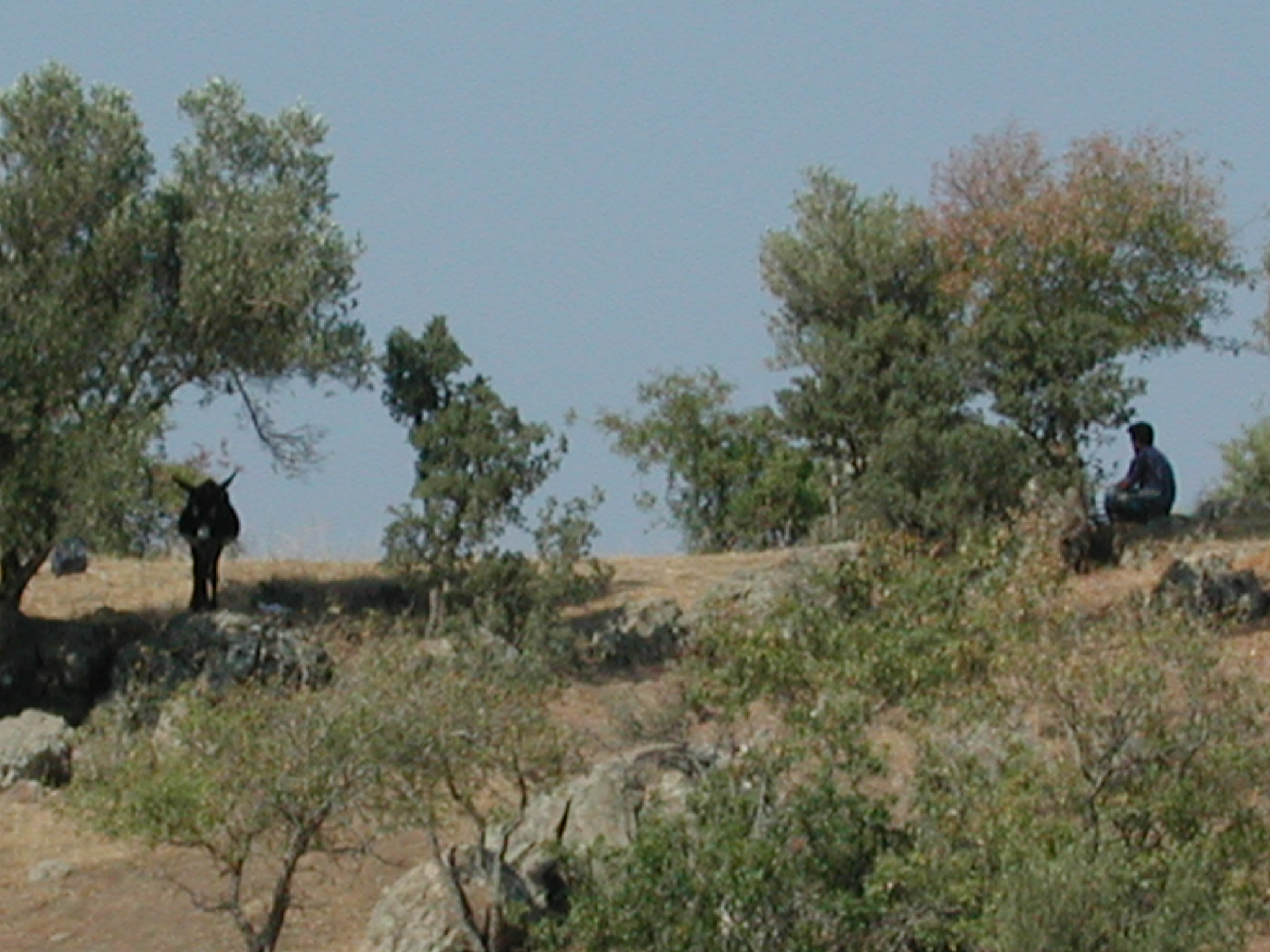 TURKEY — The Istanbul Governor’s Office announced that access to forested areas across the city, as well as lighting fires for barbecues, gas stoves, hookahs and similar purposes, will be prohibited between June 8 and Oct. 15. In a statement the governor’s office said the increase in human and vehicle activity in forest areas during the summer months raises the risk of wildfires. To prevent risks that may arise intentionally or through negligence, authorities decided to implement a series of measures. The restrictions also prohibit the burning of stubble, trees, branches and all types of vegetation for purposes such as cleaning vineyards, gardens, olive groves and agricultural fields in villages and neighborhoods, including those located within, adjacent to or otherwise connected to forest areas. There are no restrictions on picnics, sports, walking or similar activities in designated picnic and recreation areas, groves, parks, nature parks and ecotourism sites within Istanbul.
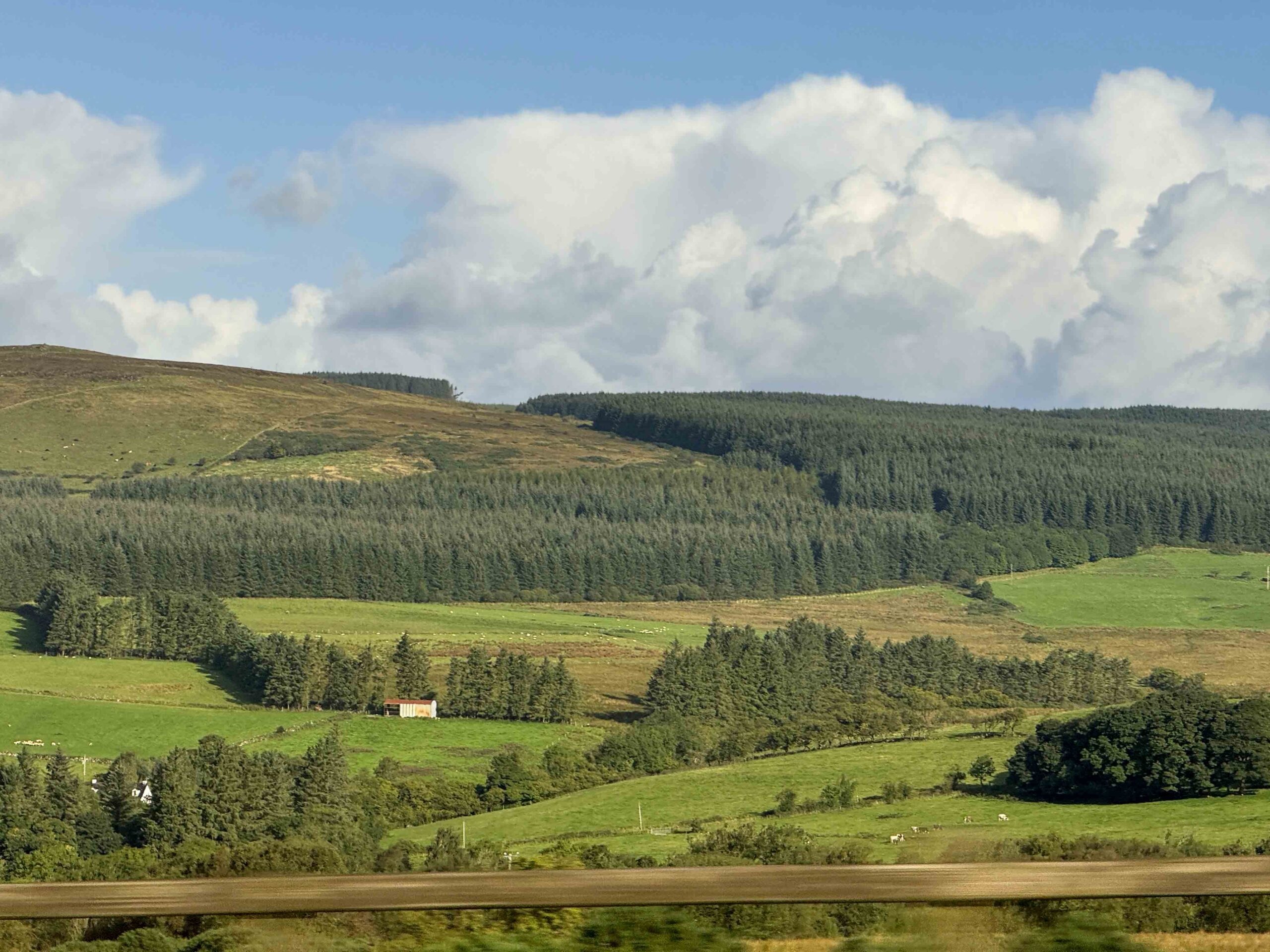 THE HOT DRY spell at the end of May was welcome sunshine after a particularly wet and miserable winter. However, the flip side of the nice weather is the near inevitability with which it is accompanied by large fires on the hills. A blaze engulfed the south Dublin Mountains as well as areas of Wicklow. National Parks and Wildlife Service described as “lit intentionally, destroying hundreds of hectares of habitat and all associated animals, insects and plants within it”. …Shocking and disruptive as these fires are, they are nothing new. According to the
 The world is losing its forests faster than it can save them, with severe consequences for the climate, biodiversity and over one billion people who depend on forests for their livelihoods, according to the United Nations’ latest Global Forest Goals Report 2026. Although many countries have expanded forest restoration efforts, strengthened governance frameworks, and improved monitoring systems, progress remains critically insufficient to halt deforestation, lift forest-dependent communities out of poverty, and meet the UN Sustainable Development Goals (SDGs) by 2030. “We know what to do. We need to act on the information and knowledge we have. But do we have the will to act?” said Éliane Ubalijoro, chief executive officer of Landscape Alliance, the new operating name of the Center for International Forestry Research and World Agroforestry (CIFOR & ICRAF). That question runs through the report, which finds that existing tools, policies and institutions have yet to deliver change at the scale required.
  The UK Department for Environment Food and Rural Affairs (DEFRA) has published detailed guidance setting out how a planned UK‑EU sanitary and phytosanitary (SPS) deal will reshape forestry-related trade – and is urging businesses to start preparing now. In a wide‑ranging update, the department set out how the agreement would operate in practice, including the removal of most routine border checks and certification requirements for goods moving between Great Britain and the EU. But the guidance also makes clear the scale of regulatory change required, with the UK set to align dynamically with EU rules across a wide set of areas, including pesticides and plant imports. Among the most significant operational shifts set out for horticultural businesses (which includes forestry-related activities). …Further detail on transition periods and exceptions is expected later in 2026, with full implementation targeted for mid‑2027. Read the full

 UK — The City watchdog has closed an investigation into the owner of the Drax power plant after an almost 10-month review into whether the company’s sustainability claims mislead shareholders. The Financial Conduct Authority said it had “reviewed thousands of pages” of “complex material” relating to the company’s sourcing of wood pellets for the Drax power plant in Selby, North Yorkshire, but “did not find evidence that justified any further action”. The regulator began the investigation last year into whether Drax’s annual reports and accounts between 2021 and 2023 misled shareholders or left out important information investors needed to know about the origins of its biomass fuel. …Ofgem found at the time that there was no evidence to suggest the breach was deliberate, and said instead that it was “technical in nature”. It also found no evidence that the biomass sourced was unsustainable or that Drax had wrongly laid claim to renewable energy subsidies.
 Here’s the latest news concerning climate change and biodiversity loss in B.C. and around the world, from the steps leaders are taking to address the problems, to all the up-to-date science. Human activities like burning fossil fuels and farming livestock are the main drivers of climate change, according to the UN’s intergovernmental panel on climate change. The panel, which is made up of scientists from around the world, including researchers from B.C., has … issued a code red for humanity and warns the window to limit warming to 1.5 C above pre-industrial times is closing. …El Niño — a climate cycle that causes unusually warm ocean surface temperatures in the equatorial Pacific, altering global weather patterns — has begun and is expected to grow to historical strength, the U.S. National Oceanic and Atmospheric Administration
 Wildfires in permafrost regions, intensified by climate change and shifting fire regimes, are increasingly disrupting permafrost systems. At the same time, the presence of permafrost amplifies the extent and complexity of wildfire impacts across the Permafrost Critical Zone (PCZ). In boreal forests and landscapes with sporadic or isolated permafrost patches, wildfires rapidly increase ground temperatures and accelerate permafrost thaw, primarily due to vegetation loss and the combustion of insulating organic layers. These fire-induced changes can initiate irreversible processes. …Understanding the complex interactions and cascading effects between wildfires and permafrost thaw remains a major challenge. Unlike wildfires in non-permafrost regions, which are mainly driven by fuel loads and organic soil depth, fire behavior in the PCZ is additionally shaped by active layer thickness, near-surface permafrost conditions, and snow cover. These elements interact with cold-adapted vegetation and organic soils, influencing fire ignition, intensity, spread, and post-fire recovery.
 Western Europe is enduring a ferocious heatwave forecast to break temperature records, with half of France on red alert, rail services in Belgium disrupted and sports events in Spain and Germany cancelled or postponed. French authorities on Monday placed 49 of the country’s 96 mainland departments on a level 1 danger-to-life warning, urging 35 million people to exercise “absolute vigilance”, drink water often, avoid all strenuous exertion and stay out of direct sun. Another 40 departments were on a level 2 orange alert. “Very high temperatures are setting in for the long term across the country,” said the national meteorological service, Météo-France. “Day and night-time temperatures will be exceptional.” It said temperatures throughout western and central France were likely to exceed 40C from Monday afternoon, hitting 43C in Bordeaux, 41C in Limoges, 40C in Toulouse and Tours and 39C in Paris, and would continue rising until the end of the week.