BOSTON — For decades, Bigfoot believers have chased shaky photos and grainy footage that never closed the case. Today, Hard Mountain Dew is joining the hunt to launch its first-ever Bigfoot Bounty – a $1 million challenge: prove the legendary creature exists. Cryptid hunters, skeptics, and armchair experts 21 and older now through November 30 can submit verified evidence at HardDewBigfootBounty.com for a shot at the prize. Evidence will be judged against rigorous standards co-developed by Bigfoot expert, Bryce Johnson. Known for starring in and producing a hit docuseries that follows a team of Sasquatch specialists venturing into the wilderness to prove Bigfoot is real, he brings a trusted voice and genuine enthusiasm to the hunt. Timed to peak Bigfoot sighting season in the fall, Hard Mountain Dew is turning seasonal fascination into a money-backed hunt for the truth. As temperatures cool, more adventurists head outdoors, while increased wildlife activity and soft, moisture-rich ground create ideal conditions for spotting and preserving tracks of Bigfoot.
 WAHSINGTON — I read a poll earlier this month showing that 41% of Canadians see the US as “an enemy country.” The poll was conducted right after President Trump slapped 50% tariffs on $27.6 billion of Canadian exports to the US. …I have no illusions that U.S.-Canada relations were idyllic before Trump took office. …But the recent turn in US-Canada relations feels different. Canada’s willingness to antagonize its far larger trading partner signals how much Canadians now fear that their economic integration with the United States was a major strategic mistake. Can the economic relationship between the two countries be repaired? …A conversation with Rohinton Medhora at McGill University… left me with three take aways. 1. Canadians are feeling frustration, anger, and trepidation. …2. Carney sees no political or strategic alternative to retaliating against the Trump tariffs. …3. Washington and Ottawa may find an off-ramp, but Canada will continue to reduce its vulnerability to US economic pressure.
 Canadian Prime Minister Carney welcomed the European Union’s ambition to make Ottawa an associate member and said Canadian lawmakers would ultimately vote on the final structure of the alliance. …Carney did not name President Trump in his speech, but he nodded to his US counterpart’s use of tariffs by saying, “Economic integration is now being weaponized — tariffs being used to exert pressure.” …His comments come shortly after Trump described the prospect of Canada becoming the first associate member of the EU as “laughable” and threatened the bloc with tariffs if he deemed the move to be a “hostile act.” …European Commission President Ursula von der Leyen said that the 27-nation bloc wanted to bring the relationship with Canada “to the highest level possible.” …Associate membership doesn’t currently exist as a formal category under EU treaties, and any such arrangement would need to be created and ratified by member states.
 WASHINGTON, D.C. – For Martin Wiegand, Canadian softwood lumber is the “champagne” of wood. His family lumber business dates back to the 1800s in Washington, D.C. Wiegand has relied on Canadian Western red cedar for years. In fact, more than half of his business deals with selling Canadian softwood to customers to build fences, pergolas, decking and siding. …But US President Trump’s tariffs are raising the price of the basic 2×4 wooden plank, making it difficult to plan how expensive inventory will be or how much his business can afford to buy. “So, it lengthens the lead time for our customers and in their projects and ordering, so it makes it a little more difficult,” he said. …“My message to Donald Trump is: Stop this. Stop. Stop the tariffs,” Wiegand said. “There’s no American sawmill jumping in and starting to produce Western reds,” Wiegand said.
 NEW YORK — A trade war between the United States and Canada is making it more difficult and expensive for small businesses in the economically entwined countries to operate, according to business owners caught in the crossfire. …The tariffs so far involve about 5.5% of the neighboring nations’ bilateral trade in goods. Analysts say the overall economic impact therefore will be muted. But small business owners who depend on cross-border sales say a tax of up to 50% on their products and ill will created by the conflict have an outsize effect on them:
 President Trump’s tariffs on Canada are creating clear winners and uneasy allies, with steel and lumber producers embracing the protection while alcohol and dairy groups see the levies as a bargaining chip to push Ottawa to the negotiating table. Steel producers are the most vocal. …Beyond steel, the US lumber industry says Mr. Trump’s tariffs on Canadian wood have given it a boost. Domestic lumber producers are projected to add 2.5 billion board feet of capacity in the next two years. That translates to 1,667 more workers at the mills, 4,150 jobs in supplier industries and 3,100 jobs in surrounding communities, according to the U.S. Lumber Coalition. The coalition noted that Canada’s US market share plummeted from roughly 35% to 19% after first-term tariffs. …Yet these protections carry a price. Builders and manufacturers are paying more for steel and lumber. …While protective tariffs shield primary producers, they squeeze downstream industries caught in the crossfire.
 Chief political correspondent Rosemary Barton speaks with US Democratic Sen. Ruben Gallego about the impact of the US-Canada trade war on the state of Arizona. Plus, Janet Mills, governor of Maine, talks about the trade war’s effect on her state. Then, a Michigan-based furniture business owner and an Ontario-based distillery owner describe what the tariffs have meant for their businesses. …The US president spoke about the state of relations with Canada this past weekend while on a trip to Ireland, saying… “Canada wants to make a deal very badly”. …But not all US- elected officials are on board with the president. Ruben Galgo, a Democratic senator from Arizona posted this past week saying Trump’s actions against Canada have made things more expensive for Americans. …Janet Mills is another Democratic governor said “what the president is saying and doing in recent months and years is not reflective of how we as a state feel about people of Canada.
 Prime Minister Carney will convene his cabinet today in Banff, Alta., a day after US President Trump claimed Canada is “dying” to make a trade deal. Both countries have imposed levies on a wide range of imported goods. Canadian counter-tariffs, which went into effect on Tuesday in response to American levies, cover $27.6 billion in American steel, dairy, paper, and other goods. The same day, U.S. President Donald Trump signed a flurry of executive orders, barring a series of Canadian imports to the U.S. outright, including motorcycles, booze and whey. He has also signed an order to rename Lake Ontario to “Lake America,” criticized Canada’s relative lower dollar, and posted a series of memes – one which called Carney “governor,” and another depicting Canada and Greenland under an American flag. …Canada will scale back environmental review for major energy projects. …Conservative Leader Pierre Poilievre heads to Washington. …Democrats call Trump’s trade offensive “pointless”.
 U.S. District Court Judge Vince Chhabria is ordering a temporary pause of the Agriculture Department’s imminent plans to relocate employees across the country. Chhabria
  American sawmilling is adding capacity faster than it is using it, with 2.1 billion board feet due in the South by 2028, net of every closure already announced. That is according to Forisk, the forest industry consultancy, which tracks more than 2,350 North American mills and logged fifteen sawmill projects in the third quarter alone. “We searched for a buyer… for our mill in Montrose, Colorado,” president Jim Neiman said. Twain Lumber met the opposite condition in Virginia, buying a mill that had been idle since 2024. Twelve of the fifteen projects added capacity, and the three that took it out were all Canadian, with Canfor closing Fox Creek in Alberta for good and Western Forest Products holding Cowichan Bay in British Columbia down since May. Canadian producers have worked both sides of that trade for a decade, and West Fraser shut down 100 Mile House in British Columbia last year while expanding its Henderson facility in Texas.
 In this update, you’ll find these stories and more:
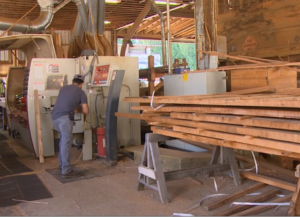 Washington businesses are bracing for the impact of Canadian tariffs on American goods. One of the state’s largest industries, lumber, is already feeling the pressure. One company says uncertainty over trade policy is raising the cost of imported materials, weakening demand, and making it harder to budget projects. Tariffs might be a short term thing, but the repercussions of them play out for years. Canada is Washington’s 2nd largest export market with more than $7 billion in goods shipped north of the border last year. Governor Bob Ferguson says exports have already topped $4 billion this year. [.5 min video]
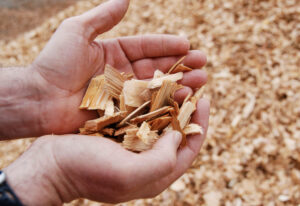
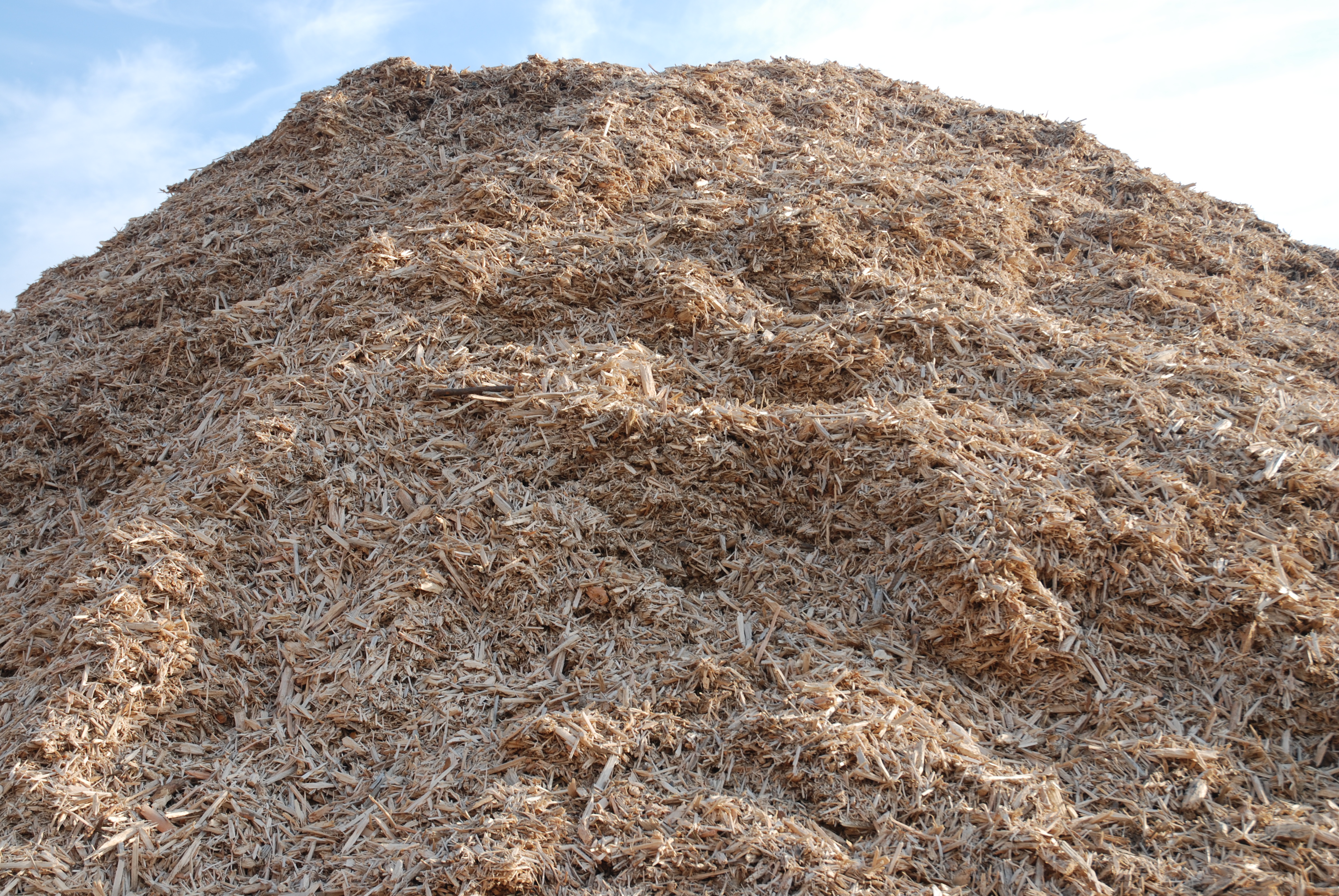 Regulators in Vermont have issued a waiver to permit biomass plants Ryegate Power and the McNeil Generating Station in Burlington to purchase low-grade wood that had been destined for a Glens Falls mill, Finch Paper, before it suddenly discontinued its pulpwood operation in July. Typically, per a condition in its permitting, Ryegate’s wood comes from harvests that are initially reviewed by Vermont Department of Fish and Wildlife biologists. “A temporary waiver of [Ryegate’s] harvesting policy requirements would allow wood that was intended for Finch to be sold to the Ryegate Power Station without otherwise required Department of Fish and Wildlife review and approval,” the Vermont Public Utilities Commission (PUC) order stated. According to testimony provided to the PUC, Finch purchased approximately 2,000 tons per week of softwood and hardwood from Vermont. It was the primary market for about 40% of the state’s pulp and nearly all its hemlock pulpwood.
 Annie Dillard, author of the Pulitzer prize-winning book Pilgrim at Tinker Creek, died aged 81 at her home in South Wellfleet, Massachusetts, on Tuesday. Maggie Nelson, Dillard’s literary editor, confirmed her death to the New York Times. Pilgrim at Tinker Creek, a nonfiction narrative Dillard wrote about the natural world surrounding her mountainous Virginia home, was published in 1974 when the young writer was just 28. The book was an instant critical and financial success, skyrocketing Dillard to becoming one of the most prominent nonfiction writers of her generation. Tinker Creek won the 1975 Pulitzer prize for general nonfiction, and in 1998 it was included in Modern Library’s list of 100 best nonfiction books. …Her work was often compared to Henry David Thoreau, the naturalist about whom she wrote her master’s thesis. [Tree Frog Editor Sandy McKellar adds – Dr. Bart van der Kamp assigned this book as required reading for his UBC Forestry 100 class!]
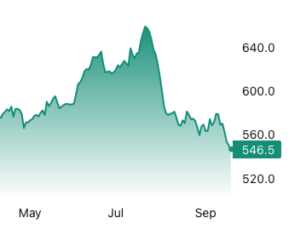 Lumber futures fell below $550 per thousand board feet, reaching their lowest level in nine months, as elevated borrowing costs continued to weigh on demand. The US housing market remains tight, with mortgage rates near their highest level in over a year and showing no sign of easing after the Federal Reserve hiked its key policy rate, weighing on demand from prospective homebuyers. Building permits also fell 2.7% over the month, although a 7.6% increase in lumber-intensive single-family housing starts in August. Provided an offsetting pressure, US-Canada trade talks fell through, raising concerns over lumber supply.
 Softwood roundwood supply has remained essentially flat since 2000 despite continued growth in overall roundwood production, and is forecast to increase by only about 0.5% annually through 2035. Demand for construction timber, packaging and biomass is expected to continue growing faster than supply. The result is a progressively tighter supply-demand balance, with increasing pressure on the availability and real prices of softwood logs. …North American softwood roundwood supply has declined by almost 20%, while Europe/Russia and the rest of the world have each increased by about 18%.
 U.S. 50% duties on covered Canadian pulp and paper products meet Canada’s new tariffs of up to 50% on U.S. tissue, paper and dissolving pulp. …The flashpoint for pulp and paper came after the U.S. imposed additional duties under Section 338 of the Tariff Act of 1930 on covered Canadian goods, with the measures taking effect Aug. 22. Among the affected products are: Chemical bleached softwood pulp, including NBSK, a key strength fiber used in U.S. tissue and towel production, and Toilet or facial tissue stock” and other specified household and sanitary paper products used by U.S. converters. …The tariff shock is also affecting corporate planning. …The broader concern for tissue manufacturers is the potential combination of higher fiber costs, changing sourcing strategies and pressure on margins. …Competitive pressure could limit how much of the increase is passed through immediately, but prolonged tariffs could eventually put pressure on manufacturing costs, tissue prices and product economics.
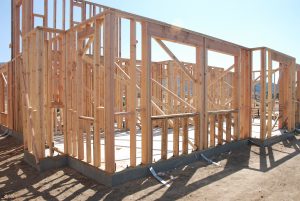 Single-family housing starts rose in August but are down for the year and are expected to weaken even further, as homebuilders slow production in the face of higher construction costs and hesitant consumer demand. While total new residential construction fell 2.6% in August, this monthly decline came amid a steep 21.7% pullback in multifamily starts, according to data released Thursday by the U.S. Census Bureau and the U.S. Department of Housing and Urban Development (HUD). Housing starts, when accounting for both single-family and multifamily, slipped to a seasonally adjusted annual rate of 1.275 million units, 1.2% below the August 2025 rate of 1.291 million units. On the other hand, the seasonally adjusted annual rate of single-family starts in August grew 7.6% to 918,000. At first glance, this monthly growth may seem to signal strength, but single-family starts between January and August were 4.9% below the rate experienced during the same period in 2025, reflecting a slowing construction pipeline.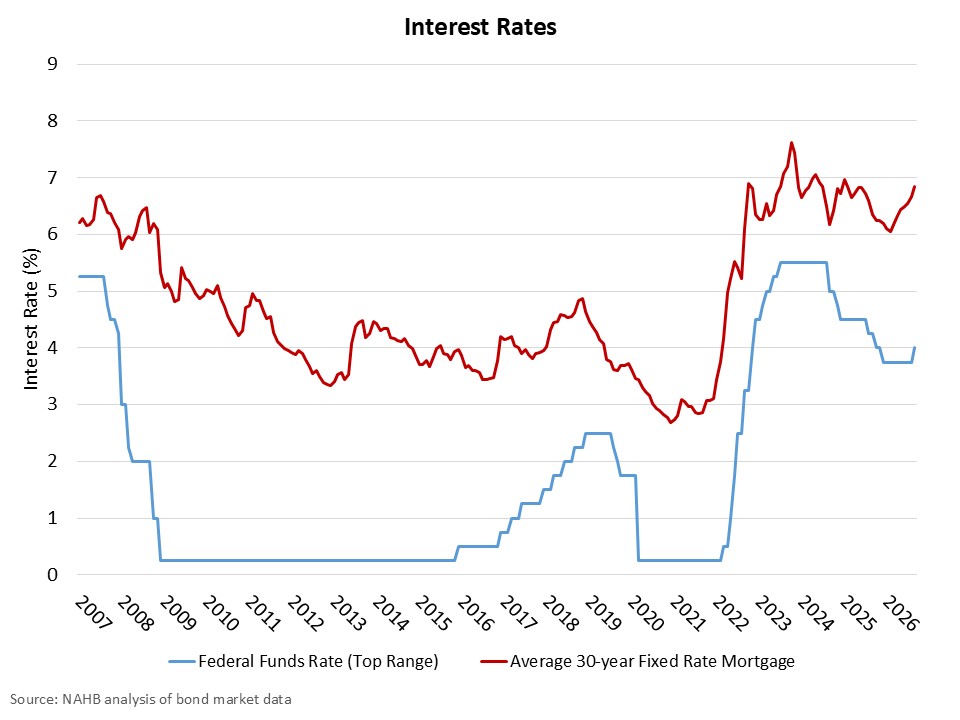

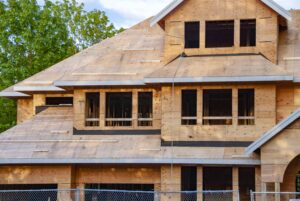 WASHINGTON — US single-family homebuilding increased in August, but a drop in permits for future construction suggested the improvement was likely temporary as rising inflation because of the war in the Middle East boosts mortgage rates. Single-family housing starts, which account for the bulk of homebuilding, jumped 7.6% to a seasonally adjusted annual rate of 918,000 units last month, the Census Bureau said. They rose 5.2% on a year-over-year basis in August. Single-family building permits fell 1.8% to a rate of 878,000 units in August. They increased 1.3% on a year-over-year basis. Mortgage rates have surged, tracking longer-term US Treasury yields as the US-Israeli war with Iran drove oil prices above $100 a barrel. Bond yields have also risen. The yield on the benchmark 10-year Treasury note is hovering around 5.0%. …The average rate on a 30-year fixed-rate mortgage was 6.76% last week, the highest level in more than a year.
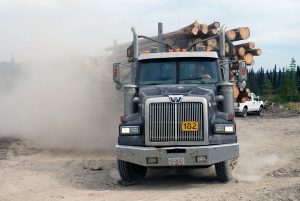 AAA says the national average for diesel reached an unprecedented $5.98 per gallon on September 10, a new high for a fuel whose effects stretch well beyond filling stations. The increase is likely to reach people who never purchase diesel directly, showing up instead in the cost of everyday items and in higher home-heating expenses. More broadly, diesel is a key fuel for trucks and ships, and Grist described how rising diesel costs can feed into the prices of essentials including groceries and lumber. Compared with late February, when the United States and Israel went to war with Iran, AAA figures show diesel prices are about $2.31 higher. Grist also noted that the last major high point came in 2022, when Russia’s invasion of Ukraine helped send diesel to $5.82 per gallon. David Ortega at Michigan State University, explained how these increases typically move through the economy.
 WASHINGTON — U.S. inflation accelerated last month as gas prices spiked in the wake of renewed fighting in the Middle East, underscoring the affordability challenges that are top of mind for many voters with midterm elections now just seven weeks away. The consumer price index rose 3.4% last month compared with a year ago, the Labor Department said Friday, the same as in July. But on a monthly basis, inflation quickened, as costs jumped 0.4% from July to August, up from an increase of just 0.1% the previous month. The figures show that inflation remains stubbornly elevated, more than five years after prices first soared as the economy emerged from the COVID pandemic. Persistent inflation has presented a major challenge for the inflation-fighters at the Federal Reserve. …The larger-than-expected monthly increase in core prices will likely embolden those Fed officials who have pushed for the central bank to lift its benchmark interest rate.



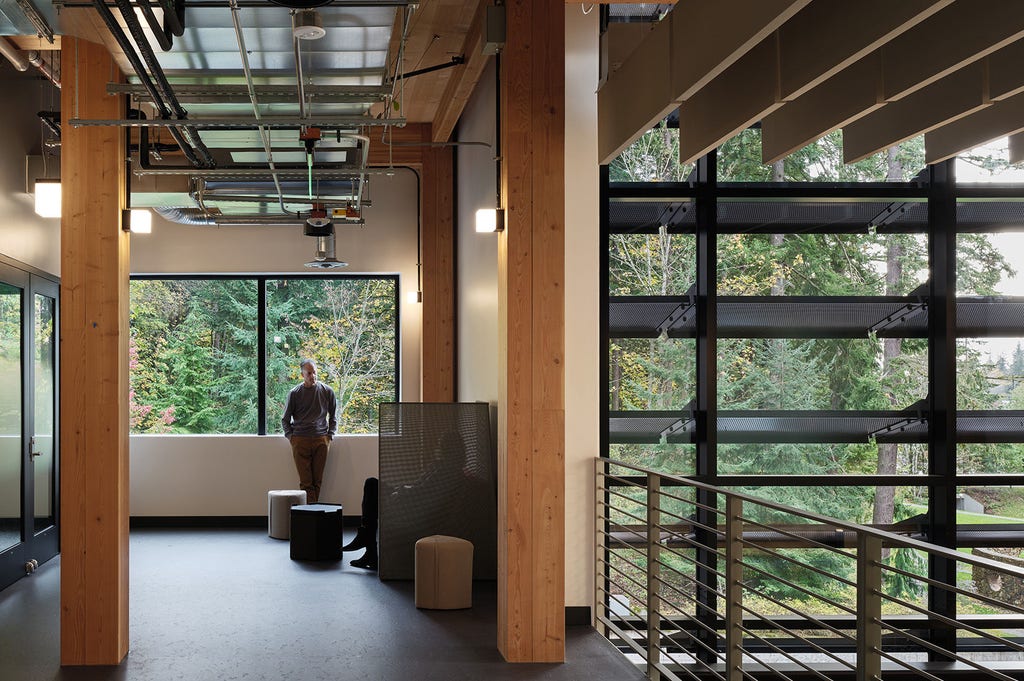


 COLUMBUS, Ohio — The tallest mass timber student housing structure in the U.S. in Columbus, Ohio, recently topped out. The 13-story, 186-unit off-campus development, located near the Ohio State University, stands at 158 feet.
 Lexington, Ky.— Wood has been used to build homes and other structures for thousands of years. Now, new technology is allowing builders to use it in ways that would have been difficult to imagine just a few decades ago. Chad Niman, forest products Extension specialist in the University of Kentucky Department of Forestry and Natural Resources says cross-laminated timber (CLT) is changing the way that structures are built around the U.S. and world, making it important to keep up with the development of this construction method to improve the health of our forests and buildings. The UK Martin-Gatton College of Agriculture, Food and Environment will bring together experts from across the nation for the 2026 Regional Cross-Laminated Timber Conference, Oct. 12-14 at The Campbell House in Lexington. The three-day conference will focus on CLT and other types of mass timber.
  When the European Union’s new anti-deforestation law threatened to expose the environmental costs of logging in North America’s forests, the American paper industry, supported by the U.S. government, mobilized an intense lobbying effort to weaken the legislation. According to lobbying disclosures, the American Forest & Paper Association (AF&PA), have spent nearly $11 million dollars on lobbying efforts since 2023, including on the European Union Deforestation Regulation (EUDR). …At stake is relations with a major trading partner. The U.S. exported $879.7 million worth of forest products to the EU in 2025, according to the USDA. It’s not just U.S. officials pushing to weaken the regulation. Canadian industry group Forest Products Association of Canada (FPAC) and Canadian officials have also been outspoken against the rules. …More recently, FPAC and the AF&PA released a joint statement this year — along with the Australian Forest Products Association, the Japan Paper Association, and the New Zealand Forest Owners Association — requesting reduced oversight in low-deforestation-risk countries.
 PENNSYLVANIA — For more than two decades, our national forests have been governed by the Roadless Rule and its full repeal carries significant consequences for American taxpayers. A closer read of USFS’ own analysis of the proposed rule’s impacts reveals that full repeal would increase taxpayer costs and liabilities through increased road subsidies, revenue losses from timber sales, and increased wildfire risks. While the USFS stated the goals to reduce regulatory burden, increase resource production, and increase local management flexibility to allow for active management where necessary in response to increasing wildfire risk, a full repeal may have the opposite impact. …Targeted improvements to the Roadless Rule make sense. Blindly instituting full repeal would expose taxpayers to billions in subsidized road construction and maintenance, exacerbate taxpayer losses from money-losing timber sales, potentially increase wildfire risks, and weaken the health of roadless areas that provide important commercial and recreational benefits.

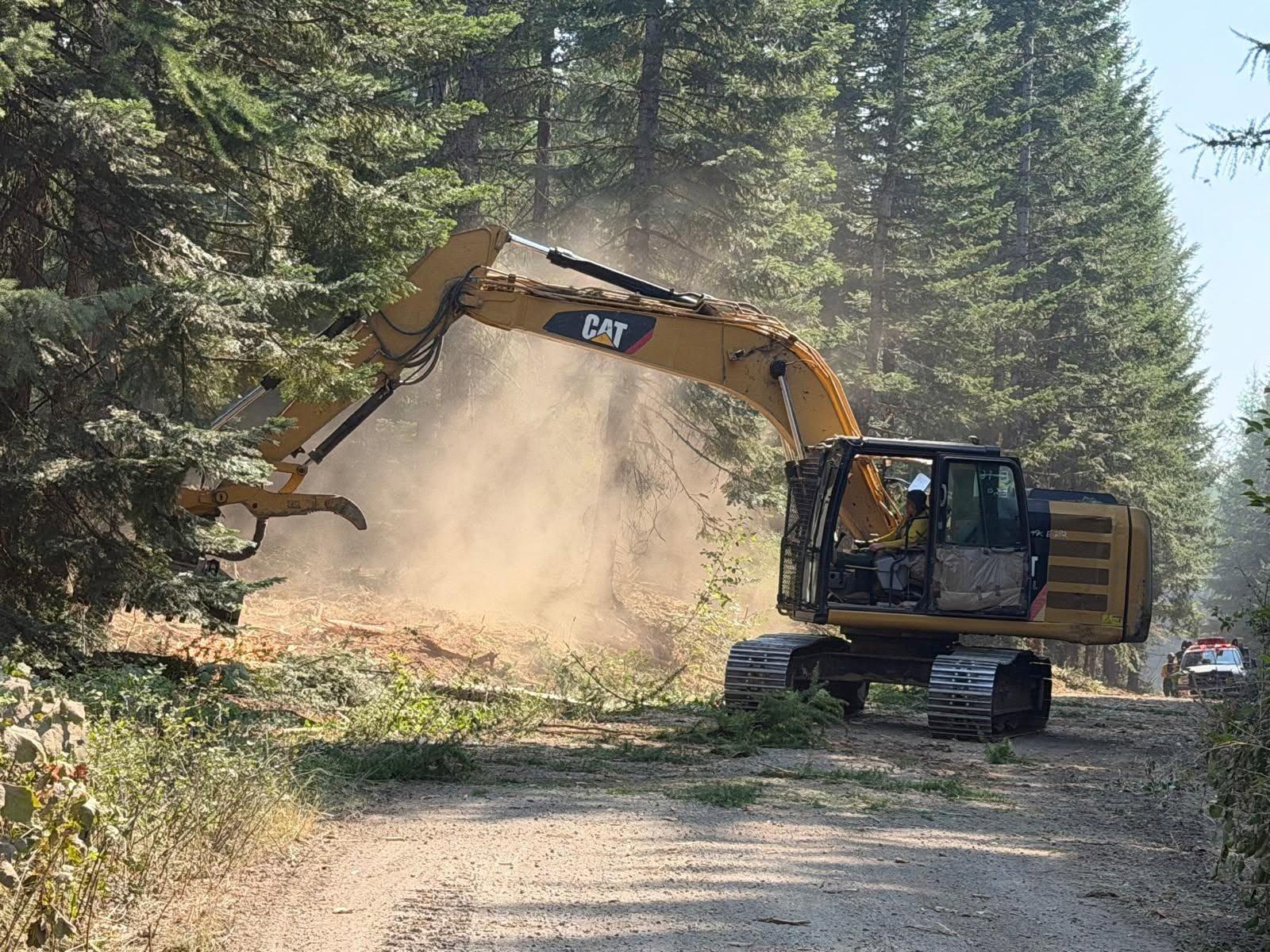

 The deadline to submit public comment on a proposed plan to repeal the Roadless Rule has been extended. …Last month, the United States Department of Agriculture filed a plan to repeal it. The agency said in a press release that the rule is a barrier to wildfire risk reduction work. The rescission would increase logging opportunities, aligning with the Trump administration’s goals to increase natural resource extraction in Alaska. That set off a 30-day federally mandated public comment period, allowing the public to submit feedback on the plan, which will be used in developing final rulings and environmental analyses. The public comment period was initially scheduled to end Sept. 21. That deadline has now been pushed to Oct. 6. The new public comment deadline is now after federally mandated subsistence hearings that are scheduled for later this month.
 Two Minnesota research facilities facing possible closure will stay open, according to the U.S. Forest Service. The facilities, located in Ely and Grand Rapids, conduct research ranging from climate change to the environment’s effect on people. The sites were among 57 facilities the Forest Service began evaluating for closure this March. On Sept. 3, officials announced that 23 of those sites would cease operations. The Minnesota locations were not among them. A research facility in St. Paul that was not included in the list will also remain open. …The U.S. Forest Service announced this March that Minnesota facilities could close as part of a “sweeping restructuring” of the agency. September’s announcement clarifies that research facilities with “little to no staffing” will shutter and any affected staffers would move to nearby sites.
  After a long journey towards implementation, the controversial European Union Deforestation Regulation (EUDR) will become law on December 30, 2026, for large operators in the EU, and on June 30, 2027, for smaller operators. When it finally does, the likes of White Oak, Red Oak, Ash, and Walnut from the US will continue flowing into the European market without major hold-ups, thanks largely to the latest tweaks made to the American Hardwood Export Council (AHEC)’s free compliance platform. “I’m very confident in saying that we are 100 percent EUDR compliant,” AHEC’s Tripp Pryor told HMR/Fastmarkets about the American Hardwood Assured (AHA) platform. …Last year saw AHEC make additional changes to ensure full compliance with the European Commission’s specifications around geo-coordinates and harvest sourcing. …Recent tweaks have incorporated preparatory AI to upload US Forest Service data and identify individual harvest sites within counties. “This is a natural fit for using an AI system,” Pryor said.
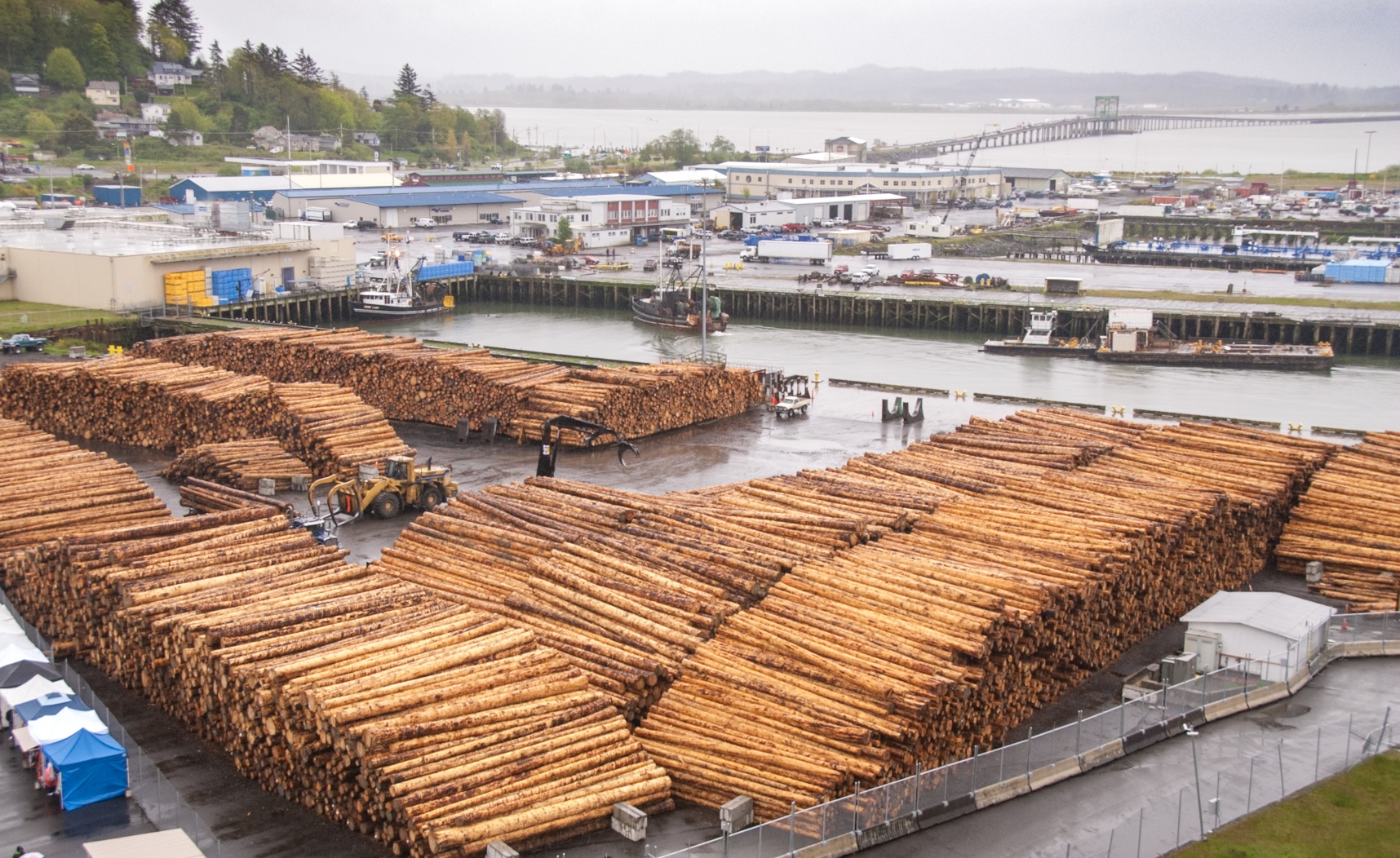 A sweeping bipartisan bill that seeks to prevent catastrophic wildfires and restore fire-ravaged forests has revealed a schism in the nation’s environmental movement as some conservation advocates find themselves allied with a longtime foe: loggers. The Fix Our Forests Act, which Congress is close to passing, aims to speed up forest management projects on public and tribal lands by reducing regulatory and legal hurdles. The proposed legislation comes at a time of increasingly devastating wildfires and has garnered wide support among Republicans and the timber industry. However, the traditional Democratic coalition of environmental groups is split over the role humanity has to play in forest management. …Among the major environmental groups that oppose the legislation are the Sierra Club and Center for Biological Diversity. …But the Nature Conservancy and other groups have voiced support for the bill, citing the constant and imminent threat that increasingly severe wildfires pose to communities and ecosystems.
 COLORADO—Six years ago, forest ecologist Marin Chambers looked toward the mountains with trepidation as a massive plume of smoke filled the sky above the largest wildfire in Colorado’s history. In June, she looked for clues to what the future forest might look like. …There is no guarantee that this high-elevation forest will come back as it was before. Many of the spruce trees were dead well before the fire hit, victims of an earlier beetle outbreak. The massive blaze killed much of what remained, burning so fiercely that vast swaths of land within the 845-square-kilometer burn scar were left with no living trees, limiting the cone crop needed to seed the next generation. A changing climate could pose a further obstacle to recovery. …Already there are signs that forest managers can’t count on natural recovery. …To prevent that transformation, some ecologists have proposed employing a forceful intervention called assisted migration.

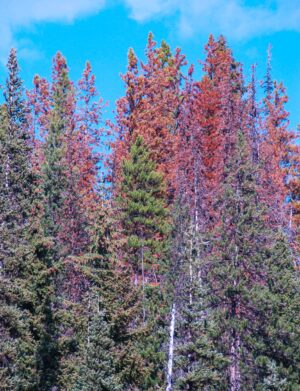 UNIVERSITY of UTAH — A satellite instrument built to track air pollution has turned out to be a useful early-warning sensor for dying forests. In work covered on 13 September 2026 by Scienmag and published earlier that month by the
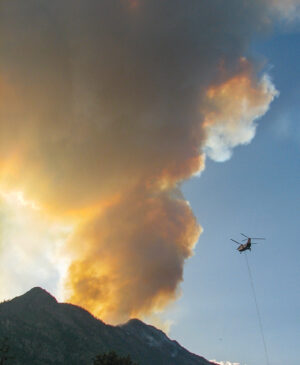 Oregon lawmakers on Sept. 10 approved $123 million to help cover costs from a wildfire season that burned more acres than any year in modern history. The Oregon Legislature’s Joint Emergency Board agreed to allocate $122.8 million to cover costs of fighting blazes that have burned 2.5 million acres, largely in the central and eastern parts of the state. …The 20-member joint committee can allocate funding when the full Legislature isn’t in session. It sent $108 million to the Oregon Department of Forestry, which fights wildland fires, and $15 million to the Department of the State Fire Marshal, which normally works to protect homes from blazes. …While this season saw a record number of acres burned, surpassing the record previously set in 2024, the season still pales in comparison to the impact of the 2020 Labor Day Fires, which burned fewer acres but destroyed far more homes and infrastructure and took 11 lives.
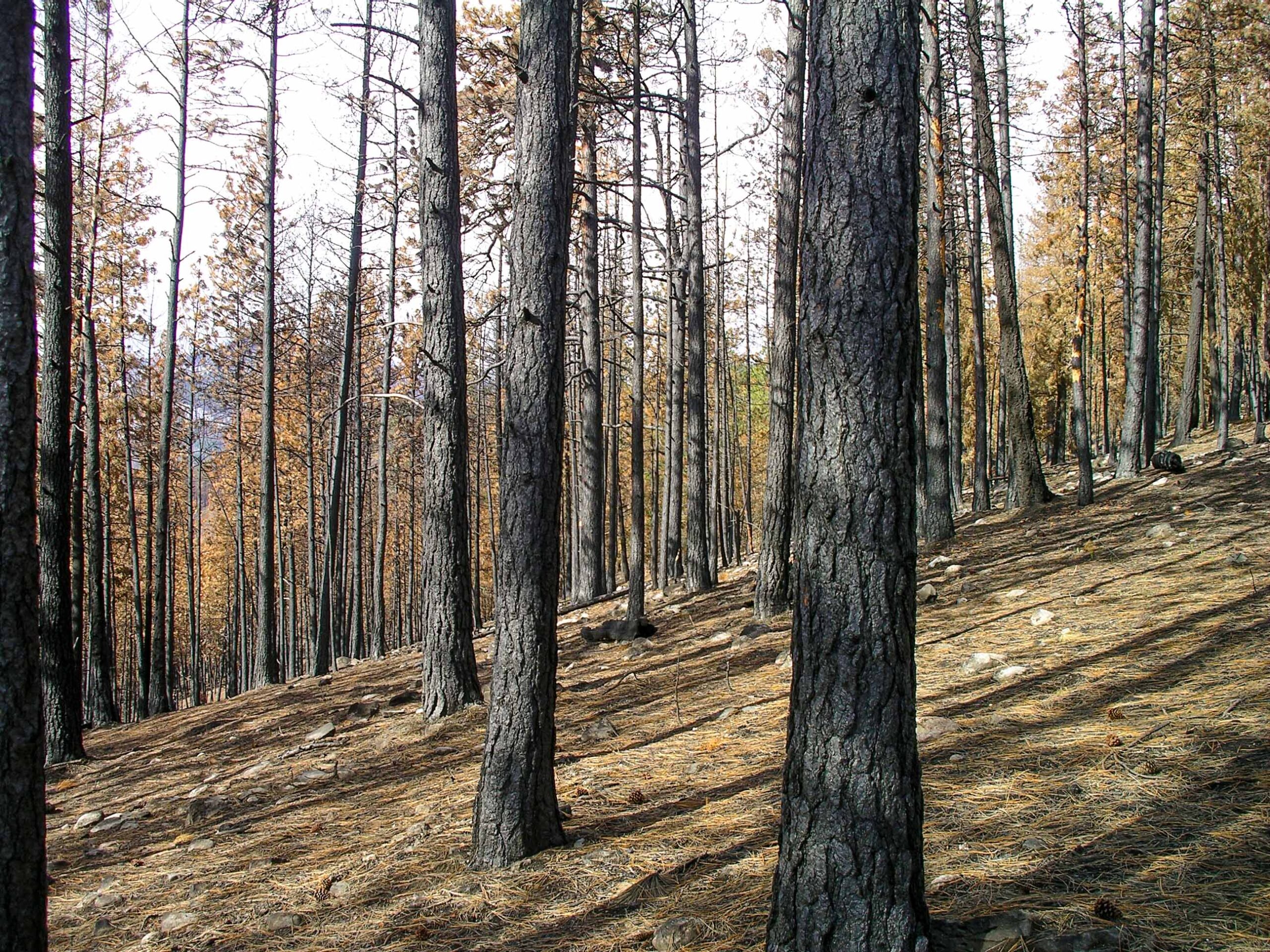 EUGENE, Ore. — After more than 2.5 million acres burned across Oregon this fire season, forestry and agriculture experts gathered in Eugene Thursday to discuss ways to prevent another record-breaking year. The Healthy Forests Roundtable at the Veterans Memorial Association building focused on what participants described as a need to shift more attention toward wildfire prevention and forest management. One of the main solutions discussed was thinning forests to reduce the amount of fuel available to burn. Participants said removing excess trees and vegetation can make forests more resilient when fires start. But they also pointed to a challenge facing that work: Oregon has fewer mills available to process timber removed from forests. …The roundtable also highlighted what participants described as a disconnect between state and federal forest management. Harvests on federal lands have dropped 90% since 1990, according to information presented during the discussion.

 The U.S. Endowment for Forestry and Communities (the Endowment) today announced five awards totaling $5.5 million through its Accelerating Wood Fiber Markets initiative. The five-year effort will help connect underutilized wood fiber with new buyers and support the long-term economic viability of working forests and the communities that rely on them. The Endowment committed $5 million to the initiative, with an additional $500,000 provided by the Northern Border Regional Commission through its Forest Economy Initiative to support work in Maine, New Hampshire, New York and Vermont. The funding opportunity drew significant interest from across the country. The Endowment received 76 proposals requesting approximately $86 million, underscoring both the scale of the market challenges facing forest-reliant communities and the demand for practical, locally driven solutions. “These organizations bring deep regional knowledge and practical strategies for creating durable markets,” said Matt Krumenauer, Vice President of Markets at the U.S. Endowment for Forestry and Communities.





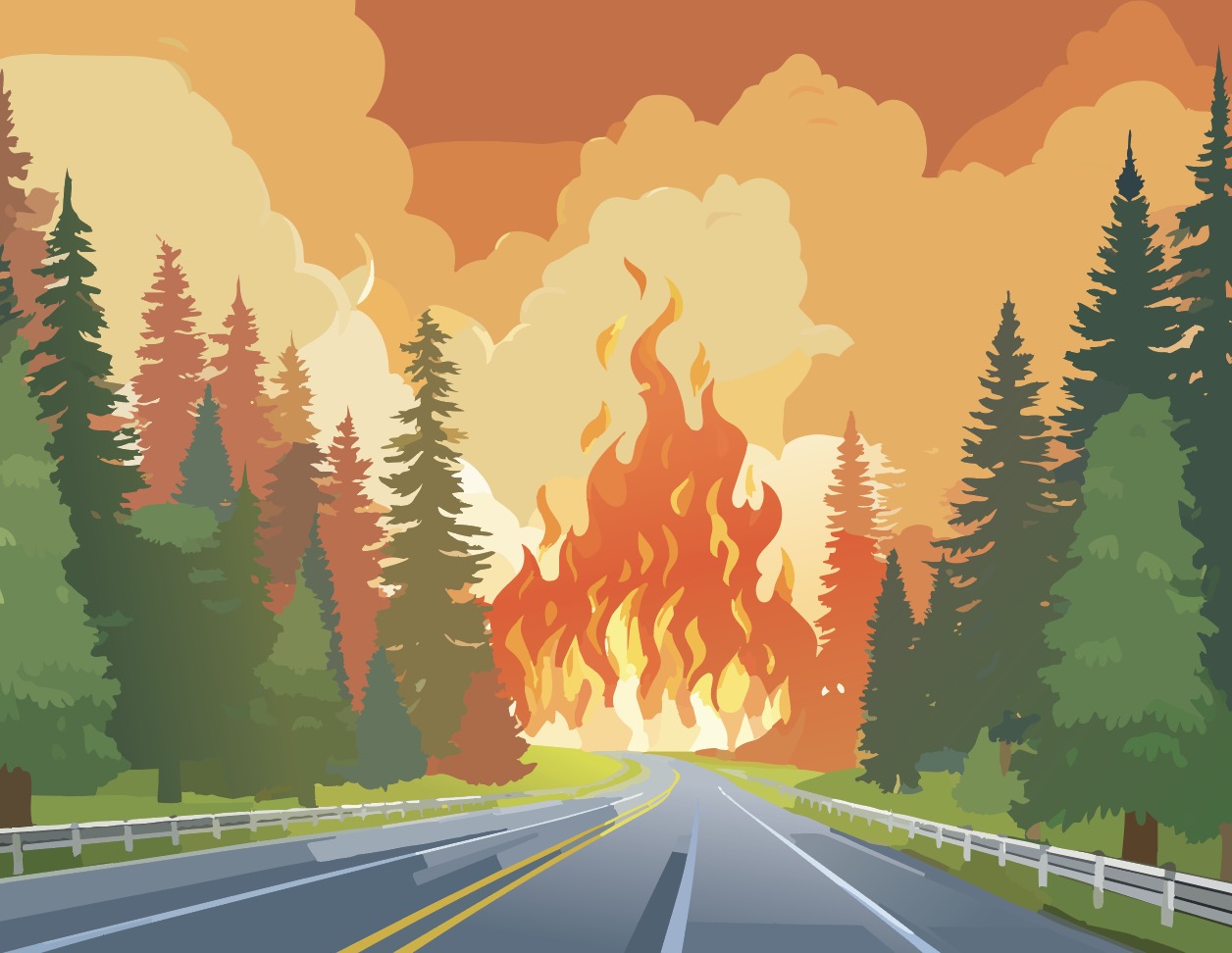 Our government could do something about climate change, but it refuses. In fact, most elected leaders and political candidates don’t even talk about it. As the fossil-fuel industry increasingly allied itself with Republicans to block climate action over the decades, Democrats became the party more willing to address it. But now, even many Democrats have gone quiet. As the November midterms approach, think tanks and consultants are advising them to avoid the topic global warming because “it is not a priority for voters.” The silence is called “climate hushing,” the strategic choice to avoid talking about global warming to avoid political backlash, polarization or economic anxiety. In other words, our elected leaders should avoid mentioning the huge elephant in the room, even as it gets more dangerous. Hardly an evening newscast goes by today without reports of major weather disasters and millions of Americans under threat of fire, flood, killer heat or other calamity.