The US Department of Commerce today announced the final anti-dumping duty rate of 20.56% in the sixth annual antidumping review of unfairly traded Canadian softwood lumber imports into the United States. The review covers lumber imported in calendar year 2023. If the Department’s forthcoming determination in the countervailing duty review is consistent with the preliminary results, the combined rate will be well over 30%.
Council of Forest Industries (COFI):
COFI strongly condemns today’s decision by the US Department of Commerce to once again increase anti-dumping duties on Canadian softwood lumber. These unjustified and punitive trade actions continue to harm workers, families, and communities across British Columbia and Canada—and have gone unresolved for far too long. We call on the Government of Canada to make resolution of the softwood lumber dispute a top national priority. But this latest escalation also underscores a hard truth: we cannot wait for the US to act. To keep forestry workers employed and communities strong, BC must urgently strengthen the conditions to succeed here at home. That starts with treating forestry as a major project to reach a target harvest of 45 million cubic metres and taking immediate action to restore wood flow, protect jobs, and stabilize the sector—while laying the groundwork for long-term competitiveness.
US Lumber Coalition:
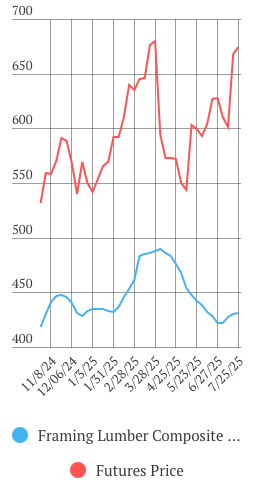
The US Lumber Coalition applauds Trump Administration’s strong enforcement of the US trade Laws against egregious levels of unfair trade by Canada in softwood lumber. “20.56% – that is the enormous extent to which Canadian producers dumped their lumber in the US market. …Andrew Miller, Chairman of the Coalition said., “The Commerce Department has once again proven the severity of market disruption caused by Canada’s unfair trading. Time has come for Canada to reconcile the size of its industry with market realities. The United States will no longer absorb Canada’s massive excess capacity in lumber at the expense of US mills and communities.” …US lumber industry and workers letter to President Trump. Enforcing U.S. trade laws helps increase the U.S. supply of lumber to build American homes, all without impacting the cost of a new home, as demonstrated by data from the NAHB and Fastmarkets Random Lengths.
BC Lumber Trade Council (BCLTC):
The BCLTC is deeply disappointed by today’s final determination by the US Department of Commerce to raise anti-dumping duties on Canadian softwood lumber to 20.56%. This decision represents yet another example of ongoing US protectionism at a time when cross-border cooperation should be a shared priority. “These duties are both unjustified and harmful,” said Kurt Niquidet, President of the BC Lumber Trade Council. “They unfairly penalize forestry workers and families across British Columbia, while further increasing costs for American homebuilders and consumers. Niquidet emphasized the need for a lasting resolution: “Rather than prolonging this decades-old dispute through costly litigation, we urge both governments to pursue a fair and durable agreement that delivers long-term certainty in the softwood lumber trade.”
 The Forest Stewardship Council lifted its suspension of Asia Pulp & Paper in the interest of speedy redress—to Greenpeace’s dismay. In other Business news: Kruger plans a $700M modernization of its Corner Brook mill; Northern Pulp’s cleanup plan is still pending; Port Angeles demands a full cleanup of Rayonier mill site; UPM to curtail paper production due to overcapacity; Weyerhaeuser posts lower Q2, 2025 earnings; the US plans to continue investigating hardwood plywood imports; and the USDA draws criticism for relocating DC staff. Meanwhile: Ontario invests in forest biomass; and the Wood Flooring Association has a new CEO.
 As trade talks intensify between the US and Canada, those in the forest industry await what will happen with that long-term irritant of a trade file – softwood lumber. The US Lumber Coalition’s (USLC) July 2, 2025 press release, “
 Prime Minister Mark Carney confirmed earlier on Wednesday that trade negotiations have not been finalized just two days ahead of the deadline. “It is possible that [negotiations] may not conclude by the first of August,” Carney said at a news conference on Wednesday. Trump set an Aug. 1 deadline for Canada to reach a trade deal and has threatened to impose a 35 per cent tariff on goods that don’t comply with the Canada-U.S.-Mexico Agreement (CUSMA). …”The president has been very clear … that there are certain sectors that are strategic, in their judgment, to the United States’ economy: aluminum steel, automobiles, pharmaceuticals, semiconductors and lumber,” Carney said. The prime minister previously hinted that the Canadian government is in no rush to finalize a deal by Friday, saying last week that his objective is “not to reach a deal whatever it costs.”
 BURNABY, BC – The United Steelworkers union (USW) District 3 and the USW Wood Council are calling on the federal government to take urgent action in response to the latest escalation in the softwood lumber trade dispute. …“This latest increase, along with other threatened tariffs, is yet another blow to workers, communities and the long-term sustainability of our industry,” said Scott Lunny, USW Western Canada Director. “We represent thousands of loggers and mill workers… and their families, are at risk – governments need to act now.” …“It’s a constant attack on our industry and our workforce from the US administration. ….In addition to calling for a deal on softwood lumber to be a priority for Canada in trade talks with the US. …“These duties are unfair and will only drive up housing costs for U.S. consumers, while putting thousands of Canadian jobs at risk,” said Jeff Bromley, USW Wood Council Chair.
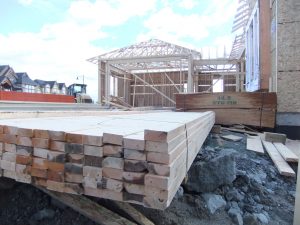 BC’s independent wood product makers say hundreds of small- and medium-sized manufacturers may be forced to shut down in light of the latest decision from the US to raise anti-dumping duties on Canadian softwood… [which] includes a requirement for Canadian companies to retroactively remit duties for products shipped to the US since Jan.1, 2023. Association chair Andy Rielly says that requirement could not only force small BC producers to shut down, but may also threaten operators’ personal assets as they may have to risk using their homes as collateral to secure bonds to pay. …Association executive director Brian Menzies describes independent wood product producers as “collateral damage” in the trade war.” …“We acquire logs and lumber at ‘arm’s length’ from various suppliers on the open market, just like claims made by members of the US Lumber Coalition, and yet our Canadian companies along with U.S. consumers must pay these unfair and costly duties.”

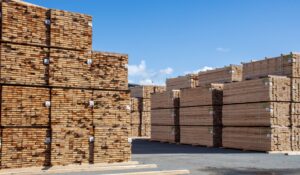 BC’s forestry sector would have been brought to its knees Friday by new American duties on Canadian softwood lumber, if it wasn’t already flat on its back from being hammered by years of provincial government policies. …But even before the new duties, B.C.’s forestry sector was in a crisis. Annual harvest volumes are down by tens of millions of cubic metres, lumber production and exports have shrunk dramatically, export revenues have fallen, thousands of jobs have been lost, and dozens of mills have been curtailed or shuttered. The industry has blamed various BC NDP policies, including new old-growth logging deferrals… and extraordinarily long permitting delays. …If New Democrats are serious about saving the industry from ruin, now would seem to be the time to shelve the never-ending reviews and actually do something. The government could spin a pivot to pro-forestry policies not as a retreat, but as a made-in-BC response to American trade aggression.

 SPRINGFIELD, Illinois — The US Department of Agriculture will move thousands of employees out of the nation’s capital in a reorganization the agency says will put them closer to customers while saving money, Agriculture Secretary Brooke Rollins said Thursday. Around 2,600 workers — more than half the Washington, D.C. workforce — will be moved to five hubs stretching from North Carolina to Utah, Rollins said. The union representing federal workers immediately criticized the plan as a ploy to cut federal jobs, pointing out that some 95% of the department’s employees already work outside Washington. The move is part of President Donald Trump’s effort to make the federal government slimmer and more efficient, which received a Supreme Court boost this month. Sen. Amy Klobuchar demanded that department officials appear before the Senate to explain their thinking.” …In the Washington region, the department will vacate three buildings and examine the best use of three others.

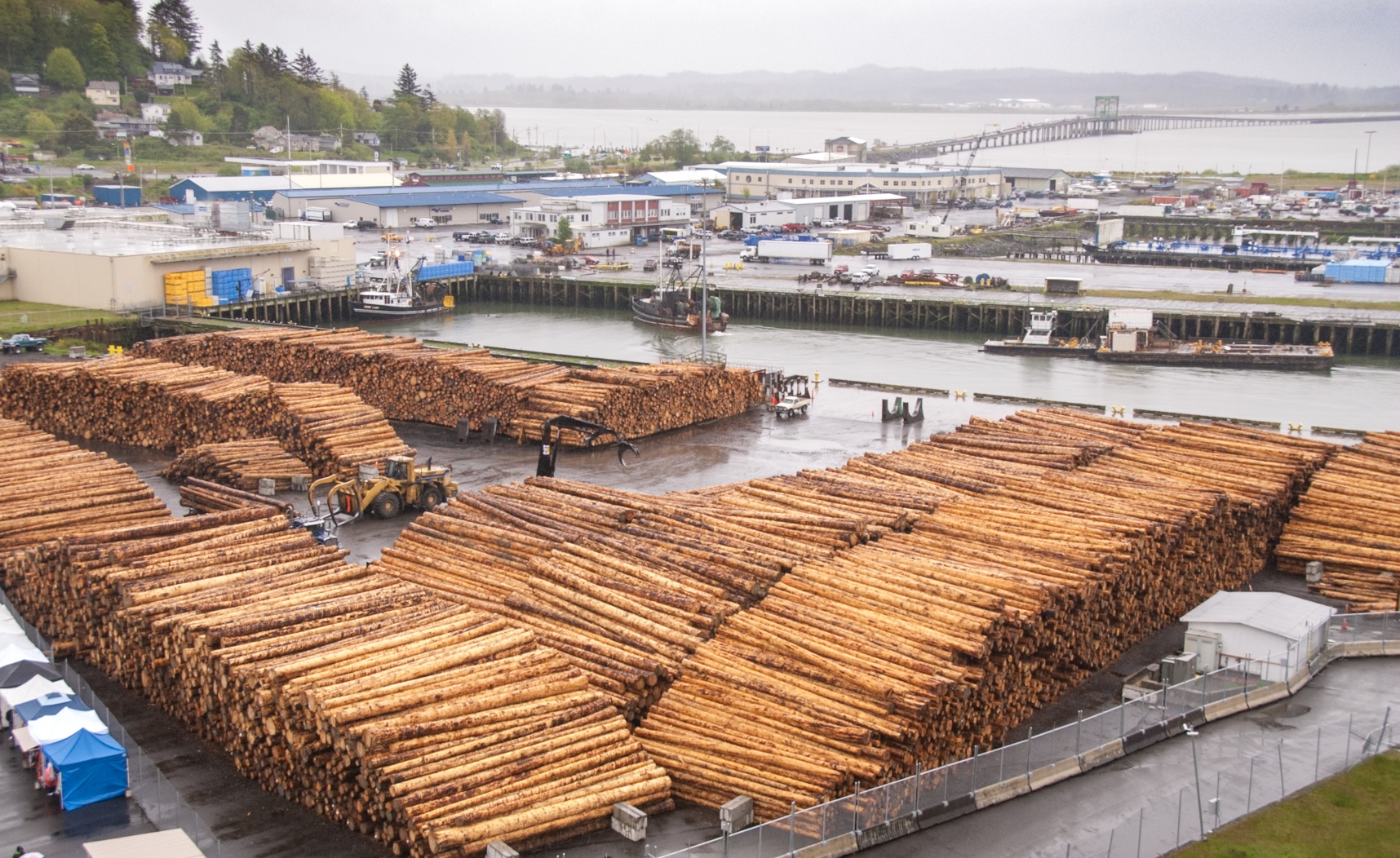 SKAMANIA COUNTY, Washington — Sawmills have been closing across the Pacific Northwest over the past 30 years. There is just one left in Skamania County, down from six during its logging heyday. Limited log supply from the region’s national forests has cut off their raw material, while cheap lumber from Canada has taken market share for their finished product. Owners of the remaining mills have high hopes that President Trump will deliver relief by increasing logging in national forests and raising trade protections against Canadian exports. Although the latter can be achieved with a stroke of the president’s pen, meaningfully boosting the federal timber harvest could take years and be impeded by litigation and red tape. …US sawyers have argued successfully in trade cases that their Canadian competitors are supplied with subsidized government logs, and that they offer two-by-fours over the border for less than they sell them at home. [to access the full story a WSJ subscription is required]


 Canada’s pension funds have more than $1tn invested in the United States, and that figure could grow by $100bn or more annually, said Dominic LeBlanc, the federal minister responsible for US trade, during a visit to Washington. …Financial Post reported that LeBlanc made the comments in response to questions about whether US President Donald Trump might request specific commitments on Canadian investment as part of trade talks. The US has offered increased foreign investment as a possible pathway to improved trade terms. …Despite the potential growth in US exposure, LeBlanc said the federal government would not direct pension managers to increase their holdings or participate in specific American projects as a condition for reduced tariffs. Canada’s pension funds are already deeply integrated into US markets.
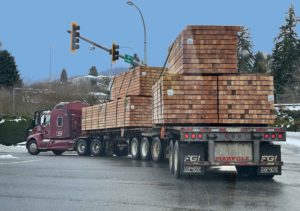 I am surprised at how President Trump is gradually succeeding in his goal. …Canada, along with China, is the only country standing up to the US, but it is inevitable that if no agreement is reached, the chances of a recession will increase. …Canada needs the US to avoid the worst, but the point of the article is different: how much does the US need Canada? My impression is that this issue is often underestimated. …We don’t need their lumber. But is that really the case? …Why Canadian lumber is essential. …The first and probably most important reason is that US forests are mainly privately owned (by companies or families). …Becoming less dependent on Canada is extremely complicated for the US due to the usual logistical challenges. …This industry has been in gradual decline for decades, and wanting to save it in order to be less dependent on Canada is a waste of resources.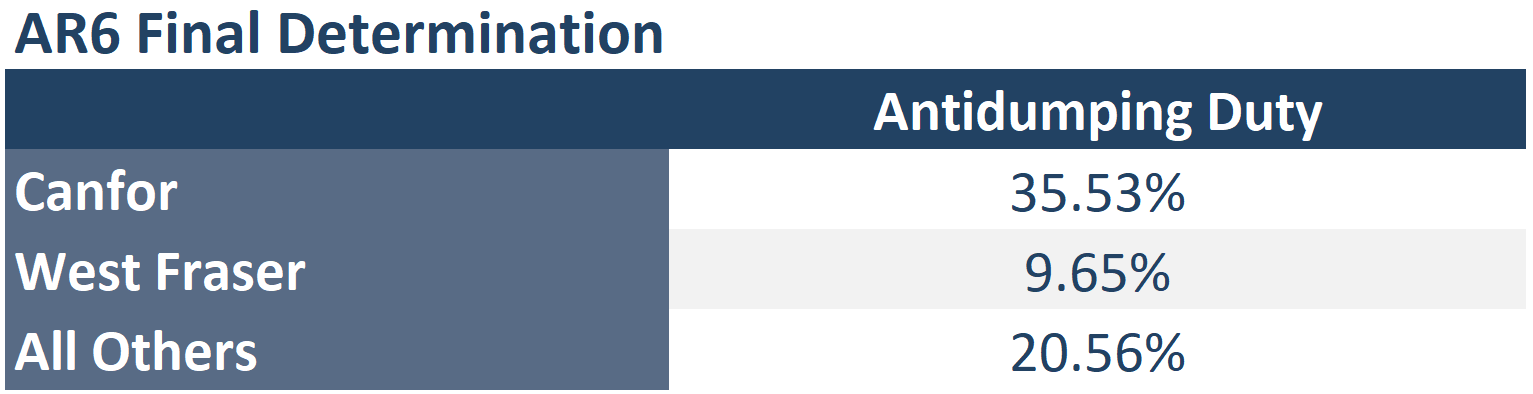
 The U.S. Commerce Department has announced it is nearly tripling its anti-dumping duties on Canadian lumber imports from 7.66% to 20.56% following its annual review of existing tariffs. The anti-dumping duties are in addition to current countervailing duties set at 6.74%, which would bring the total lumber duties above 27%. However, the countervailing duty rate is expected to move higher on Aug. 8. Commerce issued a preliminary determination on countervailing duties earlier this year that would raise the countervailing duty rate to 14.38%. Moreover, President Trump’s Section 232 [investigation] could result in higher lumber tariffs. …For years, NAHB has been leading the fight against lumber tariffs because of their detrimental effect on housing affordability. In effect, the lumber tariffs act as a tax on American builders, home buyers and consumers. …We are also urging the administration to move immediately to enter into negotiations with Canada on a new softwood lumber agreement that will… eliminate tariffs altogether.
 VANCOUVER, BC

 US and Chinese negotiators have agreed in principle to push back the deadline for escalating tariffs, although America’s representatives said any extension would need Donald Trump’s approval. Officials from both sides said after two days of talks in Stockholm that while had failed to find a resolution across the many areas of dispute they had agreed to extend a pause due to run out on 12 August. Beijing’s top trade negotiator, Li Chenggang, said the extension of a truce struck in mid-May would allow for further talks, without specifying when and for how long the latest pause would run. However, the US trade representative Jamieson Greer stressed that President Trump would have the “final call” on any extension. …Trump is on course to impose extra tariffs on Mexico and Canada from Friday, barring last-minute deals.




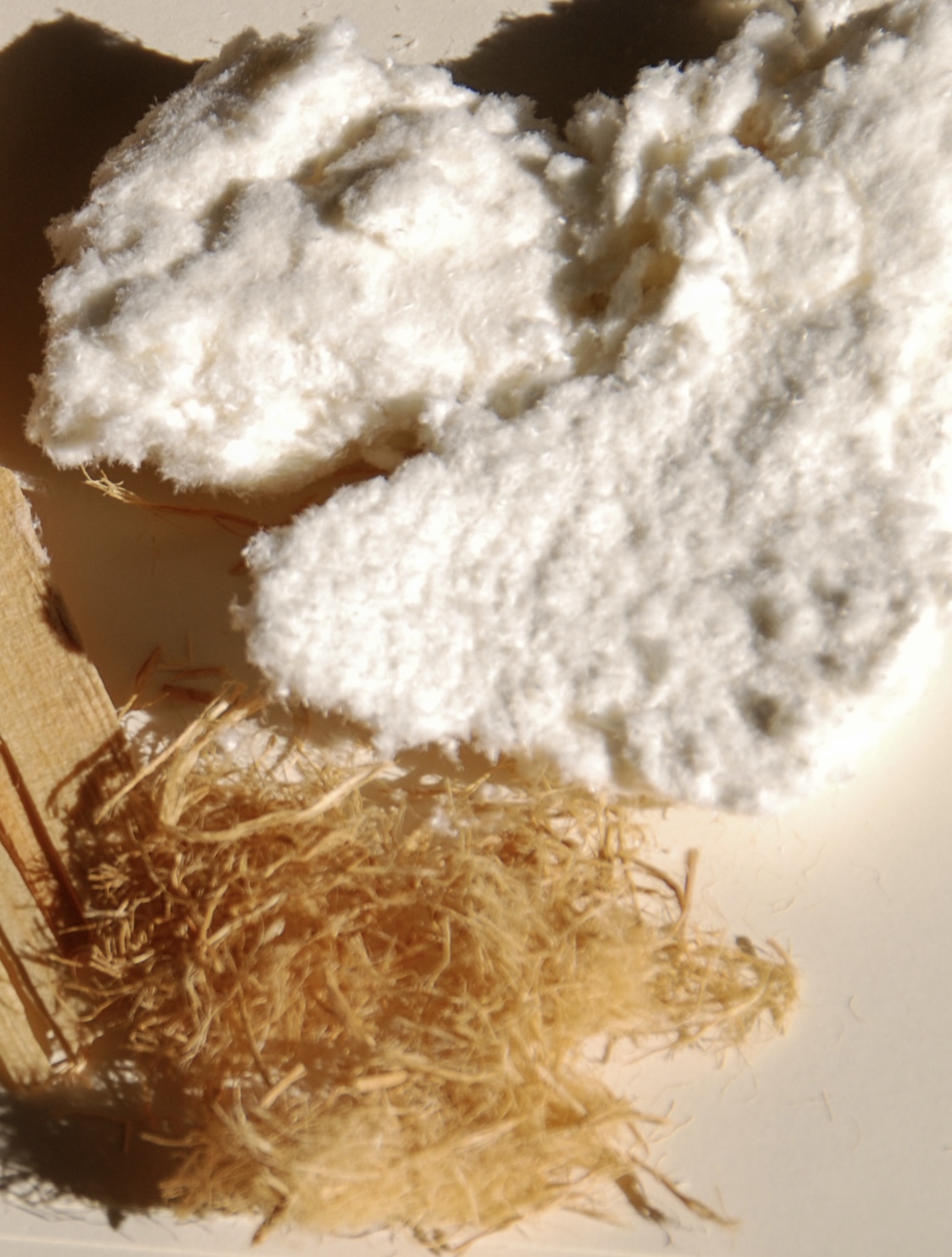

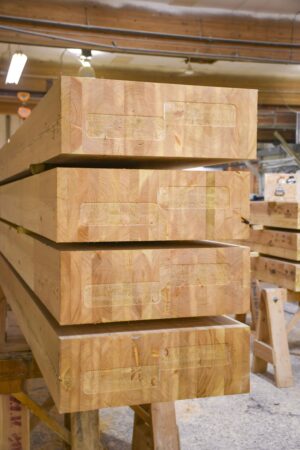 CHICAGO — …Milwaukee, our neighbor to the north has become a hotbed for the development of timber towers — tall buildings that use relatively new mass timber technologies that can replace the steel and concrete traditionally used to support such structures. Since 2022, Milwaukee has been home to the tallest timber tower in the world — the 25-story Ascent MKE at 284 feet in height. That’s no Sears Tower, but when you consider that most wood-framed buildings are one to four stories tall, it’s quite an achievement. …For all the stunning achievements that Chicago architects and engineers have accomplished over the last century and a half, there’s still a deeply conservative streak that runs through the city’s building culture. Fire, through several key historical events, is at fault. …So, perhaps it’s not surprising that we now lag many places in the development of new construction with mass timber.
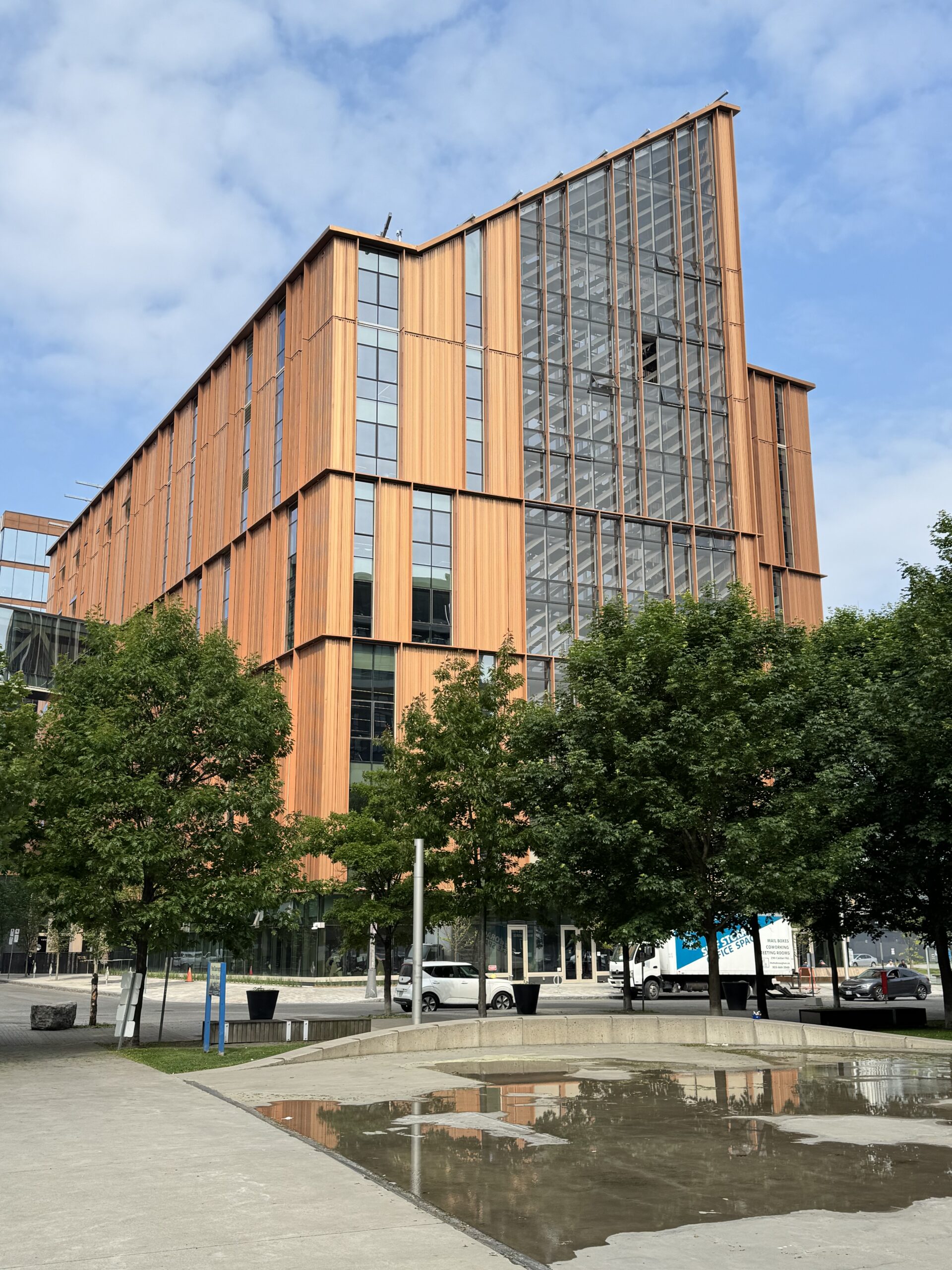 Mass timber is an emerging construction technology growing in popularity in the United States. One obstacle to the gradual adoption of mass timber construction is the limited availability of qualified engineers and designers. Although successful efforts have been made to address research topics related to mass timber design and … adoption as a construction material, little research has been conducted to identify desired student outcomes for undergraduate civil or structural engineering students working with mass timber after graduation. This paper describes the development of an industry-guided educational resource for curriculum development to improve the alignment between undergraduate student outcomes and employer requirements related to mass timber design. …The findings reflect a prioritization of competencies related to the design of mass timber elements and structures, an understanding of material characteristics, the navigation of available design resources, contributions to project deliverables, and the support of sustainability goals.
  Forming an unusual alliance, environmental and animal welfare groups have pulled together a bipartisan effort in Congress, united by universal disdain for a Biden-era plan to massacre nearly 500,000 barred owls. Killing off barred owls in an effort to save endangered spotted owls is “wasteful, inhumane and unworkable,” Wayne Pacelle, president of Animal Wellness Action and the Center for a Humane Economy said. Those groups hailed the introduction Wednesday of the Congressional Review Act (CRA) to nullify the Biden-era barred owl management strategy. …In September 2024, the Biden administration approved a $1.3 billion plan for U.S. Fish and Wildlife Service (FWS) agents to shoot about 470,000 barred owls over the next 30 years in Washington, Oregon and California. The justification was to give spotted owls a better chance of recovery under the assumption that barred owls bully their smaller cousins out of vital, old-growth forest habitat. …Federal wildlife agents have killed roughly 4,500 barred owls since 2009.
 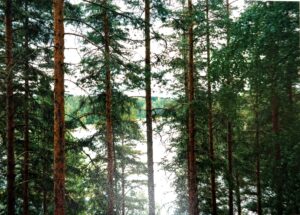 America’s public forests are under assault. We have already seen the massive timber harvests called for by President Trump’s executive order, the elimination of the Roadless Rule, and the gutting of wildlife protection efforts. Those are the broad stokes, but there are also finer maneuvers underway, such as abandoning the traditional practice whereby forest personnel paint-mark the trees selected for cutting, handing those decisions over instead to the timber companies themselves. Or the various subsections that keep popping up in the “Big Beautiful Bill” — for example, giving timber companies an option to pay for hastened environmental review and defunding endangered species recovery efforts. It also arbitrarily requires the Forest Service to increase harvests by 250 million acres annually for nine years. This is the context within which we must now view the Fix Our Forests Act, a logging-in-the-name-of-fire-prevention bill, stuffed with provisions that significantly override scientific and citizen review.
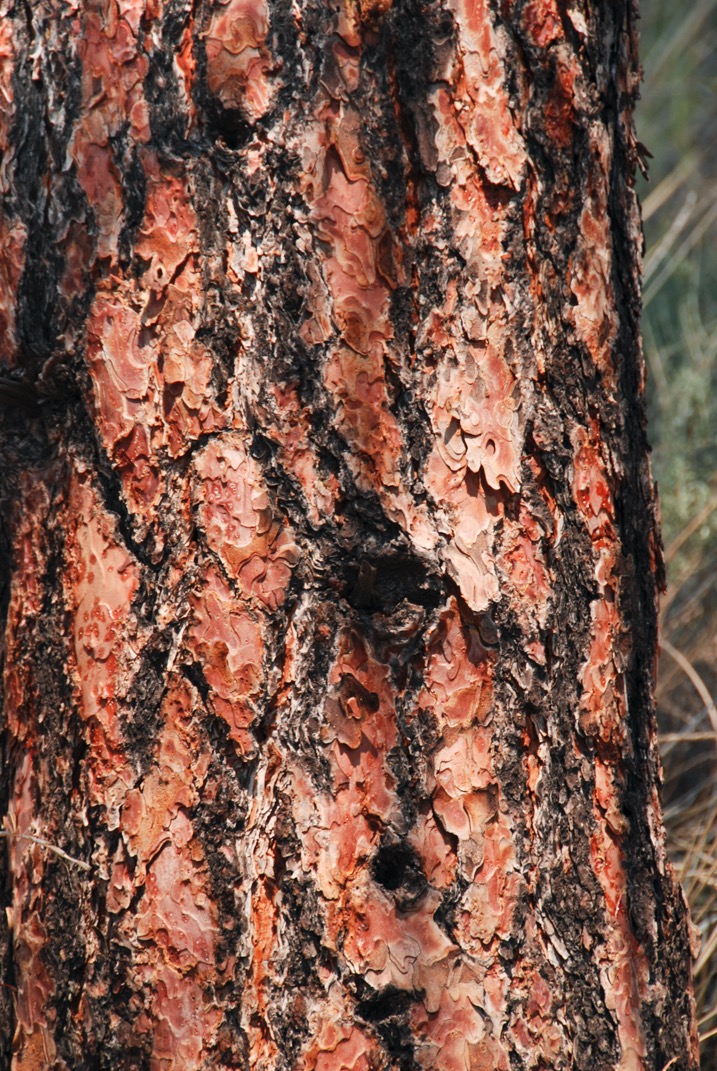 MISSOULA — in the Blue Mountain area in Missoula, trees with a blue ring painted around them are slated for removal as part of a larger plan to restore the forest to its pre-colonial state — a state that was more fire-resistant. The plan involves several agencies collaborating to achieve this goal. …The Blue Mountain Area consists of land owned by the U.S. Forest Service, Missoula County, the Montana Department of Natural Resources and Conservation (DNRC) and private land owners. They will implement forest treatments to change the forest, as the current state of it is extremely fire-prone. …The ultimate goal of all the agencies is to create open areas with ponderosa pine scattered about. To achieve this, agencies are looking at a combination of mechanized and non-mechanized vegetation management; clearing the forest floor, often through prescribed burning, and removing species like Douglas fir.
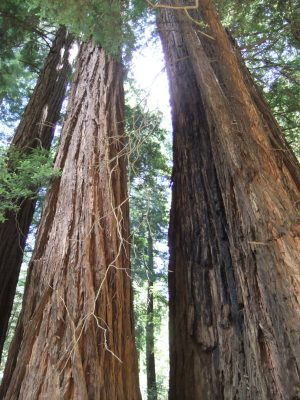 Throughout her two decades working on forestry issues, Jasmine Minbashian has often found herself at odds with the US Forest Service and the timber industry. Her environmental activism started during the second wave of Pacific Northwest “Timber Wars”. …She joined the North Central Washington Forest Health Collaborative in 2019. …The group is one of 19 forest collaboratives focused on public lands in Washington and Oregon that emerged in the wake of the “Timber Wars” in an attempt to find agreement around contentious forestry issues. …These forest collaboratives, touted as a model of consensus-driven conservation, have quietly become influential engines for federal forest management decisions across the West. But critics worry the groups are too aligned with timber interests that prioritize commercial logging, and that they helped pave the way for the Trump administration’s latest effort to expand logging on public lands throughout the country by skirting environmental protection laws.
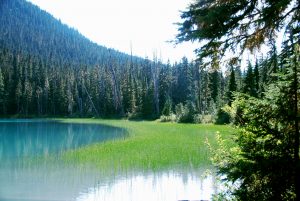 There are obvious benefits to logging, grazing, prescribed burns, and mechanical thinning of California’s forests. When you suppress wildfires for what is now over a century, then overregulate and suppress any other means to thin the forest, you get overcrowded and unhealthy forests. California’s trees now have 5 to 10 times more than a historically normal density. They’re competing for an insufficient share of light, water and nutrients, leading to disease, infestations, dehydration and death. Up through the 1980s, California harvested 6 billion board feet per year of timber; the annual harvest is now 25% of that. We have turned our forests into tinderboxes. …For the sake of California’s water supply, its energy security, the safety of people living in the forests, and the health of our trees and wildlife, Californian needs to revive its logging industry. …It will also enable something counterintuitive: precious and endangered wildlife can thrive in a responsibly managed forest.
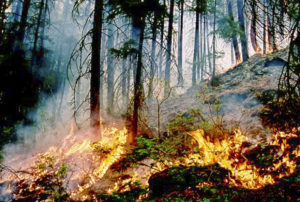 Wildfires are getting more catastrophic and expensive. For the last decade, Oregon policymakers haven’t been able to agree on how to pay for them. And while lawmakers emerged from this year’s legislative session with a plan to fund wildfire prevention, there’s still no dedicated funding to fight large fires like the Cram Fire, which has burned nearly 100,000 acres in Central Oregon. The total wildfire budget for the next two years is less than the state spent last year alone. And in some cases, costs that used to be borne by insurance plans and private landowners are now the responsibility of all Oregonians. A similar phrase cropped up during multiple interviews with policymakers: The consensus lawmakers reached this year is a good “first step.” What’s less clear is if it’s enough. ….“Oregonians writ large, are going to be the ones to pay for it,” said Casey Kulla, with Oregon Wild.
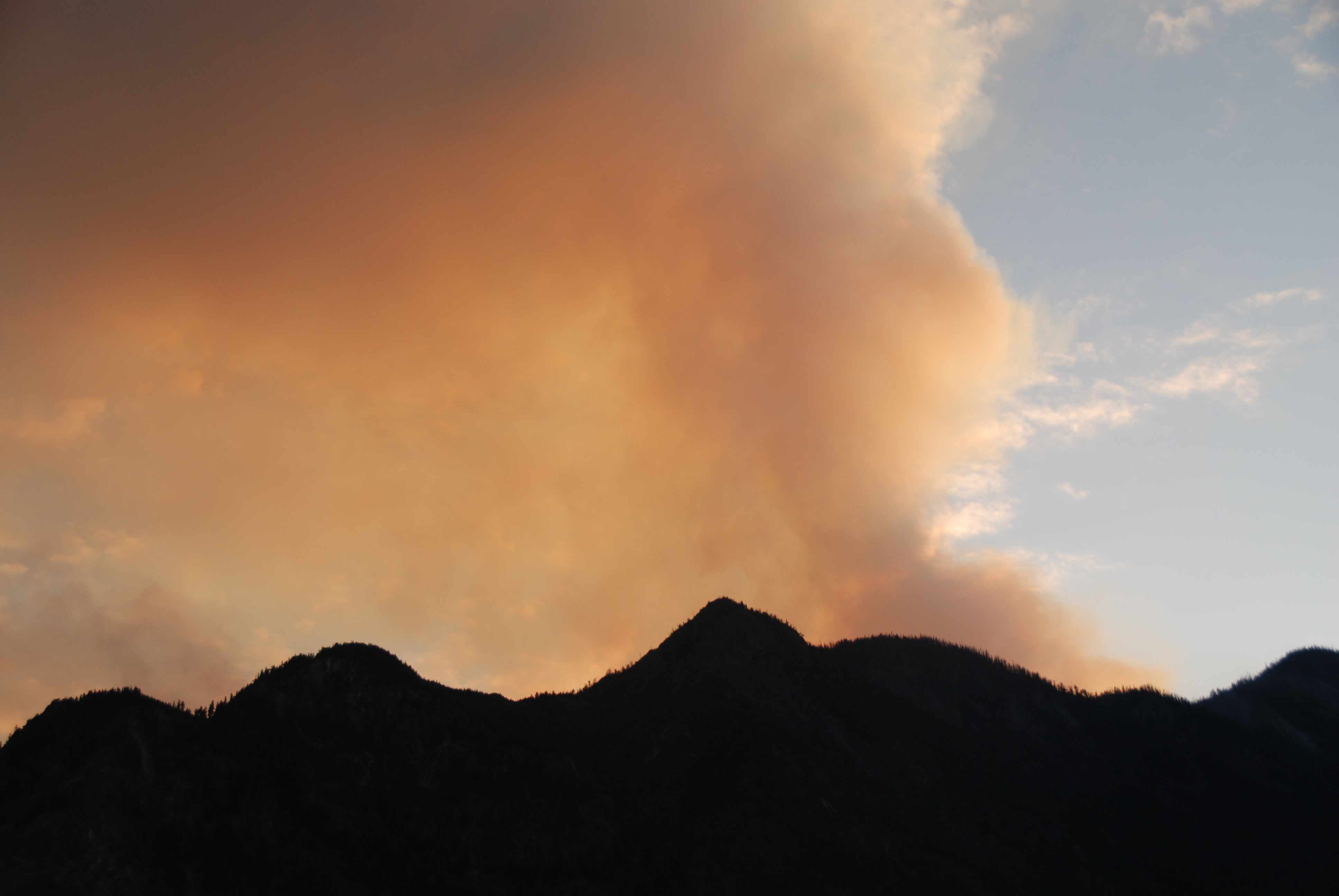 Thousands of lightning strikes have been recorded in California recently as portions of the state gear up for more storms, bringing with them potential wildfires. The state’s northern half saw 1,681 lightning strikes between Sunday, July 27, and Monday, July 28, Cal Fire reported, sparking 23 wildfires. Cal Fire units Lassen-Modoc, Shasta-Trinity, and Siskiyou responded to 14 new fires, none of which grew significantly, Cal Fire said as of July 28. Yet, this month, more lightning strikes in short periods have occurred in the state. The U.S. Forest Service Shasta-Trinity National Forest reported on July 26 that Northern California experienced 18,863 lightning strikes due to storms in the area the evening before. …The National Interagency Fire Center has tracked the number of fires in Northern California and Southern California caused by lightning in recent years, showing that thousands of fires in the state and nationwide are caused by nature.
 The U.S. Forest Service will abandon its nine regional offices as its parent Department of Agriculture consolidates out of Washington, D.C., according to a memo released on Thursday by Agriculture Secretary Brooke Rollins. “President Trump was elected to make real change in Washington, and we are doing just that by moving our key services outside the beltway and into great American cities across the country,” Rollins said in a statement announcing the reorganization. “We will do so through a transparent and common-sense process that preserves USDA’s critical health and public safety services the American public relies on. We will do right by the great American people who we serve and with respect to the thousands of hardworking USDA employees who so nobly serve their country.” The reorganization plan left many Forest Service experts wondering what the benefit would be, including former Forest Service Chief Dale Bosworth, who served during the George W. Bush administration.
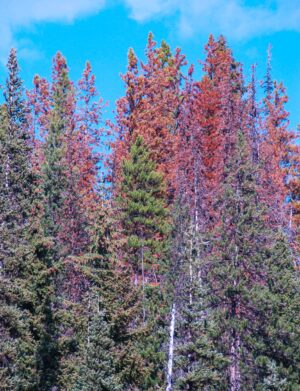 Since the mid-1990s, so-called blooms of bark beetles have affected nearly 80% of Colorado’s 4.2 million acres of pine forest, reducing decades-old trees into firewood. In the process, they’ve literally laid the groundwork for some of the state’s most devastating forest fires, from the 2016 Beaver Creek Fire in Walden to the 2020 East Troublesome Fire in Grand County. Despite rendering postcard views into wildfire fodder, West does not call these beetles a pest. Like fire, they’re just a part of nature here, filling a vital biological niche in their native habitat. In the long term, experts say they even make forests healthier. “Bark beetles serve as the ecological sanitizers of the forest,” said West, who helps manage Colorado’s 24 million acres of state forestland. One paper,
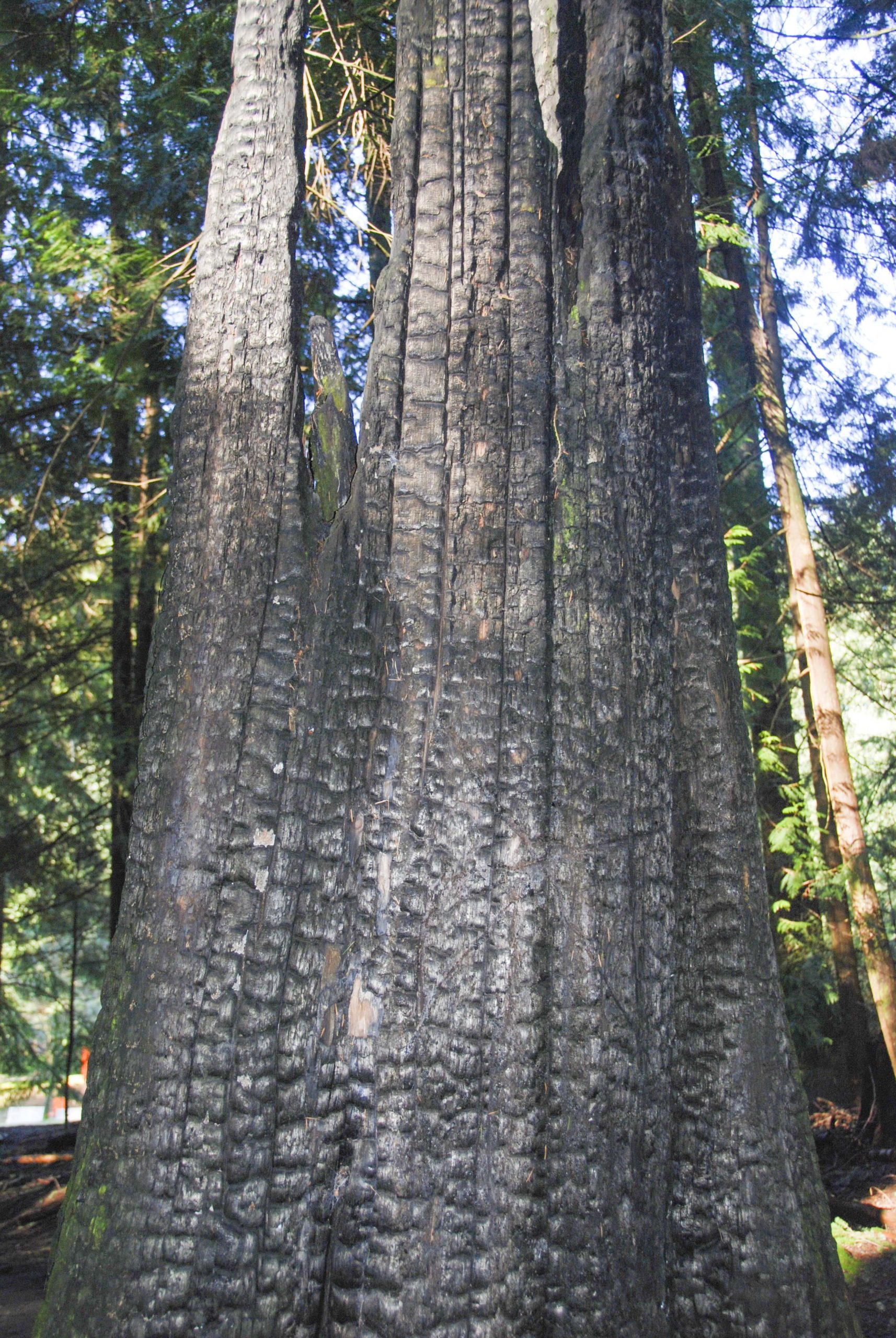 If state funding for forest health and wildfire prevention isn’t ramped back up in the next legislative session, it could hinder efforts to prevent severe fires in the coming years, Washington’s top public lands official and others warned this week. The state Legislature approved House Bill 1168 in 2021, which committed $500 million over eight years to the state Department of Natural Resources for wildfire preparedness and response. State spending had largely kept up with that target until this year, with the department receiving $115 million in the last two-year budget and $130 million in the one before that. Then this year, as lawmakers confronted a budget shortfall, they slashed the wildfire preparedness funding to just $60 million for the next two years. The Department of Natural Resources says it’s prepared for this fire season and has money left over from past years. But the funding rollback has sparked concerns.
 The state’s top public lands official is urging lawmakers to restore the spending to previous levels after they cut it by about half this year. If state funding for forest health and wildfire prevention isn’t ramped back up in the next legislative session, it could hinder efforts to prevent severe fires in the coming years, Washington’s top public lands official and others warned this week. The state Legislature approved House Bill 1168 in 2021, which committed $500 million over eight years to the state Department of Natural Resources for wildfire preparedness and response. State spending had largely kept up with that target until this year, with the department receiving $115 million in the last two-year budget and $130 million in the one before that. Then this year, as lawmakers confronted a budget shortfall, they slashed the wildfire preparedness funding to just $60 million for the next two years.
 The restoration of gray wolves in Yellowstone National Park has helped revive an aspen tree population unique to the region, a new study has found. Quaking aspen, one of the few deciduous tree species in the northern Rocky Mountain ecosystem, is once again thriving, after suffering severe decline during the 20th century, according to a new study. “This is a remarkable case of ecological restoration,” lead author, Luke Painter, at Oregon State University’s College of Agricultural Sciences, said. The decline in aspen growth occurred in tandem with a surge in Rocky Mountain elk, which had lost a key predator following the elimination of wolves from the region by 1930. …At the same time… aspen recovery hasn’t been uniform across northern Yellowstone — and the growth is subject to numerous potential threats including climate change and encroachment of coniferous trees, are possible such factors. And other herbivores have increased in the region.
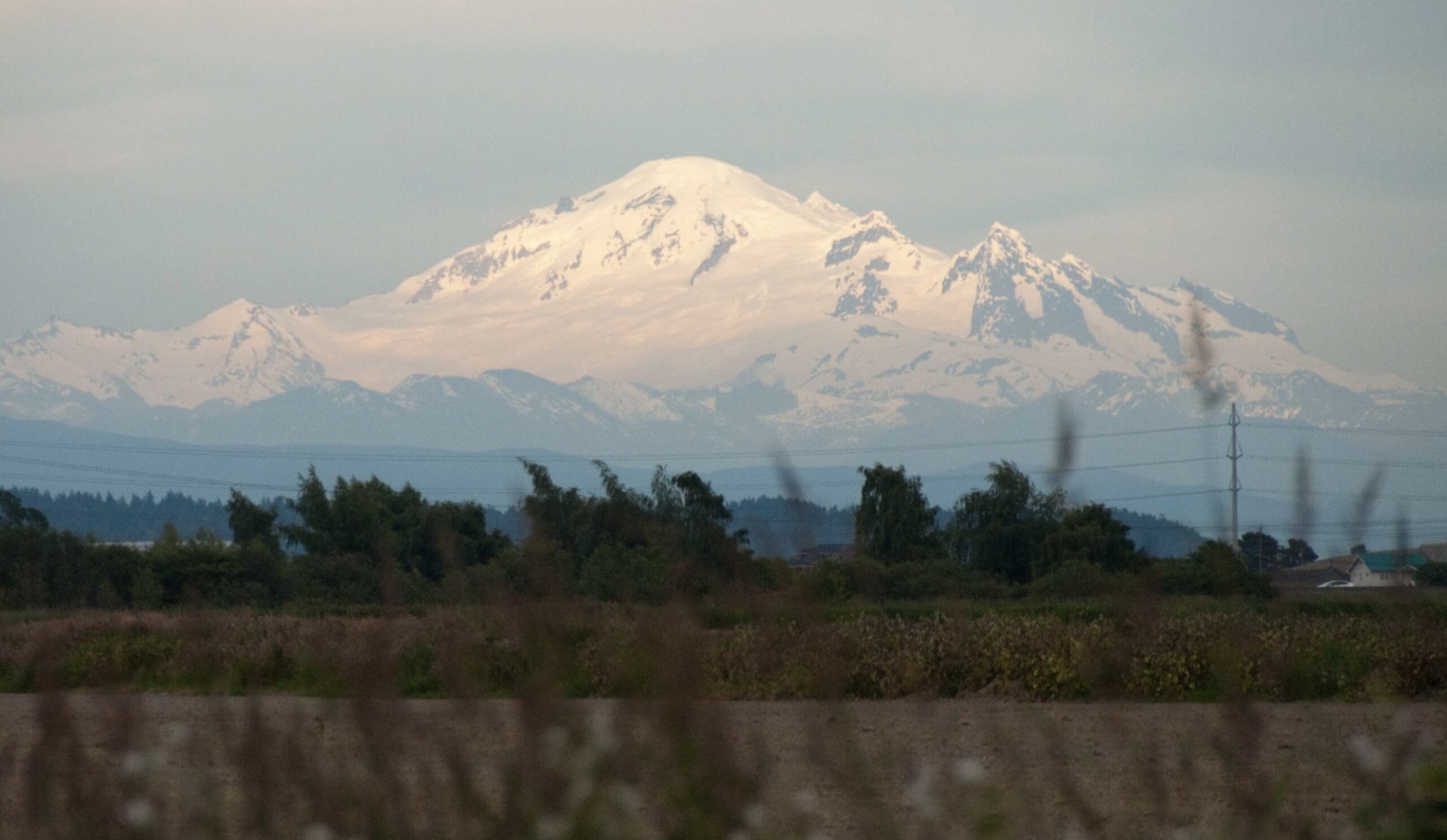 The state of Washington will get about $20 million for wildfire fighting efforts after a months-long delay, a Washington congresswoman confirmed Thursday. The Trump administration distributed $280 million in federal funding to forestry agencies across the country, according to the office of U.S. Sen. Maria Cantwell, D-Washington. The money will help fund the Washington State Department of Natural Resources’ efforts to train and equip wildland firefighters across the state. “The state of Washington is in the middle of an active and dangerous wildfire season,” Cantwell said in a news release. “After questioning the Chief of the Forest Service and the Secretary of Agriculture, I am pleased that Washington — and all states — are finally receiving the funding they need to prepare for and respond to wildfires this summer and in the future.”
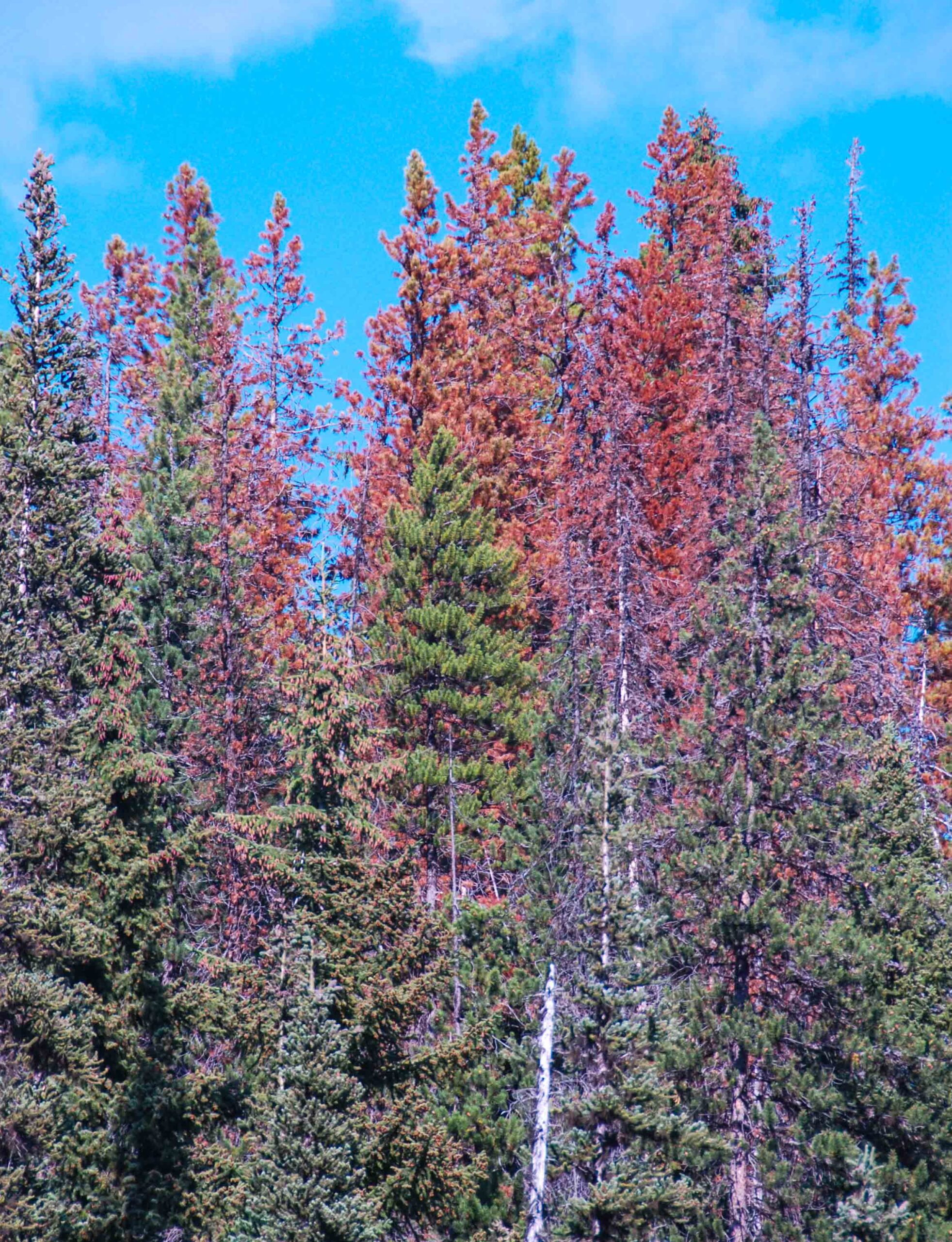 Crested Butte Mountain Resort (CBMR) in central Colorado has been dealing with a mountain pine beetle infestation for the last two years, but the Gunnison County resort is fighting back using small packets of pheromones stapled to trees. Beetles were first detected mountainside at CBMR in 2023… During the 2024 season, ground crews revisited large areas of lodgepole pine within and around CBMR’s boundaries, confirming limited but recent beetle activity among the trees. …But now CBMR Mountain Operations, alongside rangers with the U.S. Forest Service, are fighting the beetles back with the help of verbenone pheromone packets. Verbenone is an anti-aggregation pheromone produced by mountain pine beetles to indicate a tree has reached maximum capacity, letting other beetles know there are no resources available to consume within the tree.
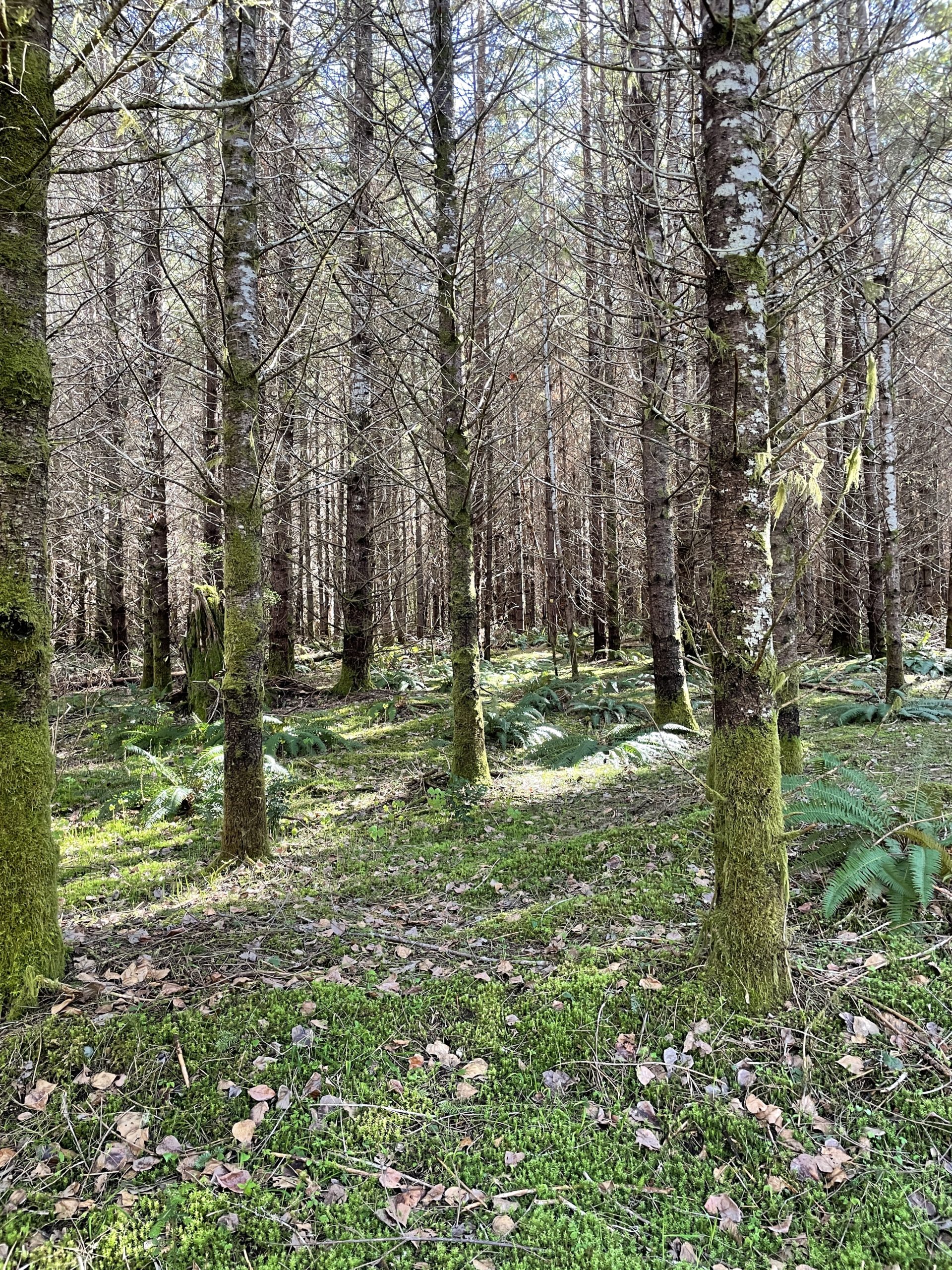 The Salt River Project has extended its partnership with the state to thin watersheds, which will also improve fire protection for communities in Rim Country and the White Mountains. In the past five years, The Valley utility has worked with the Arizona Department of Forestry and Fire Management to thin 35,000 acres of overgrown forest, including a portion of the watershed of the C.C. Cragin Reservoir. SRP has also signed long-term contracts to buy electricity from NovoBiopower, the state’s only biomass burning power plant. The Snowflake power plant remains crucial to forest restoration efforts by providing one of the few markets for the tons of low-value biomass removed on each acre treated. SRP issued a release this week stating it hopes to fund the treatment of another 52,000 acres in the next five years. SRP also helped thin overgrown forests outside Payson, adding to a buffer zone protecting the community from wildfires.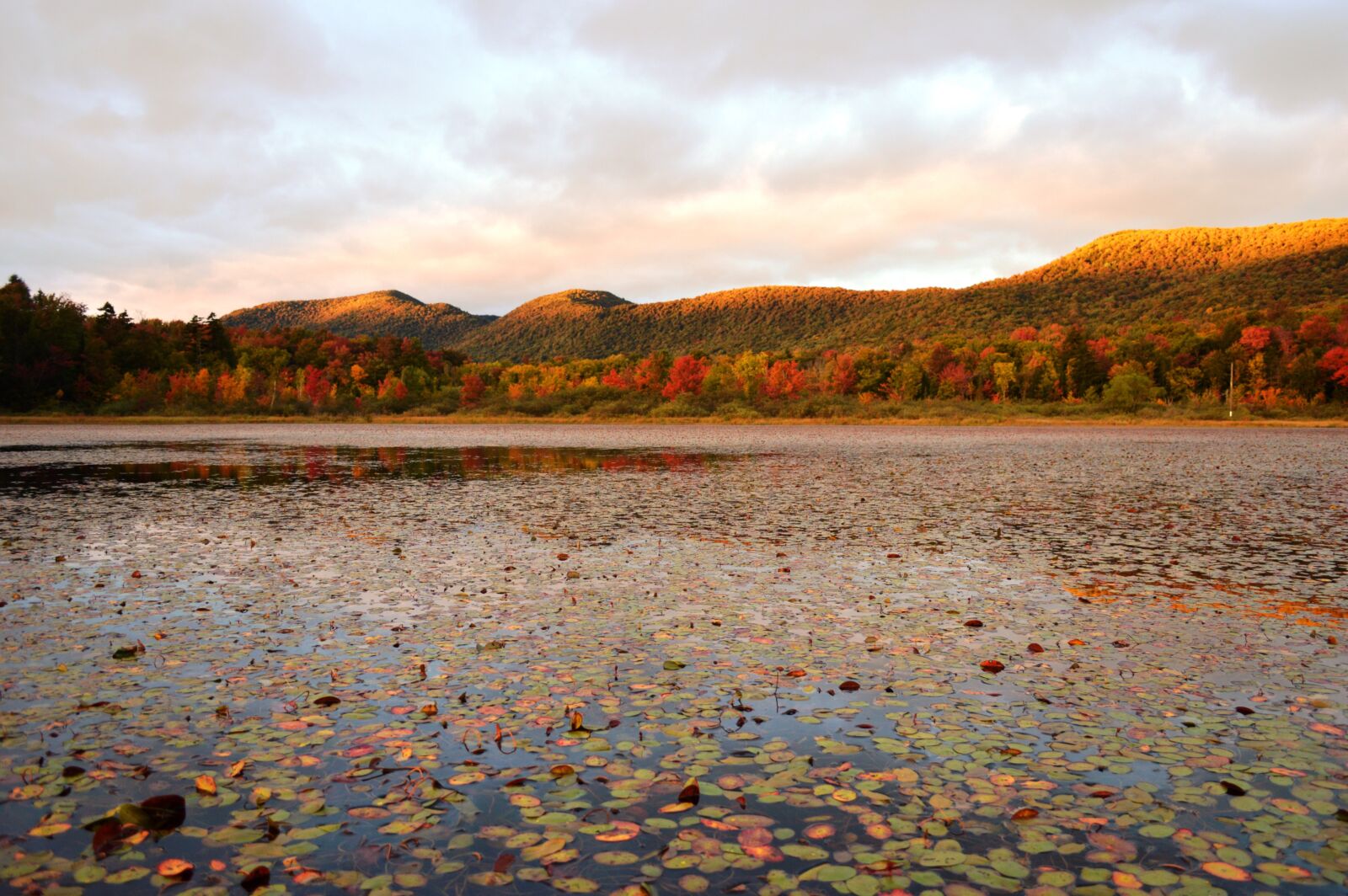

 For 11 straight years, the National Arbor Day Foundation has recognized UAB as a Tree Campus USA. The recognition is for UAB’s work to plant and care for the more than 4,400 healthy trees on campus, while engaging students and employees in learning about and preserving them. UAB has been honored for the past six years with the National Arbor Day Foundation’s Tree Campus Healthcare designation. The national recognition program celebrates health institutions that make a mission-aligned impact on community wellness through tree education, investment and community engagement. The university’s urban forest is managed by the UAB Facilities Division, which maintains data on its trees: An ongoing project includes collecting details on the more than 17 genus and 24 tree species currently across campus. Students played an important part in helping identify and maintain data on the trees.
 The climate crisis is forcing society to rethink existing technological and ecological systems. At the nexus of this challenge is how the US values and manages forests. Over the past 16 years, start-up carbon credit companies have been buying up hundreds of thousands of acres of American forestland to capture and store CO2. …So far, carbon storage policies or programs are underway in at least half of US states. …In 2021 the industry was worth $2 billion; by 2030 it’s projected to balloon up to $35 billion. …Some experts worry that forest carbon programs will someday threaten US wood supply, with the percentage of forests available for timber shrinking while the amount preserved as a climate mitigation tool increases. …And as the volume of harvested timber shrinks regionally, so do local economies in rural localities. …Analysts, like Russell, say “The world is wide enough for timber industry and natural capital markets to coexist”.
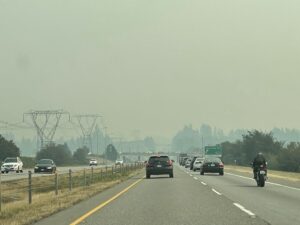 As wildfire smoke continues to drift into Michigan from Canada, experts say the increasing frequency and intensity of wildfires across North America are tied to a combination of climate change and decades of forest management practices. “Fires are a natural part of many forest ecosystems,” said Chad Papa, the Director of the Forest Carbon and Climate Program Department of Forestry at Michigan State University. “But what we’re seeing now is a major departure from historic fire regimes, with hotter, more catastrophic fires and slower forest recovery.” In the western U.S., a history of fire suppression and reduced timber harvesting has led to denser forests that are more prone to combustion. Laws enacted in the 20th century often restricted controlled burns, which experts said have contributed to overgrown conditions that increase wildfire risk.
 100 MILE HOUSE, BC — West Fraser Mills (WFM) had just cause to fire a worker who violated a safety policy on May 13, 2024, and tried to minimize the risk involved,
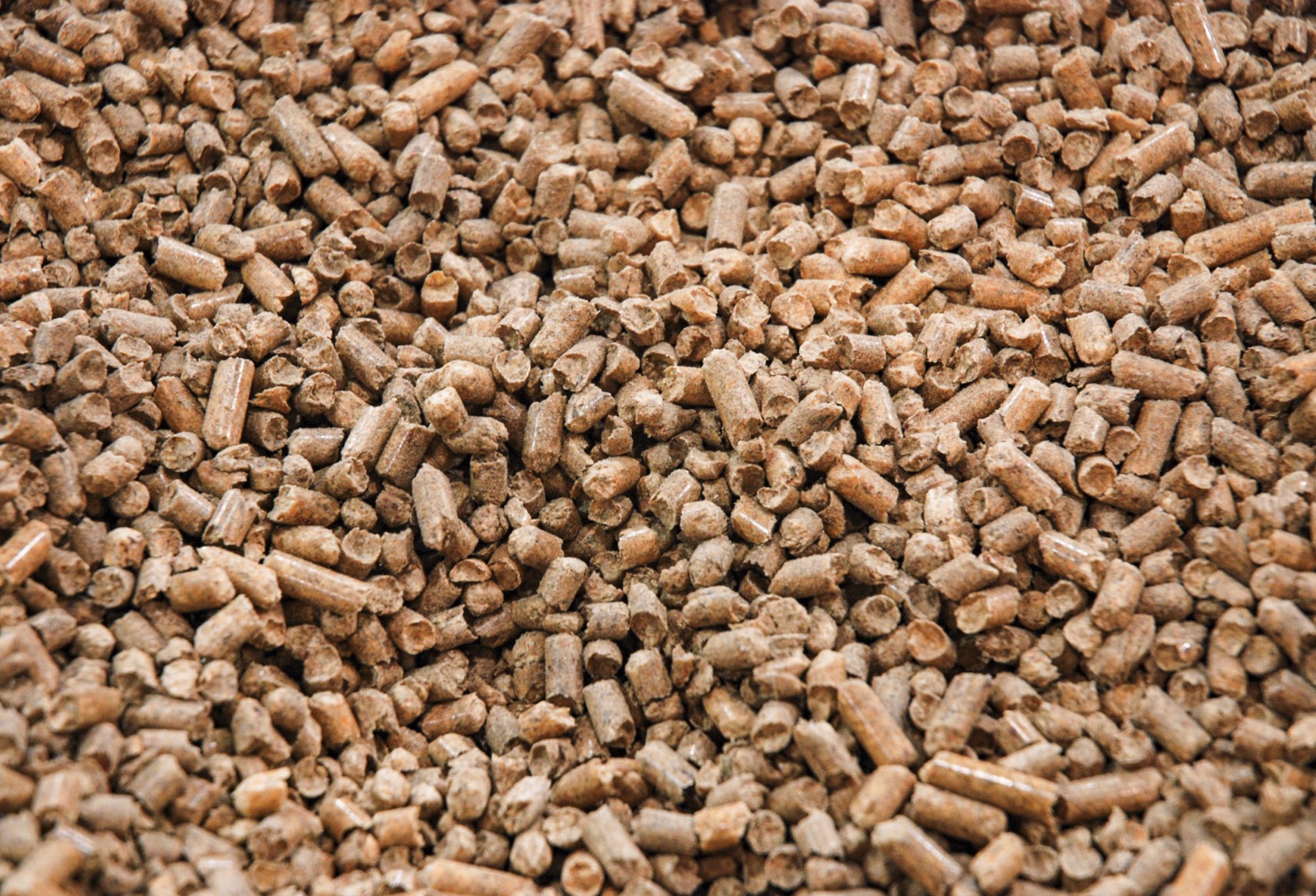
 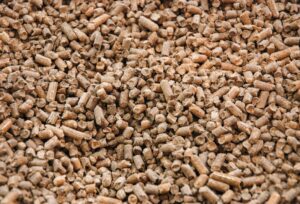 FREMONT, Nebraska — The remains of two girls and a relative who were killed in a massive explosion at a Nebraska biofuel plant were recovered Wednesday after crews battled smoldering wreckage and an unstable building for more than 24 hours. Fremont Mayor Joey Spellerberg said earlier at a news conference that the children were at the Horizon Biofuels plant ahead of a doctor’s appointment. …The plant makes animal bedding and wood pellets for heating and smoking food, using tons of wood waste. Spellerberg said authorities believe Tuesday’s blast was likely a wood dust explosion in the tall elevator tower. …The company has 10 employees, according to the Nebraska Manufacturing Extension Partnership.
 OMAHA, Neb. —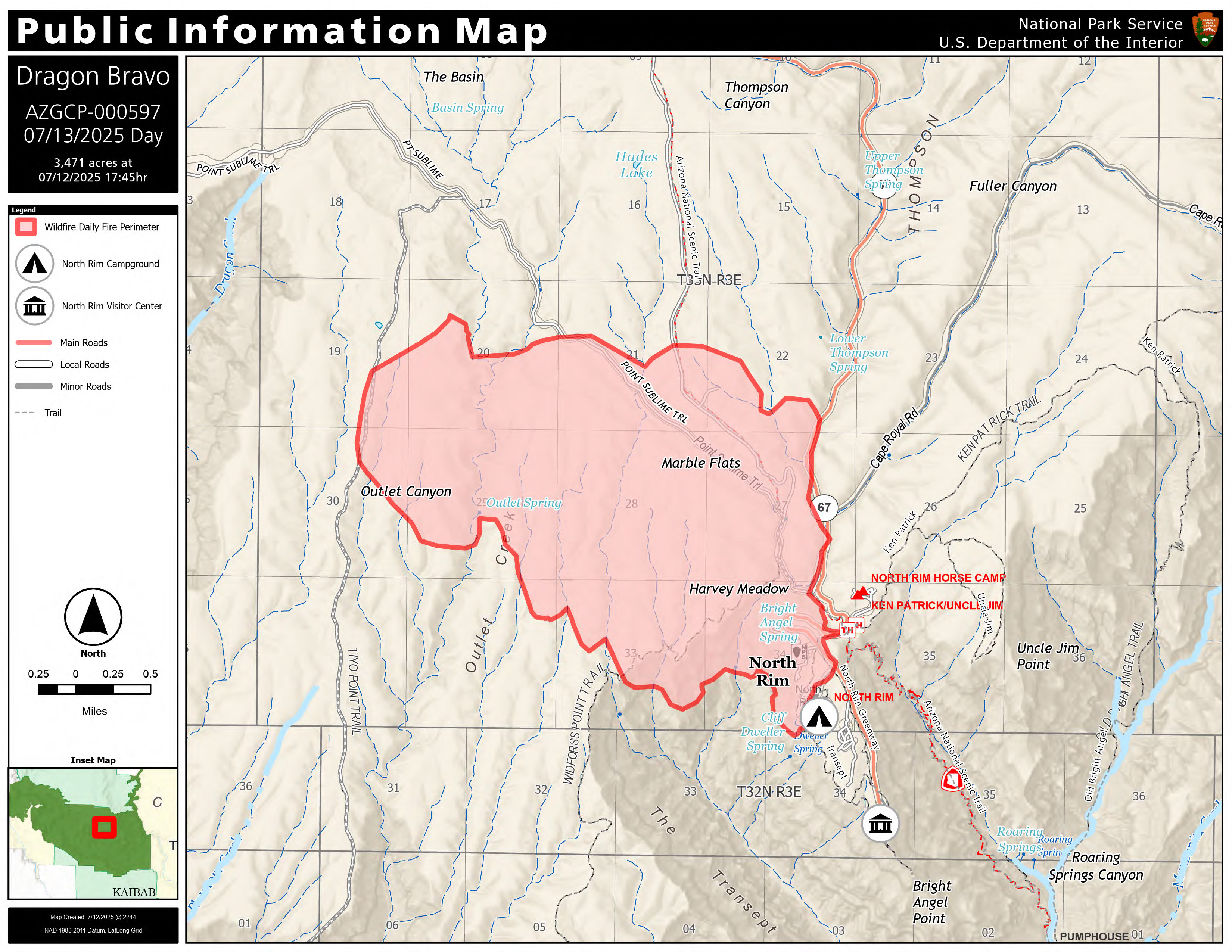
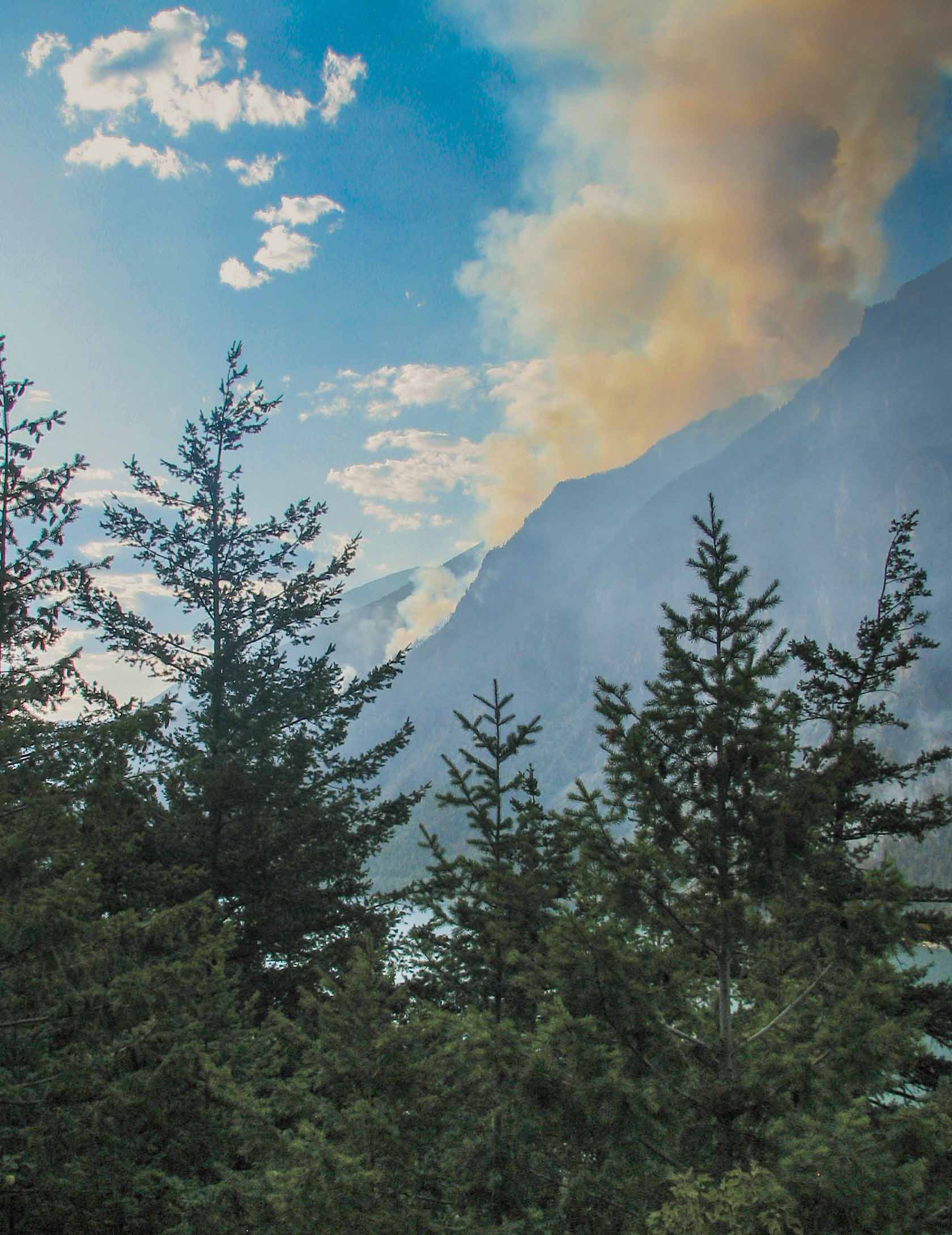 …The National Weather Service issued red flag warnings from 2 p.m. to 11 p.m. July 29 due to thunderstorms producing abundant lightning and wind gusts up to 50-60 mph, in combination with dry fuels, the alert said. A red flag warning means that critical fire weather conditions are either occurring now, or will occur shortly. NWS also issued a fire weather advisory from 2 p.m. to 11 p.m. July 29 due to potential lightning from thunderstorms that could spark new fires and wind gusts that could impact new and existing fires. …The Piper Fire sparked on July 28 from thunderstorms 3 miles northeast of Skookum Creek Campground in the Three Sisters Wilderness. It was estimated to be 20 acres as of July 28. …The High Horn Fire in Malheur County had burned 120 acres as of July 28. …The Skyline Fire, also burning in Malheur County, had burned 38.5 acres as of July 28.