
Amar Doman
Prime Minister Mark Carney’s decision to offer over a billion dollars for Canada’s softwood lumber industry has a developer concerned funds will be perceived as subsidies causing uncertainty for exporters relying on business with the United States. “I think the Prime Minister is doing what he can and trying to put his arms around the industry the best he can. The problem with what he’s doing is that it could be read as another subsidy, and that’s what this whole thing is about,” Amar Doman, founder and CEO of Doman Building Materials, told BNN Bloomberg. “It’s about our stumpage system and about how we unfairly dump lumber into the states. We’ve got to be a little careful if we’re throwing more, call it money, to the sawmill industry. …we might get back into hot water and get viewed as more subsidies, and that’s not what we need.”
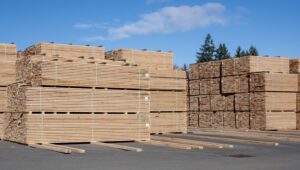 A $1.2-billion lifeline from Ottawa that’s being thrown to the forest industry is welcome news to northwestern Ontario mayors and the Canadian Wood Council. …The 37-member Northwestern Ontario Municipal Association (NOMA) called it a “significant and timely commitment to ensuring the long-term competitiveness of the forest sector” and comes at a crucial time when local jobs, economic growth and municipal stability is on the line. …“These measures recognize the vital role of forestry in Northwestern Ontario and across Canada,” said Marathon Mayor and NOMA president Rick Dubas in a statement, “helping our sector adapt to ongoing trade challenges, protect local jobs, and create opportunities for both Indigenous and non-Indigenous communities.”

 President Donald Trump said the US will put a 35% tariff on some imports from Canada, escalating the tensions between two countries that have impaired one of the world’s largest trading relationships. The new rate represents an increase from the 25% tariffs Trump imposed in early March under an emergency law. …But the US administration kept in place an exemption for goods traded under the rules of the US-Mexico-Canada trade agreement. US automakers and other companies with integrated North American supply chains had pushed for that carve-out, which has allowed US importers to continue bringing in the bulk of Mexican and Canadian products without duties. Because of the USMCA exemption, the effective tariff rate on US imports of Canadian goods was around 5%. …Trump signaled that he would be open to further talks with Carney. …Hours before raising Canada’s tariffs, Trump agreed to extend current tariffs on Mexico for 90 days.

 WASHINGTON — More Republican lawmakers are calling out Canada because of wildfires sending smoke billowing across the international border into their states. Wisconsin state Rep. Calvin Callahan has joined other Republican state lawmakers from Iowa, Minnesota and North Dakota in filing a formal complaint against Canada to the U.S. Environmental Protection Agency and the International Joint Commission. In a news release issued today, Callahan says that “if Canada can’t get these wildfires under control, they need to face real consequences.” He joins a chorus of Republican politicians at other levels of government who have been voicing concerns about Canada’s wildfires. Michigan Rep. Jack Bergman sent a letter to Canadian Sen. Michael MacDonald on Monday calling for stronger forest management policies and more accountability from Canadian officials. Michigan Rep. John James sent a letter to Prime Minister Mark Carney last week saying his constituents are choking on toxic wildfire smoke.
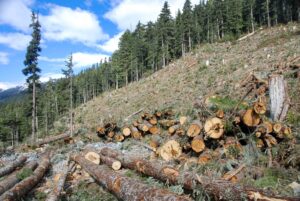 Wyoming’s few remaining lumber mills have been struggling, but a shift in federal and state timber policy might herald a new era for the industry here. Gov. Mark Gordon on Friday signed an executive order calling for an “increase of active forest management in Wyoming.” It mirrors President Donald Trump’s March 1 executive order for “immediate expansion of American timber production.” That might be the break that Wyoming logging companies and timber mills have for years been anxiously awaiting, Jenny Haider, of the Evanston-based Smith & Jones Timber Company, told Cowboy State Daily on Monday. The fourth-generation family-owned business has been going for 80 years but barely survived the past few, she said. …Trump’s order, coupled with tariffs on Canadian timber being imported into the US could be a game-changer for logging operations and mills in Wyoming. …Now, Wyoming timber companies are “using the word ‘hope’ again,” she added.
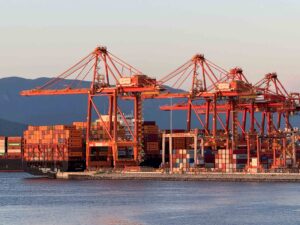 President Trump’s expanded reciprocal tariffs will not apply to any products loaded onto a vessel for transport into the US before 12:01 a.m. New York time on Thursday, according to guidance issued by
 A panel of appeals court judges on Thursday voiced deep skepticism with the Trump administration’s attempt to justify sweeping tariffs based on a national emergency. The US Court of Appeals for the Federal Circuit is hearing arguments Thursday over whether Trump’s sweeping tariffs are lawful. A group of small businesses and a coalition of states are asking the appeals court to invalidate the bulk of Trump’s tariffs, arguing that Trump overstepped his power when he invoked the rarely used International Emergency Economic Powers Act (IEEPA). At the start of Thursday’s hearing, judges on the appeals court panel questioned why Trump is relying on a law that has never been used to justify tariffs, saying that the law itself never mentions the word “tariffs” and voicing concern that the president justifying the unilateral action based on an emergency could amount to “the death knell of the Constitution.”



 KINGSPORT, Tennessee — Vera Gilmer, a 30-year Kingsport resident, arrived at the Kingsport Economic Development Board meeting for the update on Domtar’s packaging mill. She shared her frustration with the board about the mill’s odor over the last month. …Gilmer stressed that the smell has worsened recently. …Domtar mill manager Troy Wilson gave an update on the digester’s construction and addressed what could possibly worsen Domtar’s odor in the meantime. …Wilson said worsening odor is likely attributable to Domtar’s current wastewater treatment system, a lagoon system which he described as “antiquated” and sensitive to the weather. He also shared that the rainstorm that passed over Kingsport Wednesday last week put a strain on the wastewater system. …Domtar has spent $20 million on the digester so far. At its peak, the digester project will employ 140 people, according to Wilson.
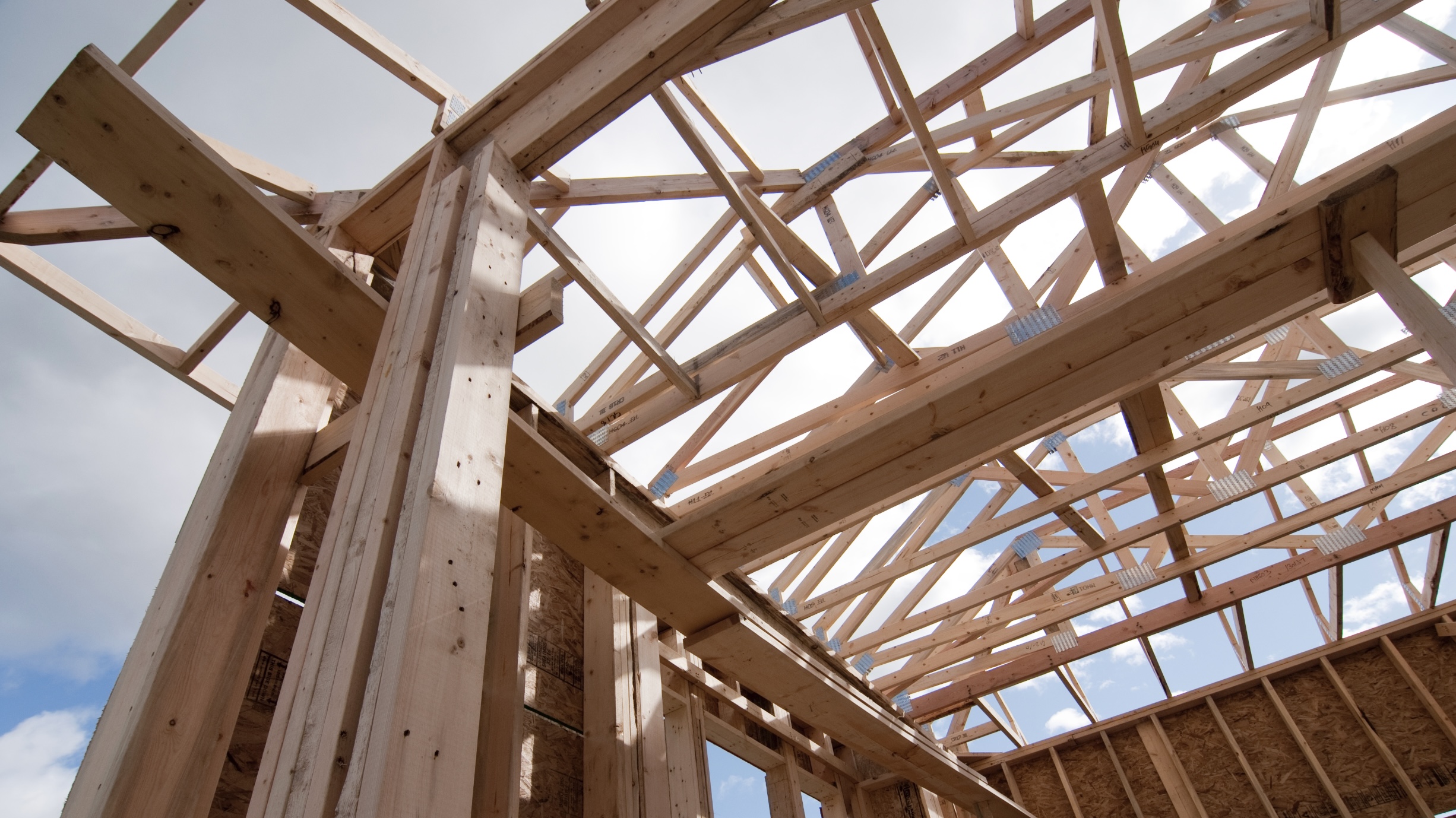 The Maine State Chamber of Commerce has been following the Trump administration’s actions on tariffs since the start of the year, said President and Chief Executive Officer Patrick Woodcock. …Woodcock said Monday that some individual companies and industries are already seeing a “dramatic impact.” For example, he said lumber product prices have increased. … In Maine, “our forest products industry is the one that is most affected with these specific industry, sector-level tariffs,” Woodcock said. The state imports 2.3 million tons of wood products annually, most of which comes from Canada, according to a Maine Forest Service
 BURNABY, BC — Interfor recorded net earnings in Q2’25 of $11.1 million compared to a net loss of $35.1 million in Q1’25 and a net loss of $75.8 million Q2’24. Adjusted EBITDA was $17.2 million on sales of $780.5 million in Q2’25 versus Adjusted EBITDA of $48.6 million on sales of $735.5 million in Q1’25 and an Adjusted EBITDA loss of $16.7 million on sales of $771.2 million in Q2’24. …North American lumber markets over the near term are expected to remain volatile as the economy continues to adjust to changing monetary policies, tariffs, labour shortages and geo-political uncertainty. …Overall, the Company is well positioned to navigate this volatility with a diversified product mix in Canada and the US, with approximately 60% of its total lumber produced and sold within the US Ultimately, only about 25% of the Company’s total lumber production is exported from Canada to the U.S. and exposed to duties and any potential tariff.
 VANCOUVER, BC – Western Forest Products reported its second quarter 2025 financial results. Highlights include: Revenue of $289.1 million (versus $309.5 million in the second quarter of 2024, and $262.5 million in the first quarter of 2025); Adjusted EBITDA of $0.5 million in the second quarter of 2025 (versus $9.4 million in the second quarter of 2024, and $3.5 million in the first quarter of 2025; Net loss was $17.4 million in the second quarter of 2025, as compared to a net loss of $5.7 million in the second quarter of 2024, and net income of $13.8 million in the first quarter of 2025. …Markets in North America are expected to be volatile through the third quarter of 2025 as softwood lumber duties have increased significantly. Persistently high interest rates, low consumer confidence and general economic uncertainty are leading to a slower pace in repairs and renovations, and housing activity. Expectations are for this trend to continue throughout the third quarter of 2025.
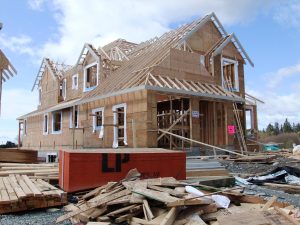 It’s been over a week since the U.S. Commerce Department confirmed that it’s nearly tripling its anti-dumping duties on Canadian lumber imports from 7.66% to 20.56% following its annual review. The response from north of the border has been apoplectic, to say the least. …In the US, several entities are worried about the hiked duties, too. The NAHB continues to sound the alarm that new duties will raise the cost of homebuilding. …”We are also urging the administration to move immediately to enter into negotiations with Canada on a new softwood lumber agreement.” …The US Lumber Coalition continues to be the loudest voice in the room in favor. …”Canada continues its relentless shipments of dumped and subsidized lumber with devastating consequences for mills, workers, and communities.” …The downstream effects of all these trade war machinations remain to be seen, though the cross-border lumber trade has already slowed down considerably.
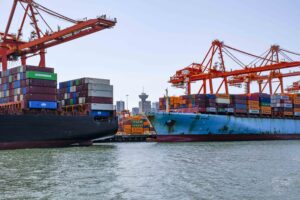 Canada’s merchandise trade deficit widened in June to C$5.9 billion as imports grew faster than exports due to a one-time high-value oil equipment import. The deficit observed in June is the second highest on record after the deficit expanded to its largest in history in April to C$7.6 billion, when the impact of US tariffs first started to weigh. Canada’s exports to the US as a share of total exports shrank to 70% in June from 83% in the same period a year ago while its surplus with the US contracted by a half in the same period, data showed. Total imports were up 1.4% in June to C$67.6 billion from a drop of 1.6% in the prior month, Statistics Canada said. Canada’s total exports grew 0.9% in June to C$61.74 billion following an increase of 2% in May, led primarily by an increase in crude oil exports.
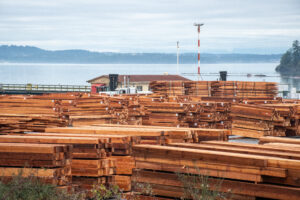 Lumber futures hit their highest price in three years Friday despite a home-building slump and a lackluster remodeling market. Though wood demand is tepid, traders are pricing in dramatically higher duties on lumber imports from Canada. Lumber futures for September delivery hit $695 per thousand board feet Friday, up 39% from a year ago and the highest price since summer 2022, when the price of two-by-fours was tumbling down from its pandemic surge. November futures are trading even higher, around $710. The US raised its antidumping duty Tuesday to nearly 21% from 7.7%… [and] The Commerce Department said it would impose a higher countervailing duty in the coming days. The combined rate is expected to be around 35%. …”We don’t make a tremendous amount of money on distributing lumber,” Builders FirstSource CEO Peter Jacksons told investors. “We’re not eating a 20-point increase in lumber. It’s not possible. So it will be passed through. The market will adapt.” [to access the full story a WSJ subscription is required]
 VANCOUVER, BC —
  NEW YORK, NY -‑ Mercer International reported second quarter 2025. In the second quarter of 2025, net loss was $86.1 million compared to $67.6 million in the same quarter of 2024 and $22.3 million in the first quarter of 2025. Mr. Juan Carlos Bueno, Chief Executive Officer, stated: “Our operating results for the second quarter of 2025 reflect the impacts of ongoing uncertainties in the global trade environment coupled with the resulting weaker dollar. This challenging backdrop contributed to weaker demand for pulp in China during the quarter. …Our lumber sales realizations in both the U.S. and Europe increased in the second quarter of 2025 as a result of lower supply and steady demand.
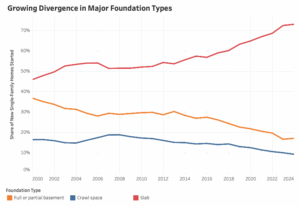 In 2024, 73% of new single-family homes started were built on slab foundations, according to NAHB analysis of the
 The impact of President Trump’s tariffs on consumer prices is just getting started, according to research by Goldman Sachs Group, adding more uncertainty to a Treasury market that has been gripped by shifting bets on the pace of interest rate cuts. US companies have so far taken the bulk of the hit but the burden will increasingly be passed on to consumers as companies hike prices, economists including Jan Hatzius wrote. Consumers in the US have absorbed an estimated 22% of tariff costs through June, but their share will rise to 67% if the latest tariffs follow the pattern of levies in previous years, they wrote. The net result: faster inflation. The core personal consumer expenditure index, one of the Federal Reserve’s favorite measures of inflation, will hit 3.2% year-on-year in December. They said underlying inflation net of tariffs would be 2.4%. The rate was 2.8% in June.



 If some banks or financial institutions have long been poised to abandon paper records, a representative to Congress is saying “Not so fast. US Rep. Mike Turner, R-Dayton, said he reintroduced his “Protecting Against Paperless and Electronic Requirement (PAPER) Act” recently. This legislation would prohibit financial institutions from abandoning paper records to use electronic bank statements. For many years, banks would print and mail monthly bank statements to all customers. For a while now, though, paper bank statements have been replaced by electronic statements. …The PAPER Act would bar financial institutions from restricting services based on a customer’s preference for paper statements, making certain that all Americans can participate in our banking system in a way that works best for them.” …In March, President Trump signed an executive order mandating that the federal government shift from paper-based payments to electronic payments.
 A Seattle proposal to add more housing above the historic Doyle Building near Pike Place Market is bringing out significant opposition, with nearby condominium owners seeking to utilize the only point of leverage they have: the city’s landmarks board. Clark/Barnes architects are working with the owners of the four-story building….
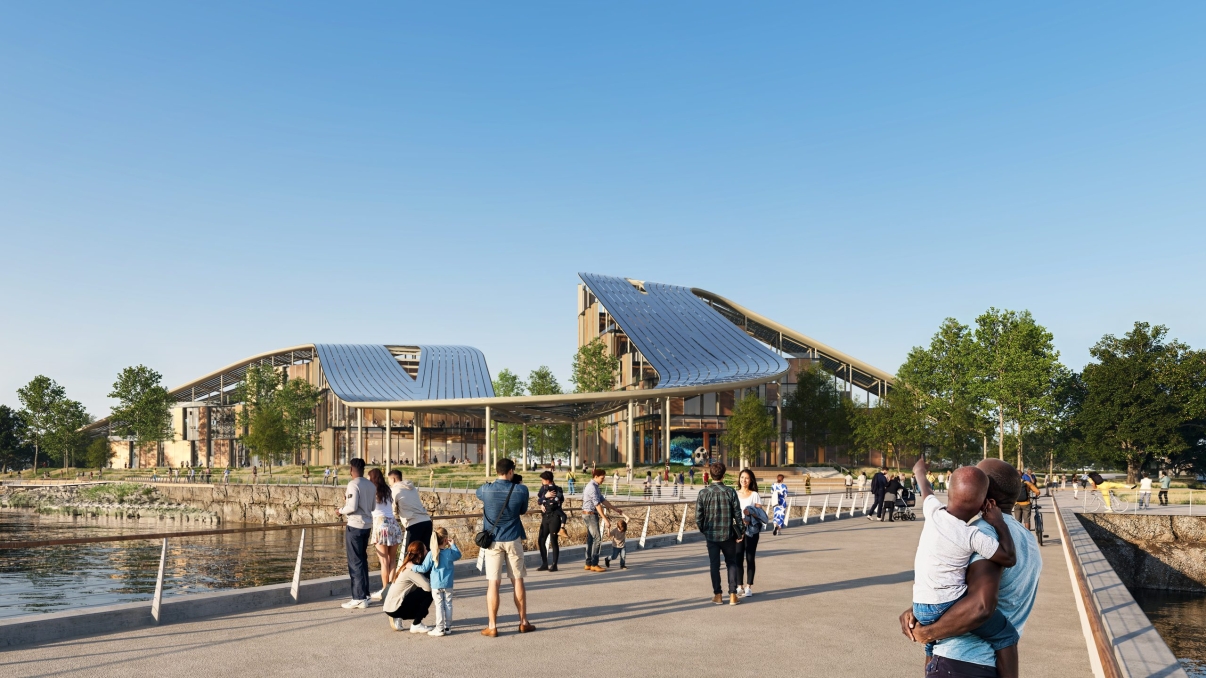
 PENSACOLA, Florida — A Beloit, Wisconsin-based general contractor will have a share in redeveloping a beachfront park in Florida. Pensacola, Florida-based The Dawson Company announced Beloit-based Corporate Contractors will be a co-developer, co-owner and investment partner in the first phase of a $200 million redevelopment of Community Maritime Park in Pensacola. Diane Hendricks, named the richest self-made woman in the US by Forbes and cofounder of ABC Supply, owns Corporate Contractors through the Hendricks Holding Company. …The first phase of construction involves two mass timber towers for the Reverb by Hard Rock Hotel and Rhythm Lofts, plans showed. The project will also have an affordable aspect, plans added. …In Wisconsin, CCI’s portfolio includes the Beloit College Powerhouse and The Grain mass timber development in Delafield. CCI is currently the owner’s representative for the $500 million Ho-Chunk Nation Casino and Convention Center underway in Beloit.


 The 9th American Forest Congress has
  WASHINGTON, DC – U.S. Secretary of Agriculture Brooke Rollins announced the US Forest Service is investing $106 million to support state and landowner efforts to conserve private working forestlands across the country. Funded through the Forest Legacy Program, these projects will protect forests vital to the economic and social fabric of local communities – ensuring they remain productive, working forests for Americans and tourists to use and enjoy. …In total, the Forest Service will fund 10 projects across 177,000 acres of state- and privately owned forestlands in Arkansas, Hawaii, Iowa, Michigan, Mississippi, New York, Oregon and South Carolina. The investments advance President Trump’s Executive Order on
 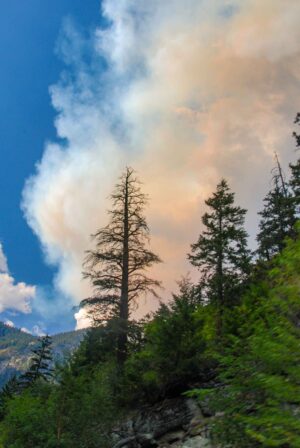 Cole Lindsay, the Oregon Department of Forestry aviation coordinator, said firefighters would typically have to hike into the dark canyon to check for new fires — a time-consuming and potentially dangerous task on a wildfire that had already roared to 23,890 acres in Wheeler County. But technology has advanced. Instead of sending people, Lindsay sent a drone equipped with an infrared camera to sweep across the canyon. “The cameras and sensors are so good that it would have seen something way before the human eye,” Lindsay said. …The Oregon Department of Forestry has 29 pilots. In 2024, ODF and its contractors flew 482 drone missions, 364 of which were for fire purposes. Out of 136 hours of flight time, 98.5 hours were on fire missions. So far in 2025, ODF, excluding its contractors, have flown 41 missions totaling 14 hours. Out of those 14 hours, 7.9 hours were for fire purposes.
 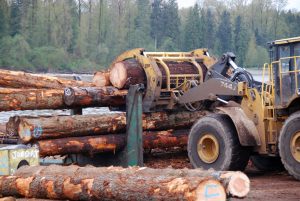 WASHINGTON STATE — Washington’s rural counties and school districts are preparing to start the school year without millions of dollars from a program meant to offset reduced revenue from logging on federal lands. The Secure Rural Schools program expired at the end of 2023 after Congress failed to renew it. Democratic and Republican lawmakers, along with local officials, are pushing US House leadership to bring a bill renewing the program to the floor. The lapsed program helps pay for roads and schools, providing $7 billion in payments to more than 700 counties and 4,400 school districts across 40 states since it was enacted in 2000. …Counties and schools have received logging revenue from the federal government for roads and schools since 1906. Federal law currently mandates that all counties annually receive 25% of the seven-year average of revenue generated by that county’s forests.
  In May, the White House Office of Budget and Management sent Congress President Trump’s proposed budget for discretionary spending for upcoming fiscal year 2026. Among the budget’s many cuts is a proposal to eliminate all funding for the Collaborative Forest Landscape Restoration Program, designed to make timber projects run more smoothly. The Collaborative is a decades-long experiment to get conservationists, the timber industry and U.S. Forest Service back to the proverbial table after the timber wars of years past. Collaboratives have been widely credited with incorporating conservationist’s environmental concerns in the design of timber harvests and, consequently, reducing environmental litigation known to slow down harvests. The CFLRP has been lauded by some for helping implement forest thinning and restoration projects meant to both reduce wildfire risk and increase timber production and jobs in rural communities.
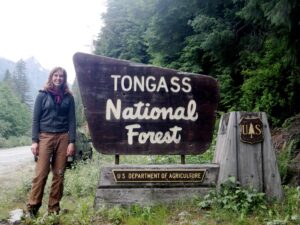 The Trump administration has announced plans to rescind the 2001 Roadless Rule, changing the political and timber industry landscape in the Tongass National Forest for the third time in five years. The Roadless Rule prevents logging, road building and mining on national forest lands. It was last repealed in 2020 and restored in 2023, and has been subject to decades of debate. Timber operators say the rescission could help a dying industry – if it passes through Congress. The U.S. Forest Service owns approximately 78% of the land in Southeast Alaska, meaning timber operators are dependent on the federal agency for a majority of their supply. Kirk Dahlstrom, co-owner of Viking Lumber Co. in Klawock, said the agency is nine years behind on offering timber supply for the Southeast industry. He said his business will not survive if land management remains under Forest Service control. “We got starved to almost nothing.”
 The Trump administration has proposed drastically limiting the public’s say in how federal lands are used at a time when the president is pushing to fast-track logging, mining and oil extraction. That’s raising concerns amongst conservationists and environmental advocates, who worry that the changes could have a profound impact on Oregonians’ relationship with the lands around them. More than half the land in Oregon is federally owned, as is about 29% of land in Washington. …Under President Donald Trump, 16 federal agencies are now considering rule changes that could curtail or drastically limit this public input, which is required under the National Environmental Policy Act, known as NEPA. Those proposed changes were announced in early July. The public has until Monday to provide input on the changes for the U.S Forest Service and the Bureau of Land Management. …Data shows that public comments can make a difference.

 The Washington Forest Practices Board is proposing new legislation pushed by the Washington Department of Ecology that will affect all of us financially. The Washington Forest Practices Board (FPB) is supposedly an “independent” state agency responsible for establishing rules that govern forest practices in Washington state. It’s chaired by the Commissioner of Public Lands Dave Upthegrove. …The FPB is proposing streams that are perennial with no fish should have the existing no-harvest buffers changed from 50 feet each side of the stream to 75 feet (or more). The proposal affects not only the stream buffer width, but the length of stream buffer and volume of restricted trees. Why does it affect you? All timber harvests are taxed by the state of Washington — 4% of the net log value goes back to the county the trees were harvested in. …You are affected by this proposed change in law that does nothing for fish.
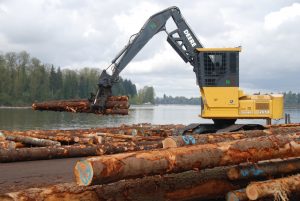 The Trump administration’s tumultuous relationship with China is proving to be a major issue for some companies in Alaska’s forest products industry. That includes in Haines, where a timber sale that was supposed to kick off this spring has stalled amid China’s ban on US log imports. China announced the ban in March, citing concerns over pests like bark and longhorn beetles in US shipments. The move came the same day that China imposed retaliatory tariffs on certain US agricultural products amid President Donald Trump’s global trade war. The decision has had sweeping effects on companies that harvest logs in Alaska and ship them overseas. …The trade disputes have also hit Canadian lumber company Transpac Group. The company in March largely shut down its site on Afognak Island, just north of Kodiak, citing the ban and failed efforts to divert its product to other markets.


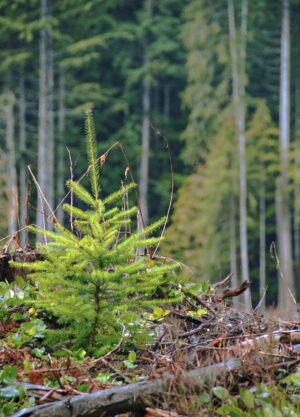 The Nature Conservancy announced it planted 2.5 million trees in northern Minnesota this year in partnership with the U.S. Forest Service, Minnesota Department of Natural Resources and three county land departments. This is a record number for the organization, and the second consecutive year the program has planted more than 2 million tree seedlings The tree seedlings were planted on public lands—across 5,810 acres of national forest, state forest, state park and county-managed forest lands—and covered six counties, including Cook, Lake, Saint Louis, Itasca, Cass and Carlton County. The planting areas included 1.8 miles along scenic Highway 61 and 41 miles of stream, river and lakeshore that connect to Lake Superior. It also included 1,740 acres of moose habitat enhancement, completed in partnership with the Ruffed Grouse Society and Minnesota Moose Habitat Collaborative—whose tribal representation is critical in maintaining habitat for this species of cultural importance to Indigenous communities.
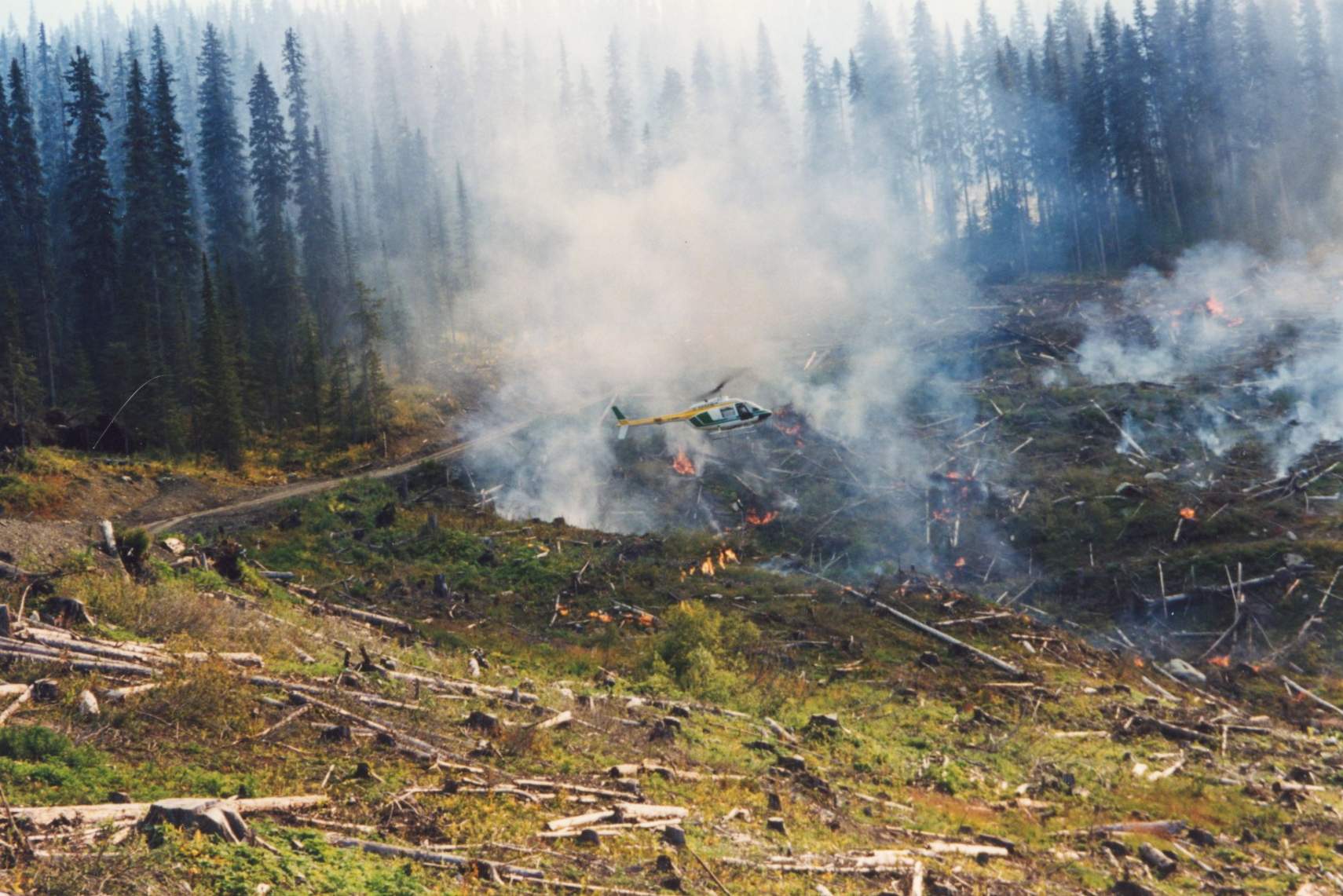 Western Washington state is one of the wettest places in the country. In the North Cascade mountains and on the Olympic Peninsula, lush cedars, ferns and mosses form classic Pacific Northwest rainforests. But even here, climate change is making wildfires more likely. And the state is figuring out how to respond. “It used to be that it really wasn’t until mid-August that fuels dried out in western Washington,” said Derek Churchill, a forest health scientist at the Washington Department of Natural Resources. “Now it’s July or earlier.” In fact, last month human activity started a wildfire in the Olympic national forest. As of Tuesday, it had grown to more than 5,100 acres and some campgrounds were under evacuation orders… But global warming is changing fire patterns in the state. Washington’s summers are growing longer, hotter and drier, resulting in an extended fire season with more desiccated fuel available. [A free account is required to read this article]
 FREMONT, Neb. — The U.S. Chemical Safety and Hazard Investigation Board (CSB) has opened a formal investigation into the July 29 explosion and fire at the Horizon Biofuels facility in Fremont that killed three people, officials announced Thursday. The blast fatally injured 32-year-old Dylan Danielson and his two young daughters who were inside the plant at the time. “This horrific incident should never have happened,” CSB Chairperson Steve Owens said in a statement. “We want to prevent a terrible tragedy like this from occurring again.” …The independent federal agency, whose members are appointed by the president and confirmed by the Senate, does not issue citations or fines but makes safety recommendations to companies, industry groups, labor organizations and agencies such as OSHA and the Environmental Protection Agency.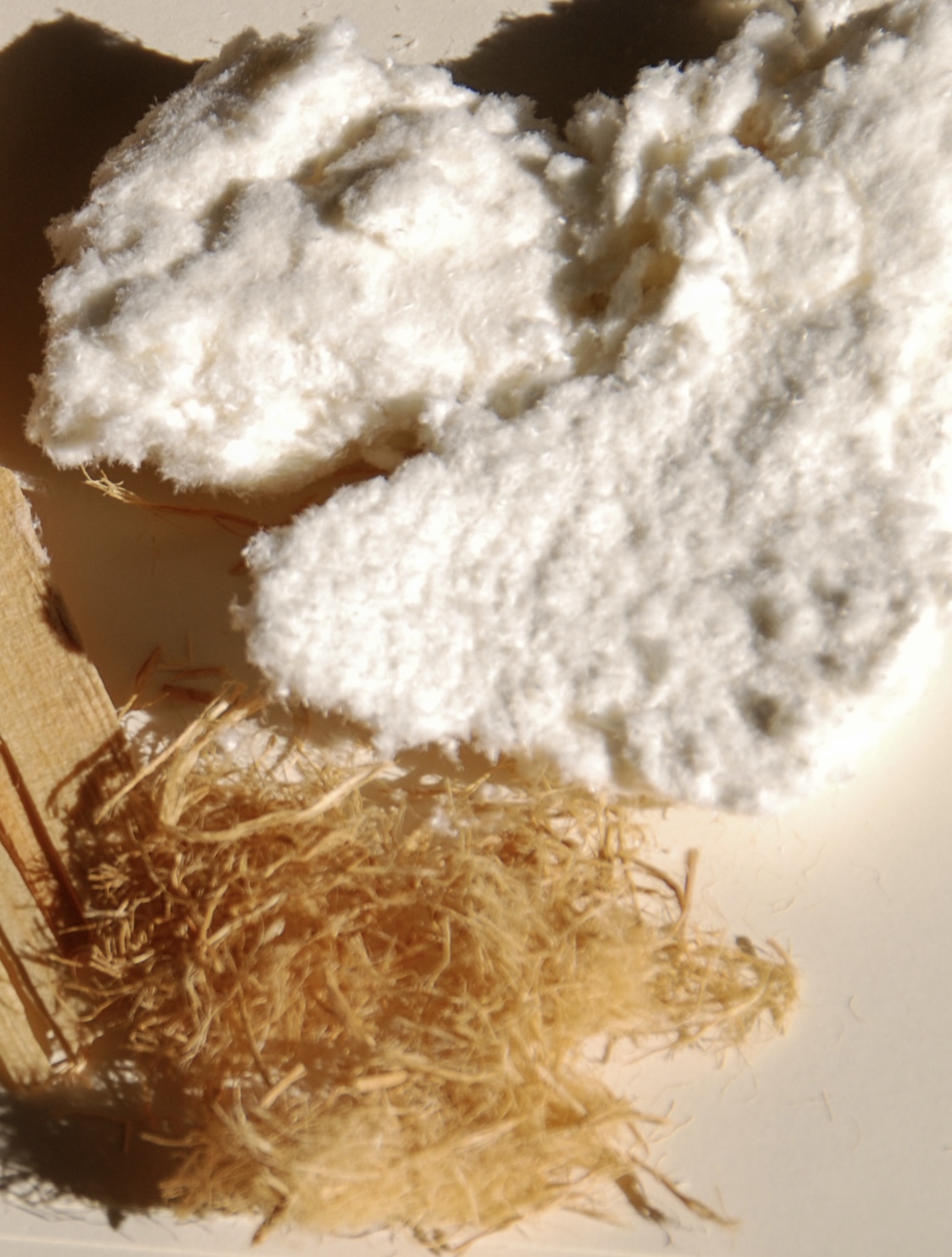
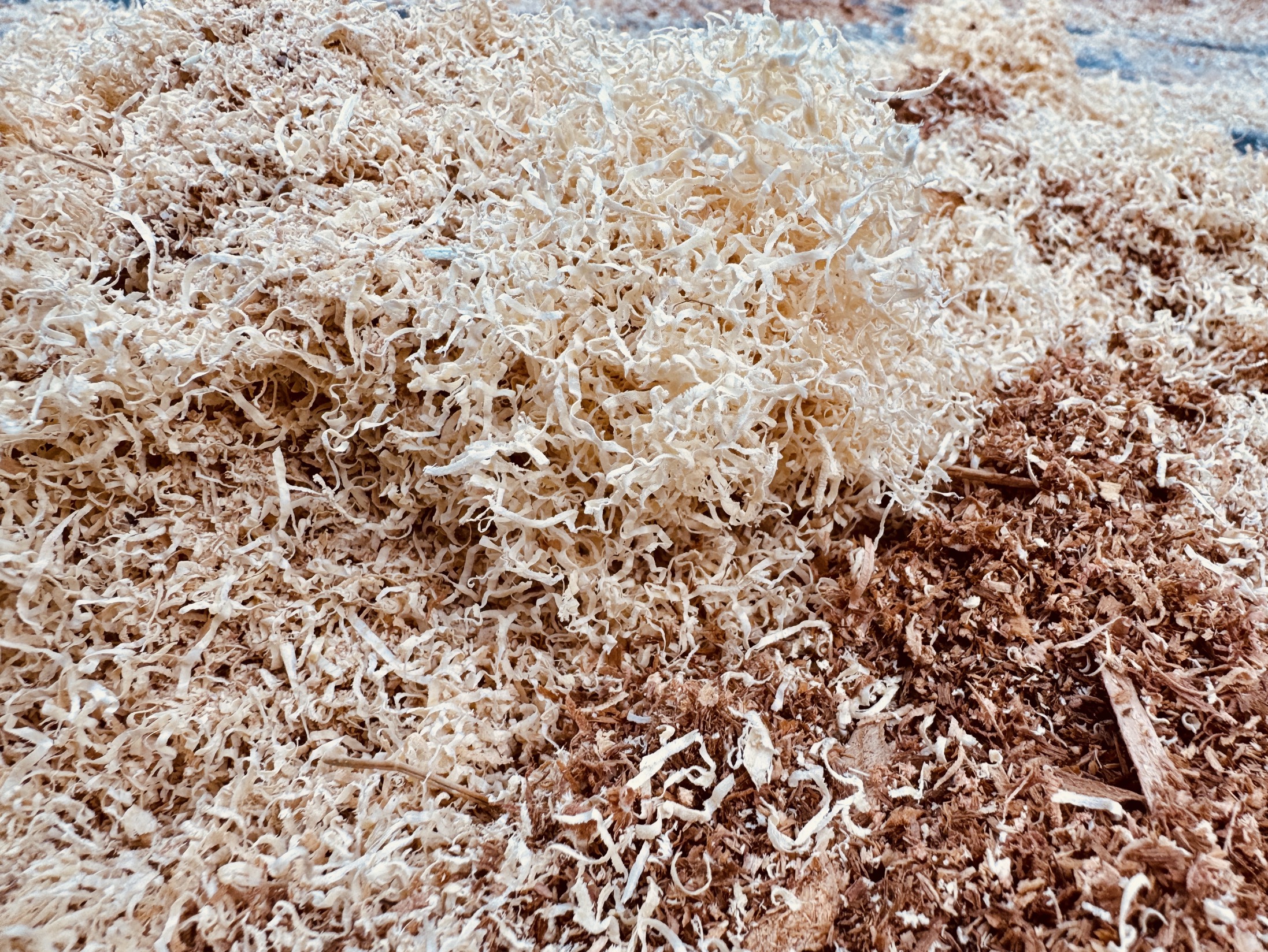 Dust collection expert Robert Williamson at Nederman Corporation, commented on a video of the deadly explosions at Horizon Biofuels, in Fremont, Nebraska. “It’s only speculation at this point, but it is these types of [wood dust explosive] events where we see fatalities,” said Williamson, VP Technical Solutions and Business Development North America. “You have the primary explosion and then a bigger explosion, the whole elevator explodes, and part of the building.” After the primary event, fine dust, which is more reactive than heavier dust and tends to accumulate in hard-to-clean areas, causes a secondary explosion, which experts on the scene also believe was the case in this instance. …Wood dust explosions can happen so fast that there is no time to evacuate. “These things happen so quickly, in less than 500 milliseconds,” he said, “There’s really no way to get away. Nobody’s going to run from this.”
 FREMONT, Neb. – Two days after a horrific explosion at a biofuels plant left a man and two girls dead, the state fire marshal told First Alert 6 the incident started with a dust fire — and was an accident. “A preliminary investigation indicates an accidental dust explosion occurred during the manufacturing process. Additional investigation efforts are currently impeded due to the instability of the structure,” the Nebraska Fire Marshal agency said in a statement Thursday afternoon. The state has completed its initial investigation of the incident at Horizon Biofuels, which manufactures wood pellets and animal bedding. Occupational Safety and Health Administration , however, remains at the scene and must — by law — complete its investigation within six months. The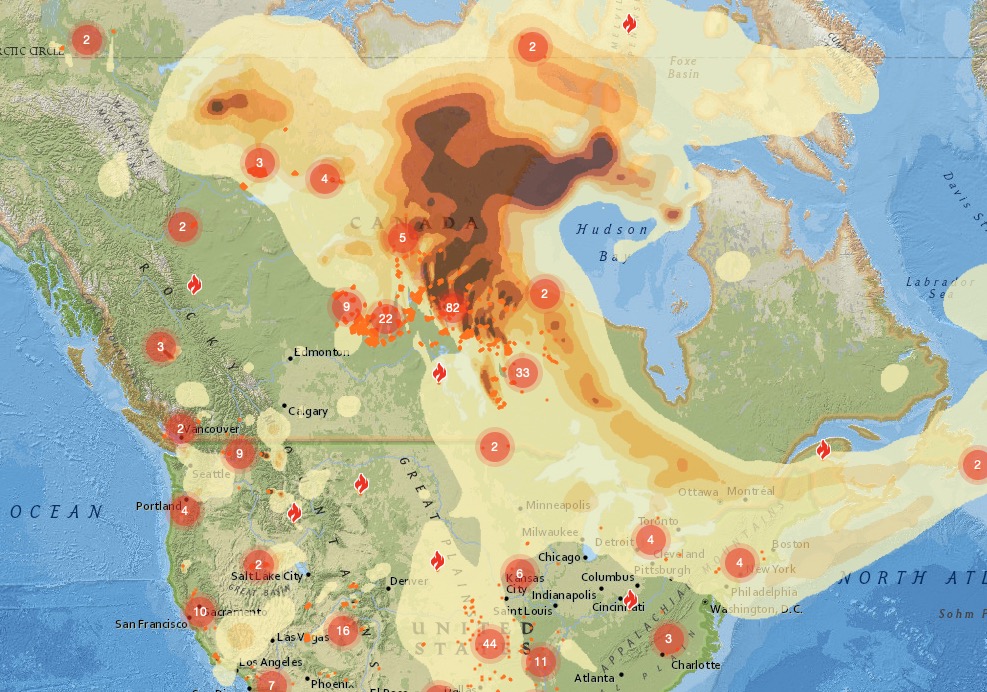
 Fires, storms and the potential for near-record high temperatures across the western US are in the offing for the coming week. The Gifford Fire, about 125 miles northwest of Los Angeles, had burned 113,648 acres and was 21% contained through Saturday, according to Cal Fire. So far, 809 people have been evacuated and the Los Padres National Forest was closed because of the flames. There are 3,935 fire crews and support staff on the scene, and at least seven have been injured, according to a joint statement by Cal Fire, the US Forest Service and several local agencies. The Gifford blaze is the largest of 14 fires across the state. …Large wildfires in Colorado have also caused air quality to drop there, the U.S. National Weather Service said. …Meanwhile, smoke from forest fires in Canada has once again crossed into the US, causing air quality alerts to be posted in Minnesota and parts of Wisconsin.
 Arizona’s fire season keeps smoldering and flaring, thanks to a schizo monsoon and a dry winter. The 125,000-acre Dragon Bravo Fire continues to grow, with the 1,200 firefighters managing just 13% containment after nearly a month of trying. The National Weather Service had predicted a normal to wet monsoon after a bone-dry winter, based largely on sea-surface temperatures in the Pacific. But as a global warming trend driven by heat-trapping pollutants pumps energy into the atmosphere, patterns of drought, heat and storm tracks have become harder and harder to predict. So the monsoon has splashed and sputtered, with a week of storms giving way to a week of hot, dry weather – extending the fire season well into the period when fire crews would normally shift to other areas. Fortunately, the extended forecast calls for a chance the monsoon will gust back to life next week.