 The United States has increased countervailing duties on Canadian softwood lumber [from 6.74% to 14.63%], bringing the total duties on lumber to 35.19%. The decision was announced on Friday by the US Department of Commerce. Although the escalating fees were anticipated, they still drew swift condemnation and words of alarm from industry and political leaders in BC and Ontario, who say it is yet the latest example of unfair treatment of the industry from their largest and most important international partner. “Two words describe Donald Trump’s latest move to increase countervailing duties on Canadian softwood lumber: absurd and reckless,” B.C.’s Forests Minister Ravi Parmar said. “Adding these additional softwood duties … will only worsen an affordability crisis on both sides of the border.”
In response to the increase in countervailing duties:
- Kim Haakstad, Council of Forest Industries: COFI condemns doubling of duties. Urges action to improve business environment for forestry in BC
- Government of Ontario Ministers: Ontario renews calls for removal of duties on softwood lumber exports
- Kurt Niquidet, BC Lumber Trade Council: Urges Canada and the US governments to make resolving the dispute a top economic priority
- Northern Ontario Municipalities: Softwood lumber tariffs ‘deal a serious blow’ to northern forestry sector

 The US and Canada are fighting about lumber once again. The neighbors have feuded over softwood lumber since the 1980s. The US has periodically put in place duties to counteract what it claims are unfair subsidies and sales of lumber priced below market value. …Canada has long resisted changing its trade practices on lumber. But as the Trump administration has become more bellicose about its trade relationship with Canada, the country’s stance may be softening. On July 16, BC Premier Eby said that Canadian officials are now open to putting a quota on the amount of lumber exported to the US. The increased fees will benefit foresters in the US South… but the US would struggle to offset the lumber it gets from Canada in the short-term, potentially driving up housing prices. Here’s what to know about the commodity that has long dominated US-Canada trade tensions. [to access the full story a Bloomberg subscription is required]
 Since Feb. 1, 2025, Canada has been plunged into a major trade war, triggered by U.S. President Donald Trump. …These measures threaten thousands of jobs and destabilize the deeply integrated supply chains between the two countries. This is not the first time Canada has faced such a threat. In 2018, similar tariffs were imposed by the same president but lifted in 2019 with the conclusion of the CUSMA. The difference today is the far greater scale and scope of the trade war. …The USW calls for a robust industrial strategy to reduce Canada’s dependence on U.S. trade. Priority must be given to steel, aluminum, wood and materials manufactured in Canada in all government-funded projects. Public money must be used to support Canadian jobs. The union is also calling for a tax credit to encourage the procurement of Canadian-manufactured goods, as well as the creation of strategic reserves of critical minerals to stabilize demand and secure supply chains.
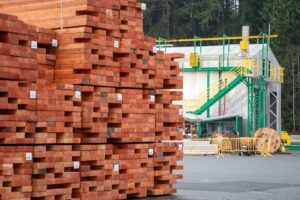 The US lumber industry says new financial support pledged by Canada to domestic forestry companies risks deepening the neighbors’ long-running trade dispute, and may result in yet more import taxes. Last week Prime Minister Mark Carney promised as much as C$1.2 billion in loan guarantees, grants and contributions for Canadian sawmills to pursue product development and market diversification — in response to what he said were unjustified US import taxes. Three days later, US Department of Commerce separately confirmed it would more than double combined anti-dumping and countervailing duties on Canadian softwood lumber. …“We will absolutely be asking Commerce to look at whether companies received a distortive benefit from this package,” said Whitney Rolig, who acts as lead attorney for the US Lumber Coalition. …The Quebec Forest Industry Council said that “even the Department of Commerce has long since ceased to consider loan guarantees as subsidies,” and the aid package also aims to boost domestic demand.
 The US Court of International Trade threw out a legal challenge from Canadian softwood lumber producers J.D. Irving Ltd. granting a motion-to-dismiss from the Commerce Department. Timothy Reif said in the opinion that J.D. Irving, which had challenged Commerce’s 2022 antidumping administrate review on grounds that the agency erred by assigning a higher cash deposit rate in the order, has its proper venue under a binational panel though the USMCA now reviewing the Commerce order. While the Canadian firm said it was challenging not the Commerce fine order but the instruction for the cash deposit rate. Reif said the challenge entered on the commerce final result and thus should rest before the USMCA panel. [to access the full story, a MLex.com subscription is required]
 The US International Trade Commission determined on August 21 that revoking the existing antidumping duty order and countervailing duty order on wooden cabinets and vanities from China would likely lead to “continuation or recurrence of material injury within a reasonably foreseeable time.” The Kitchen Cabinet Manufacturers Association (KCMA) said that ruling “means that the antidumping and countervailing duty orders will remain in place for at least another five years and continue to provide relief to the US domestic industry from dumped and subsidized merchandise from China.” As a result of the Commission’s affirmative determinations, the existing orders on imports of these products will remain in place. …The action comes under the five-year (sunset) review process required by the Uruguay Round Agreements Act. The Commission’s public report on Wooden Cabinets and Vanities from China will be available by October 3, 2025.

 As of mid-2025, the global tariff environment has grown increasingly unpredictable. The United States has reinforced its protectionist stance with new and expanded duties aimed at key trade partners. Most notably, a 50% tariff on imports from Brazil was enacted, targeting a wide range of products. Wood pulp and certain industrial inputs were explicitly exempted, though lingering confusion around the policy’s scope has led companies to reassess sourcing strategies. …Many of the early US tariffs implemented—such as those targeting Canadian softwood lumber, Chinese finished goods, and EU paperboard products—remain in place. …In response to this complex tariff environment, companies are increasingly focusing on supplier diversification, regional trade agreements, and nearshoring strategies to reduce risk. While some nations—like Mexico and Chile—have emerged as viable alternatives for sourcing pulp, packaging, and paper products, the reshuffling of trade lanes is still underway.
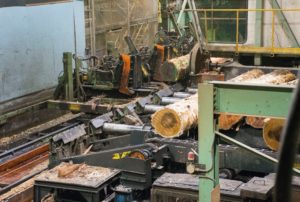 The pieces might be falling into place for Wyoming’s timber industry to make a strong comeback, legislators and land management officials said. The volume of timber being cut in Wyoming might outpace the state’s few remaining sawmills to meet the demand. The increase in demand coincides with tariffs being placed on Canadian lumber. …Long-term success of expanding the Wyoming timber industry hinges on building back the “local timber industry,” instead of trucking logs to mills in other states, Bighorn National Forest Supervisor Andrew Johnson said. Wyoming timber products could include “finger-jointed two-by-four” boards, as well as wooden posts and poles, he said. Johnson made his remarks before the Wyoming Legislature’s Select Federal Natural Resources Committee. He and other land management officials gave optimistic reports as they informed the committee about the outlook for logging and lumber milling in Wyoming, due to recent state and federal policy changes.
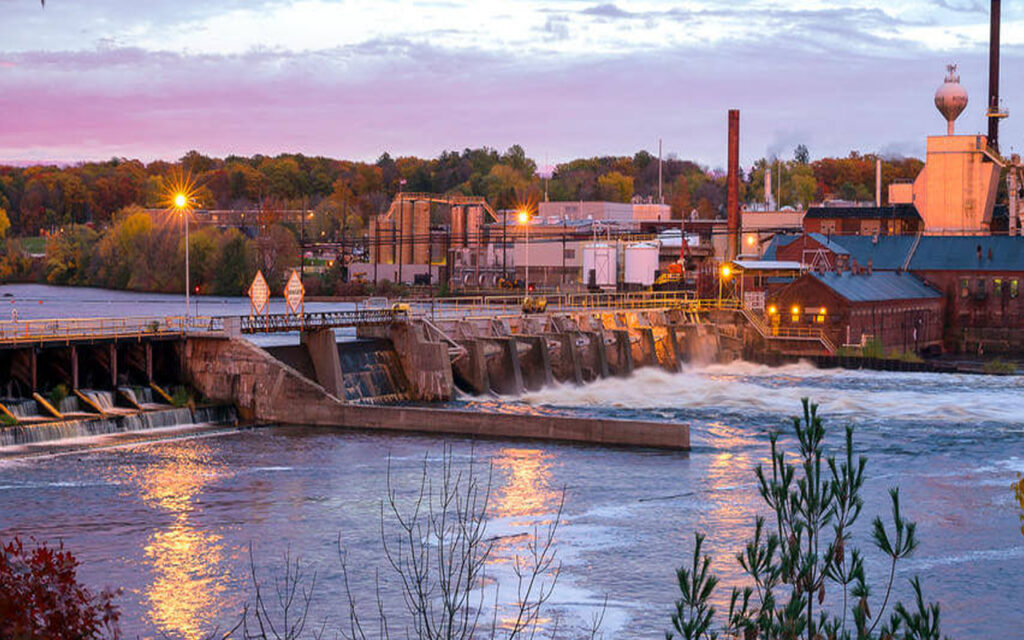
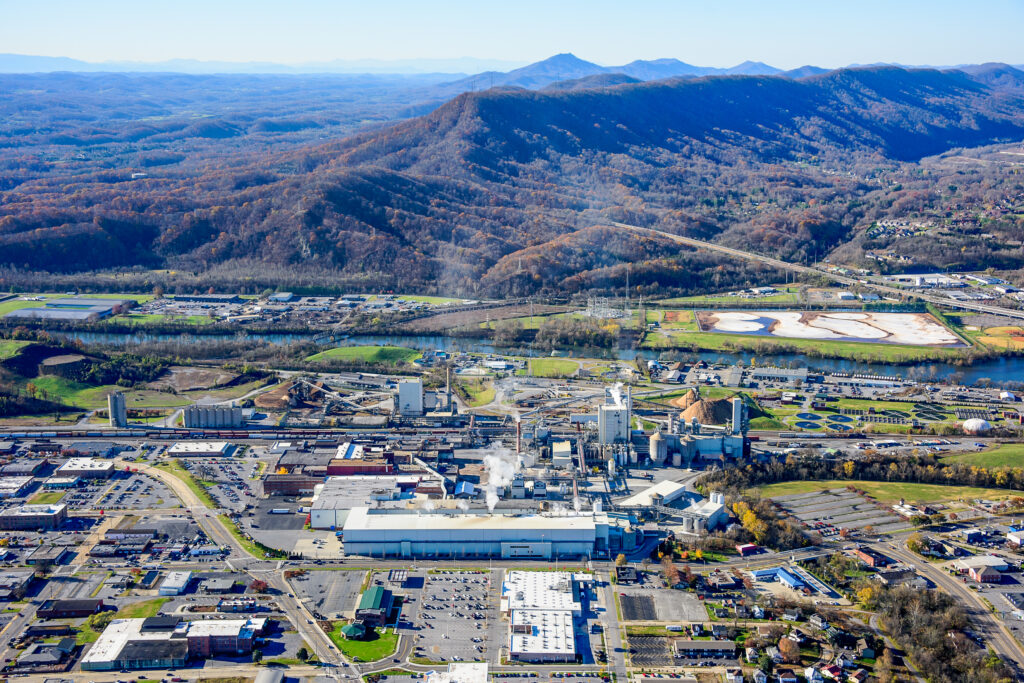


 Lumber buyers placed unsuccessful bets on tariffs and interest rates Lumber prices have dropped by more than 14% from a record high in early August. Many home builders, contractors and retailers wagered that higher U.S. tariffs on imports would boost the cost of lumber, while lower interest rates would lift demand for the building material. But those bets have failed to pay off – and lumber prices have tallied a steep decline from a record high reached only three weeks ago. That price decline could lead to a drop in production at a time when home-building and housing demand starts to heat up. The demand component for spring 2025 was a “complete swing and a miss,” said Greg Kuta, at lumber broker Westline Capital Strategies. …On Tuesday, lumber futures for September delivery settled at $595.50 per thousand board feet. …Canadian mills are losing out with lumber prices well under the cost of production,” Kuta said.
 Lumber futures have dropped about 12% since hitting a three-year high two weeks ago, a sign that wood buyers stocked up before duties on Canadian two-by-fours more than doubled this month and that traders are worried about the U.S. housing market. Futures for September delivery fell to around $610 per thousand board feet late Friday and have declined in nine of the past 10 trading sessions. On-the-spot prices are also down, according to Random Lengths. …Jordan Rizzuto, chief investment officer at GammaRoad Capital Partners… said that besides indicating that lumber was piled high in U.S. lumberyards before the higher duties took effect, the whipsaw in wood prices is a warning sign for other asset classes. “Lumber’s price behavior over the past several weeks relative to countercyclical and defensive assets suggests potential weakening of new construction and cyclical sectors of the economy,” he said. [to access the full story a WSJ subscription is required]
 Lumber futures fell toward $610 per thousand board feet, retreating from the May-2022 high of $695.5 seen August 1st as weakening demand, recovering supply and tariff-driven trade distortions jointly sapped pricing power. Demand has cooled sharply with US single-family starts slipping to an 11-month low and building permits plunging, a direct consequence of elevated mortgage rates that curbs the core market for lumber. On the supply side, sawmills remain under-utilized but production has stabilized and Canadian mills are ramping output off a curtailment-heavy base, Statistics Canada shows production and shipments recovering into mid-2025, keeping physical availability ample. Tariffs meant to restrict Canadian flows are, in this oversupplied environment, simply redirecting trade and encouraging inventory build rather than creating scarcity, so inventories remain high and limit upside even as duties rise.
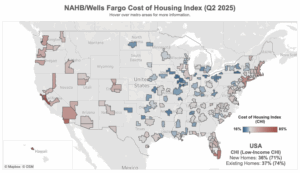 While new homes remain largely unaffordable, builder efforts to improve housing affordability paid dividends in the second quarter of 2025, according to the latest data from the NAHB/Wells Fargo Cost of Housing Index (CHI). The CHI results from the second quarter of 2025 show that a family earning the nation’s median income of $104,200 needed 36% of its income to cover the mortgage payment on a median-priced new home. Low-income families, defined as those earning only 50% of median income, would have to spend 71% of their earnings to pay for the same new home. …The second quarter of 2025 marked the largest historical gap where existing home prices exceeded those of new homes. …The percentage of a family’s income needed to purchase a new home was unchanged at 36% from the first to the second quarter, while the low-income CHI fell from 72% to 71% over the same period.
 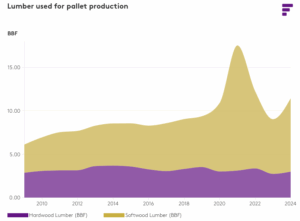 Economic uncertainty has clouded the pallet market outlook, as July’s job report revealed weaker-than-expected job growth. The elimination of the de minimis tariff exemption for low-value shipments is expected to improve pallet demand. Anticipated interest rate cuts will have a knock-on effect on housing affordability, stimulating the construction sector which in turn impacts lumber prices. …As pallet usage has grown, softwood has become the dominant material used in pallet manufacturing due to its abundance and cost-effectiveness. Hardwood mills were hit hard, and many saw closures, after the Chinese property market collapsed as that was its biggest end-use market. This Canadian softwood lumber supply shock does certainly leave the door open for the hardwood pallet to regain some market share. Supply and demand indicators are pointing to higher prices towards the end of 2025 and into 2026.

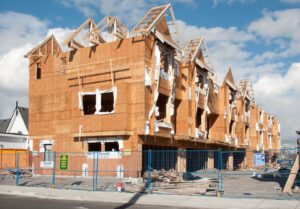 Boosted by a surge in the multifamily sector, US housing starts saw a sizeable jump in July, posting the highest total of starts since February. Housing completions were also up in July, while building permits were down. According to the numbers released by the US Census Bureau on Tuesday, overall housing starts totaled 1.428 million in July, up 5.2% from June and 12.9% above July 2024. It was the highest number of overall starts since February’s 1.490 million. The sector was paced by buildings with five or more units, which had 470,000 starts in July, up from 421,000 in June. This is the highest total of multifamily starts in more than a year. Single-family housing starts were also up, coming in at 939,000 for July. This reflects a 2.8% increase month over month; however, totals are still low compared to most months over the last year. …Odeta Kushi, at First American, said the single-family housing starts numbers are concerning.



 Box demand touches nearly every industry, from flat-screen TVs to packaged food, all of which see sales fluctuate based on how flush shoppers feel. …Sales of corrugated cardboard used to make boxes are slumping, signaling that retail demand across industries may be due for a correction. US box shipments fell to the lowest second-quarter reading since 2015, with companies like International Paper Co. and Smurfit Westrock Plc reporting drops in box shipments. The drop in packaging demand appears to be tied to President Donald Trump’s mixed messaging on tariffs, with companies not stocking up on packaging while they wait to find out how the levies will affect costs and demand. [to access the full story a Bloomberg subscription is required]
 US mills consumed more recycled paper in 2024 compared to 2023 while exports decrease. The American Forest & Paper Association (AF&PA) recently announced its annual paper recycling rates, with 60%-64% of paper and 69%-74% of cardboard available for recovery being recycled in the United States in 2024. Paper continues to be one of the highest recycled materials in America, supported by successful recycling systems throughout the country. In 2024 alone, 46 million tons of paper was recycled in the U.S., which equates to 125,000 tons of recycled paper being turned into new, essential products like cardboard boxes, paper packaging, and toilet paper every day. …US mills used 1.29 million more tons of recycled paper to make new products in 2024 – that’s 32.7 million tons compared to 31.3 million tons in 2023.
.jpg)
 SLB-Funded NYC Mass Timber Studio Expands With Landmark Projects: Building on the success of its first round of projects in 2024, the NYC Mass Timber Studio announced a second cohort of selected projects this month to help catalyze deployment of wood construction throughout New York City. … After supporting successful accelerator programs in Boston, Georgia, and New York City, the SLB is now exploring collaborations with cities in Arizona, California, Colorado, Pennsylvania, Oregon, and Texas.

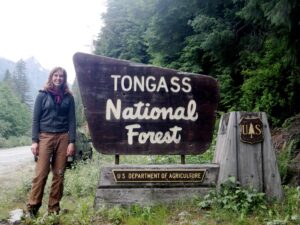 KLAWOCK, Alaska — Steinway pianos have a particular sound. …The secret to the sound isn’t merely Steinway’s skilled craftsmen—who’ve been using the same methods since 1853—but the specialized wood they use for the soundboards. It comes from the Tongass National Forest in Alaska. Unfortunately, a broken promise from the federal government will soon stop the music. …In 2016 the U.S. Department of Agriculture created a management plan that promised the availability of old-growth timber from the Tongass annually on a fixed schedule. …Not only has the Forest Service never met the timber-sale goals outlined in their management plan, in the past four years it offered less than 10% of the annual needs for the industry. …An executive order from President Trump… and a lawsuit we filed against the USDA earlier this year haven’t been enough to get the Forest Service to stop starving the industry. [to access the full story a WSJ subscription is required]
 The sternly worded statements and letters are filled with indignation and outrage: Republican US lawmakers say Canada has done too little to contain wildfires and smoke that have fouled the air in several states this summer. …They’ve demanded more forest thinning, prescribed burns and other measures to prevent fires from starting. They’ve warned the smoke is hurting relations between the countries and suggested the US could make it an issue in tariff talks. But what they haven’t done is acknowledge the role of climate change — a glaring and shortsighted omission, according to climate scientists. It also ignores the outsized US contribution to heat-trapping gases that cause more intense heat waves and droughts, which in turn set the stage for more destructive wildfires, scientists say. …“I don’t think there’s much they can do,” said Michigan climate scientist Jonathan Overpeck. He noted that hotter temperatures are melting permafrost in northern Canada.
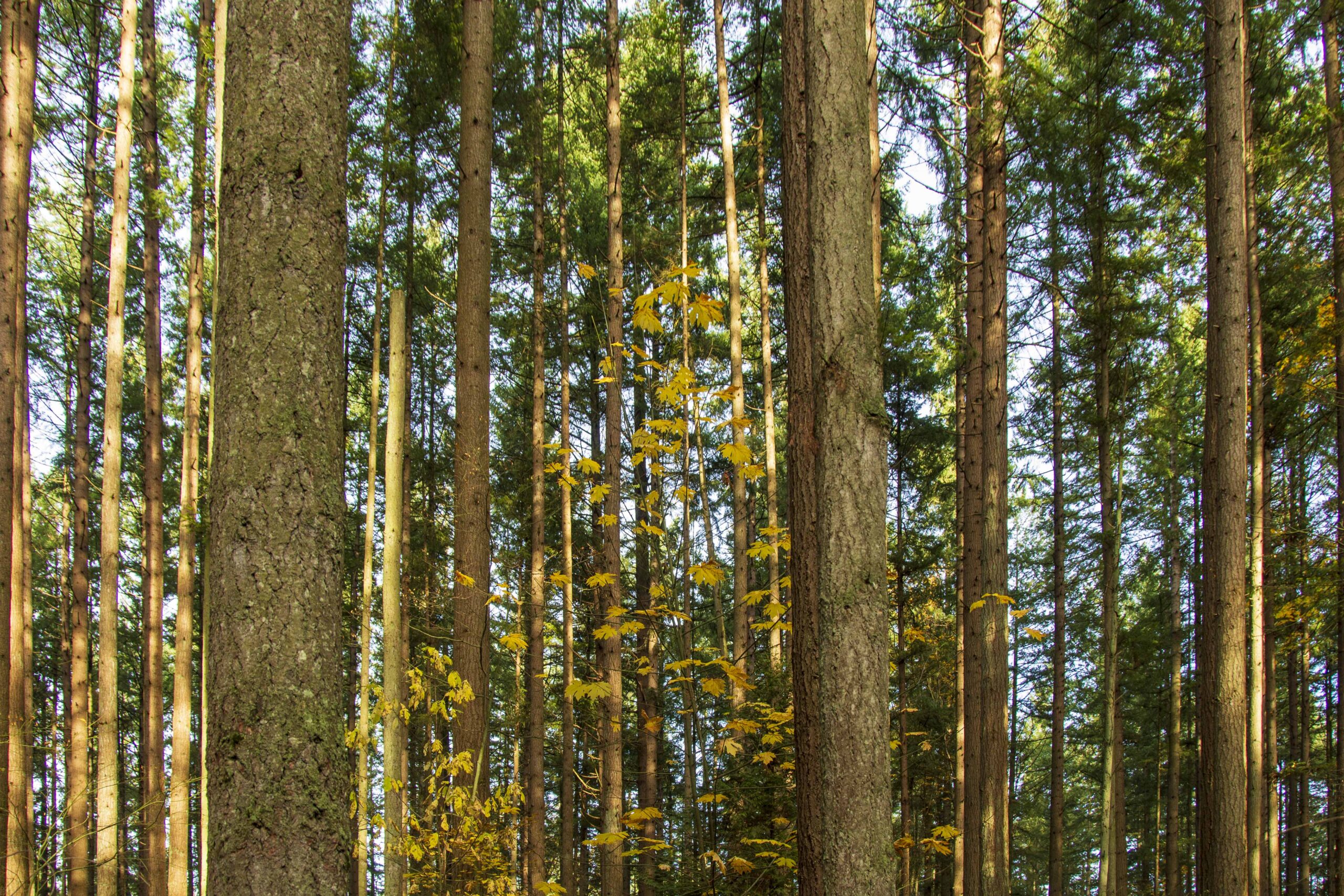 The odds of high-severity wildfire were nearly one-and-a-half times higher on industrial private land than on publicly owned forests, a new study found. Forests managed by timber companies were more likely to exhibit the conditions that megafires love—dense stands of regularly spaced trees with continuous vegetation connecting the understory to the canopy. The research, led by the University of Utah, University of California, Berkeley, and the United States Forest Service, is the first to identify how extreme weather conditions and forest management practices jointly impact fire severity. Leveraging a unique lidar dataset, the authors created three-dimensional maps of public and private forests before five wildfires burned 1.1 million acres in the northern Sierra Nevada, California. …Although the study demonstrates that private industrial lands fare worse, both private and public agencies have much room for improvement to protect our nation’s forests.
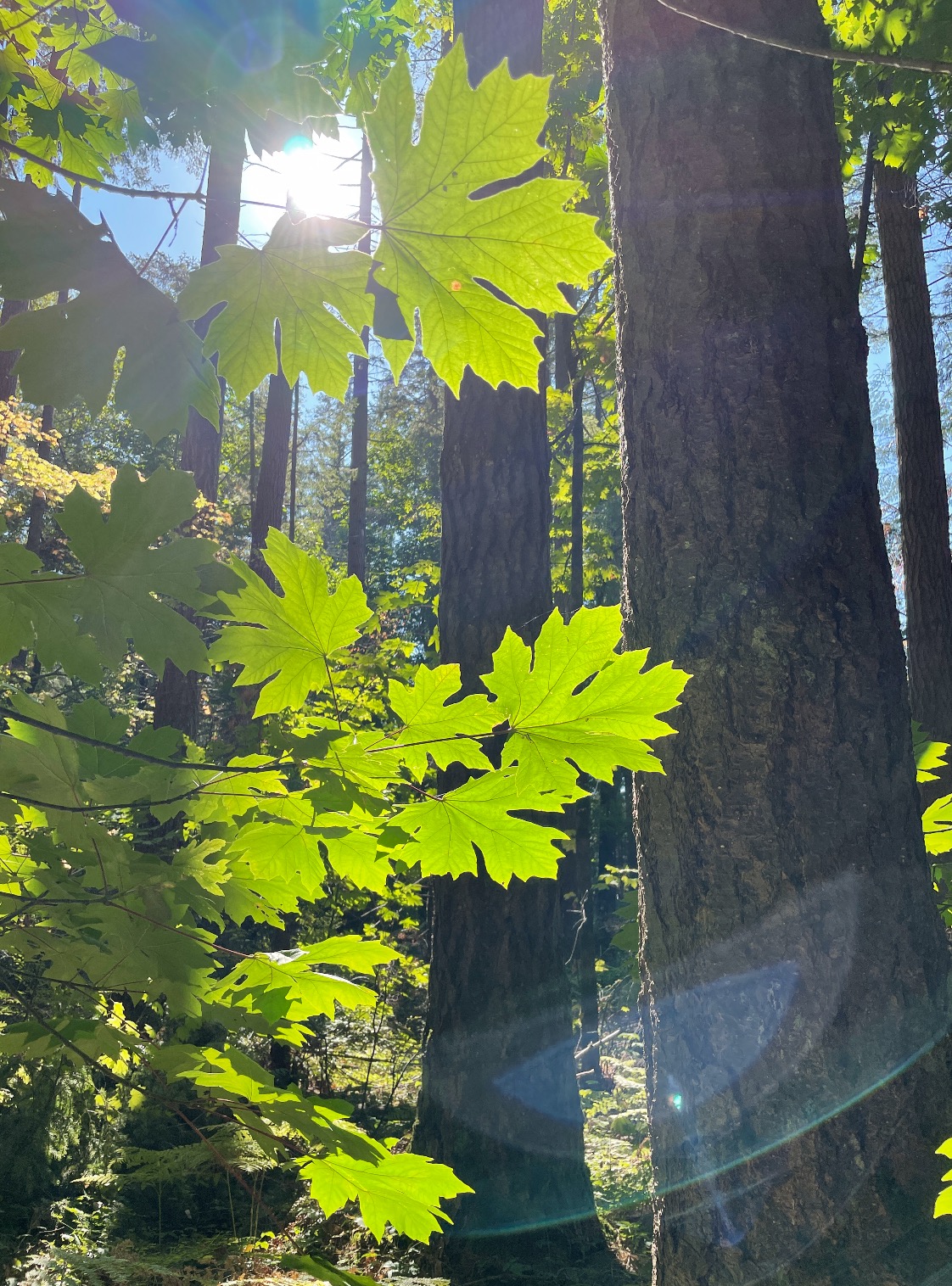 Photographs of forests in the western U.S. from the mid-1800s show a starkly different reality compared to today, says Paul Hessburg, an ecologist at the University of Washington. …Today, many of these forests are overgrown and dominated by younger trees. Back then, they were typically more open — “park-like”. …Fire played an integral role — perhaps the integral role — in shaping these ecosystems. …Hessburg and others see the rejection of active management in part as a response to the “legacy” of commercial, industrial-scale logging of natural forests. Those rampant harvests often took the oldest and largest trees in the U.S., before a mix of science, policy and advocacy for species like the northern spotted owl caused a shift away from the practice in the 1990s. …“We created a climate that’s hostile to people and health and forests,” he says. What’s critical now is finding ways to adjust, for both ourselves and our forests.
  PENNSYLVANIA — The Allegheny National Forest is set to ramp up logging by more than 10% this year as part of a push from President Donald Trump to boost domestic lumber supplies. The move has sparked fierce debate between environmentalists and pro-logging groups who disagree on cutting trees to reduce wildfire risks or improve forest health. In the coming fiscal year, the state’s only national forest is set to sell 45 million board feet, an over 12% increase from this fiscal year, said Alisen Downs, for the Allegheny National Forest. …Allegheny National Forest has proposed a five-year plan starting next fiscal year, Downs said.“I think a slow and steady progress toward that increase is probably the best approach,” said Julia McCray, of the Allegheny Forest Alliance, which includes local officials and people from the timber industry. …While next year’s logging will be an increase… it’s not a historic high.
  The Trump administration wants to scrap a rule that protects tens of millions of acres of national forest from road-building and large-scale logging—but its zeal to log will face a reality check from government downsizing, possible litigation, and even a soft timber market. The US Forest Service is grappling with budget cuts and staffing shortages. At the same time, environmental groups are already gearing up for legal battles, arguing the so-called Roadless Rule safeguards endangered species, clean water, and biodiversity. “The administration can sprint and rescind the Roadless Rule, but then what?” said Murray Feldman, at Holland & Hart LLP in Boise. “It seems like a moonshot to try to reverse decades of national forest management plans by revoking one specific set of rules. But we’ll see.” …The Forest Service hasn’t taken any official steps to rescind the Roadless Rule since Rollins’ announcement in June.

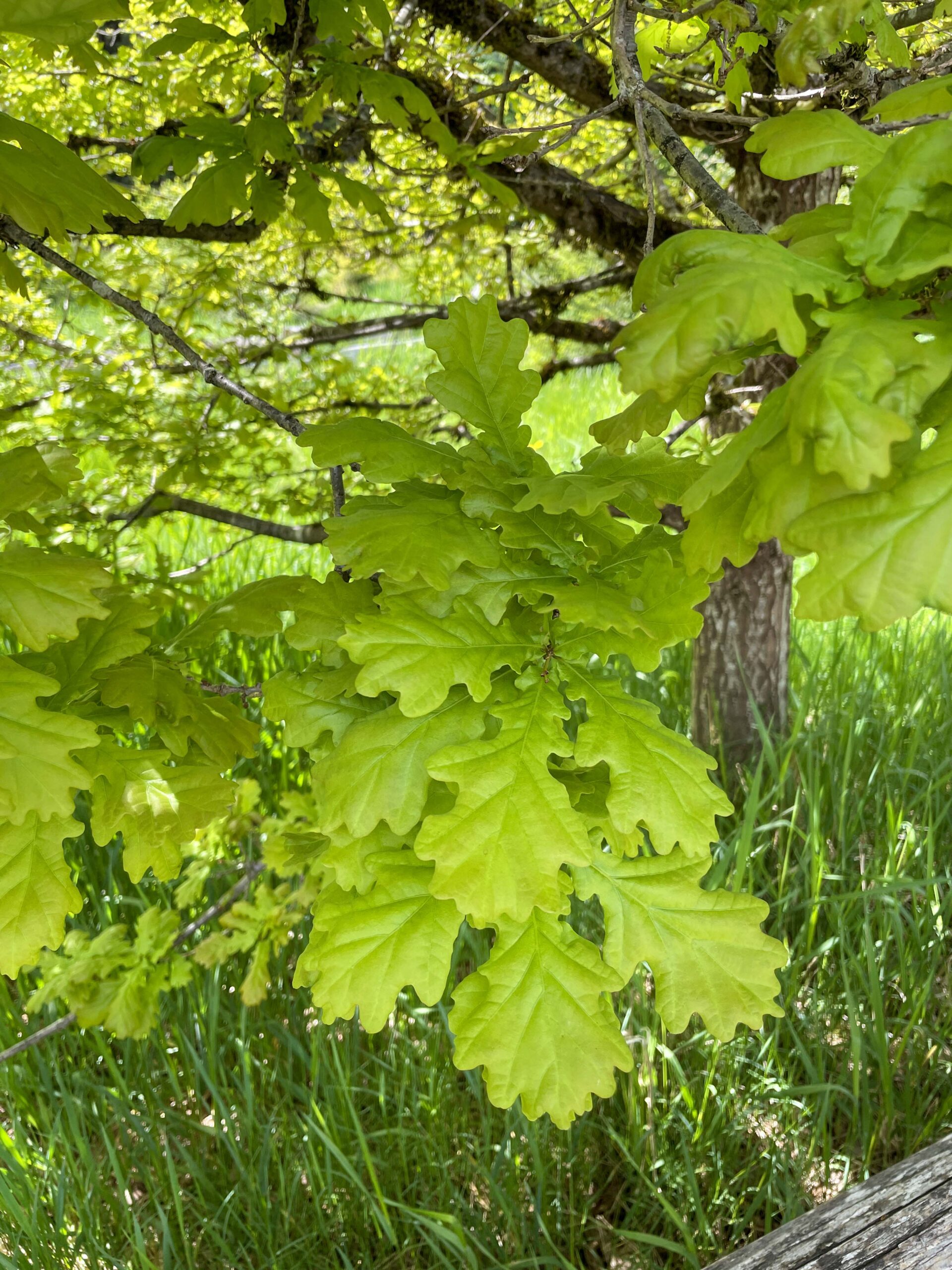 PORTLAND, Oregon — The USDA Forest Service and the Oregon Department of Forestry are investing $750,000 to restore oak habitat and reduce wildfire risk in the southern Willamette Valley. The project will reduce the risk of uncharacteristic wildfire and restore fire-adapted oak ecosystems that are important to wildlife, water quality, and rural communities. Work includes treating 150 acres of hazardous fuels while supporting partner efforts to treat an additional 1,200 acres — for a total of 1,350 acres restored. Landowners will receive assistance to implement oak management activities, including hazardous fuels mitigation, that promote resilient and fire-adapted forests. This investment is part of the Forest Service’s Landscape Scale Restoration (LSR) program, a nationally competitive grant program that supports collaborative, science-based projects across state, tribal, and private forestlands. The Forest Service invested $7 million to fund 19 projects nationwide, including $300,000 to this project in Oregon.
 Wildfires are a natural part of the landscape in much of Central and Eastern Oregon. James “Jim Bob” Collins has seen the damage a wildfire can cause and the effects it has on the land after the smoke clears. His district had worked for months to receive a $21 million grant from the U.S. Department of Agriculture that would have gone to wildfire mitigation in forests and rangelands. But this summer, just as wildfire season was starting, the government walked back on its offer in Wheeler County and across the state. All told $90 million worth of conservation work is on hold across Oregon. That’s left ranchers like Collins and his neighbors, whose land bears the scars of last year’s fires, hoping the rest of this year’s wildfire season is uneventful, as he and the conservation district he serves explore new ways to pay for the work.
 A budget crisis a century in the making is coming to a head as Oregon’s rural counties. The crisis originates with a compromise from the era of President Teddy Roosevelt and was prolonged by piecemeal solutions made during the Timber Wars of the 1990s. Now the president’s signature One Big Beautiful Bill removes a key funding source for Oregon’s timber counties. If nothing is done, rural counties could find themselves with no money to pay for sheriff’s departments or other essential needs. …Many rural Oregon counties once relied on a portion of revenue from trees logged on federal lands to cover the costs of essential services. That federal land doesn’t generate local property taxes… So the federal government started sharing a portion of its logging revenues with those counties. When those declined, federal lawmakers came up with the Secure Rural Schools program. …But Congress needs to regularly re-authorize the program.
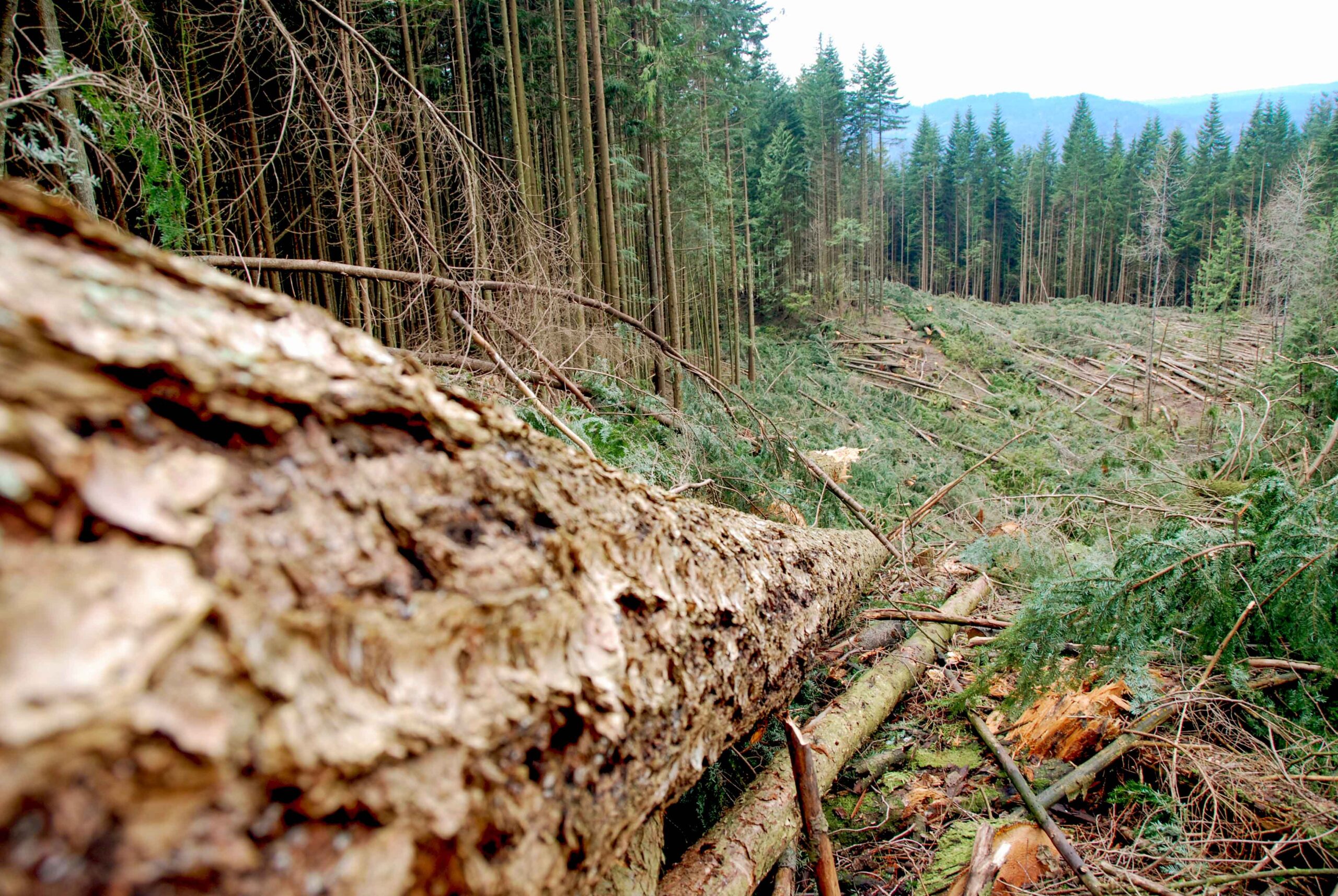 HELENA, Mont. — U.S. Forest Service Chief Tom Schultz and Montana Governor Greg Gianforte signed a historic Shared Stewardship Memorandum of Understanding, establishing a new framework between the U.S. Forest Service (USFS) and the State of Montana to advance forest restoration and reduce wildfire risk across the state. Montana’s Shared Stewardship Agreement expands collaborative efforts to accelerate active forest management, safeguard communities, and support sustainable timber production. “This agreement is exactly the kind of forward-leaning, state-driven leadership that President Trump and USDA have championed since day one,” said U.S. Secretary of Agriculture Brooke Rollins. “By cutting burdensome, unnecessary red tape and empowering Montana to lead, we’re proving that through real partnership, conservation and economic growth can go hand-in-hand. This partnership is just another example of our shared commitment to protect lives, livelihoods, and our forest resources — while creating opportunities for hardworking Americans.”
 On the two-year anniversary of the deadly wildfires in Lahaina, Hawaii, the Arbor Day Foundation launched its effort to help replant lost tree canopy. The Foundation distributed more than 580 trees alongside its local planting partner The Outdoor Circle, in collaboration with Treecovery Hawaii and The Royal Lahaina Resort & Bungalows.“Recovery from a wildfire of this scale can take years, but the Arbor Day Foundation is committed to being here for the long haul. We’re proud to work alongside the passionate advocates at The Outdoor Circle to help regrow a flourishing community canopy,” said Dan Lambe, chief executive of the Arbor Day Foundation. “We know trees won’t replace all of what’s been lost in Lahaina, but they can help grow new roots of resilience and nurture hope for the future.”
 Despite attempts to save it, the longstanding Pixelle Specialty Solutions in Chillicothe closed its doors permanently on Sunday. The southern Ohio paper mill announced its planned closure in April after nearly 200 years of operating in Ross County. Local leaders and state representatives alike pushed to delay its shuttering, but ultimately the company ceased production this weekend. Not only did the paper mill employ more than 800 people, it fed a larger industry in the state. Executive director of the Ohio Forestry Association Jenna Reese said the mill’s closure will hurt Ohio loggers. “This is gonna have ripple effects throughout the state,” she said. “We’re unfortunately anticipating attrition.” With nearly 8 million acres of forest in Ohio, logging is a major industry. It contributes $1.1 billion to the state economy annually, according to Reese. Forest products, more broadly, make up more than a quarter of Ohio’s agricultural industry, which tops the state.
 Every spring, Forest Service fire leaders meet to plan for the upcoming fire season. This year, some employees were shocked by the blunt remarks made during a meeting with forest supervisors and fire staff officers from across the Intermountain West. “We were told, ‘Help is not on the way,’” said one employee, who asked to remain anonymous for fear of losing their job. “I’ve never been told that before.” Agency leaders already knew it might be a bad wildfire season, made worse by having fewer hands available to help out. According to the employee High Country News spoke to, the Forest Service lost at least 1,800 fire-qualified, or “red-carded,” employees through layoffs, deferred resignation, and retirement offers. In total, 4,800 people left the agency. “We were told: Don’t commit to an attack thinking the cavalry is going to come,” the employee said. As fire activity continues to pick up across much of the West, that warning rings true. [a free subscription is required to read the original article,
 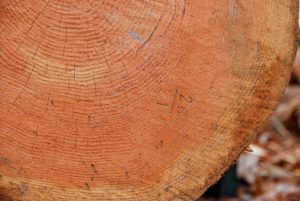 Western Apache fire management once reshaped Arizona’s forests — and tree rings prove it. A new study combining tree-ring evidence and historical data shows that for centuries, Western Apache communities systematically controlled fire activity across their homeland, reducing the role of climate in driving wildfires. Led by Southern Methodist University fire scientist Christopher Roos, the research analyzed 649 fire-scarred trees from 34 sites in central and eastern Arizona and compared them to several thousand samples from the broader Southwest. The findings, published in the Proceedings of the National Academy of Sciences, show that Apache burns were more frequent, smaller, and timed differently than fires elsewhere in the region. Scientists found that in Apache territory, fires often occurred in late April and May — months when community members were engaged in subsistence activities in pine forests.
 ATLANTA — The U.S. Department of Agriculture’s Forest Service announced it is investing more than $2.1 million in four projects across nine states in the Southern Region to restore state and private forestlands. These investments directly support the agency’s efforts to reduce wildfire risk, increase timber production, and expand rural economies, while providing critical support to landowners across management jurisdictions as they work to promote healthy, productive forests that benefit rural communities. The investments, totaling more than $7 million nationwide, are being delivered as competitive grants through the Landscape Scale Restoration program. Of the total funding, $600,000 will support two projects for federally recognized tribes. …In the Southeast, protecting wildlife habitat and restoring important forest ecosystems such as longleaf pine and oak are important priorities to ensure continued economic productivity of rural working lands.
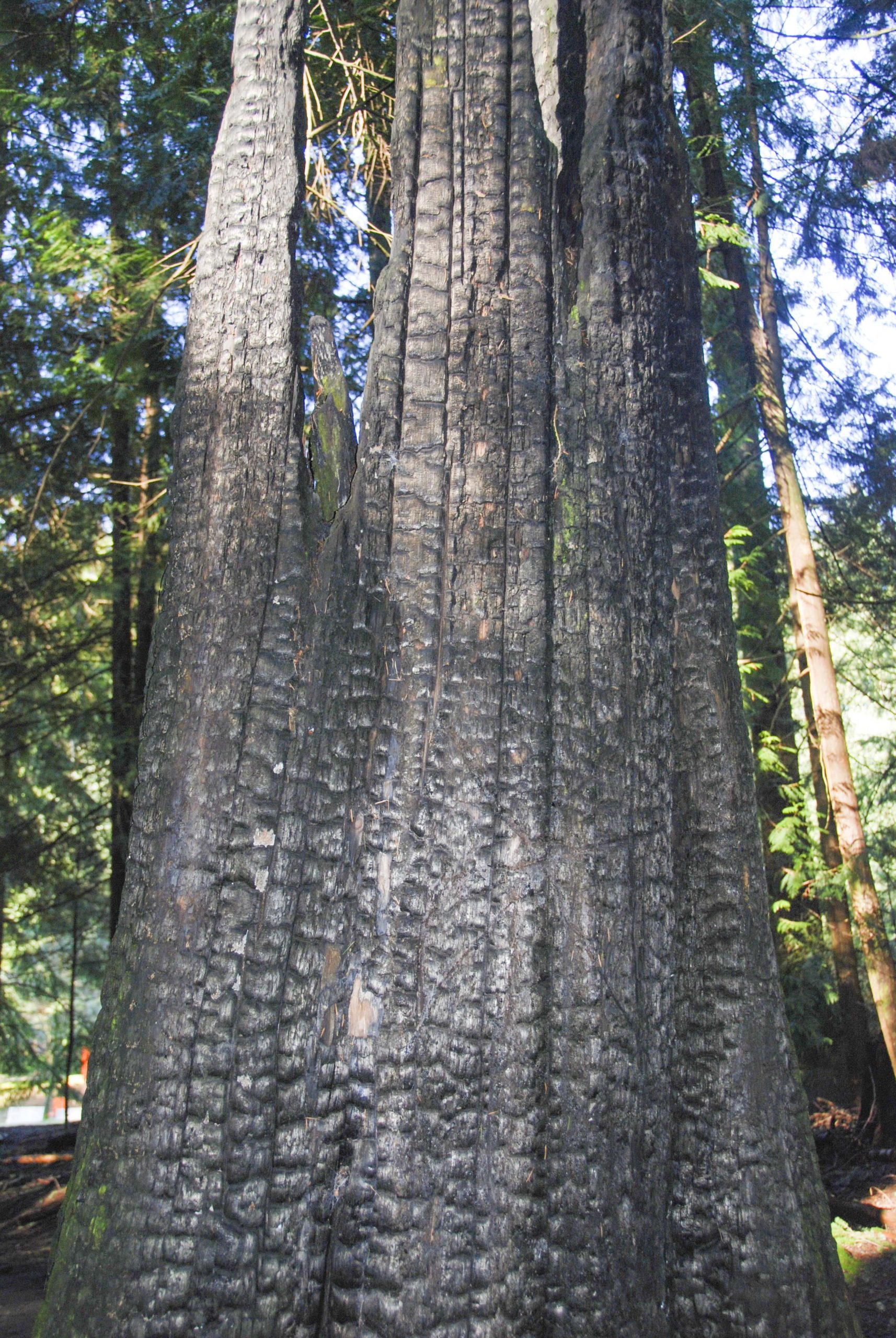 …a University of Delaware professor has found that there is something of value to be learned from what’s left behind in the remnants of a wildfire. The charred debris left in the wake of wildfires … is known as wildfire char. UD’s Pei Chiu, professor of civil, construction and environmental engineering, studies wildfire chars and the ways they just might prove useful in reducing methane, a powerful gas that traps heat in the atmosphere. Methane emissions come from many different sources, ranging from livestock manure to landfills and wastewater treatment plants. This work also informs his research on biochar — man-made chars created from leftover wood chips, rice husks, corn stover and other agricultural biomass — that can be used in soil amendments, stormwater treatment and other applications. Chiu shares five important facts about char — both natural (wildfire char) and manmade (biochar).
 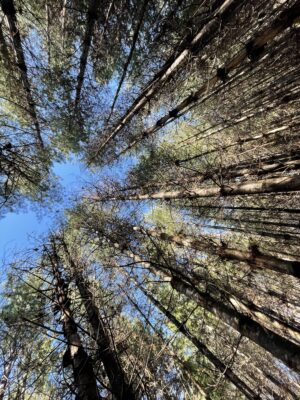 The US Forest Service kicked off timber sales in the Hoosier National Forest this week despite resistance from advocacy groups and Gov. Mike Braun, who called the federal project “misguided.” The timber auction is part of a controversial forest management plan called the Houston South Project — an initiative the USFS says will promote tree growth, reduce disease and move the landscape toward “desirable conditions.” Local environmental advocates have been suing the agency to halt operations since 2020, saying the project could jeopardize the quality of drinking water 130,000 Hoosiers rely on in Lake Monroe. But the project is plowing ahead, despite local outcry and direct pleas from Braun to halt the project. The Forest Service declined to immediately comment to IndyStar’s request, instead asking for one to two weeks to respond. …The project includes prescribed burns on 13,500 acres of forest and permitting timber harvests on another 4,300 acres across the next 10-15 years.
 Near the bottom of a shady hillside in Jericho, a lone beech tree stretches high into the canopy, a relic of a bygone forest. Through luck or (hopefully) genetics, this mighty tree has avoided contracting beech bark disease—a fatal fungal pathogen that has proven deadly to mature beech trees. And it stands just outside a hotspot where a new pathogen called beech leaf disease (BLD) is spreading across Vermont forests. “Beech is here a lot as a sapling … but if you look out into the forest it’s not really common in the overstory,” said Jess Wikle Ph.D. ’24, lecturer in forestry and manager of the University of Vermont’s Research Forests. The beech trees that do succumb often send out a series of root sprouts before they die, turning a forest of big trees into a thicket of saplings. Beech leaf disease is different. It seems to be spreading faster and young beech trees tend to die first.
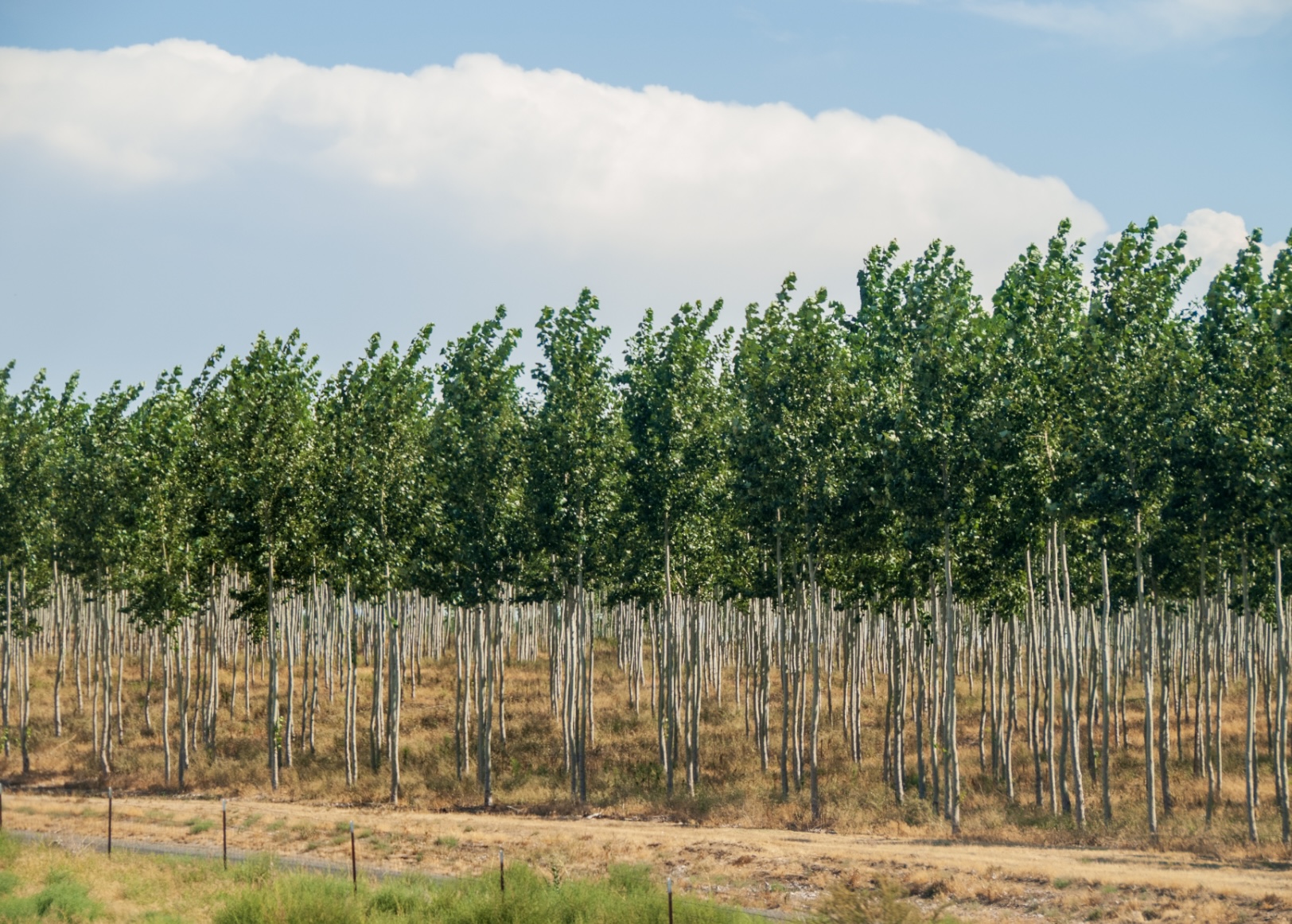 A new study, led by the University of Missouri, has uncovered how poplar trees can naturally adjust a key part of their wood chemistry based on changes in their environment. This discovery … could help create better biofuels and other sustainable products. The study, “Factors underlying a latitudinal gradient in S/G lignin monomer ratio in natural poplar variants,” was published in the journal Proceedings of the National Academy of Sciences. …”Understanding how plants make lignin could help us improve its conversion into high-value biomaterials and improve the competitiveness of U.S. biorefineries,” Jaime Barros-Rios, an assistant professor of plant molecular biology, said. Poplars are used in the paper and pulp industry. Now, they’re being explored as a source of bioenergy—fuels, plastics and other bioproducts. They are useful for scientific research because their genome has been fully mapped.
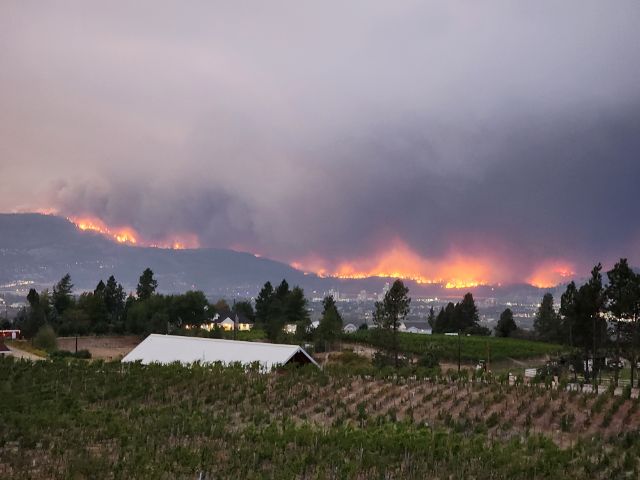 The smoke from the Los Angeles wildfires smelled like plastic and was so thick that it hid the ocean. Firefighters developed instant migraines, coughed up black goo and dropped to their knees, vomiting and dizzy. Seven months later, some are still jolted awake by wheezing fits in the middle of the night. …Fernando Allende, a 33-year-old whose U.S. Forest Service crew was among the first on the ground, figured he would bounce back from his nagging cough. But in June, while fighting another fire, he suddenly couldn’t breathe. …doctors discovered blood clots in his lungs and a mass pressing on his heart. They gave him a diagnosis usually seen in much older people: non-Hodgkin lymphoma, an aggressive cancer. It would be unthinkable for urban firefighters to [work] without wearing a mask. But people who fight wildfires spend weeks working in toxic smoke and ash wearing only a cloth bandanna, or nothing at all.

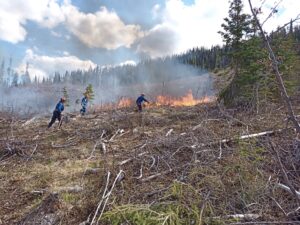 PAYSON, Arizona — Crews on the ground and in the air are making progress against the Washington Fire, which had burned an estimated 550 acres about 11 miles north of Payson. The lightning-caused blaze, which started Aug. 13, was 6% contained with nearly 500 personnel assigned as of Sunday. Firefighters are working to keep the fire boxed in between the Highline Trail to the south and Forest Road 300 to the north, while strengthening handlines and contingency lines around threatened communities and cabins. Officials say a combination of dozer work, hose lays, handlines and aerial water drops helped slow the spread and protect structures on the fire’s edge. …Dry, hot weather is expected to challenge suppression efforts in the days ahead, with firefighters also on alert for new starts. …Evacuation orders remain in place for Mountain Ridge Cabins, Washington Park and Shadow Rim Ranch.
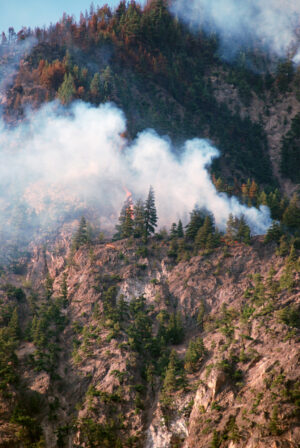 GORMAN, California —