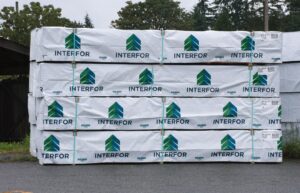
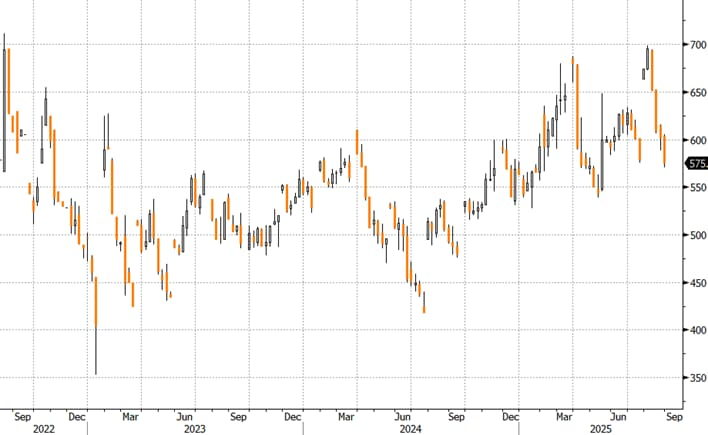
 Lumber prices that have dropped more than 20% over the past month are prompting one of North America’s largest producers to throttle back output by 12%. Interfor said Thursday that it would reduce hours and reconfigure shifts as well as lengthen holiday breaks and maintenance shutdowns at its mills in Canada and the US to reduce output by about 145 million board feet through year-end. Lumber futures, which had fallen 18 of the past 22 trading sessions rose in response. …Interfor, which has headquarters in BC, is among the big Canadian sawyers that have shifted operations into the US as duties and diminished log availability have put sawmills out of the money back home. About 50% of Interfor’s capacity these days is in the US South. Another 12% is Washington and Oregon, where mills compete fiercely with Canadian rivals to sell the same species of wood. [to access the full story a WSJ subscription is required]
 BURNABY, BC — Interfor Corporation announced plans to reduce its lumber production by approximately 145 million board feet between September and December of 2025, representing approximately 12% of its normal operating stance. The temporary curtailments will be through a combination of reduced operating hours, prolonged holiday breaks, reconfigured shifting schedules and extended maintenance shut-downs. The curtailments are expected to impact all of Interfor’s operating regions, with both the Canadian and US operations expected to reduce their production levels by approximately 12% each. The curtailments are in response to persistently weak market conditions and ongoing economic uncertainty. The Company will continue to monitor market conditions across all of its operations and adjust its production plans accordingly. [END]
 WASHINGTON — US President Trump is indicating that he’ll ask the Supreme Court tomorrow to overturn a federal appeals court ruling that found many of his
  To better compete with Canada’s transcontinental railroads, efficiencies within the trucking industry, and to capitalize on a more relaxed regulatory environment, the railroad industry is entering into a consolidation phase with the major operators all reportedly in play. On the heels of the 2023 merger between Canadian Pacific and Kansas City Southern which connected Canada, the US and Mexico with the first single-line railway, Union Pacific and Norfolk Southern are pursuing a merger that would create the first coast-to-coast railway system in the US. The tie-up between Norfolk Southern and Union Pacific raised the possibility of further consolidation in the industry with investors eyeing a merger between CSX and BNSF, or with CPKC. While mergers might satisfy shareholders and activist investors, industry insiders see the trend creating more inefficiencies. …Freight Rail Customer Alliance is opposed to further consolidation given that past mergers have resulted in higher transportation costs and unreliable service for customers.


 Treasury Secretary Scott Bessent said the Trump administration may declare a national housing emergency this fall as the White House looks to highlight key issues for midterm campaign voters. …Bessent said housing affordability would be a critical leg of Republicans’ 2026 midterm election platform. Bessent declined to list any specific actions the president may take, but he suggested that administration officials are directly studying ways to standardize local building and zoning codes and decrease closing costs. President Trump has repeatedly used emergency declarations to avoid having to send legislation to Congress for approval. Some of those, particularly the emergency law he cited to institute his tariff regime, have faced pushback in federal court. …Trump also spoke out on the issue during the campaign and said he wants to open up federal land for housing development and pledged to help with affordability by eliminating regulations.
 WASHINGTON – US Secretary of Agriculture Brooke Rollins announced the USDA has taken the next step in the rulemaking process for rescinding the 2001 Roadless Rule by opening a public comment period. …The USDA Forest Service is publishing a notice seeking public comment on its intention to develop an environmental impact statement for the proposed rescission of the rule. The notice details the reasons for rescinding the rule, the potential effects on people and resources, and how national forests and grasslands are managed. The USDA will publish the notice August 29, 2025. …While the rescission would apply to roadless areas in Alaska, state-specific rules for Colorado and Idaho would not be affected by the proposal. In total, the 2025 rescission would apply to nearly 45 million acres of the nearly 60 million acres of inventoried roadless areas within the National Forest System. …The public is invited to comment no later than Sept. 19, 2025.


 President Donald Trump on Friday announced he’s directing his administration to investigate imports of furniture into the United States that will lead to higher tariffs by October. “Within the next 50 days, that Investigation will be completed, and Furniture coming from other Countries into the United States will be Tariffed at a Rate yet to be determined,” Trump wrote. “This will bring the Furniture Business back to North Carolina, South Carolina, Michigan, and States all across the Union,” Trump said. …Already, furniture prices have been increasing over the past few months as Trump hiked tariffs on countries including China and Vietnam, the top two sources of imported furniture. Both countries imported $12 billion worth of furniture and fixtures last year, according to US Commerce Department data. …Furniture stocks, such as Wayfair, William-Sonoma and Restoration Hardware, all tanked in after-hours trading Friday.
 We welcome the recent announcement from the White House regarding the US–EU Framework Agreement on Reciprocal, Fair, and Balanced Trade. Notably, the European Union has committed to addressing U.S. concerns about the EUDR, acknowledging that US commodity production poses negligible risk to global deforestation. This recognition is a positive step toward ensuring Southern Pine lumber producers and exporters are not unfairly burdened by regulations that fail to account for the sustainability and stewardship practices already in place within the American forestry sector. …The EUDR’s stringent traceability requirements (such as geolocation data for every plot of land from which timber is sourced) present serious compliance obstacles for U.S. producers. …Recognizing the broad impact of the EUDR across multiple agricultural sectors, the forest products industry is strategically voicing its objections through official trade and commerce channels.




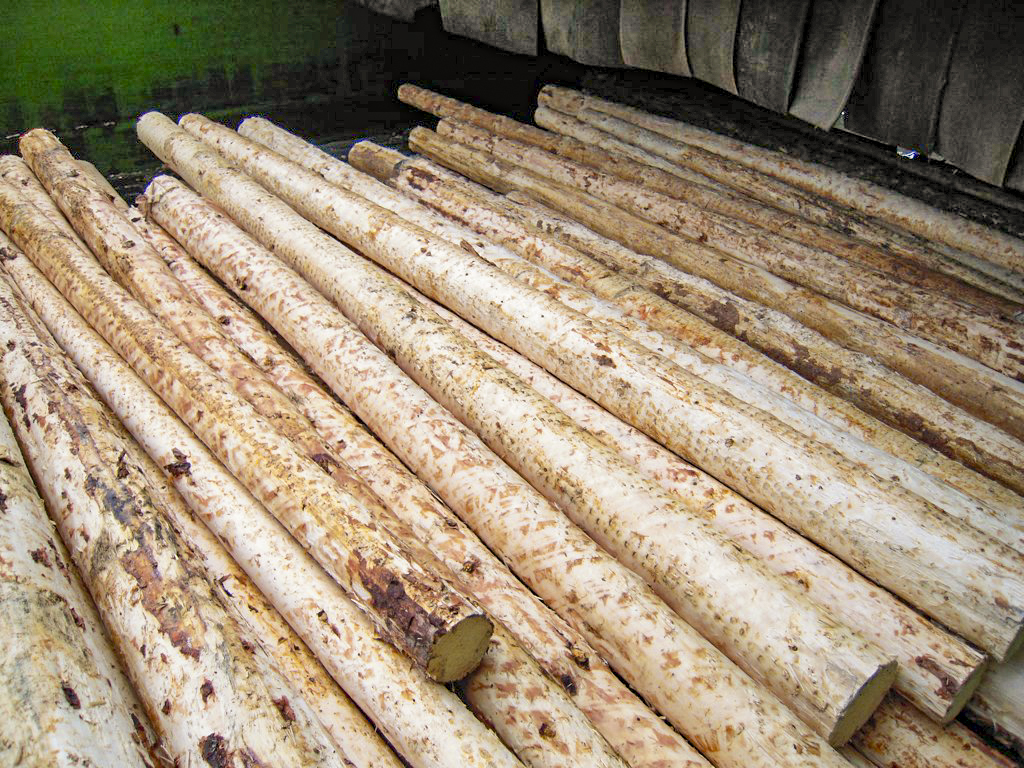 The timber industry, a cornerstone of South Carolina’s economy, is grappling the closure of several key mills. The recent shutdowns of mills in Darlington and Estill have sent ripples through the local supply chain, affecting forest management and the livelihoods of many in the industry. …The timber industry in South Carolina is struggling with significant challenges after major mill closures, including the International Paper Mill in Georgetown, the WestRock Plant in Charleston, the International Paper in Savannah and the Containerboard Mill in Riceboro. Michael Campbell, president and CEO of the South Carolina Timber Producers Association, highlighted the broader economic impact. “It’s a widespread county thing because the loggers tend to haul up to 100 miles away from the mill, so within 100 miles of that mill everything’s impacted,” he said. Despite some new mill announcements, Campbell said they are insufficient to compensate for the lost wood volume.
 DARLINGTON COUNTY, South Carolina — Monday marked the last day of operation at the Canfor sawmill in Darlington. The mill announced its closure
  Lumber futures fell again Wednesday, dropping to their lowest prices since last autumn. …Futures for September delivery shed $6 or about 1.1%, to end at $524 per thousand board feet. Futures have now declined 18 of the past 22 trading sessions. The selloff—about 25% over the past month—is reminiscent of the wild trading in lumber during the Covid-19 pandemic [but this time] …the continuing gyrations have been driven by trade policy. Lumber buyers stocked up ahead of a big increase in the duties levied on Canadian imports. …President Trump’s threats for additional tariffs on imported wood added incentive to hoard lumber. …The $54 difference in price between lumber futures for delivery this month and those for November in midday trading was well above the cost of warehousing wood for two months and a sign that traders’ demand outlook is bleak, Stinson Dean said. [to access the full story a WSJ subscription is required]

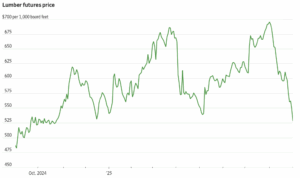 Lumber prices, which shed more than 20% in August, have continued to fall to start September, hitting their lowest price this year thanks to a glut of wood that was piled up ahead of a big increase in duties on Canadian imports. “There has clearly been a speculative inventory accumulation at every level from mills to single location lumber dealers,” said Matt Layman, who publishes Layman’s Lumber Guide “For the first time in my 40-plus year career there is indeed a wall of wood that must be liquidated.” As with many raw materials, the lumber market has been whipsawed by President Trump’s tariff threats. The White House is studying tariffs on imported lumber in the name of national security. …Any lumber tariff will come on top of duties on Canadian softwood lumber that rose to about 35% for most producers, from 15% last year. [to access the full story a WSJ subscription is required]
 Lumber futures fell to $550 per thousand board feet in September, the lowest in nearly four months, amid softer demand for new home building and ample supply. US building permits fell 2.2% in July to a seasonally adjusted annualized rate of 1.362 million, the lowest since June 2020. Although the market anticipates a potential rate cut in September, rates are expected to remain restrictive, and high inflation expectations are expected to support long-maturity yields, which dictate mortgage costs. Seasonal slowdown in construction is set to magnify the drop in housing construction. On the supply side, Canadian mills continue to push large volumes of surplus lumber into the US market, far exceeding actual demand and creating an oversupply situation. Additionally, ongoing tariff issues between the US and Canada add further uncertainty, as potential changes in trade policy could significantly affect US lumber prices.›
 Lumber futures have come under strain after the initial tariff-driven upswing has fizzled out and the cracks in the housing market are beginning to show… retreating from an early August high of ~$695 per thousand board feet to about $560, a decline of nearly 19.5%, making it just shy of the 20% mark that would push it into a technical bear market. Lumber futures saw a surge driven by tariffs and optimism over lower interest rates, which pushed prices to their highest levels in more than three years. However, the enthusiasm soon faded away, as recent housing data disappointed, and builders scaled back due to higher input costs, weaker demand and looming affordability challenges. Housing affordability remains stretched even with potential rate cuts, requiring better wage growth or increased supply for meaningful improvement, according to Rafe Jadrosich, Senior US Homebuilders and Building Products analyst.
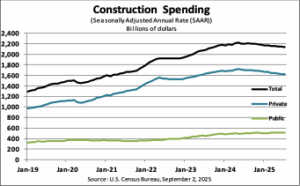 Construction spending in the United States reached $1,232.7 billion during the first seven months of 2025, a 2.2% decrease from $1,259.9 billion in the same period of 2024. Residential construction accounted for $524.7 billion, down 4.0%, while nonresidential construction declined 0.8% to $707.9 billion, according to the U.S. Census Bureau. Private construction dropped 3.8% year-to-date to $946.5 billion. …Public construction increased 3.8% to $286.2 billion over the same period. …For the month of July 2025, construction spending was at a seasonally adjusted annual rate of $2,139.1 billion, down 0.1% from June and 2.8% below July 2024. Private sector construction decreased 0.2% from the previous month, while public construction rose 0.3%.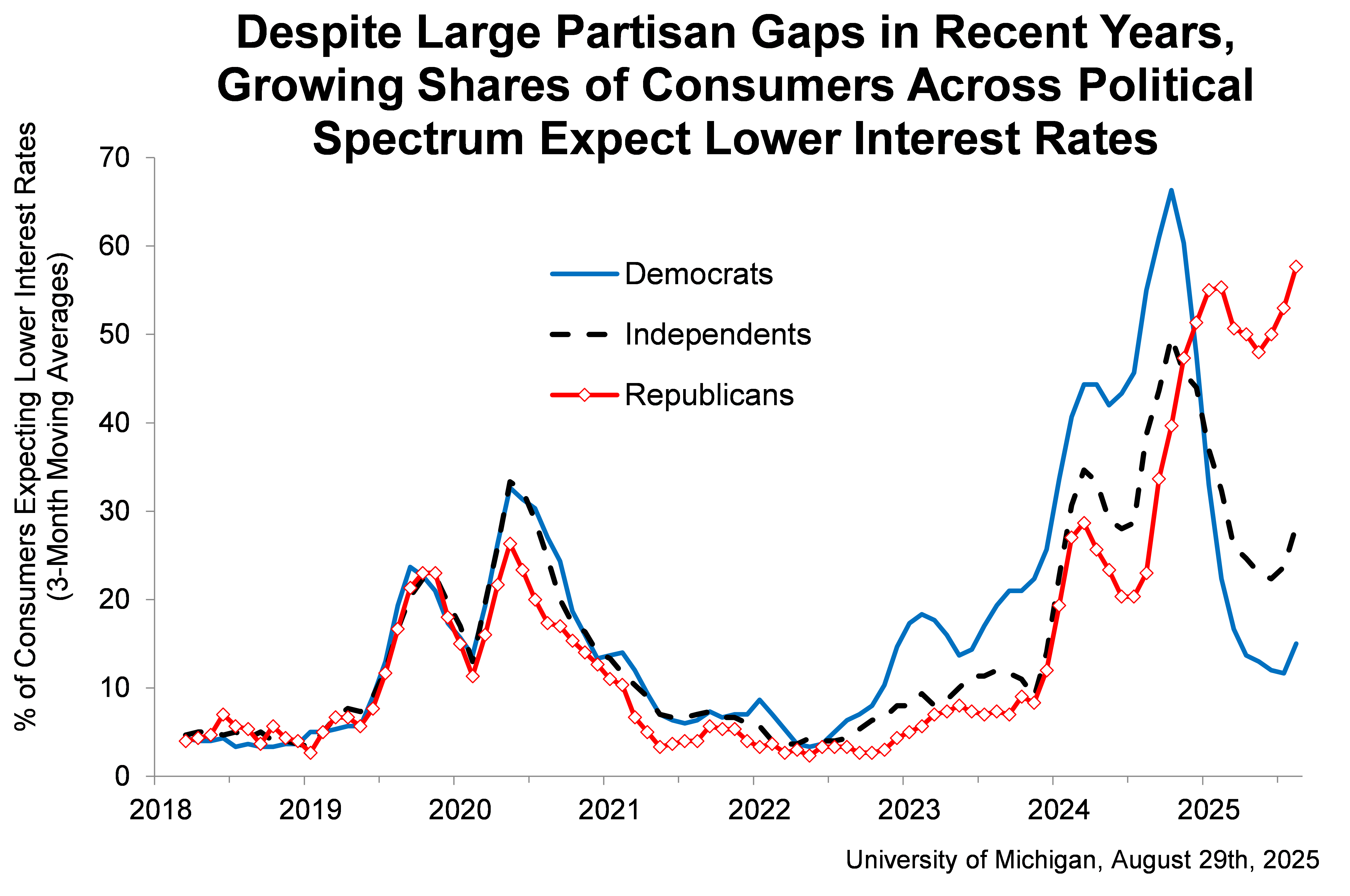



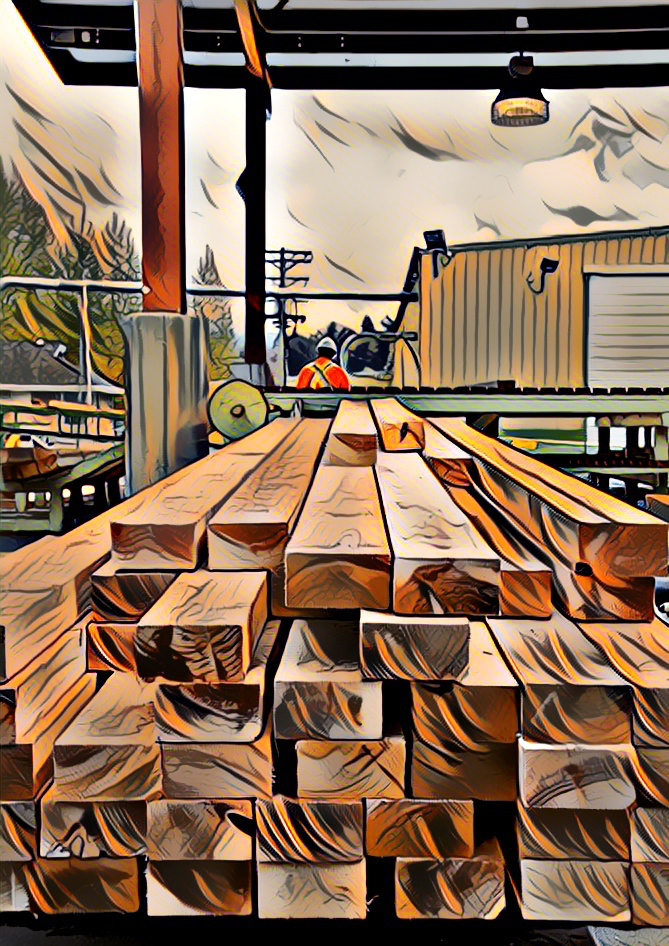 This study investigates the economic impact of sawmill entry and exits in Michigan between 2019 and 2023, a period marked by ongoing structural changes in the industry, including the closure of several large mills and the opening of smaller or mid-sized operations. Using observed employment changes… we applied an employment-based multiplier analysis to estimate how net sawmill job losses affected the statewide economy. The results show that while only 273 direct jobs were lost due to net changes from sawmill entry and exit during this period, the broader ripple effects were much larger, approximately 820 jobs and $211 million in output loss. These effects were most pronounced in labor-intensive sectors such as logging and transportation, as well as in downstream sectors like wholesale trade and real estate. The findings highlight the central role of sawmills in regional supply chains and states labor markets, with two-thirds of job losses occurring outside the mills themselves.
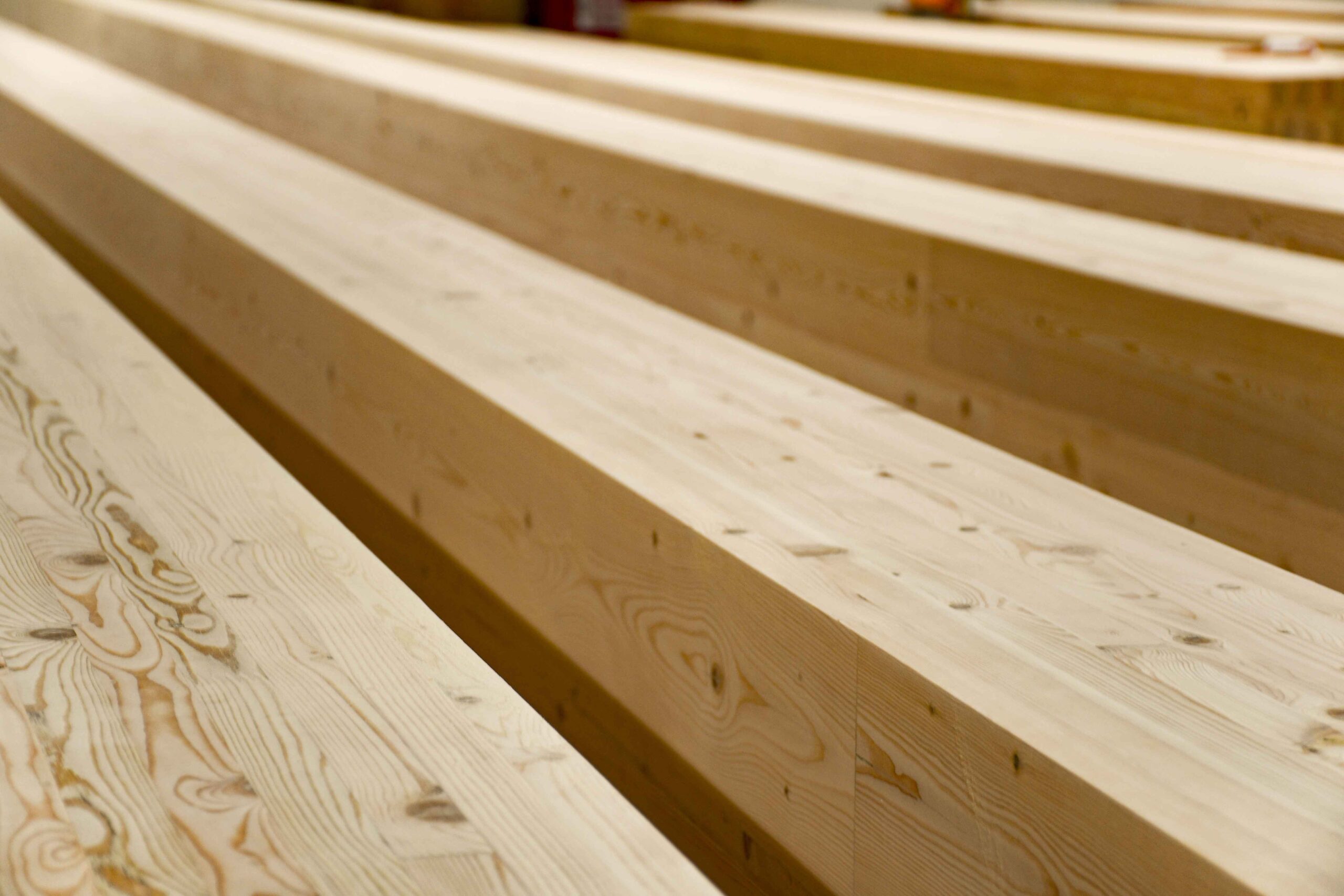


 When Millard Dority came out of retirement to oversee the expansion of Jesup Memorial Library, he had one goal: to prove that Maine could produce its own cross-laminated timber. Instead, he uncovered a glaring hole in the state’s forest economy. …But with no CLT factories in Maine, the wood had to be trucked from New England to Illinois for processing, then hauled back to Bar Harbor—a headache in a state blanketed by forests. …The Jesup Library expansion is one of just 27 CLT projects in Maine, using spruce-pine-fir and eastern hemlock from New England. Forestry expert Andy Fast said these underused species are finding new life through CLT, but warned, “Supply chain efficiencies will determine whether it’s a viable product longer term.” Despite interest, Maine has failed to land a CLT manufacturer. LignaTerra Global and SmartLam both announced plans in 2018, only to back out. [to access the full story a Bangor Daily News subscription is required].
 Canada’s forests are burning. …Smoke from these fires has degraded air quality across Canada and the US. The situation has led some US policymakers to publicly blame Canada for failing to manage wildfires and to demand more active forest management. These critiques are hypocritical, given their record of climate change denial. …Yet beyond partisan politics, the US continues to impose tariffs on Canadian lumber, undermining our capacity to invest in stronger forest management. …Eliminating or reducing US tariffs would instantly raise the value of Canada’s standing forest stock, sending a price signal that makes forestry activity viable in regions that are currently too remote or costly to harvest. At the margin, higher returns would unlock investment in better forest management, including areas that are now left untouched because they are uneconomic to service. …Lifting tariffs would be the first step, but it would not be a cure-all.
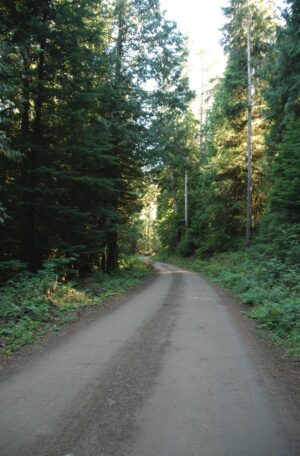 Under the 2001 Roadless Rule enacted by President Bill Clinton, millions of acres of roadless areas on national forests across the country are conserved, protecting vital habitats and watersheds. A “blank spot on a map,” in the words of the naturalist Aldo Leopold, is increasingly valuable in our urbanizing society. …The current administration is right to look for ways to address the growing wildfire threat in these areas. But instead of doing away with the Roadless Rule, the White House should look to a simple way to make our forests more resilient to wildfire without compromising the other benefits. …One way to allow forest thinning and prescribed burns to reduce the wildfire threat is to amend the roadless rule… to permit temporary roads in roadless areas that are near neighborhoods along the wildland-urban interface to allow for forest thinning or other ecological restoration. [to access the full story a NY Times subscription is required]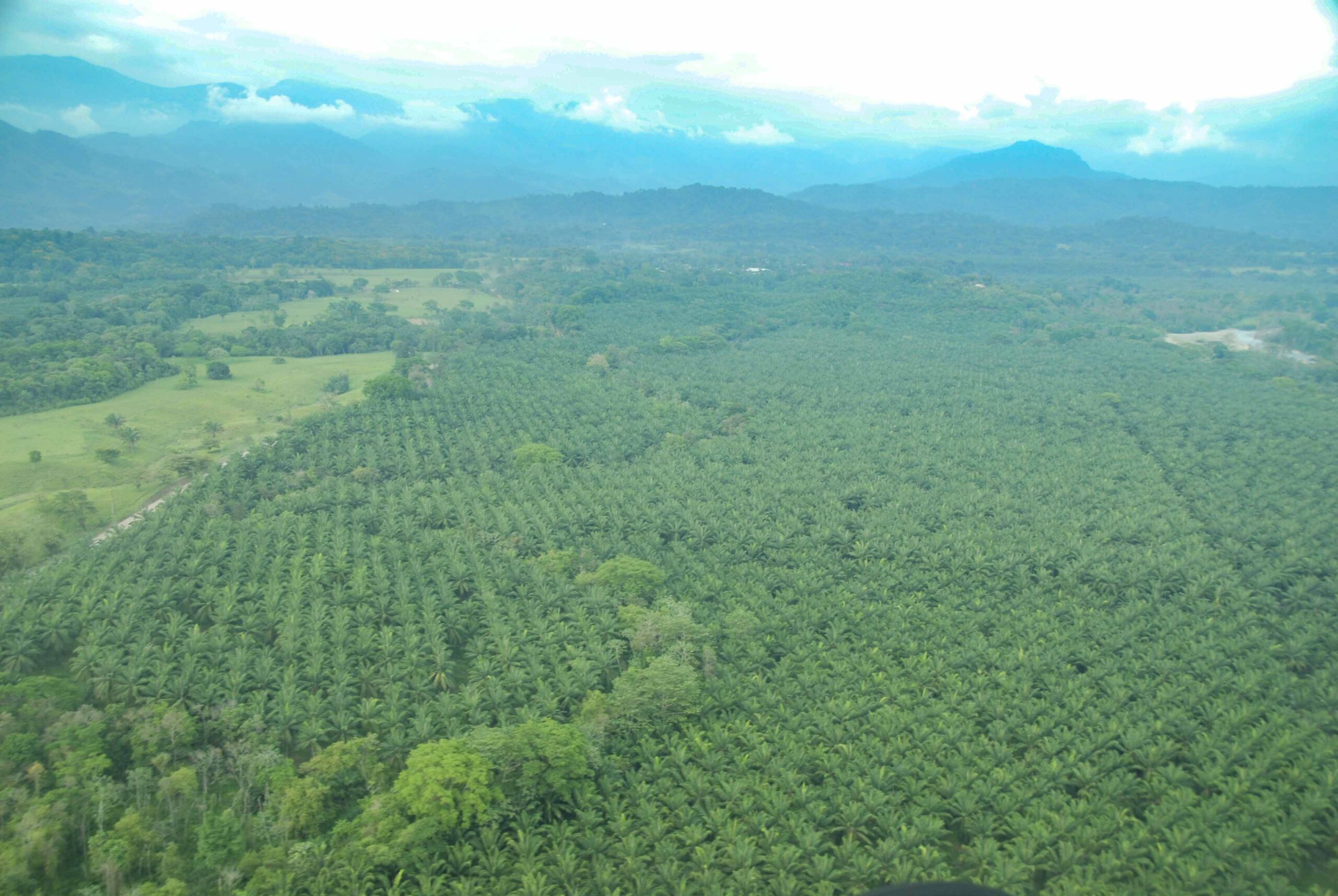
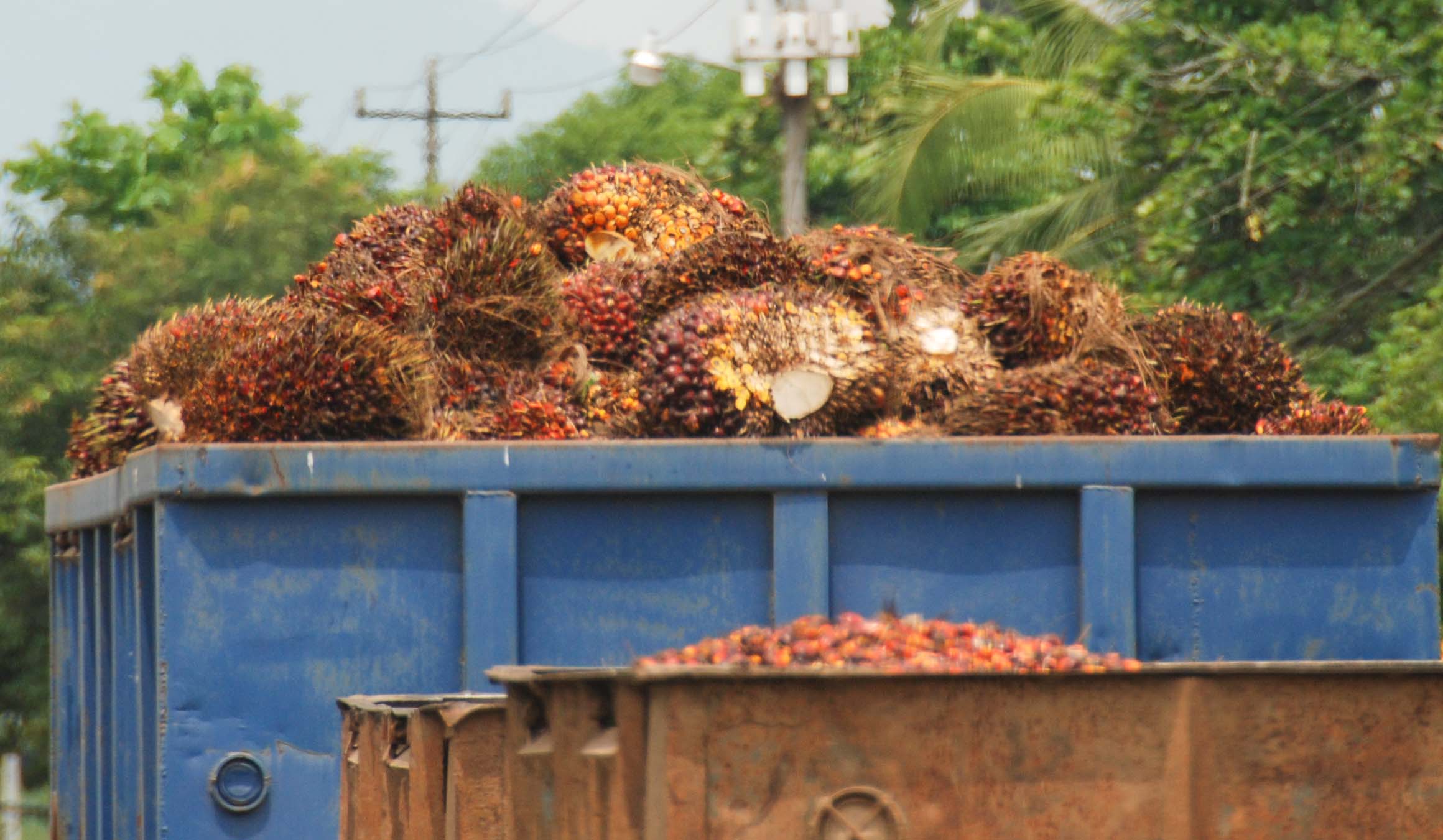 Industry concerns have been raised over a freshly-struck agreement between the EU and the US over future trading arrangements, which observers have asserted could lead to America being offered exceptions from complying with EUDR environmental laws, reports Neill Barston. As the Palm Oil Monitor non-governmental organisation noted, if America is to be permitted exemptions from data monitoring underpinning the entire basis of the much-anticipated deforestation laws following intense lobbying from its paper industry, then other trading partners including Malaysia and Indonesia – which have core interests in the supply of palm oils for the confectionery and snacks sector, should be allowed similar treatment. …Moreover, as the palm oil industry organisation stated, unveiling the broader US-EU Trade Framework Agreement presents an immediate major hurdle for the EU Commission. In seemingly offering preferential treatment for America, this could, in its view, lead to challenges from the World Trade Organisation over equal trading between nationalities.
 Colorado’s state-specific rule for largely protecting roadless areas in its national forests will be spared from a Trump administration effort to remove such protections on a broader basis. Agriculture Secretary Brooke Rollins said in a news release on Wednesday that a public comment period is opening on her previously announced proposal to do away with the 2001 national roadless rule. But the Agriculture Department also said in the news release that state-specific rules in Colorado and Idaho won’t be affected by the proposal. Altogether, the proposal would apply to nearly 45 million acres, the release said. Eliminating the rule would open roadless areas to road-building. The existing rule has limited activities such as logging in those areas, and was instituted at the end of the Clinton administration.
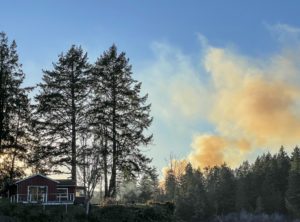 A year after Oregon endures its most destructive fire season on record in 2020, state lawmakers order a map estimating the wildfire risk for every property in the state. It’s the kind of rating now available on real estate sites like Zillow. The state wants to use the results to decide where it will apply forthcoming codes for fire-resistant construction and protections around homes. Around the same time, insurance companies start dropping Oregon homeowners’ policies and raising premiums to limit future losses, much as they have done in other disaster-prone states. Insurers have their own sophisticated risk maps to guide them, but some brokers instead tell homeowners the blame lies with the map. The belief gets treated as fact both on social media and in mainstream news — even though insurers and regulators say it’s not true. …By the time the state pulls back the map, the myths about it have gained so much momentum there’s no stopping them.
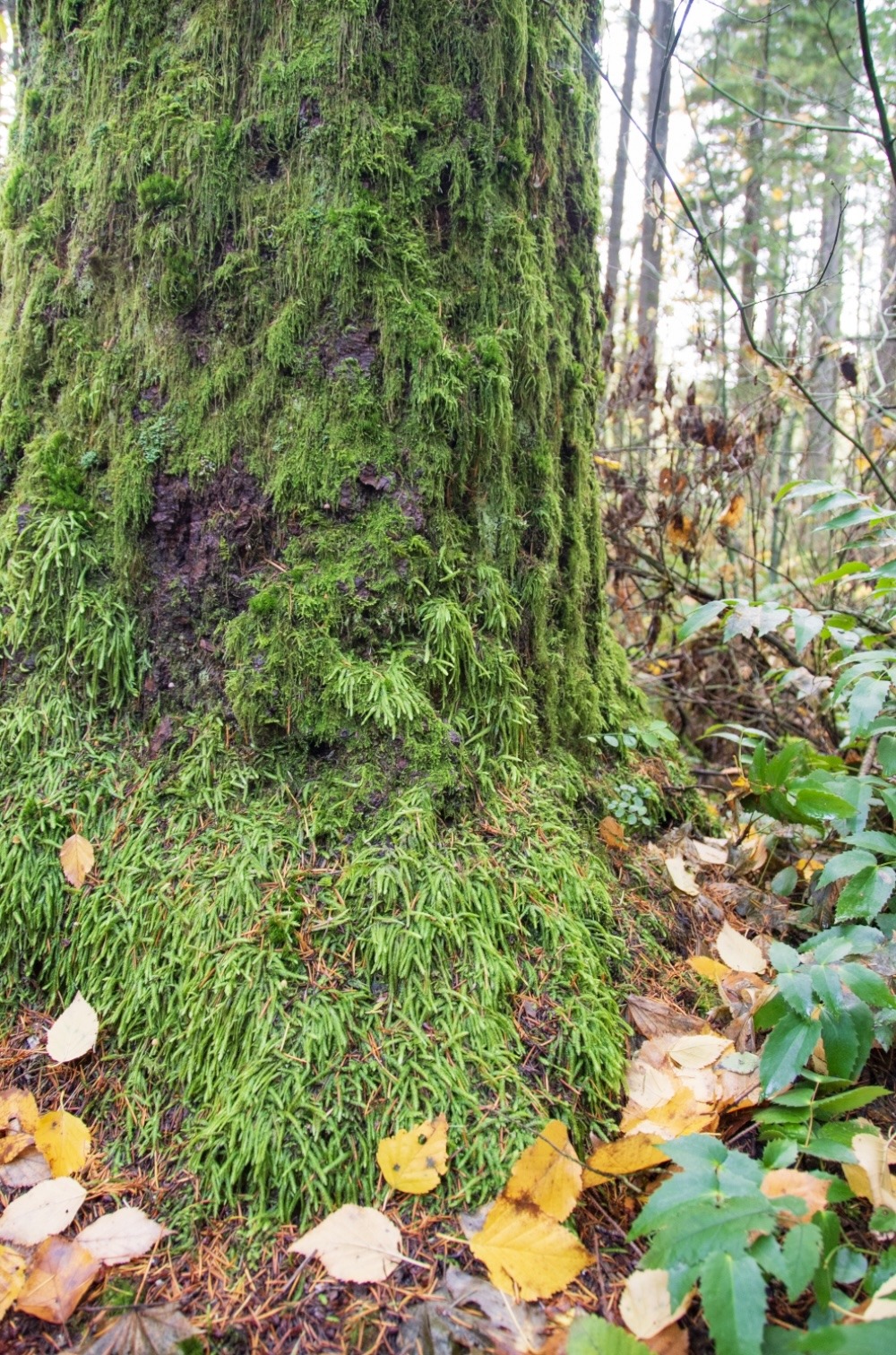 For a small but growing number of Oregon forestland buyers, timber output is no more than a potential byproduct. Their purchases are driven less by a desire for logs than for clean, drinkable water. …city governments have long drawn their drinking water from surrounding forests, but experts say more are now actually buying the tracts encompassing those crucial streams and rivers. …The prospect of hotter, drier weather diminishing summer stream flows — even as populations keep growing — is spurring cities to assert more control over their water supplies, experts say. …Apart from water quality considerations, cities are buying forested watersheds to encourage old growth characteristics, with the intent of actually boosting water supplies over the long term, experts say. …Though municipal ownership of forest watersheds is intended to pre-empt disputes between cities and timber operators, the arrangement can still lead to tension over management decisions.
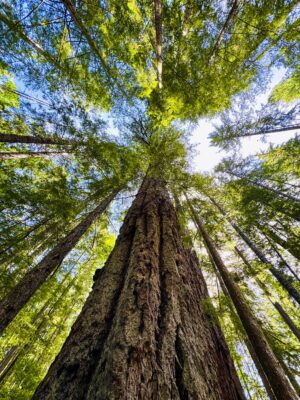 An executive order by Washington Commissioner of Public Lands Dave Upthegrove has put 77,000 acres of older forests off-limits to logging. …Some local activists call these old-but-not-quite-old-growth stands “legacy forests,” and have resorted to protests, including tree sits and road blockades, to stop them from being sawed down. Upthegrove’s order would also allow logging to go forward on 29,000 acres of those almost-old-growth forests. Some environmental groups praised the move, while others say it greenlights too much logging of the best remaining older forests. …Forest activists still hope to save some of areas slated to be logged over the next five years. …State officials say that timber harvest levels — and the revenue that goes to schools and counties — would be largely unaffected by the executive order. …The Department of Natural Resources has 346,000 acres of structurally complex forests on the 2.4 million acres of forestland it manages.
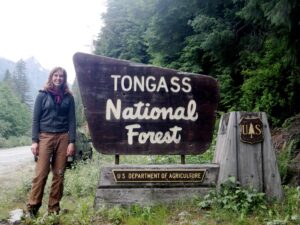 Ten members of the US House of Representatives’ Committee on Natural Resources are making an unusual visit to Alaska this week during a break from business on Capitol Hill. The 45-person committee deals with a variety of issues pertaining to public lands in the United States, and the visit is giving eight Republicans and two Democrats a chance to put their literal hands on the topics they cover. …Among the group was the committee’s chairman, Rep. Bruce Westerman, R-Arkansas, as well as the home-state Republican Rep. Nick Begich. Also attending were Reps. Harriet Hageman, R-Wyoming; Tom Tiffany, R-Wisconsin; Pete Stauber, R-Minnesota; Rob Wittman, R-Virginia; Val Hoyle, D-Oregon; Paul Gosar, R-Arizona; and Sarah Elfreth, D-Maryland. …Several of the Republican lawmakers said they believe there is room to increase logging in the Tongass in order to meet the demand for lumber to build housing, particularly locally.

 The Northwest Forest Plan (NWFP) was developed in 1994 for the 24 million acres of federal land within the range of the northern spotted owl… A network of large reserves for the spotted owl across its range (late successional reserves (LSRs)) were created in the NWFP along with a system of riparian buffers to protect streamside areas. …The Forest Service is currently updating the NWFP and chartered a committee under the Federal Advisory Committee Act to help advise on amending the plan. …We strongly endorse this proposal for widespread restoration treatments in dry forests inside and outside of the LSRs. Reducing stand densities in these forests while retaining all trees over 150 years of age is essential to owl survival, as is reintroduction of fire as a regular management tool. …Integrating forest restoration in dry forests with spotted owl conservation is one of the biggest challenges in updating the NWFP.
 Oregon’s forestry sector, once the state’s driving industry, has scaled back dramatically, the result of modernization and reduced harvests since the 1990s. Yet the industry is still adding workers and looking to replace retirees — now with a growing demand for technical expertise. The industry’s employers say they’re struggling to fill the jobs they have. Retirements have thinned the ranks, turnover is high and new workers are hard to recruit. Adding to the trouble, a workforce study found the sector will add 3,400 jobs annually through 2030. In particular, the report found Oregon’s colleges and universities aren’t producing enough forestry graduates to meet demand — suggesting Oregon employers might have to recruit from elsewhere to staff some of the highest-paying jobs in a signature sector. It’s a counterintuitive finding for an industry that’s been cutting further in recent months through the closures of mills and factories. Officials say that’s because there’s more to forestry work than logging.




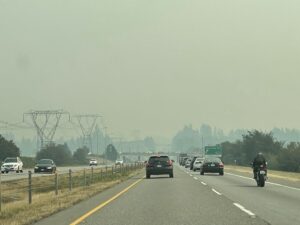 The federal government is attempting to abandon years of climate science and regulation, and officials from Washington state are warning those efforts will drastically slow the country’s ability to cut greenhouse gas emissions. The U.S. Environmental Protection Agency no longer wants to classify greenhouse gas emissions as dangerous and, therefore, something that must be regulated. The agency is now in the middle of a public comment process to reverse its long-standing course. Public officials and climate change experts from across the country are testifying against the federal government’s new direction. Among those in opposition is Joel Creswell, who manages the climate pollution reduction program with Washington state’s Department of Ecology. He said the EPA’s process is built on unscientific research and cherry-picked data. It’s also likely illegal, Creswell said. The federal government is trying to provide the “appearance of a science-based reason” not to regulate greenhouse gases, Creswell said.
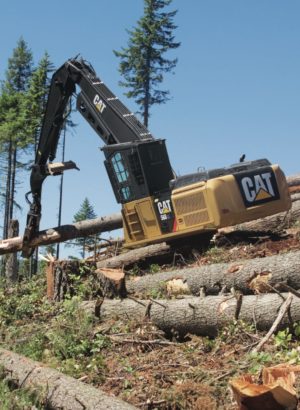 Mechanization has reduced fatal injuries for loggers in the northeastern United States but introduced new health risks linked to prolonged equipment use, according to interviews with 29 loggers across New York, Pennsylvania, and West Virginia. Participants reported concerns over weight gain, back pain, and cardiovascular risks from extended sedentary work, as well as mental stress from financial burdens and limited access to affordable health insurance. The findings come



 Border Patrol agents arrested two firefighters Wednesday – who they say were in the United States illegally – while they were working to contain Washington state’s biggest wildfire. …The Bear Gulch Fire on the peninsula has already torched almost 9,000 acres in the Olympic National Forest. …The human-caused wildfire on Washington’s Olympic Peninsula has been burning since July 6 and was just 13% contained as of Thursday. …Washington Gov. Bob Ferguson said he is “deeply concerned” about the arrests. Washington Sen. Patty Murray said, “Trump has undercut our wildland firefighting abilities in more ways than one—from decimating the Forest Service and pushing out thousands of critical support staff, to now apparently detaining firefighters on the job.” Under the Biden administration, the Department of Homeland Security said it would not conduct immigration enforcement “at locations where disaster and emergency response and relief is being provided” such as evacuation routes or areas where emergency supplies are being distributed.
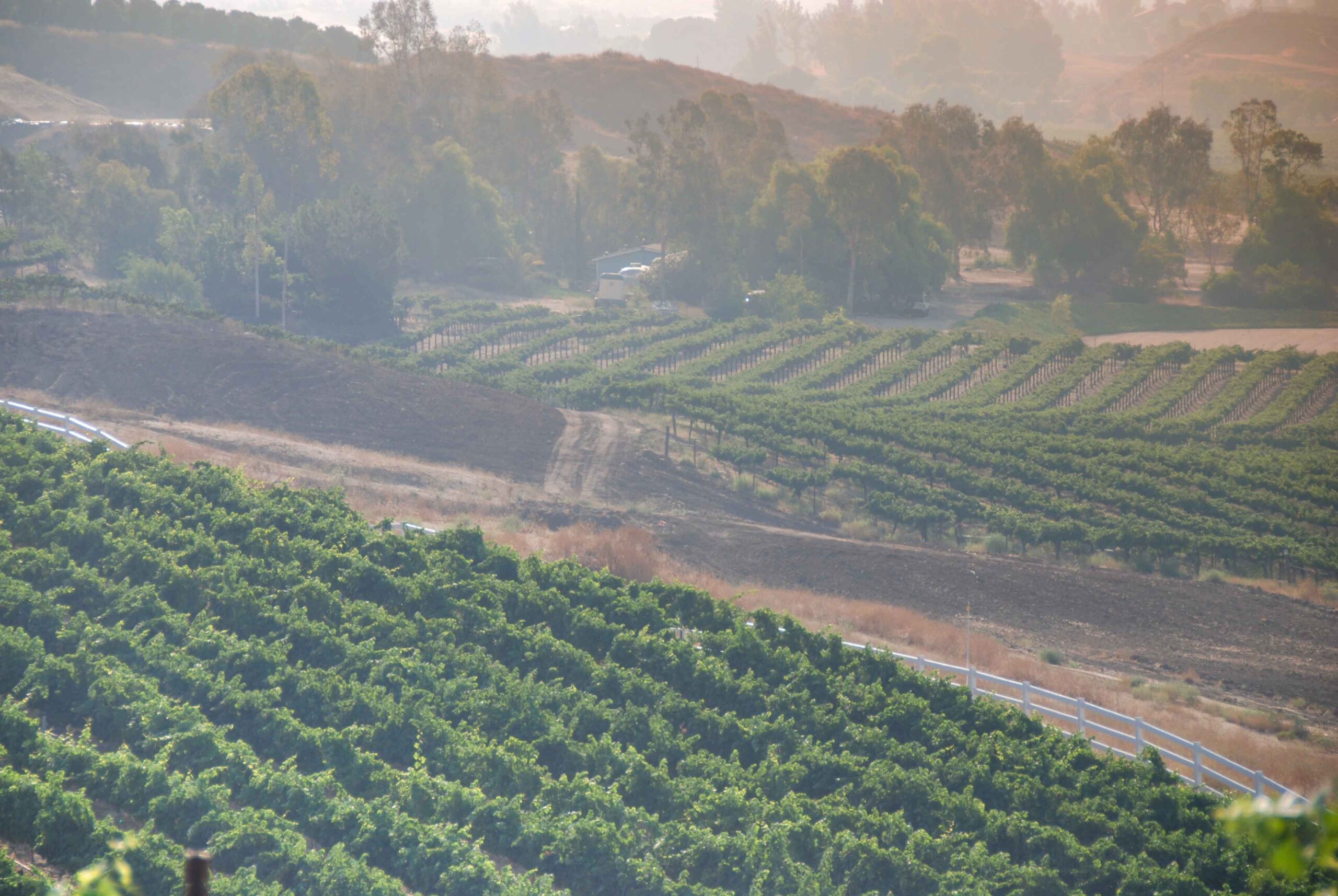 A wildfire that destroyed four homes in central Oregon was starting to stabilize on Monday, authorities said, while a blaze in Northern California wine country has so far spared some of the state’s most famous vineyards. Moisture helped the 1,200 firefighters battling Oregon’s Flat Fire, but more work needed to be done. Dry, hot weather had fueled a rapid expansion of the blaze across 34 square miles of rugged terrain in Deschutes and Jefferson counties since the fire began late Thursday. …Officials said firefighters had protective lines of some sort around the entire fire, including roads, but the fire remained at 5% containment. …Meanwhile, the Pickett Fire in Northern California has charred about 10 square miles of remote Napa County, known for its hundreds of wineries. It was 15% contained on Monday. …western United States have been sweltering in a heat wave … with temperatures hitting dangerous levels in Washington, Oregon, Southern California, Nevada and Arizona.

