Zoltan van Heyningen
WASHINGTON — The US Lumber Coalition supports Canada’s decision to drop its appeal of the second administrative review of the antidumping order in the trade case against unfairly traded softwood lumber imports from Canada. This step finalizes the total antidumping liability for Canadian softwood lumber producers who dumped their product into the US market in 2019. …“With the conclusion of this appeal, Canadian lumber producers will now owe US taxpayers an additional $236 million. That liability reflects the high level of dumping that occurred in 2019 and sets the stage for a total estimated payment of $760 million once the anti-subsidy portion of that review is completed,” stated Zoltan van Heyningen, Executive Director of the U.S. Lumber Coalition. To date, Canadian softwood lumber producers have paid an estimated $7.2 billion in duties as a result of their unfair trade practices, the majority of which will be liquidated into the US Treasury.

 The American Property Casualty Insurance Association (APCIA) is pressing lawmakers to advance federal wildfire legislation, warning that inaction risks worsening losses for communities nationwide. …Sam Whitfield explained that federal reforms are essential to reduce wildfire risks, strengthen community resilience and protect lives and property. The House has passed its version of the Fix Our Forests Act, or H.R. 471, in January. In April, a companion bill, or S. 1462, was introduced in the Senate. Both bills align with recommendations from the Wildland Fire Mitigation and Management Commission. Provisions include reducing fuel loads in forests and rangelands, preventing utility infrastructure from sparking fires through vegetation management, and promoting community wildfire risk reduction. …The insurance industry has faced mounting wildfire-related losses. …Insurers have responded by tightening underwriting standards, reducing capacity in wildfire-exposed areas, and relying more heavily on reinsurance to absorb catastrophic risks.
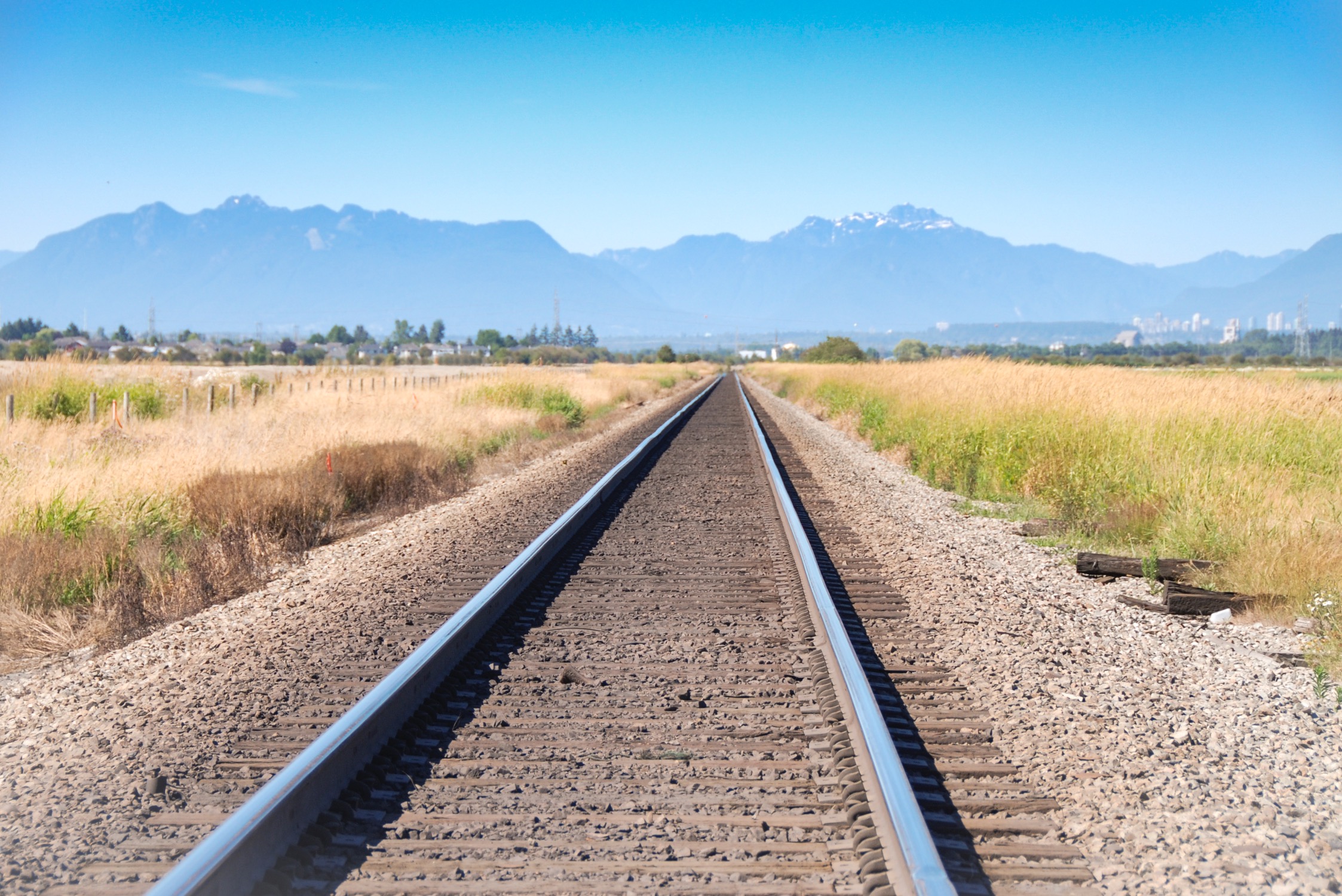 Trade associations representing various industries issued a letter Tuesday expressing “serious concerns” about a proposed merger between major rail companies Norfolk Southern and Union Pacific. “We write to express our serious concerns and reservations about the proposed merger between Union Pacific and Norfolk Southern,” said the letter, which came from trade associations representing manufacturing, chemical, energy and agriculture firms. “Past rail mergers have shown what happens when consolidation goes unchecked: service suffers, costs increase, and jobs disappear,” the trade groups wrote to the U.S. Surface Transportation Board. …The railroad companies, however, have argued that the merger will be a benefit to the country, improving efficiency and allowing for more routes. …In addition to the American Chemistry Council, signatories of the letter include the American Petroleum Institute, International Dairy Foods Association and the American Forest and Paper Association.
 Donald Trump has called on the European Union to hit China and India with tariffs of up to 100% to force Russian president Vladimir Putin to end the war in Ukraine. The US president made the demand during a meeting between US and EU officials discussing options to increase economic pressure on Russia. …Last month, the US imposed a 50% tariff on goods from India, which included a 25% penalty for its transactions with Russia. Although the EU has said it would end its dependency on Russian energy, around 19% of its natural gas imports still come from there. If the EU does impose the tariffs on China and India it would mark a change to its approach of attempting to isolate Russia with sanctions rather than levies.


 EUGENE, Oregon — President Trump’s demand that the US increase timber output by a quarter is running into a math problem: Lumber companies may not make as much money on wood in the coming months. A steep drop in lumber futures prices nationally is jolting the wood products business just as the Trump administration is prodding the industry — including the government’s own forest managers — to ramp up production so the US doesn’t have to rely on imports. Futures prices on lumber at the end of last week dipped to $527 per MFBM, the lowest point in a year. For Weyerhaeuser, which operates a mill in Cottage Grove, Oregon, the pricing signal isn’t sounding alarms just yet. The mill’s in the middle of a multiyear modernization said representatives who figure the market is doing one of its usual seesaws. [to access the full story an E&E News subscription is required]
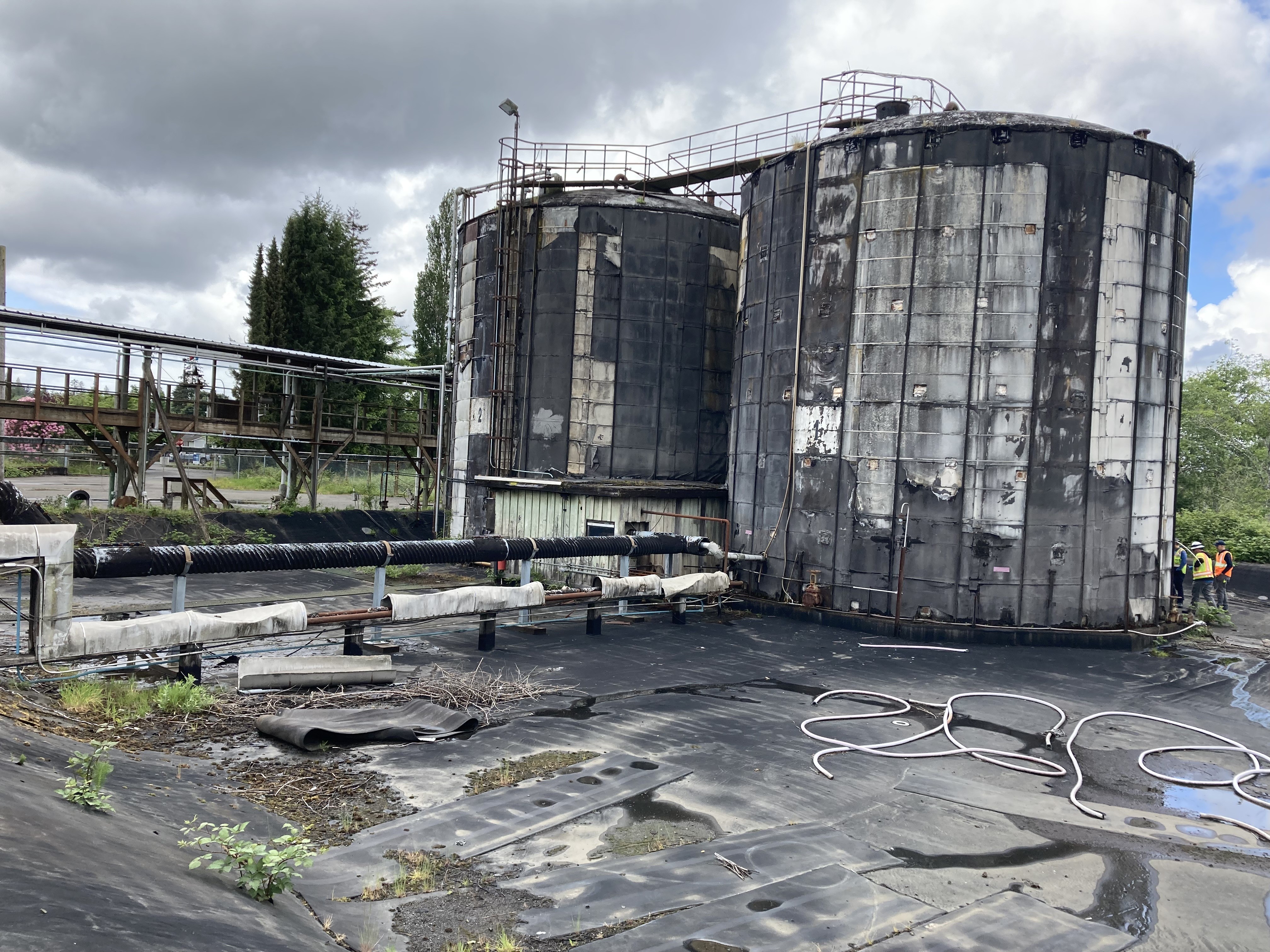
 SHERIDAN, Oregon — The Oregon Department of Environmental Quality (DEQ) has fined a Yamhill County wood treating company $1,055,825 for numerous violations of environmental regulations for water quality, hazardous waste and spill response and cleanup.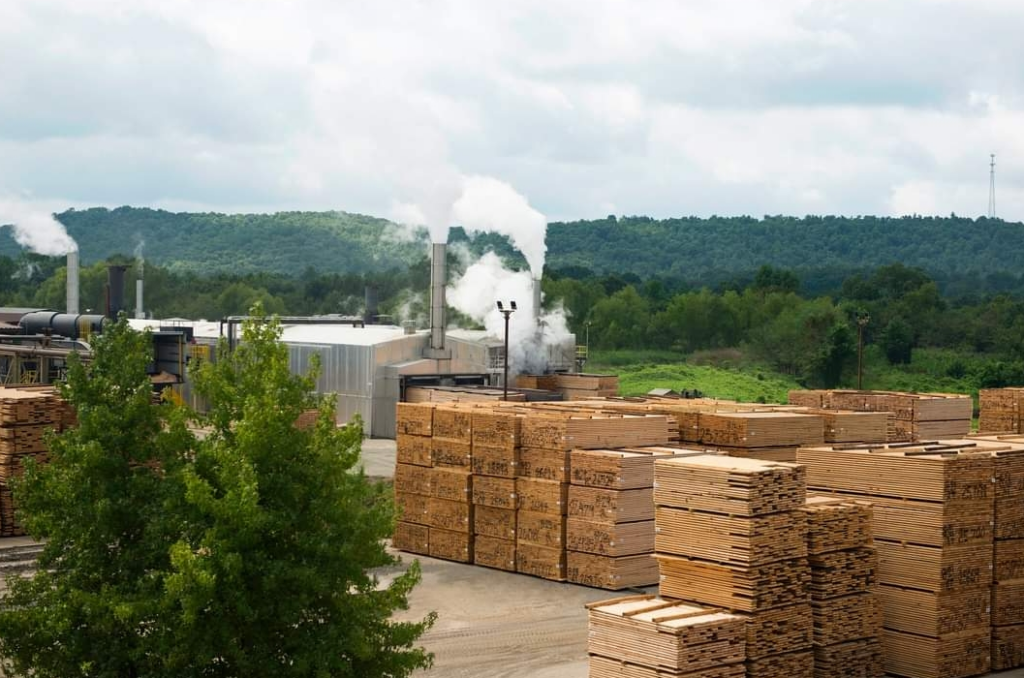
 JONESBORO — The Arkansas State University System board of trustees approved several policy changes during a meeting Friday at Arkansas State University. Trustees approved a policy to “ensure the efficient disposition of real property,” effective immediately. …Trustees also approved creation of a new hire and annual employee training policy — effective Jan. 1, 2026 — as the system doesn’t currently have a mandatory training policy. …Trustees approved naming the workforce training center at Arkansas State University Three Rivers for West Fraser for the next decade. …West Fraser “has made significant contributions to ASU Three Rivers, of a magnitude worthy of special gratitude and lasting recognition, including funding that will provide program support for workforce development and generous support through sponsorships, donations, resources, and collaboration that has created significant revenue for the college,” according to the resolution. …Over the past eight years, the college has collaborated on more than 15,000 training hours with West Fraser.

 LEBANON COUNTY, Pa. — A large fire at Weaber Lumber comes just over a month after the company filed for bankruptcy. Weaber, Inc. filed for Chapter 11 bankruptcy on Aug. 1, according to online records. The company also filed a WARN notice in July at its distribution center on 25 Keystone Drive. In that notice, the company said 145 people would be laid off from July 26 through Sept. 9 of this year. The fire broke out Monday night around 10 p.m. at the company’s headquarters at 1231 Mt. Wilson Road, and it took firefighters until Tuesday morning to bring the blaze under control over eight hours later.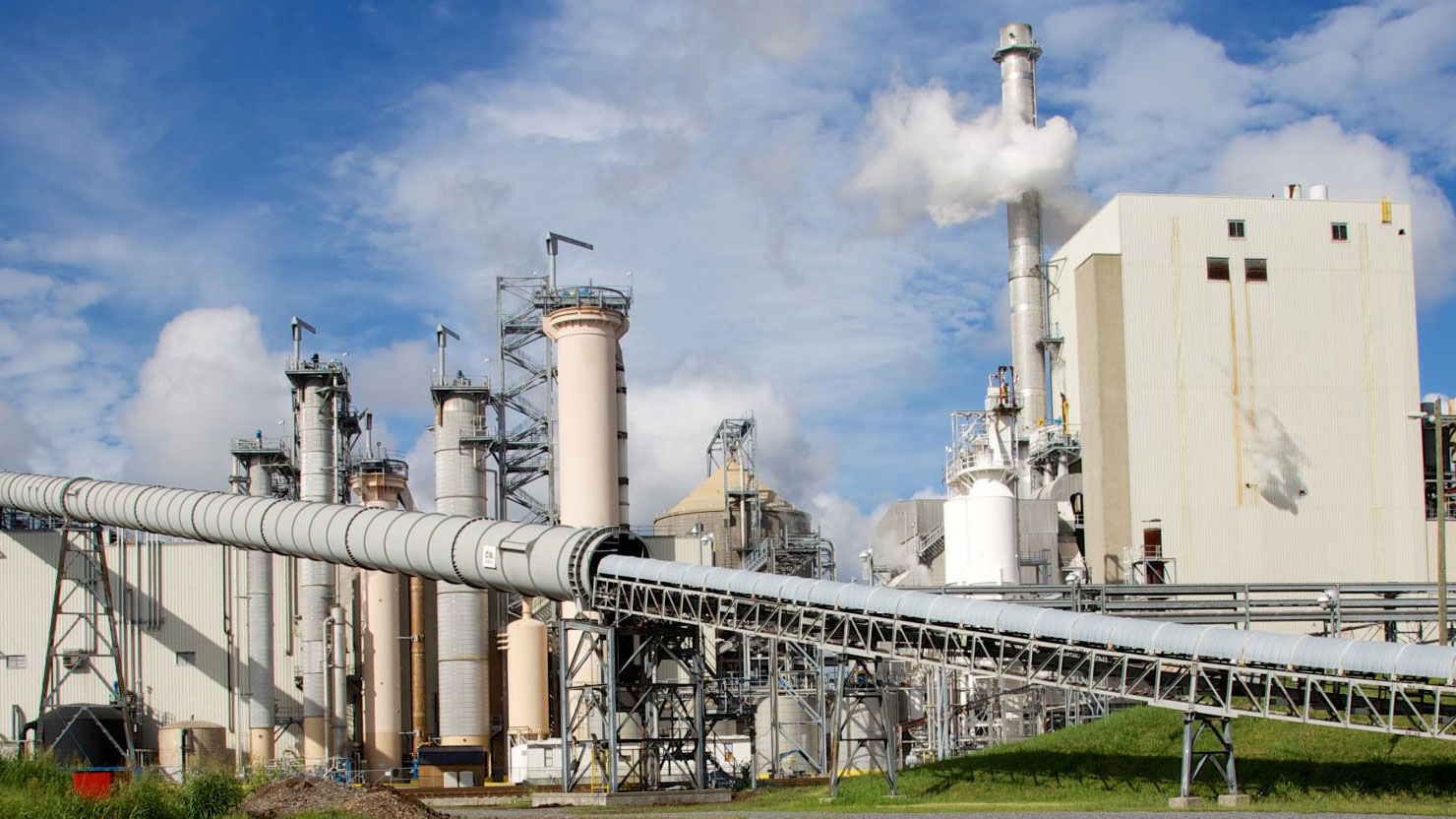



 SOUTH ANNVILLE TOWNSHIP, Pa. — A three-alarm fire ripped through Weaber Lumber in Lebanon County. Crews responded to the fire in South Annville Township around 10 p.m. on Monday. Flames could be seen leaping from the burning building. The blaze was upgraded to the third alarm, prompting a large firefighter response. According to Lawn Fire Company Chief Dillon Wilson, approximately 1.1 million gallons of water have been used from the on-site hydrant system to combat the fire. Tankers also brought in additional water to the scene. Chief Wilson said most of the building was engulfed in flames when crews arrived. “It got ahead of us,” Wilson said. The chief believes this building might have the most combustible materials under one roof in the state. Weaber Lumber has experienced multiple fires over the years. …For 80 years, Weaber has been proudly committed to the lumber industry and is one of the nation’s leading hardwood manufacturers.
 Major concerns are being expressed on both sides of the border regarding the higher US duties on Canada’s softwood lumber. …The current 35.19% duty, along with any steeper tariff, is detrimental to US homebuilders and homebuyers longer term, warns Rose Quint, of NAHB Survey Research. Higher mortgage rates of 6% to 7% since 2022 have already weakened housing demand and caused lumber prices to edge downwards. The real effect of tariffs might be delayed by wholesalers having stocked up building materials earlier in the year to avoid higher tariffs “Years of building above and beyond our traditional baseline is required to make up the 1.5 million deficit that we have in new housing units,” Quint adds. …Affordability challenges already existed and will be further worsened by the higher costs. …The overriding hope among the Canadian producers and American homebuilders is that a suitable agreement will be reached between the US and Canada.
 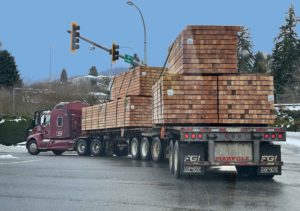 Higher duty rate and possible additional tariffs have transportation modes on edge. The softwood lumber dispute threatens to have repercussions on various transportation modes, particularly trucking. “Our members are saying their business is still okay, even with the softer rates due to mill overcapacity, but they’re worried that if anyone pushes on this wall with more tariffs, there’s nothing to hold it up,” says Dave Earle, the BC Trucking Association’s CEO. …Trucking has already been dealing with the overcapacity that was put in place for the greater demands for deliveries for most everything during the pandemic but has not subsided. …In terms of rail services, CPKC has seen its forest product shipments rise this year to date based on revenue ton miles. …At the Port of Vancouver in British Columbia, the potential to export more lumber is significant with approximately half of last year’s containers leaving the port empty.
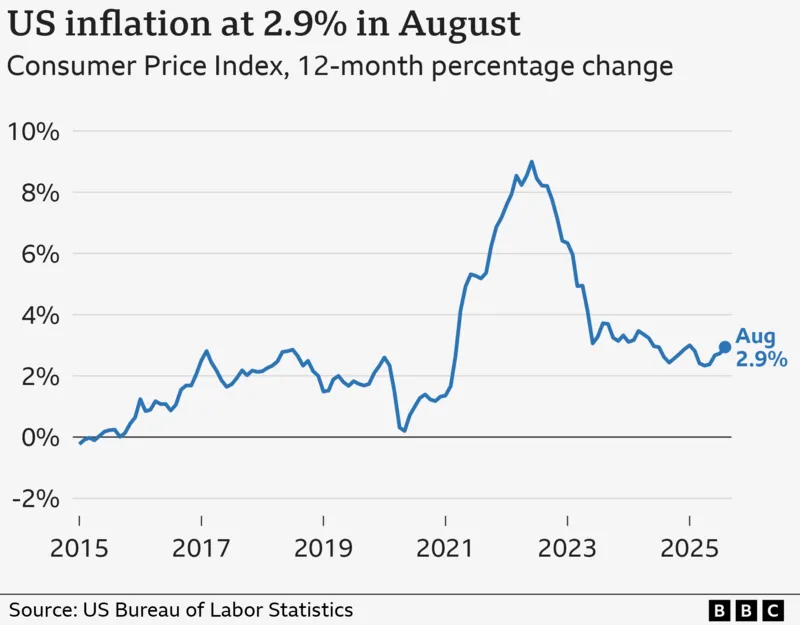
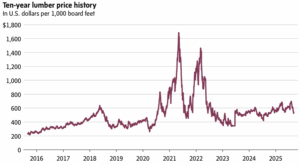 A “normal” annual softwood lumber price cycle sees prices dropping from Labour Day until early in the new year when buying starts again for the spring construction season. We are also expecting three interest rate cuts this year from the US Federal Reserve. With lower mortgage rates expected, will we see increasing demand for lumber? …The short term outlook for lumber prices continues to see weakness with price projections as low as US$450 per thousand board feet until the spring construction season. Looking into 2026 and 2027, prices are expected to recover to the mid-US$500 to low-US$600 per thousand board feet range. Ongoing duties, the upcoming court rulings on tariffs and the protracted housing shortage will all impact the price of lumber over the next two years. [to access the full story, a Globe & Mail subscription is required]
 Falling lumber prices are sounding an alarm on Wall Street about potential problems on Main Street. Wood markets have been whipsawed of late by trade uncertainty and a deteriorating housing market. Futures have dropped 23% since hitting a three-year high at the beginning of August and ended Friday at $535 per thousand board feet. The price drop might have been greater—but two of North America’s biggest sawyers said last week that they would curtail output, slowing the decline. Crashing wood prices are troubling because they have been a reliable leading indicator on the direction of the housing market as well as broader economic activity. …Analysts and traders say there will have to be further cuts to ease the glut of wood. That might not be a problem, given how higher duties have pushed up Canadian sawmills’ break-even prices while demand wanes. “We anticipate further closures or curtailments,” said Truist Securities analyst Michael Roxland. [to access the full story a WSJ subscription is require]
 Single-family housing permits slipped for the seventh month in a row, highlighting affordability headwinds and weak demand. While multifamily permits ticked up, the sector’s volatility leaves the outlook uncertain. The split underscores a housing market still under strain, with single-family softness weighing on broader growth prospects. Over the first seven months of 2025, the total number of single-family permits issued year-to-date (YTD) nationwide reached 565,208. On a year-over-year (YoY) basis, this is a decline of 5.7% over the July 2024 level of 599,308. For multifamily, the total number of permits issued nationwide reached 286,836. This is 2.6% higher compared to the July 2024 level of 279,618.
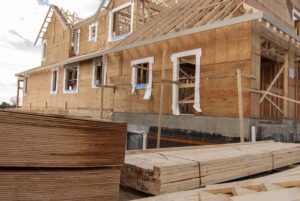 Housing starts in the US fell last month to the lowest since May, as bloated home inventory slowed builders’ appetites to boost production. New residential construction decreased 8.5% last month to an annualized rate of 1.31 million homes, government data released Wednesday showed. The median forecast in a Bloomberg survey of economist was for 1.37 million starts. Meantime, starts of one-family homes fell 7% to an annualized 890,000, the lowest in more than a year. Multifamily construction, which has helped lift overall construction in recent months, also declined, falling nearly 12% to a three-month low. …Traders expect the Federal Reserve to trim interest rates multiple times this year, starting on Wednesday. And separate data out Wednesday showed mortgage rates fell last week to the lowest level in nearly a year, spurring a surge in refinancing.



 ORONO, Maine — At the
 US Secretary of Agriculture Rollins issued a
 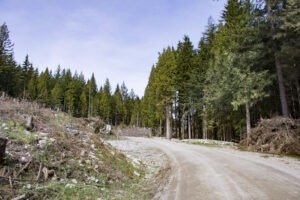 For Tom Schultz, the 21st chief of the U.S. Forest Service, repealing the Roadless Rule is not a matter of ideology but rather a matter of “common sense land management.” Leaving land alone and letting nature run its course is not management, Schultz explained, but a “false narrative.” “The idea that if I care about something, I walk away from it,” Schultz said. “I guess I don’t buy that.” The Roadless Rule… prevented the building of roads through nearly 60 million acres of Forest Service land, conserving a small percentage of the overall American landscape from further development. Today, after carve outs by several states, the total acreage is closer to 45 million. …Schultz spoke with Deseret News to explain why it’s important to repeal the provision, why the administration is working so “expeditiously” to do so and what the public might expect from the prospect.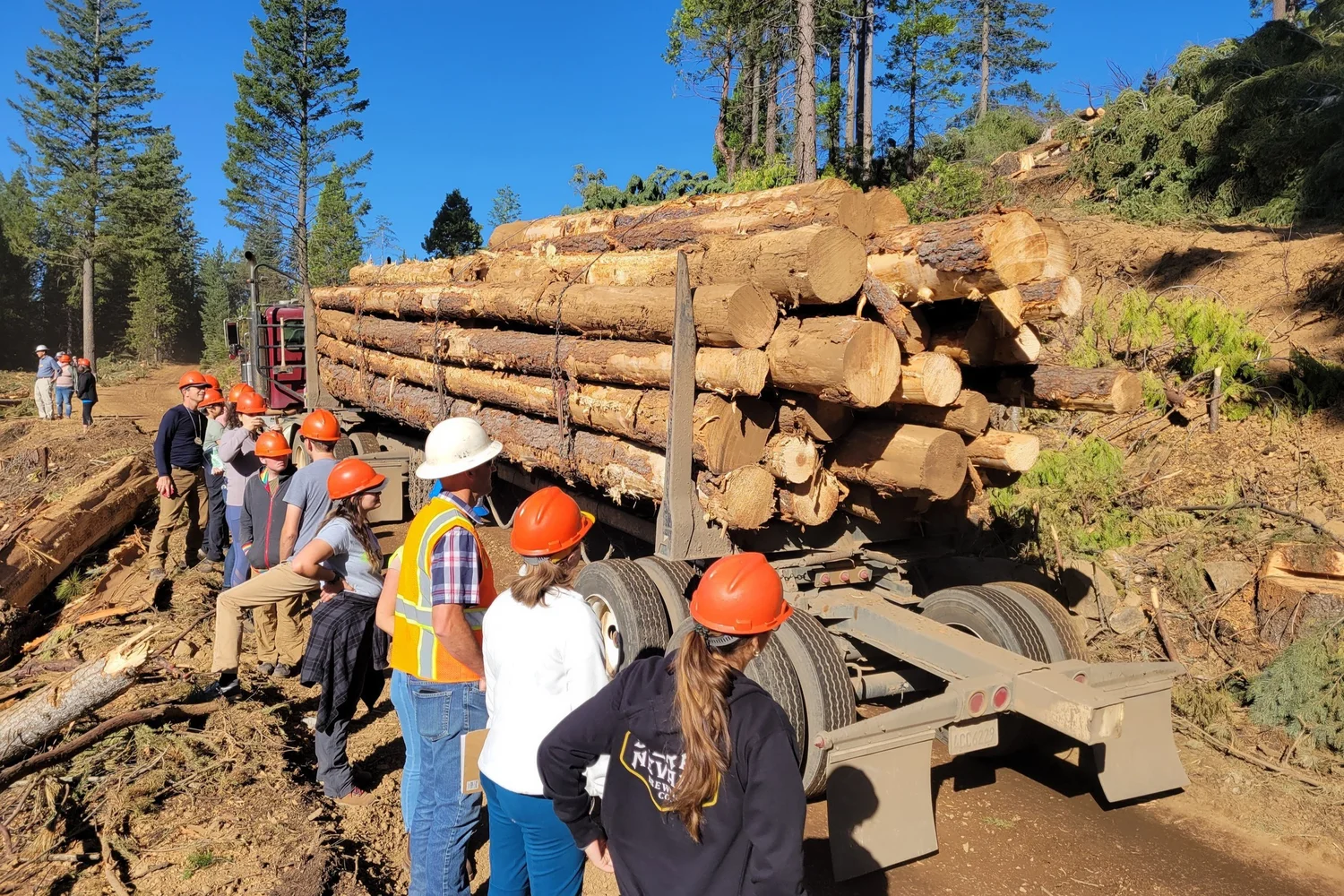
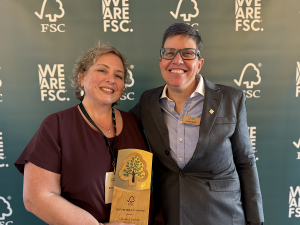

 After years of wildland firefighters developing cancer, lung disease and other health issues while not being allowed to wear masks as they work, the US Forest Service will now allow these crews to wear masks. The policy turnaround comes as the Forest Service posted new guidance on Monday “acknowledging for the first time that masks can protect firefighters against harmful particles in wildfire smoke,” per
 National forests and wildfire will return to the congressional agenda this week with a pair of House subcommittee hearings on Forest Service programs. The Trump administration’s challenges in managing the 193-million-acre forest system with a sharply reduced workforce — and a big agency reorganization still to come — are likely topics for both the Agriculture and Natural Resources subcommittees. In the Natural Resources hearing, the Subcommittee on Federal Lands will take testimony on the state of national forests, picking up on a hearing that was initially scheduled for July 9. In the Agriculture hearing, the Subcommittee on Forestry and Horticulture will focus on improved active forest management, such as increased thinning of national forests to reduce potential wildfire fuel. [to access the full story an E&ENews subscription is required]
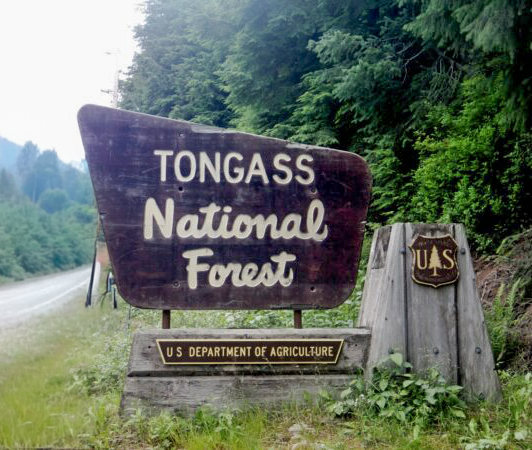 The U.S. Department of Agriculture announced this summer it was moving to rescind the Roadless Rule, a 2001 law that protects large swaths of National Forest land from development. That includes more than half of the Tongass National Forest, where Juneau is located. On Saturday, more than 100 people gathered in the state capital to protest the move. …Alaska’s Congressional delegation unanimously supports the rollback of the Roadless Rule. U.S. Sen. Lisa Murkowski has said that most of the Tongass would still be protected without it — the parts of the forest that are already designated as wilderness. …But protesters say Alaskans have more to lose in risks to the land and waterways than what they have to gain through further development. Lingít elders and fishing and tourism industry experts took the mic Saturday to deliver a message: the Roadless Rule should be left alone.
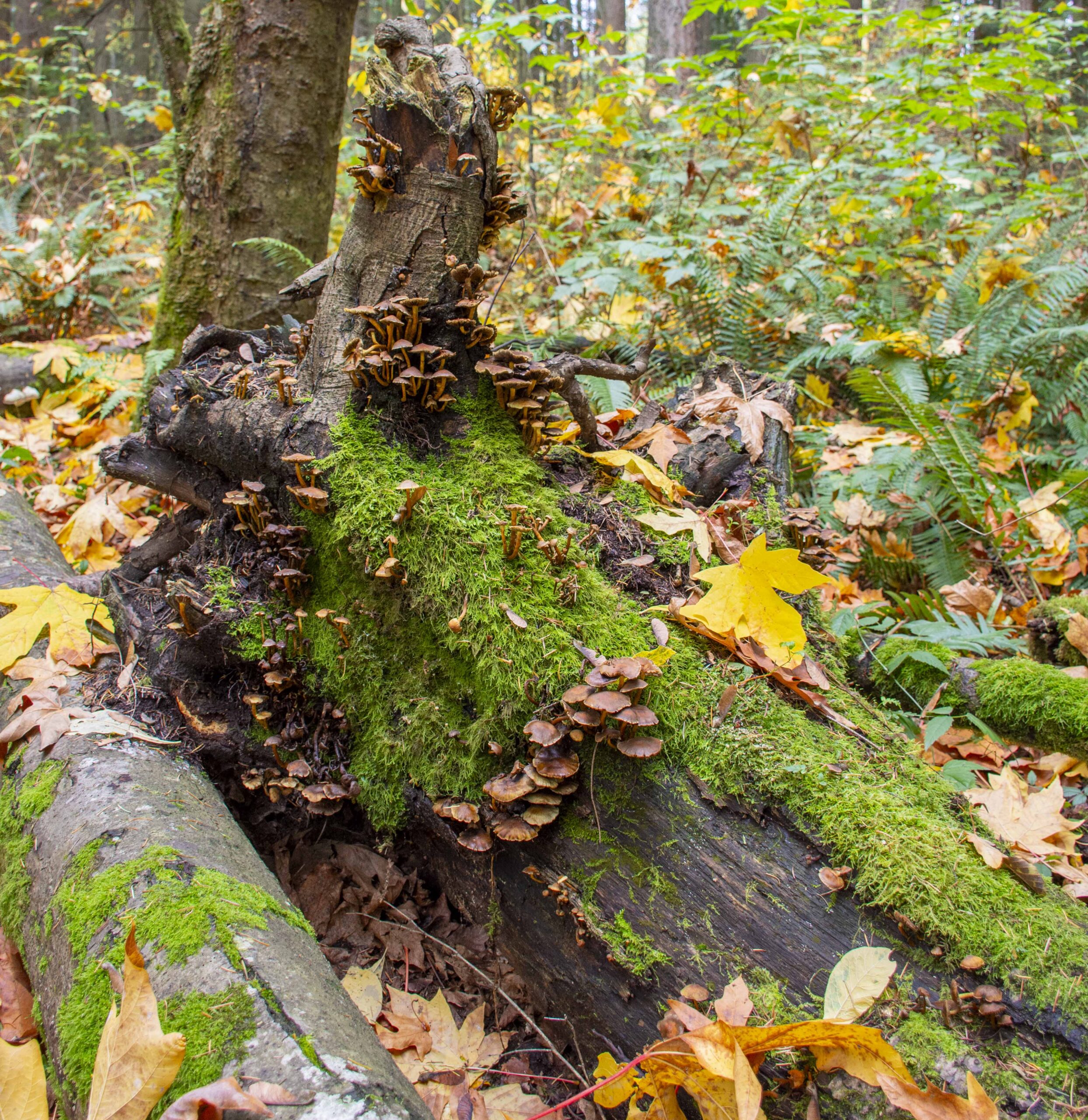 Mark Harmon, a longtime faculty member at Oregon State University, has been watching number 219, and more than 500 other logs nearby, decay for 40 years. He has trekked to this site in the H. J. Andrews Experimental Forest, a watershed nestled in Oregon’s western Cascade Mountains, at least 100 times. His goal: establish an exhaustive baseline dataset that any scientist could use to test hypotheses about tree decomposition or to compare patterns of decomposition in the Pacific Northwest with those in other regions. …In a 2020 analysis, Harmon and his colleagues estimated that decay rates can vary by a whopping 244-fold across species and climates. …Scientists used to assume that decomposition was instantaneous, Harmon says—that when a tree dies, it essentially disappears. “But that’s not true anywhere on Earth, and it’s never been true,” he says. A dead tree is “just a transition to something else.”
 The Trump administration is looking to finalize a repeal of a longstanding Roadless Rule with a public comment period that
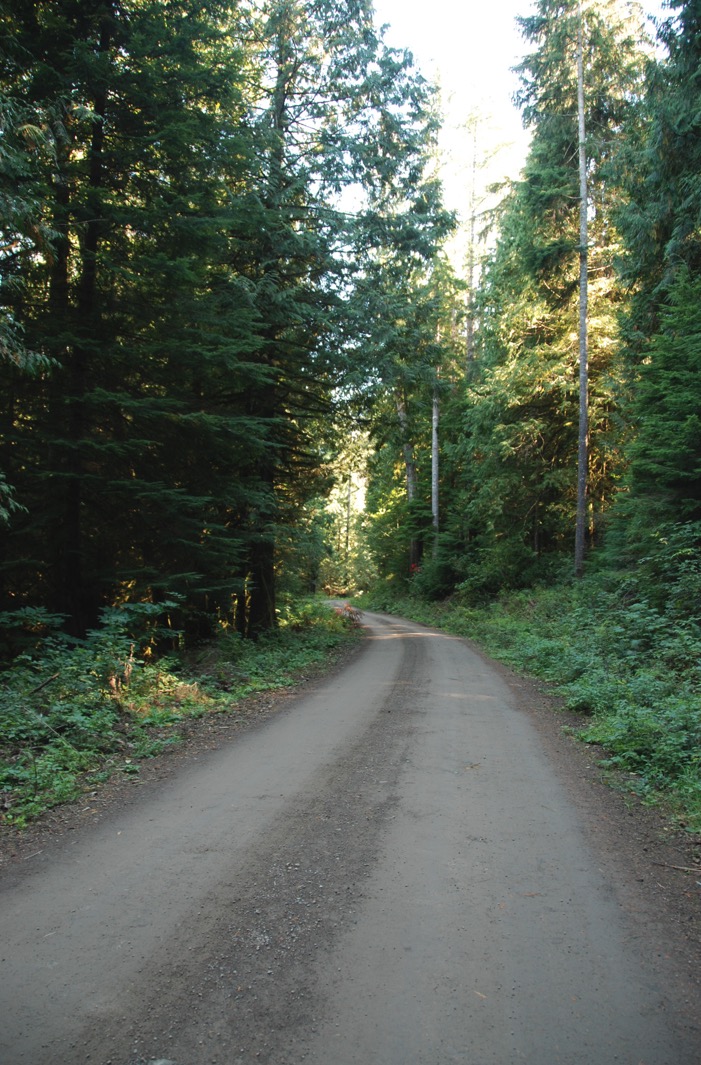 President Donald Trump’s Secretary of Agriculture has moved to rescind the “roadless rule” that protects portions of national forests from development — including 4.4 million acres in California — and members of the public can still submit comments about the change to the federal government. Every national forest in California would be affected. Commenters can weigh in through the online form on regulations.gov through Sept. 19; the docket is FS-2025-0001-0001. Since 2001, the roadless rule has protected designated areas from development and logging, limiting or barring the construction or reconstruction of roads. About 21% of California’s national forestlands are protected. Throughout the U.S., the 2001 rule covers 59 million acres. The administration has said the move to end the rule would open up these forests to more logging and has said that more roads would help with wildfire prevention. As NPR reported, the U.S. Forest Service has previously found that roads appeared to do nothing to mitigate wildfires.
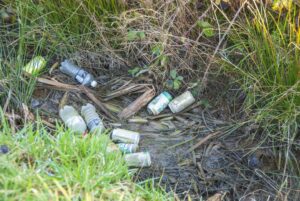 LINCOLN COUNTY, Oregon — Travelers exploring private timber lands along the Oregon Coast may encounter locked gates or restricted access, but this is not due to a desire to keep citizens off the property, the Lincoln County Sheriff’s Office said. The closures are a response to increasing incidents of littering, vehicle abandonment, theft of forest products, and criminal mischief. Common acts of vandalism include property destruction by 4x4s and ATVs in unauthorized areas and damage to road access gates, officials said. These actions not only destroy the natural beauty of the forests but also incur costs for cleanup and repairs, which are paid by private timber companies and taxpayers.
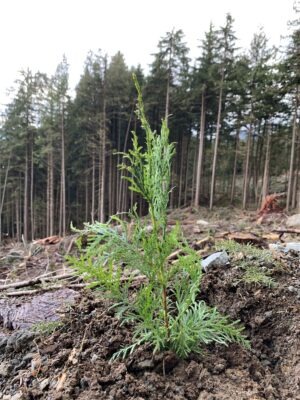 The increase in wildfires over the past few decades is changing the Colorado landscape in more ways than one. Not only do fires temporarily decimate the impacted areas but according to research out of Colorado State University, they are actually changing how, and if, forests regenerate post fire. “There are definitely some places where they’re coming back really well; it just takes a long time for trees to grow back,” said Camille Stevens-Rumann, CSU associate professor of Forest and Rangeland Stewardship. “But there are definitely other places that are not recovering and are not turning back into the forests that we expect them to be. …Reseeding efforts in these locations have shown mixed results, forcing researchers and forestry officials to look at alternative species. …“I think we do have to adapt and think about the fact that those forests are going to look differently.”
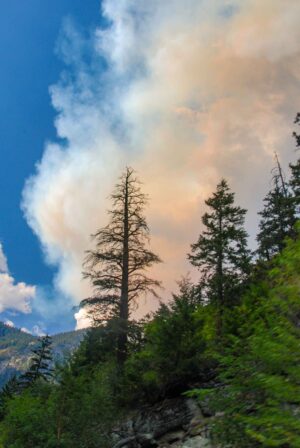 The western United States is facing another destructive wildfire season. …As US forests burn, Congress and federal agencies are asking an important question: What role should federal land management play in reducing fire risk? …Several of the current federal proposals for managing fire risk focus on increasing timber harvesting on federal lands as a solution. They also propose speeding up approvals for those projects by limiting environmental reviews and public oversight. As experts in fire science and policy, we see some useful ideas in the proposed solutions, but also reasons for concern. While cutting trees can help reduce the severity of future fires, it has to include thinning in the right places to make a difference. Without oversight and public involvement, increasing logging could skip areas with low-value trees that need thinning and miss opportunities for more effective fire risk-reduction work.
 Today’s Lookout
 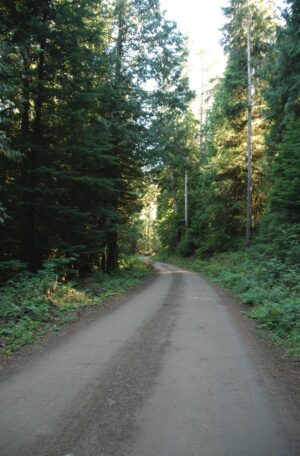 STEVENS POINT, Wisconsin — The Trump administration blitzkrieg on the environment is rumbling along, and 45 million acres of remote national forest lands are in their sights. These are areas protected by the Roadless Rule, adopted in 2001. …The administration is rushing the public comment period, with a deadline of Sept. 19. …There’s a good chance the administration has already made up its mind. But there’s something to say in this moment about being on the right side of history. …Why should Wisconsin care about the Roadless Rule, which is a huge deal in the West? Mike Dombeck, a Wisconsin native, was chief of the USDA Forest Service when the rule was adopted.” …It’s an important niche between wilderness and development. …It took a long time for us to recognize that suppressing fire actually contributes to uncontrollable wildfires. Fire has been a forest management tool for eons.
 The US Department of Agriculture (USDA) announced it would invest more than $8 million in five new projects, including one in North Carolina. These projects will improve forest health by reducing wildfire risk and improving water quality. …North Carolina has two primary wildfire seasons, one in the spring and one in the fall. …The five new projects include efforts across several states to restore and protect essential landscapes. The National Forest is launching the “Alabama Chattahoochee Fall Line Restoring Longleaf” project in Alabama. Colorado and Wyoming will see work in the Medicine Bow-Routt National Forest through the “Headwaters of the Colorado” initiative. Montana’s Lolo National Forest is beginning the “Blackfoot River Valley Landscape Mosaic” project, while North Carolina’s National Forests are moving forward with “Uwharries to Sandhills, Phase 2.” Finally, Oregon’s Mt. Hood National Forest will focus on “Hood River Wildfire and Watershed Resilience.”
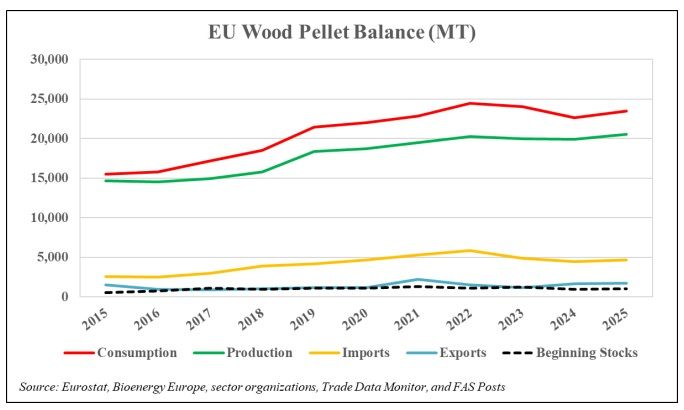
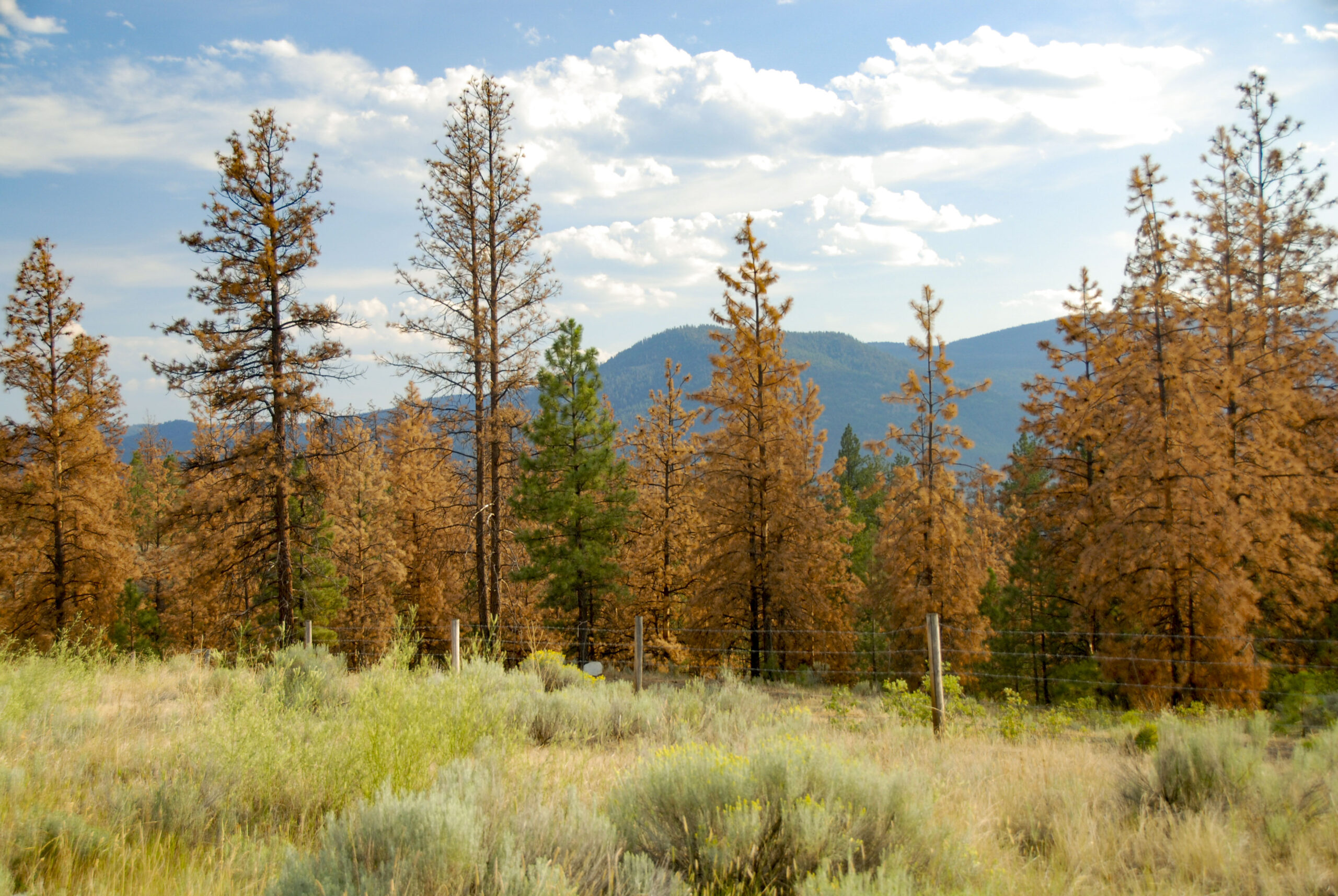 The American Biomass Energy Association and Pellet Fuels Institute are among 400-plus associations, businesses and landowners representing the forest products sector that sent a letter to President Donald Trump on Sept. 8 urging immediate action to stabilize the U.S. forestry sector and its access to markets in the face of mounting mill closures, devastating natural disasters, pests and diseases, and unfair foreign trade practices. “Together, these forces are pushing many landowners to exit forestry altogether,” the groups wrote. “If forests are abandoned or converted, the consequences for our domestic timber supply, as well as markets for housing, infrastructure, consumer products, energy, rural livelihoods, and environmental security, will be severe. …The letter outlines four immediate steps the Trump administration can take to spark job creation and economic growth. This includes promoting the use of biomass for electricity and expanding the definition of qualifying wood biomass under the Renewable Fuel Standard.


 The US Forest Service will begin providing wildfire crews with masks to protect against smoke, reversing a decades-long policy banning protective gear after The NY Times spotlighted severe health impacts from smoke exposure. For decades, federal wildland firefighters were not given masks, even as researchers and labor groups warned of the long-term risks, the Times found. The Forest Service said masks could cause firefighters to overheat. …The agency now recommends masks for light use, though still bans it for arduous work. …FireRescue1 readers respond: “The policy is preposterous. No one makes such excuses for structural firefighting, where the heat load is much, much greater.” …“Heat stress is a short-term condition that can be immediately remedied by mandatory rest and work cycle adjustment. Lung issues usually last forever. A better respirator that is slimmer, lighter and maintainable needs to be created and the forest service needs to use them.