 Trade negotiations between Canada and the United States are set to drag on well past the initial hopes of an early resolution, with key players now calling mid-2026 an unlikely target and warning the process could slip into 2027. In an interview on The Hub’s Alberta Edge podcast, US Ambassador to Canada Pete Hoekstra and Alberta Premier Danielle Smith both acknowledged momentum around the Canada-US-Mexico Agreement (CUSMA) review has slowed. Hoekstra pointed to the formal comment period now underway, during which businesses and the public in both countries are submitting feedback on how the accord is working. He said this essentially eliminates any chance of a quick, major deal. Trade departments will then have to sift through the submissions and approach what he called the “painstaking” next stage. …The timeline collides directly with US midterm elections in 2026, making Senate ratification anything but a guarantee.

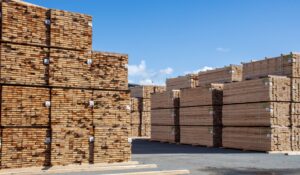 OTTAWA — Canada has dropped two legal challenges of United States duties on Canadian softwood lumber. …The Wall Street Journal first reported this week that Canada dropped long-standing appeals earlier this month of two U.S. anti-dumping reviews dating back to the previous decade. The US undertakes administrative reviews each year to set the level of duties. Canada has regularly challenged those orders. Global Affairs Canada spokeswoman Dina Destin said that the decision to drop the two appeals was made “in close consultation with Canadian industry, provinces and key partners, and it reflects a strategic choice to maximize long-term interests and prospects for a negotiated resolution with the United States.” She said Canada still believes U.S. anti-dumping duties on softwood lumber are unfair and Ottawa is still pursuing six other legal challenges on the matter.
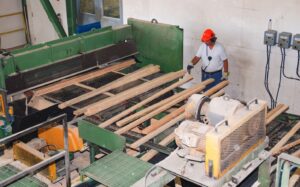 Terrace, a small town nestled in the foothills of the mountains of BC, boomed in the 1920s, shipping Canadian cedar for telephone lines and power cables across the globe. But today local sawmill owners such as Warren Gavronsky are on the front line of a crisis hitting the country’s US$63bn forestry industry as a result of US duties and a slowdown in the world’s largest economy. …Canada’s forest products industry is one of the country’s largest employers, operating in hundreds of communities and providing 200,000 direct jobs. …Ottawa this week quietly withdrew two challenges to US anti-dumping duties on softwood lumber, a “strategic choice” aimed at improving relations with Washington, said Canada’s foreign ministry. The issue for US housebuilders, according to Gavronsky, is that they need softwood lumber. …The US industry accuses its Canadian rivals of dumping because they have no other market to sell into and it is convenient to ship it across the border.
 Canada withdrew challenges against some import taxes the US levied against softwood lumber in what the government called a “strategic choice,” as Prime Minister Carney seeks a trade deal with President Trump. The government has revoked two separate claims disputing US anti-dumping duties on softwood lumber based on trading between June 2017 and December 2019, according to Canada’s Global Affairs department. “Canada has made this decision in close consultation with Canadian industry, provinces and key partners, and it reflects a strategic choice to maximize long-term interests and prospects for a negotiated resolution with the US,” John Babcock said. …The move follows a pattern of Carney’s government trying to remove so-called trade irritants in pursuit of a wider settlement with the Trump administration, which has erected tariffs against key Canadian industries like steel and autos, as well as a 35% “emergency” tariff against other goods if they aren’t compliant with the US-Mexico-Canada trade deal.
  Canada is expected to announce it’s launching formal consultations on the North American trade pact within the next week, after the Trump administration kicked off its own review and the US ambassador said a larger deal is “not going to happen” soon. Canada-US Trade Minister Dominic LeBlanc’s office said the government is expected to imminently post an official notice seeking the public’s comments and feedback about the Canada-US-Mexico Agreement (CUSMA). In preparation for the review, “Canada will be engaging with Canadian industry leaders, provinces and territories and Indigenous partners,” LeBlanc’s office said. The US announced Tuesday it’s formally starting consultations to evaluate the agreement’s results over the past five years. …The formal negotiations to review CUSMA could begin in early 2026. …The prime minister and several ministers are headed to Mexico… an effort to shore up support ahead of the CUSMA review.
 Prime Minister Mark Carney is embarking on a pivotal meeting with Mexican President Claudia Sheinbaum, just as the United States officially launches the process to review the North American trade agreement. The Office of the US Trade Representative will seek public comments on the Canada-US-Mexico Agreement (CUSMA) over 45 days and has scheduled a public hearing in November. Public consultation is required by law and is a clear sign that the Trump administration is preparing to renegotiate, not just review, the trilateral agreement, says Eric Miller, president of Rideau Potomac Strategy Group. Under the current agreement, Canada’s trade with the U.S. is 85% tariff free, but that could change when CUSMA expires next June. …It’s under this pressure that Carney is meeting with Sheinbaum to
 Musser Biomass announces a new sustainability partnership with Trex Company, the world’s largest manufacturer of wood-alternative decking and a pioneer in recycled materials innovation. Musser Biomass operates one of the most advanced low-temperature drying systems in North America, reducing energy use and preserving the integrity of wood fiber. Through partnerships like this one with Trex, Musser Biomass is further extending the life cycle of valuable resources and supporting a circular economy. Through its NextTrex program, Trex Company recycles everyday plastic film materials, keeping them out of landfills and turning them into high-performance composite decking. The updated packaging will begin rolling out nationwide. Musser Biomass produces premium wood pellets and engineered bedding using cutting-edge drying and screening technology.
 US President Trump said Thursday that he will put import taxes of 100% on pharmaceutical drugs, 50% on kitchen cabinets and bathroom vanities, 30% on upholstered furniture and 25% on heavy trucks starting on Wednesday. Trump’s devotion to tariffs did not end with the trade frameworks that were launched in August, a reflection of the president’s confidence that taxes will help to reduce his government’s budget deficit while increasing domestic manufacturing. But the additional tariffs risk intensifying inflation that is already elevated, as well as slowing economic growth. …Trump said that foreign manufacturers of furniture and cabinetry were flooding the US with their products and that tariffs must be applied “for National Security and other reasons.” The new tariffs on cabinetry could further increase the costs for homebuilders when many people seeking to buy a house feel priced out by the mix of housing shortages and high mortgage rates.

 The SLB’s Board of Directors has approved a
  WASHINGTON




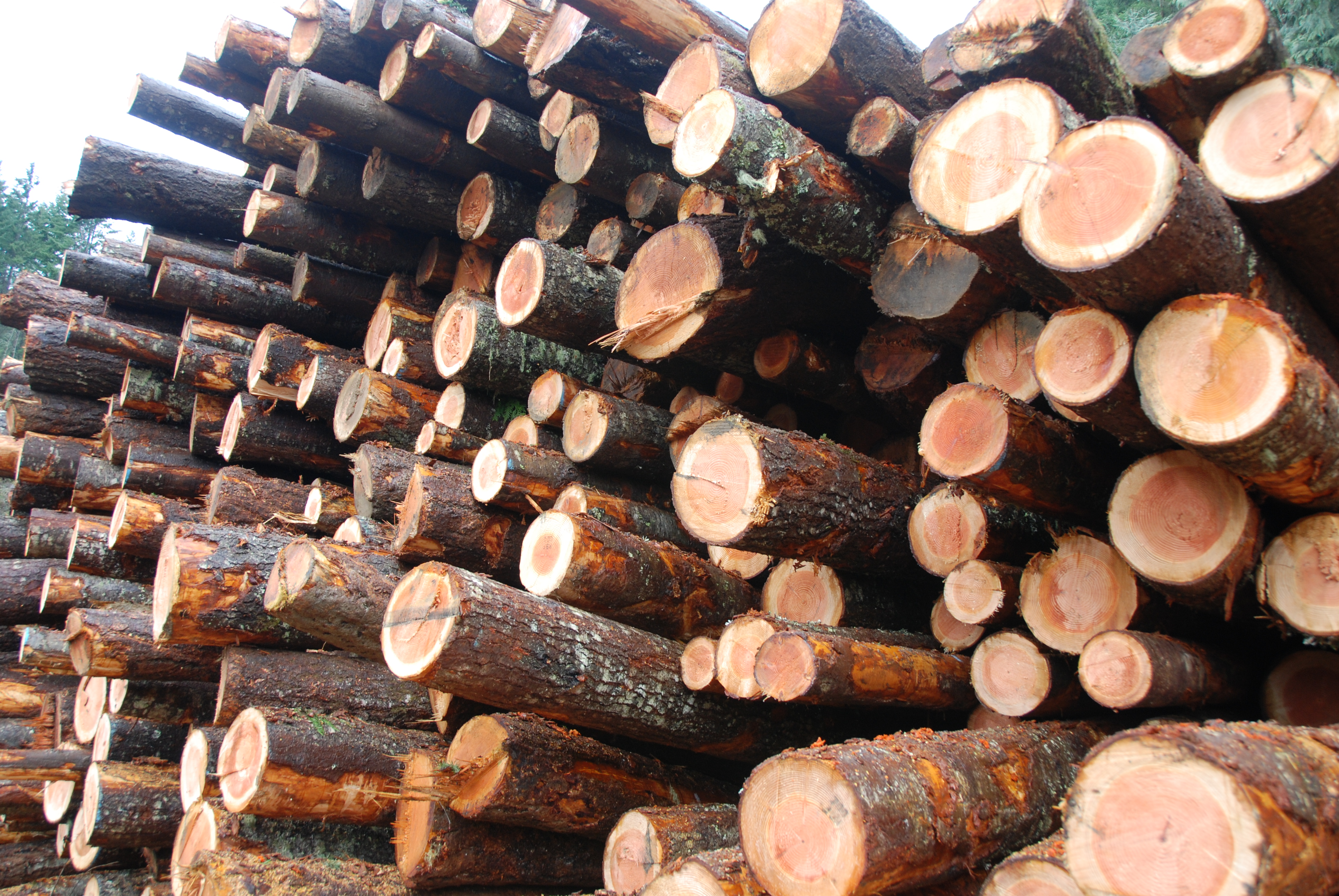 HORRY COUNTY, S.C. — A family-owned sawmill plans to create 18 jobs by opening a multi-million facility in northern Horry County amid high-profile shutdowns of other sites across the region. “This facility will support area businesses impacted by recent closures, and we’re proud to expand our services and give back to the region that has supported us,” Matthew Johnson, founder of Galivants Ferry Sawmill, said in a news release shared on Facebook by the Myrtle Beach Regional Economic Development Corporation. In August, Canfor closed its Darlington and Estill plants — eliminating 290 jobs in a move it blamed on “an extended period of consistently weak market conditions.” And in December, Georgetown County’s International Paper ended operations, cutting 674 jobs. The Galivants Ferry facility on McCracken Road will support the local timber industry and help fill the gap left by those closures
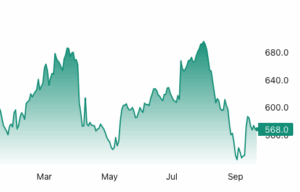 Lumber futures fell back below $570 per thousand board feet in September, reflecting the struggles in the US housing market. Builders are scaling back new construction amid a recent inventory glut and growing economic uncertainty, while the Trump administration’s fluctuating stance on tariffs for imported lumber over the past few months has added further volatility. Meanwhile, a significant gap remains between the number of homes for sale and the demand from Americans seeking housing. Affordability challenges have caused many buyers to withdraw in recent months, keeping construction activity muted throughout 2025. However, recent cuts in US interest rates, along with prospects of further easing, have helped curb some of the losses. Without a substantial increase in new home demand, the subdued pace of construction is likely to persist, as builders continue to compete with the steadily growing inventory of existing homes. [END]
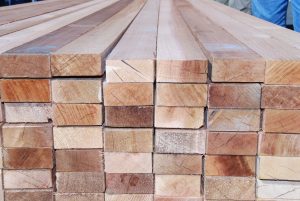 When the Trump administration more than doubled import fees on Canadian softwood lumber earlier this year, the goal was to support domestic prices and boost US production. Instead, prices have plunged, and mills on both sides of the border are scaling back. A benchmark for the commodity mostly used in construction has plunged 18% since an August peak to the lowest in seven months, driven by sluggish homebuilding activity and a glut of inventory. The drop shows how protectionist measures aren’t always enough to protect domestic industries from broader market dynamics at a time when high interest rates and elevated costs are squeezing consumers and weighing on their confidence, dampening demand for new homes. …“The US producers were looking for more of a price bump from the duties, and they didn’t get one,” said Brooks Mendell, at Forisk Consulting. “The interpretation of that is, well, the demand isn’t there.”
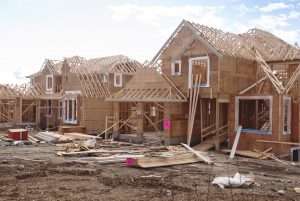 Housing is the foundation of the economy. …It’s not a surprise, then, that the Trump administration recently said it was considering declaring the housing crisis a national emergency. The federal government alone can’t solve the housing crisis. That said, the administration could take steps that would meaningfully help make American housing more affordable. …One of the biggest issues is supply. …But
  Cardboard-box demand is slumping, flashing a potential warning about the health of the American consumer given that goods ranging from pizzas to ovens are transported in corrugated packaging. A historic run of pulp-mill closures is also signaling problems for the companies that make corrugated packaging as well as the timberland owners who sell them wood. International Paper, the country’s biggest box maker, announced last month the shutdown of two US containerboard mills, which make the brown paper that is folded into corrugated packaging. …It is a surprising turn in the e-commerce era. Box makers and analysts say demand presently suffers from uncertainty in US boardrooms and export markets because of President Trump’s tariffs as well as from weakening consumer spending. The sputtering housing market has also hurt, reducing the need for moving boxes as well as packaging for building products and appliances. [to access the full story a WSJ subscription is required]



 In many places, moose, bear, wolves and other wildlife can simply walk between the two nations. There are barriers — roads, development and a lack of protected habitat on either side — but for more than a century, relatively relaxed border policy and a shared sense of purpose saw conservationists in both countries working together to overcome them. Now, US President Trump has ratcheted up the challenges to cross-border conservation. …Many of Trump’s actions have explicit implications for cross-border conservation — in North America and globally. …Canadian conservation organizations have reported losing co-funding as a result of Trump’s cuts to foreign aid. As his administration has stretched staffing thin and proposed deep budget cuts at the US National Park Service, it ended funding many found crucial to habitat conservation work across the border. Trump has also withdrawn from the Green Climate Fund and the Paris Agreement.
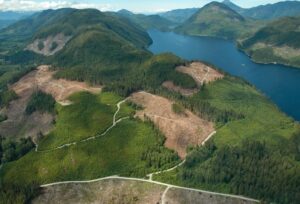 The Interior Department says it’s on track to meet a federal goal to increase logging on federal lands, even as timber industry analysts warn low prices, scarce sawmills, and litigation will likely threaten progress. Interior’s Bureau of Land Management has increased timber sales by 4.6% so far in fiscal 2025 over all of fiscal 2024. Interior spokeswoman Alyse Sharpe said. …Trump’s logging goals face fierce headwinds, however, as depressed lumber prices, a worker shortage in the timber industry, and an overriding sense of uncertainty about the future of logging are chilling timber industry interest in actually cutting down the trees sold in federal sales, said Mindy Crandall, at Oregon State University. “The Forest Service can put the timber up for sale, but someone has to want it,” Crandall said. But Trump’s logging policies are likely to have limited reach across the US in part because federal lands make up only a small part of the timber supply, and tariffs are unlikely to crush the demand for Canadian lumber.
 The Trump administration is planning to close some US Forest Service offices in Alaska under a national reorganization announced this summer. Public comment on the reorganization is open through Tuesday. …A spokesperson for the USDA said “We recognize this may be difficult, but we are hopeful that affected employees will remain with us through this transition.” In July, US Agriculture Secretary Brooke Rollins said she intends to close the Forest Service’s nine national regional offices “over the next year” but “will maintain a reduced state office in Juneau, Alaska, and an eastern service center in Athens, Georgia.” Research stations, like the Juneau Forestry Science Laboratory in Auke Bay, will be closed and “consolidated into a single location in Fort Collins, Colorado.” Nationally, Rollins said she intends to scatter more than half of the Agriculture Department’s 4,600 Washington, D.C.-based administrators to five regional hubs; one each in Utah, Colorado, North Carolina, Missouri and Indiana.



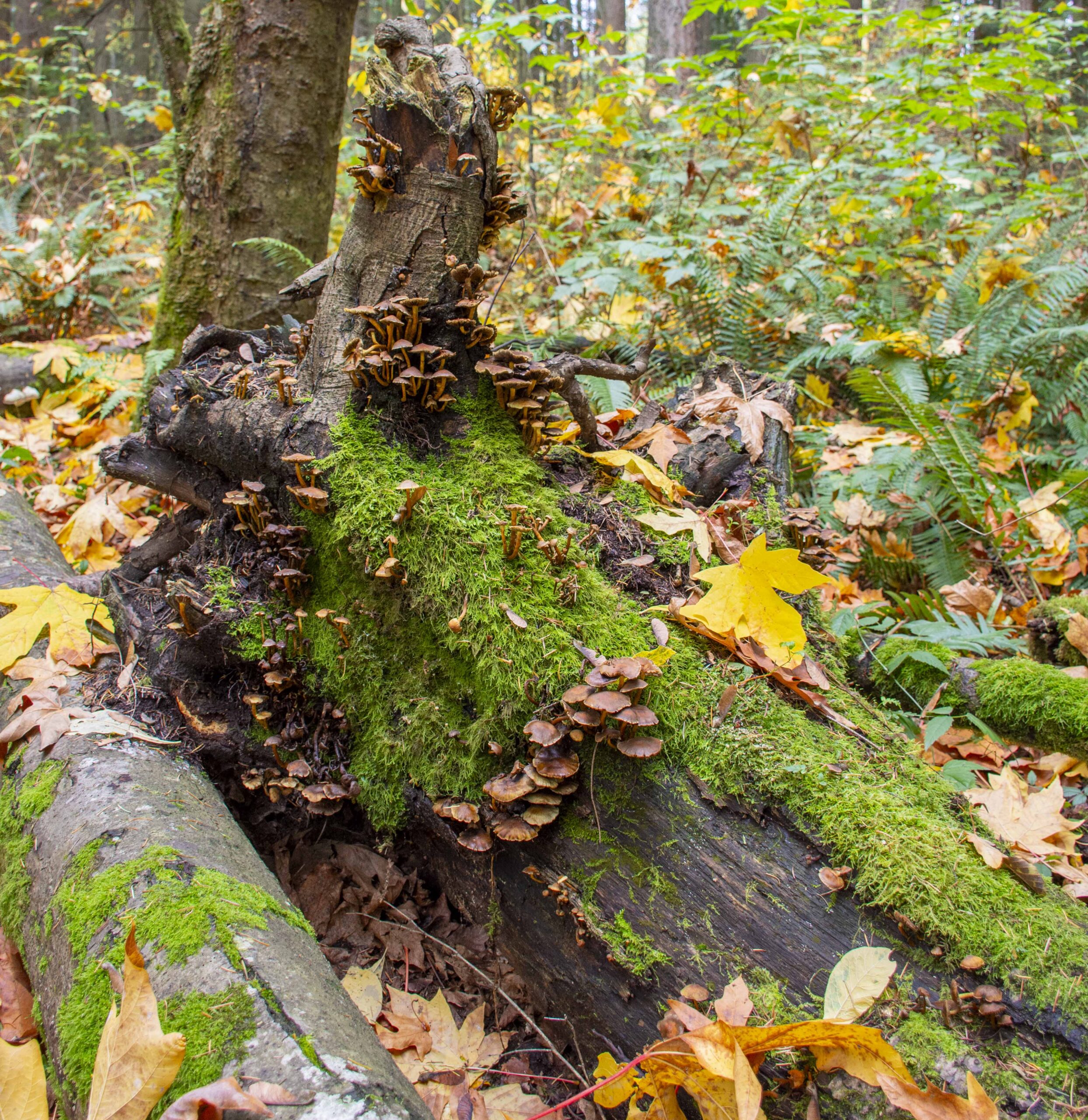 One of the great challenges of ecology is to understand the factors that maintain, or undermine, diversity in ecosystems, researchers write in a
 OREGON — George Sexton said he’s attended a couple dozen timber auctions during his 23 years as conservation director at KS Wild, an Ashland-based environmental group. But when he showed up at the Bureau of Land Management office in Medford on Sept. 25 for a timber auction, he, a lawyer and a reporter for Jefferson Public Radio were not allowed to enter. Sexton said that for years, he’s attended the auctions to observe and make sure BLM follows its laws and that bidders know about potential lawsuits. In this case, KS Wild is planning litigation to stop the “Take A Chance” timber sale, one of the four that was being offered. Sexton said the public has only been blocked from the meetings recently, coinciding with the Trump administration’s focus on increasing logging. BLM said closing timber auctions isn’t a new policy and that it was never intended as a “public meeting.”
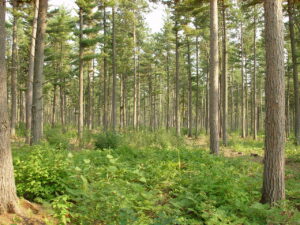 WASHINGTON — Tribal lands in the Pacific Northwest are earning national recognition for something the US Forest Service has struggled to achieve: healthy, resilient forests. …Their success is rooted in thousands of years of stewardship and a willingness to act where federal policy too often stalls. Long before European colonization, Indigenous people actively managed forests through cultural burning and selective thinning. “In my neck of the woods, there was a five to 15 year fire return interval that was clearly from tribal management,” said Cody Desautel, of the Confederated Tribes of the Colville Reservation, which extends across Washington and into British Columbia, Oregon, and Idaho. …“When you’re not managing these forest types like they were previously managed, Mother Nature is going to have a course correction and reset the clock,” said Steve Rigdon, tribal partnership stewardship and resource manager at Sustainable Northwest. That course correction has arrived.
 IDAHO — After a slew of firings and deferred resignations last winter, the loss of federal workers left holes throughout the Northwest. “When we get to peak fire season, it’s kind of an all-hands-on-deck call, if you will,” said Jim Wimer, a fire prevention officer for the Nez Perce-Clearwater National Forests. US Forest Service employees who are normally in the office — like wildlife biologists or hydrologists — jumped in to help with fire information this summer, he said. …Workers even drove trucks with supplies to wildfires, often working overtime to help, he said. Not only does it help local fire efforts, but it also gets people out to other parts of the country to gain unique experiences and helps other forests that are in similar situations, Wimer said. …This year, there have been 364 fires on land the agency manages, but not a lot of acreage burned, he said.




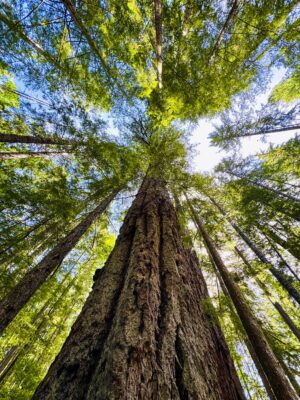 INDIANA — The controversial and slow-moving forest management plan inside the Hoosier National Forest hit another roadblock last week. All related activities — including timber sales, prescribed burns, road construction — have been temporarily halted by a court order. The Houston South Project would have opened up about 13,500 acres of the Hoosier National Forest to prescribed burning, 4,000 acres to logging, 2,000 acres to herbicide application and 400 acres to clearcutting. Opponents of the Houston South Project say this ruling is a meaningful step in the right direction. …Groups like the Indiana Forest Alliance have argued that cutting, spraying and burning on the steep slopes could lead to pollution in the reservoir jeopardizing drinking water quality and public health for the 130,000 people in the Bloomington area. …Chief Judge Tanya Pratt halted the project after finding that the USFS violated the National Environmental Policy Act in failing to consider the potential environmental impacts of the plan.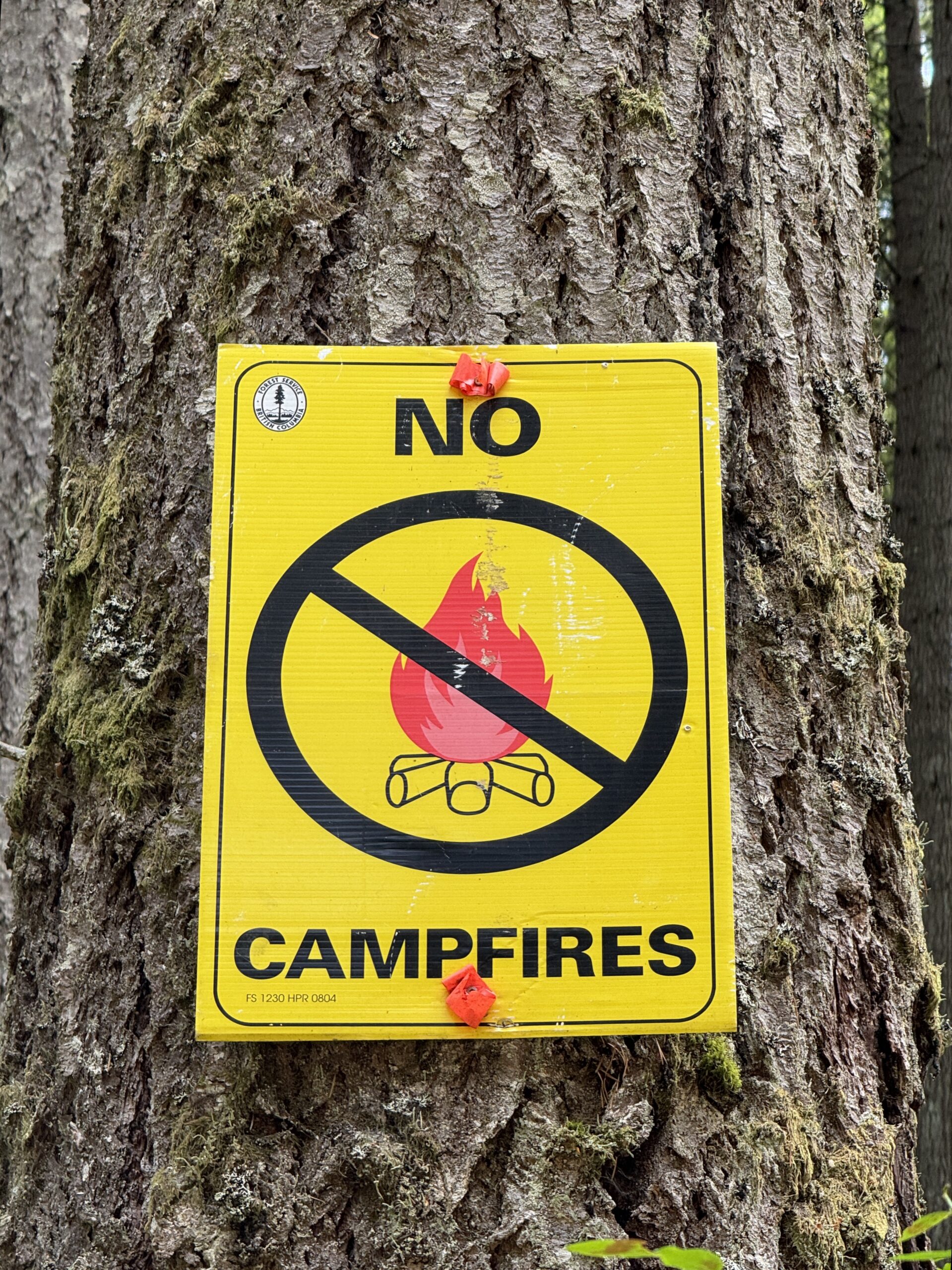
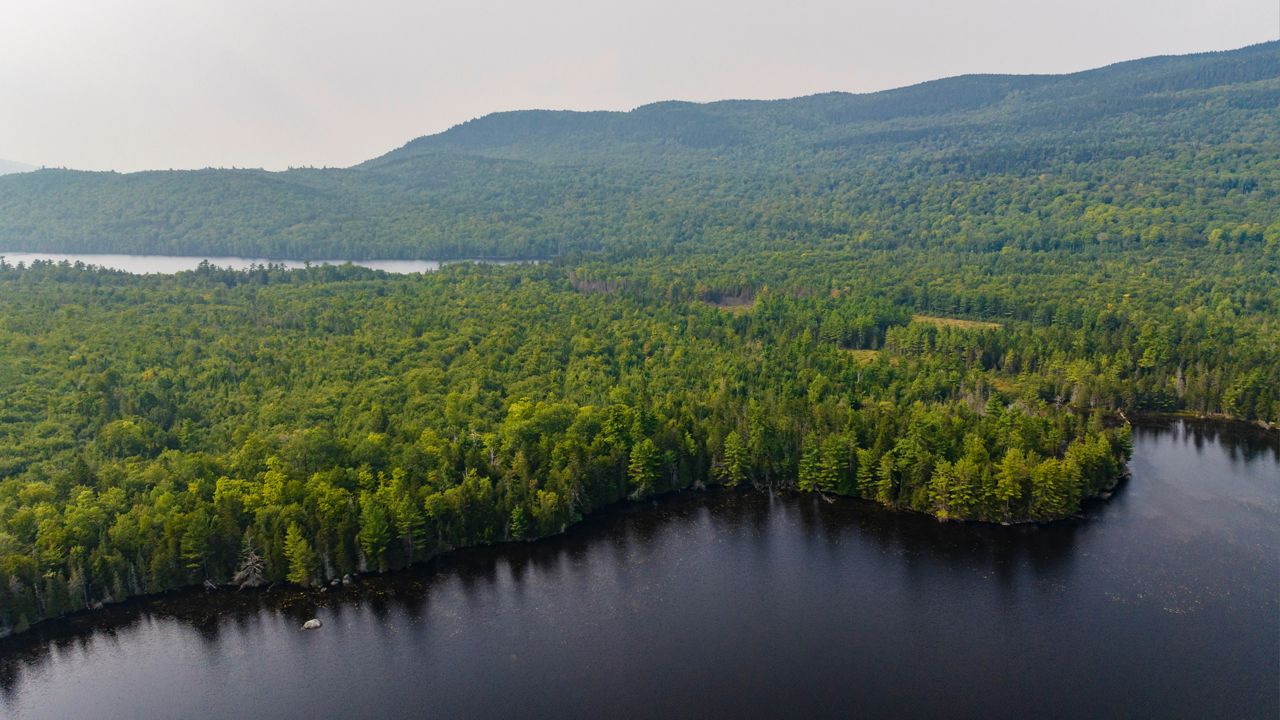

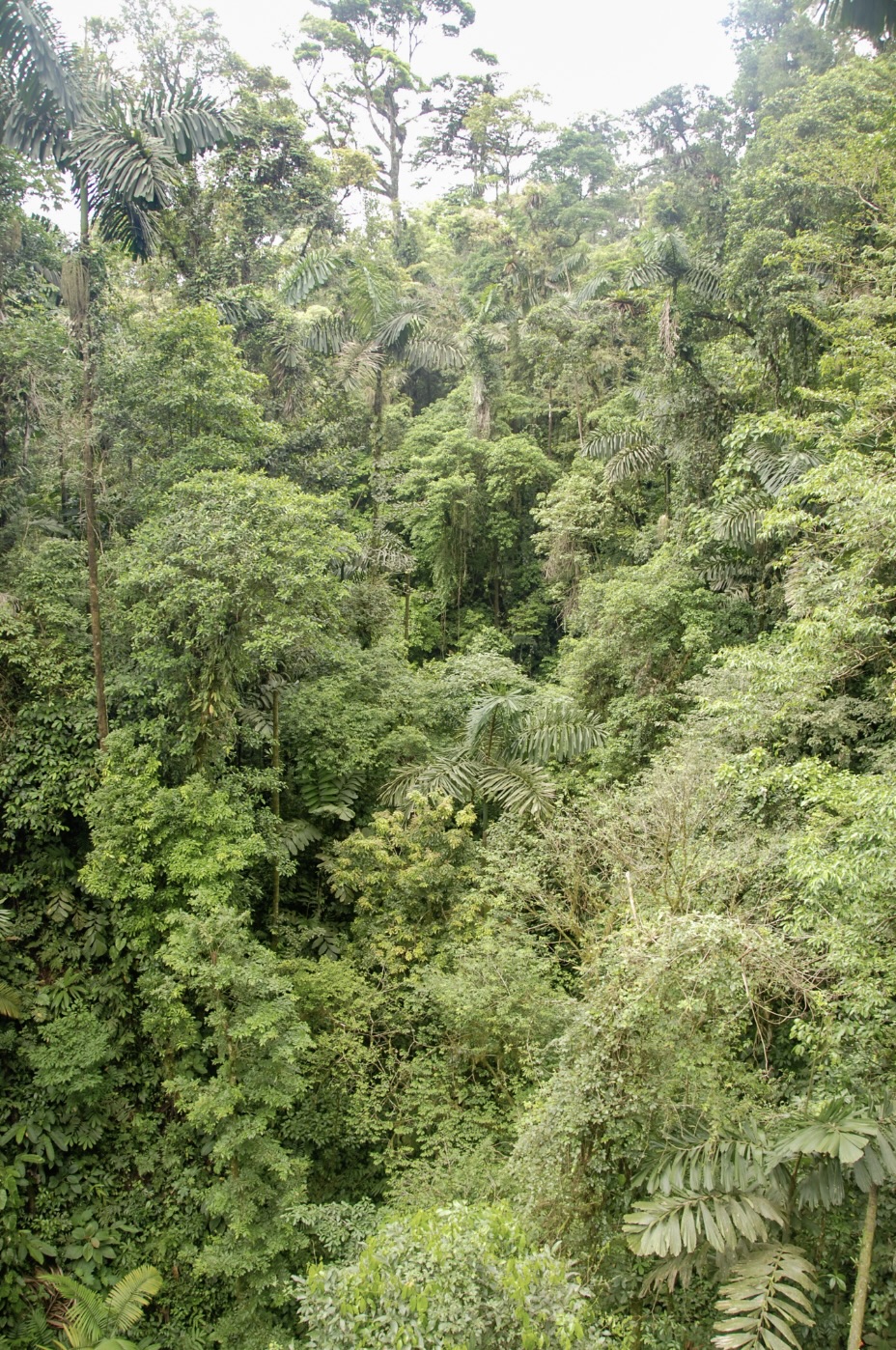 At New York Climate Week, a coalition of 34 national governments unveiled a decisive blueprint called the Forest Finance Roadmap for Action, aimed at closing the substantial funding shortfall undermining global efforts to halt deforestation. The plan, developed in partnership with Brazil and backed by the United Nations Environment Programme (UNEP), targets the estimated $66.8 billion annual finance gap in tropical nations. The roadmap distinguishes itself as the first unified framework to bring together governments from both the Global North and South under a shared agenda for forest finance, according to an announcement made by the Forest & Climate Leaders’ Partnership (FCLP). It seeks to move beyond pledge-making toward deployable, investment-ready strategies aligned with the COP30 Action Agenda and the Glasgow Leaders’ Declaration.
 WASHINGTON — Evidence that climate change harms public health is “beyond scientific dispute,” the independent National Academy of Sciences said in response to the Trump administration’s efforts to revoke a landmark U.S. government finding to that effect that underpins key environmental regulations. The NAS, a non-governmental nonprofit set up to advise the government on science, said human activity is releasing greenhouse gases that are warming the planet, increasing extreme temperatures and changing the oceans, all dangerous developments for the health and welfare of the United States public. Evidence to that effect has only grown stronger since 2009, the group said. In July, the Trump administration proposed revoking what’s known as the 2009 “endangerment” finding, the concept that climate change is a threat. Overturning it could pave the way for cutting a range of rules that limit pollution from cars, power plants and other sources.
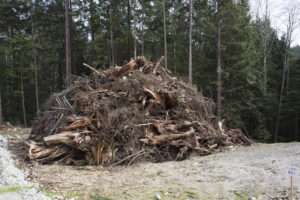 EASTERN OREGON — More than $7.4 million to support removal and transport of 417,308 tons of low-value trees and woody debris from national forests to processing facilities is being allocated to Eastern Oregon forests. The allocation includes a critical $4.6 million award to support the forest products industry in Grant County. Two other projects are in or near Wallowa County, Oregon’s US Sens. Ron Wyden and Jeff Merkley announced Friday, Sept. 19. This $7.4 million investment from the U.S. Forest Service’s Hazardous Fuels Transportation Assistance Program will be distributed as follows: Heartwood Biomass Inc. in Wallowa: $773,031; Boise Cascade Wood Products LLC in Elgin: $385,138; Iron Triangle LLC in John Day: $4,665,063;Dodge Logging Inc. in Maupin: $648,000; Gilchrist Forest Products LLC in Gilchrist: $588,648; Rude Logging LLC in John Day: $410,748.
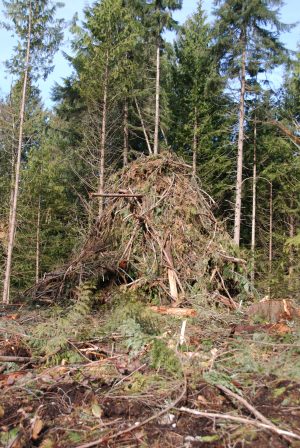 WISCONSIN — Lawmakers from northern and north-central Wisconsin are circulating a bill supporting Johnson Timber Corp. in Hayward to build a processing plant for aviation fuel made from logging debris to establish a processing plant in Wisconsin. The legislation would reward the company with a $60 million tax credit and access to $150 million in borrowing through Wisconsin’s bonding authority. Republican lawmakers wrote in a memo circulated Monday seeking cosponsors that the proposal would create 150 jobs and generate $1.2 billion a year in income after three years of operation. The processing plant in Hayward would be built by Johnson Timber Corp., in partnership with a German company… Synthec Fuels. Wisconsin along with Michigan and Minnesota are all vying for the project, Felzkowski said, “and the state that helps will be the first state” to get the facility and probably the headquarters for the overall processing operation.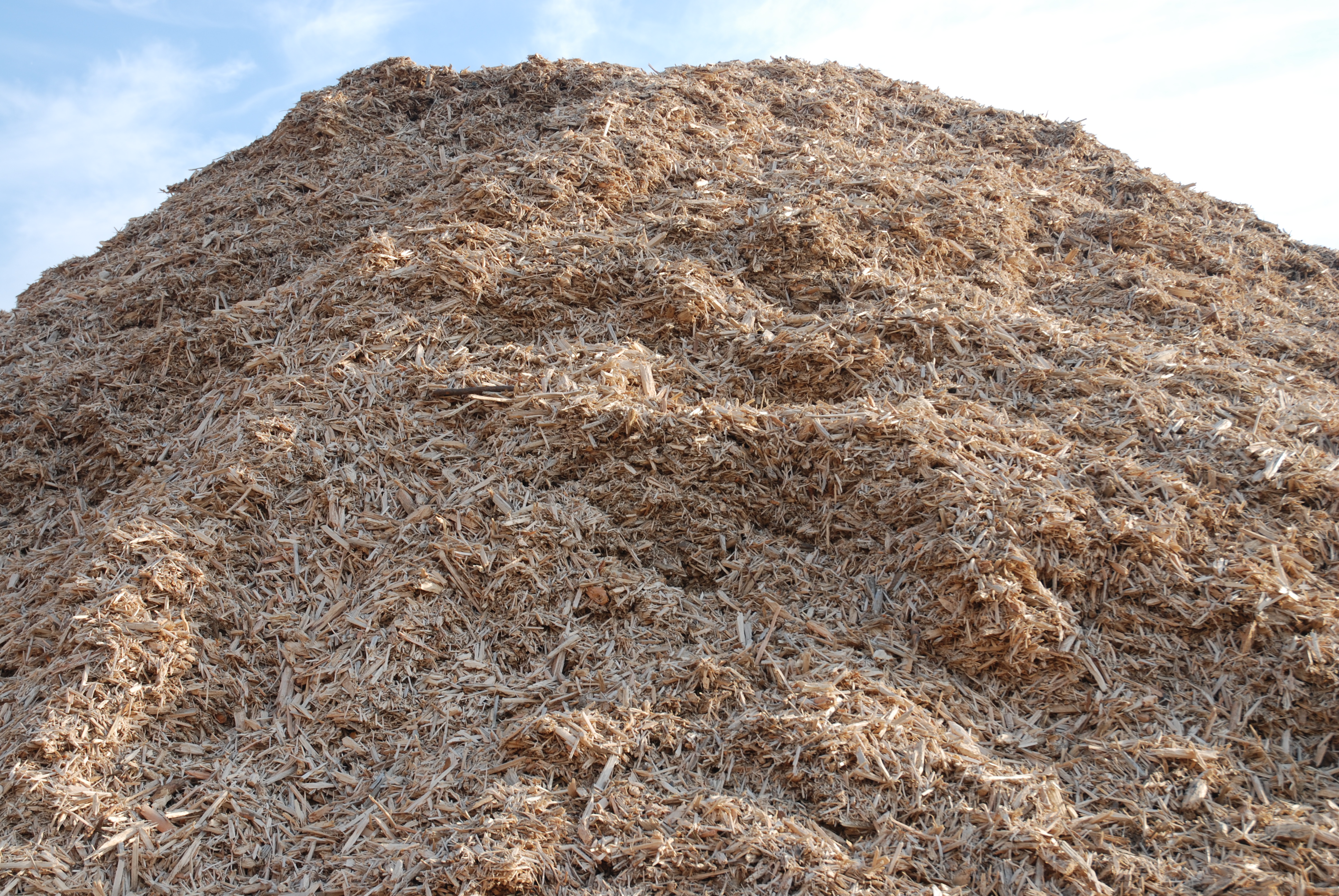
 Wildfire smoke is the air quality nightmare of our generation, eating away at previous gains made by cracking down on industrial emissions and tailpipe pollution. Constant exposure to smoke is becoming a chronic threat even in places that historically haven’t had many wildfires. …All that smoke is projected to lead to tens of thousands more premature deaths in the coming years, according to a pair of eye-opening research papers published today in the journal Nature. …“Increasing wildfire smoke is a lived experience now for most people around the US,”
  A firefighter from Minnesota died Friday while helping the United States Forest Service with a controlled burn in Idaho, officials say. The Idaho Department of Lands (IDL) says Isabella Oscarson had been struck by a falling tree while assisting the U.S. Forest Service’s Tinker Bugs with a prescribed fire in the Nez Perce-Clearwater National Forests. She was evacuated from the scene and flown to a hospital in Grangeville, Idaho, where she later died. Oscarson was a seasonal employee with the IDL. “IDL extends its deepest sympathies to Isabella’s family and friends. This is a tragedy that hits the employees at Idaho Department of Lands and the broader wildland fire community extremely hard,” Dustin Miller, director of IDL, said. Idaho Gov. Brad Little ordered flags to be lowered to half-staff to honor Oscarson until the day following her memorial service.
 Four people were taken to hospital in the US on 12 September after an explosion at the Fiberon site in Stanly County, North Carolina. Initial inspections of the facility, which manufactures composite decking and railing products, suggest the incident was a result of a dust explosion, officials said. …Several people received treatment at the site for minor injuries with four Fiberon employees taken to a local hospital. Fire crews managed to bring a small fire under control and extinguished it within a couple of hours. In a statement, the Stanly County Fire Marshal’s Office said an investigation was already underway involving several agencies… According to local media, the explosion wasn’t the first fire-related incident at the site. In 2020, several silos and a dust collector caught fire which resulted in a number of small explosions. No employees were injured, however two firefighters were hurt while attempting to extinguish a fire the following day.