Mark Carney
Prime Minister Carney told his negotiators to walk away from the table after the Trump administration introduced late unacceptable demands on culture, autos and sovereignty that, when taken in concert with their overall approach to talks, revealed the US was not interested in a “true economic partnership” with Canada. In a departure from his usual diplomatic language, Carney suggested the US sometimes signs trade deals in “pencil,” and while Canada’s government is united and working together, the same is not true of the Trump administration. “We cannot accept what they’ve offered, and we will not give what they’ve asked,” Carney said. The prime minister revealed that the US had issues with Canada’s subsidies for French culture; the prevalence of French-language media online and even the requirement to have bilingual labels on products sold in Canada. …”The U.S. introduced, in the last hours, efforts to restrict our ability to have other trade deals,” Carney said.
Related coverage in:
- The Walrus: Mark Carney: Why I Rejected Trump’s Trade Deal


 Canada-US Trade Minister Dominic LeBlanc says Canada “welcomes” the US “withdrawing” its positions on the French language and culture after US Trade Rep. Greer said Canada’s streaming laws are not a “red line” for the American side. “Canada welcomes that the US is now withdrawing its positions on discoverability and labelling and is confirming that measures to promote French language and Canadian culture will not be subject to future US trade actions,” LeBlanc said. …In a Canadian exclusive interview, Jamieson Greer disputed Canada’s explanation about why trade talks fell apart, and said there’s currently no ‘open channels’ to get both sides back to the negotiating table. …In an interview that aired Wednesday evening, U.S. Trade Representative Jamieson Greer appeared to modify the U.S. position on culture and language. …The Americans’ modified position comes two days after Canada announced its own dollar-for-dollar counter-tariffs on more than 700 different U.S. imports.
 More than 20 lumber mills closed across B.C. over the last three years. Billions in wood products affected by U.S. tariffs. Tens of thousands of jobs lost in Canada. …While there are many factors driving the decline, recent U.S. tariffs haven’t helped. But Donald Trump is hardly the first U.S. president whose government has imposed steep duties on Canadian lumber. The tariffs are the latest chapter in a dispute that’s been going on for more than four decades. …It boils down to differences in how much Canadian and American producers have to pay for access to wood, according to
  Barton: You know, it was just a week ago, incredibly, that you and your counterpart, Dominic LeBlanc, shook hands outside, seemed pretty confident that there was a deal to be had. From your perspective, what happened that caused the talks to collapse?
 WASHINGTON — The US and Canada have
  Using the bathroom or having a cry is about to become more expensive for North Americans as the
 TORONTO – United Steelworkers union (USW) National Director Marty Warren issued the following statement on the suspension of Canada-U.S. trade negotiations and the imposition of new 50% U.S. tariffs on Canadian goods: “Canada was right to hold the line rather than accept a deal that did not adequately protect Canadian workers, jobs and communities. We have said throughout these negotiations that no deal is better than a bad deal. The terms being discussed – including significant tariffs and restrictive quotas on Canadian steel and barriers across other key sectors – raised serious concerns for Canadian workers and industries. The new needless 50% tariffs coming into force today will have real consequences for workers, businesses and communities on both sides of the border. We support the government’s commitment to respond dollar for dollar, but retaliation alone is not enough. Ottawa must move quickly to support affected workers and industries.


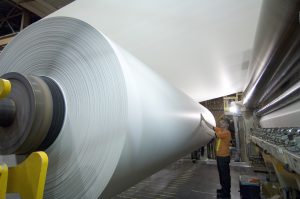 Exporters across Brazil shipped US$7.5 billion of pulp, paper, and wood panels over the first half of 2026, down 5.9 per cent on the same months last year, while imports of paper into a market that has always supplied itself climbed 30.5 per cent. That is according to Indústria Brasileira de Árvores, the association representing the country’s pulp, paper, and panel producers, which last week revealed that its export sales into the North American market had sunk by 22.9 per cent. “There is an excess of production from some countries being directed to Latin America and Brazil,” Paulo Hartung said, with the Ibá president putting the half-year down to wars and to a resurgence of protectionism that has disorganised international supply chains. Pulp, the biggest single line in the sector’s export schedule, accounted for $5.2 billion of that total, with export volumes down 10.5 per cent to 9.4 million tonnes, while production held near-stable at 13.9 million tonnes.
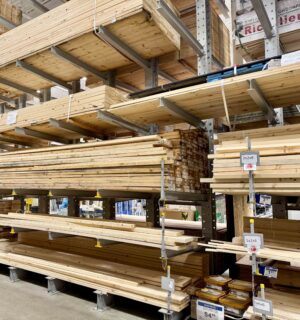 The US International Trade Commission (USITC) announced its injury determinations in its antidumping and countervailing duty investigations concerning hardwood and decorative plywood from China, Indonesia, and Vietnam that the US Department of Commerce determined are subsidized and sold in the US at less than fair value and subsidized by the governments of China, Indonesia, and Vietnam. …Chairman Brett W. Doyle and Commissioners Jason S. Kearns and Peter-Anthony Pappas voted in the affirmative regarding hardwood and decorative plywood from China, Indonesia, and Vietnam. They also found that the imports of softwood structural plywood downfall and stamped and certified softwood structural plywood that Commerce determined are sold at less than fair value and subsidized… are negligible, and voted to terminate the antidumping and countervailing duty investigations for these products from China, Indonesia, and Vietnam. The report will be available on the USITC website by September 28, 2026.

 This month’s Lumber Shorts includes these stories and more:
 The fight for restitution is on at a fallen green-energy giant, following one of the most disastrous commodity trades of the decade. The ill-fated wood-pellet trades that bankrupted Enviva during the sustainable-investing boom were made by executives hoping to trigger their own bonuses, according to creditors who are seeking more than $2 billion in damages. Instead… the nine-figure trades backfired and bankrupted the company, which once had a nearly $6 billion market value. Five of the company’s top executives concealed the inordinately large and risky trades from its board, according to a lawsuit, suppliers and others with claims. …Enviva said it wasn’t involved in the litigation, and none of the former executives named in the suit are affiliated with the reorganized company, which emerged from bankruptcy in December 2024 with new owners and leadership. …The company was considered one of the winners of the green-energy boom. [to access the full story a WSJ subscription is required]
 New US tariffs on Canadian wood products threaten to raise construction costs for US homebuilders and squeeze supply chains already stretched thin as a potentially long and bruising trade war gets underway. …“Basically, the fact that there’s import tariffs on Canadian shipments to the US and vice versa is going to raise the cost of production for everyone, ultimately through the housebuilder to the consumer,” wood market expert Russ Taylor told Mortgage Professional America. …The full impact on homebuilders could take a few months to become clear but the direction of travel is clear, he said. “The builders either can’t find product or the prices go higher for certain products, and then that starts to influence homebuilders,” he said. “Probably not right away – everyone’s got inventory to sell – but certainly looking ahead a couple of months from now, that’s when some shortages or stockouts could start to occur.”
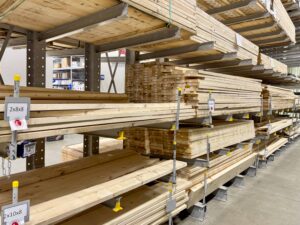 KANSAS CITY, Missouri — A 50% tariff on goods coming from Canada is officially in effect after negotiations crumbled over the weekend, putting a higher price on a large list of imports including lumber and plywood. Pete Peterson, manager at Sutherlands, said prices went up as soon as the news hit. “We don’t want to raise the prices, but we’re just kind of forced to”. Peterson has worked at Sutherlands for over a decade and has seen tariff impacts before. …“Once it’s landed here, it is what it is. Prices are adjusted to what the future prices are going to be. So homeowners, they’re doing less remodeling and stuff.” …“Spring and fall are your renovation times for outdoor projects and stuff. We’re seeing a definite slowdown and people’s need for just everyday projects. Decks, fixing barns, whatnot. Construction, that’s year-round. But homeownership, that’s where our type of business really feels it.”


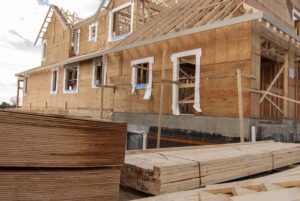 BUFFALO, New York — The changing tariffs policies for the U.S. and Canada are raising cost and supply issues for the home building and remodeling field with possible impact on their customers for planned and future projects… said a contractor and the operator of a lumber and building supplies business. …Domenic Cortese, of Cortese Construction, said “The implications to a new home on the costs of that home are about $10,000 more because of the tariffs. You know you’re probably going to be looking at $2,000 or $3,000 more in lumber costs for a deck just because of the tariffs.” …”The problem is we don’t have the infrastructure in place to ramp up productivity to be able to supply lumber for our needs.” …Lenco’s Stephen Coppola said, “We love the Canadian lumber. Our customers tend to like it quite a bit. But we’ve been very active in trying to find other sources.”

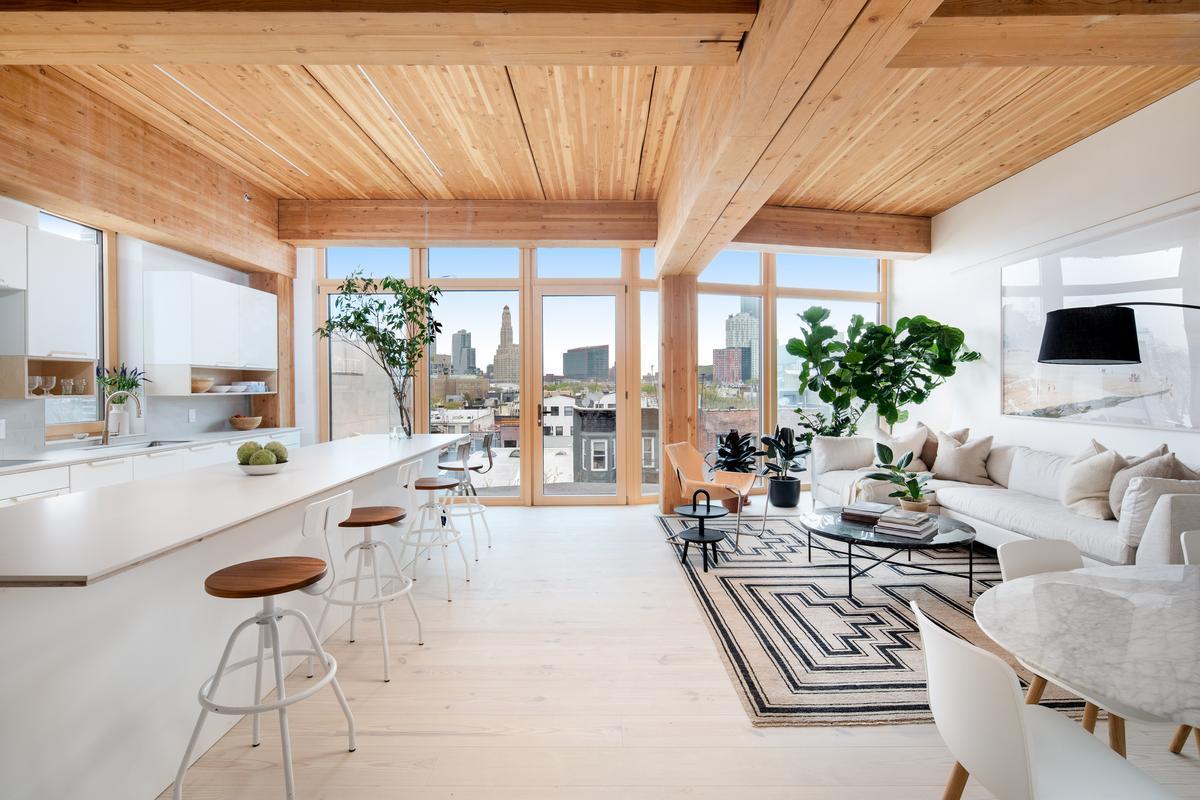

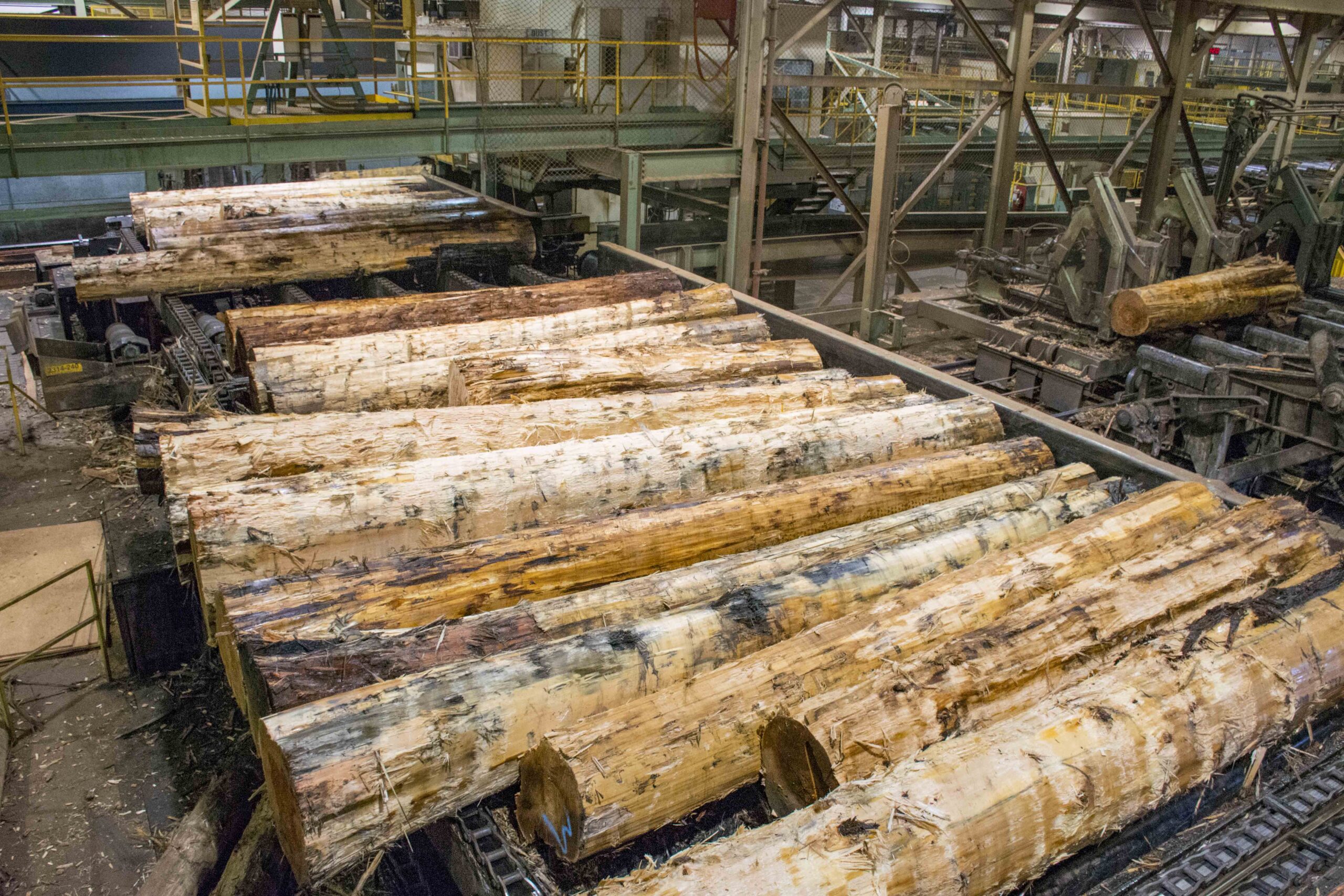
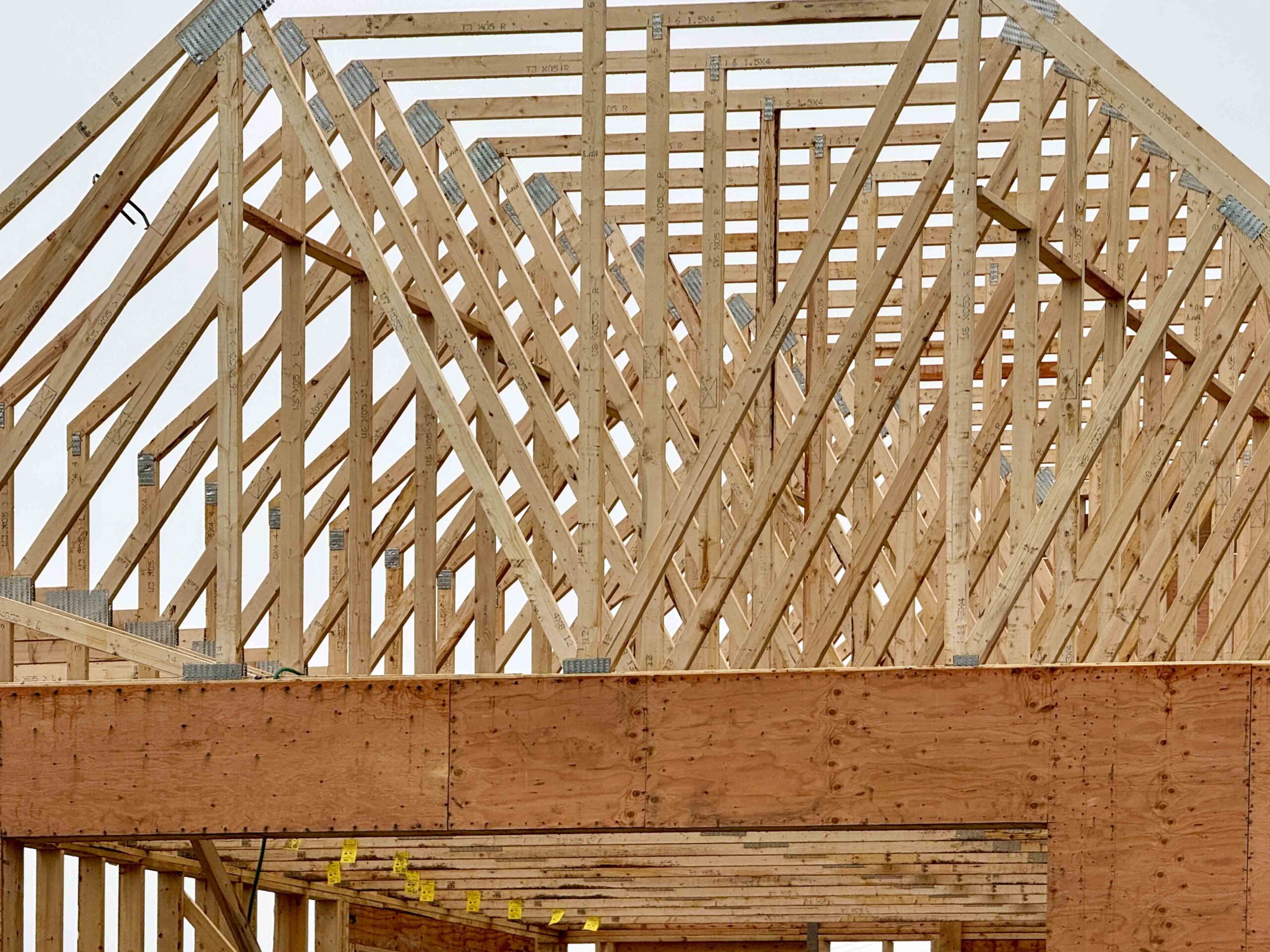 MILAN — In a business setting perfect for the moment, Gov. Kelly Ayotte last Friday ceremonially signed into law a bill seen as crucial to the state’s lumber industry, one that puts it on an even playing field with how Canada grades its lumber. Local elected officials, employees and guests gathered at the Milan Lumber Co., for the signing of House Bill 1204, that changes how New Hampshire grades state-grown timber for sale. The change removes an “s” at the end of three other letters, s-p-f, standing for spruce-pine-fir, which is how Canadian lumber is marked. Before the Legislature passed the bill, the state’s lumber was marked as s-p-f-s. The “s” at the end stands for “south,” meaning south of the Canadian border. Removing the extra “s” at the end of New Hampshire milled lumber means it is graded the same as Canadian milled lumber and should be sold at the same price.
 The U.S.-Canada trade war escalated sharply over the weekend. …There are a few obvious implications of the trade war that could fall on Canada’s environment and the nation’s natural resources:


 CALIFORNIA — Tall trees are generally associated with high-biomass forests. This is particularly true for forests dominated by Sequoia sempervirens, the world’s tallest tree species. Extreme decay resistance, the ability to survive high-severity fires, shade tolerance and prolific trunk reiteration (resprouting) make the species unique, allowing tall redwood forests to accumulate more biomass and store more aboveground carbon than any other vegetation type. …A new study published in Forest Ecology and Management combined ground-based measurements and repeated (2007–2025) airborne laser scanning (ALS) to inventory the tallest redwoods and quantify forest biomass. …Forest biomass changed substantially over time. Large areas of primary forest gained biomass during the prestorm interval (2007–2022), averaging 10–13 metric tons per hectare annually. …These ALS-derived estimates of biomass change may be somewhat exaggerated. …Nonetheless, the amount of crown damage probably rivaled losses of live-tree biomass to treefall in California’s Redwood National and State Parks.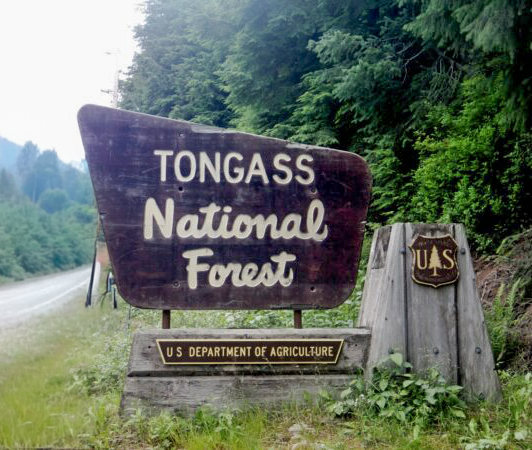
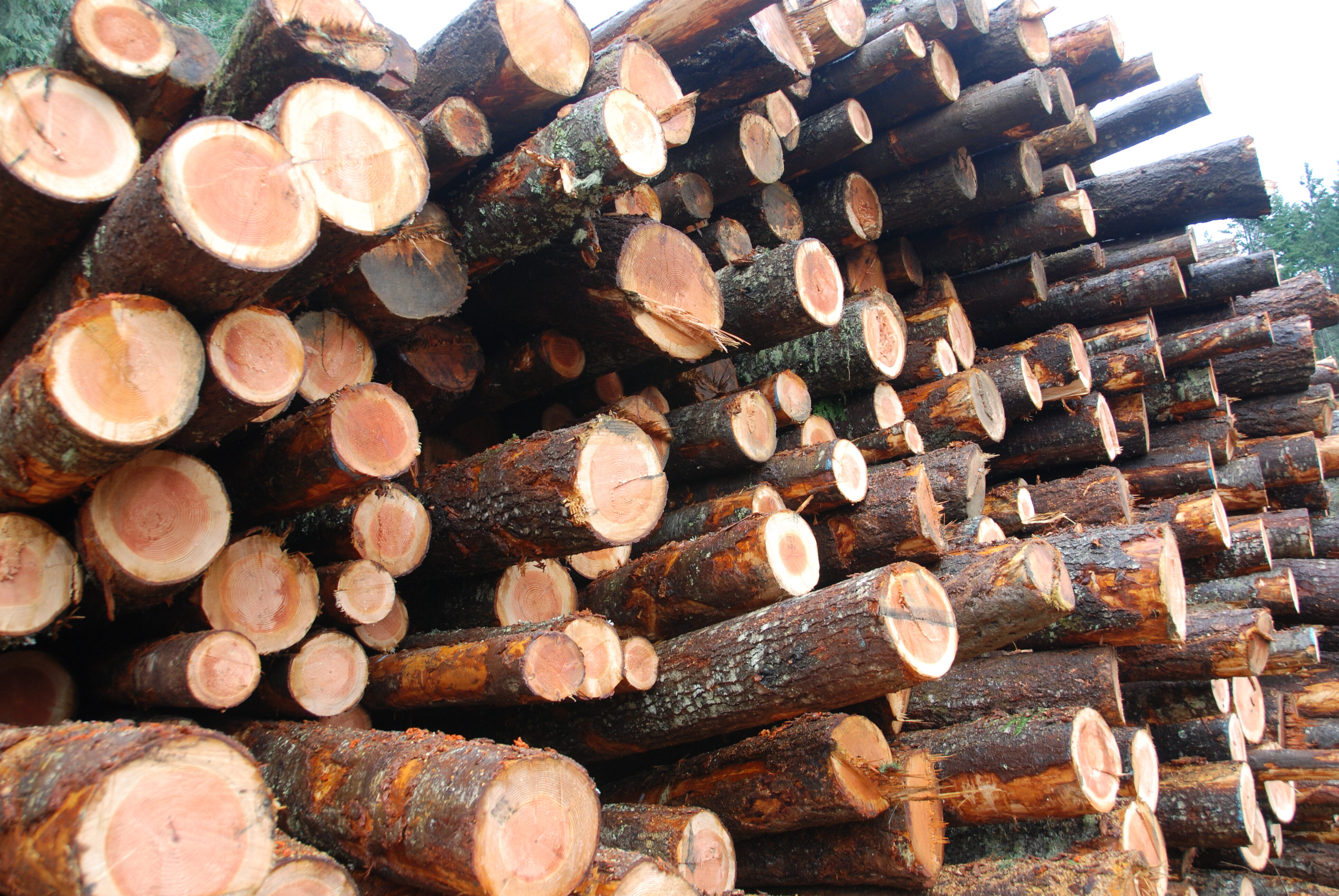
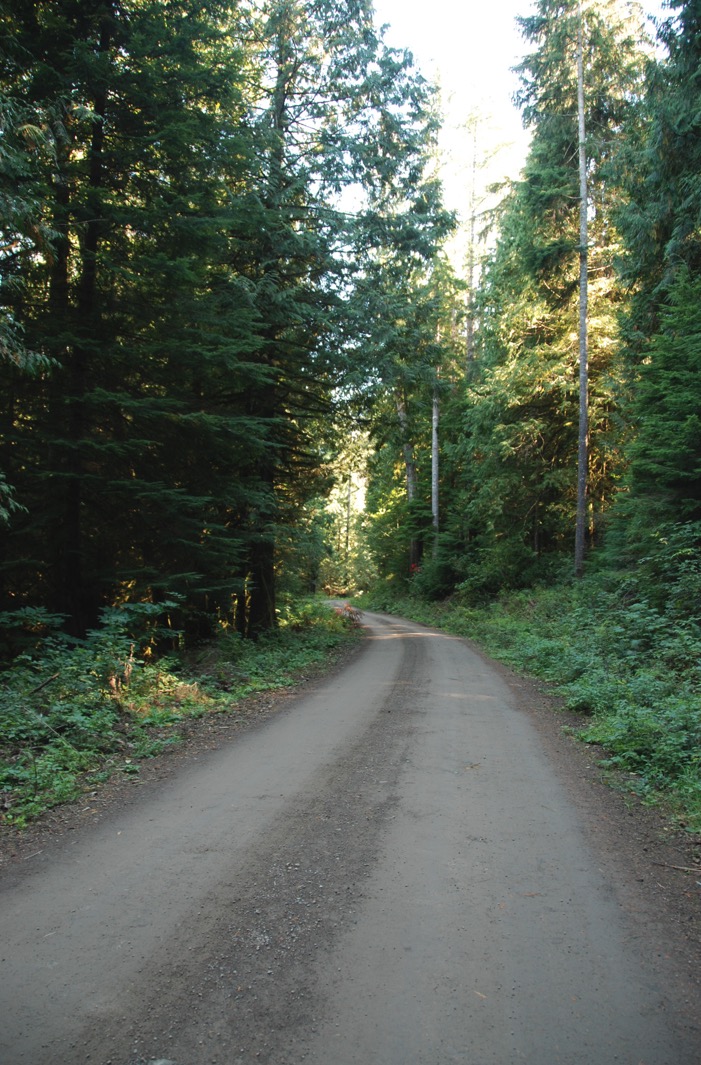 Last week, the Trump administration announced it was moving forward with efforts to rescind the national Roadless Rule, which has governed roadless areas of U.S. Forest Service land for a quarter-century. But Idaho won’t be affected. That’s because of an effort, launched two decades ago during the brief governorship of now-Sen. Jim Risch, to secure a specific statewide roadless rule. Colorado is the only other state with its own rule. Idaho’s rule will remain in place, even if the Trump administration succeeds in reversing the national rule — a tragic outcome that places at risk some of the best remaining patches of wild habitat for fish and game, and risks increasing the number of wildfires, which are mostly caused by humans, mostly near roads. Idaho’s rule could provide a viable model for future protection of roadless areas in an era when federal land management decisions are likely to whipsaw with every presidential election for the foreseeable future.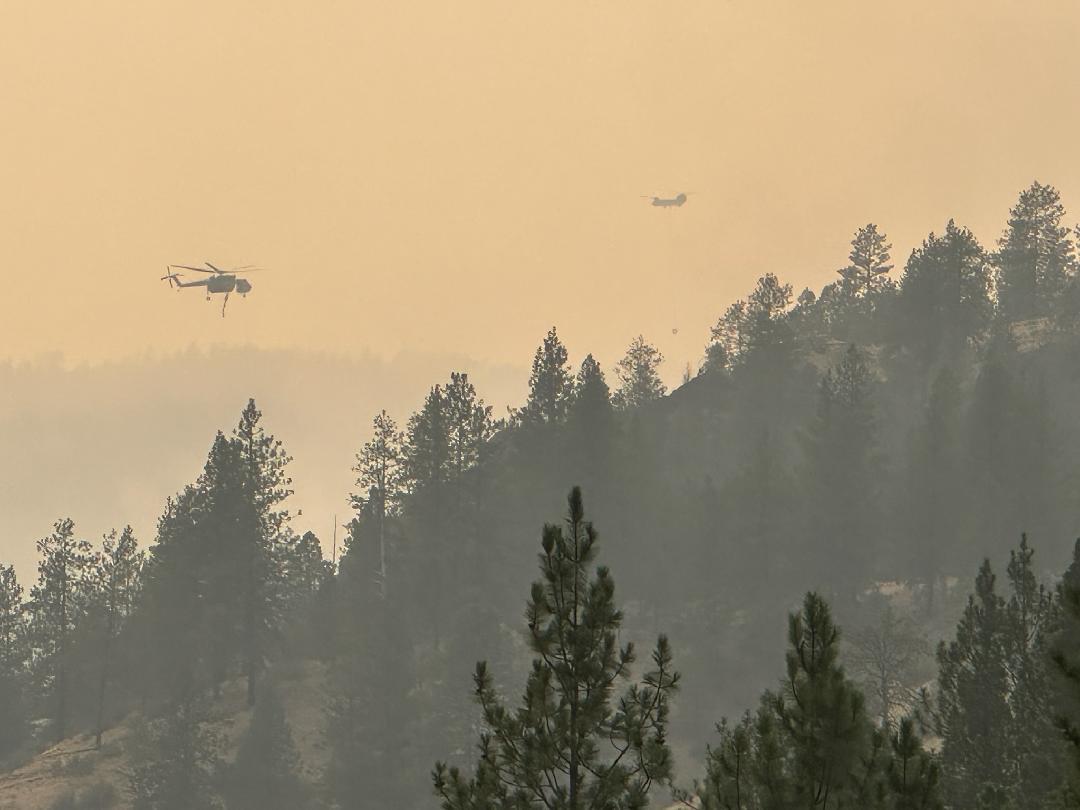

 WASHINGTON — A Thurston County, Washington judge upheld larger riparian buffers on timberlands in Western Washington, affirming a rule that will take 200,000 acres out of timber production. In ruling from the bench Aug. 21, Superior Court Judge Christine Schaller said the Forest Practices Board lawfully adopted the new buffer rule after years of study. She acknowledged the economic hardship faced by timberland owners and that her ruling will be appealed. The board, which regulates logging, voted 7-5 last year to expand buffers along streams without fish. The rule will go into effect Aug. 31 and require continuous 65- to 75-foot buffers. The old rule called for 50-foot buffers on half the length of streams. The Washington Department of Ecology said bigger buffers were need to prevent logging from raising stream temperatures in most cases. The timber industry says the buffers will immediately eliminate $1.8 billion worth of timber and have little environmental benefit
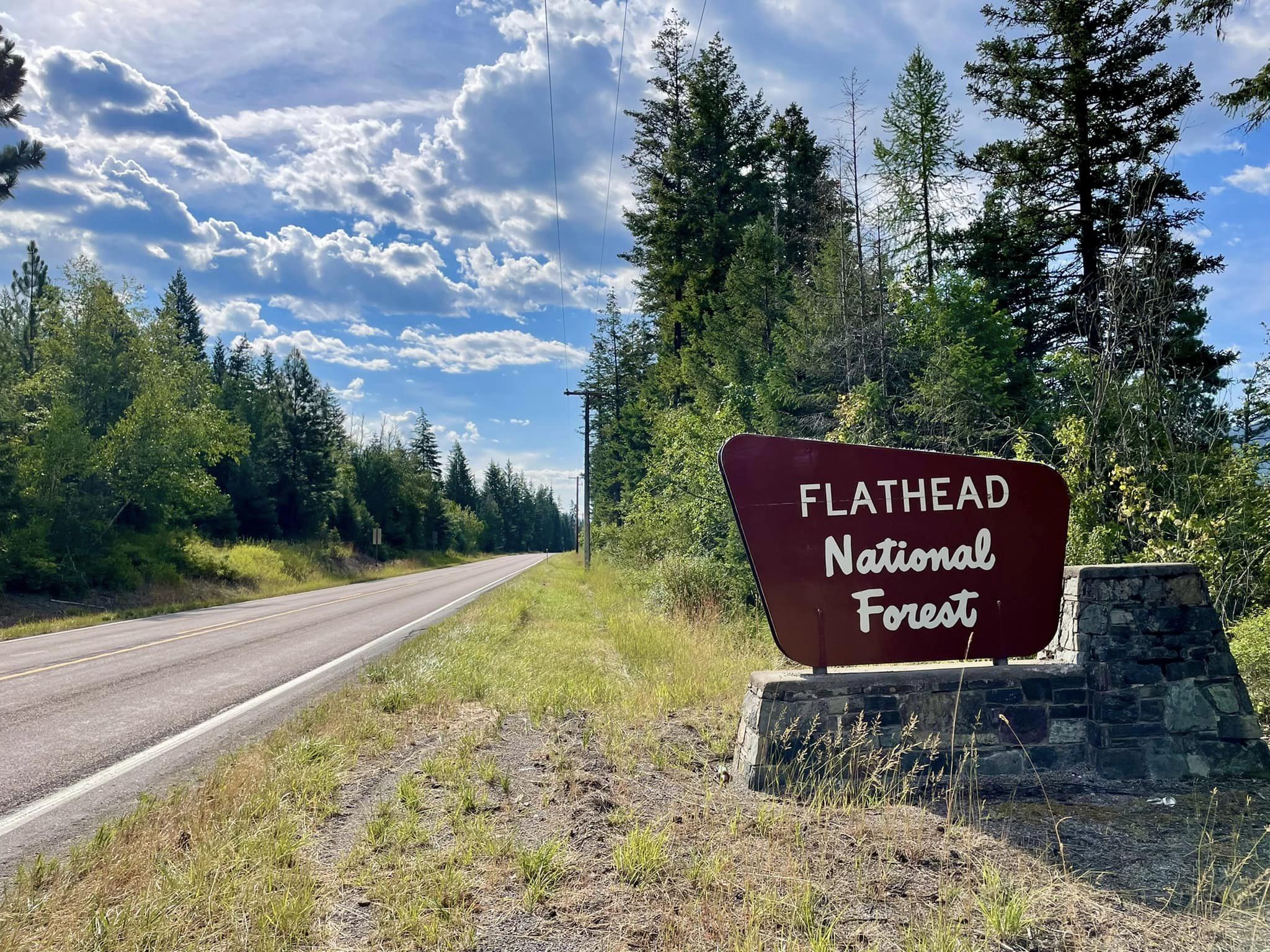 Land managers with the Flathead National Forest plan to approve a fuels-reduction project in the Swan Valley near Holland Lake using an emergency determination on the grounds that it lies in a “high-risk fireshed,” according to an Aug. 18 decision notice. Foresters say the project is eligible for an Emergency Action Determination (EAD) because it proposes to reduce wildfire risk while preserving the area’s old-growth forests. Initially released for public scoping in 2023, the Rumbling Owl Fuels Reduction Project spans 6,200 acres on the Swan Lake Ranger District of the Flathead National Forest southeast of Condon and east of Highway 83. According to an environmental assessment prepared by Jeff Durkin, the district silviculturist for the Swan and the project leader on Rumbling Owl, the project meets the newly established criteria for EAD authorization, which the agency has increasingly used to expedite approval of logging projects featuring a fuels-reduction component.
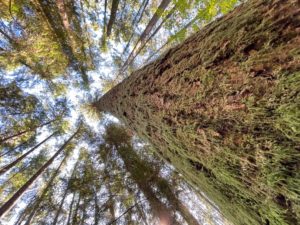 CALIFORNIA — More than 4 million acres of California forest land may lose protected status under a proposed rollback of the Roadless Rule by the U.S. Forest Service. The federal government says the rollback is necessary to allow responsible timber production and wildfire mitigation efforts. Opponents argue rescinding the rule, which prohibits road construction and logging on 45 million acres of national forest land, would increase development, harm wildlife habitat, threaten water supplies and worsen wildfire risk. A public comment period on the proposal to rescind the 2001 Roadless Rule is open through midnight Sept. 21, 2026. More than 95% of roadless areas are in 10 Western states: Alaska, Arizona, California, Montana, Nevada, New Mexico, Oregon, Utah, Washington, and Wyoming, per the USDA. In California, the proposal would open up 4,416,000 acres of roadless land across the state, which has nearly 21 million acres of national forest, the most of any state except Alaska.
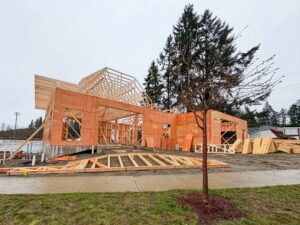 California has adopted the toughest rules in the country to help protect communities from burning. Homeowners in wildfire-prone areas will be required to limit plants within five feet of their house, a protective measure that wildfire experts say can help prevent homes from igniting. …Wednesday’s vote by the California Board of Forestry and Fire Protection comes after years of debate and delays. The state originally considered rules that would have restricted all vegetation within five feet of a house, aside from well-maintained trees. That generated pushback from some communities. …California regulators ultimately struck a compromise. Lawns, flowers and non-woody plants up to 18 inches tall will be allowed, unless they are located directly under the roofline of a house. Trees will be allowed, though branches must be trimmed five feet away from a structure. The rules will apply to new construction right away, but will be phased in for existing structures.
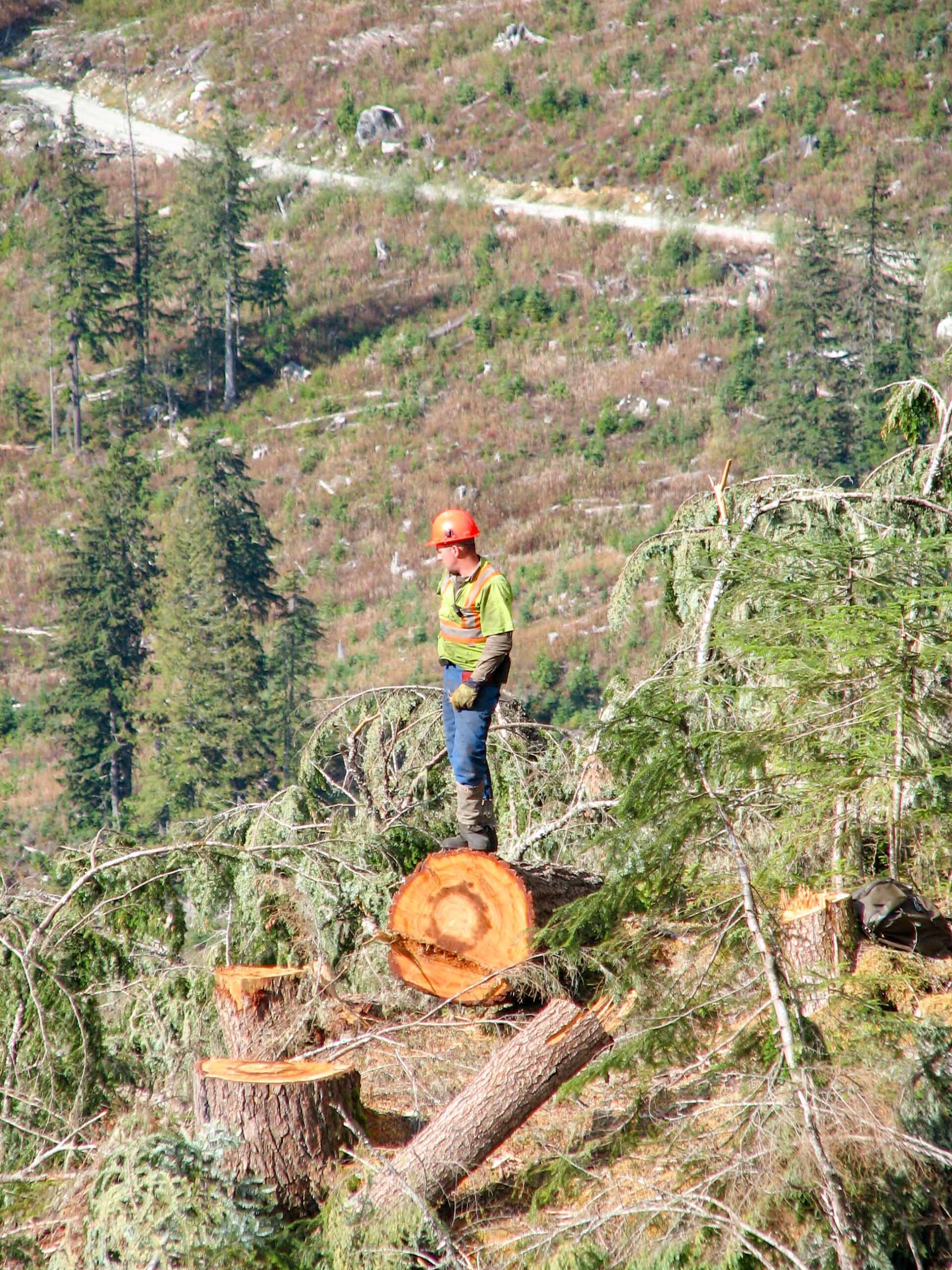 Thousands of acres of currently protected national forest land in Michigan could be opened to road construction and logging under a proposal from the U.S. Forest Service to rescind a 25-year-old rule. The 2001 Roadless Area Conservation Rule, which restricts road construction and timber harvesting in designated roadless areas, currently protects about 16,000 acres of roadless forest land across the Huron-Manistee, Hiawatha and Ottawa national forests in Michigan. They are among nearly 45 million acres of inventoried roadless areas nationwide which would see protections eliminated under the proposal to rescind the rule,
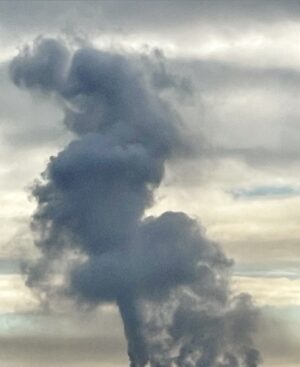 For decades, the economics of a pulp mill have centered primarily on fiber, energy and established byproducts. But as low-carbon markets develop, another potential source of value is emerging from the mill itself: biogenic carbon dioxide. Biogenic CO₂ is generated from biomass rather than fossil sources. As governments and companies look for ways to reduce emissions, captured biogenic CO₂ can potentially serve two very different low-carbon markets: as feedstock for synthetic fuels and as a source of permanent carbon dioxide removal. That is beginning to change the conversation around carbon capture. Rather than viewing CO₂ solely as an emissions-management challenge, some pulp mills may increasingly be able to view it as a potential product. For pulp mills, that creates an important strategic question: Which market offers the greatest value for each ton of captured CO₂? …Biogenic CO₂ is just one of several emerging opportunities reshaping the economics of pulp production.
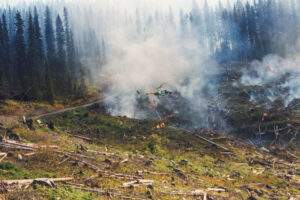 The U.S. Forest Service has expanded its emergency closure order due to wildfires burning across the Mt. Hood National Forest. The Austin and Narrows fires, located in the Clackamas River Ranger District, prompted officials to shut down all public entry and travel across several roads and popular recreation sites, including Lake Harriet, Timothy Lake and Bagby Hot Springs. …The Clackamas County Sheriff’s Office says the closure will keep people safe and away from crews working to contain the fires. The USFS is also warning people to continue to follow fire restrictions in order to avoid sparking any new wildfires. The agency says this season’s drought conditions combined with hot and dry weather have increased wildfire risks. The Austin Fire has burned more than 9,000 acres and is still zero-percent contained as of Thursday afternoon. The fire remains under investigation.