 The situation surrounding tariffs remains fluid, with a flurry of activity in Washington this week. …On March 6, Trump announced a one-month tariff delay until April 2 on all products from Mexico and Canada that are covered by the United States-Mexico-Canada Agreement (USMCA). While there is no specific language in the USMCA addressing Canadian softwood lumber, NAHB worked with the White House to ensure it was covered under the latest pause on tariff implementation. Two essential materials used in new home construction, softwood lumber and gypsum (used for drywall), are largely sourced from Canada and Mexico, respectively. …If the new tariffs on Mexico and Canada go into effect next month, they are projected to raise the cost of imported construction materials by more than $3 billion. NAHB has received anecdotal reports from members that they are planning for tariffs to increase material costs between $7,500 and $10,000 on the average new single-family home.
 While the market tries to process what’s to come on the trade front, it’s abundantly clear that the new administration is paying special attention to lumber and likely other wood products. Trump and his surrogates have emphasized the point of view that the US has the underlying resources to produce all its own lumber and wood product needs. In response, there have been a number of news articles highlighting the statements and questioning the idea of whether or not America can quickly and completely wean itself off Canadian wood products. …Canada currently supplies about 12.0 BBF of softwood lumber to the US market. After accounting for the 1.3 BBF of exports the US has shipped in recent years, the US is still short just over 3.2 BBF of operable capacity to quickly fill Canadian lumber supply and still meet current demand levels. In other words, at current demand levels, the US softwood lumber market does not clear without Canadian supply.
 WASHINGTON — Canadian officials are set to meet with the U.S. commerce secretary in Washington today — days after a dust-up with U.S. President Donald Trump that ended with Ontario pausing its surcharge on electricity exports to the United States. Finance Minister Dominic LeBlanc, Ambassador to the U.S. Kirsten Hillman and Ontario Premier Doug Ford are meeting with Howard Lutnick, and Ford says his goal for the meeting is to get a coherent sense of the Trump administration’s plans for tariffs. …Elsewhere in the American capital, Trump’s choice for the next U.S ambassador to Canada is set to take questions today as the relationship between the two countries is strained by tariffs and threats of annexation. Pete Hoekstra, a former Michigan congressman, is scheduled to appear before the Senate Foreign Relations Committee for a nomination hearing.


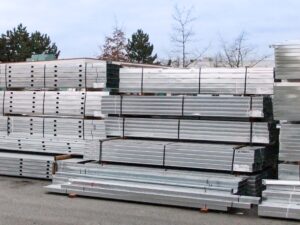 US Commerce Secretary Howard Lutnick signaled he doesn’t expect a reprieve on 25% tariffs for steel and aluminum imports scheduled to take effect on Wednesday. The levies, ordered by U.S. President Donald Trump in February, include imports from Canada and Mexico — which are among the top foreign suppliers — and apply to finished metal products, too. U.S. steelmakers have urged Trump to resist exemptions to the tariffs, which risk hitting US companies that use aluminum and steel. Administration officials have said the policy is aimed at cracking down on efforts by countries including Russia and China to bypass existing duties. Last week, Trump imposed sweeping tariffs on imports from Canada and Mexico but later walked back some of the changes — offering a one-month reprieve to automakers and then expanding that pause to all imported goods covered by the free-trade agreement between the US, Canada and Mexico.
 President Donald Trump on Thursday signed executive actions that delay for nearly one month tariffs on all products from Mexico and Canada that are covered by the USMCA free trade treaty, a significant walkback of the administration’s signature economic plan that has rattled markets, businesses and consumers. The executive actions follow a discussion Trump held Thursday with Mexican President Claudia Sheinbaum and negotiations between Canadian and Trump administration officials. …Energy from Canada, however, is not included in the USMCA, the White House official said. So that lower 10% tariff is expected to remain in place… but the Trump reduced the tariff on Canadian potash to 10%. …Canada will now pause their planned second round of tariffs on over 4,000 US goods until April 2, Canadian Minister of Finance Dominic LeBlanc said.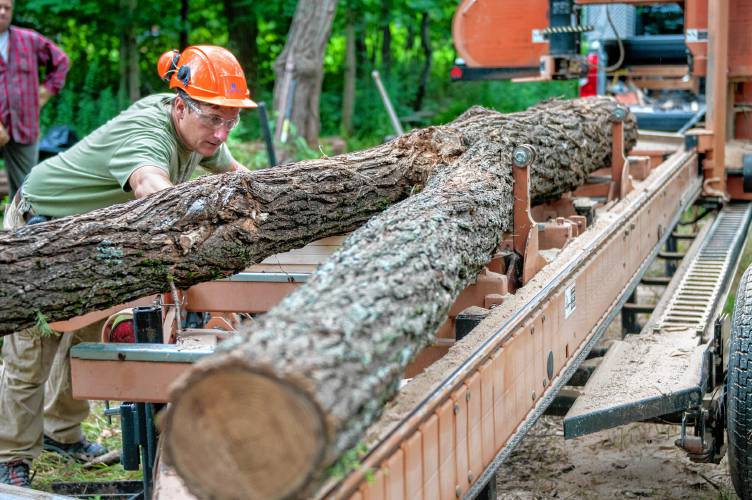
 The Commerce Department’s Bureau of Industry and Security (BIS) has formally launched two Section 232 investigations that could lead to import restrictions on copper and lumber and timber, according to Federal Register notices scheduled for publication on Thursday. Trump signed an executive order on Feb. 25 ordering the copper probe and another on March 1 for lumber and timber. Both instructed Commerce Secretary Howard Lutnick to start the investigations, which threaten to further strain trade relations with Canada and other trading partners. The Section 232 law allows up to 270 days for a probe, but White House officials said they expect Lutnick to move faster. In one sign of that, BIS set an extremely short period for public comment in the two investigations, ending on April 1. that coincides with the deadline for executive branch agencies to compete a number of trade reports for the White House. [to access the full story a PoliticoPro subscription is required]
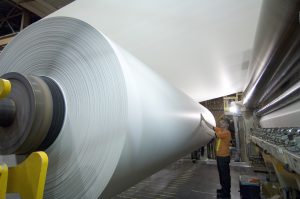 European industry is scrutinising the list of products drawn up by the European Commission in response to US tariffs on steel and aluminium, and not everyone is pleased. EU tariffs on American products are adversely affecting EU manufacturers of wines, plastics and pulp among other sectors relying on imported products hit by tariffs or caught as collateral victims of the trade war between both sides of the Atlantic. …The European pulp and paper industry has also reacted after seeing imports of the products from the US on the EU list. The EU imported €962 millions’ worth of pulp and €650 millions worth of paper and board from the US in 2023. In exchange European exports of pulp and paper and board were worth €238 million and €2.4 billion respectively. The sector has no interest in a trade war with the Americans. Jori Ringman, Director General, said that “EU and US consumers who need basic hygiene products” were going to be impacted as well as “a whole range of sectors using paper packaging.”

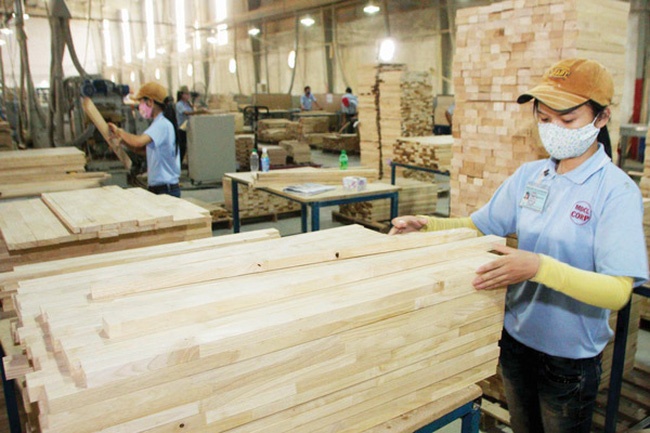
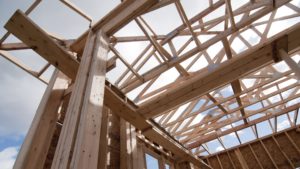 When President Trump threatened new tariffs on Mexico, Canada and China at the beginning of February, Steve Martinez flew into action. The Idaho-based general contractor spent hundreds of thousands of dollars on materials like lumber, windows, cabinetry and steel to stockpile them before the tariffs hit. …Since his lenders wouldn’t finance these purchases, he is paying out of pocket and using cash. Then after the president abruptly walked them back, Martinez was left with an upended business plan, less cash and feeling confused about what to do next. “I can’t keep ping ponging back and forth,” Martinez said. …Builders have been doing what they can to insulate themselves from higher import costs, from stockpiling materials and appliances to shrinking the size of the homes they will build. But if tariffs take effect long term, they will only be able to absorb so much cost. [to access the full story a WSJ subscription is required]
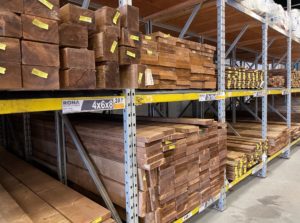 As we enter what are typically the most profitable months for US builders, widespread uncertainty regarding pricing is casting a pall over the industry. Northeastern Retail Lumber Association (NRLA) crystallizes these concerns, noting that: “Despite repeated delays of tariffs on imports from Mexico and Canada, prices continue to fluctuate unpredictably, leading to hoarding by customers, delayed orders for restocking, and customers abandoning purchases due to sudden cost increases.” The NRLA says the current situation recalls the tumult of pandemic-era supply chain shortages. “Now, dealers are reporting the same patterns: unpredictable cost increases, uncertainty in securing supply, and customers unable to move forward with purchases due to rapidly shifting prices.” …NRLA writes that daily price changes are making it impossible for retailers to provide accurate quotes, which constricts pricing guarantees. …NRLA dealers are reporting that even U.S.-made manufactured materials are seeing price increases.
 Thousands of US companies opened for business on Friday with no idea whether they had to pay tariffs. …In imposing the tariffs, Mr. Trump misused the 1977 International Emergency Economic Powers Act. Congress passed IEEPA to give presidents tools to respond quickly to emergencies like wars or terrorist attacks. …IEEPA has never been used for tariffs, and courts should rule that it can’t be. …US trade laws require the president to identify and investigate specific trade practices that harm the U.S. and then propose remedies, such as tariffs or negotiations. A president may impose tariffs on specific goods if fact-finding determines that imports threaten US national security. Mr. Trump’s reasons for imposing tariffs on Canada don’t appear to satisfy these standards. …Faced with Mr. Trump’s tariff threats, Canadian, Mexican and European officials have indicated that they are open to collective action against China, the world’s biggest exporter and a major source of US trade deficits. [to access the full story, a WSJ subscription is required]
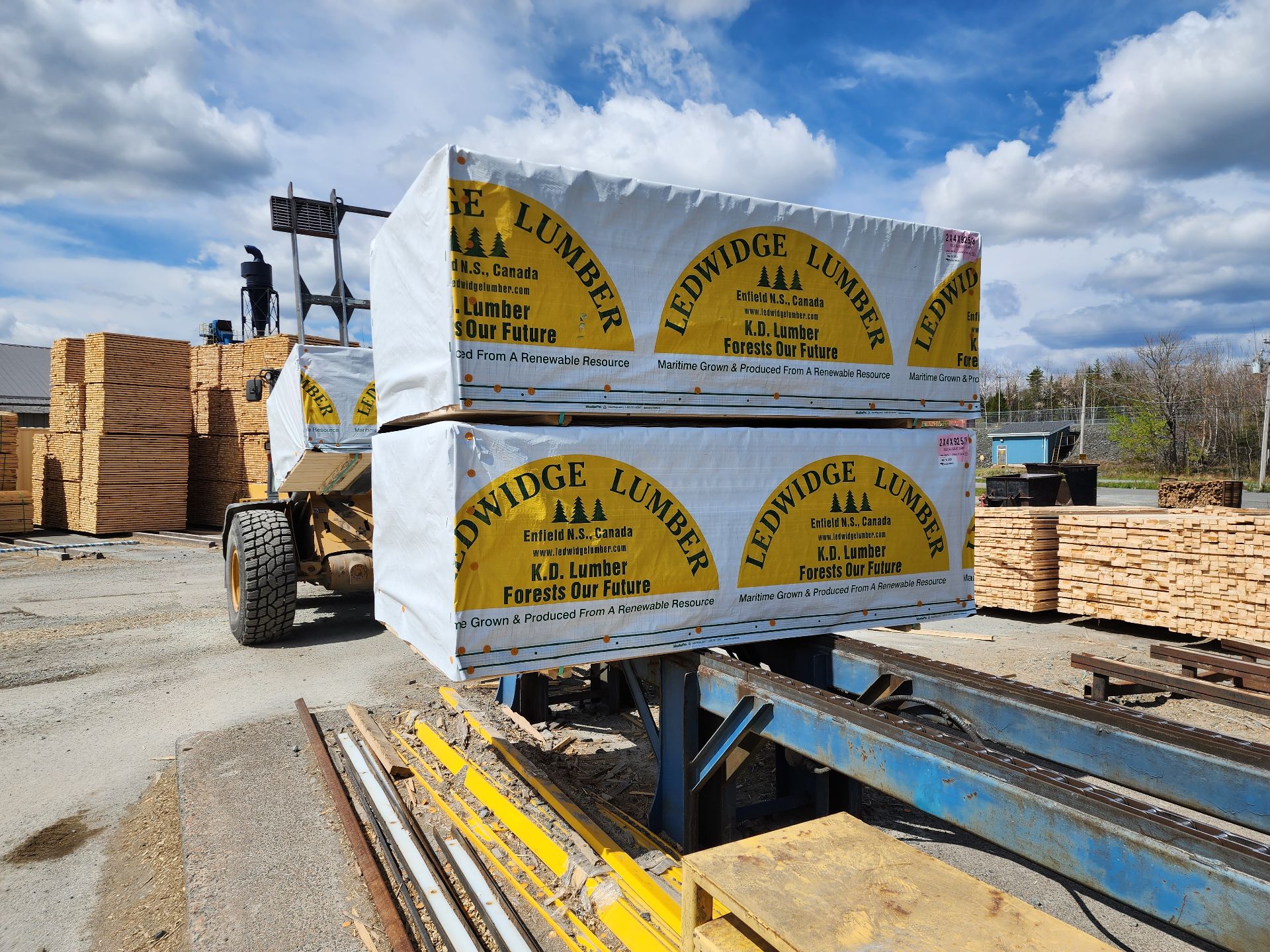
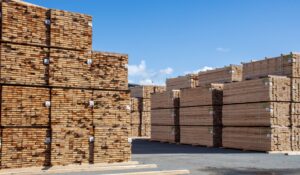
 Now that a 25% tariff on lumber from Canada is looming, will this cause crazy wood pricing to return? To some extent, that is very probable, and here’s why. In 2024, our country got about 72% of its lumber from its own forests. The rest was imported from various countries, especially Canada, from which we purchased 28.1 million cubic meters last year. Canada accounts for 84.3% of all softwood lumber imports. …While it might be possible to switch to importing more lumber from other countries, none has Canada’s large production capacity. Also, supply chains — especially for lumber — are complex and costly to change, says Frederik Laleicke, at NC State University. …As long as demand for lumber doesn’t drop, a 25% tariff on Canada will likely make lumber—and therefore new houses and renovations—more expensive since US companies will raise the price of Canadian-sourced lumber to compensate for the tariffs.
 Lumber futures rebounded to around $650 per thousand board feet, nearing the two-and-a-half-year high of $658 touched earlier this month as escalating U.S. tariff threats on steel, aluminum, and dairy—along with the prospect of sharply higher auto tariffs—stoked fears of further trade restrictions, reversing the recent plunge. The renewed trade war tensions have heightened concerns that lumber could be the next target, prompting traders to reassess supply risks. Earlier, prices had dropped to around $600 after President Trump delayed a 25% tariff on Canadian softwood for the second time, temporarily easing supply concerns. The proposed levy, which would raise total duties to as much as 52%, could significantly strain North American production and push construction costs higher. However, the latest escalation in the trade war has reversed sentiment, with traders wary that lumber could still face new restrictions, driving speculative buying. [END]
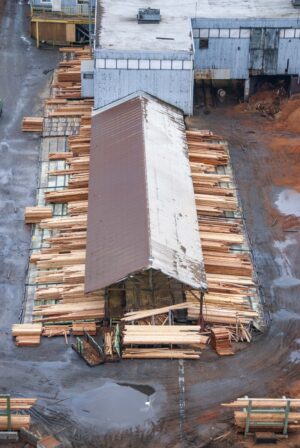 I have received several questions from owners and contractors regarding what to expect with lumber prices given the tariffs (or the potential of tariffs, depending on the day). The short answer is prices will go up. The long answer is much more complicated and hinges on a number of factors and considerations. 1. Almost 30 percent of the lumber used in the U.S. each year comes from Canada. …2. Any tariffs or potential for tariffs creates opportunistic price increases. …3. Demand, however, doesn’t seem to be particularly strong for new construction at this time. …4. Tariffs do help to onshore manufacturing (a long-term positive), but the trees aren’t all in America. …In the short-term, tariffs create more uncertainty and increased pricing, which only further adds to the inflation story. In the long-term, tariffs on lumber won’t achieve the level of onshoring that can happen in other industries.
  US lumber futures have fallen from their all-time highs after president Trump’s delay to tariffs on Canada this week halted a surge in prices. Contracts tracking a truckload of lumber hit the highest point in their 30-month history this week. …Trump initially planned to impose 25% tariffs on critical Canadian imports, boosting prices, but Thursday’s pause for a month pushed prices for delivery in May down more than 6% over two days, to $651 per MBF. Even so, prices remain elevated as Trump also ordered a federal investigation into Canadian companies potentially dumping excess supplies into the US market. …Together with potential tariffs, the total duty on Canadian imports could rise from 14.5 per cent to 52 per cent. “This is going to be devastating for Canadian producers,” said Dustin Jalbert, senior economist for wood products at price reporting agency Fastmarkets. “No Canadian producer is making the margin to be able to absorb that.”
 VANCOUVER, BC — Canfor Corporation reported its fourth quarter of 2024 results. Highlights include: Q4 2024 operating loss of $46 million; shareholder net loss of $63 million; Supply-driven uptick in North American lumber markets and pricing through the fourth quarter led to improved results from the Company’s Western Canadian and US South operations; another quarter of solid earnings from Europe; Improved
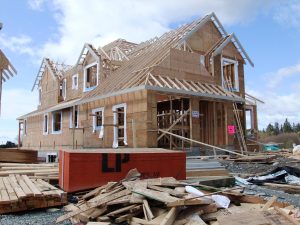 President Trump’s tariffs could increase material costs for the average new home by as much as $10,000, according to the National Association of Home Builders. The trade group said it has received anecdotal reports from members that Trump’s plan would raise material prices by between $7,500 and $10,000 for the average new single-family home. …The NAHB said softwood lumber is mainly sourced from Canada, while gypsum, a component of drywall, comes primarily from Mexico. Other materials like steel and aluminum — in addition to completed home appliances — are imported to the U.S. from China, the group said. An implementation of the 25% tariff on Canada and Mexico as previously laid out by Trump would raise total costs for imported construction materials by more than $3 billion, according to the NAHB.


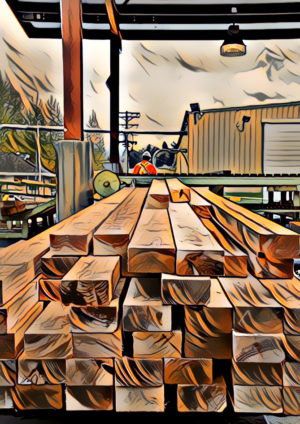 President Trump’s push for tariffs on Canada – and his subsequent delays and exemptions – are frustrating efforts to import lumber from the country and putting the building supply market on edge. The back-and-forth over whether tariffs will be imposed or not has businesses unable to trust price stability, and risks backing up the supply chain for US homebuilders. The reluctance to pay a tariff, which could be changed or cancelled any day, “freezes these markets up,” according to Don Magruder, who runs a building material company based in Florida. …Andy Rielly, president of Rielly Lumber in British Columbia, said he’s been in talks with long-term customers on how to divvy up the extra costs, but not everyone has been able to strike deals. …The US’s National Association of Home Builders chairman Buddy Hughes said tariffs risk worsening housing affordability. …The US Lumber Coalition said that lumber prices are only a fraction of homebuilding costs.
 Lumber producers have migrated from Canada to the US South. Now lumber-futures trading is heading to the Southern pineries as well. The exchange operator CME Group said it would launch trading in Southern yellow pine futures on March 31, a response to rising export taxes on Canadian lumber. The futures contracts—ticker: SYP—will give the South’s loblolly planters, loggers, sawmills, pressure treaters and builders a mechanism to manage their exposure to price swings that is more in line with the local market than existing futures. …Traders and the exchange have for years discussed Southern yellow pine futures as the region’s production grew. Now that Northern lumber is a lot more expensive, they are saying the time is right. …Southern yellow pine doesn’t always work as a substitute for the Northern species favored by home builders. But executives said the growing price difference is prompting pockets of buyers to swap.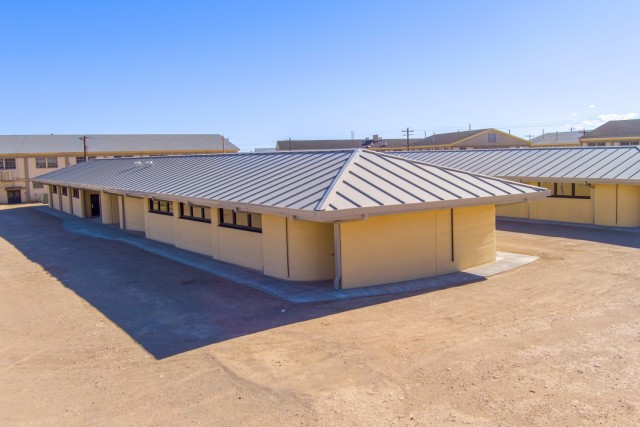


 LOS ANGELES —
 What are Musk, Trump and the congressional right really after? Anyone who works in land management knows these agencies have long gone underfunded and unsupported by Republicans, rendering them less and less effective as the demands on them grow ever more pressing. Now this bloodletting is accelerating, and soon it will be time to go for the throat. As these agencies flounder, turning their lands over to private administration — to timber, mineral and oil extraction or to private ownership and development — will begin to seem logical and even appealing. While sustainable logging can be a valuable forest management tool, research shows that when lands are managed primarily for resource extraction, they become less resilient to wildfire. This is a shortsighted, profit-driven turn toward a land-use model that is ultimately unsustainable. What will the public be left with? Will we still have places to hike, fish, hunt, dirt-bike and ski? Or will a new landlord be setting new rates?
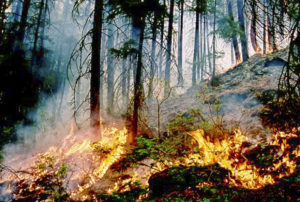 With $2.6 billion in hurricane-recovery money on its way to the national forests of North Carolina, Jenifer Bunty, a US Forest Service disaster-recovery specialist, spent much of the week of February 10th working on a plan to start spending the money. Four months after Hurricane Helene, this meant deciding which bridges urgently needed to be rebuilt, which road repairs prioritized. …“The days of rule by unelected bureaucrats are over,” Donald Trump declared in his speech to Congress last week. For the White House, the firing of tens of thousands of federal workers like Bunty is evidence of “promises made, promises kept.” But for the Forest Service the loss of at least two thousand workers will make it harder to fight ever-worsening wildfires and storms across the country. …After the Trump cuts, a spokesperson for the USDA said that they didn’t include “operational firefighters,” a term Bunty had never heard.
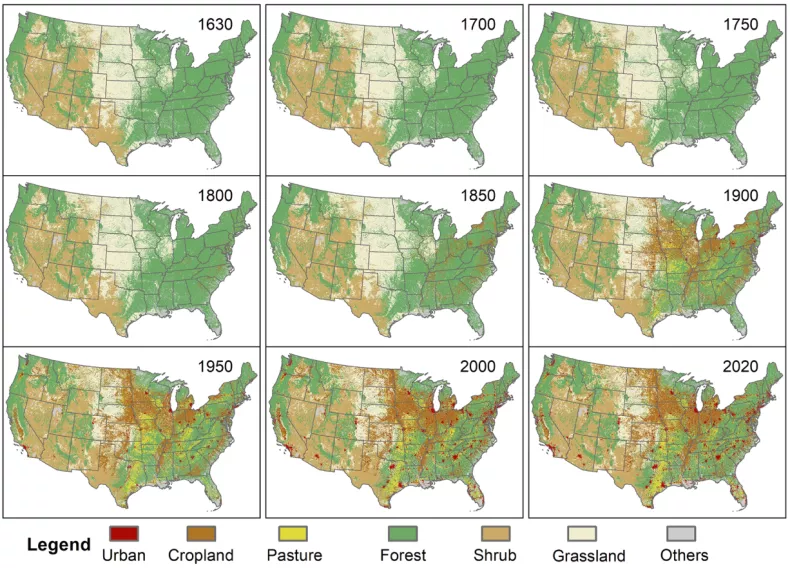
 The Trump administration touted logging as the next frontier in job creation and wildfire prevention, but those goals will face confounding challenges. Trump issued two executive orders on March 1: the first to boost timber production on federal land and the second to address wood product imports. The moves were cheered by the timber industry. “These are common sense directives,” said Travis Joseph, president of the American Forest Resource Council, a timber industry trade group. “Our federal forests have been mismanaged for decades and Americans have paid the price in almost every way – lost jobs, lost manufacturing, and infrastructure.” Timber groups and rural lawmakers also said the orders could help manage overstocked forests and reduce the threat of wildfire. But conservation groups and forestry experts say cutting down more trees doesn’t inherently reduce wildfire risk and can actually increase it. The plan also faces pushback about environmental concerns and economics.
 President Donald Trump took action last weekend to increase domestic logging by circumventing environmental protections and to staunch the flow of imported lumber products primarily from Canada. A pair of executive orders — one addressing timber and wood product imports, the other addressing logging on federal lands — drew praise from the logging industry, condemnation from environmental and wildlife groups, and concern from the construction industry over higher prices. The order rolls back the degree to which the agencies have to comply with the Endangered Species Act or consider negative impacts of logging. …[making] it easier for environmentally damaging clear-cut logging to be approved. …The executive order on timber production … can exempt projects from complying with the landmark law. …allowing projects to proceed even if they will harm a protected species or result in extinction. Historically, the committee has been used to aid recovery from natural disasters, not to expedite resource extraction.
 FRANKFURT – Bayer has told U.S. lawmakers it could stop selling Roundup weedkiller unless they can strengthen legal protection against product liability litigation, according to a financial analyst and a person close to the matter. Bayer has paid about $10 billion to settle disputed claims that Roundup, based on the herbicide glyphosate, causes cancer. About 67,000 further cases are pending for which the group has set aside $5.9 billion in legal provisions. The German company has said plaintiffs should not be able to take Bayer to court by invoking U.S. state rules given the federal U.S. Environmental Protection Agency has repeatedly labelled the product as safe to use, as have regulators in other parts of the world. “Without regulatory clarity (Bayer) will need to exit the business. Bayer have been clear with legislators and farmer groups on this,” analysts at brokerage Jefferies said in a note on Thursday, citing guidance Bayer’s leadership provided in a meeting.
 It’s now clear that some moves President Trump has authorized his pal Elon Musk and the so-called Department of Government Efficiency to make will thwart at least a few of Trump’s own often-repeated priorities. …Then there are two moves that figure to make the next fire season, coming up in late spring or early summer, as bad as or worse than recent ones. Trump legitimately repeats the conviction that cleaning forest floors can reduce the intensity and frequency of wildfires. He consistently and falsely blames California’s government for not doing this. …With Musk’s aid, though, he fired 3,400 Forest Service workers in mid-February who were still on probation in their first year of employment, many of whom had been hired to do the job Trump calls critical to stopping fires. …If he knew these firings completely contradict priorities he has trumpeted, why would he have approved them?
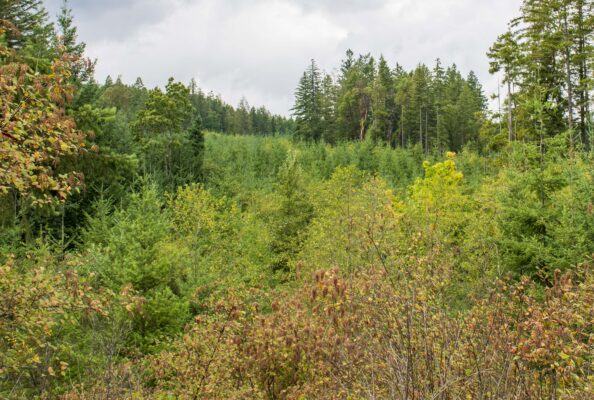 Businesses, communities, and wildlife across a vast portion of western Washington, western Oregon, and northwestern California rely on healthy national forests. Since 1994, the Northwest Forest Plan (NWFP) has guided conservation, recreation, timber production, and other uses of these 19.2 million acres of species-rich and economically important lands and rivers, and now, as it does periodically, the U.S. Forest Service is updating the NWFP… The scientists and land managers who authored the original NWFP recognized the importance of drawing on the best available science. They also had the foresight to incorporate ways to monitor the forests and adjust management if their assumptions—for example, about the plan’s impact on nature and communities—proved wrong… The Forest Service is
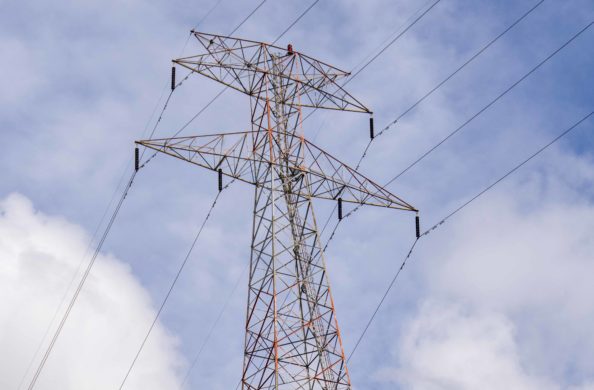 Oregon lawmakers are considering a legislative package that would provide some protection to utility companies whose equipment sparks wildfires. House Bill 3917, introduced Tuesday by Rep. Pam Marsh, D-Ashland, would create a fund to help people who lose homes or businesses to utility-caused wildfires — as long as they agree not to sue utility companies for that damage. Marsh is also sponsoring a complementary bill, House Bill 3666, which would allow the Oregon Public Utility Commission to grant a safety certificate to utilities it deems are “acting reasonably with regard to wildfire safety practices.” The wildfire assistance fund created by HB 3917 would be seeded by utility companies that are regulated by the state’s Public Utility Commission, including Pacific Power and Portland General Electric. Half of their their seed contribution could come from ratepayer dollars, and the other half would come from the share of rates designated for profits.
 A bipartisan group of lawmakers on Monday urged the Trump administration to scrap plans to kill more than 450,000 invasive barred owls in West Coast forests as part of efforts to stop the birds from crowding out a smaller type of owl that’s facing potential extinction. The 19 lawmakers claimed the killings would be “grossly expensive” and cost $3,000 per bird. They questioned if the shootings would help native populations of northern spotted owls, which have long been controversial because of logging restrictions in the birds’ forest habitat beginning in the 1990s, and the closely related California spotted owl. Barred owls are native to eastern North America and started appearing in the Pacific Northwest in the 1970s. They’ve quickly displaced many spotted owls, which are smaller birds that need larger territories to breed.
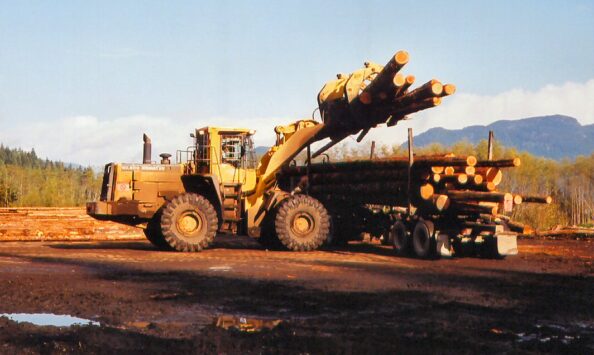 Northeastern Minnesota loggers and the nation’s forest products industry could get a lift under an executive order issued by President Donald Trump. New guidance or updates to facilitate increased timber production, sound forest management, reduced timber delivery time, and decreased timber supply uncertainty, are by the end of March to be issued by the U.S. Secretary of the Interior, Secretary of Agriculture, and U.S. Forest Service chief, under Trump’s “Immediate Expansion of American Timber Production,” order. National and Minnesota timber products officials say Trump’s order is a positive step toward boosting American timber production. “We’ve had nearly 150 mills close across the U.S. in the past 24 months,” Scott Dane, American Loggers Council (ALC) executive director said. “We need to turn the dismantling of the American timber industry around before it is too late. President Trump’s “immediate” increase in lumber production is the beginning of that turnaround.”
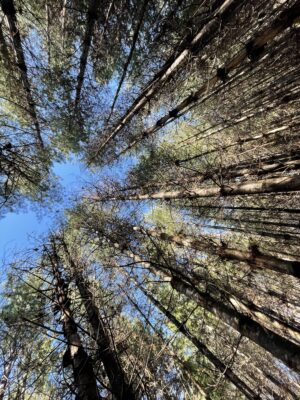 Federal officials are preparing to disband an advisory committee tasked with guiding policies for millions of acres of national forests in the Pacific Northwest. …The 21 members of the Northwest Forest Plan federal advisory committee… have been meeting since summer 2023, hashing out how to tackle wildfires, pests and diseases across nearly 25 million acres of national forests in Oregon, Washington and Northern California. On Thursday, officials with the US Forest Service told committee members the agency was likely to dissolve the group in the coming weeks. Some members said they had been expecting this news. …The Forest Service pulled the committee together to help amend the decades-old Northwest Forest Plan, a set of policies that came out of the timber wars of the 1980s and ’90s. …The committee delivered its recommendations to the Forest Service last year.
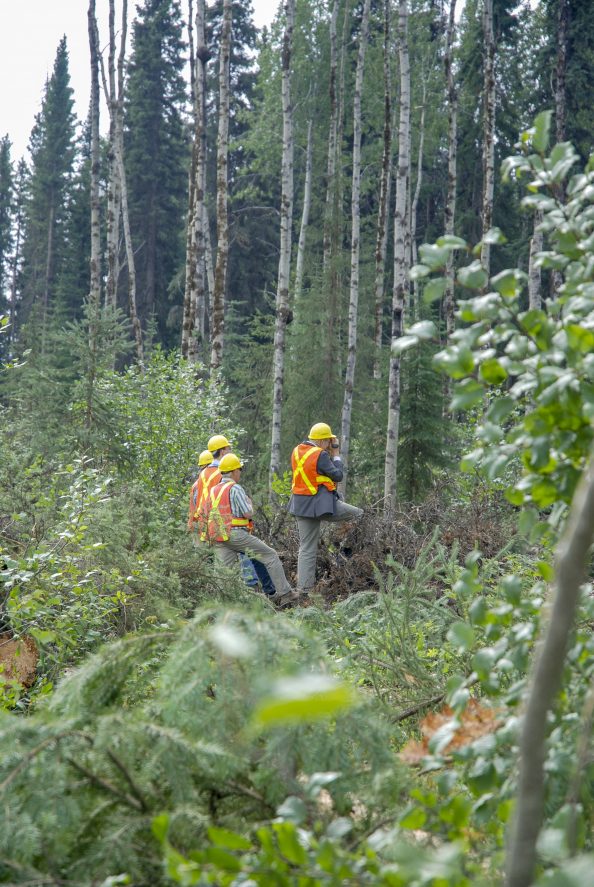 …in the early 2000s, a group of scientists and businessmen began arguing that forest thinning was too much for the government to take on. If Arizona had any hope of decreasing the risk of catastrophic forest fire, private industry would have to play a part. From this debate emerged Arizona Forest Restoration Products, a company that had planned to make oriented strand board from the low-dollar trees. …But …the Forest Service unexpectedly awarded the contract in 2012 to Pioneer Associates, a group it favored, even if they were arguably less qualified and had gathered almost no funding for their proposal. …Pioneer quickly went defunct, and the company that took over its contract, Good Earth, only thinned a fraction of what it promised. …And a cautionary tale as we fall into a pattern of on-again, off-again federal infrastructure funding cuts and threatened tariffs, which were enacted and then delayed on Canada and Mexico until April.
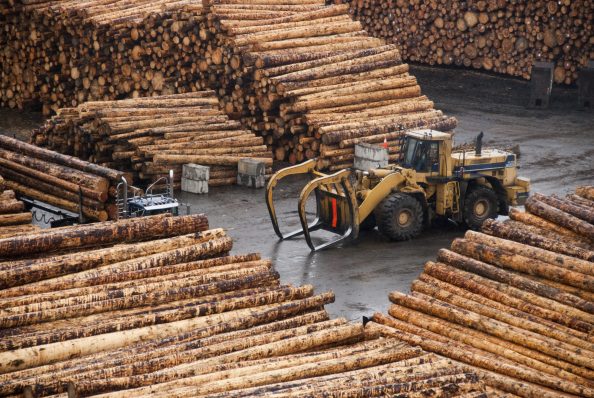 Republican-led policy directives could rewrite forest policies that affect public lands in Oregon and the rest of the West. New executive orders from the Trump administration call on federal agencies to fast-track logging projects by circumventing endangered species laws, and to investigate whether lumber imports threaten national security. …Some experts say it’s too soon to tell how these directives will affect Oregon’s timber market, particularly Trump’s order on fast-tracking timber sales to benefit logging companies and mills. Mindy Crandall, associate professor of forest policy at Oregon State University, said Canadian imports make up a large chunk of the U.S.‘s softwood lumber supply. Oregon also leads the nation
  WASHINGTON — Three former Environmental Protection Agency leaders sounded an alarm Friday, saying

 HORRY COUNTY, S.C. — The

 HORRY COUNTY, S.C. — As the Covington Drive fire in Carolina Forest reaches Day 11, the South Carolina Forestry Commission told News13 the agency will cover all its costs associated with fighting the blaze but that it’s “too early to know” what the actual price will be. “We will cover all our costs associated with the fire — personnel, food, lodging, equipment, etc,” the agency said. “Since the Southeast Compact was activated, we will reimburse the Florida IMT for their costs — personnel, food, lodging, equipment. As with all large incidents of this type, there will be expenses we don’t even know about yet that we will have to pay for.” The forestry commission said since the fire management assistance grant was approved, FEMA will reimburse agencies and fire departments for 75% of approved costs.

 Eastwood Forests has deployed slightly more than half of its debut fund through deals that have included acquisitions in Costa Rica, Panama and Canada. North Carolina-headquartered Eastwood announced its acquisition of 14,500 ha of northern Vancouver Island timberland from Western Forest Products for $69.2 million in February. …Eastwood VP for transactions Prab Dahal said “Western has done a good job in managing the forests but our philosophies are slightly different in that we probably would not have as much openings and as much clear-cuts as Western did in the past,” said Dahal. …“It has more versatility than the typical natural forest that we look for elsewhere,” said Dahal. “We can manage this purely for carbon and still do good, or manage purely as a plantation and continuously manage with a harvesting level that is sustainable and can do good, financially, for our investors.” …Eastwood was established in 2022.
  Donald Trump’s administration is to reconsider the official finding that greenhouse gases are harmful to public health, a move that threatens to rip apart the foundation of the US’s climate laws, amid a stunning barrage of actions to weaken or repeal a host of pollution limits upon power plants, cars and waterways. Trump’s Environmental Protection Agency (EPA) issued an extraordinary cavalcade of pollution rule rollbacks on Wednesday, led by the announcement it would potentially scrap a landmark 2009 finding by the US government that planet-heating gases, such carbon dioxide, pose a threat to human health. The so-called endangerment finding, which followed a supreme court ruling that the EPA could regulate greenhouse gases, provides the underpinning for all rules aimed at cutting the pollution that scientists have unequivocally found is worsening the climate crisis.
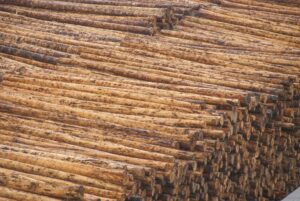 President Trump is pushing federal agencies to expand timber harvests… The U.S. Forest Service is already set to increase the number of trees it harvests to one of the highest levels since 2019, a result of Biden-era policies. But advocates argue that we need trees now more than ever and that this increase in timber harvest doesn’t make sense. The Forest Service is facing a lawsuit
  WASHINGTON — The Supreme Court on Monday rejected a lawsuit from Republican attorneys general in 19 states aimed at blocking climate change suits against the oil and gas industry from Democratic-led states. The justices acted on an unusual Republican effort to file suit in the Supreme Court over the Democratic states’ use of their own state courts to sue fossil fuel companies for deceiving the public about the risks of their products contributing to climate change. The Supreme Court typically hears only appeals, but the Constitution gives the court authority to hear original lawsuits states file against each other. Justices Clarence Thomas and Samuel Alito said they would have allowed the lawsuit to proceed for now. The justices don’t have the discretion to reject the complaint at this stage, Thomas wrote in a dissent that did not deal with the merits of the claim.