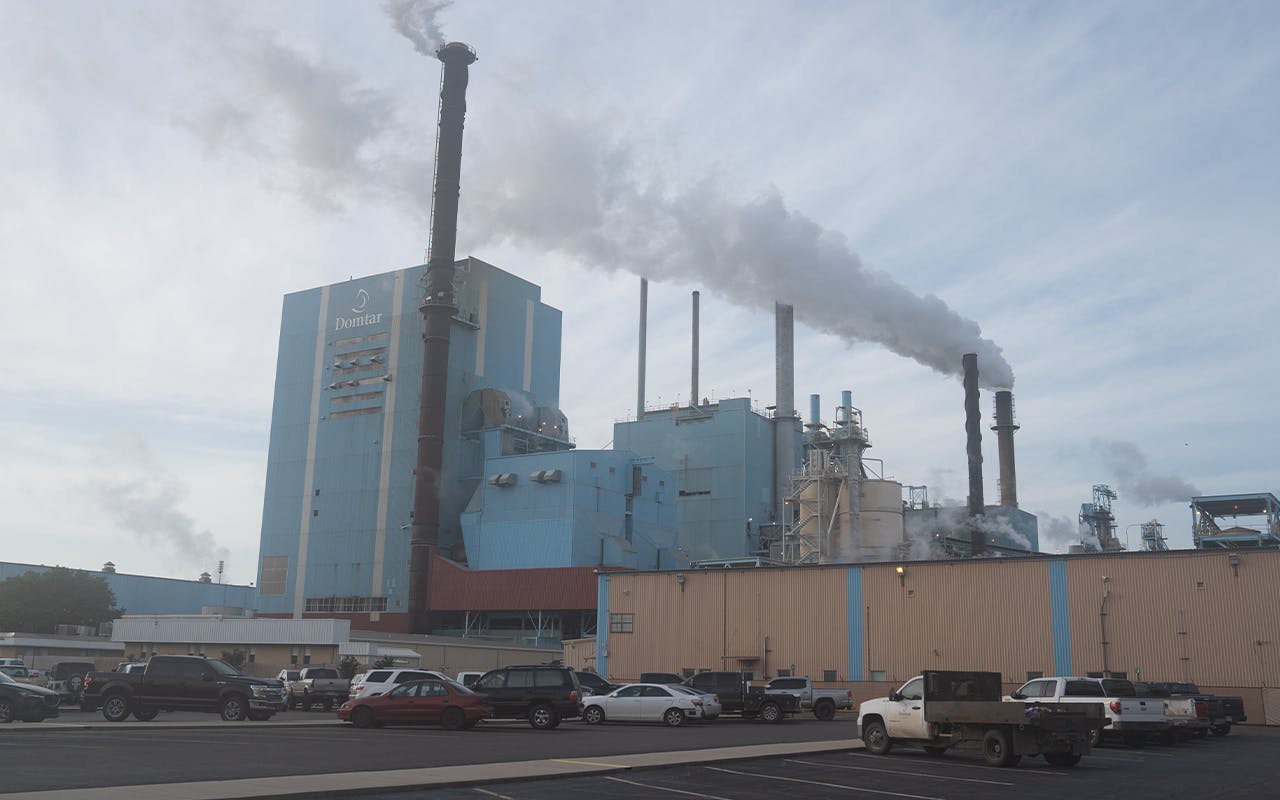
Kevin Mason
Tariff anxiety continues and is now refocused on the latest “deadline”. Despite all the tumult and spilt ink, markets are generally ascribing a low probability to duties actually being introduced. While tariff speculation is dominating conversations between buyers and sellers… we have heard no reports of meaningful pre-buying or “insurance” purchases. This is unsurprising given various supply-chain constraints, the high cost of working capital, and the difficultly of developing new relationships in short order. Buyers want protection against tariffs, but that isn’t going to happen because the US can’t self-supply most forest products. Buyers will pay up.
For some commodities, imports (and imports from Canada specifically) are a small part of US domestic consumption, so would be easier to replace. For others (including lumber, OSB, newsprint and uncoated mechanicals), replacing imports would be slow and expensive, allowing suppliers to pass on all—or almost all—of the tariff amount to consumers. In some cases, producers straddle the border and may be able to slow/idle Canadian operations while running their US assets at full tilt. …However, if some producers expect the tariff regime to be a mere negotiating ploy, with the possibility they could be reduced/removed over the next year, drastic actions (i.e., outright closures in Canada and/or new mills in the US) would not be taken. Everyone is trying to navigate through these times, with no easy answers other than “be prepared.”
 Another questionably secured load in the bed of a truck along a San Antonio highway is stirring up conversation online. A truck was spotted carrying lumber upright with the pieces of wood skyrocketing, clearly taller than the truck itself. …A truck, avoiding state law which prohibits overhang of more than 3 feet either in front or back of a vehicle, opted to put their lumber load upright. Narrowly missing highway overhangs, the lumber appears to violate state law which says the overall height of a load hauled in Texas can’t exceed 14 feet …The beams, which protruded several feet above the back of the truck, were swaying in the wind, tied down only at a couple places at their base by a questionable and slacked set of ropes.




 WASHINGTON — Reports indicate that the B.C. Minister of Forests has created an “Advisory Council” to develop strategies for combating U.S. antidumping and countervailing duties. These duties are in place as a result of repeated findings by the U.S. Department of Commerce and U.S. International Trade Commission that Canada’s egregious ongoing dumping practices and long-standing subsidies to its industry have caused havoc in the U.S. market. Andrew Miller, Chairman and Owner of Stimson Lumber, stated that “this is not a complicated issue. Canada must stop dumping its excess lumber production into the U.S. market and should stop subsidizing its industry instead of convening an ‘Advisory Council’ in British Columbia to study ways of getting around U.S. trade laws.”
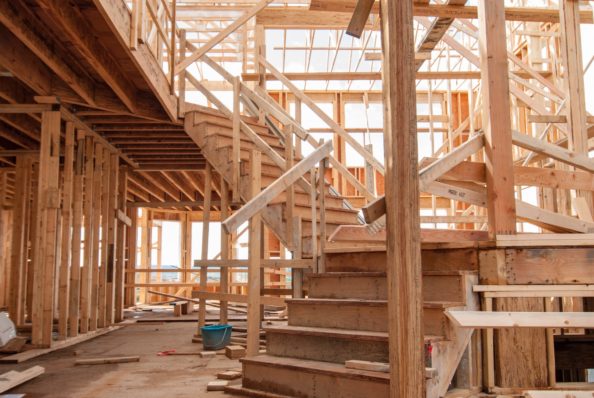 As President Donald Trump ushers in a slew of new policy changes, the proposed 25 percent tariffs on imports from Canada and Mexico—if implemented after the recently introduced 30-day pause—could significantly escalate the cost of lumber, further complicating the already strained U.S. housing market. Some experts predict a near-tripling of costs that could undermine home affordability at a time when the nation grapples with a housing crunch. …According to Carl Harris, chairman of the National Association of Home Builders (NAHB), over 70% of softwood lumber and gypsum, which is used in drywall, originate from Canada and Mexico. …Robert Dietz, chief economist at the NAHB, outlined the risks posed by tariffs as it relates to lumber costs. …Per Dietz, not only could they nearly triple the cost of lumber, a critical component of home building, but they would also drive up prices for consumers, putting homeownership out of reach for many Americans.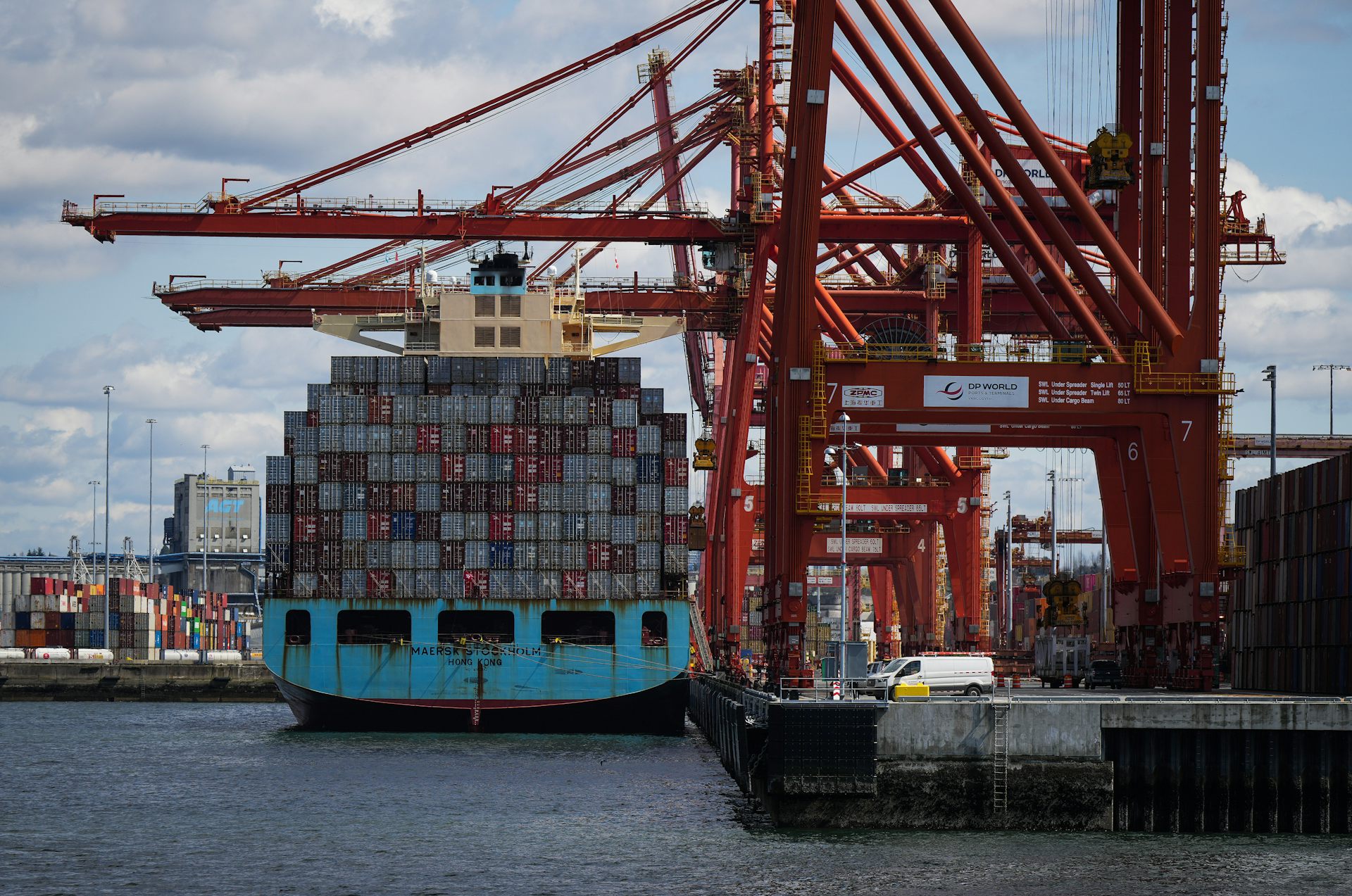
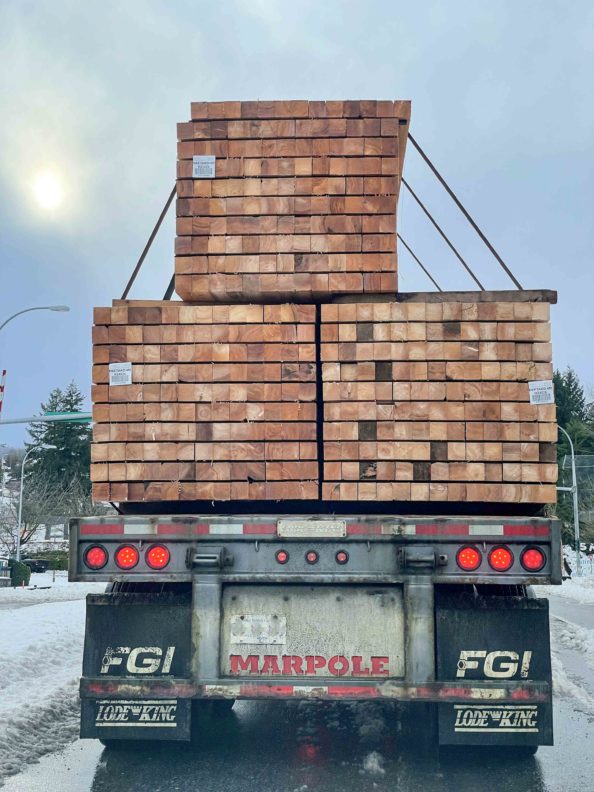 Data provided by the National Association of Home Builders (NAHB) and Fastmarkets Random Lengths confirm that cost of lumber is a very small component of the price of a new home. Consequently, duties on a share of that lumber imported from


 The vast majority—72%—of respondents to an HBSDealer poll question say the United States should not pursue a policy of aggressive growth. However, an aggressive approach has been launched —and then quickly paused. …For the home improvement industry, tariffs on Canadian lumber continue to be a central and controversial topic. …NAHB Chairman Carl Harris. “NAHB urges the administration to reconsider this action on tariffs, and we will continue to work with policymakers to eliminate barriers that make housing more costly and prevent builders from boosting housing production.” …Meanwhile, with a deeply ingrained opposition to imports subsidized by the Canadian government, the U.S. lumber industry applauds the tariffs. It also discounts the idea that increasing the tariffs on Canadian lumber imports would lead to significantly higher home prices. The US Lumber Coalition argues that softwood lumber prices are currently low and have not kept pace with general inflation.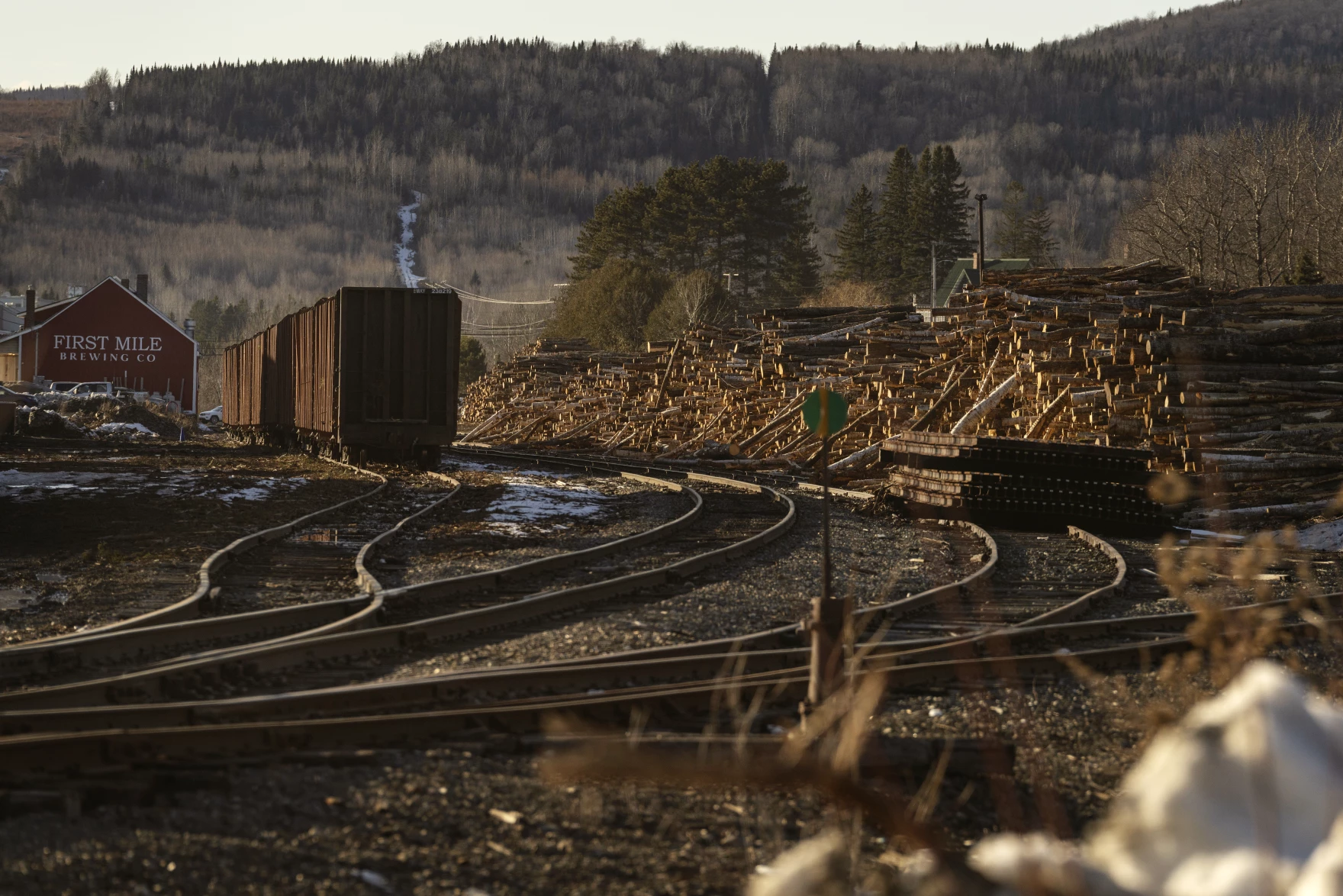


 President Trump conceded Sunday that there may be “some pain” from his sweeping tariffs on Mexico and Canada, but they will eventually lead to a new “GOLDEN AGE.” Nice of him to promise a glorious future because the pain is already unfolding. …He also included a blast at these columns for leading the “Tariff Lobby” after our editorial called his 25% across-the-board tariffs on our friends and neighbors “






 BEIJING — China countered President Trump’s across-the-board tariffs on Chinese products with tariffs on select U.S. imports Tuesday, as well as announcing an antitrust investigation into Google. The Chinese response was “measured,” said John Gong, a professor at the University of International Business and Economics in Beijing. “I don’t think they want the trade war escalating,” he said. …This time, analysts said, China is much better prepared to counter, with the government announcing a slew of measures that cut across different sectors of the economy, from energy to individual U.S. companies. China said it would implement a 15% tariff on coal and liquefied natural gas products as well as a 10% tariff on crude oil. …China also announced export controls on several elements critical to the production of modern high-tech products. “A risk is that this is the beginning of a tit-for-tat trade war,” Stephen Dover of Franklin Templeton said.
 CALIFORNIA — Home builders have avoided a price hike in materials — especially lumber — after the Trump administration said it would delay steep tariffs on Canadian and Mexican goods for at least 30 days. …The temporary reprieve is good news for the construction industry, said Danielle Hale, chief economist at Realtor.com. “In particular, Canadian lumber is an important input in home construction, finishes such as cabinets, and furniture,” Hale said, adding that this is happening at a time when the U.S. is already dealing with an ongoing housing shortage. Prior to the pause, Carl Harris, chairman of the National Association of Home Builders, sent a letter to President Donald Trump outlining the organization’s “serious concerns” about the effects of the proposed North American tariffs. NAHB is particularly concerned about two essential building materials: softwood lumber and gypsum, which is used for drywall. More than 70% of those materials come from Canada and Mexico.
 NORTH CAROLINA — International trade is complex and one of the least understood components of the globally connected world. …International trade promised cheaper goods and economic growth, and it delivered. But for many Americans, international trade came at a severe cost — the loss of good-paying jobs that helped build the middle class. The frustration isn’t just nostalgia; it’s real. However, trade is not just about economics — it also involves politics, regulations, and agreements that can create both opportunities and unexpected tensions between nations. One example of how regulations impact trade is the lumber industry. In the US, environmental regulations limit how much timber can be harvested, making production more expensive and restrictive. …When US tariffs on Canadian softwood lumber were imposed in 2017, home builders in North Carolina faced a significant hike in costs, affecting new home construction. The construction industry’s experience is not isolated. Trade wars create a domino effect that reaches far beyond political brinkmanship.
 A 30-day delay in implementation of tariffs on Canadian shipments to the US reset recent trends in framing lumber markets. Sales picked up in most regions and species, but higher quotes early in the week retreated nearer to last week’s levels. Western S-P-F sales were mixed, but several secondaries reported their strongest days of the year as buyers padded relatively thin inventories with insurance loads. Prices remained close to last week’s levels, but supplies of some items tightened in late trading. Lumber futures swung from extreme volatility Monday and Tuesday to an upward trend towards the end of the week. The threat of tariffs drove prices up, but selling commenced after the delay. The biggest gains were posted in green Fir, where a supply-side rally pushed Std/#2&Btr dimension prices $15-35 higher. The Random Lengths Framing Lumber Composite Price posted another modest adjustment, finishing $5 higher. Most Southern Pine producers throttled back quotes.
 The U.S. market accounts for 5-10% of Sweden’s forest industry exports, depending on the segment, meaning the direct impact of potential new tariffs remains limited, said Christian Nielsen, market analyst for wood products at Swedish Forest Industries Federation. The U.S. relies on imports for 25% of its lumber consumption, primarily from Canada. Higher tariffs on Canadian wood could raise costs for American consumers while improving the competitive position of European suppliers. However, Nielsen noted that future tariffs directly targeting EU exports remain uncertain. In the pulp and paper sector, the U.S. could rely entirely on domestic production, reducing the need for imports. Sweden currently exports 7% of its pulp and 5% of its paper and board products to the US. In total, Sweden exports 92% of its paper and board production, and global trade flows could be affected by tariff changes. [END]

 Year-end 2024 Southern Pine lumber (treated and untreated) exports hit 565.7 Mbf, which was up 11% over the previous year, according to December 2024 data from the USDA. On a monthly basis, Southern Pine lumber exports were up 21.9% in December 2024 over the same month in 2023 but down 2.2% from November 2024. …Softwood imports, meanwhile, were down 11.5% in December 2024 compared with the same month a year ago and down 11% from November 2024. …Mexico remains the largest export market (by volume) of Southern Pine and treated lumber, up 23% over 2023 with 150.2 Mbf of imports. The Dominican Republic, the No. 2 importer of Southern Pine, ended the year 19.1% ahead of 2023 with 92.3 Mbf. India’s total of SYP imports ended 3.1% ahead of last year with 36.6 Mbf. Canada: up 30% with 27.4 Mbf in 2024. Canada ended the year as the No. 5 importer of Southern Pine lumber (treated and untreated).

 Washington D.C.–The Sustainable Forestry Initiative (SFI) is proud to announce a groundbreaking new project to advance climate smart forestry practices across the United States, supported by a generous investment of over $800,000 from the Doris Duke Foundation. The project, Advancing Carbon Stewardship Practices for Large Landowners in the United States, will use a forest sector-focused approach to advance forest management and conservation activities to both enhance the carbon sink and reduce sources of emissions from forests. Forests … are experiencing increased frequency and severity of fire, drought, pest outbreaks, and disease—all of which negatively impact forest and community health, economic development, and resiliency while threatening our safety. “We are so thankful for this investment from the Doris Duke Foundation to leverage our network, scale, and the SFI Forest Management Standard, which includes progressive requirements on climate and fire,” said Kathy Abusow, President and CEO of SFI.
  A bipartisan group of senators introduced legislation Thursday that would create a new Wildfire Intelligence Agency, seeking to streamline the federal response to fires. The bill, led by Sens. Alex Padilla (D-Calif.), Tim Sheehy (R-Mont.), John Hickenlooper (D-Colo.) and Steve Daines (R-Mont.), came in the wake of recent blazes that decimated parts of Southern California, primarily in the Los Angeles region. “The scale of the wildfire crisis demands a singular, whole-of-government wildfire intelligence center to foster cross-agency collaboration and save lives,” Padilla wrote in a statement. The joint office would share information with the Department of Agriculture, the Department of Commerce and the Department of the Interior, according to the legislation. “Wildfires don’t care about state lines or forest service boundaries,” Hickenlooper said. “A centralized wildfire intelligence center will speed our response to fires and promote cross-agency collaboration to tackle them.”
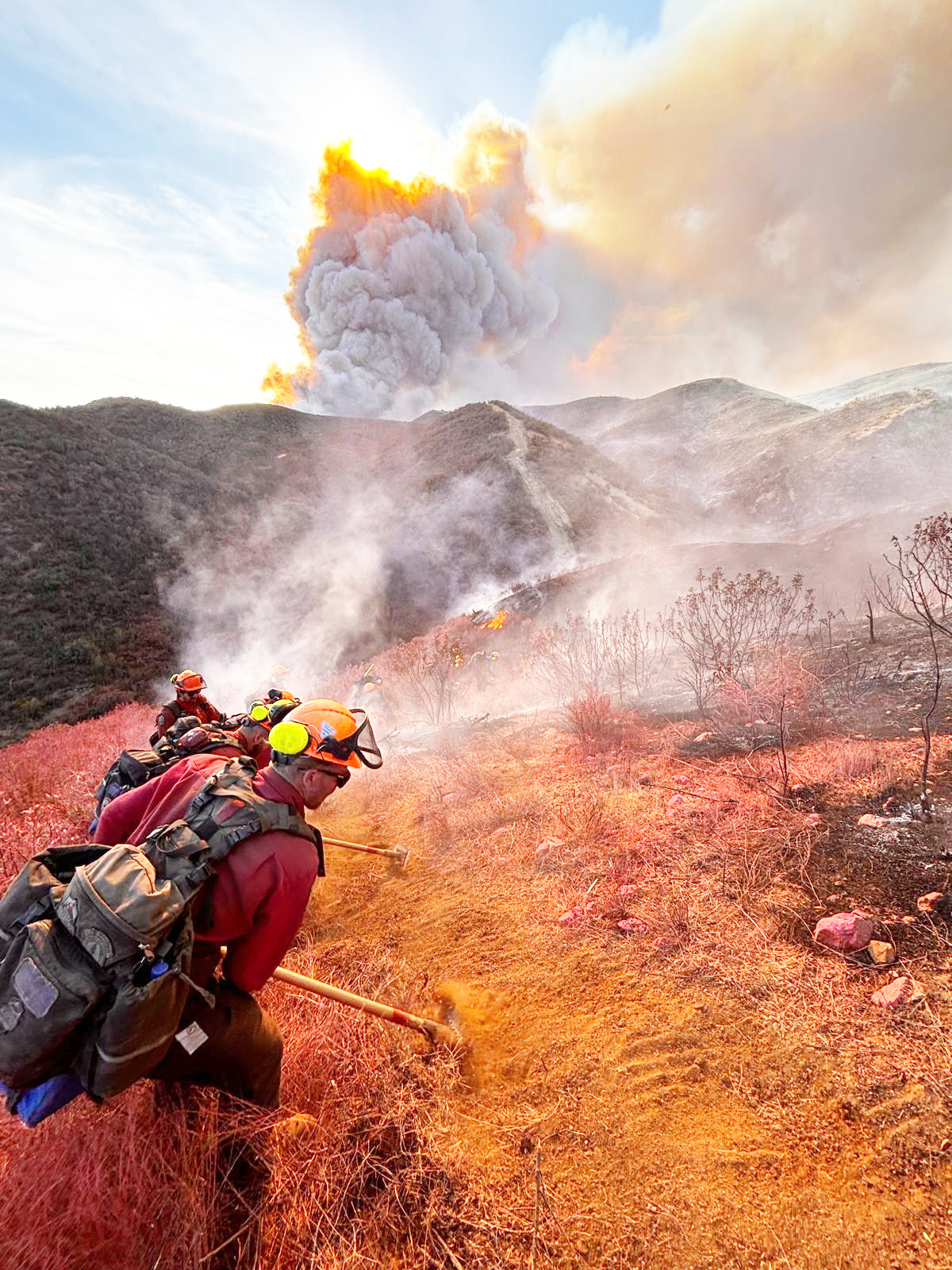

 SACRAMENTO, Calif. — As Los Angeles reels from deadly January wildfires that destroyed thousands of homes, California Gov. Gavin Newsom signed an order Thursday directing the state to advance long-delayed regulations requiring homeowners in high-risk areas to clear combustible materials around their homes. Newsom ordered the state to publish draft regulation next month, with a deadline to adopt those rules by the end of the year. The requirements were passed by lawmakers in 2020 and originally set to take effect by Jan. 1, 2023. Newsom signed the order after he returned from Washington to advocate for disaster aid. The rule requires homeowners to clear materials like dead plants and wooden furniture within 5 feet of their homes in fire-prone areas. As multiple fires roared through LA neighborhoods in January, the regulations still weren’t written, and the state Board of Forestry and Fire Protection told The Associated Press last month it had no firm timeline for completing them.
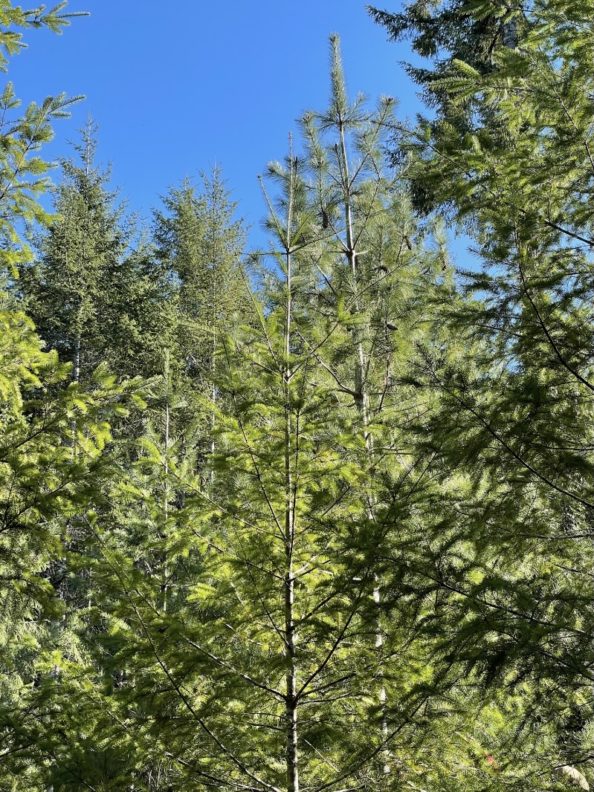 This opinion piece is by the following groups: Central Utah Water Conservancy District, Salt Lake City Department of Public Utilities, Weber Basin Water Conservancy District, Mountain Regional Water Special Service District, Metropolitan Water District of Salt Lake & Sandy, Jordan Valley Water Conservancy District, Summit County, and World Resources Institute. After another catastrophic wildfire season in the West, it is clear that Utah can no longer put off needed investments to protect our forests and critical sources of drinking water. The consequences of delaying these essential investments grow yearly and the stakes have never been higher. …These fires are a wake-up call. Infrastructure costs should not fall on water ratepayers alone. While Utah water utilities and our partners have made progress in reducing wildfire risks in key watersheds, the wildfire crisis demands even greater levels of collaboration and funding — and both are needed now from Utah’s state Legislature.

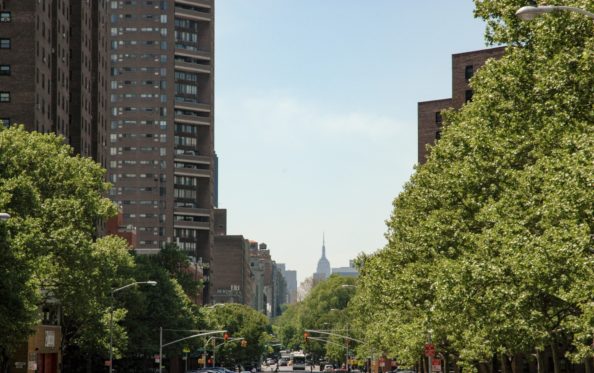 The State of New York last week announced the launch of two new interactive tools for recording and tracking the number of trees planted as part of a climate initiative to reach 25 million trees by 2033. Developed by the state’s Department of Environmental Conservation and its Office of Information Technology Services, the Tree Tracker allows state agencies and private organizations and individuals to report the number and location of trees planted, as well as planting dates, species and tree size. “New York is taking decisive action to protect our environment and strengthen communities’ ability to withstand severe weather,” Gov. Kathy Hochul said in the press release. “Our progress toward the 25 Million Tree goal is a testament to the power of community-driven action, and the new Tree Tracker will make it easier for New Yorkers to track our progress, share updates and contribute to a healthier environment for the future.”




 PIEDMONT TRIAD, N.C. — North Carolina has seen a rising number of wildfires recently, including two here in the Triad just last week. The North Carolina Forest Service is the agency responsible for getting those fires out, but lately it’s been difficult to do so. That’s due to the large number of vacancies across the department. “When we’re the lead agency for wildfire response, this isn’t a forest you want 100 positions consistently unfilled,” Philip Jackson, Public Information Officer for the N.C. Forest Service, said. It’s an issue the agency has been having for some time. “It’s [vacancies] pretty evenly distributed throughout all three regions across the state,” Jackson said. “You’re looking at about 30-35 unfilled positions in all three regions.”
 The Government has announced a new support mechanism for sustainable biomass generation post-2027. From 2027, Drax and other eligible large-scale biomass generators will be supported via a lowcarbon dispatchable CfD (Contract for Difference). If approved, the plan will keep the power station running until 2031. Under this proposed agreement, Drax Power Station can step in to increase generation when there isn’t enough electricity, helping to avoid the need to use more gas or import power from Europe. When there’s too much electricity on the UK grid, Drax can reduce generation, helping to balance the system. Importantly, the mechanism will result in a net saving for consumers. …The agreement also prioritises biomass sustainability. Drax supports these developments and will continue to engage with the UK Government on the implementation of any future reporting requirements.
 The UK government has agreed a new funding arrangement with the controversial wood-burning Drax power station that it says will cut subsidies in half. …The new agreement will run from 2027 to 2031 and will see the power station only used as a back-up to cheaper renewable sources of power. …The government says the company currently receives nearly a billion pounds a year in subsidies and and predicts that figure will more than halve to £470m under the new deal. …The new agreement also states that 100% of the wood pellets Drax burns must be “sustainably sourced” and that “material sourced from primary and old growth forests” will not be able to receive support payments. All the pellets Drax burns are imported, with most of them coming from the USA and Canada. BBC has previously reported that Drax held logging licences in British Columbia, and used wood, including whole trees, from primary forests for its pellets.
 As institutional interest in real asset investing grows, forestry is gaining recognition beyond its core enthusiasts for its ability to produce income and capital growth, alongside added benefits like carbon sequestration and biodiversity protection. However, trust in sustainability-focused investments remains a challenge. In EY’s 2024 Institutional Investor Survey, 85% of respondents said misleading claims about sustainability are more of a problem today than five years ago, despite regulators’ efforts to quash exaggerated ESG statements. …A persistent narrative is that established timberlands are better, safer investments than new greenfield developments. The truth is more nuanced. Greenfield projects, which involve reforesting degraded or underused land, offer an opportunity to achieve ‘additionality’ – a crucial component of effective carbon sequestration. …For forestry investors, the upshot is clear: regulatory uncertainty is currently a barrier to restoring widespread trust in carbon markets, and resolving this will take time.
 To formally pull the United States out of the Paris Agreement, the Trump administration will need to formally submit a withdrawal letter to the United Nations, which administers the pact. The withdrawal would become official one year after the submission. The formal withdrawal of the United States and subsequent changes to agreements under the UN Framework Convention on Climate Change cannot be transmitted to the United Nations until President Trump’s nominee to be US Ambassador to the UN, Rep. Elise Stefanik (R-NY), is confirmed by the Senate. …The withdrawal raises key questions about the future of the voluntary carbon market (VCM), particularly in light of the Paris Climate Accords’ role in driving offset demand. …Without the federal endorsement of climate goals, corporate strategies might shift away from investing in carbon offsets, diminishing demand for carbon credits. Furthermore, uncertainty surrounding federal support could delay or derail the development of new VCM projects.
 Biochar, a charcoal-like material derived from plant biomass, has long been hailed as a promising tool for carbon dioxide removal. However, a new study by Stanford researchers highlights a critical issue: current methods for assessing biochar’s carbon storage potential may significantly undervalue its true environmental benefits. The paper points the way to more accurately evaluating biochar, and boosting its credibility as a climate change solution. The research challenges conventional durability metrics and proposes a more nuanced framework for evaluating biochar projects. It grew out of an early project looking at soil’s ability to capture carbon dioxide. …By reanalyzing the largest existing biochar durability dataset, the researchers uncovered that relying solely on hydrogen-to-carbon ratios ignores critical factors such as soil type, environmental conditions, and biochar feedstock variability. Without these factors, models often fail to predict real-world outcomes for carbon storage and benefits to soil health and crops.