 The impact of the pandemic and the boom in takeout food delivery has spurred the restart of a Port Huron, Mich., paper mill owned by the Veldman brothers’ BMI Group. Four years after being mothballed, the former Domtar mill in the Michigan border town is coming back to life thanks to a resurgence in the sustainable, lightweight specialty papers used in fast-food restaurant packaging, candy wrappers, medical table covers, tissue overwraps, and other sustainable uses. Under the new banner of the Legacy Paper Group, the company is aiming for an August production start. The mill’s cornerstone Paper Machine No. 8 will be restarted, putting out 30,000 tons annually of production, according to Mark Bessette, managing director of Legacy Paper Group. …The three Veldman brothers, owners of a former forest mill sites in Fort Frances, Red Rock, Iroquois Falls and lately Espanola, have made an undisclosed “seven-figure” investment in Port Huron, according to Bessette.
 KINGSPORT, Tennessee — It could be the third or fourth quarter of 2026 before an anaerobic digester is completed to help with odor mitigation at the Kingsport mill, Domtar officials shared Tuesday. Charlie Floyd, VP of strategic capital projects for Domtar, and Bonnie Depew, environmental manager at Domtar’s Kingsport mill, presented updates about Project Bandit to the Kingsport Economic Development Board. Floyd said the biggest holdup is waiting on permits from the Tennessee Department of Environment and Conservation. TDEC has already asked for two extensions to review the permit application, state records show. …His hope is for the permit to be in the hands of Domtar by the end of the month. Over 80% of the equipment for the anaerobic digester has been purchased, according to Floyd. …At the height of construction, Floyd said there will be around 150 contractors on site to help build the digester and associated equipment.
 YORK COUNTY — South Carolina’s New Indy paper mill… releases more of a powerful neurotoxin into the air than any other major paper plant in the country, a new report says. The amount of mercury leaving New Indy’s York County plant is
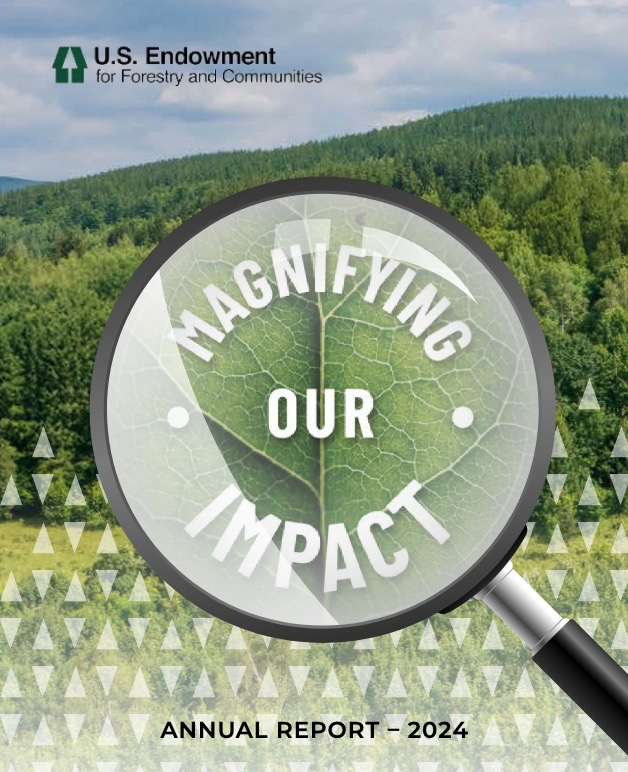 GREENVILLE , SC — The U.S. Endowment for Forestry and Communities released its 2024 Annual Report. The report highlights a year of expanded reach with $29.1 million awarded across 109 projects in 30 states and Washington, D.C., through innovative programs that strengthen the links between healthy forests, resilient communities and sustainable markets. The report details the Endowment’s sharpened focus on transformative initiatives, including the launch of an impact investing program, advancements in forest carbon transparency and streamlined market access for domestic wood fibers. “2024 was a pivotal year where we not only supported critical projects but also invested in scalable, sustainable solutions,” said Pete Madden, president and CEO of the Endowment. “By magnifying the connections between working forests, strong markets and vibrant communities, we are helping to drive systemic change across the forestry sector.”
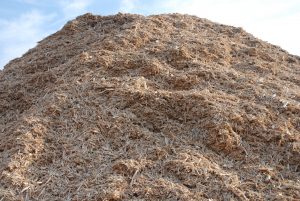 A German wood paneling maker plans to open a $250 million manufacturing plant in South Carolina’s rural Clarendon County. Homanit announced Wednesday it will build its first United States manufacturing facility on 140 acres near the small community of Alcolu — population 425. The company pledged to employ 300 people in the area located off Interstate 95, about 40 miles north of its intersection with I-26. “This investment marks a significant milestone for our company, and we’re proud to become part of such a vibrant and forward-looking region,” Homanit Managing Director Fritz Homann said in a statement. “The area’s skilled workforce, strategic location and strong infrastructure make Clarendon County the ideal foundation for our next phase of growth in North America.” The announcement marks the largest single investment in Clarendon County economic development history, according to Central SC Alliance President Jason Giulietti.

 Georgia-Pacific has announced it will permanently close its Cedar Springs containerboard mill in Georgia later this year, impacting approximately 535 employees. The company informed workers on May 14 that most positions at the site will be eliminated by August 1, 2025, with all roles eventually affected. While production will continue temporarily to meet existing customer commitments, the mill’s operations are set to wind down in the coming months. Georgia-Pacific cited multiple factors behind the decision, emphasizing that the mill could no longer competitively serve its customers in the long term. The company stressed that the closure is not a reflection of the employees’ performance. “Our focus now is to operate safely and support our employees through this transition,” the company stated, pledging to treat all affected workers with “dignity and respect.”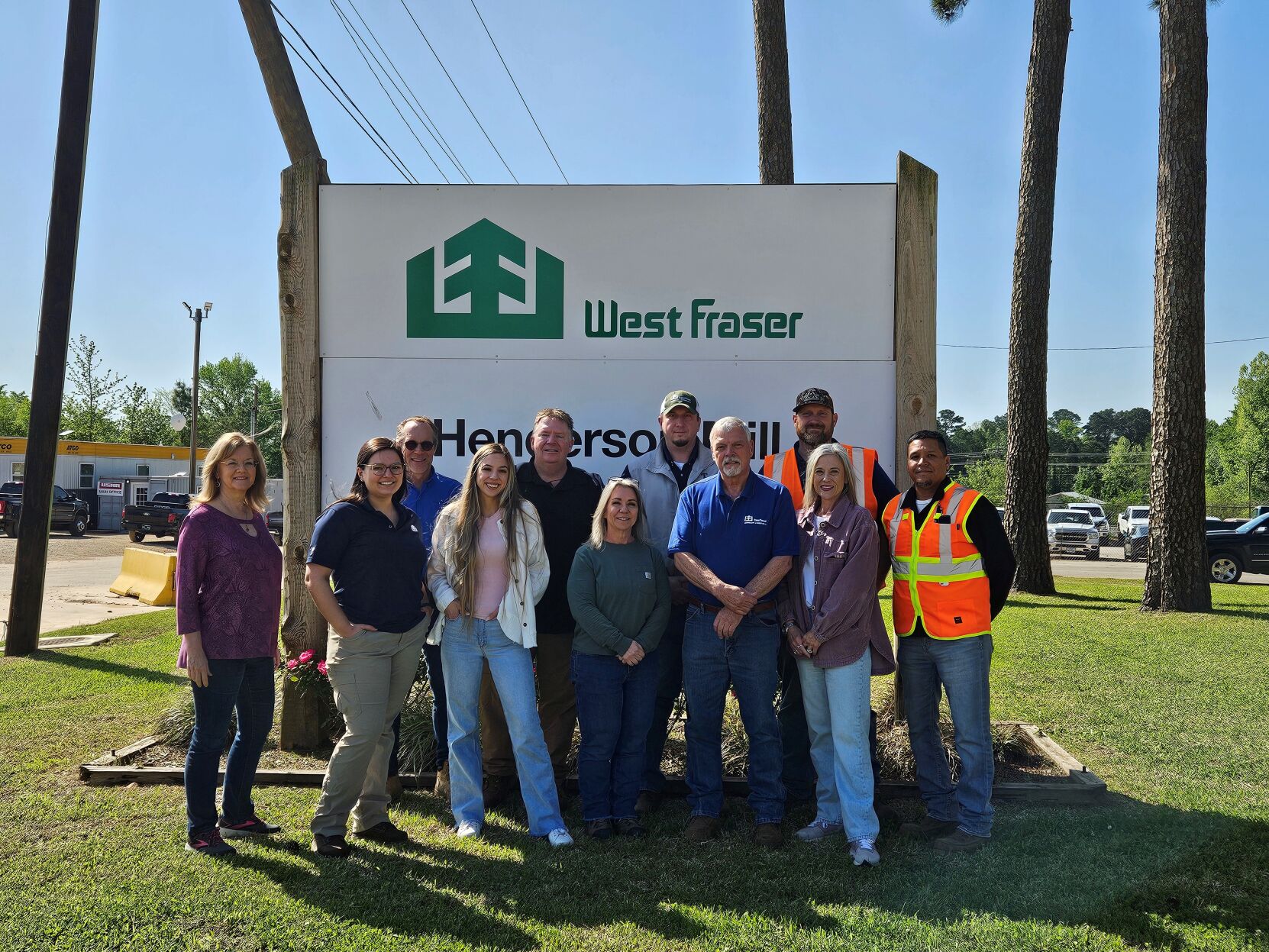


 An American timber business owner who supports Donald Trump is grappling with unsold inventory and shrinking cash flow due to the ongoing trade war, as Washington’s punitive tariffs weigh heavily on his operations and push him to seek alternatives to the Chinese market. Brandon Arbogast, the owner of Valley Log Sales in Timberville, Virginia, has spent decades in the lumber industry, exporting premium Virginia timber, primarily to China. …Sitting on 120,000 to 130,000 U.S. dollars’ worth of unsold wood, Arbogast is contemplating selling some of his land to maintain cash flow. …As a self-identified Trump supporter, Arbogast is willing to endure the hardship, hoping that a resolution to the trade dispute will eventually bring relief. For now, his premium walnut logs, which are typically transformed into furniture, flooring, and kitchen cabinets, remain idle.
 MINNESOTA — The Beltrami County Work Session held on May 6, 2025… featured discussions on a proposed $137 million investment to upgrade the West Fraser facility, which is crucial for both the mill’s future and the local economy.Jeremy Buck from West Fraser presented plans to modernize the mill, which has been operational since 1981 and still uses much of its original equipment. The proposed renovations aim to enhance energy efficiency and reduce environmental impact, with the potential to preserve approximately 32 direct jobs and support an estimated 500 indirect jobs in the community. The company has applied for assistance from the Minnesota Department of Employment and Economic Development (DEED) through the Job Creation Fund, which requires a resolution of support from the county. …The next steps will involve further discussions on the budget and the resolution to support West Fraser’s investment.
 A federal judge in Jackson, Mississippi, issued an order April 28 allowing a lawsuit by a newspaper publisher and lumber company against the Mississippi River Commission (MRC) to proceed. The lawsuit alleges a lack of transparency in meetings. The suit was originally filed in September 2024. Emmerich Newspapers Inc., which publishes dozens of publications across Mississippi, Louisiana and Arkansas, sued the MRC over what it claimed were secret meetings where proper records were not kept and the public was not notified or admitted. Emmerich was joined as plaintiff by a lumber company that manages hundreds of acres alongside the Mississippi River. The lumber company claims the Corps of Engineers’ decisions on flood control, informed by advice from the MRC, adversely affect its properties. The judge’s decision allows the lawsuit to proceed without ruling on the merits of the allegations.
 Q1 2025 exports of Southern Pine lumber (treated and untreated) were 12% behind the same quarter in 2024 at 122 MMBF, but up 2% over the fourth quarter of 2024. On a monthly basis, Southern Pine lumber exports were down 20% in March over March 2024 but up 4.6% over February 2025. When looking at the report by dollar value, Southern Pine exports are down 7% to $50 million in the first quarter of 2025 compared to the same period in 2024, but down 17% over the fourth quarter of 2024. Mexico led the way at $13.2 million, followed by the Dominican Republic at $10.4 million, and Canada at $4.3 million. The total global value in March hit a six-month high of $18 million. Treated lumber exports, meanwhile, were down 19% compared to the first quarter of 2024 at $28 million and down 6% over the fourth quarter of 2024.




 Pulp and paper company Green Bay Packaging will be breaking ground on a $1 billion expansion to its Morrilton packaging plant Tuesday, according to a news release from Gov. Sarah Huckabee Sanders’ office. The company announced an expansion of its Arkansas Kraft Mill in Morrilton in December. The news release from Sanders’ office lauded the investment as the “largest capital investment project in Central Arkansas’ history.” It comes about a month after the announcement of a $1 billion data center in Little Rock, which was referred to as the “largest economic development capital investment” in Little Rock’s history. Green Bay’s multi-year expansion is geared toward modernization. According to a release, it will “significantly enhance the infrastructure of the mill” and, among other investments, it will involve the installation of an electric turbine generator, which will “substantially reduce” the plant’s Scope One and Scope Two greenhouse gas emissions.
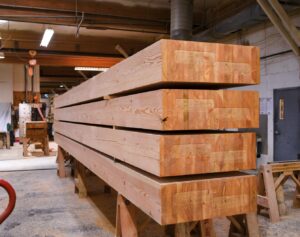 Mass timber continues to gain traction in the United States for its sustainability, strength and aesthetic appeal. …In just the last four years, Texas saw a 168% increase in the amount of mass timber projects either in design, construction or completed. As mass timber developments in Texas increase in popularity, owners and contractors face a critical decision: whether to source the material domestically or internationally. The decision isn’t as simple as price — although it is a big factor. There are other points to consider when selecting your mass timber provider. …With threats of tariffs and rising material costs, builders might feel inclined to source mass timber from domestic providers. According to Forisk, an industry research and consulting firm, there are 38 mass timber production facilities across the United States and Canada —24 of which can produce cross-laminated timber (CLT). Nearly 51% of those facilities are located in the Northwest region of the United States.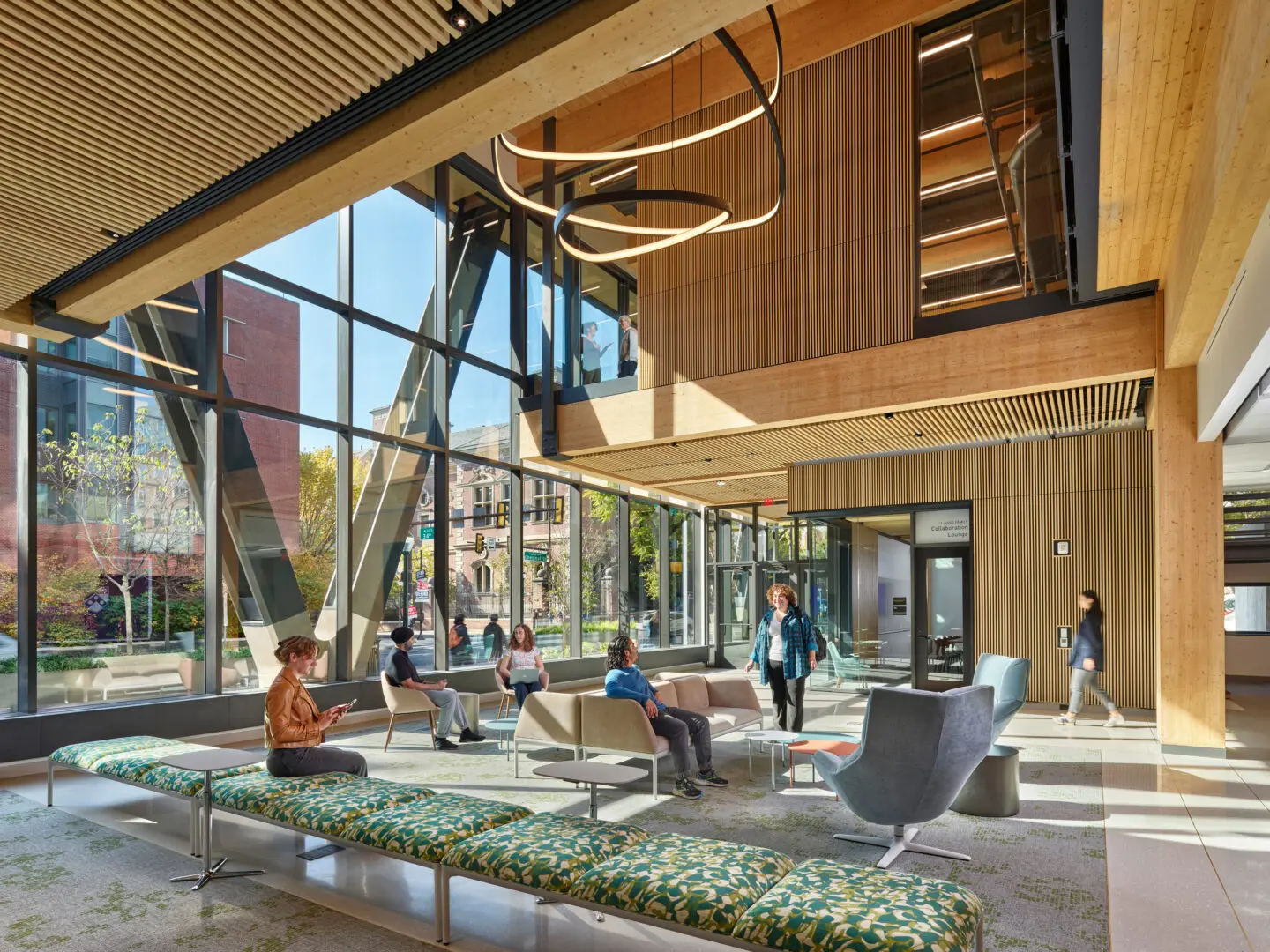

 New York City Mayor Eric Adams and New York City Economic Development Corporation’s Andrew Kimball announced that Artimus and Phoenix Realty Group have been selected to build over 500 new mixed-income housing units along the waterfront on the north shore of Staten Island, with a quarter of the new units set aside for affordable housing. The development will be the largest mass timber residential project in New York City… advancing commitments in Mayor Adams’ “Green Economy Action Plan,” a roadmap to grow the city’s green economy, invests in jobs and sectors that help the city combat climate change, and positions New Yorkers to benefit from the nearly 400,000 projected “green-collar” jobs in New York City by 2040. Mayor Adams… “We are not only building the affordable homes New Yorkers need but using sustainable materials to reduce our carbon footprint and help turn New York City’s waterways into the ‘Harbor of the Future.’”
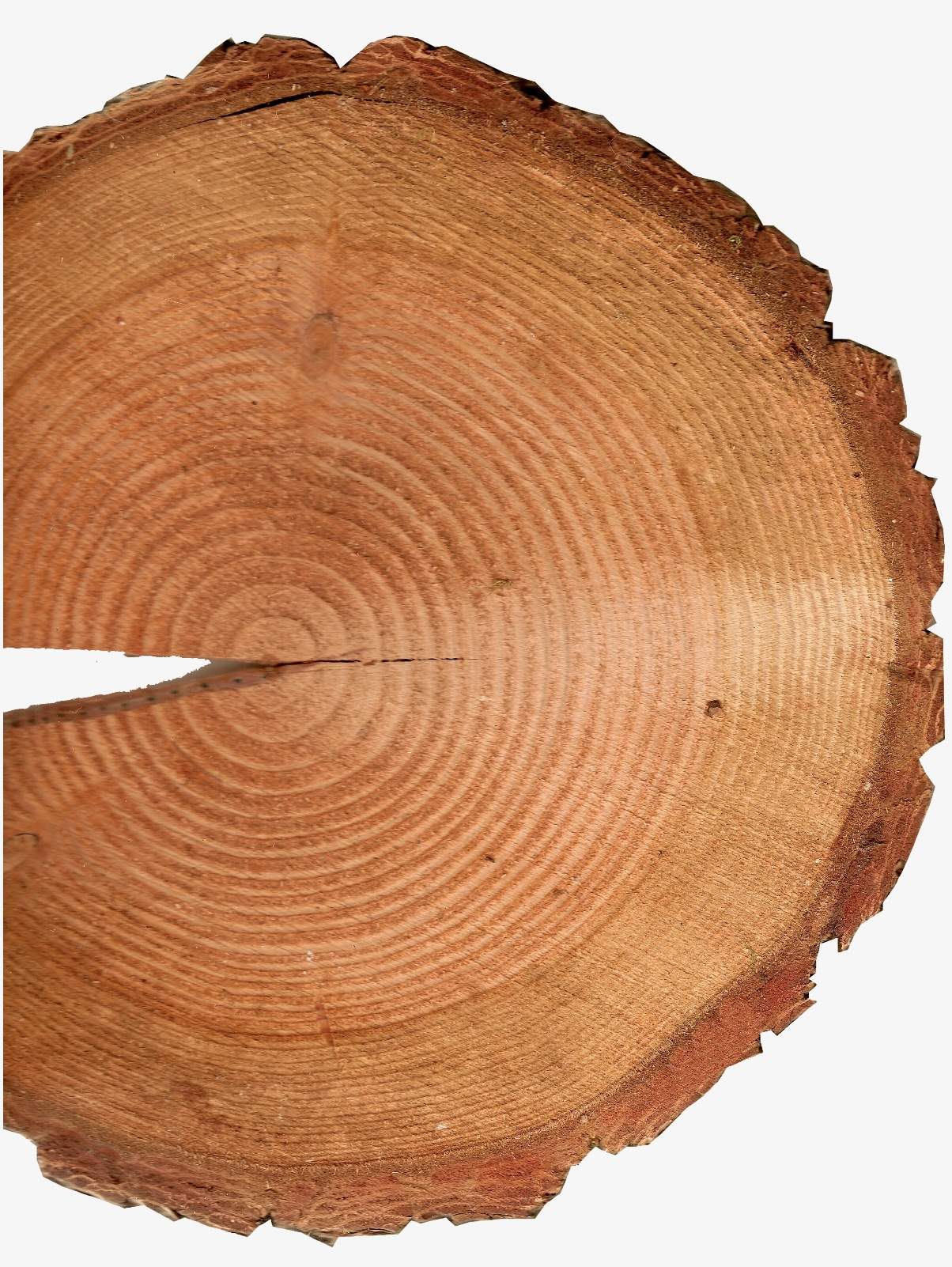 A metro Atlanta nonprofit is teaming up with college students to find the exact age of historic buildings using a unique area of study. While historical documents may say a building was constructed in a certain year, the wood used to create the structure could tell us a different story. Cobb Landmarks is using dendrochronology — the study of tree rings — to pinpoint when wood for metro Atlanta buildings was harvested for construction. Trevor Beemon, Cobb Landmarks’ executive director, said they are partnering with University of West Georgia students who, under the guidance of two professors, will take 12 to 15 samples from structures around metro Atlanta. …The partnership is “really the one chance” South Downtown has to learn about these buildings before they are redeveloped, Capps said.



 MARYLAND — After five years of work and many interim steps, Maryland became the sixth US state to pass extended producer responsibility legislation for paper and packaging, continuing the policy’s evolution in the country. Sent to the governor on April 7, SB 901 would direct a producer responsibility organization to set goals for post-consumer recycled content, recyclability, recycling and reuse rates, source reduction, composting rates and contamination reduction. However, it also builds on newer elements, such as a phased-in approach to reimbursement, seen last year in Minnesota’s law. …The American Forest and Paper Association has called the bill “misguided.” “EPR programs are helpful for materials that don’t have strong end markets or aren’t highly recycled,” the association wrote. “Paper is a highly recycled material with strong end markets.” …Any EPR program must fully and fairly credit our early and voluntary actions to increase recycling in Maryland and across the country.”



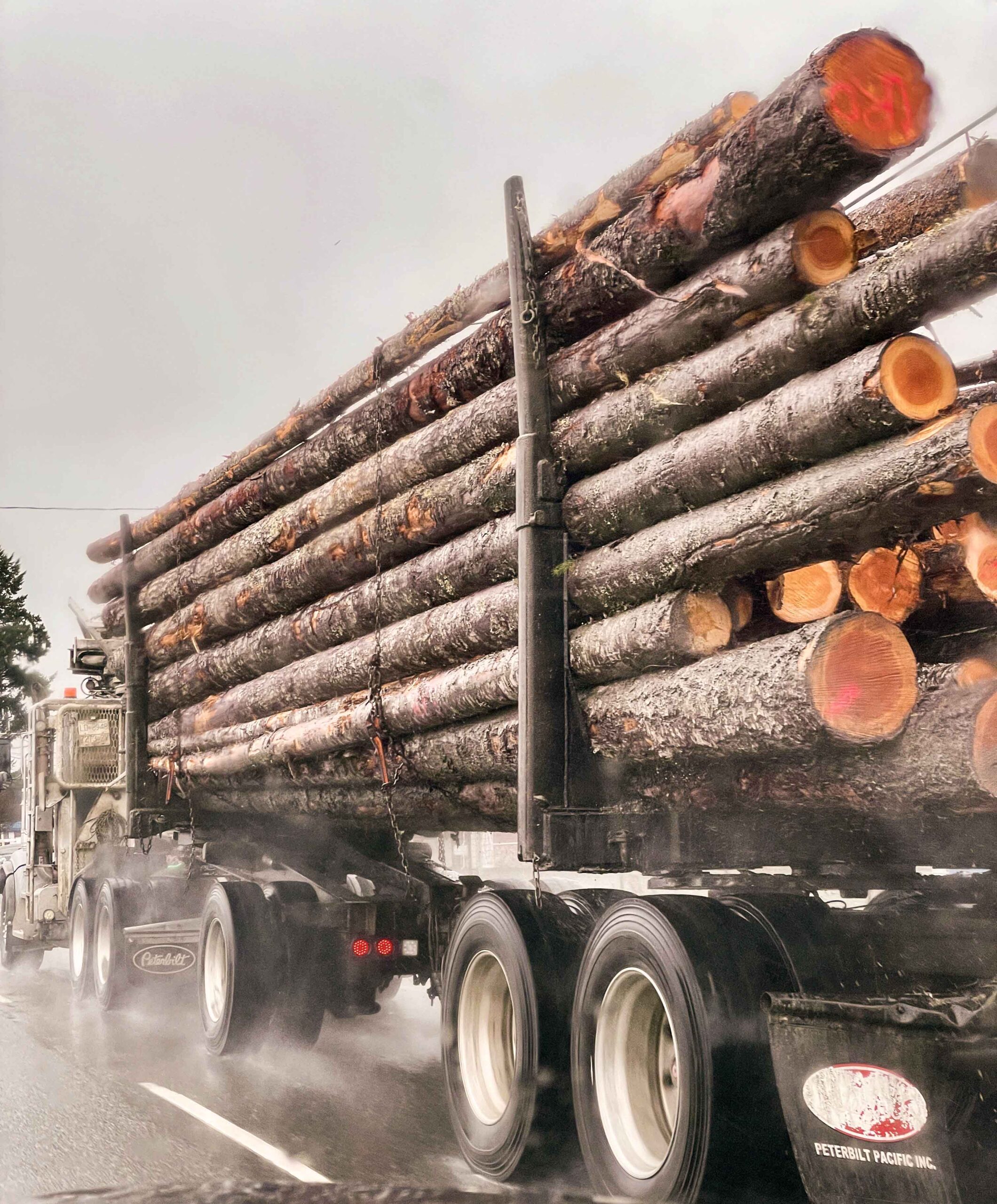
 Sawmills are working to recycle trees blown down by Hurricane Helene to assist wildland firefighters while boosting domestic timber production. Many of the trees downed by the storm are usable, according to Johnny Evans, owner of EvAns Lumber Co. in Manchester, Tennessee. About 6% of the lumber produced at his facility comes from trees that fell during natural disasters. The Tennessee Department of Agriculture’s Forestry Division estimated it could take at least three years for the thickest trees downed by Hurricane Helene to dry out enough to become potential wildfire fuel. However, those trees can still hinder firefighting efforts by getting in the way of bulldozers used to create firelines. “Those trees are there just blocking the dozers. So we have to send in crews to clear a path for the dozers,” Megan Carpenter, a spokesperson for the Tennessee Department of Agriculture’s Forestry Division, said.
 MAINE, USA — A law signed by Gov. Janet Mills last week requires landowners who are participating in the forest carbon credit market to report basic data — including a landowner’s name, contact information, date of enrollment and total enrolled acreage — to the state on an annual basis, information the state will use to create a database and track the impact of carbon credits on Maine’s forests. “We need to understand how Maine woodland owners are participating in the emerging forest carbon market, given both Maine’s forest-based economy and its climate change initiatives,” said Morten Moesswilde, the division director of Forest Policy and Management for the Department of Agriculture, Conservation and Forestry, in a work session on the legislation in February. …The law was supported by conservation organizations as well as the Maine Forest Products Council and several woodlot owners, who stressed the importance of understanding an emerging market.
 Thousands of acres of deep-woods habitats at Arcadia Dunes are now part of a nationwide network of current and future old-growth forests. The wooded areas at the C.S. Mott Nature Preserve in Benzie County this week became the latest place in Michigan to be inducted into the Old-Growth Forest Network, which now includes more than 270 permanently protected forests nationwide. The forest near the Lake Michigan shoreline boasts unique microclimates teeming with old beech and hemlock trees, spring wildflowers, and rare native plants. Grand Traverse Regional Land Conservancy hosted a two-mile hike Wednesday, May 21, along the preserve’s Dryhill Trail Chestnut Loop to celebrate the northern mesic forest being added to the nationwide old-growth roster. The nature preserve is the conservancy’s largest and includes a mix of secondary hardwoods, coastal dunes, and open fields around old farmland and pastures.
 Jim Thorpe – Pennsylvania — It was a sight like no other, last month, smoke clouded the air as a wildfire spread on Bear Mountain in Jim Thorpe. The fire burned 500 acres in what the Department of Environmental and Natural Resources called the Packerton fire. “We are really still evaluating; it’s probably still too early to tell. Certainly, some trees got killed in that process, and we are still evaluating how extensive the damage was, explained Seth Cassell, Director of the Bureau of Forestry with DCNR. On Arbor Day, DCNR launched an online donation drive for communities impacted by wildfires. … Officials with DCNR say there are several types of trees that make up the forests of Carbon County. “Where the fire was, there is often pine trees, oak trees, we see a lot of chestnut oak trees in those areas, and some of those trees are there because of repeat fires in those areas.”


 The first-ever
  Wildfires are burning through thousands of acres of forest in Northern Minnesota damaging buildings and forcing residents to evacuate their homes. The yet-to-be-contained Camp House fire, Jenkins Creek fire and Munger Shaw fire have a small accomplice to thank for their continued destruction: spruce budworms, a well-known pest that has terrorized Minnesota forests for at least half a century, killing trees and making them more susceptible to fire. The fires’ other helper? Humans. “Spruce budworm’s largest impact, in my opinion, is that it can help perpetuate dense stands of balsam fir on the landscape that are fire prone,” said Mike Reinikainen, a silviculture program consultant with the state’s Department of Natural Resources’ forestry division. Much of the area was infected by spruce budworms, whose infestations worsened the Greenwood fire near Isabella, Minn. in 2021.
 Washington, D.C. – Today, Representatives Ryan Zinke (R-MT-01) and Joe Neguse (D-CO-02) introduced the Collaborative Forest Landscape Restoration (CFLR) Program Reauthorization Act of 2025, which would extend and expand a successful program focused on reducing wildfire risk, restoring forest health, and supporting rural economies through proven, locally driven strategies. Senators Mike Crapo (R-ID) and Jeff Merkley (D-OR) introduced companion legislation in the Senate. Originally authorized in 2009, the CFLR program is a model of how communities, industry partners, landowners, and local governments can work together to improve forest conditions and prevent catastrophic wildfires. In its first decade, CFLR projects treated and restored 5.7 million acres of forest, improved 1,000 miles of trails, and maintained over 25,000 miles of forest roads helping keep public lands open and safe.
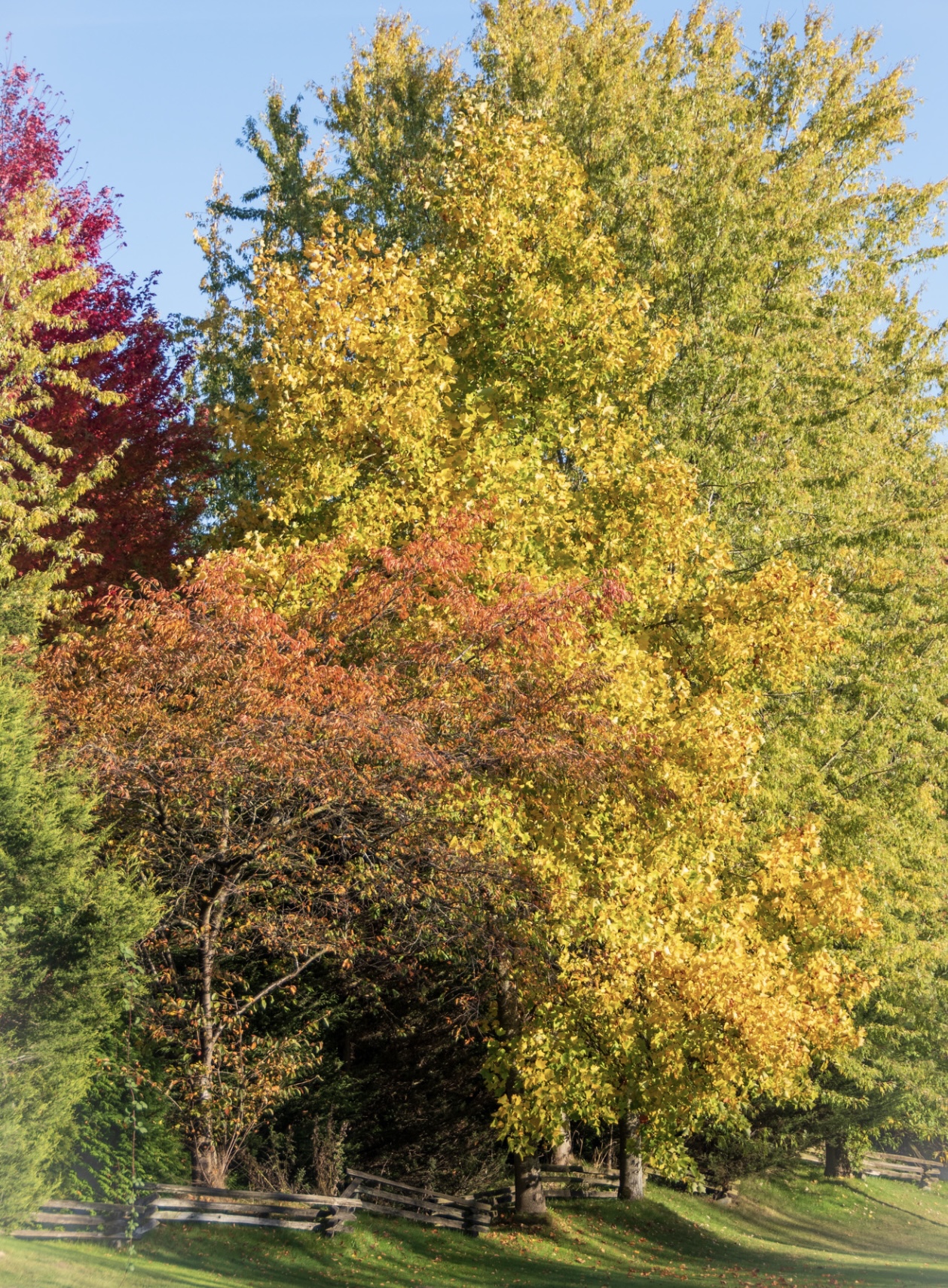 WASHINGTON – U.S. Sens. Mark R. Warner and Tim Kaine (both D-VA) introduced two bills to protect wilderness in Rockingham, Augusta, Highland, and Bath counties. “We are lucky to have such beautiful natural resources in Virginia, and we need to do more to ensure that these lands are protected for future generations,” said the senators. “We’re proud to introduce this legislation to preserve wilderness in Rockingham, Augusta, Highland, and Bath counties, protect wildlife, and support local economies that depend on tourism and outdoor recreation.” These additions were recommended by the U.S. Forest Service in 2014 and endorsed by members of the George Washington National Forest Stakeholder Collaborative, a group of forest users who work together on acceptable locations in the George Washington National Forest for wilderness, timber harvest, trails, and other uses. In 2023, the tourism economy directly employed 7,562 people and generated $842.5 million in expenditures in [these areas].
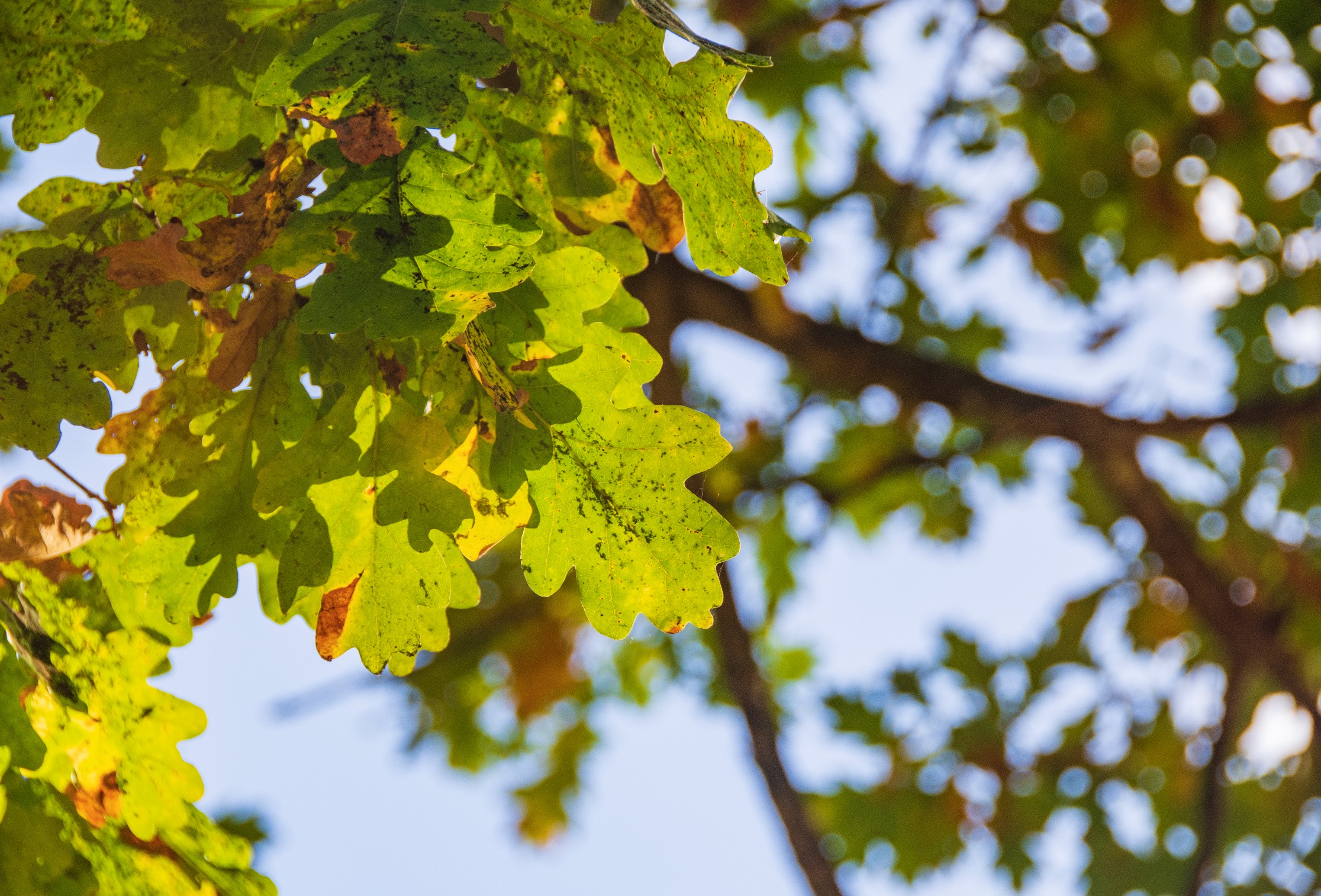 NEW HAMPSHIRE yield tax on timber, often called the “timber tax,” was established in 1949 and has been locally collected to offset property taxes ever since. …The yield tax on timber has been an essential tool for promoting conservation, helping the timber industry, and stabilizing municipal revenues in heavily timbered towns. …The legislation would, “…encourage conservation of the forest resources of [New Hampshire] by releasing growing wood and timber from the yearly burden of local property taxes and substituting a yield tax….” The timber tax has been very effective achieving these goals… The current policy strikes an excellent balance between industry and conservation. There is a new government-promoted industry threatening New Hampshire’s timber industry, loggers, timber processors, and heavily timbered towns that depend on timber tax revenues. Carbon credits.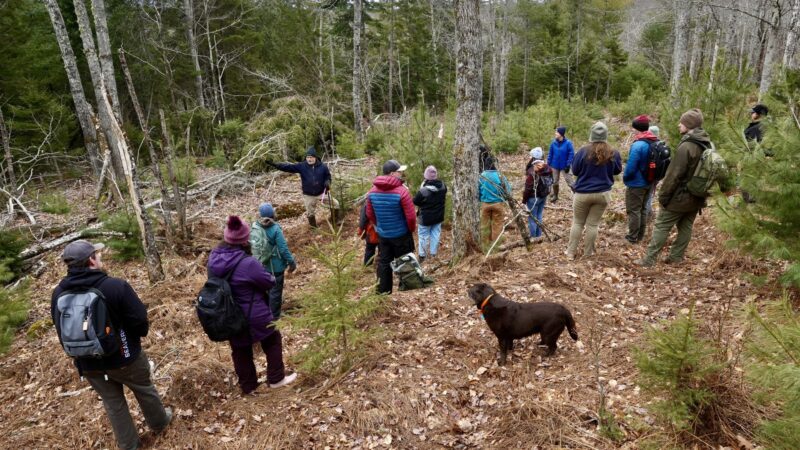


 TEXAS — A plan to open a bioenergy plant in Newton County has reached a new milestone with a landmark deal to supply wood for the site in Bon Wier. Mike Lout with KJAS, reports Nick Andrews, President and CEO of the Scottsdale, Arizona-based USA Bioenergy, announced on Tuesday that his company has
 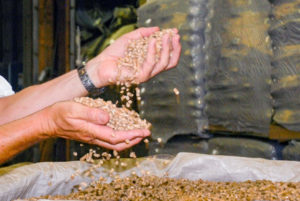 GEORGETOWN, South Carolina — Over 650 Georgetown residents have signed a petition opposing a proposed biomass plant at the site of the International Paper mill that closed last year. The group Citizens for Georgetown says it is working to revitalize the town’s waterfront through “thoughtful redevelopment.” 653 people are opposing the plant that would generate energy for Santee Cooper from tree waste. …Citizens for Georgetown Chairman Tom Swatzel. “Now, we face a critical choice: leave decades of pollution in the land and water, continue with heavy industry OR clean up the site and reimagine these properties into a vibrant, sustainable future that benefits all residents.” …State Sen. Stephen Goldfinch expressed cautious optimism over the proposed plant, saying that it could involve an investment of nearly $4 billion and create new jobs.
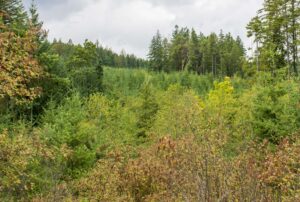 A law signed by Gov. Janet Mills last week
  Of the two dozen people who showed up for a meeting to talk about a proposed biomass energy plant in Georgetown, five were from conservation groups. Another five were reporters.
 GRAND RAPIDS, Mich. —
 New Jersey — A wildfire that began Friday in the Wharton State Forest in Burlington County is now 80% contained, fire officials said Sunday. The New Jersey Forest Fire Service posted on its Facebook page a total of 5,750 acres were scorched since the blaze began Friday morning. It was first spotted near the Carranza Memorial in the state forest. By 11 p.m. Friday, flames had grown to 3,250 acres, state fire officials had said. The blaze, dubbed the Mines Spung Wildfire, is located within Wharton State Forest in Shamong Township. A wildfire is defined by state fire officials as an uncontrolled fire burning different types of vegetation covering the land, with a “major wildfire” being anything that exceeds 100 acres in size. Crews on Sunday were continuing to mop up hot spots and patrol the fire perimeter, state fire officials said.