 An invasive tree species that is illegal to plant in Ohio has begun to bloom, and will soon fill the air with a distinctive odor that many liken to rotting fish. Callery pear trees – which come in multiple varieties including “Bradford” pear, “Autumn Blaze” and “Cleveland Select” – typically begin to bloom in the state in late March to early April, according the Ohio Department of Natural Resources. The species was brought to North America from Asia in the 1900s with the goal of combatting fire blight, a bacterial disease among common pear trees. The tree quickly become popular in landscaping due to its adaptability, white flowers and shape. It has also since become well-known for another one of its qualities – its odor. The tree’s blooms typically have a strong aroma, which has been likened to a variety of unpleasant scents, including rotting fish, puke and animal waste.


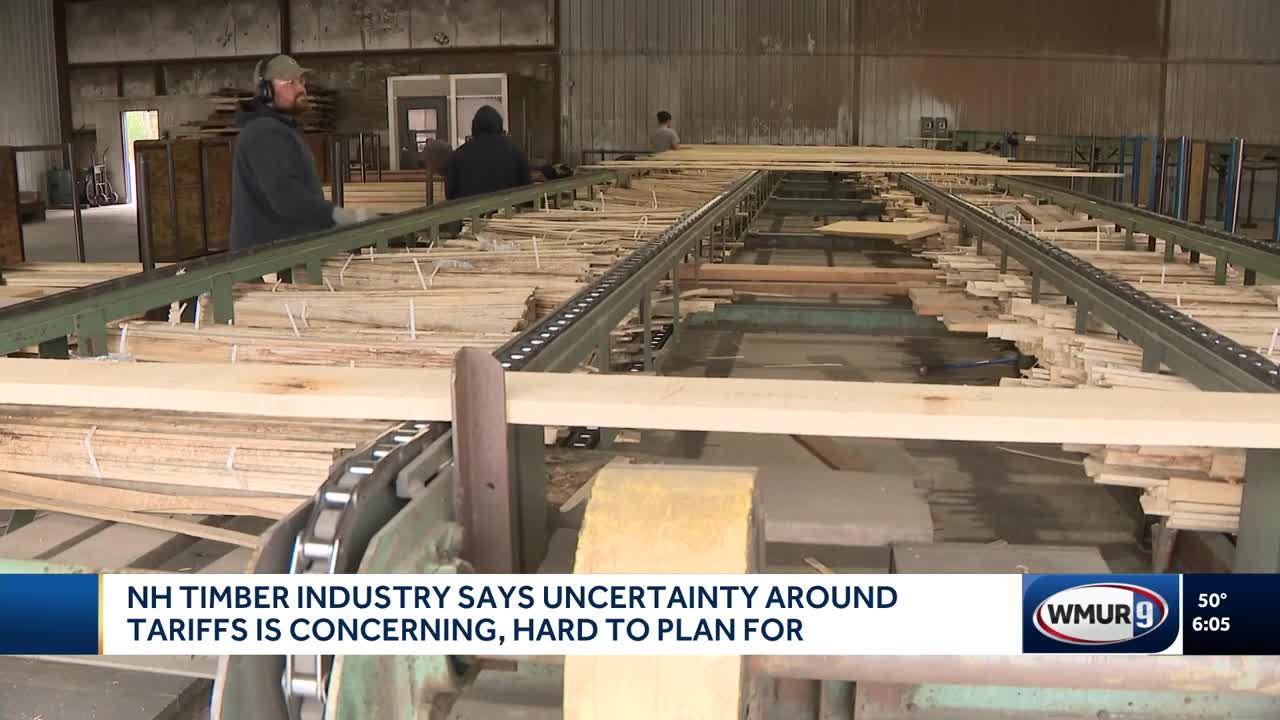
 Tariffs could impact efforts to rebuild a former paper mill in Jay that was destroyed in an explosion almost five years ago. Godfrey Wood Products is looking to build a new factory on the property that would manufacture oriented strand board, a type of structural wood paneling. The company says that they have all of the permits they need, but they haven’t been able to move forward with construction because of uncertainty with tariffs. A lot of the equipment they need would come from Europe. “The stated goal of all of this tariff business is to, incentivize domestic manufacturing. Well, hell, I’m trying my level best to become a domestic manufacturer of OSB in Jay, Maine, and it seems like the public policy of the country is trying to thwart that,” said John Godfrey, owner of Godfrey Wood Products.


 February 2025 Southern Pine lumber exports (treated and untreated) were up 4.7% to 40.8 Mbf over January but were down 15% over February 2024, according to February 2025 data from the USDA’s Foreign Agriculture Services’ Global Agricultural Trade System. When looking at the report by dollar value, Southern Pine exports are down 4% compared to the first two months of 2024 at $32 million. Mexico led the way at $8.4 million, followed by the Dominican Republic at $6.7 million, and Canada at $3.3 million. The total global value in February, however, hit a five-month high of $16.5 million. Treated lumber exports, meanwhile, were down 8% to $18.3 million through the first two months of 2025 compared to a year ago led by Jamaica at $3 million, the Leeward-Windward Islands at $2.6 million, and the Netherlands Antilles with $2 million.
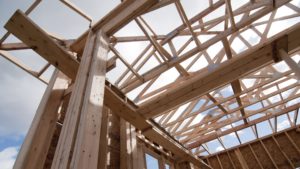 NEW YORK — Associated General Contractors of New York State CEO Mike Elmendorf says that under the tariffs proposed by President Trump, the cost for any kind of construction could further skyrocket. “When tariffs go on a material that is sourced from outside the United States, a funny thing happens,” Elmendorf said. “In many cases, domestic producers or suppliers of that material raise their price too because they can. Not as much as the tariff, but it sort of, it pushes everything up.” …Canadian lumber is one of the most critical imports needed for U.S. construction. “Especially the builders up in Western New York are concerned it’s going to affect them quicker and harder than the rest of the state,” said New York State Builders Association Executive Director Mike Fazio. Elmendorf said what might be an even bigger issue than the tariffs themselves is the uncertainty surrounding them.”
  Marie Fallon, the general manager of AR Chambers Supply in Lawrenceville, is nervous about the future of her business. The threat of tariffs has prices fluctuating and she’s worried her supply sources are at risk. …As President Donald Trump’s international trade war rages on, Pennsylvania homebuilding and construction businesses are weathering the dizzying pace of cost increases and then abrupt pauses in tariffs as they try to ensure that long-term projects are completed. Pennsylvania is highly dependent on foreign countries for construction materials, with 63% of the state’s wood imports, 66% of its iron and steel, and 68% of its aluminum coming from Canada and Brazil. …Despite the whiplash changes, some in the industry see the new tariffs as good for the long-term outlook. Hodgkiss Lumber owner Jon Hodgkiss sees Trump’s tariffs as simply a temporary negotiating tactic that will give the US better trade deals.

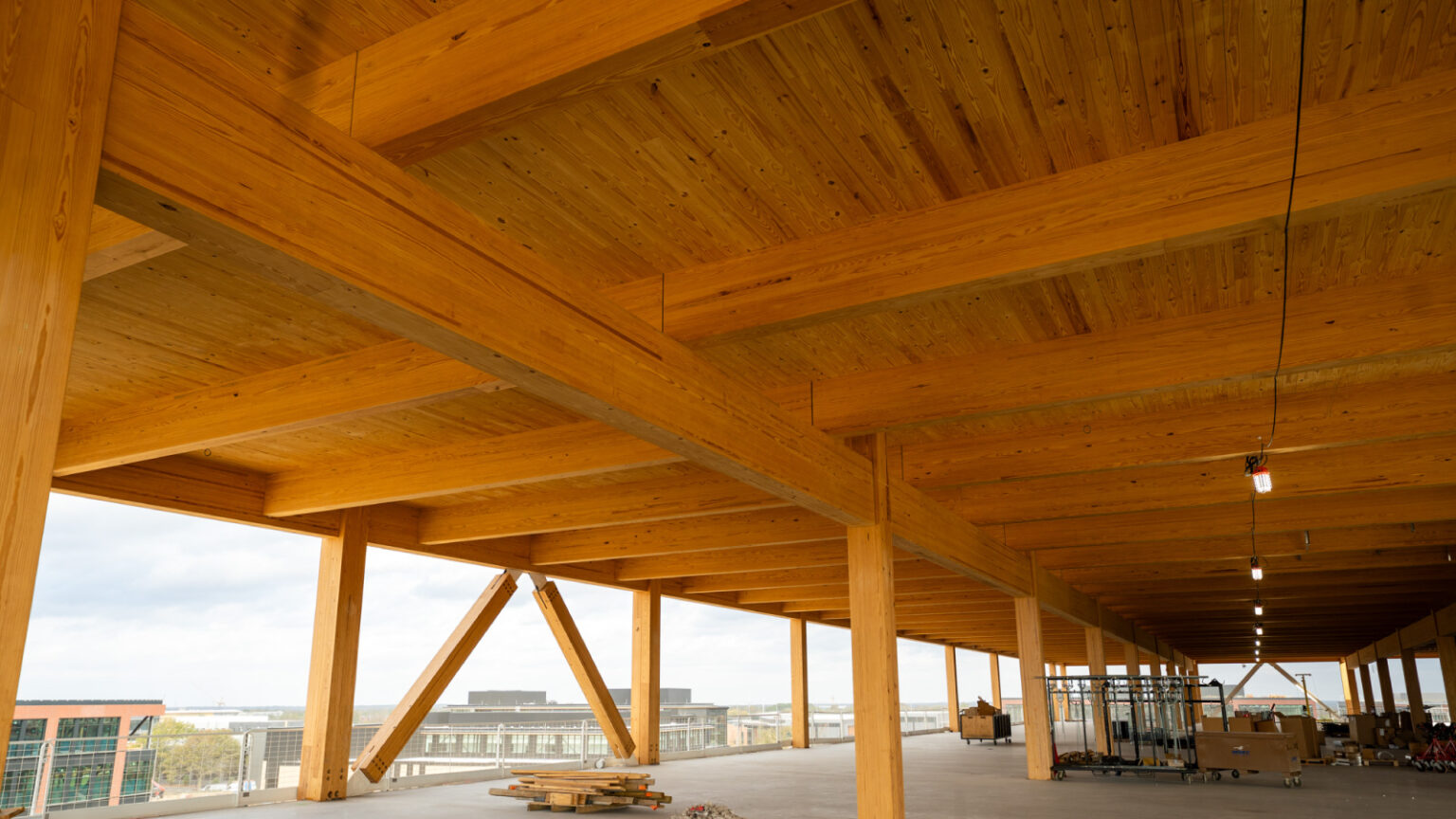



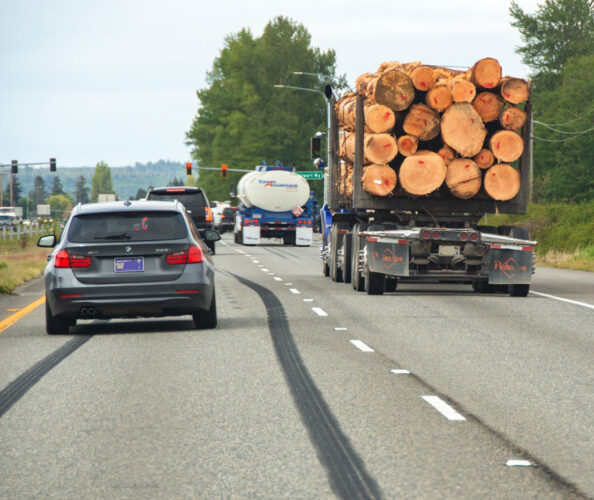 Increased timber production may be coming to the Volunteer State, impacting the Appalachian forests in East Tennessee. A new emergency order from the U.S. Department of Agriculture allocated 59% of national forests across the country for timber production. …However, the economics benefits of logging come at a steep price, according to The Wilderness Society. “Don’t be fooled: the Trump Administration and its allies in Congress aren’t trying to solve the wildfire crisis or protect communities threatened by it. Instead, they are aiming to deepen the pockets of private industry to log across our shared, public forests, while sidestepping public review,” said Josh Hicks, Conservation Campaigns Director at The Wilderness Society. …A majority of the impacted U.S. Forest Service areas are in the western half of the United States. However, the USDA declaration also impacts Appalachia and East Tennessee. The affected areas total more than 112 million acres of U.S Forest Service land.
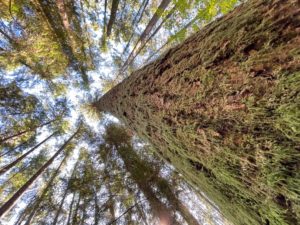 From the summit of Katahdin, the view is of forests stretching in all directions. …Forty-five years ago this scene would have been quite different. A voracious insect called the spruce budworm was ravaging Maine’s North Woods, killing mountainsides of balsam fir and red spruce. …Today, foresters and landowners are nervously tracking a renewed spruce budworm presence in the North Woods. The insects have already stripped hundreds of thousands of forest acres in Quebec and Ontario. After decades of heavy logging, scattered tracts are being managed with ecological timbering methods that strive to maintain natural systems — but most are not. Questions abound over how the state’s forests, both the northern timberlands and smaller, privately owned tracts throughout the state, will fare in a world beset by climate change. …And there’s the coming spruce budworm invasion.
  FORT STEWART, Ga. — This week, NASA scientists have been on the ground with the Fort Stewart forestry team, studying different aspects of prescribed wildfires. It’s an unlikely duo, learning a lot from each other, in this partnership between the federal space agency and Army’s forestry team on post. The team ignites 115,000 acres annually, during the Dec. 1 to June 30 season. …they do it to lower wildfire risk, to keep military training missions moving, and to rejuvenate the environment. …“The prescribed fire program here at Fort Stewart is very successful,” said scientist Jacquelyn Shuman, with NASA Firesense. Shuman and her researchers needed a place to safely study different parts of wildfires, what better place than Fort Stewart, Shuman says. “NASA has been collecting information about fire for decades,” Shuman said. NASA scientists are studying the fires’ emissions, how it releases its heat, and how wind changes the behavior of the blaze.
 Environmentalists are voicing outrage over the Trump administration’s move to invoke emergency powers to ramp up timber production from national forests in northern New England and across the country. The bulk of the White Mountain National Forest in New Hampshire and much of the Green Mountain National Forest in Vermont were included in US Agriculture Secretary Brooke Rollins’s announcement earlier this month that an “emergency situation” exists across 112.6 million acres of federally managed land. Heightened risks for wildfires and infestation by insects and disease have contributed to “a full-blown wildfire and forest health crisis” across more than half of all National Forestry System land, Rollins wrote. …Zack Porter, executive director of Standing Trees, an advocacy group that has opposed increased logging on public lands, said the secretary’s memo is an “outrageous” effort to bypass public input on how national forests should be used.
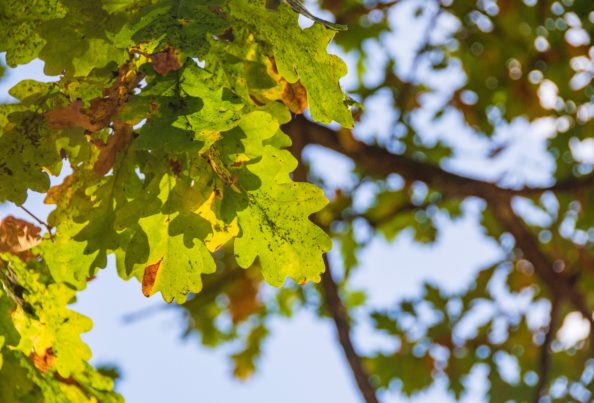 Virginia — …Slowly but steadily, the oak is disappearing from our forests and from our landscape. To use just one typical measure: In Shenandoah National Park, the oak canopy has shriveled by 20 percent over the past 20 years, according to a study funded by the Shenandoah National Park Trust. The oak’s decline is accelerating in a vicious arboreal cycle. There are many reasons for this, but one rises above all others. Oaks are fire-dependent, meaning they require frequent fires to regenerate. But fire-suppression efforts over the past century have broken this timeless pattern. Fire-intolerant trees with far less ecological value — maple, beech, basswood, black gum, tulip trees — have risen to replace the oak, hickory and pine forests, which need regular fire to open the forest canopy, bring in light and eliminate competitors. The best way to save the oak, and the countless critters that rely on it, is to return fire to our landscape. [A Washington Post subscription is required for full access]
 In the months after Hurricane Helene leveled thousands of acres in Pisgah National Forest, John Beaudet and other volunteers cleared downed trees from the Appalachian National Scenic Trail. Chopping them up and moving them aside was back-breaking work, but essential to ensuring safe passage for hikers. So he was dismayed to learn that a section of the trail in western North Carolina could remain closed for more than a year because the National Forest Service wants that timber left alone so logging companies can clear it… The fast-track approach to environmental review following Helene has many people concerned that the public isn’t being given any chance to inform the process. According to forest advocates who have been in communication with the Forest Service, the government reportedly plans to announce 15 salvage projects in western North Carolina. Volunteers, scientists, and hikers are asking for transparency in a process they say could prioritize profit over ecosystems.
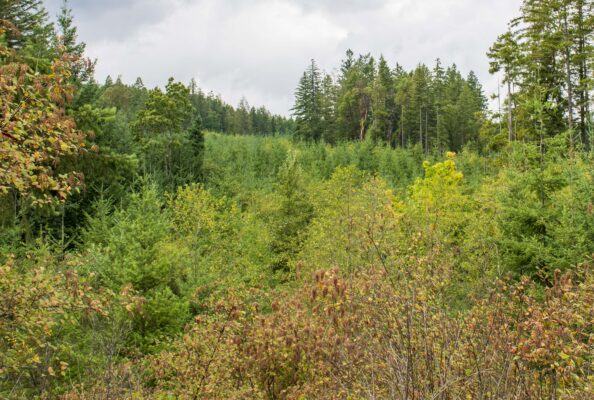 The Wisconsin Department of Natural Resources (DNR) is proud to join communities, organizations and individuals throughout the state in celebrating trees and forests during Forest Appreciation Week, which runs from April 21 to Arbor Day (April 25) and includes Earth Day (April 22). Forest Appreciation Week is a time to reflect on the importance of urban and rural forests. “Everyone has a role in ensuring that forests continue to serve a vital role in the ecological, cultural and economic health of our state, our local communities and our individual lives,” said Carmen Hardin, DNR Applied Forestry bureau director. 17 million acres of forests cover nearly half of Wisconsin and millions of urban trees provide many benefits; to maintain these many benefits, we need to be good stewards of the forest resources.
 Governor Stitt said he’s standing by his firings of staff from the Forestry Service after the March deadly fires. Several fire crews have now called for an independent investigation into what happened and what the state could do better. “It’s tough to believe anything – he’s been fact-checked several times by fire departments and the media and his facts have been incorrect. So right now you just can’t believe anything that comes out of the governor’s office,” said Fire Chief Jason Dobson of the Olive Volunteer Fire Dept. His department was one of the first to share the Change.org petition which called for Governor Stitt’s impeachment… “If the governor can’t fire the head of the forestry, who can?,” said Gov. Stitt.
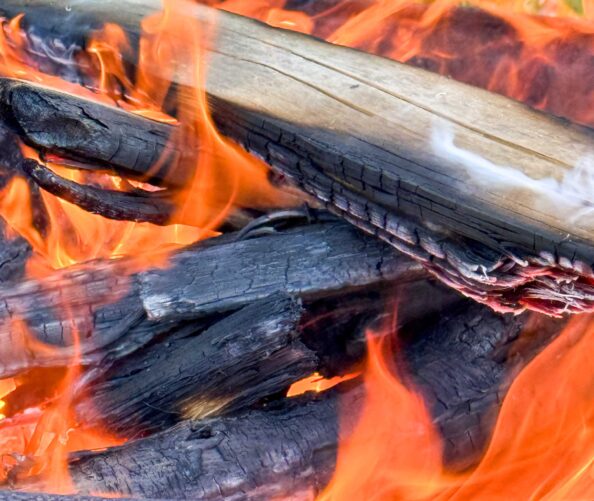 COLUMBIA, S.C. – A group of South Carolina lawmakers will continue considering a bill that would increase penalties for illegal burning in the state. The South Carolina Criminal Law Subcommittee discussed H.4265 during a meeting on Wednesday. The bill, filed by Rep. Tim McGinnis of Horry County, came after a wildfire allegedly started by a Carolina Forest woman burned more than 2,000 acres last month. McGinnis’s bill would increase fines and even jail time for burning during a ban issued by the South Carolina Forestry Commission. He spoke during Wednesday’s meeting, saying that an amendment to the bill was also made after meeting with the SCFC on Tuesday. …The bill would also repeal a section of South Carolina law that allowed exemptions for fire regulation, such as fire pits and chimineas.
 DULUTH — The U.S. Forest Service will not log in designated wilderness areas like the Boundary Waters, federal officials clarified Tuesday evening, days after issuing an emergency order intended to boost logging on national forest land throughout the country. … Wide swaths of several wilderness areas, like the Boundary Waters, were included in that total, and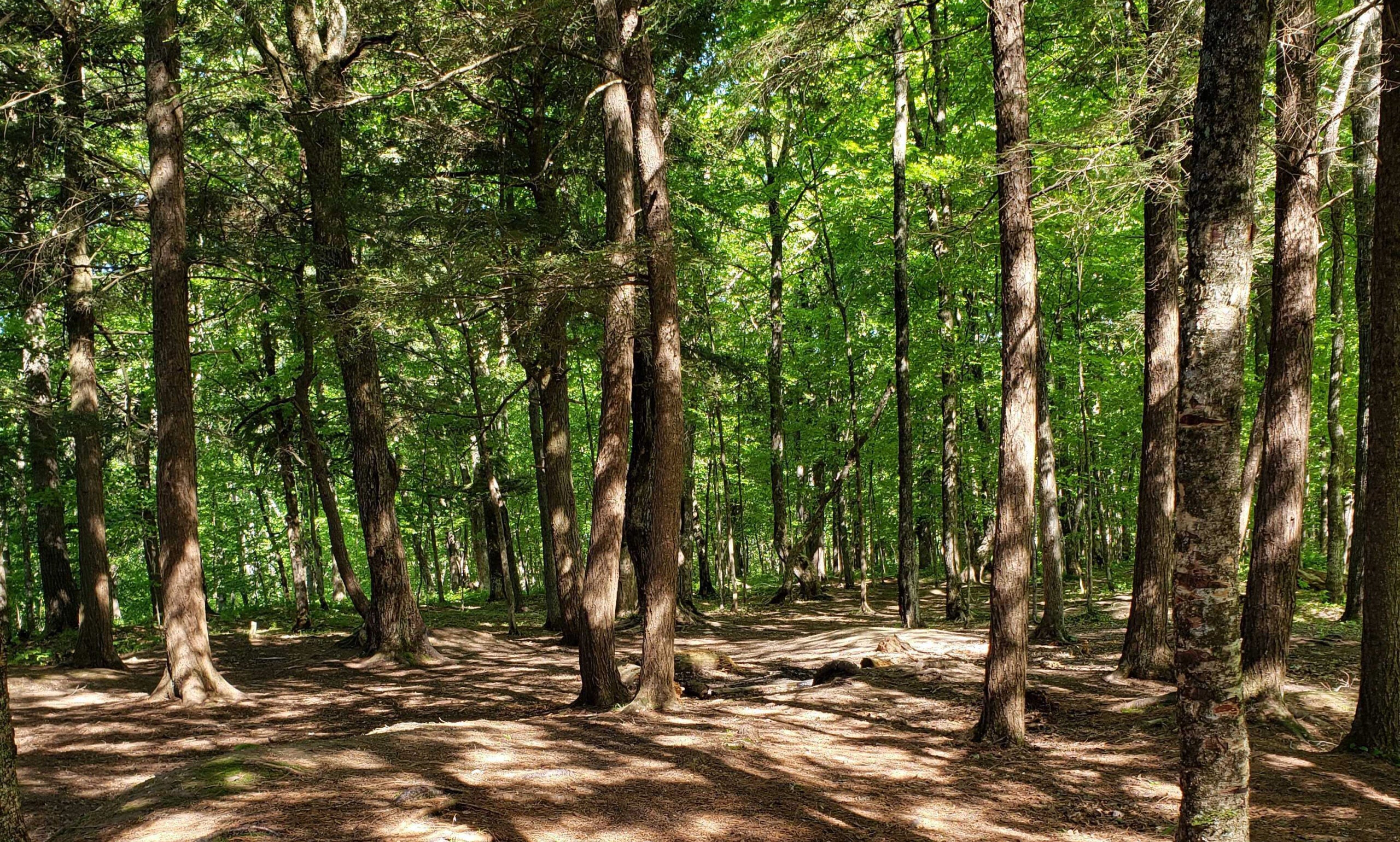
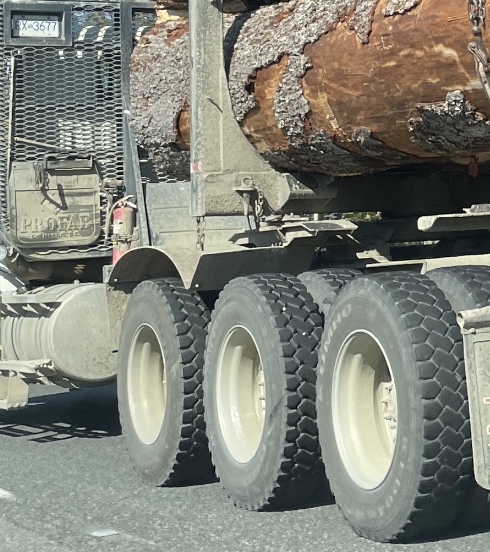 Leaders from the Texas forest industry urged Angelina County commissioners Tuesday to table a proposed road use agreement they say unfairly targets timber haulers and could lead to legal challenges. Dave Durren, speaking on behalf of the Texas Logging Council and the Texas Forestry Association, said the proposed policy would require permits and potential financial responsibility for road maintenance, placing an undue burden on loggers. “Other agricultural sectors… are not subject to this level of scrutiny or regulation, despite using the same rural road systems. This selective enforcement places an undue burden on the forestry sector and creates an uneven playing field,” the speaker said. The speaker also cited the passage of Texas Proposition 1, a constitutional amendment approved by Texas voters in 2023 protecting the right to farm, ranch and produce timber. He argued that regulating the transportation of timber directly interferes with the constitutionally protected activity.
 OKLAHOMA CITY — There is more fallout from what has largely divided Governor Kevin Stitt and the entire firefighting community. Governor Stitt confirms two more top-level employees within Oklahoma Forestry Services. The two unnamed employees follow the firing of lauded Forestry Director Mark Goeller. …Since Goeller’s firing, Stitt has continued making shocking changes — and suggestions — within and about forestry. He has suggested eliminating OFS altogether and called for an investigation, claiming 50% of resources went untapped during the March wildfires. …“Forestry is an integral part of what we do,” said Rep. Stan May, who worked for the Tulsa Fire Department for 30 years. …May said it would also likely disrupt inter-state agreements that aid in a multitude of disasters. He said if we don’t help others, it will hinder our efforts to get help. “We have to make sure those agreements are in place,” he said.


 Last week, Gov. Kevin Stitt criticized the Oklahoma State Forester’s response to the fires that blazed across Oklahoma in March. This week, the governor is floating the concept of axing the entire Forestry Services division. Stitt has said he believes the Oklahoma Forestry Service held back resources during the fires. When asked to specify which resources during a press conference, Stitt said he didn’t know. “The fact that we can’t get answers about where their assets were around the state is further proof that this is a deep-seated bureaucracy that are trying to protect their actions,” Stitt said. “We still haven’t been able to figure out where they were during that thing.” Just weeks after the fires, the state’s Chief Forester Mark Goeller resigned following criticism from the governor.





 KINGSPORT, Tennessee – The Domtar Packaging Mill in Kingsport has operated for decades, and residents have noticed one significant aspect of the mill that some believe has caused community strife: the smell. The Tennessee Department of Environment and Conservation (TDEC) is currently investigating three complaints about the odor from Domtar between March 31 and April 1. The TDEC said: “Although TDEC does not regulate odors, we do want to ensure that the facility is complying with its permit conditions.” …At the last Kingsport Economic Development Board meeting on April 1, Domtar updated the board on the wastewater treatment system plan. …The short-term plan involves reducing mill material losses and flow and optimizing the current wastewater treatment system. Domtar says this will last around a year. The long-term plan involves building a new anaerobic digester system. Domtar estimates that this project could take up to 18 months.
 In Ocean County, the Jones Road Wildfire continues burning into its sixth day. Roads are now back open including Wells Mills Road. The command post sits at Wells Mills County Park. As of Sunday, over 15,000 acres have burned, and it is now 65% contained. Four structures were threatened as of Sunday. Evacuations have been 100% lifted for residents previously evacuated in Lacey and Ocean townships. Crews Sunday were working on hotspots and patrolling the fire perimeter.
 A New Jersey teenager is being charged with arson following a
 There are many contradictory myths about Northwoods lumberjacks and the work they did in the late 19th and early 20th centuries. They were depicted as hard-living, violent men, but also as upstanding, conservation-minded gentlemen. Recently, Willa Hammitt Brown, the author of the book “