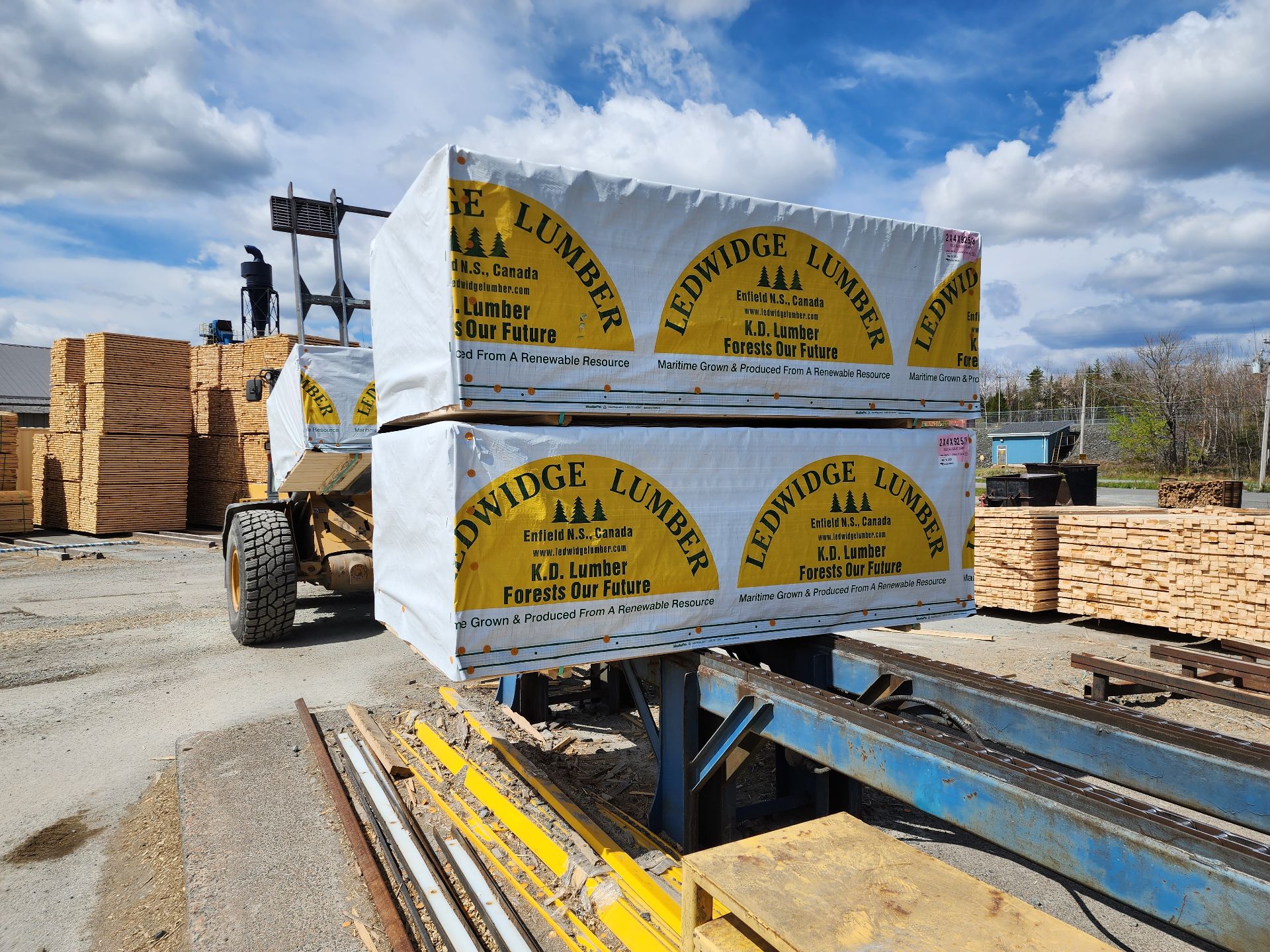
 PORTLAND — Lumber and dairy tariffs on Canada could impact Maine much more than other states because of our close trade ties to our northern neighbors. Maine imports about $200 million worth of lumber from Canada each year. Canada will likely push any new tariff costs onto U.S. customers. …But right now, the threat of lumber tariffs is prompting unpredictability and fear in the construction industry. “Our retailers are having difficulty keeping quotes with the builders,” Northeastern Retail Lumber Association President Rita Ferris said. “Builders are getting stressed out because they can’t promise a solid price to their customers. So there’s a big fear out there that things are going to slow down in a hurry.” …The Northeastern Retail Lumber Association says a lumber tariff will cut both ways. Ferris says a lumber trade war will hurt Canada and Maine. “Mills will close down, because who’s going to buy it at that price?” Ferris said.

 AUGUSTA, Maine — Tariffs on Canadian imports and Ottawa’s retaliation on American goods could sever—or at least strain—the close ties between the forest product industries of Maine and eastern Canada. The state exported $775 million in forest products to Canada in 2023. …Much of the wood Maine sends across the border is in the form of raw logs, according to Dana Doran of Professional Logging Contractors of the Northeast. The timber goes to Canada for processing… and the finished wood products are then frequently re-imported and sold in Maine. …Doran has doubts that these tariff efforts will achieve their intended effect of boosting domestic production. “Most of those Canadian manufacturers have already invested in the United States,” Doran said. …However, others acknowledge that—even if foreign companies benefit—shifting the processing of wood back into the U.S. aligns with the White House’s protectionist aims.
 NEKOOSA, Wisconsin — Partnering with Omya, a producer of essential minerals, the mill built an on-site plant to ensure a reliable source of precipitated calcium carbonate, a key papermaking ingredient. The new PCC plant came online in September 2024, solving several supply challenges. …In 2020, the PCC plant that supplied multiple Wisconsin paper mills, including Domtar’s Rothschild and Nekoosa facilities, closed. …Domtar and Omya researched constructing a four-story PCC plant at the Nekoosa mill. …In July 2022, the companies agreed to build a 27,500 dry-ton-per-year Omya-designed, owned and -operated PCC plant within the Nekoosa mill’s existing footprint. …“By executing this high-ROI, three-year project with a strategic partner, Nekoosa now has an unlimited supply of PCC on-site that allows for flexibility in our papermaking schedules and effective grade development,” says Jason McCauley, Nekoosa mill general manager.
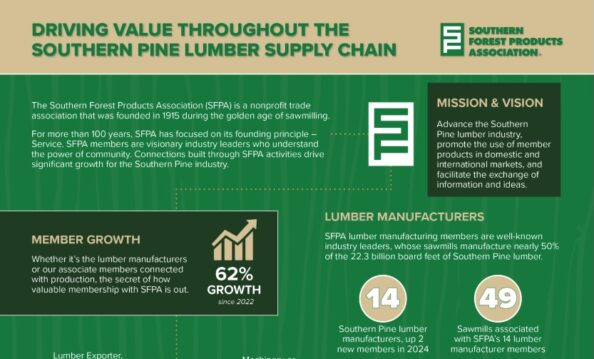 The Southern Forest Products Association believes strong partnerships are essential for sustaining growth and success. That starts with our most valuable partnership — our members. Their commitment is the driving force behind our success. The 2024 SFPA Value Report recaps the association’s: International market development and success in driving demand for Southern Pine lumber exports; A new, consolidated website; Digital promotion efforts; Membership growth; and Industry collaboration.
 TUPPER LAKE, N.Y. — Immigrations and Customs Enforcement conducted a raid Feb. 18 at Tupper Lake Pine Mill in New York state and detained nine employees. In a statement …the parent company of the mill, The Matra Group, said that the employees were authorized to work in the U.S. …“Nine employees were detained, all of whom were, to our knowledge, authorized to work in the United States, as we verify all employees through the I-9 process,” Nicholas Drouin, Matra co-president and director of manufacturing said. All U.S. employers must follow that process to verify workers’ identities and employment eligibility. …The mill — formerly known as the Tupper Lake Hardwoods Inc. — is owned by the Quebec-based Matra Group, a lumber harvesting and distribution company.
  WASHINGTON —

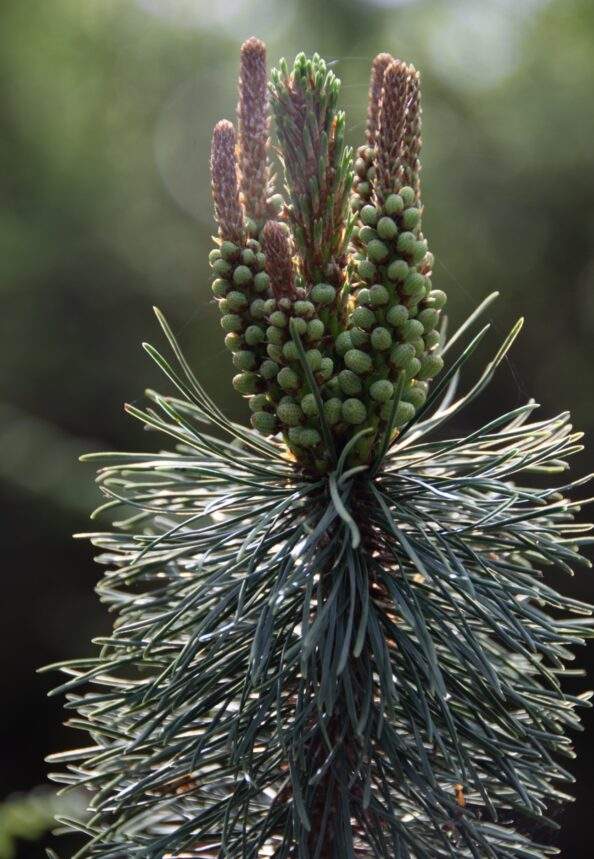 Lumber producers have migrated from Canada to the US South. Now lumber-futures trading is heading to the Southern pineries as well. The exchange operator CME Group said it would launch trading in Southern yellow pine futures on March 31, a response to rising export taxes on Canadian lumber. The futures contracts—ticker: SYP—will give the South’s loblolly planters, loggers, sawmills, pressure treaters and builders a mechanism to manage their exposure to price swings that is more in line with the local market than existing futures. …Traders and the exchange have for years discussed Southern yellow pine futures as the region’s production grew. Now that Northern lumber is a lot more expensive, they are saying the time is right. …Southern yellow pine doesn’t always work as a substitute for the Northern species favored by home builders. But executives said the growing price difference is prompting pockets of buyers to swap.




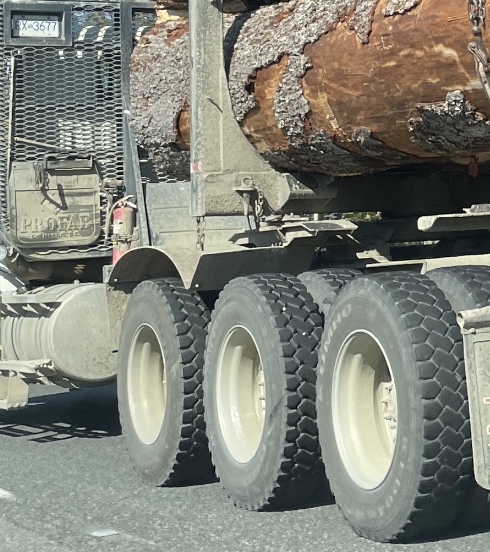 Legislation introduced by the Alabama Forestry Association would significantly worsen the condition of local and state roads and bridges, as well as hinder safety inspections of commercial vehicles. “The legislation is to allow significantly heavier axle weights to be hauled by large trucks — a move that is difficult to comprehend when the truckers already complain of sky-high liability insurance rates and serve as the primary target of advertising by personal injury law firms,” said Alabama Department of Transportation Deputy Director George Conner… “The math is simple: heavier truck axle weights are exceptionally dangerous and destroy roads and bridges; even heavier axle weights will be more dangerous and will destroy roads and bridges even more quickly.” …The Forestry Association’s proposal would increase the legal limit for a single axle from 20,000 pounds to 22,000 pounds while increasing the legal limit for two axles (tandem axles) from 34,000 pounds to 44,000 pounds.
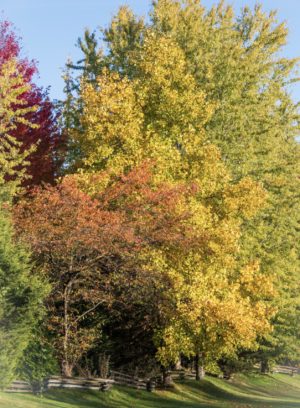 The US Department of Agriculture revoked a federal tree-planting grant to Keep Indianapolis Beautiful in a move the nonprofit’s CEO Kranowitz said may be the result of anti-DEI initiatives coming from the Trump Administration. The money would have helped KIB plant more trees throughout the city, and those plantings should not be all the same kind of tree, Kranowitz explained. The $400,000 grant for urban forestry projects was awarded to the organization in January through the Arbor Day Foundation, but was then clawed back on Tuesday. There’s growing evidence that words like “biodiversity” are being targeted by federal agencies bent on terminating Diversity, Equity and Inclusion initiatives across the country. U.S. Secretary of Agriculture Brooke Rollins recently cancelled a federal contract in Hawaii for an agency meeting on biodiversity and has identified and canceled other training programs on environmental justice claiming they run “contrary to the values of millions of American taxpayers.”
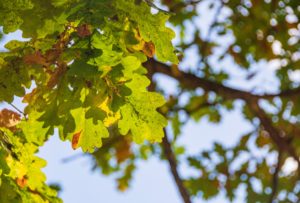 A group of scientists has been quietly working for decades on a project to improve tree genetics, with white oaks among the target species for the UT Tree Improvement Program. For those who are curious, genetics in organisms refers to the study of genes and how they are passed down from generation to generation. Genetics in trees, however, focuses on the study of genes within tree species and examines how their genetic makeup influences traits such as growth rate, wood quality, and resilience to environmental stresses. Scott Schlarbaum, a distinguished professor of forestry at UTIA, leads the UT Tree Improvement Program and is among the co-authors of the paper that describes the white oak genome and how local adaptations may have implications for the species in relation to heat and drought stress. Photo by A. Mains, courtesy UTIA.
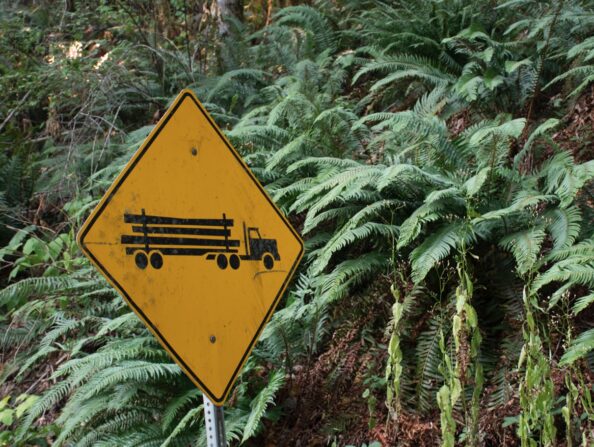 Alabama’s roads and bridges are already under immense strain, but two bills moving through the Legislature could accelerate their decline—adding 150 million dollars in maintenance costs annually, reducing highway lifespan by up to 30 percent, and forcing weight restrictions on hundreds of bridges. Senate Bill 110 and House Bill 204 would allow heavier log trucks to operate on Alabama highways while simultaneously limiting enforcement by requiring state troopers to escort overweight trucks to permanent platform scales—effectively halting roadside safety inspections for extended periods. Experts warn that these changes could have devastating consequences for infrastructure durability, public safety, and taxpayer-funded repairs. The push for heavier loads is being driven by logging and timber industry interests, which stand to benefit financially from relaxed restrictions. However, transportation and infrastructure experts warn that the cost to the public far outweighs any economic gain.
 NEW YORK — Chestnut Carbon, a leading developer of nature-based carbon removal solutions, announced today that they have completed the first issuance and sale of Improved Forest Management (IFM) credits sourced from their conservation membership program branded as Forest Carbon Works. The issuance of more than 64,000 credits, or tons of carbon removal, were sold to multiple corporate buyers, including JPMorganChase. These transactions totaled $2.2 million. Chestnut’s U.S.-based IFM membership program, Forest Carbon Works, provides an opportunity for private forest owners to access income-generating carbon markets while preserving the integrity and legacy of their land. The program includes landowners in 36 states with more than 150,000 acres enrolled as of February 2025. These carbon removal credits are certified through Verra on the voluntary carbon market (VCM) and undergo rigorous third-party audits.