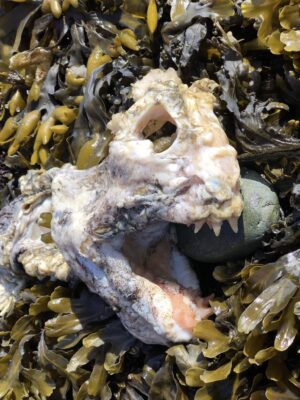
 An invasive tree species that is illegal to plant in Ohio has begun to bloom, and will soon fill the air with a distinctive odor that many liken to rotting fish. Callery pear trees – which come in multiple varieties including “Bradford” pear, “Autumn Blaze” and “Cleveland Select” – typically begin to bloom in the state in late March to early April, according the Ohio Department of Natural Resources. The species was brought to North America from Asia in the 1900s with the goal of combatting fire blight, a bacterial disease among common pear trees. The tree quickly become popular in landscaping due to its adaptability, white flowers and shape. It has also since become well-known for another one of its qualities – its odor. The tree’s blooms typically have a strong aroma, which has been likened to a variety of unpleasant scents, including rotting fish, puke and animal waste.







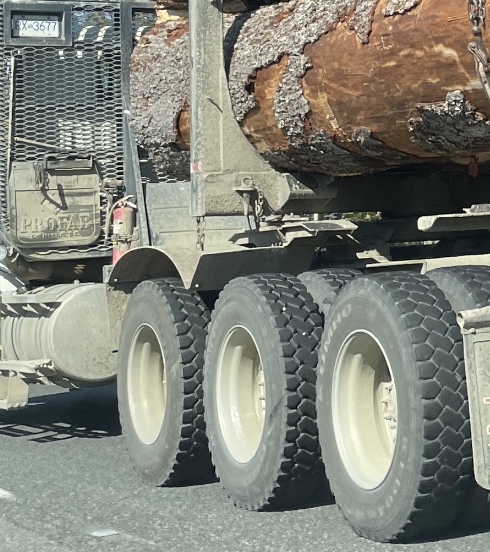 Leaders from the Texas forest industry urged Angelina County commissioners Tuesday to table a proposed road use agreement they say unfairly targets timber haulers and could lead to legal challenges. Dave Durren, speaking on behalf of the Texas Logging Council and the Texas Forestry Association, said the proposed policy would require permits and potential financial responsibility for road maintenance, placing an undue burden on loggers. “Other agricultural sectors… are not subject to this level of scrutiny or regulation, despite using the same rural road systems. This selective enforcement places an undue burden on the forestry sector and creates an uneven playing field,” the speaker said. The speaker also cited the passage of Texas Proposition 1, a constitutional amendment approved by Texas voters in 2023 protecting the right to farm, ranch and produce timber. He argued that regulating the transportation of timber directly interferes with the constitutionally protected activity.
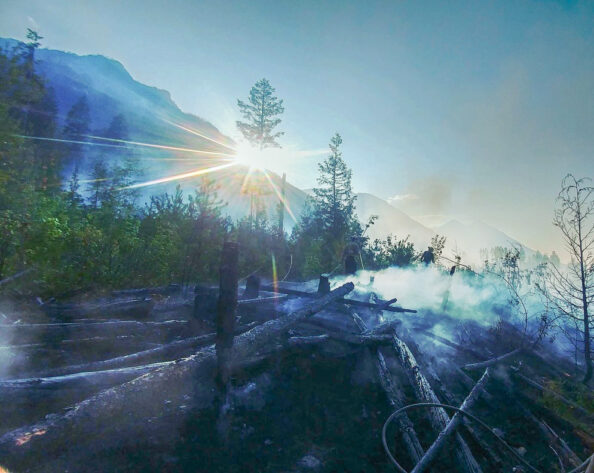 OKLAHOMA CITY — There is more fallout from what has largely divided Governor Kevin Stitt and the entire firefighting community. Governor Stitt confirms two more top-level employees within Oklahoma Forestry Services. The two unnamed employees follow the firing of lauded Forestry Director Mark Goeller. …Since Goeller’s firing, Stitt has continued making shocking changes — and suggestions — within and about forestry. He has suggested eliminating OFS altogether and called for an investigation, claiming 50% of resources went untapped during the March wildfires. …“Forestry is an integral part of what we do,” said Rep. Stan May, who worked for the Tulsa Fire Department for 30 years. …May said it would also likely disrupt inter-state agreements that aid in a multitude of disasters. He said if we don’t help others, it will hinder our efforts to get help. “We have to make sure those agreements are in place,” he said.


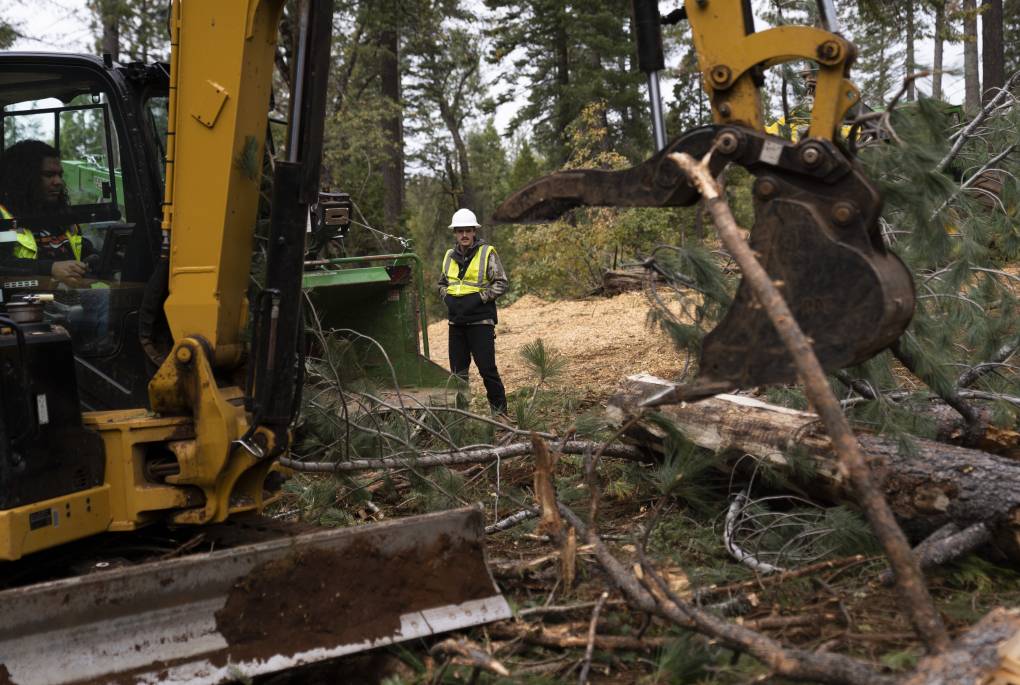
 Last week, Gov. Kevin Stitt criticized the Oklahoma State Forester’s response to the fires that blazed across Oklahoma in March. This week, the governor is floating the concept of axing the entire Forestry Services division. Stitt has said he believes the Oklahoma Forestry Service held back resources during the fires. When asked to specify which resources during a press conference, Stitt said he didn’t know. “The fact that we can’t get answers about where their assets were around the state is further proof that this is a deep-seated bureaucracy that are trying to protect their actions,” Stitt said. “We still haven’t been able to figure out where they were during that thing.” Just weeks after the fires, the state’s Chief Forester Mark Goeller resigned following criticism from the governor.




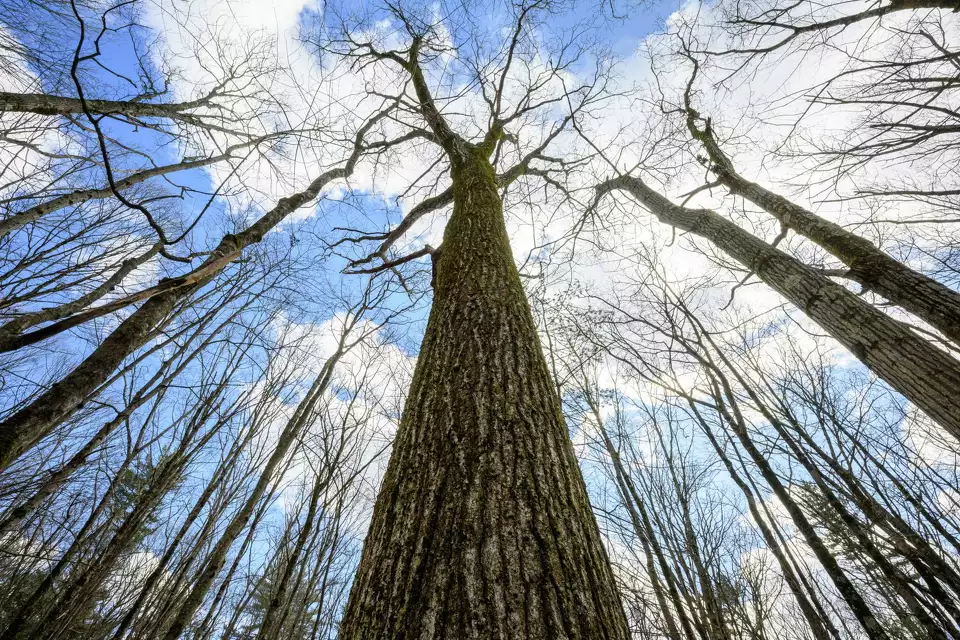
 Nearly 18,000 acres in the lower Blackfoot River watershed prized for its habitat and wood products could become publicly owned if the Bureau of Land Management (BLM) follows through with its planned acquisition. Missoula County last week signed a letter of support backing the BLM’s proposed acquisition of the former private industrial timberland in the Gold and Twin Creek drainages northeast of Missoula. Chet Crowser, chief lands and communities officer with the county, said that acquiring the parcels would permanently protect public ownership and provide benefits for decades to come… More than 60% of Missoula County is covered with public lands – lands the county claims sustain local economies through restoration and active management.
 KINGSPORT, Tennessee – The Domtar Packaging Mill in Kingsport has operated for decades, and residents have noticed one significant aspect of the mill that some believe has caused community strife: the smell. The Tennessee Department of Environment and Conservation (TDEC) is currently investigating three complaints about the odor from Domtar between March 31 and April 1. The TDEC said: “Although TDEC does not regulate odors, we do want to ensure that the facility is complying with its permit conditions.” …At the last Kingsport Economic Development Board meeting on April 1, Domtar updated the board on the wastewater treatment system plan. …The short-term plan involves reducing mill material losses and flow and optimizing the current wastewater treatment system. Domtar says this will last around a year. The long-term plan involves building a new anaerobic digester system. Domtar estimates that this project could take up to 18 months.