 SEARSMONT, Maine — Investigators say they are still working to determine the cause of a deadly Friday fire and explosion at Robbins Lumber that drew 46 fire departments and 299 firefighters. Maine Fire Marshal Shawn Esler said “This remains a very active and complex investigation.” …Joel Davis, chief fire investigator for the state fire marshal’s office, said 30 ATF personnel are in Maine, working with 12 state investigators. They’ve interviewed 150 people so far. The briefing came five days after the fire and explosion killed a firefighter and injured 12 others, a mix of mill employees, firefighters and emergency medical personnel. Some are hospitalized in Boston and others are in Portland. The fire and explosion drew emergency crews from more than 45 departments, as water trucks streamed in and out of the lumber yard to help douse the flames.
Related coverage by:
- Larry Adams in Woodworking Network: Massive investigation is underway
- Grace Blanchard in Fox News: Governor Mills intends to help those affected


 WASHINGTON, Georgia — A sawmill that once stood as the largest east of the Mississippi River in the 1990s has reopened, offering relief to Georgia’s timber industry as it struggles with mill closures, Hurricane Helene damage and recent wildfires. Wilkes Lumber has brought the old mill back online in Washington, a small mill town surrounded by endless pines along Highway 78. The facility is already operating in phase one with about 50 workers, with more hiring expected as phase two comes online in the next few weeks. The mill shut down because of the cost and capability of getting rid of chips, according to Mack Winfrey. …At a time when Georgia’s timber industry is fighting to hold on, Washington is getting back something it lost a quarter-century ago: jobs, a market and a little more hope.
 FLORIDA — On the heels of Escambia County adopting an ordinance to establish an Economic Development Ad Valorem Tax Exemption (EDATE) for West Fraser, the sawmill company announced a $70.25 million expansion, creating 30 new jobs. The board voted to approve the ordinance, which will give the Canada-based lumber company a 70% ad valorem tax exemption for a period of five years. Shortly after the vote, FloridaWest Economic Development Alliance announced that West Fraser has invested $70,250,000 in capital expenditures to expand its existing sawmill operation in McDavid. …The project is expected to generate substantial economic activity across Escambia County, supporting local suppliers, contractors and service providers. …Over the next five years, the estimate of the taxable value lost to the county is $70,252,000 improvements to real property, and $3,400,000 to tangible personal property.

 LOUISIANA — Davis Timber Company, Inc. announced it will invest $1.9 million to expand its Beauregard Parish operations with new production capabilities that will enhance efficiency and strengthen Louisiana’s timber industry. The company is expected to create 12 direct new jobs while retaining 11 current positions. Louisiana Economic Development estimates the project will result in an additional nine indirect new jobs, for a total of 21 potential new job opportunities in the Southwest Region. …Davis Timber Company’s expansion will take place at its production facility within the Beauregard Regional Airport Industrial Complex in DeRidder, where the company produces poles and pilings used in utility and infrastructure applications. The project will add new processing capabilities to the existing operation, improving efficiency and enhancing product readiness for market.




 KINGSPORT, Tennessee — A new wastewater treatment system at Domtar’s Kingsport mill is still on schedule to start running later this year, part of an effort by the mill to mitigate odors affecting neighboring residents. Mill Manager Tony Clary updated the Kingsport Economic Development Board on the project’s timeline, the construction of an anaerobic digester, at the board’s monthly meeting Tuesday. The project is at a halfway point, and the new system is expected to ramp up at the end of the year. The mill faced scrutiny from city officials and residents over odors emitting from its wastewater after the site converted from manufacturing paper to recycling containerboard in 2023. The company secured funding to construct a new wastewater treatment system in December 2024 and broke ground in August 2025.

 MOBILE COUNTY, Alabama — A lumber company is set to make a multi-million dollar investment into its Port City location. According to a release, a subsidiary of Canfor Southern Pine, New South Lumber Company Inc., is investing $10.5 million in the Mobile County location. The company will be adding “a new dual-path continuous dry kiln.” This move aims to increase efficiency and drying capacity, as well as provide room for growth in the future. “This investment reinforces the company’s commitment to maintaining and strengthening its existing workforce and ensuring the long-term sustainability of the operation,” said Canfor Southern Pine Inc. President Lee Goodloe. Construction is set to begin in April and be completed in June.
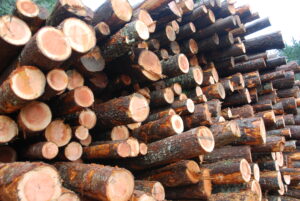 MAINE — As gas and diesel prices climb during the war in Iran, some of Maine’s most recognizable industries are feeling the strain. From the coast to the woods, people who rely on fuel to do their jobs say the higher costs are changing how they work and raising concerns about what comes next. Lobstermen are rethinking trips on the water, while logging contractors say the math is getting harder for truckers and mills across the state. …“I mean, there is no equipment that does not use diesel as its primary fuel for both harvesting and trucking,” Dana Doran, executive director of the Professional Logging Contractors of the Northeast, said. Doran said spiking diesel prices are adding roughly 20% to the cost of each trip a driver makes to and from a mill. That increase, he said, creates uncertainty for contractors and for mills that depend on a steady supply of wood.

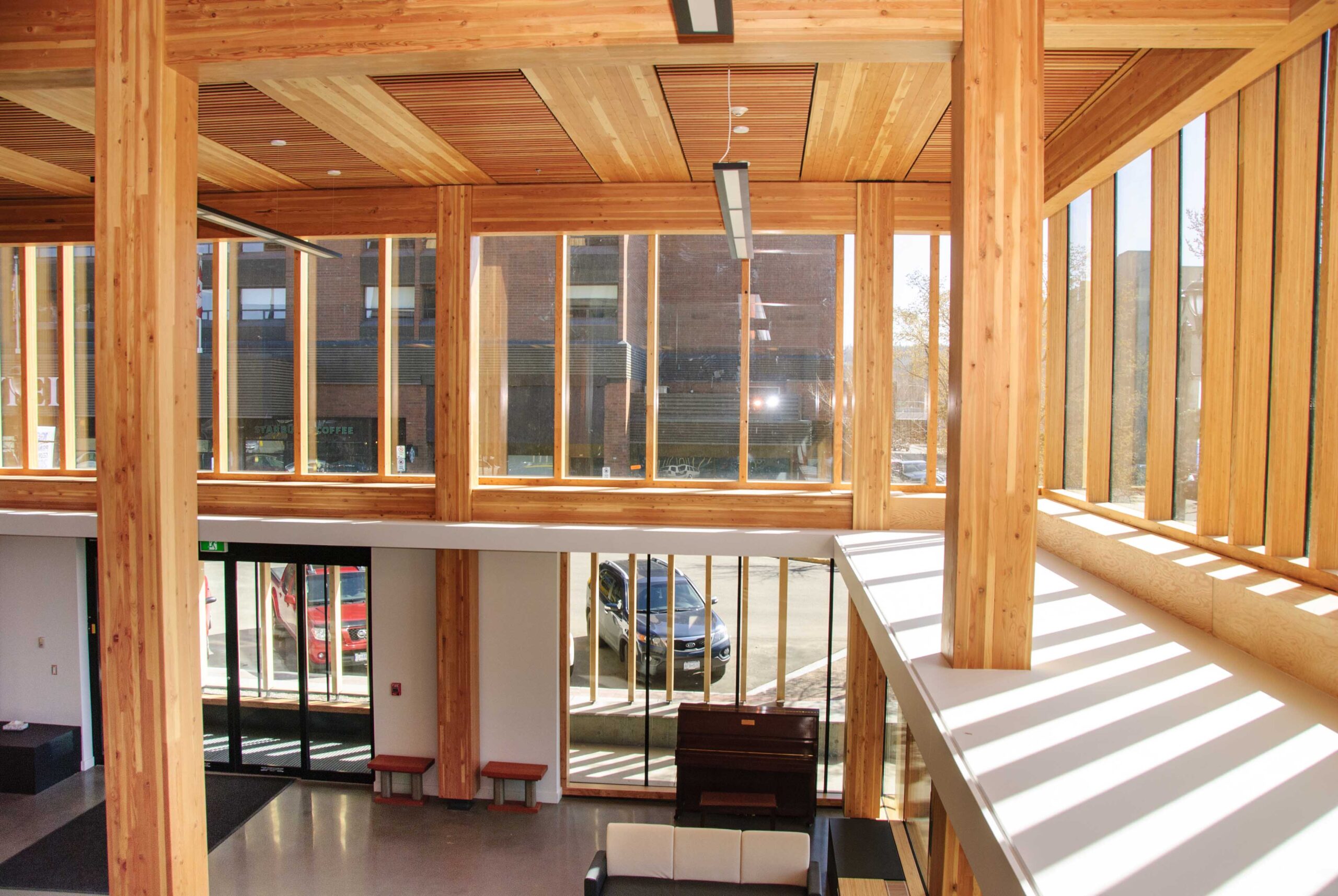 Mass timber is frequently praised for its aesthetic appeal and sustainability benefits. However, what often goes unrecognized are the construction phase advantages it brings to a project—advantages that directly impact schedule certainty, jobsite safety and overall delivery predictability. Beyond appearance and environmental performance, mass timber fundamentally changes how buildings are built. For owners and developers focused on speed to market and reduced risk, these operational benefits deserve just as much attention as design and carbon metrics. Mass timber construction shifts critical decision-making earlier in the project lifecycle. Structural elements such as cross-laminated timber (CLT) panels and glulam beams are fabricated off-site and arrive ready to install. There is no waiting on cure times, no extended periods of formwork or shoring, and fewer weather-related delays during structural erection.
 More efficient use of lumber byproducts leads to more sustainable forest management. That’s why Michigan Technological University researchers are developing a biomaterial lighter than steel and just as strong, made from leftover wood waste, that could revolutionize the lumber industry. …Xinfeng Xie, associate professor of forest biomaterials, and his team have partnered with the Defense Advanced Research Projects Agency’s Waste Upcycling for Defense (WUD) program to turn scrap wood into a strong, sustainable building material. …Led by Xie, students began by using a group of wood-decay fungi, also known as xylophagous fungi, to break down lignin, the tough, rigid structural polymer in plant cell walls. This biological approach leaves behind cellulose nanofibers that are stronger than steel, and its only byproducts are carbon dioxide and water. …The project also provides a physical product that has a positive impact on the future of their industry.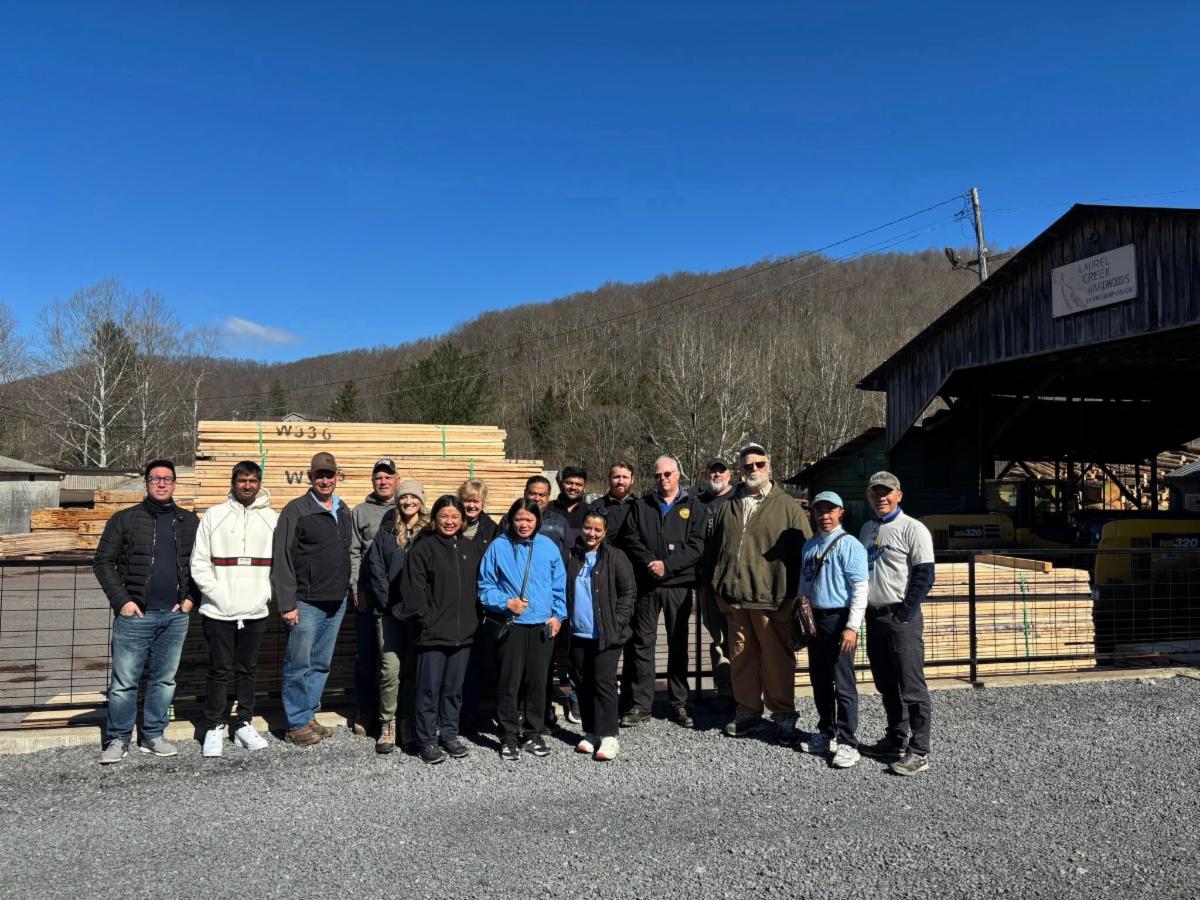
 The Trump administration is drastically cutting the budget, and reorganizing the U.S. Forest Service, moving its headquarters and research facilities to western states. In Pennsylvania, four research sites are on the chopping block. As forest ecologist Richard Bowden walks through an old growth section of the Allegheny National Forest, he points toward the ground. It’s barren of young trees. “There’s nothing,” said Bowden, a professor of environmental science and sustainability at nearby Allegheny College. “And that’s because of deer.” Deer overpopulated this area, called Heart’s Content, and much of the Allegheny Plateau, for decades; they eat whatever vegetation they can reach. …While the ideas behind this deer management demonstration might seem simple, it’s taken decades of research to understand the problem, and do the work to actually keep the deer population in balance with the forest.



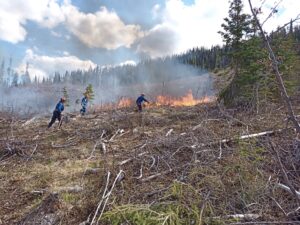 With wildfires already burning and drought persisting across much of the US, fire experts are bracing for what could be an extreme fire season. The U.S. Forest Service is going into it having done far less work than in recent years to manage the dry, flammable vegetation that can fuel catastrophic fires. In 2025, the Forest Service reduced vegetation on almost 1.5 million fewer acres than in 2024, according to an analysis of the agency’s data by NPR and firefighting experts. …The Forest Service said in a statement that the drop in prevention work is mostly due to staff being occupied with firefighting and because environmental conditions were not right for doing prescribed burns in the Southeast. The agency lost 16% of its workforce as of last summer, with 5,860 personnel leaving in the first six months of 2025 as part of the Trump administration’s efforts to reduce the size of government.
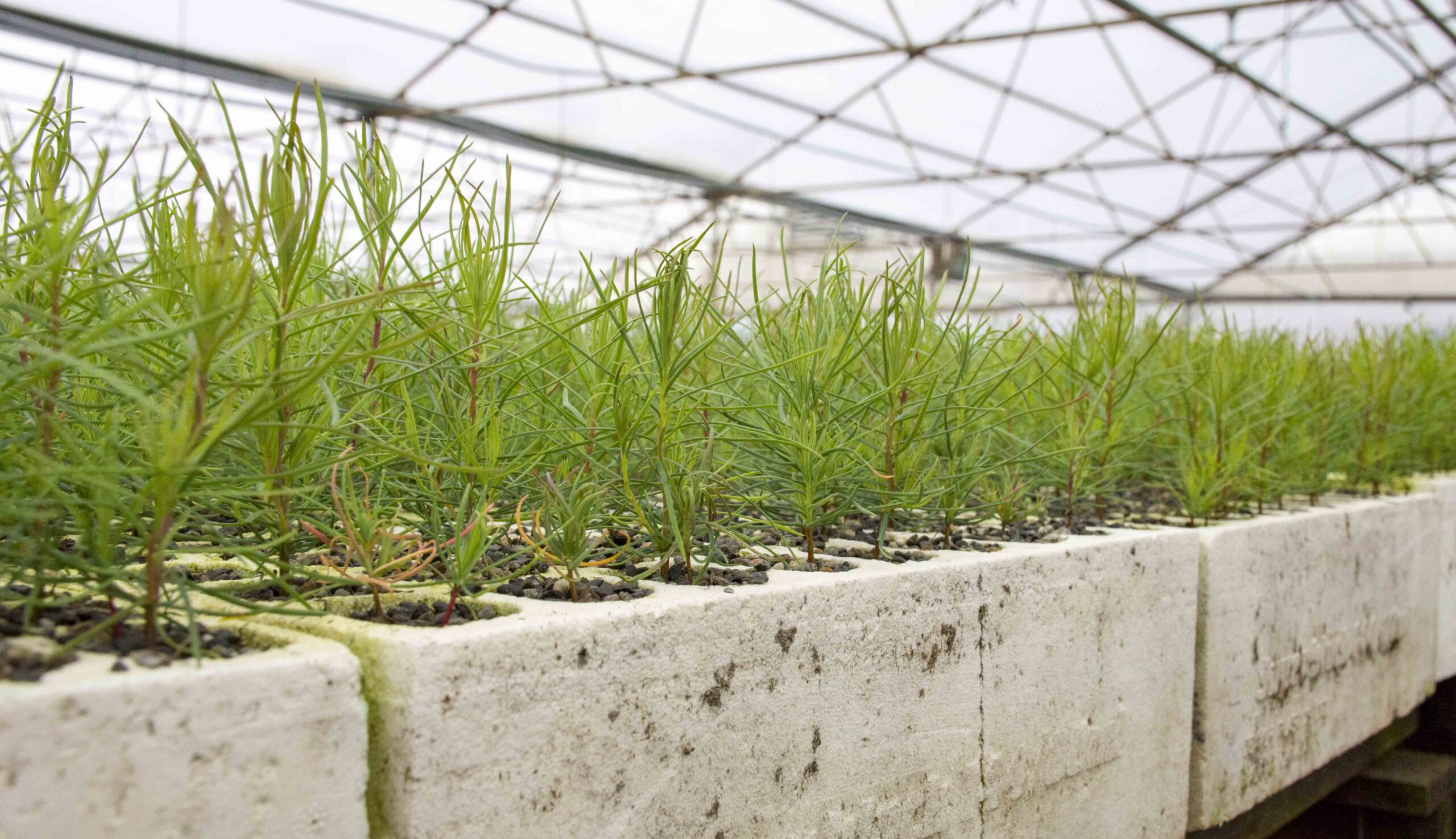 The Minnesota Department of Natural Resources is planting nearly 2 million tree seedlings on DNR-managed forest land across the state this spring. Each year, DNR foresters coordinate tree plantings in state forests, wildlife management areas, state parks, and other DNR-managed lands. This spring, 14 species will be planted on more than 3,000 acres throughout the state, including several varieties of pine, spruce and oak, as well as yellow birch, sugar maple, black walnut and tamarack. These reforestation efforts are led by the DNR’s Silviculture Program. Silviculture is the art and science of growing and tending forests to serve a variety of goals, including clean air and water, recreation opportunities, healthy wildlife habitat, biodiversity and timber productivity. Foresters consider current characteristics, climate resilience and future goals for each site to create a plan for planting and ongoing care.

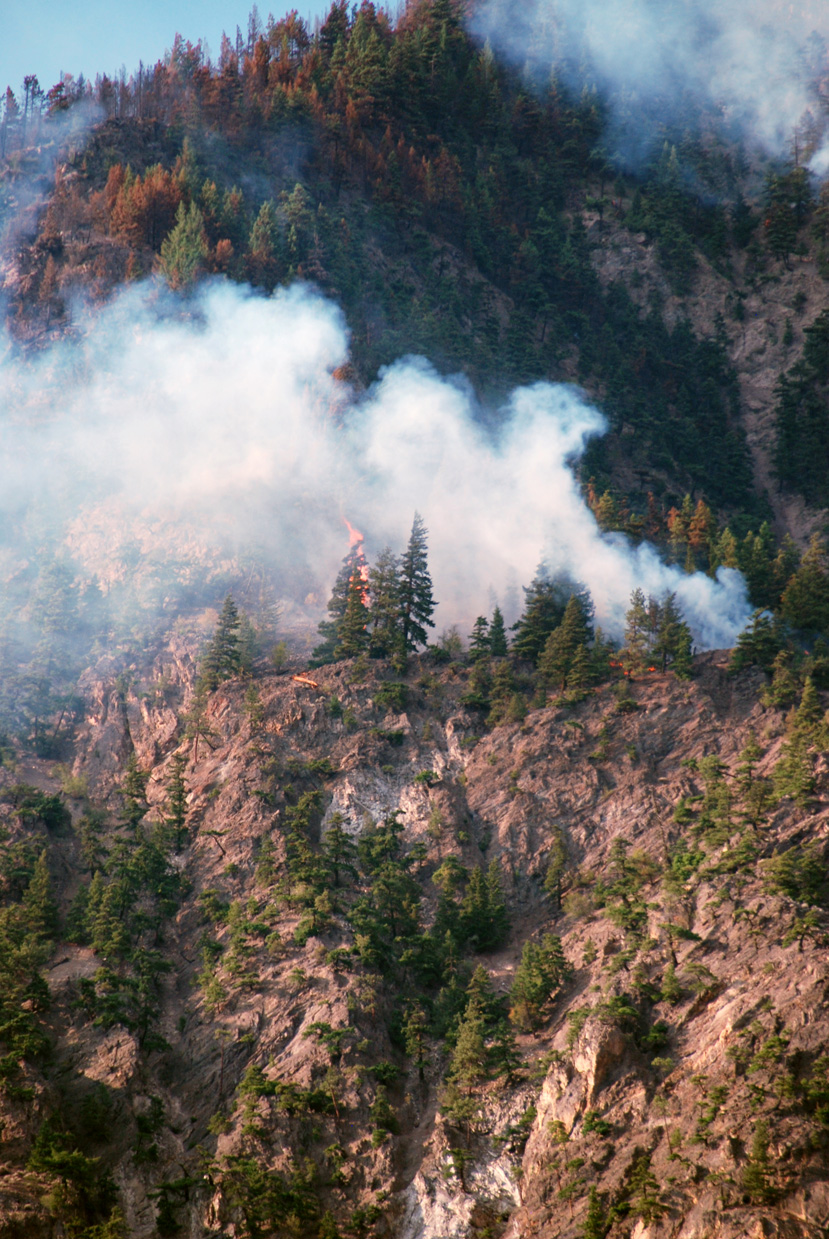 Despite several strong snowstorms across New Hampshire this winter and some rain in the past week, state officials warn that drought conditions persist statewide — along with an elevated risk of wildfires. The January-March period was the sixth-driest first quarter on record for the state, dating back to when measurements were first recorded in 1895, according to the New Hampshire Forest Protection Bureau. The data comes on the heels of an autumn with wildfire conditions so severe that a burn ban was declared statewide from Sept. 22 through Oct. 8. “Last year, New Hampshire experienced a 27.6% increase in the number of wildfires and a 16.8% increase in the number of acres burned,” said Chief Steven Sherman of the Forest Protection Bureau. “Many homes in New Hampshire are located in the wildland-urban interface — the area where homes and flammable wildland fuels intermix.” The U.S. Drought Monitor reports that 78% of the state is currently experiencing moderate to severe drought.
 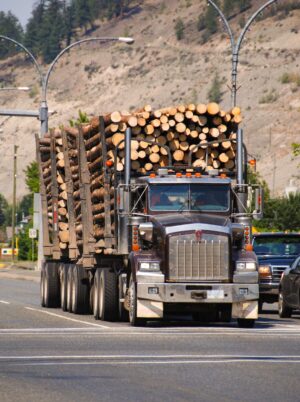 Louisiana’s timber industry is at a critical turning point. For generations, forestry has been one of the economic backbones of our state, especially in north Louisiana. Families like mine have built their livelihoods around logging, trucking and land management. But today, that foundation is weakening — not because our forests are failing, but because our markets are. Over the past several decades, Louisiana has lost a significant portion of its wood-using infrastructure. Mill closures across north Louisiana have reduced demand for fiber, leaving a growing supply of timber without a market. While our forests continue to thrive and produce, the outlets that once supported them have steadily disappeared. …Expanding markets like pellet-to-power could help restore demand for low-grade timber, which is essential to keeping logging operations viable. These industries have the potential to sustain hundreds of jobs, increase fiber demand and bring new economic activity to rural parishes.
 CONNECTICUT –Plant science researchers and the UConn Fire Department are using prescribed burns to mitigate brush fires and study the role of microbes in soil recovery to generate new insights to help Connecticut manage rising wildfire risk. …In the fall of 2024, Connecticut saw a record 605 wildfires, which burned more than 500 acres and prompted a statewide emergency declaration, a temporary burn ban, and multi‑agency firefighting support. …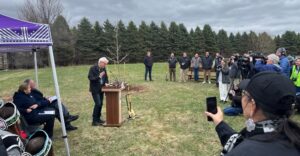
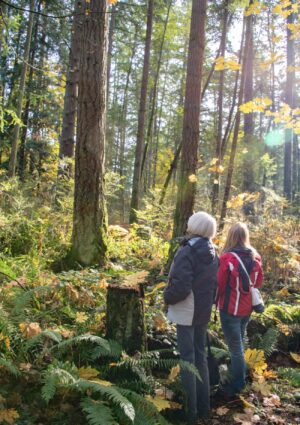 “Can’t see the forest for the trees” is an old cliche, but an apt one for the Trump administration’s latest decision to reorganize the US Forest Service. Instead of local headquarters and research centers located near national forests, the USFS will implement a “state-based” structure, where employees report to a smaller number of regional headquarters. The agency will close the Northern Research Center in Grand Rapids, among 57 such facilities across the nation. …When you go to the forests where paper comes from, you realize that forestry research requires sustained presence in the woods. If staff are located hundreds of miles away, often in cities, quality research will become virtually impossible to conduct without additional new funding. …Despite the administration’s claims to the contrary, this decision retreats from some of the most important forest ecology research in history. One of the Grand Rapids lab’s biggest projects is evaluating how peatlands and tree species adapt to our changing climate. [to access the full story a StarTribune subscription is required]
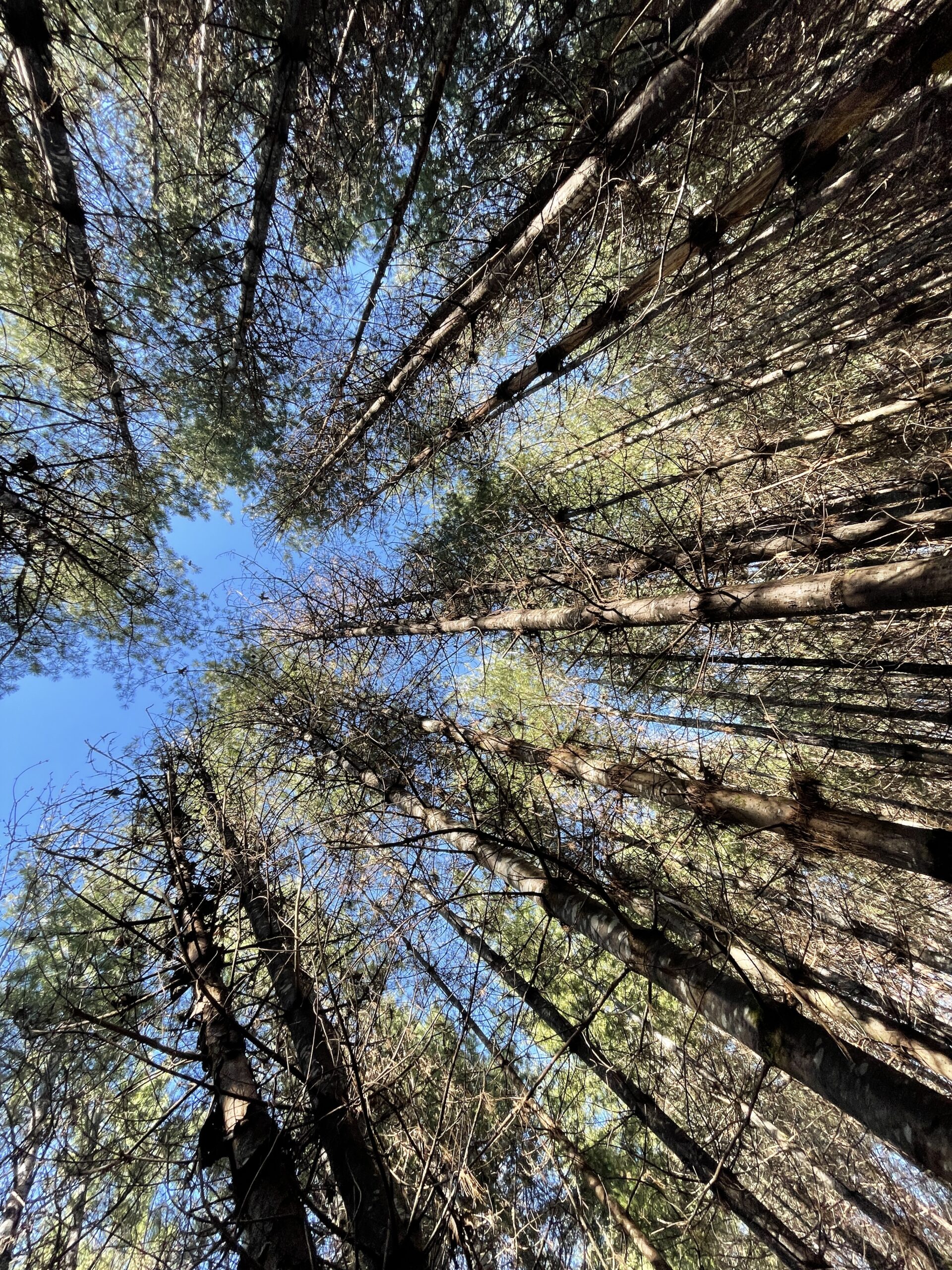 New research suggests that in just 15 years, the causes of most tree loss have flipped from human hands to a handful of natural causes. University of Vermont researchers studied forests in 18 states: in 2009, human harvesting accounted for most tree loss, but by 2024, pests, diseases, and other “natural” causes activities were causing far more tree loss. They compared nearly 324,000 records of tree mortality across 18 states and almost 62,000,000 hectares, from the federal Forest Inventory and Analysis dataset from 2009 to 2024. In 2009, human harvesting caused a bit more tree loss than natural causes. Fifteen years later, tree loss from natural causes was outpacing harvest-caused loss by nearly 40%, and overall tree loss also increased by nearly 16% during this period. It wasn’t a change the researchers were looking for.
 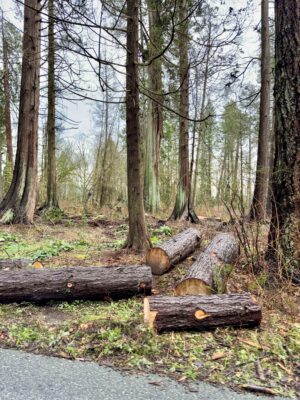 BOSTON — Urban forestry is a noble and necessary pursuit, yielding environmental and health benefits almost too numerous to count. …Urban forests, broadly speaking, also happen to be sources of large amounts of wood waste. The most recent estimates from the USDA Forest Service indicate that 46 million tons of sellable wood from urban areas is felled each year, most of which gets chipped, landfilled, or burned for energy. There is a missed opportunity afoot; not one of those pathways—with the possible exception of biomass power generation—involves making something of tangible value that’s inversely proportional to the amount of waste being generated. …Tridome Structures, a Massachusetts-based manufacturer of mass timber products, saw the gap in the Northeast market and acted accordingly. Only six months ago, the company opened a subsidiary mill operation called TimberWise in the town of Millis, a Boston suburb.
 January’s ice storm stressed out trees, making it harder for them to ward off disease and insects. It may have also created an environment where species of pine bark beetles that have been documented for centuries, especially ips and southern pine beetles, can flourish and attack vulnerable evergreens. “You can go from having just a few trees that are damaged or killed by the beetles to having acres damaged or killed by beetles if you’re not really monitoring that,” said Garron Hicks, Assistant Forest Management Chief with the Mississippi Forestry Commission. “Unfortunately, often when landowners notice evidence of the beetle, it’s too late for that tree.” That’s especially true for pine trees whose needles have already begun to turn brown or red. …Hicks urges landowners especially in north Mississippi, the region hit hardest by the winter storm, to look out for signs of beetle damage like pitch tubes.


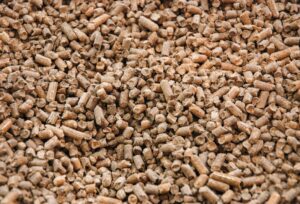 The Louisiana House of Representatives on May 13 voted unanimously to approve a bill that aims to benefit the state’s wood pellet manufacturing industry. Also on May 13, the bill reported favorably out of the Senate Committee on Commerce, Consumer Protection and International Affairs. The legislation now awaits action from the Louisiana Senate. The bill, HB 670, was introduced in late February by state Rep. Charles Owen and amended twice as it moved through House committees. It aims to benefit the state’s wood pellet manufacturing industry by streamlining permitting, developing a skilled workforce and facilitating the efficient transportation and export of wood pellets. The bill, as amended, allows Louisiana Economic Development, a cabinet-level agency focused on business growth, to support the recruitment, retention, and expansion of wood pellet manufacturing facilities in this state within existing statutory authority and subject to the availability of funds.
  HAYWARD, Wis. – A new refinery planned for Hayward will convert wood into sustainable aviation fuel, using waste wood, such as scrap wood or invasive species. Hayward companies FutureWood and Johnson Timber Corporation will source and process the wood, while Synthec Fuels will handle the fuel refining process. President of FutureWood DJ Aderman says the facility will harness products not currently utilized in the forestry industry. “What’s really cool about this is we’re gonna use a lot of mill residuals. We’re gonna use a lot of products that we’re not currently using right now, unmerchable tops, species that have no or little value,” said Aderman. Last week, Wisconsin Gov. Tony Evers signed the Forestry Revitalization Act, which approved up to $120 million in tax credits for the $1.7 billion project. The legislation aims to bolster the forestry industry, which has seen major downturns due to mill closures in recent years.
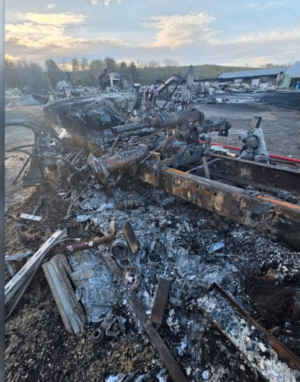 MAINE — According to the Fire Marshal’s Office, multiple departments sustained damage to their fire trucks and equipment during the Searsmont incident, impacting departments that are already limited on resources. “Seeing the ploom of black smoke, it immediately puts a lump in your throat,” said Belmont Fire Chief Ron Harford, as he reflected on Friday’s fire and explosion at Robbins Lumber. In the aftermath of the Searsmont fire, the Belmont Fire Department is supporting injured firefighter Katherine Paige and navigating the loss of a critical tank truck. …”Searsmont’s going to be hugely affected because they’ve lost two of their immediate mutual aid town’s trucks, plus their tank truck,” said Harford. On top of that, Chief Harford says the department lost between $50 to $60 thousand worth of equipment that was on the truck. …”Mr. Cross [Fallen Firefighter Andrew Cross] is our biggest loss. He was a tremendous firefighter a tremendous person,” said Harford.
 MAINE – Fires and explosions have long been threats to Maine’s lumber and paper mills. In April 2020, a pulp digester exploded at the Androscoggin Mill in Jay. Some people were treated for respiratory issues, but no casualties were reported. The paper mill closed permanently in 2023. At Irving Forest Products in Dixfield, an explosion and fire in May 2021 damaged a machine used to move wood chips. No injuries were reported in either incident. “The fuel load at a lumber mill is exceedingly high,” said James Graves, director of the Maine Fire Service Institute, which provides and certifies firefighter training programs. “There are so many variables, they happen regularly all over the state and beyond.” But Graves said relatively few are as tragic as the fiery explosion at Robbins Lumber Inc. in Searsmont that injured 12 people and killed Andrew Cross, 27, a member of the Morrill Volunteer Fire Department. Eight were still hospitalized Tuesday.
 GEORGIA — Residents of a Port Wentworth neighborhood believe chemical dust from a nearby International Paper mill is causing health concerns and property damage. Many residents reported shared health symptoms, including sinus issues, burning eyes and coughing. Despite resident complaints and visible white powder on cars and homes, the Georgia Environmental Protection Division has not found the mill in violation of its permits. …The Savannah Morning News collected dust scraped off of one resident’s car about 700 feet from the mill and sent it to third-party lab Eurofins for testing. Eurofins stated that most of the sample was likely calcium carbonate, a white to tan odorless powder, a major component of lime mud. The International Paper mill generates lime mud, according to its operating permit. …The North Carolina Department of Environmental Quality (DEQ) confirmed that the dust contained calcium, and narrowed down the likely culprit to the mill’s lime kiln.


 OSCODA COUNTY, Mich. — Crews are working to contain a wildfire in Oscoda County after it prompted evacuations Monday. The wildfire is about 100 acres and primarily on national forest land around Camp Ten Road near Lost Sky Ranch. Residents living near Camp 10 Road were evacuated to a shelter Monday afternoon, but were able to return home several hours later. Monday night officials said two structures were destroyed and the fire was about 80 percent contained. …A Red Flag Warning is in effect for parts of Michigan due to critical fire weather, including high winds, low humidity and dry vegetation.


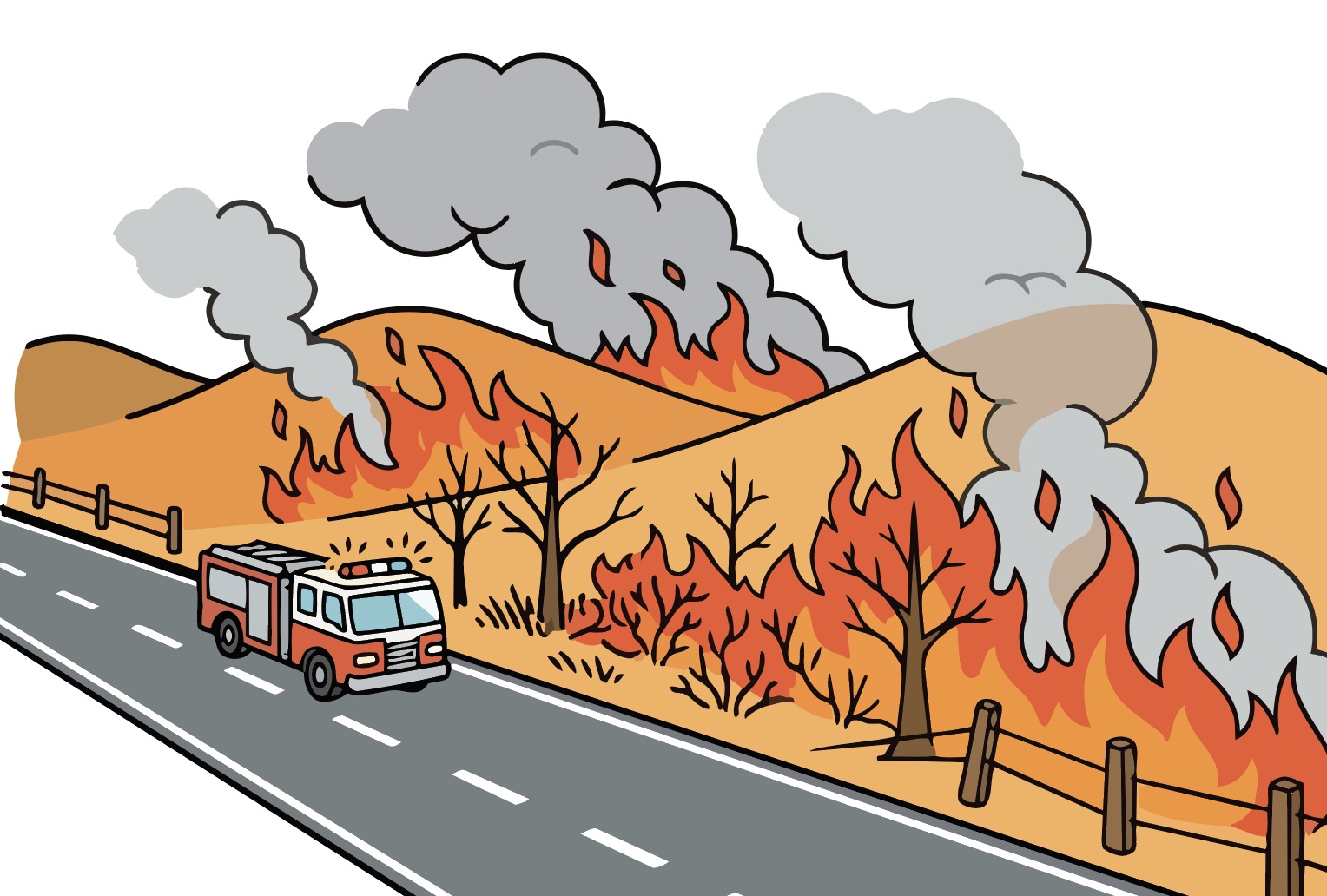 NAHUNTA, Ga. — Heavy rain slowed the progress of two sprawling southern Georgia wildfires over the weekend, allowing crews to make some progress in containing the blazes that have destroyed more than 100 homes. Although the rain helped the firefighting efforts, it wasn’t “nearly enough to put the fires out” and crews responded to 10 new blazes throughout the drought-stricken state Sunday, the Georgia Forestry Commission said Monday. …Georgia’s biggest blaze, the Pineland Road Fire, has scorched more than 50 square miles and at least 35 homes… about 35 miles north of Florida, which is also dealing with wildfires. The area has been full of highly combustible dead trees and other vegetation since Hurricane Helene carved a destructive path northward in September of 2024. About 60 miles to the northeast, the Highway 82 Fire has been burning since April 20. It has destroyed at least 87 homes and torched more than 35 square miles. It is only 6% contained.
 Wildfires tearing through the south have forced hundreds of Georgia residents to flee in minutes, leaving them distraught about the homes and animals they left behind. The fires that spread this week during an extreme drought in Georgia and Florida have blanketed cities hundreds of miles away in smoke, leading to more air quality warnings on Thursday across the south-east. Driven by strong winds and low humidity, the two biggest fires in southern Georgia have spread rapidly over the past two days and destroyed more than 50 homes in rural areas. But the growing threat led to more evacuations and school closings on Wednesday. “I don’t know if I have a house standing or not,” said Denise Stephens, who was forced to evacuate because of the fast-moving Brantley county fire near Georgia’s coast. “I know what it’s taken from other people, but I don’t know what I have left standing.”
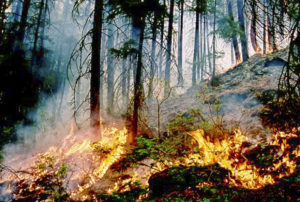 GEORGIA — Smoke has filled the air across parts of the Peach State this week as wildfires continue to burn out of control in southern Georgia, forcing evacuations and destroying homes. According to the Georgia Forestry Commission, crews responded to 34 new wildfires Wednesday that burned about 75 acres statewide. But officials say the biggest concern remains two large, active fires that have already scorched tens of thousands of acres. The Pineland Road Fire in Clinch County has grown to nearly 29,606 acres and is about 10% contained. In Brantley County, the Highway 82 Fire has burned more than 4,400 acres and is roughly 15% contained. Officials say dry conditions, high winds, and a lack of rain are making the fires harder to control. …The growing wildfire threat prompted Brian Kemp to declare a state of emergency, allowing more state and federal resources to assist, including expected support from FEMA.