
Eric Larson and Jeff Floyd
CHICAGO — Sierra Forest Products and Upper Canada Forest Products announced the promotion of Eric Larson to Chief Operating Officer of Sierra Forest Products and Jeff Floyd to Chief Operating Officer of Upper Canada Forest Products, strengthening the Group’s country-specific leadership while continuing to operate as one integrated North American organization. The decision to appoint dedicated Chief Operating Officers for Canada and the U.S. sharpens the Group’s focus on the distinct dynamics of each market, while preserving the advantages of a unified platform for customers, suppliers and partners. This enhanced structure reflects a deliberate investment in long-term growth, leadership depth, and exceptional service.



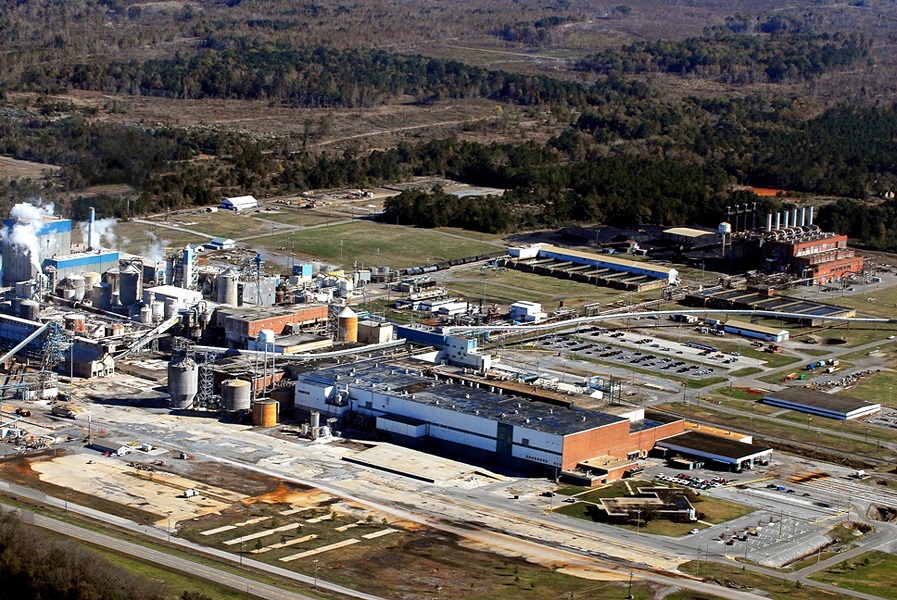
 PENSACOLA, Florida — West Fraser is requesting a tax break from Escambia County as the lumber company prepares for a planned expansion at its McDavid sawmill. Escambia County staff prepared a draft ordinance proposing the Canadian-based lumber company receive a 70% ad valorem tax exemption for a period of five years. …West Fraser applied for an EDATE for the assessed value of certain improvements. If the exemption is granted… over the next five years, the estimate of the taxable value lost to the county if the exemption is granted is $70,252,000 improvements to real property. In 2023, the board adopted a resolution supporting West Fraser’s expansion and agreed to consider the lumber company’s EDATE application when it was submitted. The county is scheduled to vote March 26 at its board meeting on scheduling a public hearing to consider establishing an EDATE for West Fraser.
  At the Advanced Bioeconomy Leadership Conference, US Department of Agriculture Administrator J.R. Claeys announced the USDA is guaranteeing $115.2 million across eight states (
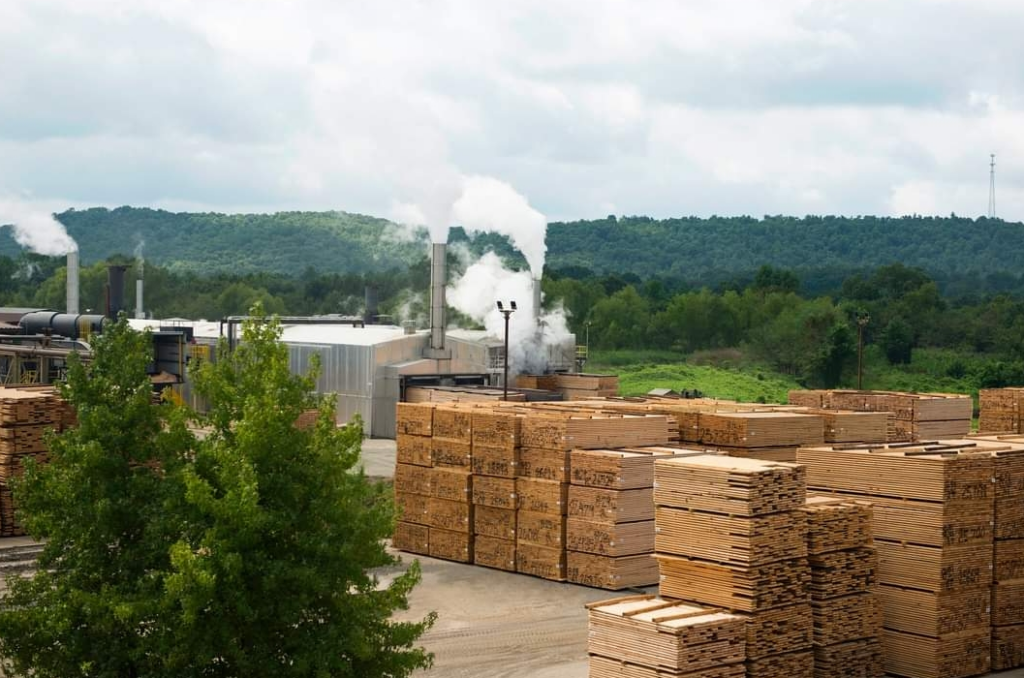
 KINGSPORT — Domtar’s Kingsport mill told the Tennessee Department of Environment and Conservation that it will try a method to improve wastewater quality at its wastewater lagoon this week. The mill said it will add an oxidant near the outlet of the lagoon’s settling zone for about 30 days to see if it would improve the effluent water quality. “It will be fed at a low rate of approximately 1 [part per million] with monitoring and testing being done at our effluent sample point before the discharge to the river,” the letter states. The mill has also tried chemical treatments and injecting liquid oxygen to address sulfuric odors attributed to the 25-acre wastewater lagoon.It is currently constructing a new wastewater treatment system, an anaerobic digester, to address wastewater odors attributed to the mill. Construction is expected to complete near the end of 2026.
 METCALFE, Georgia — Plantation Pine Products officially opened their doors at the former site of Hood Industries, signaling an exciting new chapter in a timber mill with a storied history. …The $25 million investment is set to provide 100 jobs, with the first mill employees reporting for duty in July, when it will once again come alive. Operated by Steve Conner, Plantation Pine Products will be one of the many “bread and butter businesses” of Thomasville. …“Forestry is woven into the fabric of rural Georgia in a way that no other industry can match,” Michelle Shaw said for the Georgia Department of Economic Development. …The reopening of the mill comes at a crucial time following the devastation of Hurricane Helene in 2025 and reinforces the resiliency of timber producers across Georgia.
 NEOPIT, Wisconsin — A Neopit wood mill is closed Tuesday after it experienced an early morning fire. Menominee Tribal Enterprises says it lost its stacker building and associated equipment. Some lumber inventory was damaged in the fire as well. All employees are safe and no injuries were reported. Production operations are closed for the day as the organization assesses the damage and begins determining the next steps for recovery and continuity of operations. The Menominee Tribal Enterprises store and main office remain open and are operating during regular business hours.
 RHINELANDER, Wisconsin — Logging has been a major part of the Northwoods for centuries. In recent years, though, several economic factors may have the industry in jeopardy. Logging has a major economic impact in the Northwoods. But a trend is beginning to start with Wisconsin-based paper mills ceasing certain operations, meaning many logging companies are slowing lumber output. James Wilson, Master logger and owner of Wilson Forestry in Athens, has had his business for over 12 years, but after Ahlstrom announced it will close two paper machines and a pulp mill in Mosinee, options are running thin for where they can sell the wood to. Not only will it cost 200 mill workers their jobs, it will be a major blow to local loggers. Wilson was a supplier of the recently closed Mosinee pulp mill, and has his concerns about the future of the industry.
 MOSINEE, Wisconsin — About 200 employees at the Mosinee paper mill were told before their shifts this week that their jobs are at risk as Ahlstrom moves forward with a phased shutdown of key operations at the plant. Several employees, speaking on condition of anonymity, told Wausau Pilot late Wednesday that management told workers Paper Machine No. 2 will shut down June 30, with Paper Machine No. 3 and the pulp mill slated to close Sept. 30. …In the letter to suppliers, Ahlstrom said it plans to permanently close the pulp mill and idle the M2 and M3 paper machines as part of a restructuring of operations at the Mosinee facility. The company cited rising costs and limited automation at those operations as reasons for the decision. …Ahlstrom said Paper Machines No. 1 and No. 4 will continue operating at the Mosinee mill. The company also said it plans to invest in modern technologies at those remaining machines.
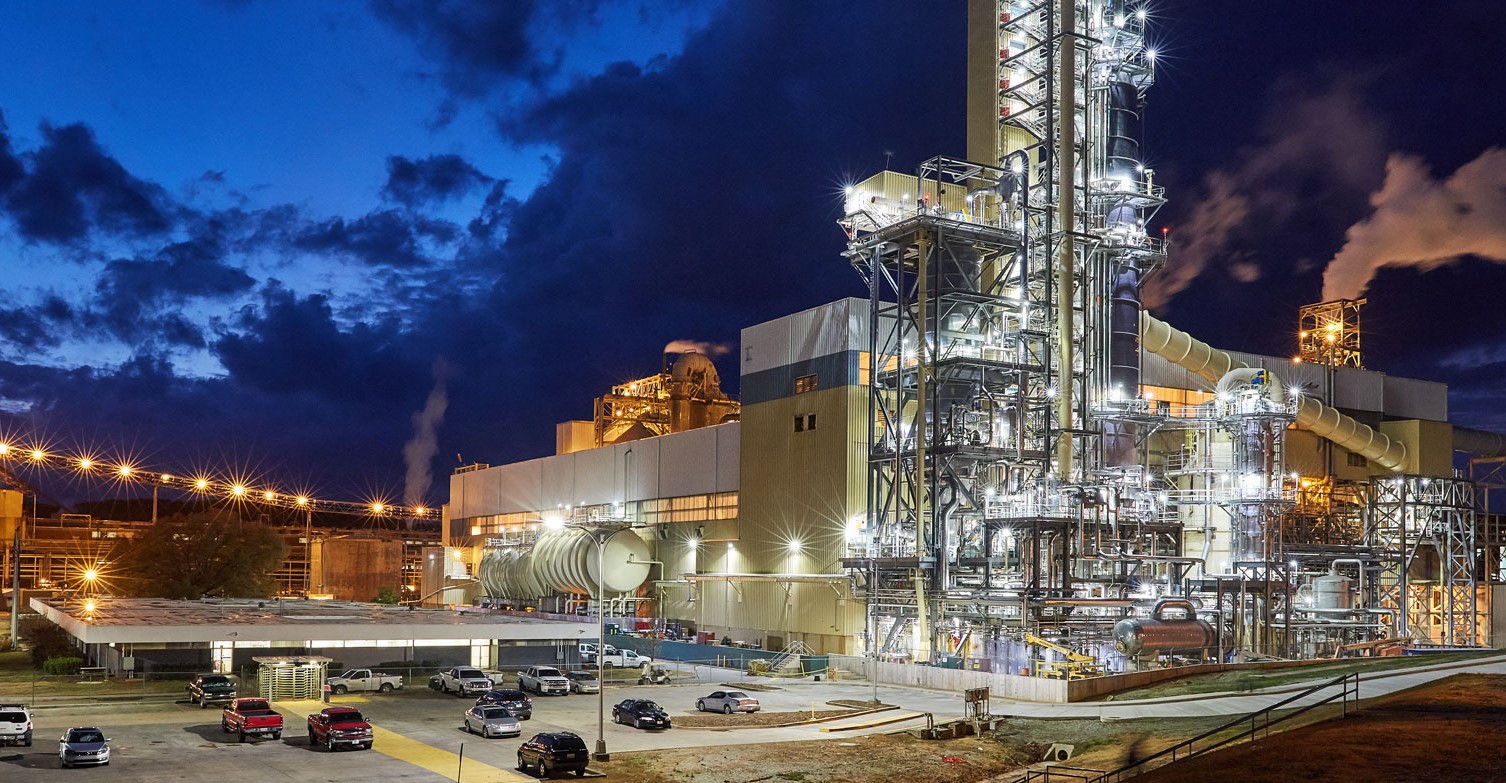


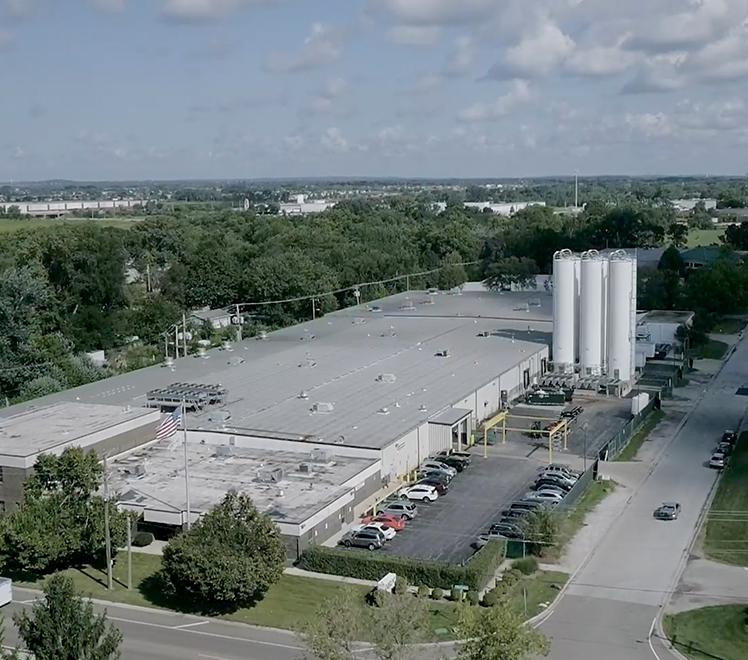
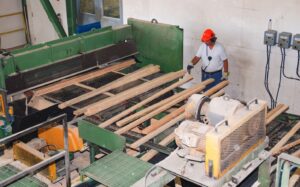 Duties on Canadian imports are driving up domestic sales at some Maine lumber companies. …Protection from historically lower Canadian lumber prices has given Pleasant River Lumber the confidence to add an additional manufacturing shift in Enfield, according to co-owner Jason Brochu. Photo by Katherine Emery. …Historically Canadian companies have both outbid them for timber harvested in Maine and undercut American lumber prices when they export the finished lumber product back across the border. …An industry analyst and two other mill leaders said that inflation and a sputtering housing market make it unclear whether the tariffs will have a positive or negative effect on business in the long run. The effects of the tariffs will also vary based on the different products sawmills make. …Sawmills rely on certainty, said Alden Robbins, of Robbins Lumber, and neither the markets nor foreign trade relationships have been stable recently.

 Logging and forest trucking industry added an estimated $1.3 billion to the Northeast region in 2024, with Maine contributing $534 million of that amount, according to a study released this week. Maine’s figure included $283 million in total labor earnings and an estimated $23 million in state tax revenues. The Pine Tree State numbers represented 2,744 direct logging and trucking jobs, along with an additional 1,715 indirect jobs, for a total of about 4,460 jobs statewide. The Augusta-based Professional Logging Contractors of the Northeast released the results of its first-ever regional study on Wednesday, conducted by Wallace Economic Advisers LLC. It showed that in 2024, logging and forest trucking supported around 6,930 jobs in the region, generated $393 million in labor income, pumped an estimated $61 million into state and local tax coffers, and remained critical to a range of industries and communities.




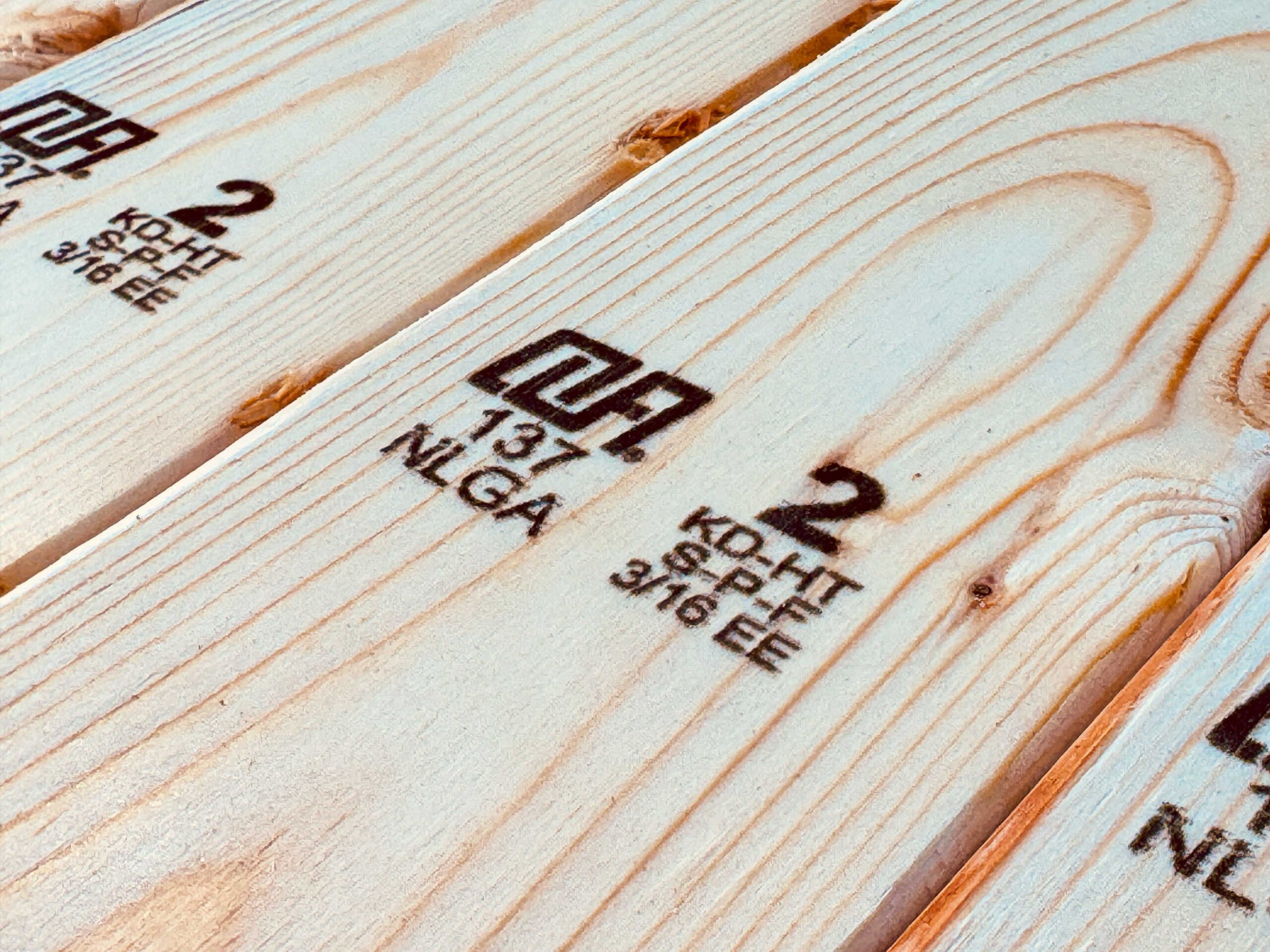 CONCORD, New Hampshire — A bill moving forward at the State House aims to address a decades-old discrepancy in how wood strength is rated. New Hampshire lawmakers approved Senate Bill 529, which gives preference to US-harvest lumber. The bill requires state-funded building projects to include design specifications for US-sourced spruce-pine-fir. …In the early 1990s, the U.S. and Canada developed separate systems to rate the strength of framing lumber. Canadian lumber is labeled SPF, while American lumber is labeled SPFs. SPFs ended up with a lower design strength value, even though the wood used on both sides of the border is nearly identical. …Over time, the difference in design specifications has given Canadian lumber a competitive advantage, putting Hampshire lumber at a disadvantage. While lawmakers can’t change international industry standards, they can influence how the state purchases lumber for its own construction projects.
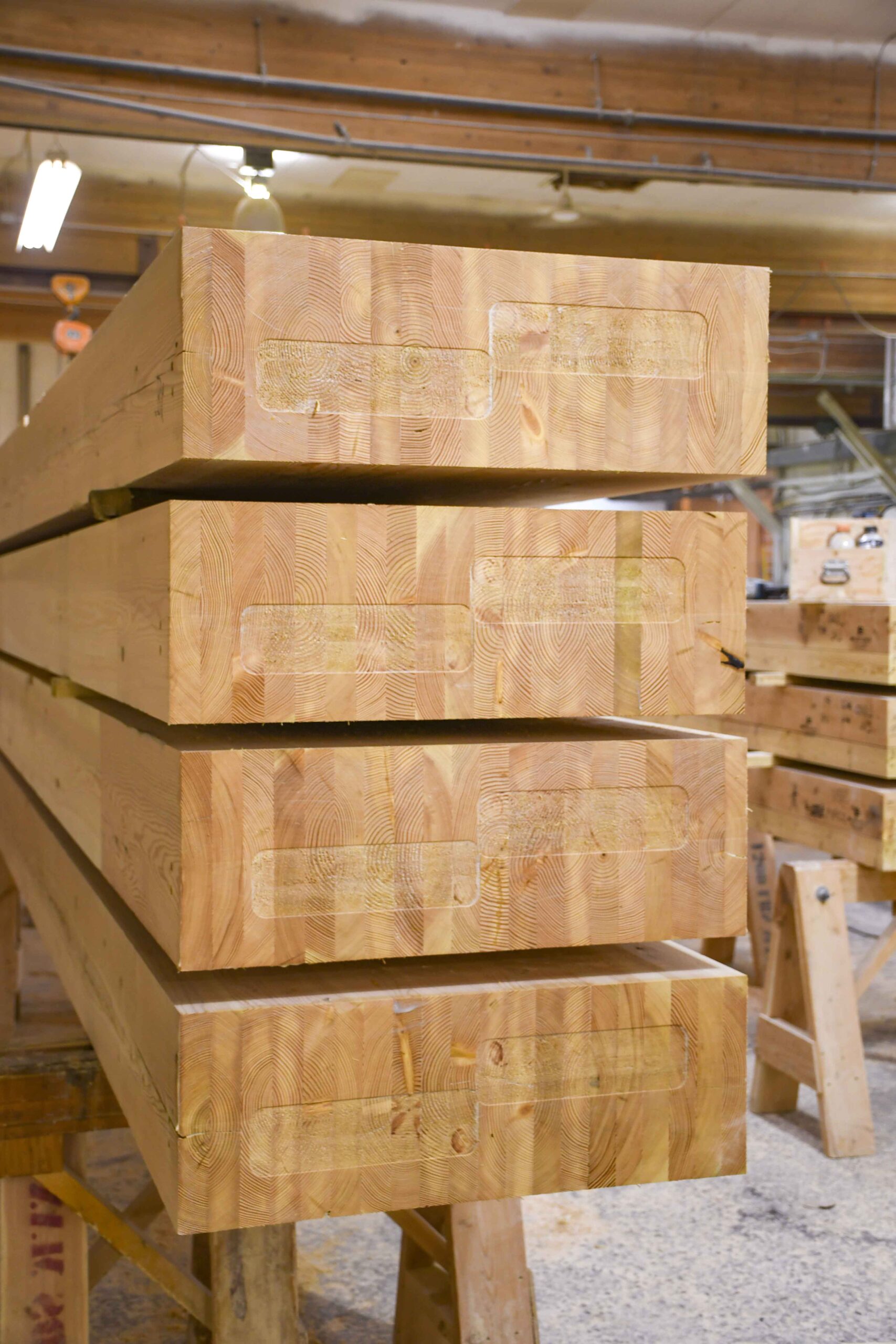 BRIMLEY, MI – The Bay Mills Indian Community will receive $50,000 in state funding to support planning and design of a long-term care facility in Brimley, making it the only Upper Peninsula project selected in the first round of Michigan’s Mass Timber Catalyst Program. The planned facility is among 10 projects statewide sharing $400,000 in grants aimed at expanding the use of mass timber construction in Michigan. The state received six applications from the Upper Peninsula. “We received six applicants for a number of different projects in the Upper Peninsula,” said Patrick Mohney, senior lands program manager with the Michigan Department of Natural Resources’ Office of Public Lands. “This shows that interest in this building technique is growing.” Nine Lower Peninsula projects were also selected, with individual grants ranging from $25,000 to $60,000. Recipients include a woodworking school in Adrian, a municipal building in Grand Rapids, and mixed-use facilities in several locations.



 The mass timber supply chain has spent more than a decade proving the product works. …Now, research produced by Michigan State University argues that none of it matters much if the system surrounding the product isn’t built to match. Led by George Berghorn, Modular Mass Timber for Housing Construction, research published in the
 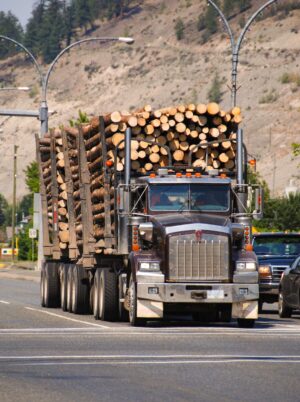 Since International Paper closed its mills in Liberty and Chatham counties last fall, business owners in Southeast Georgia who once made the state the largest timber exporter in the nation have been feeling acute pain. As of January, demand for timber had dropped more than 60%. …The cost of pulpwood, meanwhile, had plummeted. …Gov. Brian Kemp has carved $14 million for the timber industry in his draft budget, based on recommendations from a
 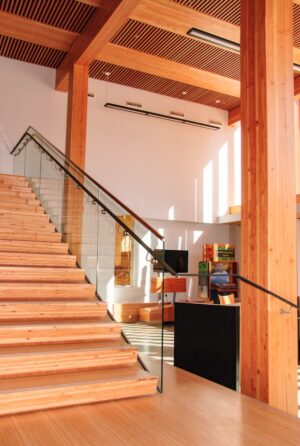 Massachusetts is considering changing state building codes to allow single staircases in multi-family residential buildings up to six stories. Advocates say the change would result in smaller buildings, space savings that could lead to 130,000 new housing units. Before changing the building codes, which currently require two exit stairways, Massachusetts Governor Maura Healey has signed an executive order establishing a technical advisory panel to study potential safety issues. “We’re all about making it easier to build more housing across our state to drive down costs for everyone,” Healey said in a statement. “While the double-stair requirement plays an important role in ensuring safety, it’s also holding us back from the type of housing construction we need to meet demand.” …New York City and Seattle, Washington have “permitted single-stair buildings up to six stories for decades,” the administration says…, as have the states of Tennessee, Montana, and Connecticut.
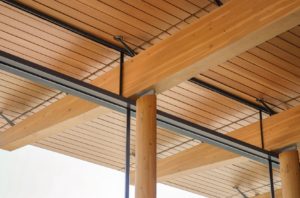 LANSING, Michigan – A state program to aid mass timber projects in Michigan has been extended for the Upper Peninsula after the region submitted no applications for funding in 2026. …A supplemental call for proposals makes available $50,000 through March 2. Those awards will be announced March 16. The awardees are:
 As the Trump administration wages war on Iran, it’s citing national security to seek an exemption from the Endangered Species Act for expanded oil and gas drilling in the Gulf of Mexico — a move alarming environmental groups who say it could set a dangerous precedent for future fossil fuel projects. Environmentalists argue the government hasn’t followed proper procedure and they’re seeking to block the move before Interior Secretary Doug Burgum convenes the Endangered Species Committee on Tuesday. The committee, nicknamed the “God Squad” by groups who say it can determine the fate of a species, is comprised of six high-ranking federal officials plus a representative for states involved. …The Center for Biological Diversity sued last week to block the committee meeting. …The committee was established in 1978 as a way to exempt projects from the Endangered Species Act. …The committee has only convened three times in its 53-year history and issued only two exemptions.
 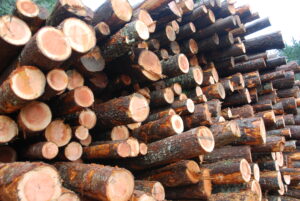 MICHIGAN — A disastrous ice storm last spring gut-punched Michigan’s multi-billion-dollar forestry sector. One year later, experts say the damage from that storm – which coated and snapped trees with up to an inch of ice accumulation across millions of acres of Northern Michigan forests – will ripple through timber markets for decades. The March 28-30, 2025, storm wiped out years of future logging contracts and reshaped forestry plans across the heart of the state’s “wood basket.” “It’s going to take 100 years to get this sorted out,” said Dan Heckman, forestry planning and modeling specialist for the Michigan Department of Natural Resources. The storm was so disruptive to existing logging plans that the state had to recalibrate its latest 10-year forest management plan. Northern Michigan’s red pine plantations and aspen stands took the brunt of the damage. Public and private foresters have spent the past year trying to salvage what financial value they can.
  At a commercial tree nursery near Evans, western Louisiana, pine seedlings are sprayed with a liquid extract teeming with hundreds of species of wild soil fungi. Brad Ouseman, the nursery manager, is confident he will see results from this fungal inoculation, which is intended to improve yields and reduce the need for artificial fertilisers. Colin Averill, the founder of Funga, the startup company that supplied the spray, likens the treatment to a faecal microbiome transplant for young pine trees. Funga treats young pine trees with wild microbes derived from the soils of thriving pine forests. “We’re taking the whole soil community,” Averill says. “As a result, we get all the complexity and all the interactions that come with it.” The goal: trees that grow fast, drawing down more carbon dioxide, with less reliance on artificial fertilisers. …“Our next big target is Douglas fir in the Pacific north-west,” says Averill.
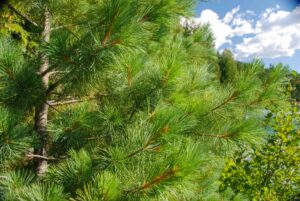 Years after logging at his Mariaville woodlot, Bob Seymour expected to see new hardwood trees growing in the understory. In fact, he took it as a given after decades in the Maine woods that natural regrowth would crop up. Instead, almost all of the young trees in some sections are eastern white pines he had planted. He believes that’s largely because deer populations are growing and eating more hardwood saplings, which means fewer trees and less diversity in the future. …It’s one of the most concerning changes that Seymour, a retired UMaine silviculture professor, has seen in almost five decades of experience researching forest management. …Such challenges to understanding and managing the Maine woods have grown in recent years amid climate change, which has brought destructive new pests, fast-moving diseases, invasive plants that take over, and warmer winters that change growing, harvesting and wildlife conditions.

 When Hurricane Helene swept through western North Carolina, forestry officials conservatively estimated the storm damaged 822,000 acres of timber. Now satellite imagery showing changes in forest cover suggests the extent of damage was much greater. Nearly 18 months after Helene, forestry officials and the state fire marshal warned legislators Thursday that North Carolina needs to be much better prepared to battle wildfires. Deputy Forester Kevin Harvell with the North Carolina Forest Service said from the air, it’s easy to spot areas where complete stands of trees were flattened, making forest roads and logging roads impassable. …In many counties, N.C. Forest Service staffing consists of just three people – a county ranger, an assistant ranger, and a heavy equipment operator. That means a local county fire department may be the first responder when a brush or woods fire is reported. As in many areas of state government, Hicks says low pay is making it increasingly difficult to keep experienced staff.
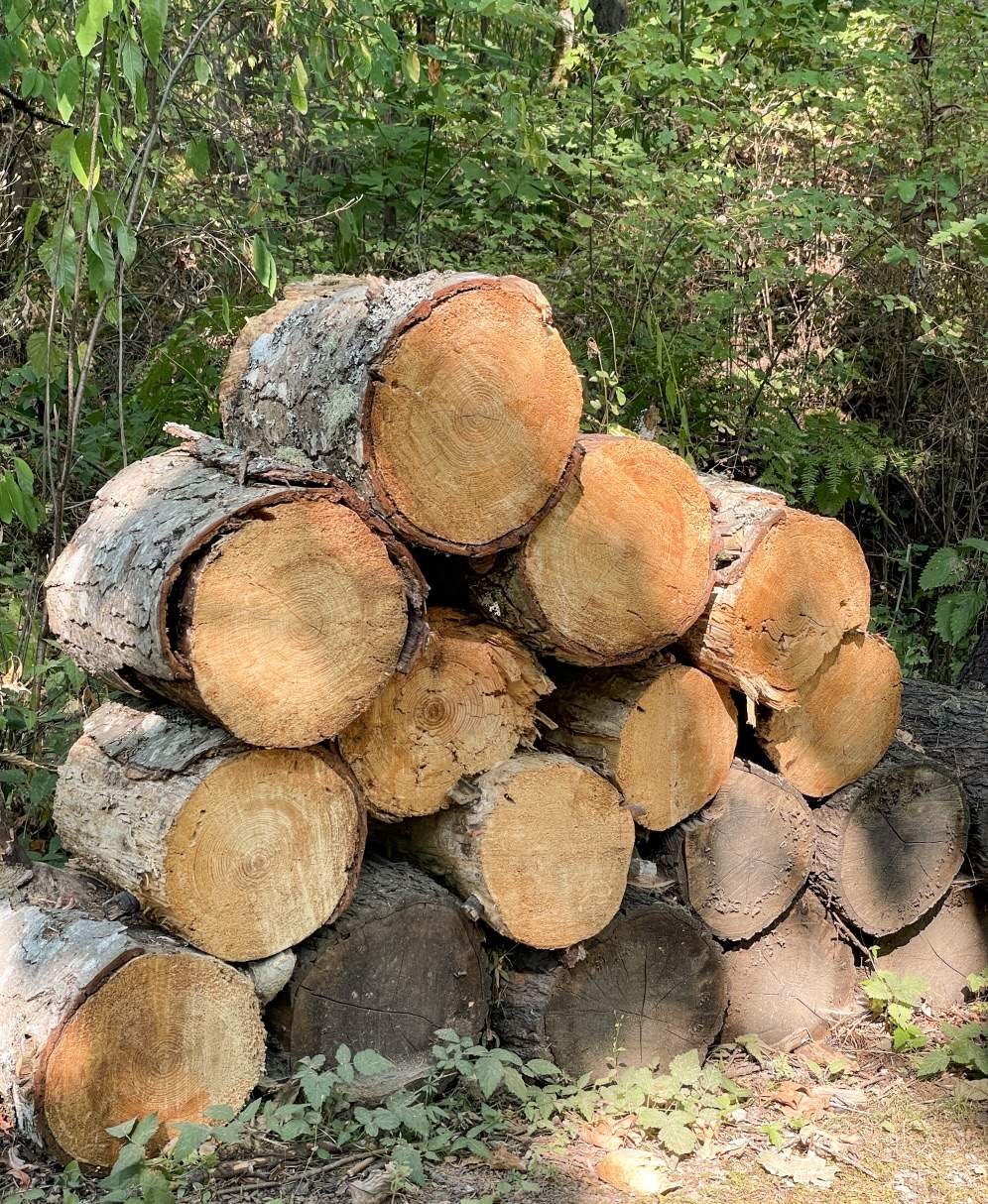 RHNELANDER, Wisconsin — Wisconsin’s Forest Industry Roadmap and Strategies for Tomorrow, or Wisconsin Forests FIRST is a statewide initiative made for developing a plan and roadmap to ensure Wisconsin’s forests remain healthy and productive, while strengthening the timber industry. Wisconsin’s timber industry is one of the leading economic factors in the state, especially in the Northwoods. The new roadmap being developed by Wisconsin Forests FIRST Initiative aims to identify challenges within the industry to ensure long-term success. Wisconsin Council on Forestry chair, Tom Hittle, explains what the roadmap will consist of. …The research for the roadmap will last two years and seek out data-driven insights to support forest health in collaboration with local and statewide experts. The Great Lakes Timber Professionals and the Paper Council received a $1 million grant from the state to pursue the project with the Wisconsin Council on Forestry.
 MONTANA — Three national forests east of Missoula are proposing a plan to require continuous logging across almost a million acres of southwest Montana for at least the next decade. On Monday, the U.S. Forest Service released a draft plan for a Tri-Forest Sustained-Yield Unit, which would direct logging to occur on more than 925,000 acres across the Beaverhead-Deerlodge, Helena-Lewis and Clark and Custer Gallatin national forests. The plan’s stated purpose is to “to support local economies and the timber industry.” Logging is predicted to ramp up to produce 35 million board-feet of lumber annually by the end of 10 years, according to the plan. … The plan says logging won’t occur in wilderness areas, recommended wilderness or wilderness study areas. …But some regional public land advocates are questioning the plan at a time when the Trump administration has pushed a number of other initiatives that favor the timber industry and reduce public comment.
 In November 2025, the Department of Environmental Protection (DEP) approved a
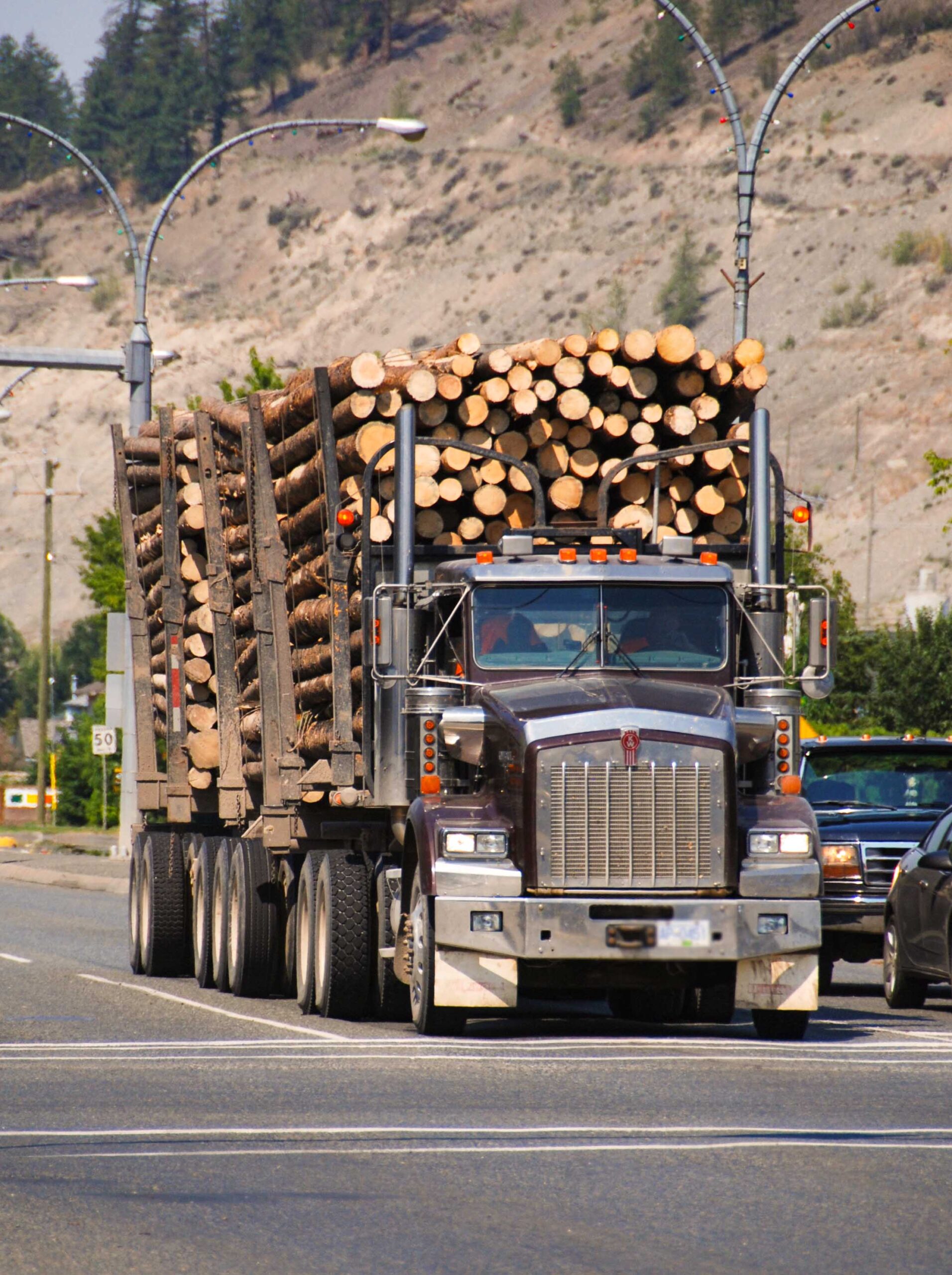 The US Forest Service is proposing a massive project in a national forest in Michigan that would log land roughly the size of Detroit, expand gravel mining and build roads. The Silver Branch Vegetation Management Project would span about 40 miles from north to south on the eastern edge of the Ottawa National Forest. The area includes habitat for the endangered northern long-eared bat, one of several reasons environmental groups have raised alarms. The proposal includes a wild rice seeding project, improvements to campgrounds and lake access and attempts to bolster habitat for the protected Kirtland’s warbler. The whole thing is projected to last around 30 years, with periodic reviews. …national forests serve multiple purposes [including] recreation, wildlife habitat and timber. Ottawa National Forest officials say the Silver Branch project is not primarily about logging, it’s about getting the right tree mix for forest maintenance and health. However, the project has drawn concerns from a wide range of groups.
 WILMINGTON, N.C. – The N.C. Forest Service (NCFS) is reminding the public to use best practices and common sense with outdoor fires ahead of the state’s spring wildfire season. NCFS officials say escaped yard debris burns are the leading cause of wildfires across the state, often due to carelessness. 99% of wildfires are caused by human activity, officials said, often when people work in their yards in spring and burn yard debris. Other causes of human-caused wildfires include machine and vehicle use, such as dragging tow chains, arson and escaped campfires. “With the recent rainfall combined with multiple winter storms earlier this year, some folks may not realize that most of North Carolina is still experiencing very dry conditions,” said Agriculture Commissioner Steve Troxler. “Our state’s gradual descent into drought and prolonged dry conditions are going to lead to wildfires igniting more easily, burning more intensely and spreading quicker.”
 LITTLE ROCK, Arkansas — The Arkansas Department of Agriculture announced some of its forestry personnel will go to Oklahoma and Tennessee to help with wildfire suppression and winter storm response. Governor Sarah Huckabee Sanders authorized state forestry personnel to support wildfire suppression in Oklahoma and urban tree recovery in Tennessee. …Six wildland firefighters will go to Oklahoma for around two weeks. These firefighters will focus on attacking and suppressing new wildfires to prevent further spread. The Department is also sending four bulldozers and two pick-up trucks to help. Three urban forestry personnel will go to Tennessee to join an Urban Forest Strike Team, a specialized group of certified arborists, foresters, and urban forestry experts. Arkansas forestry personnel will help the UFST with tree damage and risk assessments, hazard mitigation planning, and technical expertise and training.


 CHARLOTTESVILLE, Va. — Virginia’s forestry leaders are working to address mounting pressures that could undermine the long-term viability of forest management throughout the state. The newly formed Virginia Wood Council convened its inaugural meeting in September, bringing together representatives from various industry groups and government agencies. Participants included the Virginia Farm Bureau, Virginia Forestry Association, Virginia Loggers Association, Virginia Forest Products Association, Virginia Department of Agriculture and Consumer Services, the Virginia Economic Development Partnership, along with loggers, mill operators and manufacturers. “The plan is to understand all the emerging forest product industry issues, and figure out what’s causing them,” said Sabina Dhungana, utilization and marketing program manager for the Virginia Department of Forestry. …The industry operates through collaboration between forest property owners, forestry professionals, loggers, timber purchasers and other specialists who work to maintain a consistent supply of renewable timber resources used for lumber production, paper manufacturing, energy generation and other purposes.
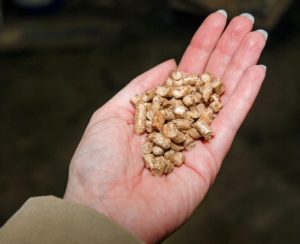 LOUISIANA — Legislation to expand wood pellet manufacturing in Louisiana is gaining traction despite concerns over the industry’s connection to underground carbon storage, which has attracted a growing number of critics among state lawmakers. Louisiana is a burgeoning producer of wood pellets, which have been branded as a sustainable alternative to coal for generating electricity in overseas markets. As of 2023, mills in the South produced about 85% of the America’s wood pellet exports, according to the U.S. Department of Agriculture. Reps. Chuck Owen, R-Rosepine, and Rodney Schamerhorn, R-Hornbeck, are carrying the proposed Louisiana Wood Pellet Manufacturing Strengthening Act. It directs the Louisiana Economic Development agency to promote the expansion of the industry throughout the state. …Legislators who have become hostile to carbon dioxide sequestration projects in their local districts openly disagree with economic development officials on whether the wood pellet industry even needs to store the CO2 they generate.
 HOLMES COUNTY, Ohio — Six people were injured following a dust explosion and fire at a moulding facility in Holmes County on Tuesday, according to local emergency officials. According to a Facebook post reporting the incident, East Holmes Fire & EMS responded at 12:43 p.m. at Holmes Custom Moulding, where crews reported a structure fire accompanied by an explosion. First units arrived within one minute and requested additional ambulances after identifying multiple burn victims. …Six patients were treated at the scene and transported to area hospitals… Preliminary information indicates the explosion was caused by sparks from a malfunctioning belt sander entering a sawdust collection system. The ignition of wood dust led to an explosion that caused extensive damage to the building, including the dust collection system and sawdust silos.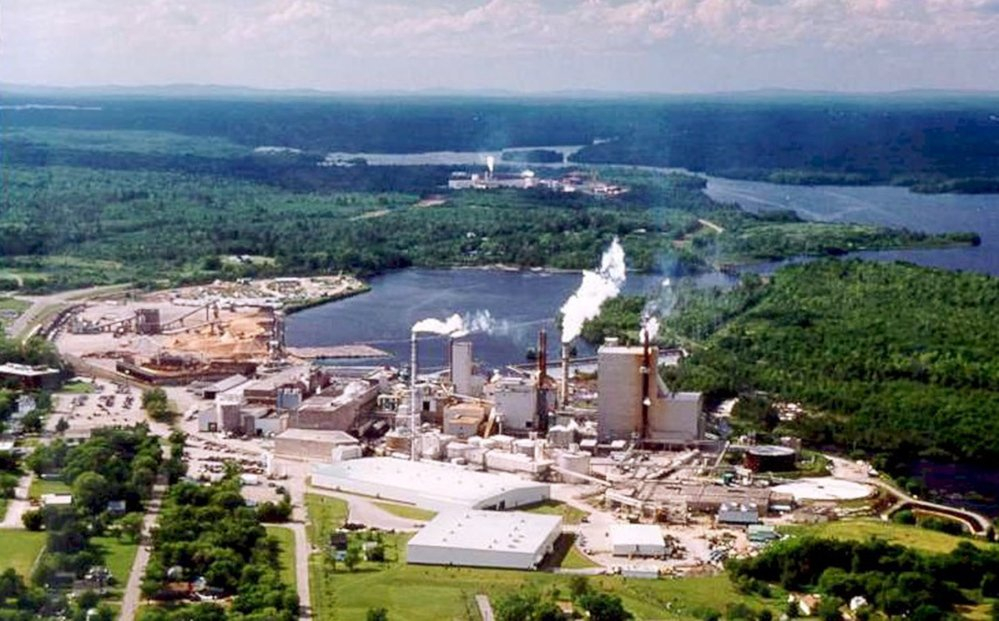
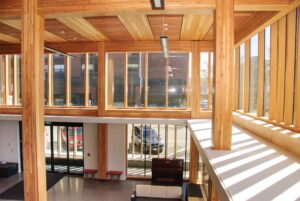 Construction in New York City is one of the most dynamic and demanding industries in the country — but it’s also one of the most dangerous. …That’s why innovation in building materials and methods can have a real impact not only on efficiency and sustainability but also on safety. One such innovation, mass timber, is gaining traction. …Mass timber components are prefabricated in controlled factory settings. This approach greatly reduces the need for tasks like cutting, welding, or mixing concrete on-site — tasks that are commonly associated with jobsite injuries. …Additionally, since large panels arrive ready to install, crews spend less time working at height, which directly reduces the risk of falls — the leading cause of construction fatalities in the U.S., according to OSHA’s fall protection guidelines. …It also means a reduced need for powered hand tools and high-decibel equipment, lowering the risk of accidents related to hand injuries or communication breakdowns.

 Warm, dry and windy weather in Oklahoma has fueled multiple wildfires and prompted authorities to urge nearly one-third of the residents of the small city of Woodward to flee. Matt Lehenbauer, director of emergency management for Woodward and its nearly 12,000 inhabitants, said the evacuation recommendation covers roughly 4,000 people. It is voluntary, he said, because Oklahoma prohibits mandatory evacuations. The wildfire in Woodward, about 140 miles northwest of Oklahoma City, is approaching a “worst-case scenario,” Lehenbauer said, but it hasn’t moved into the most populated area of the city. A blaze in Beaver County at the base of the Oklahoma Panhandle, about 217 miles northwest of Oklahoma City, has consumed an estimated 15,000 acres alone, Oklahoma Forestry Services said.