 EUGENE, Oregon — Sierra Pacific Industries plans to spend $253 million on upgrades to its Eugene, Oregon, sawmill site, according to published reports. The Register Guard newspaper reported that the current sawmill houses three production lines in three separate buildings, and it plans to reconstruct the lines to be under one roof making the sawmill more efficient, and, as a result, retain its employees. …Sierra Pacific was awarded tax breaks as part of the Oregon Strategic Investment Program (SIP), which allows businesses to forgo paying property taxes for 15 years on capital investments, such as new equipment. Investments beyond the first $100 million are exempt from property tax for 15 years. Sierra Pacific would see savings of about $7.9 million during that time. In exchange, Sierra Pacific promises to maintain its current staff of 347 employees at the site for the SIP period, and pay a “service fee” worth 25% of its property tax savings to the local non-education governments.
 USK, Washington — The owners of the defunct Ponderay Newsprint Mill plan to sell its equipment at auction next month after years of empty promises to reopen what had been one of the largest employers in northeast Washington. The sprawling 927-acre property in Usk has 29 buildings and storage facilities. It is situated adjacent to the Pend Oreille River and the Pend Oreille Valley Railroad. Instead of making paper or reconfiguring the mill to make cardboard, as the new owners promised multiple times in public hearings, the site has produced nothing for the past several years. Instead the owners used vast amounts of electricity to run computers mining for cryptocurrency. The paper mill previously was owned by Lake Superior Forest Products, a subsidiary of Quebec-based Resolute Forest Products, and five major U.S. publishers. They declared bankruptcy in 2020, ending the jobs of about 140 workers. Now that equipment is being listed by Capital Recovery Group to be viewed on July 21 with online auctions to commence on July 22 and July 23.

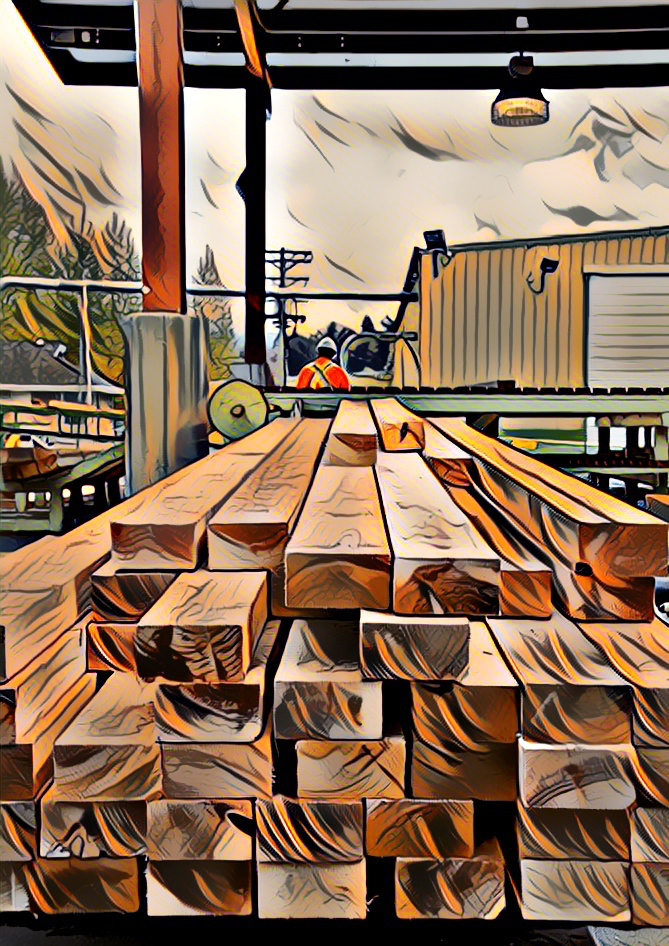 Duties placed on Canadian lumber entering the U.S. could eventually help markets here, a local mill manager is saying, but they are still a few months out. There’s a misconception that recent tariffs announced against Canadian goods extended to lumber products, F.H. Stoltze Land and Lumber vice president and general manager Paul McKenzie said Monday. The U.S.-Canada lumber market is governed under a separate and oft disputed softwood agreement that places duties on Canadian lumber. The duties are supposed to keep Canadians from dumping government subsidized lumbers onto U.S. markets. They currently amount to about 14% combined. By August or September, they’re expected to climb to 34%, McKenzie noted. That will be helpful to us,” McKenzie said. Stoltze has operated its independent mill in Columbia Falls, Montana over 100 years. McKenzie said Canadians are currently dumping their products into the U.S. ahead of the hike in duties.

 SEELEY LAKE, Montana — A law passed during the 2025 legislative session could provide $6 million in low-interest rate loans for an entity that wants to start up a wood products facility. The measure could impact Seeley Lake, where Pyramid Mountain Lumber once operated. “I think the likelihood of you know, somebody coming here, obviously, there’d be opportunity at other mills as well, but they really like the, the ability to source timber from this site,” said Pyramid Mountain Lumber owner Todd Johnson. Johnson says the new law would incentivize anyone looking to open a new facility by providing funding for one portion of the total for opening a new mill. “I think the, the main designs behind it were so that it would allow somebody to secure a site. Six million dollars would go a long ways towards securing, you know, a site here in Montana,” said Johnson.
  As Oregon lawmakers frantically search for money to fund roads and wildfire prevention, they have landed on a surprising idea: Dredging up a fight over cap-and-trade that once dominated legislative attention. Recently, there’s been increasing momentum to adopt a cap-and-trade system, where polluters purchase credits for their greenhouse gas emissions, and trade them with other emitters to ensure they are meeting a declining state emissions cap. That push has been led, according sources, by Sen. Bruce Starr, R-Dundee. But it appears to have gained traction as other proposals to raise money for road and bridge maintenance and firefighting face an uncertain fate. Washington and California have cap-and-trade programs, and early talks in Oregon have involved adopting a law similar to Washington’s… Funds generated from gas and diesel suppliers could pay for road projects … wildfires, climate nonprofits, and transit or pedestrian uses.
 Weyerhaeuser Company and Firefighter Behavioral Health Alliance (FBHA) today announced an extension of their Fighting Fires Together campaign, a partnership that provides specialized mental health support for wildland firefighters and their families across the Pacific Northwest. Fighting Fires Together, now in its fourth year, addresses the often-overlooked mental health impacts of wildland firefighting in isolated, hazardous and highly stressful conditions. Through a free online resource hub, first responders can find specially designed content, including videos about Post Traumatic Stress Disorder, depression, anxiety and suicide prevention, along with mental health tips, educational articles and contacts for occupationally aware support groups and counselors in Oregon, Washington and British Columbia. Weyerhaeuser’s support for wildland firefighting efforts in the Pacific Northwest began in the aftermath of the Yacolt Burn in 1902, when the company began advocating for Washington’s first forest fire legislation and the funding of community fire prevention education and patrols.
  SACRAMENTO, California — There is already a crisis of available and affordable housing in America. But now, political uncertainty and economic volatility could make home buying even less attainable. …The proposed Trump tariffs on building materials are creating financial volatility that could send housing prices up significantly. Since his announcement of widespread tariffs on April 2, the additional costs imposed on imported lumber, gypsum, aluminum, electronics and other related materials delayed the nation’s housing starts in April, according to NAHB. …“More tariffs equal more anxiety and uncertainty for American businesses and consumers,” said David French, at the National Retail Federation. “Tariffs are a tax paid by the U.S. importer that will be passed along to the end consumer. …One of the largest material costs for housing construction is lumber, and the largest amounts are imported into the US from Canada.
 Economic uncertainty has produced a double whammy for the housing market: sluggish home sales and plodding construction. Last month was the slowest April for existing home sales in 16 years — a sharp rebuke to hopes that this spring the housing market would recover after two very sleepy years. In a May survey of builder confidence conducted by Wells Fargo and the National Association of Home Builders, home builder sentiment dropped to a level last seen in November 2023. The problem, as ever, is the cost of housing: Home prices are out of reach for many who would like to buy. And the tariff drama under President Trump has both made it more expensive to build new homes and made the future more unpredictable for would-be homebuyers. The result is a country where builders want to build, and buyers want to buy — but the future is too much in doubt.
 I recently gave my electric pressure washer a vigorous workout. …Years ago, I walked into a lumber company to purchase materials and saw a placard on the counter advertising new maintenance-free pressure-treated lumber. Yes, at one time, residential pressure-treated lumber was a new thing. …We all discovered the claim was wrong. Pressure-treated lumber requires extensive maintenance. …This reality led to the first generation of composite decking. I remember when Trex was introduced. It dominated the marketplace, even though it was quite unattractive. It, too, was marketed as maintenance-free. Millions of other homeowners demanded a more realistic composite deck material. Generations two and three of composite decking followed. …The corporate attorneys for some decking manufacturers have reined in the optimistic marketing managers. You’ll now see clever descriptions such as “minimal maintenance.”
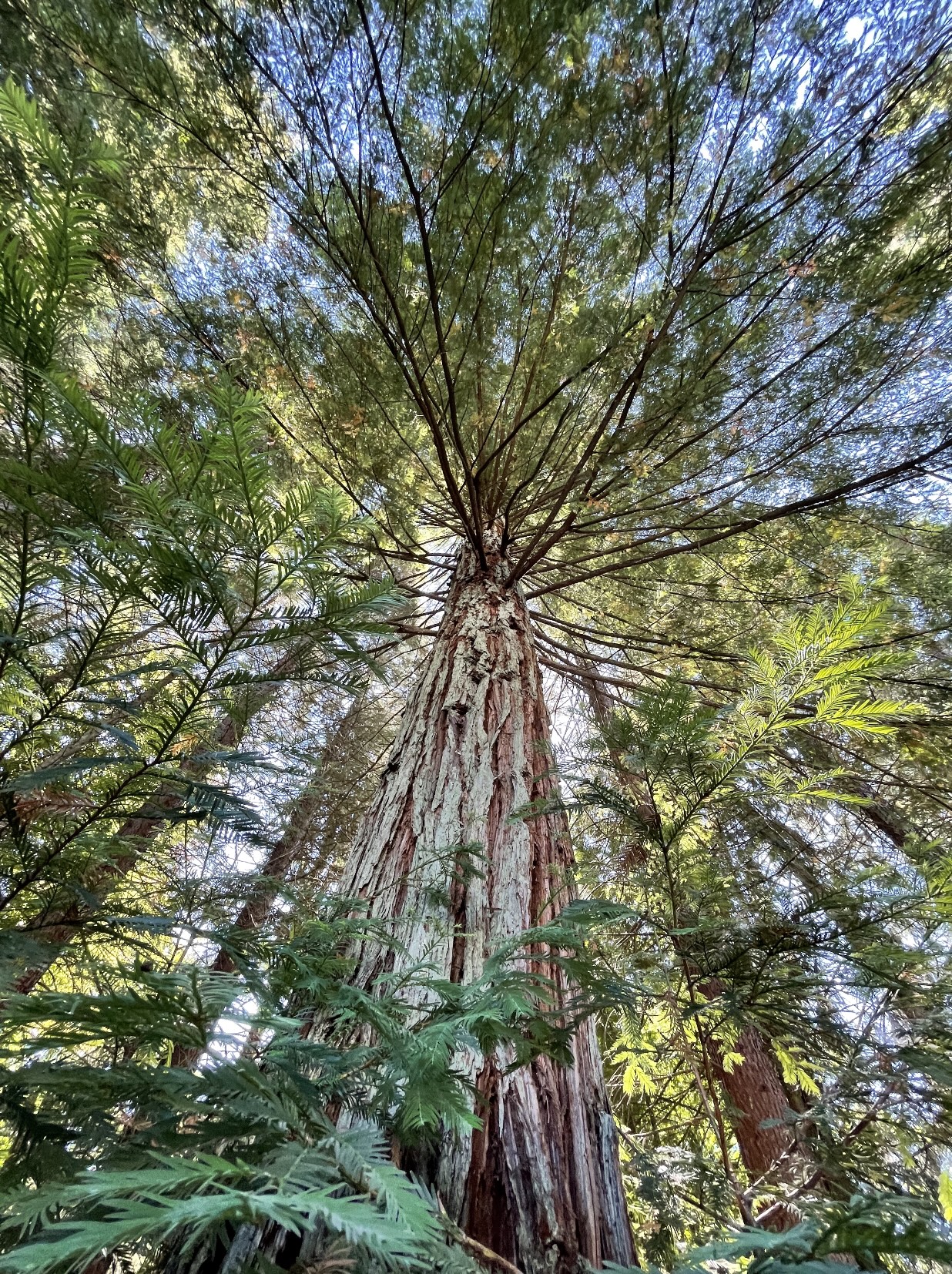
 In an age of sleek finishes and synthetic shortcuts, timber framing offers something few modern materials can: substance. There’s a quiet grandeur to exposed beams that hold not only the weight of a home but the stories it gathers over time. The appeal isn’t rooted in nostalgia—it comes from discernment. Choosing timber is a commitment to craftsmanship, to the feel of hand-hewn structure beneath polished design. Bespoke estates, mountain retreats, and coastal getaways are embracing timber as both a form and a functional element. No longer reserved for rustic cabins or historical reproductions, it’s becoming the architectural signature of homes designed with permanence in mind. That kind of durability begins with sourcing, ensuring the materials behind the beauty are as intentional as the design itself. Timber framing is one of the oldest construction methods still in use, with roots stretching back over a thousand years.
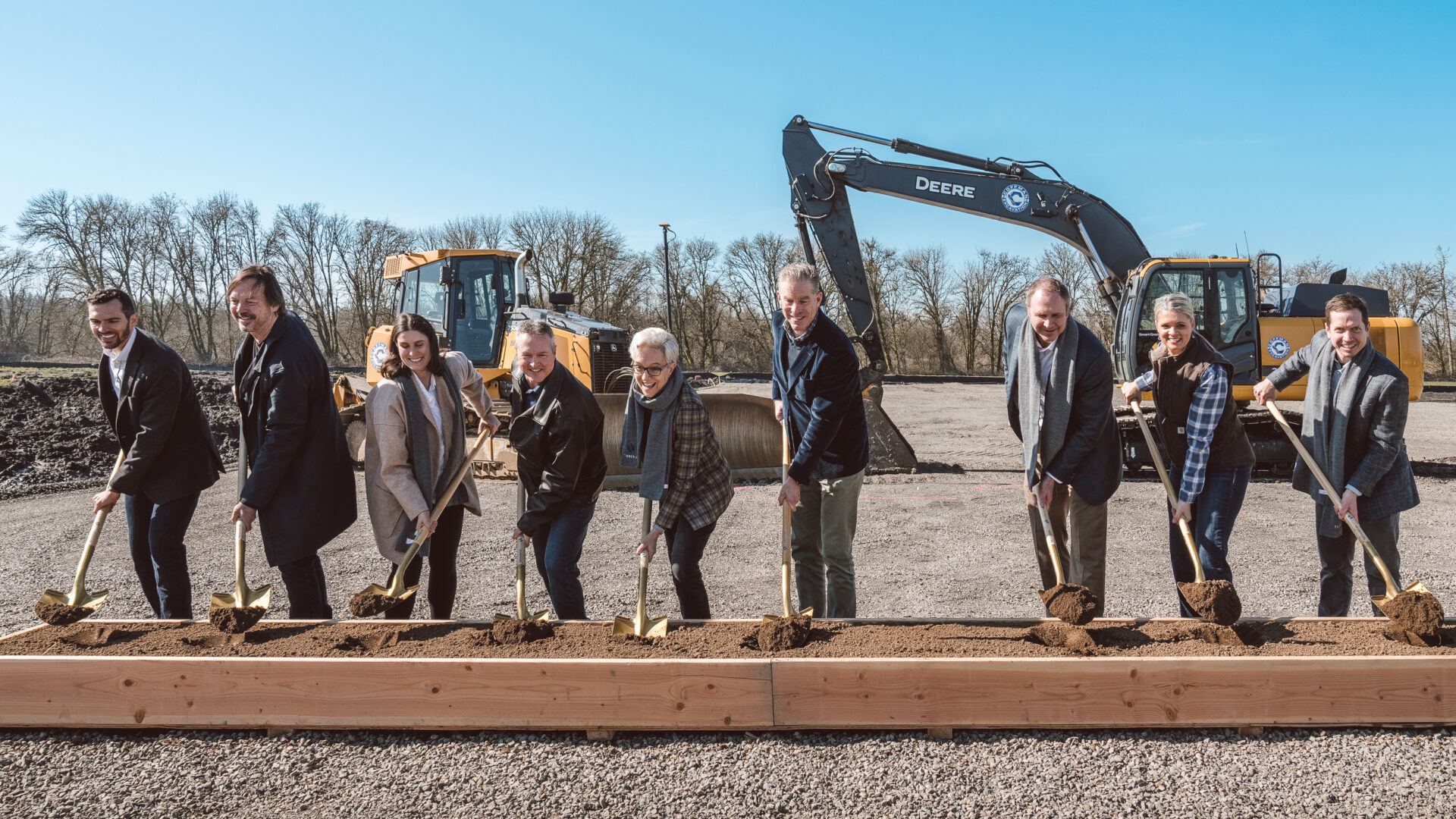
  PORTLAND, Oregon – The Port of Portland is leasing a former marine terminal to a mass timber company as part of an effort to spur housing development and job growth in the area. On Wednesday, the Port of Portland approved a lease for Zaugg Timber Solutions to open a factory at the Port’s Mass Timber and Housing Innovation Campus at Terminal 2. …“Our partnership with ZTS marks a major leap forward in developing the Mass Timber and Housing Innovation Campus at T2,” said Kimberly Branam. “Their new manufacturing facility will boost our region’s economy by promoting sustainable forestry practices, creating quality jobs, and increasing housing production.” While the new 100,000-square-foot manufacturing facility is expected to open in 2028, ZTS will produce mass timber modular housing units, industrial and commercial buildings and other building components starting in 2026 in an interim manufacturing facility at the terminal, officials noted.
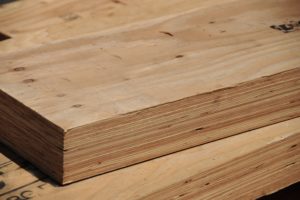 After this year’s fires burned through the Palisades and Altadena neighborhoods, destroying over 16,000 structures, the city is reckoning with 4.5 million tons of debris, according to LAist—”the largest municipal wildfire cleanup operation in recent history.” As a result, the Army Corps of Engineers is sending trucks to 18 different regional facilities including landfills and recycling plants to manage the process of clearing out build remnants and remediating hazardous materials. Trees that appear damaged or unviable are cut down and sent to a local golf course to be mulched—a fact that doesn’t sit right with local sawmill owner Jeff Perry. In the aftermath of the Palisades and Eaton Fires, Perry teamed up with local landscape architects to create Altadena Reciprocity, an initiative that helps homeowners recycle an often-overlooked resource—neighborhood trees—into a product that residents can use for flooring, stair treads, door casings, and much more.

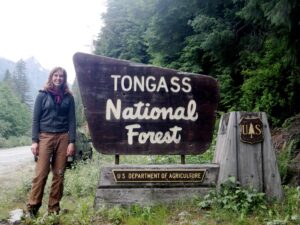 Members of the U.S. Senate last week proposed a major sale of federal land as part of the “Big, Beautiful Bill” proposed by Republicans to fund the U.S. government. If adopted, the proposed sale could be significant for Alaska, where the federal government owns and manages 61% of all land in the state… The concept would significantly increase the amount of logging required on federal land. The U.S. Forest Service would be required to significantly increase the amount of timber sold to loggers, and the Forest Service would be required to sign at least 40 long-term timber sales contracts involving national forests. Those kinds of long-term sales contracts contributed to the establishment of Southeast Alaska’s pulp mills, which relied on harvests from the Tongass National Forest. Most timber harvests from the Tongass currently are exported internationally without processing in the United States.
 The Oregon Department of Forestry and the USDA Forest Service will conduct low-level flights in June to monitor forest health. This survey, which began in the 1940s and paused only during the 2020 pandemic, is the longest continuous annual survey of its kind in the United States. Airborne researchers conduct the survey from fixed-wing aircraft, flying between 1,500 and 2,500 feet above ground level at speeds of 90 to 140 miles per hour. They follow a systematic grid pattern, four miles apart, to identify areas where trees are in distress. “Oregon has about 30 million acres of forest so flying in a grid pattern over it allows us to find problems even in remote areas hard to reach by vehicle or on foot,” said Christine Buhl, an entomologist with the Oregon Department of Forestry.
 Sitting in an old-growth spruce fir forest, Doug Smith says he can see first-hand the impact of reintroducing wolves on the larger ecosystem of Yellowstone National Park. Long before Yellowstone became the world’s first national park in 1872, wolves thrived in the U.S. Rocky Mountains. But early Yellowstone rangers killed off the last of the park’s wolves by 1926. Then, in 1995, the U.S. government reintroduced wolves to Idaho and Yellowstone using wolves captured in Canada. Smith helped bring them back to the park and was in charge of Yellowstone’s wolf project for nearly 30 years until he retired in 2022. “Yellowstone is a very different place, with and without wolves,” Smith said. “Wolves definitely have changed this landscape with the help of other predators,” he added. “It’s very different.” And one wolf, in particular, fascinated wolf watchers for longer than almost any other.
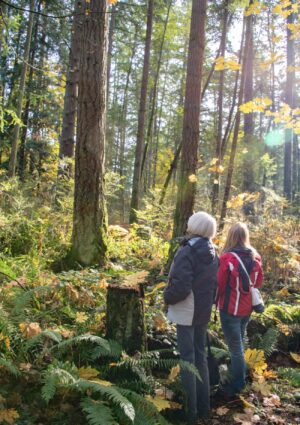 The Portland City Council made a major change last week to the team of inspectors that enforces the city’s Tree Code, which regulates all street trees and some trees on private land across the city. The council voted to move the entire tree regulation team—which currently falls under the Urban Forestry division, a program nested within the parks bureau—to Portland Permitting & Development. …Councilor Eric Zimmerman called into question Urban Forestry and how it polices and fines Portlanders seeking to trim or remove trees on or near their property. …The tree regulators—who also process and vet permits for tree removals, replantings and prunings—will no longer be the under the oversight of city forester Jenn Cairo, whose management has come under scrutiny.The council also voted to transfer $2.1 million of Parks Levy funds from the Tree Code regulation division to backfill maintenance cuts to outdoor parks.
 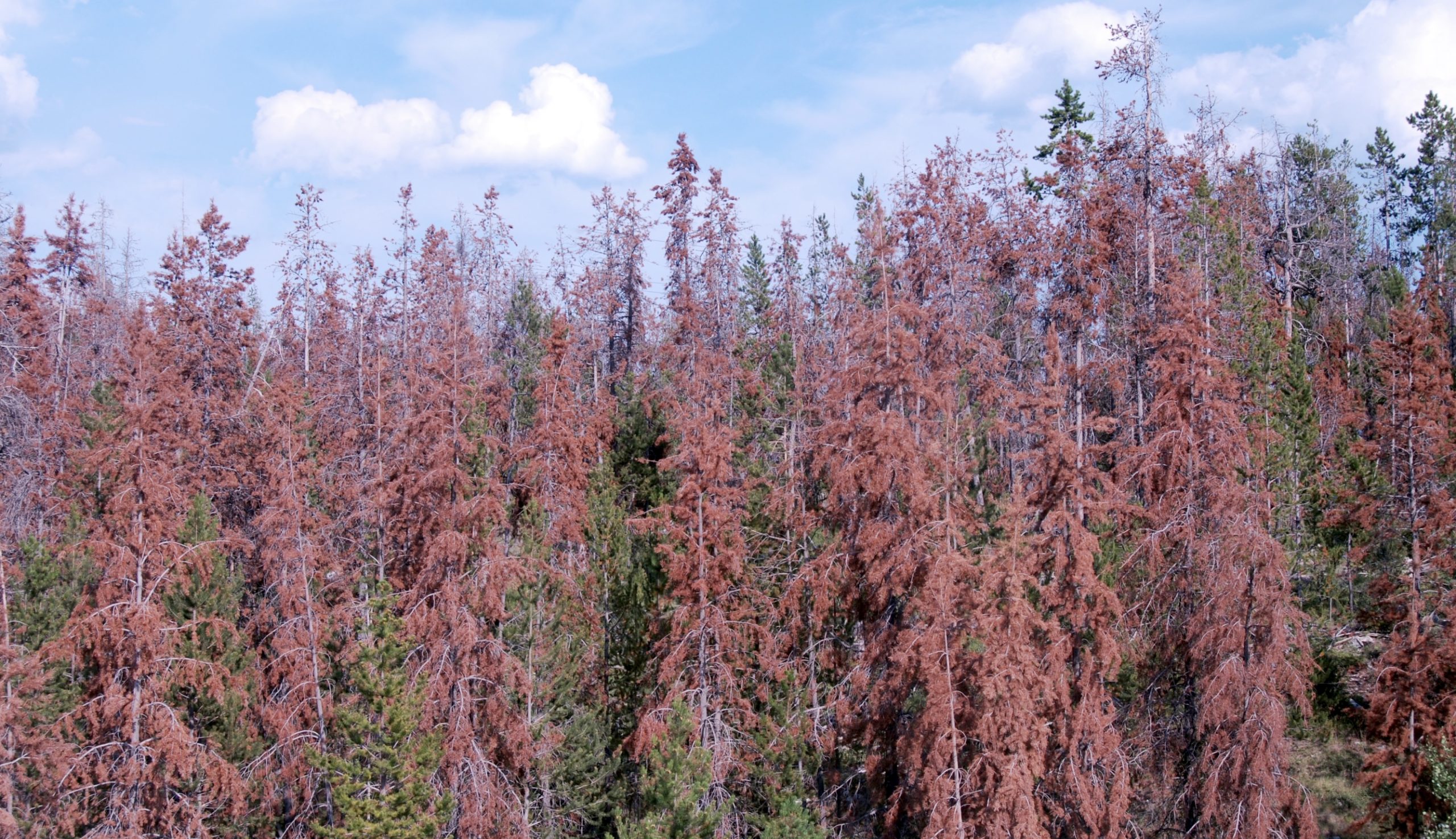 SALEM, Ore. – Researchers are taking to the skies this month to survey Oregon’s forests for damage from pests and other threats, according to the Oregon Department of Forestry and USDA Forest Service. Forest officials said that the Pacific Northwest Aerial Detection Survey is the longest continuous annual survey of its kind in the U.S. Airborne researchers use fixed-wing aircraft to identify trees in distress, flying between 1,500 to 2,500 feet above ground. “Oregon has about 30 million acres of forest so flying in a grid pattern over it allows us to find problems even in remote areas hard to reach by vehicle or on foot,” said Christine Buhl, ODF Forest Entomologist. The survey has highlighted a concerning trend of increasing tree deaths due to drought stress and beetle attacks.
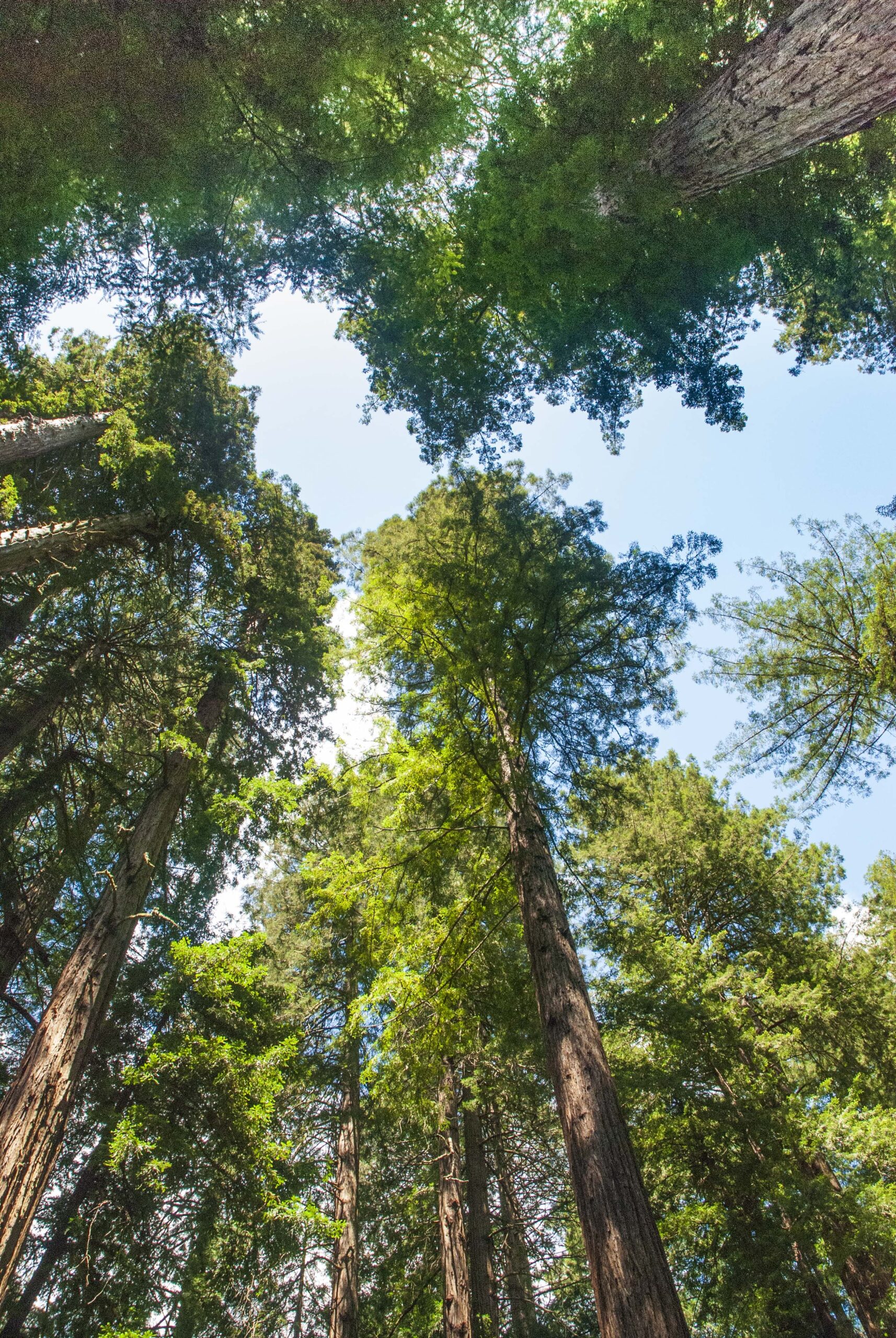 As California continues to reel from the historic firestorm that decimated portions of Los Angeles, the state is now facing the prospect of an exceptionally active wildfire season fueled by hot, dry conditions. It may not be ready: Experts say sweeping changes at federal agencies that play key roles in California’s wildfire preparation and response could make a challenging season even worse. …The forecast arrives as the Trump administration is enacting budget cuts, layoffs, office closures and restructuring at the U.S. Forest Service, the National Oceanic and Atmospheric Administration and the Federal Emergency Management Agency. Trump says changes will help eliminate federal waste and save tax dollars. However, these three agencies are critical components of California’s wildfire response capabilities… Weakening them at the start of fire season — and at a moment when human-caused climate change is driving larger and more destructive blazes — puts California at a dangerous disadvantage, multiple experts said.
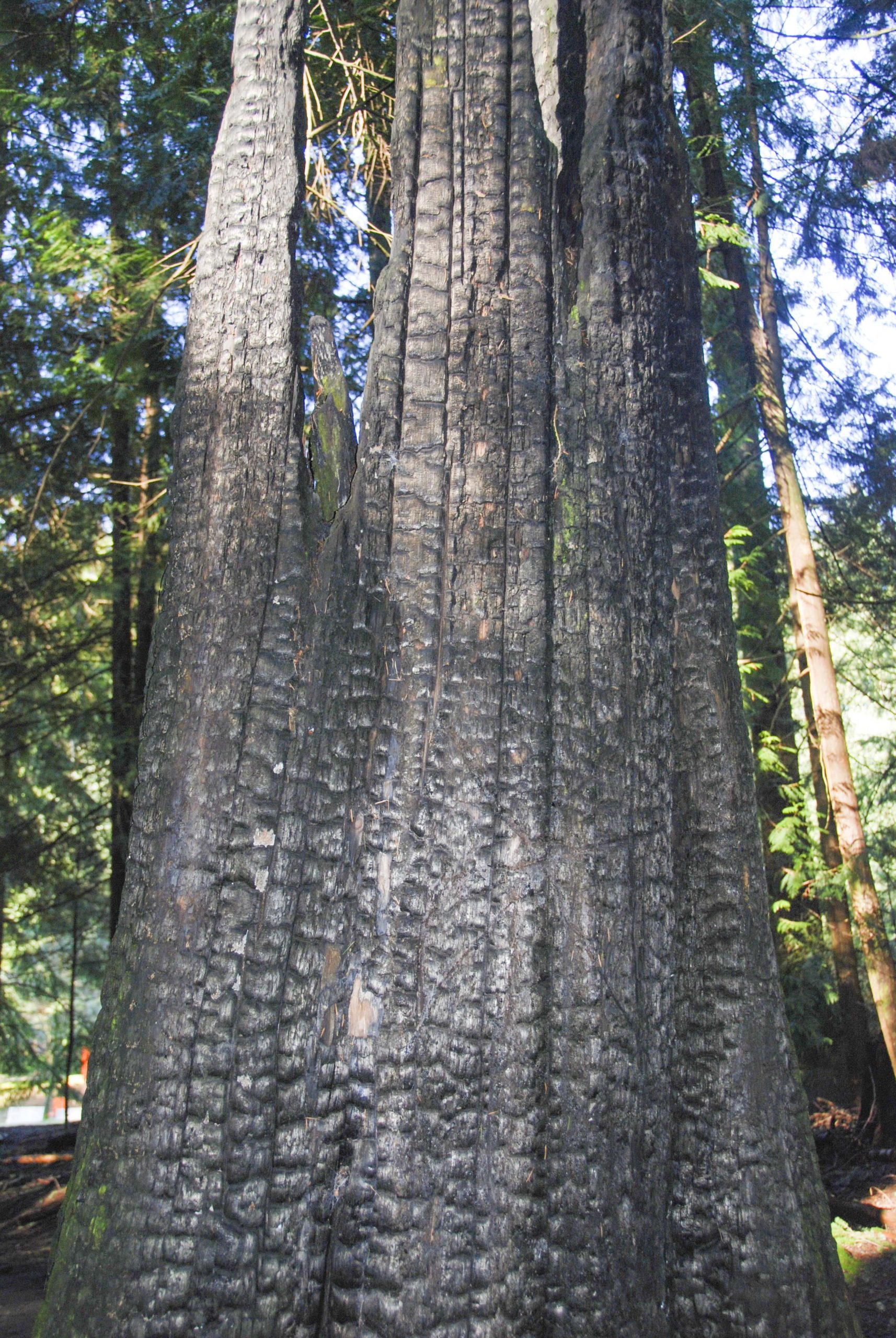 Each year, Oregon braces for wildfire season. And each year, we spend tens of millions (sometimes hundreds of millions) trying to put those fires out. But despite our best efforts, the fires keep getting worse — more dangerous and more destructive. Science tells us that suppression alone isn’t enough. To meaningfully reduce risk, we must invest in proactive mitigation, restoring the health and resilience of fire-prone landscapes, and helping communities prepare for wildfire and smoke. This legislative session, Oregon lawmakers have a chance to make an important initial investment to protect our forests, our homes, and our public health in the long run. A package of bills now under consideration would provide $280 million per biennium for a comprehensive wildfire response. These bills reflect recommendations from the Wildfire Funding Work Group, convened by the State Fire Marshal, Oregon Department of Forestry, Governor Tina Kotek, Tribal Nations, and shaped by a wide array of stakeholders.
  The California Department of Forestry and Fire Protection (Cal Fire) has announced the allocation of nearly $72 million to support extensive land management projects aimed at restoring forest health and resilience across the state. Through its Forest Health Program, Cal Fire has distributed 12 grants to various local and regional partners working on projects spanning state, local, tribal, federal, and private lands. These initiatives are designed to tackle critical forest health issues, reduce wildfire risks, improve ecosystem resilience, and enhance carbon sequestration across California’s diverse landscapes. The forest health grant projects must focus on large-scale forestlands that involve multiple landowners and jurisdictions, with a minimum size of 800 acres. These projects are expected to be applied across expansive areas to achieve regional forest resilience, prioritizing initiatives that incorporate a mix of activities involving experienced partnerships.
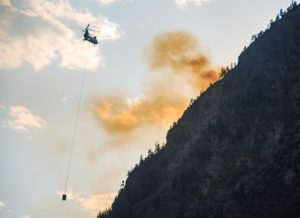 A late-in-the-session Hail Mary proposal to redirect the bulk of the state’s “kicker” tax rebate to fund statewide wildfire work would still kick some of the rebate back to most Oregonians. Under a forthcoming amendment to Senate Bill 1177 — still a placeholder bill for some mechanism to fund wildfire prevention and response work in the state — Sen. Jeff Golden, D-Ashland, proposes the Legislature move $1 billion of the expected $1.64 billion state tax rebate to an interest-bearing wildfire account. “The notion of walking into every session with $100 to $150 million waiting for us for wildfire, is really attractive, as opposed to starting from scratch every two years,” Golden said. Under his proposal, $1 billion from next year’s kicker would be put into an interest-bearing account that could, if earning 5% each year, send $100 million each biennium to the state for wildfire — covering about one-third of the total $300 million the state hopes to budget each biennium.
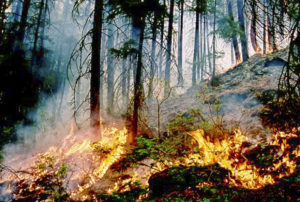 HOPLAND, California — …Dripping gasoline onto dry grass and deliberately setting it ablaze in the California countryside felt wildly reckless, especially for someone whose job involves interviewing survivors of the state’s all too frequent, catastrophic wildfires. But “good fire,” as Nielson called it, is essential for reducing the fuel available for bad fire, the kind that makes the headlines. The principle is as ancient as it is simple. …With that in mind, the state set an ambitious goal in the early 2020s to deliberately burn at least 400,000 acres of wilderness each year. …But California officials worry their ambitious goals are likely to be thwarted by deep cuts to those federal agencies. Gov. Gavin Newsom added $72 million to the state’s forest management budget to bridge some of the gap expected to be left by federal agencies. But wildfire experts say that’s just a drop in the bucket.
 The federal government could start selling off thousands of acres of Oregon public lands if provisions added to the Big Beautiful Bill win Congressional approval. A draft of the legislation was released Wednesday. Housing is also part of this latest push to sell Bureau of Land Management and Forest Service land. US Senator Mike Lee is calling for the heads of the US Interior and Agriculture departments to dispose of between 2.2 and 3.3 million acres of federal BLM and Forest Service land from 11 states – including Oregon. …Separately, the legislation calls for the Forest Service to boost logging by 75% over the next decade. It’s not clear if those logging goals are realistic. The Forest Service has missed its timber targets every year for more than a decade, though it’s possible that tariffs on Canadian lumber could boost demand for logging in the United States, according to industry analysts.
 SEATTLE — The US Forest Service has been tasked by President Trump to create a plan that will increase timber production in federal forests, and Pacific Northwest industry leaders are waiting to see how that plan will be implemented in a region rich in logging history. Many leaders are worried that this new order will disrupt the decades of work put into policies locally. …Logging has historically been a staple industry in the northwest that has simultaneously been an ongoing conversation between the need to harvest for building and economy, and also protecting the environment within these forests. …Lands Commissioner Dave Upthegrove said the constant balancing act between the economy and the environment continues. “As our state has grown, as many of our forest lands have been developed, it’s more important that we manage these forests now, not just as economic resources, but as valuable assets that contribute to our quality of life,” said Upthegrove.
  Seattle-based Mast Reforestation had a novel idea to help save the planet: sell voluntary carbon credits and use that money to replant forests destroyed by wildfire. …Mast positioned itself as a rising star in the carbon credit market, claiming to be the only “vertically-integrated reforestation carbon credit developer in the industry.”…Now, the company is facing allegations that it deceived potential partners to secure its reforestation projects. The way Mast structures its credits is central to the controversy. Mast sells carbon credits to businesses that want to voluntarily offset emissions. …But Mast’s model hinges on future climate benefits. Instead of waiting for trees to grow and capture carbon, Mast sells its credits based on projections of reductions. …In a wrongful termination lawsuit filed in Siskiyou County, Mast’s former senior director of business development Arnoud de Villegas, claims the company misled potential partners.
 Forestry professionals are at the frontlines of California’s battle against the wildfire emergency in the West. Our forestlands play a vital role in sequestering carbon, maintaining biodiversity, and providing critical ecosystem services like clean air and water. However, they are increasingly threatened by wildfires, drought, insects and disease—all of which are exacerbated by a changing climate. To combat these threats, we need a robust and well-trained forestry workforce with the knowledge and skills necessary to manage our forests sustainably. The forestry workforce is critical in wildfire prevention and mitigation. With California experiencing record-breaking wildfire seasons in recent years, there has never been a more urgent need for skilled forestry professionals to confront this emergency. Beyond fire prevention, forestry professionals manage forest health and help create landscapes that are resilient to changing conditions.
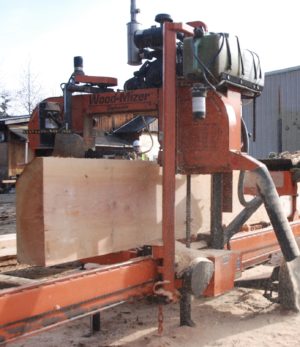 Reagan Brown sliced a board from a cut log using a brand new bright orange sawmill as a crowd of students, teachers and lumber industry workers looked on. He was part of a day-long event Orofino Junior Senior High School put on to show off its new trade programs, including the sawmill. Aiden Olive, a senior, was helping Reagan. “ This is completely new, we got this about a month ago, we put it together ourselves,” he said. The school is in a river valley surrounded by hills covered in evergreen trees – the kind of forest that has been logged for more than a hundred years. It’s a $2.5 billion industry in Idaho, but it’s looking for workers. “ I wasn’t really certain about going into forestry at first, but after getting this mill and running it and seeing how it works, I really actually think that could be some possibility of going into forestry,” Olive said.
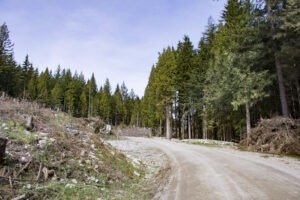 As the Forest Service contracts with slashed staff and funding, local communities are stepping up with funding for backcountry trail crews, visitor education campaigns and management of campsites and trailheads. “These folks need help. We know how important it is to have a physical human presence out there,” said Dave Ochs, the head of the Crested Butte Mountain Bike Association, which is administering $62,500 in local funding to support three seasonal Forest Service employees around Crested Butte. “Let’s help our partners. They are in need and we care very much for our backyard.” This is a scene unfolding across Colorado’s public lands as communities labor to fill gaps left by the sudden retraction of the federal government under the Trump Administration.
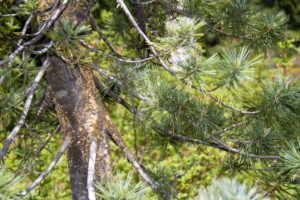 The proposed development and expansion of Grand Targhee Resort may require the removal of about 456 whitebark pine trees. At the level of detail in the environmental impact statement released last month, it’s unclear whether some projects can be amended to save trees within the project area. It’s also unclear how many of the trees within the project area are mature, cone-bearing trees necessary for the species’ reproduction. Caribou-Targhee National Forest officials, who are reviewing Targhee’s expansion plans, said the 456-tree estimate is likely high. In past projects, Teton Basin District Ranger Jay Pence said, “Grand Targhee and the Forest Service [have] routinely been able to shift some of the disturbances to avoid whitebark pine stands.”.. Whitebark were listed as “threatened” by the U.S. Fish and Wildlife Service in 2023. But its Endangered Species Act protections do not prohibit them from being hewn.
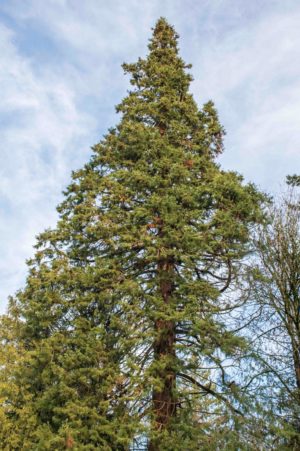 The federal government is awarding Utah $3 million to purchase conservation easements in southern Utah near Zion National Park. The funding — awarded to the Utah Division of Forestry, Fire and State Lands by the U.S. Department of Agriculture — was announced Monday and will go toward ongoing forest preservation efforts outside of the national park. Called the Zion Connectivity Project, the state will direct the funding at two properties totalling 766 acres near the north section of the national park. A conservation easement — a legally binding agreement between a landowner and government that places restrictions on the land for environmental purposes — will prevent the land from being fragmented or developed. That will help preserve the ecologically rich stretch of forest. Old-growth ponderosa pines, some of them hundreds of years old, can be found in the area.

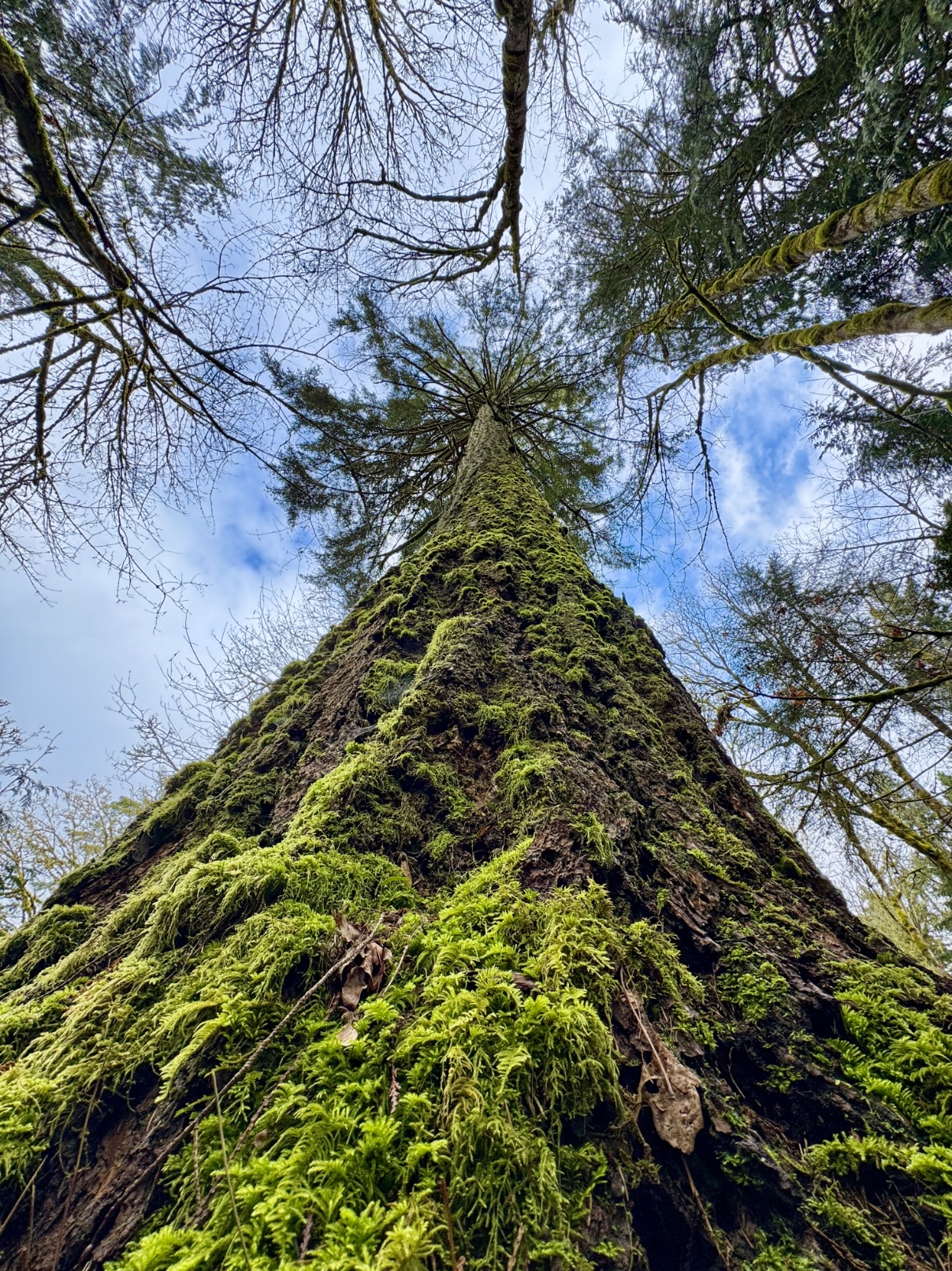 The Clallam County Superior Court denied environmentalists’ request for an administrative stay on two local Department of Natural Resources parcels, although it granted a motion to compel information from the state agency. If the stay had been granted, it would have barred logging-related activities for 90 days on the parcels named Parched and Tree Well. The motion to compel will require the Department of Natural Resources (DNR) to file administrative records relevant to the case by June 18 — a five-month delay from the original required date of Jan. 2. The logging rights for these two forests were bought by Oregon-based Murphy Company in December. The sale to the Eugene, Ore.-based Murphy Company was approved by the Washington State Board of Natural Resources in December. The Murphy Company is a more-than-a-century-old, family-owned wood products company based in Oregon, with a veneer mill in Elma.
 The Clallam County Superior Court denied environmentalists’ request for an administrative stay on two local Department of Natural Resources parcels, although it granted a motion to compel information from the state agency. If the stay had been granted, it would have barred logging-related activities for 90 days on the parcels named Parched and Tree Well. The motion to compel will require the Department of Natural Resources (DNR) to file administrative records relevant to the case by June 18 – a five-month delay from the original required date of Jan. 2. The logging rights for these two forests were bought by Oregon-based Murphy Company in December. Although road building has begun, there is no planned logging on these properties until next year at the earliest, according to Murphy’s intervenor.

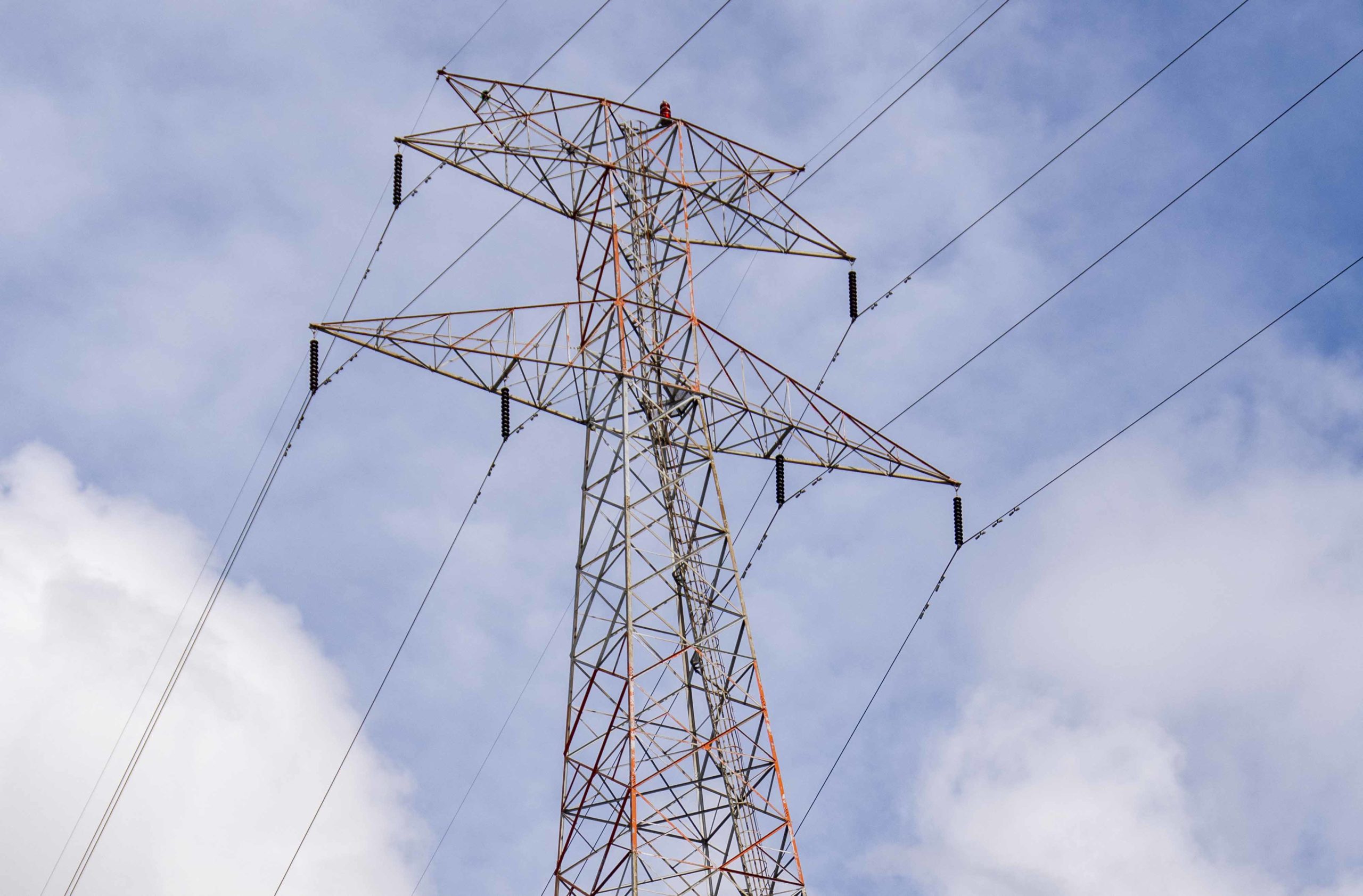 As Arizona utility companies make aggressive plans to mitigate wildfire risks, many met in Payson to update a state regulatory body. On May 15, the Arizona Corporation Commission hosted a special open meeting on wildfire mitigation at the Payson Public Library. ACC Vice-Chairman Nick Myers moderated the nearly three-hour town hall, which included stakeholder presentations from Arizona Public Service, Tucson Electric Power & UniSource, Salt River Project, Navopache Electric Cooperative, Alliant Gas, Arizona Water Company, and the Arizona Department of Forestry and Fire Management. Following brief opening remarks and commissioner comments, utility companies from throughout the state provided insight and information regarding their ongoing wildfire mitigation efforts. The electric companies focused on both grid hardening and creating defensible space around their infrastructure, before providing updates about each of their Public Safety Power Shutoff programs.
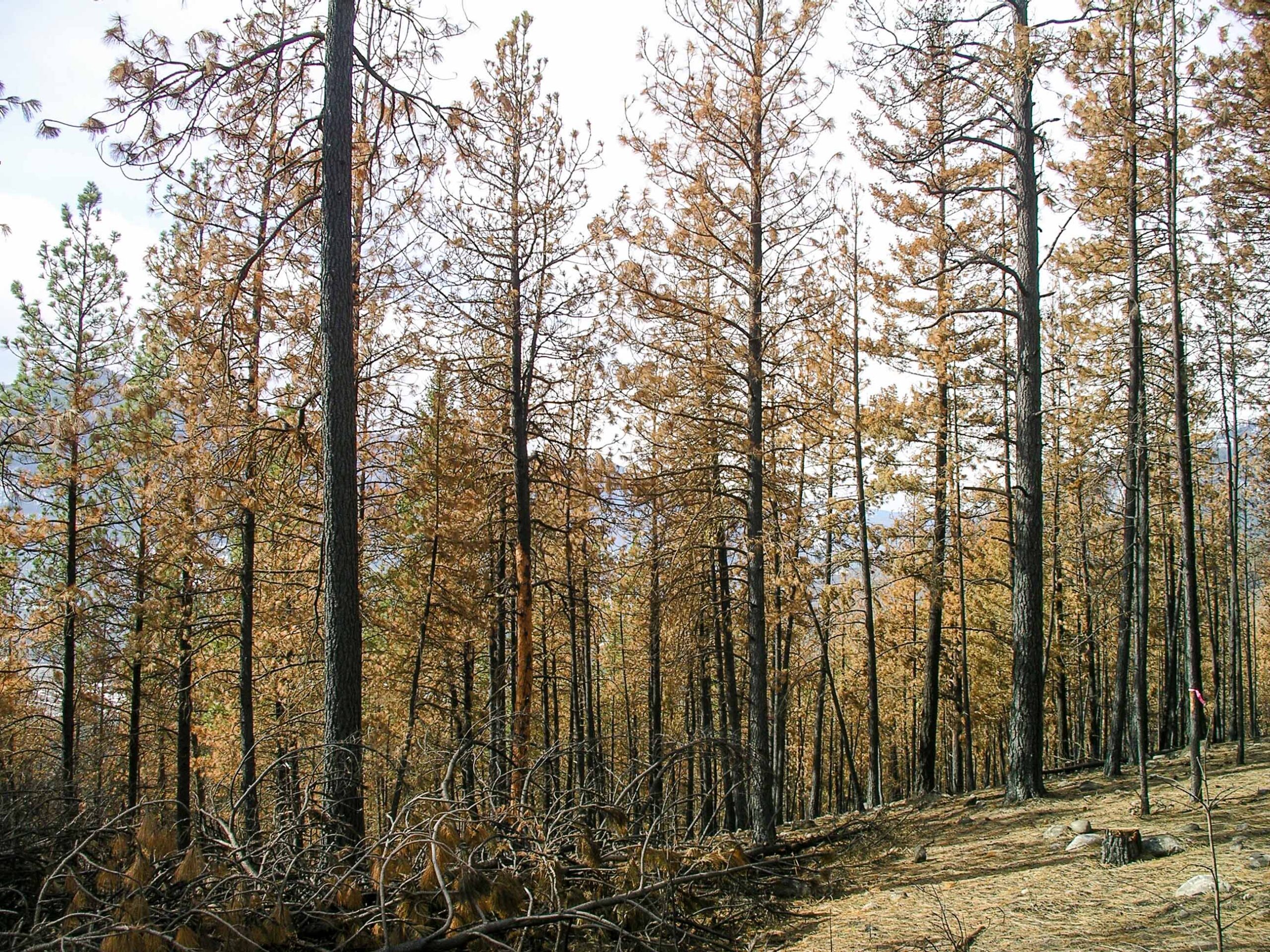 Across the western U.S., wildfires are becoming larger and more severe — and even trees that initially survive are dying in subsequent years, making it harder for forests to regenerate, according to new research from Portland State University. Building on previous research exploring fire refugia — the green islands of live trees that remain after forest fires — researchers in PSU’s Global Environmental Change lab mapped annual changes in the extent of live tree cover up to three years after the unprecedented 2020 Labor Day fires in Oregon’s western Cascades. The study quantifies changes in the spatial distribution and attributes of fire refugia as a result of delayed tree mortality. …there is potential for delayed fire effects to cause trees to die in subsequent years, including direct burn injuries as well as a combination of direct and indirect effects related to climate, insects, pathogens and heatwaves.

 In fire-prone Southern Oregon, residents of the Greensprings joined forces to carry out a 12-acre prescribed burn… The effort reflects a growing movement to use“good fire” to reshape landscapes and build community resilience. …The volunteers — a mix of firefighters, Greensprings residents, and fire experts with the Rogue Valley Prescribed Burn Association — were there to put “good fire” on a 12-acre triangle of land owned by Deb Evans and Ron Schaaf. …In fire-prone Southern Oregon, intentionally setting fire to a forested hillside might seem reckless, especially as summers have grown hotter and wildfire seasons more intense. But under the right conditions, fire can burn away vegetation that would otherwise fuel dangerous wildfires in warmer, drier months, helping protect homes and forests before the next wildfire strikes. Now, a growing number of residents are learning how to use prescribed burns to make their communities safer.
 U.S. House Republicans narrowly passed a budget reconciliation bill early Thursday morning that pushes forward President Donald Trump’s domestic policy on health care, energy, immigration, and more. …Included in the package were provisions pushing Trump and Republicans’ policy around increasing domestic energy, timber and mineral production, and restoring the federal multiple-use mandate on public land. …House Democrats in the committee, who have criticized Trump’s reconciliation package as a way to fund tax cuts for billionaires, referred to the legislation as one of the most destructive and extreme anti-environment bills in the country’s history. …Now, the big bill is heading to the Senate, where advocates are hopeful changes will continue to be made. Louis Geltman, the vice president of policy and government relations for the recreation member group Outdoor Alliance, said in a statement that the act is still “very bad for public lands and waters.”
 By executive order, President Donald Trump reinstated the Tongass National Forest Roadless Rule exemption, reversing action taken by President Joe Biden in January 2023. For Alaska-based environmental organizations, that means redeploying propaganda about how much of the old-growth forest in the Tongass could be subjected to large-scale logging. And they often get help from journalists and opinion writers who don’t do their homework. …In a joint press release responding to the Biden administration’s plan to consider restoring the Roadless Rule …Rep. Don Young accurately described that “only 9 percent of the Tongass is available for any kind of development.” …Environmentalists have a choice. They acknowledge these facts and stop challenging the Roadless Rule exemption for the Tongass. Or they can continue undermining their credibility by peddling the kind of disinformation that’s making our political discourse so toxic.
 In a May 13 petition, members of Congress from Northern Rockies states once again admonished the U.S. Fish and Wildlife Service for what they say is a “flawed” and “ludicrous” proposal to continue listing the grizzly bear as an endangered species. “This decision punishes Montana, Wyoming, and Idaho’s successful grizzly bear recovery efforts,” states the petition, signed by U.S. Sens. Mike Crapo, R-Idaho, James Risch, R-Idaho, and U.S. Rep. Russ Fulcher, R-Idaho. “The FWS’s ‘Grizzly Bear Recovery Program 2023 Annual Report’ shows that our states have met and far exceeded the most recent set of recovery goals that FWS set for grizzly bears. All of this collaborative work is undermined by the FWS decision to yet again move the goalpost for delisting grizzly populations.” From Greater Yellowstone to the Selkirk Mountains of North Idaho, grizzly bear habitat protections have stalled the timber industry — a pillar of the region’s economy.
 Over one-third of Colorado is forested acreage — 24 million acres of the state’s 66.48 million acres — managed by a variety of local, state and federal entities. The Colorado State Forest Service and the Colorado Forest Restoration Institute, both part of Colorado State University, launched a new online tool to better track completed forest management activities in the state. The
  A tree-sit protest, which has blocked logging access to state Department of Natural Resources parcels, is now two weeks old. An injunction hearing regarding the parcels has been scheduled for 9 a.m. Friday in Clallam County Superior Court. If a 90-day injunction is issued, the tree climber will remove themselves from the tree. If the decision is not in favor of the environmentalists, the climber likely will stay up there indefinitely. “It’s going to be crunch time,” activist Peter Stedman said. The tree sit began about 5:30 a.m. May 7, when an unidentified professional tree climber attached themselves to a dunk tank platform 50 to 100 feet up in a tree. That platform was then attached to debris piled in the middle of a logging road. If the Department of Natural Resources (DNR) attempts to remove the debris to gain access to those parcels, the tree climber’s platform will drop.
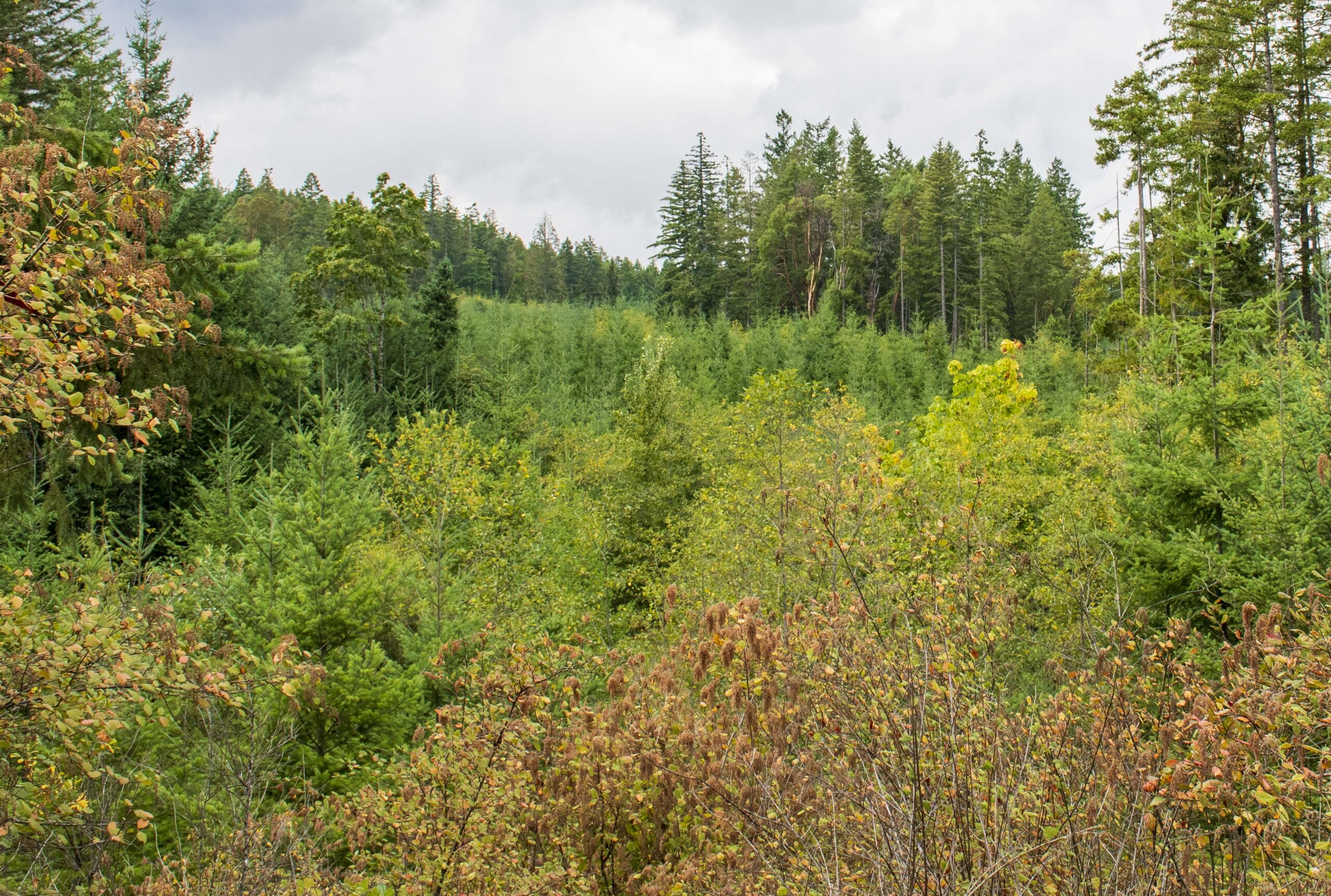 A year-long communication breakdown between concerned residents and state forestry leaders required investigation and halted one state timber sale. Last February, Denise Moore got a letter from the Oregon Department of Forestry that “immediately sent up red flags.” Cullen Bangs, a forest roads manager in the department’s Astoria district office, wrote that surveyors would be around her property in the weeks ahead to review boundaries between the Clatsop State Forest and nearby private property. …But the letter from Bangs became the first of several communications, and miscommunications, between the forestry department and its Astoria office about two planned timber sales to concerned neighbors over the course of a year. The communication breakdown would send those residents, along with community and environmental groups, into a frenzy, eventually leading one timber sale to be paused indefinitely and a Board of Forestry member to resign.
 A
A 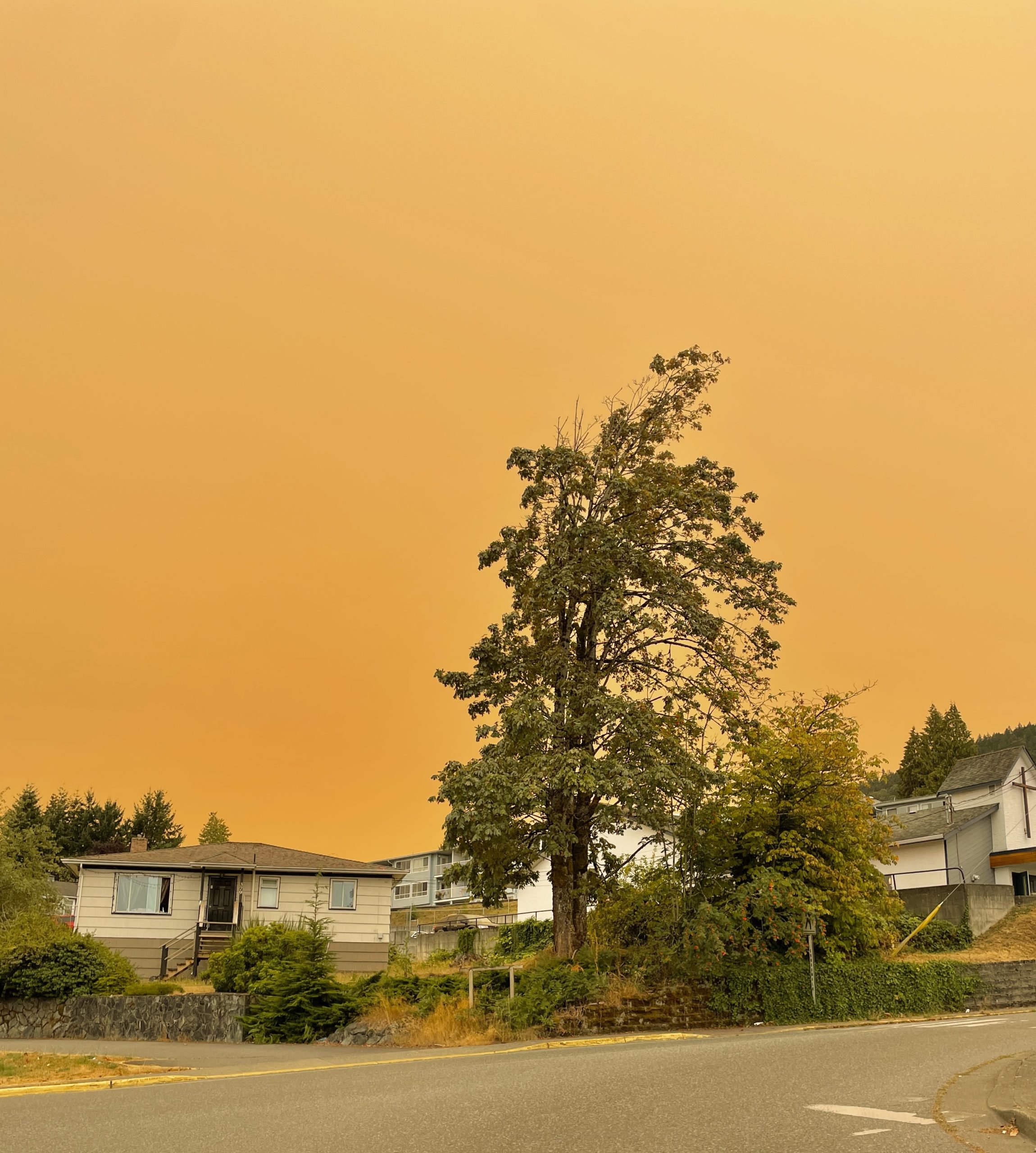 Even if you live far from the boreal forests in Canada and Siberia, you’ve likely noticed an increase in smoke from their forest fires. During major blazes in 2023, the smoke oranged the New York sky and drifted as far south as New Orleans. These blazes have surged in the last decade due to the effects of climate change — warmer summers, less snow cover in the spring, and the loss of sea ice. Experts expect that trend to continue. Yet recent climate change projection models have not accounted for the increase. For instance, the widely used sixth Coupled Model Intercomparison Project, or CMIP6, released in the late 2010s, kept these fires constant at a relatively low severity. A new University of Washington-led study projects that in the next 35 years these increasing boreal fires will actually slow warming by 12% globally and 38% in the Arctic.
 Earlier this week, Clean Air Task Force (CATF), alongside a team of leading U.S. forest carbon scientists, published a deep dive into the rules that govern a wide range of forest carbon credit certifications relevant to North America. The assessment examines rules of the road for quantifying carbon credits and identifies what works well, where there are weaknesses, and opportunities for improvements to ensure that forest carbon credits achieve their promised climate benefits… CATF’s assessment scored some elements of California’s current forest protocol that lays out the requirements for carbon credit certification as robust, such as the 100-year monitoring period for stored carbon in forests, and others as weak, like the risk assessment procedure. While high-quality credits are possible under the current protocol, the bar needs to be raised to guarantee that credits are delivering on their promise.
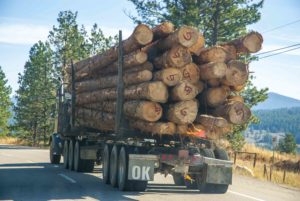 The trucking industry has been facing unprecedented challenges in recent years, with a shortage of qualified drivers, rising fuel and insurance costs… and now economic uncertainty caused by tariffs. …Now, one large lawsuit against a trucking company highlights a dangerous practice that has been going on. …The Estate of Sarah Susman v. Starker Forests, Inc., R&T Logging of Oregon, Wolf Cr. Timber Services, Shane Mcvay – is a $65 million wrongful death claim. Sarah Susman… was driving to work in September 2021 when a logging truck operated by a 67-year-old driver rolled over and lost its load. …Family members of the victim believe that the incident can be attributed to a dangerous injury practice referred to as “double brokering.” …Court filings explained that double-brokering is a practice within the trucking industry where multiple contractors pass hauling jobs between them with very little oversight or enforcement of safety regulations.
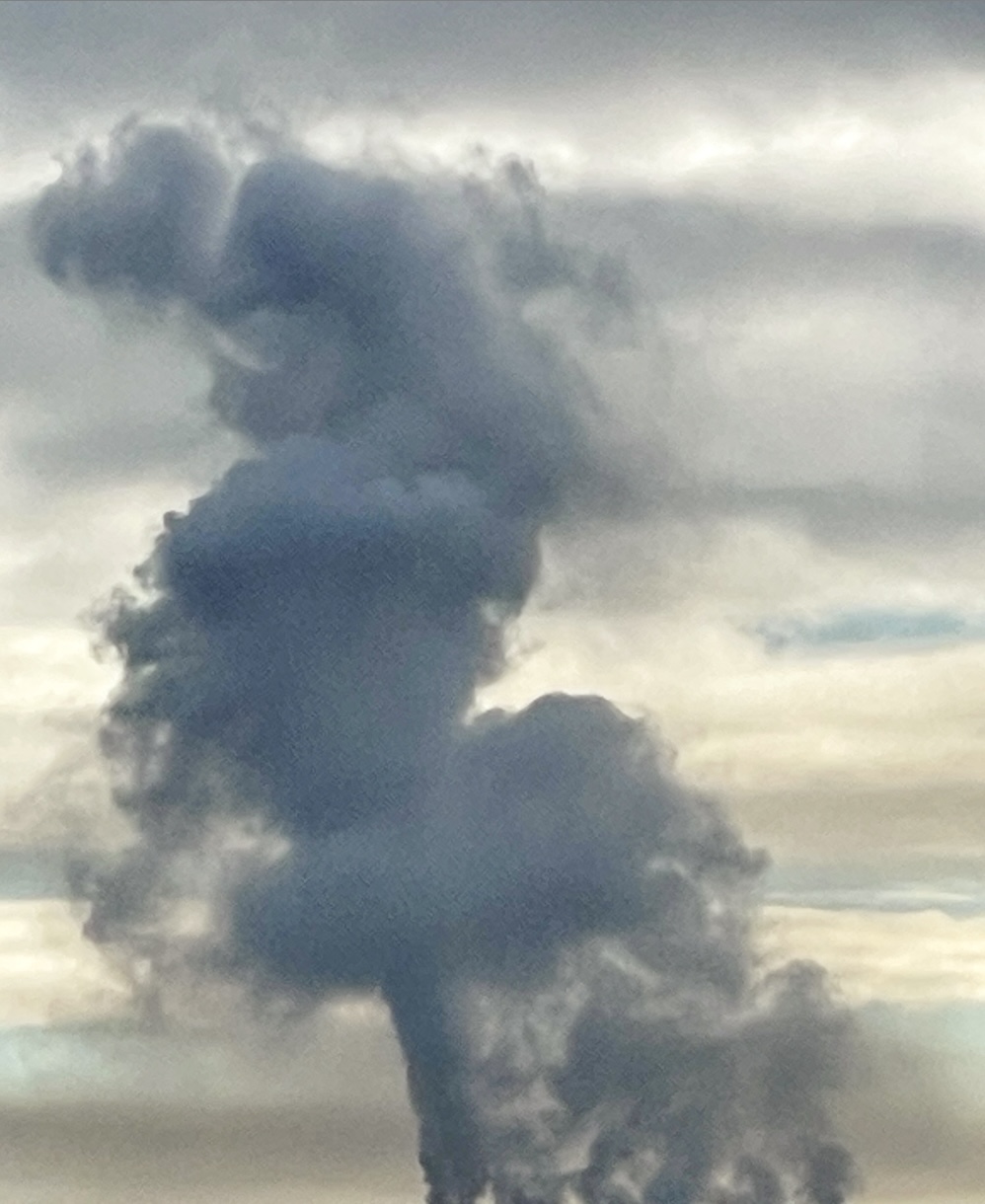
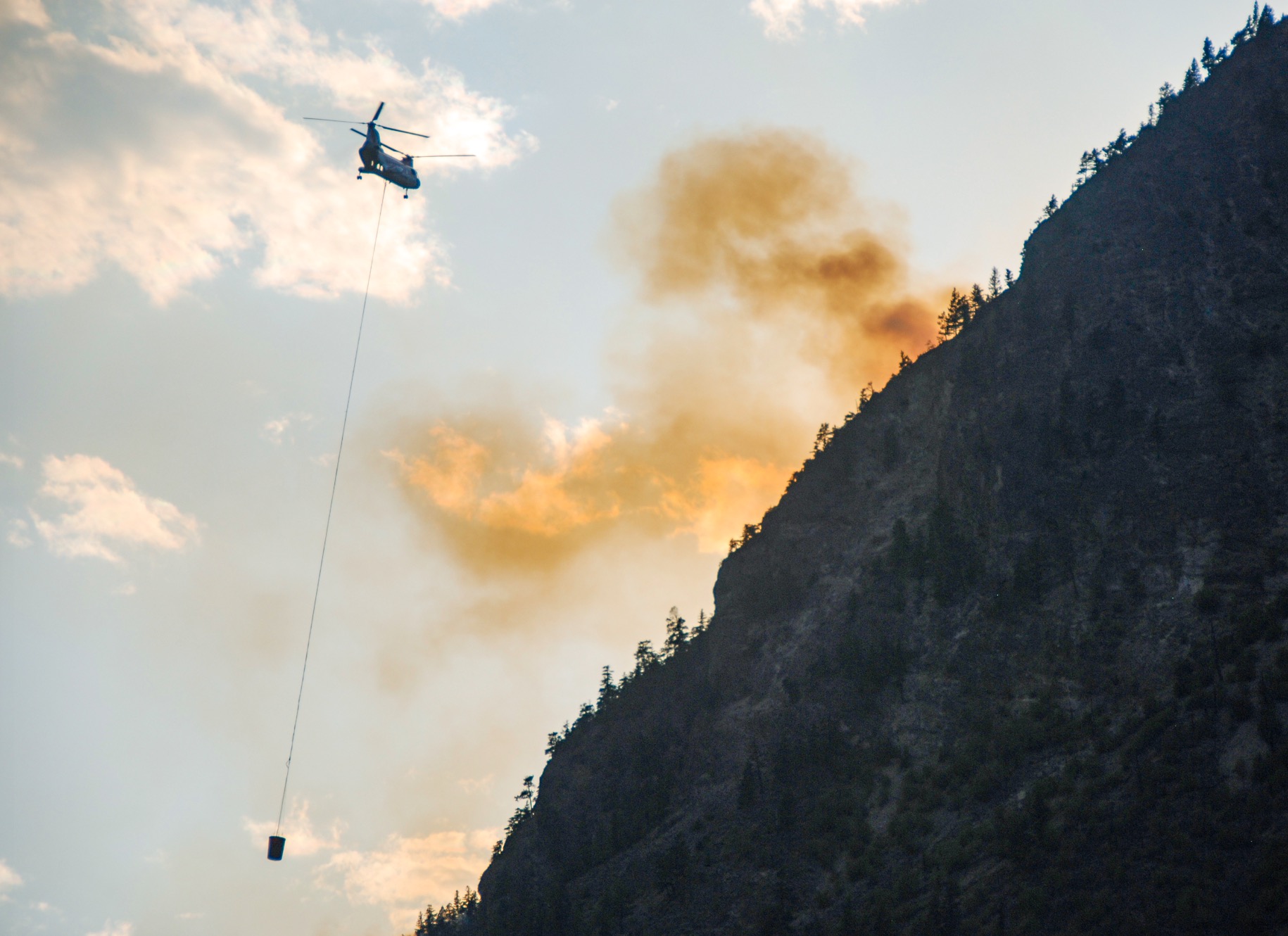 KITTITAS COUNTY, Wash. — The US Forest Service has taken command of the 60-acre Red Bridge Fire burning about 7 miles east of Cle Elum. Level 3 evacuations were issued for those nearby. A Level 3 evacuation means residents should “go now” or leave immediately. A Level 2 evacuation means there is significant danger in the area; be ready to go or voluntarily evacuate. Level 1 means there is danger in the area. Residents should plan escape routes, but evacuations are voluntary, according to the Washington Smoke Blog. The Red Bridge Fire started on June 9, 2025, at approximately 3:57 p.m. As of 8 p.m., the fire is estimated at 60 acres and growing, according to the Washington State Department of Natural Resources (DNR).
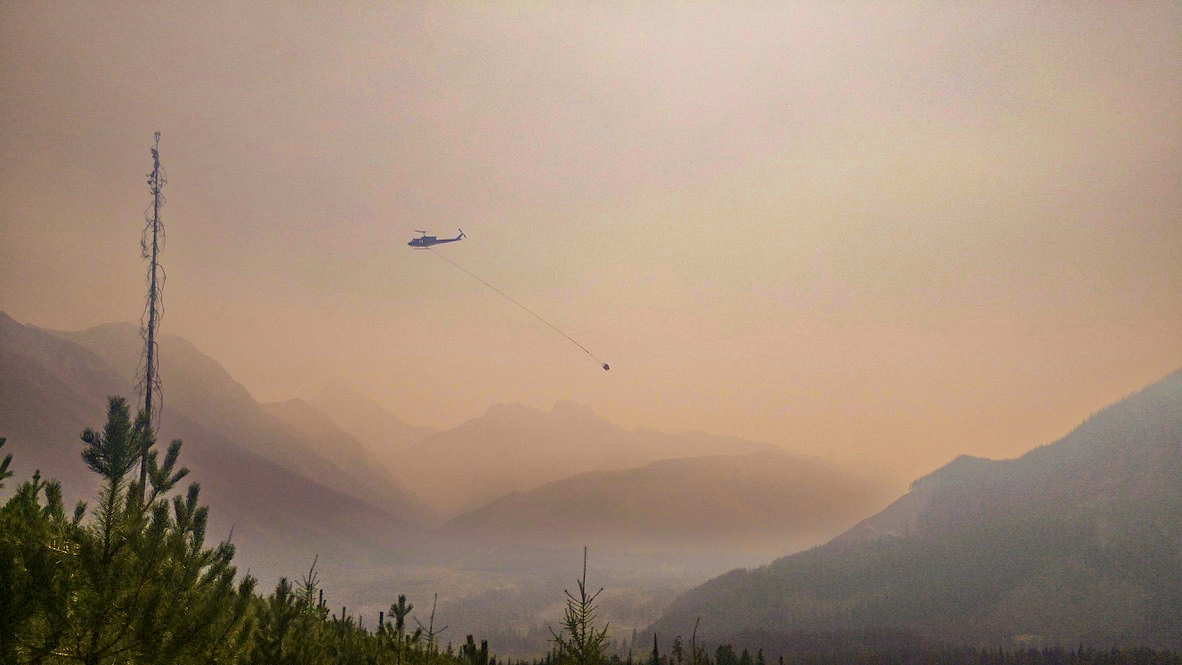 Oregon’s first major wildfire of the season, the Butte Creek Fire, has been mapped at 1,776 acres burning on the John Day River 9 miles north of Clarno in eastern Oregon as of May 27. Firefighters were suppressing the blaze with multiple crews, engines, dozers and aircraft. Some structures are threatened by the fire, officials said. Wheeler County Fire & Rescue and South Gilliam County Rural Fire Protection District are providing structure prevention. No evacuations or closures were in place. However, boaters on the popular stretch of the John Day River “are being asked to use caution as helicopters will continue dipping water out of the John Day River today,” according to Central Oregon Fire Information.