 The COFI Day 1 luncheon panel on Canada–US relations and forest products trade brought together political veterans and policy thinkers to unpack the next four years of cross-border dynamics and what they mean for British Columbia’s forest sector. Moderated by Corinne Stavness, Vice President of Corporate Affairs at Western Forest Products, the discussion featured Glen Clark, Chair of BC Hydro and former Premier of BC; James Moore, Senior Advisor with Edelman and former federal Industry Minister; and Mark Cameron, Fellow at the Public Policy Forum and leader of its Canada–US Relations Strategy. Clark opened with a clear warning about the US election. “We are entering a period of maximum unpredictability.” …James Moore stressed that Canada must shift from reacting to shaping outcomes. …Mark Cameron provided a broader policy context, noting the bipartisan consensus around economic nationalism is unlikely to shift.

 ROSEBURG, Ore. —
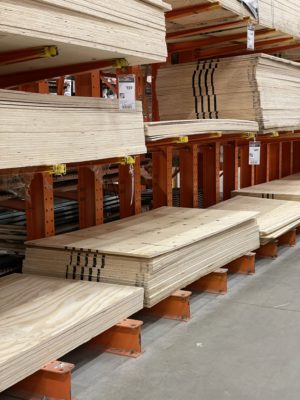 BINGEN, Washington — A plywood mill in the southern Washington city of Bingen will close next month and lay off all 81 workers, the plant’s operator said Thursday. The SDS facility has been operating — with occasional stoppages — since 1949. It uses older equipment, according to Wilkins, Kaiser & Olsen, which was part of a consortium of firms that acquired the mill in 2021. “Regrettably, the long-term challenges and the magnitude of the required investment render continued operation unsustainable,” the mill’s operators said. An adjacent stud mill, planer mill and marine facility will continue operating. Bingen is a small city just across the Columbia River from Hood River. WKO and an affiliated business, Mt. Hood Forest Products, are adding 60 full-time positions to increase their output by 35%. The firms said they will consider hiring some of the laid-off workers.
 SALEM, Oregon — The Oregon Senate on Monday passed a bill to establish a lumber-grading pilot training pilot program. “This bill opens the door for small sawmill operators to participate in local housing solutions,” said Sen. Todd Nash, R-Enterprise, the bill’s sponsor. “Forty years ago, Eastern Oregon had 69 mills. Today, only seven remain. This is a practical step to support rural economies and increase housing options using locally sourced materials.” Senate Bill 1061, otherwise known as the Oregon Forests to Homes Act, would operate through Oregon State University’s Extension Service, in partnership with the Department of Consumer and Business Services. …Once certified as a grader, a mill owner could sell his lumber directly to a builder. Certified small sawmill operators will be able to sell lumber directly to homeowners or their agents for use in single-family homes or duplexes.
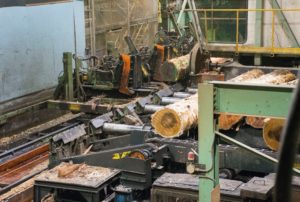 Once Oregon’s largest manufacturing industry, employment in the wood product manufacturing industry has gone through large, well-publicized losses since the early 1990s. Its employment has dropped below that of computer and electronic manufacturing and food manufacturing in recent years, but it remains the third largest manufacturing industry. Despite the losses, wood product manufacturing is still a large industry in Oregon and is especially important to rural areas of the state. Over the long term, between 1990 and 2020, annual average employment in wood product manufacturing dropped 24,100, or 52%. Similar losses were experienced in all its subsectors. Sawmills and wood preservation dropped 5,900 (49%); plywood and engineered wood products dropped 9,500 (53%). …Even with the long-term decline, wood product manufacturing is still a large industry in Oregon. In 2024, there were 22,400 jobs and roughly $1.5 billion in total payroll in the industry.



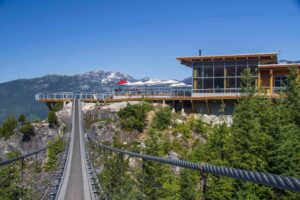 Material intelligence refers to how materials perform, adapt, and interact with ecological and cultural systems. It considers howstone, steel, or timber respond to intertangled forces, how those materials are sourced and assembled, and how they persist after demolition. Designers are centering material intelligence in constructing our cities in a generation of environmental uncertainty and strained supply chains. Few materials embody this shift as vividly as cross-laminated timber (CLT). By layering and bonding planks into structural panels, CLT offers strength, fire resistance, and a significantly lower carbon footprint than concrete or steel. Across Europe and Canada, mass timber has emerged as a centerpiece of decarbonized construction. Yet in the United States, progress has moved more slowly. Developers hesitate. Codes trail behind innovation. Conventional materials still dominate the urban skyline.

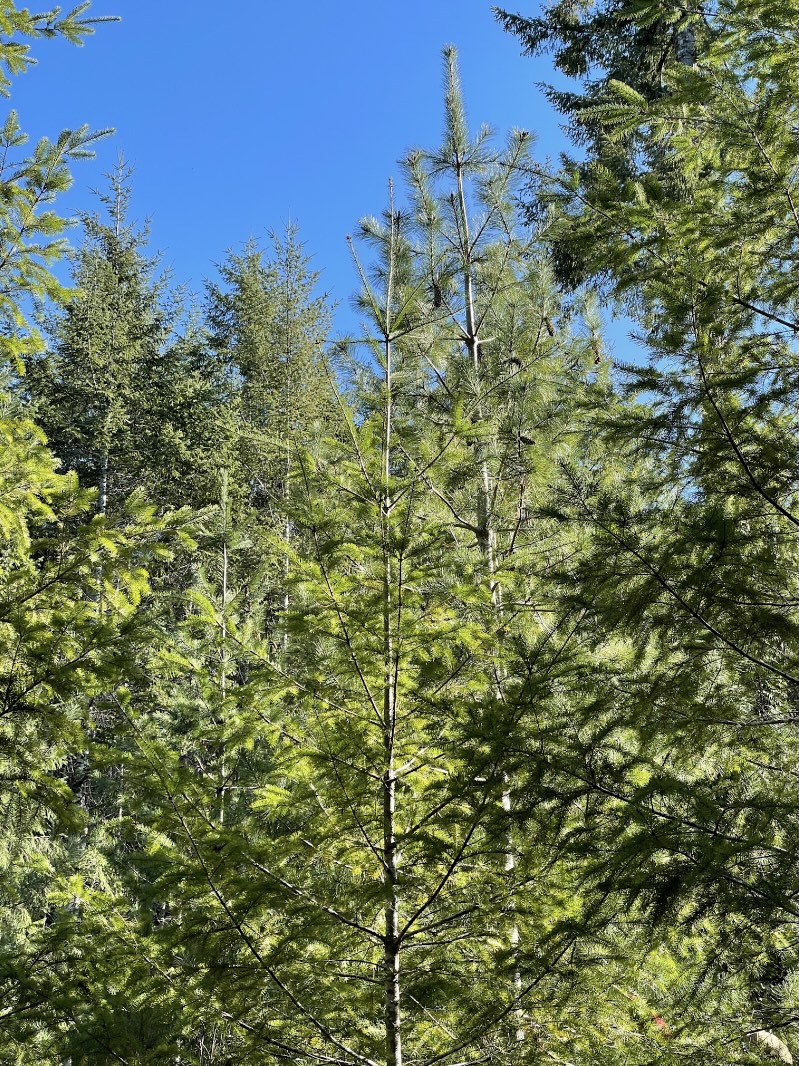 Forests are extremely valuable for watersheds, wildlife, carbon storage, recreation and so much more. The deceptively named Fix Our Forests Act, or FOFA, does nothing to conserve forests to retain these values. Instead, it would emphasize logging and otherwise manipulating forests at a scale we haven’t seen on public lands for many decades, if ever. The misguided bill has already passed the House, and its Senate version was recently introduced by Colorado’s own U.S. Sen. John Hickenlooper and other Western senators. FOFA encourages the Forest Service and Bureau of Land Management…, to avoid a careful examination of impacts from logging and ways to reduce harms under the National Environmental Policy Act. Under FOFA, projects up to 10,000 acres — over 15 square miles — would be excluded from consideration of possible impacts. What’s more, the public would have only one chance to provide input for logging projects and could only object in court.
 Industrial-scale logging in the Tongass National Forest was due to monopolies created by the federal government and taxpayer subsidies… A study by the Southeast Conservation Council calculated the federal government spent $386 million for preparation and sale of Tongass timber while collecting only $32 million in stumpage fees from 1982 to 1988. While the heyday of the timber industry supported about 4,000 jobs, many were nonresidents or recent arrivals who left when the pulp mills closed. Most of my former colleagues at the Sitka mill went “back home” to Washington when the mill ceased operation. The pulp mills closed primarily because of tree farms in warmer climates such as South Africa, where forests grow much faster than the Tongass. Many fruit and vegetable farms in the southern U.S. converted to tree farms… So, are there enough standing old-growth trees to support a vibrant timber industry in the Tongass? It depends upon who you ask.
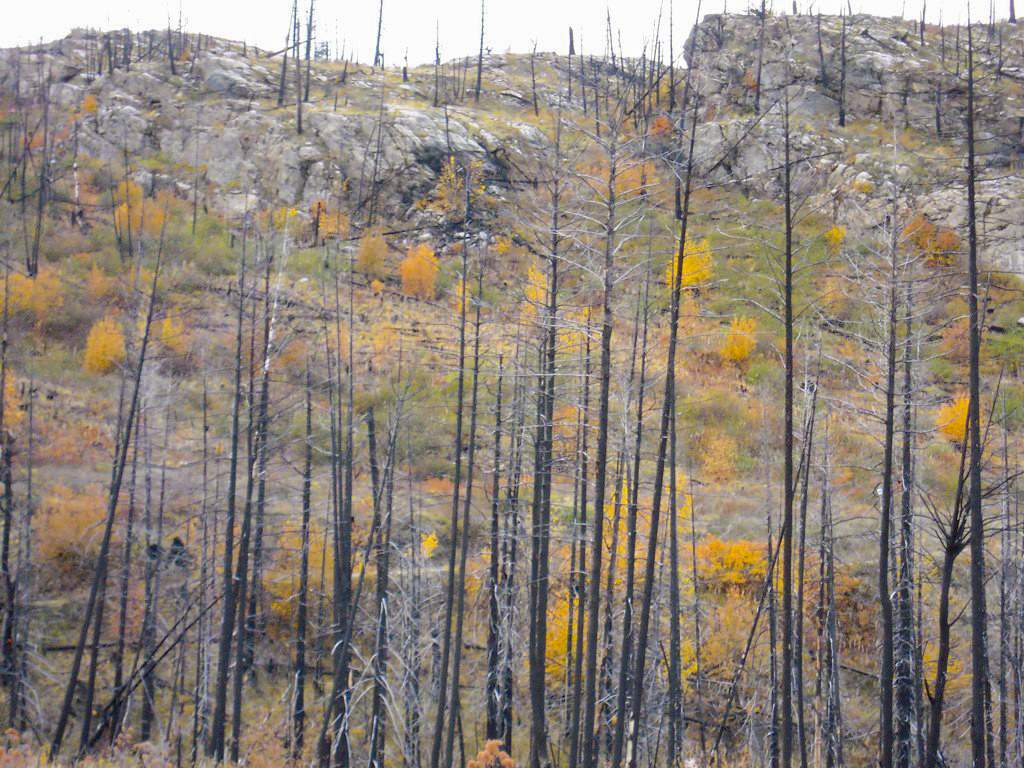 After Oregon’s devastating 2020 Labor Day fires, the Legislature passed a bill that was supposed to lead to more wildfire awareness and resilience. Among other things, Senate Bill 762 created a map of areas at high risk of fire. But that map led to a huge backlash from property owners — a backlash so strong that a few weeks ago, the state Senate voted unanimously to eliminate it. Jeff Golden is a Democratic state senator from the Rogue Valley. He voted to create the map in 2021, now he’s voted to get rid of it. …“We delegated to Oregon State University, which has credentials — among the best in the world in terms of maps like this — and gave them almost no direction, just said, ‘We need a map to fulfill this purpose. Let us have it within the next 18 months.’” At the time, very few lawmakers were worried about what would come next.
 With the passing of the 25th anniversary of the 2000 Cerro Grande Fire on May 10—during yet another bone-dry spring of the Modern Megadrought—we should consider a wildfire variation of the adage, “Those who don’t learn from (fire and forestry) history are doomed to relive it.” In the 1990s, Los Alamos and Los Alamos National Laboratory (LANL) were warned, repeatedly, that they were vulnerable to wildfire. Today, Los Alamos and New Mexico in general, despite Cerro Grande and other fires, have not acknowledged or addressed the dangerous reality of today’s forests. As a correspondent for the Santa Fe New Mexican in the 1990s, I authored multiple stories featuring foresters and wildland firefighters who saw Los Alamos’ peril. I also witnessed, firsthand, the power and destruction of wildfires—Cerro Grande, Dome, Missionary Ridge, Los Conchas—in places I love. …Instead, it’s time to demand municipal, county, state, and federal leaders who acknowledge and aggressively address the wildfire threat.
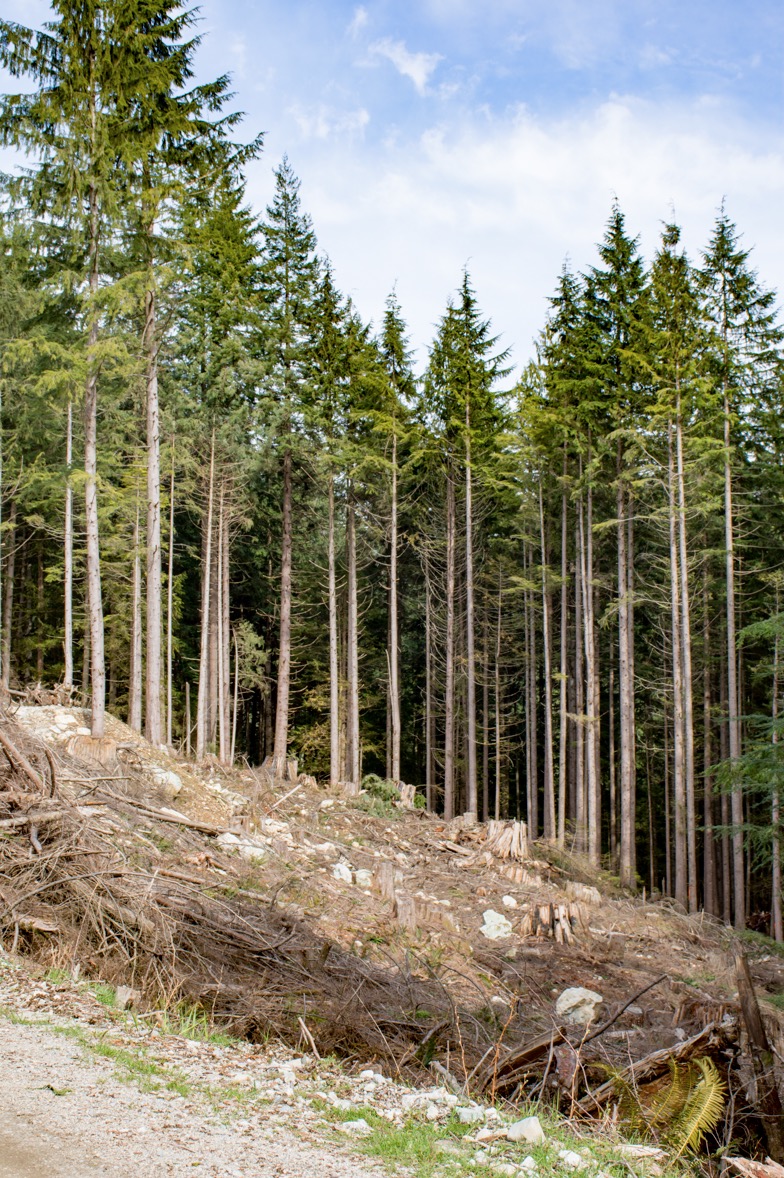 NASELLE, Wash. — One self-service library, high school, and grocery store serve the 519 people of Naselle, Washington. The piles of felled logs along the roadsides dwarf the passing cars, signaling to drivers that this town was built on logging. Many Naselle residents have family roots in the forestry sector, allowing them to be intimately familiar with its demands. They also do not often push back on timber harvests that pose no threat to endangered species or their habitats. But an upcoming harvest will fell trees surrounding one of two creeks that supply the town’s water: this is where most residents draw the line. …The Washington State Department of Natural Resources (DNR) will auction off 105 acres of state-owned forest in Naselle on May 29 after they determined the area was suitable for harvest. The revenue from the highest bid will go to UW. …UW received approximately $20 million from the DNR from 2020 to 2024, $8.6 million of which was from timber sales.
 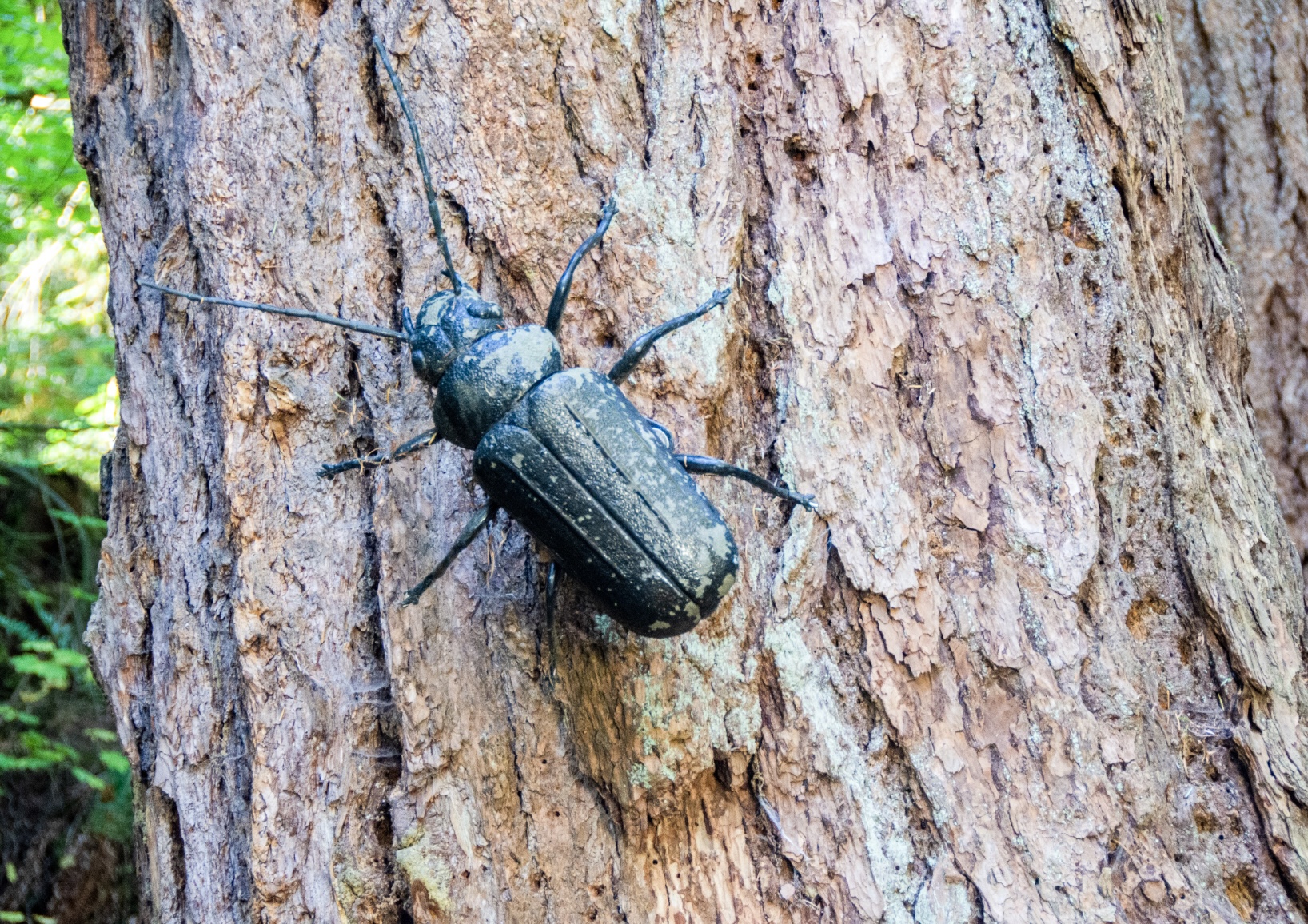 EVERGREEN, Colo. — Crews with Jefferson County Open Space (JCOS) are working to reduce a spike in pine beetles in ponderosa pine trees at an Evergreen park. When the bark of infected trees is pulled back at Elk Meadow Park, the problem is clear. Pine beetles burrow into the trees and lay their larva under the bark. The larva live right on top of the living tissue of the tree, suck up the nutrients and end up killing the tree. They then pupate, turn into adults and fly off to the next tree. …”We are totally OK with a few trees being killed from the pine beetle that creates variable habitat for our wildlife species, and so at a small scale, mountain pine beetle is a good thing,” Steve Murdock, the interim manager of JCOS’ Natural Resource Stewardship. said. However, the numbers that Colorado communities, including Jefferson County, are seeing are well above what would be beneficial for a forest.

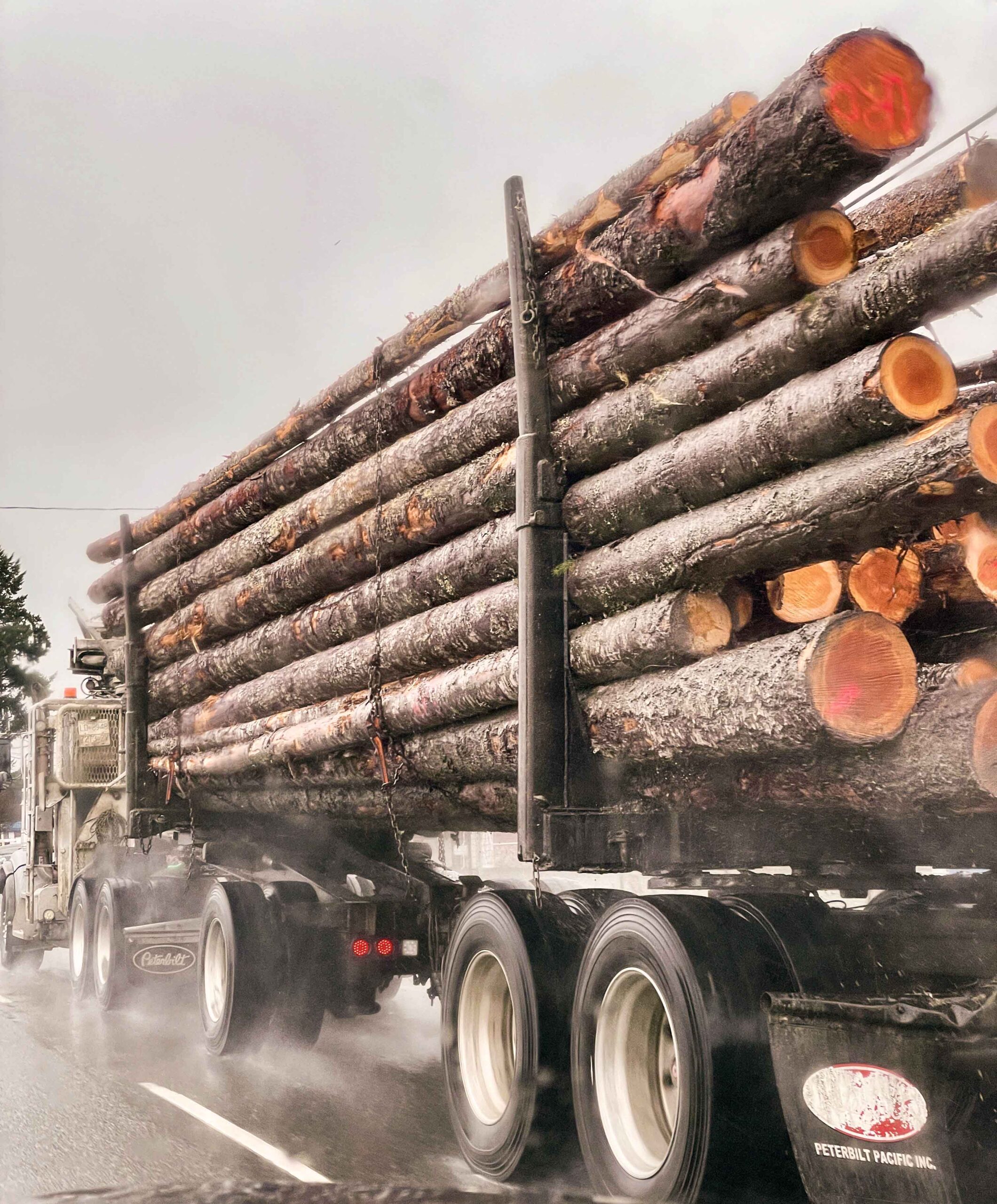

 Oregon lawmakers appear likely to pass a bill that encourages college-credit agriculture and forestry classes in high schools, though some have doubts about its effectiveness. Senate Bill 784 would require the development of statewide standards for “dual credit” courses in these subjects, which is intended to make such classes more widely available, especially in rural areas. “Many students are eager to pursue careers in agriculture, forestry and natural resources but they need exposure and seamless pathways to higher education and industry jobs,” said Sen. Todd Nash, R-Enterprise, the bill’s chief co-sponsor. …More than 7,400 students are enrolled in natural resource programs at Oregon’s universities, showing there’s a demand for such education, so SB 784 would be a “smart investment” in the state’s future workforce, said Rep. Bobby Levy, R-Echo, the bill’s chief co-sponsor.
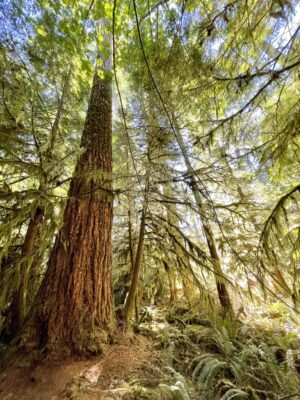 SEATTLE — Recent controversy over the management of Washington’s older state-owned forests has been dominated by an either/or framework: Either we clear-cut these tracts or prevent any harvest at all. Cut it all now or don’t cut any, ever? The human brain loves to dichotomize, but this type of either/or thinking doesn’t work in the woods. Ecologically, economically and culturally, our forests are too complex. Ecologically, climate change is altering our forests rapidly and radically. …Economically, rural areas in Washington state are a microcosm of a pattern that is global in scope. …Cultural values need to be considered as well. …We have to implement a broad array of management models and tools. Instead of re-fighting the 1980s War in the Woods and practicing lawsuit-driven forestry, we need to create flexible, forward-looking practices that will support the health of our forests and rural communities in a time of rapid change.
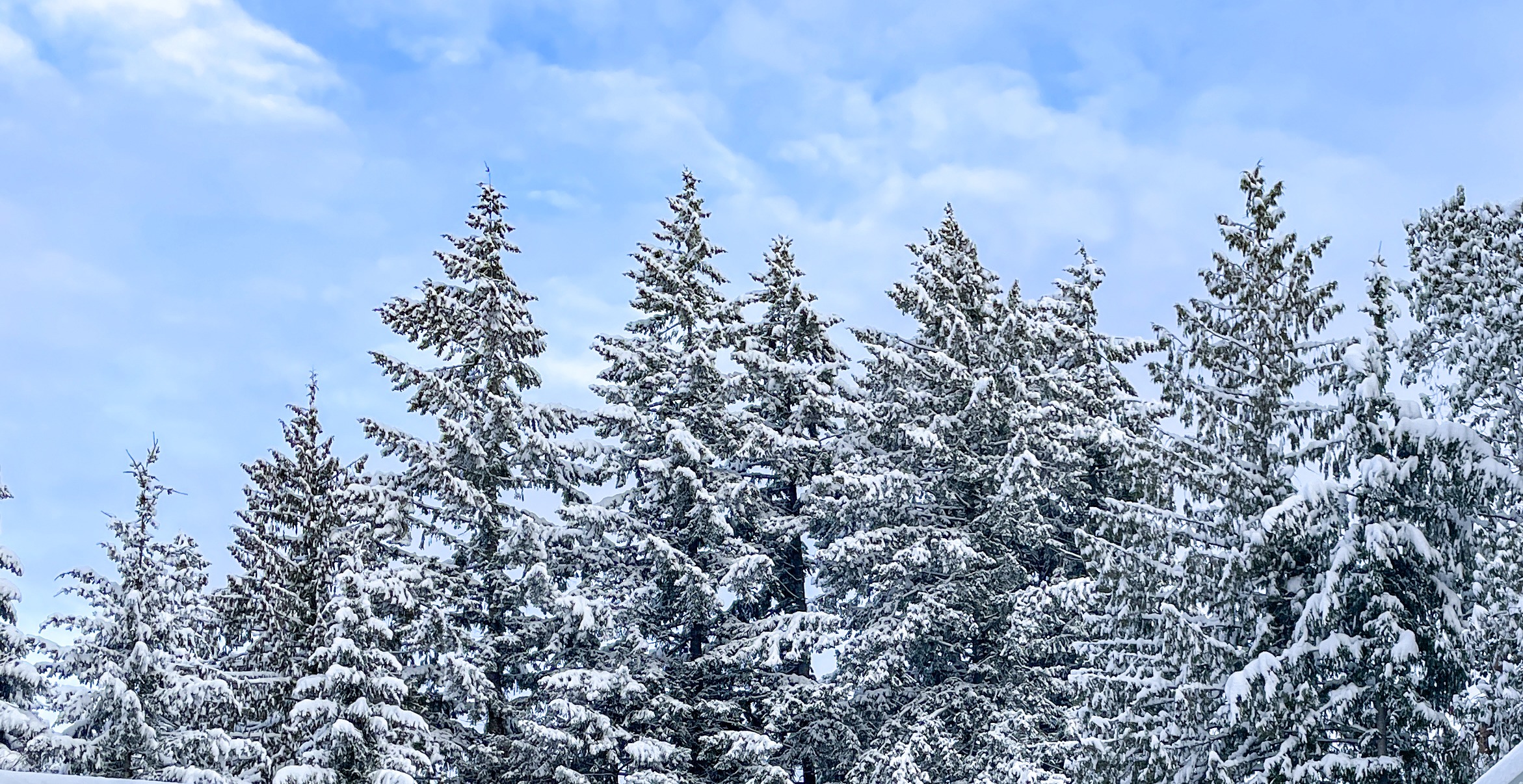 The Alaska Division of Forestry & Fire Protection (DOF) is working with the Anchorage Fire Department (AFD) Wildfire Division to implement a shaded “fuel break” in the Anchorage Hillside area extending from Hilltop Ski Area Road to Prospect Drive. Known as the East-West Connector, this project was scheduled to begin May 5 and represents a renewed effort to reduce wildfire risk through coordinated mitigation work across the Municipality of Anchorage. Wildfire Division Chief, Anchorage Fire Department, Jon Glover shared this statement: “The collaboration between the State of Alaska Division of Forestry & Fire Protection and the Anchorage Fire Department on the East-West Connector shaded fuel break represents exactly the kind of partnership our community needs. This project is more than a line on a map, it’s a commitment to proactive wildfire mitigation and public safety. Together, we’re building resilience and delivering long-term value to the residents we serve.”
 Taking aim at “climate ideologies antithetical to the American way of life,” President Donald Trump’s
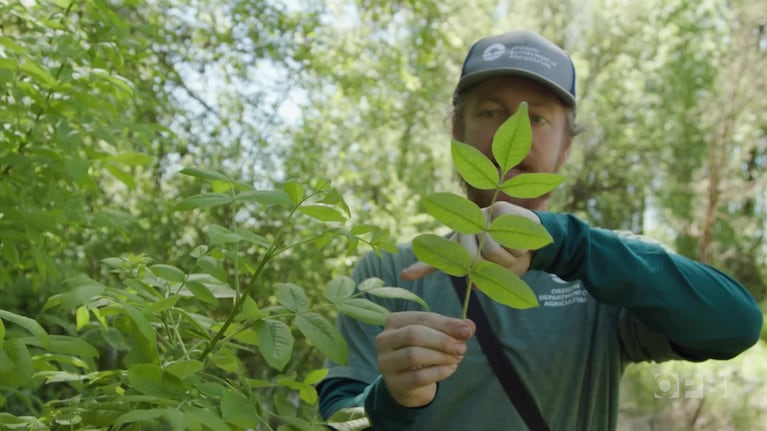

 The Washington State Department of Natural Resources recently began a multi-faceted forest restoration project across approximately 150 acres of the Mount Baker-Snoqualmie National Forest near Verlot. The Pilchuck Restoration Project is led by the Department of Natural Resources (DNR) Federal Lands Program under the agency’s Good Neighbor Authority agreement with the USDA Forest Service. Established in 2014, the GNA allows DNR to leverage its resources with federal and local partners to perform a variety of restoration activities on federal lands. Operators are following a carefully designed prescription focused on thinning out the small-diameter, younger trees that, due to past management practices, are overcrowding tree stands to the detriment of the larger, older trees.
 A big change could be coming to U.S. wildlife conservation policy. In mid-April, the National Oceanic and Atmospheric Administration and U.S. Fish and Wildlife Service announced a proposal to change how the term “harm” would be defined in the Endangered Species Act. …According to Paula Swedeen, policy director at Conservation Northwest, the goal of the change is to bring the definition of “harm” in the ESA closer to what the Trump administration believes is its originally-intended meaning. …Washington state has its own conservation plans that are already in place on state lands. According to Swedeen, there’s reason to think that the changes to the ESA won’t impact those too much. …According to Swedeen, the spotted owl is one of the best examples of how endangered species could be put at risk by the proposed new ESA reading. …changes could also impact other endangered species in Washington, like the grizzly bear
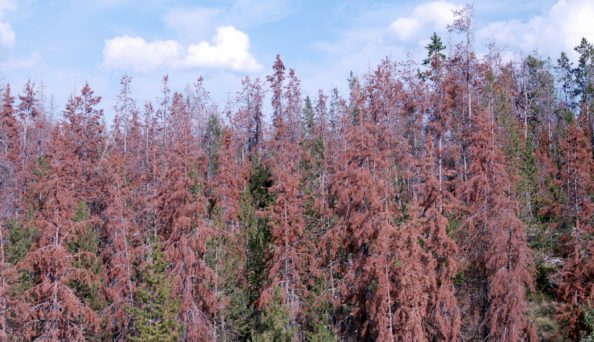 …a relatively wet 2023 for much of the state bolstered many trees against the spread of the mountain pine beetle, the separate spruce beetle and the spruce budworm. But a dry 2024 set the pests marching again by sapping forests of the water they need to stay healthy and fight off infestations, said Dan West, entomologist with Colorado State Forest Service. Colorado’s higher-altitude forests need several normal to wet seasons in a row to build up true resiliency, he said. One dry season meant Western spruce budworm affected 217,000 acres of state forests in 2024, up from 202,000 acres in 2023… Mountain pine beetle… grew to 5,600 acres of impact. The Douglas-fir beetle impacted 21,000 acres in 2024, its largest total damage in almost 10 years… Western balsam bark beetle …is still the … most widespread by acreage. The acres affected by the balsam bark beetle held steady at 27,000, but more of those trees die.
 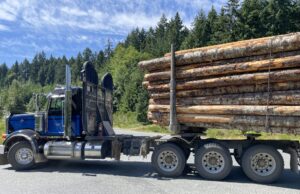 Logging is not necessarily a dirty word in the environmental dictionary. There, I said it. Provided sustainable practices are used, namely the careful choice over what trees get chopped down, logging can have a positive impact on the health of our forests as part of an effective management strategy that includes mechanical thinning and prescribed burning. Selective logging can also mitigate the risk and destructive power of wildfires. …This is my way of saying logging shouldn’t automatically be perceived as an environmental threat – despite what history tells us is the result when chainsaws and bulldozers are employed by the wrong hands. …Environmental groups reacted with outrage to Trump’s order, calling it a thinly veiled attempt to bypass environmental laws in order to justify widespread commercial logging under the false pretense that such actions will reduce wildfire risk.
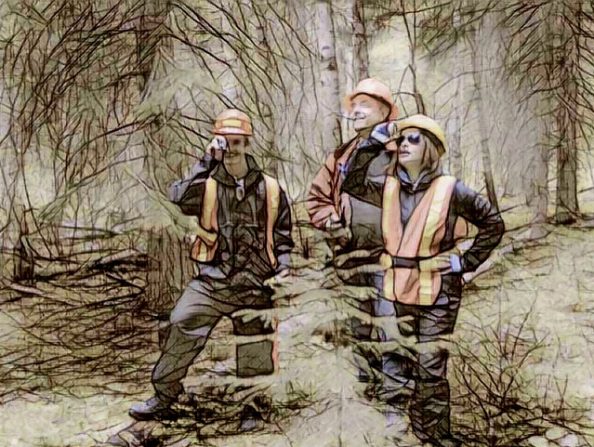 Imagine you’re a college senior who just landed your dream job working for the U.S. Forest Service
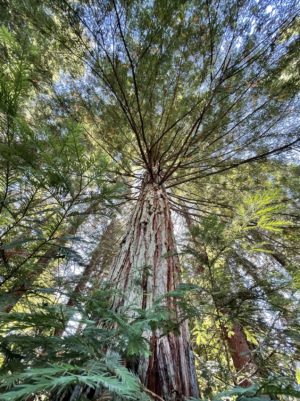 A federal order to increase US timber production by 25% will touch all 18 of the Golden’s State’s national forests, officials said. The USDA said it does not yet have information about how many acres in each forest will be affected. California’s national forests are on the chopping block — literally — in the wake of the Trump administration’s April 5 order to immediately expand timber production. Last week, US Secretary of Agriculture Brooke Rollins issued an emergency declaration that ordered the US Forest Service to open up some 112.5 million acres of national forestland to logging. The announcement included a grainy map of affected forests, which did not specify forest names or the amount of impacted acreage in each. However, USDA officials have confirmed that the order will touch all 18 of the Golden State’s national forests, which collectively span more than 20 million acres. [to access the full story a Los Angeles Times subscription is required]
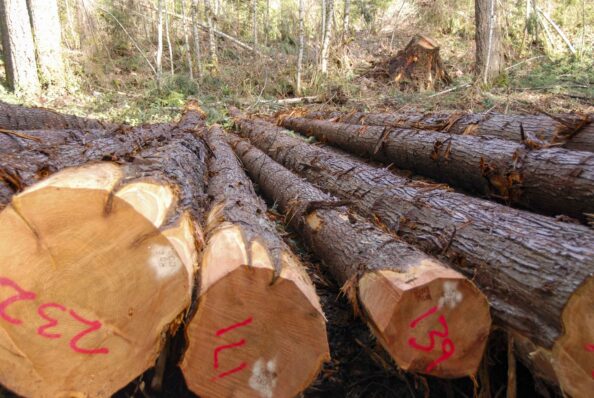 CALIFORNIA — State experts said they’re dubious about President Donald Trump’s claims that his directive opening up well over half of the country’s forests to logging will reduce wildfire risk and “save American lives.” Some, such as University of California Agriculture and Natural Resources climate-change scientist Daniel Swain, flatly called the administration’s rhetoric disingenuous and misleading. “It’s BS, frankly,” Swain told The Examiner. “Are we going to try and justify logging forests commercially under the guise of wildfire-risk reduction? …The Trump administration says the benefits of these actions are largely twofold: It will reinvigorate the economy by boosting a stagnant timber industry and significantly mitigate wildfires tearing through the West. …UC Berkeley wildfire researcher Scott Stephens said that logging can be a viable way to mitigate fire risk, as long as it’s done sustainably and arborists are strategic about what trees they’re chopping down.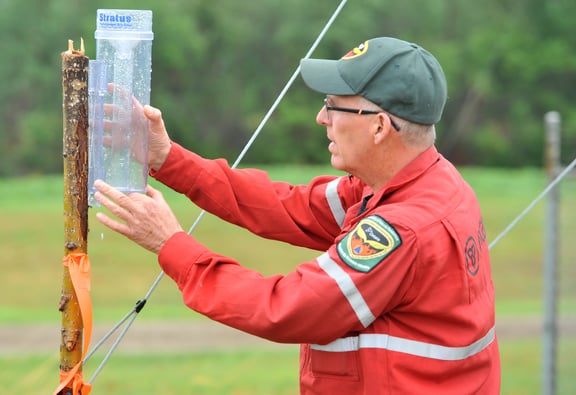
 Amid a growing number of wildfires, mostly across Western states, a U.S. Senate bill is aiming to protect areas where communities are most vulnerable to fires, using “good neighbor” agreements, cross-boundary collaboration and the expansion of tools to prevent fire hazards. The bill, titled the
  A Salmon, Idaho man has pleaded guilty to a seven-count indictment for his role in schemes to rig bids, allocate territories, and commit wire fraud over an eight-year period while providing fuel truck services to the U.S. Forest Service’s wildfire fighters. Kris Bird, 62, pleaded guilty at the end of March to all counts two weeks before trial, with no assurances from the government as to what sentence will be recommended when he goes before a judge with another involved executive in June 2025. The men were indicted after a federal wiretap investigation in December 2023… “The defendant illegally profited from American taxpayer money,” said Special Agent in Charge Mehtab Syed of the FBI Salt Lake City Field Office. “The FBI and our partners are committed to rooting out fraud and protecting fair competition in the bidding for government contracts.”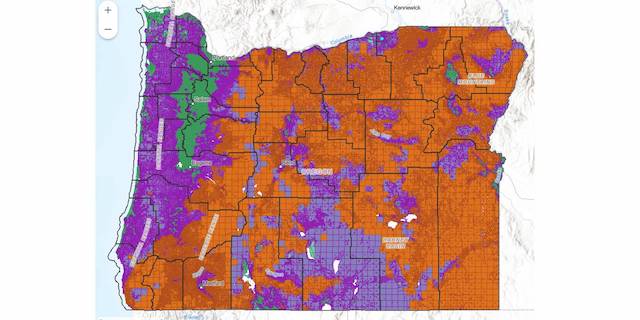


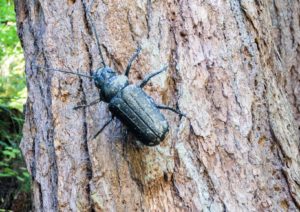 FORT COLLINS, Colo. — The latest findings about the health of Colorado’s forests are a “mixed bag”, according to forestry experts. On Tuesday, the Colorado State Forest Service released its annual report tracking the damage from forest pests. “Insects are so closely tied to a lot of that temperature and precipitation so in Colorado it’s really been a number of years, actually 31 years, since we’ve been below average temperatures so that makes it really hard to be a tree in Colorado,” CSFS forest entomologist Dr. Dan West said. …According to the report, the front range is experiencing a surge in activity from the mountain pine beetle. In 2021, the insect impacted 1,500 acres statewide. In 2024, that number grew to 5,600 affected acres and included areas in Jefferson County and Castle Rock. …Not only do the dead trees cause forests to be less visually attractive, but they also create more fuel for more damaging wildfires.

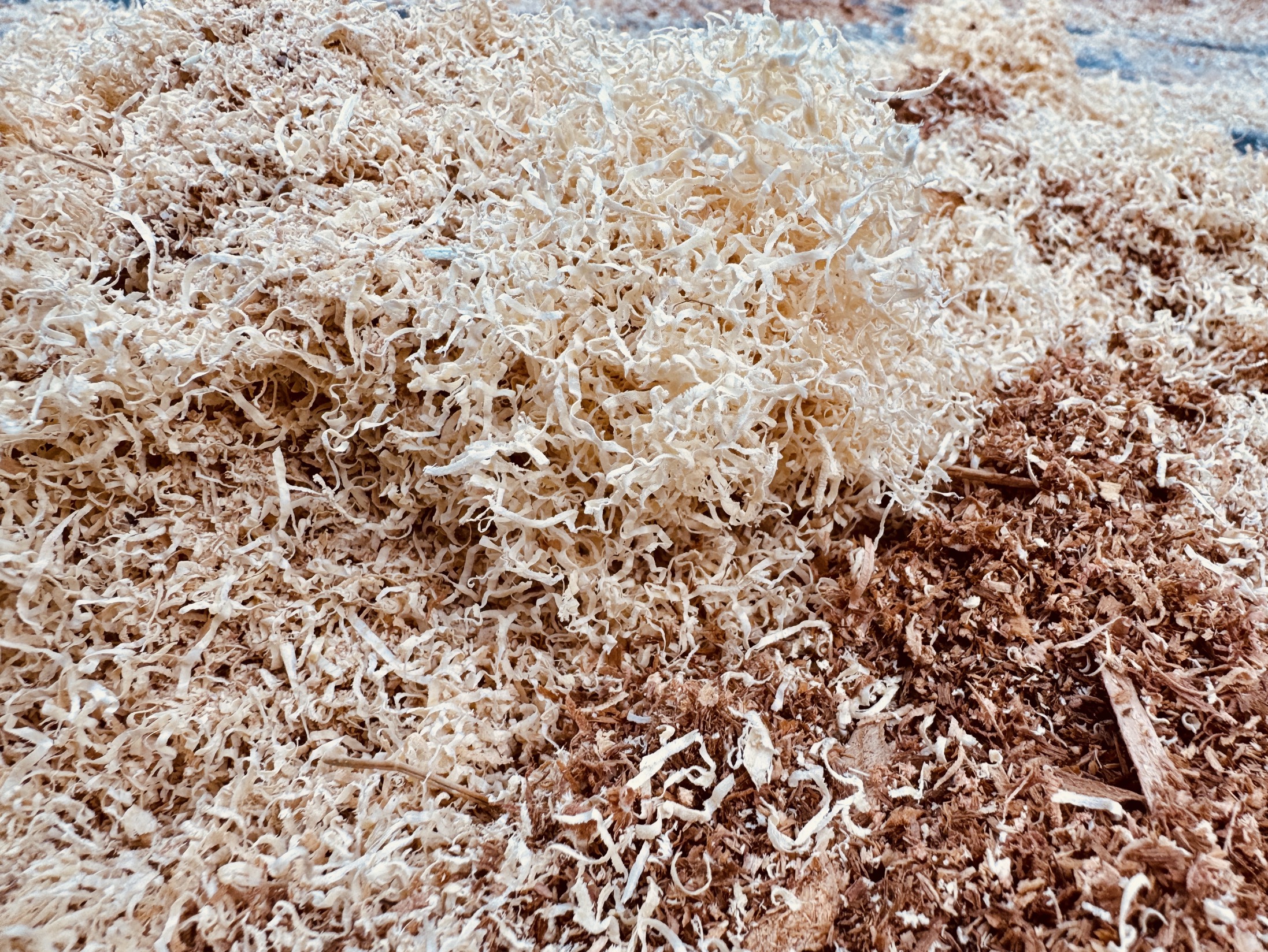 FALLON, Nev. – A proposed wood pellet processing plant in Churchill County is facing significant opposition from nearby residents who say it’s a great project in the wrong place. The facility, which would operate 24/7, is being proposed on McLean Road in Fallon. The man behind the proposal, Alex Pedan, is seeking a special use permit to open the plant, but neighbors are raising red flags over concerns about noise, dust, and declining property values. Amber Sanchez lives near the site and says she was notified about the proposal on April 29. She’s concerned that not everyone in her neighborhood received the same letter. …During Wednesday night’s Churchill County Planning Commission meeting, residents filled the room to speak out against the plan. Some said they supported the idea of a wood pellet business — just not in a residential or agricultural area. …In response to community concerns, Pedan claimed the plant’s equipment would be housed indoors, within a sound-insulated structure.