PORT ANGELES — The Port of Port Angeles has gained foreign trade zone designation from the U.S. Department of Commerce’s International Trade Administration. Its application was approved Jan. 10. The next step will be a meeting with U.S. Customs and Border Protection. …The port has not yet decided where the foreign trade zone will be located. …“We’re really looking at it for some of our existing clientele,” McMahon said. “In addition, with the potential for tariffs coming into play, this could be pretty apropos timing for us to have one. I think one of the big things that we’re going to see here is wood coming from Canada using this FTZ.” For example, he said, a company that imports wood from Canada to fabricate chairs in the foreign trade zone and then sends the finished product back would not have to pay export duties.
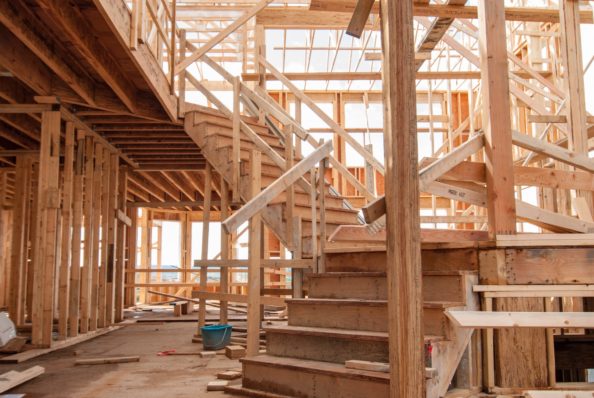 It may take months, if not years, to rebuild after the wildfires in Southern California, raising the likelihood of a spike in demand for lumber in the months and years ahead. The rebuilding process after events such as these “typically drives a significant demand for building materials, particularly lumber, given its foundational role in construction,” said Michael Goodman, of building-materials wholesaler Sherwood Lumber. The California wildfires could slow the economy and boost inflation – and that’s not even the worst of it, economists say. …Looking at the bigger picture for the lumber market, Kuta said, “if one believes that interest rates will gradually moderate lower, we as a nation [would still be] woefully underbuilt and in need of new residential housing.” Among the companies to consider are lumber providers Canfor Corp. and West Fraser Timber Co. and timberland company Weyerhaeuser Co., well as building-material suppliers Builders FirstSource Inc. and Boise Cascade Co.


 The massive fire that began in Pacific Palisades on January 7 has kept the city on edge ever since, with multiple other outbreaks flaring up around L.A. in the following days. While many have been contained or extinguished, the devastation left in the fire’s wake is astonishing, with homes reduced to ashes. In light of this reality, one question remains: why is wood the primary choice for construction in an area so prone to wildfires? The U.S. is rich in forests making wood a readily available material. [Wood is] more affordable, with lower prices than other materials like steel or concrete. …The tradition of building with wood in the United States dates back to the arrival of European settlers… Wood allows for faster construction, making it an attractive choice for building homes. …However, the increasing frequency and intensity of wildfires may serve as a wake-up call, prompting a shift to fireproof materials like concrete.
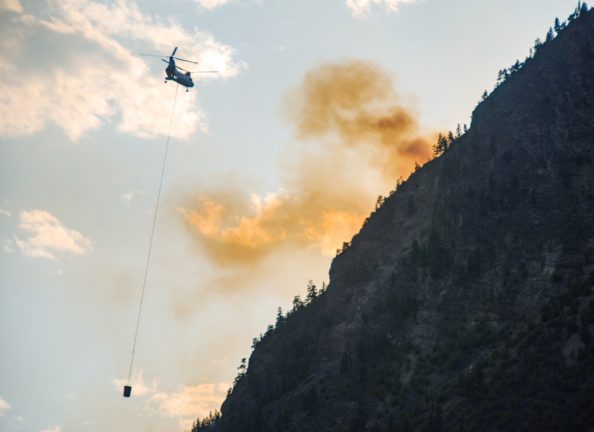 WASHINGTON – U.S. Senators Martin Heinrich (D-N.M.) and Tim Sheehy (R-Mont.) introduced the bipartisan Aerial Firefighting Enhancement Act of 2025 to strengthen the aerial wildfire suppression fleet and better combat the year-round threat of catastrophic wildfire. “I have worked to expand the operations of Very Large Air Tankers that have proven absolutely essential to firefighters battling wildfires in New Mexico, Los Angeles, and across the West,” said Heinrich. …“As a former Navy SEAL and the only aerial firefighter in the Senate, I understand government’s most solemn duty is to keep the American people safe,” said Sheehy. The bill reauthorizes the Secretary of Defense’s authority to sell excess Department of Defense aircraft and aircraft parts, acceptable for commercial sale, to persons or entities that contract with the government for the delivery of fire retardant or water by air to suppress wildfires…


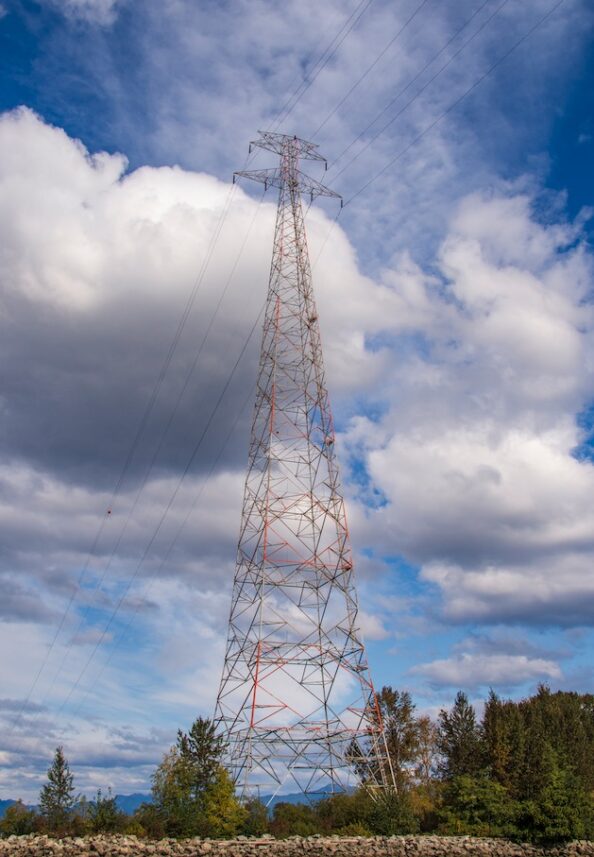 …some electric utilities and cooperatives are urging the Senate to seal the deal on the “Fix Our Forests Act” that aims to expedite some federal approvals and reduce wildfire risk overall. The legislation …establishes requirements for managing forests on federal land, including reducing wildfire, expediting certain forest management projects, and implementing forest management projects and activities. …The legislation prohibits courts from immediately halting a project unless they determine that the person suing to stop it “is likely to succeed on the merits” of the case if the lawsuit gets a full hearing. …The National Rural Electric Cooperative Association applauded the bill, arguing it would make it easier for electric cooperatives to reduce the risk of catastrophic wildfires, and called on the Senate to also pass the bill. …Pacific Gas & Electric “supports legislation that would expedite permitting and approvals and reduce barriers to the essential work of keeping powerlines clear of vegetation.”
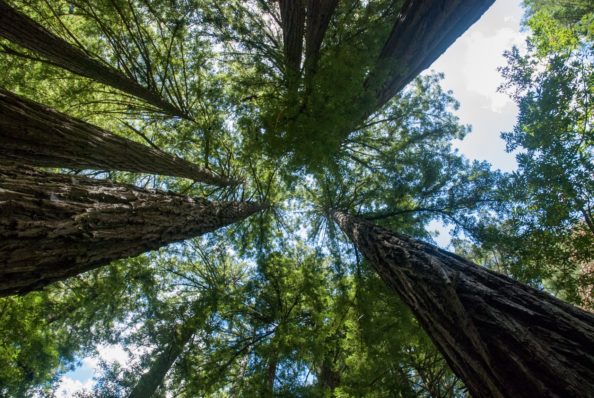 PORTLAND, Ore. – The United States Forest Service (USFS) is currently taking comments on its proposed changes to the Northwest Forest Plan (NWFP) through March 17. The NWFP dates back to the mid-1990s, serving as the blueprint for conserving forests and wildlife habitat along the West Coast. It covers over 24 million acres managed by the Forest Service and other federally managed lands, spanning from California and up through Washington. The proposed amendments intend to provide an updated management framework that incorporates best available scientific information and current conditions in order to better address the social, economic, and ecological changes experienced over the last 30 years. The proposed changes outlined in a Draft Environmental Impact Statement focus on themes of fire resilience, economic benefits, and forest stewardship, with Tribal inclusion and adapting to changing conditions interwoven throughout these themes.

 President Donald Trump signed executive order aimed at boosting oil and gas drilling, mining and logging in Alaska. While state political leaders cheer, environmental groups see it as worrying. …”It means a timber industry in the Tongass National Forest can once again take place. It means Alaska can begin the process [of] finally getting its remain[ing] acreage of land from the federal government”, Republican Gov. Mike Dunleavy said on X about the executive orders. …It also aims to reverse restrictions on logging and road-building in a temperate rainforest. …Cooper Freeman, Alaska director at the Center for Biological Diversity, told The Associated Press that the president “just can’t wave a magic wand and make these things happen. Environmental laws and rules must be followed… We’re ready and looking forward to the fight of our lives to keep Alaska great, wild and abundant”.
 For the second time this decade, Weyerhaeuser Co.’s Longview lumber mill has been hit with a serious state fine for violating state stormwater control regulations. On Monday, the state Department of Ecology announced it has fined the company $145,000 for 36 stormwater discharge violations, 15 monitoring requirements violations, and 16 reporting requirement violations, all of which occurred between July 2022 and May 2024… “We believe strongly in permit compliance and invest significant time and resources to ensure we are meeting all environmental standards,” Weyerhaeuser Co. spokeswoman Mary Catherine McAleer said in an e-mailed statement Thursday. The latest penalty follows another related to stormwater that Ecology issued to Weyerhaeuser‘s Longview lumber mill in 2022, when the agency fined the facility $40,000 for repeated water quality violations.
 The
The 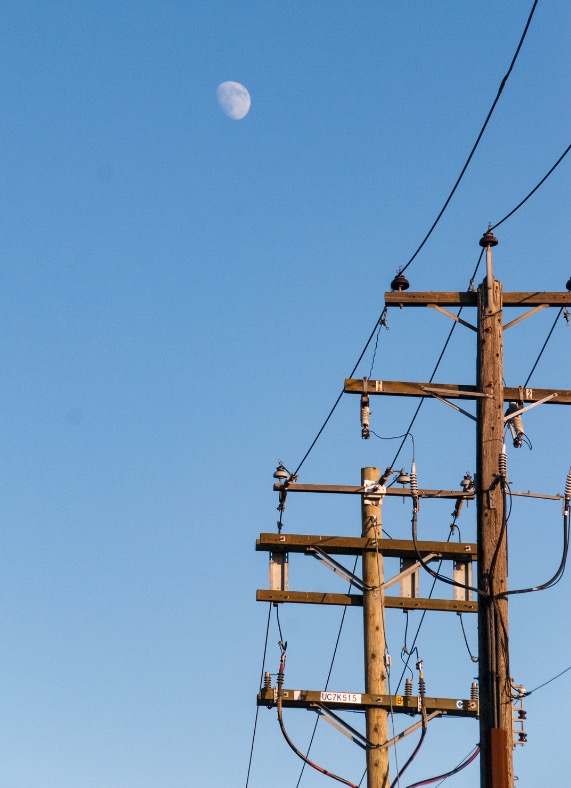 As California residents grapple for answers in the wake of a massive firestorm event in which two major blazes ravaged parts of Los Angeles — the Palisades Fire and the Eaton Fire —power lines are once again at the center of debate. It’s no wonder. Failed electric equipment and poor maintenance have caused horrific blazes in recent years, sometimes sparked by the smallest of parts, according to government investigators. …The 2023 fire in Maui that killed 102 people was caused by “reenergization” of broken power lines during high winds that showered sparks into dense, dry vegetation. …One key but often unpopular tool for preventing deadly wildfires is shutting off power when high winds of certain velocities are forecast. …Undergrounding power lines is the single best method to avoid dangerous arcing of overhead wires, or having dry palm frond hit one that can spark or spread fires. It’s also by far the most costly

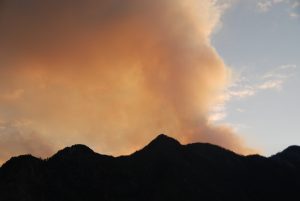 PACIFIC PALISADES, California − Firefighters were progressing in their battle against two massive wildfires as winds eased early Thursday, bringing a respite to frustrated and beleaguered residents across Los Angeles County who have been on edge for over a week. All “particularly dangerous situation” red flag warnings largely expired by Wednesday night without causing any significant fire growth, according to the National Weather Service. But dry conditions and locally gusty winds were forecast to linger into Thursday − particularly in the mountains, the weather service warned. According to the weather services, temperatures were also expected to drop five to 10 degrees below normal for the remainder of the week, and Friday is predicted to be the coldest. “Good news,” the weather service’s Los Angeles office said. “Bad News: Next week is a concern. While confident that we will NOT see a repeat of last week, dangerous fire weather conditions are expected.”