Rebuilding after a wildfire isn’t cheap. The recent Los Angeles wildfires, for example, incurred up to $164 billion in property and capital losses. But restoring the forest isn’t, either, with a few thousand acres running a couple million dollars, Grant Canary, co-founder and CEO of Mast Reforestation, told TechCrunch. “If you’re a land owner and it’s going to take 60 to 80 years for those trees to grow, any money manager is going to be like, put your money literally in anything else.” The biggest cost in reforestation is dealing with the dead, burned trees. Frequently, they’re cut down, piled up, and burned on site. Canary said Mast has devised a way to pay for reforestation today, without landowners needing to wait decades to either harvest timber or claim carbon credits. Instead of burning what’s left, Mast will collect and bury the trees to prevent decay — and sell the carbon credits that result.


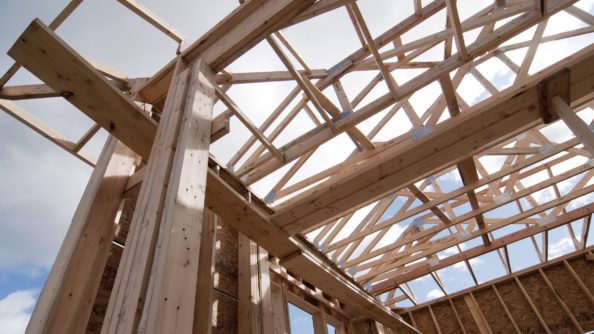 BOZEMAN, Mont. – The Trump administration’s tariffs are stirring discussions in Montana, with concerns about their impact on local economies. At Montana State University, Dr. Nicole Karwowski, an assistant professor of economics … explains that while tariffs can benefit certain business and factory owners, as well as shareholders of domestic firms, the broader impact tends to be negative. She highlights that these beneficiaries gain from the increased costs international companies face when competing in the U.S. market. The local economy in Bozeman is particularly affected, Karwowski says, due to the rising cost of construction materials. “We import a lot of our timber from Canada. And housing prices are already skyrocketing in places like Bozeman especially. So the different types of construction materials and raw materials are increasing in cost because of these tariffs. Then we’re going to see it harder to be building more in places like Bozeman,” she said.
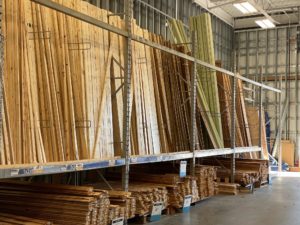 CALIFORNIA — Home builders have avoided a price hike in materials — especially lumber — after the Trump administration said it would delay steep tariffs on Canadian and Mexican goods for at least 30 days. …The temporary reprieve is good news for the construction industry, said Danielle Hale, chief economist at Realtor.com. “In particular, Canadian lumber is an important input in home construction, finishes such as cabinets, and furniture,” Hale said, adding that this is happening at a time when the U.S. is already dealing with an ongoing housing shortage. Prior to the pause, Carl Harris, chairman of the National Association of Home Builders, sent a letter to President Donald Trump outlining the organization’s “serious concerns” about the effects of the proposed North American tariffs. NAHB is particularly concerned about two essential building materials: softwood lumber and gypsum, which is used for drywall. More than 70% of those materials come from Canada and Mexico.

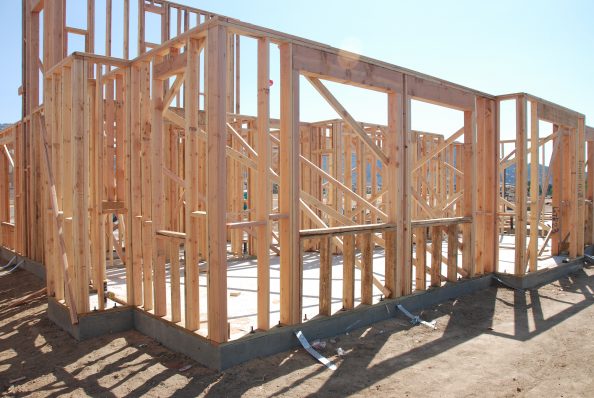 CHINO, Calif. — Where some just see lumber, Marc Saracco, a sales manager at wholesale distributor Capital Lumber Company, sees the building blocks of new communities. Although with the 25% tariffs President Donald Trump is placing on imports from Mexico and Canada, Saracco said those building blocks are expected to get more expensive. “I estimate that the tariffs from appliances to lumber would cost a homeowner between $30,000 and $40,000 per house,” Saracco said. He said it could exacerbate the current housing shortage. “We as an industry rely heavily on what they produce. About 30% of the lumber that we consume in the United States comes from Canada,” Saracco said. …”You’re talking about $600 million just in the scale of the rebuild in additional tariffs to meet those 15,000 homes that absolutely need to be rebuilt,” Saracco said. …With domestic sawmills closing, Saracco said it would take 10 to 20 years before the U.S. can internally meet lumber demand.

 The demand for sustainable, nontoxic furniture is rising as consumers become more conscious of their environmental impact and indoor air quality. While many brands claim to be “eco-friendly,” not all live up to the promise. From responsibly harvested wood to green packaging, truly sustainable furniture goes beyond marketing buzzwords. Understanding the end-to-end process of furniture manufacturing can help consumers make informed choices and avoid greenwashing. Interior designers play a crucial role in guiding homeowners toward authentic selections that prioritize longevity, health and environmental responsibility.


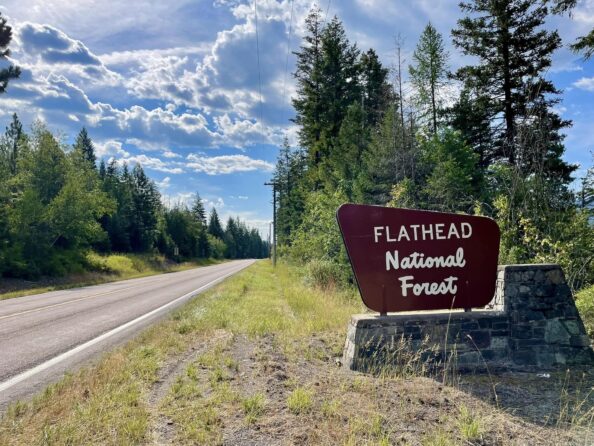 Four conservation groups filed suit in January over the Round Star logging project west of Whitefish on the Tally Lake Ranger District. In the suit against the Flathead National Forest, the Alliance for the Wild Rockies, Council on Wildlife and Fish, Yellowstone to Uintas Connection and Native Ecosystems Council argue that the project is ill-conceived and encroaches on lynx, grizzly and elk habitat. “Lynx critical habitat is the worst place for clearcuts,” said Mike Garrity, executive director of the Alliance for the Wild Rockies, in a Jan. 9 press release. “The surest way to drive lynx to extinction is to continue massive deforestation of the West.” However, local loggers say that the lawsuit is a deterrence to the bigger picture of forest management.


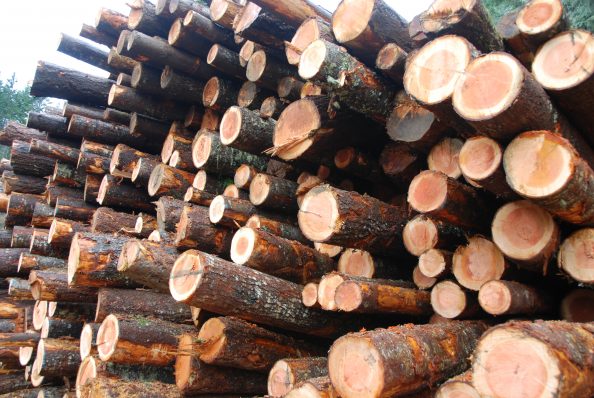 RAPID CITY, S.D. – South Dakota Gov. Larry Rhoden says during one of his several meetings with USDA Secretary Brooke Rollins last week, he and Wyoming Gov. Mark Gordon had an extensive conversation about the Black Hills and timber contracts. “Just what’s at stake for the Black Hills as far as wildland fires, dangers, the insect infestations and just our timber industry and the future of that in general,” said Rhoden. Rhoden continued on saying he was “very encouraged by the conversation we had with her, that we’re going to take steps to rectify that.” Rhoden says the current amount of timber harvested is far below what is allowed. “Not even close, and under the Biden administration we were just banging our heads against the wall. We would provide the facts and the data, and they were ignored,” the governor explained.
  For over a century, the American environmental movement has been animated by an intuitive and simple idea: Protecting trees means leaving forests alone. This stance—championed by figures like John Muir—was based on the belief that any alteration, including thinning or intentional burning, of wilderness harms it. While this ideology helped prevent widespread destruction by timber companies, it also created unintended consequences. Research now shows that overgrown forests are fueling unnaturally severe wildfires, causing irreparable ecological damage and massive economic loss… A key issue remains limited funding. Budget cuts to state and federal land management agencies have reduced the resources available for proactive fire prevention… Insurance and legal concerns further complicate matters. While the need for improved wildfire mitigation is widely recognized, legislative gridlock, environmental regulations, and partisan divisions have slowed progress.
 Each spring, the U.S. Forest Service hires dozens of seasonal biologists to venture into remote Northwest forests on federal land and set up acoustic recorders to monitor for sounds indicating the presence of northern spotted owls, a threatened species. There are only as many as 5,000 northern spotted owls left in the Northwest… The counting is crucial for preventing the owls’ extinction. But President Donald Trump ordered a hiring freeze that means the Forest Service cannot hire more than 40 seasonal scientists to count the owls, according to Taal Levi, an associate professor at Oregon State University who works on owl monitoring. The monitoring typically involves about 60 scientists working from central California to Canada, Levi said. It also means the agency will likely go without dozens more scientists needed to monitor threatened and endangered salmon, frogs and other fragile species….
  …On Monday, the Ninth Circuit Court of Appeals upheld Missoula federal district judge Donald Molloy’s rulings on a few counts that will require the Kootenai National Forest to keep the Black Ram logging project on hold for a while longer. The appeals court upheld rulings on two of four claims that the U.S. Forest Service challenged, so the agency must redo parts of its project analysis. First, the justices agreed that the Forest Service failed to comply with Kootenai Forest Plan because the agency didn’t show whether or how it included unauthorized roads in its road density calculations. …Second, the justices agreed that the Forest Service didn’t take “a hard look,” as required by the National Environmental Policy Act, at unauthorized road use and its effects. The justices pointed at the agency’s unsupported claims of sporadic use of roads and prompt barrier repair as proof.
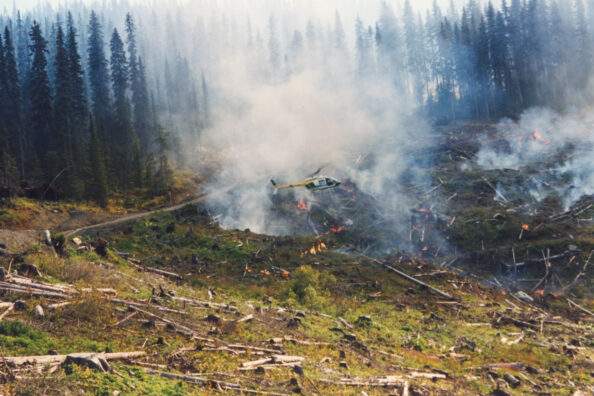 SEATTLE — The termination letters that ended the careers of thousands of U.S. Forest Service employees mean fewer people and less resources will be available to help prevent and fight wildfires, raising the specter of even more destructive blazes across the American West, fired workers and officials said. The Forest Service firings …are part of a wave of federal worker layoffs, as President Donald Trump’s cost-cutting measures reverberate nationwide. Workers who maintained trails, removed combustible debris from forests, supported firefighters and secured funds for wildfire mitigation say staffing cuts threaten public safety, especially in the West, where drier and hotter conditions linked to climate change have increased the intensity of wildfires. …U.S. Rep. Kim Schrier, a Washington state Democrat, said on the social platform X that the Forest Service layoffs are already hurting the state, “and it is only going to get worse. Fire season is coming.”
 Fewer wildfires occur in North American forests today than in past centuries, but this decline has increased the risk of more intense wildfires, according to a study published in Nature Communications. While it may seem unexpected, frequent low-intensity surface fires help maintain forest health by naturally reducing fuel buildup over large areas. Researchers from the Cooperative Institute for Research in Environmental Sciences at the University of Colorado Boulder and the U.S. Forest Service’s Rocky Mountain Research Station compared wildfire frequency across two periods: 1600 to 1880 and 1984 to 2022. Using data from 1,850 tree-ring records in historically burned areas, they assessed past fire activity and compared it with modern fire perimeter maps from Canada and the United States. The findings show modern-day fires are much less frequent than they were in past centuries, despite recent record-breaking fire years, such as 2020.
  PORTLAND, Ore. — An environmental nonprofit is sounding the alarm over the federal funding cuts and hiring freeze instituted by President Donald Trump’s administration, which it said could threaten the population of Oregon’s endangered spotted owl. The widespread layoffs and cuts instituted by the Trump administration have set off a series of protests across the country and around Portland, some of which have focused specifically on the thousands of U.S. National Parks and Forest Service workers who have been fired. The Northwest Forest Plan and the U.S. Bureau of Land Management (BLM) require the endangered owl population to be monitored, but the Center for Biological Diversity said in a news release that the federal freeze means the monitoring “either won’t occur or will be greatly reduced.”
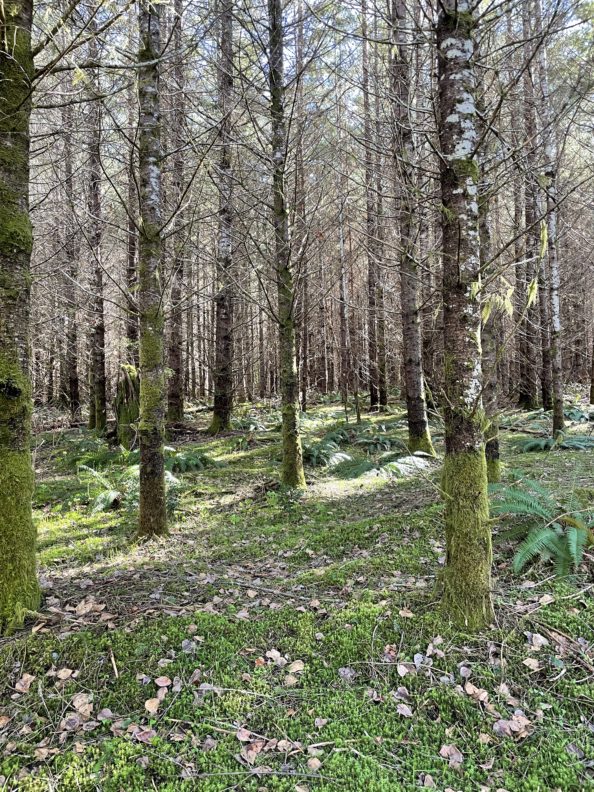 There’s no two ways about it: the U.S. Forest Service is at an impasse, seized by uncertainty like hardly ever before. In its quest for a supposedly leaner, more decentralized government, the Trump administration, led by DOGE chieftain Elon Musk, is taking an ax to the federal workforce. The Forest Service in particular is hemorrhaging manpower: it was reported on Friday that Trump had pink-slipped 3,400 workers. That is roughly one-tenth of USFS personnel. “These cuts are particularly impactful for the Northwest because we have vast expanses of national forest and public land,” says Rep. Kim Schrier. However much the PNW has to lose, this is no mere regional issue. It’s an affront to Mother Nature herself, Schrier says, because “we’re taking away people who do what we call ‘wildfire mitigation’: they do the work that thins the forests to prevent catastrophic wildfires. They do that year-round so we aren’t choking on smoke all summer.”
 Another 29,800 acres of timberland just got conserved under easement as working forest, the third phase in Columbia Land Trust’s project of protecting about 75,000 acres, sold by SDS lumber company in 2021. Columbia Land Trust hopes to conserve almost everything except the mill itself, buying the most important 15,000 acres of habitat outright. They hope to put the other 60,000 under conservation easements. In this case, Washington’s Department of Natural Resources will hold some of the rights over the 29,800 acres of land. It can be sold, but never developed; it must always remain working forest. This is the trust’s biggest project to date… SDS Lumber was the last family-owned, vertically-integrated (meaning it owned and operated most stages of its own supply chain) timber company in this part of the Northwest.
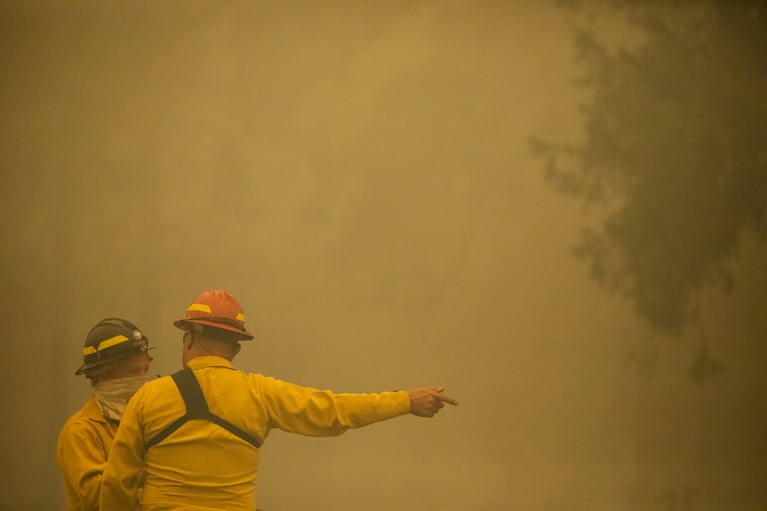
 WASHINGTON – A bipartisan group of lawmakers has introduced the Future Logging Careers Act, a bill aimed at allowing teenagers from logging families to gain early hands-on experience in the industry under parental supervision. The legislation, introduced by U.S. Senators Jim Risch (R-Idaho) and Angus King (I-Maine), along with U.S. Representatives Glenn “GT” Thompson (R-Pa.) and Jared Golden (D-Maine), would amend the Fair Labor Standards Act to permit 16- and 17-year-olds to work in certain mechanized logging operations. Similar exemptions currently exist for youth working in family-owned farms. Supporters of the bill, including the American Loggers Council and the Associated Logging Contractors of Idaho, argue that the measure would help sustain family-run logging businesses by allowing younger generations to gain experience before entering the workforce as adults. Industry representatives have pointed to labor shortages and the challenges of retaining workers as key reasons for the bill’s introduction.
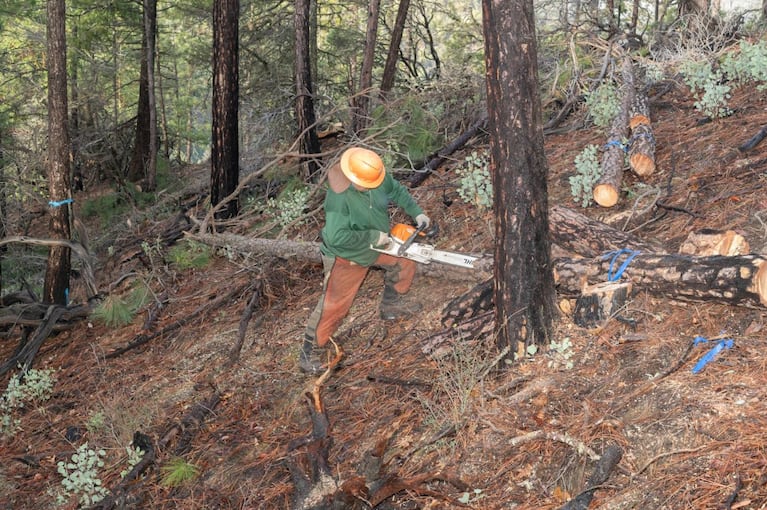

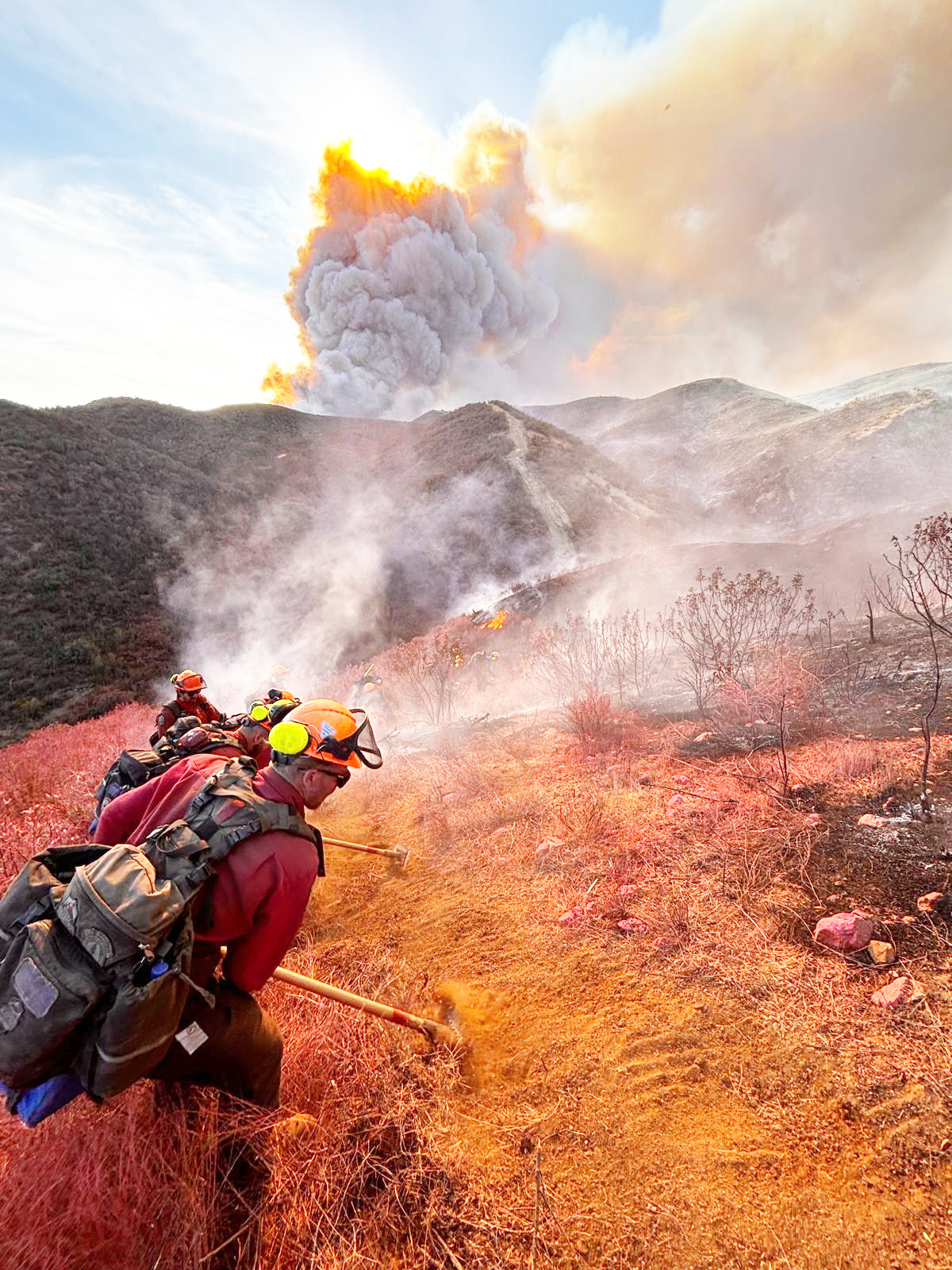

 SACRAMENTO, Calif. — As Los Angeles reels from deadly January wildfires that destroyed thousands of homes, California Gov. Gavin Newsom signed an order Thursday directing the state to advance long-delayed regulations requiring homeowners in high-risk areas to clear combustible materials around their homes. Newsom ordered the state to publish draft regulation next month, with a deadline to adopt those rules by the end of the year. The requirements were passed by lawmakers in 2020 and originally set to take effect by Jan. 1, 2023. Newsom signed the order after he returned from Washington to advocate for disaster aid. The rule requires homeowners to clear materials like dead plants and wooden furniture within 5 feet of their homes in fire-prone areas. As multiple fires roared through LA neighborhoods in January, the regulations still weren’t written, and the state Board of Forestry and Fire Protection told The Associated Press last month it had no firm timeline for completing them.
 This opinion piece is by the following groups: Central Utah Water Conservancy District, Salt Lake City Department of Public Utilities, Weber Basin Water Conservancy District, Mountain Regional Water Special Service District, Metropolitan Water District of Salt Lake & Sandy, Jordan Valley Water Conservancy District, Summit County, and World Resources Institute. After another catastrophic wildfire season in the West, it is clear that Utah can no longer put off needed investments to protect our forests and critical sources of drinking water. The consequences of delaying these essential investments grow yearly and the stakes have never been higher. …These fires are a wake-up call. Infrastructure costs should not fall on water ratepayers alone. While Utah water utilities and our partners have made progress in reducing wildfire risks in key watersheds, the wildfire crisis demands even greater levels of collaboration and funding — and both are needed now from Utah’s state Legislature.
 Biochar, a charcoal-like material derived from plant biomass, has long been hailed as a promising tool for carbon dioxide removal. However, a new study by Stanford researchers highlights a critical issue: current methods for assessing biochar’s carbon storage potential may significantly undervalue its true environmental benefits. The paper points the way to more accurately evaluating biochar, and boosting its credibility as a climate change solution. The research challenges conventional durability metrics and proposes a more nuanced framework for evaluating biochar projects. It grew out of an early project looking at soil’s ability to capture carbon dioxide. …By reanalyzing the largest existing biochar durability dataset, the researchers uncovered that relying solely on hydrogen-to-carbon ratios ignores critical factors such as soil type, environmental conditions, and biochar feedstock variability. Without these factors, models often fail to predict real-world outcomes for carbon storage and benefits to soil health and crops.
 A Washington timber company has been fined nearly $115,000 for child labor violations after a 17-year-old worker was injured while working in a logging operation. The Washington State Department of Labor & Industries issued the citation against MVR Timber Cutting Inc. following an investigation into the incident. The investigation began in May 2024 when L&I received a report of a workplace injury involving the teen, who fractured his foot while jumping between tree stumps. Upon learning that the minor was working as a member of the company’s logging crew, L&I expanded its investigation. …In January, L&I fined MVR Timber Cutting Inc. $56,000 for allowing the minor to work in logging operations 56 times. State regulations prohibit minors under 18 from working in jobs requiring more extensive personal protective equipment than boots, gloves, and safety glasses. Additionally, state law bans teens from working in hard hat zones, prompting L&I to issue an additional $56,000 fine for the 56 violations of that regulation.