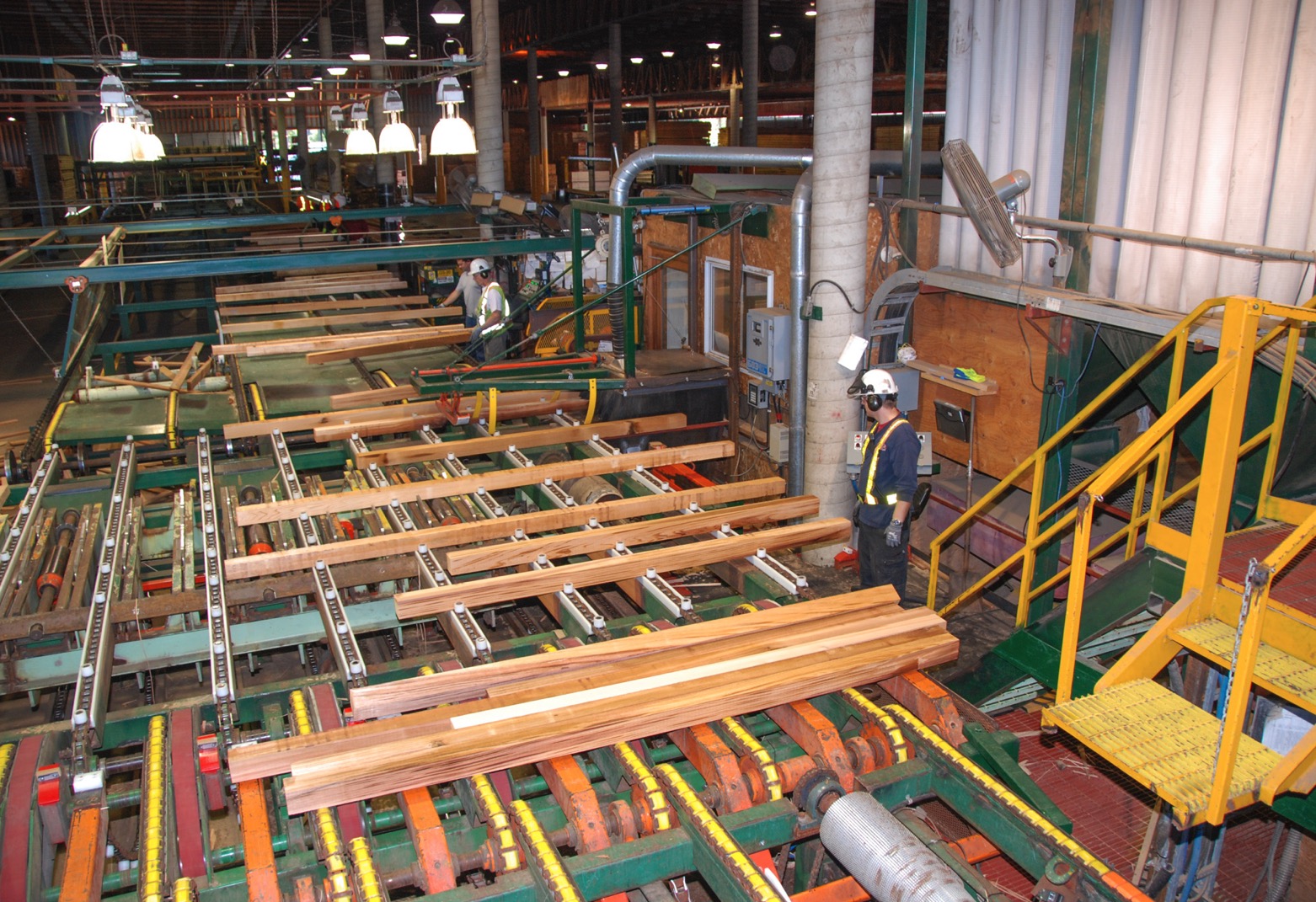
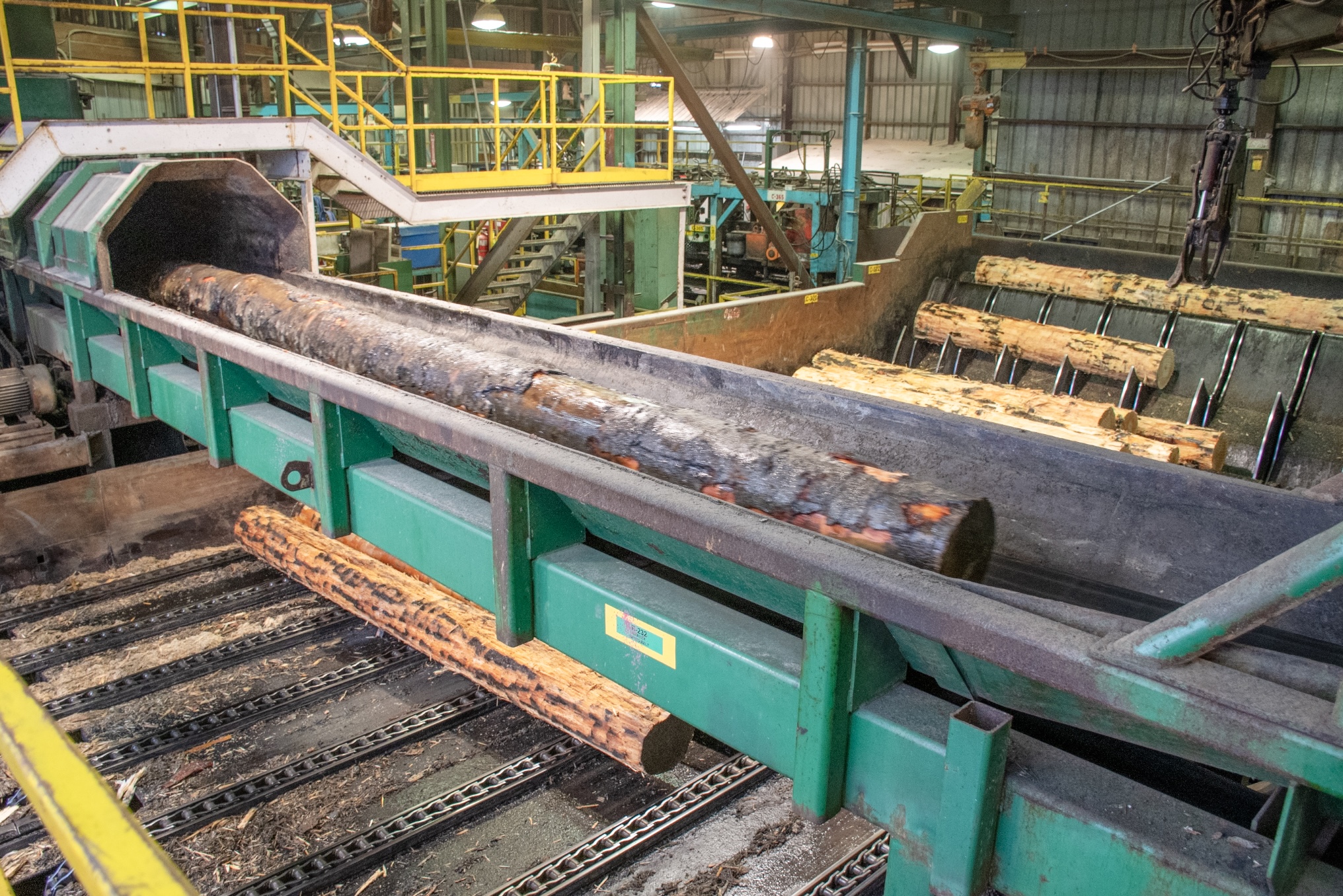
 COWICHAN BAY, BC — Western Forest Products has announced the extension of their Cowichan Bay Sawmill curtailment until the fall. The move leaves 54 employees without work, said Brian Butler, president of United Steelworkers Local 1-1937. The Cowichan Bay workers join the 120 workers from the Chemainus Sawmill, who have been curtailed indefinitely since June 2025. “Beyond what WFP has advised about the Cowichan Bay Sawmill curtailment lasting through September, we have no information beyond that,” Butler noted. …“It remains a very difficult period of time for our members in these operations,” Butler said. …WFP spokesperson Kelly Marion said the Cowichan Bay mill closure is “in response to persistently weak market conditions.” She added that the company is continuing “to work to mitigate the impact on employees by providing work opportunities at our other operations where possible.”


 PITTSBURGH – United Steelworkers (USW) International President Roxanne Brown and IAM Union (International Association of Machinists and Aerospace Workers) International President Brian Bryant sent a letter to United States Trade Representative (USTR) Jamieson Greer, urging him to reconsider tariffs on Canadian goods and instead employ a trade policy built on the long history and unique relationship the two nations share. “While it’s true that workers and their communities have suffered greatly from decades of so-called free trade, Canada has never been the problem,” said Brown. “Our two nations share a deep collaboration built on decades of economic integration as well as intelligence and defense cooperation. Rather than imposing further tariffs … we should work together with our Canadian allies to limit illegal trade practices and advance our shared prosperity.” “…we urge the administration to work with the Canadian government to preserve the integrated manufacturing relationship that supports workers on both sides of the border,” said Bryant.



 Two new inspections into kraft pulp and paper mills in Washington have been opened, following ongoing investigations at the Nippon Dynawave mill where a tank failure killed 11 workers. The Washington State Department of Labor & Industries said investigations are going on at two other active paper mills in the state that use the same process, where caustic chemical compounds are used to help break down wood into pulp for paper product manufacturing. In the weeks following the implosion of a massive tank at the paper mill that spilled hundreds of thousands of gallons of chemicals – believed to be the deadliest industrial accident in state history – managers of similar operations have been dialing up their insurance brokers to find out how well they’re protected. One investigation is occurring at a mill run by Smurfit Westrock, also in Longview. The other, run by Port Townsend Paper Company, is in Port Townsend.
 Sidney S. Frissell died in Hamilton, MT, on March 13, 2026. He was a Forestry professor and Dean at the University of Montana, woodsman and an avid birder, watercolor painter of birds in their natural habitats, and lifelong Ham radio operator. …Sid earned a Forestry degree at the University of Minnesota and went to work for the US Forest Service in Randall, Washington. Within a year he returned to graduate studies at Minnesota, earning a Master’s degree and then pursuing a PhD. …In collaboration with colleagues he made lasting contributions in wildlife ecology and management, forest recreation, and wilderness management, coauthoring a methodology for assessing sustainability of use of campsites still applied by forest managers today. After serving several years as Associate Dean of the School of Forestry at the University of Montana, he was promoted to Dean in 1986. …He retired at a relatively young age to pursue a second career in wildlife illustration and bird painting…



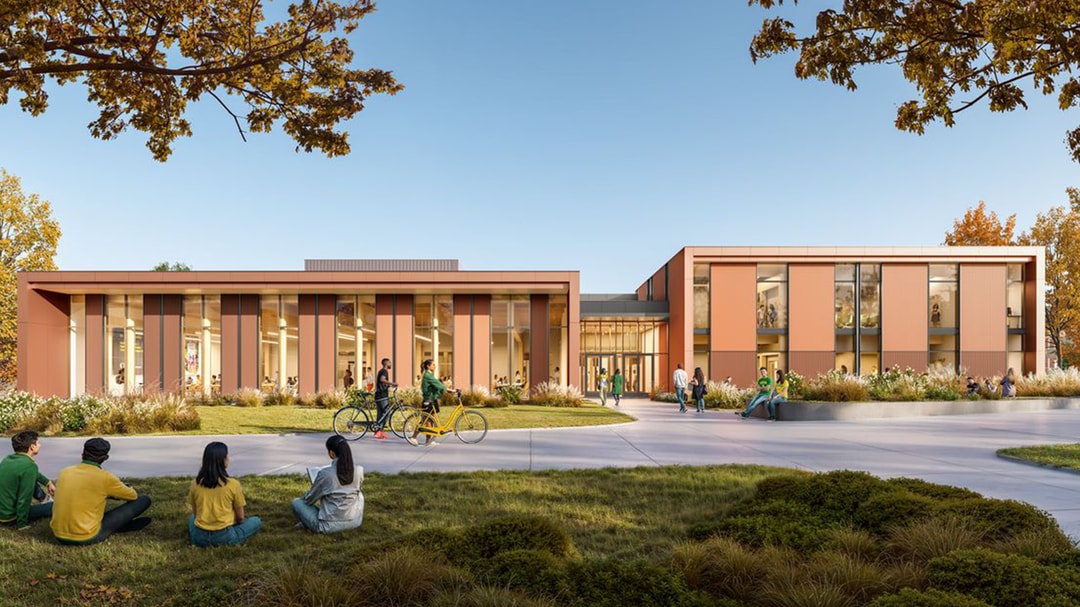



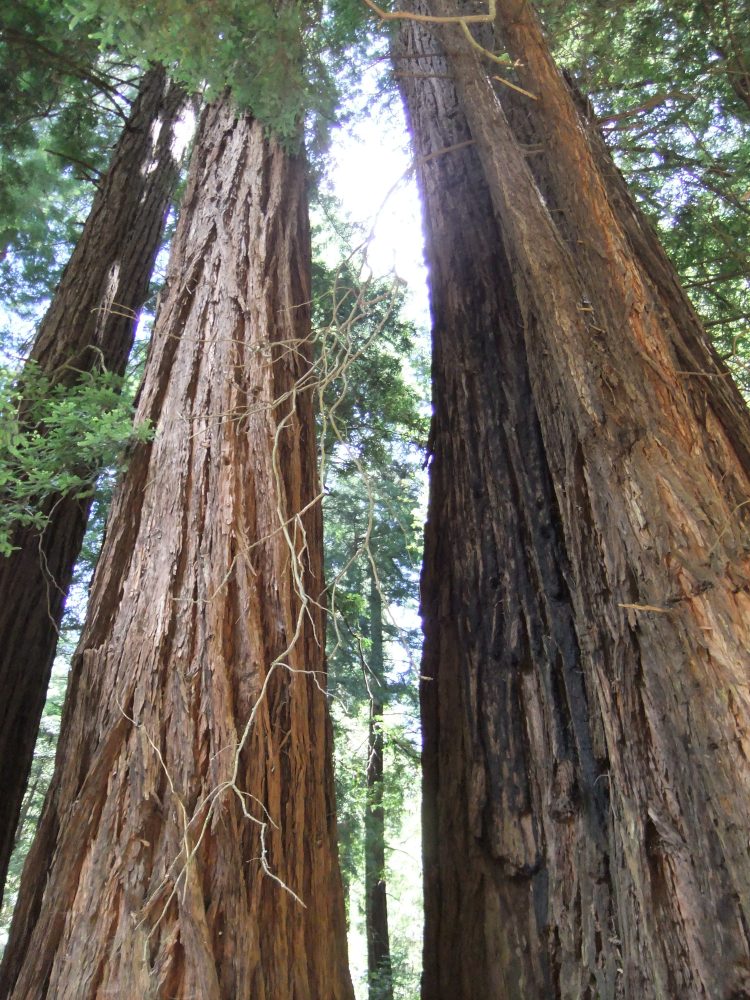 This fog-shrouded patch of coastal forest in the heart of Yurok Country was tended by the tribe for millennia. But in the Gold Rush era it was taken away and, later, used by the logging industry, reshaping the landscape. Now, as the land heals from the scars of a long-running lumber mill, it has been returned to its original stewards, who will operate it as a public gateway to Redwood National and State Parks about 50 miles south of the Oregon border. Save the Redwoods League in June conveyed the 125-acre property to the Yurok Tribe following a yearslong project to restore the degraded industrial site to a diverse riparian habitat. It opens to the public Saturday as ‘O Rew Redwoods Gateway, which features interpretive exhibits and trails leading to old-growth redwood groves.
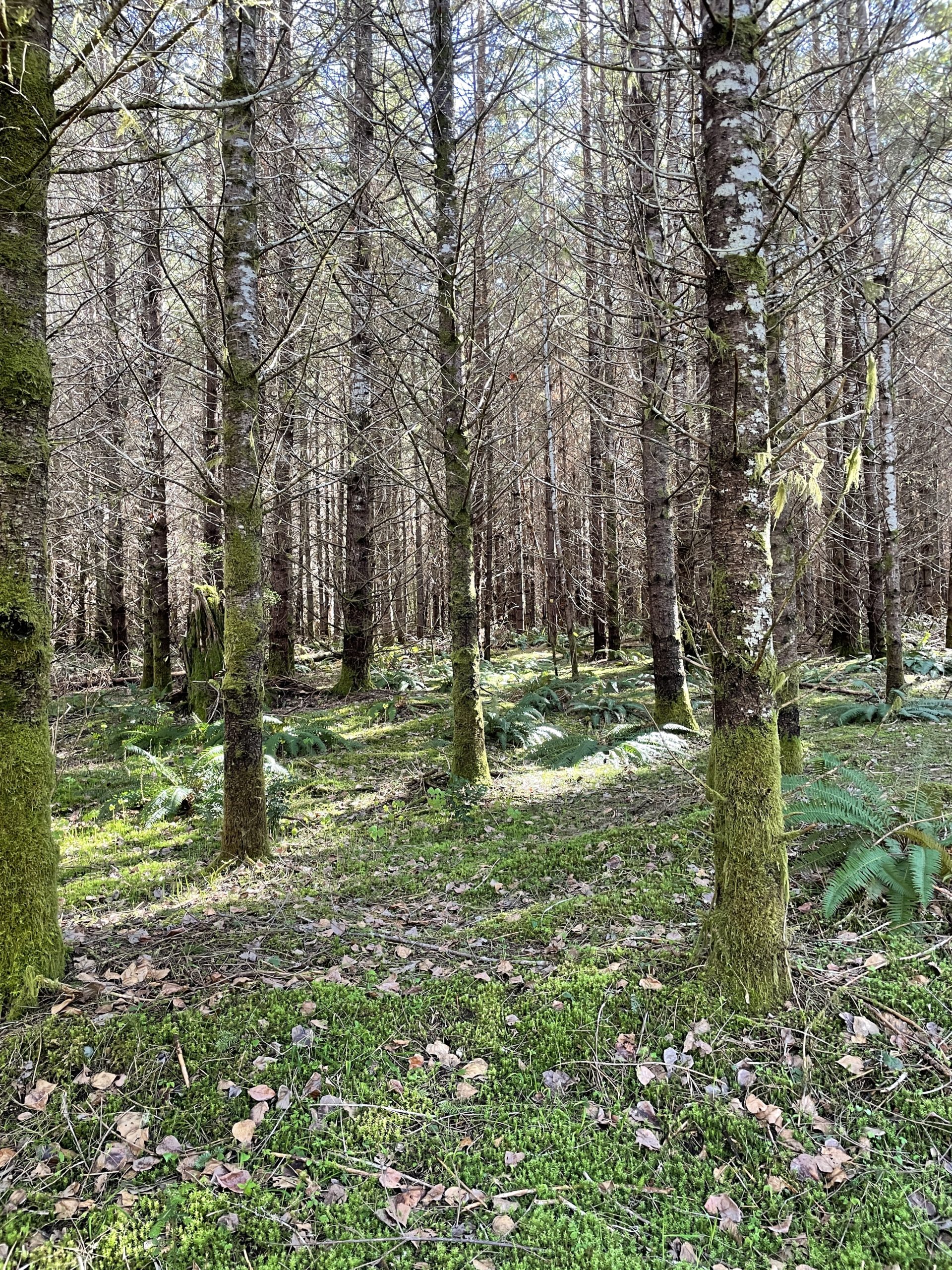 The U.S. Forest Service has promised to approve at least 20,000 acres a year worth of forest thinning projects annually to support forest restoration and wildfire protection in the footprint of the Four Forest Restoration Initiative, or 4FRI. The commitment is key to the 4FRI effort to save Northern Arizona’s forests and forested communities, partly because it provides a guarantee of biomass to support loggers and support industries. The 4FRI collaboration on the Tonto, Coconino, Apache-Sitgreaves and Kaibab forests remains the most ambitious forest restoration effort on the continent. However, the fitful approvals of logging and restoration projects has hobbled the timber industry needed to thin millions of overgrown, fire-prone acres. The slow pace of project approvals has limited the growth of the logging industry, especially crucial operations that can make use of the low-value biomass produced by every thinning project.


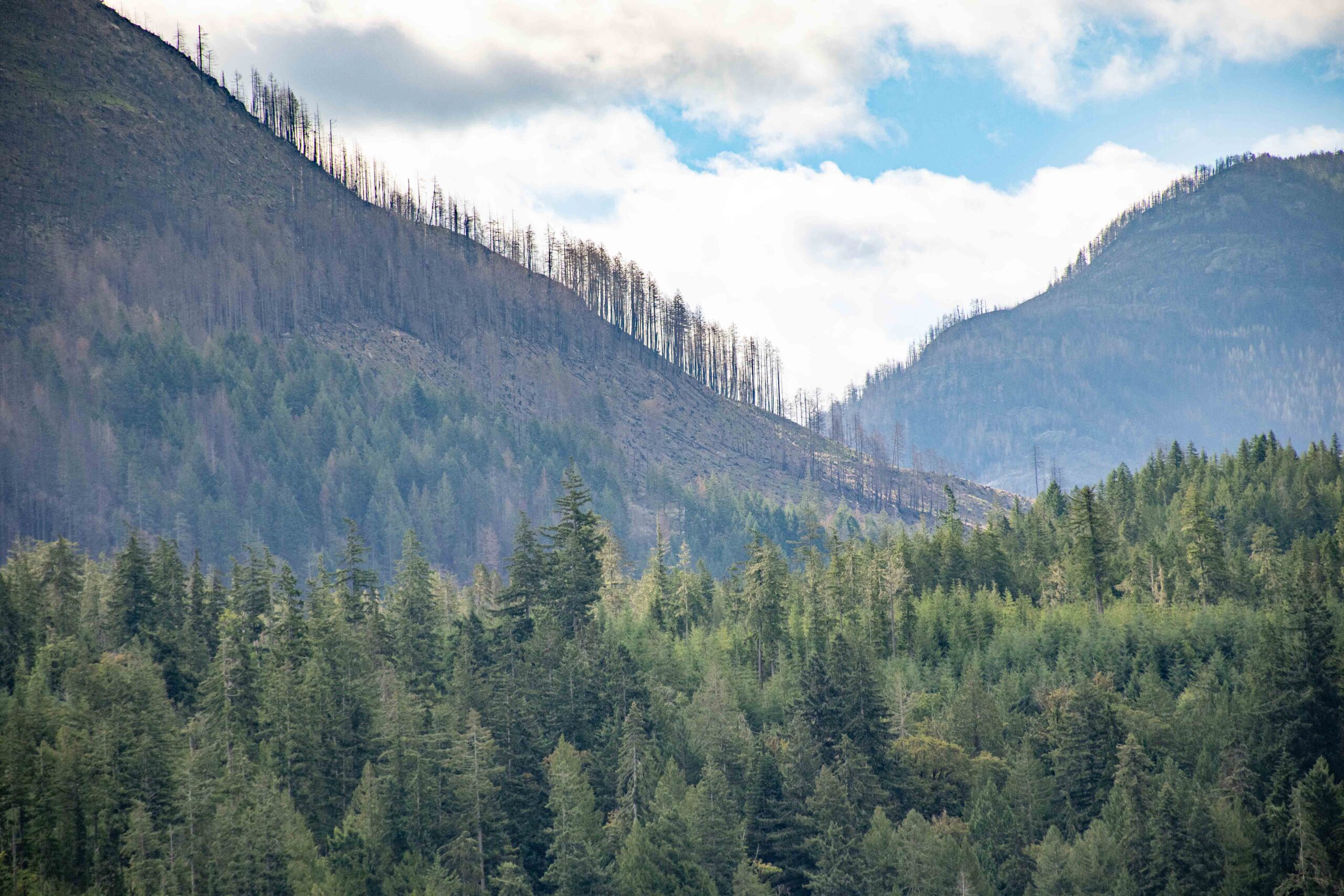 Trump administration officials and members of Congress walked along the burn scar from Utah’s devastating Cottonwood Fire last week…. If the forest had been thinned, with “a lot fewer trees per acre, and maybe even some controlled burns to take the underbrush out, there’s just not the fuel there when these fires start to make them catastrophic fires,” Rep. Bruce Westerman said. The Arkansas Republican chairs the House Natural Resources Committee. But these traditional fire prevention methods may no longer work with a changing climate that makes hot, dry weather increasingly the norm said Dominik Kulakowski, a professor of geography at Clark University in Massachusetts. “The implication of that,” he said, “is that we’re losing our ability to manage forest fires.” …The Trump administration issued a directive this year calling on federal agencies to aggressively suppress all fires — including the smaller ones that forests evolved with and may keep them healthy.
 The Trump administration is drastically changing the way the country protects endangered species, potentially jeopardizing years of policymaking in Oregon. Still, Oregon land regulators are moving ahead with plans for protecting Oregon’s forests that are essential for endangered species, including marbled murrelets and spotted owls. …For more than six years, Oregon land agencies, conservationists and loggers have been crafting plans that will protect Oregon’s most sensitive habitats, while also helping landowners avoid lawsuits when their logging projects harm federally endangered species. …Earlier this month, the Trump administration announced it is removing the definition of “harm” under the Endangered Species Act, effective in September. …Last year, Gov. Tina Kotek and multiple Oregon state agencies submitted comments opposing the change. …“In Oregon, where approximately 53% of the land is federally managed, habitat protection is essential to ongoing conservation efforts,” Kotek wrote.
 Seven years ago, the Alliance for the Wild Rockies, with the support of local residents, took the U.S. Forest Service to federal court to halt the Hanna Flats logging, road-building and burning project on the Idaho Panhandle National Forests in North Idaho. The good news — for grizzly bears, old growth forests and the local populace — is that a federal appeals court just ruled for the Alliance. The logging project is located in the habitat of the imperiled Selkirk grizzly bears, which have been reduced to a mere 50 bears when the minimum needed for recovery is 100 bears. The bears suffer from human-caused mortality at unsustainable rates and are regularly displaced and harmed from logging and road-building. …There is no hope of recovering this imperiled grizzly population as required by the Endangered Species Act unless the government starts complying with the law. This court decision is one step in the right direction.
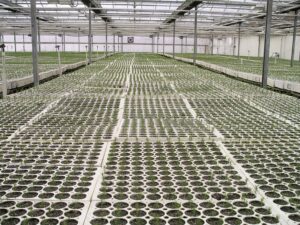 A windowless warehouse on the outskirts of Davis shelters pieces of California’s forests. …“This is like the mothership of forestry in California right here,” said Stewart McMorrow, staff chief for wildfire resilience at Cal Fire, standing outside the heavy metal door of the state seed bank at Cal Fire’s Lewis A. Moran Reforestation Center in Davis. Private landowners especially rely on these seeds — some now more than a half-century old — to reforest property destroyed by wildfire. At the pace California is burning, it’s nowhere near enough. Climate change and more than a century of overzealous fire suppression are now fueling wildfires so severe that they’re wiping out the very forests that need fire to thrive — leaving iconic landscapes at risk of turning into brush and scrub, permanently. Over the past quarter century, high-severity wildfires have burned 2.3 million acres of California’s forestland so completely that the trees are unlikely to return on their own.
 Oregon forestry officials will need to manage hundreds of thousands of acres of western state forests to better support critical species, water and air quality and to decrease greenhouse gas emissions under a new management plan the Board of Forestry approved Wednesday. The seven-member board voted 5-2 to pass the 168-page

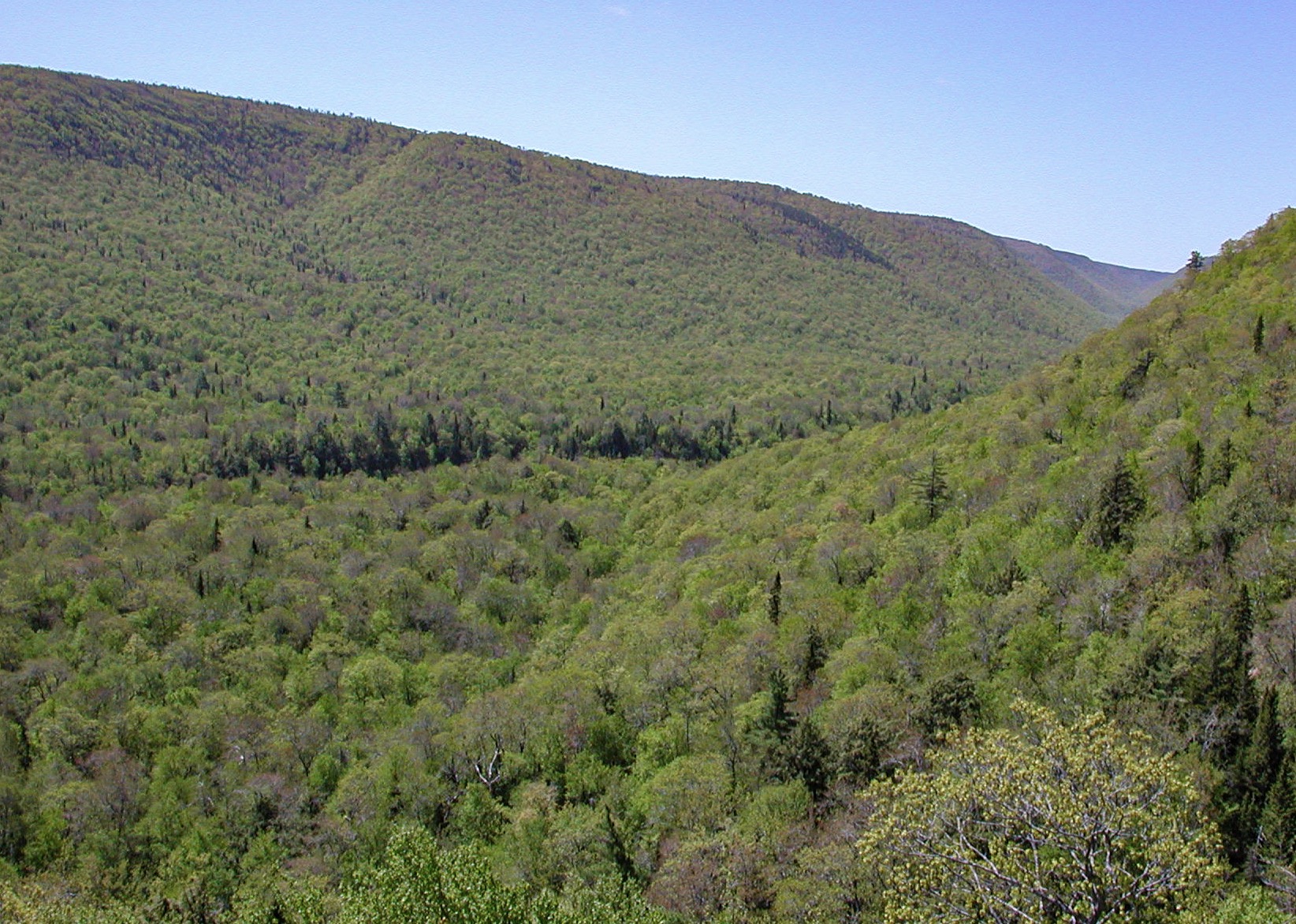 As tribes across the West seek the return of federal lands through U.S. Congress, land trusts have advanced a complementary strategy: helping tribes buy back private lands from willing sellers — including timber companies — with public funding and conservation dollars. That approach is also gaining support in Oregon where five federally recognized tribes are pursuing federal legislation that would transfer public lands into tribal ownership. In a letter last week to the state’s congressional delegation … urged lawmakers to invest in tribal acquisitions of private lands while preserving environmental protections and public access on federal lands. …Historically, land trusts focused on buying and preserving environmentally valued land via conservation easements and other deed restrictions [that] limited people’s access to the land or prohibited most human activities. In recent years, the trusts have started to reexamine that approach, particularly when working with tribes who strongly believe that land should exist in relationship with people.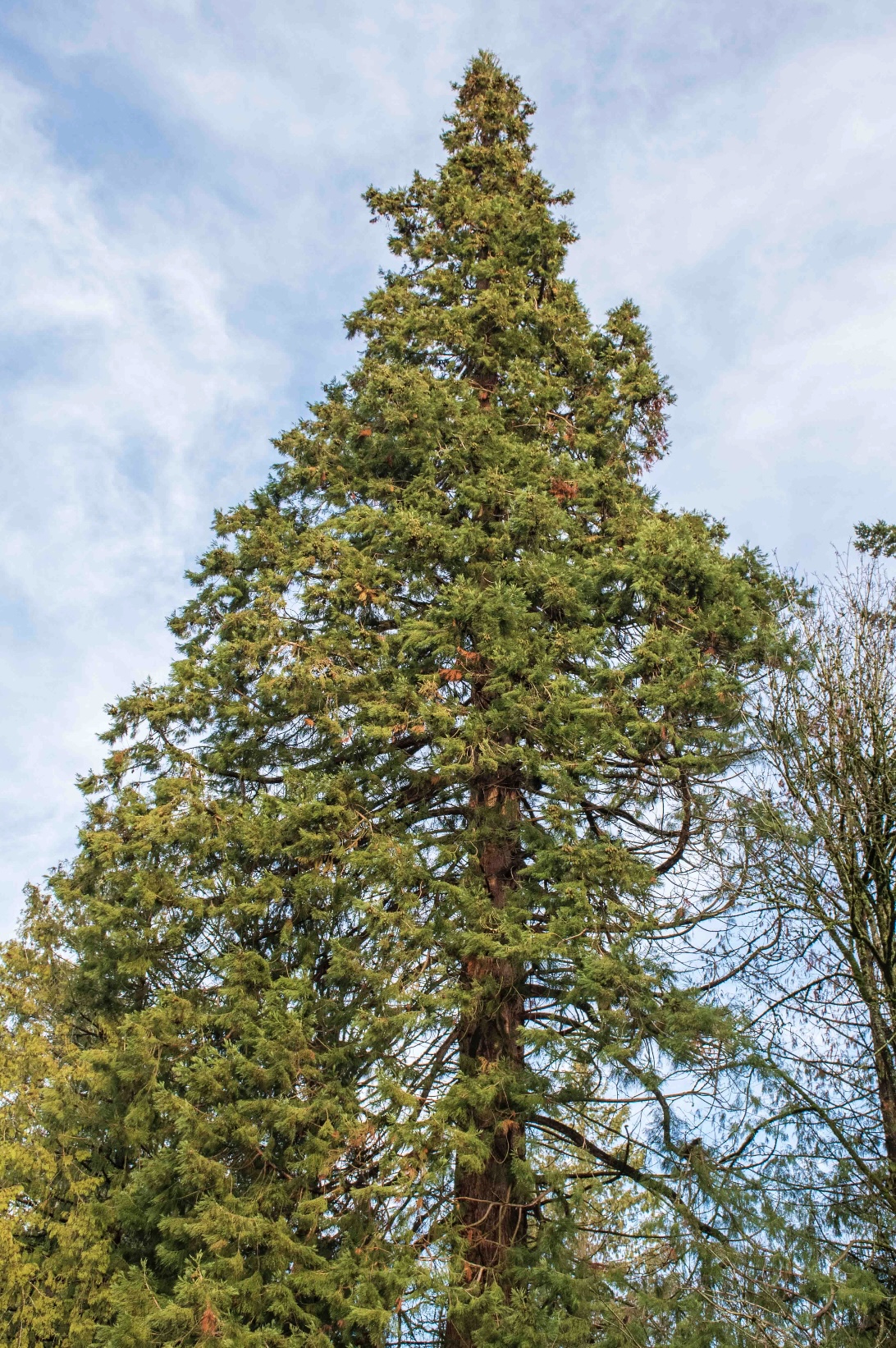
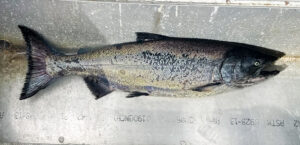 Two Western Washington tribes are suing the Trump administration to save endangered-species habitats nationwide. The lawsuit, filed in the US District Court in Seattle by the Swinomish Indian Tribal Community and the Squaxin Island Tribe, follows the Trump administration’s recent reinterpretation of the Endangered Species Act. The Interior Department and the Department of Commerce announced they were nixing the decades-old interpretation of the act: Damage to an endangered species’ habitat would no longer be viewed as “harm” to the species. The species act would only be used to prevent directly injuring or killing endangered wildlife. “It’s devastating because of the impacts on the ESA-listed Chinook salmon,” Swinomish tribal chair Steve Edwards said. …Noah Greenwald said companies would have little incentive to enter into or continue habitat conservation plans. …Nick Smith said the new rule could make projects like tree thinning in fire-prone forests easier to carry out.
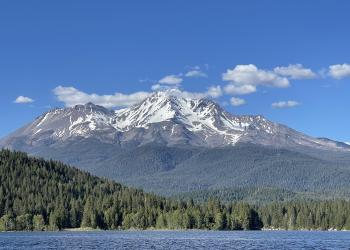
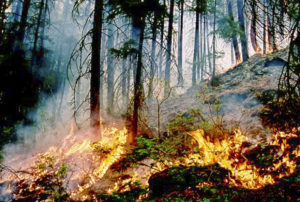
 A historic drought is turning Colorado’s mountain landscapes into a tinderbox. After last winter’s record-low snowpack, wildland firefighters who continuously monitor indexes of weather and climate data to help predict wildfire risk and how conditions might affect fire behavior say they’re staring down unprecedented levels of dryness. “That lack of snowpack has had a very real impact on the fuels, the vegetation — specifically the large logs that are on the ground,” said Jim King, the fire behavior analyst for the Willow Fire burning near Leadville. “Those are 1,000-hour fuels. The way we measure those in this line of work, they’re just at the very peak. They’re basically as dry as they can get.” …King described how bone-dry logs in the dense forest near Turquoise Lake, along with high winds, contributed to 100-foot columns of flames and extreme fire behavior that at times threw “spots” …more than a half mile ahead of the blaze.
 CALIFORNIA — A bipartisan bill intended to protect people and forests from wildfires in the Shasta-Trinity and other national forests is dividing lawmakers and conservationists in Northern California and nationwide. Supporters of the Fix Our Forests Act say it speeds up the bureaucratic process for approving projects that reduce wildfire risk in national forests. These include control burn and vegetation removal projects. A chorus of conservationists opposed to the bill say they worry about uncontrolled logging in some of the country’s pristine forestlands. …According to the bill’s wording, it would limit how much environmental protection oversight projects that reduce vegetation would have to surmount before they’re approved. It also would limit legal challenges to those projects from community and environmental groups. The latter has been dividing lawmakers across both parties for more than a year.
 Officials at the U.S. Forest Service are proposing new management plans for eastern Oregon’s Blue Mountains that include potentially tripling the amount of logging across 5.5 million acres in the next decade. The Forest Service published a draft of proposed changes to the 35-year-old Blue Mountain Forest Plan last week. It would allow more logging, mining and grazing across four national forests spread across eastern Oregon, as well as parts of southeast Washington: the Malheur, Ochoco, Wallowa-Whitman and Umatilla National Forests. The public has until Sept. 30 to submit comments on the 350-page draft proposal. The draft plan … predicts everything from habitat conservation to forest carbon storage would improve over the long term if more logging is allowed because strategically logging and grazing parts of the forest would prevent wildfire, which officials characterize as the biggest threat to habitat and forest loss. Environmental advocates disagree with the framing.
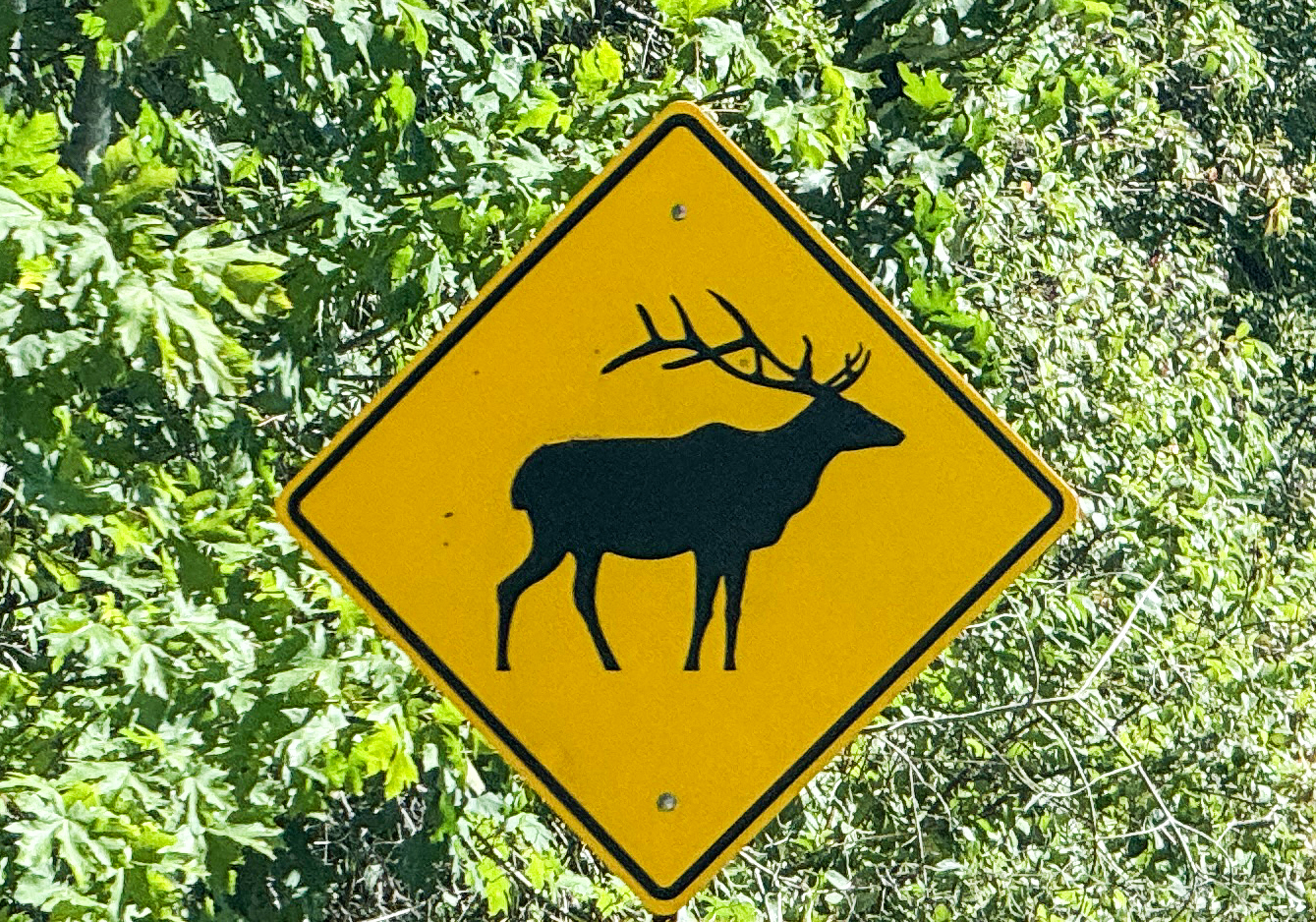 OREGON — The federal government has released its long-awaited proposal to triple logging across three national forests in northeast Oregon and southeast Washington. But critics say the Trump administration’s effort to boost a flagging timber industry in the Blue Mountains could ultimately harm another key pillar of the local economy: Elk hunting. It could also push elk out of forests onto private land, where the animals could damage crops and other property, according to a regional manager with the Oregon Department of Fish and Wildlife. The federal government’s plans for the Blue Mountains, which were released in draft form Thursday, could shape logging, recreation and environmental protections across 4.9 million acres spanning the Malheur, Umatilla and Wallowa-Whitman national forests for the next 15 years. …And more roads are likely to mean fewer elk. …People can weigh in on the
 PORT ANGELES, Washington — The Clallam County commissioners are set to throw their support toward a company exploring the possibility of repurposing the former McKinley Mill site. The commissioners discussed a letter of support for Candelaria Industries’ Biopower Redevelopment Proposal with the US Endowment for Forestry and Communities’ request for proposals for repurposing closed wood products facilities for bioenergy development. Candelaria Industries purchased the former McKinley Mill site in June and is evaluating potential reuse of the industrial property and existing infrastructure. …On June 15, the endowment launched a funding opportunity to assessed closed wood products facilities for bioenergy development, the site states. Up to $500,000 in funding is available “to test the renewable energy and economic potential of idled industrial sites in forest-dependent regions,” according to the site.

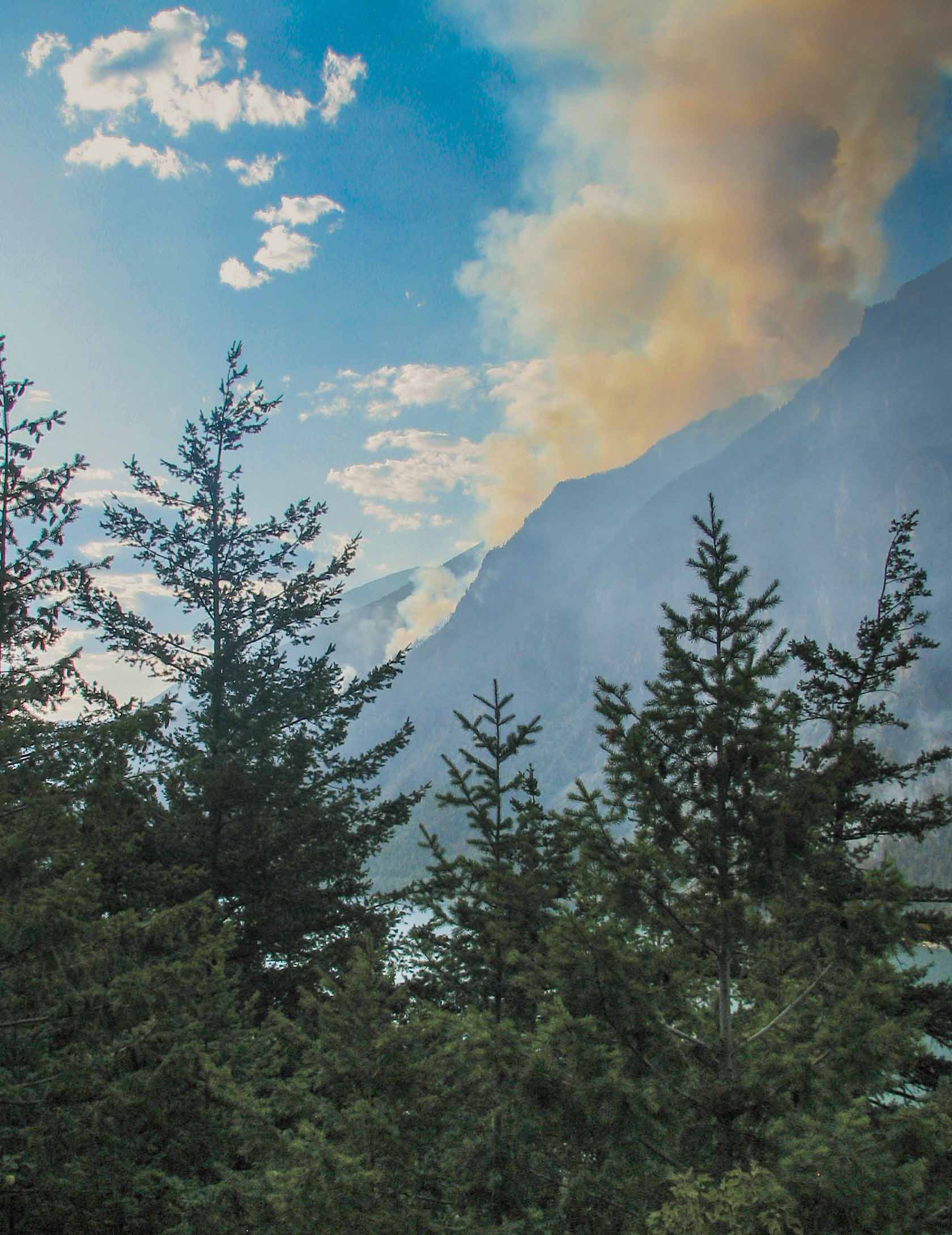 A wildfire in Washington State has crossed the border into B.C., the North Cascades National Park Service Complex says. Border 2 Fire, 2.4 kilometres east of Hozomeen just south of the Canada-U.S. border, crossed into B.C. and into the Okanogan-Wenatchee National Forest lands in the east, according to an update from the park service Wednesday (July 22). Border 1 and Border 2 wildfires combined and are now a total of 121 hectares. The fire is believed to be caused by lightning. The park service says the fire is burning in remote, steep, and densely forested and rocky terrain. Fire activity is expected to be elevated with upcoming hot, dry and windy conditions over the next few days until cooler weather conditions return to the area, the service added.
 Just three days into August, Oregon has already broken its record for its worst wildfire season on record, with more than 2 million acres burned across the state. …Oregon has seen wildfire activity surge in 2026, with the Oregon Department of Forestry counting more than 1,300 fires so far this year. Here is an update on the largest fires burning across the state:


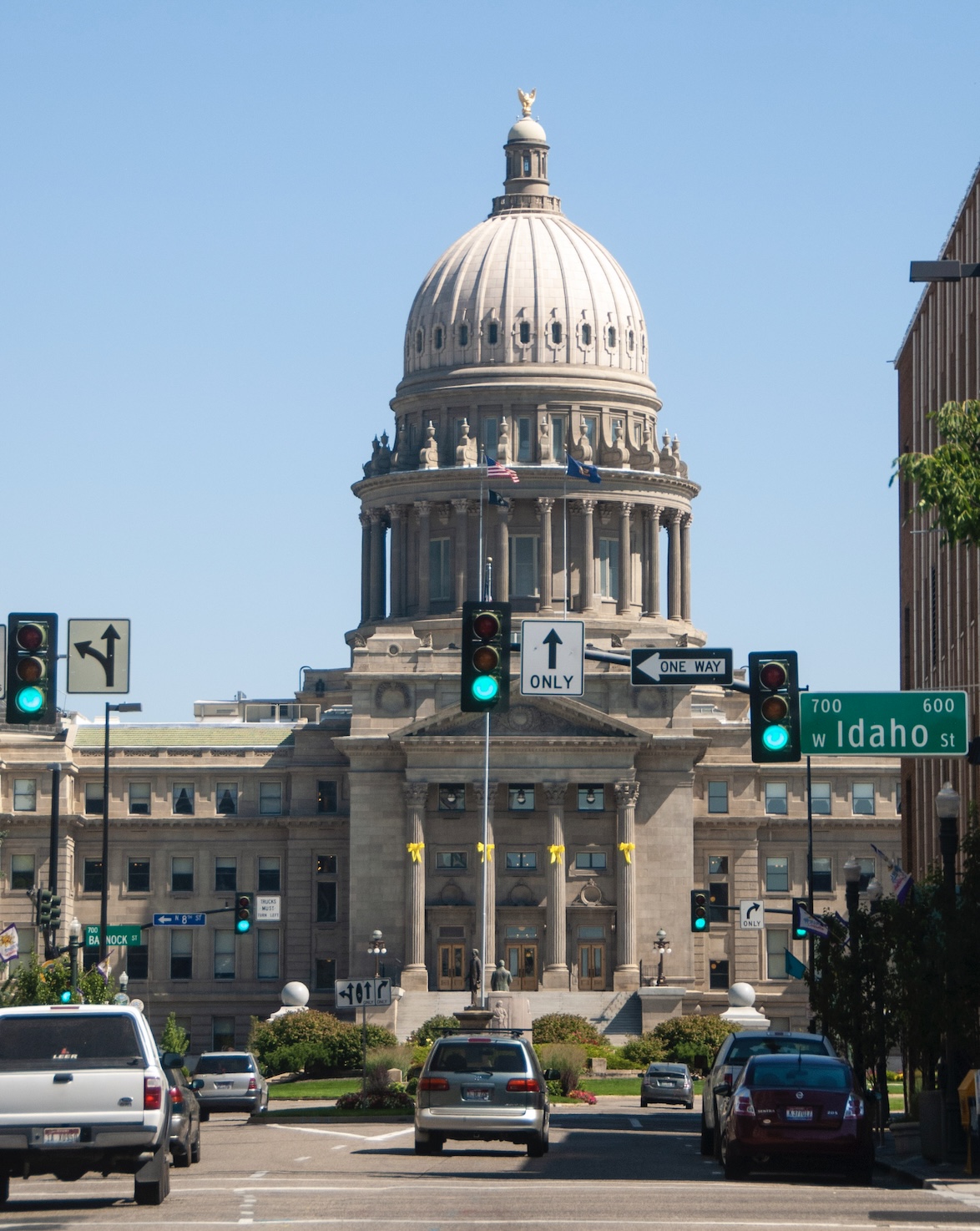 Boise Fire Department officials asked the public to leave the popular Ridge to Rivers Trail System and the Bureau of Land Management issued a temporary closure of BLM-managed public lands and trails after a wildfire started in the Boise Foothills on Monday afternoon. Just after 2 p.m. Mountain time Monday, Boise Fire Department officials announced they were responding to a grass fire that started near the 1900 block of N. Claremont Drive. As Tuesday morning, the cause of the fire was unknown and under active investigation. The fire is burning in the Boise Foothills, about two miles northwest of Boise. …The U.S Wildland Fire Service – Great Basin is referring to the fire as the Claremont Fire. The fire has burned an estimated 2,500 acres as of Tuesday morning, the service reported. …According the press release, firefighters are also facing unique challenges within portions of the area’s Military Reserve.
