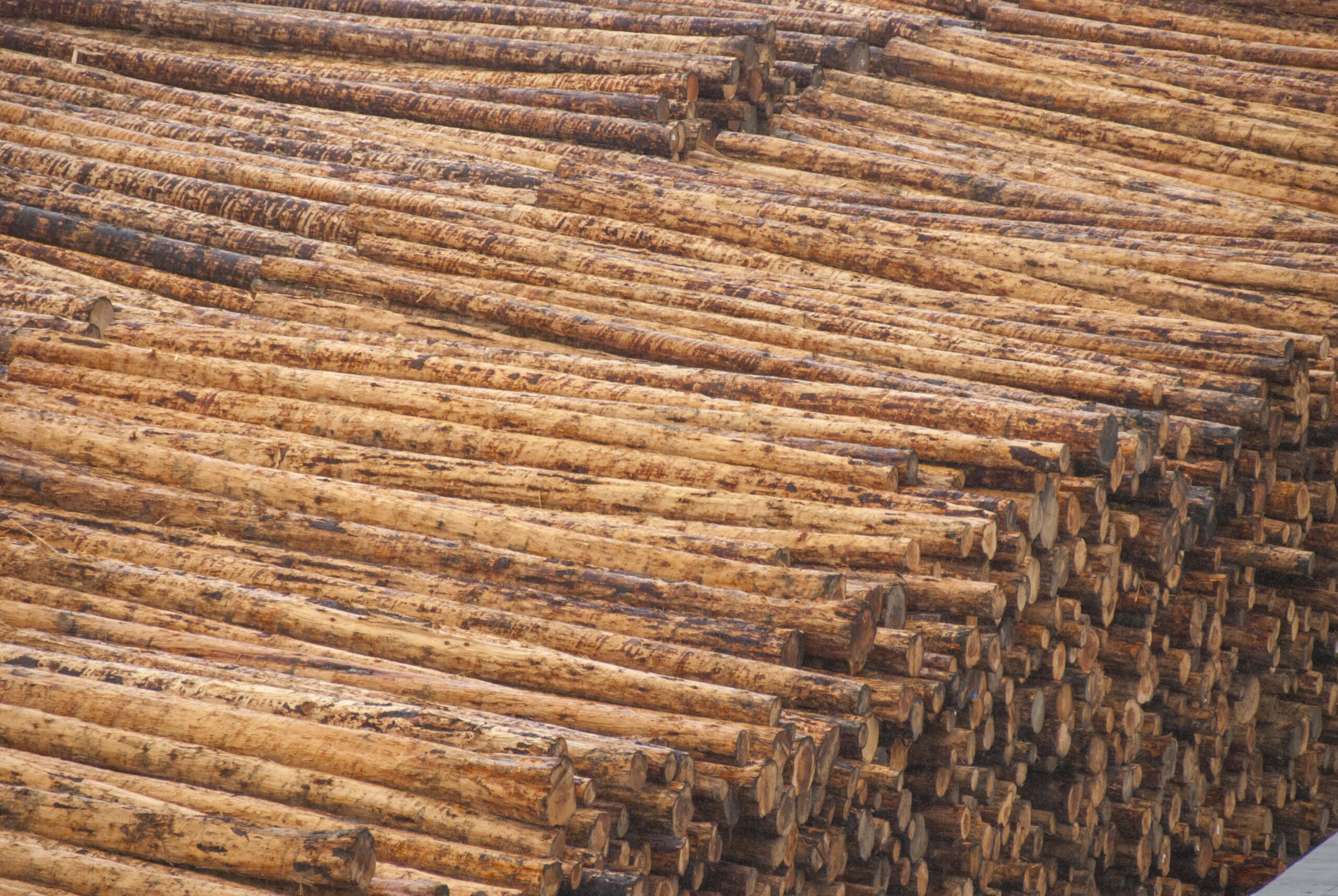
 Donald Trump this month announced plans to rescind a landmark rule that has protected old-growth forests in the US for 25 years. If finalized, the rollback is expected to benefit the companies that Tom Schultz, chief of the US Forest Service, represented in his previous roles as a timber industry lobbyist and executive, according to research by consumer advocacy non-profit Public Citizen. …In a statement, Schultz described the move as “the best way to restore the balance, reduce wildfire risk, and secure the long-term health of our forests and neighboring communities”. But studies suggest it could put 400 threatened and endangered species at risk. …[Schultz previously] served as president of the Federal Forest Resource Coalition, representing companies that purchase timber from the federal government, and was vice-president … at Idaho Forest Group, a major lumber manufacturer. Schultz has long been critical of the roadless rule.


 COSMOPOLIS, Washington — The US Environmental Protection Agency [EPA], in coordination with the Washington State Department of Ecology, began a time-critical chemical removal action at the dormant Cosmo Specialty Fibers pulp mill in Cosmopolis, the EPA announced. The announcement states that for the past two years, the EPA and Department of Ecology have worked closely to assess conditions at the non-operational facility and identify actions needed to reduce potential risks to the community and the environment. More than 750,000 gallons of waste chemicals remain at the site, and the facility has accumulated more than $2 million in environmental fines. …Weyerhaeuser operated the mill until 2006, when production shut down. …In 2011 the mill resumed operation as Cosmo Specialty Fibers. The pulp mill had been in intermittent operation since 2011 and shut down in December 2022. UK-based Charlestown Investments and Richard Bassett acquired Cosmo Specialty Fibers in early 2023 with the intent of restarting the mill.


 Washington has been developing new wildfire safety regulations for several years, including building codes for homes constructed in risky areas and rules for managing plants and vegetation. But restrictions that affect people’s homes and gardens can be unpopular. After public pushback, state legislators backtracked and repealed some of the requirements. Other Western states have also struggled to pass wildfire regulations affecting homeowners’ properties. …Understanding wildfire risk can be challenging in many Western states. For floods, the federal government releases national maps showing which places are at risk of inundation. Wildfire mapping is left to the states, which involves using complex computer models to determine the chances of a fire based on vegetation, terrain and fire behavior. …Washington state officials say the new wildfire maps will be released in December. …Oregon faced similar pushback while developing its wildfire regulations. …Building codes for housing in wildfire-prone areas were pioneered by California.

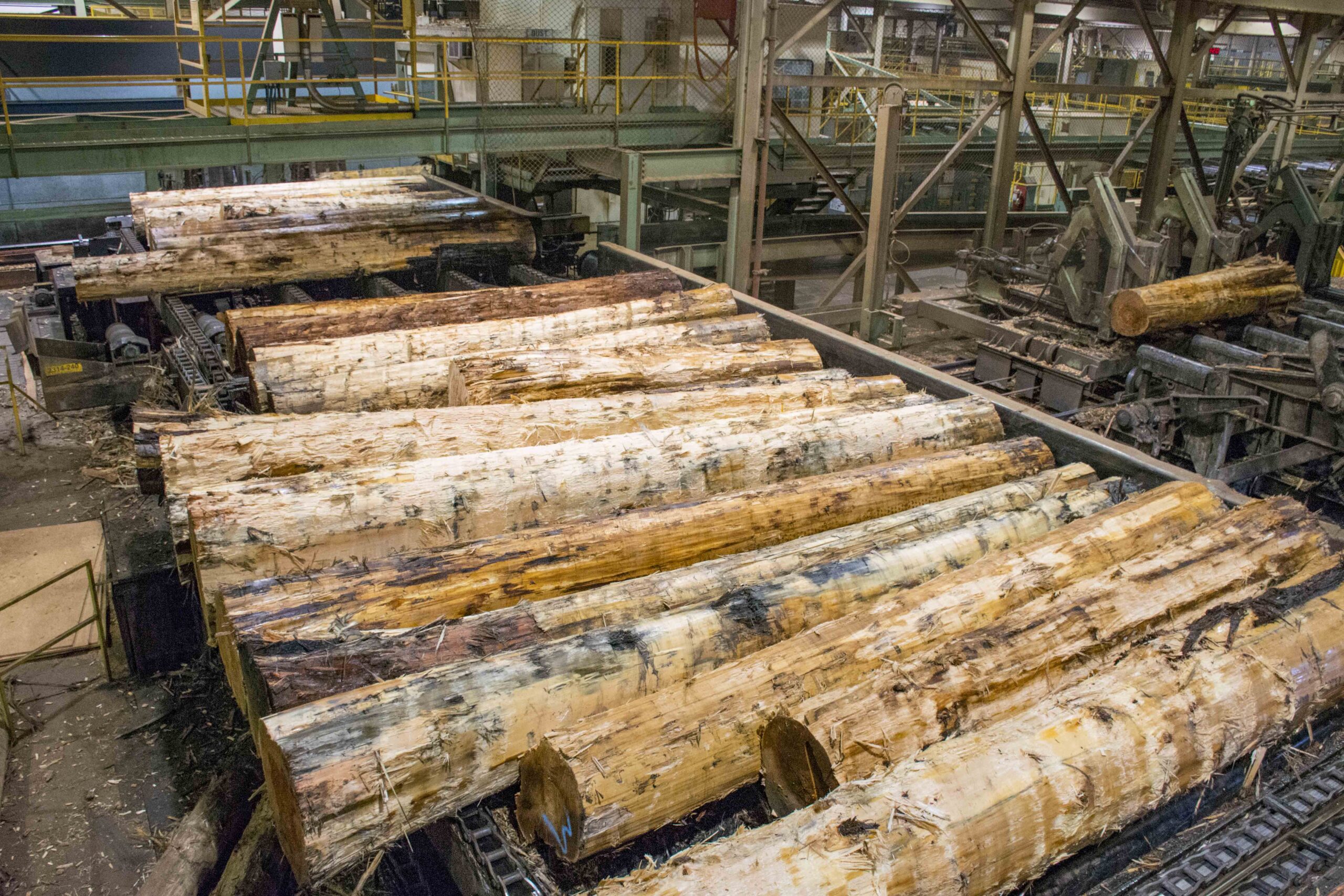
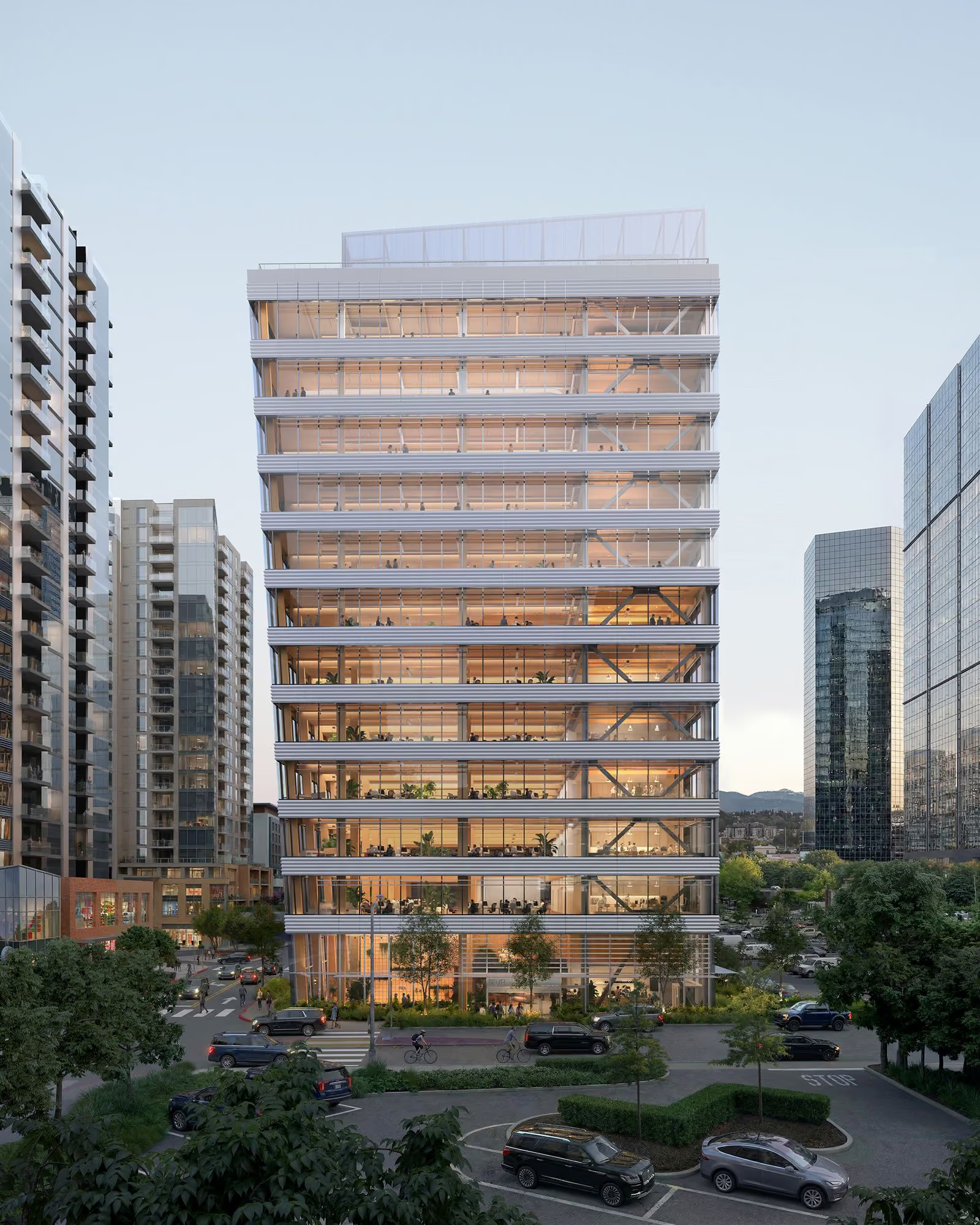
 NORTH DAKOTA — Eric Hoffer, senior project manager at JLG Architects in Bismarck, North Dakota, says mass timber projects are surging due to updated building codes, regional supply chain advantages and a growing focus on embodied carbon — the emissions from manufacturing and transport. Despite accounting for fewer than 1% of national building projects, mass timber is one of sustainable architecture’s fastest-growing trends, with roughly 20% annual growth. “Mass timber sequesters carbon, which then acts as a carbon sink,” Hoffer explained. …The growth of mass timber construction, including cross-laminated timber (CLT) and glue-laminated timber (glulam), continues to gain momentum. Project owners are choosing mass timber for a number of reasons, including lower embodied carbon than conventional concrete and steel, faster prefabricated construction, and the warm, natural interior aesthetics it provides. …Some examples of mass timber projects in the region include the Wurth Elektronik Headquarters expansion in Watertown, South Dakota, completed this spring.
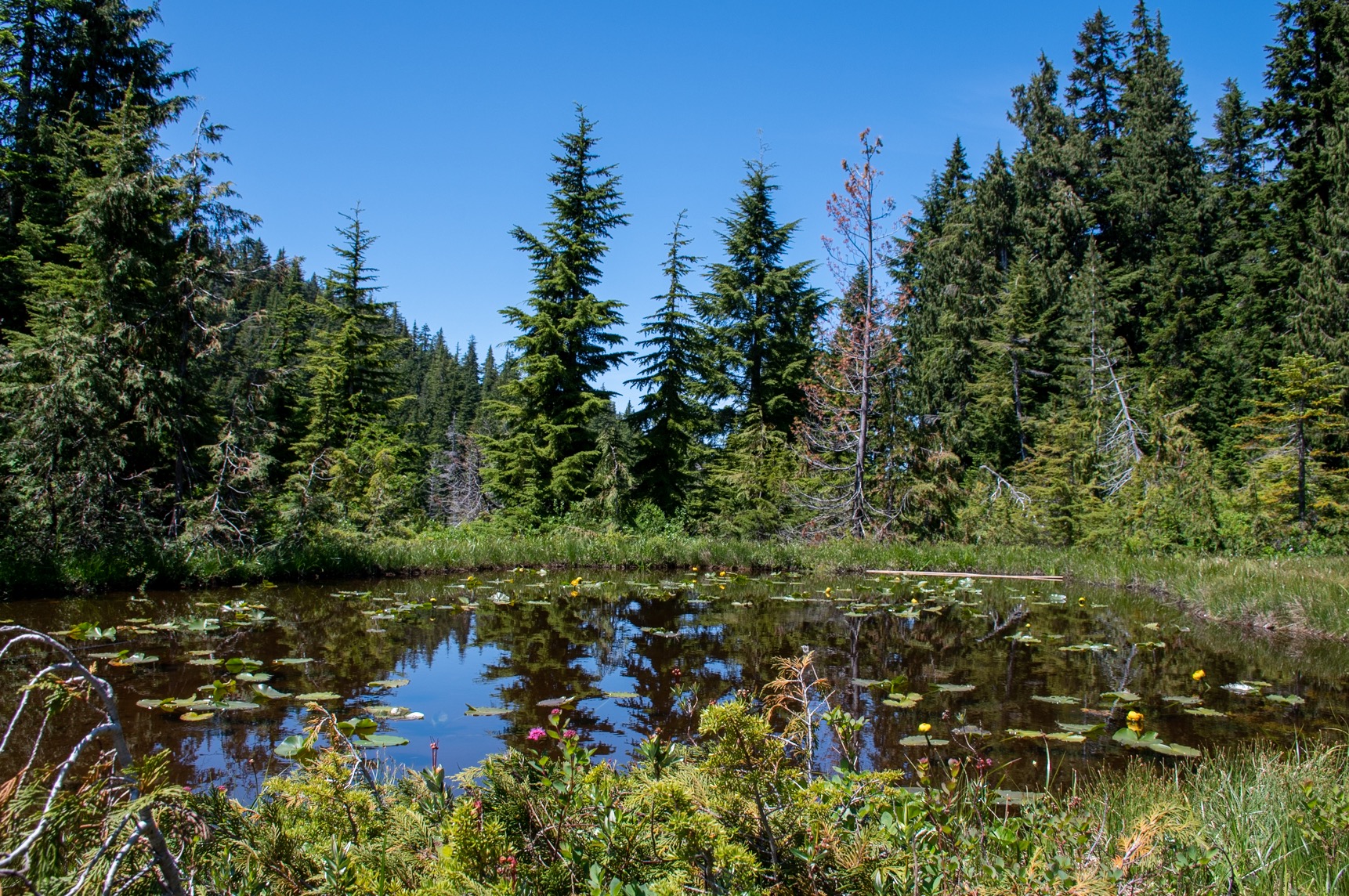 The Wrangell Ranger District has recently wrapped up a large goshawk survey to prepare for potential timber sales. There is a push to increase logging on federally managed lands in Alaska following the 2025 presidential order to “unleash Alaska’s extraordinary resource potential.” Ahead of any logging operation, there are a variety of wildlife surveys required before anything can be cut, including these goshawk surveys. …Cooper Freeman, the Alaska director for the Center for Biological Diversity said that, with renewed push for logging in the second Trump administration, there has been an increase of surveys, but that he did not think the survey methods were very effective at locating the hawks. “So it’s quite likely that many goshawks, if they’re there, would go undetected, and logging would harm the birds.”
 ARIZONA — US Interior Secretary Doug Burgum said that misguided forest management policies played a role in the recent deadly flash floods at the Grand Canyon. Burgum said that a failure to properly manage protected forest areas contributed to the potency of last year’s Dragon Bravo Fire on the North Rim, which in turn increased the risk of flash flooding on the canyon’s floor. “When the forest has been burned through, you get a lot of runoff,” Burgum said. …The Dragon Bravo Fire burned nearly 150,000 acres last summer. …A Dept. of the Interior Burned Area Emergency Response Team conducted a postfire assessment in August 2025. The assessment found that the burn scar would increase the water runoff and debris flow in Bright Angel Creek, but “they are unlikely to significantly impact values-at-risk under normal storm conditions.” Burgum, however, said the Dragon Bravo Fire and Saturday’s Bright Angel Creek flooding are connected.
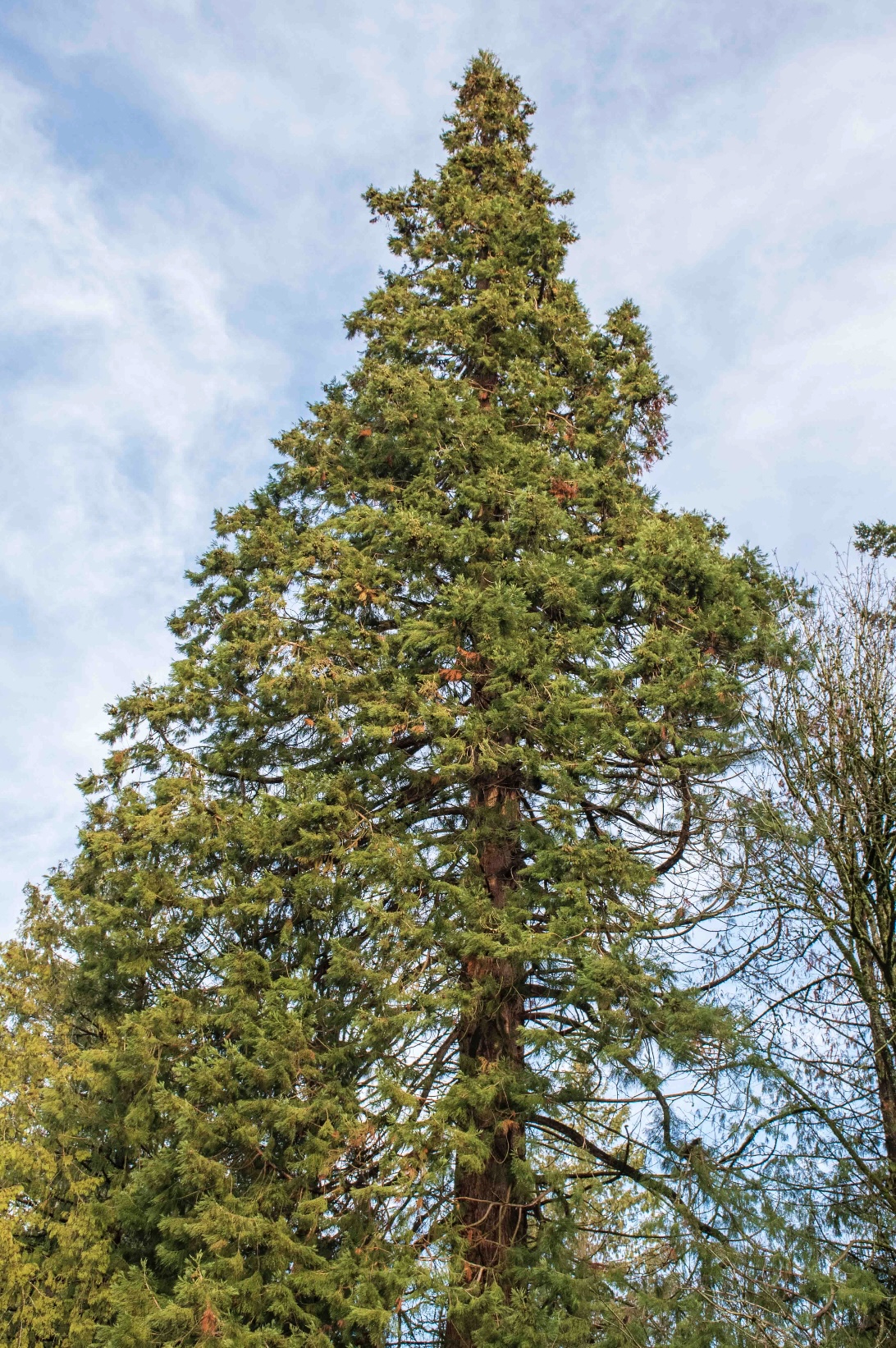 Giant sequoias only grow naturally in California today. But they once ranged as far east as Colorado, Wyoming and Nevada, before the climate turned drier and pushed them into their current, narrower range. Now, even that shrunken sequoia forest is under threat. Wildfires have killed off nearly one-fifth of all large sequoias across their native range over the last decade; a steep loss for a species that can live for thousands of years. A new study … finds those losses aren’t inevitable. Researchers at the University of Nevada, Reno studied Mountain Home Demonstration State Forest, home to the world’s largest old-growth sequoia grove, after the 2020 Castle Fire. Some parts of the forest had been thinned or deliberately burned in the 15 years before the fire, while others hadn’t. The difference was stark. Sequoias in untreated forest died at more than double the rate of those in treated areas, said Bryant Nagelson, the study’s lead author.
 TWISP, Wash. — A trio of conservation groups sued the Trump administration Monday, asking a federal judge to halt a sweeping logging project set to clear-cut mature and old-growth forests in north-central Washington state. “This lawsuit challenges the false narrative that we have to choose between healthy forests or safe communities,” Kristine Akland, senior attorney at the Center for Biological Diversity, said in a statement. The Center for Biological Diversity, joined by Kettle Range Conservation Group and Methow Forest Forum, accuse the U.S. Forest Service and Fish and Wildlife Service of violating multiple federal environmental laws through the approval of the Midnight Restoration Project.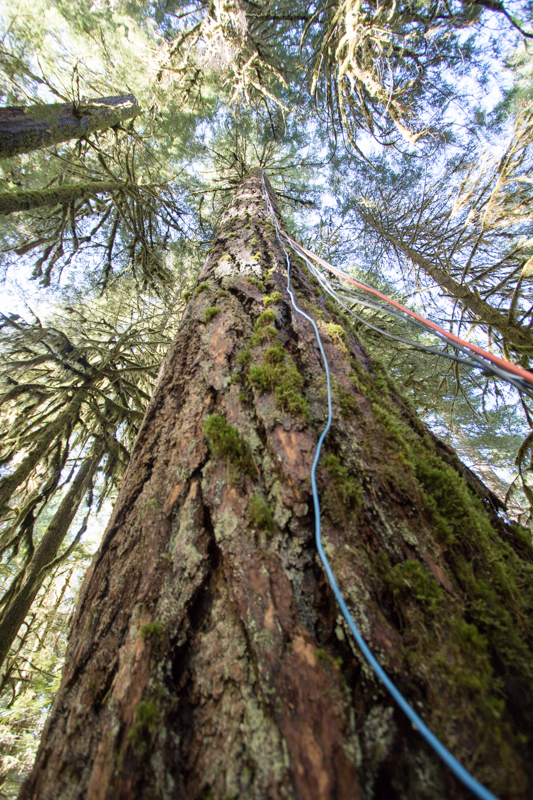
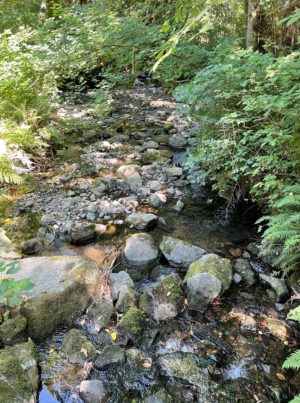 OLYMPIA, Washington – The Washington Forest Protection Association (WFPA) and Washington Farm Forestry Association (WFFA) will appeal a Thurston County Superior Court decision upholding the state’s expanded buffer rule for non-fish-bearing (Np) streams. The appeal will ask whether forest-practices rules can be changed without first showing that existing protections are failing to protect fish and water quality. WFPA and WFFA said the state’s own record shows expected downstream benefits to fish are negligible to minor, and Ecology acknowledged the expanded rule may still allow temperature changes in non-fish streams. “This is not a conservation win if the state’s own record shows limited fish benefits, and immense harm to working forests and rural communities,” said Jason Spadaro, Executive Director of WFPA. …Elaine Oneil, Executive Director of WFFA. “If a rule strands harvestable timber or makes a parcel uneconomical to manage, that harm cannot be fixed later.” …The court has ruled, but policy questions remain.
 CALIFORNIA — Tall trees are generally associated with high-biomass forests. This is particularly true for forests dominated by Sequoia sempervirens, the world’s tallest tree species. Extreme decay resistance, the ability to survive high-severity fires, shade tolerance and prolific trunk reiteration (resprouting) make the species unique, allowing tall redwood forests to accumulate more biomass and store more aboveground carbon than any other vegetation type. …A new study published in Forest Ecology and Management combined ground-based measurements and repeated (2007–2025) airborne laser scanning (ALS) to inventory the tallest redwoods and quantify forest biomass. …Forest biomass changed substantially over time. Large areas of primary forest gained biomass during the prestorm interval (2007–2022), averaging 10–13 metric tons per hectare annually. …These ALS-derived estimates of biomass change may be somewhat exaggerated. …Nonetheless, the amount of crown damage probably rivaled losses of live-tree biomass to treefall in California’s Redwood National and State Parks.
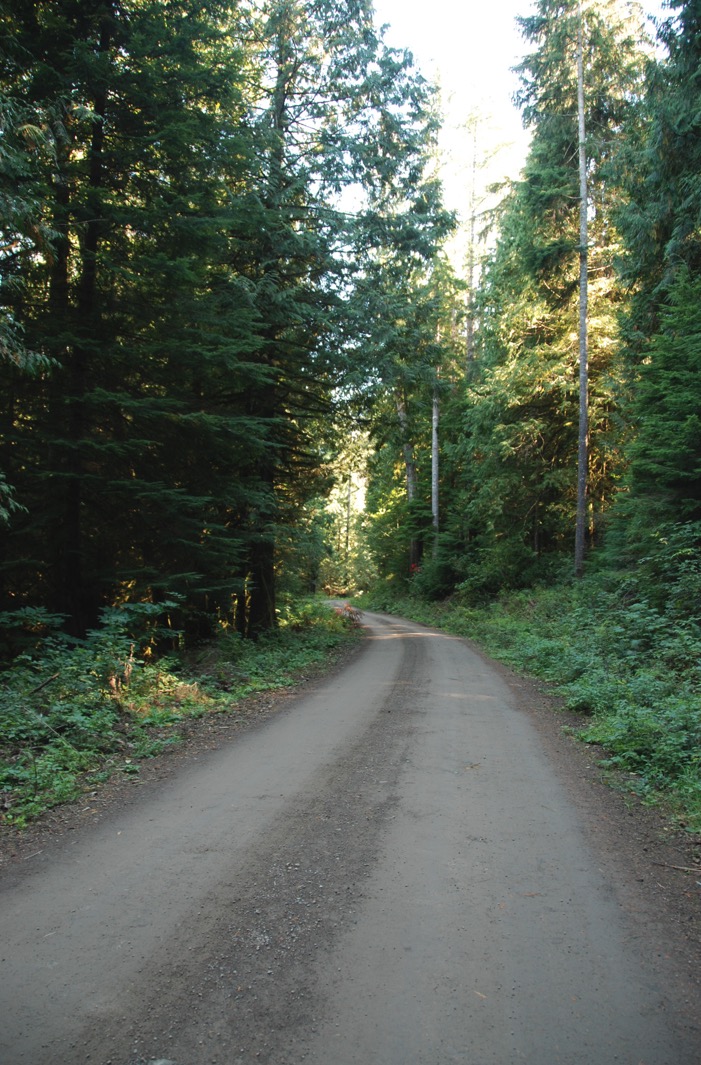 Last week, the Trump administration announced it was moving forward with efforts to rescind the national Roadless Rule, which has governed roadless areas of U.S. Forest Service land for a quarter-century. But Idaho won’t be affected. That’s because of an effort, launched two decades ago during the brief governorship of now-Sen. Jim Risch, to secure a specific statewide roadless rule. Colorado is the only other state with its own rule. Idaho’s rule will remain in place, even if the Trump administration succeeds in reversing the national rule — a tragic outcome that places at risk some of the best remaining patches of wild habitat for fish and game, and risks increasing the number of wildfires, which are mostly caused by humans, mostly near roads. Idaho’s rule could provide a viable model for future protection of roadless areas in an era when federal land management decisions are likely to whipsaw with every presidential election for the foreseeable future.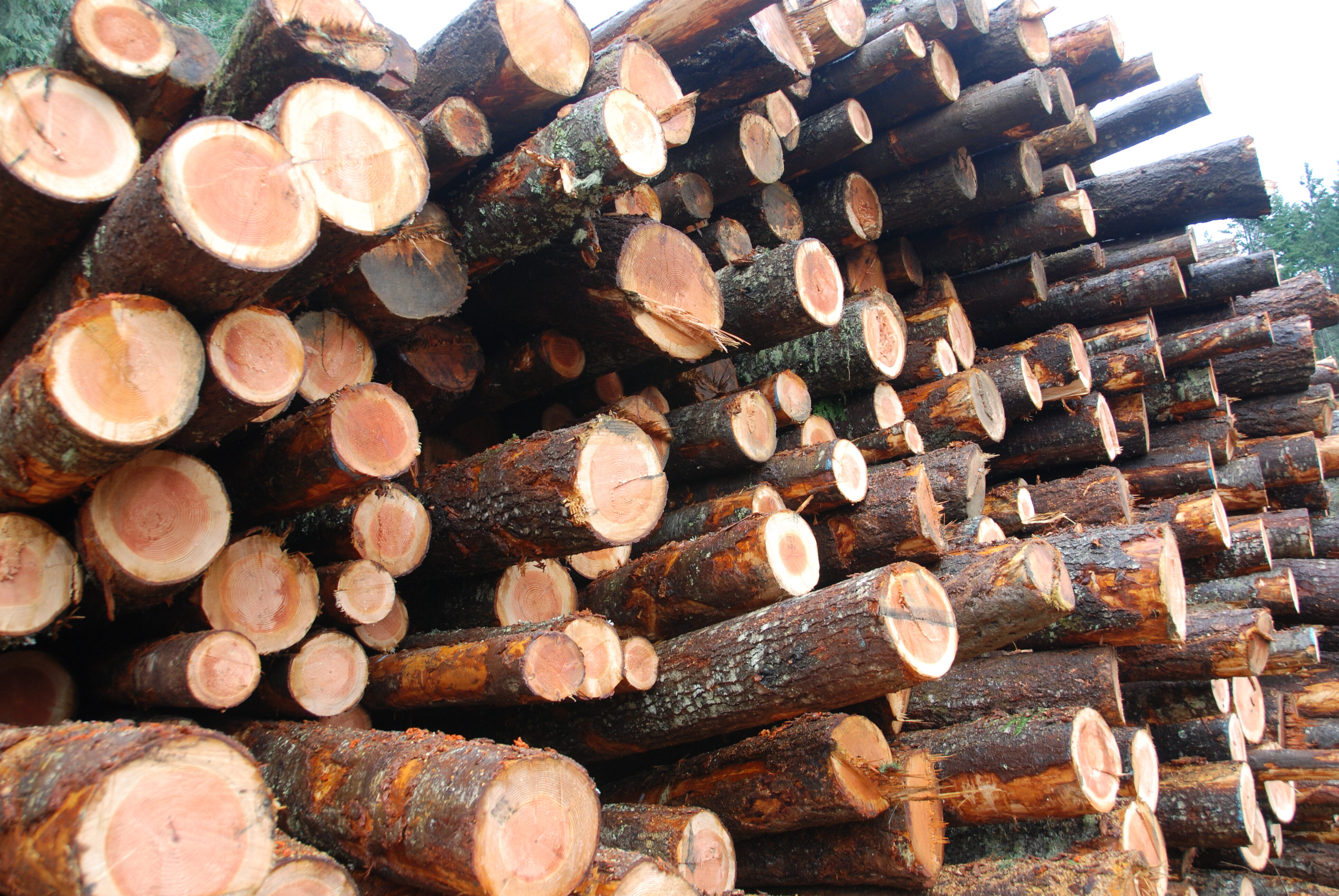
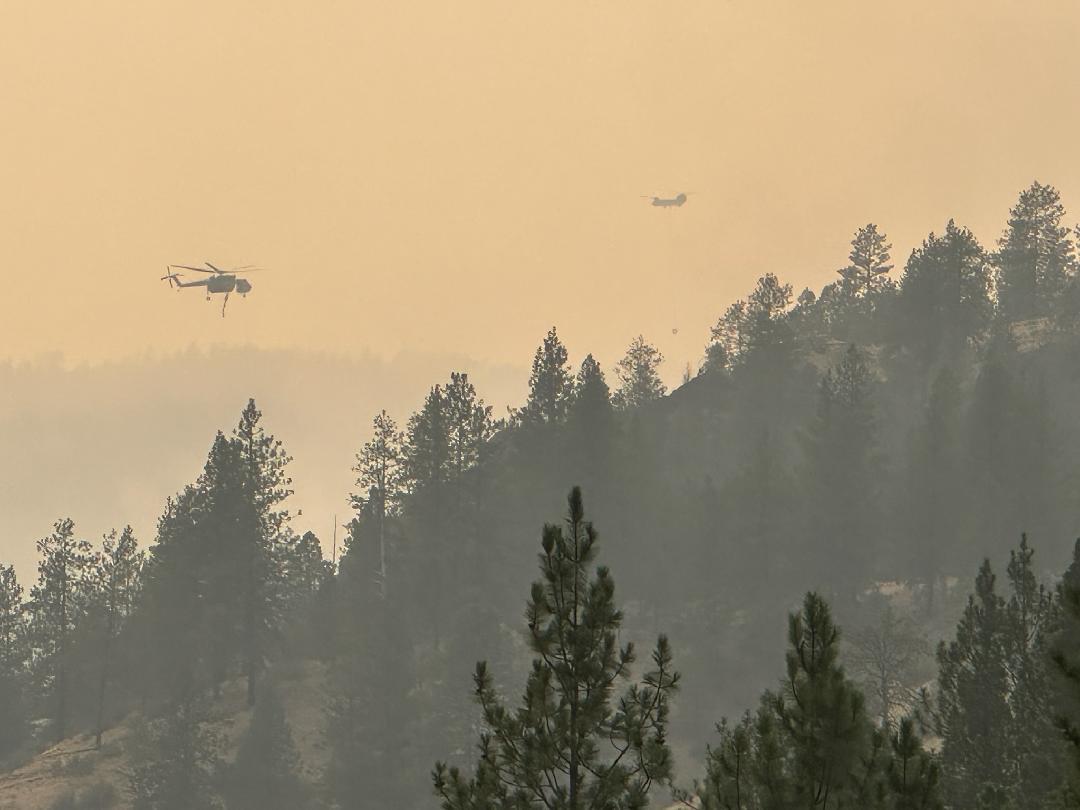

 WASHINGTON — A Thurston County, Washington judge upheld larger riparian buffers on timberlands in Western Washington, affirming a rule that will take 200,000 acres out of timber production. In ruling from the bench Aug. 21, Superior Court Judge Christine Schaller said the Forest Practices Board lawfully adopted the new buffer rule after years of study. She acknowledged the economic hardship faced by timberland owners and that her ruling will be appealed. The board, which regulates logging, voted 7-5 last year to expand buffers along streams without fish. The rule will go into effect Aug. 31 and require continuous 65- to 75-foot buffers. The old rule called for 50-foot buffers on half the length of streams. The Washington Department of Ecology said bigger buffers were need to prevent logging from raising stream temperatures in most cases. The timber industry says the buffers will immediately eliminate $1.8 billion worth of timber and have little environmental benefit
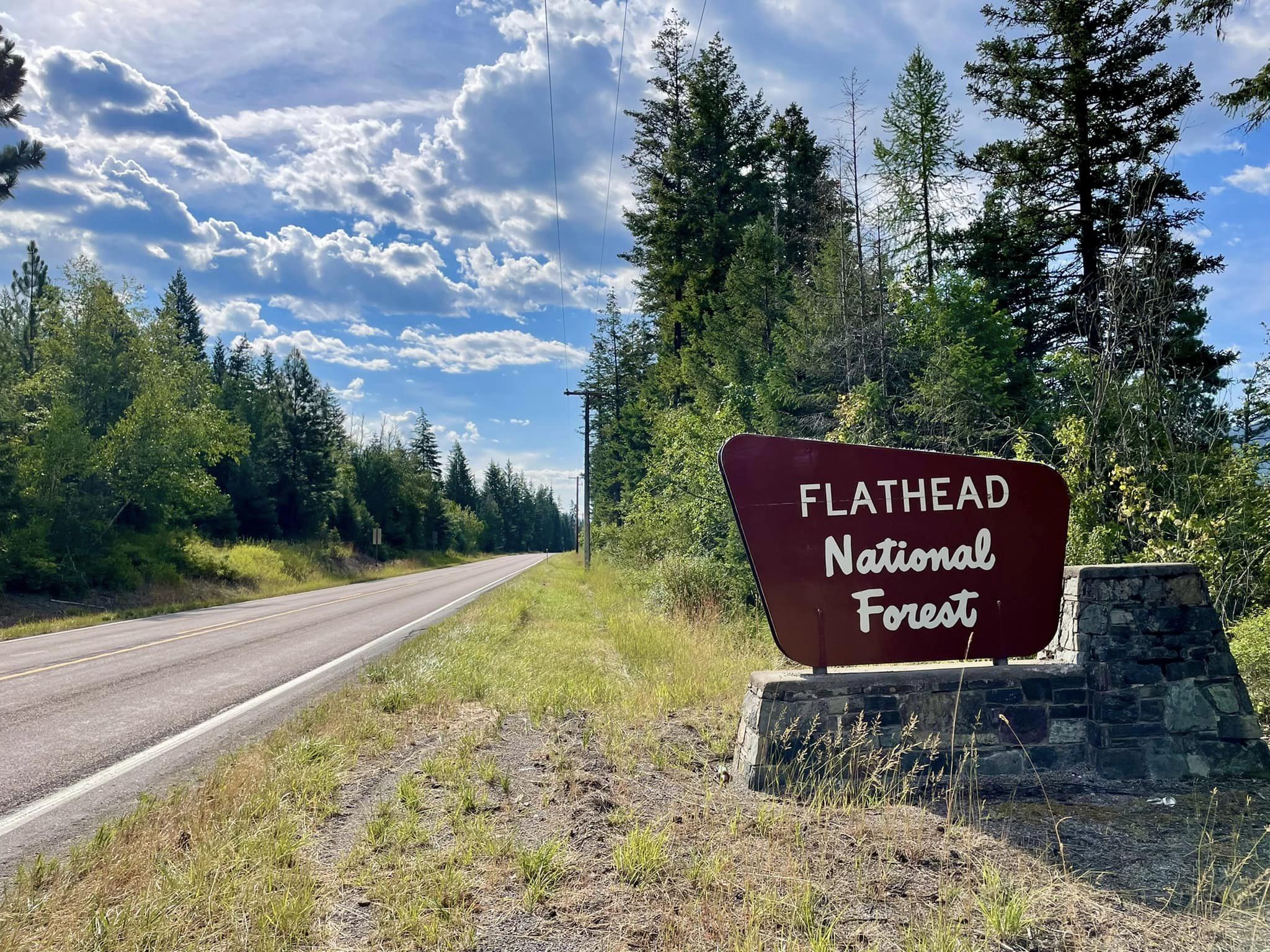 Land managers with the Flathead National Forest plan to approve a fuels-reduction project in the Swan Valley near Holland Lake using an emergency determination on the grounds that it lies in a “high-risk fireshed,” according to an Aug. 18 decision notice. Foresters say the project is eligible for an Emergency Action Determination (EAD) because it proposes to reduce wildfire risk while preserving the area’s old-growth forests. Initially released for public scoping in 2023, the Rumbling Owl Fuels Reduction Project spans 6,200 acres on the Swan Lake Ranger District of the Flathead National Forest southeast of Condon and east of Highway 83. According to an environmental assessment prepared by Jeff Durkin, the district silviculturist for the Swan and the project leader on Rumbling Owl, the project meets the newly established criteria for EAD authorization, which the agency has increasingly used to expedite approval of logging projects featuring a fuels-reduction component.

 CALIFORNIA — More than 4 million acres of California forest land may lose protected status under a proposed rollback of the Roadless Rule by the U.S. Forest Service. The federal government says the rollback is necessary to allow responsible timber production and wildfire mitigation efforts. Opponents argue rescinding the rule, which prohibits road construction and logging on 45 million acres of national forest land, would increase development, harm wildlife habitat, threaten water supplies and worsen wildfire risk. A public comment period on the proposal to rescind the 2001 Roadless Rule is open through midnight Sept. 21, 2026. More than 95% of roadless areas are in 10 Western states: Alaska, Arizona, California, Montana, Nevada, New Mexico, Oregon, Utah, Washington, and Wyoming, per the USDA. In California, the proposal would open up 4,416,000 acres of roadless land across the state, which has nearly 21 million acres of national forest, the most of any state except Alaska.
 California has adopted the toughest rules in the country to help protect communities from burning. Homeowners in wildfire-prone areas will be required to limit plants within five feet of their house, a protective measure that wildfire experts say can help prevent homes from igniting. …Wednesday’s vote by the California Board of Forestry and Fire Protection comes after years of debate and delays. The state originally considered rules that would have restricted all vegetation within five feet of a house, aside from well-maintained trees. That generated pushback from some communities. …California regulators ultimately struck a compromise. Lawns, flowers and non-woody plants up to 18 inches tall will be allowed, unless they are located directly under the roofline of a house. Trees will be allowed, though branches must be trimmed five feet away from a structure. The rules will apply to new construction right away, but will be phased in for existing structures.
 The United States Forest Service is proposing to amend the Northwest Forest Plan (NWFP) to allow cutting older trees across the western portion of Washington, Oregon, and Northern California. As a fifth generation native of the west coast, I have spent a lifetime in these forests as a private citizen and a 40 plus year career as a U.S. Forest Service employee specializing in forestry and forest engineering. The primary proposed change in the 19.4 million acres of forestlands is to allow cutting trees up to 120 years old compared to 80 years in the current plan. Conservatively speaking, 90 or more percent of the old growth forests in the NWFP area were clearcut in the logging and road building boom from 1950 to the mid 1990’s. …The U.S. Forest Service likely lacks the experienced staff needed to carry out the proposed increase in timber harvest. Years of NWFP implementation, combined with recent federal workforce reductions, have significantly weakened the agency’s institutional knowledge.
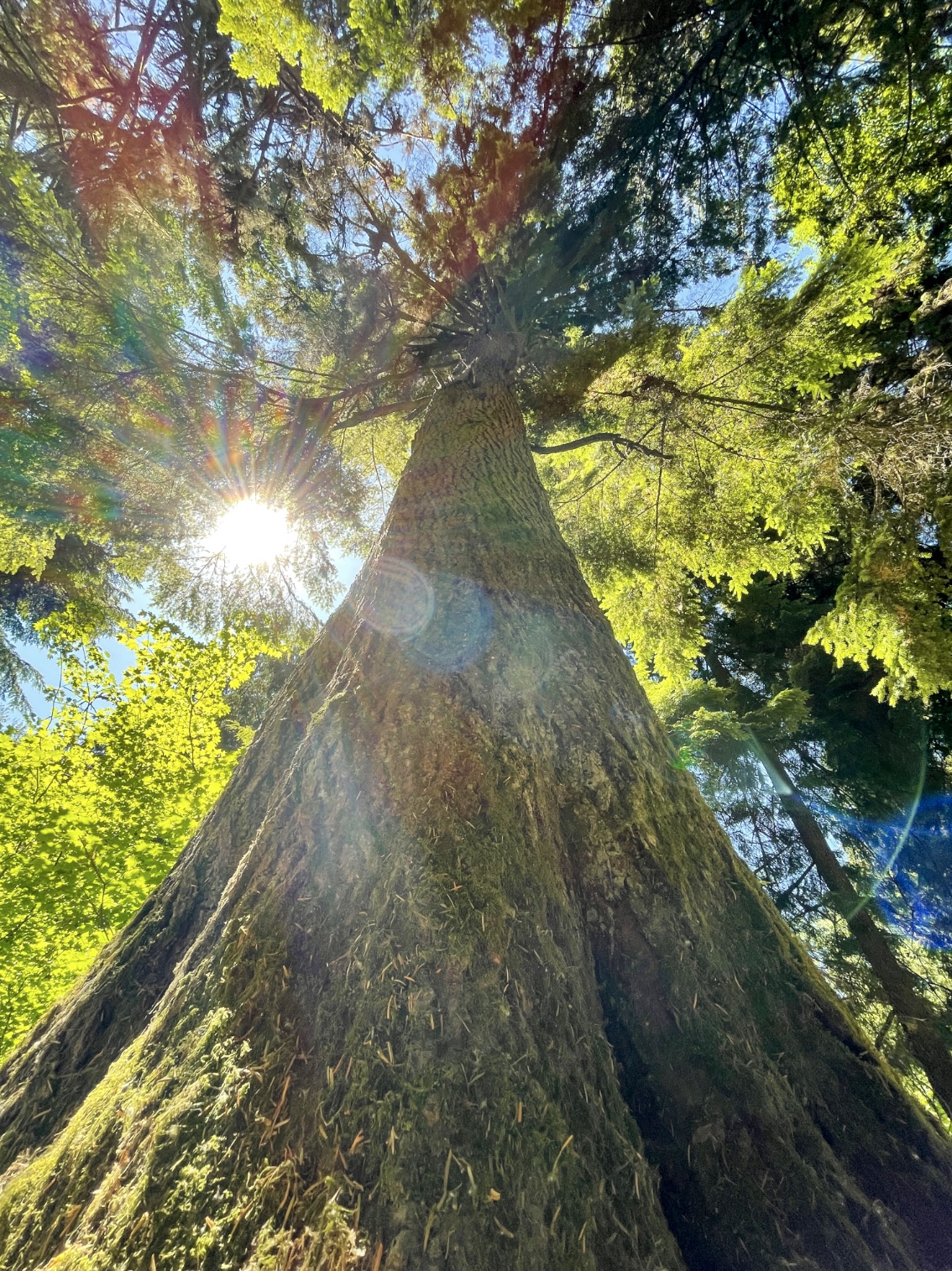 As the climate warms, some mountain trees are moving higher up, while others are spreading downhill. Scientists say something inside the trees may explain why. And that split could reshape watersheds and wildfire risk. For years, scientists have expected mountain trees to move upslope in search of cooler conditions. But a new global study found nearly one-third of tree species are moving downhill instead. That matters because where trees grow can affect how forests burn and how much water they soak up before it flows downstream to rural communities, cities and farms. So why are some trees moving in one direction while others head the other way? The answer may lie in how trees move water. Tim Rademacher, a researcher at the University of Vermont and a co-author of the study, says some species can move water quickly and efficiently, helping them grow. But that efficiency comes with a cost.
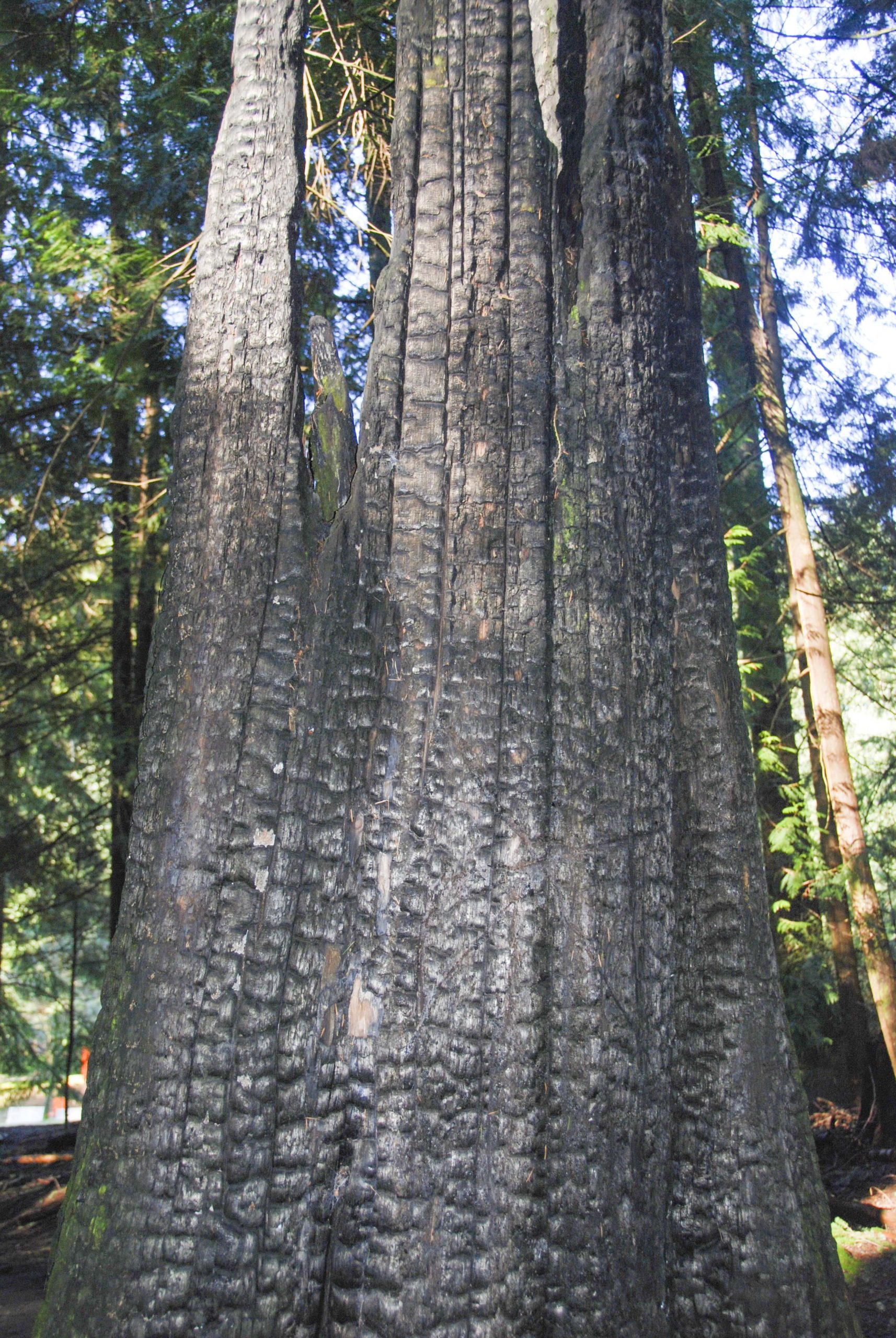 The Babylon Fire left parts of the burned landscape more vulnerable to flooding, erosion and debris flows, with increased runoff and erosion likely to recur intermittently for five to 10 years as the landscape recovers. The Forest Service’s newly released Burned Area Emergency Response (BAER) report recommends emergency work to reduce those risks, including road-drainage improvements, debris racks at culverts, warning signs, closures and stabilization at old mine sites. Although the most severe soil damage covered only 5% of the area assessed, the report identified five drainages with the highest potential for debris flows. The lightning-caused Babylon Fire started June 26 in the Abajo Mountains about 25 miles southwest of Monticello and burned across parts of Elk Ridge, Dark Canyon Wilderness and Bears Ears National Monument within the Manti-La Sal National Forest. …The report says ground cover typically takes three to five years to re-establish and can take up to 10 years, particularly if drought persists.
 The northern spotted owl is in trouble—per usual. This vanishingly rare subspecies of spotted owl earned its iconic status in the late ’80s and early ’90s, during the height of the Timber Wars in the Pacific Northwest. For forest defenders, the spotted owl is a sacred totem. For loggers, it’s been a pest. In 1990, federal officials reclassified the raptor as a threatened species, and greens won the Timber Wars with the establishment of the Clinton-era Northwest Forest Plan. The spotted owl left the trees standing—yet the number of spotted owls continued to decline. The culprit? The barred owl. …Today, just 15,000 spotted owls remain across North America; in comparison, there are some 3.5 million barred owls. So officials with the US Fish and Wildlife Service have come up with a bold plan to help the spotted owls: Shoot the barred owls.
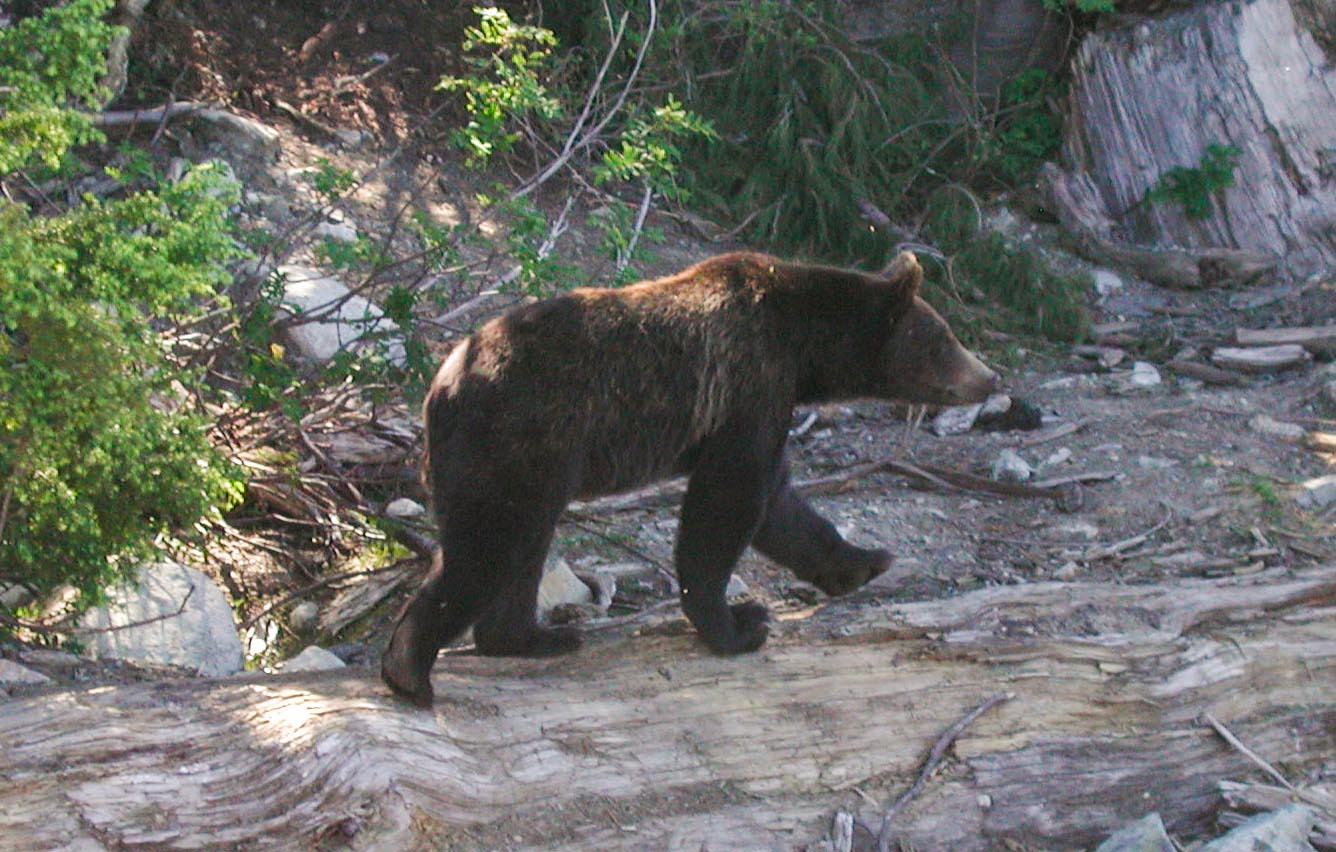 Drought and wildfires are straining wildlife and the habitats they depend on across Colorado, prompting Colorado Parks and Wildlife (CPW) to closely monitor habitat conditions as animals face increased stress in their search for food, water and shelter. Wildfires rapidly alter ecosystems by removing vegetation that provides food and cover for wildlife. While ecosystems are adapted to periodic fire and will recover over time, large wildfires may reduce habitat quality, displace animals and increase competition for limited resources. Species unable to relocate quickly or that rely on specialized habitats are especially vulnerable this summer. …CPW is adjusting hunting and fishing season structures and license quotas in areas affected by wildfire damage, closing boating ramps during extreme drought conditions, and establishing voluntary and mandatory fishing closures to help sustain healthy habitats and wildlife populations. …Give wildlife extra space and respect area closures. Do not feed wildlife; let them find natural food sources.
  Today, many Washingtonians may be unaware that a looming federal policy change could have major consequences for the availability, quality and cost of the freshwater they rely on daily. …In August 2025, the U.S. Department of Agriculture officially launched a process to rescind the Roadless Area Conservation Rule. Implemented in 2001, the Rule designated special areas across nearly 60 million acres of forests within the National Forest System. …The Rule reflects scientific evidence that extensive logging and road building contributed to widespread loss and fragmentation of habitat for wildlife and salmon, and degraded water quality for downstream communities. Just how important are roadless areas in national forests? To answer this question, we conducted the science and


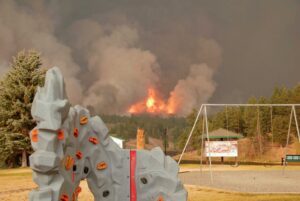 The soupy, toxic fog that hung over Seattle and the Puget Sound region last week was a constant reminder of the wildfires raging across Eastern Washington. It can feel insufferable and inevitable — that the fires will burn, increasingly in every corner of the state, as the years become hotter and drier. But rather than resigning ourselves to this fate, the smoky skies should reinforce a call to action, for every Washingtonian. The wildfires that consumed neighborhoods in Spokane and enveloped forests in Chelan and elsewhere have a kind of performance-enhancing drug feeding their flames: climate change. As a society, we can choose to deny this reality, but it does little good to do so. The forecast each year will continue to be tinderbox-like conditions. We must do all we can to prepare for it. …Inaction will lead to devastation. Facing this growing risk is the only option. [to access the full story a Seattle Times subscription is required]




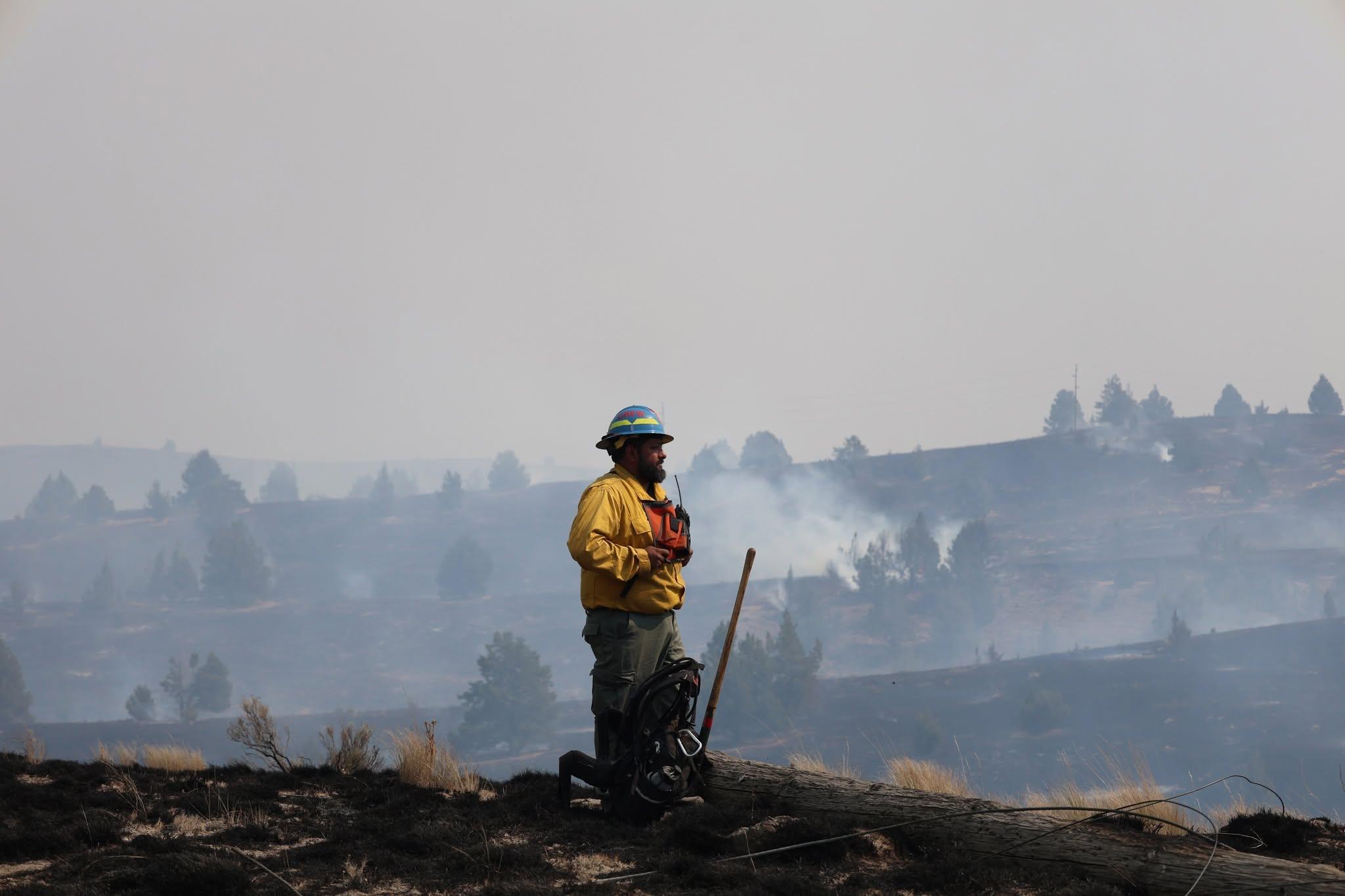
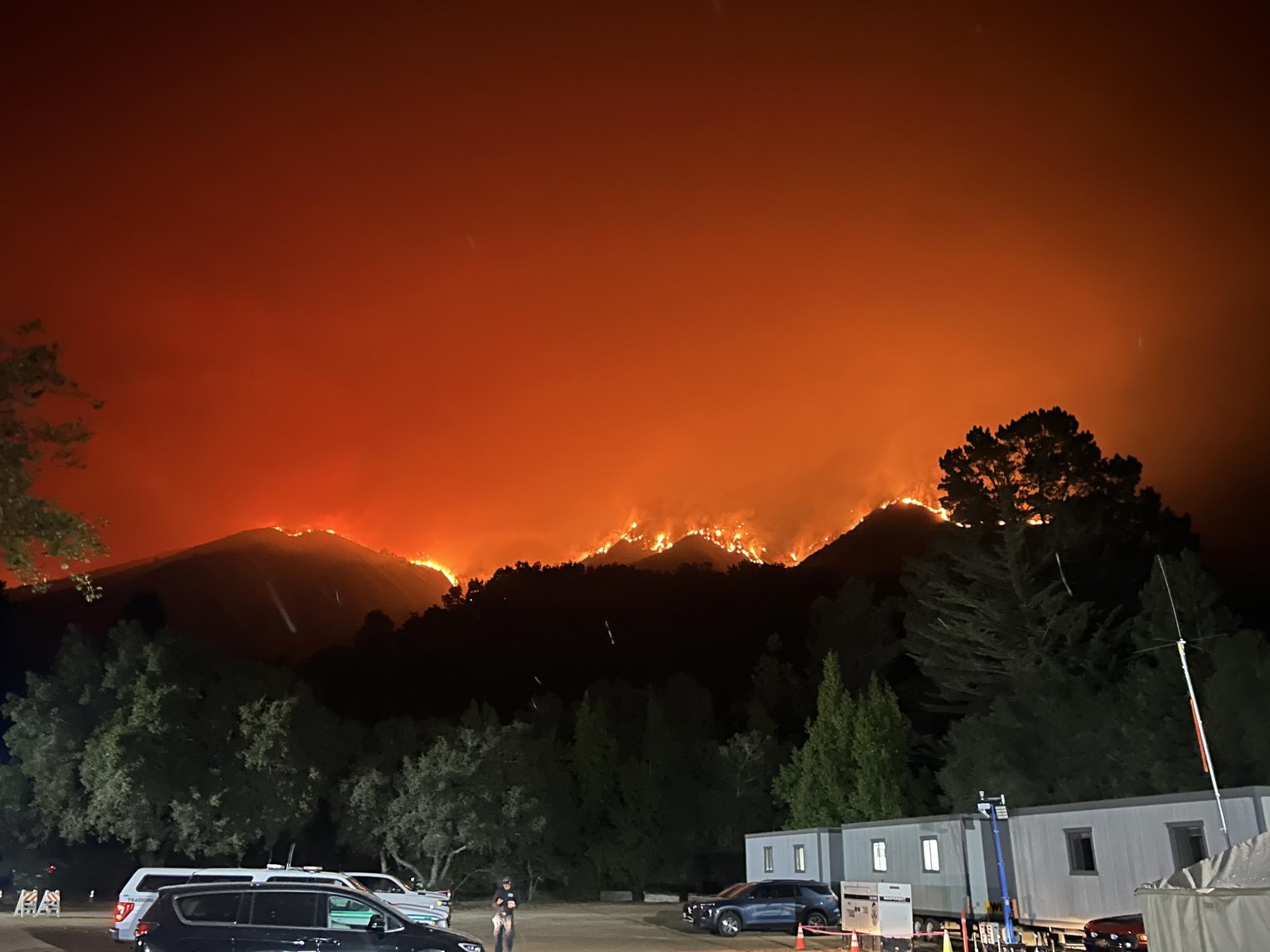
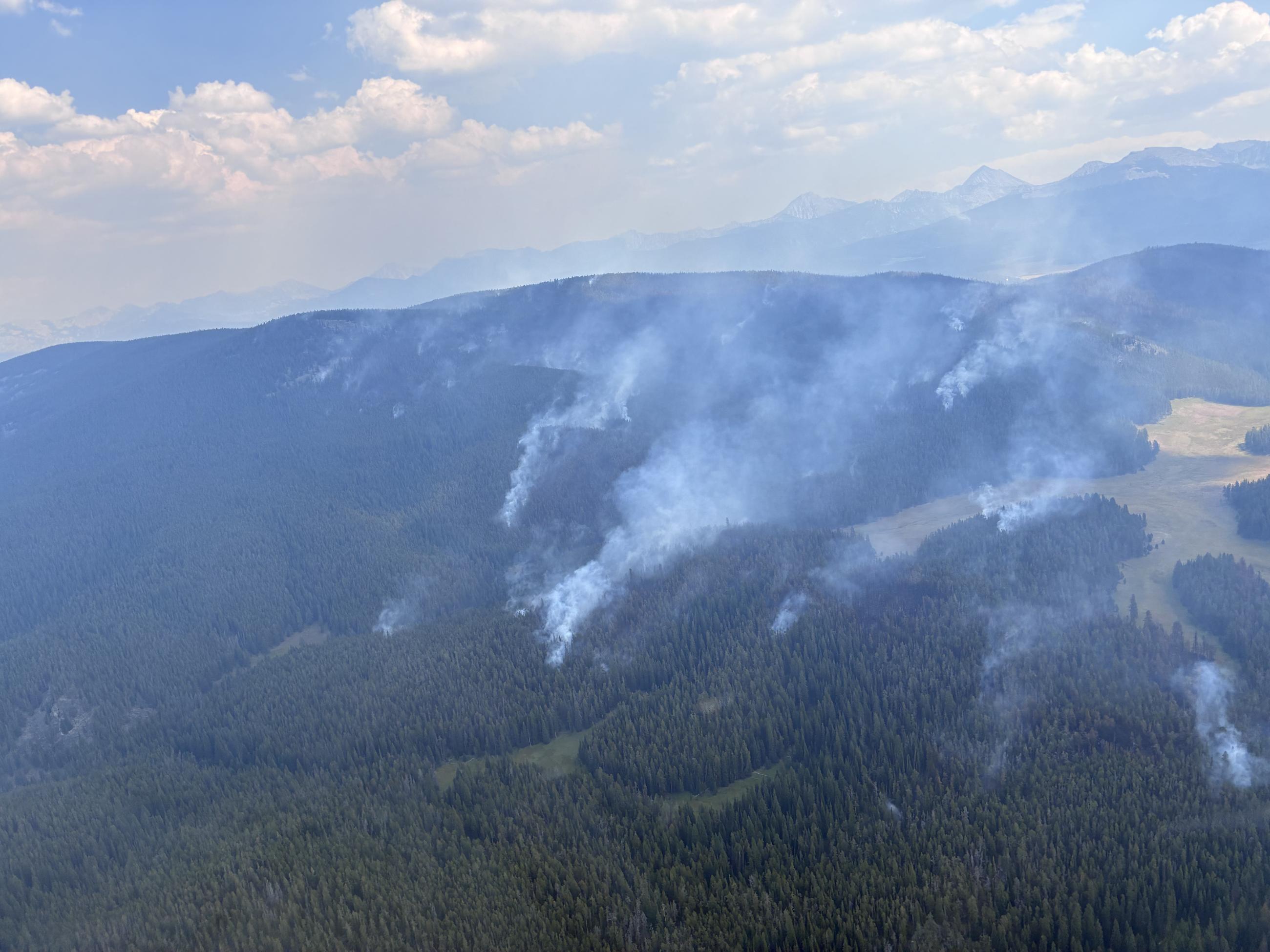
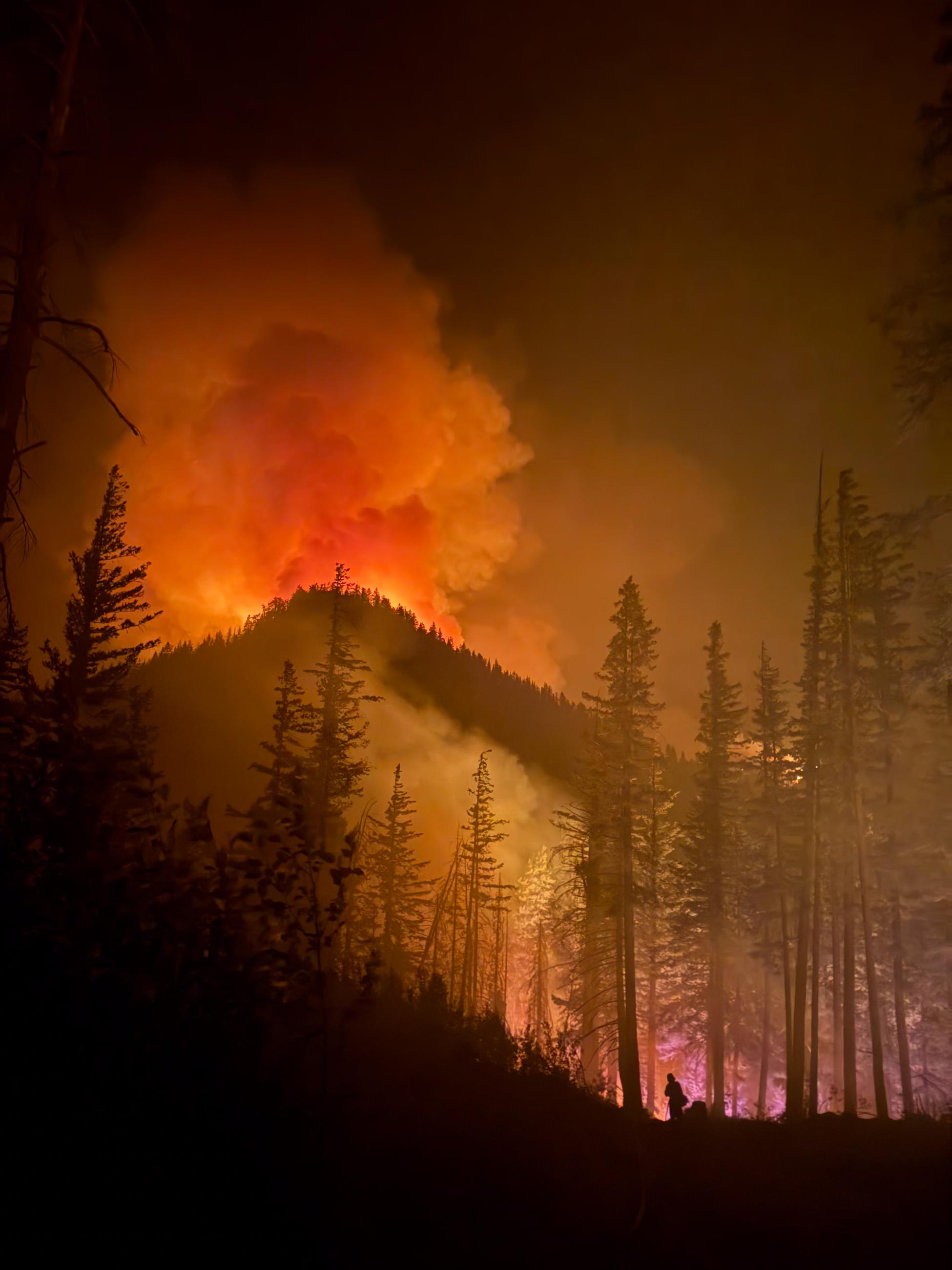
 The U.S. Forest Service has expanded its emergency closure order due to wildfires burning across the Mt. Hood National Forest. The Austin and Narrows fires, located in the Clackamas River Ranger District, prompted officials to shut down all public entry and travel across several roads and popular recreation sites, including Lake Harriet, Timothy Lake and Bagby Hot Springs. …The Clackamas County Sheriff’s Office says the closure will keep people safe and away from crews working to contain the fires. The USFS is also warning people to continue to follow fire restrictions in order to avoid sparking any new wildfires. The agency says this season’s drought conditions combined with hot and dry weather have increased wildfire risks. The Austin Fire has burned more than 9,000 acres and is still zero-percent contained as of Thursday afternoon. The fire remains under investigation.

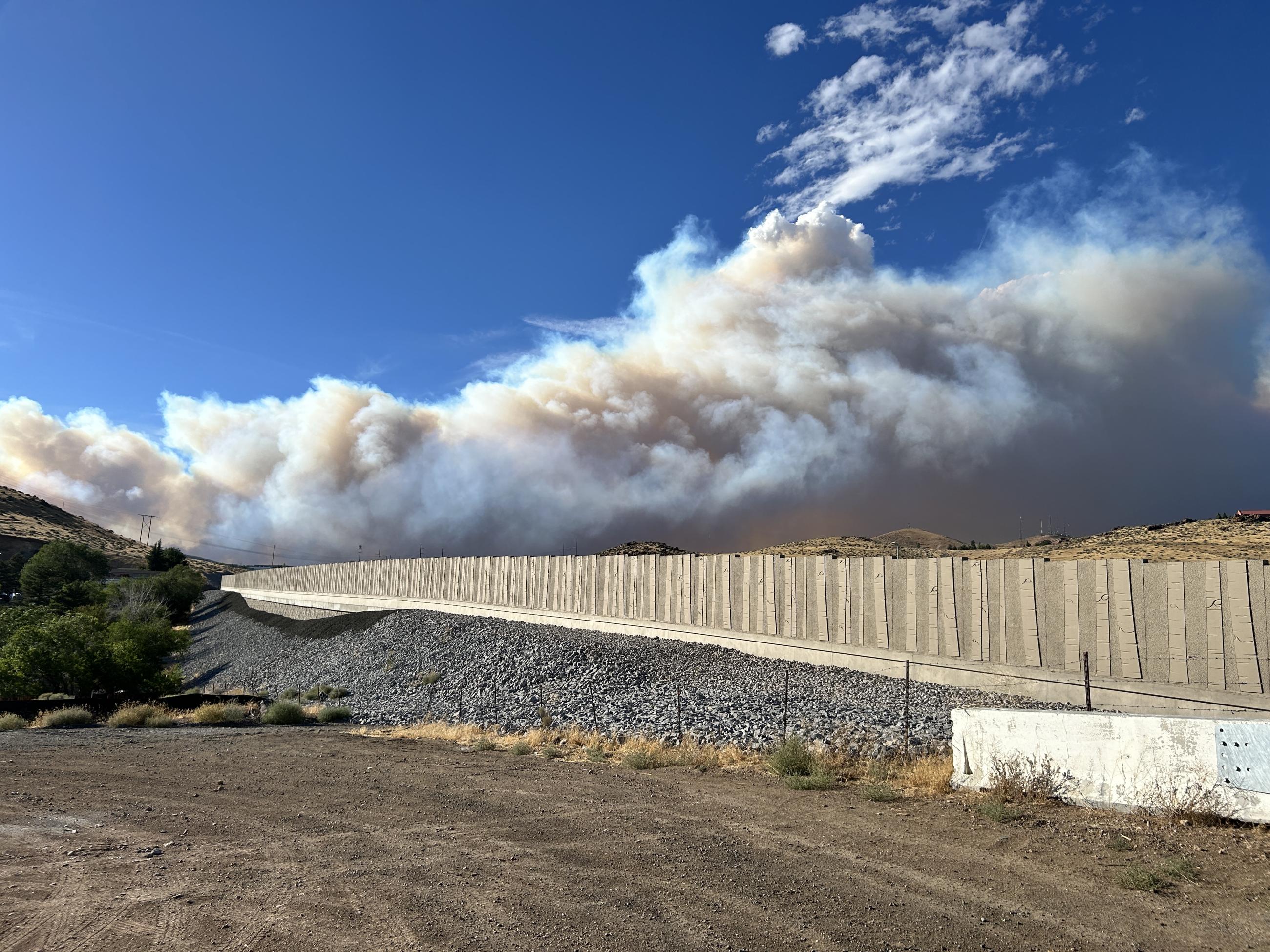
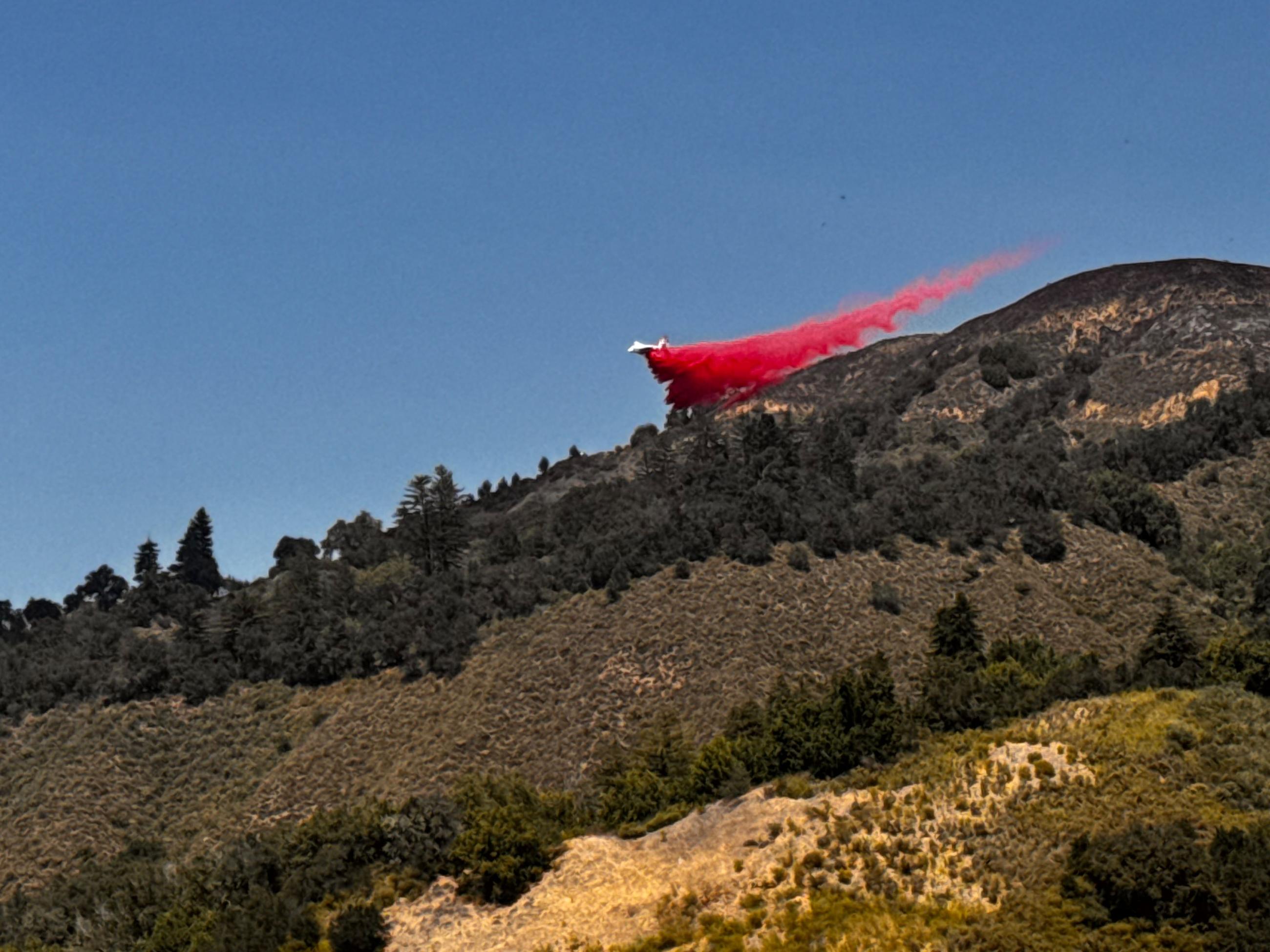


 A man charged with starting one of the wildfires in Spokane, Washington, that have destroyed hundreds of buildings planned the crime for weeks and researched when the weather would be best for igniting it, police said. In an interview after his arrest, Aaron Farinacci said “fire is powerful, beautiful, and that things that go through fire experience a kind of rebirth,” Spokane County Detective Michael Drapeau wrote in a court filing Wednesday. Farinacci, 37, is charged with starting the Old Trails fire, one of three blazes in the Spokane area that have burned more than 850 buildings, destroying whole neighborhoods and streets. …Farinacci served about a decade in prison after killing his father in Mesa, Arizona, in 2010. He also shot himself. He was charged with murder but pleaded guilty in 2012 to manslaughter and aggravated assault. Farinacci’s lawyer repeatedly raised concerns about his mental health during the case.

