 BC Wood’s 22nd Annual Global Buyers Mission (GBM) opened in Whistler, BC on Friday morning, with Premier David Eby declaring the tradeshow floor open and underscoring the value-added sector’s critical role in British Columbia’s economy and its importance to international markets. …Nearly 600 participants attended this year’s gathering, including specifiers, government representatives, and international buyers from across Asia and beyond. BC Wood CEO Brian Hawrysh welcomed the attendees… and Board chairperson Kelly Marciniw of Zirnhelt Timber Frames, introduced the Honourable Premier of British Columbia, David Eby. …Eby emphasizing the importance of BC’s international buyers, pointing to his recent experience at Expo 2025 Osaka. …At the same time, he acknowledged the dual challenges of natural and man-made disruptions, from wildfires and the mountain pine beetle to softwood lumber duties.
“Our friends and allies in the United States, who remain friends and allies, but are under the leadership of an individual who somehow sees affordable BC timber products as a threat to the United States, at a time when the government is simultaneously recognizing a housing crisis in the United States and a need to improve affordability for people,” he said. He argued that Canada and the US have an opportunity to reset their relationship, suggesting that the $8 billion currently held in a tariff account could be used “to promote wood products across North America for a net win for everybody.”…Eby also outlined steps the provincial government is taking to support the industry, including a pause on stumpage payments. …”There are so many opportunities for us right now, and they are matched, unfortunately, by threats. But we will be successful as a group if we push together in ensuring we’re expanding those markets.”

 Trade disputes between the United States and Canada are nothing new. What began as two neighbouring countries seeking to expand their markets and assert economic sovereignty has evolved into a broad range of conflicts. These historical trade disputes have included accusations of unfair subsidies, protectionist tariffs, and, more recently, concerns over national security, fentanyl and border security. Softwood lumber, one of the most important items on the list of Canadian exports to the U.S., has been consistently under attack by different American administrations. …Though some might call it weakness, Prime Minister Mark Carney’s recent move to lift the retaliatory tariffs on U.S. goods covered under CUSMA, while retaining tariffs on auto, steel and aluminum, is arguably a wise strategy. The end goal is to minimize economic damage to Canada. According to Carney, this tariff removal on about 85 per cent of Canada-U.S. trade is consistent with the commitment under CUSMA.
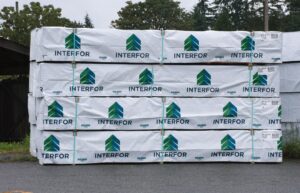 Lumber prices that have dropped more than 20% over the past month are prompting one of North America’s largest producers to throttle back output by 12%. Interfor said Thursday that it would reduce hours and reconfigure shifts as well as lengthen holiday breaks and maintenance shutdowns at its mills in Canada and the US to reduce output by about 145 million board feet through year-end. Lumber futures, which had fallen 18 of the past 22 trading sessions rose in response. …Interfor, which has headquarters in BC, is among the big Canadian sawyers that have shifted operations into the US as duties and diminished log availability have put sawmills out of the money back home. About 50% of Interfor’s capacity these days is in the US South. Another 12% is Washington and Oregon, where mills compete fiercely with Canadian rivals to sell the same species of wood. [to access the full story a WSJ subscription is required]
 BURNABY, BC — Interfor Corporation announced plans to reduce its lumber production by approximately 145 million board feet between September and December of 2025, representing approximately 12% of its normal operating stance. The temporary curtailments will be through a combination of reduced operating hours, prolonged holiday breaks, reconfigured shifting schedules and extended maintenance shut-downs. The curtailments are expected to impact all of Interfor’s operating regions, with both the Canadian and US operations expected to reduce their production levels by approximately 12% each. The curtailments are in response to persistently weak market conditions and ongoing economic uncertainty. The Company will continue to monitor market conditions across all of its operations and adjust its production plans accordingly. [END]
 WASHINGTON — US President Trump is indicating that he’ll ask the Supreme Court tomorrow to overturn a federal appeals court ruling that found many of his
 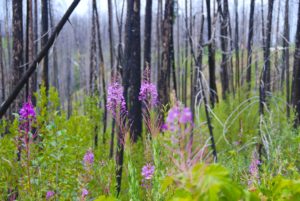 CALGARY — Fewer tourists are coming to Jasper, Alberta than usual this year, but it’s not for a lack of people eager to visit the picturesque Rocky Mountain town. Numbers are about as good as they can be, considering about one-fifth of the town’s overnight accommodations burned when a ferocious wildfire swept through last summer, said Tourism Jasper CEO Tyler Riopel. …As the Jasper recovery continues, tourism operators affected by wildfires elsewhere this year are struggling. Northern Saskatchewan and Manitoba have been particularly hard hit, which has taken a toll on outfitting businesses that cater to hunters and fishers. Roy Anderson, acting CEO of the Saskatchewan Commission of Professional Outfitters, said his group is surveying members to quantify the financial impact. “We’re talking millions of dollars in terms of lost revenue at a minimum,” he said.
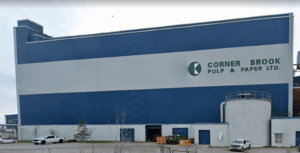 The provincial government, through Newfoundland and Labrador Hydro, is extending its agreement with Corner Brook Pulp and Paper to buy electricity. The initial agreement was made in March, 2024 for Hydro to buy electricity from Deer Lake Power, which energizes the paper-making machines at the Corner Brook mill for 27.5 cents per kilowatt hour. The deal has now been extended until March 31, 2026. Hydro will continue to purchase excess green energy from Deer Lake Power, while the mill continues work to identify new revenue sources through viable wood-based projects “to unlock Newfoundland and Labrador’s high forest potential while further stabilizing the mill’s sustainability and future,” wrote the province’s Department of Fisheries, Forestry and Agriculture in a news release on Wednesday. The department said the agreement will not impact rate payers. The announcement comes after the mill was forced to pause operations due to a number of wildfires.
 MANIWAKI, Quebec — The Domtar sawmill in Maniwaki, Quebec, will temporarily close again next month. The company, which acquired the mill when it bought Resolute Forest Products in 2023, confirmed Wednesday to Radio-Canada that the indefinite closure will begin Oct. 10. It cited difficult market conditions and US softwood lumber duties, which rose to more than 35 per cent last month. About 120 workers at the mill lost their jobs in a previous closure that started in December 2024. The mill reopened for about 50 hours a week at the start of June. About 3,800 people lived in the western Quebec community as of the 2021 census. [END]


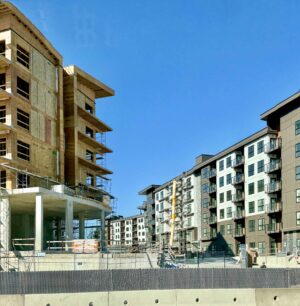 Treasury Secretary Scott Bessent said the Trump administration may declare a national housing emergency this fall as the White House looks to highlight key issues for midterm campaign voters. …Bessent said housing affordability would be a critical leg of Republicans’ 2026 midterm election platform. Bessent declined to list any specific actions the president may take, but he suggested that administration officials are directly studying ways to standardize local building and zoning codes and decrease closing costs. President Trump has repeatedly used emergency declarations to avoid having to send legislation to Congress for approval. Some of those, particularly the emergency law he cited to institute his tariff regime, have faced pushback in federal court. …Trump also spoke out on the issue during the campaign and said he wants to open up federal land for housing development and pledged to help with affordability by eliminating regulations.
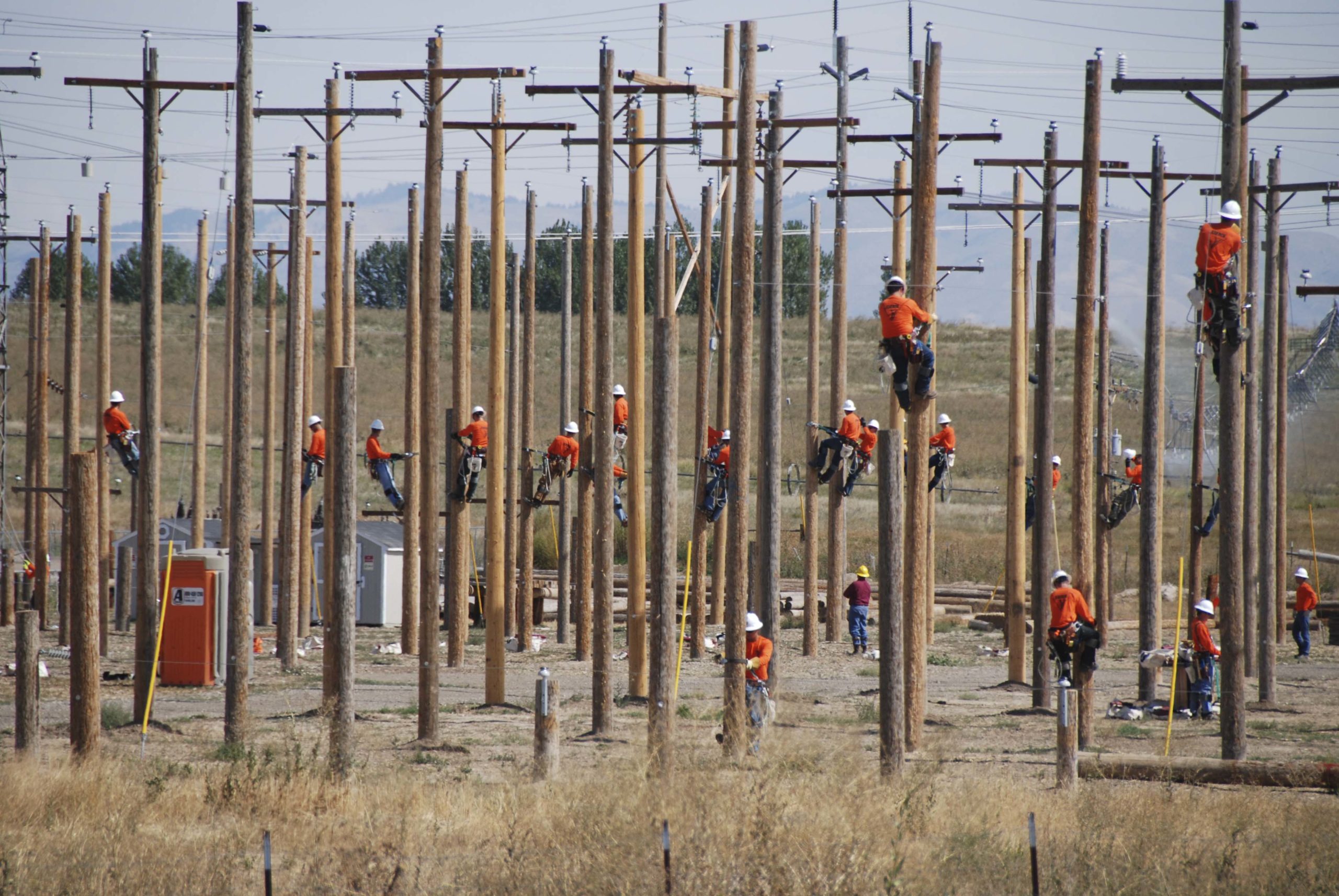 SHERIDAN, Oregon — The Oregon Department of Environmental Quality (DEQ) has fined a Yamhill County wood treating company $1,055,825 for numerous violations of environmental regulations for water quality, hazardous waste and spill response and cleanup.

 BEMIDJI, Minnesota — The West Fraser wood engineering plant west of Bemidji was one of three companies to receive part of $4.2 million in business expansion grants from the state. The state’s Department of Employment and Economic Development stated in a news release that the three projects are expected to create or retain 587 jobs and leverage more than $270 million in private investment. West Fraser plans to renovate an existing building and improve the operating site in the small community of Solway. The operation there produces engineered wood products, such as OSB or particle board, that are used widely in construction and other industries. The project will receive more than $1 million in financing from the state’s Job Creation Fund, with the company expected to invest $137 million. The project is expected to retain 132 jobs.





 Wood production, processing, and export is one of Vietnam’s key industries, but it is currently facing a direct impact from trade competition and tariff barriers. …In early August 2025, the US imposed reciprocal duties of 20% on Vietnamese imports, and the figure could rise to 40% if illegal transshipment is detected. …“These moves are creating prolonged uncertainty for the wood processing industry,” Phuong says. “Although Vietnam’s wood exports grew by 8% in the first seven months of 2025, the risks remain high. The ability to control domestic raw material supply will be a decisive factor in maintaining Vietnam’s status as a sustainable source in the global market.” …Nguyen Chanh Phuong emphasises that despite the shifting policies, the US is the top market and is more stable than others. To mitigate risks, he stresses the need to expand into new export markets, diversify raw material sources, and produce more value-added products.
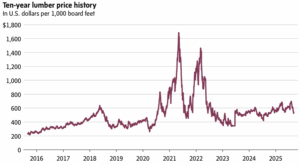 A “normal” annual softwood lumber price cycle sees prices dropping from Labour Day until early in the new year when buying starts again for the spring construction season. We are also expecting three interest rate cuts this year from the US Federal Reserve. With lower mortgage rates expected, will we see increasing demand for lumber? …The short term outlook for lumber prices continues to see weakness with price projections as low as US$450 per thousand board feet until the spring construction season. Looking into 2026 and 2027, prices are expected to recover to the mid-US$500 to low-US$600 per thousand board feet range. Ongoing duties, the upcoming court rulings on tariffs and the protracted housing shortage will all impact the price of lumber over the next two years. [to access the full story, a Globe & Mail subscription is required]
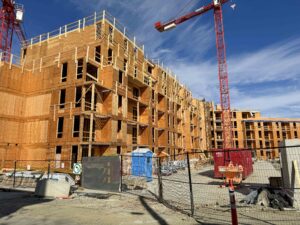 The Canada Mortgage and Housing Corporation (CMHC) released its
 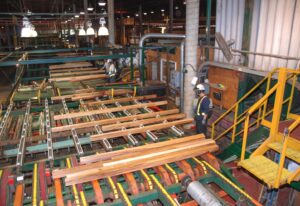 Falling lumber prices are sounding an alarm on Wall Street about potential problems on Main Street. Wood markets have been whipsawed of late by trade uncertainty and a deteriorating housing market. Futures have dropped 23% since hitting a three-year high at the beginning of August and ended Friday at $535 per thousand board feet. The price drop might have been greater—but two of North America’s biggest sawyers said last week that they would curtail output, slowing the decline. Crashing wood prices are troubling because they have been a reliable leading indicator on the direction of the housing market as well as broader economic activity. …Analysts and traders say there will have to be further cuts to ease the glut of wood. That might not be a problem, given how higher duties have pushed up Canadian sawmills’ break-even prices while demand wanes. “We anticipate further closures or curtailments,” said Truist Securities analyst Michael Roxland. [to access the full story a WSJ subscription is require]
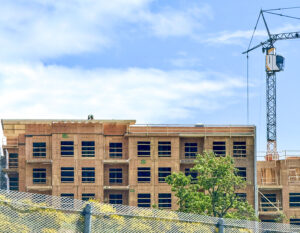 Canada’s new homes market is booming with near record housing starts — with one exception, Ontario.
 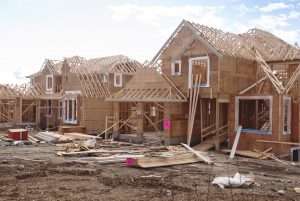 Lumber futures fell again Wednesday, dropping to their lowest prices since last autumn. …Futures for September delivery shed $6 or about 1.1%, to end at $524 per thousand board feet. Futures have now declined 18 of the past 22 trading sessions. The selloff—about 25% over the past month—is reminiscent of the wild trading in lumber during the Covid-19 pandemic [but this time] …the continuing gyrations have been driven by trade policy. Lumber buyers stocked up ahead of a big increase in the duties levied on Canadian imports. …President Trump’s threats for additional tariffs on imported wood added incentive to hoard lumber. …The $54 difference in price between lumber futures for delivery this month and those for November in midday trading was well above the cost of warehousing wood for two months and a sign that traders’ demand outlook is bleak, Stinson Dean said. [to access the full story a WSJ subscription is required]

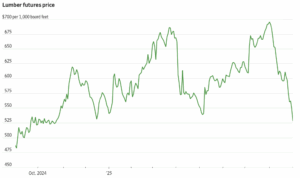 Lumber prices, which shed more than 20% in August, have continued to fall to start September, hitting their lowest price this year thanks to a glut of wood that was piled up ahead of a big increase in duties on Canadian imports. “There has clearly been a speculative inventory accumulation at every level from mills to single location lumber dealers,” said Matt Layman, who publishes Layman’s Lumber Guide “For the first time in my 40-plus year career there is indeed a wall of wood that must be liquidated.” As with many raw materials, the lumber market has been whipsawed by President Trump’s tariff threats. The White House is studying tariffs on imported lumber in the name of national security. …Any lumber tariff will come on top of duties on Canadian softwood lumber that rose to about 35% for most producers, from 15% last year. [to access the full story a WSJ subscription is required]

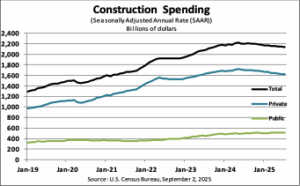 Construction spending in the United States reached $1,232.7 billion during the first seven months of 2025, a 2.2% decrease from $1,259.9 billion in the same period of 2024. Residential construction accounted for $524.7 billion, down 4.0%, while nonresidential construction declined 0.8% to $707.9 billion, according to the U.S. Census Bureau. Private construction dropped 3.8% year-to-date to $946.5 billion. …Public construction increased 3.8% to $286.2 billion over the same period. …For the month of July 2025, construction spending was at a seasonally adjusted annual rate of $2,139.1 billion, down 0.1% from June and 2.8% below July 2024. Private sector construction decreased 0.2% from the previous month, while public construction rose 0.3%.

 Artificial intelligence (AI), machine learning, remote piloting, and robotics are beginning to have a profound impact on the forest industry as we have known it, from forest management to log harvesting and delivery and right through to lumber production. This is only the beginning. In a recent interview, Bill Gates said that AI will have a more profound impact on humanity than the personal computer (PC) did. …From a forest management perspective, AI offers incredible potential for planning forest cutblocks and reforestation. In the face of climate change, forest companies will have no choice but to design forests that are more resilient to forest fires, pest and pathogens. The ability of AI to provide a variety of solutions in minutes, based on collating and analyzing past research, will make a forest technician’s job easier, while providing better solutions. This is a clear example of using AI for good—and we should make the most of it.
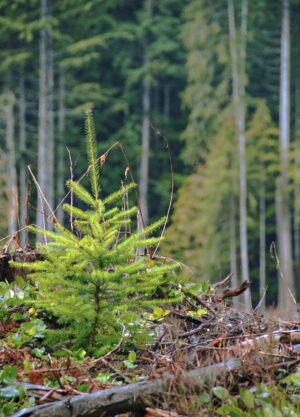 The Government of Canada says it is just over a 10th of the way to its goal of planting two billion trees across the country. Launched in 2021, Canada’s 2 Billion Trees program has reached the milestone of 228 million trees planted, with agreements already in place to plant a total of nearly one billion within the coming years. As of June, 11 provinces and territories, 58 Indigenous partners, 30 municipalities and 88 non-governmental organizations has signed or are negotiating tree-planting agreements. The program aims to protect crucial wildlife habitat, restore areas impacted by wildfires and sequester carbon. …Some of these initiatives include creating at least 10 new national parks and marine conservation areas and 15 new urban parks, as well as designating 30 per cent Canada’s land and water as conservation areas by 2030. The federal government has also committed to reach an emissions reduction target of 40 per cent below 2005 levels by 2030 and net-zero emissions by 2050.
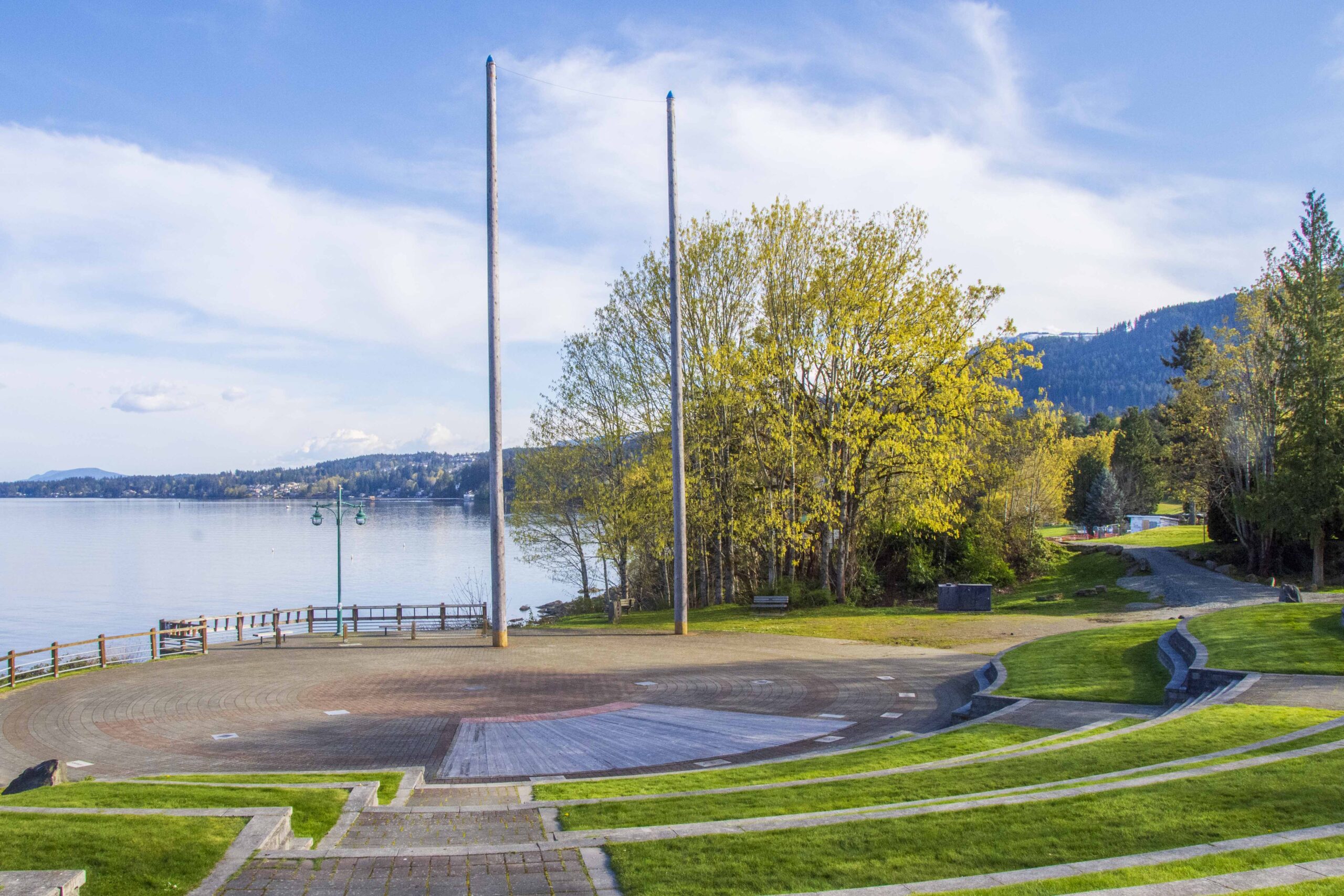 The tools of BC’s traditional industry will take centre stage in Ladysmith on Sunday, Sept. 14 for Ladysmith Loggers’ Sports. The event supports the Cops for Cancer Tour de Rock, an annual bike tour across Vancouver Island that raises funds for childhood cancer research and support programs. The loggers’ sports exhibition event will take place at the Transfer Beach amphitheatre starting at 2 p.m. …Among the upgrades this year are three massive dummy logs donated by Western Forest Products. This year’s key supporters include Spuzzum Contracting, LCU Insurance Agencies, Mosaic Forest Management and the Town of Ladysmith.
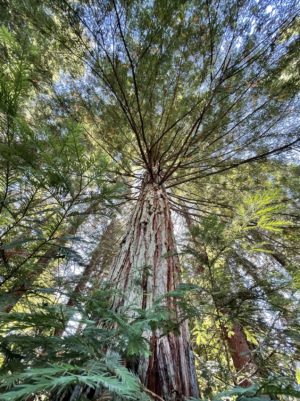 A BC logger is fighting for the return of a $180,000 deposit he paid to the provincial government to access a timber lot that he did not harvest for lack of demand. In 2023, Bill Bosovich struck a deal with BC Timber Sales to log 116 hectares of forest between Osoyoos and Midway. …Bosovich promised to pay the government at least $1.7 million for the wood he would harvest, and put down a cash deposit of $176,700 to cover any contingencies. However, before any logging had occurred and as wood prices fell, Bosovich learned that the four major log buyers in the area were not interested in his wood. …Bosovich let BC Timber Sales know he could not find buyers and was offered a 12-month extension, but only if he committed to paying a further $83,000 deposit. …Bosovich did not want to extend the licence. …BC Timber Sales’ Allan Powelson responded that the government would be keeping his money.
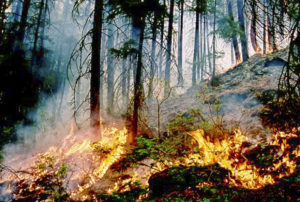 Michelle Conroy says she appreciates all the work the province’s firefighters have put into protecting Miramichi, as wildfires raged out of control. But the Progressive Conservative MLA for Miramichi East also wonders if their employer, the Department of Natural Resources, might have unintentionally made conditions in the forests worse by encouraging herbicide spraying so that New Brunswick’s powerful timber industry could have softwood plantations. …The idea that the ecosystem could had been thrown “out of balance,” was addressed by Deputy Minister Cade Libby. “Your comment is one we’ve heard quite a few times,” Libby said. “Yes, herbicides target broad-leafed plants. …But a working forest is a great way to mitigate forest fire risk.” The deputy minister said timber cutters use forestry roads that act as fire breaks and that they work on forests of various types and age classes that have less fuel load than virgin, old-growth forests do.
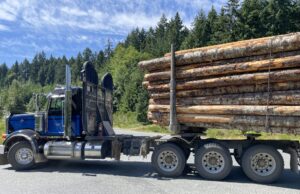 NOVA SCOTIA — Mikmaq have begun blocking logging trucks from leaving Hunters Mountain. Madonna Bernard began the blockade on Monday afternoon when she stood in front of two logging trucks. She was then joined by other Mi’kmaq seeking to stop harvesting from the Cape Breton Highlands. …“This is not a protest, this is a protection. We’re willing to stay as long as it takes.” A large RCMP presence has gathered and more Mi’kmaq supporters are arriving. …Port Hawkesbury Paper mill manager Bevan Lock said that the supercalendered paper relies on wood coming from the highlands for a significant part of its woods fibre. He said some 70 people work for forestry and logging contractors operating in the area. “The province and RCMP have taken steps to remove the blockade and allow travel on a public road,” said Lock.
 After years of wildland firefighters developing cancer, lung disease and other health issues while not being allowed to wear masks as they work, the US Forest Service will now allow these crews to wear masks. The policy turnaround comes as the Forest Service posted new guidance on Monday “acknowledging for the first time that masks can protect firefighters against harmful particles in wildfire smoke,” per
  National forests and wildfire will return to the congressional agenda this week with a pair of House subcommittee hearings on Forest Service programs. The Trump administration’s challenges in managing the 193-million-acre forest system with a sharply reduced workforce — and a big agency reorganization still to come — are likely topics for both the Agriculture and Natural Resources subcommittees. In the Natural Resources hearing, the Subcommittee on Federal Lands will take testimony on the state of national forests, picking up on a hearing that was initially scheduled for July 9. In the Agriculture hearing, the Subcommittee on Forestry and Horticulture will focus on improved active forest management, such as increased thinning of national forests to reduce potential wildfire fuel. [to access the full story an E&ENews subscription is required]
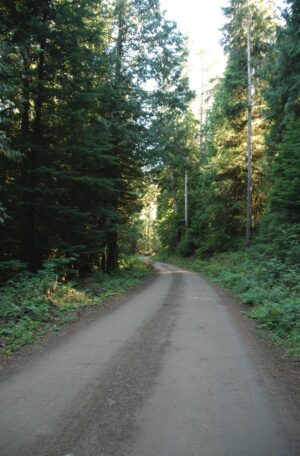 Under the 2001 Roadless Rule enacted by President Bill Clinton, millions of acres of roadless areas on national forests across the country are conserved, protecting vital habitats and watersheds. A “blank spot on a map,” in the words of the naturalist Aldo Leopold, is increasingly valuable in our urbanizing society. …The current administration is right to look for ways to address the growing wildfire threat in these areas. But instead of doing away with the Roadless Rule, the White House should look to a simple way to make our forests more resilient to wildfire without compromising the other benefits. …One way to allow forest thinning and prescribed burns to reduce the wildfire threat is to amend the roadless rule… to permit temporary roads in roadless areas that are near neighborhoods along the wildland-urban interface to allow for forest thinning or other ecological restoration. [to access the full story a NY Times subscription is required]
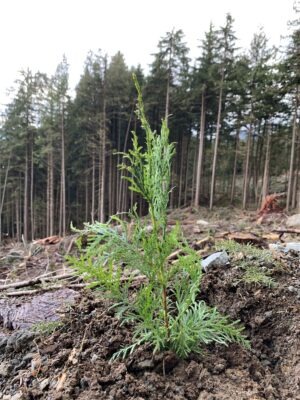 The increase in wildfires over the past few decades is changing the Colorado landscape in more ways than one. Not only do fires temporarily decimate the impacted areas but according to research out of Colorado State University, they are actually changing how, and if, forests regenerate post fire. “There are definitely some places where they’re coming back really well; it just takes a long time for trees to grow back,” said Camille Stevens-Rumann, CSU associate professor of Forest and Rangeland Stewardship. “But there are definitely other places that are not recovering and are not turning back into the forests that we expect them to be. …Reseeding efforts in these locations have shown mixed results, forcing researchers and forestry officials to look at alternative species. …“I think we do have to adapt and think about the fact that those forests are going to look differently.”
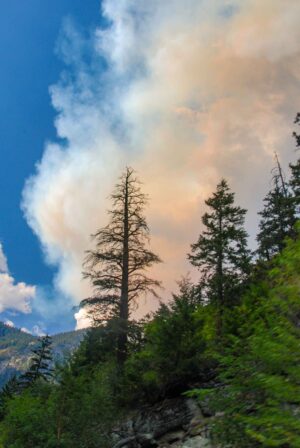 The western United States is facing another destructive wildfire season. …As US forests burn, Congress and federal agencies are asking an important question: What role should federal land management play in reducing fire risk? …Several of the current federal proposals for managing fire risk focus on increasing timber harvesting on federal lands as a solution. They also propose speeding up approvals for those projects by limiting environmental reviews and public oversight. As experts in fire science and policy, we see some useful ideas in the proposed solutions, but also reasons for concern. While cutting trees can help reduce the severity of future fires, it has to include thinning in the right places to make a difference. Without oversight and public involvement, increasing logging could skip areas with low-value trees that need thinning and miss opportunities for more effective fire risk-reduction work.
  Today’s Lookout
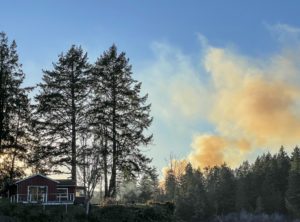 A year after Oregon endures its most destructive fire season on record in 2020, state lawmakers order a map estimating the wildfire risk for every property in the state. It’s the kind of rating now available on real estate sites like Zillow. The state wants to use the results to decide where it will apply forthcoming codes for fire-resistant construction and protections around homes. Around the same time, insurance companies start dropping Oregon homeowners’ policies and raising premiums to limit future losses, much as they have done in other disaster-prone states. Insurers have their own sophisticated risk maps to guide them, but some brokers instead tell homeowners the blame lies with the map. The belief gets treated as fact both on social media and in mainstream news — even though insurers and regulators say it’s not true. …By the time the state pulls back the map, the myths about it have gained so much momentum there’s no stopping them.
 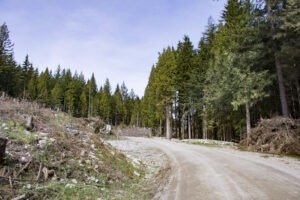 UK — The majority of leading tropical forestry companies do not disclose where their materials come from, meaning they will fail to comply with the EU’s forthcoming Regulation on Deforestation-free Products (EUDR). The Zoological Society of London’s (ZSL) latest assessment found that only 18% of the world’s largest 100 tropical forestry companies disclose the countries from which they source. Additionally, only 4% state the percentage of their supply that is traceable to the forest management unit level. The assessment additionally found that none of the companies studied have published georeferenced maps for third-party FMUs, with only 3% reporting on how much of their supply is verified deforestation-free. Without clarity around sourcing and supply, companies are unable to prove responsible sourcing to stakeholders. Given that the timber and pulp industry is worth $480bn a year, ZSL said, small traceability failures can put billions of market value at risk.
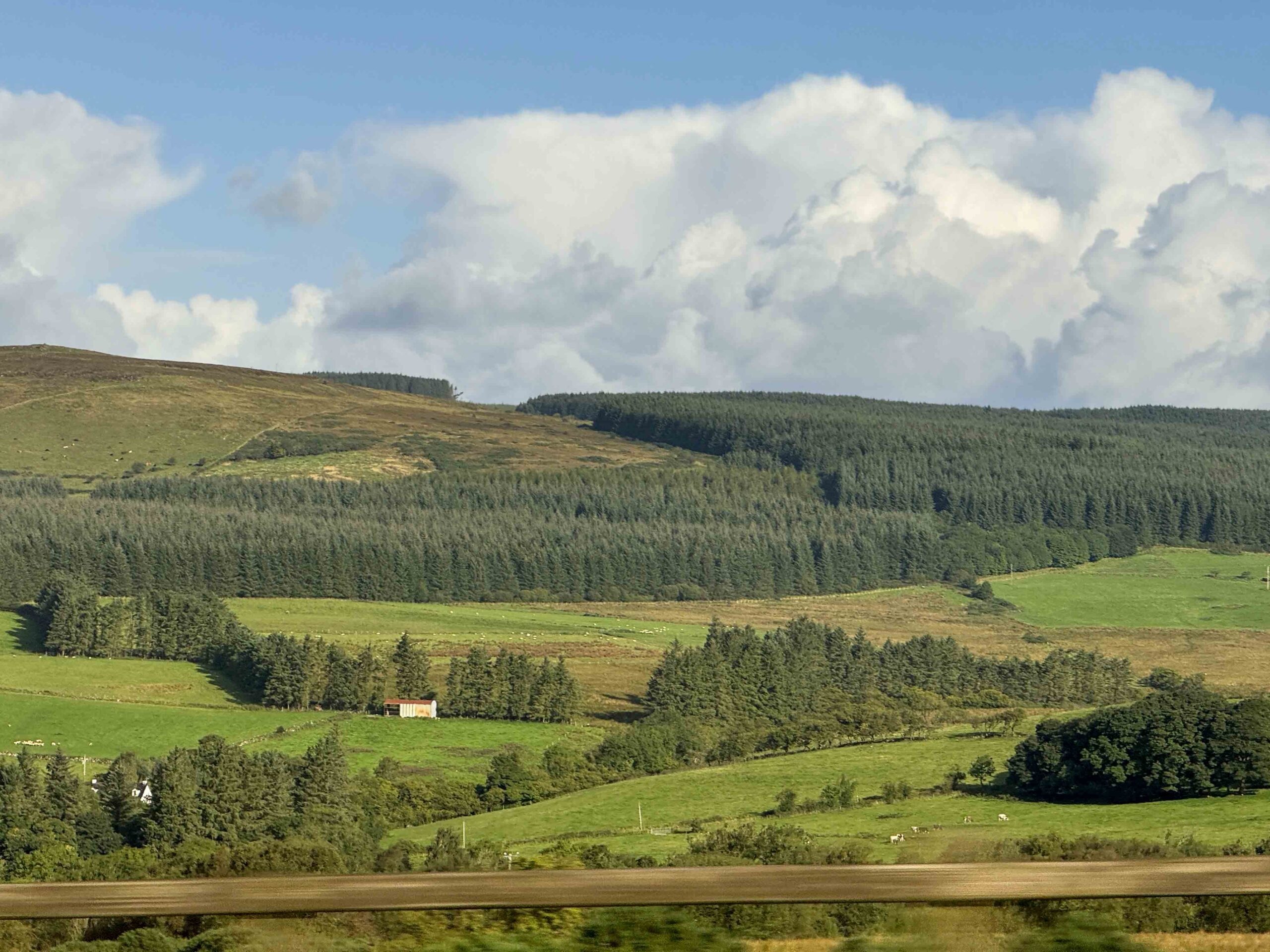 IRELAND — The next forestry programme must “ensure that forestry as a land use option is economically viable and competitive, while satisfying environmental requirements”, according to the Irish Farmers’ Association (IFA). IFA president Francie Gorman has said that forestry is a “strategically important sector that has a key role to play in achieving climate change targets”. …Ireland’s largest forestry and timber body, Forest Industries Ireland (FII) has highlighted the “huge opportunity” for farmers “to take advantage of afforestation grant schemes” during a meeting with the IFA this week. FII highlighted the need for more farmers to consider planting forestry on their land amid rapid growth in global demand for timber products, driving up the value of future forestry harvests. “The Irish timber industry has the potential to significantly grow as many countries move towards net zero carbon targets and focus on sustainable building materials such as timber.”
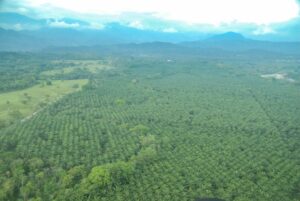 The Amazon rainforest is one of Earth’s most diverse ecosystems, playing a key role in maintaining regional and global climate stability. However, recent changes in land use, vegetation, and the climate have disrupted biosphere-atmosphere interactions, leading to significant alterations in the water, energy, and carbon cycles. …Here, we quantify the relative contributions of deforestation and global climate change to observed shifts in key Amazonian climate parameters. We analyzed long-term atmospheric and land cover change data across 29 areas in the Brazilian Legal Amazon from 1985 to 2020. …While the rise in atmospheric methane (CH4) and carbon dioxide (CO2) mixing ratios is primarily driven by global emissions, deforestation has significantly increased surface air temperatures and reduced precipitation during the Amazonian dry season. Over the past 35 years, deforestation has accounted for approximately 74% of the ~ 21 mm dry season decline and 16.5% of the 2°C rise in maximum surface air temperature.
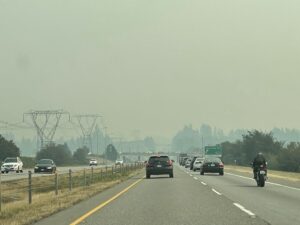 The federal government is attempting to abandon years of climate science and regulation, and officials from Washington state are warning those efforts will drastically slow the country’s ability to cut greenhouse gas emissions. The U.S. Environmental Protection Agency no longer wants to classify greenhouse gas emissions as dangerous and, therefore, something that must be regulated. The agency is now in the middle of a public comment process to reverse its long-standing course. Public officials and climate change experts from across the country are testifying against the federal government’s new direction. Among those in opposition is Joel Creswell, who manages the climate pollution reduction program with Washington state’s Department of Ecology. He said the EPA’s process is built on unscientific research and cherry-picked data. It’s also likely illegal, Creswell said. The federal government is trying to provide the “appearance of a science-based reason” not to regulate greenhouse gases, Creswell said.
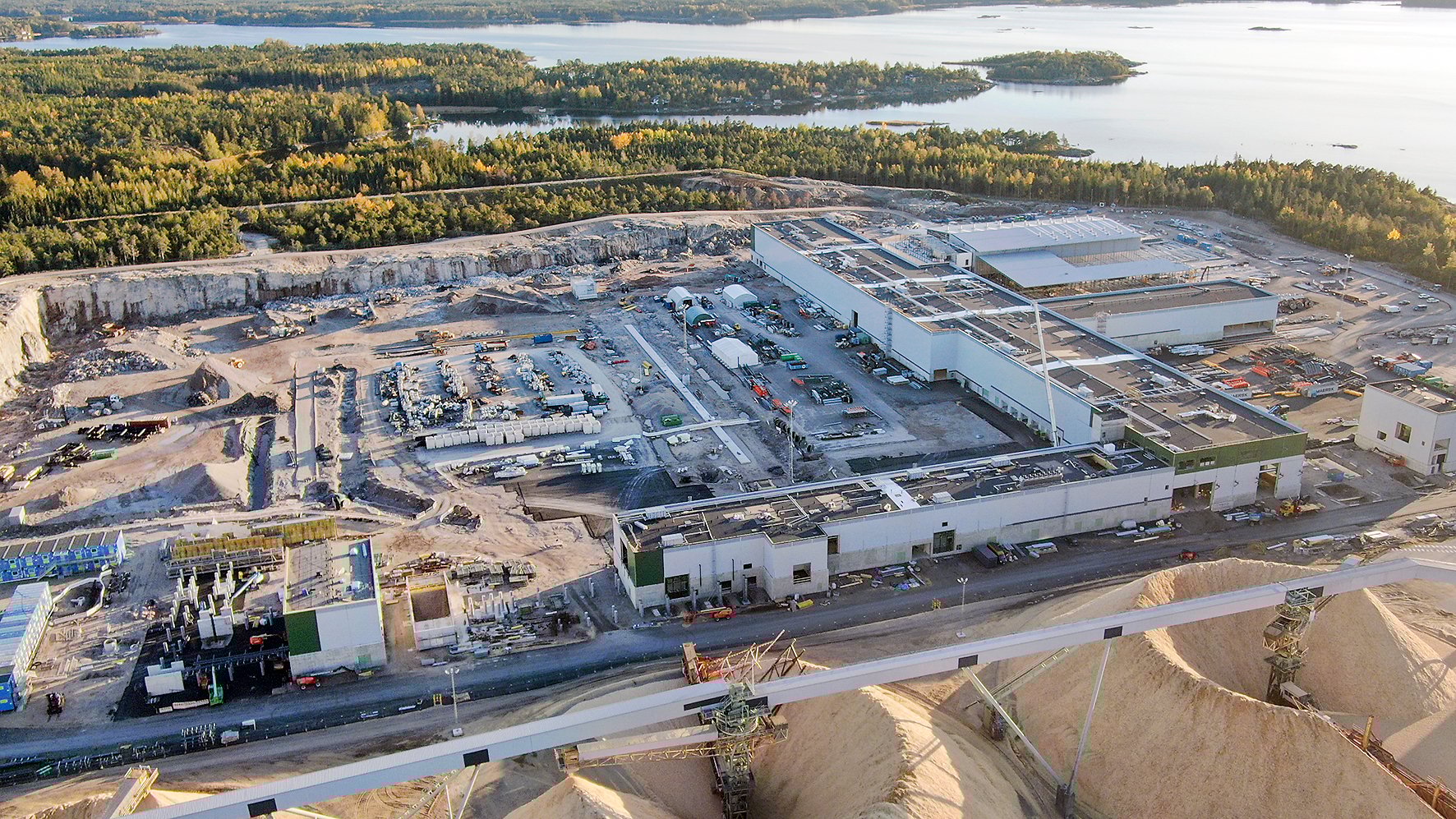
 Investors in Drax have a problem. Shares in the company that produces 10% of the UK’s renewable power plunged last week after the Financial Conduct Authority launched a probe into its financial reports. The investigation centres on whether the company had misrepresented the origin of the biomass pellets it burns to create electricity. …But even assuming Drax does what it says it does, it has a second problem. Its business model, reliant on burning imported sustainable biomass to generate power, is inherently controversial. Net zero supporters don’t think Drax is sustainable enough, fearing that forestry companies might classify more wood as rubbish if selling waste pellets became lucrative. …Drax may not be easy to like, but it does make up an important part of the UK energy system. …So far, politicians have walked a line, extending support but cutting its size.
  There are fewer injuries and deaths occurring on B.C. construction sites compared to previous years and decades, although much work remains to ensure worker safety. “Struck by’s,” “falls from” and “trips and slips” are among the most common incidents on job sites, and major events like Kelowna’s deadly crane collapse in 2021 highlight the risks that accompany modern construction. Work-related death claims in the construction sector totalled 31 in 2020, 29 in 2021, 54 in 2022, 39 in 2023 and 25 in 2024, according to data provided by WorkSafeBC. …Dave Baspaly, president of the Council of Construction Associations (COCA), which represents all major construction associations in BC said… the industry’s improved safety record is a result of more training, stricter enforcement of WorkSafeBC rules, and a culture of compliance where non-adherence is not tolerated. He emphasizes that proactive measures, like rigorous inspections and coordinated site management, are making construction sites safer.