 In a move that NAHB has encouraged, President Trump signed an executive order that calls for a 25% increase in timber production from federal lands. NAHB has taken a leading role in urging the administration and Congress to increase the domestic supply of timber from federally owned lands in an environmentally responsible manner. …This new development will help the nation move in the direction of self-sufficiency. However, due to logistical issues and the long time to ramp up sawmill production, it is projected to take months, if not years, before the market feels any impact from this action. …Offsetting the good news to expand domestic timber output is the fact that tariffs on Canadian lumber shipments into the US are expected to more than double by September.
These duties are completely separate from the global reciprocal tariffs announced by President Trump last week. When the president made his announcement, NAHB scored an important win when Trump chose to continue current exemptions for Canadian and Mexican products, including a specific exemption for lumber from any new tariffs at this time. It’s clear we are not out of the woods yet on the possibility that Canadian lumber tariffs could run even higher than 34.5% later this year. The White House issued an executive order in March commanding the Commerce Department to investigate the national security impacts of imports of timber and lumber. NAHB has argued that housing is a critical component of national security and that no further lumber tariffs should be imposed. …For now, Canadian lumber tariffs stand at 14.5%, but members should be forewarned to expect higher tariffs later this year and plan accordingly.





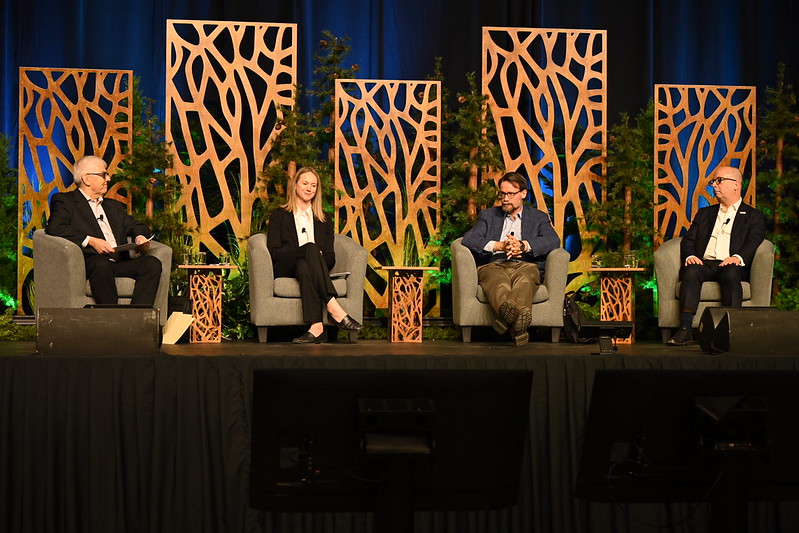


 Well, 2025 will prove to be an interesting year ahead. …Provincially there are some glimmers of hope for some directional changes to the current trajectory of BC’s forest sector through the appointment of an energized and determined Minister of Forests. At the recent TLA convention, there also seemed to be acknowledgment that the need for change was recognized with the Premier and Minister. …The government’s forestry mandate appears to be granted for firm actions, even more so with our obvious need for more self-reliance as a country. But muddying the background is the reality that anything that needs to be accomplished must be done within the spectre of massive provincial deficits and a hiring freeze. Where to start?
 BURNABY, BC – The United Steelworkers union (USW) District 3 and the USW Wood Council locals in BC applaud the approach of Premier Eby in fighting for workers and federal government supports in light of the announcement by the US Department of Commerce that will increase the current tariff and countervailing duty average to 34.45% from 14%. “The continual application of tariffs and duties by the US on our USW membership in Canada is wrong and unwarranted,” said USW District 3 Director Scott Lunny. “Premier’s Eby’s approach in pressing the federal government in Ottawa for worker supports is key.” …“The Trump administration and the U.S. Department of Commerce continue to be subjected to the influence of the US Softwood Lumber Coalition, wrongfully claiming the Canadian industry is subsidized,” said Jeff Bromley, USW Wood Council Chair. …“It’s protectionism, pure and simple,” added Bromley.
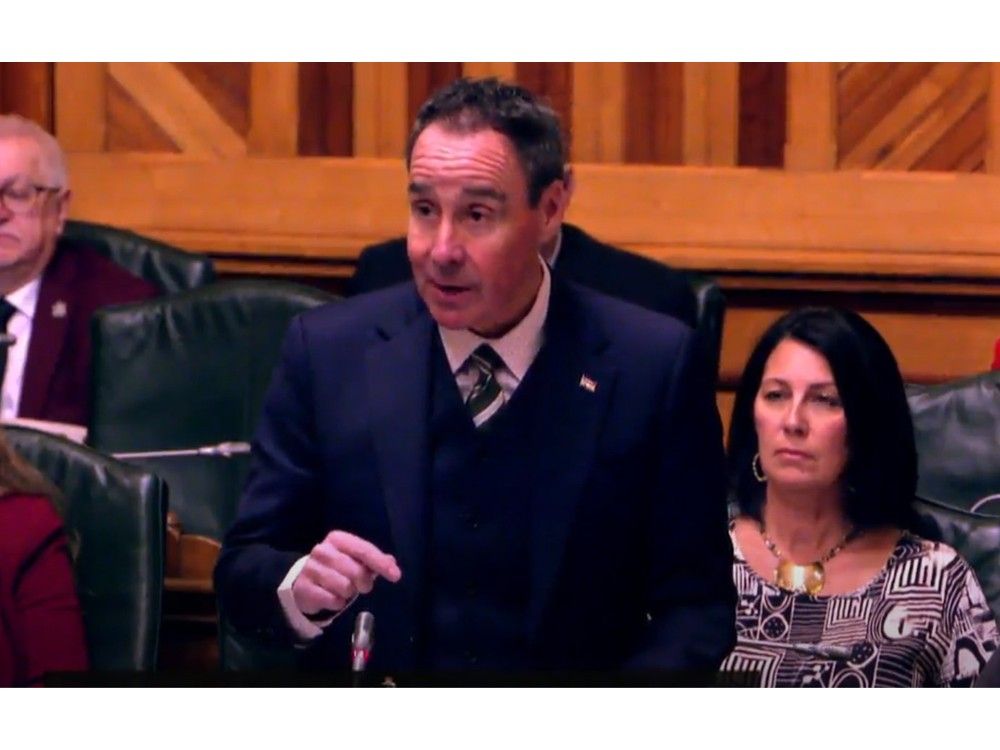
 Premier David Eby cautioned last week that BC should not make too much of the appearance that the country “dodged a bullet” in the latest round of tariff fire from the US. …Eby’s fears were borne out, when the US announced a plan to more than double the duty against Canadian softwood. …Eby told the legislature that Forests Ministry staff are “working on a proposal to defer stumpage.” The tariff threat likely means a setback for the ambitious goal that Eby set for the forest minister, Ravi Parmar. He directed Parmar to “work toward…a harvest of 45 million cubic metres per year”. The increase would be 50 per cent greater than last year’s 30 million cubic metres harvest, but still well short of the almost 60 million harvested the year the New Democrats took office. …Though the industry welcomed the premier’s target for increasing the harvest, it remains privately skeptical that the NDP can make the necessary changes in regulation and permitting to bring about the increase.
 The US is set to more than double the duty it charges on softwood lumber imports from Canada, with the planned new rate set at 34.45%, up from the previous 14.54%. …New softwood lumber duties were long-feared amid the growing trade war between Canada and the US, and would be the latest blow to BC’s beleaguered forestry industry, which has seen thousands of workers laid off over the last few years. BC Premier David Eby condemned the planned duty hike as an “attack on forest workers and British Columbians” in a statement on Saturday. While Canada may have been spared additional tariffs from the US on Wednesday, anxiety around levies on BC’s softwood lumber industry remains high. …Under the U.S. Tariff Act, the Department of Commerce determines whether goods are being sold at less than fair value or if they’re benefiting from subsidies provided by foreign governments.
 Canadian lumber has been left out of Trump’s tariff blitz, despite the president’s repeated threats to add to import taxes to a big chunk of US wood supply. Prices for two-by-fours are tumbling. Lumber futures contracts shed 8.7% to end at $606 per thousand board feet, the lowest price since mid February. They are on track for their worst day since the pandemic-era lumber bubble burst three years ago. Prices had risen this year in anticipation of another layer of import taxes. …That climb is unwinding. But the decline can also be chalked up to expectations that tariffs will push up residential construction prices and strain affordability. The tariffs Trump announced Wednesday will add about $6,400 to the cost of building an average house, UBS analyst John Lovallo estimates. That assumes that about 7% of the materials are imported and subject to an average tariff of 22%. [to access the full story a WSJ subscription is required]

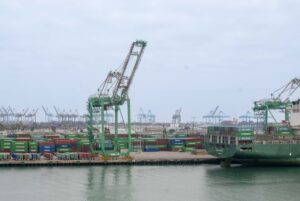 MONTREAL — The notion that Canadian companies can simply switch supply chains in response to American tariffs is a fantasy, experts say. Businesses north of the border are looking elsewhere to source their material and sell their products. But companies caught up in tightly braided supply channels after decades of trade pacts and sector specialization may quickly bump into barriers around everything from transport and labour costs to resource availability, manufacturing capacity and market saturation. …Cancelling contracts with Canadian suppliers would trigger breakage fees of up to $500 million per U.S. factory, the group said. Many parts cross the border multiple times before final assembly. …Auto, lumber and steel producers would face some of the toughest challenges in the hunt for new markets, Paschen said. …Forestry players face an entirely different dilemma. Lumber exports, while ample, have a low value per volume compared to some other commodities.
 Sweeping new tariffs announced by Donald Trump provoked dismay, threats of countermeasures and urgent calls for talks to find ways to rescind the stiff new import taxes imposed on goods from countries around the globe. …Trump maintains they will draw factories and jobs back to the United States. …European Commission President Ursula von der Leyen said it was a “major blow to the world economy.” …British Prime Minister Kier Starmer said he hopes to get the tariffs lifted with a trade deal. …Financial markets were jolted. …China’s Commerce Ministry said Beijing would “resolutely take countermeasures to safeguard its own rights and interests,” without saying exactly what it might do. …Mexican President Claudia Sheinbaum said she would wait to see how Trump’s announcement will affect Mexico, which like Canada was spared for goods already qualified under their free trade agreement with the United States, though previously announced 25% tariffs on auto imports took effect Thursday.
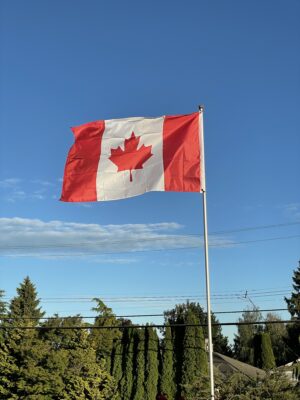 OTTAWA — Canada’s exemption from Donald Trump’s global tariffs was “like dodging a bullet into the path of a tank”, say business leaders as other levies are poised to hit key industries that drive the country’s economy. …Canada was noticeably absent, alongside trade ally Mexico. Prime minister Mark Carney said 25% tariffs on Canadian steel and aluminum, as well as on automobiles, will come into effect within hours. Canada would “fight these measures with countermeasures” he said. Already, Canada had put a 25% tax on C$30bn worth of US goods in response to Trump’s tariffs. …Carney warned that while Trump had preserved key elements of the bilateral relationship, the global tariffs “fundamentally change the international trading system”. …On Wednesday, a bipartisan group of senators passed a resolution to end the national fentanyl emergency the president invoked to justify the 25% tax on Canadian imports. …House speaker Mike Johnson is unlikely to bring the measure to a vote.
 The United States is scheduled to unveil reciprocal tariffs on a wide array of trading partners, including Canada. Dubbed “Liberation Day” by Donald Trump, the measures are meant to even things out with those who, in Trump’s eyes, have unfairly taken advantage of the US with tariffs and other non-tariff barriers. …Aside from steel, aluminum and autos, which are already facing separate tariffs, here are the issues the U.S. has singled out as problematic in their trade with Canada that could factor in to the Liberation Day announcement, and what economists and trade officials have to say about them. What Trump says: He has lumped his anger about dairy and lumber tariffs together, threatening to act immediately on unfair treatment by Canada. He also said the U.S. does not need any Canadian lumber. Reality Check: There is far from enough lumber produced in the U.S. to meet building demand.
 White House aides have drafted a proposal that would levy tariffs of roughly 20% on most imports, the Washington Post reported. The report cited three people familiar with the matter. It also said White House advisers cautioned that several options are still on the table, meaning the 20% tariffs may not come to pass. Another plan being considered is the country-by-country “reciprocal” approach, according to the Washington Post. The report comes a day before April 2, when President Donald Trump is set to announce his larger plans for global trade. The date has loomed over Wall Street, where stocks have been struggling in part due to uncertainty around rapidly changing global trade policy. Unlike the tariffs already announced by the Trump administration, the new plan is expected to be more widespread and permanent as opposed to targeting specific countries or industries.


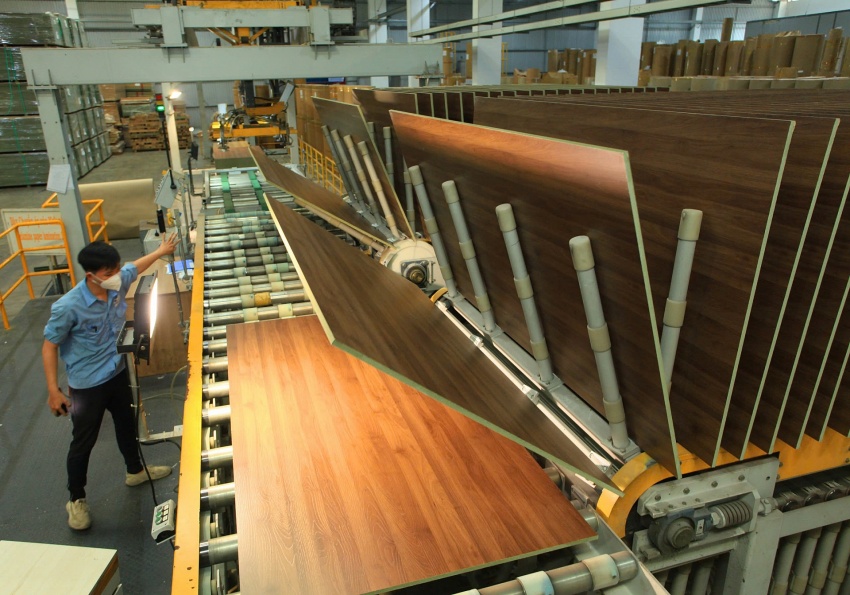


 NEW ZEALAND — The temporary exemption of tariffs on timber and lumber imported into the US provides some relief to New Zealand exporters. Though this exemption could be short lived based on the outcome of the Section 232 investigation aimed at determining the effects imports of timber, lumber and their derivative products have on the US supply chain. Exports of radiata pine products from New Zealand to the US were estimated at $358 million, making the US our third largest export market behind China and Australia. …The exemption comes about through internal US lobbying, by the likes of the American Building Materials Alliance and National Association of Home Builders. …The administration has recognised that raising costs on timber and lumber would hurt housing affordability and weaken an important supply chain. …We thank our kindred Associations in the US for making this happen. We now wait for completion of the s. 232 investigation.
 Lumber futures fell toward $580 per thousand board feet, sliding further from a two-and-a-half-year high of $685 on March 24th, reflecting a steep decline in construction demand amid disruptive trade policies. The US decision to raise duties on Canadian softwood lumber to roughly 34% has sparked significant uncertainty and raised homebuilding costs, prompting builders to delay projects. Concurrently, Canadian production has been restricted by widespread sawmill closures, diminished timber stocks due to the mountain pine beetle, and tightening forestry policies in key regions like British Columbia, resulting in a surplus that further drives down prices. While there is a gradual shift toward lower-cost Southern Yellow Pine from the US South, logistical and technical hurdles limit its ability to fully offset the reduced Canadian supply. Market participants are adjusting to lower demand expectations amid ongoing trade tensions and a slowing construction sector.
 Homebuilder stocks plunged Monday following reports that the US is preparing to sharply increase tariffs on Canadian lumber, independent of President Donald Trump’s new “reciprocal” tariffs. …After reports of the new lumber duties emerged over the weekend, however, shares of homebuilders plunged swiftly Monday. …”Tariffs are the clear culprit for the stock market pullback and fears of recession,” says Realtor.com® Senior Economist Joel Berner. “Recession risk is especially poignant for builders.” …The latest round of tariffs, however, will likely increase materials costs for all homebuilders, to some extent, with a recent survey of builders finding that they expect an average cost increase of $9,200 per home as a result of tariffs. …Over the weekend, Moody’s Analytics Chief Economist Mark Zandi raised his outlook for the odds of a recession this year to 60%, up from just 15% a few months ago.
 Canada’s economy was already stumbling a few months ago. Now, it is on the brink of recession because of President Trump’s tariffs. Canada’s economy is starting to shed jobs after months of tariff-fueled anxiety, while the outlook among businesses and consumers has become increasingly dour as one of the US’s largest trading partners braces for more pain to come. …Last week, Canada’s statistical agency reported that 33,000 Canadians lost their jobs in March, the worst jobs report in more than three years. On Monday, the Bank of Canada reported that businesses and households expect inflation to climb, and company executives warned they expect to pass on higher, tariff-fueled costs to customers regardless of the hit to consumer demand. …Canada’s fiscal and monetary outlook has also been complicated by the government’s decision to retaliate against the US. [to access the full story a WSJ subscription is required]



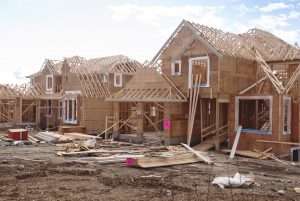 While the current tariff war is justifiably on the minds of many Americans, another type of import tax may be coming later this summer that could have a big impact on new home construction. …The US is preparing to raise duties on Canadian softwood lumber from 14.5% to 34.45%. …A final review of the levies will be published in August or September, with the rate increase taking effect then, according to the National Association of Home Builders. The NAHB has previously estimated that Trump’s tariffs could increase the cost of building a new home by $9,200. ….The proposal to more than double the tax would be a blow to Canadians, but it would also mean “driving up housing costs for Americans,” BC Premier David Eby said. …Some have praised the proposal, suggesting that it will give domestic lumber companies an opportunity to increase production, even if that means higher costs.
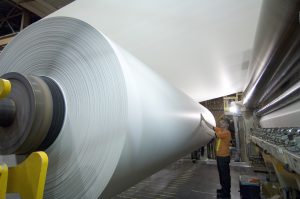 The Swedish Forest Industries Federation expresses concern over newly imposed US tariffs on pulp, paper, and board imports from the EU, which took effect on April 5 at 10% and are scheduled to double to 20% by April 2025. The federation emphasizes that free trade is critical to the Swedish forest industry, which is heavily export-oriented, with 5–10% of its exports directed to the United States. Europe remains its largest market, accounting for around 60%. …The federation’s CEO, Viveka Beckeman, highlights that the sector depends on international demand. While timber has been excluded from the latest round of tariffs, it remains under review in an ongoing US investigation that may lead to import duties as early as November 2025. The industry, which employs approximately 140,000 people in Sweden either directly or indirectly, represents 9–12% of the country’s industrial employment, export, turnover, and added value.
 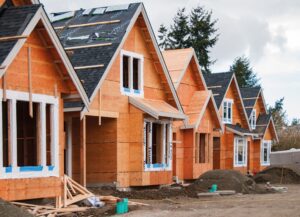 US trade wars could have major implications for an already tenuous housing market….A price hike on building materials will likely make building affordable housing feasible, an approach that many real estate experts believe is crucial to resolving the housing market gridlock. The housing sector comprises over 15% of the US GDP and will be heavily impacted by tariffs on building materials such as lumber and steel. And 70% of imported lumber comes from Canada. The NAHB noted that the tariffs are “not only expected to raise the cost of building materials, which are up 34% since December 2020, far higher than the rate of inflation, but also wreak havoc on the building material supply chain. In turn, this will put even more upward price pressure on building materials.” …Uncertainty stemming from the newly unveiled tariffs has eroded consumer and investor confidence, which has, in turn, diminished homebuyer optimism.
 US stocks opened lower Monday as markets around the world tumbled over concerns about how President Trump’s sweeping tariffs might upend the global economy and stymie US economic growth. Markets opened in bear market territory – a decline of 20% from a recent peak – after a historic rout in Asia and massive losses in Europe. The Dow fell 1,200 points, or 3.2%. The broader S&P 500 was 3.4% lower and opened in bear territory. The Nasdaq Composite slid 3.96%. The S&P 500 hit a record high less than seven weeks ago, on February 19. If the index closes in bear market territory, that would be the second-fastest peak-to-bear market shift in history. Wall Street’s fear gauge has surged to levels not seen since the Covid-19 pandemic as investors fret over the market’s next move. CNN’s Fear and Greed Index has slumped to its lowest levels this year.
 The stock market took another pounding Friday after China retaliated with new tariffs on U.S. goods, raising fears a trade war will tip the globe into a recession. The Dow Jones Industrial Average traded 1,130 points, or 2.8%. This follows a 1,679.39 point decline on Thursday. The S&P 500 slid 3.2% after the benchmark shed 4.84% on Thursday. The Nasdaq Composite shed 3.5% as many tech companies have exposure to China. …“The Trump administration may be playing a game of chicken with trading partners, but market participants aren’t willing to wait around for the results,” said Michael Arone, at State Street Global Advisors. “Investors are selling first and asking questions later.” Bank stocks tumbled in the premarket as worries of a U.S. economic slowdown grew. …The 10-year Treasury yield fell back below 4% Friday as investors flooded into bonds for safety. JPMorgan late Thursday raised the odds of a recession this year to 60% from 40%.
 Manufactured homes play a measurable role in the U.S. housing market by providing an affordable supply option for millions of households. According to the American Housing Survey, there are 7.2 million occupied manufactured homes in the U.S., representing 5.4% of total occupied housing and a source of affordable housing, in particular, for rural and lower income households. Often thought of as synonymous to “mobile homes” or “trailers”, manufactured homes are a specific type of factory-built housing that adheres to the U.S. Department of Housing and Urban Development’s Manufactured Home Construction and Safety Standards code. …The East South Central division (Alabama, Kentucky, Mississippi and Tennessee) have the highest concentration of manufactured homes, representing 9.3% of total occupied housing. The Mountain region follows with 8.5%, while the South Atlantic region holds 7.7%.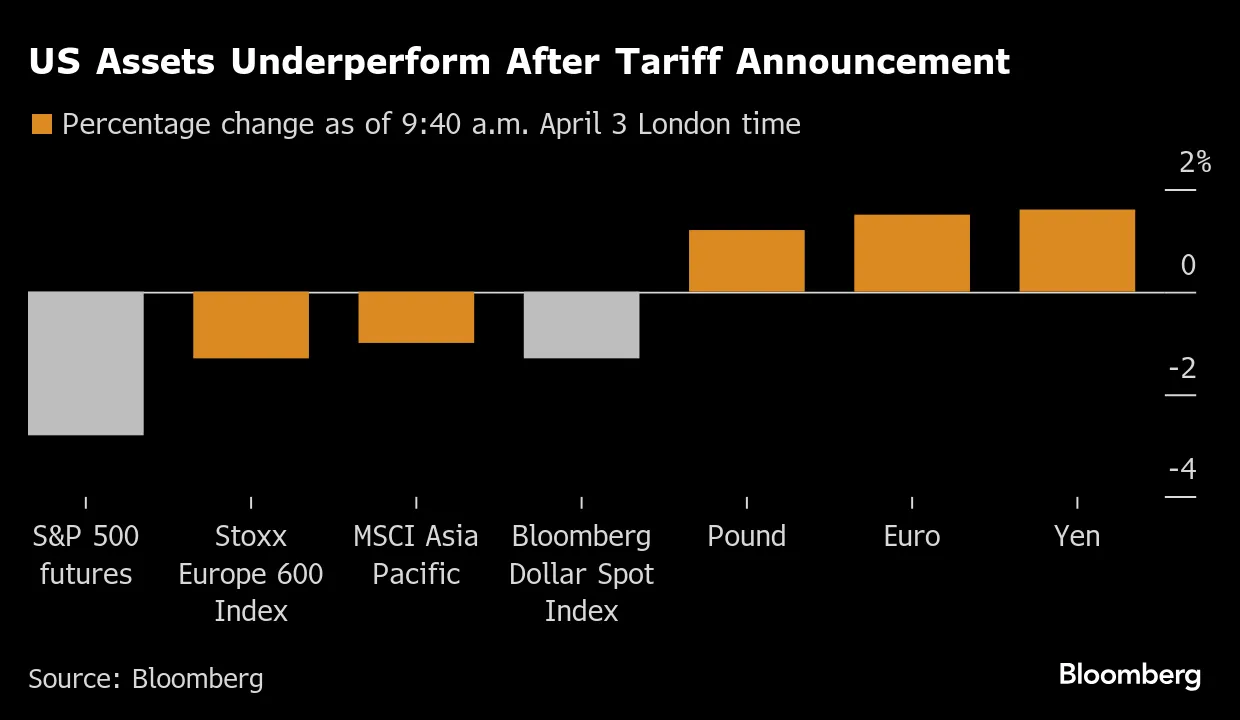


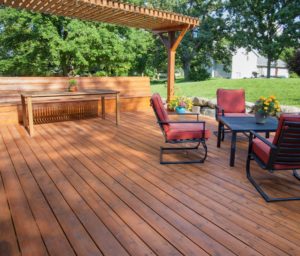 The Oregon Building Codes Division (BCD) has published its first permit-ready plan under the state’s updated Permit-Ready Plans Program. The building plans, available free to the public, are for a code-compliant residential deck. The Permit-Ready Plans Program creates an efficient pathway for the state to develop and make publicly accessible building plans that meet the requirements of the state building code. Plans are published to the BCD website. …The first plan published is a single-level, wood-framed, exterior deck attached to a building regulated by the Oregon Residential Specialty Code. BCD anticipates publishing more permit-ready plans for other residential accessory structures such as pole buildings, detached garages, patio covers, and carports later this year. The division will start developing plans for smaller detached dwelling units by the end of 2025.
 VANCOUVER, BC – Canfor Corporation and Canfor Pulp Products released their joint 2024 Sustainability Report today. The report describes the companies’ approach to managing environmental, social and governance activities, and reports on established targets. Canfor CEO Susan Yurkovich said, “Sustainability is at the forefront of our business and we continually strive to be better at all that we do.” 2024 performance highlights include: Maintaining certifications for sustainable forest management and fibre procurement activities, with 100% of Canfor-managed forests certified to SFI® or FSC® Forest Management Standards, 100% of sourced fibre in North American operations managed to the SFI Fibre Sourcing Standard and 100% of Swedish forestry operations certified to the PEFC Forest Management Standard. …Advancements in safety, health and wellness initiatives. …Investing in communities, with more than $2 million donated. …Continuing to pursue our goal to be net zero by 2050.

 FSC is extending the suspension of the Asia Pulp and Paper (APP) Memorandum of Understanding on the implementation of the FSC Remedy Framework until the end of June 2025. The extension of the suspension is due to a conflict of interest identified between Domtar and the law firm FSC identified for conducting the legal review of APP and Domtar’s corporate groups. FSC is identifying a different independent, third-party law firm to conduct this legal review. In January 2025, FSC suspended APP’s remedy MoU until the end of March 2025 because of the changes APP and Domtar announced regarding the concentration of sole beneficial ownership of the two corporate groups. FSC is commissioning a legal review of the corporate groups of Domtar and APP to better understand the implications and the effect of this change, and any impacts on the scope of the APP remedy process and the MoU. FSC disassociated from APP’s entire corporate group in 2007.
 KINGSPORT, Tennessee – The Domtar Packaging Mill in Kingsport has operated for decades, and residents have noticed one significant aspect of the mill that some believe has caused community strife: the smell. The Tennessee Department of Environment and Conservation (TDEC) is currently investigating three complaints about the odor from Domtar between March 31 and April 1. The TDEC said: “Although TDEC does not regulate odors, we do want to ensure that the facility is complying with its permit conditions.” …At the last Kingsport Economic Development Board meeting on April 1, Domtar updated the board on the wastewater treatment system plan. …The short-term plan involves reducing mill material losses and flow and optimizing the current wastewater treatment system. Domtar says this will last around a year. The long-term plan involves building a new anaerobic digester system. Domtar estimates that this project could take up to 18 months.