 Effective August 19th, the United States will apply new US tariffs of 50% on a range of BC forest products exports to the US. …While initial news coverage tended to make light of the trade action likely because of the likely symbolic inclusion of hockey sticks, the implications for BC’s already beleaguered forest products sector are serious. …I estimate that BC exported up to approximately $991 million of forest products potentially subject to Section 338 tariffs to the US in 2025. …The impacts of these new tariffs extend well beyond hockey sticks and are likely to be felt across a broad range of forest manufacturing segments. Major producers of veneer, LVL, plywood, MDF, paper products and furniture could be affected directly. However, the impacts may be felt further down the value chain.
Determining which US duties and tariffs applied to Canadian forest products has become increasingly complex. One major difference from previous tariff threats is that the new Section 338 tariffs apply to CUSMA-compliant products, that would otherwise qualify for tariff-free access to the US market. Products already covered by Section 232 are exempt from the new Section 338 measures. This includes Canadian logs and softwood lumber, which are currently subject to a 10% Section 232 tariff as well as upholstered furniture and kitchen cabinets and vanities, which currently face a 25% tariff that is scheduled to increase on January 1, 2027. There are also products that are not covered by Section 232 tariffs but are subject to softwood lumber antidumping (AD) and countervailing (CVD) duties, and which may also be captured by Section 338 tariffs, resulting in a potentially devastating cumulative burden.
For all manufacturer of the products listed, it’s the indirect exposures and the potential impact on downstream supply chains that is hard to assess. …Section 338 tariffs are yet another critical blow that could lead to lower harvesting, reduced manufacturing, and potentially additional curtailments or mill closures for small and large businesses.
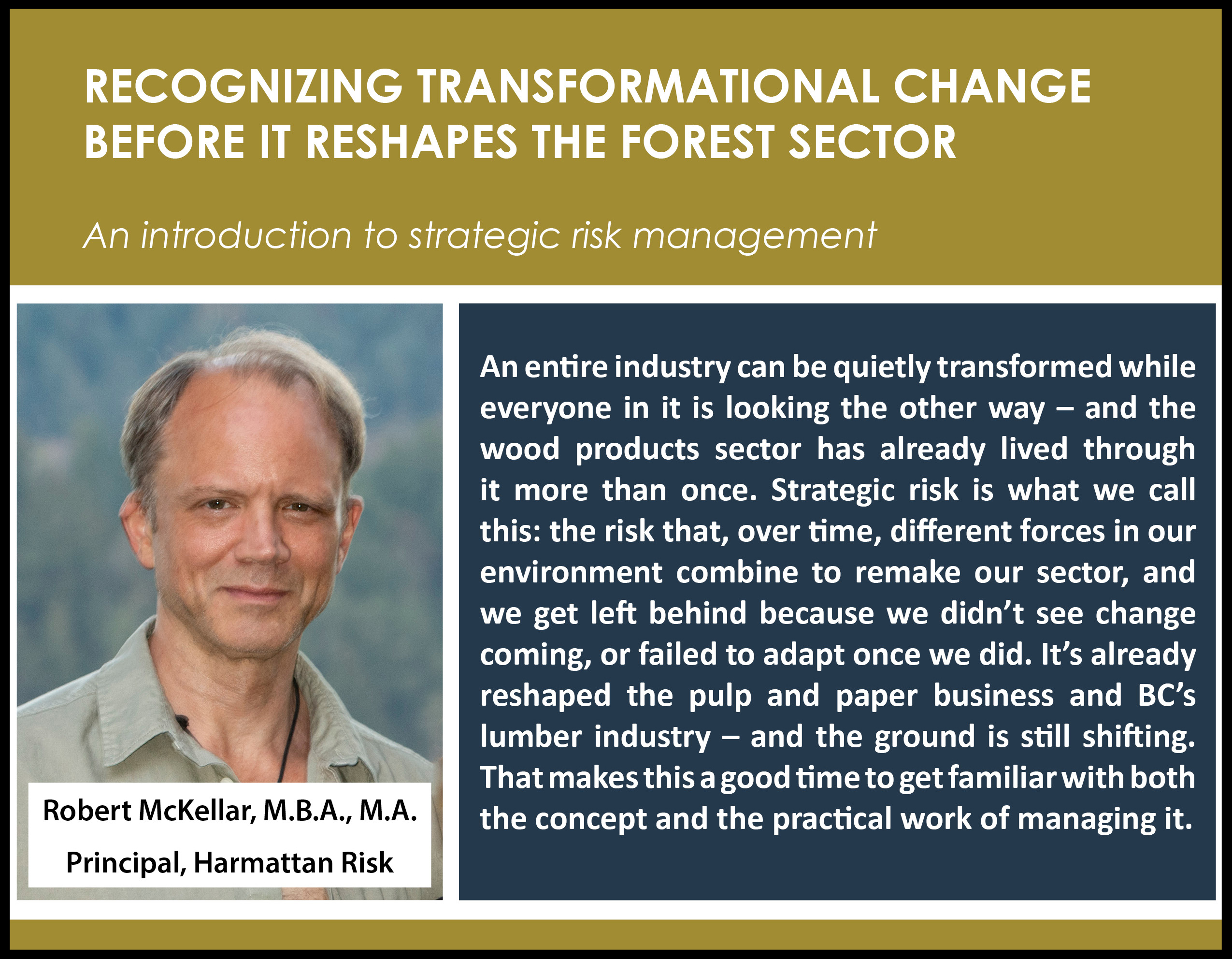
 Canada-U.S. trade talks are down to the wire this week as Ottawa tries to avert punitive new tariffs scheduled to be imposed by the Trump administration on Wednesday. …Five sources briefed on the discussions said Section 232 tariffs on autos and lumber remained the biggest points of contention. …On forestry, the US does not want to offer any reduction of Section 232 tariffs on the sector. Instead, the US has argued that Canada should wait for the results of a separate review by the US Department of Commerce that is expected to reduce a different set of tariffs on softwood lumber. …A different source said the best Canada could hope for is an agreement from the U.S. to discuss forestry tariffs further. BC’s forestry industry has been hit hard by the Trump policies because the Section 232 tariffs on lumber stack on top of pre-existing countervailing and anti-dumping tariffs. The B.C. Lumber Trade Council’s interim president, Kim Haakstad, said Sunday she is concerned that if the 232 tariffs stay in place, more mills could close. [to access the full story a Glove & Mail subscription is required]
 WASHINGTON, D.C. — Many Canadian exporters are facing the threat of 50% duties on their goods under Section 338 tariffs. …These firms may also need to increase their customs-bond coverage, which guarantees payment of duties and fees if an importer defaults, as higher tariffs increase the US government’s exposure. But trade lawyers and customs professionals say another change could affect far more Canadian exporters… an executive order that seeks to tighten US customs enforcement to crack down on trade fraud and shell importers that evade duties. “They’re going to a stricter importer regime … directing US authorities to strengthen the importer registration, bonding, disclosure, vetting, and enforcement,” said Martha Goncalves, at PwC Canada. …“The US trying to change the global trading system, and this is just part of their playbook,” she said. “Unfortunately, we get hit hardest because we have such a big footprint of Canadian exports going to the US”
 Canadian lumber company Interfor Corp. confirmed plans Friday to move corporate support functions to the United States from its Burnaby, BC headquarters. “We recently announced the transition of certain corporate support roles to our Peachtree City office in Georgia, where the majority of our operations are located within the Central, Eastern and Atlantic time zones,” Ian Fillinger, the company’s CEO, said on a conference call with analysts. “This change is intended to better align our support functions with the needs of our business while maintaining a strong corporate presence in both Canada and the United States.” …“This is not a redomiciling of the company, nor does it alter our longstanding commitment within our Canadian operations, mills, employees, or communities,” Fillinger said. “Our leadership team remains in place, and Burnaby will continue to play an important role as our corporate headquarters.” [A subscription to the National Post is required for full access]
 Canada and the US are discussing a prospective deal in which Ottawa would agree to a long list of Trump administration trade demands in exchange for some relief on sectoral tariffs. According to three sources, the two sides have discussed in-depth proposals and traded written bargaining positions but an agreement has not yet been reached. …Canada would concede on a range of trade issues that the US considers the biggest bilateral trade irritants, including autos, alcohol dairy. …In return, the US. would lower sectoral levies, known as Sec. 232 tariffs, on steel and aluminum, with Ottawa also pushing for relief on autos and forest products. Canada is also hoping to avoid Trump’s latest round of threatened tariffs, scheduled to take effect in less than two weeks’ time. …The deal under discussion would represent only the first phase of trade talks and is being described as an “interim deal.” [to access the full story a Globe and Mail subscription is required]
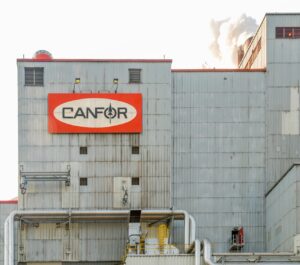 Prince George city council voted in favour of sending a letter to provincial Labour Minister Jennifer Whiteside at its Monday, Aug. 17 meeting to reinstate a program helping workers near retirement in the wake of the impending closure of the Northwood Pulp Mill. At the Monday, Aug. 10 meeting of the city’s Standing Committee, members discussed the imminent closure of the mill. During that committee meeting, the city’s manager of economic development, Deklan Corstanje, said that the last time a mill closed, workers were able to access a provincial program called Bridging to Retirement. Before the program stopped accepting applications on Feb. 26, 2025, it provided forestry worked aged 55 and older with funding to help facilitate an early retirement. …The committee ultimately passed a motion recommending that council approve Mayor Simon Yu sending a letter to Whiteside asking for the program’s restoration.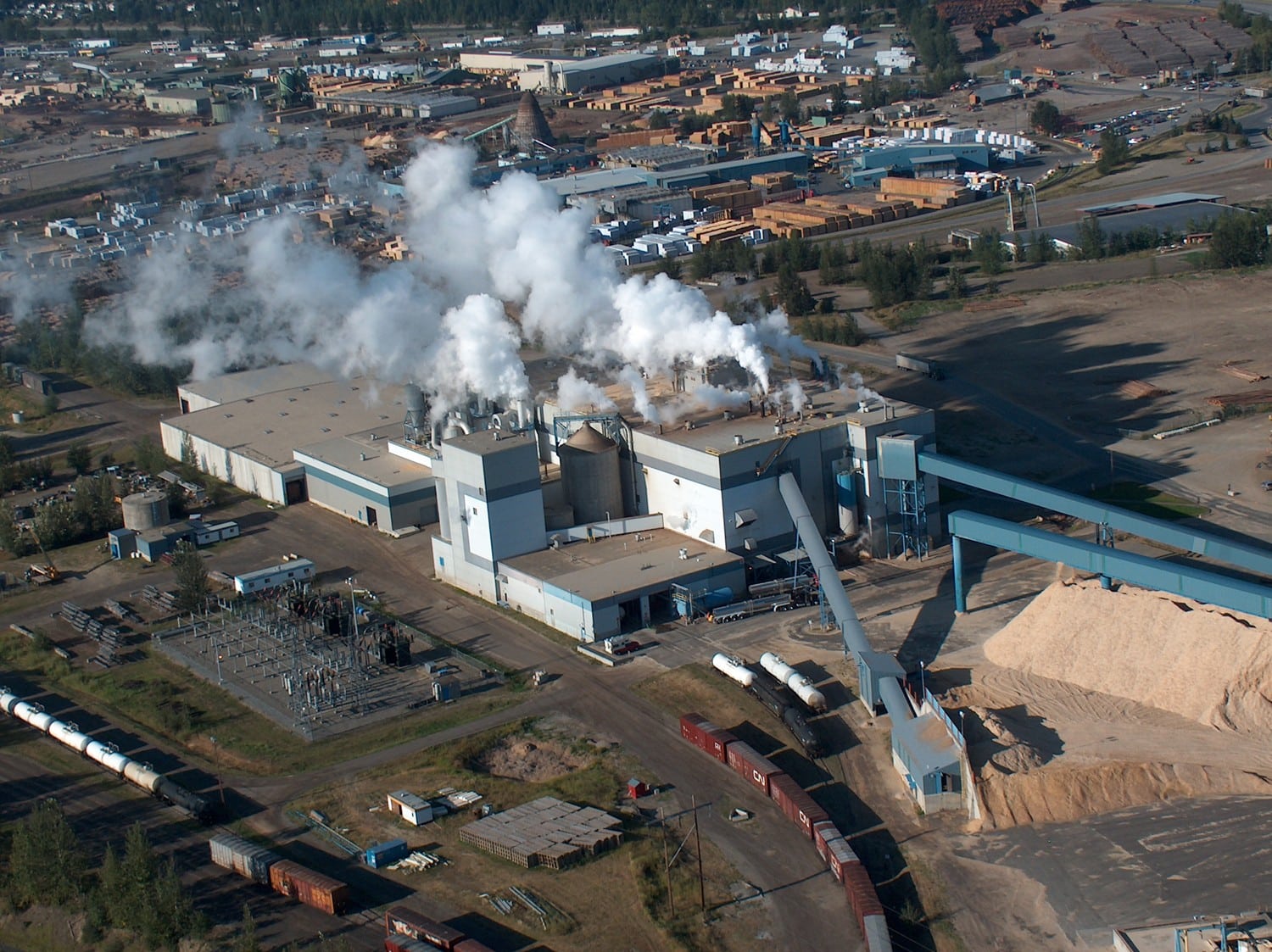


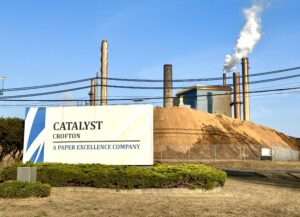 The Municipality of North Cowichan is asking the provincial government to help fund critical infrastructure projects it says are needed to support the redevelopment of the former Domtar pulp mill site in Crofton and future growth throughout the municipality. In a letter to Premier David Eby, Mayor Rob Douglas outlines several priorities related to the closure of the Crofton mill, including securing the community’s long-term drinking water supply, exploring the use of the site’s wastewater treatment facilities and investing in infrastructure needed to support industrial, commercial and residential development. Douglas said North Cowichan’s primary goal is to see the former mill property remain an industrial employment centre while restoring the stable industrial tax base the municipality relied on during the mill’s decades of operation. The Domtar pulp mill ceased operations earlier this year… prompting discussions about how the strategically located waterfront industrial property can be redeveloped for future growth.
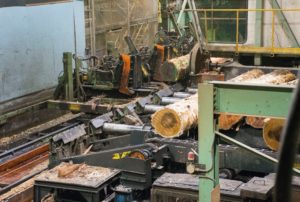 THUNDER BAY — Northern Ontario businesses are facing another period of trade uncertainty as United States President Donald Trump prepares to impose an additional 50 per cent tariff on a wide range of Canadian products. …For Northern Ontario, the greatest immediate concern is likely to be forestry, wood and paper products and smaller manufacturers selling into the U.S. market. …FedNor says 96% of Ontario’s forestry exports go to the United States. It also identifies 10 Northern Ontario communities where at least 20 per cent of community income is connected to forestry. Ontario’s forest sector supported more than 128,000 direct and indirect jobs provincewide in 2024. …The tariff schedules are product-specific and some forest products are already covered by other U.S. trade measures. …For Northern Ontario sawmills, paper producers and secondary wood manufacturers, the risk comes from both the tariff itself and the uncertainty surrounding it.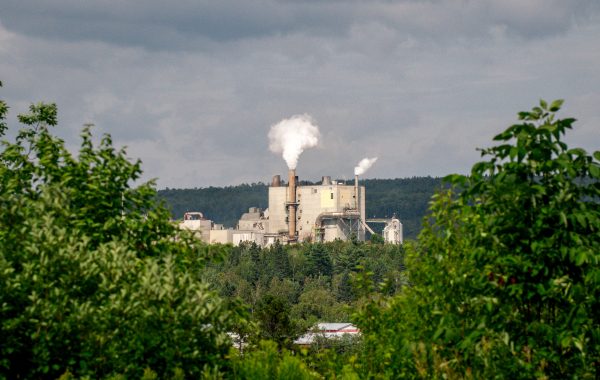
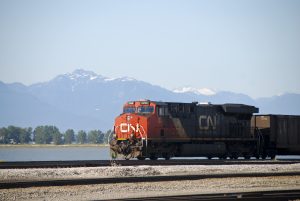 OTTAWA — Canada’s forest-products industry is urging the federal government to develop a forestry-specific approach to rail transportation costs and reliability, arguing that the sector faces different competitive pressures than steel and other heavy industries. …For Northwestern Ontario the issue is particularly significant. Mills are often located hundreds of kilometres from major markets, ports and border crossings, making reliable and competitively priced rail service critical to maintaining production and jobs. …According to FPAC, the average shipment of Canadian forest products travels roughly 1,200 kilometres over land…. amount to between $2 billion and $3 billion annually. For mills across Northwestern Ontario, transportation reliability can influence inventory levels, production schedules, export competitiveness and ultimately employment. …For Northwestern Ontario, the rail-cost debate comes at a time when the forest sector is already dealing with pressures from international trade, changing lumber markets, energy and labour costs and the need for continued investment in mills and equipment.

 COSMOPOLIS, Washington — The US Environmental Protection Agency [EPA], in coordination with the Washington State Department of Ecology, began a time-critical chemical removal action at the dormant Cosmo Specialty Fibers pulp mill in Cosmopolis, the EPA announced. The announcement states that for the past two years, the EPA and Department of Ecology have worked closely to assess conditions at the non-operational facility and identify actions needed to reduce potential risks to the community and the environment. More than 750,000 gallons of waste chemicals remain at the site, and the facility has accumulated more than $2 million in environmental fines. …Weyerhaeuser operated the mill until 2006, when production shut down. …In 2011 the mill resumed operation as Cosmo Specialty Fibers. The pulp mill had been in intermittent operation since 2011 and shut down in December 2022. UK-based Charlestown Investments and Richard Bassett acquired Cosmo Specialty Fibers in early 2023 with the intent of restarting the mill.



 A six-week production shutdown at Metsä Fibre’s large bioproduct mill in Kemi will temporarily reduce demand for pulpwood in northern Finland. At the same time, Stora Enso is considering closing the Veitsiluoto sawmill permanently. The announcements increase uncertainty for forest owners, logging contractors and transport companies, although they do not mean that the regional wood trade will come to a standstill. Metsä Fibre will suspend production at its Kemi bioproduct mill for six weeks during October and November 2026. The shutdown will allow the company to modernise the mill’s cooking system and will be coordinated with its regular annual maintenance outage. The unusually long stoppage is expected to reduce the mill’s immediate consumption of pulpwood. …The immediate consequences are likely to include softer demand and more complicated logistics during the autumn. This does not amount to a collapse of northern Finland’s wood market.

 Canadian northern bleached softwood kraft (NBSK) pulp has gone through a difficult cycle over the past three years. Following exceptionally strong prices after the pandemic, the market weakened as Chinese demand slowed, producer inventories grew and new hardwood pulp capacity came online in South America. …China remains the single most important external influence on Canadian pulp prices. As the world’s largest importer of market pulp, changes in Chinese inventories, paper production and economic growth quickly move global prices. Strong Chinese buying typically supports Canadian producers, while periods of inventory reduction or weak manufacturing place immediate downward pressure on pulp markets. …Recovered (recycled) fibre has become an increasingly important part of the industry. …The industry’s greatest challenge is increasingly on the supply side. …Over the next two to three years, the outlook for NBSK is cautiously positive. Unlike hardwood pulp, very little new softwood capacity is being built globally. [to access the full story, a Globe & Mail subscription is required]
 NEW YORK, NY — Mercer International reported second quarter 2026 Operating EBITDA of negative $21.0 million, a decrease from negative $20.9 million in the same quarter of 2025 and positive $7.8 million in the first quarter of 2026. In the second quarter of 2026, net loss was $76.0 million compared to $86.1 million in the same quarter of 2025 and $52.0 million in the first quarter of 2026. Mr. Juan Carlos Bueno, Chief Executive Officer, stated: “Our pulp sales realizations remained steady this quarter, as continued economic uncertainty delayed market recovery. Our second quarter results were also weighed down by rising European fiber costs, driven by regional supply shortages and intense competition for sawmill residuals from energy producers. As a result, we recognized a non-cash impairment of $29.0 million primarily against pulp and fiber inventory.
 VANCOUVER, BC — Conifex Timber reported results for the second quarter ended June 30, 2026. EBITDA was negative $6.3 million for the quarter compared to EBITDA of negative $7.7 million in the first quarter of 2026 and negative EBITDA of $3.2 million in the second quarter of 2025. Net loss was $9.5 million or the quarter versus a net loss of $9.4 million in the previous quarter and a net loss of $8.3 million in the second quarter of 2025. …Revenues from lumber products were $19.0 million in the second quarter of 2026, representing an increase of 27% from the previous quarter and a decrease of 31% from the second quarter of 2025. … Electricity production contributed revenues of $2.8 million in the second quarter of 2026, $5.2 million in the previous quarter, and $3.6 million in the second quarter of 2025.
 VANCOUVER, BC — Western Forest Products reported their second quarter, 2026 result. Q2, 2026 revenue was $239.6 million, compared to $201.5 million in Q1, 2026, and $289.1 million in the second quarter of 2025. …Adjusted EBITDA of $0.4 million in the second quarter of 2026, as compared to $0.5 million in the same period last year. Adjusted EBITDA in the second quarter of 2026 included a $2.3 million expense related to share-based compensation due to a 20% increase in the Company’s share price, compared to a $0.3 million expense in the same period last year. Net income was $10.5 million in the second quarter of 2026, as compared to a net loss of $17.4 million for the same period last year. Results in the second quarter of 2026 included a $31.3 million property insurance recovery from our Columbia Vista sawmill. …Both the North American Japanese lumber markets are expected to be relatively stable through most of the third quarter of 2026.

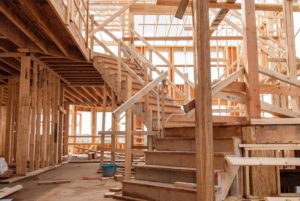 Americans who act as their own builder put wood framing into 96 per cent of the houses they finished in 2025, up from 93 per cent a year earlier, in a segment where concrete held 2 per cent. That is according to the United States Census Bureau, whose
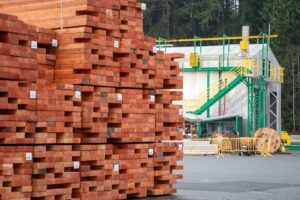 While North American softwood lumber consumption has declined in 2026, prices have remained surprisingly resilient due to constrained supply, reduced production, and persistent structural demand for housing despite ongoing affordability challenges. …On one hand, builders continue to face affordability concerns, elevated mortgage rates, and cautious consumers. On the other hand, lumber prices have generally strengthened throughout 2026, despite year-over-year declines in consumption. Here’s what the latest market indicators are telling us. …The U.S. housing market continues to balance between long-term demand for new homes and short-term economic pressures. …These trends suggest that, while housing demand hasn’t disappeared, the market is adapting to economic realities rather than expanding uniformly. …Although North American lumber consumption has declined year over year, production has also contracted. Reduced output across both the United States and Canada has helped keep supply relatively tight, supporting pricing across many lumber grades.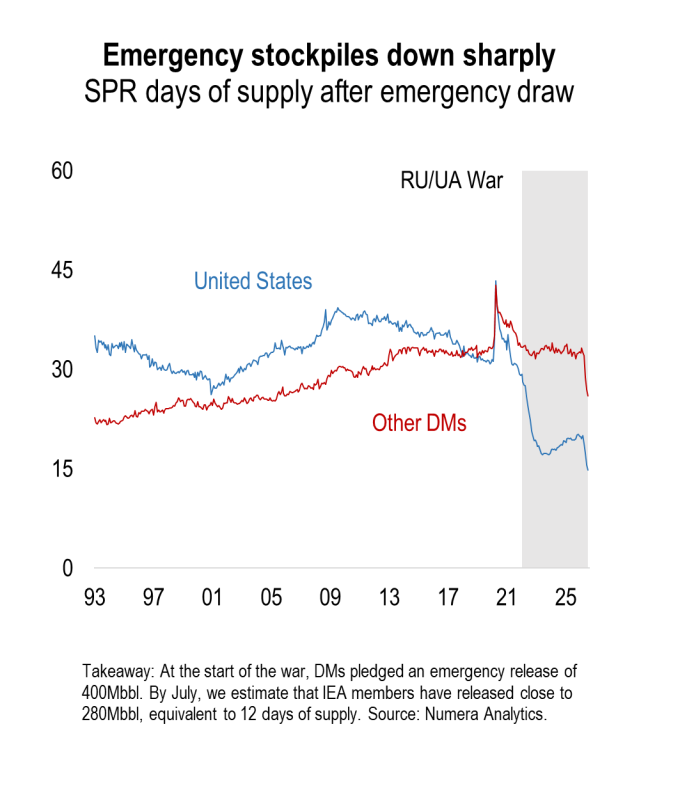




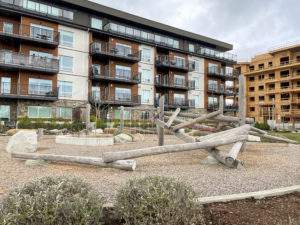 Urban conversations in North America often seem trapped between competing visions… between detached suburban development, low-scale missing middle housing, and high-rise intensification. An alternative lies in a form of urbanism that has shaped some of the world
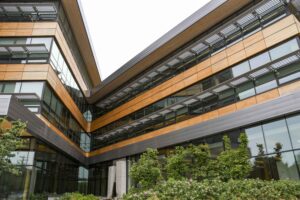 With interest from Big Tech and a new bill before Congress that would expand its use in federal projects, mass timber is on the cusp of a new era of growth. Relatively stable lumber prices that buck the broader trend of increasingly expensive construction inputs are meeting with greater levels of comfort around the material’s use to drive faster adoption after years of cautious incorporation. “There’s a more robust supply chain and we’re getting more experienced,” said Dean Lewis, director of mass timber and prefabrication for Skanska USA. “When you say, ‘I want to use mass timber,’ people aren’t like, ‘What is that?’ They want to know what you want to do with it. The conversation has changed.” Construction using mass timber is expected to grow to a $5.7B market by 2030, with annual growth rates topping 20% to 30%, according to Grand View Research data. [to access the full story a BISNOW subscription is required]
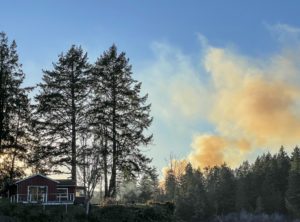 Washington has been developing new wildfire safety regulations for several years, including building codes for homes constructed in risky areas and rules for managing plants and vegetation. But restrictions that affect people’s homes and gardens can be unpopular. After public pushback, state legislators backtracked and repealed some of the requirements. Other Western states have also struggled to pass wildfire regulations affecting homeowners’ properties. …Understanding wildfire risk can be challenging in many Western states. For floods, the federal government releases national maps showing which places are at risk of inundation. Wildfire mapping is left to the states, which involves using complex computer models to determine the chances of a fire based on vegetation, terrain and fire behavior. …Washington state officials say the new wildfire maps will be released in December. …Oregon faced similar pushback while developing its wildfire regulations. …Building codes for housing in wildfire-prone areas were pioneered by California.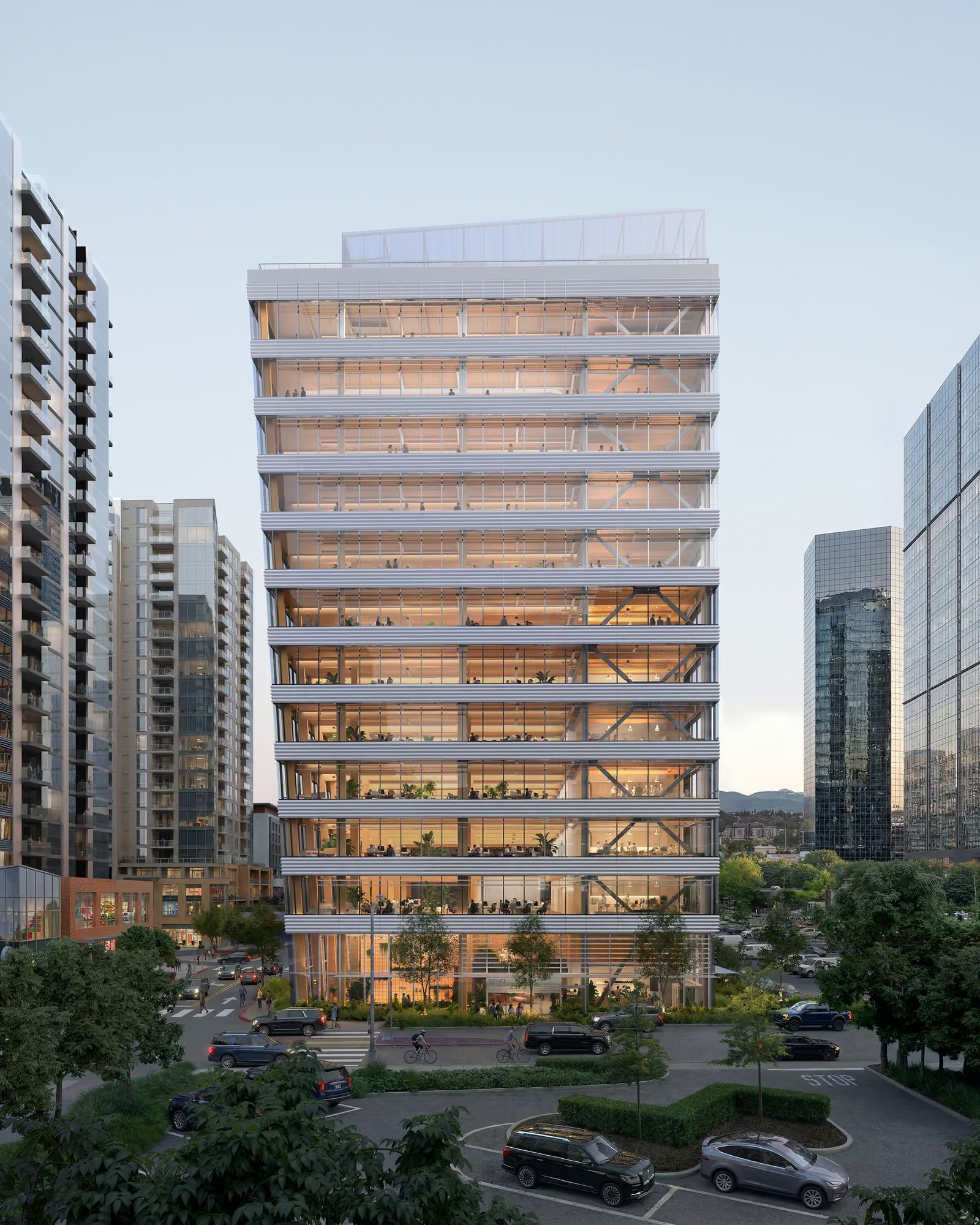
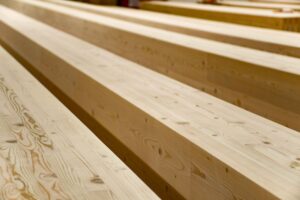 NORTH DAKOTA — Eric Hoffer, senior project manager at JLG Architects in Bismarck, North Dakota, says mass timber projects are surging due to updated building codes, regional supply chain advantages and a growing focus on embodied carbon — the emissions from manufacturing and transport. Despite accounting for fewer than 1% of national building projects, mass timber is one of sustainable architecture’s fastest-growing trends, with roughly 20% annual growth. “Mass timber sequesters carbon, which then acts as a carbon sink,” Hoffer explained. …The growth of mass timber construction, including cross-laminated timber (CLT) and glue-laminated timber (glulam), continues to gain momentum. Project owners are choosing mass timber for a number of reasons, including lower embodied carbon than conventional concrete and steel, faster prefabricated construction, and the warm, natural interior aesthetics it provides. …Some examples of mass timber projects in the region include the Wurth Elektronik Headquarters expansion in Watertown, South Dakota, completed this spring.

 The EU has introduced new rules targeting packaging waste and “forever chemicals.” Although the changes will be phased in slowly, some small sellers have already paused shipments due to the additional red tape. In a drive to cut waste and improve public health, new

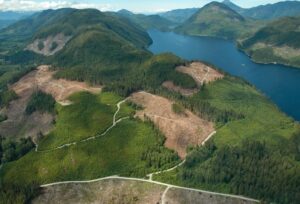 BC’s government is contemplating carving the province into three zones to “provide greater clarity” to the timber industry, and discussions have so far left out First Nations. The zoning plan is outlined in an email sent in early July to public servants in the Ministry of Forests and the Ministry of Water, Land and Resource Stewardship. “The concept will consider three zones: commercial forestry, multiple-use and conservation and protection,” the leaked email reads, adding the zones will “provide greater clarity to achieve both investment stability and community economic benefits, and biodiversity and ecosystem stewardship goals for the land base.” The email provides no detail on how much forest might ultimately be placed in each of the zones, leaving open questions about just what impact the proposed plan would have on everything from at-risk species to rural and First Nations communities, and a logging industry that has been on a sharp downward spiral for years.
 New documents show that more than 300,000 acres of land could be transferred to Vancouver Island First Nations, which are currently finalizing treaties. Approximately 30 parcels of Crown land would be given to five First Nations, which are located from Parksville to Victoria. The list includes Hatley Castle, Royal Roads University, waterfront in Victoria, property next to the legislature, Discovery Island Provincial Park and Sooke Mountain Provincial Park. “This is a betrayal of our core democracy here in British Columbia,” Conservative leader Kerry-Lynne Findlay said. …Lawyer Geoffrey Moyse spent decades advising the province on Aboriginal law. “There was no requirement to renegotiate the Douglas Treaties, so I think this was a political decision,” he said. Some concerns state that transferred lands would essentially become private property with no legal requirement to preserve public access or adhere to existing zoning.
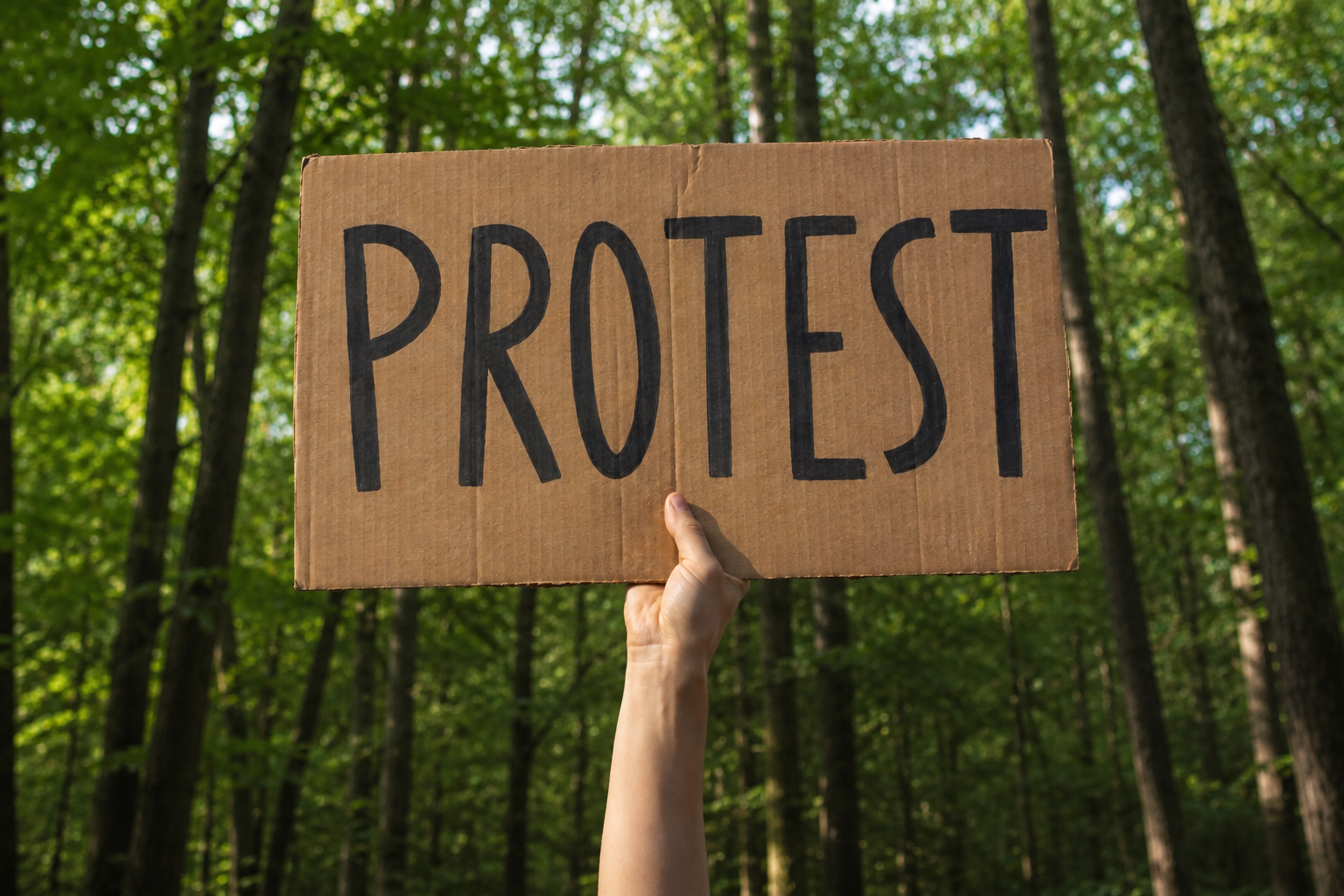 A group of protesters gathered outside B.C. Forests Minister Ravi Parmar’s Langford office Sunday, accusing the provincial government of failing to live up to its commitments to protect old-growth forests. The demonstrators say the province is moving in the wrong direction on old-growth protection and pointed to an increase in old-growth timber being offered through BC Timber Sales. …The protest comes amid an ongoing debate over the future of B.C.’s forestry industry, as the province attempts to balance old-growth protection, First Nations rights and the economic importance of forestry. …The province has previously maintained it is working to protect at-risk old-growth forests while supporting forestry-dependent communities and maintaining a viable industry. …The dispute comes as B.C.’s forestry sector faces significant economic challenges. According to the BC Council of Forest Industries, 21 lumber mills have closed permanently or indefinitely since 2023.
 The northern spotted owl is in trouble—per usual. This vanishingly rare subspecies of spotted owl earned its iconic status in the late ’80s and early ’90s, during the height of the Timber Wars in the Pacific Northwest. For forest defenders, the spotted owl is a sacred totem. For loggers, it’s been a pest. In 1990, federal officials reclassified the raptor as a threatened species, and greens won the Timber Wars with the establishment of the Clinton-era Northwest Forest Plan. The spotted owl left the trees standing—yet the number of spotted owls continued to decline. The culprit? The barred owl. …Today, just 15,000 spotted owls remain across North America; in comparison, there are some 3.5 million barred owls. So officials with the US Fish and Wildlife Service have come up with a bold plan to help the spotted owls: Shoot the barred owls.
 Today, many Washingtonians may be unaware that a looming federal policy change could have major consequences for the availability, quality and cost of the freshwater they rely on daily. …In August 2025, the U.S. Department of Agriculture officially launched a process to rescind the Roadless Area Conservation Rule. Implemented in 2001, the Rule designated special areas across nearly 60 million acres of forests within the National Forest System. …The Rule reflects scientific evidence that extensive logging and road building contributed to widespread loss and fragmentation of habitat for wildlife and salmon, and degraded water quality for downstream communities. Just how important are roadless areas in national forests? To answer this question, we conducted the science and
 The soupy, toxic fog that hung over Seattle and the Puget Sound region last week was a constant reminder of the wildfires raging across Eastern Washington. It can feel insufferable and inevitable — that the fires will burn, increasingly in every corner of the state, as the years become hotter and drier. But rather than resigning ourselves to this fate, the smoky skies should reinforce a call to action, for every Washingtonian. The wildfires that consumed neighborhoods in Spokane and enveloped forests in Chelan and elsewhere have a kind of performance-enhancing drug feeding their flames: climate change. As a society, we can choose to deny this reality, but it does little good to do so. The forecast each year will continue to be tinderbox-like conditions. We must do all we can to prepare for it. …Inaction will lead to devastation. Facing this growing risk is the only option. [to access the full story a Seattle Times subscription is required]
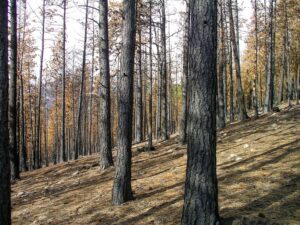 FRANCE — The megafire in Gironde, southwest France, has been “contained” since July 30, but foresters are still prohibited from entering the heart of their plots that were ravaged by the flames. It is too dangerous: With lingering smoke and a still-hot ground, the passage of a vehicle could rekindle the embers. As with the nearby fire in Landiras in 2022, they will probably have to wait for the fall rains before the fire can be officially declared extinguished. A race against time will then begin to fell all the burned trees as quickly as possible before the appearance of the destructive bark beetle and in the hope of selling the timber for the best possible price, depending on the extent of the burn. …The most damaged parts could be turned into heating pellets, while the preserved sections could be used for pallets, the paper industry or as timber. [to access the full story a Le Monde subscription is required]
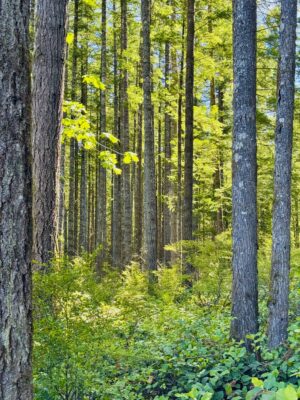 Europe’s forests are losing more biomass than previously thought, with disturbances such as drought and pests causing increasingly large losses from some of the oldest forests in Europe. This situation has deteriorated markedly since 2018. These are the findings of a
 The European Union Deforestation Regulation has been postponed, amended and simplified since it came about in 2023, yet the central compliance challenge confronting wood pellet producers has barely changed. Producers shipping into the European Union will need to demonstrate that their fiber is legal and deforestation-free, identify the plots where the wood was harvested and preserve the connection between those plots and the finished product. That requirement reaches beyond conventional sustainability certification and deep into supplier networks that were not designed to provide plot-level information. …The delay has given the industry a longer runway, but the remaining work lies at the hardest end of the supply chain: beyond the pellet plant, beyond direct suppliers and back to the land itself. Producers that can make that connection auditable will enter the next phase with more than a completed due diligence statement; they will possess a clearer view of the fiber networks on which their businesses depend.
 The contiguous United States sizzled to its hottest month ever last month, according to the National Oceanic and Atmospheric Administration. July averaged 76.89 degrees Fahrenheit across the Lower 48 states, eclipsing the Dust Bowl’s July 1936 by an eighth of a degree. Records go back to 1895 “It’s not good when you’re breaking records from the Dust Bowl,” said meteorologist Jeff Masters of Yale Climate Connections. …The heat was so widespread that every one of the Lower 48 states was at least 1 degree Fahrenheit warmer than the 20th century average, said Russ Vose, chief of monitoring at NOAA. …What’s happening now is due to the burning of coal, oil and gas, scientists said. “Extremely high temperatures across the continental U.S. this summer, along with intense drought and fire conditions, are absolutely consistent with the climate change signal,’ said Katharine Jacobs, a climate scientist at the University of Arizona.
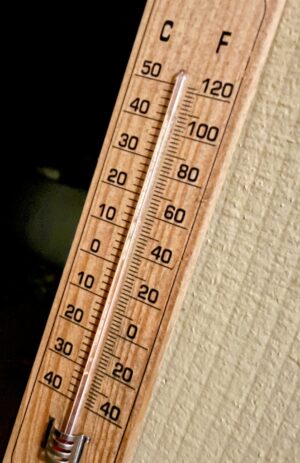 Another round of intense heat is expected to sweep across large swaths of Europe this week, following a record-breaking start to the summer in Western Europe. Forecasters warned that rapidly rising temperatures, combined with persistently bone-dry conditions, could worsen the severe threat of wildfires. The latest heat wave will be Europe’s fifth since May, as a broad area of high pressure — also known as a heat dome — intensifies across the continent. The new heat wave comes after Western Europe recorded its hottest June to July period on record, according to Copernicus, the European Union’s climate monitoring service. The average temperature across the region during the two-month period was 21.62 degrees Celsius (70.92 degrees Fahrenheit), 2.79 degrees Celsius (5.02 degrees Fahrenheit) above average, which surpassed the previous record set in 2022. The most extreme heat is expected initially across parts of France, Spain and Italy before shifting toward Central Europe. [to access the full story a NY Times subscription is required]
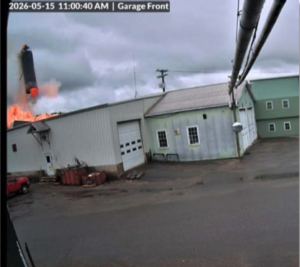 SEARSMONT, Maine — Two volunteer firefighters died and 11 others were injured after an oxygen-limiting silo exploded during a fire at a Maine lumber mill. The 20-by-60-foot silo contained kiln-dried wood shavings and residual sawdust. Neither facility employees nor responding firefighters recognized that the silo was oxygen-limiting or that its contents posed a combustible dust explosion hazard. Crews directed water through an opening into the silo’s base for more than 30 minutes. At approximately 11 a.m., firefighters heard a “whoosh” as smoke rapidly vented from the top, and the silo launched into the air as fire erupted below it. NIOSH’s investigation highlights the need for hazard-specific preplans, disciplined accountability and tactics designed for oxygen-limiting silos. Recommendations for fire departments include:
 Evacuation orders are in place across parts of the Western U.S. and Southwest Canada as extremely hot and dry conditions fuel the spread of wildfires in the region. There were 183 new fires, including eight large ones, across the U.S. since Saturday, the National Interagency Fire Center reported on Sunday. More than 30,000 personnel with over 640 crews were assigned to the fires. Firefighters were battling more than 94 large fires across the country, the agency also said. …Two pilots died on Friday after their helicopter crashed while battling the Widemouth 2 Fire in Fishlake National Forest, the U.S. Forest Service confirmed Sunday. …In Oregon, a bulldozer operator identified by officials as Jason Ensign, died battling the Wrights Spring Fire, which has spread over 33,000 acres and was 0% contained as of Sunday afternoon. …In Canada, there were more than 100 active wildfires in the British Columbia. …A
  SUMMERLAND, BC — Kyla Gaudiuso says she found out her home in Faulder, BC, had been destroyed when she received a photo of the ridge where it once stood. The community west of Summerland was one of the first areas overrun by the Bald Range wildfire that has claimed one life and forced more than 20,000 residents around Okanagan Lake to flee. RCMP say an 80-year-old woman died because of the fire as she tried to escape her home in Meadow Valley, west of Summerland, over the weekend. The British Columbia government on Saturday declared a provincial state of emergency and says property losses are significant, though details are scant. …The BC Wildfire Service says the fire is about 136 square kilometres as it burns out of control on the outskirts of Summerland, a community of 12,000 people that has been ordered evacuated. About 10,000 homes are under evacuation order in the Summerland and Peachland area.