 OTTAWA — Prime Minister Carney said Canada’s tone toward the US is already “quite firm” and insisted trade negotiations with Washington remain “constructive” as an Aug. 19 deadline for new U.S. tariffs draws near. US President Trump has threatened to impose new 50% tariffs on a wide range of Canadian imports beginning Aug. 19. “We have time. We have real negotiations, constructive negotiations on several issues,” Carney said. The prime minister was asked whether Canada should change its strategy or adopt a tougher stance toward the Trump administration.Carney suggested now is not the time to shift course. He noted that Canada’s minister responsible for Canada-US trade, Dominic LeBlanc, is in Washington alongside Canada’s chief trade negotiator Janice Charette for a series of meetings aimed at advancing the talks. …Asked Wednesday about the possibility of export quotas, Carney declined to comment.
Related coverage by:
- Eric Van Rythoven in the Conversation: Trump’s ‘art of the deal’ means reneging on them. That’s why Canada cannot capitulate
- Ariel Rabinovitch in Global News: Tariffs led to price changes for majority of Canadian businesses: KPMG poll
 Canada is imposing a temporary tariff on imports of some wood products as Ottawa awaits the findings of a probe into possible harmful practices in the global market. The federal government said in a news release that Canada will impose a 25% surtax on certain wood cabinets and vanities starting Friday. Those tariffs will be in place for a maximum of 200 days while the Canadian International Trade Tribunal investigates whether increased imports of those goods are threatening to harm Canada’s domestic producers. Wood cabinets and vanities manufactured in the United States, Mexico, Israel, Chile and developing nations will be exempt from the tariffs. The federal government said that’s in keeping with Canada’s international trade obligations. …Finance Minister François-Philippe Champagne asked for the Canadian International Trade Tribunal inquiry back in April at the request of the Canadian Wood Products Alliance. The tribunal is expected to report its findings by Jan. 15, 2027.

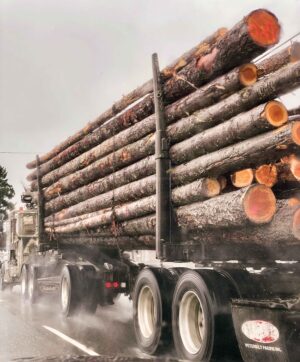 VALEMOUNT, BC — The Valemount Industrial Park sawmill may be only weeks away from exhausting its remaining log supply, raising the prospect of another curtailment and further layoffs unless additional fibre can be secured. The issue at hand is that there are no new logging contracts for the mill. During a lengthy and at times tense board discussion on July 29th, members were told the mill had approximately 15 to 20 operating days of logs left. …The looming end of the log supply means the board may soon face a decision larger than how to measure the mill’s performance. Without a new source of fibre, the board will have to determine whether to curtail operations, reduce costs and wait for market conditions to change, or continue trying to keep the mill operating with help from Industrial Park lease revenue.

 PRINCE GEORGE, BC — Standing in the pouring rain in front of Canfor’s Northwood Pulp Mill in Prince George, provincial and federal opposition members called on their respective levels of government to do more to assist BC and Canada’s struggling forestry industry. …Tamara Jansen, the Conservative MP for Cloverdale-Langley City, said that the closure announcement isn’t isolated. “And many people genuinely believed that things were going to change”. …Jansen called on the federal government to reduce red tape, eliminate the industrial carbon tax that remains in place after the consumer version was repealed and change other factors preventing Canadian industries like the pulp sector from being competitive. …Bob Zimmer, Conservative MP for Prince George-Peace River-Northern Rockies, said… even though trade tensions between Canada and the US have escalated, the problem has gone on since the federal Liberals took power in 2015 and have failed to secure an agreement.
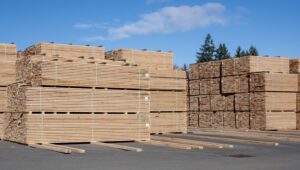 President Trump has made housing affordability a defining commitment of his second term by moving aggressively to build more housing. …If these efforts succeed, America could see its fastest expansion in homebuilding in decades. But a significant blind spot remains. For decades, the US has imposed import tariffs on Canadian softwood lumber, constraining supply, and raising prices. …The solution is not complicated, and it is already within reach: Use the bilateral trade talks that the USMCA review has set in motion to finally resolve the US-Canada softwood lumber dispute. ..For Trump, resolving this dispute is a two-for-one win. It would secure concessions that Canada was unwilling to give during his first term, and helps the White House reduce the cost to build a home. …As conservatives, it is imperative that we demonstrate that our policy agendas materially benefit American workers. The USMCA talks remain the fastest path to making it happen.
 More than two dozen US states filed a lawsuit Monday seeking to strike down President Trump’s tariffs on 60 trading partners — including Canada — over forced labour concerns, arguing he exceeded his authority. The tariffs were announced last month under Section 301 of the U.S. Trade Act of 1974. …But the lawsuit, filed by Oregon and 24 other Democrat-led states in the U.S. Court of International Trade in New York, argues the tariffs are simply meant to replace Trump’s previous temporary 10% global tariff that expired just as the new duties were announced. The timing “confirms that the tariff action is pretextual, arbitrary, capricious, and contrary to Section 301’s statutorily constrained purpose,” the statement of claim says. …The tariff action merely attempts to continue the president’s blanket global tariff policy, and the attempt ‘to obtain the elimination’ of forced labor in trading partners’ supply chains is pretextual, it is unlawful,” the court document says.


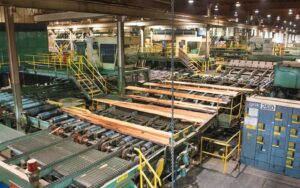 COWICHAN BAY, BC — Western Forest Products has announced the extension of their Cowichan Bay Sawmill curtailment until the fall. The move leaves 54 employees without work, said Brian Butler, president of United Steelworkers Local 1-1937. The Cowichan Bay workers join the 120 workers from the Chemainus Sawmill, who have been curtailed indefinitely since June 2025. “Beyond what WFP has advised about the Cowichan Bay Sawmill curtailment lasting through September, we have no information beyond that,” Butler noted. …“It remains a very difficult period of time for our members in these operations,” Butler said. …WFP spokesperson Kelly Marion said the Cowichan Bay mill closure is “in response to persistently weak market conditions.” She added that the company is continuing “to work to mitigate the impact on employees by providing work opportunities at our other operations where possible.”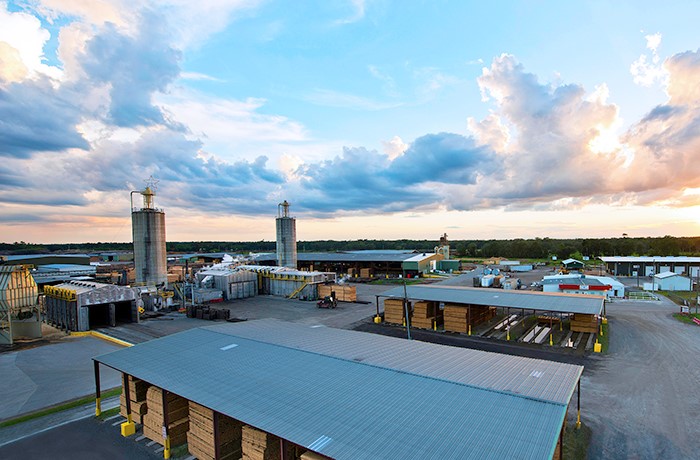

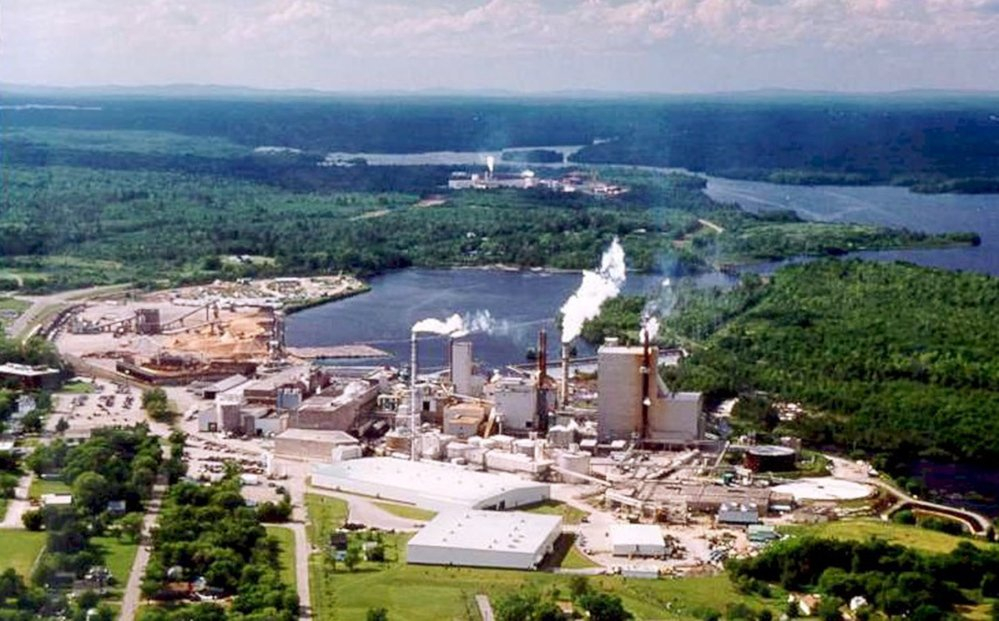
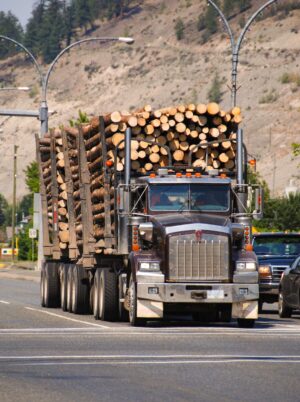 President Trump has opened a new front in the US-Canada trade war. …But not on softwood lumber. Like other goods already subject to Section 232 tariffs, softwood got a pass. That exemption is more revealing than the tariffs themselves — and it points toward a deal that has eluded both countries for four decades. The US imports about a third of the lumber it consumes, and Canada supplies roughly four-fifths of those imports. …American mills are already running at roughly two-thirds of capacity, and output has been flat for years — tariff protection has not built the industry it was meant to build. …Four decades of duties changed the supplier, not the dependence. …The 2006 Softwood Lumber Agreement supplies the model: export charges or volume restraints that stabilize trade without either government surrendering its legal position. A modern version should go further… creating faster dispute resolution before disagreements spiral into another decade of litigation.


 The United States’ share of Canada’s softwood lumber exports fell by 1 percentage point to 89% in January-June 2026. Canada exported 13.2 million m3, down 12%, while export value fell 26% to $2.45 billion and the average price declined 16% to $186 per m3. …Shipments to the US fell 13% to 11.7 million m3, a reduction of 1.73 million m3 from a year earlier. Export value dropped 29% to $2.02 billion, and the average price fell 18% to $172 per m3. The listed destinations with higher shipments added 77 thousand m3, equal to about 4% of the US shortfall. Declines in Japan, the Philippines, Germany and the remaining destinations totaled 128 thousand m3, leaving total non-U.S. exports down 51 thousand m3, or 3%, at 1.50 million m3. China remained Canada’s second-largest market with a 4% share. Shipments rose 3% to 525 thousand m3. Japan ranked third with a 3% share, but shipments fell 19% to 373 thousand m3. Taiwan accounted for 1.4%, the Philippines retained a 0.8% share, Mexico rose to 49 thousand m3,Germany received 33 thousand m3.
 BURNABY, BC — Interfor reported its second quarter of 2026 results. The company recorded net earnings in Q2’26 of $1.0 million, compared to a net loss of $63.3 million, and net earnings of $11.1 million in Q2’25. Adjusted EBITDA was $92.3 million on sales of $804.4 million in Q2’26 versus $30.7 million on sales of $643.2 million in Q1’26 and Adjusted EBITDA of $17.2 million on sales of $780.5 million in Q2’25. ….Lumber production of 927 million board feet was up 71 million board feet versus the preceding quarter driven primarily by the ramp up of the recently rebuilt Thomaston, GA sawmill. …The Company is well positioned to navigate this volatility with a diversified product mix in Canada and the US, with approximately 65% of its total lumber produced and sold within the US Ultimately, only about 20% of the Company’s total lumber production is exported from Canada to the U.S. and exposed to duties, tariffs or other potential trade measures.
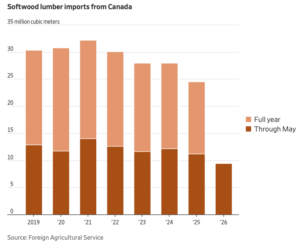 Home sales are slumping, renovation spending is losing steam and yet lumber prices have risen this summer to their highest level in four years. Back in 2022, the price of two-by-fours was falling back to earth after a record-setting spike during Covid. …This time around, reduced supply rather than unyielding demand has driven lumber prices higher. Imports are down due to steep duties on Canadian boards and President Trump’s 10% softwood lumber tariff. Meanwhile, low prices last year prompted sawmill curtailments and closures from BC to northern Florida. …Home builders… say the run-up in prices has become a headwind and will filter through to the cost of houses. Yet lumber futures, which are down about 12% from their high in late July, suggest that wood prices may have peaked for this year. …“I don’t anticipate that those mills that have been shut down are going to come back,” said Weyerhaeuser CEO Devin Stockfish. [to access the full story a WSJ subscription is required]
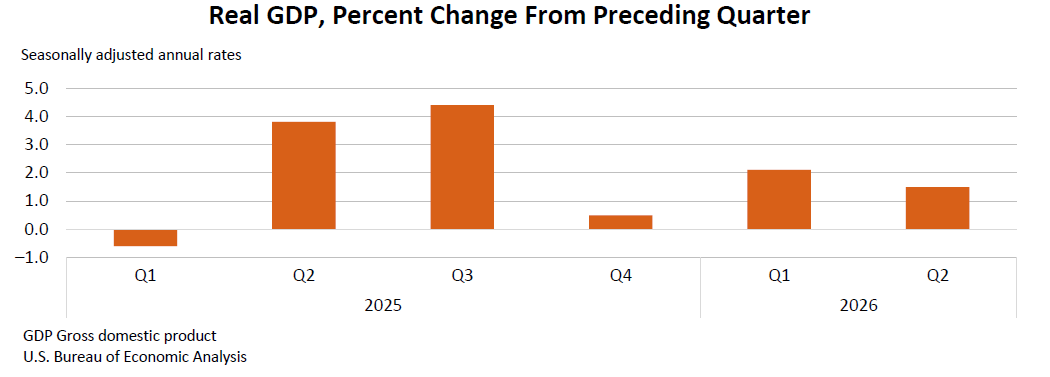
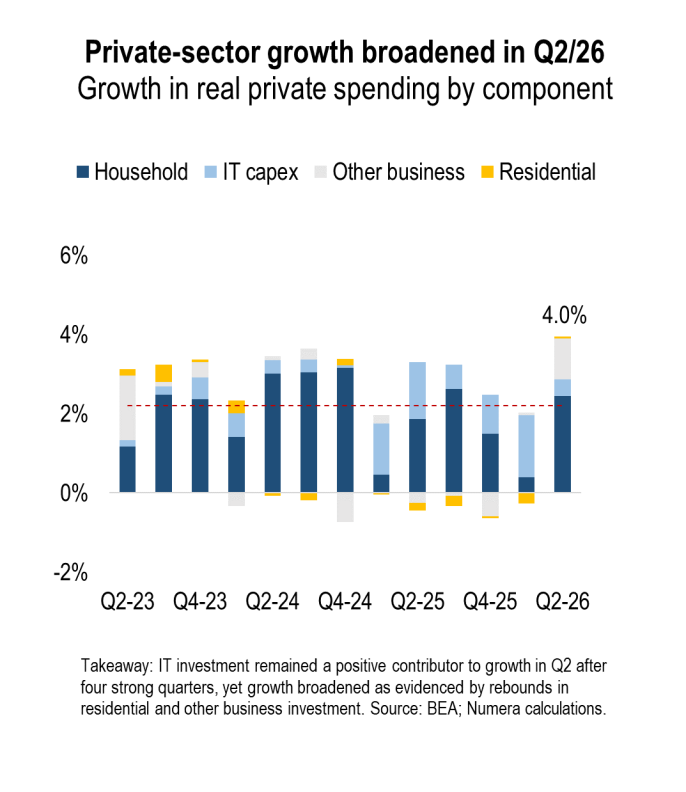
 Canada’s economy showed signs of growth in the second quarter of 2026, but uncertainty from U.S. trade policies and the war in Iran means monetary policy must remain nimble, the Bank of Canada’s governing council said during deliberations preceding its July 15 interest rate decision. A summary of deliberations that led to the council’s decision to hold interest rates steady at 2.25 per cent shows that members discussed Canada’s sluggish economy. Gross domestic product had not grown between the first quarter of 2025 and the first quarter of 2026, members said, and the heightened uncertainty around tariffs and the Canada–U.S.–Mexico (CUSMA) agreement had kept the economy in excess supply. However, members noted recent indicators that showed the economy was recovering in the second quarter of 2026 after it adjusted to the U.S. tariffs and geopolitical turbulence, and the growth was broadening instead of relying on strong consumer and government spending.
 VANCOUVER, BC — West Fraser Timber reported the second quarter results of 2026. Second quarter sales were $1.434 billion, compared to $1.334 billion in the first quarter of 2026. Second quarter earnings were $(61) million, compared to earnings of $(188) million in the first quarter of 2026. Second quarter Adjusted EBITDA was $59 million compared to $(66) million in the first quarter of 2026. Other highlights include: Lumber segment Adjusted EBITDA of $41 million, including a $13 million favourable in-year duties adjustment; North America Engineered Wood Products segment Adjusted EBITDA of $13 million; Europe Engineered Wood Products segment Adjusted EBITDA1 of $13 million; and Other Operating Segments Adjusted EBITDA of $(8) million, due largely to maintenance at our Cariboo pulp facility. …”West Fraser’s second quarter results delivered continued progress against our business priorities supported by improved market conditions,” said Sean McLaren, West Fraser’s CEO….Based on our current outlook… capital expenditures for 2026 are expected to remain within the $300 million to $350 million range.
 VANCOUVER, BC — Canfor reported its second quarter of 2026 results. Second quarter sales were $1.526 billion, compared to $1.359 billion in the first quarter of 2026. Second quarter earnings were $(18.5) million, compared to earnings of $(72.1) million in the first quarter of 2026. For the lumber segment, operating income was $41.2 million compared to the previous quarter’s operating loss of $43.7 million. …For the pulp and paper segment, the operating loss was $23.1 million compared to an operating loss of $16.2 million for the first quarter of 2026. …Canfor’s CEO, Susan Yurkovich, said “our second quarter results reflect an improvement in earnings, principally driven by a solid operating performance across all of our lumber regions and an ongoing improvement in our underlying cost structure, combined with an uplift in lumber market conditions in North America. Despite this short-term uptick, we continue to take disciplined actions to address longer-term structural fibre and market challenges.”
 MONTREAL, Quebec – Stella-Jones announced financial results for its second quarter ended June 30, 2026. …Sales for the second quarter of 2026 were $1,042 million, up eight million dollars, versus sales of $1,034 million for the second quarter of last year. Excluding the $29 million contribution from the acquisition of Brooks Manufacturing, pressure-treated wood sales decreased by $13 million, or 1%. …Adjusted EBITDA of $167 million, or 16.0% margin compared to $189 million, or 18.3% margin in Q2, 2025. Net income was $61 million compared to $106 million in Q2. …This performance reflected higher wood utility poles sales, largely offset by the lower market price of lumber for residential lumber and lower volumes in railway ties. Logs and lumber sales declined by eight million dollars, or 31%, primarily due to a reduction in logs trading activity. …Eric Vachon, President and CEO of Stella-Jones said “We expect margin performance to improve in the second half of the year.”
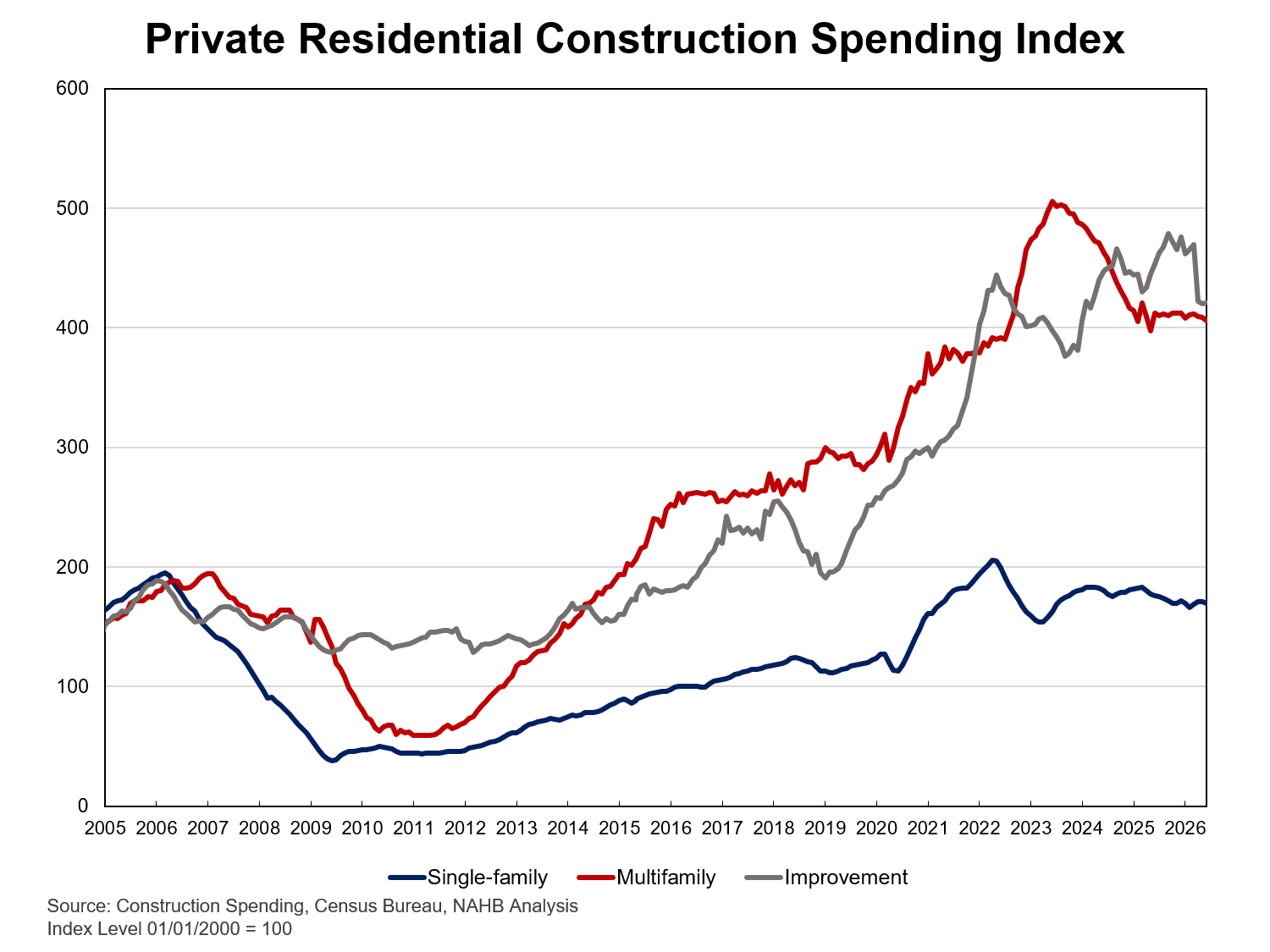
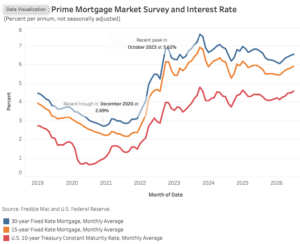 Re-escalation of the conflict in Iran pushed mortgage rates higher in July. According to Freddie Mac, the 30-year fixed-rate mortgage averaged 6.54% in July, up 5 basis points (bps) over June. Since the conflict in the Middle East began, the 30-year mortgage rate has climbed by almost 50 bps. The average 15-year rate averaged 5.91% in July, up 9 bps from June, and up 48 basis points since the end of February. Compared to a year ago, the 30-year rate remains lower by 18 bps, however, the 15-year rate is now higher by 5 bps. The 10-year Treasury yield, a key benchmark for long-term borrowing, rose 10 bps to an average of 4.58% in July as renewed attacks in the Strait of Hormuz heightened concerns about energy supplies and inflation. The yield rose sharply, ending July at 4.67%, 23 bps above its June closing level.


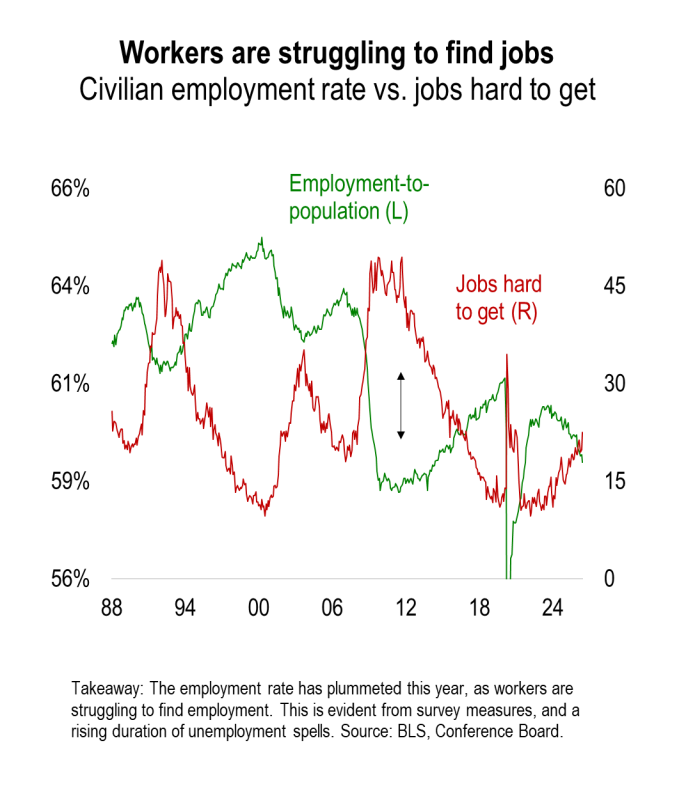






 Drax’s Pellet Production adjusted EBITDA fell 14% to £64 million in the first half of 2026 from £74 million a year earlier, as production declined and internal sales prices fell. Pellet output decreased to 1.9 million metric tons from 2.1 million metric tons, according to Drax Group. The lower production reflected the closure of the Williams Lake pellet plant in Canada and outages at facilities in the U.S. South. Drax also weighted more production toward the second half of 2026 to align pellet supply with expected generation at Drax Power Station. Market conditions affected the Canadian business through limited fibre availability and lower margins. Canadian operations otherwise performed well during the period, while Drax continued a strategic review of the business. Cost reductions in the U.S. South also lowered Pellet Production earnings under Drax’s cost-plus transfer-pricing system.
 GRAND RAPIDS, Michigan — UFP Industries reported results for the second quarter 2026. Net Sales of $1.88 billion increased by 3% compared to $1.84 billion a year ago due to a 1% increase in organic units and a 2% increase due to acquisitions. …Net Earnings Attributable to Controlling Interests of $83 million compared to $101 million a year ago. Earnings were primarily impacted by higher freight costs while a weaker residential construction market was offset by improvements in other business units. Adjusted EBITDA was $154.5 million in the quarter, compared to $174.1 million a year ago. …UFP Industries is a holding company whose operating subsidiaries – UFP Packaging, UFP Construction and UFP Retail – manufacture, distribute and sell a wide variety of value-added products used in residential and commercial construction, packaging and other industrial applications worldwide.
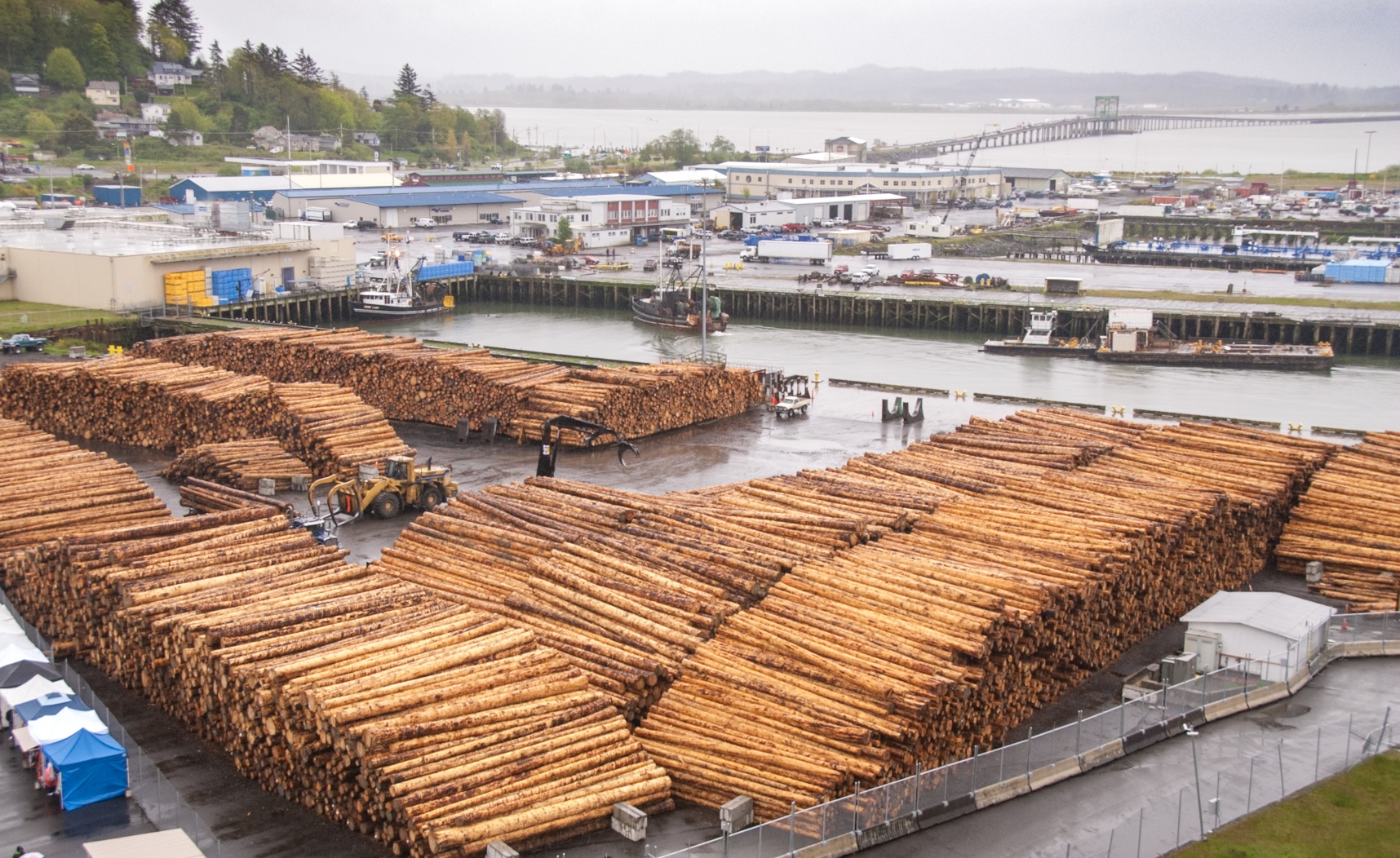 The economic situation of the German sawmilling and timber industry remains strained, according to the latest report from the German Sawmill and Timber Industry Association (DESH). Ther Berlin-based group, which represents German sawmillers, says the persistently weak construction sector, the global economic and sales crisis, high raw material and production costs, and mounting cost pressures are placing a significant burden on domestic companies. It warns of a further deterioration in the situation. In the coming weeks, DESH says many companies will be forced to scale back production capacities and extend scheduled maintenance periods. “Despite promising rhetoric from policymakers, the hoped-for recovery of the domestic construction industry has yet to materialize,” it said. “Demand for construction timber in key export markets also remains subdued due to geopolitical crises and a global economic slowdown. At the same time, persistently high costs for raw materials, energy, and production are burdening companies.
 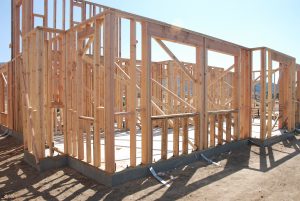 Housing starts across Japan climbed 18.6% in June for a third straight monthly rise, with the recovery missing the two-by-four segment built on imported dimension lumber, where starts fell 7.4%. That is according to data the Ministry of Land, Infrastructure, Transport and Tourism released, which shows owner-occupied, rental, and built-for-sale housing all rising, while the platform-frame trade went the other way. Economists had expected a 12.8% rise, with the stronger result still slowing sharply from May’s 33.9% surge as owner-occupied growth eased to 15.7% from 31.8, rentals to 24.6 from 33.3, and built-for-sale homes to 14.2 from 39.2. Prefab housing swung 13.7% higher after a 3.4% fall in May, leaving two-by-four as the only wooden segment in decline. None of the growth measures a strong market, because the comparison month produced just 55,956 starts, down 15.6% in a third straight fall after the April 2025 revision to the Building Standards Act.

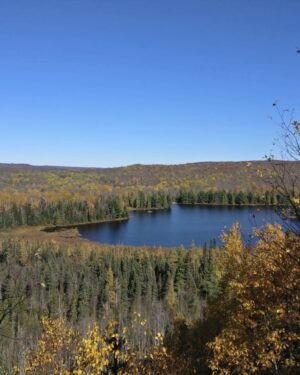 Canada is blessed with some of the largest forests in the world. Unfortunately, it is being increasingly affected by insects, disease, drought, and the effects of a warming climate. These damaged forests now contain significant fuel loads that contribute to large, more intense wildfires, which can spread into adjacent healthy and mixed forests, further degrading one of Canada’s greatest natural assets. …An overlooked consequence is the loss of the economic value derived from the carbon Canada’s forests store and remove from the atmosphere – a value we rarely account for. …Canada could become one of the world’s largest forest carbon offset opportunities by establishing a value across the country for forest carbon credits, helping finance restoration while expanding Canada’s forests for future generations. This is not rocket science, it is forest science. …Rather than watching our forests decline rapidly, we should reverse course and invest in growing them. [to access the full story a Globe and Mail subscription is required]
 The BC government’s decision to grant a logging company permits to install three gates blocking access to the Walbran Valley’s old-growth forests was almost certain to draw criticism from environmental organizations. …“Blocking access to these places damages the relationship people have to the landscape… which only benefits logging companies,” said Torrance Coste of the Wilderness Committee. …But the gates are much more than just a physical barrier to would-be travellers. They also highlight a divide among environmental organizations and First Nations and the BC government over the future of old-growth forests. …Tsawak-qin is invested in logging Vancouver Island’s increasingly rare old-growth forests, including forests adjacent to and potentially inside the unprotected portion of the Walbran. …Jeff Jones, Elected Chief of the Pacheedaht First Nation, said… “we have two community forest partnerships. We have a sawmill that we benefit from… that creates employment. And we also get the revenues from the partnerships.”
 The Forest Enhancement Society of BC (FESBC) has expanded eligibility under its Fibre Utilization Funding Program to include Timber Sale Licences. Eligible applicants can now apply for funding to recover biomass from active and approved Timber Sale Licences (TSLs) issued prior to July 31, 2026. Organizations that are new to the program, or that do not currently have FESBC Fibre Utilization funding, are encouraged to review the 2026-27 Fibre Utilization Funding Program Guide and submit an application. Current Fibre Utilization funding recipients may also be able to amend their existing projects to include eligible Timber Sales Licences.
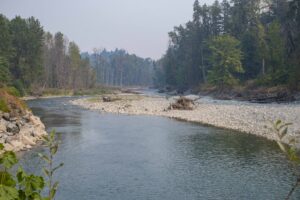 ALBERTA — A multi-year investigation into an unapproved bridge built over the Highwood River by a logging company in critical habitat for a threatened fish species was halted by a federal ministry due to a lack of resources. An internal 2025 document… states Fisheries and Oceans Canada had multiple ongoing investigations into critical habitat being destroyed, but the regulator lacked resources to work on them all. …Highwood River in Kananaskis Country grabbed the regulator’s attention after it learned Spray Lake Sawmills built a bridge over it without federal approval in 2023. …The two-year investigation was halted despite federal staff finding “destruction of critical habitat for bull trout” had happened, during an on-site visit in 2023. Instead, the federal ministry found West Fraser’s work (the company that took over the project from Spray Lake Sawmills) had been “fulfilled to the satisfaction of the (DFO)” after it removed the unapproved bridges and created a remediation plan.
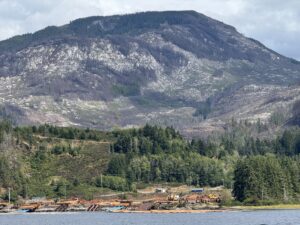 PORT ALBERNI, BC — It’s been almost a year since Mount Underwood erupted south of Port Alberni, quickly spreading across a bone-dry slope to become the largest wildfire the area has seen in over a century. While this forest fire season has been relatively mild by comparison, some residents are questioning if slash left over from past logging fueled the rapid growth of the blaze in August 2025. …“BC Wildfire Service described that behaviour as ‘explosive’,” stated the alliance. “We are concerned that the fire’s behaviour and size were the direct and foreseeable result of fuel hazard conditions created by rapid logging and establishment of conifer plantations.” …With an investigation still underway, the BC Wildfire Service has not disclosed what caused Mount Underwood. But Mosaic believes that “preliminary information suggests it was caused by human activity.” “There were no active forestry operations in the area at the time the fire started,” stated Mosaic.
 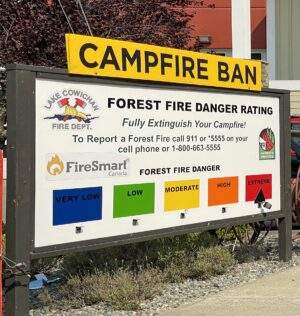 In BC, almost 40% of the wildfires that started between 2015 and 2024 were sparked by people — our campfires, our infrastructure, our vehicles. To avoid preventable fires, officials ban campfires, restrict the use of heavy machinery and sometimes prohibit the use of off-road vehicles. But before making those decisions, they need to determine just how bad the fire danger is in the first place. …The billboards, with their green, yellow, orange and red markers that denote different fire danger levels. …Forest fire danger rating research began in Canada in the 1920s with studies in experimental plots to investigate the moisture content and flammability of forest fuels — everything from the fine needles and twigs that litter the forest floor to the deeper organic layers below. Over time, researchers incorporated that work into a series of scientific models now used across Canada and around the world to estimate wildfire danger and fire behaviour.
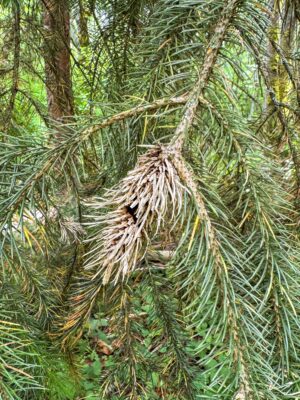 A pest is placing huge swaths of BC’s forests under strain while adding a red tinge to the province’s landscape. Data from the Ministry shows the current outbreak of the western spruce budworm was mapped last year at 1.7 million hectares, more than double the previous two outbreaks which peaked in 1987 and 2008 at around 800,000 hectares. The budworm is native to BC and has been studied for a century due to the visible, and at times, deadly impact it can have on the province’s forests. …The pest takes a year to complete its life cycle. The eggs hatch in about 12 days, resulting in larvae that feed on tree needles, causing them to turn red. “These trees are not dead,” said a statement from the Ministry of Forest. “They may die after successive years of defoliation.” The ministry said younger, understory trees are more susceptible to being killed by the budworm.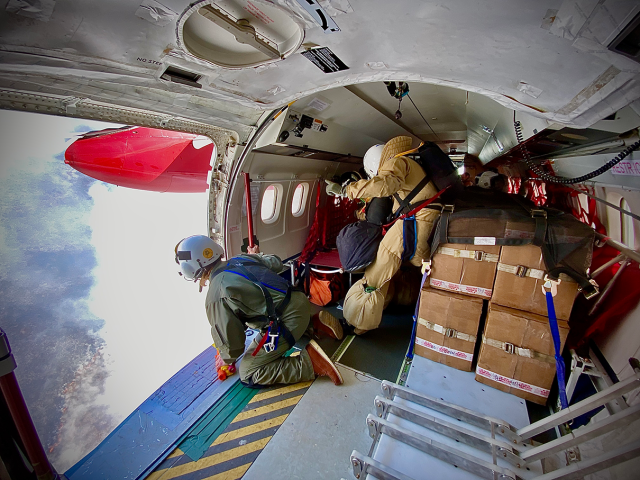
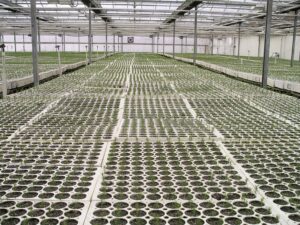 MAINE — Researchers walking through the forest during a major spruce budworm outbreak in the 1990s discovered some healthy fir trees unaffected by the deadly pests, and wondered what gave them apparent immunity. They took needles from the healthy trees to study at their University of New Brunswick lab, and found they contained a fungus with a beneficial relationship with the trees. …The discovery attracted the attention of Canadian forestry conglomerate J.D. Irving, the largest owner of forested land in Maine. The partnership, which started in 1999, resulted in a novel way to combat future outbreaks: breeding budworm-resistant trees. Its strategy to use natural fungi — known as endophytes — is at the forefront of science to find more natural solutions. Several universities in the US are researching how endophytes act in other types of trees. …Irving Woodlands is ramping up production of the trees in a newly opened greenhouse in New Brunswick.
 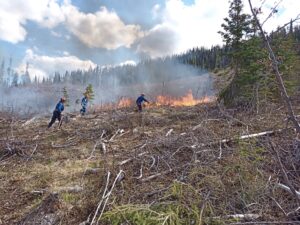 Nine months after its first prescribed burn in 150 years, a 22-acre patch of forest on Wisconsin Point is starting to show the effects. On one side of the road to the beach, the understory, or plants growing from the ground, are tall and dense. It’s not what a healthy red pine forest should look like, said Callie Grones, an outreach coordinator with the Lake Superior National Estuarine Reserve. On the other side at the “burn unit,” the ground is a little clearer, although still very green, the bottoms of the pine trees are charred and wild blueberries are thriving. …“Ojibwe people, when they were living out here, they used fire almost in a routine,” Grones said. The forest’s health was maintained through that fire.” … Stewardship Coordinator Kirsten Rhude said it will take a few years before the full advantages of the burn appear.
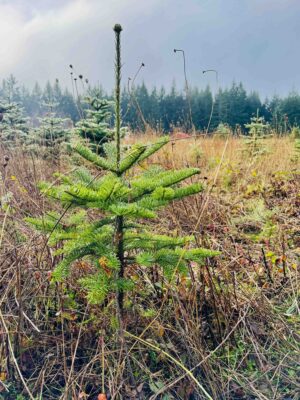 SWITZERLAND — Forest trees can help contain heavy metals in polluted soils. But which tree species should be selected for this purpose? A study led by the Swiss Federal Research Institute for Forest, Snow and Landscape Research (WSL) investigated how seven different Central European tree species respond to metal-contaminated soils. All seven Central European tree species tested showed a similar ability to stabilise heavy metals in contaminated soil. Tree species with low nutrient needs keep excess metals out of their stems and foliage, making the production of uncontaminated timber possible. Selecting suitable tree species could bring abandoned land back into productive use while also safely confining the soil pollutants. …One promising solution is phytostabilisation— using plants to reduce the spread of pollutants into the environment. Trees are particularly well suited because of their long lifespans and extensive root systems.
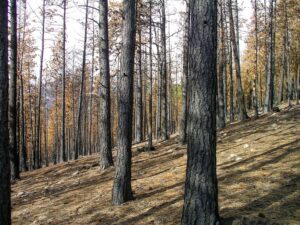 There have been more than 800 wildfires across Canada so far this year and nearly four million hectares of land has been burned. …In addition to the fires’ immediate damage to our natural landscapes and well-being, there’s another way to think about their climate implications: a healthy forest spends decades pulling carbon out of the air and locking it away in tree trunks, branches and roots. A wildfire undoes that long-term work almost overnight, and releases all of that carbon. …Carbon removal is distinct from carbon capture… it’s a distinct process that pulls carbon already in the atmosphere back out, rather than just capturing it as it’s produced, and this deserves a policy environment to catalyze it. …Some carbon-removal companies take fire-killed trees that have no other use, which would otherwise decompose or fuel the next fire, and bury it in engineered, low-oxygen sites where its carbon stays locked away for a century or more. [to access the full story a Globe and Mail subscription is required]
 The planet’s warming had a strong influence on destructive wildfires in Canada that have raged across Ontario and the Northwest Territories since late June, making the extreme fire weather that fueled them at least twice as likely, according to
  We can’t do much to prevent losing more communities to wildfires, and we certainly can’t reduce the scale of fires in the boreal forest. But we can minimize the health impacts of wildfire smoke, which should help us deal with the economic impact of wildfires and other climate disasters. …First, we need to minimize the damage of PM2.5 and other particles in wildfire smoke. That would involve more airtight homes, workspaces and schools, plus air purifiers in every room and office. In new construction, air purification should be built right into the heating, ventilation and air-conditioning systems. Second, we need to start using N95 masks whenever air quality drops. …Third, we need to recognize that wildfires and heat waves can threaten electricity grids by damaging transmission lines. The remedy here would be installing enough solar power in homes and workplaces. …We will also have to prepare for long-term health consequences of wildfires.
 Dangerous heat is gripping parts of the United States, with more than 39 million people under heat alerts across much of the South as temperatures are expected to rise over the weekend. Temperatures in some cities have climbed above 100°F. …The “heat dome” that brought extreme heat to much of the central and eastern U.S. has shifted west and is expected to intensify before expanding into the intermountain West and northern High Plains this weekend. Parts of the Southwest are forecast to reach 110-120°F from late this week into early next week, with some locations expected to experience one of their 10 hottest days on record. Extreme heat warnings are in effect on Friday across parts of six states: Arizona, California, Nevada, Utah, Oklahoma and western Arkansas. …Such levels are “dangerous for anyone without adequate cooling or hydration,” the weather service warned.
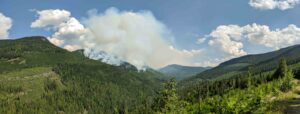 Just three days into August, Oregon has already broken its record for its worst wildfire season on record, with more than 2 million acres burned across the state. …Oregon has seen wildfire activity surge in 2026, with the Oregon Department of Forestry counting more than 1,300 fires so far this year. Here is an update on the largest fires burning across the state: