 Trump imposed 10% tariff on lumber in another blow to Canadian producers. In response: the BC Lumber Trade Council expressed deep disappointment; Ontario’s leaders voiced alarm; and the US Lumber Coalition applauded the move. In other Business news: Trump’s national security tariffs are unaffected by court challenges and government shutdowns; Kap Paper is idling its Kapuskasing mill—sparking Ontario leaders’ indignation at Ottawa; Stella-Jones is acquiring Brooks Manufacturing; and North Cowichan’s mayor seeks action on sawmill curtailments.
In other news: Jock Finlayson opines on BC’s forestry decline; John Desjarlais tells Fairy Creek protestors to respect Indigenous choices; and a new report says old logging roads pose landslide risks. Meanwhile, the latest BC First Nations Forest Council news, project updates by the Forest Enhancement Society of BC; UBC Researcher Rosalia Jaffray is awarded Christopher Lee Memorial Scholarship; and Indigenous-owned Dallan LP receives national forestry award.
Finally, today marks the National Day for Truth and Reconciliation — Orange Shirt Day — a time for reflection across Canada.
Kelly McCloskey, Tree Frog News Editor


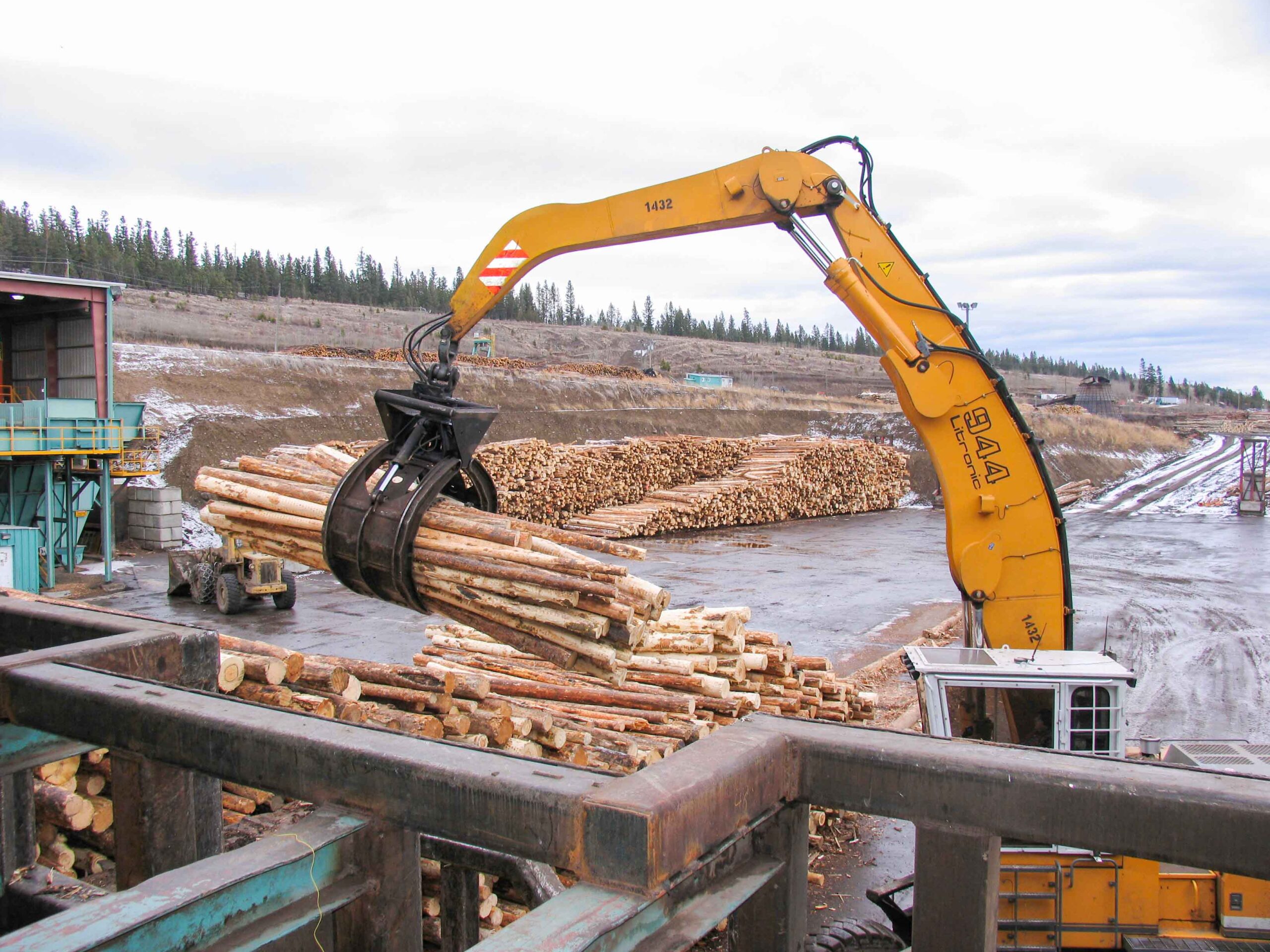 The B.C. Government says it’s going to expand the scope of BC Timber Sales. The organization manages 20 per cent of the province’s allowable annual cut for Crown/public timber and the auction of public timber. The government released a review of BC Timber Sales on Tuesday… A Chemainus mill is among two Western Forest Products mills in the Cowichan Valley facing lengthy curtailments, impacting more than 200 workers. …At the Paulcan Jemico mills in Chemainus, there are 50 people working despite tough times for the industry. The owner says profit margins are razor-thin while regulations are always increasing. “We’re making it to the point where no one wants to do business because there is so much uncertainty in what goes on in this industry,” said Paul Beltgens, owner of Paulcan Jemico Industries. Beltgens says unless conditions improve, there’s very little reason to invest in his company’s operations for the future.
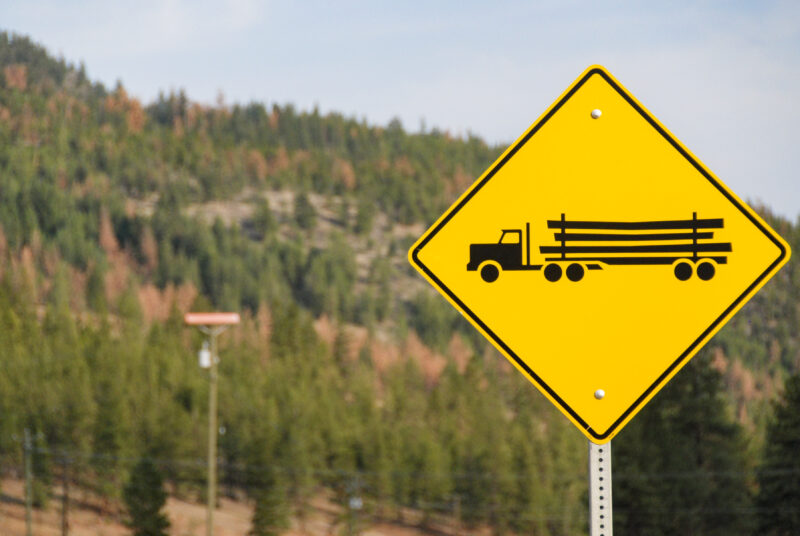 VICTORIA — Forests Minister Ravi Parmar this week announced major reforms to B.C. Timber Sales, hoping to reverse a two-thirds decline in sales volumes under the NDP. …Parmar said the government will broaden the agency’s mandate to focus on providing wood to support manufacturing, delivering jobs to communities and building partnerships with First Nations. The changes are prompted by a review conducted earlier this year by former B.C. Liberal cabinet minister George Abbott, Vanderhoof councillor Brian Frenkel and First Nations representative Lennard Joe. …Parmar didn’t understate the urgency of delivering logs to all the right places … that day’s Merritt Herald announced Aspen Planer mill was closing for “an indefinite period.” …The company doesn’t lack for wood supply on paper. …For all Parmar’s and Eby’s enthusiasm for boosting the annual harvest, they have not made believers of the Ministry of Finance in their own government.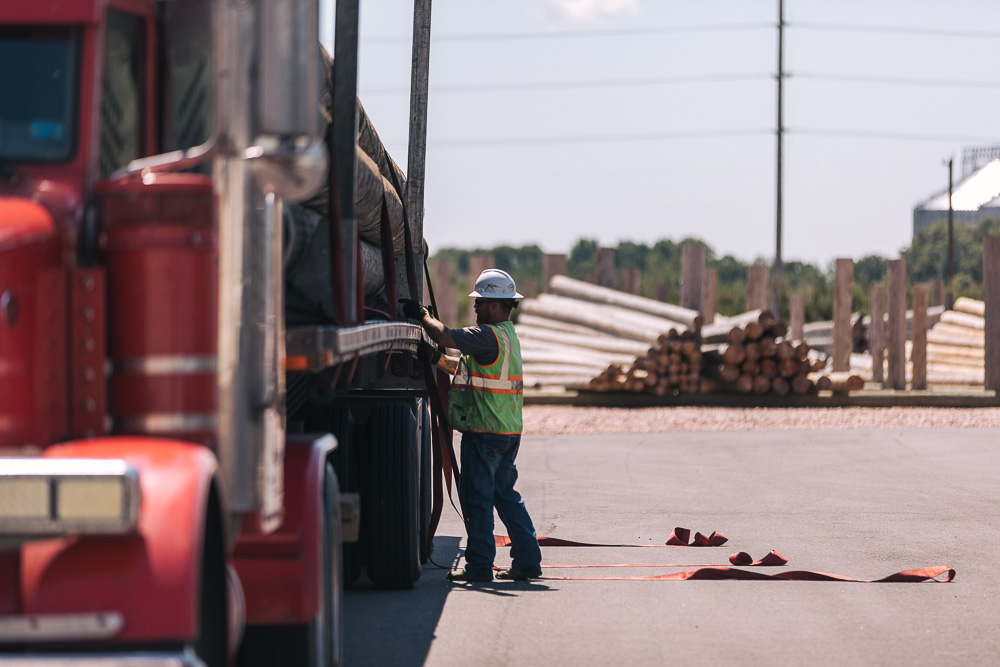





 Washington, D.C. – When most people think of ironworkers, mass timber is not the first thing that comes to mind. But that perception is changing fast. The International Association of Bridge, Structural, Ornamental and Reinforcing Iron Workers (Iron Workers), is proving that ironworkers are not only part of the mass timber conversation, but they are the best equipped trade to erect these projects. From landmark projects like the Walmart Headquarters in Arkansas, erected by Iron Workers’ signatory contractor Foust Fab & Erectors, to countless hybrid timber-and-steel structures across the United States and Canada, ironworkers are quietly setting the standard for mass timber erection. Ironworkers have proven that their structural steel expertise, efficiency, and safety culture make them the #1 choice for this growing market. …Our mass timber training is in partnership with WoodWorks, and therefore, third-party validated,” said Iron Workers Executive Director of Apprenticeship and Training James Owens.







 GATINEAU
 OTTAWA, ON – Today, the Honourable Tim Hodgson, Minister of Energy and Natural Resources, announced over $1.44 million in funding for 10 projects under Natural Resources Canada’s Global Forest Leadership Program, delivered through the International Model Forest Network. This funding will help restore damaged ecosystems, support agroforestry and sustainable local businesses, empower Indigenous and local communities — especially women and youth — and improve global forest management and restoration. Healthy forests around the world contribute to carbon sequestration and climate resilience, benefitting Canadians and the global community. As a leader in sustainable forest management, Canada plays a key role in advancing sustainable forestry worldwide, and the federal government remains committed to sharing its expertise, fostering collaboration and helping restore, manage and conserve forests around the world to protect biodiversity and help tackle climate change and environmental damage.

 A hazard assessment commissioned by the B.C. government has identified 45 kilometres of old logging roads at high risk of landslides reaching Highway 99 — in the same area where a rain-triggered slide killed five people south of Lillooet in 2021. The hazard assessment, completed in 2023, was obtained through a freedom of information request by Postmedia News after the B.C. Forests Ministry refused to release the report. The report produced by Westrek Geotechnical Services Ltd., recommended further inspection to determine the best way to deactivate the roads and reduce landslide risk… They assessed Hwy. 99 between Duffey Lake and Lillooet — is about 100 kilometres northeast by road from Whistler. …It’s important to determine whether these old logging roads are diverting water out of its natural path and if this poses a landslide threat, and straighten it out from top to bottom, said Calvin VanBuskirk, an engineer with decades of experience in how logging and roads alter water flow. [This story may require a Vancouver Sun subscription for full access]


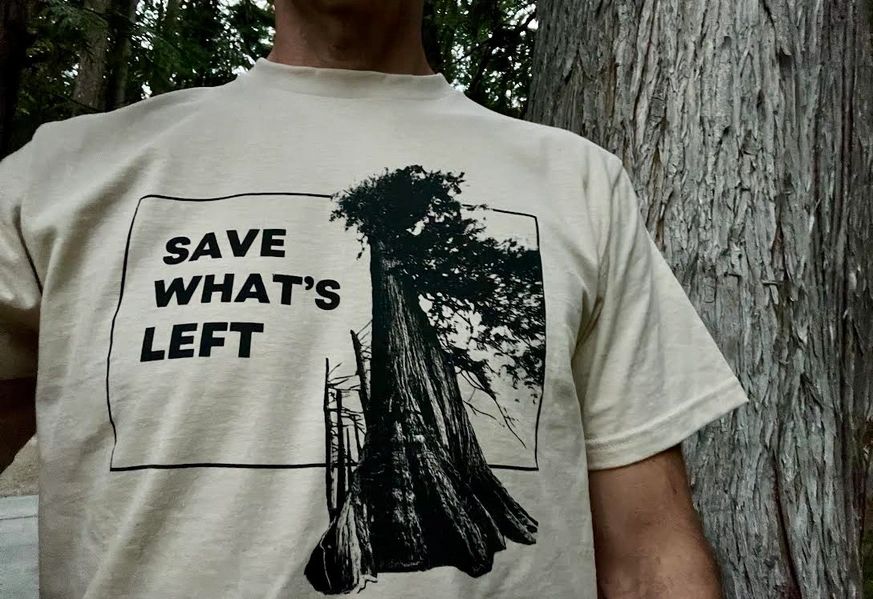

 In a career that has spanned nearly 40 years in the forestry industry, Michael McKay says he’s never had to face a situation like the one he’s staring at now. “This is probably one of the biggest, I mean with this fire and the current state of the industry, to have it all come together at once, it’s definitely about as tough as it’s been,” McKay said. The president of Franklin Forest Products is facing a perfect storm of problems but is pivoting as best he can to weather through it. The latest issue was the Mount Underwood Fire which started Aug. 11 and ended up destroying half of the company’s powerline despite his employees trying to save it. …The blaze interrupted the implementation of a new Gang Mill plant that would have added more staff to the company’s roster of 35 employees. …”It’s been four years and wood’s not coming out, there’s just no wood coming out of the bush and all we are is a bunch of too many squirrels chasing too few nuts,” McKay said.
 The Nova Scotia government’s proposed move to make it illegal to block forest access roads on Crown lands is being dismissed as heavy-handed and an attempt to ignore Mi’kmaq rights. Several presenters spoke out in opposition Monday during an appearance before the legislature’s public bills committee hearing on the Protecting Nova Scotians Act. The omnibus bill includes one new piece of legislation and amends seven other acts, including the Crown Lands Act. The changes to the act would impose a $50,000 fine and/or six months in jail for protests or individuals who ignore protest camp removal orders. Michelle Paul, a Mi’kmaq water protector and land defender, said the bill was written without consultation or consideration of treaty rights and should be withdrawn. “It’s not lost upon us that this bill is being rushed through on the eve of Treaty Day and the National Day for Truth and Reconciliation,” said Paul.
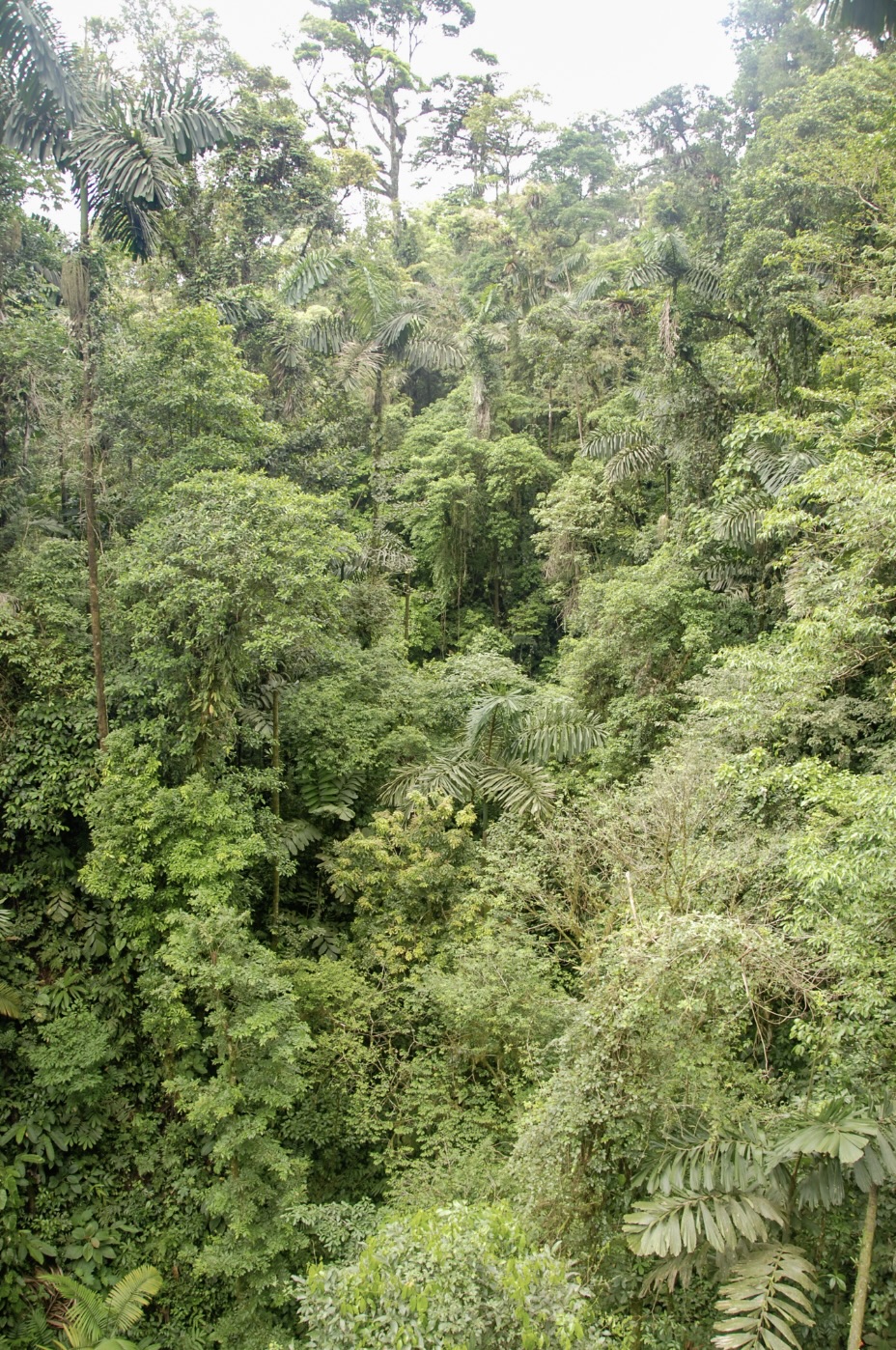 At New York Climate Week, a coalition of 34 national governments unveiled a decisive blueprint called the Forest Finance Roadmap for Action, aimed at closing the substantial funding shortfall undermining global efforts to halt deforestation. The plan, developed in partnership with Brazil and backed by the United Nations Environment Programme (UNEP), targets the estimated $66.8 billion annual finance gap in tropical nations. The roadmap distinguishes itself as the first unified framework to bring together governments from both the Global North and South under a shared agenda for forest finance, according to an announcement made by the Forest & Climate Leaders’ Partnership (FCLP). It seeks to move beyond pledge-making toward deployable, investment-ready strategies aligned with the COP30 Action Agenda and the Glasgow Leaders’ Declaration.
 A firefighter from Minnesota died Friday while helping the United States Forest Service with a controlled burn in Idaho, officials say. The Idaho Department of Lands (IDL) says Isabella Oscarson had been struck by a falling tree while assisting the U.S. Forest Service’s Tinker Bugs with a prescribed fire in the Nez Perce-Clearwater National Forests. She was evacuated from the scene and flown to a hospital in Grangeville, Idaho, where she later died. Oscarson was a seasonal employee with the IDL. “IDL extends its deepest sympathies to Isabella’s family and friends. This is a tragedy that hits the employees at Idaho Department of Lands and the broader wildland fire community extremely hard,” Dustin Miller, director of IDL, said. Idaho Gov. Brad Little ordered flags to be lowered to half-staff to honor Oscarson until the day following her memorial service.
 AYLESFORD — Nova Scotia officials say more evacuation orders are possible as a wildfire in the Annapolis Valley remains out of control. In a social media post, the Department of Natural Resources said a helicopter had been dispatched to gauge the area of the Lake George fire, which at last estimate was roughly 300 hectares in size. The fire broke out Sunday and was declared out of control late Monday, prompting officials to announce an evacuation of nearby campgrounds and homes. Officials said Tuesday residents on Birch Lane, Spruce Drive and Blue Lane at Aylesford Lake’s southwest end should be prepared to evacuated. Dry and windy conditions have helped push the fire from the northern end of Lake George eastward toward the northern end of Aylesford Lake. Evacuees are asked to register at the Louis Millett Community Complex in New Minas, N.S., where services are being offered.