 New Brunswick Court of Appeal ruling on private forest land highlights worries about aboriginal reconciliation in BC. In other Business news: North Cowichan’s Mayor and (separately), the BC Coastal Forest Policy Coalition share concerns over the Crofton pulp mill closure; Northern Pulp pensions are made whole by woodlands sale; and Terrace Bay pulp mill’s owner is urged to turn on the heat. Meanwhile: Canada is open to restart US trade talks, but the next engagement is likely the CUSMA review; and Canada needs to plan for the worst, as Trump may end-run the US Supreme Court.
In Forestry news: Trump’s timber production goals are falling short; wildlife proponents say the US Forest Service should be scrapped; a seed company helps the US reforest for changing climate; Maine loggers are feeling the tariff pinch; and Priya Rajarapu is America’s Christmas Tree Grower’s Doctor. Meanwhile: UBC scientist Sally Aitken on trees, genomics and climate; and a different kind of forestry takes root in BC’s Nootka Sound.
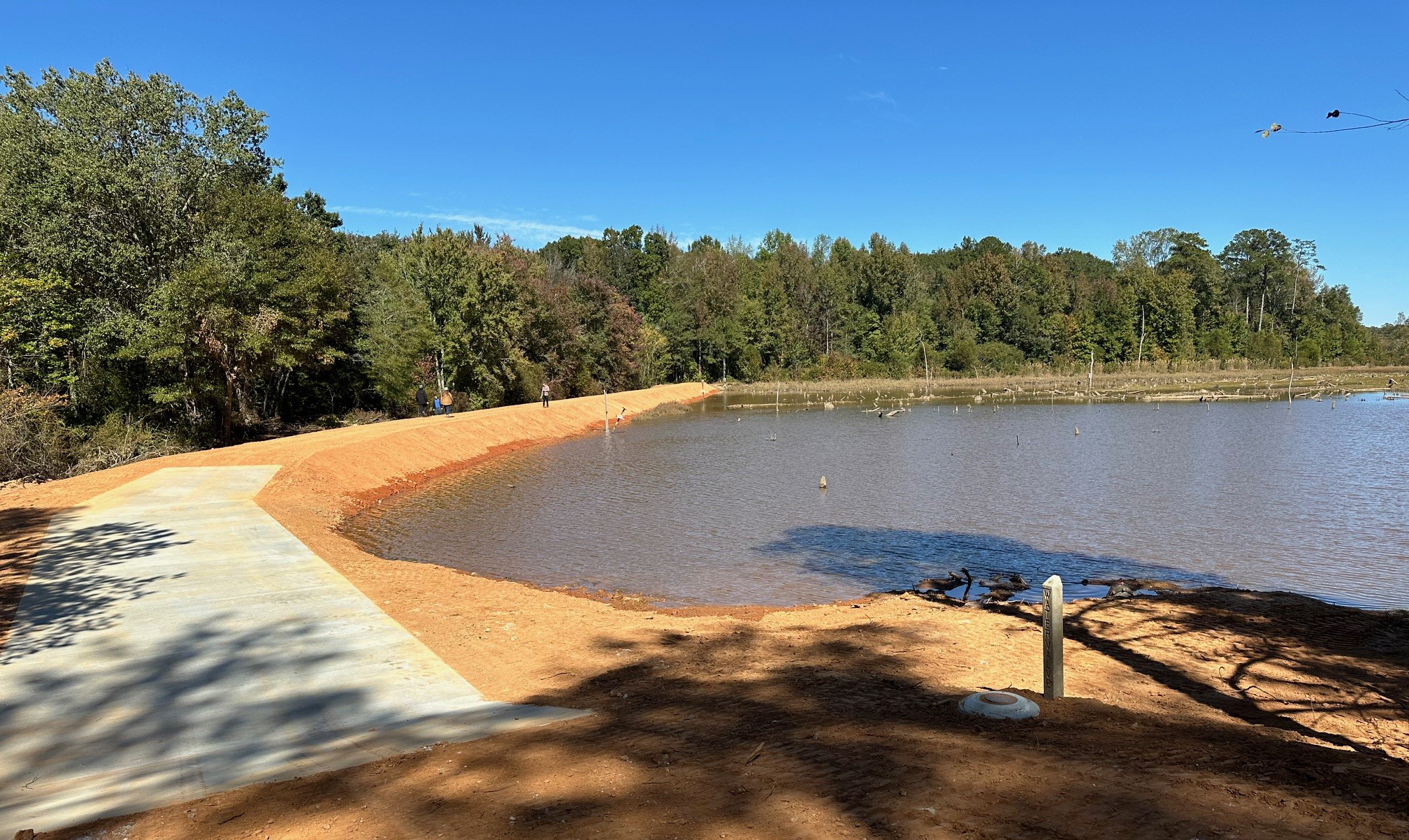
Finally, US Endowment highlights the first dam project to use a nanocellulose enhanced concrete.
Kelly McCloskey, Tree Frog News Editor
 CORVALLIS, Ore. – If mistletoe’s status as a nutrient-stealing freeloader has been cooling your holiday ardor, new research led by an Oregon State University scientist may help relight the fire. A survey of urban forests in seven western Oregon cities found no observable connection between mistletoe infestation and negative health outcomes for the trees it was parasitizing. So worry not: Your yuletide kissing tradition probably does not involve a tree killer. And as you’re setting concern aside, you might want to head outside. “This is the best time of year to look for mistletoe because there are no leaves on the trees,” said College of Forestry professor emeritus Dave Shaw, an OSU Extension Service forest health specialist. “Also, chances are it will be found in an oak tree – most other trees don’t get infested. So if you are looking for a kiss, keep an eye out for oaks.”
 This infographic, released December 12, 2025, provides an overview of the lumber industry, showcasing key metrics and trends related to production, exports and price change. It highlights significant data points, illustrating the state of the market and offering insights into the current landscape of lumber in Canada.
 Over 600 public servants were notified this week that their jobs are on the line, with Natural Resources Canada (NRCan) feeling the brunt of the potential cuts. The Public Service Alliance of Canada (PSAC) said in a news release that 219 workers at NRCan received warning that their position could be cut. In addition, the Professional Institute of the Public Service of Canada (PIPSC) told Radio-Canada that 200 of its members at NRCan were also given notices of a potential layoff. …Jean Bérubé, a forest pathologist at NRCan who is also a union rep for 3,000 federal research scientists, said he was informed his position is being eliminated.The federal government’s cuts to the public service feel similar to those occurring south of the border under the second administration of U.S. President Donald Trump, he said. …Bérubé pointed to the emergence of the invasive Emerald ash borer that has killed millions of ash trees in Canada’s urban areas.
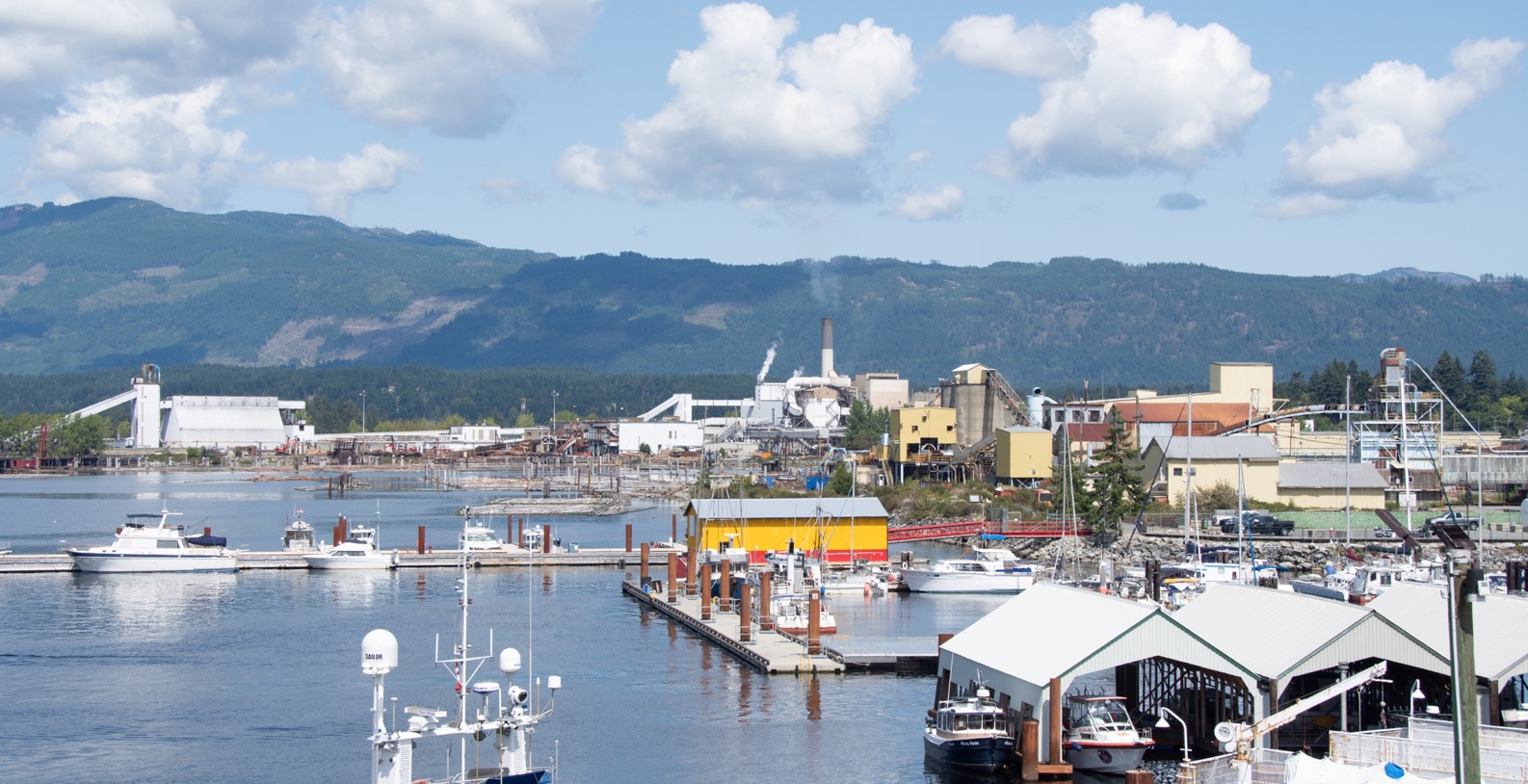 Domtar officials are reassuring their Port Alberni workers that the closure of the company’s Crofton Mill will have minimal impact here. Chris Stoicheff – Senior Director of Public Affairs at Domtar – says the company and entire industry needs provincial forestry rules to change to ensure fibre supply to BC mills. “We’re going to continue to operate that mill for the foreseeable future, but I think we’re also quite direct about the challenges that the industry is facing in BC and what we’ve been quite clear that those are policy driven constraints.” he said. Stoicheff says while most of Port Alberni’s pulp came from Crofton, that supply will now come from their Howe Sound mill. He said local MP Gord Johns work to secure a biomass tax credit is an example of the government support the forest industry needs.





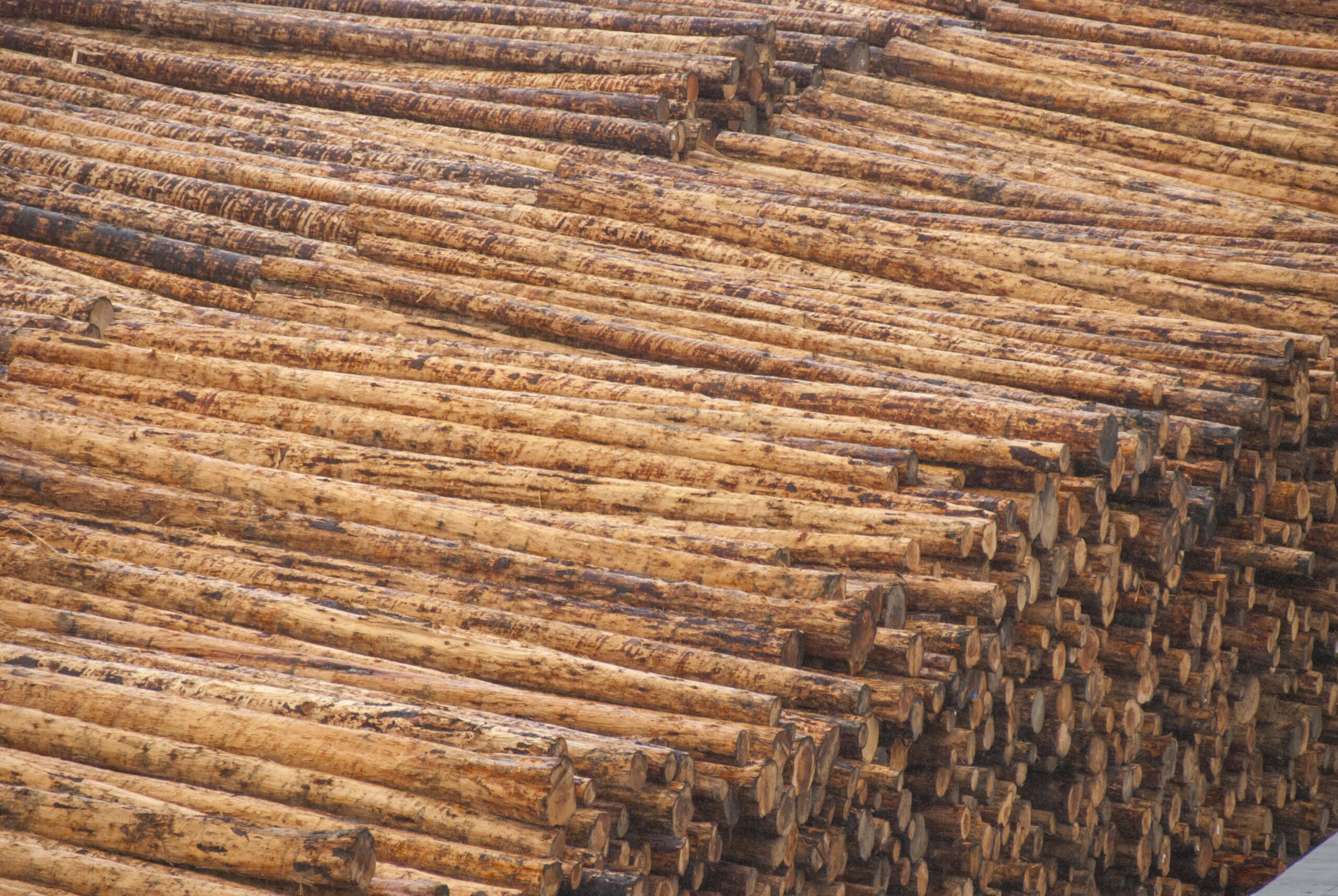 The effect of 10% tariffs on Canadian wood imports was the subject of a public hearing before the state’s Maine-Canadian Legislative Advisory Commission Wednesday. Dana Doran is executive director of the Professional Logging Contractors of the Northeast who says his members are struggling to stay afloat. “If they buy wood from Canada it’s hit by a 10% tariff on those raw logs. If they export any of their finished product they’re subject to any of the export tariffs,” Doran said. “So we’ve seen a chaotic situation that has occurred over the past 8 weeks because of the situation with tariffs.” Doran says if the U.S. had more domestic manufacturing of building and construction products it would have a bigger share of the marketplace, which could blunt tariffs. But Canada, he says, has 60% of that market.


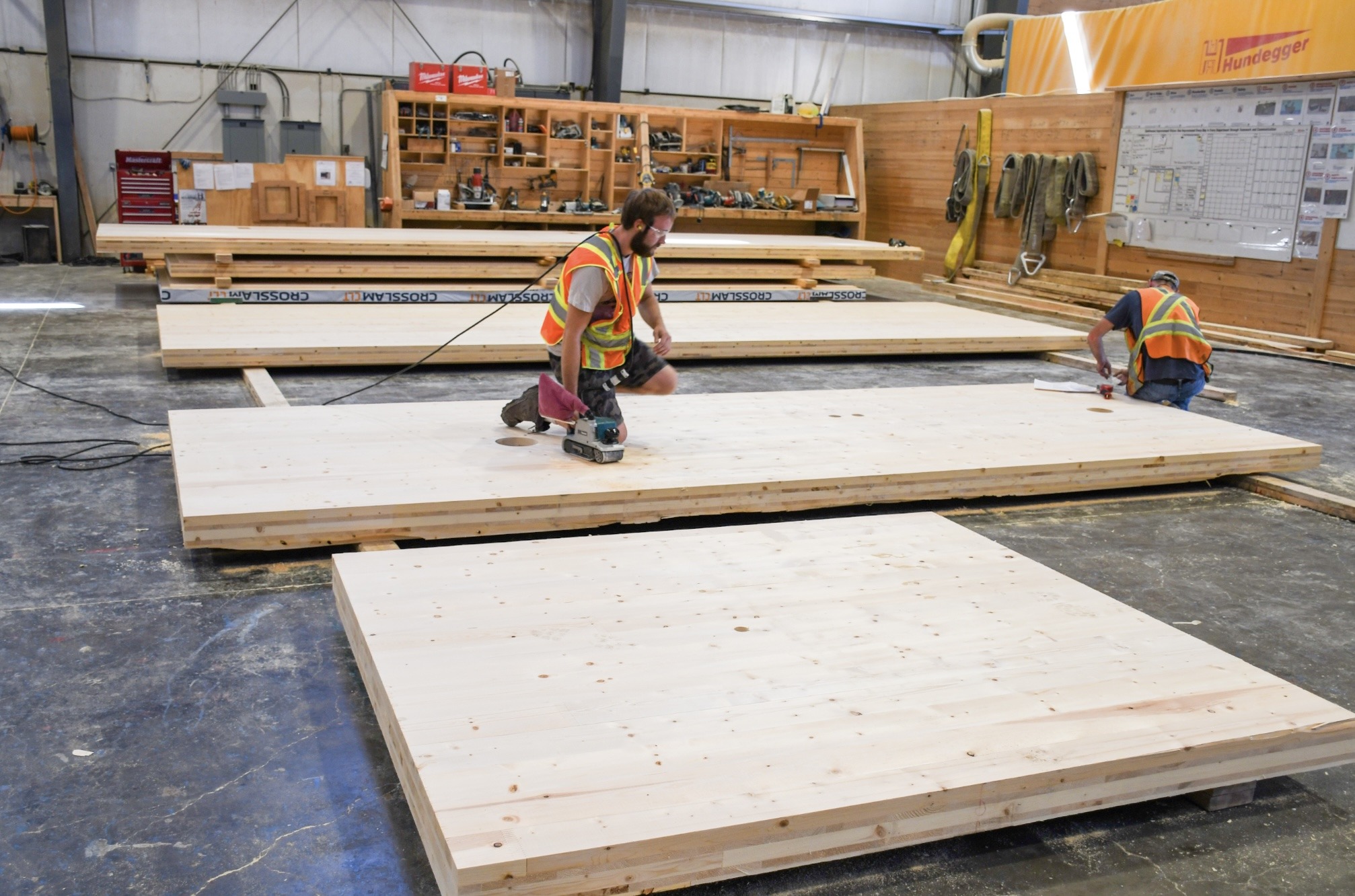 When Prime Minister Mark Carney toured Intelligent City’s advanced manufacturing facility in Delta, B.C. this spring, it was more than just another campaign stop. It signalled that prefabricated and modular construction has moved from the margins to the mainstream of Canada’s housing conversation. That recognition is overdue. If we are serious about tackling Canada’s housing affordability crisis by delivering more homes at scale, governments need to stop paying lip service to the huge potential of off- site construction and start putting it into policy and practice. …First, governments should publish a multi-year prefabricated housing procurement roadmap. Off-site manufacturing depends on predictable, portfolio-scale demand. A provincial roadmap in British Columbia, for example, that consolidates housing needs across ministries, Crown agencies, and municipalities would give factories the confidence to invest in automation, skilled labour, and supply chains.


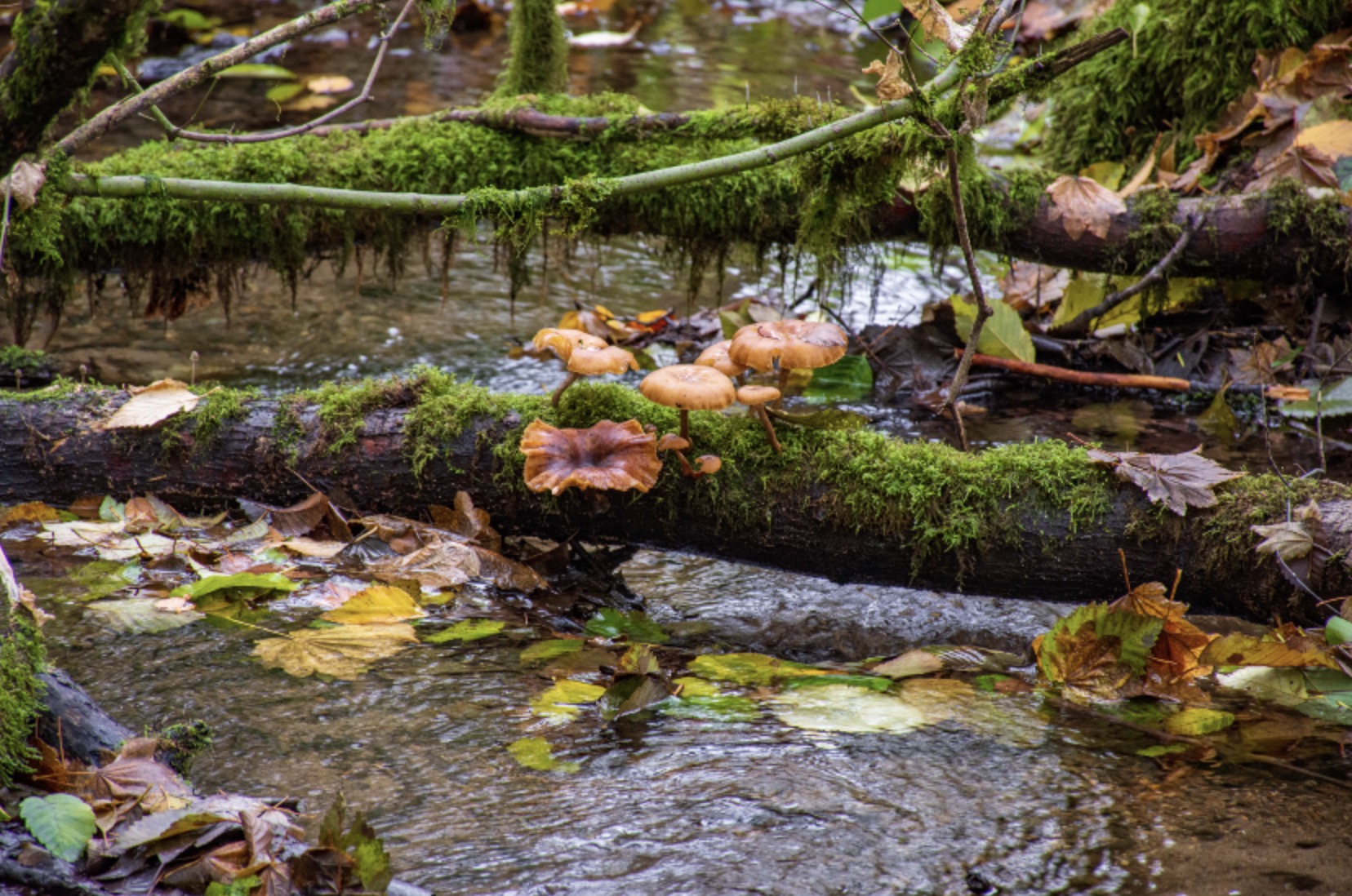 Gold River, BC — This has not been a good year for forestry as the industry continues to feel the pain from escalating tariffs, mill closures and job losses. But in Nootka Sound a First Nation is looking to a future where trees have a higher value staying in the ground. …the Mowachaht/Muchalaht First Nation is looking at an entirely different economic approach to managing its territorial forests and waters in Nootka Sound. The First Nation’s Salmon Parks project aims to have 66,595 hectares, comprising approximately 20 per cent of its land territory, under a protected designation by 2030. The initiative strictly limits industrial activity within the Salmon Parks – particularly old growth logging – with hopes of eventually allowing nature to heal itself to the point that salmon runs rebound from the headwaters to the ocean. …As the project seeks an economic future, the Salmon Parks initiative is looking at the economic value of keeping trees standing by selling carbon credits.
 The University of British Columbia Faculty of Forestry & Environmental Stewardship will host an online Professional Master’s Panel Discussion and Information Session on January 15, 2026 (10:00–11:00 am PST) via Zoom. The session is designed for prospective graduate students and professionals seeking to deepen technical expertise, strengthen leadership capabilities, and expand industry networks within forestry and environmental management fields. Representatives from four accelerated professional master’s programs will present and answer questions: the Master of Geomatics for Environmental Management, emphasizing geospatial technologies for natural resource planning; the Master of International Forestry, combining experiential learning with applied coursework; the Master of Sustainable Forest Management, focusing on professional land management; and the Master of Urban Forestry Leadership, an interdisciplinary program targeting urban forestry strategy and climate adaptation. Participants will engage directly with program directors, coordinators, and advising staff to assess fit and clarify admissions, curriculum, and career outcomes.

 Mosaic Forest Management is moving forward with plans to modernize its access program, following a survey earlier this year. In May, 7,600 respondents “clearly indicated Islanders want well-managed public recreation access,” Mosaic said. To that end, Mosaic hired RC Strategies and Legacy Tourism Group. The two firms will build a stronger system for managing recreation on Mosaic lands, balancing public access with environmental protection, safety, and operational needs. Pilot initiatives are expected to be implemented in 2026. …The upcoming engagement process will include First Nations, users, and community members, [as well as] local and provincial governments to address challenges that private forest landowners cannot resolve independently. …“Mosaic is taking a progressive step that very few private landowners have undertaken at this scale,” said Justin Ellis, Partner at RC Strategies. “We’re excited to help develop a recreation access program that balances great outdoor experiences with the operational and environmental realities of a privately owned working forest.”
 These letters are all in today’s Victoria Times Colonist “Letters” section:
 I have great sympathy for mill workers in Crofton and Chemainus and the other 43 mills in towns throughout B.C. that have closed because there is “insufficient viable fibre supply.” This statement is smoke to hide the fact that the companies, with the complicity of the province, have over-harvested the forest since at least the 1970s. Second-growth trees are not as voluminous as virgin timber. Second-growth is harvested in a last gasp to get as much profit from the woods before shuttering mills due to “insufficient viable fibre supply”. The forest sector has made high profits and paid tariffs and softwood lumber duties since the 1980s, and now that the merchantable timber is gone, the blame is being transferred. …This situation even has a name — “The Fall Down Effect” — and has been predicted since the 1970s. …Timber processing will have to adapt to less volume and evolve toward greater value added.
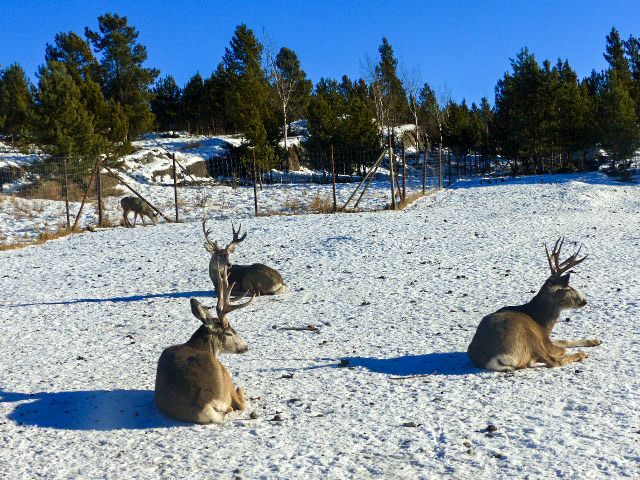 Further testing has confirmed that a sample submitted from a male white-tailed deer harvested east of Enderby is negative for chronic wasting disease (CWD). CWD is an infectious and fatal disease affecting cervids, including deer, elk, moose and caribou. The initial screening test by the B.C. Animal Health Centre showed a “non-negative” finding for the sample, meaning the disease could not be definitively ruled out and required more testing. Following standard protocol, the sample was sent to the Canadian Food Inspection Agency reference laboratory for confirmatory testing. The laboratory conducted confirmatory testing using three different methods. All results were negative for CWD.

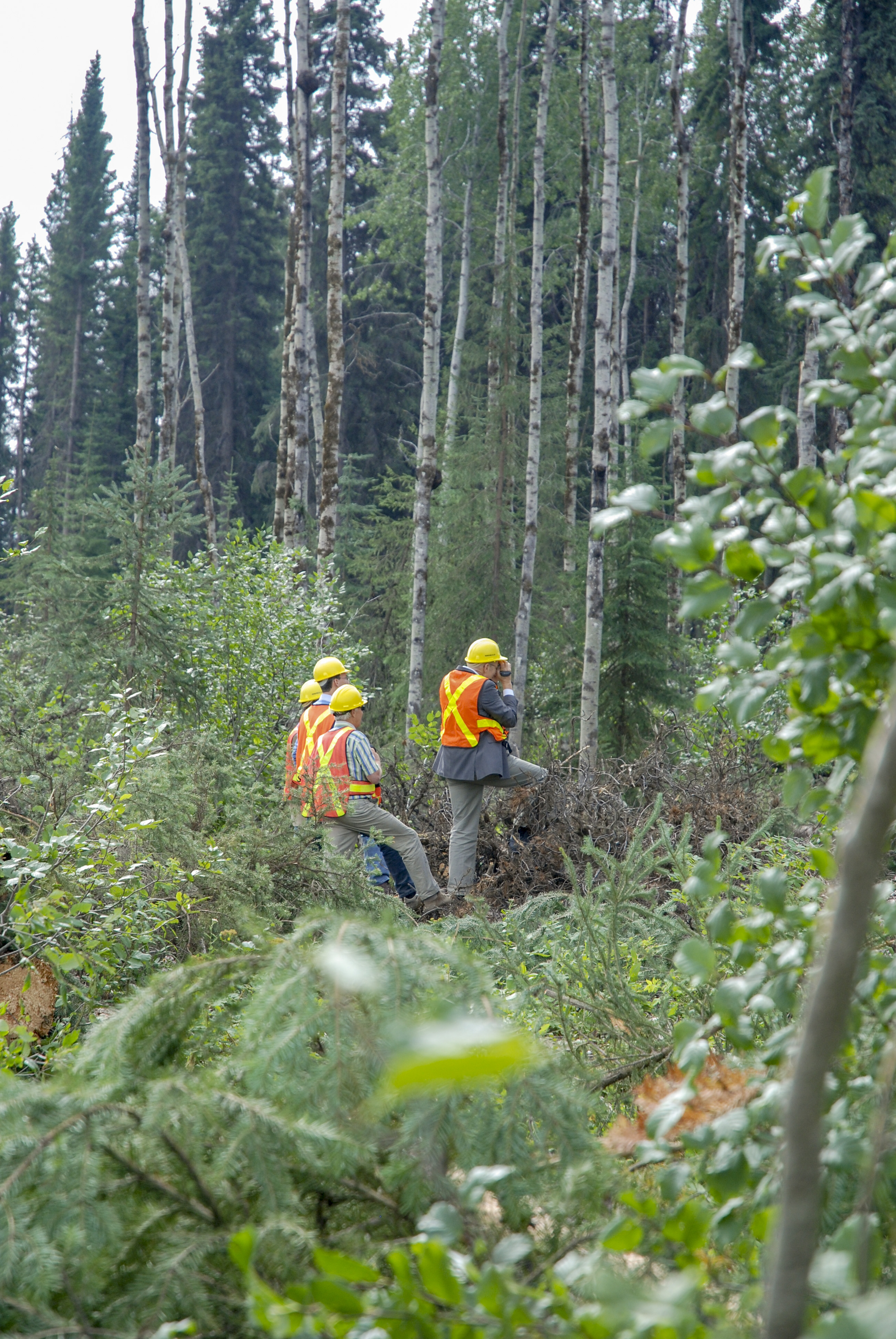 British Columbia’s logging agency has changed a policy that conserved remnant old-growth forest in the province’s northwest, with a government briefing note showing a plan to open those areas for harvesting has been approved. The note, obtained by The Canadian Press and written by a BC Timber Sales manager in the Babine region, acknowledged the shift “may invoke scrutiny” from conservationist environmental groups. It says First Nations in the Bulkley, Morice and Lakes timber supply areas do not support old-growth logging deferrals recommended by a provincially appointed panel in 2021,and continuing to conserve remnant stands “does not demonstrate respect of the First Nations’ responses” to that process. …Independent ecologist Rachel Holt says the briefing note demonstrates a lack of understanding within BC Timber Sales about “the importance of … these irrecoverable ecological values.” But the crisis in B.C.’s forests is not just ecological.
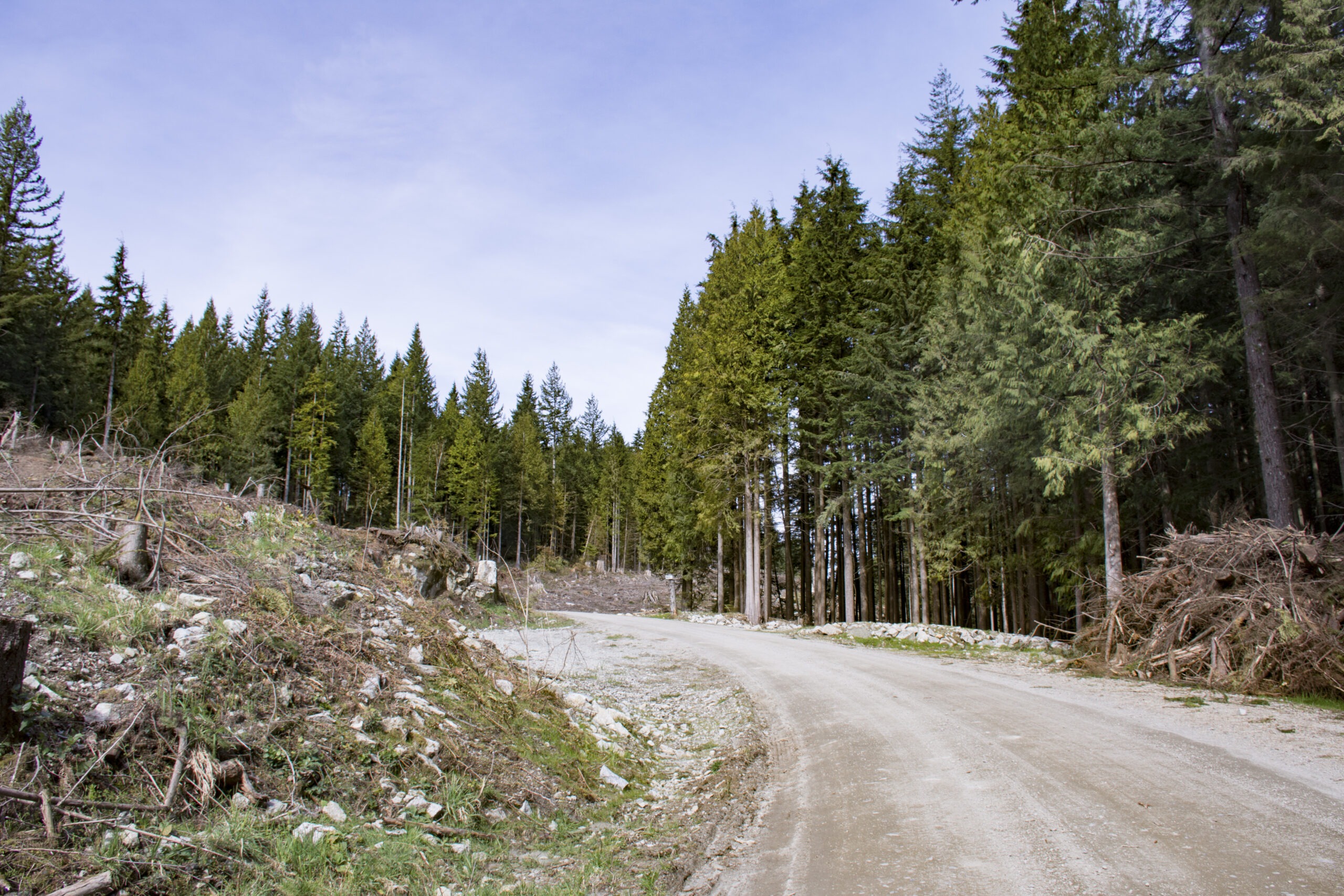 We tend to take logging roads for granted as an inherent right of access to Crown land. Their importance was recently reinforced when, just before the first snowfall, we travelled on one of the longest continuous and scenic forestry roads in the province. Ontario’s forest industry is critical to the provincial economy and many northern and rural communities. In 2023, the forest industry contributed $5.4 billion to Ontario’s Gross Domestic Product (GDP) and generated $21.6 billion in total revenue. The sector supported approximately 128,000 direct, indirect, and induced jobs in 2024, many of which are in Indigenous, rural, and northern communities. …The Ontario Forest Industries Association’s policy advisor, Adrian Smith said, “Forest access roads serve far more than the forestry sector. Built and maintained by our sector, they provide vital infrastructure. Forestry companies invest millions of dollars in grading, resurfacing, bridge and culvert upkeep, and winter snow clearing to keep this extensive network safe and reliable.
 WASHINGTON, D.C. —
  The Trump administration’s pending deletion of the Endangered Species Act’s definition of “harm” will have an outsize impact on imperiled species in Northwest forests targeted for logging, especially the northern spotted owl, environmental attorneys say. Habitat for several species, including the threatened owl and the endangered marbled murrelet seabird, overlap with federally-managed forests in Oregon, Washington, and California, where logging is expected to increase under White House emergency orders and a new law that requires a roughly 75% increase in timber harvesting in national forests by 2034. “Without adequate, suitable places to live and reproduce, species go extinct,” said Melinda Taylor, senior lecturer at the University of Texas at Austin School of Law. “Repealing the definition of harm would undermine almost all of the regulatory framework in place to protect endangered species.”

 WASHINGTON — On Tuesday, the U.S. House of Representatives passed two major bills for Washington state Tribes, the Lower Elwha Klallam Tribe Project Lands Restoration Act, and the Quinault Indian Nation Land Transfer Act. Both bills initiate the first step to return land back to the Tribes by transferring ownership from the federal government to the Bureau of Indian Affairs to be held in trust for the benefit of the Tribes. [The bills were introduced into] legislation in April 2025. The bills now go to the Senate for consideration. “Today, we took an important step in upholding our treaty obligations by passing legislation to transfer land into trust for the Lower Elwha Klallam Tribe and the Quinault Indian Nation,” said Rep. Randall. “I urge my colleagues in the Senate to quickly pass these two bills to ensure we meet our trust responsibilities to restore Tribal lands.”
 A federal judge on Thursday vacated the U.S. Forest Service’s approval of a massive logging project [to harvest] about 16,500 acres of pine trees in the Custer Gallatin National Forest in southern Montana, just north of Yellowstone National Park. Senior U.S. District Judge Donald Molloy in Missoula, Montana, agreed with a collective of environmental advocates that the U.S. Forest Service failed to meet the requirements of the National Environmental Policy Act by relying on a condition-based management approach, which doesn’t identify the location of the 56.8 miles of temporary roads for the project and, as such, doesn’t adequately consider their impact on “secure habitat” for grizzly bears. Condition-based management defers specific decisions on how to proceed until the Forest Service has conducted field reviews. Here, it means the Forest Service has preliminarily identified areas as suitable for logging without identifying the precise location and size of the area to be cleared…

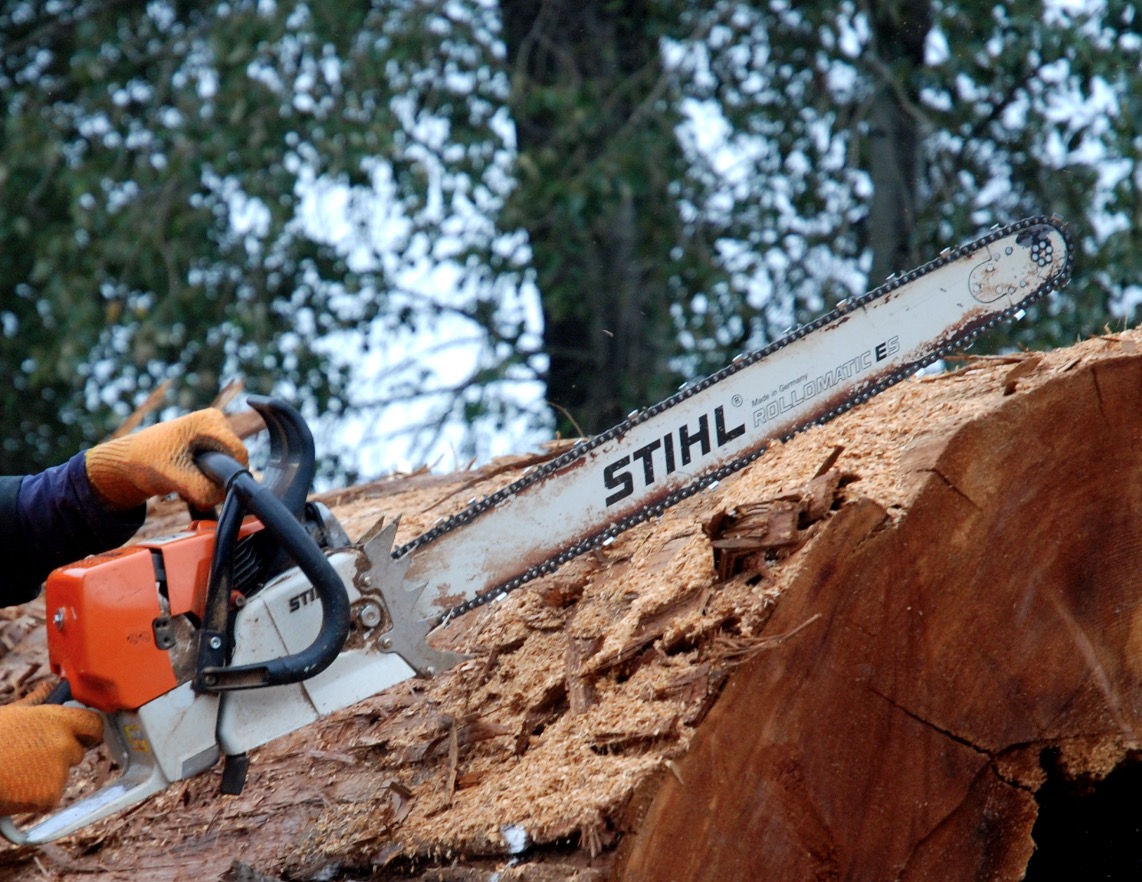 Two meetings next week between U.S. Forest Service leadership and timber industry representatives in Southeast Alaska are raising concerns among tribal and other officials about the possibility a years-long revision of the management plan for the Tongass National Forest will be halted by the Trump administration. At least one additional meeting is now planned next week because of those concerns, scheduled next Friday in Juneau between Forest Service leaders and members of the Central Council of the Tlingit and Haida Indian Tribes of Alaska, according to officials. A request to halt work on the revised plan is being made by the Alaska Forest Association, which states less than 10% of old-growth trees allotted to the timber industry in a 2016 revision of the plan have actually been authorized for harvest. The allocation of 430 million board feet (mmbf) was intended to support a 15-year industry transition to harvesting new-growth trees, according to AFA.
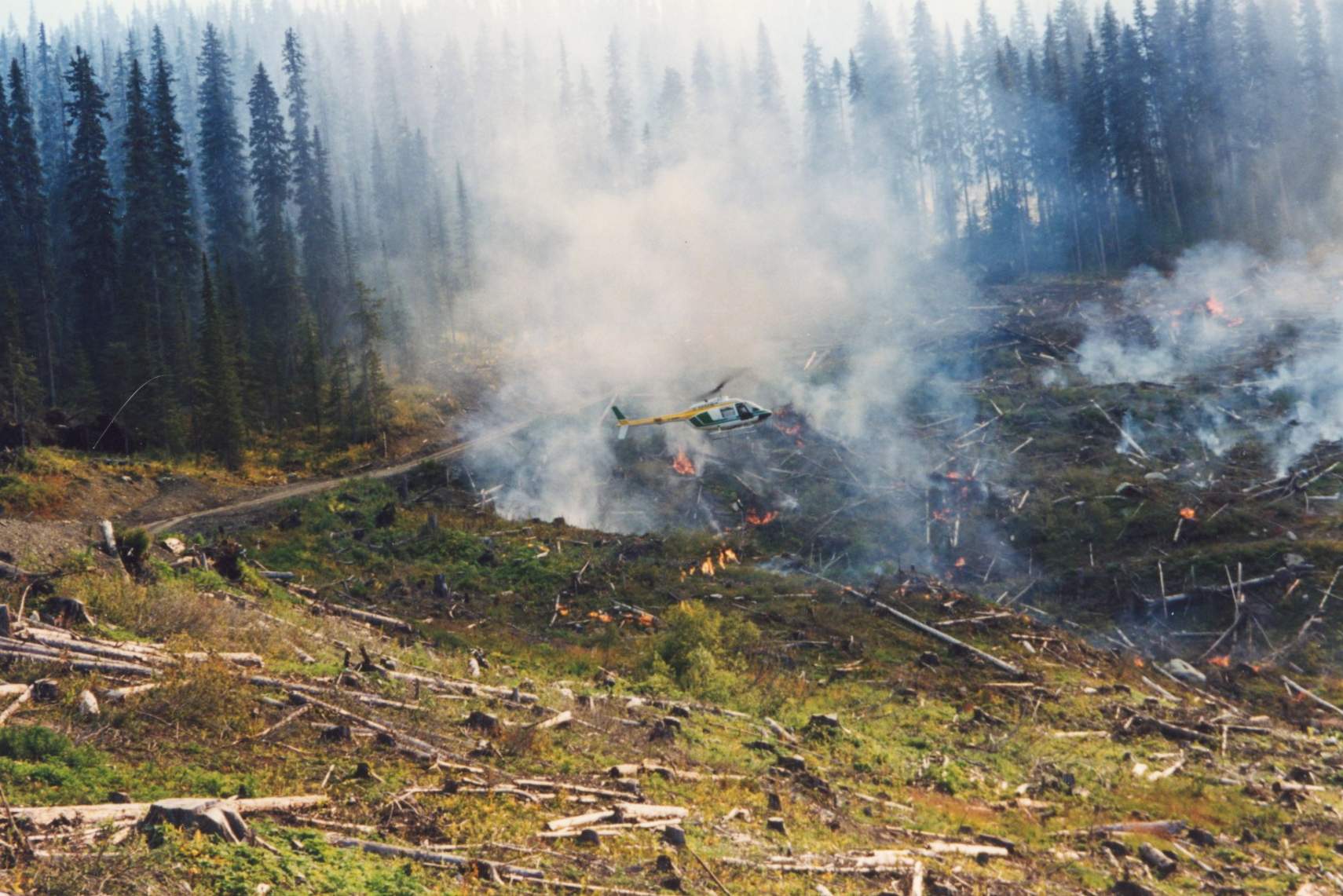 A new analysis making the rounds on Capitol Hill says the U.S. Forest Service sharply scaled back prescribed burns, thinning and other fuel-reduction work this year, leaving far fewer acres treated than in recent years. Through the first nine months of 2025, the agency logged under 1.7 million acres of treatments, well below the roughly four-year average that wildfire experts say is needed to protect communities and watersheds. The drop-off has Democratic senators and veteran firefighters pressing the agency for staffing numbers and a concrete plan to catch up before next fire season. As reported by Times of San Diego, the data cited by lawmakers comes from an analysis compiled by Grassroots Wildland Firefighters that compares the January-September 2025 total to a roughly 3.6 million-acre annual average from 2021-2024. Senators circulated that tally in a letter demanding detailed staffing and mitigation plans from the Forest Service.

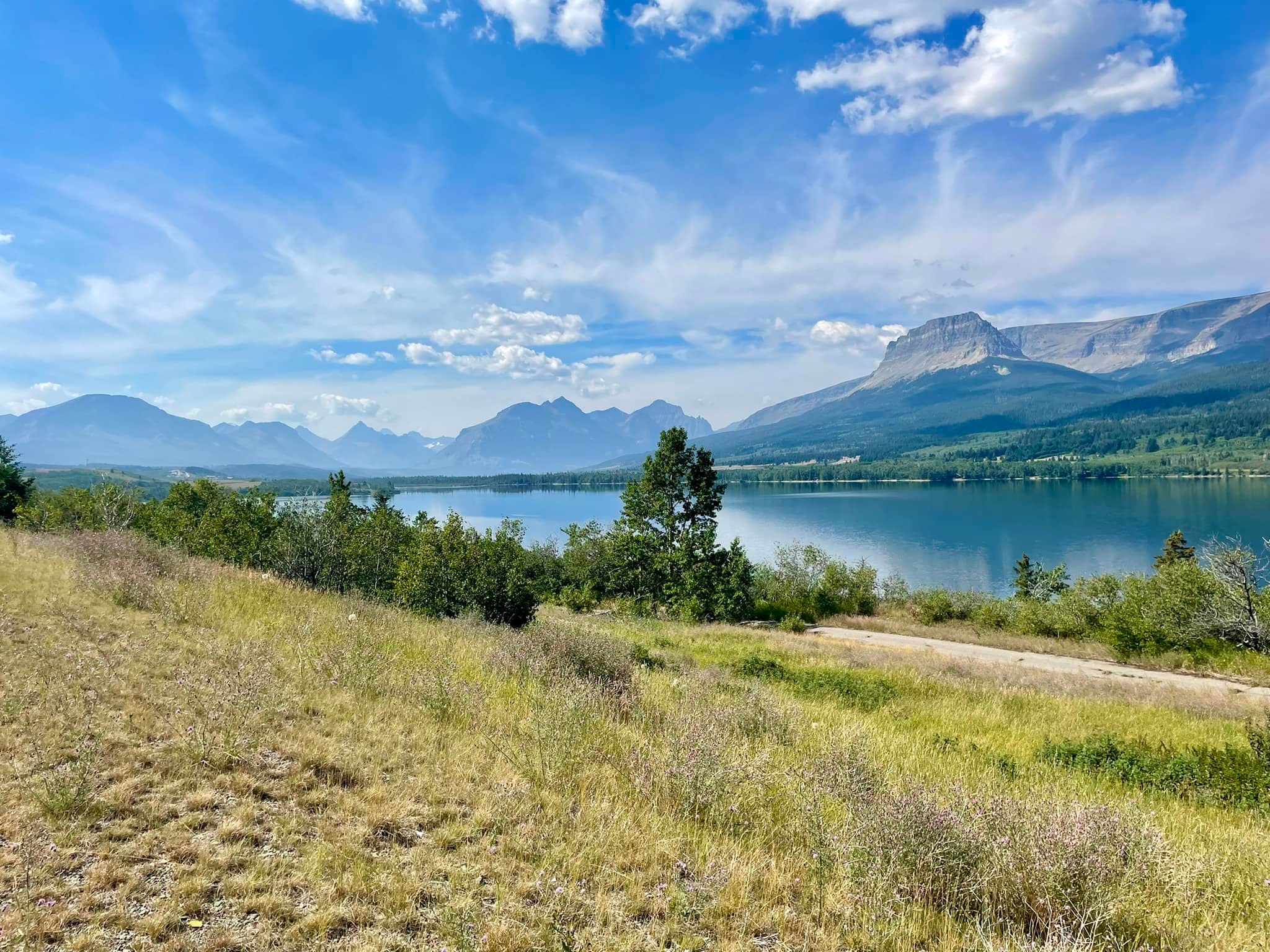 Despite a growing chorus of conservation advocates calling on Montana’s congressional delegates to defend roadless wildlands through permanent protections, a bill to do so seems unlikely to advance without Republican support, including that of U.S. Sen. Steve Daines. A Senate Energy and Natural Resources subcommittee on which Daines serves held a hearing Dec. 2 to consider a slate of 26 public lands and wildfire bills, among them a measure to enshrine the decades-old Roadless Rule into law. Re-introduced in June … the Roadless Area Conservation Act would protect nearly 60 million acres of national forestland. Although it has failed before, its supporters say this version comes at a pivotal moment as the Trump administration moves to roll back safeguards introduced in 2001. Hoping to capitalize on the bipartisan support that helped cleave a public land sale provision out of [the] One Big Beautiful Bill Act … conservation groups this week mounted a similar pressure campaign on Daines.
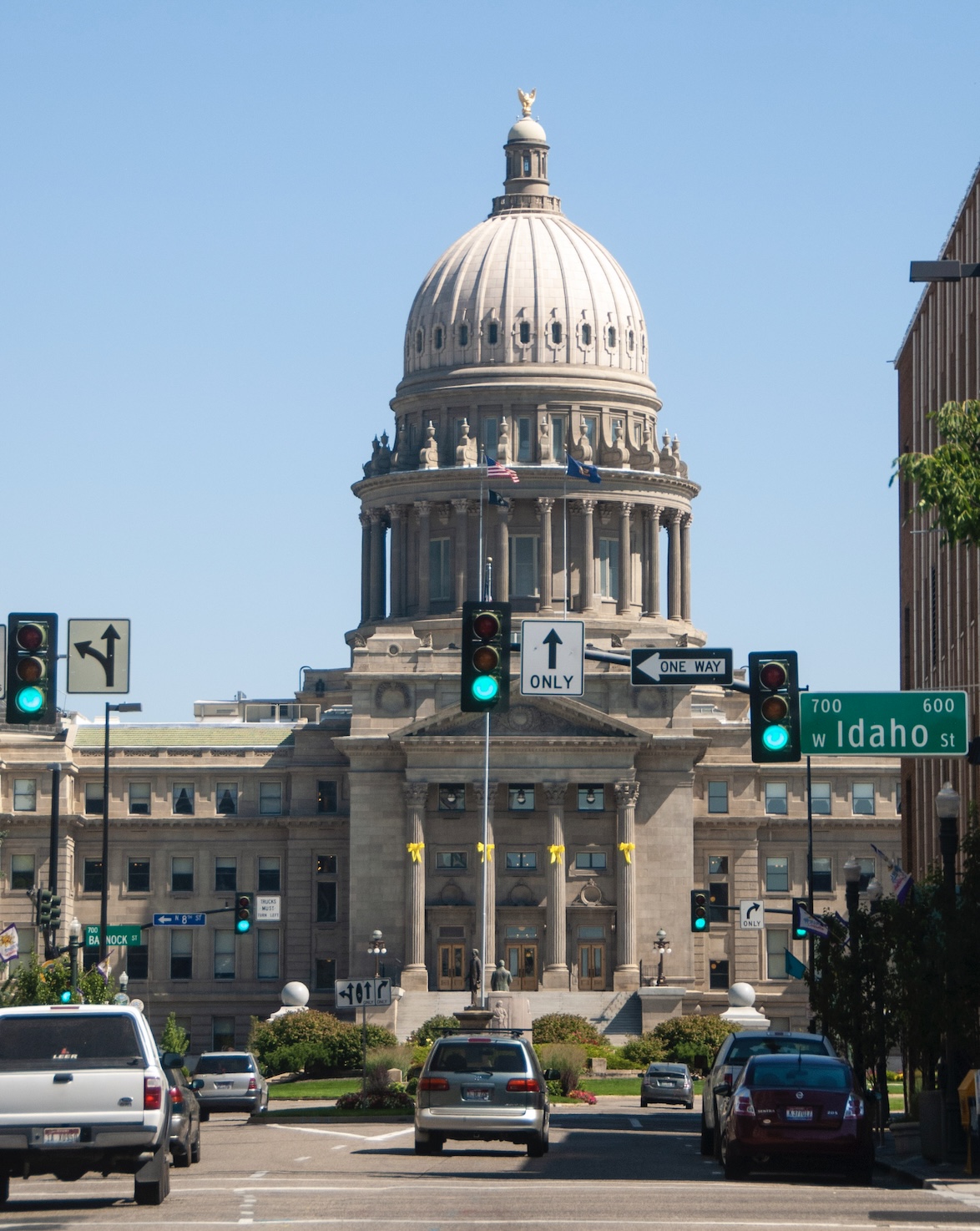 BOISE, Idaho — Governor Brad Little joined U.S. Forest Service Chief Tom Schultz and Idaho Department of Lands Director Dustin Miller on Friday to renew and expand Idaho’s Shared Stewardship agreement with the federal government — a move aimed at increasing the pace and scale of forest management across the state. The updated agreement establishes a collaborative framework between the U.S. Forest Service and the State of Idaho to strengthen policies related to forest restoration, land management, and wildfire mitigation “across Idaho’s forests and nearby communities.” Building on the landmark 2018 Shared Stewardship agreement, the new plan deepens joint efforts to boost timber production, accelerate wildland restoration, and expand forest health projects on national forests and adjacent state and private lands. The partnership reaffirms each side’s commitment to proactive landscape management as fire seasons grow increasingly longer and more intense.
 Reforms to Australia’s nature laws have passed federal parliament. A longstanding exemption that meant federal environment laws did not apply to native logging has finally been removed from the Environment Protection and Biodiversity Conservation Act. Native forest logging will now be subject to national environmental standards – legally binding rules supposed to set clear goals for environmental protection. This should be a win for the environment, and some have celebrated it as an end to native forest logging in Australia. But the reality is such celebrations are premature. We don’t have all the details of the new standards, or know how they will be enforced and monitored. Federal Environment Minister Murray Watt has told the forestry industry, including in Tasmania, that native forest operations will continue as usual. In an interview with ABC Radio Hobart, he said the changes keep day-to-day forestry approvals with the state government, but introduce stronger federal oversight.
 The opening of IKEA in New Zealand comes as a rural community worries about the fire risk from pine plantations. Since 2020 IKEA has converted six Central Hawke’s Bay farms into pine forestry…This move, combined with the sale of [local] farms to overseas forestry companies, is sparking concerns from locals about the loss of farmland and the risks associated with converting large areas into pines. …Porangahau farmer James Hunter wants New Zealanders to witness the extent of farmland being planted in forestry. Most of IKEA’s 4300 hectares of forestry in Central Hawke’s Bay is near the village of Porangahau, where about 200 hectares of its pine trees went up in flames in October and took days to extinguish because of the high winds grounding helicopters. It’s fires like this that have rural communities on edge, because they say even if the blaze starts on nearby farmland, the forests contain the fuel that feeds them.
 Welcome to the Wood Pellet Association of Canada’s Fall 2025 newsletter. We hope you enjoy reading it, and we welcome your feedback. The Headlines:
 The Arctic Energy Alliance and the Wood Pellet Association of Canada will co-host the Arctic Bioenergy Summit and Tour this January in Yellowknife—an emerging hub for northern renewable energy innovation. With the speaker roster nearly complete, Day 1 will set the tone with a deep dive into bioenergy’s role across Canada’s North, from evolving policy frameworks to community-led energy solutions. Sessions will explore regional strategies, technology developments, and bioenergy success stories, highlighting what’s working in remote and Indigenous communities and the lessons learned along the way. Speakers will also tackle supply-chain challenges, including logistics, fuel production and distribution, and the unique complexities of operating in northern climates. The program wraps up with a networking reception—an opportunity for delegates to connect, share insights, and build partnerships advancing sustainable energy in the Arctic and beyond.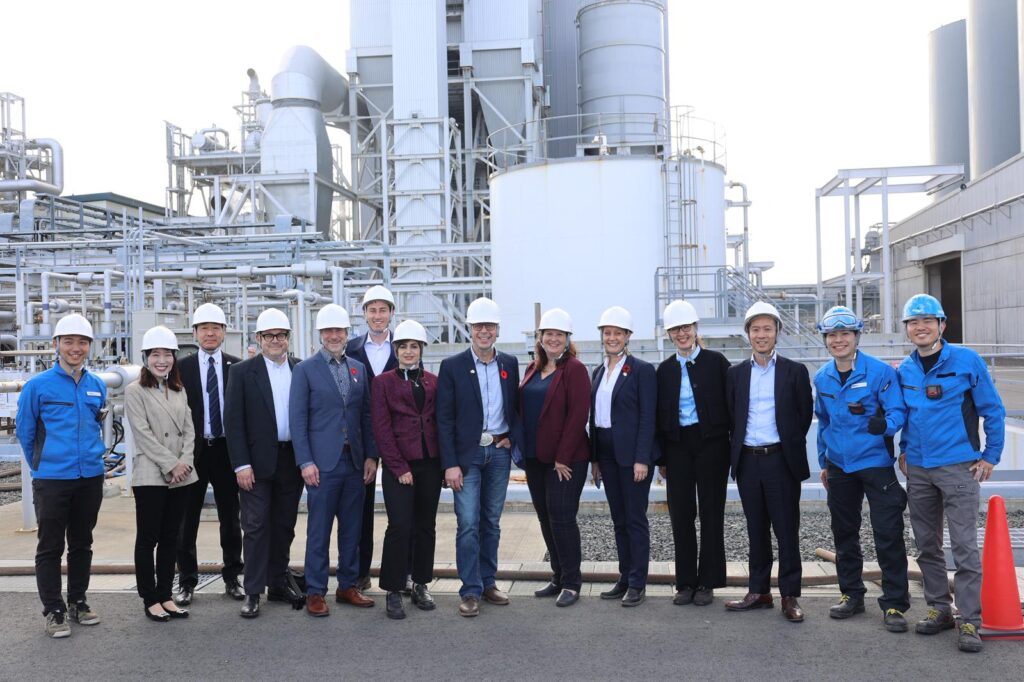
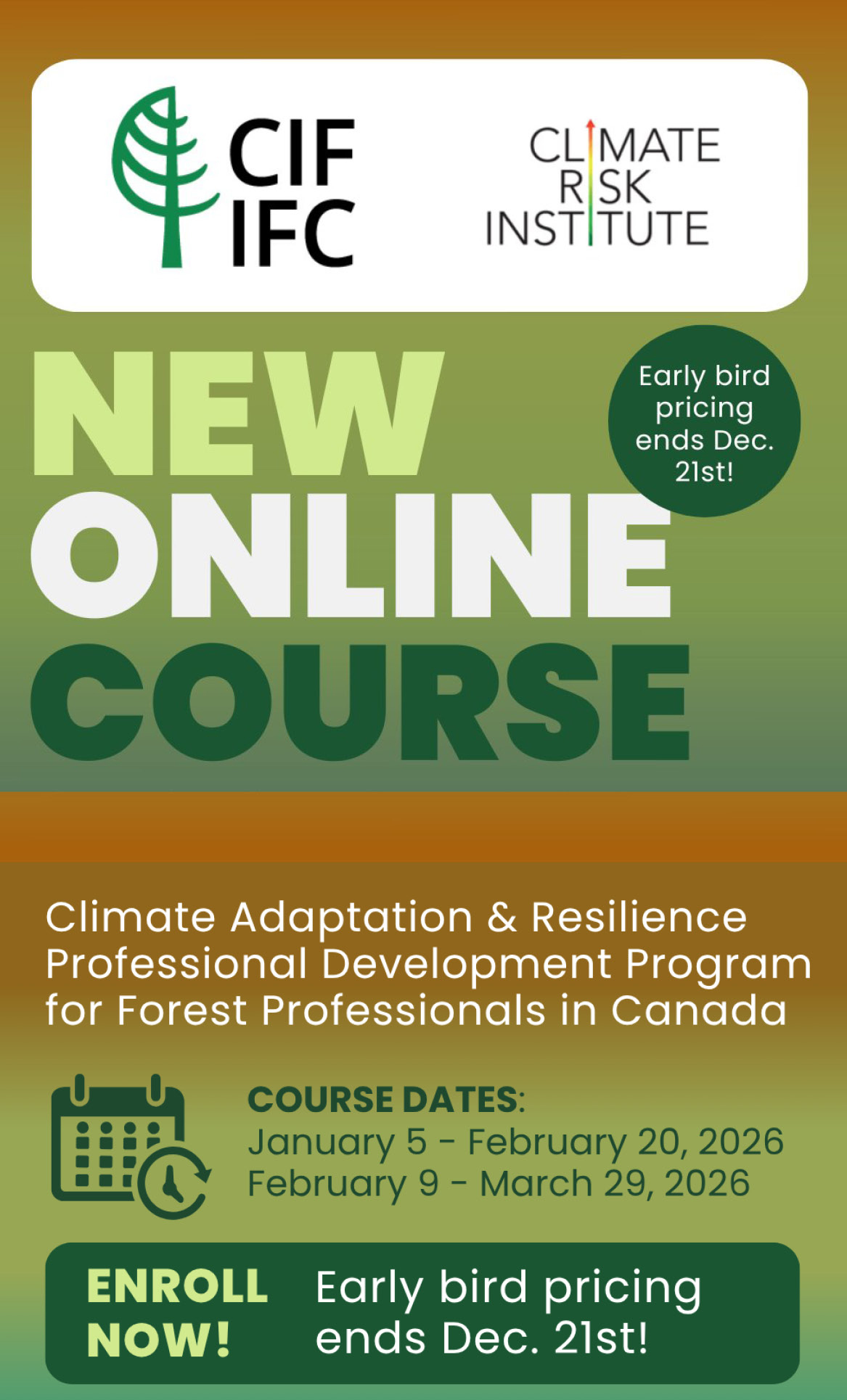 The Climate Risk Institute (CRI), in collaboration with the Canadian Institute of Forestry/Institut forestier du Canada (CIF-IFC) and with contributions from the Ontario Ministry of Natural Resources (MNR), have developed a Climate Adaptation and Resilience Professional Development Program for Forest Professionals in Canada. This course is designed to provide forestry professionals and practitioners with new knowledge of climate change, climate impacts and adaptation strategies to complement their existing knowledge base, strengthen climate resilience in forest management, and build capacity across the sector to integrate adaptation measures into daily practice. Funded in part by Natural Resources Canada through the
  Pulp and paper mills sit at the intersection of several decarbonization pressures. …This makes them tempting targets for hydrogen developers who are trying to find new markets… In Prince George the firm Teralta attempted what was possibly the only hydrogen-for-energy scheme in British Columbia with a chance of working. Their idea was to capture hydrogen produced as a by-product by the nearby chemical plant Chemtrade (from its sodium-chlorate process), purify and pipe it about 500 metres to a nearby pulp mill owned by Canfor. …The
 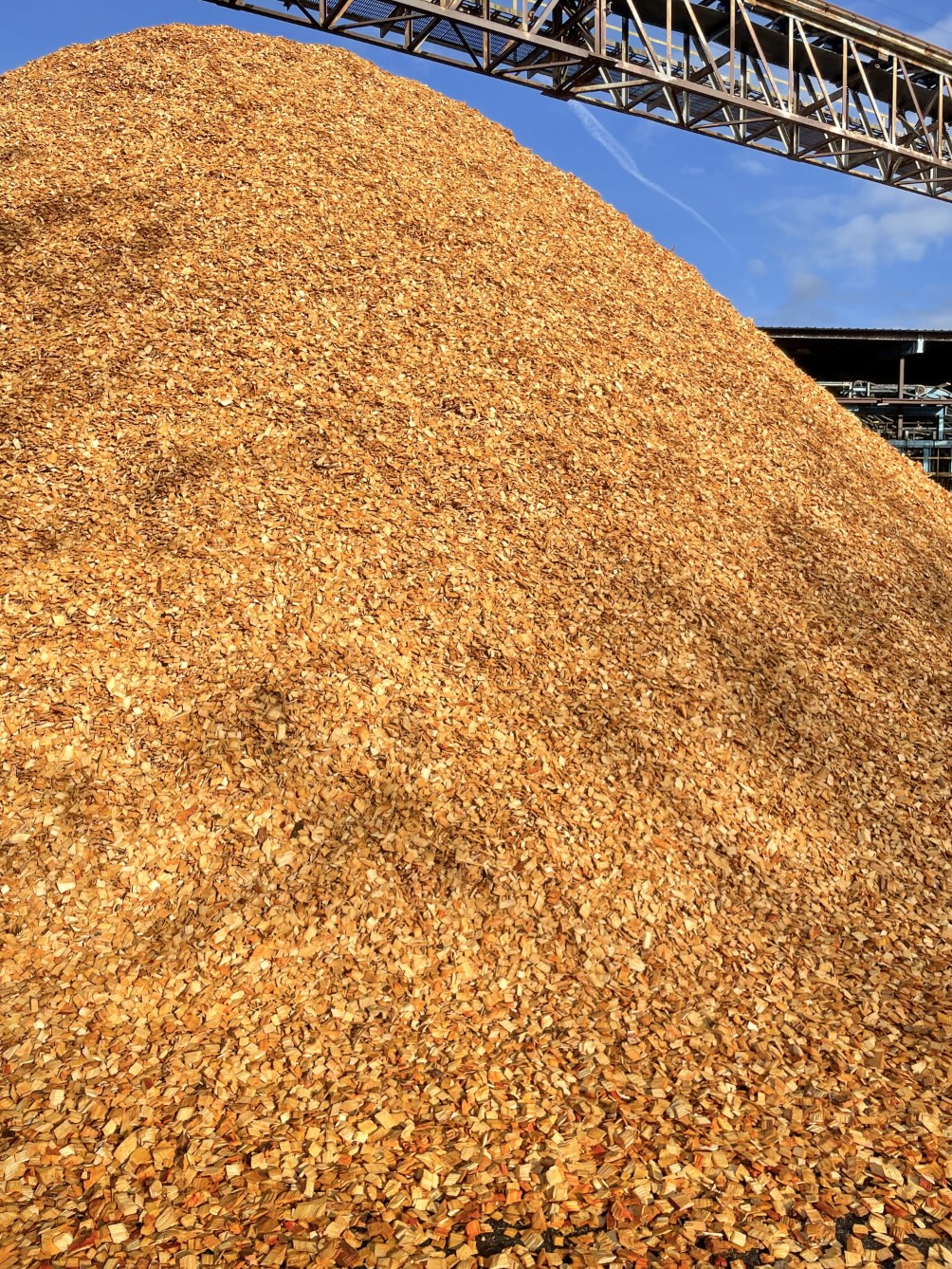 Federal funding of nearly $460,000 will enable Bingwi Neyaashi Anishinaabek to move forward with the installation of a district biomass heating system in the community. The project is one of 10 being supported with $4.8 million from FedNor’s Northern Ontario Development Program, announced Dec. 5. Bingwi Neyaashi Anishinaabek — also known as Sand Point First Nation — has been
 The Family Forest Carbon Program pays landowners not to timber their trees, then sells the additional growth as carbon credits. But critics question whether it leads to overall emissions reductions. David Funk has spent decades working to restore the native forest ecosystems of southeast Ohio. Now, he’s finally getting paid for it—through a carbon credit program. “The Nature Conservancy reached out and knew that I was very active in the preservation of woodlands in southeastern Ohio,” Funk said. “It was just a perfect fit for what we do.” That’s why Funk was eager to become the first Ohio member of the Family Forest Carbon Program. An initiative of the American Forest Foundation and the Nature Conservancy, the FFCP pays private landowners not to timber the forests on their properties for 20 years. It also provides free consultations with forest managers to facilitate whatever goals landowners may have for their woods—hunting, hiking, even sustainable harvesting.
 Thunder Bay – For more than 100 years, the pulp and paper mill in Dryden has been the most important building in this small city in northwestern Ontario. It was the engine of the local economy, providing jobs for generations and connecting Dryden to a larger network of forest products that includes Thunder Bay and other communities in the area. But the same industrial complex also caused one of Canada’s worst environmental disasters. In the 1960s and 1970s, a chlor-alkali plant that was part of the mill dumped an estimated 9,000 to 10,000 kilograms (about 10 metric tons) of mercury into the English–Wabigoon River system. …People have lived with symptoms of mercury poisoning for generations, including Minamata disease. Commercial fishing was stopped, and guiding jobs disappeared. The main question is still painfully unanswered decades later: Who should pay to clean up the river, fix the land, and help the people who were hurt?