 In another hit to Canada’s forest industry, West Fraser Timber is indefinitely curtailing its High Level, Alberta, OSB mill; and Brink Forest Products is temporarily closing its value-added mills in northern BC. In related news: BC leaders are hopeful new buyers will continue operating the Crofton pulp mill; and Tolko’s Williams Lake mill remains down after fire. Meanwhile, Boise Cascade’s Jeff Strom succeeds Nate Jorgensen as CEO; and West Fraser’s Sean McLaren is elected American Wood Council Board Chair.
In Forestry news: Health Canada is unmoved by retraction of glyphosate study; Ben Parfitt opines on what’s behind the Crofton mill closure; Alice Palmer is unsettled by the lack of empathy in BC’s forestry debate; and Arizona research on the cost and value of Wildland-Urban Interface building requirements. Meanwhile: a UK firm secures financing for fungi-based tree health pellets; and New Zealanders have fire safety worries about IKEA’s pine plantations.
Finally, US tariffs on Chinese fake Christmas trees could drive business to live tree lots.
Kelly McCloskey, Tree Frog News Editor
 OTTAWA, ON
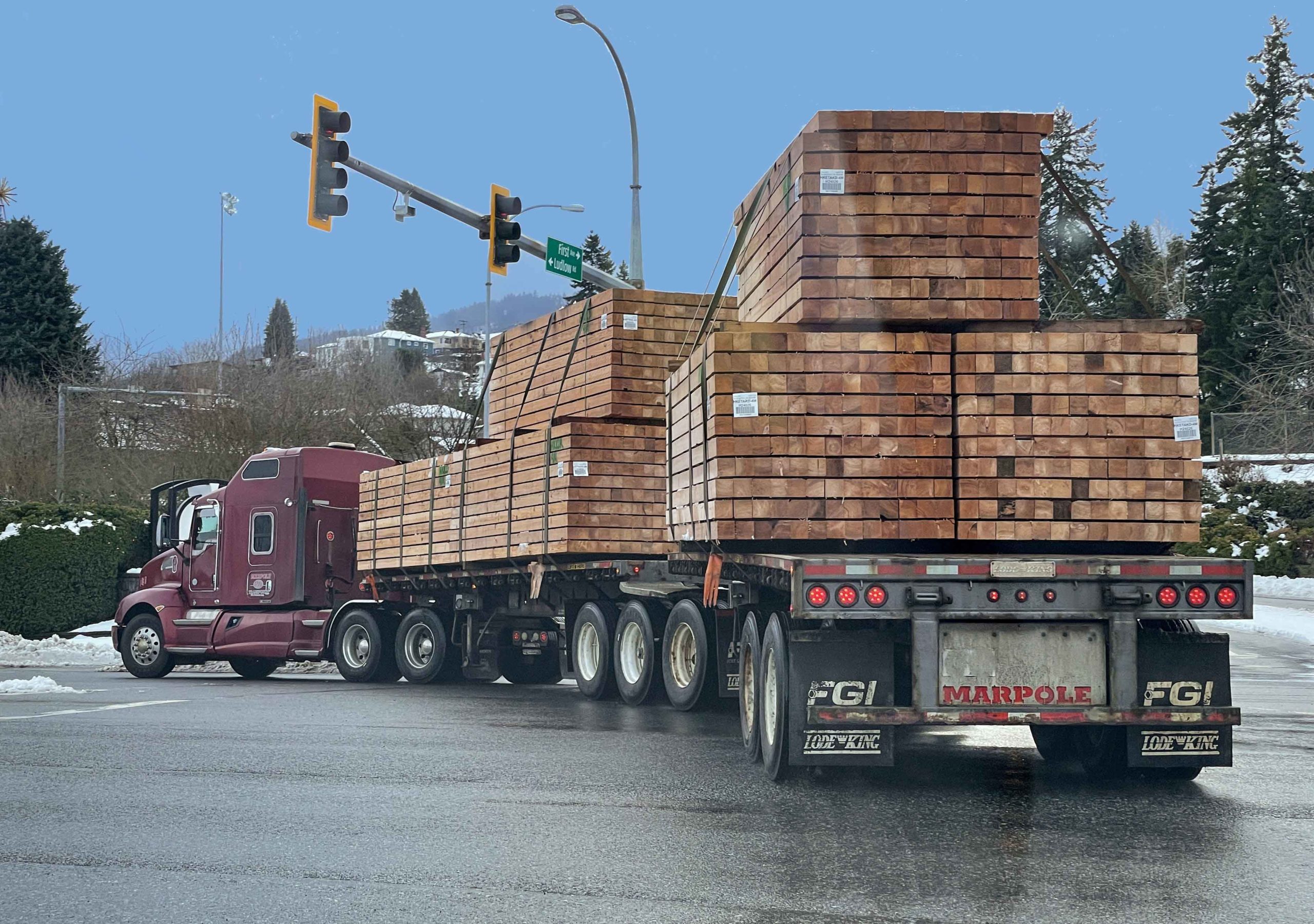
 Montréal, Quebec – Domtar Wood Products announced today a curtailment in its lumber production. Due to challenging market conditions and ongoing economic uncertainty, Domtar will temporarily reduce its lumber production by 100 million board feet for the fourth quarter of 2025, including additional curtailments for the holiday season, at its facilities in Quebec, Ontario, and the United States. “Demand for lumber continues to stagnate in North America, exacerbating an already difficult market,” said Luc Thériault, President of Domtar Wood Products. Domtar will continue to monitor market conditions and adjust its production plans accordingly. [END]
 The much-pilloried Canada-U.S.-Mexico trade agreement was signed seven years ago this weekend—on November 30, 2018. A year later, it was amended to address rules of origin for autos, digital trade, IP, dairy and, who could forget, a sunset clause. We can all do the math. The December 10, 2019 amendments set in motion a 16-year term for the agreement, with a mandatory review every six years. Which means we’ll see more of a requiem than a birthday bash next week when Mark Carney is in Washington to help kick off the 2026 FIFA World Cup. But don’t bury CUSMA just yet. Despite the U.S. President’s freeze on negotiations, officials from both countries are talking every day and laying the groundwork for what will be an intense 2026. Not many insiders seriously expect CUSMA to go away; they’re working on changes—modifications, enhancements, renovations, depending on your point of view—that will continue to change the fabric of continental commerce.

 VANCOUVER, BC
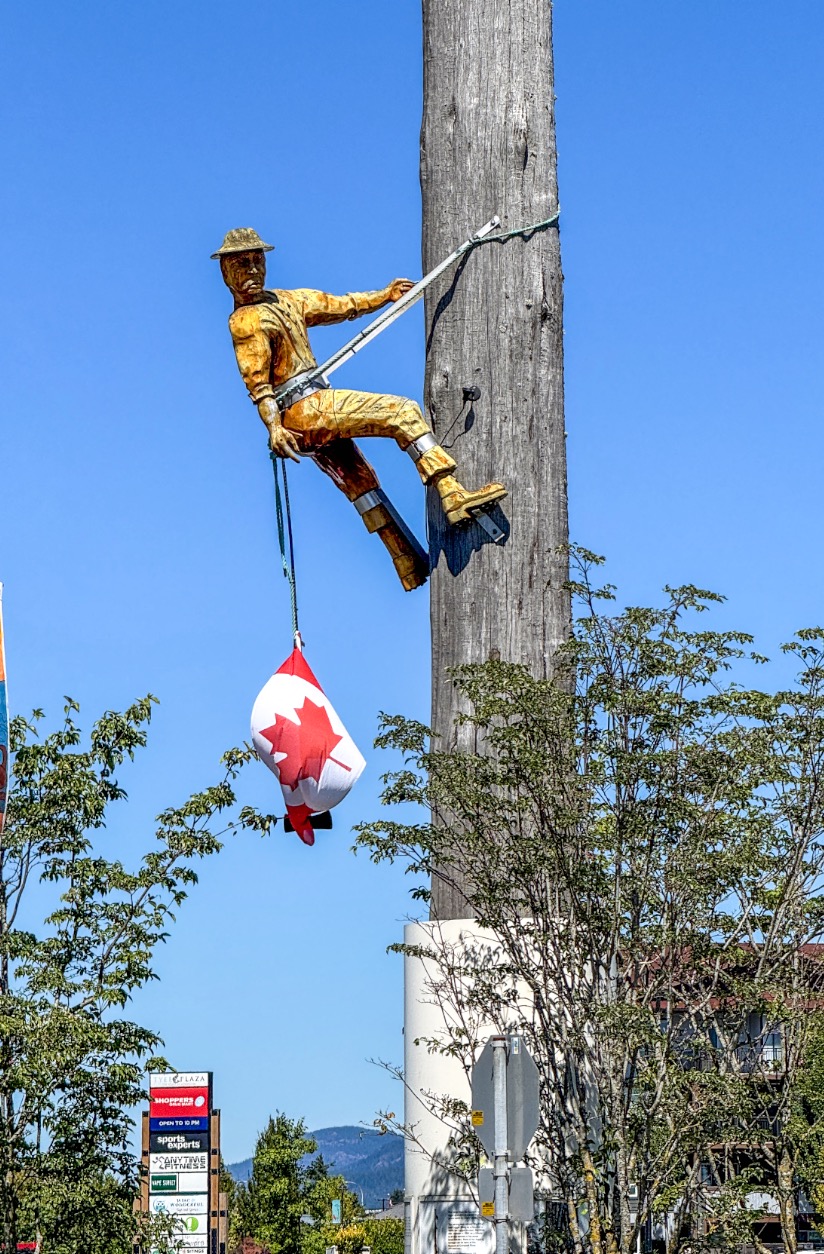 More than 100 unionized North Island forestry workers on strike rallied in Campbell River on Wednesday. They’ve been without a contract for more than six months. They warned their employer that they are united and will succeed in their demands… The United Steelworkers marched to the Campbell River offices of Western Forest Products… The company owns a controlling 55 per cent share of La-kwa sa muqw Forestry (LKSM). On Oct. 20, the union filed a common-employer application with the Labour Relations Board. “…we’re challenging the fact that LKSM is actually a separate company. …We believe our members deserve the same collective agreement that all WFP members have,” said Brian Butler, president of United Steelworkers Local 1-1937 …“What this issue is really about is the union’s demand that it wants all contractors, new contractors, working for us, including First Nation contractors, to be mandatorily certified with the union,” said Greg DeMille, Operations Manager of La-kwa sa muqw Forestry.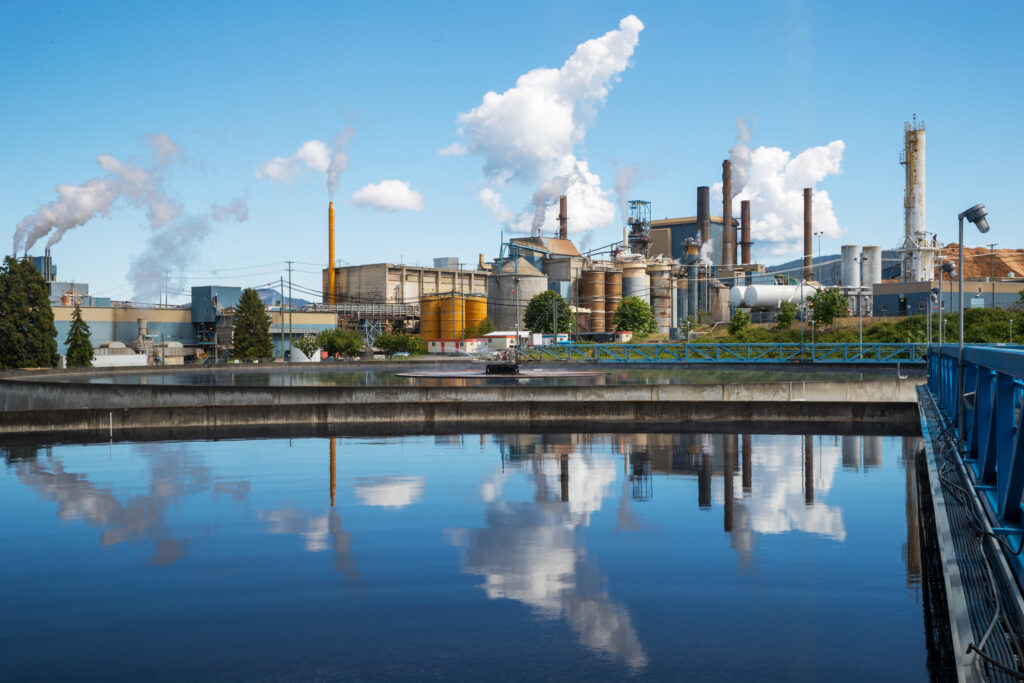
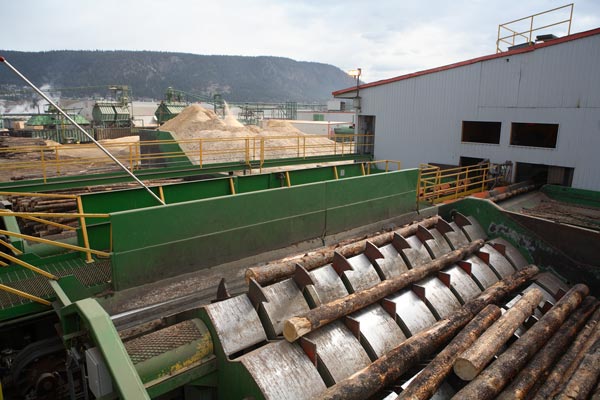
 Domtar’s announcement of its Crofton pulp and paper mill closure was a major and far-reaching loss for its workers, the North Cowichan community, and the broader forest-industry supply chain across the BC Coast. It is especially difficult knowing that this closure was preventable. Industry, labour and municipal governments have been warning the BC government about the risk of mill closures for many months. The government was given numerous recommendations, solutions, and opportunities that could have helped avoid this outcome, but has largely failed to act with the urgency that was required. …This closure underscores the many challenges facing BC’s coastal forest sector: ongoing constraints on access to economically viable fibre, an uncompetitive business cost structure, and regulatory uncertainty. For TLA members, these pressures threaten the stability of their operations and the forestry-dependent communities they support. The TLA remains committed to working with government and industry partners to stabilize the sector…


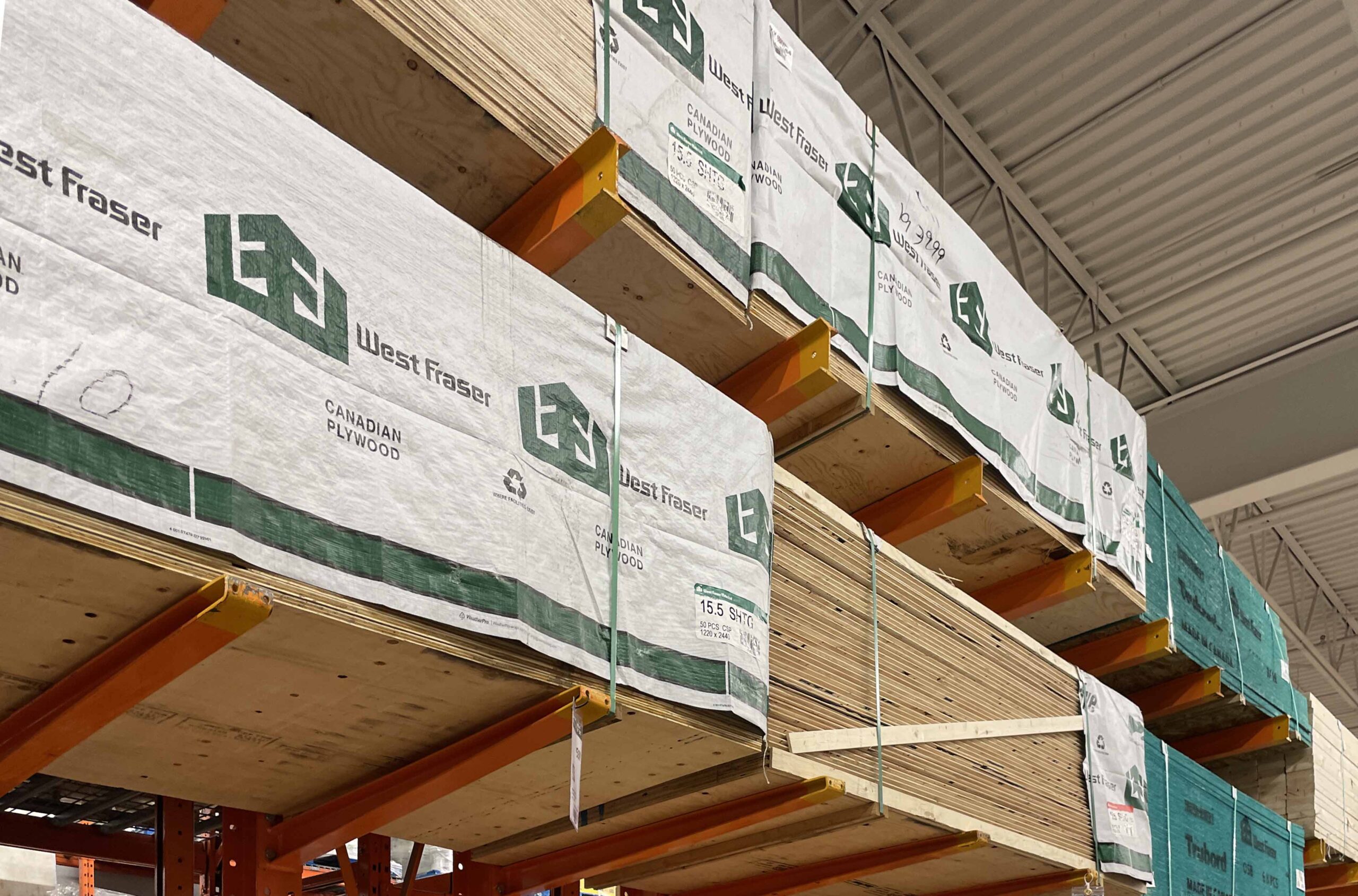 The District of 100 Mile House’s mayor and one of its councillors went to Victoria for meetings with provincial government officials over the impending West Fraser Mill closures on Monday, Nov. 24. During the Mayor’s Report at the Nov. 25 District of 100 Mile House Council meeting, Mayor Maureen Pinkney and Coun. Donna Barnett both revealed details about a visit to Victoria regarding issues surrounding 100 Mile, including the impending permanent closure of the 100 Mile West Fraser mill, as well as frequent closures of the emergency department at the 100 Mile Hospital. On Nov. 6, West Fraser Lumber announced in a release that it would be closing its 100 Mile House lumber mill following a two-month wind-down.


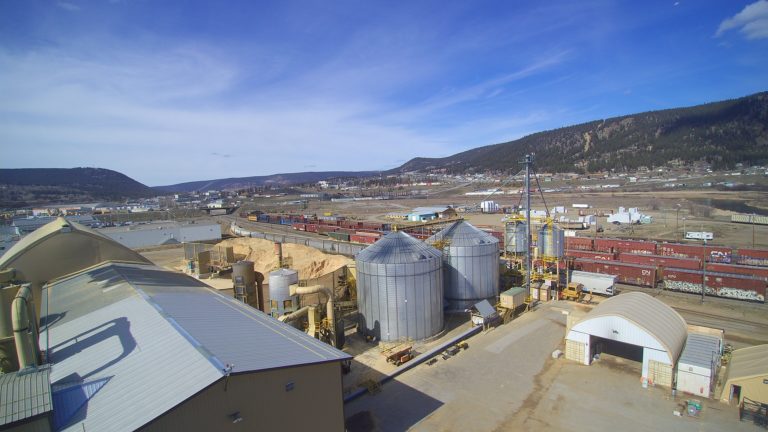
 Private woodlot owner Andrew Clark says this year is one of the toughest he’s seen in the six decades he’s worked in the woods. For him, sales are ‘maybe 50 per cent’ of what they were last year. “It is the lack of markets which are the result of the tremendous uncertainty that the industry is in now because of the actions of the American government,” he said. He feels some of the federal government’s new supports – announced this week – could help. Prime Minister Mark Carney announced Wednesday a $500-million increase to the previously announced Softwood Lumber Development Program, which gives companies access to government-backed loans, totaling $1.2 billion. He also said Ottawa is working with railway companies to cut freight rates when transporting Canadian lumber across the country by 50 per cent. But Clark says the current situation – with the U.S. duties and tariffs amounting to 45 per cent – isn’t sustainable.


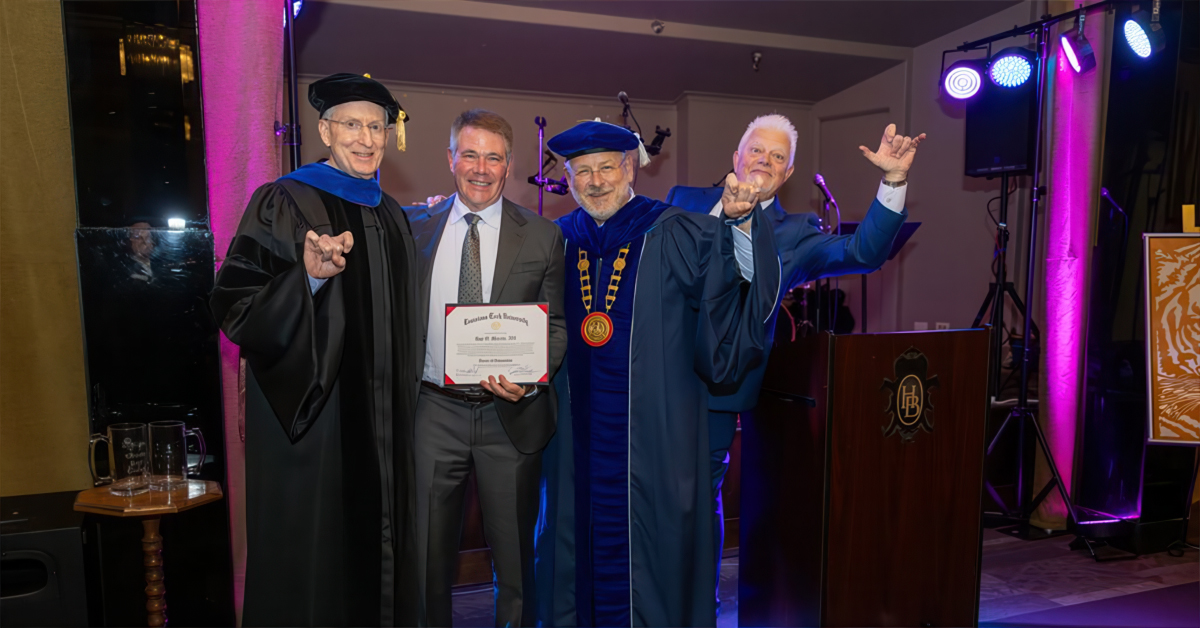

 Vancouver, BC – Canfor Corporation and Canfor Pulp Products Inc. announced today that they have entered into an arrangement agreement pursuant to which Canfor Corp will acquire all of Canfor Pulp’s issued and outstanding common shares not already owned by Canfor Corp and its affiliates pursuant to a court-approved plan of arrangement under the Business Corporations Act. Under the terms of the Arrangement Agreement, the shareholders of Canfor Pulp, other than Canfor Corp and its affiliates, will have the option to receive, for each Canfor Pulp Share held: 0.0425 of a common share of Canfor Corp, or $0.50 in cash. ….Canfor Corp currently owns approximately 54.8% of the issued and outstanding Canfor Pulp Shares. The $0.50 per Canfor Pulp Share represents a premium of 25% to Canfor Pulp’s closing share price on December 2, 2025, on the Toronto Stock Exchange and a premium of 38% based on the 10-day volume-weighted average share price of Canfor Pulp as of December 2, 2025, on the TSX.
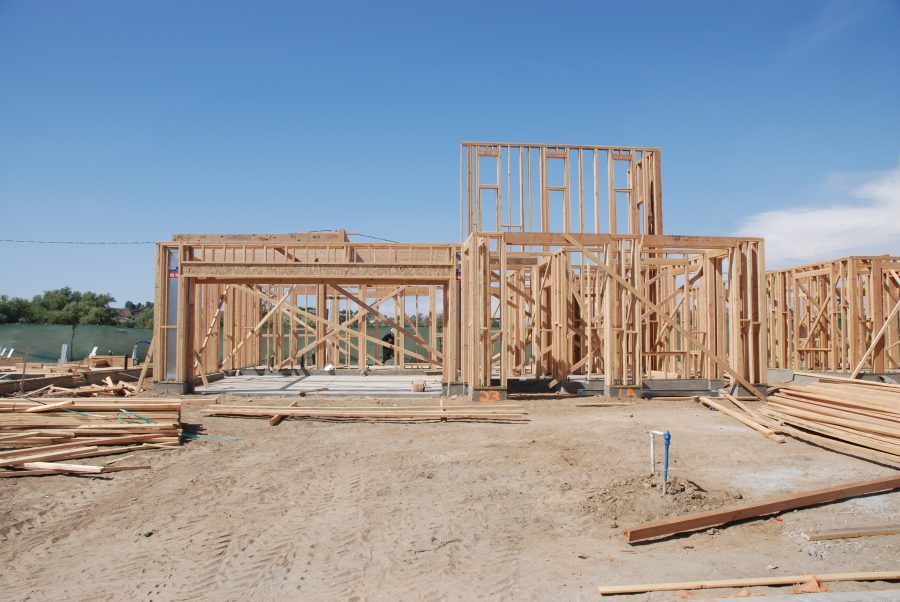 “President Donald Trump’s tariffs could increase builder costs anywhere from $7,500 to $10,000 per home,” said Rob Dietz, chief economist at the National Association of Home Builders… Last year, the NAHB estimated that every $1,000 increase in the median price of a new home prices out roughly 106,000 potential buyers. The biggest impact has been felt in lumber prices, which are expected to total about $4,900 per home on average. …about a third of the wood purchased for homebuilding comes from Canada. Domestic lumber producers generally raise their prices to match import prices. …major players like Home Depot are better able to mitigate and predict rising and volatile prices than smaller retailers. North American Builder’s Supply, based in Illinois, has filed for Chapter 11 bankruptcy protection. …“Over 50% of our inventory is not part of tariffs and is obviously sourced domestically,” Home Depot Executive Vice President William Bastek shared.
 B.C.’s largest-ever forestry trade mission to Asia
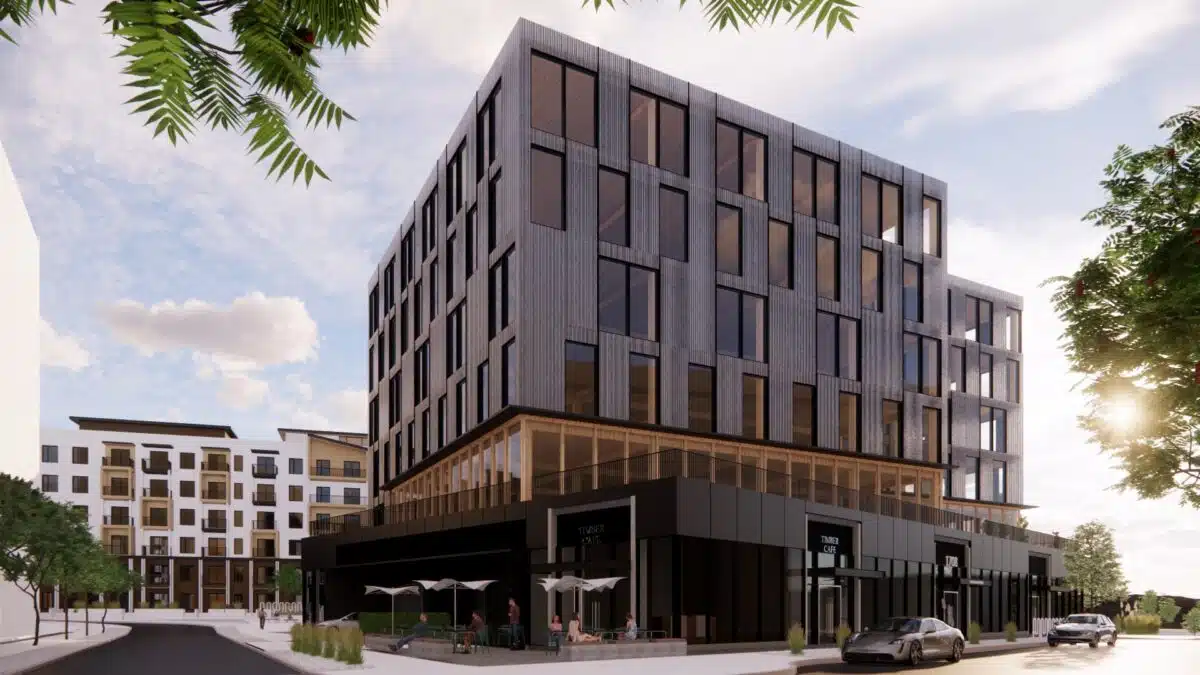
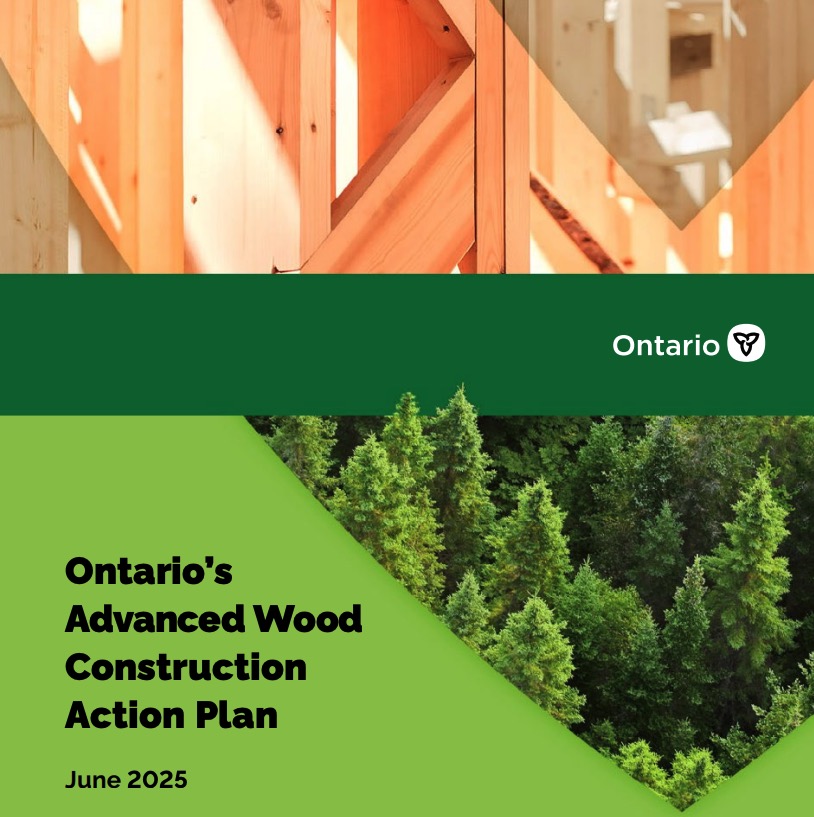 TORONTO — The Ontario government has launched a new working group to guide the implementation of the
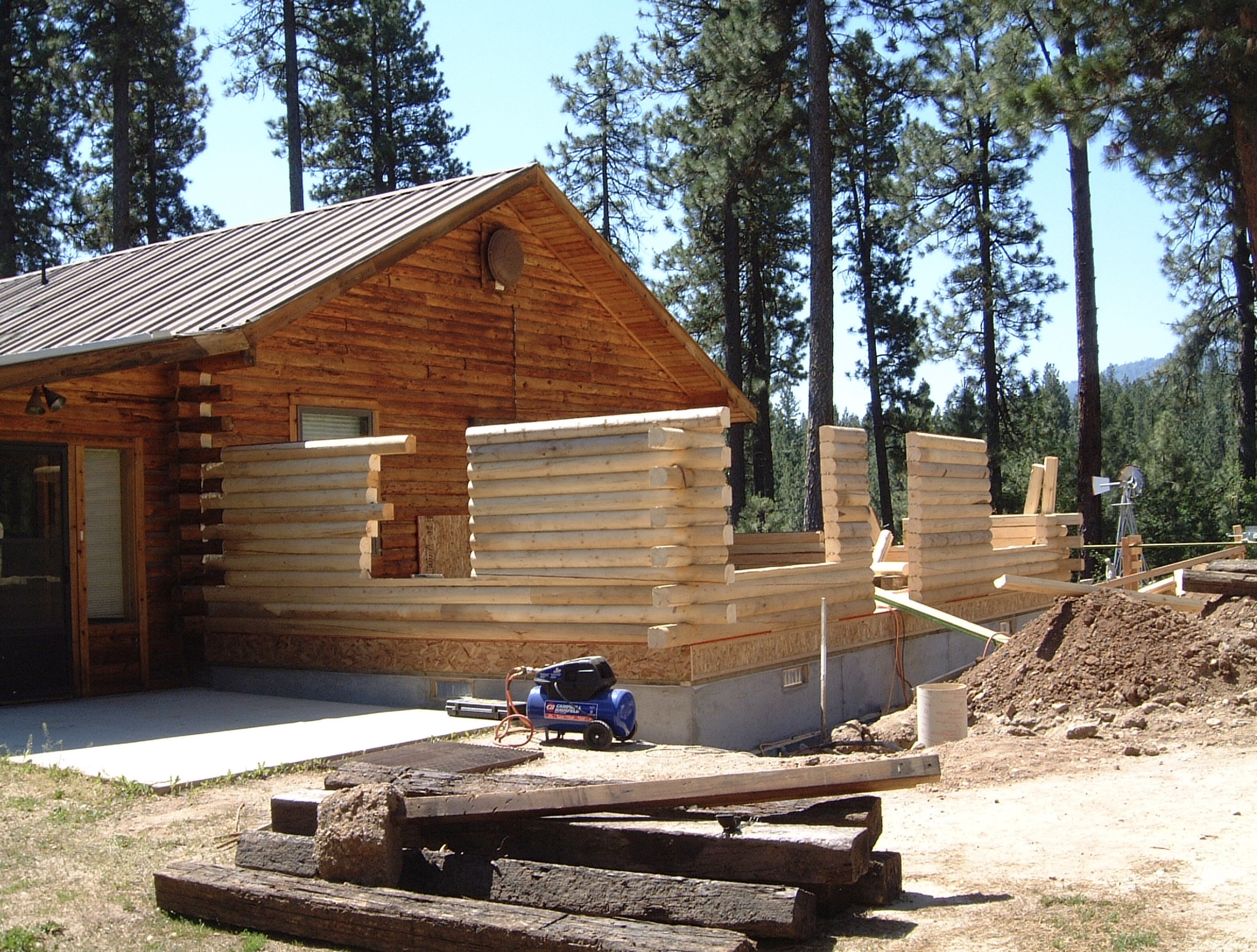 Payson sits in one of the most fire-prone regions in the country, yet the town council has repeatedly declined to adopt fire-hardening requirements for new homes. The town several years ago approved a Firewise landscaping code aimed at thinning overgrown properties and removing vegetation touching buildings. However, the council has twice rejected a Wildland-Urban Interface (WUI) building code, most recently after firefighters urged the council to adopt standards for new construction. Builders raised concerns about cost, and the council again declined to move forward. A collection of studies suggests those concerns may not align with the data. Research from federal agencies, economists and wildfire specialists shows WUI codes add little to the cost of new construction, save money over time and significantly reduce the likelihood of homes burning in a wildfire. The research also points to major long-term savings for taxpayers, who shoulder growing federal firefighting costs in high-risk areas.


 The December edition — issued by FSC Canada — includes several major updates: the Canadian home-improvement and construction retailer RONA has become the first such retailer in Canada to use DoorDash for distribution; there’s news that Chantiers Chibougamau reaffirmed its commitment to FSC certification; Esri donated $1.65 million worth of geospatial technology to FSC; and there are recap highlights from the 2025 General Assembly in Panama. The newsletter also announces the launch of a new registry for certificate holders (ES Registry), publishes a new “Advice Note” on Indicator 55 of the Risk Assessment Framework, and opens two major consultations — one on Indigenous Cultural Landscapes and another to revise FSC’s Chain-of-Custody standards.
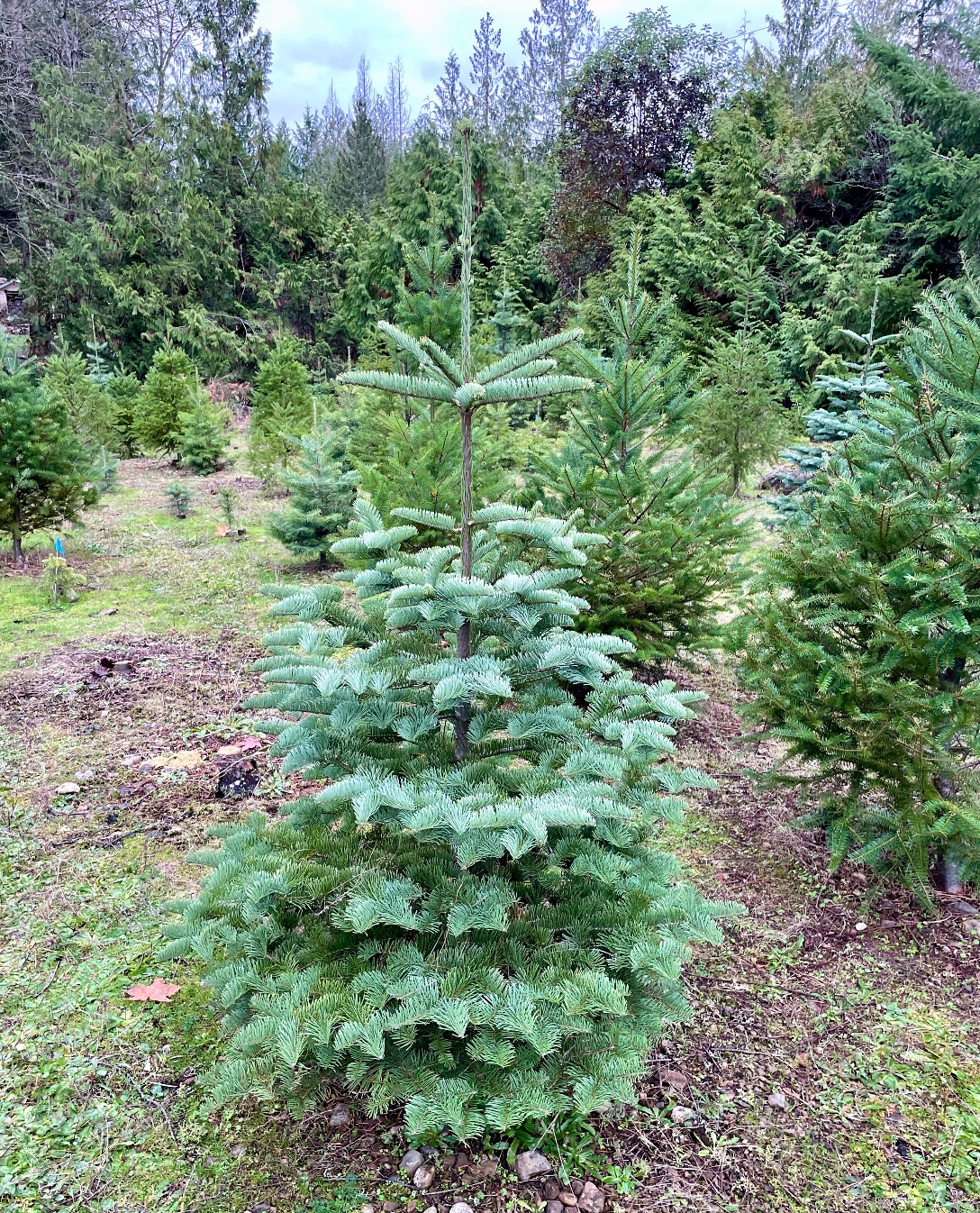 Modern-day circumstances are slowly transforming the Christmas tree farming industry. …weather is a challenge Michael Cormack faces on the Christmas tree farm he owns and operates in Ontario. … “Mother nature is a big, big factor in the business,” Cormack said. “This year in July, we were averaging over 29 C. So we had trees from two to three years ago that just died. … Four years ago, we had a tornado here that wiped out a bunch of our stuff.” …Another major factor is the cost of living crisis. …“Right now many of the farms are owned by elderly growers, and they’re aging out. So we’re losing a lot of farms year after year, which is unfortunate,” said Kelsey Leonard, founder and director of the Christmas Tree Lab at the University of Waterloo. …U.S. tariffs are also likely to have an impact on the costs associated with growing Christmas trees this year, Leonard said.
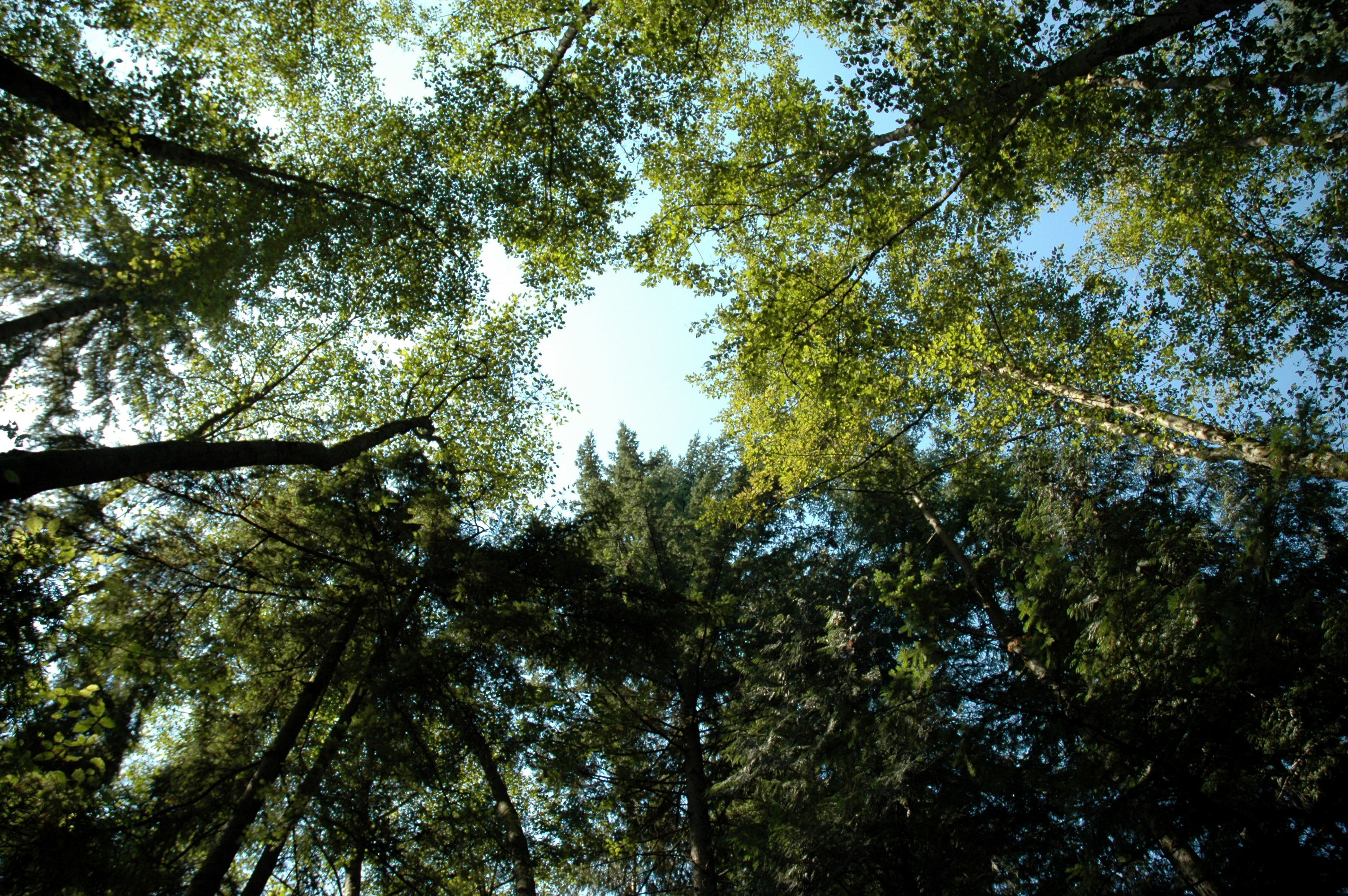 Joshua Wright says a yellow cedar tree he photographed last year was the largest he’d ever seen in a decade of hiking around Vancouver Island. …Wright measured the cedar’s diameter at 2.79 metres, a size that should have ensured protection for the tree, along with a one-hectare buffer under provincial law. But when he returned to the area south of Gold River in June, Wright says the tree had been felled as part of a logging operation approved by the province. …the area where Wright documented the yellow cedar overlaps significantly with a category of old-growth representing the largest trees left standing. …Yet the deferrals required support from First Nations to go ahead, and at the time, there was no significant funding to help communities offset foregone revenues. …the yellow cedar was felled in an area where Matchlee Ltd. Partnership, majority owned by Mowachaht/Muchalaht First Nation, holds a non-renewable forest licence.
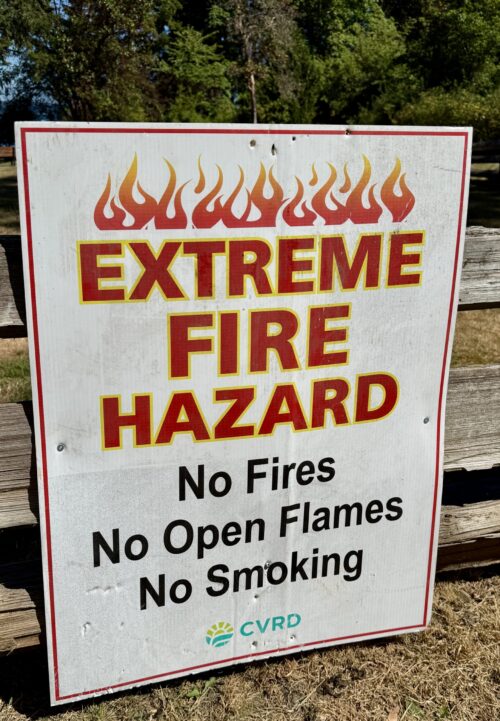 FORT ST. JOHN, B.C. — The B.C. Ministry of Forests is encouraged that the Government of Canada has taken a huge step to amp up aerial firefighting capacity. Anthony Housefather, parliamentary secretary to Eleanor Olszewski, federal minister of emergency management and community resilience and minister responsible for Prairies economic development, recently highlighted a new multi-million-dollar investment of over $257.6 million for four years to Natural Resources Canada. The funds will be used to lease firefighting aircrafts, which can include waterbombers or other aircrafts to deliver water or fire retardant drops in hard-to-reach areas. …The Ministry of Forests will be hosting a


 The Forest History Association of BC is hosting its 43rd Annual General Meeting tonight, December 1, 2025 at 7:00 pm PST. All members are warmly invited to attend this virtual gathering and take part in shaping the direction of the organization for the coming year. The AGM will include key updates on current projects, board activities and election, and ongoing efforts to preserve and share BC’s forest and community history. For those interested in learning more about the FHABC’s mission—promoting research, storytelling, and education about the province’s rich forest heritage—visit their objectives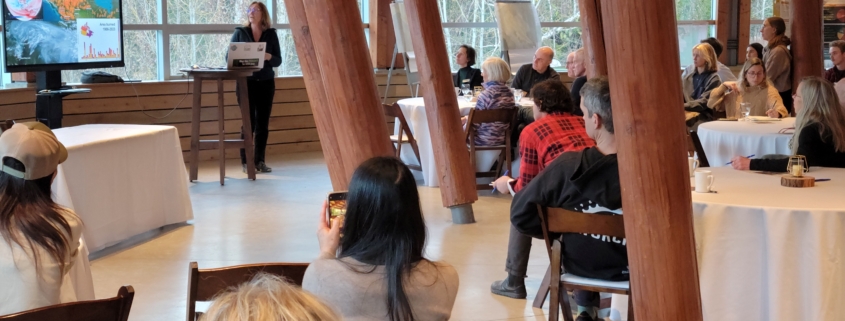
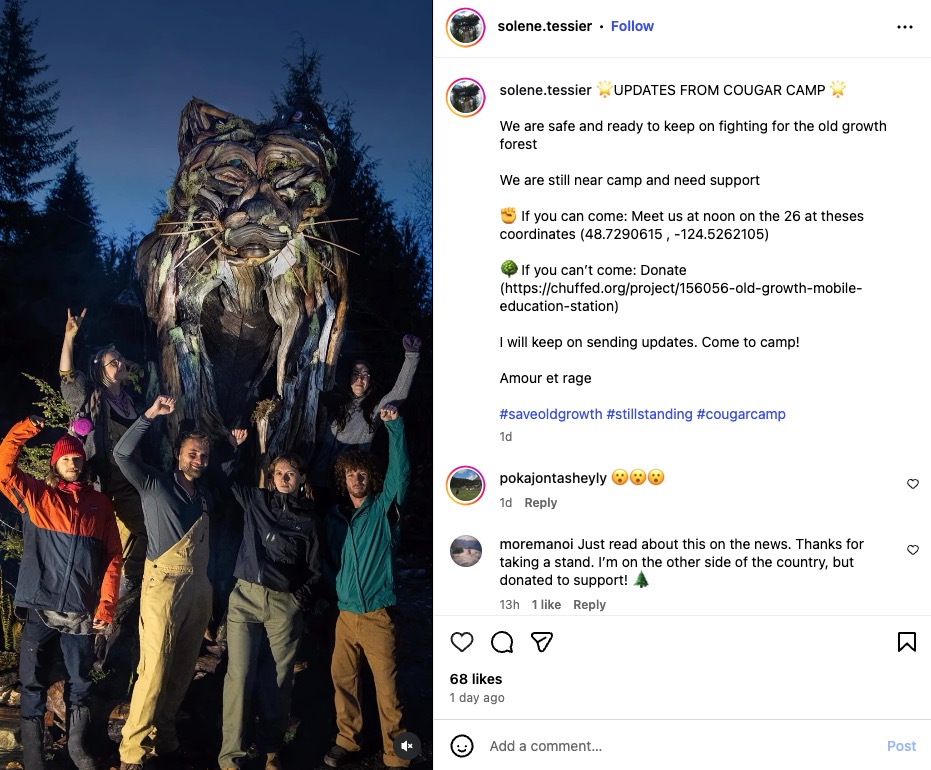
 I am writing to express my concern for the fate of B.C.’s remaining old growth forests, including the globally rare and at-risk Inland Temperate Rainforest. Most of this endangered forest is still not protected, and thus all creatures who dwell therein are equally unprotected. The Valhalla Wilderness Society … is putting forth a plan to protect the remaining intact Inland Temperate Rainforests through its three park proposals: the Rainbow-Jordan Wilderness proposal; the Selkirk Mountains Ancient Forest Park proposal; and the Quesnel Lake Wilderness proposal. This protection is crucial for the survival of these rare temperate rainforests. David Eby, you are undoubtedly well informed as to the many scientific reasons for protecting more forest, especially old growth forests…Importantly, only the BC Park Act and the BC Protected Areas Act can provide secure protection to preserve forest for future generations. Please adopt and implement the VWS park proposals as quickly as possible.
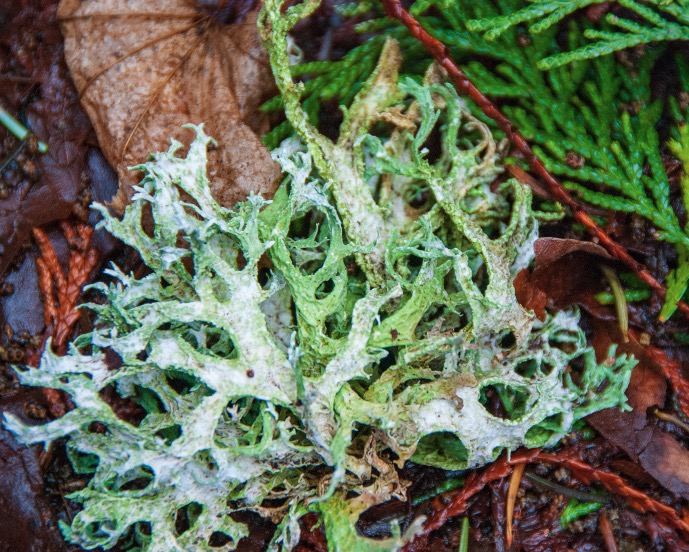 Researchers with the Nature Trust of New Brunswick are on the hunt for four different types of lichens and they’ve found one – in an unusual spot. The scaly fringe lichen, known scientifically as heterodermia squamulosa, was found between Alma and Riverside-Albert, east of Fundy National Park. “As far as I know, it’s the most eastern recorded occurrence of the species to date,” said Ilana Urquhart, a conservation coordinator with the Nature Trust. …Urquhart said lichens can be a good indicator of a healthy environment that can support a variety of species. “We might not directly see what the importance of them is, but they’re often found in areas that are really rich, that are biodiverse.” The biggest threat to lichens is habitat loss, according to Urquhart, which can be caused by logging and harvesting.
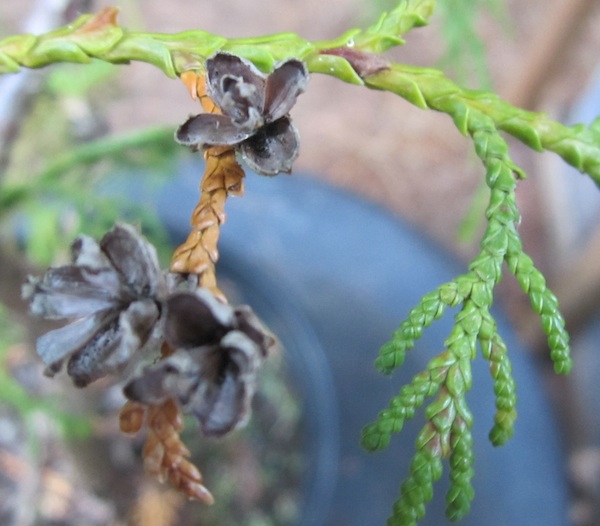
 The total forest area in the world is 4.1 billion hectares, or 32 per cent of Earth’s total surface area. The tropics are home to the majority of the world’s forests – 45 per cent – while the rest is mainly found in boreal, temperate and subtropical zones. Since 1990, 489 million hectares of forest have been lost to deforestation… While the rate of deforestation is actually slowing, so is the rate of forest expansion, dropping from 9.88 million hectares per year from 2000-2015 to 6.78 million hectares per year in the decade to 2025. Below are the top five countries with the biggest forests as of 2025, according to forest area:
 Illinois — Four-legged reinforcements may be enlisted to help battle invasive buckthorn in Lake County forest preserves. The idea is in the formative stage, but forest district commissioners appear amenable to launching a pilot program to determine if grazing goats or sheep can help manage the pesky invaders. Buckthorn and other woody invasive species are considered among the greatest threats to natural areas across the region, and in Lake County comprise more than 52% of all trees, according to the Lake County Forest Preserve District. …“While grazing is not anticipated to fully replace herbicides or other invasive control practices, it could provide a potential alternative to accomplish objectives in a cost-effective manner,” according to information being presented this week to forest board committees. The pilot agreement likely would allow six to eight sheep or goats to graze on two or three acres of district land for up to four years.
  Conservative Forestry Critic Ward Stamer wants to decrease regulation of the logging industry and an increase to the annual allowable cut. Logging proponents love to cite how important and valuable the industry is to B.C. communities. The reality, however, is quite different. Here are some figures that show clearly – in almost every metric – that logging is less valuable to B.C. communities and the B.C. economy than tourism. … These figures of the logging industry are from 2022 and the tourism figures are from 2022 and 2023, so they are roughly comparable. Tourism employed over 125,700 people; logging and related industry employed approximately 100,000. Tourism resulted in $5.9 billion in wages and salaries in 2023, 11.8 per cent higher than in 2022; Logging and related industries resulted in approximately $9.1 billion. There were 16,860 tourism businesses in operation in 2023, mostly in small communities, many of them remote and, increasingly, more of them Indigenous owned.
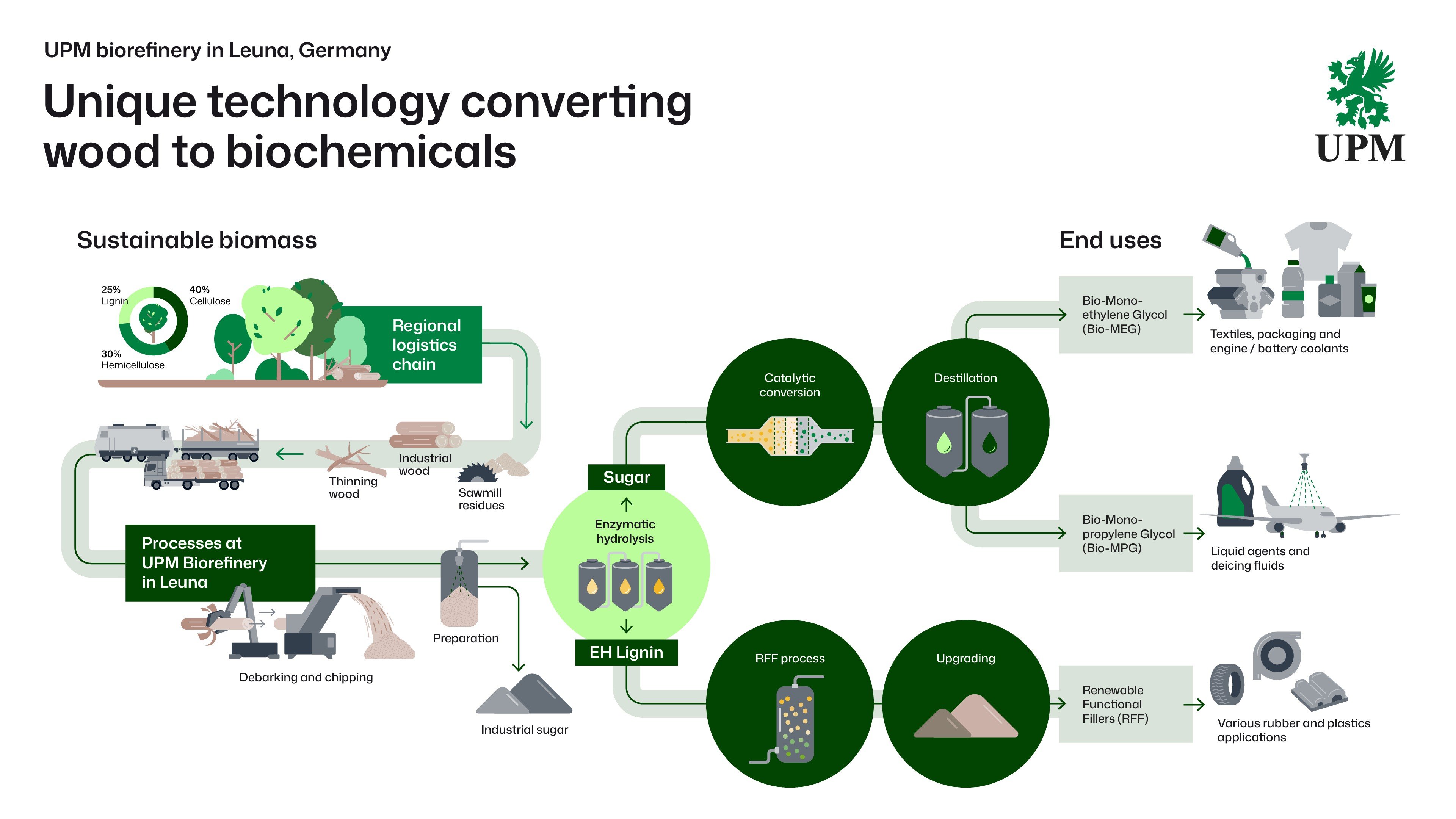
 Yellowknife, Northwest Territories, will host a premier in-person event for Canada’s bioenergy sector from January 26 to 28, 2026—the
  The Province has released the 2025 Climate Change Accountability Report, reaffirming its commitment to climate action and affordability while highlighting progress in cutting emissions and advancing clean energy throughout B.C. The report shows that CleanBC is working. British Columbia is making progress in many areas… In spring 2025, the 2024 Climate Change Accountability Report indicated that B.C. was not on track to meet its 2030 emissions targets. The recently released CleanBC review provides independent advice to strengthen the climate plan and keep delivering results. Government is reviewing the recommendations to guide the next phase of action, with a focus on expanding clean energy, supporting cleaner industry and making low-carbon choices more accessible for people and communities.
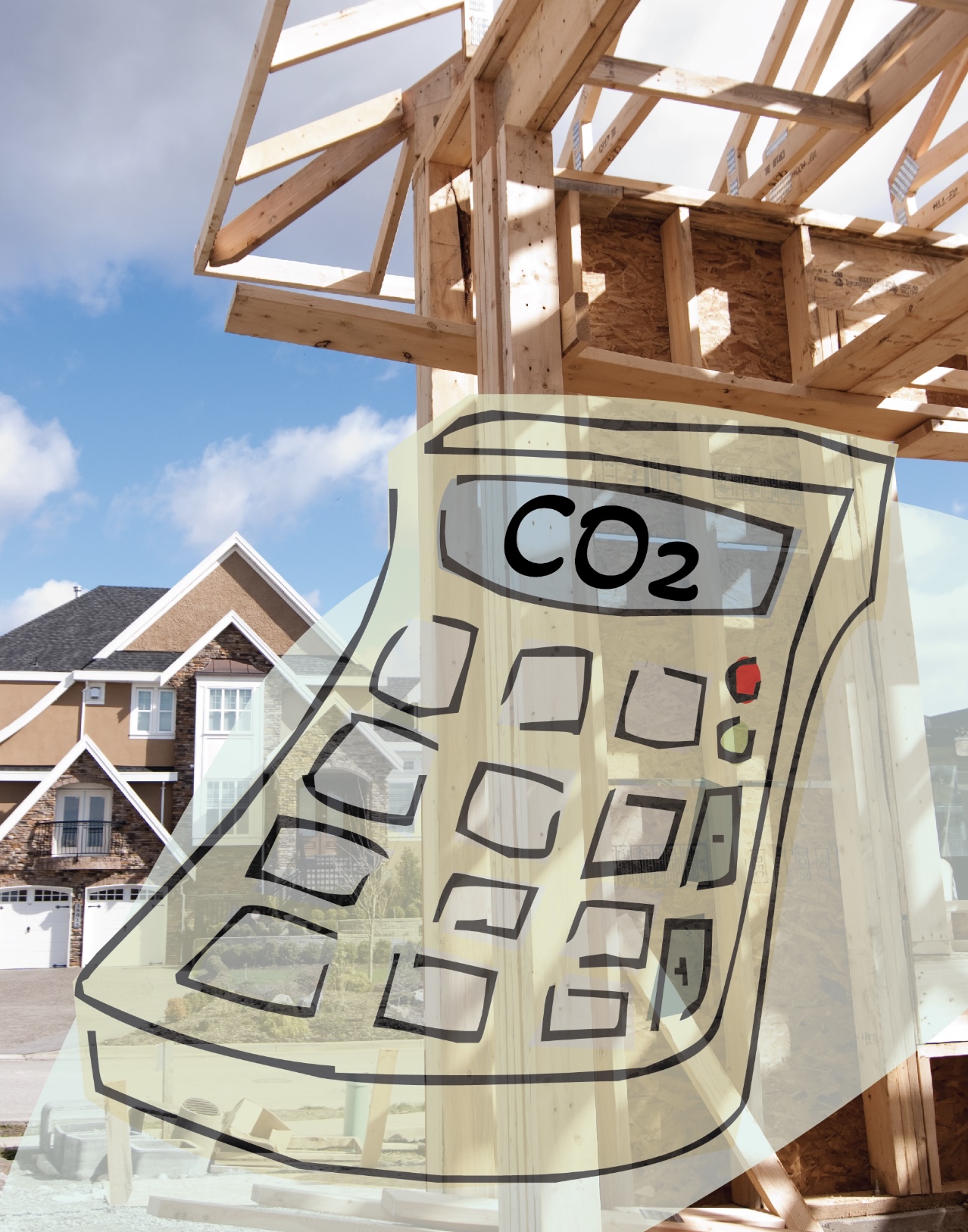 Domtar Corp. and Eastman Chemical Co. said they will continue to record and report climate-warming emissions even with the Environmental Protection Agency’s move to end a reporting program for them. The EPA’s Greenhouse Gas Reporting Program, which went into effect in 2010, requires about 8,000 facilities to annually report their greenhouse gas emissions. That includes chemical plants and pulp and paper manufacturing facilities like Eastman and Domtar’s Kingsport locations. …Domtar said in a statement to Six Rivers Media that it plans to continue reporting greenhouse gas data and reducing those emissions are part of the company’s objectives. “Many of our customers and stakeholders are concerned about climate issues, and carbon footprints are increasingly being considered in purchasing decisions,” said Jan Martin, Domtar’s director of U.S. Public Affairs. …Other industry trade groups have shared their own concerns over the end of the program, saying it could complicate their processes or add new costs.
  Britain’s reliance on burning wood to generate electricity has reached record highs, even as the government moves to curb the controversial use of biomass power. The latest figures supplied by the owner of the giant Drax biomass plant in North Yorkshire have revealed that power generated from burning biomass wood pellets provided 9% of the UK’s electricity in July, its largest ever monthly share. Weeks later, biomass provided almost a fifth (17%) of the UK’s electricity for the first time during one morning in September when renewable energy resources were particularly low. Britain’s record reliance on biomass generation has reached new heights as the government set out its plans to dramatically reduce the controversial energy source under a new subsidy agreement with the FTSE 250 owner of the Drax power plant.
 In response to an article published by The Guardian regarding our Canadian sustainable biomass operations, Miguel Veiga-Pestana, Drax’s Chief Sustainability Officer, wrote this response: The environmental non-profit Stand.earth fails to see the wood from the trees when it comes to the Canadian forestry industry and Drax’s limited role within it (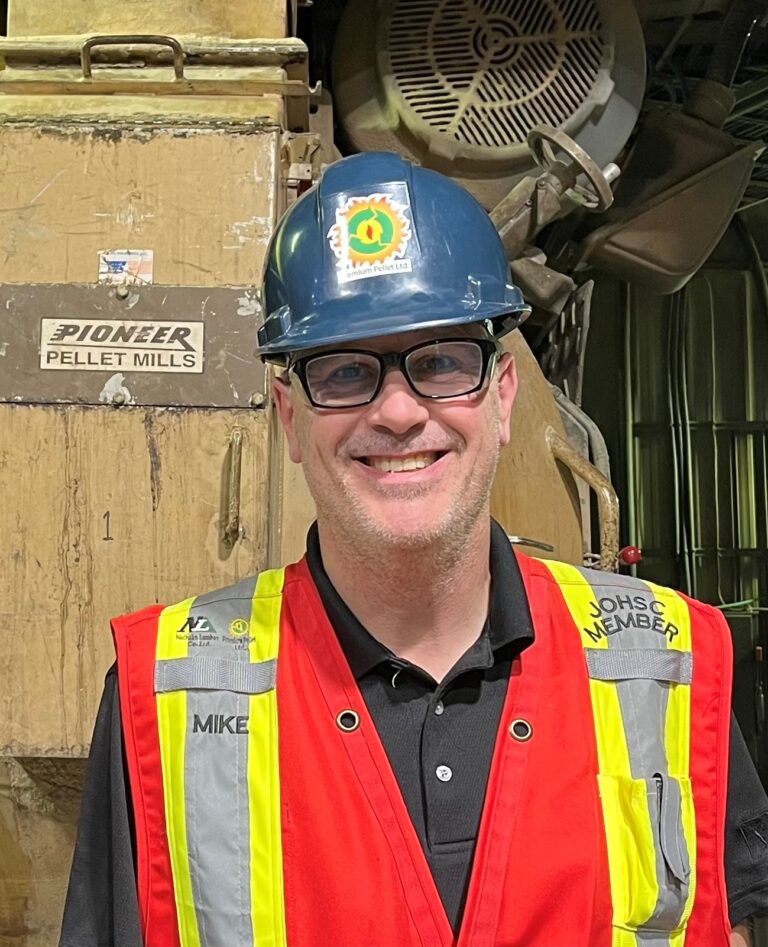
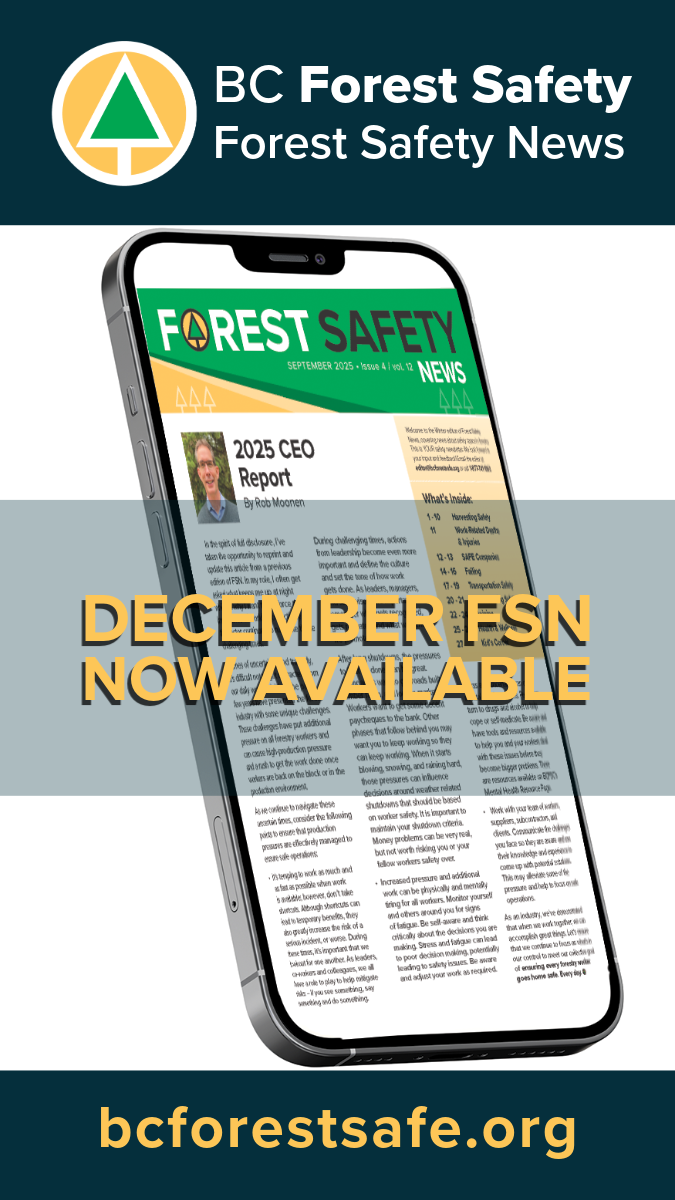 The December issue of Forest Safety News is here, bringing timely insights and practical tools for safer forestry work this winter. One standout feature explores how RPAS drones are transforming field safety, reducing worker exposure during steep-slope layout, post-fire assessments, and difficult terrain navigation. It’s a look at technology that’s not just impressive — it’s making real crews safer in real time. This issue also recaps the 18th Annual Vancouver Island Safety Conference, where powerful keynote speakers shared stories of perseverance, leadership, and the importance of mental and physical well-being. The message was clear: safety culture is built person by person, conversation by conversation. You’ll also find a useful update on winter driving and hauling preparedness, including tips for planning routes, managing changing conditions, and supporting drivers during the toughest season of the year. Packed with practical advice, inspiring stories, and forward-looking innovations, this issue offers a strong finish to 2025 for BC’s forest sector.