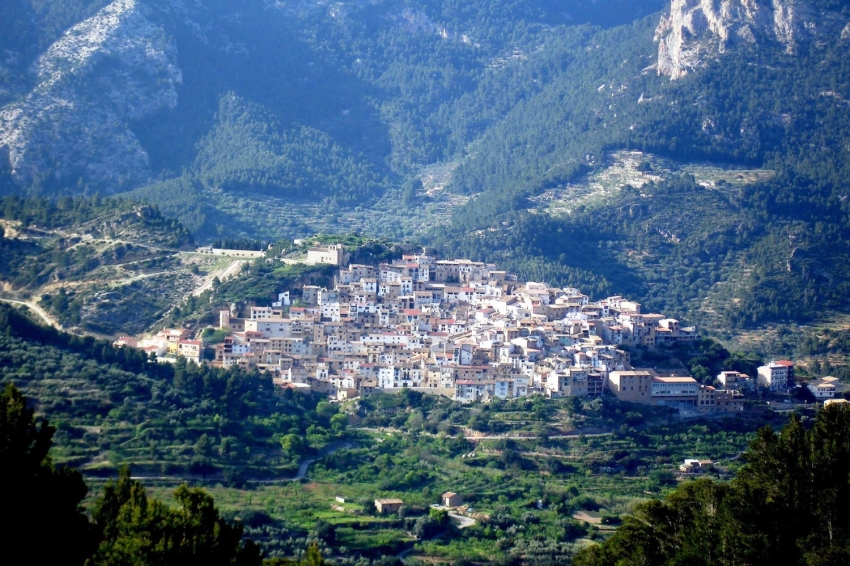
Northern Pulp announced it will sell it assets after failing to secure new mill funding—Nova Scotia minister says province will continue to pursue a new mill. In other Business news: Amix Marine moves to Port Alberni, BC; two Idaho forestry businesses are devastated by wildfire; and Drax has a new VP of Corporate Affairs. Meanwhile: Trump strikes a trade deal with Indonesia; the EU threatens counter-tariffs; Earthsight exposes illegal Russian wood; and Canada’s inflation nudges up to 1.9%.
In Forestry/Wildfire news: air quality concerns linger as new wildfires are confirmed, and smoke blankets central Canada; Australian crews deploy to help fight Canadian fires; BC Forest Practices Board audits BCTS operations near Merritt; the Tłı̨chǫ Nation launches a reforestation plan; and Eastern Oregon’s old-growth trees are in decline. Meanwhile: leaders in BC’s North Cowichan, South Dakota’s Black Hills, and Oregon call for forest policy support.
Finally, and sadly, logger Ron Hollingsworth, died in a workplace accident on BC’s Sunshine Coast.
Kelly McCloskey, Tree Frog News Editor


 Timber and forestry investment is gaining ground in Europe, as private equity increasingly shifts towards climate-aligned strategies. A recent EY report highlights growing momentum behind timber and forestry funds, previously seen as niche, now positioned as core components of sustainability-focused portfolios. Despite global private equity fundraising falling to $680 billion in 2024, the lowest since 2015, investors are favouring fewer, larger deals. Europe is leading in sustainable asset allocation, with over half of all new fund launches in Article 8 and 9 categories under the EU Sustainable Finance Disclosure Regulation, according to Morningstar. Timber and forestry funds attracted $8.4 billion in 2024, slightly down from 2023 but above the five-year average. These funds often deliver double-digit internal rates of return, with top-performing vintages exceeding 16 percent.
 University of Oregon researchers hope to make wood — often overlooked in health care facilities — more commonplace in those settings. Exposed wood, they’ve found, can resist microbial growth after a brief wetting. During the study, wood samples tested lower for levels of bacterial abundance than an empty plastic enclosure used as a control. “People generally think of wood as unhygienic in a medical setting,” said assistant professor Mark Fretz, co-director of the UO’s Institute for Health in the Built Environment and principal investigator for the study. “But wood actually transfers microbes at a lower rate than other less porous materials such as stainless steel.” Numerous studies support those properties of wood. A UO-led research team including scientists from the Salk Institute for Biological Studies in San Diego and Portland State University wanted to explore what happens when wood gets wet and then dries.
  Five students from across the country are bringing their unique voices to the forests this summer. Now in its twelfth year, Forest Products Association of Canada’s (FPAC) 2025 Green Dream Internship Program offers students an opportunity to explore the sector from the inside out, share their experiences, and receive a $1,000 scholarship to support their studies. Over six weeks, interns will document their time in the field through creative storytelling on social media and short videos capturing everyday moments in forest operations…. “The Green Dream Internship is a window into the next generation of talent in our sector”, said FPAC President and CEO, Derek Nighbor.
  2025 Green Dream Interns include: Marina Penner, Mercer International, Peace River, AB; Cynthia Laflamme, Domtar, Dolbeau-Mistassini, QC; Andy Chen, West Fraser, Slave Lake, AB; Elizabeth Phillips, Tolko Industries, Meadow Lake, SK; and Logan Englot, Weyerhaeuser, Hudson Bay, SK
 The B.C. government, Fort Nelson First Nation and the B.C. Energy Regulator (BCER) are working collaboratively to implement new protection measures to support boreal caribou recovery in northeastern B.C. “Helping caribou populations recover is a complex challenge requiring multiple approaches to stabilize and reverse the decline of herds in B.C.,” said Randene Neill, Minister of Water, Land and Resource Stewardship. “The Boreal Caribou Protection and Recovery Plan and the implementation of the new measures are crucial for caribou-recovery efforts in these four northeast ranges. The Fort Nelson First Nation community continues to be an integral partner in this important work.” …The Boreal Caribou Protection and Recovery Plan was co-developed by the B.C. government and Fort Nelson First Nation, with contributions from the Northern Rockies Regional Municipality. The plan is designed to meet federal and provincial targets for species-at-risk recovery, while supporting opportunities to strengthen the natural-resource economy in the region.
 The Department of Forest Resources Management, Faculty of Forestry, at the University of British Columbia (UBC) Vancouver campus is recruiting an outstanding researcher in Natural Resources Governance. The successful candidate is expected to be eligible for a full-time appointment at UBC at the rank of Professor, or the rank of Associate Professor… The successful appointee will be nominated for a Canada Excellence Research Chair (CERC). …The appointment presents a unique opportunity for leading research focused on developing, implementing, and maintaining a research program in natural resources governance capable of advancing multiple sustainable development priorities. …As a faculty member and CERC holder, the successful candidate will be expected to lead a strong, externally–funded research program, supervise postdoctoral fellows and graduate students, teach undergraduate and graduate courses, collaborate with other faculty members, and actively participate in service to the Department, University, and academic/scientific community.


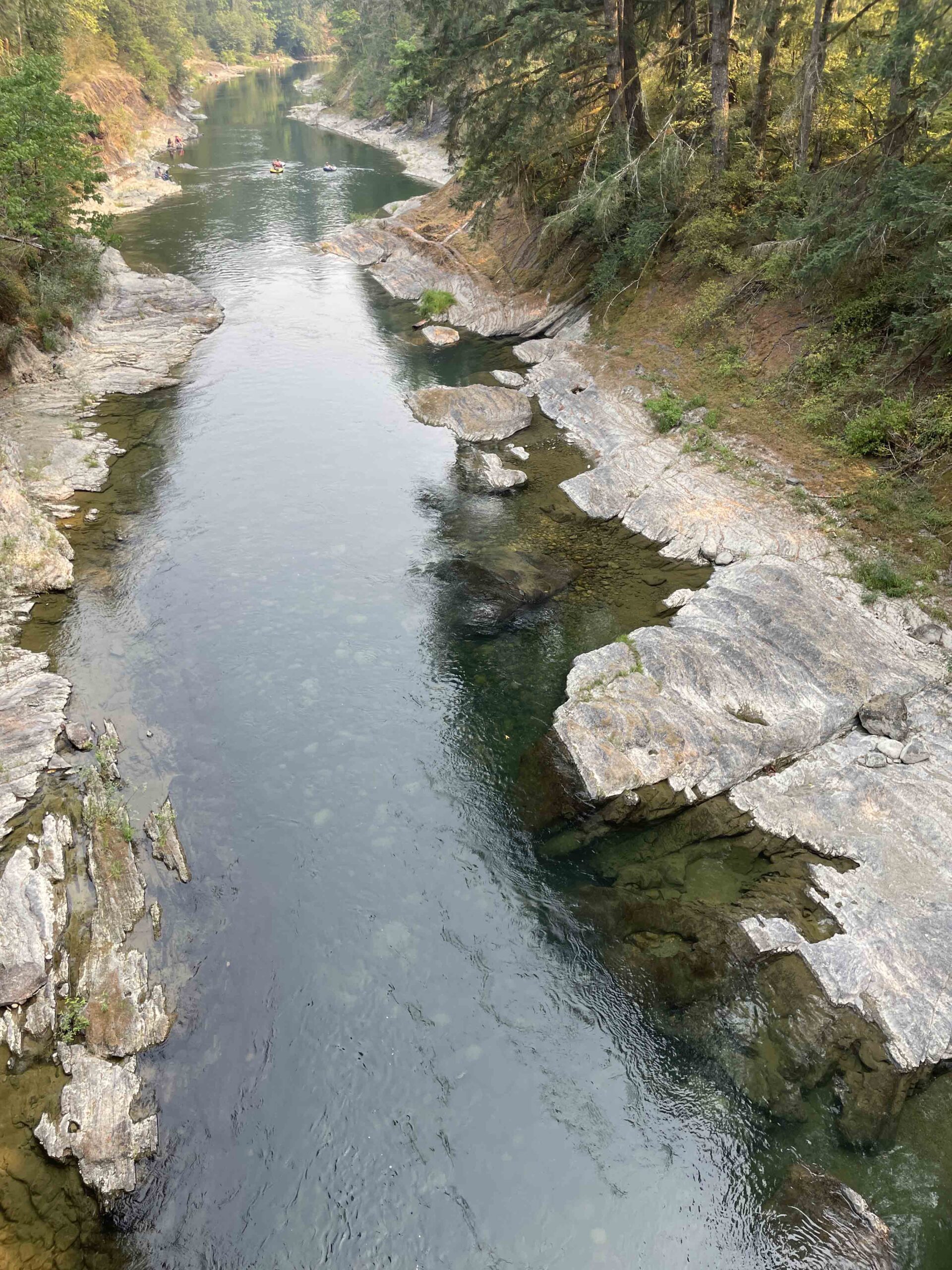 Flow at the Cowichan River will be reduced again with the lake at 48 per cent full. Brian Houle, environmental manager at Domtar’s Crofton pulp mill, says a meeting with regulators of the watershed on July 7 led to an agreement to reduce flow from seven cubic metres per second (cms) to 5.5. “Given the summer 2025 drought conditions in Cowichan Lake, careful watershed management decisions need to be made,” reads a news release from Houle. “Today’s water levels are not dissimilar to 2023, when several factors resulted in a fish kill event in the upper Cowichan River and pumping of lake to river was needed for extended period of 36 days in the fall.” In May, the flow was reduced to seven cms and Houle said the plan was to hold that rate through July and August. In 2023, the river flow was reduced to 4.5 cms in May. Houle says keeping it at seven this year was intended to reduce impacts on fish.
 Members of the U.S. Senate Energy and Natural Resources Committee differed along party lines at a Thursday hearing about how the U.S. Forest Service should partner with states and how the federal wildfire response should be organized. Senators of both parties emphasized the importance of working with state forest managers. But while Republicans praised the efforts of Forest Service Chief Tom Schultz … to reach out to state governments, Democrats noted that President Trump’s
  WASHINGTON, D.C. – Northland congressmen are pushing for stronger forest management practices in Canada. Representatives Tom Tiffany of Northwest Wisconsin and Pete Stauber of Northeast Minnesota were included on the letter sent to Canada’s ambassador Kirsten Hillman urging better management of forests to help with wildfire risk. In the letter, the lawmakers wrote: “As I’m sure you know, this is not the first year Canadian wildfire smoke has been an issue. …While we know a key driver of this issue has been a lack of active forest management, we’ve also seen things like arson as another way multiple large wildfires have ignited in Canada. With all the technology that we have at our disposal, both in preventing and fighting wildfires, this worrisome trend can be reversed if proper action is taken.” …The letter asked the ambassador to address the issue with key Canadian agencies, such as the Canadian Forest Service.
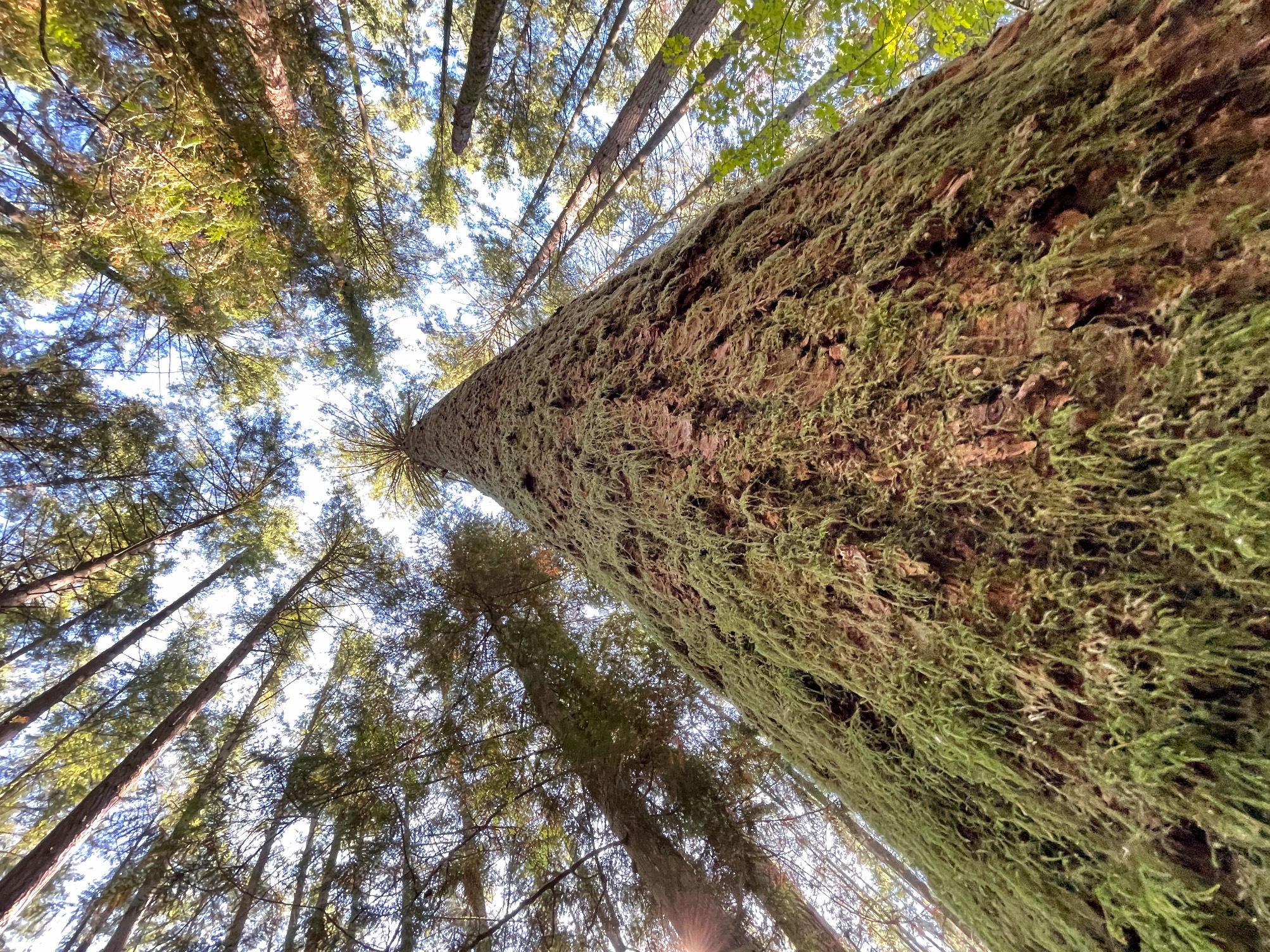 New federal laws could “lock up” timber land for decades at a time, raising concerns big companies could elbow out smaller competitors and that timber revenue for counties could be delayed for years. President Donald Trump’s tax cuts and spending bill, which he signed into law earlier this month, increases the length of federal logging contracts to a minimum of 20 years. The contracts, which determine how long a logging company has to harvest on the land under contract, have typically averaged three to four years, and the longest contracts extended up to 10 years. The concern raised by a coalition of timber companies and local governments is that companies could sign long-term contracts, then wait years to harvest trees. “If the timber volume is tied up in these 20 year contracts,” Doug Robertson, executive director of the Association of O&C counties, said, “that volume then is no longer available to generate revenue for the counties and the state.”
 The Trump administration announced plans to rescind the 2001 Roadless Rule, changing the political landscape in the Tongass National Forest for the third time in five years. …The U.S. Forest Service owns approximately 78% of the available land, meaning timber operators are dependent on the federal agency for a majority of their supply. Kirk Dahlstrom, co-owner of Viking Lumber Company in Klawock, said the agency is nine years behind on timber supply for the entire Southeast Alaska industry. He said his business will not survive if land management remains under Forest Service control. …Viking is the last remaining sawmill in the world that can produce the high-quality Sitka spruce needed for soundboards for grand pianos… Pacific Legal Foundation filed a lawsuit on March 6 against the U.S. Department of Agriculture on behalf of Alaska Forest Association. Viking Lumber Company and Alcan Timber of Ketchikan joined.
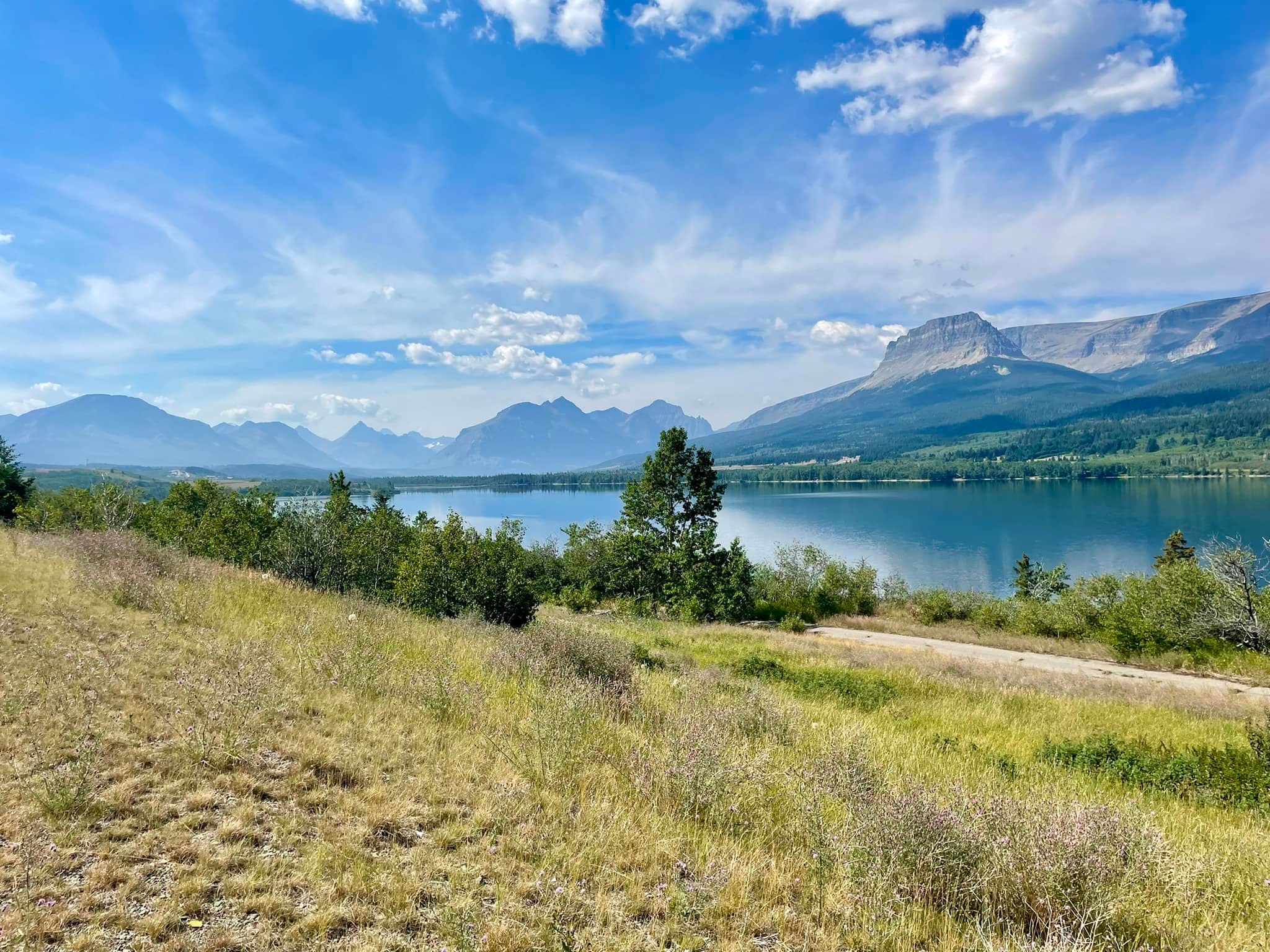 U.S. Department of Agriculture Secretary Brooke Rollins announced last month that the administration was taking steps to rescind a decades-old policy to restrict road building and timber harvests on 58.5 million acres of national forest lands… U.S. Sen. Steve Daines, R-Mont., called it “another huge win for Montana and forest management.” …The impetus for the Roadless Rule tracks back to 1998, when former U.S. Forest Service Chief Mike Dombeck saw the agency’s vast and poorly maintained road system as a major environmental and fiscal problem… “The Roadless Rule was issued to make government more efficient by not building roads in sensitive areas when we already have far more roads than we can afford to maintain,” Keith Hammer, executive director of the Swan View Coalition said. “Rescinding the rule will result in government waste and environmental harm, all at taxpayer expense.”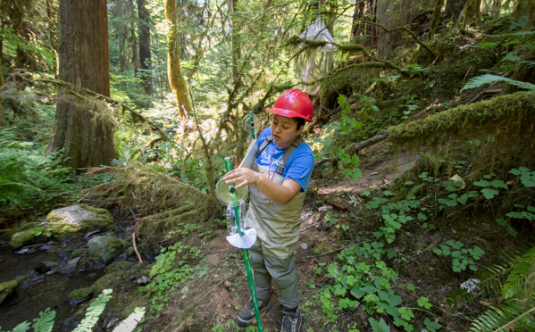
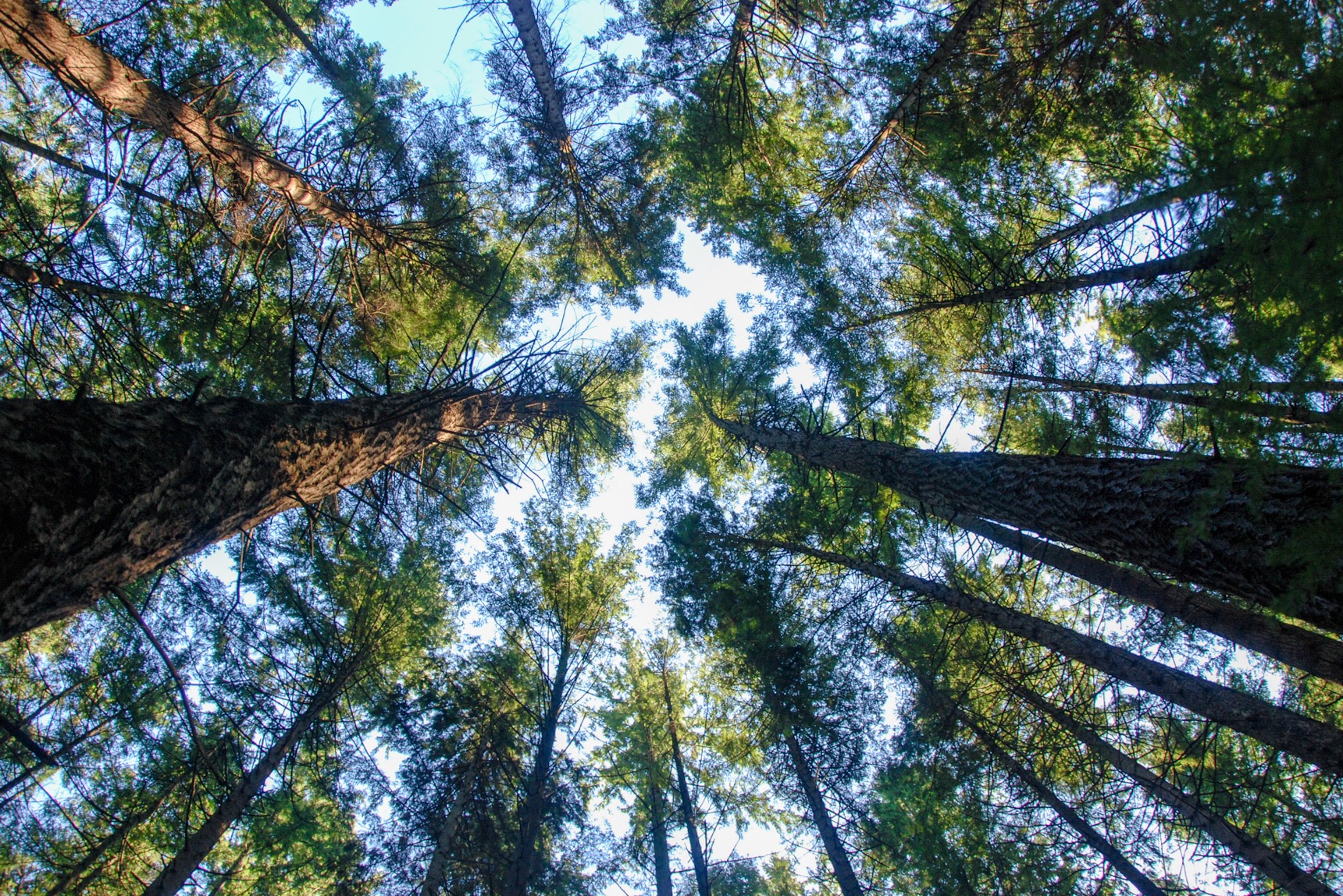 MULLAN, Idaho — The Bureau of Land Management is offering the Gentle Annie Timber Sale, totaling approximately 493,000 board feet, for commercial thinning on 100 acres near Mullan, east of Kellogg in Shoshone County. The harvested timber will supply critical materials for construction and other industries, supporting jobs across Idaho’s Panhandle. This thinning project will remove dead and downed wood caused by insects and disease, leaving an average of 55 trees per acre. The result: a healthier, more fire-resilient forest. “We’re excited to continue our work in the Mullan Urban Interface and hope this timber sale will help reduce the town’s risk of catastrophic wildland fire,” said BLM District Manager Kurt Pindel. “We’ll also be limiting the spread of insects and disease within the timber stand, as well as harvesting some merchantable timber for the local economy.”
 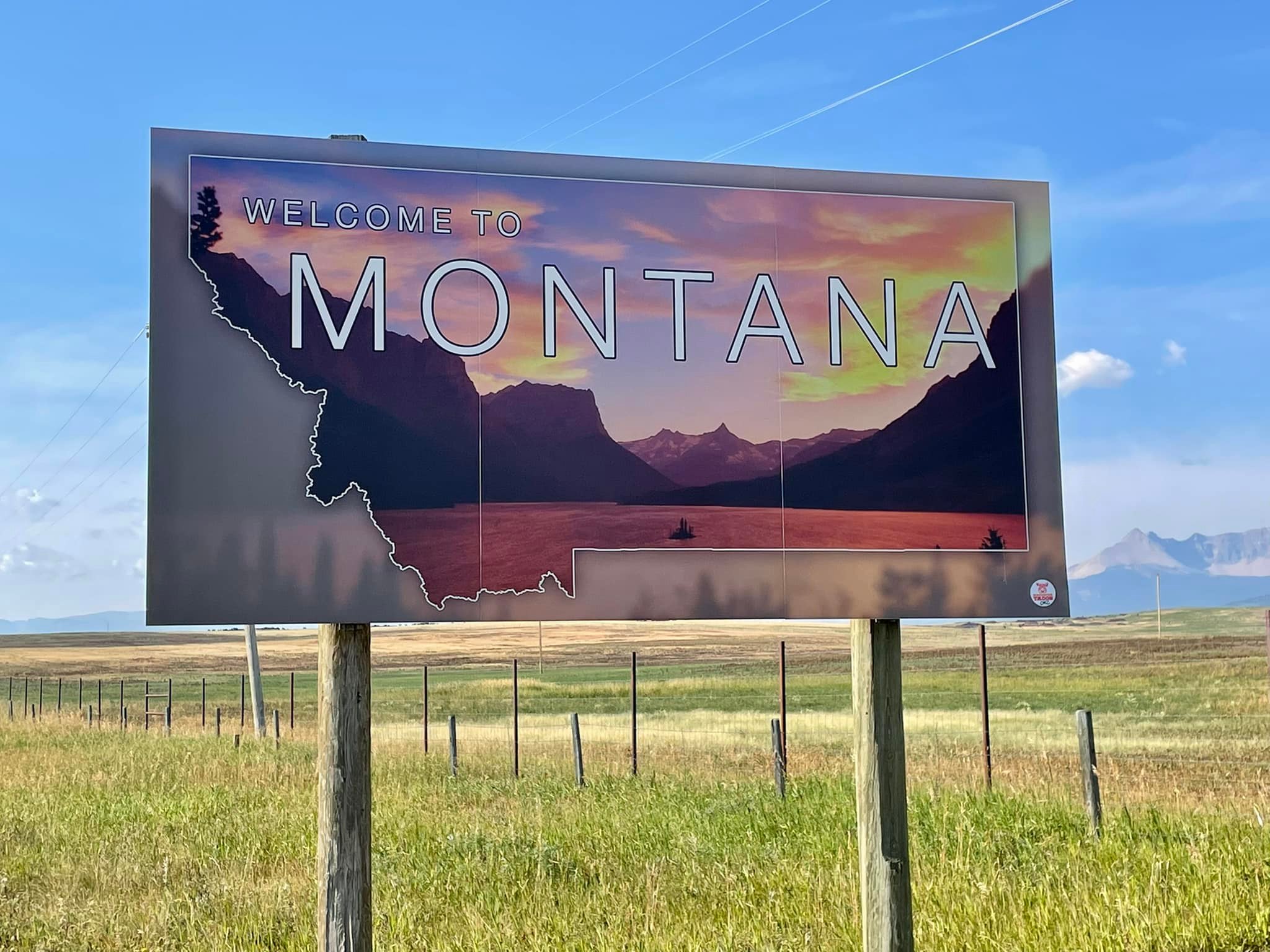 Montana Fish, Wildlife and Parks (FWP) completed its review of a proposal to permanently protect 53,000 acres of private timberland in Flathead and Lincoln counties, recommending the state purchase a conservation easement that would keep the working forest in timber production while guaranteeing year-round public access and preserving wildlife habitat. The Montana Fish and Wildlife Commission is scheduled to vote on the proposal on Aug. 21 in Helena. …In total, the project would encompass 85,752 acres of private timberland owned by Green Diamond Resource Company. The first phase of the project… received final approval in December. The new easement would encompass forestlands in the Cabinet Mountains between Kalispell and Libby. …If approved, Green Diamond would maintain ownership of the land under an easement owned by FWP [allowing them to] sustainably harvest wood, preclude development, protect important wildlife habitat and associated key landscape connectivity, and provide permanent free public access to the easement lands.
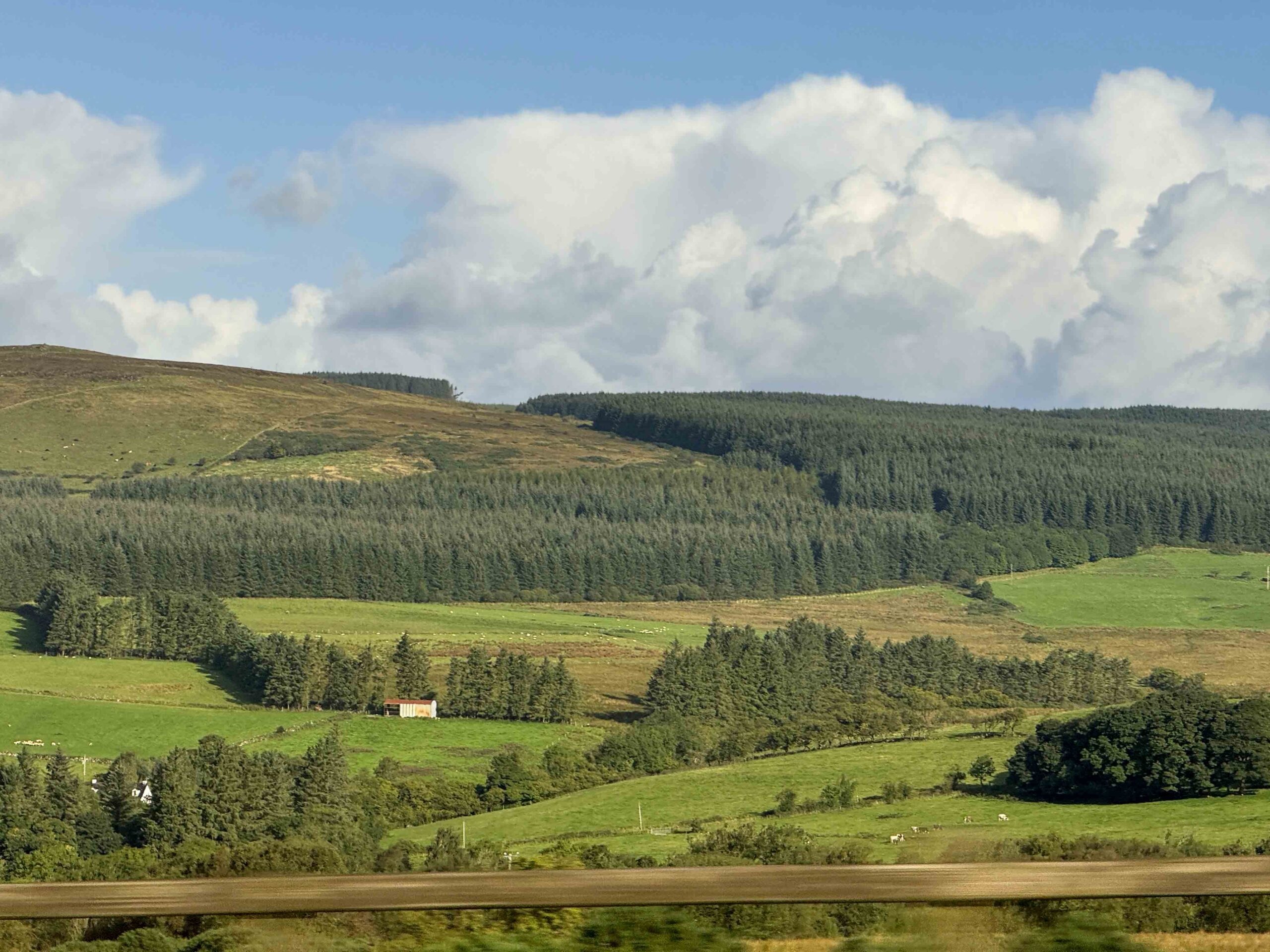 The current glorious weather provides an opportunity for all to recreate and enjoy. However, such weather patterns give rise to extreme fire risk. Teagasc Forestry advisors tell us more on the nature of such risks and offer practical advice on mitigating forest fire danger threats. On July 10, 2025, the Department of Agriculture, Food and the Marine issued a
 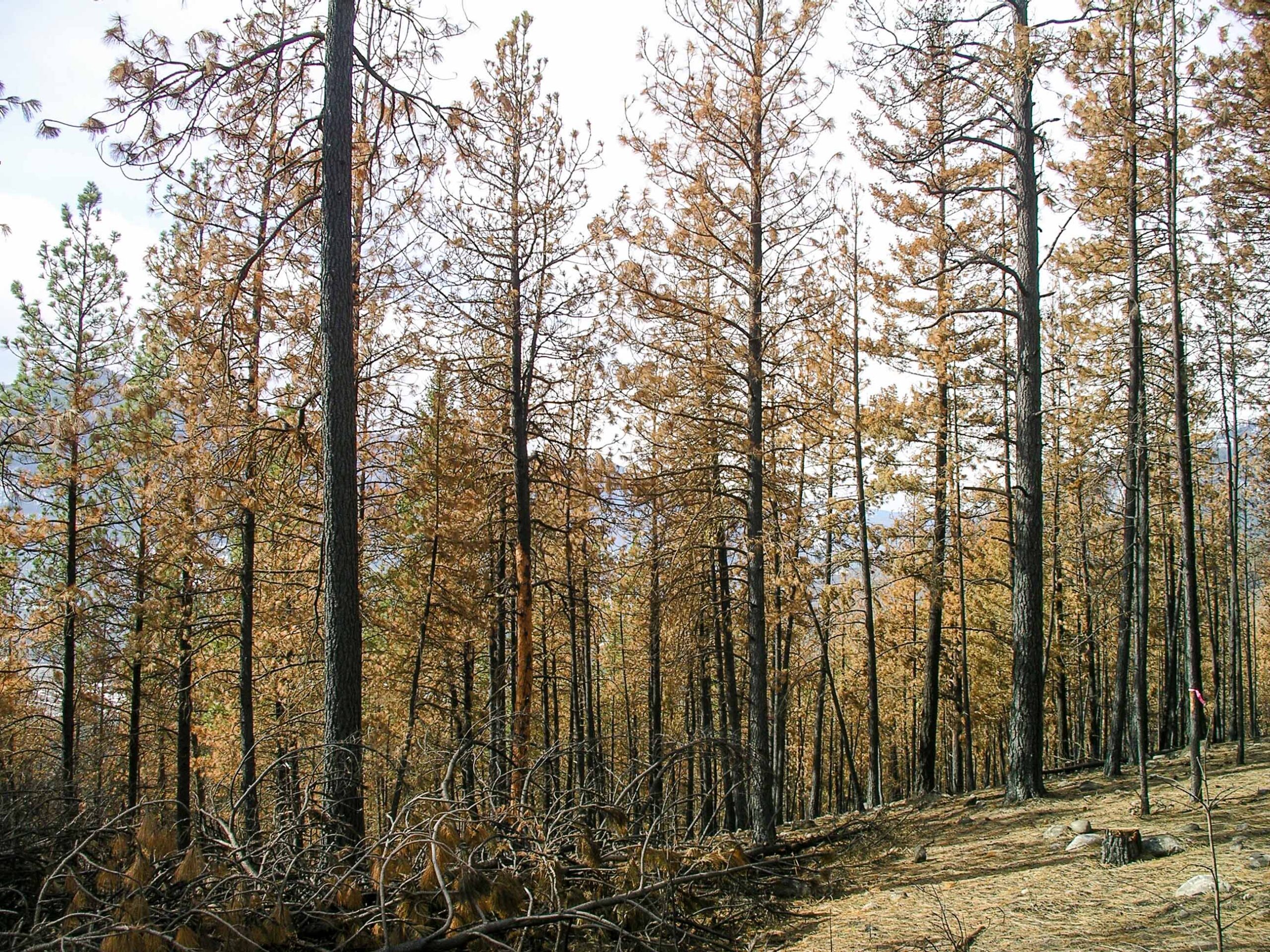 Last year, more than 112 thousand hectares of dry forests were listed in the Estonian Natura 2000 habitats. These are forests with minimal anthropogenic load, and in Estonia they are overgrown dunes, old natural forests and spruce forests with rich ground cover. The Estonian Environmental Service, the University of Tartu and the Estonian University of Life Sciences are jointly developing a plan for the maintenance of dry forests. Taavi Tattar, Head of the Nature Conservation Planning Department of the Environmental Service, pointed out that dry forests are in poor condition both in Estonia and throughout Europe. “They’re either too uniform in age or have impoverished structure. Certain species need forests with diverse structures for their life and activities, coarse woody debris, dead trees, and so on. On a broader scale, diverse forests are also more resistant to disease and better able to adapt to climate change,” Tattar said.
 A new study in The Journal of Cleaner Production confirms that Forest Stewardship Council (FSC) certification contributes to maintaining and increasing forest cover, especially in lower-middle income countries. These findings reinforce the conclusions of previous research and provide insights on adapting regional certification strategies to increase sustainable forest management. The study investigated the critical role of FSC certification in promoting sustainable forest management and mitigating deforestation across diverse economic and climatic contexts. Using dynamic panel data model and Generalized Method of Moments estimations on 70 countries from 2000 – 2021, the researchers examined forest cover as a measure for impact of FSC certification. Results indicate that FSC certification contributes to maintaining and increasing forest cover across diverse economic and climatic contexts. This positive impact is most strongly observed in lower-middle income countries. Scaling up certification and integrating it into national policies could benefit countries of this economic category.


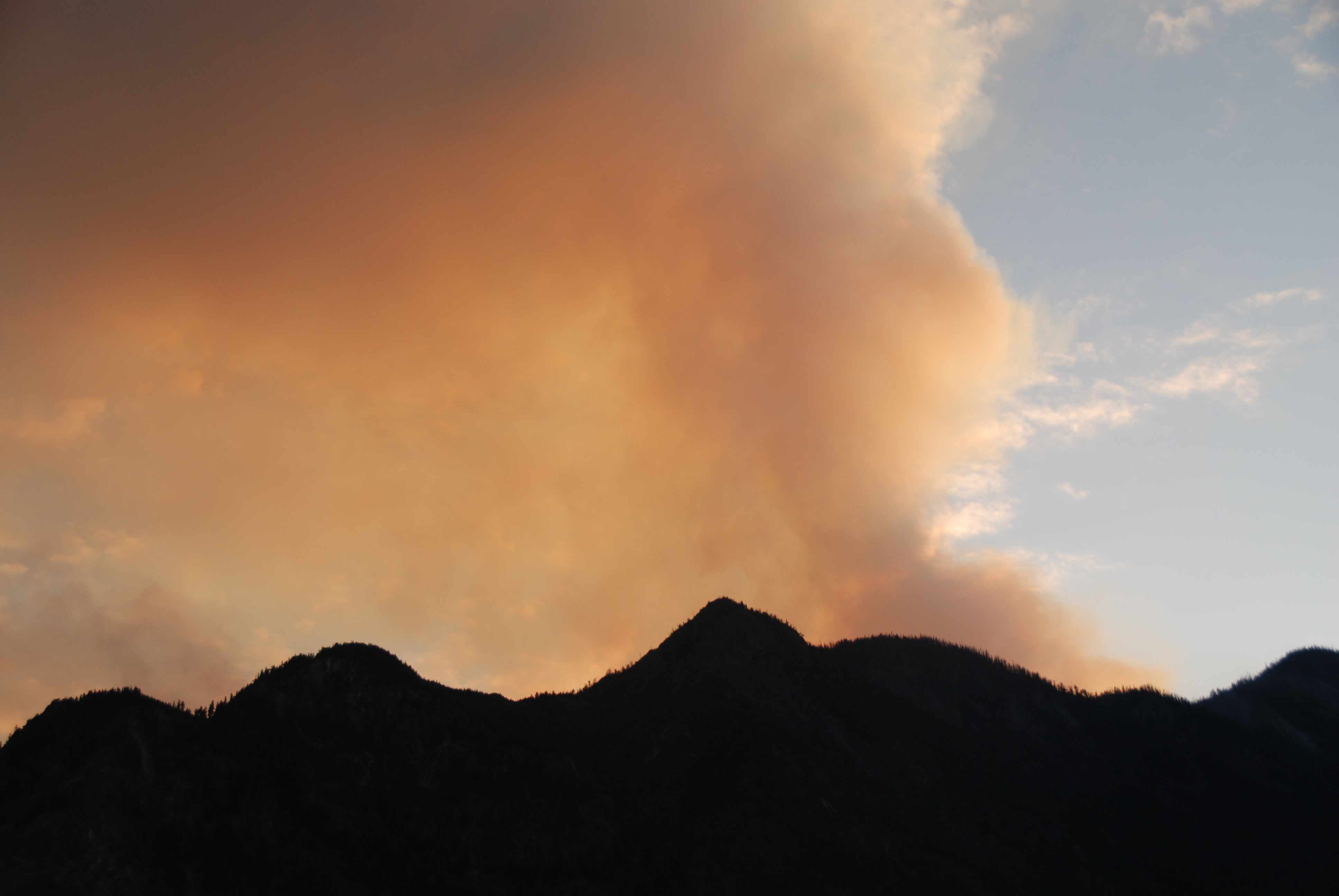 Wildfire smoke from just across the U.S. border is drifting into southern B.C., prompting a Level 1 activation of the Regional District of Kootenay Boundary’s Emergency Operations Centre (EOC). As of Wednesday night, the Hope Fire had grown to 3,500 acres with zero per cent containment, burning 11.4 miles southwest of Northport, Washington. Wednesday morning, the regional district issued an update on the Hope (USA) Fire. According to the Regional District of Kootenay Boundary (RDKB), as forecasted, favourable weather conditions last night resulted in shifting winds that blew the fire back onto itself and away from the Canada/US border. The United States has put considerable resources on the now 3,200-acre fire. For current information on the Hope Fire, residents are advised to consult U.S. agency sources, such as