
Wildfire lessons from Jasper, Alberta suggest forest management helped save the town. But as Parks Canada offers tours ahead of the fire’s anniversary, Alberta’s Premier is demanding an apology over a critical report. In related news: Canada launches a wildfire resilience hub; Ontario scientists probe northern fire trends; BC is Burning aims to ignite change in forest policy; Oregon’s Skyline Forest tests new burning technology; evacuations are ordered in Musgrave Harbour, Newfoundland; Grand Canyon’s North Rim fire was unstoppable; and Oregon’s largest fire nears megafire status. Meanwhile: Vancouver’s Stanley Park weighs more looper moth tree removals; BC ENGOs push for access to private forests; and Colorado’s old-growth ponderosa pines are protected.
In Business news: Bloomberg and the National Post offer softwood lumber explainers, as Canada’s premiers meet to talk trade; US Secretary Lutnick says tariffs are coming; and Daniel Dorman says Trump’s tariffs will enable China’s rise. Meanwhile: why Nova Scotia missed out on a new pulp mill; slower growth is projected for US remodelling; and US Consumer sentiment is unchanged in July.
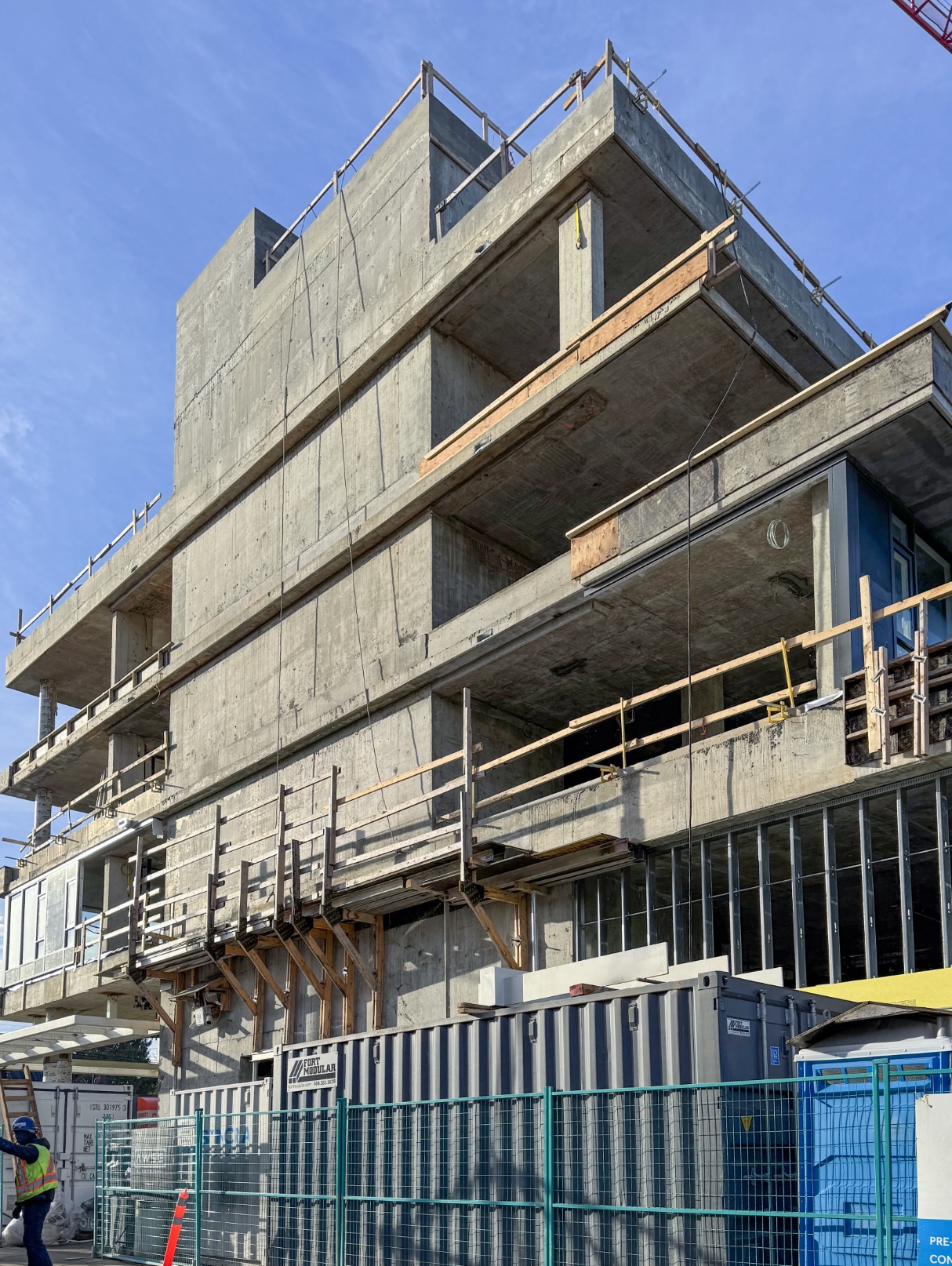
Finally, mass timber news via Vancouver’s PNE Amphitheatre, and Saanich’s Fire Station #2.
Kelly McCloskey, Tree Frog News Editor


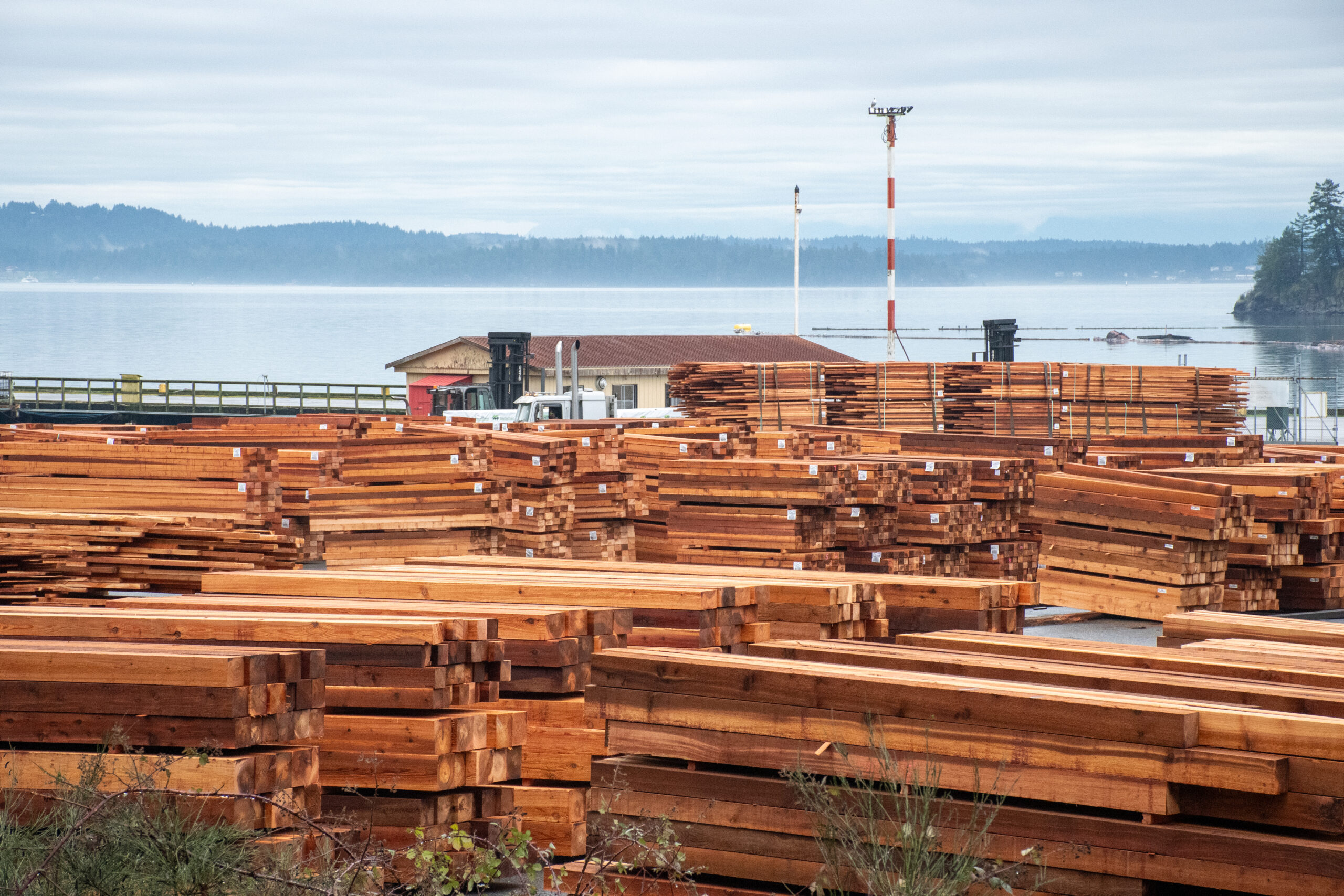 B.C.’s employers in forestry-related businesses, sawmilling, stone cutting and oil and gas field servicing could be seen as the biggest beneficiaries of WorkSafeBC’s $2 billion surplus as the corporation proposes cuts to their service premiums approaching 40 per cent or more. WorkSafeBC’s policy is to maintain enough of a surplus “to avoid rate volatility” during economically difficult times. The corporation’s 2024 surplus, however, is equivalent to 141 per cent of liabilities, far more than its 130 per cent target. The corporation says its strong financial position has been helped along by “higher than-required investment returns,” according to WorkSafe’s statement, which is similar to workers-compensation agencies across the country. Ontario’s Workplace Safety and Insurance Board has used its 2024 surplus to issue $4 billion in rebates, over two rounds, to employers and in May, the Workers’ Compensation Board of Manitoba did likewise with $122 million in rebates, which is something the Canadian Federation of Business would like to see.

 NAPLES, Idaho — A fast-moving fire broke out Sunday, scorching 20 acres and causing millions of dollars in damage to two family-run logging businesses, according to one of the families affected. The Clover Fire was 75% contained by 2 p.m. Monday, roughly 24 hours after it began, according to Lizz Bloxsom, an incident command trainee with the Idaho Department of Lands. Full containment is expected by 8 p.m. this evening, ahead of a storm forecast to bring strong winds overnight. …Most of the damage occurred on the neighboring properties of the Sandelin family and the Tweet family. The Sandelins run the small logging business, UTR Land Management, and the Tweets run a family-owned business, SGA Cabin & Timber. A member of the Sandelin family, who requested to remain unnamed, said damage to the lumberyard — including a razed sawmill and barn, over 300 truckloads of lumber, and industrial machinery — will cost their family millions of dollars.

 Don’t miss the BC Wood newsletter. Headlines include:
 Join us for our 22nd Annual GBM September 4th to 6th, where we will host international buyers and specifiers from all around the world, to meet our Canadian suppliers in Whistler. If you are an industry member and thinking about exhibiting to get yourself in front of these buyers and decision-makers, ACT FAST! We only have 5 booth spaces left, and they will go on a first-come basis. Industry surveys from 2024 indicated an anticipated $37 million in new sales from contacts made at the GBM. We anticipate many “new to GBM” Buyers again this year, and with hard work of our overseas staff, the continued assistance of the federal International Trade Commissioner Service and the provincial Trade & Investment Representatives abroad, we expect an excellent group of Buyers from across the globe. As usual, we will host BC Wood’s AGM, deliver Specifier Workshops and the exclusive Building Connections program.
 The Province is making wood construction and heating a priority in public buildings. All departments have been directed to look for every opportunity to use mass timber, wood pellets, biomass, biofuels and other products made with wood that is leftover from sustainable harvesting and sawmilling. “Government is leading by example and using more wood products in our own buildings. It’s one of many steps our government is taking to make Nova Scotia more self-reliant and energy secure and to grow our economy and create jobs through innovation in our forestry sector,” said Public Works Minister Fred Tilley. Departments will prioritize wood products in new construction, renovations and conversions from oil heat. They will also make it a priority where applicable in projects that are partially or completely funded by the government. This focus aligns with the Nova Scotia Loyal program, reduces reliance on imports and enhances export markets.
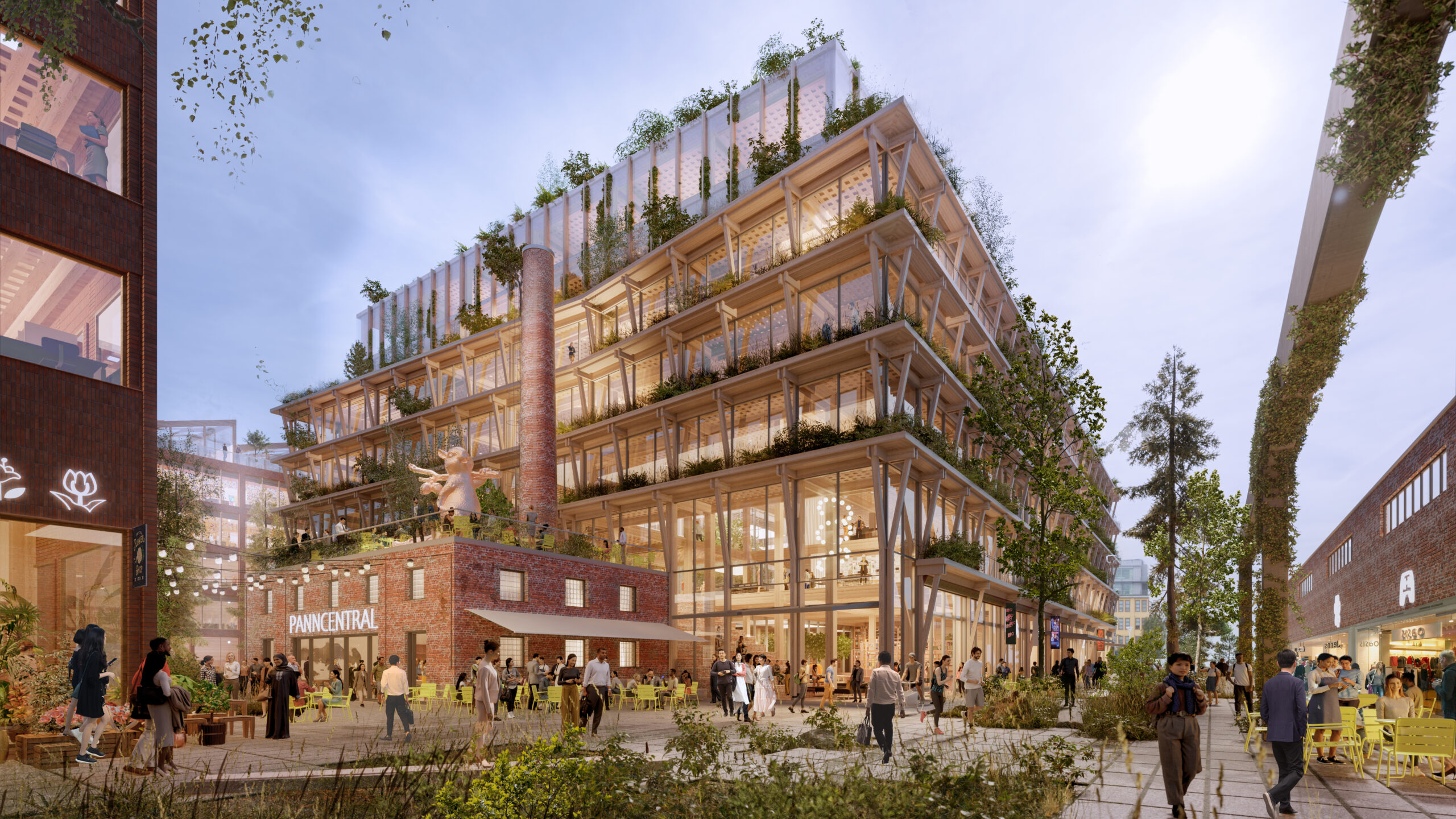
 Replacing concrete and steel with mass timber in buildings could significantly reduce global carbon emissions and spur the expansion of intensively managed forests, a new study by Yale School of the Environment research scientists found. Published in

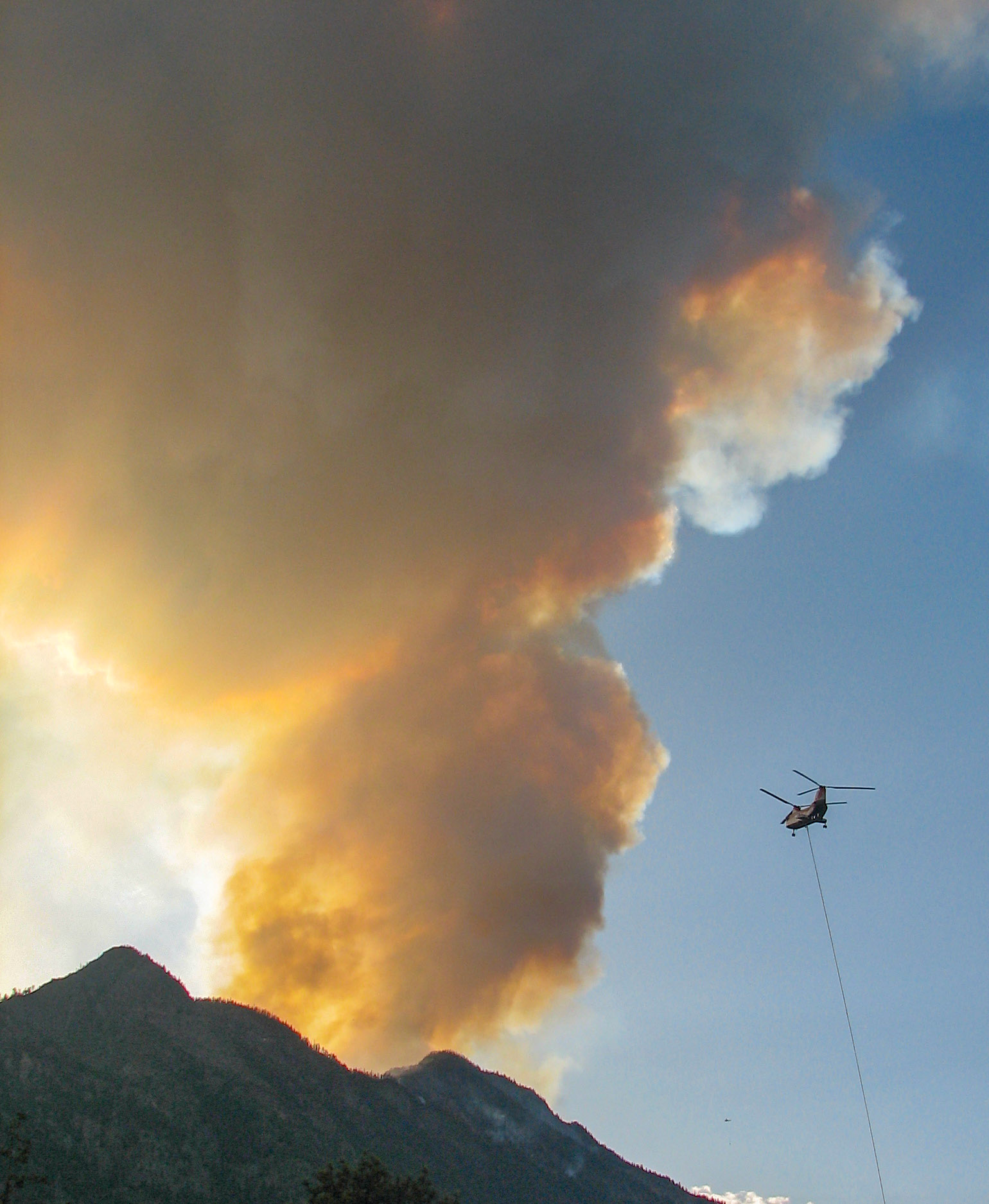
 OTTAWA, ON – With wildfires impacting Canadians across the country, the federal government is taking action to prevent wildfires, mitigate their effects and boost resilience. …The Government of Canada announced an investment of $11.7 million;over four years to establish the Wildfire Resilience Consortium of Canada (WRCC). Funded through the Wildfire Resilient Futures Initiative, the WRCC will serve as a national centre of excellence and virtual hub for wildland fire innovation and knowledge exchange. The WRCC will advance many of the actions in the Kananaskis Wildfire Charter, agreed to by the leaders of the G7 this spring in Canada and endorsed by the leaders of Australia, India, Mexico, the Republic of Korea and South Africa. It will bring together domestic and international governments, communities impacted by wildfires, the private sector and individual experts to share knowledge, facilitate collaboration and accelerate the use of cutting-edge science and technology in wildfire prevention, mitigation, preparedness and response.
 Canada’s premiers met June to talk infrastructure but were distracted by the small matter of the forest
 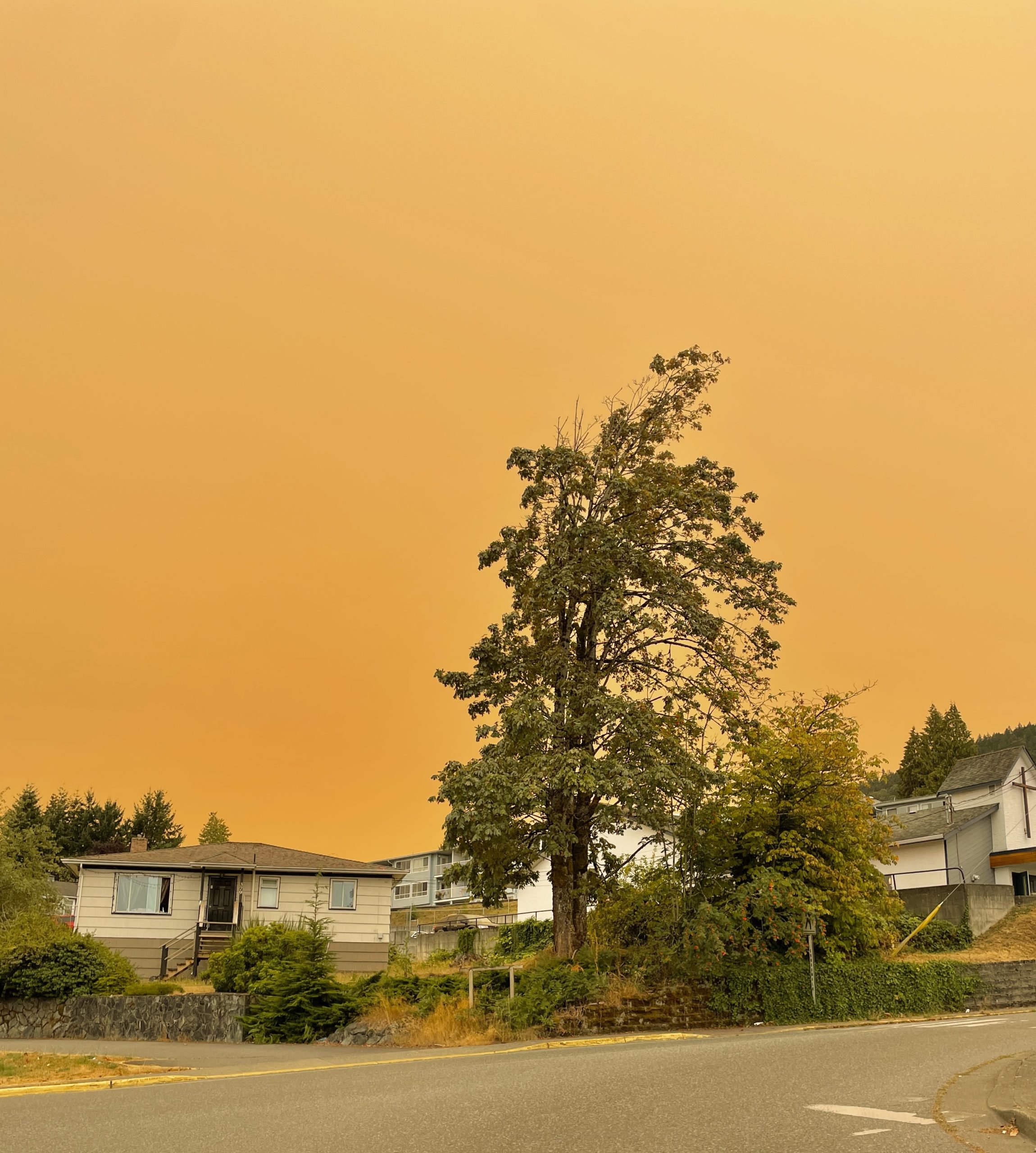 Hundreds of wildfires are burning across the Western states, Alaska and Canada as fire season perks up amid a sprawling heat wave and widespread dry conditions. …Fires are being fueled by widespread high temperatures and dry conditions. …The preparedness level is at 4 out of 5 for the U.S., and 5 out of 5 in Canada. Intense fire behavior was reported in 10 western US states over recent days in regions afflicted by heat and drought. …Alaska has seen major wildfire activity over the past week, with more than 300,000 of the 750,000 acres burned this year going up in flames, according to the Alaska Division of Forestry & Fire Protection. …After a bit of a lull in firestorms in late June to early July, Canadian wildfires returned in a big way. More than 350 fires are burning out of control across the western two-thirds of the nation. Among the most concerning fires flaring, many are in Manitoba. [A Washington Post subscription is required for full access to this story]
 Five students from across the country are bringing their unique voices to the forests this summer. Now in its twelfth year, Forest Products Association of Canada’s (FPAC) 2025 Green Dream Internship Program offers students an opportunity to explore the sector from the inside out, share their experiences, and receive a $1,000 scholarship to support their studies. Over six weeks, interns will document their time in the field through creative storytelling on social media and short videos capturing everyday moments in forest operations…. “The Green Dream Internship is a window into the next generation of talent in our sector”, said FPAC President and CEO, Derek Nighbor.
  2025 Green Dream Interns include: Marina Penner, Mercer International, Peace River, AB; Cynthia Laflamme, Domtar, Dolbeau-Mistassini, QC; Andy Chen, West Fraser, Slave Lake, AB; Elizabeth Phillips, Tolko Industries, Meadow Lake, SK; and Logan Englot, Weyerhaeuser, Hudson Bay, SK

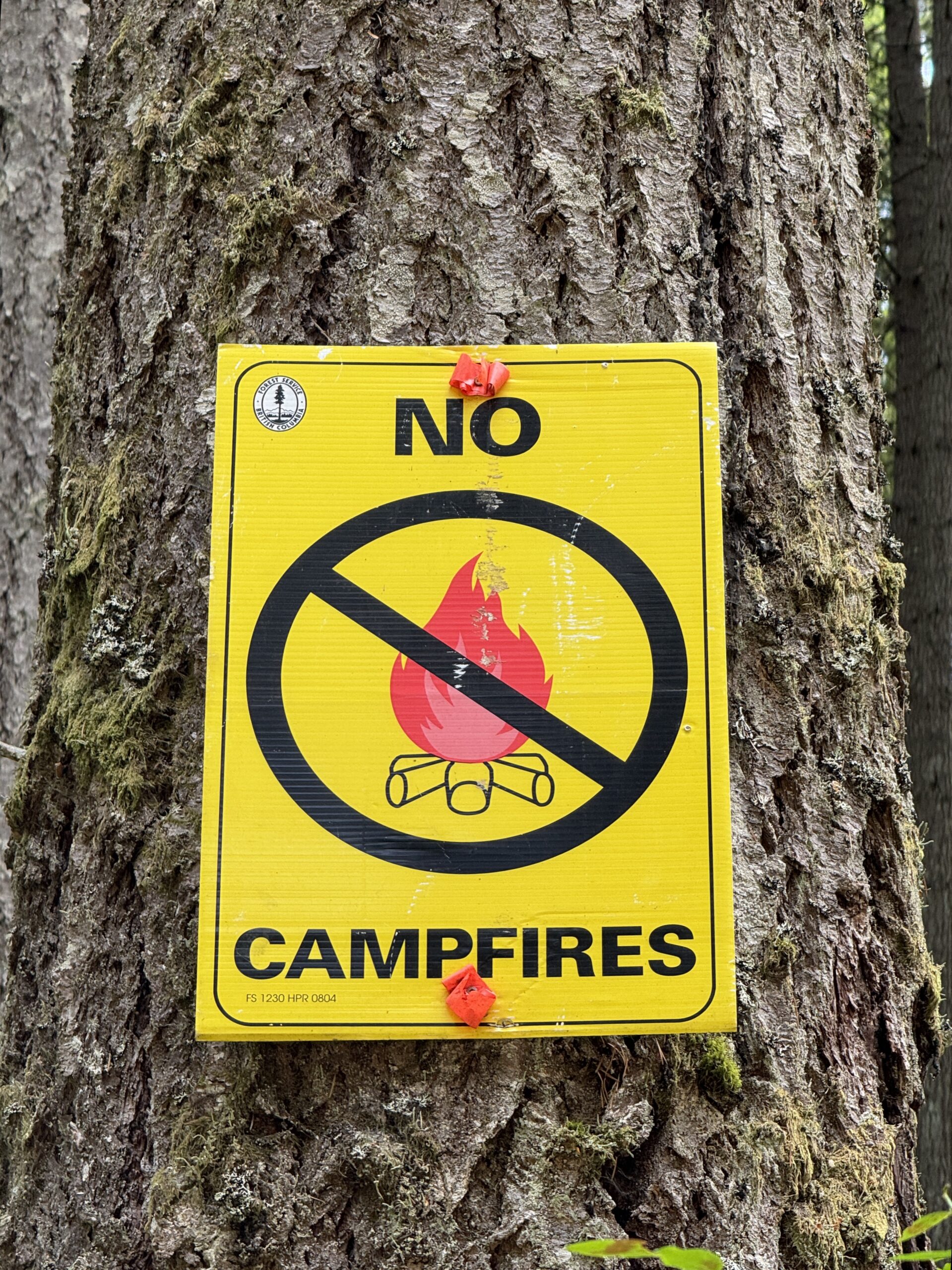 The Coastal Fire Centre will put a campfire ban into effect this week. The ban will be in place starting at noon on Thursday, July 17, noted a Coastal Fire Centre information bulletin issued Tuesday, July 15. Campfires will be prohibited on Vancouver Island and throughout the Coastal Fire Centre region with the exception of Haida Gwaii and the portion of the Central Coast Regional District within the North Island Central Forest District. Existing open fire prohibitions in the Coastal Fire Centre’s jurisdiction enacted May 30 will remain in place, and fireworks and burn barrels are restricted in most areas. “Open fire is the largest cause of human-caused fires provincially,” noted the information bulletin. “Human-caused wildfires are entirely preventable and may divert crucial resources from naturally occurring and/or existing wildfires.” The campfire ban and previous burning bans will be in place until Oct. 31 or until the orders are rescinded.
 The B.C. government, Fort Nelson First Nation and the B.C. Energy Regulator (BCER) are working collaboratively to implement new protection measures to support boreal caribou recovery in northeastern B.C. “Helping caribou populations recover is a complex challenge requiring multiple approaches to stabilize and reverse the decline of herds in B.C.,” said Randene Neill, Minister of Water, Land and Resource Stewardship. “The Boreal Caribou Protection and Recovery Plan and the implementation of the new measures are crucial for caribou-recovery efforts in these four northeast ranges. The Fort Nelson First Nation community continues to be an integral partner in this important work.” …The Boreal Caribou Protection and Recovery Plan was co-developed by the B.C. government and Fort Nelson First Nation, with contributions from the Northern Rockies Regional Municipality. The plan is designed to meet federal and provincial targets for species-at-risk recovery, while supporting opportunities to strengthen the natural-resource economy in the region.
 The Department of Forest Resources Management, Faculty of Forestry, at the University of British Columbia (UBC) Vancouver campus is recruiting an outstanding researcher in Natural Resources Governance. The successful candidate is expected to be eligible for a full-time appointment at UBC at the rank of Professor, or the rank of Associate Professor… The successful appointee will be nominated for a Canada Excellence Research Chair (CERC). …The appointment presents a unique opportunity for leading research focused on developing, implementing, and maintaining a research program in natural resources governance capable of advancing multiple sustainable development priorities. …As a faculty member and CERC holder, the successful candidate will be expected to lead a strong, externally–funded research program, supervise postdoctoral fellows and graduate students, teach undergraduate and graduate courses, collaborate with other faculty members, and actively participate in service to the Department, University, and academic/scientific community.

 A new peer-reviewed scientific study [

 Members of the U.S. Senate Energy and Natural Resources Committee differed along party lines at a Thursday hearing about how the U.S. Forest Service should partner with states and how the federal wildfire response should be organized. Senators of both parties emphasized the importance of working with state forest managers. But while Republicans praised the efforts of Forest Service Chief Tom Schultz … to reach out to state governments, Democrats noted that President Trump’s
 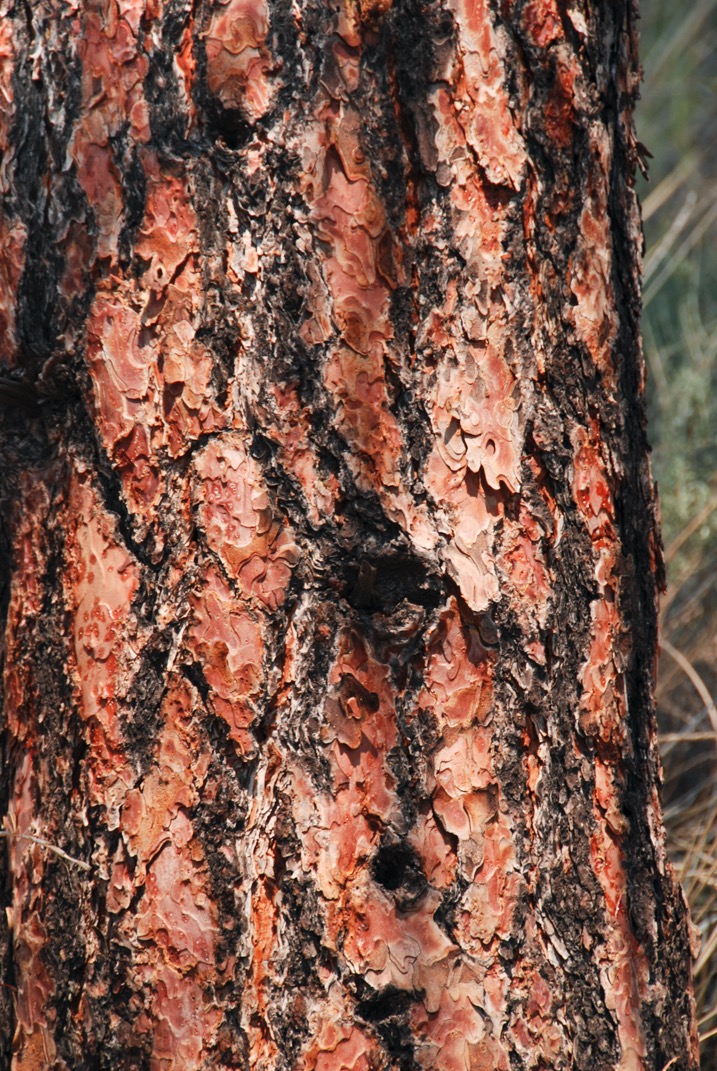 DOLORES, Colo.— Forest health advocates have finalized an agreement with the U.S. Forest Service that will preserve tens of thousands of the largest, oldest ponderosa pine trees in Colorado’s San Juan National Forest. “Large, mature trees are critical for climate resilience, habitat and forest health” said John Rader, public lands program director for the San Juan Citizens Alliance. “We are pleased to reach a common-sense agreement that helps safeguard our forests from climate change and biodiversity loss.” In June 2023 San Juan Citizens Alliance and the Center for Biological Diversity sued the Forest Service in federal court over its approval of a nearly 23,000-acre timber project in the Dolores District of the San Juan National Forest. The project area is a watershed for the Dolores River and provides important habitat for elk, mule deer and raptor, including imperiled goshawks. It was extensively logged throughout the 1900s, and few mature ponderosa pines remain.
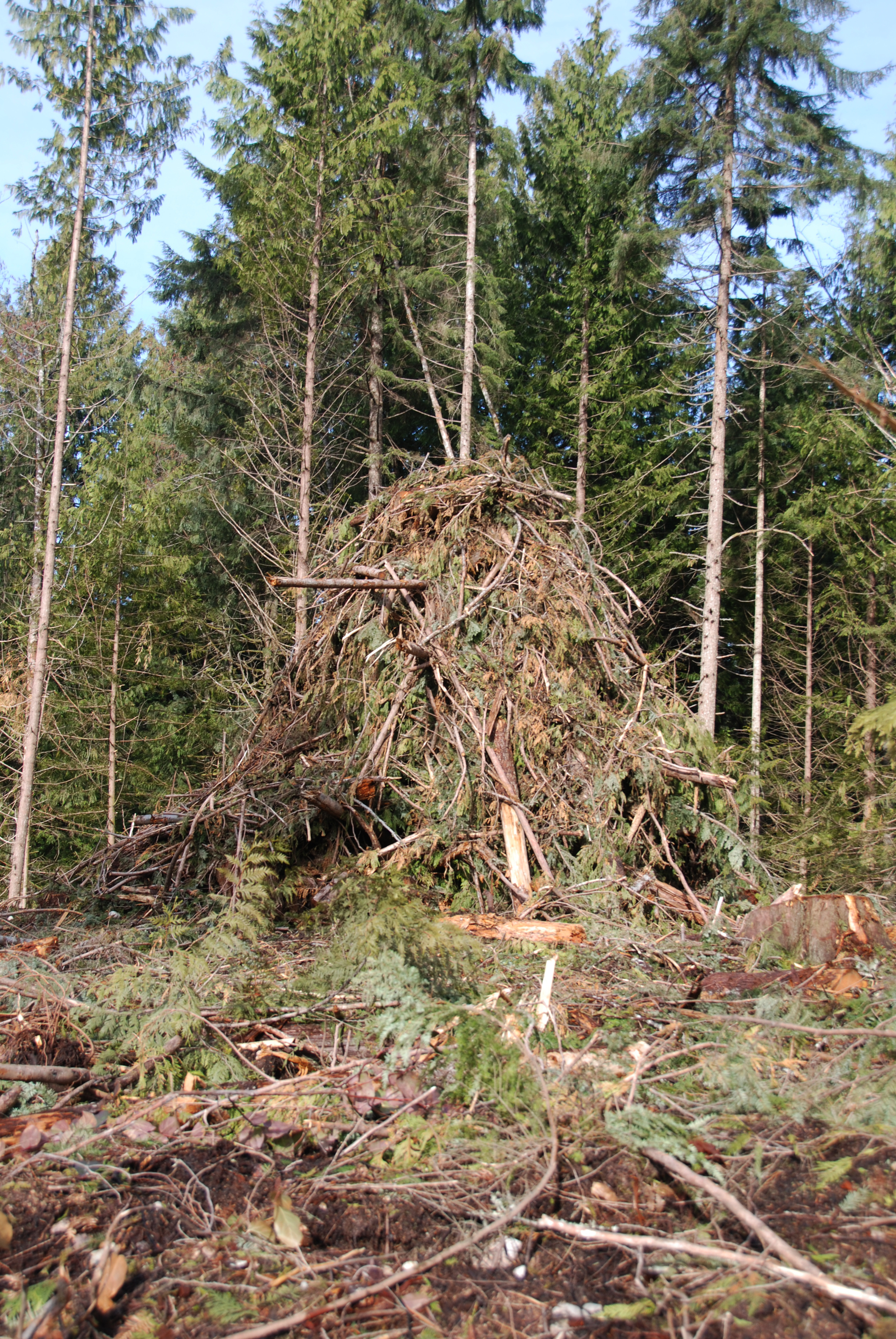 The Oregon Department of Forestry is teaming up with the owner of 33,000 acres of private timberland west of Bend to test a new technology that reduces the amount of smoke produced during pile burning activities, and reduces wildfire risk. A pilot project is set to be held in October on Shanda Asset Management’s Skyline Forest, a vast swath of timberland that has long been the target of conservation efforts. The project entails using an air curtain burner — a container-sized unit that burns wood slash from thinning projects. Instead of releasing particulate matter into the atmosphere, these units capture smoke and produce biochar. It also reduces the risk of a wildfire caused by embers escaping from burning piles. Another advantage is limiting the spread of tree disease and insects — air curtain burners have proven to be better than pile burning when containment is needed.
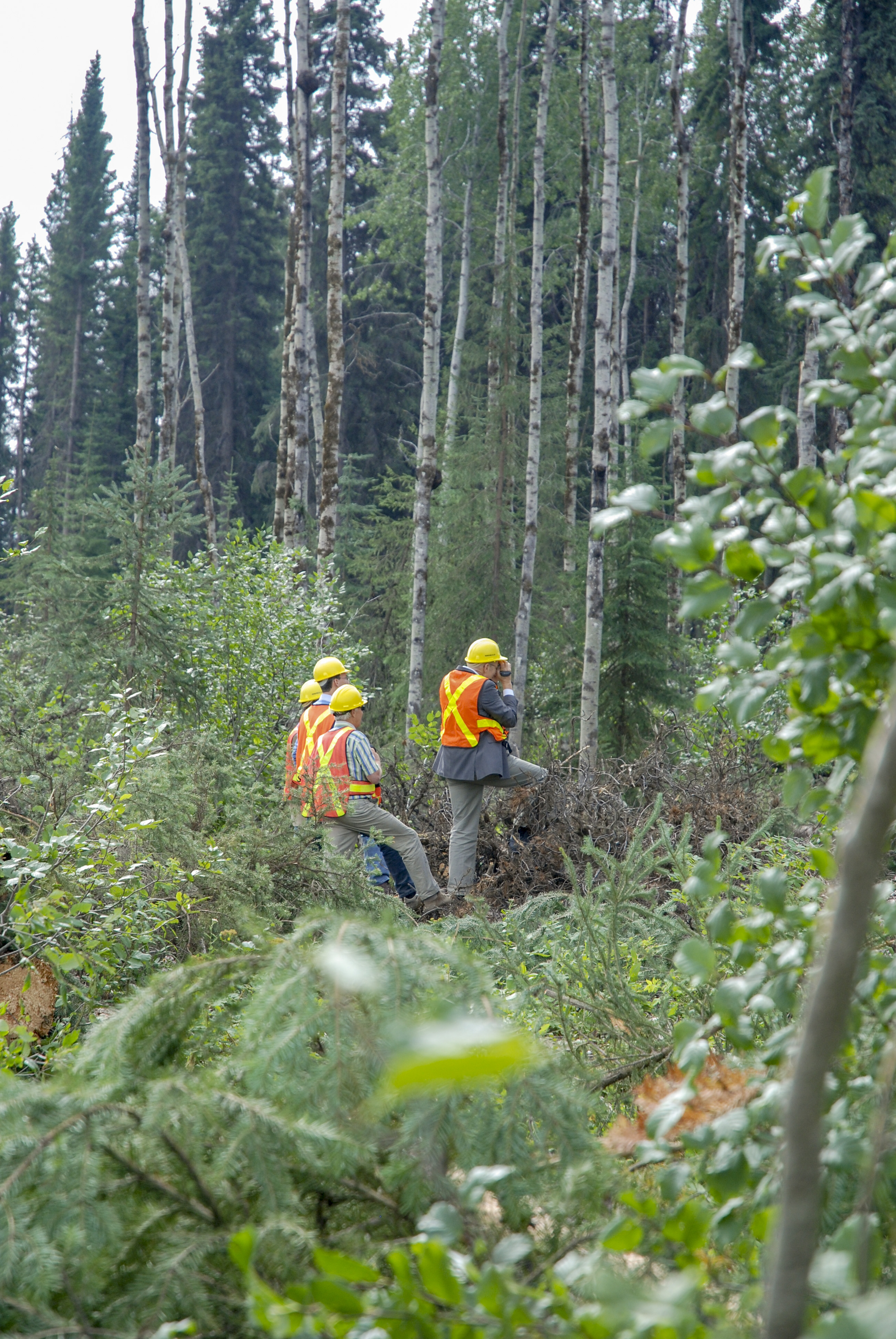 Oregon’s forestry board has long had the power to hire and fire the state forester, who oversees logging and environmental protections on state lands, as well as firefighting across millions of acres of public and private land. But the board lost that hiring-and-firing power this session with Senate Bill 1051, which handed it over to the governor. This bill has left many forestry board members wondering how much authority they still have. “Right now, after the passage of this senate bill, I have very little reason to trust your office,” vice chair Brenda McComb told members of Gov. Tina Kotek’s staff at the board’s Wednesday meeting. There’s a lot riding on forest management in Oregon. Revenues raised from logging trees on state lands help fund rural schools and some county budgets. Timber sales are also a key revenue source for the Oregon Department of Forestry, which fights fires on about 12 million acres of private land.
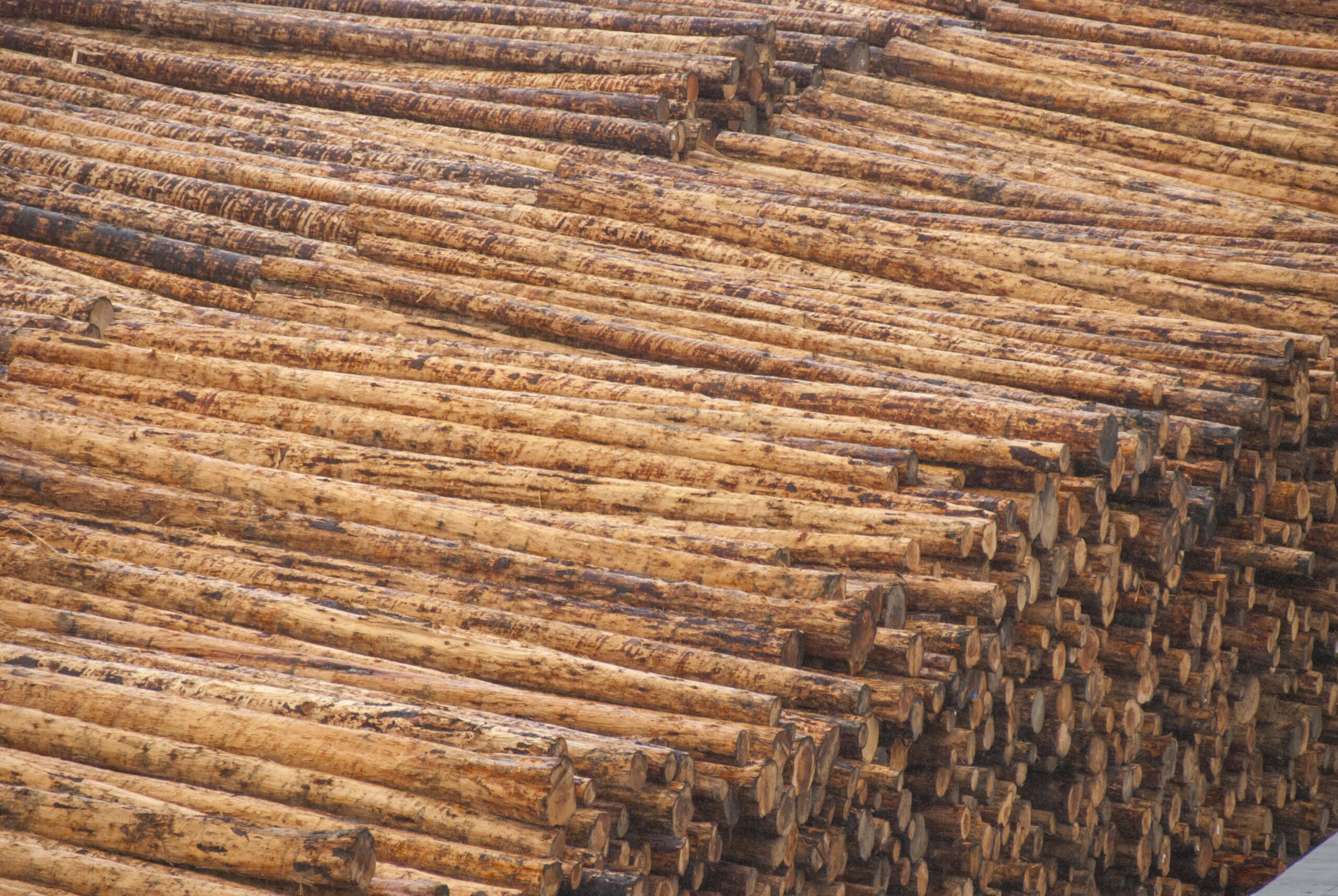 Could President Donald Trump’s strategies help revive Washington’s diminished timber industry? For nearly a century, Washington’s timber industry produced everything from paper and two-by-fours to the massive wood beams that hold up the Tacoma Dome. Lumber mills were the backbone of logging towns throughout the Northwest. But the industry has been on a long decline since the 1990s. Now, Trump wants to reduce foreign competition and increase US logging to bring back those jobs. To find out whether it could work, KUOW visited a sawmill in Morton, a small town in the foothills of Mount Rainier. …Today, the state has about 100,000 timber-related jobs, including mills. That means Washington has lost about a quarter of its timber jobs in the last thirty years. The loss has been devastating to rural communities built around those sawmills, like Morton, Washington. …The Hampton Mill is still the economic heart of the community today. It’s survived the waves of closures over the years.
 WASHINGTON, D.C. — Colorado Senator Michael Bennet and Representative Joe Neguse, along with other politicians, introduced the Joint Chiefs Reauthorization Act. This legislation would reauthorize the program to better support forest and grassland restoration projects on both public and private lands. “Our Western forests, grasslands, and watersheds are as important to our economy as the Lincoln Tunnel is to New York, but they are under threat from a changing climate and consistent federal underinvestment,” said Bennet. …Bennet mentioned that strengthening the program will ensure that restoring landscapes, protecting water supplies, and reducing wildfire risks can continue for future generations. “Western and Northern Colorado are all too familiar with the increasing frequency and intensity of wildfires,” said Neguse.
 New federal laws could “lock up” timber land for decades at a time, raising concerns big companies could elbow out smaller competitors and that timber revenue for counties could be delayed for years. President Donald Trump’s tax cuts and spending bill, which he signed into law earlier this month, increases the length of federal logging contracts to a minimum of 20 years. The contracts, which determine how long a logging company has to harvest on the land under contract, have typically averaged three to four years, and the longest contracts extended up to 10 years. The concern raised by a coalition of timber companies and local governments is that companies could sign long-term contracts, then wait years to harvest trees. “If the timber volume is tied up in these 20 year contracts,” Doug Robertson, executive director of the Association of O&C counties, said, “that volume then is no longer available to generate revenue for the counties and the state.”
 The Trump administration announced plans to rescind the 2001 Roadless Rule, changing the political landscape in the Tongass National Forest for the third time in five years. …The U.S. Forest Service owns approximately 78% of the available land, meaning timber operators are dependent on the federal agency for a majority of their supply. Kirk Dahlstrom, co-owner of Viking Lumber Company in Klawock, said the agency is nine years behind on timber supply for the entire Southeast Alaska industry. He said his business will not survive if land management remains under Forest Service control. …Viking is the last remaining sawmill in the world that can produce the high-quality Sitka spruce needed for soundboards for grand pianos… Pacific Legal Foundation filed a lawsuit on March 6 against the U.S. Department of Agriculture on behalf of Alaska Forest Association. Viking Lumber Company and Alcan Timber of Ketchikan joined.
 U.S. Department of Agriculture Secretary Brooke Rollins announced last month that the administration was taking steps to rescind a decades-old policy to restrict road building and timber harvests on 58.5 million acres of national forest lands… U.S. Sen. Steve Daines, R-Mont., called it “another huge win for Montana and forest management.” …The impetus for the Roadless Rule tracks back to 1998, when former U.S. Forest Service Chief Mike Dombeck saw the agency’s vast and poorly maintained road system as a major environmental and fiscal problem… “The Roadless Rule was issued to make government more efficient by not building roads in sensitive areas when we already have far more roads than we can afford to maintain,” Keith Hammer, executive director of the Swan View Coalition said. “Rescinding the rule will result in government waste and environmental harm, all at taxpayer expense.”
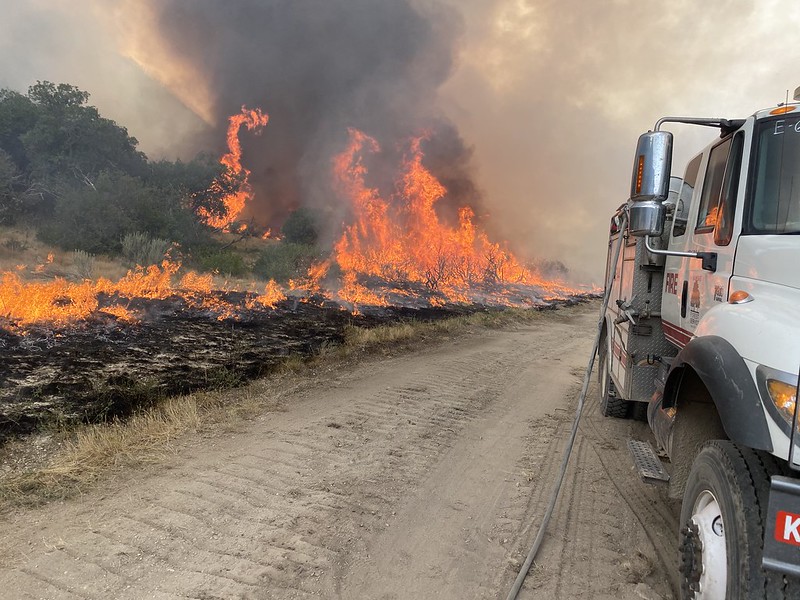

 The General Directorate of Forestry (OGM) under Türkiye’s Ministry of Agriculture and Forestry has issued a stark warning, urging extreme caution as temperatures are forecast to rise by 6 to 12 degrees Celsius between July 19 and 25. As record-breaking summer heat and dry winds sweep across the Mediterranean basin, Türkiye is once again on the front lines of a growing global crisis: forest fires. Citing meteorological data, the OGM emphasized that a combination of soaring heat, low humidity and wind can create a dangerous trifecta, fueling wildfires that spread rapidly and with devastating intensity. “Even a moment of carelessness can ignite a fire of catastrophic scale,” the statement read. Citizens are urged not to burn brush, discard cigarette butts, light open fires or leave glass bottles in nature during this critical period. With 86% of wildfires caused by human activity, the risk is real and preventable.

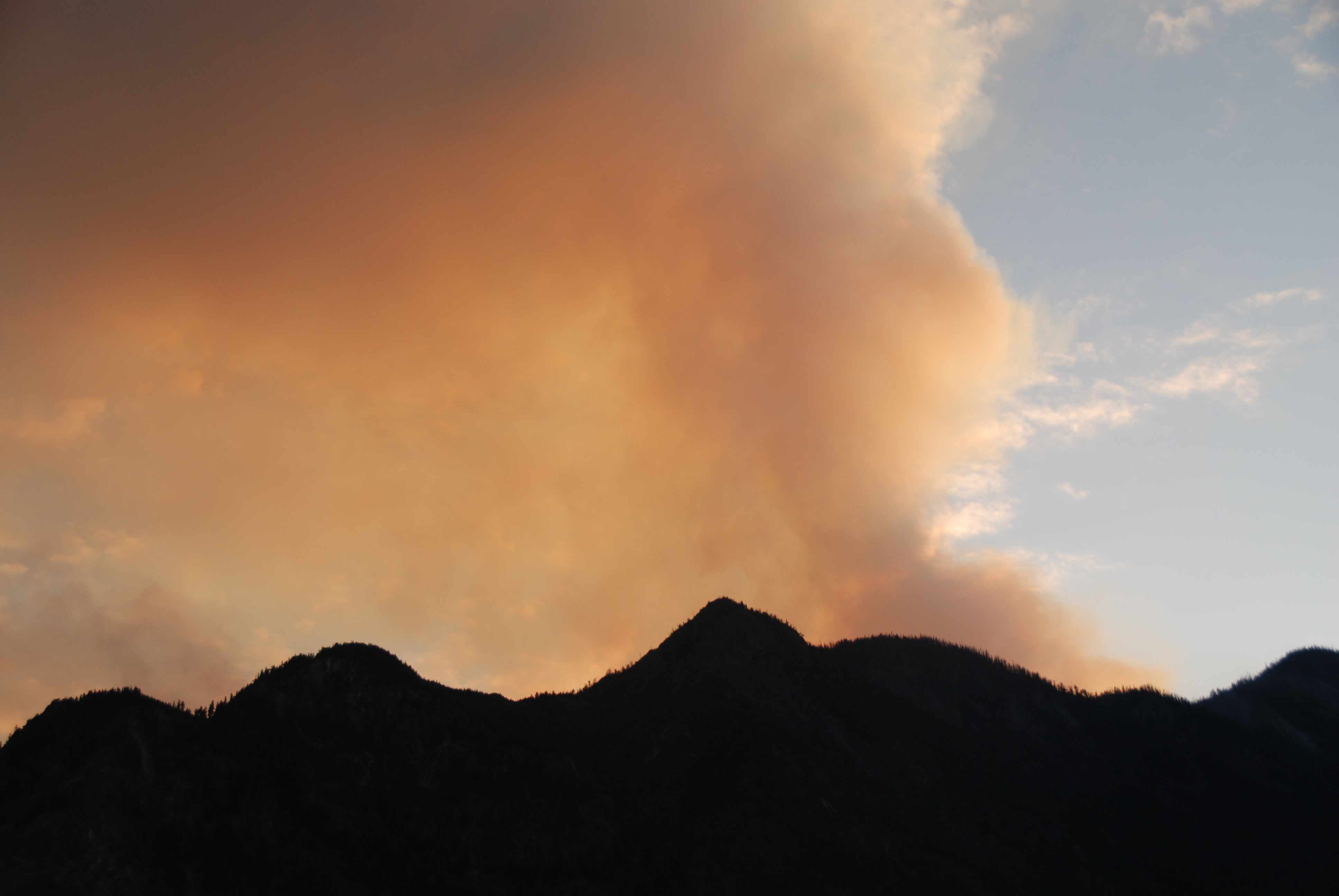 BRUSSELS – Wildfires have scorched hotspots in several Mediterranean countries this month, with blazes forcing thousands of people into lockdown in Catalonia in Spain, and encroaching on France’s second-biggest city of Marseille. …European wildfires have burnt 227,000 hectares of land since the beginning of the year – more than double the average for this time of year over the past two decades, according to the EU’s European Forest Fire Information System. …It’s not yet clear if 2025 will be a record year, as that will depend on how the fire season evolves in the coming months. The number of fires in Europe has also surged this year so far, with 1,118 blazes detected as of July 8, versus 716 in the same period last year, EFFIS said. …Scientists say the Mediterranean region’s hotter, drier summers put it at high risk of wildfires. …Climate change exacerbates this risk , by creating hotter and drier background conditions.
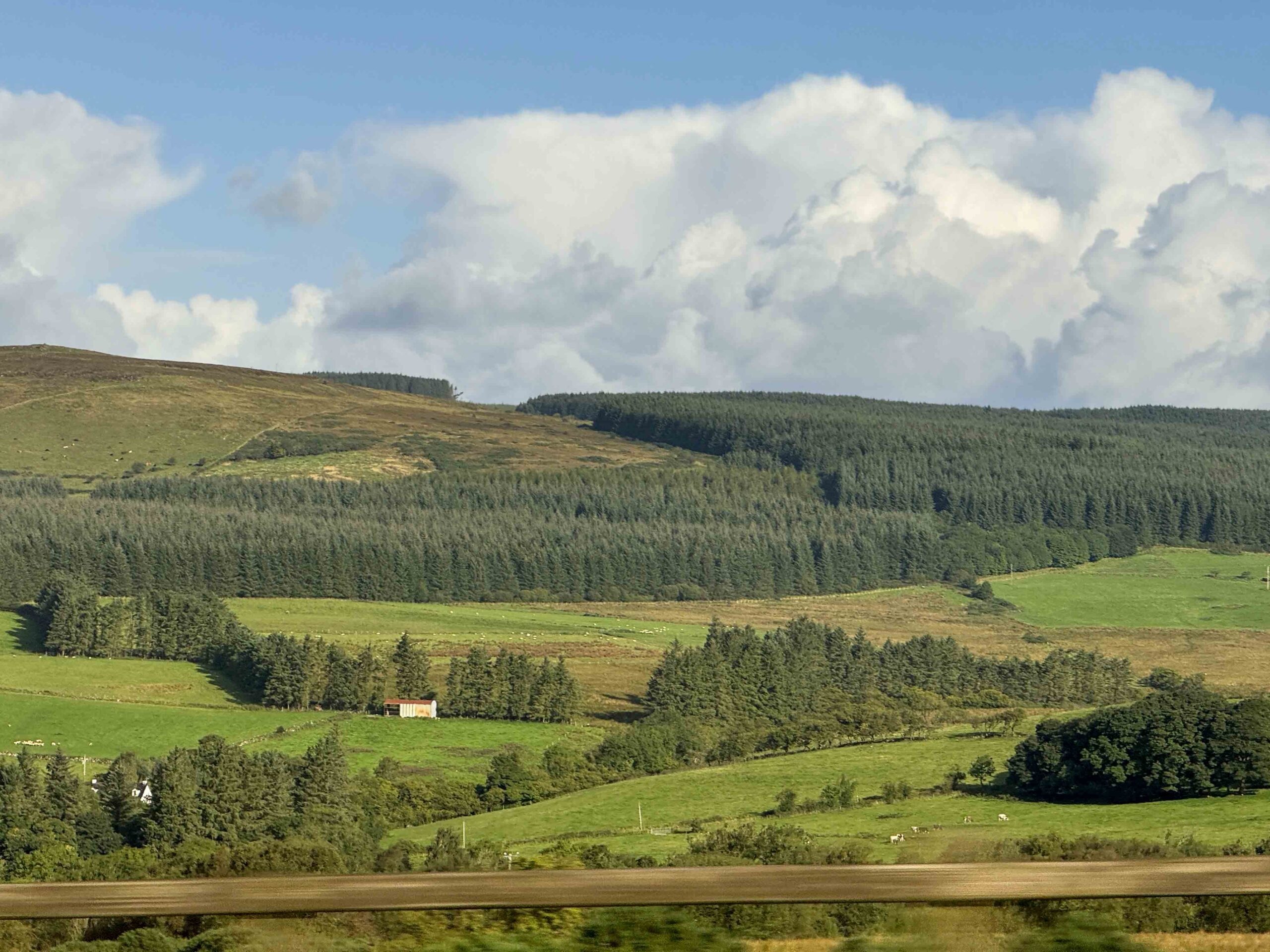 The current glorious weather provides an opportunity for all to recreate and enjoy. However, such weather patterns give rise to extreme fire risk. Teagasc Forestry advisors tell us more on the nature of such risks and offer practical advice on mitigating forest fire danger threats. On July 10, 2025, the Department of Agriculture, Food and the Marine issued a
 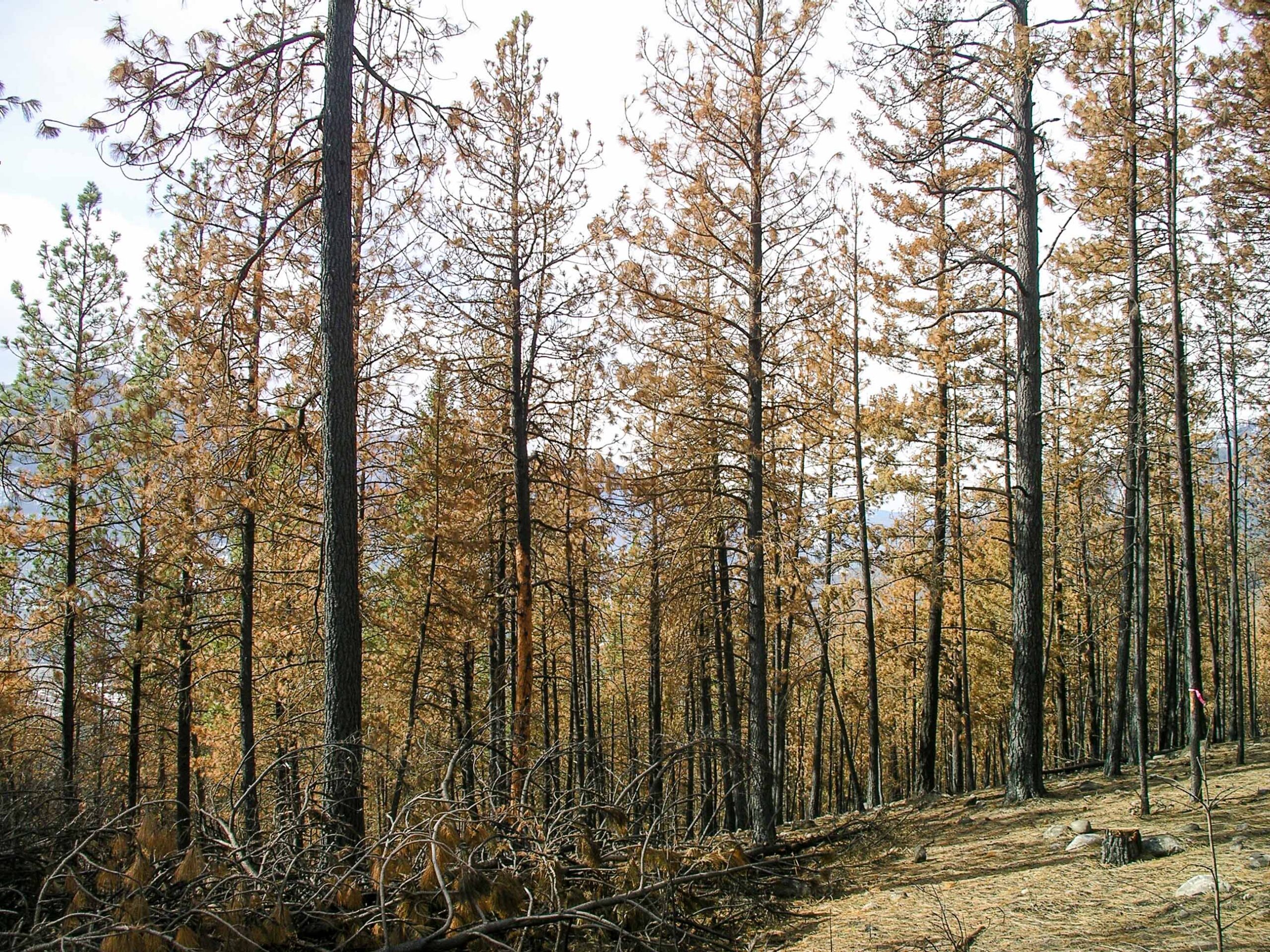 Last year, more than 112 thousand hectares of dry forests were listed in the Estonian Natura 2000 habitats. These are forests with minimal anthropogenic load, and in Estonia they are overgrown dunes, old natural forests and spruce forests with rich ground cover. The Estonian Environmental Service, the University of Tartu and the Estonian University of Life Sciences are jointly developing a plan for the maintenance of dry forests. Taavi Tattar, Head of the Nature Conservation Planning Department of the Environmental Service, pointed out that dry forests are in poor condition both in Estonia and throughout Europe. “They’re either too uniform in age or have impoverished structure. Certain species need forests with diverse structures for their life and activities, coarse woody debris, dead trees, and so on. On a broader scale, diverse forests are also more resistant to disease and better able to adapt to climate change,” Tattar said.

 A Norwegian start up is showing how a little black powder could have a big impact on farming — from healthier livestock to stronger soils and a more climate-friendly future. Why it matters: The ongoing emphasis on reducing antibiotic use in livestock production and increasing soil health means farmers are looking for new tools to help them achieve this. Obiochar, based in rural Norway about 120 kilometres north of Oslo, is using a fully automated system to turn biomass – in this case dead trees from nearby forests that can’t be used by the lumber industry – into a powerful tool for agriculture. And while biochar itself isn’t new, Obiochar ‘s unique, dual-focused approach to using biochar is setting it apart from its competitors. The company is developing biochar products both for livestock gut health in the form of feed additives and soil enhancement as an amendment.
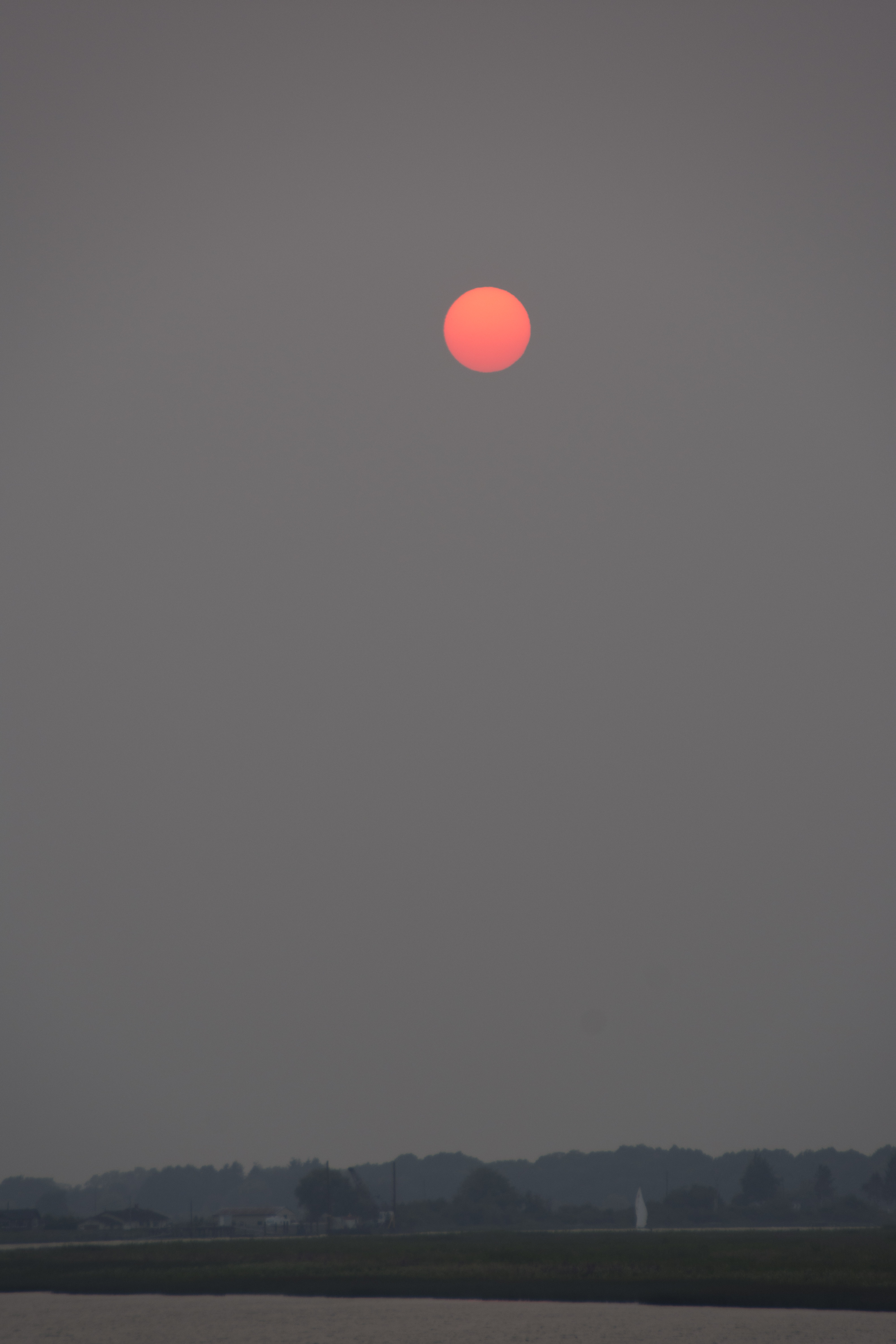 Summer camps and daycares are being forced to shift their plans amid stifling heat and poor air quality caused by wildfire smoke drifting across Central Canada, the Prairies and other parts of the country. Special air quality statements or warnings were in effect Tuesday for a second day across several provinces and territories, combined with heat warnings that stretched from Ontario to Prince Edward Island. Smoky air in the Toronto area prompted many camps to field calls from concerned parents and make last-minute changes, especially on Monday, when the city was under a warning due to the Air Quality Health Index reaching the “very high risk” rating of over 10. Adib Razavi, director of Toronto Athletic Camps, said they received hundreds of calls on Monday morning from parents who wanted to know how their kids’ activities were being adjusted.
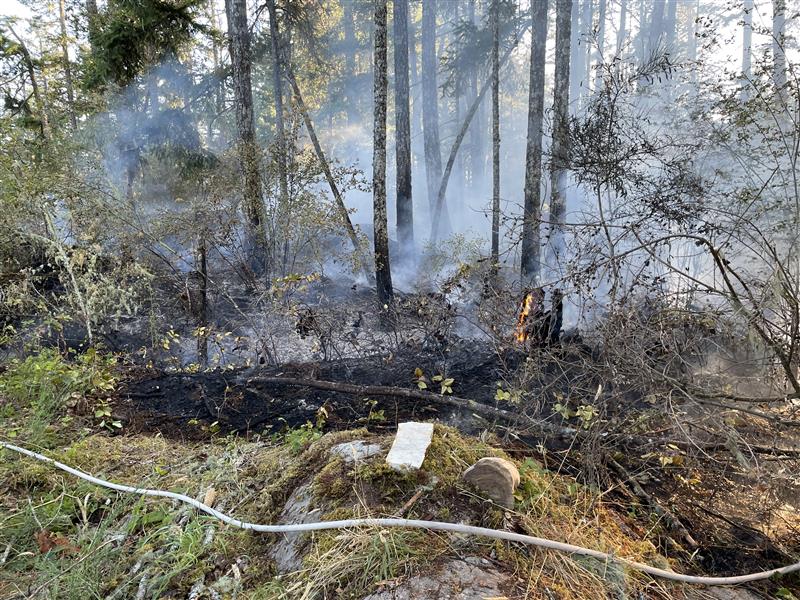

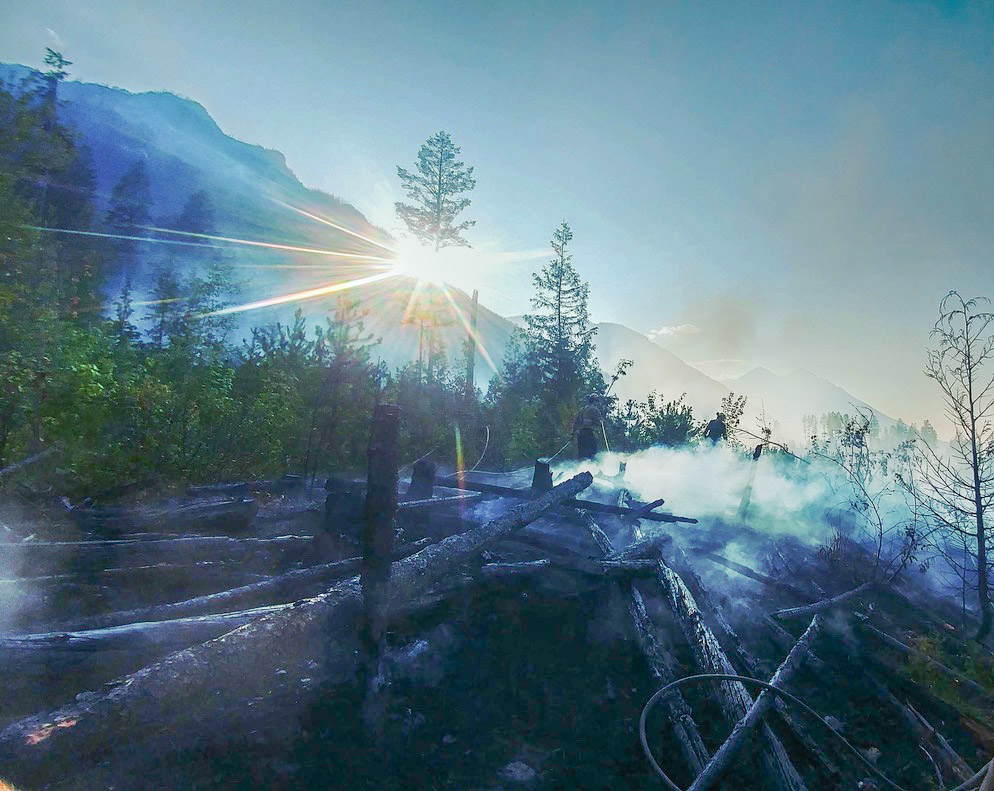 DRYDEN — Ten new forest fires in Northwestern Ontario over the weekend brought the total number of active fires in the region to 52. The Ministry of Natural Resources reports that one of the new outbreaks is an extension of a wildfire burning in Manitoba. That province’s EA061 fire has burned 278,000 hectares there, and 228 hectares in Ontario, as of Sunday evening. It’s located about 10 kilometres west of Bulging Lake in Woodland Caribou Provincial Park. Among other new fires of note in the Northwest, a 394-hectare blaze is burning four kilometres northwest of Grist Lake in the MNR’s Red Lake sector. The ministry reports the wildland fire hazard is low to moderate in most of the region, except for along the Ontario-Manitoba border from the Rainy River area to Opasquia Provincial Park, 250 kilometres north of Red Lake, where the hazard is mainly high.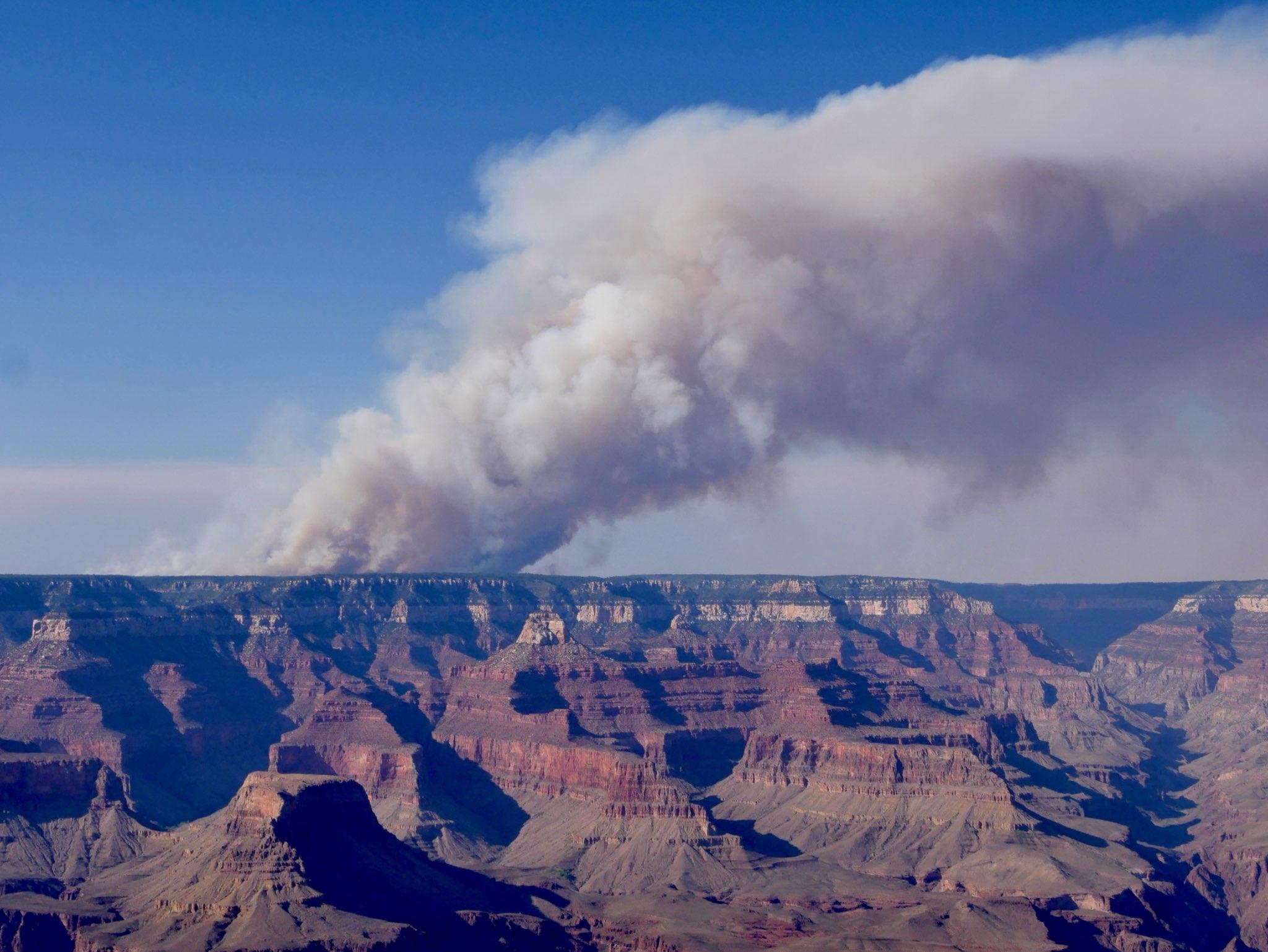
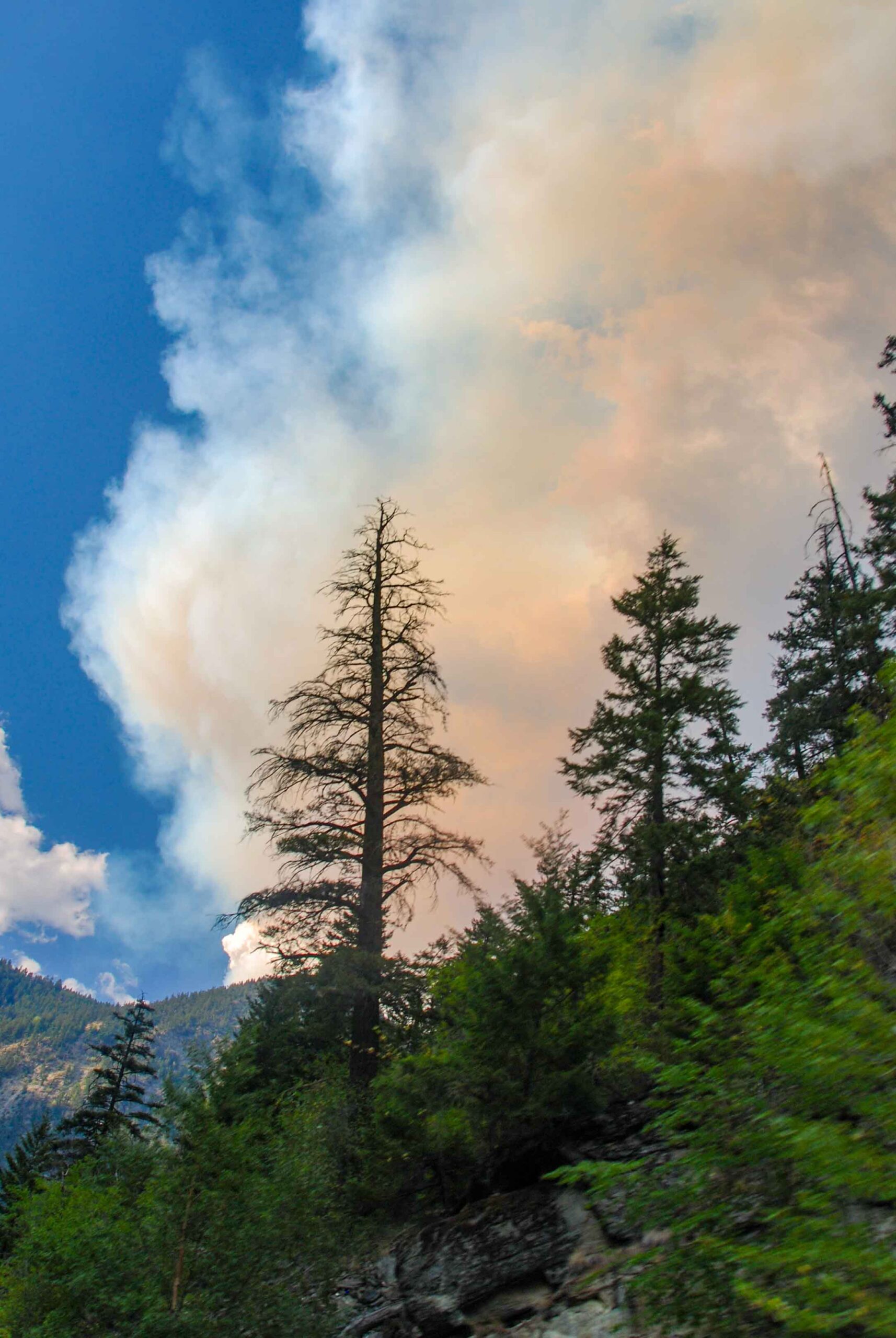 The country’s largest wildfire this year has burned over 95,740 acres, fire officials in central Oregon said Sunday, as ground crews made progress to partially contain a blaze that could still intensify to become a so-called megafire. Officials said that the massive blaze — which has drawn more than 900 fire personnel, destroyed a handful of homes and prompted evacuations in two counties — was 49% contained after crews struggled to keep back the flames last week. …Cooler temperatures and higher humidity over the weekend are expected to continue early this week, potentially aiding firefighting efforts, but the sheer size of the fire has been staggering: If it grows to at least 100,000 acres, it would be classified as a megafire, becoming the first one in the U.S. in 2025, said the National Interagency Fire Center in Boise, Idaho, which coordinates the country’s wildland firefighting operations. Oregon saw six wildfires reach megafire status last year
 The Laguna Fire approximately 25 miles west of Abiquiú has grown to more than 15,000 acres, and prompted evacuation orders more than two weeks after Santa Fe National Forest officials announced their plans to let the fire safely grow instead of suppressing it immediately. On June 30, the Santa Fe National Forest announced that lightning caused the 176-acre fire and that they were going to “actively manage” the blaze, hoping to encourage low-intensity fire to spread across a roughly 13,000 mile area. Noting that the fire was burning in an area that had undergone a National Environmental Policy Act review, and had previously been subject to prescribed burns and thinning, Santa Fe National Forest Deputy Forest Supervisor Anthony Madrid said the fire presented “an opportunity to create a resilient ecosystem that reduces the future risk of catastrophic severe wildfire to communities.”