Breaking News: The US Department of Commerce today announced the final anti-dumping duty rate of 20.56% in the sixth annual antidumping review of unfairly traded Canadian softwood lumber imports into the United States.
 The Forest Stewardship Council lifted its suspension of Asia Pulp & Paper in the interest of speedy redress—to Greenpeace’s dismay. In other Business news: Kruger plans a $700M modernization of its Corner Brook mill; Northern Pulp’s cleanup plan is still pending; Port Angeles demands a full cleanup of Rayonier mill site; UPM to curtail paper production due to overcapacity; Weyerhaeuser posts lower Q2, 2025 earnings; the US plans to continue investigating hardwood plywood imports; and the USDA draws criticism for relocating DC staff. Meanwhile: Ontario invests in forest biomass; and the Wood Flooring Association has a new CEO.
In Forestry/Wildfire news: BC’s Forest Practices Board released its annual report; West Fraser and Lake Babine Nation celebrate a new tenure; Ben Parfitt on the fibre challenge faced by BC’s value-added mills; a blockade highlights Quebec’s Indigenous consultation gap; Thompson River University joins National wildfire resilience network; Washington state secures long-delayed wildfire funds; a study say US forest diversity continues to decline, the Fix Our Forests Act draws fire; and Congress moves to stop killing of barred owls.
Finally, West Fraser was justified in safety violation firing, and WorkSafeBC’s proposed regulatory amendments.


 Just as we depend on forests, forests depend on all of us. At the Forest Stewardship Council (FSC), your work will create a better future for forests and people around the world. When you join our team, you can do your part to build a world where the true value of forests is recognized by all.

 VICTORIA – The Forest Practices Board has released its 2024-25 annual report, highlighting nearly three decades of independent oversight and a continued commitment to sound forest and range practices throughout British Columbia. This year’s report reflects a sector in transition with growing pressures from climate change, wildfires and the need to modernize land management — all requiring strong oversight and innovative responses. Highlights include:
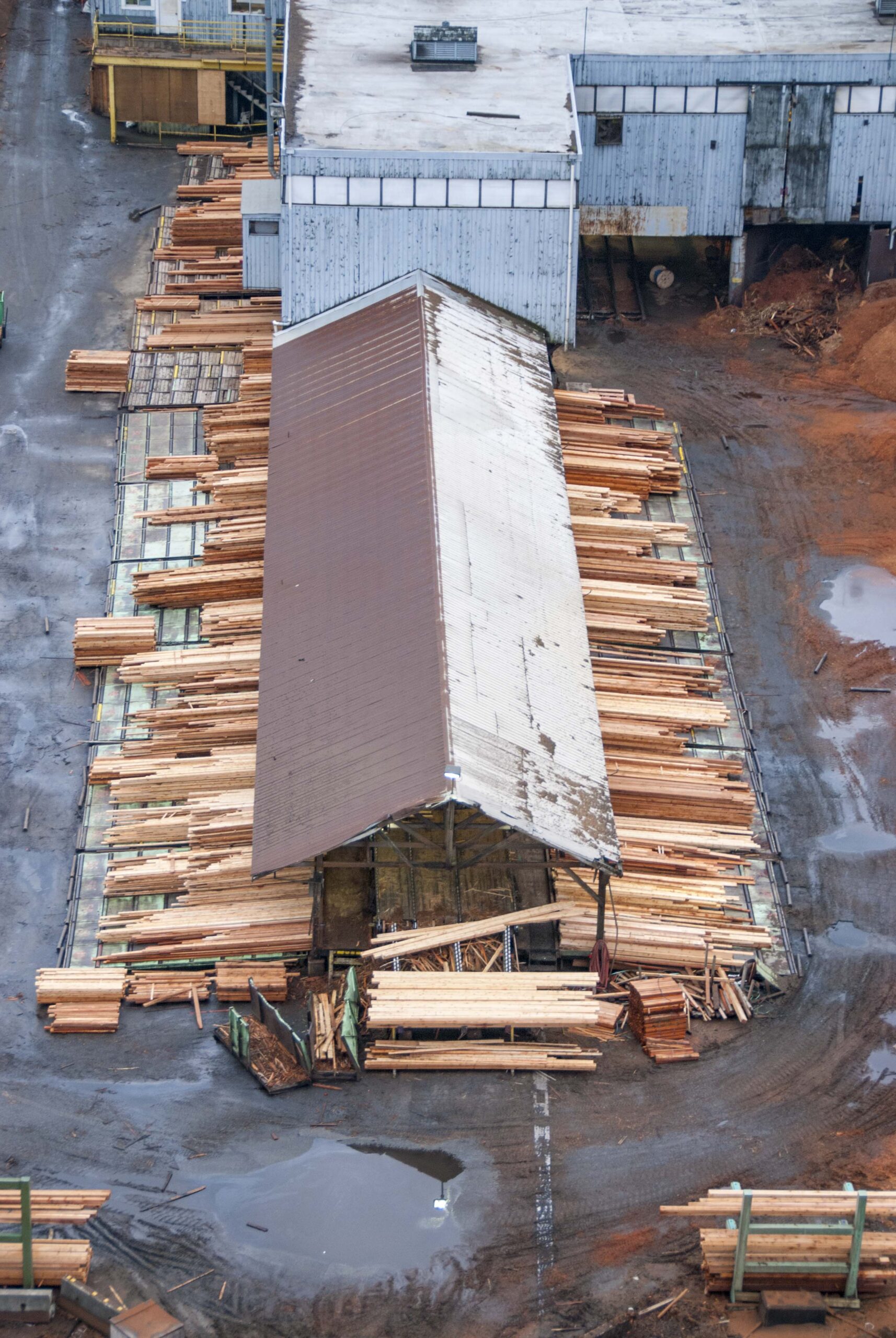 B.C.’s forest industry has a lot at stake in trade talks between Canada and the U.S. as Prime Minister Mark Carney works toward the suggested Aug. 1 deadline for a deal, and a promise to make resolving the pre-existing dispute between the two countries on softwood lumber trade a priority. Mills in the province are already running at just 67 per cent capacity during the uncertainty surrounding tariffs… But Carney put a spotlight back on the issue last week with his commitment to make a resolution “a top priority” in trade talks sparked by U.S. President Donald Trump. The prospect of additional tariffs … adds to the urgency for reaching a deal. …B.C. sawmills that would have been reluctant to absorb the high cost of curtailing production have been quicker to suspend operations … owing to the uncertainty around tariffs, according to industry analyst Keta Kosman, publisher of the trade data firm Madison’s Lumber Reporter.
 The Canadian Wood Council is hiring a new leader to guide its WoodWorks BC program. Based in Vancouver (hybrid), this is a senior role focused on driving market growth, building strategic partnerships, and advancing wood use in construction across British Columbia. The Executive Director will lead a high-impact team, contribute to national market development efforts, and work closely with government, industry, and design professionals to promote innovation and sustainability in the built environment. This is a pivotal leadership role responsible for driving strategic growth, fostering stakeholder relationships, and championing the use of wood in construction. The Executive Director will serve as the principal representative of the program in BC and play a national role in mentoring and supporting Market development staff across Canada. WoodWorks is the market development program of the Canadian Wood Council that seeks to increase the use of wood in non-residential and multi-family building markets across Canada.
 In April 2021, Shreveport attorney Rich Lamb saw an opportunity. Lamb’s family has owned timberlands for several generations. …Fast forward to today. A more than $100 million Southern yellow pine sawmill sits outside of Plain Dealing. …Lamb learned that Canadian companies were relocating to the southern United States to build sawmills due to the unfavorable business climate in Canada. Lamb raised money and recruited Canadian company Teal Jones as an operating partner… Teal Jones acquired 57% of the sawmill, with Lamb and local investors owning the remaining 43%. But in 2024, Teal needed to sell. “Because of the pricing environment, interest rate environment and political climate in Canada, Teal Jones got into financial distress and went into reorganization,” Lamb explained. “They needed to sell their 57% interest to get liquidity.” Fortunately for Lamb and his group, a new buyer was found. Earlier this month, Sumitomo Forestry America Inc. purchased Teal Jones’ stake in the mill.
 Texas’ timber industry continues to generate a significant economic impact for the state, with employment and output levels holding steady compared to 2023, said Eric Taylor, Ph.D., a silviculturist with Texas A&M AgriLife Extension Service and Texas A&M Forest Service. Market conditions remain largely unchanged from two years ago, with strong demand for sawtimber, coming primarily from pine trees in East Texas. On the flipside, there is an oversupply of smaller-diameter trees, keeping pulpwood prices soft, Taylor said. Roughly one-fifth of the state…provides about 12 million productive acres of timber out of roughly 22 million acres in the region. Most of the land is privately owned… While the Texas timber sector generally operates as a net-importer state, trade with Mexico and Canada accounts for 88% of Texas’ exports and 42% of its imports in 2024, Taylor said. …One bright spot is the growing interest in mass timber…

 Mass timber may have antimicrobial benefits that could make it useful for hospital construction, according to a recent study from the University of Oregon. The research team found that when wood was exposed to a brief wetting, it tested lower for levels of bacterial abundance than an empty plastic enclosure used as a control. “People generally think of wood as unhygienic in a medical setting,” said Mark Fretz, assistant professor, co-director of the University of Oregon’s Institute for Health in the Built Environment and principal investigator for the study. “But wood actually transfers microbes at a lower rate than other less porous materials such as stainless steel.”
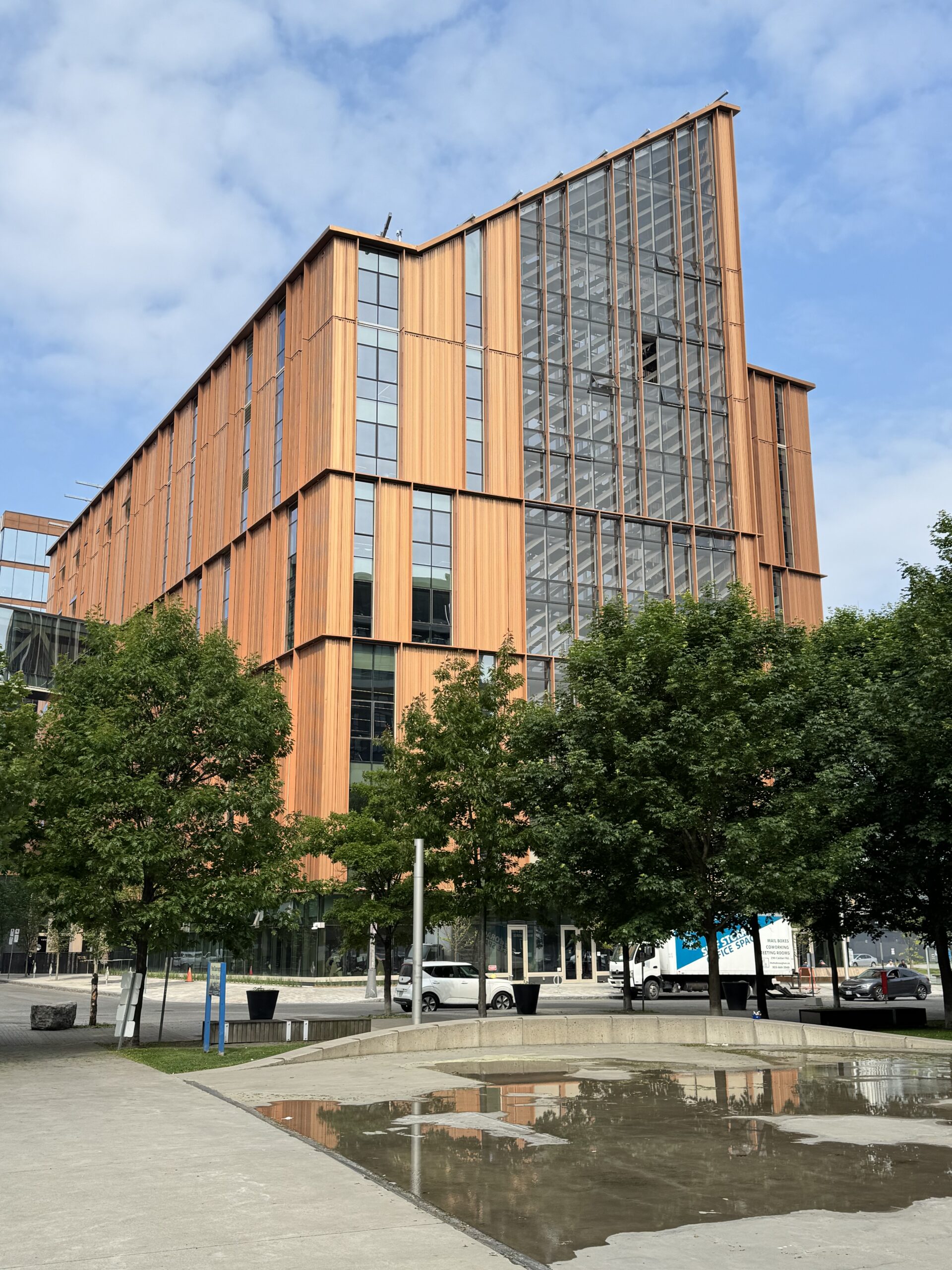 Mass timber is an emerging construction technology growing in popularity in the United States. One obstacle to the gradual adoption of mass timber construction is the limited availability of qualified engineers and designers. Although successful efforts have been made to address research topics related to mass timber design and … adoption as a construction material, little research has been conducted to identify desired student outcomes for undergraduate civil or structural engineering students working with mass timber after graduation. This paper describes the development of an industry-guided educational resource for curriculum development to improve the alignment between undergraduate student outcomes and employer requirements related to mass timber design. …The findings reflect a prioritization of competencies related to the design of mass timber elements and structures, an understanding of material characteristics, the navigation of available design resources, contributions to project deliverables, and the support of sustainability goals.
 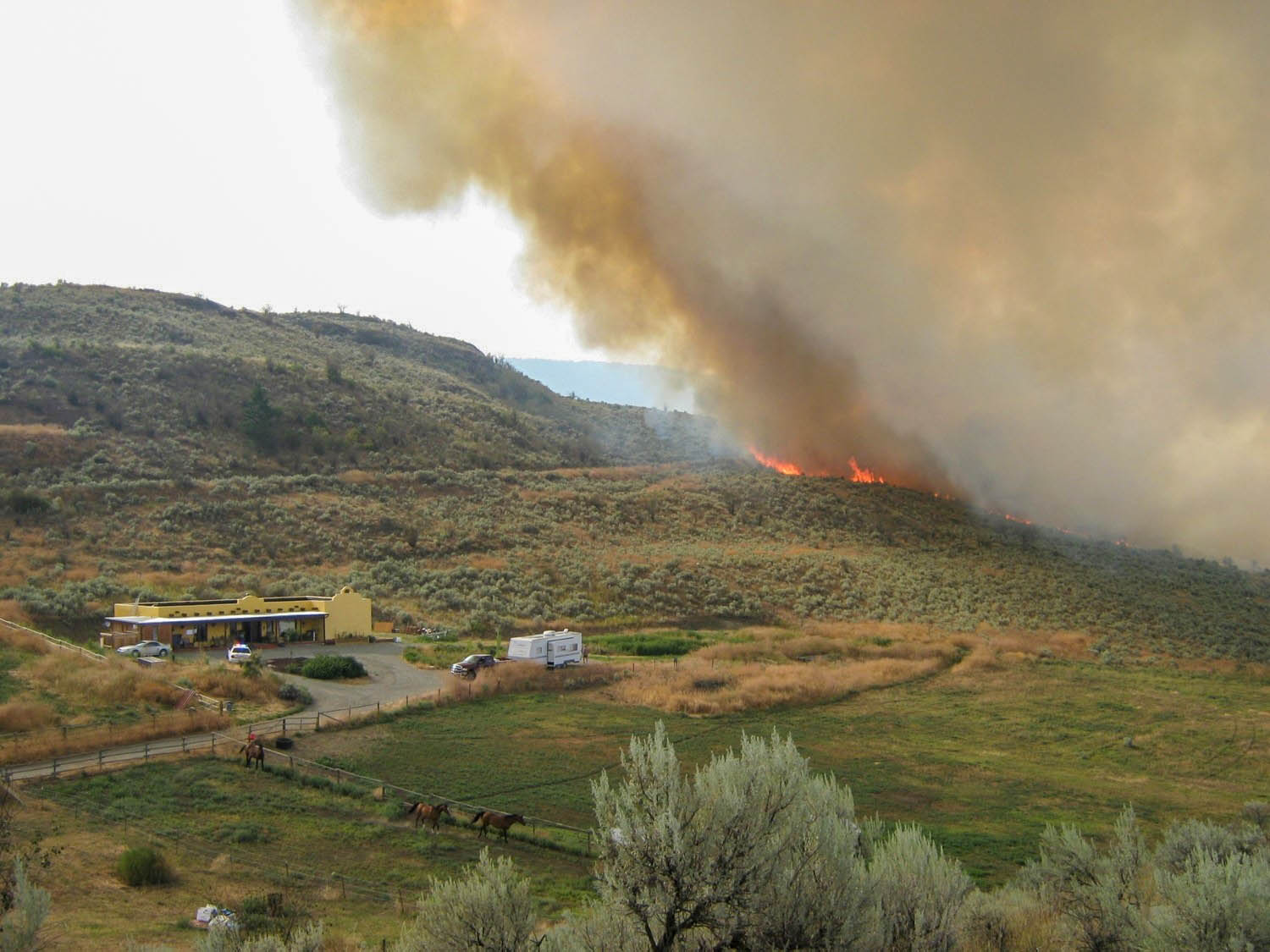 A recent report out of British Columbia suggests using beneficial fires to build wildfire resilience. In the Yukon, that idea is not new — but finding a way to reap the benefits of fire while preventing devastation is a delicate balancing act. …the
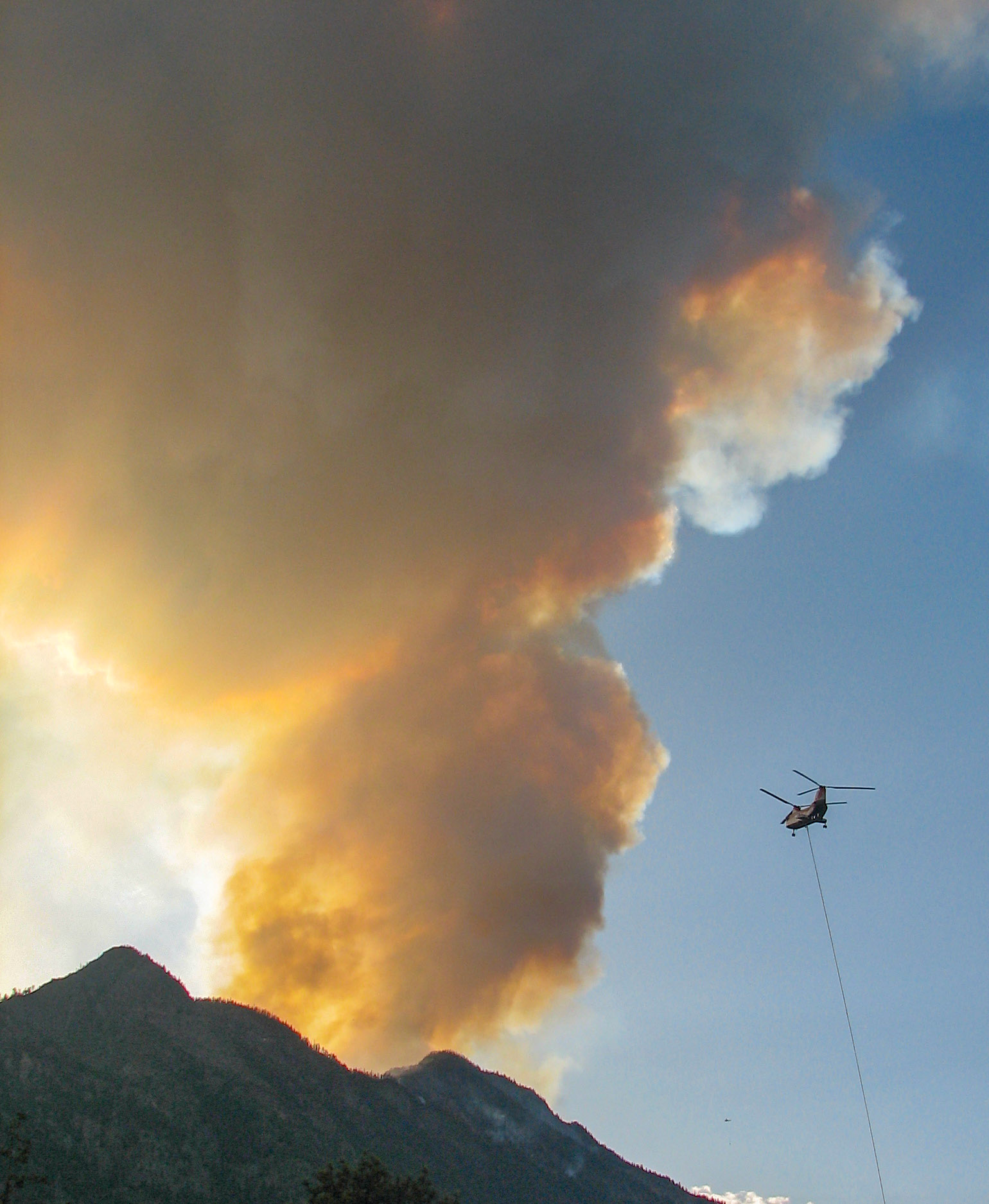 …The National Film Board–produced Incandescence is just one of several documentaries either released this year or currently in production that speak to the province’s new reality and the urgency of the climate crisis that’s fuelled it. This spring, B.C.’s Knowledge Network released a five-part docuseries called Wildfire, about BC Wildfire Service firefighters and the on-the-ground reality of their work. A third crowdfunded documentary, BC is Burning, recently finished production and had its first community screenings in the Okanagan in June. The appearance of these films feels especially timely, and speaks to deeper trends around documentary as a storytelling tool in times of social or ecological crisis. “Environmental documentaries have kind of come in waves that are often in response to policy,” says Chelsea Birks, the learning and outreach director at Vancouver’s The Cinematheque and a film studies lecturer at the University of British Columbia. She says climate change is not an easy subject to capture.
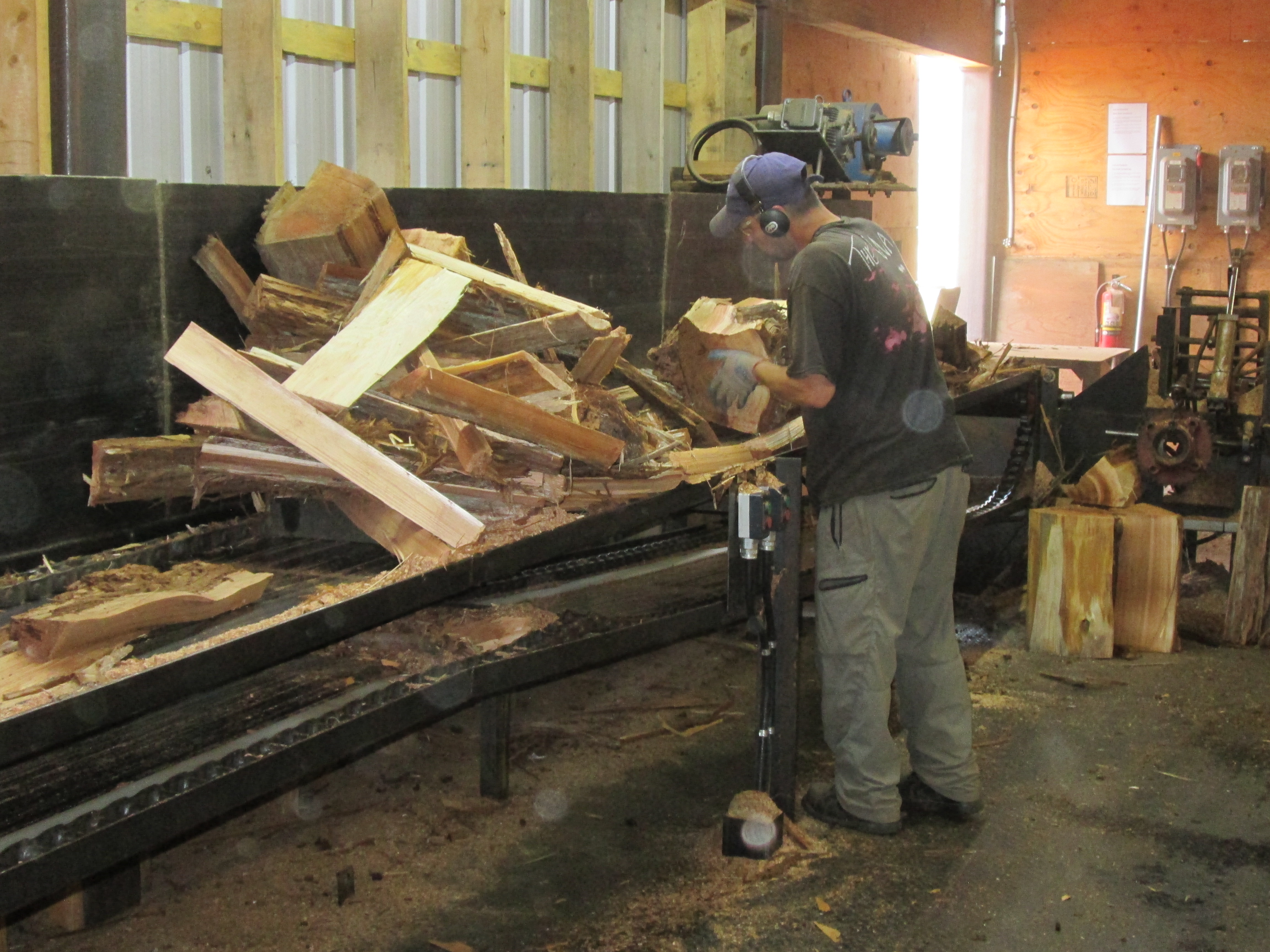


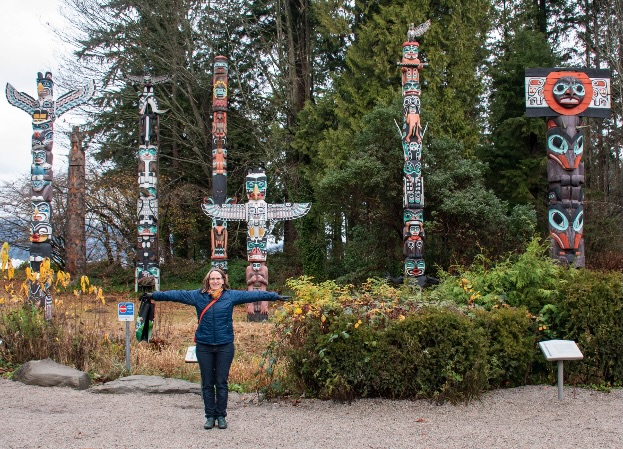 Vancouver park board commissioners voted Monday to keep the same contractor on the job for the continued work required to remove dead and declining trees in Stanley Park that have been damaged by a hemlock looper moth infestation. The board now has to finalize a contract with B.A. Blackwell and Associates Ltd. for the final phase of mitigation and restoration work in the park. The contract will be worth more than $3 million and fall within a previously approved overall budget of $17.9 million for the project. Although 23 suppliers registered an interest to complete the work, only Blackwell chose to submit a proposal, which was reviewed by the board’s evaluation team comprised of staff from urban forestry and supply chain management. …As for why Blackwell was the only bidder, Joe McLeod, the board’s associate director of urban forestry said, “There are very few forestry professional consulting firms that have the set of unique skill set.”
 Kamloops, B.C.– The Forest Enhancement Society of BC (FESBC) recently approved up to $1.7 million to the Woodlot Product Development Council (Woodlots BC) to carry out wildfire risk reduction treatments over a 2-year fiscal period. Treatments will be conducted on woodlots throughout British Columbia, each located within a Wildland Urban Interface, endorsed by the local Forestry District and following BC Wildfire Service (BCWS) wildfire risk reduction standards. Through this work, Woodlots BC looks forward to building capacity across the forest sector and helping promote innovative ways to complete treatment of wildfire risk reduction projects to reduce combustible forest fuel loading, thereby better protecting communities. “Woodlots are vital to B.C.’s forestry sector as they support local jobs, keep our forests healthy, and help reduce wildfire risk where it matters most: right where people live,” said Ravi Parmar, Minister of Forests.
 Forming an unusual alliance, environmental and animal welfare groups have pulled together a bipartisan effort in Congress, united by universal disdain for a Biden-era plan to massacre nearly 500,000 barred owls. Killing off barred owls in an effort to save endangered spotted owls is “wasteful, inhumane and unworkable,” Wayne Pacelle, president of Animal Wellness Action and the Center for a Humane Economy said. Those groups hailed the introduction Wednesday of the Congressional Review Act (CRA) to nullify the Biden-era barred owl management strategy. …In September 2024, the Biden administration approved a $1.3 billion plan for U.S. Fish and Wildlife Service (FWS) agents to shoot about 470,000 barred owls over the next 30 years in Washington, Oregon and California. The justification was to give spotted owls a better chance of recovery under the assumption that barred owls bully their smaller cousins out of vital, old-growth forest habitat. …Federal wildlife agents have killed roughly 4,500 barred owls since 2009.
 U.S. Rep. Marie Gluesenkamp Perez, D-Skamania, and Rep. David Rouzer, R-North Carolina, recently introduced the bipartisan Jobs in the Woods Act, which aims to connect young people with careers and training in forestry.
 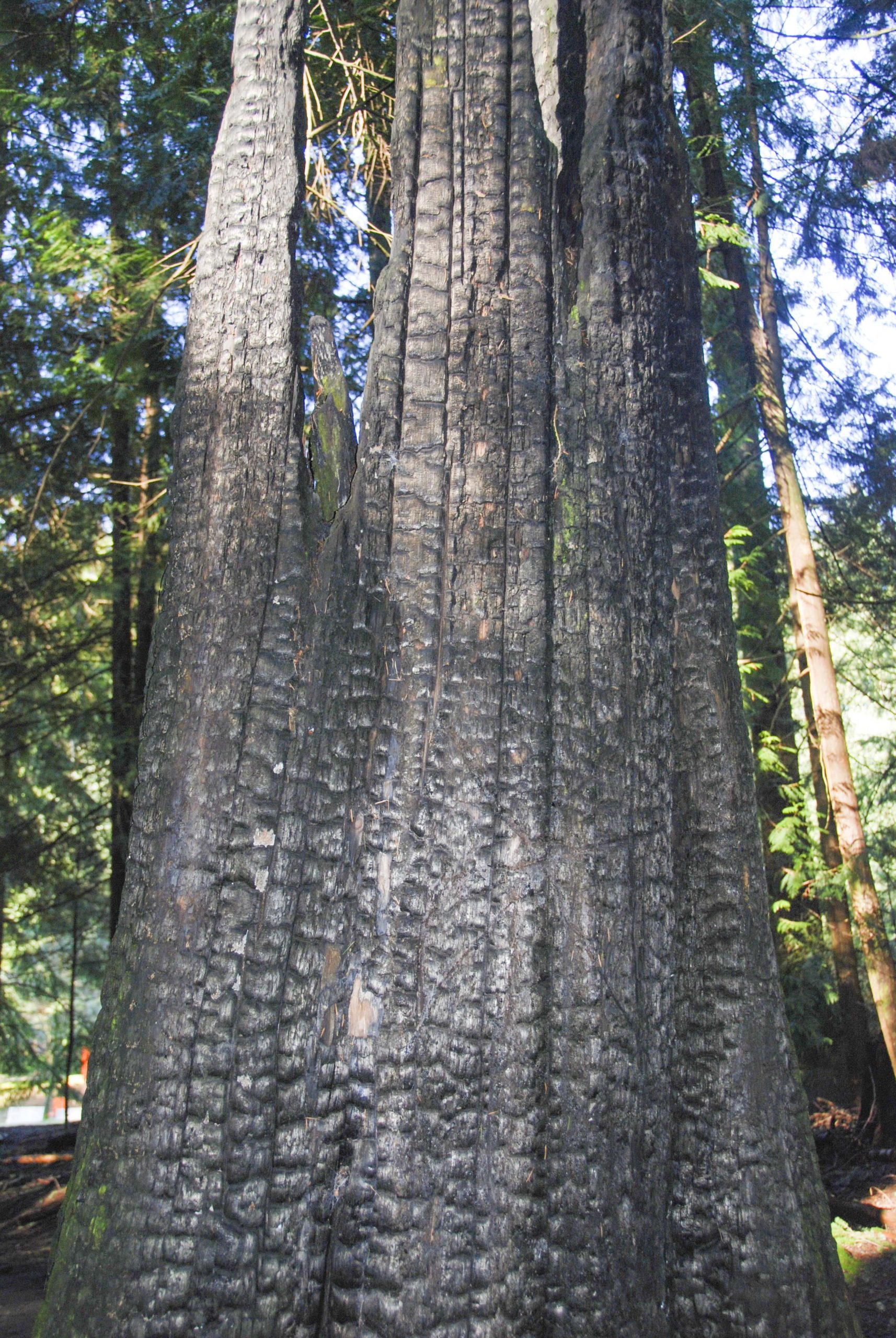 If state funding for forest health and wildfire prevention isn’t ramped back up in the next legislative session, it could hinder efforts to prevent severe fires in the coming years, Washington’s top public lands official and others warned this week. The state Legislature approved House Bill 1168 in 2021, which committed $500 million over eight years to the state Department of Natural Resources for wildfire preparedness and response. State spending had largely kept up with that target until this year, with the department receiving $115 million in the last two-year budget and $130 million in the one before that. Then this year, as lawmakers confronted a budget shortfall, they slashed the wildfire preparedness funding to just $60 million for the next two years. The Department of Natural Resources says it’s prepared for this fire season and has money left over from past years. But the funding rollback has sparked concerns.
 The restoration of gray wolves in Yellowstone National Park has helped revive an aspen tree population unique to the region, a new study has found. Quaking aspen, one of the few deciduous tree species in the northern Rocky Mountain ecosystem, is once again thriving, after suffering severe decline during the 20th century, according to a new study. “This is a remarkable case of ecological restoration,” lead author, Luke Painter, at Oregon State University’s College of Agricultural Sciences, said. The decline in aspen growth occurred in tandem with a surge in Rocky Mountain elk, which had lost a key predator following the elimination of wolves from the region by 1930. …At the same time… aspen recovery hasn’t been uniform across northern Yellowstone — and the growth is subject to numerous potential threats including climate change and encroachment of coniferous trees, are possible such factors. And other herbivores have increased in the region.
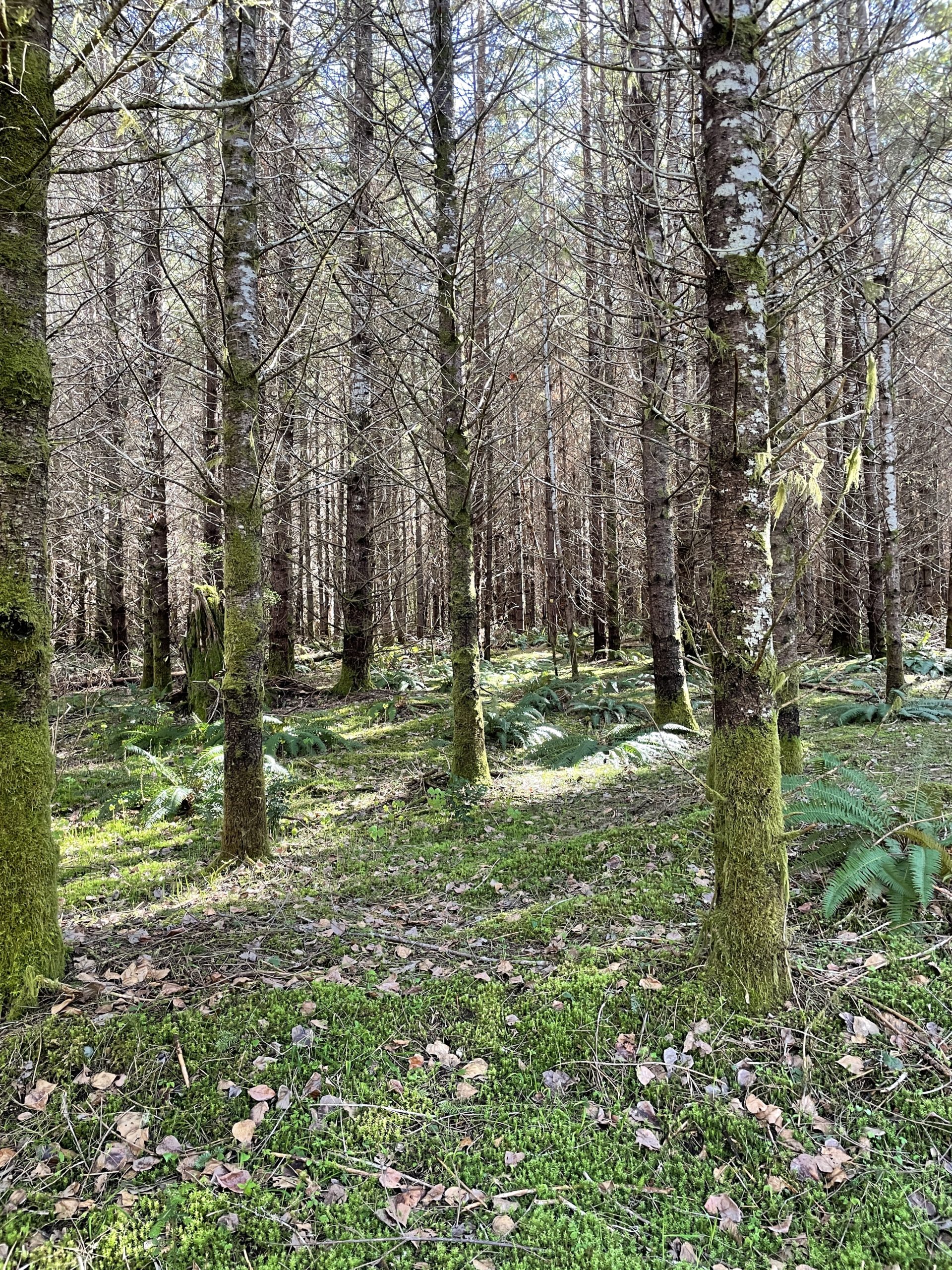 The Salt River Project has extended its partnership with the state to thin watersheds, which will also improve fire protection for communities in Rim Country and the White Mountains. In the past five years, The Valley utility has worked with the Arizona Department of Forestry and Fire Management to thin 35,000 acres of overgrown forest, including a portion of the watershed of the C.C. Cragin Reservoir. SRP has also signed long-term contracts to buy electricity from NovoBiopower, the state’s only biomass burning power plant. The Snowflake power plant remains crucial to forest restoration efforts by providing one of the few markets for the tons of low-value biomass removed on each acre treated. SRP issued a release this week stating it hopes to fund the treatment of another 52,000 acres in the next five years. SRP also helped thin overgrown forests outside Payson, adding to a buffer zone protecting the community from wildfires.
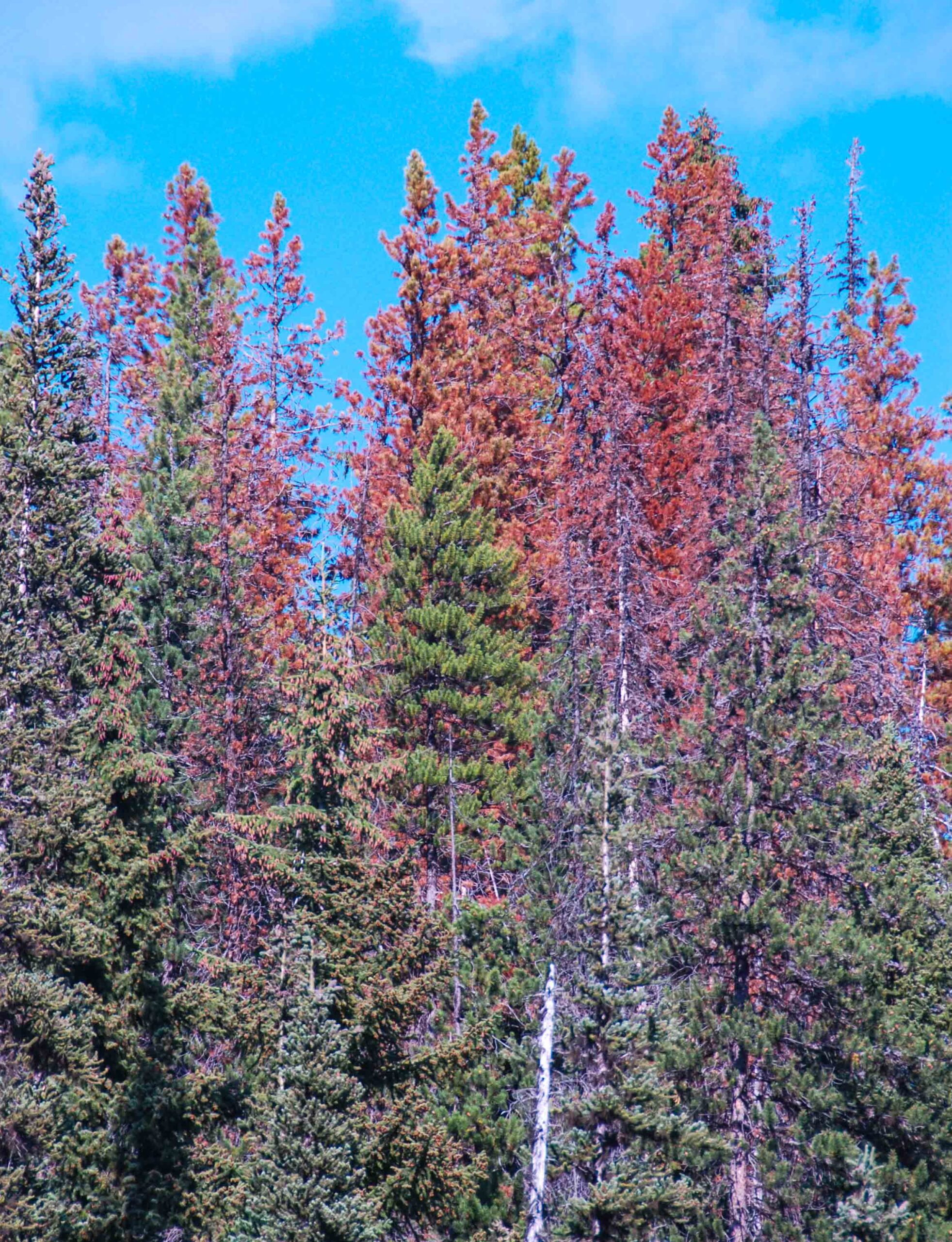 Crested Butte Mountain Resort (CBMR) in central Colorado has been dealing with a mountain pine beetle infestation for the last two years, but the Gunnison County resort is fighting back using small packets of pheromones stapled to trees. Beetles were first detected mountainside at CBMR in 2023… During the 2024 season, ground crews revisited large areas of lodgepole pine within and around CBMR’s boundaries, confirming limited but recent beetle activity among the trees. …But now CBMR Mountain Operations, alongside rangers with the U.S. Forest Service, are fighting the beetles back with the help of verbenone pheromone packets. Verbenone is an anti-aggregation pheromone produced by mountain pine beetles to indicate a tree has reached maximum capacity, letting other beetles know there are no resources available to consume within the tree.
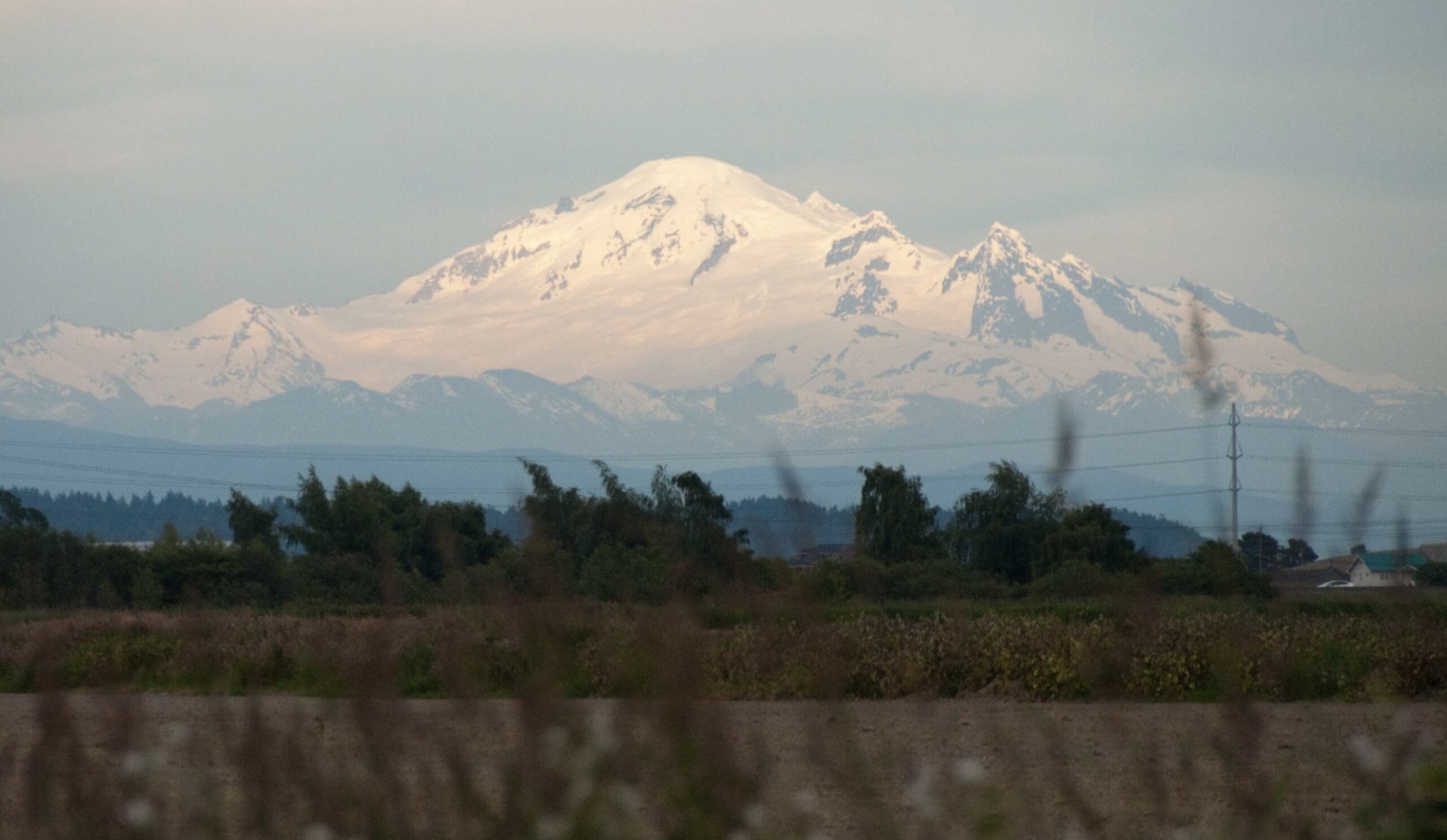 The state of Washington will get about $20 million for wildfire fighting efforts after a months-long delay, a Washington congresswoman confirmed Thursday. The Trump administration distributed $280 million in federal funding to forestry agencies across the country, according to the office of U.S. Sen. Maria Cantwell, D-Washington. The money will help fund the Washington State Department of Natural Resources’ efforts to train and equip wildland firefighters across the state. “The state of Washington is in the middle of an active and dangerous wildfire season,” Cantwell said in a news release. “After questioning the Chief of the Forest Service and the Secretary of Agriculture, I am pleased that Washington — and all states — are finally receiving the funding they need to prepare for and respond to wildfires this summer and in the future.”


 Conservation groups sued the U.S. Fish and Wildlife Service on July 17 for denying Endangered Species Act (ESA) protections to the north Oregon Coast population of red tree voles. The lawsuit, filed by the Center for Biological Diversity, Bird Alliance of Oregon, Oregon Wild and Cascadia Wildlands, claims the USFWS’ February 2024 decision that the population was not warranted for ESA protections deprives it of critical protections necessary to ensure its survival. “Red tree voles have graced Oregon’s coastal old-growth forests for thousands of years, but we could lose them forever if they don’t get Endangered Species Act protections soon,” said Ryan Shannon, a senior attorney in the Center for Biological Diversity’s endangered species program. …Due to decades of logging, this population has been eliminated from most of its historic range. It also faces an existential threat from wildfire that is worsening under climate change, according to the lawsuit.

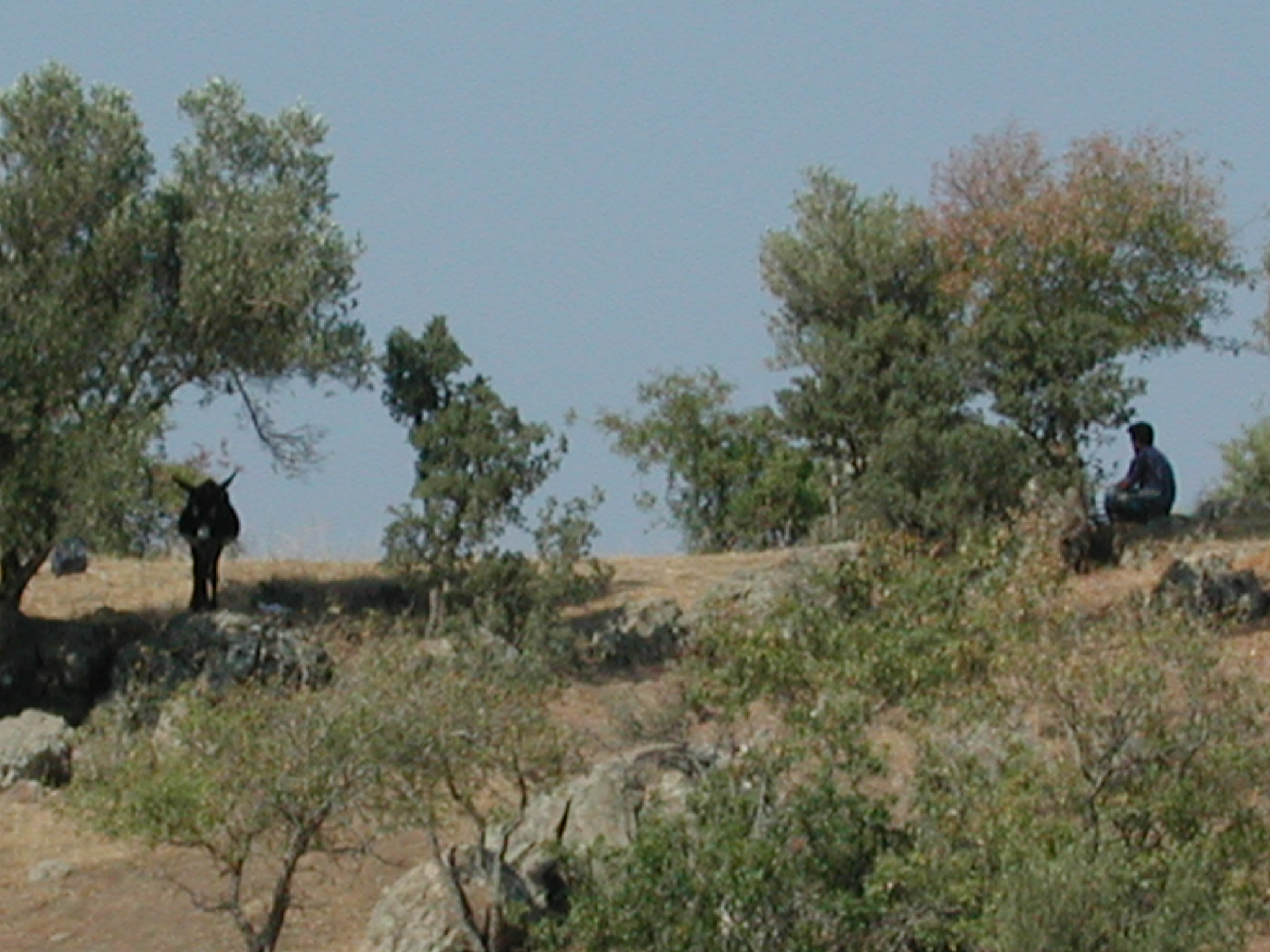 KALAVRYTA, Greece – Around the village of Kalavryta in southwestern Greece, hundreds of dying fir trees stand out among the dark green foliage, a stark reminder of how drought slowly drains the life from nature. Greek fir species Abies cephalonica are known to need cooler, moist climates. But prolonged droughts in recent years linked to a fast-changing climate in Greece are leaving them exposed to pest infestations, scientists and locals said. …Less water and moisture mean that fir trees become more vulnerable to attacks by pests that bore into their bark to lay eggs and create tunnels, disrupting the trees’ ability to transport nutrients between roots and branches and leading to their death. …In Kalavryta, authorities plan to remove dead and infested trees to limit the damage. But this might not be enough to save the forests. “We cannot stop climate change,” director of research at the National Observatory of Athens, Dr Kostas Lagouvardos said.
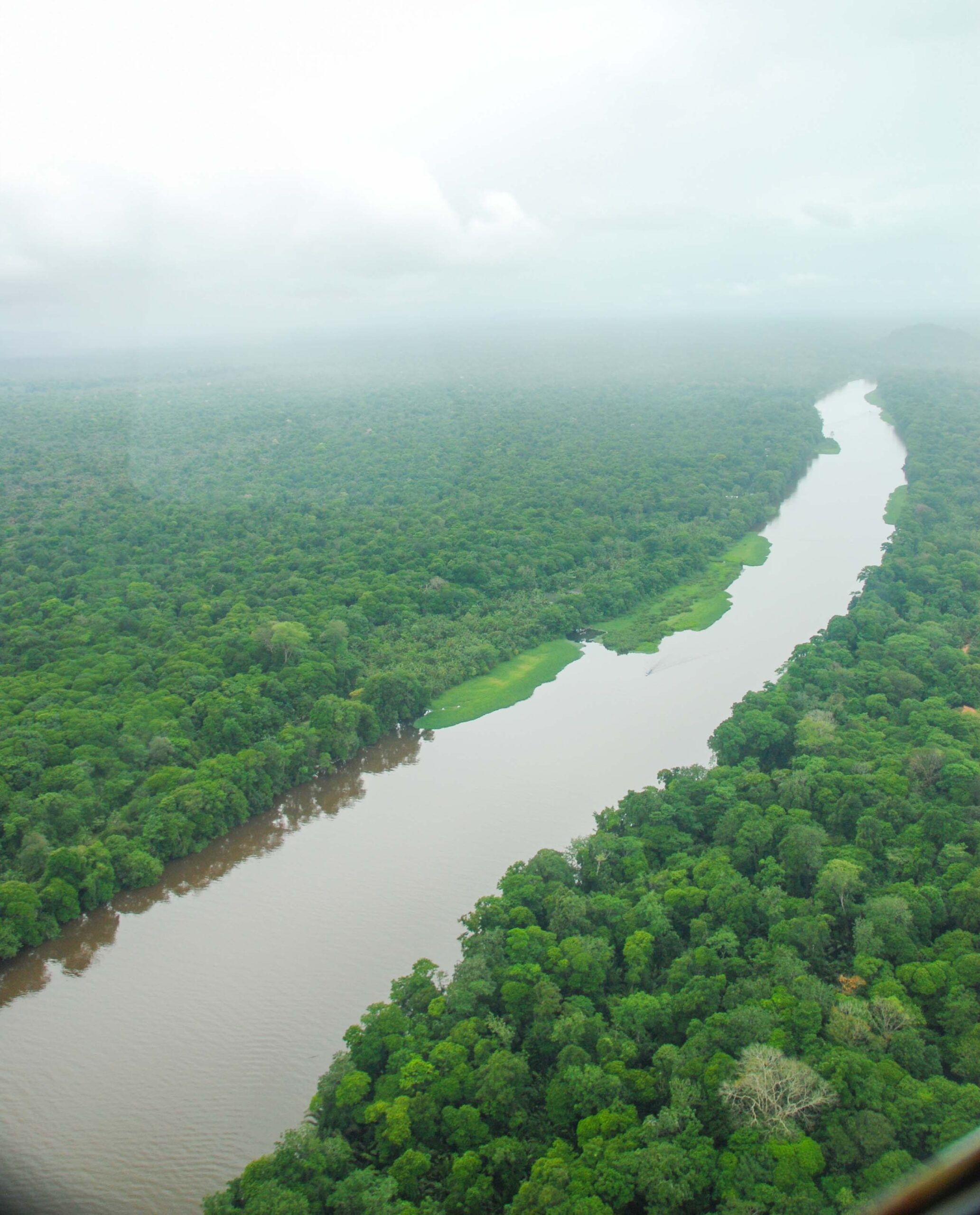 Costa Rica is advancing with the creation of a National Forest Traceability System, a key tool to guarantee the legality and sustainability of timber use. Public and private sectors came together for the first time to plan this initiative. This process is led by the Ministry of Environment and Energy through the Vice Ministries of Environment and Strategic Management of Costa Rica, with technical support from the FAO. It is part of a national strategy to strengthen forest legality, reduce the risk of illegal timber trade, and enhance the competitiveness of the Costa Rican forestry sector in demanding markets such as Europe (EUDR) and the United States (Lacey Act). “Costa Rica has made significant progress in forest legality, but the next step is to integrate technology and innovation into the process to ensure traceability from the farm to the primary wood product,” commented Franz Tattenbach, Minister of Environment and Energy.
 In 2023 and 2024 the world’s forests absorbed only a quarter of the carbon dioxide they did in the beginning of the 21st century, according to data from the World Resources Institute’s Global Forest Watch. Those back-to-back years of record-breaking wildfires hampered forests’ ability absorb billions of tons of carbon dioxide, curbing some of the global warming caused by fossil fuel emissions. Those two years also marked the first time wildfires surpassed logging or agriculture-driven deforestation as the biggest factor lowering forests’ carbon-capturing ability. It’s an emerging pattern that’s different from the last big drop, in 2016 and 2017, which was largely the result of increased deforestation for agriculture. …Other recently published studies suggest that climate change is making extreme-forest-fire years more common, and the worst events more frequent and intense. …“We’re reaching the point where global warming is feeding the warming,” said Werner Kurz, an emeritus scientist for the Canadian Forest Service. [A subscription to the New York Times is required to access the full story]
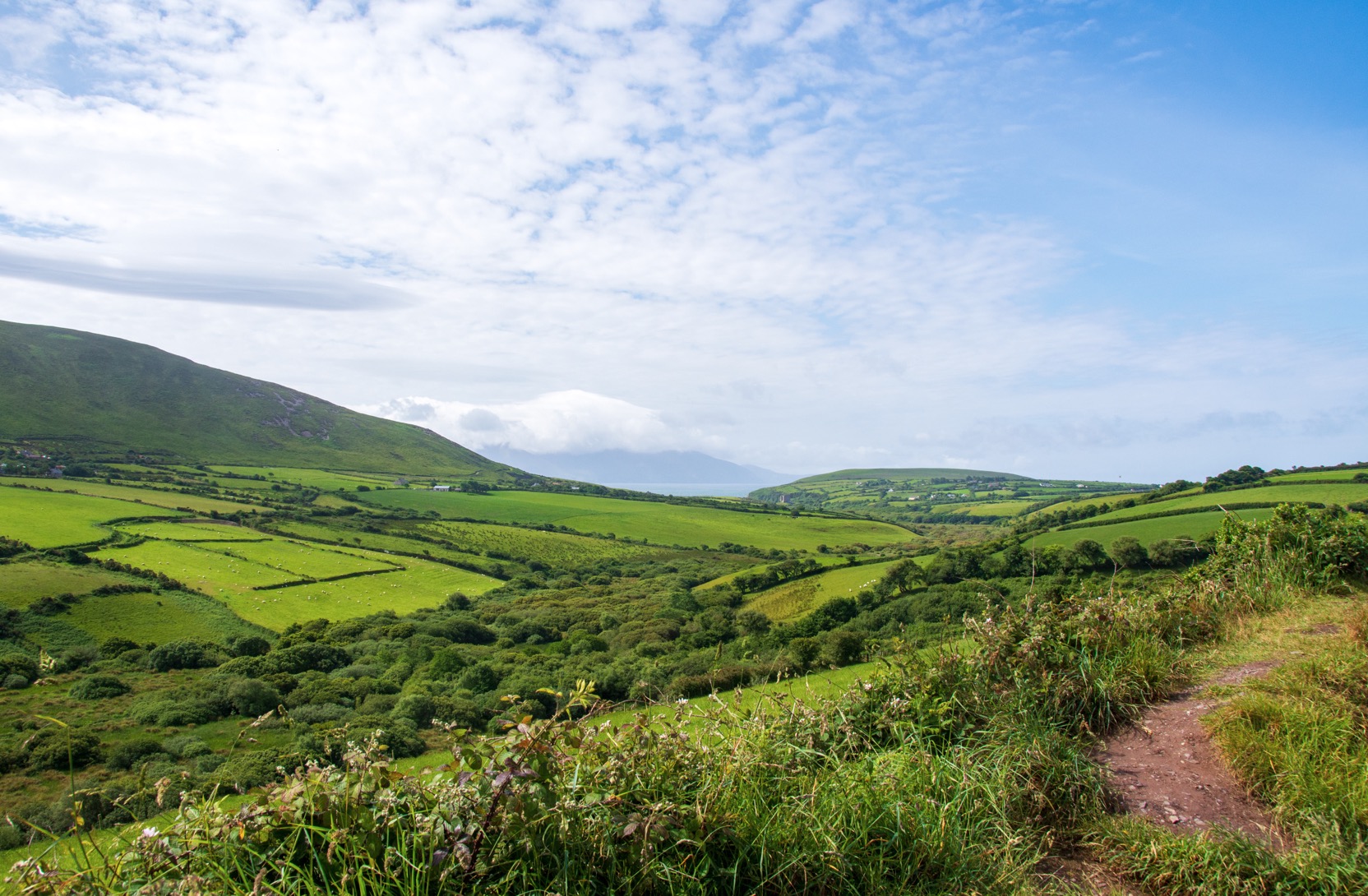 Alastair Collier is right to point out that to build forests that can withstand future conditions, we must invest in resilience from the outset (Britain’s forests need help to adapt to the changing climate
 Join Us in Halfax, Nova Scotia, September 23-24, 2025 for Biomass for a Low-Carbon Future. We are pleased to announce that the speaker line-up for more sessions has been finalized for the Wood Pellet Association of Canada Annual Conference in September. As the world moves toward a low-carbon future, biomass and wood pellets play a key role in ensuring Canada has renewable and responsible energy. Join us for Biomass for a Low-Carbon Future to explore the numerous opportunities biomass presents. Our keynote speaker, Dr. Jamie Stephen of TorchLight Bioresources, will explore how local biomass energy is the essential foundation for a competitive and prosperous Maritime economy. The event will also feature a Market and Policy Update: Navigating Regulatory Change. From the impacts of EU trade measures to the effects of U.S. tariffs on fibre supply and pricing, this session explores the economic and policy realities. Be a part of the dialogue transforming our future.
 …The Tyee looked at three critical and vastly different means to store carbon in the West, examining how these ecosystems capture carbon, the restoration work they require and why Canada should take them seriously as solutions. …Peatlands are a type of wetland found all over Canada. In the West, they are found in northern B.C. and Alberta. …However, they come with a catch; as much as they absorb carbon, they also emit methane. …Kelp is one of the newest potentials for natural climate solutions and carbon sequestration in Canada. …It is hard for researchers to fully evaluate how much kelp carbon is sequestered in the deep oceans in the long term. …Trees are one of the world’s largest carbon sinks. Like peat, trees sequester carbon through photosynthesis. As trees grow, they take in carbon from the air around them and store it in their wood, soil and plant matter
 THUNDER BAY — The Government of Ontario is protecting workers and jobs in the forest sector by investing over $6.2 million in research, innovation and modernization projects in Northwestern Ontario. As part of the government’s plan to protect Ontario, the investments from the Forest Biomass Program will boost Ontario’s forest sector’s competitive advantage by creating new jobs, increasing productivity and opening up opportunities for new revenue streams in new markets for underused wood and mill by-products, known as forest biomass. …Ontario’s investment is supporting
 In this newsletter you’ll find these stories and more:
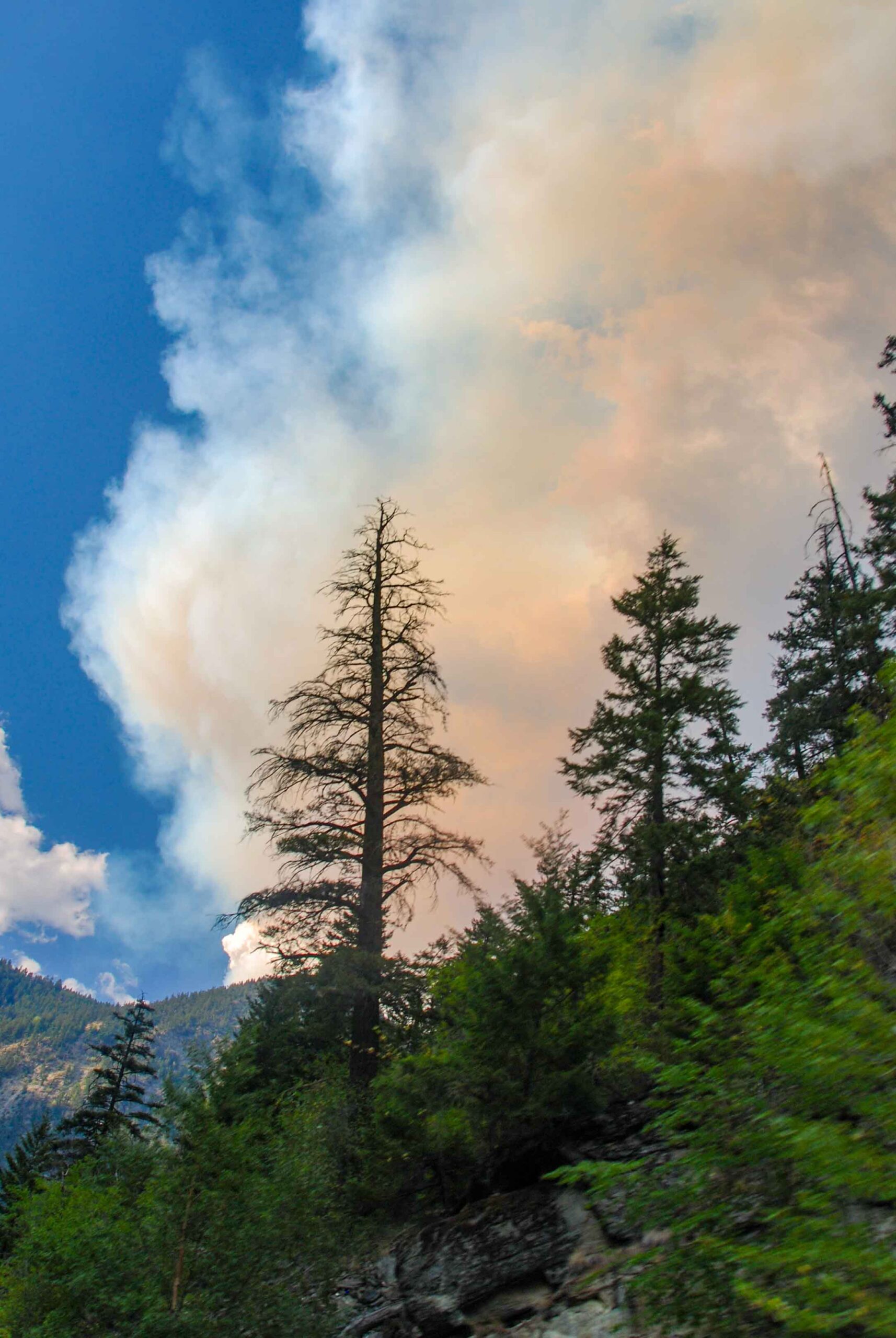 Rainfall continues to help crews fighting fires in Newfoundland and Labrador as the number of active wildfires drops from five to three, says the provincial fire duty officer. The active wildfires are the Winokapu fire in Labrador and the Chance Harbour fire in Newfoundland. The Ragged Harbour fire, which forced nearby Musgrave Harbour residents to evacuate over the weekend, also continues to burn. Wes Morgan said Wednesday morning that firefighters hit the ground on Tuesday to fight the Chance Harbour fire, located on the Bonavista Peninsula. “The precipitation that was forecasted did come true and we did see significant amounts of rain — that was a real advantage to us,” he told CBC. Morgan said they haven’t seen any additional fire growth, but it remains steady at 1,820 hectares. “Overall, it was a really great day and spirits are good and crews were back out in that way again this morning,” he said.

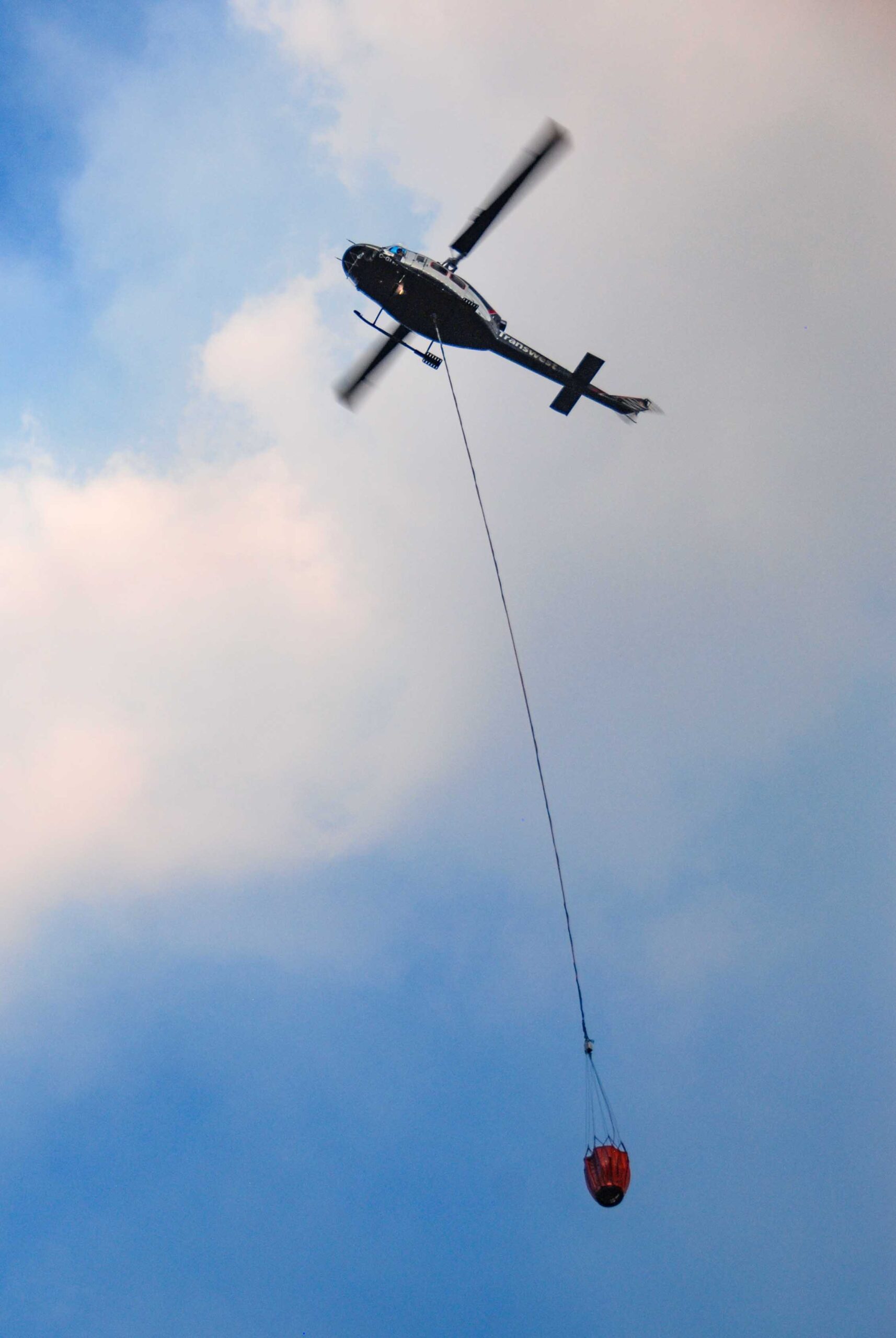 A firefighting helicopter crashed into the sea while attempting to collect water to combat a blaze in Athens. All three crew members were rescued and taken to a nearby hospital. Greece is combating a surge in wildfires amid soaring temperatures. A large wildfire broke out near the southern Greek city of Corinth on Tuesday, forcing the evacuation of several villages as firefighters battled flames under scorching conditions, authorities said. More than 180 firefighters, supported by 15 aircraft and 12 helicopters, were deployed to tackle the blaze in a pine forest in the mountainous area of the municipality, according to the local fire department. There were no immediate reports of injuries.
  At least 10 forestry and rescue workers have been killed while battling wildfires in Turkey’s central Eskisehir province. Some 24 forest workers and volunteer rescue personnel were left “trapped inside the fire” following a change in the direction of the wind, Turkey’s Agriculture and Forestry Minister Ibrahim Yumakli said in a post on X. Five forestry workers and five volunteers from the AKUT rescue organisation lost their lives and 14 forest workers were taken to hospital, he said. The blaze in the Seyitgazi district of the province began on Tuesday morning and started spreading towards nearby areas, local media said.