
More Republican lawmakers are demanding action from Canada as wildfire smoke continues to drift south. In related news: a Toronto columnist calls on Ottawa to ramp up its response; smoke lingers over Quebec despite a tame fire season; BC is faring well after 70,000 lightning strikes; Washington braces for an inevitable megafire; and wildfires force evacuations in Manitoba, Newfoundland, and France. In Forestry news: SFI backs American Forest Congress resolutions; Alaska operators decry lack of timber sales; and a Yale study finds trees host trillions of microbes.
In Business news: a fire damages Kalesnikoff Lumber’s Castlegar, BC mill; Weyerhaeuser celebrates 125 years in Mississippi; Riverside Forest Products plans a new sawmill in Forks, Washington; Domtar faces odour complaints in Tennessee; Cascades posts a Q2 loss, while Suzano reports gains; and concerns mount over housing supply in Canada and the US. Meanwhile: more commentary on Carney’s forestry aid package by journalist Rob Shaw, BC Forest Minister Ravi Parmar; Steelworkers’ Nicolas Lapierre; Carlton University’s Fen Osler Hampson; and forest industry experts Domenico Iannidinardo and David Elstone.
Finally, BC Wildfire Service warns of sharing AI-generated images of fires.
Kelly McCloskey, Tree Frog News Editor


 BURNABY, B.C. – The United Steelworkers union (USW) District 3 and the USW Wood Council are calling on the federal government to take urgent action in response to the latest escalation in the softwood lumber trade dispute. Following the U.S. Department of Commerce’s decision to increase anti-dumping duties on Canadian softwood lumber exports to 20.56%, the USW is demanding immediate support for forestry workers and communities across the country. …“Our prime minister says softwood lumber is a priority in trade talks, but what forest workers need now is action,” said Scott Lunny, USW Western Canada Director. …In addition the USW is calling for a comprehensive support package for forest workers, including wage subsidies, loan guarantees for affected businesses and other targeted resources to support provinces, regional and local communities to sustain critical infrastructure and services through this unprecedented uncertainty.
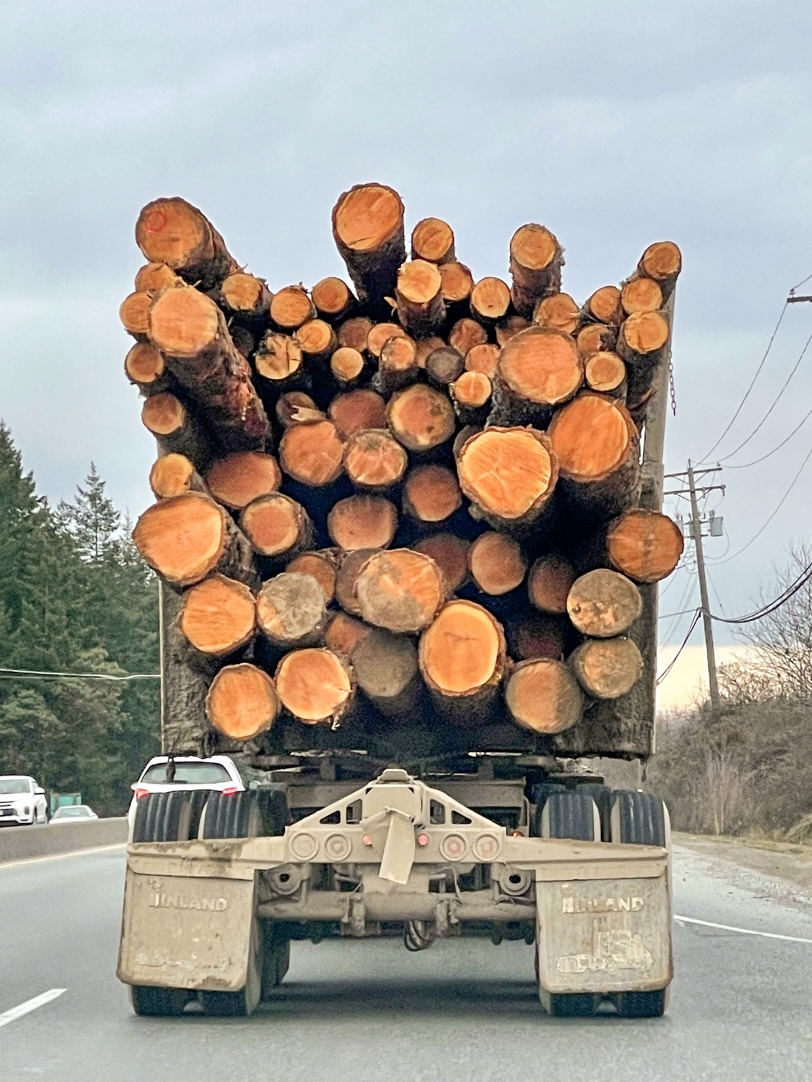 VICTORIA — The Council of Forest Industries wrote a letter to the New Democrats earlier this month, outlining more than a dozen proposals to rescue a struggling industry. “B.C.’s forest industry is in crisis,” wrote COFI President Kim Haakstad in the July 14 letter to Forests Minister Ravi Parmar. “Fibre availability is at historic lows, permitting systems are gridlocked, and investment is retreating in the face of prolonged uncertainty. The risk is not gradual decline — but accelerated facility closures, job losses, and the permanent erosion of forest industry capacity.” Haakstad was responding to Premier David Eby’s announcement of a “major project” to restore the industry in a speech to this year’s COFI’s convention. …I asked the government last week for a response to the proposals set out in the COFI letter. I got back a general statement from Parmar, which pretty much brushed aside the notion of a crisis in the industry.
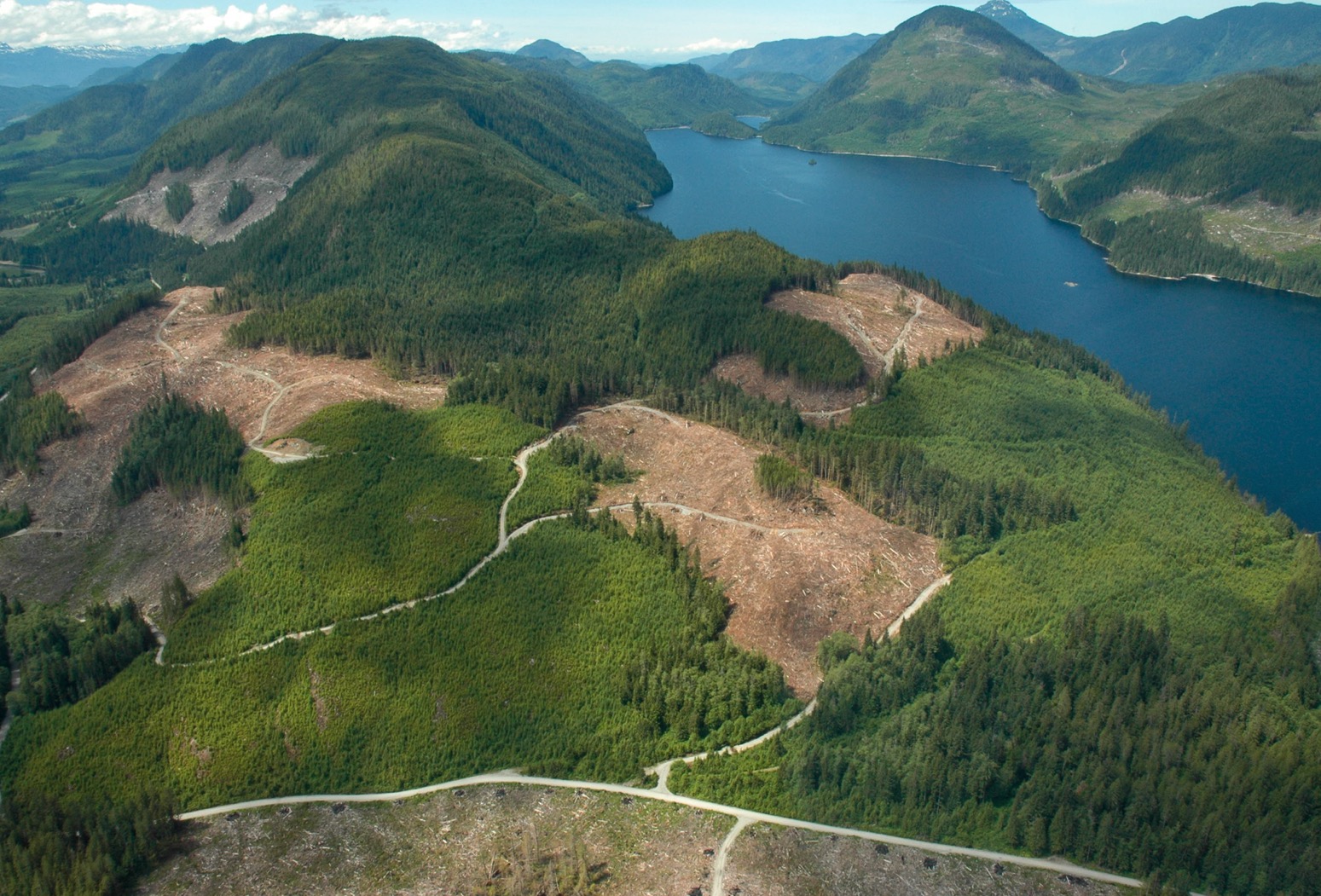 Campbell River Mayor Kermit Dahl sent an open letter to Premier David Eby, calling for immediate action to address issues within B.C.’s coastal forestry sector. Dahl warns continued inaction could result in further mill closures, job losses and the collapse of the coastal forestry industry. According to Dahl, coastal harvest volumes have dropped by over 40 per cent since 2019, with more than 5,400 direct forestry jobs lost since 2022. The 2025–26 budget projects a harvest of 32 million cubic metres … an estimated $275 million in lost revenue. The mayor says Premier Eby pledged to “protect jobs and the economy” when reshuffling his cabinet and says “those words ring hollow for thousands of coastal forestry workers watching their industry collapse—… from policy paralysis and regulatory misfires.” Dahl argues the crisis is not caused by … internal delay. “When harvest approvals that once took six months now take two years or more, that’s not a tariff issue—it’s a made-in-B.C. problem,” Dahl says.
 In British Columbia’s forestry sector, logging and trucking businesses are beginning to take a closer look at how they manage and report fuel use. While the Motor Fuel tax rules themselves haven’t changed, recent enforcement has prompted many operators to reassess long-standing practices — particularly when it comes to using coloured fuel in mixed on- and off-highway operations. For businesses that rely on marked fuel in remote areas or cross between forest roads and public highways, assessments are surfacing more frequently and creating uncertainty around compliance. If you’ve received a notice — or aren’t sure whether your operations could be affected — there are steps you can take to reduce the impact and protect your business. …Increased enforcement of the B.C. Motor Fuel Tax rules has created a layer of complexity that many forestry businesses weren’t prepared for. …the consequences of misunderstanding the rules, especially around fuel eligibility, have become more serious.

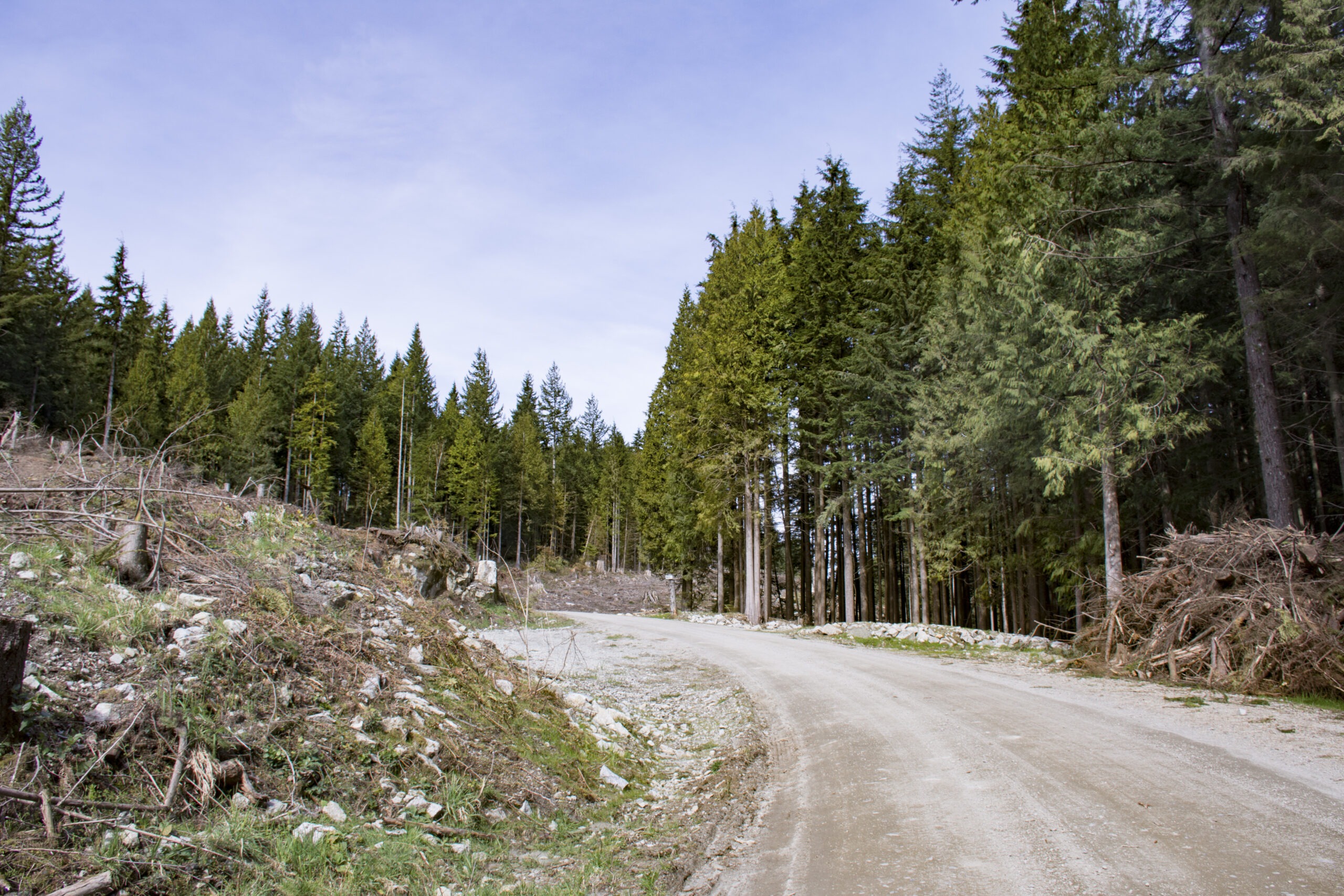 A new report warns the impacts on B.C.
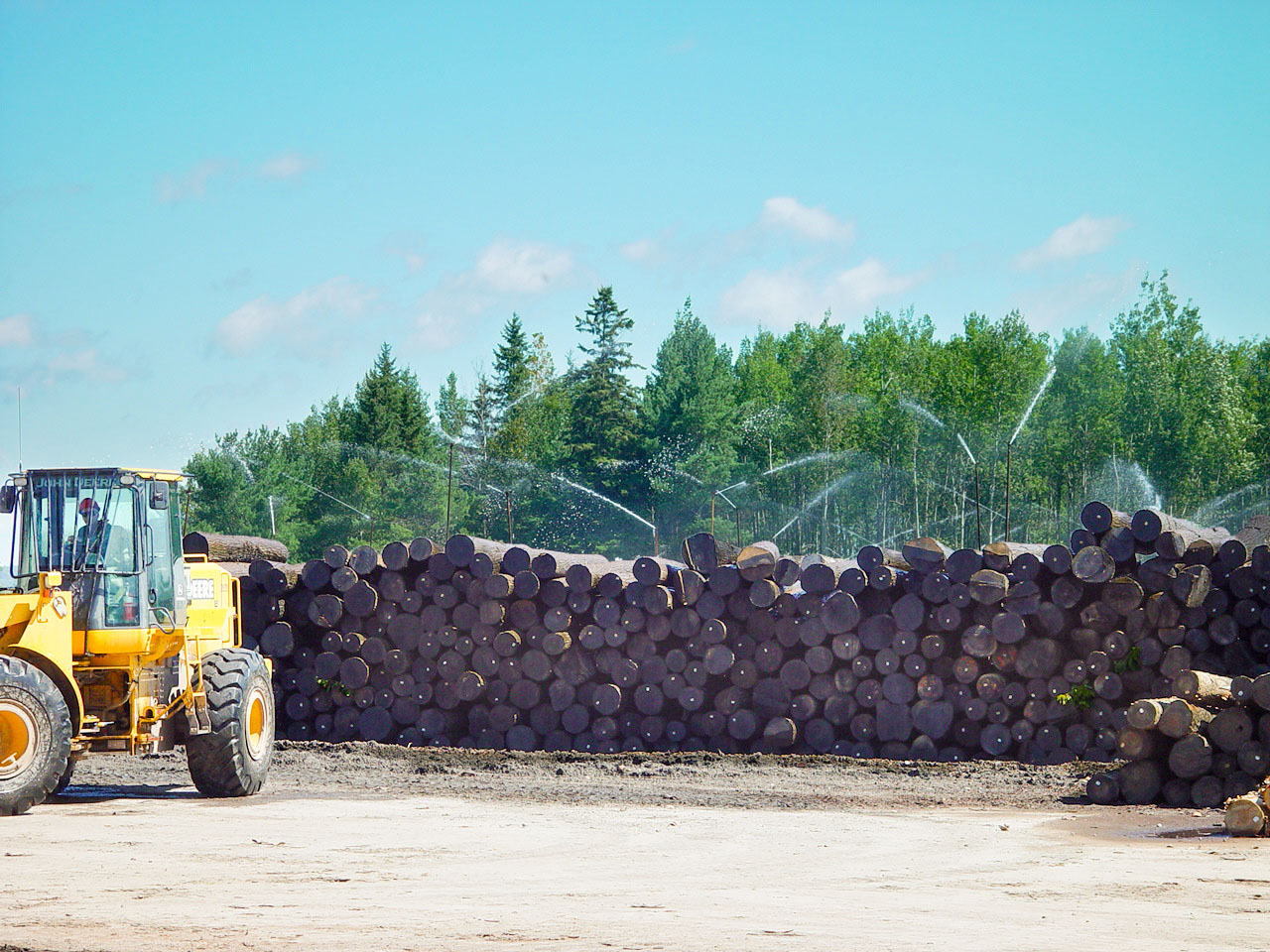 Mushkegowuk-James Bay MPP Guy Bourgouin is calling on the province to take immediate action to protect Ontario’s forestry sector in the wake of new U.S. tariffs on Canadian lumber. Bourgouin said the impact of the tariffs imposed by U.S. president Donald Trump could be devastating for northern communities that depend on the industry. “The anti-dumping tariffs imposed by Trump will devastate our lumber industry. Condemning Trump’s actions isn’t enough. We saw it with the auto sector, with steel, and now with lumber — the Premier’s ‘wait and see’ approach is leaving thousands of workers vulnerable to layoffs.” Bourgouin criticized the Ford government for failing to present a concrete strategy, calling their approach “an afterthought” for northern Ontario’s economy. …Ontario NDP party argues that using Ontario-produced wood could tackle multiple challenges at once, safeguarding forestry jobs, boosting local economies, and addressing the province’s housing shortage with “made-in-Ontario” solutions.
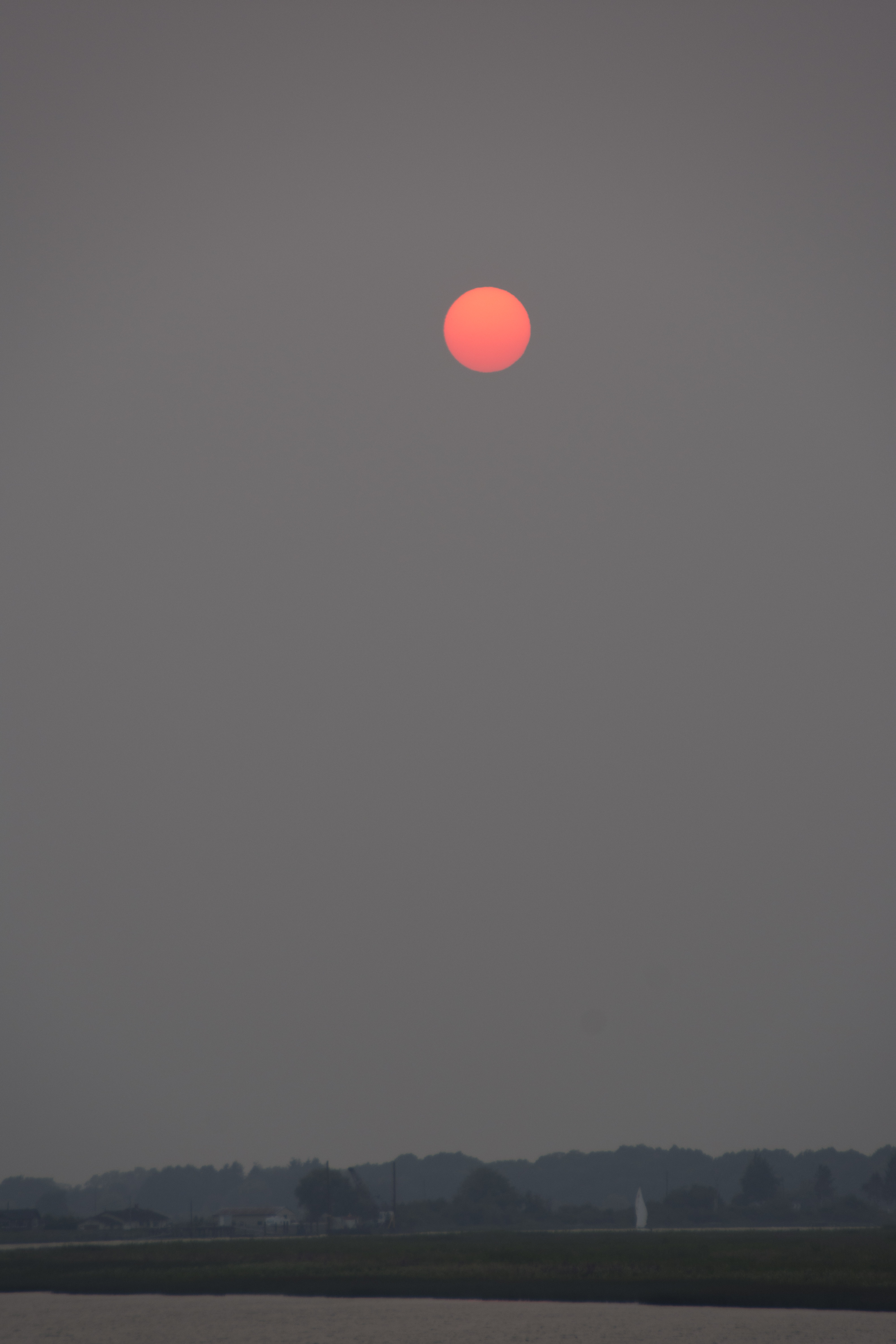 WASHINGTON — More Republican lawmakers are calling out Canada because of wildfires sending smoke billowing across the international border into their states. Wisconsin state Rep. Calvin Callahan has joined other Republican state lawmakers from Iowa, Minnesota and North Dakota in filing a formal complaint against Canada to the U.S. Environmental Protection Agency and the International Joint Commission. In a news release issued today, Callahan says that “if Canada can’t get these wildfires under control, they need to face real consequences.” He joins a chorus of Republican politicians at other levels of government who have been voicing concerns about Canada’s wildfires. Michigan Rep. Jack Bergman sent a letter to Canadian Sen. Michael MacDonald on Monday calling for stronger forest management policies and more accountability from Canadian officials. Michigan Rep. John James sent a letter to Prime Minister Mark Carney last week saying his constituents are choking on toxic wildfire smoke.


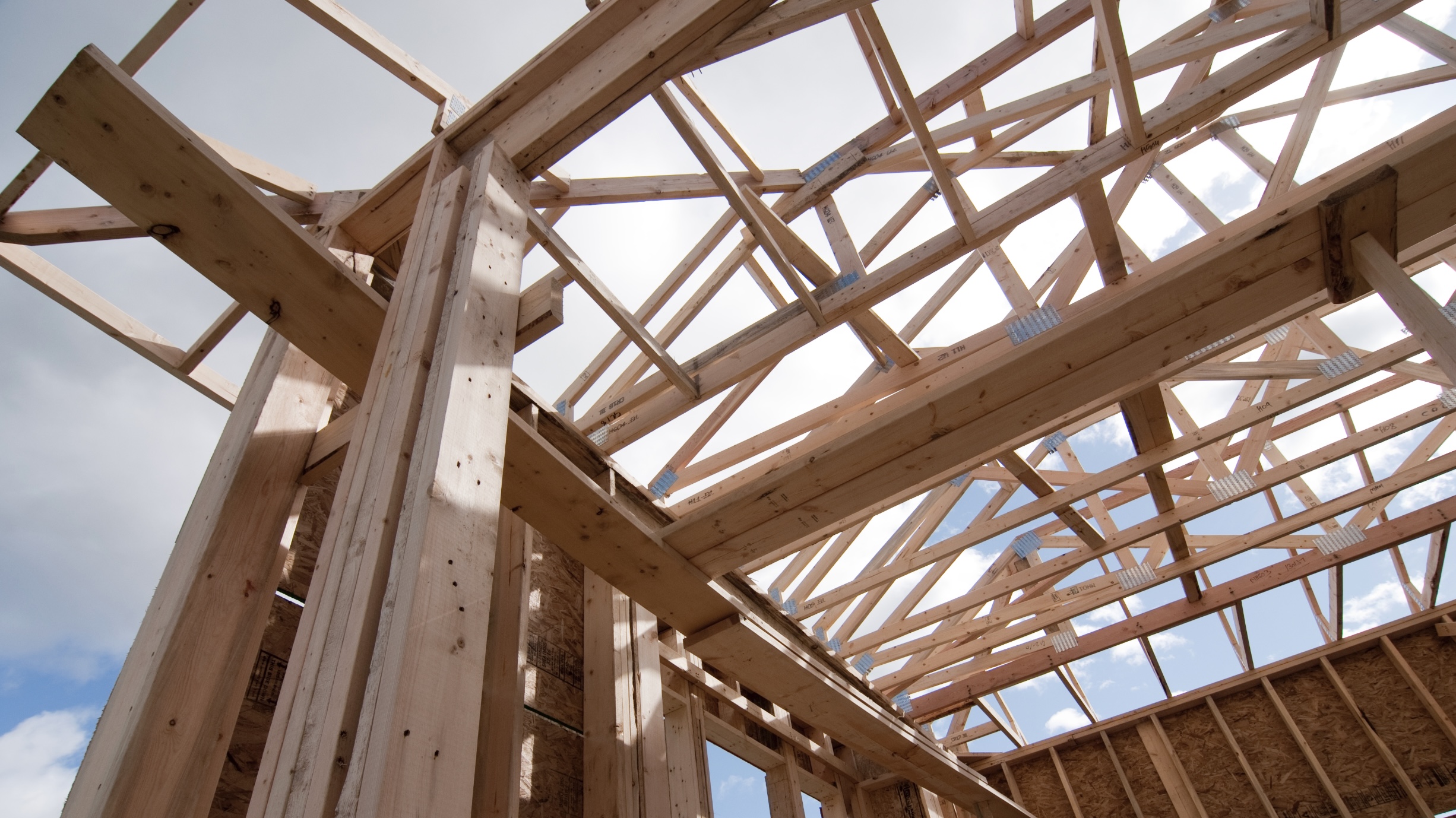 The Maine State Chamber of Commerce has been following the Trump administration’s actions on tariffs since the start of the year, said President and Chief Executive Officer Patrick Woodcock. …Woodcock said Monday that some individual companies and industries are already seeing a “dramatic impact.” For example, he said lumber product prices have increased. … In Maine, “our forest products industry is the one that is most affected with these specific industry, sector-level tariffs,” Woodcock said. The state imports 2.3 million tons of wood products annually, most of which comes from Canada, according to a Maine Forest Service


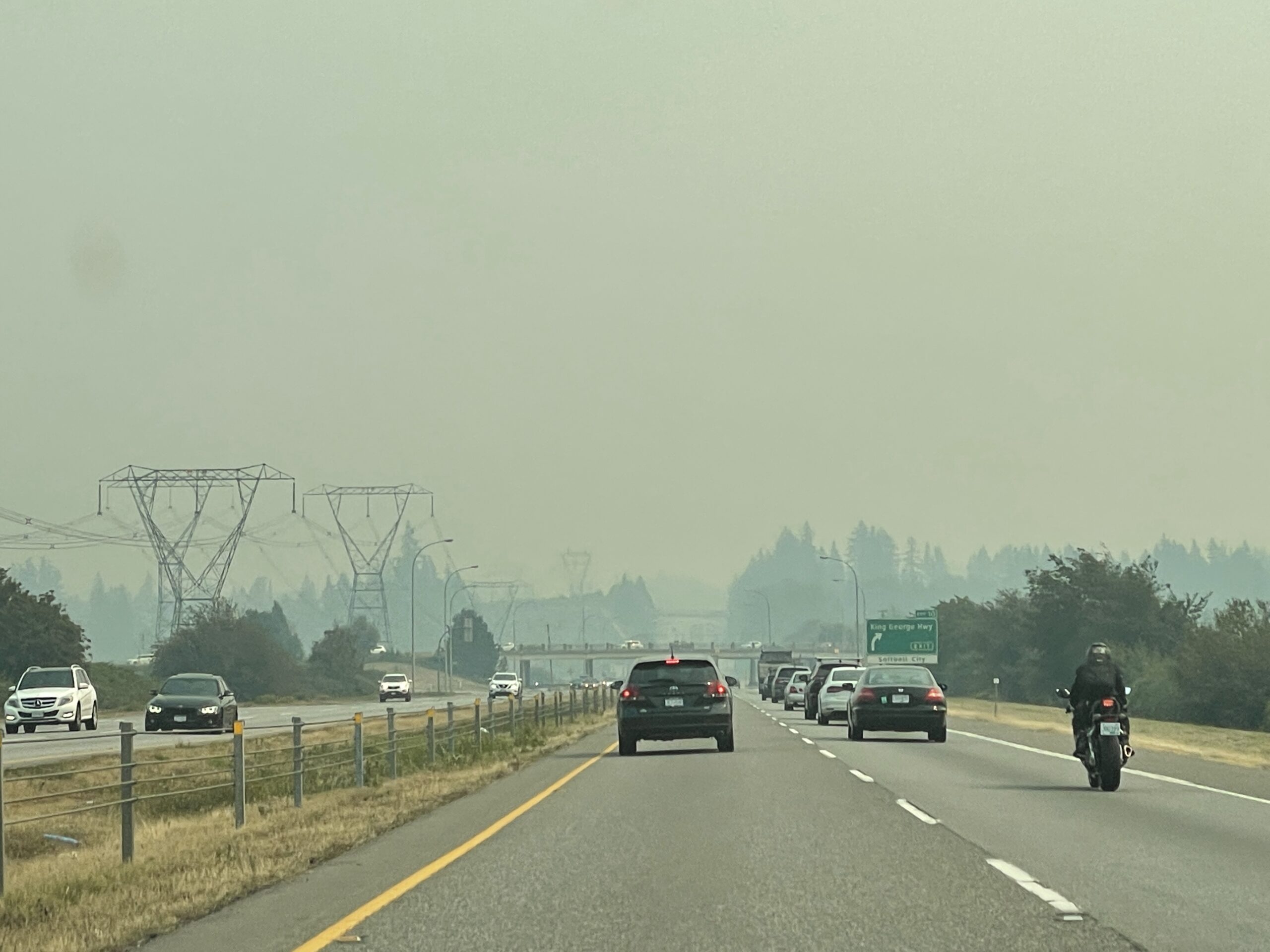 Growing up in the Greater Toronto Area, smog days were par for the course. …We’ve traded our smog days for smoke days. …Improving wildfire response should be an imperative of Prime Minister Mark Carney and his newly formed government. …Wildfires will burn no matter how many waterbombers Canada has, but there is no question there would be fewer homes destroyed, less First Nations forced to evacuate and fewer air quality alerts issued if Saskatchewan had 600 aircraft in action right now, rather than six. …Let’s turn this whole country into a waterbomber assembly line. The demand isn’t going anywhere — domestically or internationally. …In the meantime, the federal government needs to ramp up funding transfers to the provinces for wildfire fighter and pilot training programs and equipment purchases. …Getting forest fires under control is also an act of sovereignty.
  The Forest Stewardship Council Canada announces the launch of a public consultation on draft indicators related to Intact Forest Landscapes (IFLs). These indicators form part of our ongoing work to strengthen forest stewardship and protect ecologically and culturally significant forest areas across Canada. IFLs are large, unfragmented areas of natural forest that are free from significant human activity and are critical for biodiversity, carbon storage, and Indigenous cultural values. FSC Canada is committed to ensuring that management activities in IFLs are carefully assessed and responsibly planned. These indicators will guide how FSC-certified forest operations manage intact forest areas… Indigenous Cultural Landscapes (ICLs) are areas that hold significant cultural, ecological, and spiritual value to Indigenous Peoples, reflecting their deep relationships with the land. Due to the need for more in-depth consultation with Indigenous Peoples on the Draft Indicators and Guidance for ICLs, an additional consultation period will be launched shortly.
  Canada has trees… But …Ottawa is at odds with a slew of environmental groups over what that means. [They] issued a
  …The pressure to balance local benefits and profitability is something community forests must continuously navigate. A
 Years of drought combined with persistent wildfire, some of it burning underground over winter, are causing forests in B.C.’s north east to fall down. Having had the roots and organic soils that had held them up burned away these often green trees now form a dense ground fuel load for future fires. The fallen trees also form a jack-straw of branches and boles that will act as an abatis in the face of fire crews. This has fire specialists and ecologists in the Fort Nelson Fire Zone worried. “With this fuel type, another concern is the multi-year impacts of having this much fuel on the ground,” says Eric Kopetski BCWS Fire Behaviour Analyst. The Fort Nelson Fire Zone has been dealing with drought and fire for years with the Fort Nelson Complex now covering 4 million hectares including 25 fires and 350,000 hectares burned this year. Distance, terrain and fire tenacity already pose challenges to fire crews.


 Vic Fedeli, MPP for Nipissing, announced the Ontario government is investing $2,874,898 through the Skills Development Fund Training Stream to The Canadian Institute of Forestry to support 75 workers across Northern Ontario get the skills they need to land good-paying, in-demand jobs in forestry, logging, and agriculture-related services. …“As we navigate a shifting economic landscape, disrupted by U.S. tariffs, we remain laser-focused on protecting Ontario workers and job seekers,” said MPP Fedeli. “That’s why we’re investing over $2.8 million to support a project by the Canadian Institute of Forestry, in partnership with College Boréal, to train workers for in-demand roles in the forestry and resource sector, helping grow Northern Ontario’s economy.” …”These programs are equipping the next generation of forest professionals and ensuring the continued vitality of our forestry communities,” said Ken Farr, Interim Executive Director, Canadian Institute of Forestry.


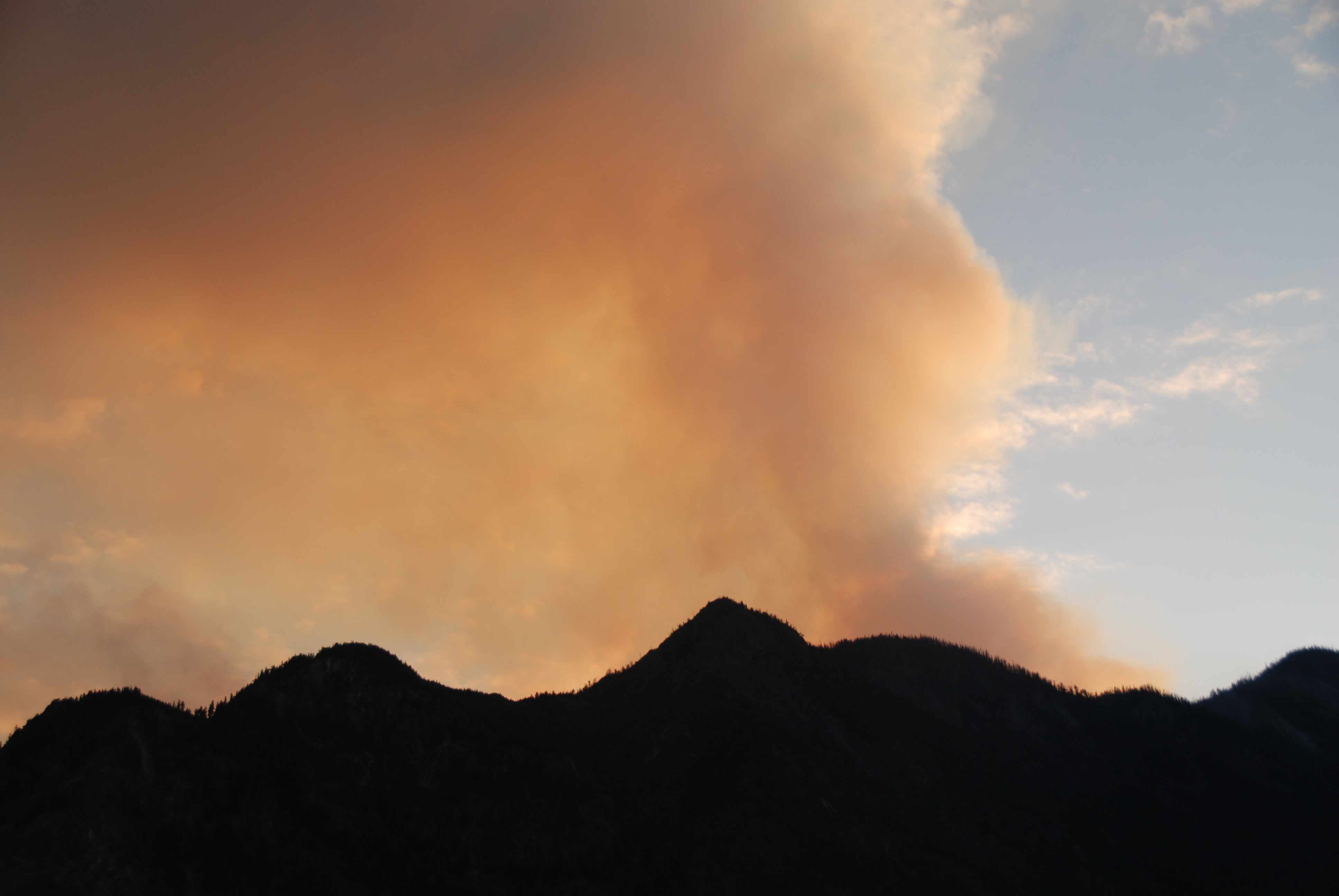 Thousands of lightning strikes have been recorded in California recently as portions of the state gear up for more storms, bringing with them potential wildfires. The state’s northern half saw 1,681 lightning strikes between Sunday, July 27, and Monday, July 28, Cal Fire reported, sparking 23 wildfires. Cal Fire units Lassen-Modoc, Shasta-Trinity, and Siskiyou responded to 14 new fires, none of which grew significantly, Cal Fire said as of July 28. Yet, this month, more lightning strikes in short periods have occurred in the state. The U.S. Forest Service Shasta-Trinity National Forest reported on July 26 that Northern California experienced 18,863 lightning strikes due to storms in the area the evening before. …The National Interagency Fire Center has tracked the number of fires in Northern California and Southern California caused by lightning in recent years, showing that thousands of fires in the state and nationwide are caused by nature.
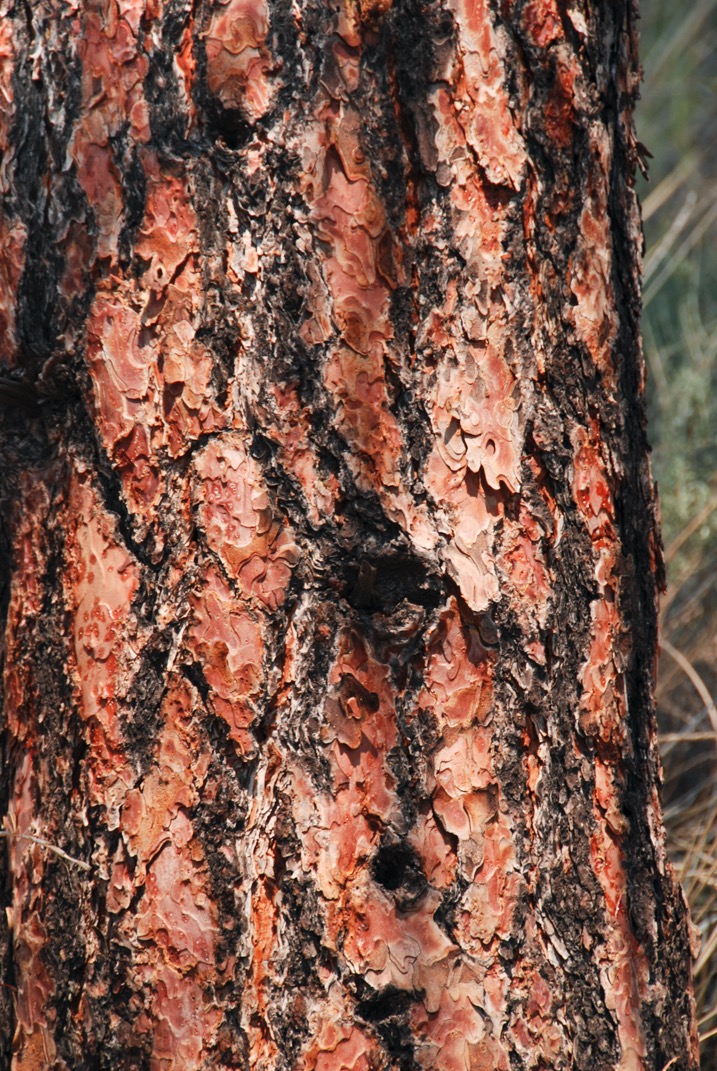 MISSOULA — in the Blue Mountain area in Missoula, trees with a blue ring painted around them are slated for removal as part of a larger plan to restore the forest to its pre-colonial state — a state that was more fire-resistant. The plan involves several agencies collaborating to achieve this goal. …The Blue Mountain Area consists of land owned by the U.S. Forest Service, Missoula County, the Montana Department of Natural Resources and Conservation (DNRC) and private land owners. They will implement forest treatments to change the forest, as the current state of it is extremely fire-prone. …The ultimate goal of all the agencies is to create open areas with ponderosa pine scattered about. To achieve this, agencies are looking at a combination of mechanized and non-mechanized vegetation management; clearing the forest floor, often through prescribed burning, and removing species like Douglas fir.

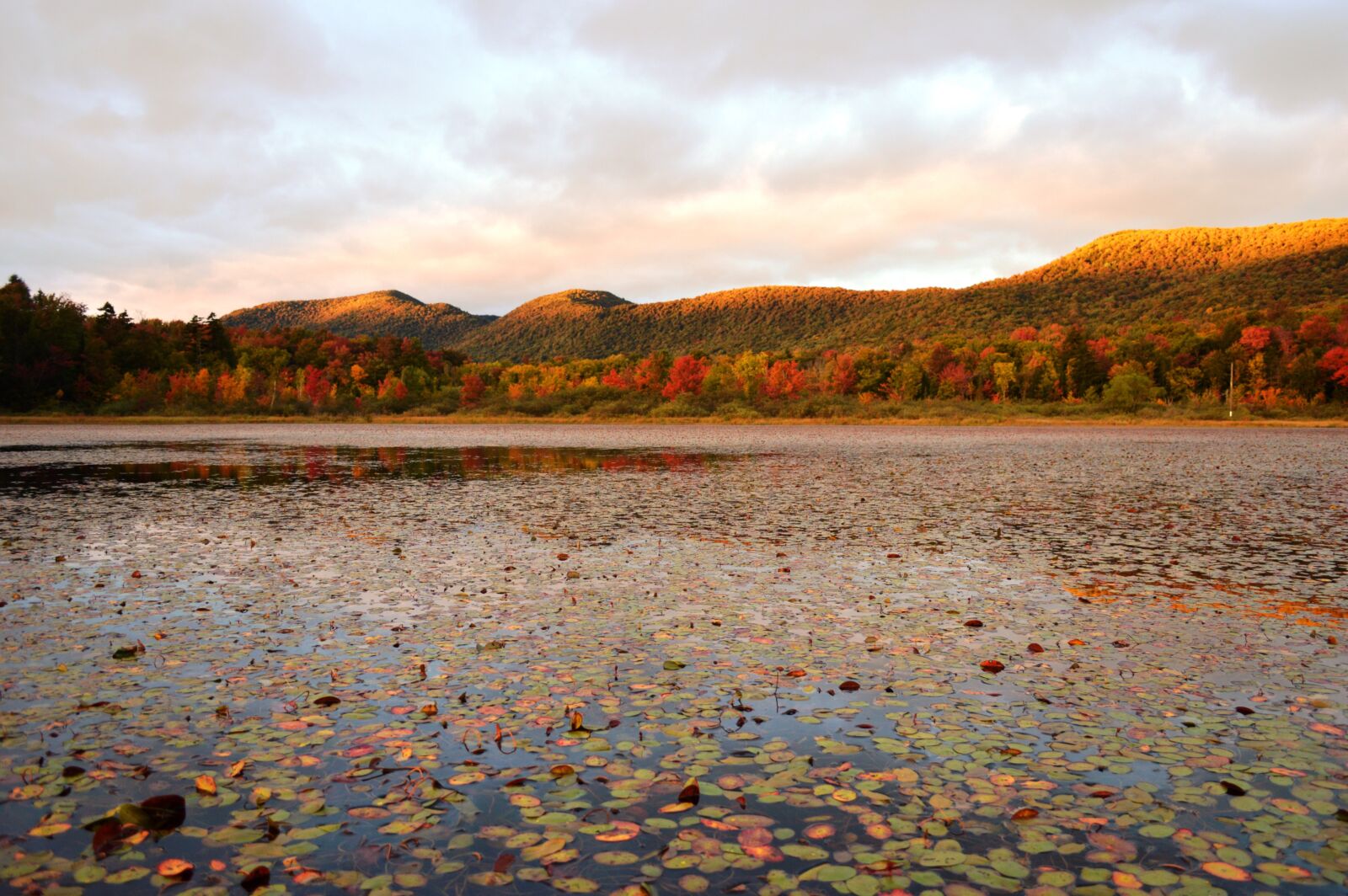
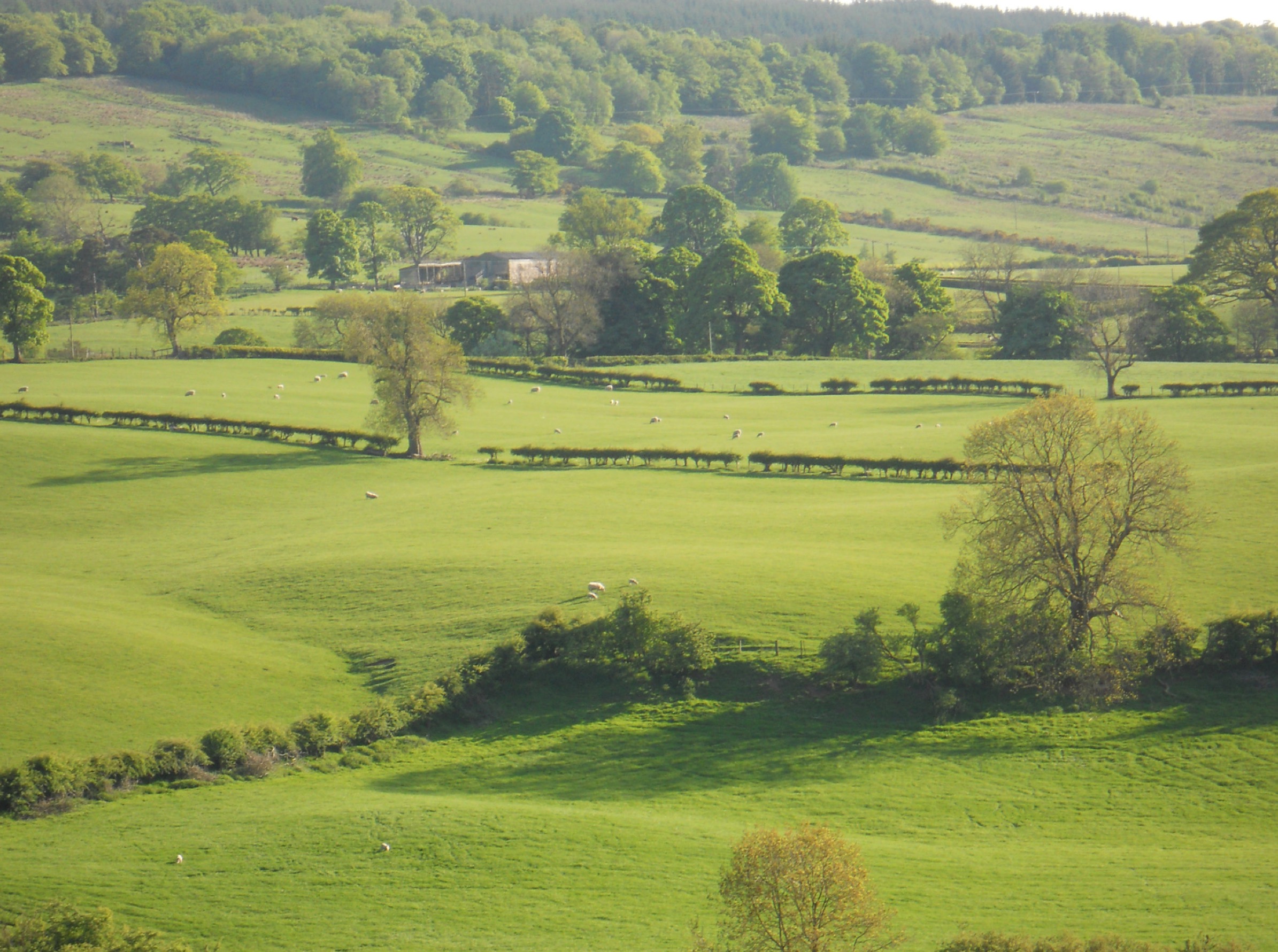 New research highlights concern from across Scotland about the role of industrial forestry corporations and asset management organisations who increasingly dominate the ownership and management of Scotland’s forests. The research concludes that more community ownership and management of woodlands, and more diverse ownership of forests across Scotland would increase community wealth and lead to greater environmental benefits, as well as producing more actively managed forests in Scotland. Three new discussion papers … analyse the effectiveness and impact of industrial forestry on local areas as well as for meeting national carbon and timber targets. Industrial forestry refers to predominantly single species, mostly unmanaged, Sitka Spruce forest, contrasting with more climatically resilient, sustainable, mixed species forestry. The papers recognise that, while mixed productive forestry has an important part to play in reaching Net Zero and delivering economic and social opportunities, basic assumptions about the benefits of industrial forestry can be questionable.

 As the B.C. Day long weekend approaches, people are encouraged to stay informed about wildfire conditions, be prepared and plan travel. Warming summer temperatures and ongoing drought mean much of British Columbia is at heightened risk of wildfire, even after recent cooler temperatures and rain. Environment and Climate Change Canada (ECCC) has forecast hot temperatures this week in B.C., with heat warnings currently in place for parts of the province. People are encouraged to prepare for hot summer weather. To access the Province’s PreparedBC extreme-heat preparedness guide,
 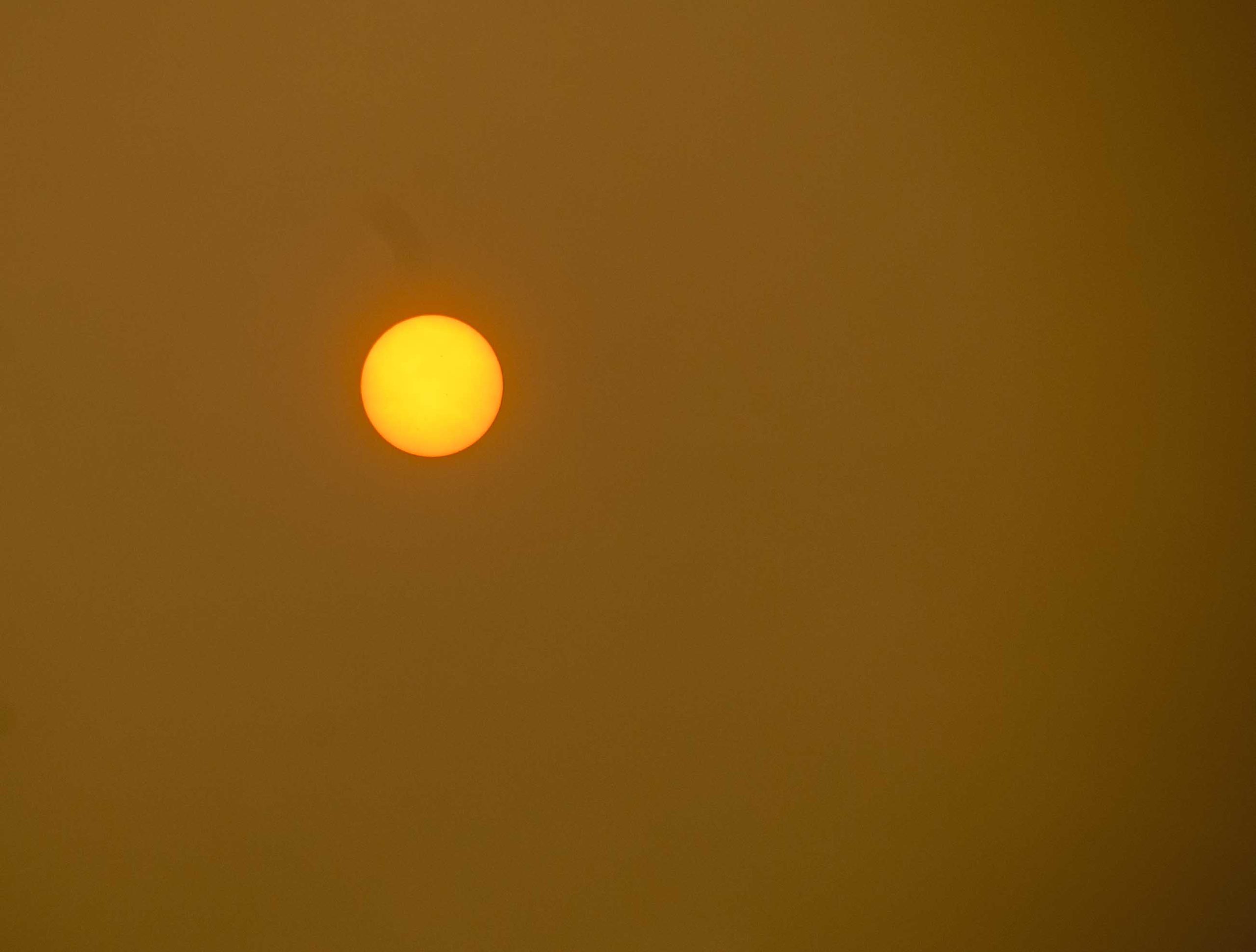 Toronto is among the most polluted cities in the world on Monday morning as the city remains under a special air quality statement for its third consecutive day. Environment Canada said smoke from forest fires is expected to continue to impact much of southern Ontario Monday and may persist into Tuesday before finally easing. “Air quality and visibility due to wildfire smoke can fluctuate over short distances and can vary considerably from hour to hour,” said Environment Canada in a special air quality statement issued Monday morning. …Toronto ranked third in a
 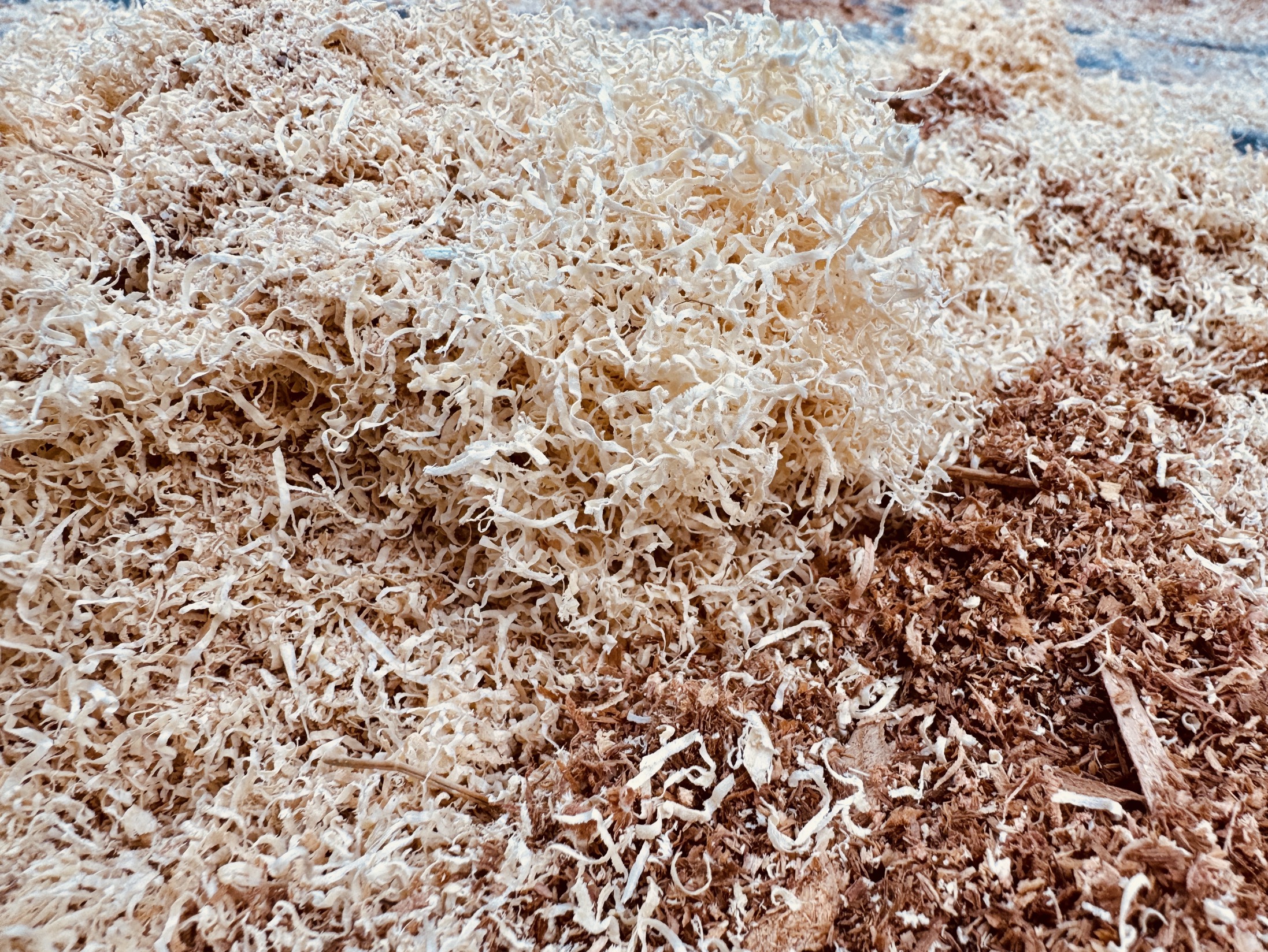 Dust collection expert Robert Williamson at Nederman Corporation, commented on a video of the deadly explosions at Horizon Biofuels, in Fremont, Nebraska. “It’s only speculation at this point, but it is these types of [wood dust explosive] events where we see fatalities,” said Williamson, VP Technical Solutions and Business Development North America. “You have the primary explosion and then a bigger explosion, the whole elevator explodes, and part of the building.” After the primary event, fine dust, which is more reactive than heavier dust and tends to accumulate in hard-to-clean areas, causes a secondary explosion, which experts on the scene also believe was the case in this instance. …Wood dust explosions can happen so fast that there is no time to evacuate. “These things happen so quickly, in less than 500 milliseconds,” he said, “There’s really no way to get away. Nobody’s going to run from this.”
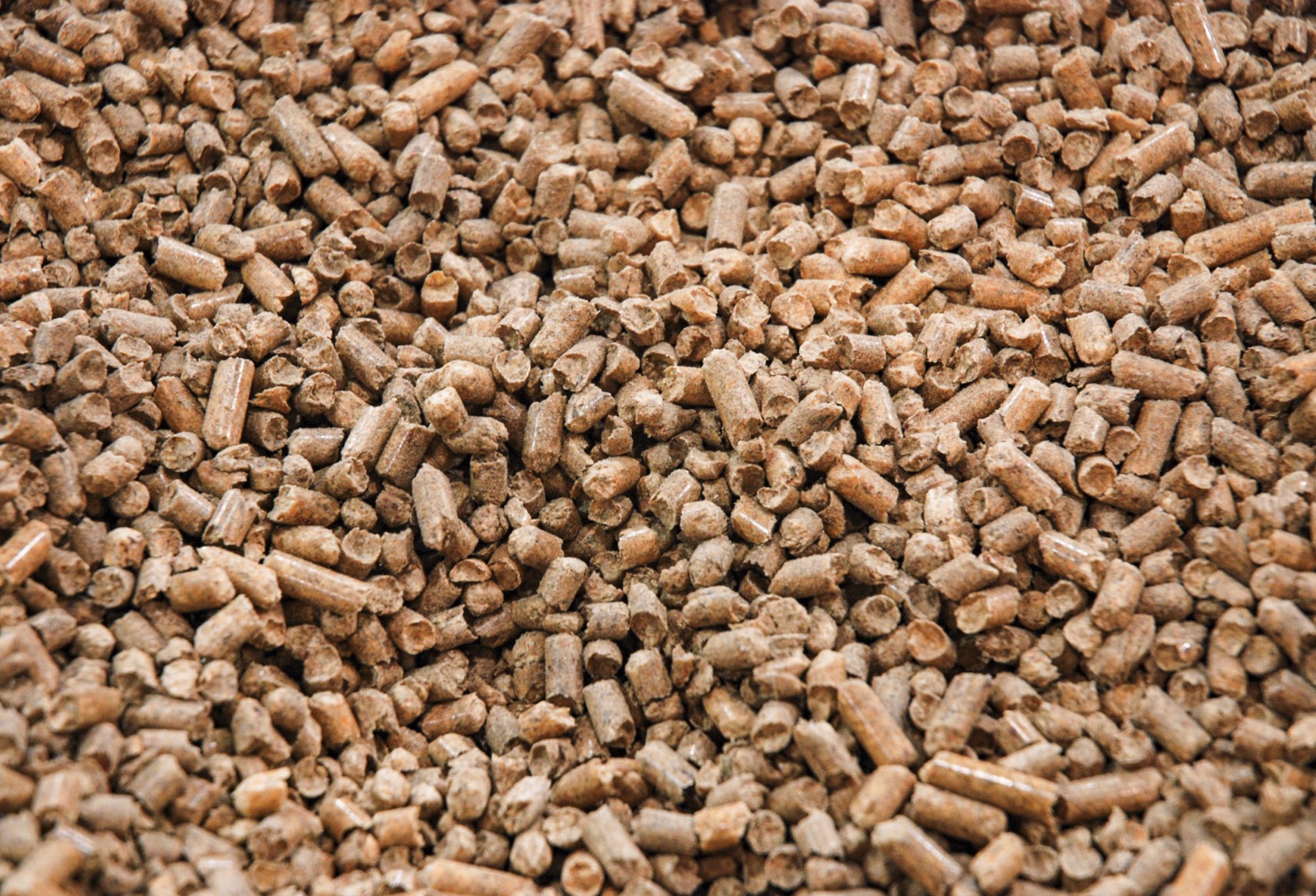
 FREMONT, Neb. – Two days after a horrific explosion at a biofuels plant left a man and two girls dead, the state fire marshal told First Alert 6 the incident started with a dust fire — and was an accident. “A preliminary investigation indicates an accidental dust explosion occurred during the manufacturing process. Additional investigation efforts are currently impeded due to the instability of the structure,” the Nebraska Fire Marshal agency said in a statement Thursday afternoon. The state has completed its initial investigation of the incident at Horizon Biofuels, which manufactures wood pellets and animal bedding. Occupational Safety and Health Administration , however, remains at the scene and must — by law — complete its investigation within six months. The
  OMAHA, Neb. —
 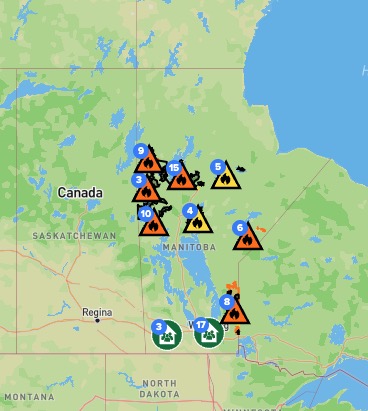 Rapidly growing wildfires in several provinces forced thousands of people from their homes and prompted air-quality warnings in cities thousands of kilometres away, while hot and dry conditions had other areas on high alert, including Nova Scotia, where the government banned most summertime activities in wooded areas. The deteriorating conditions have added up to a wildfire season that is on track to be one of Canada’s worst on record in terms of area burned, second only to 2023. As of Tuesday, at least 15,000 people were under evacuation orders in Manitoba, largely in the province’s north, while fires on Newfoundland and Labrador’s Avalon Peninsula had forced around 600 people from their homes. Across the country, more than 760 wildfires are burning, at least 205 of them deemed out of control. About 6.8 million hectares of land have burned so far this year.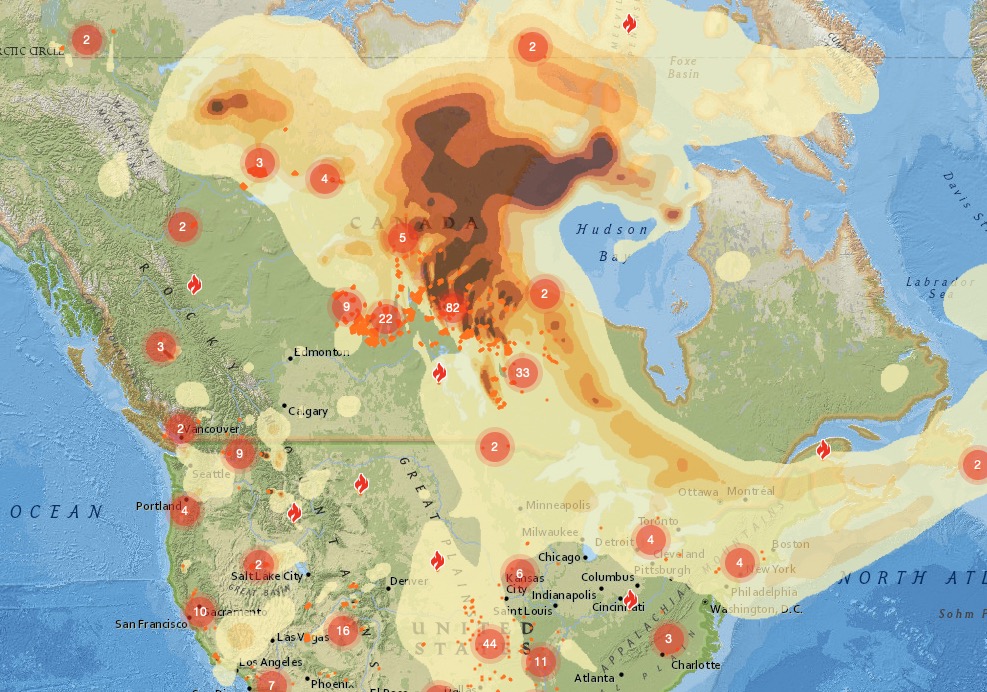

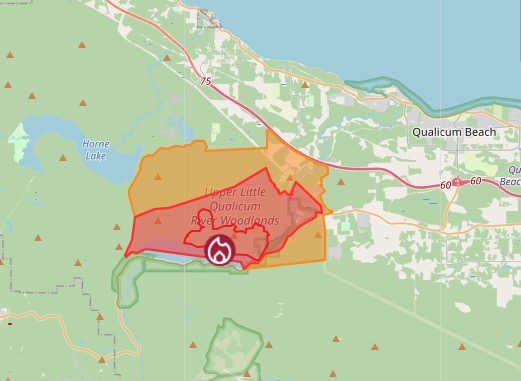 A wildfire on Vancouver Island is threatening Douglas-fir trees in Cathedral Grove, located on the western shoreline of Cameron Lake. The old-growth forest is filled with gigantic 800-year-old trees… The out-of-control Wesley Ridge wildfire was discovered on July 31 and is now 511 hectares in size. The Regional District of Nanaimo issued an evacuation order on August 2, which affected nearly 400 properties in the area around Cameron Lake, about 25 kilometres west of Parksville. …The fire has grown rapidly over the weekend as it looms over Highway 4, which remains open for the time being. Crews are trying to push it back, even using night vision so they can battle the blaze 24 hours a day. Emelie Peacock with the BC Wildfire service says, “we currently have 142 personnel responding to this wildfire, which includes 65 firefighters, 2 followers, and roughly 75 structure protection specialists”. …The fire is suspected to be human-caused … investigation is still in its preliminary stages.




 Arizona’s fire season keeps smoldering and flaring, thanks to a schizo monsoon and a dry winter. The 125,000-acre Dragon Bravo Fire continues to grow, with the 1,200 firefighters managing just 13% containment after nearly a month of trying. The National Weather Service had predicted a normal to wet monsoon after a bone-dry winter, based largely on sea-surface temperatures in the Pacific. But as a global warming trend driven by heat-trapping pollutants pumps energy into the atmosphere, patterns of drought, heat and storm tracks have become harder and harder to predict. So the monsoon has splashed and sputtered, with a week of storms giving way to a week of hot, dry weather – extending the fire season well into the period when fire crews would normally shift to other areas. Fortunately, the extended forecast calls for a chance the monsoon will gust back to life next week.
 France’s biggest wildfire this summer was spreading quickly Wednesday in a Mediterranean region near the Spanish border after leaving one person dead, authorities said. The fire had burned an area larger than Paris. About 2,000 firefighters and several water bomber aircraft battled the blaze that broke out Tuesday afternoon in the village of Ribaute in the Aude region, a rural, wooded area that is home to wineries. The fire, which has burned 13,000 hectares (32,000 acres), remained ‘’very active” on Wednesday, the local administration said in a statement. The weather was hot, dry and windy, making it difficult for firefighters to contain the blaze. One person died in their home, and at least 13 others were injured, including 11 firefighters, local authorities said. One person who was initially described as missing has been located and is safe.