 Veteran industry leader Rick Doman has been appointed chair of BC’s Forestry Innovation Investment board. In other Business news: BC’s T-MAR Industries unveils the world’s first hybrid-electric logging yarder; US housing starts climb to 5-month high; and builder confidence remains stalled at low levels. Meanwhile: George Brcko departs Wells Gray Community Forest as Casey Macaulay steps in; BC Wood highlights the upcoming Global Buyers Mission, and the Southern Forest Products Association celebrates its largest EXPO since 2000.
In Forestry/Wildfire news: Canada invests $.5M in firefighter training; forecasters say fire activity will extend into the fall; Indigenous leaders stress disproportionate impacts on their communities; and wildfire updates from Vancouver Island, Nova Scotia/New Brunswick, and Spain/Portugal. Meanwhile: BC’s Forest Practices Board announces audit of licence in spotted owl habitat; debate continues on the role of active management in the US West; CAL FIRE commits $5M for workforce training, and Oregon’s timber counties face a funding cliff.
Finally, Forestnet’s Anthony Robinson launches a new podcast series.
Kelly McCloskey, Tree Frog News Editor
 Finally, a reminder that The Tree Frog News is taking a short summer break this week. While we’ll still bring you forestry news each day, our coverage may be “lighter” — without the detailed Takeaway.
 BC Wood recently announced that Premier David Eby will open the 22nd Annual Global Buyers Mission (GBM) on Friday, September 5th. This shows the significance of the GBM to British Columbia’s forestry and value-added wood industry. Kicking off the tradeshow, the Premier will join delegates on the tradeshow floor. Premier Eby’s presence highlights the critical role of British Columbia’s wood and forestry sector in driving innovation, sustainability, and economic growth. With recent U.S. decisions increasing countervailing duties on Canadian softwood lumber to over 35%, there’s an unprecedented level of uncertainty about how the market will be impacted. A newly announced panel presentation will analyse the escalating tariffs threatening to disrupt supply chains, inflate costs, and reshape the forestry industry. Forest Minister Parmar will introduce the panel and participants Mo Amir, Nick Arkle, Liz Kovach and Kurt Niquidet on September 4th.

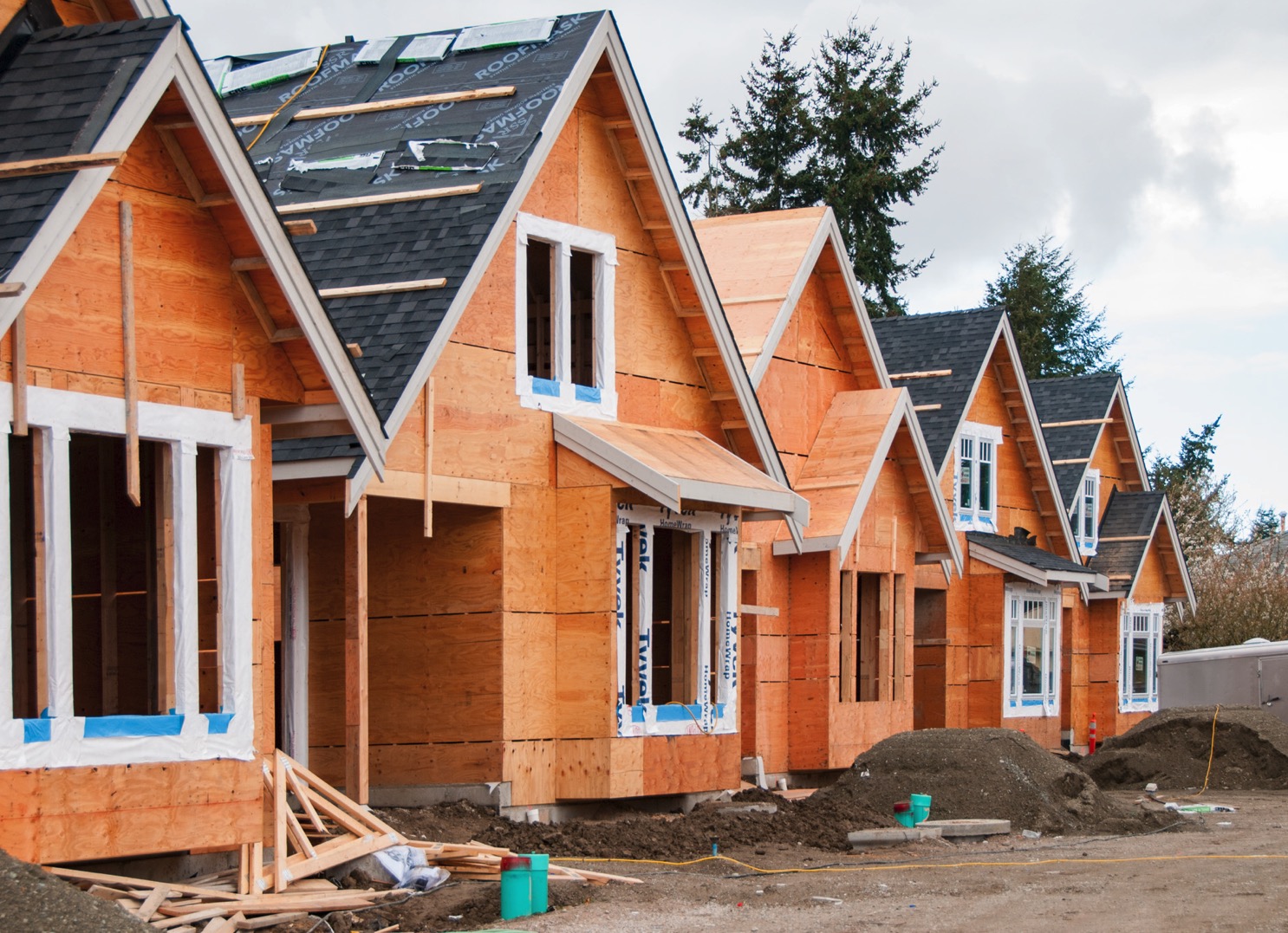 The Liberal government has released a proposal for its new housing entity, laying out suggested loan offerings and other details ahead of the planned fall launch. …The Liberals said the new entity would develop and manage affordable housing projects and partner with builders for the construction phase, providing $10 billion in low-cost financing and capital to affordable home builders. …The BCH would also provide $25 billion in debt financing and $1 billion in equity financing to prefabricated home builders, with the Liberals saying the housing type can reduce construction times by up to 50 per cent and lower costs by up to 20 per cent. The entity would issue bulk orders of units from manufacturers to create sustained demand.




 British Columbia’s forestry leaders offer a mix of praise and caution following the announcement of federal aid for Canada’s lumber industry. While both welcomed the support, they emphasized the urgent need for fiber access and resolving the US trade dispute. B.C. Forestry Minister Ravi Parmar called the federal funding package “really good news” and a long-overdue show of federal support for a sector that has long felt sidelined in Ottawa. …Parmar emphasized that B.C., as the world’s second-largest exporter of softwood lumber, must receive a proportional share of the funding to modernize its mills and build new global partnerships. …B.C. Conservative forestry critic Ward Stamer, welcomed the funding as a positive sign of federal commitment but warned that the underlying problems plaguing B.C.’s forestry industry remain unaddressed. …“It shows the federal government understands how important the forest industry is not just to B.C., but to the whole country,” said Stamer.
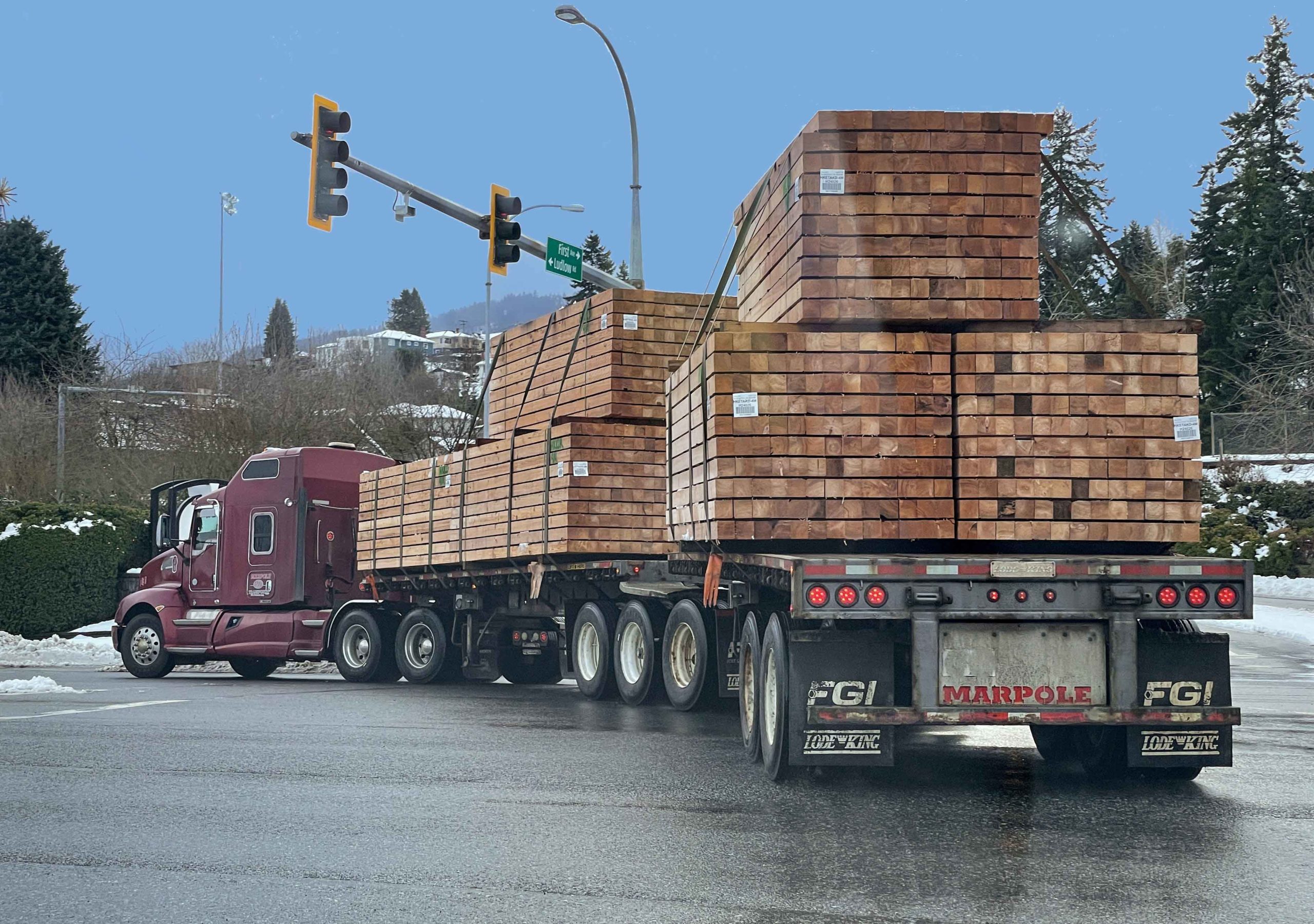
 With recent U.S. decisions increasing countervailing duties on Canadian softwood lumber to over 35%, there’s an unprecedented level of uncertainty about how the market will be impacted. These escalating tariffs threaten to disrupt supply chains, inflate costs, and reshape the forestry industry. At BC Wood, we’re dedicated to helping you navigate these challenges. Which is why we will be hosting a Tariffs Panel at the Global Buyers Mission (September 4, 2025). Introduced by Minister Ravi Parmar, the panel will bring together top leaders to analyze the challenges, opportunities, and strategies amid escalating trade tensions. Moderated by Mo Amir, GM of SPF Precut Lumber, the panel will include: Nick Arkle, CEO, Gorman Brothers Lumber; Liz Kovach, President, Supply-Build Canada; and Kurt Niquidet, President, BC Lumber Trade Council.

 A Seattle proposal to add more housing above the historic Doyle Building near Pike Place Market is bringing out significant opposition, with nearby condominium owners seeking to utilize the only point of leverage they have: the city’s landmarks board. Clark/Barnes architects are working with the owners of the four-story building….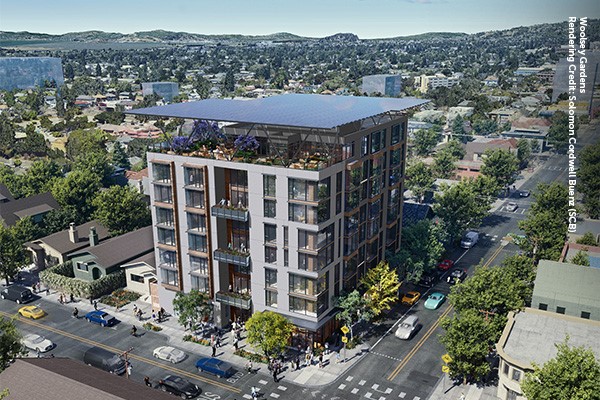


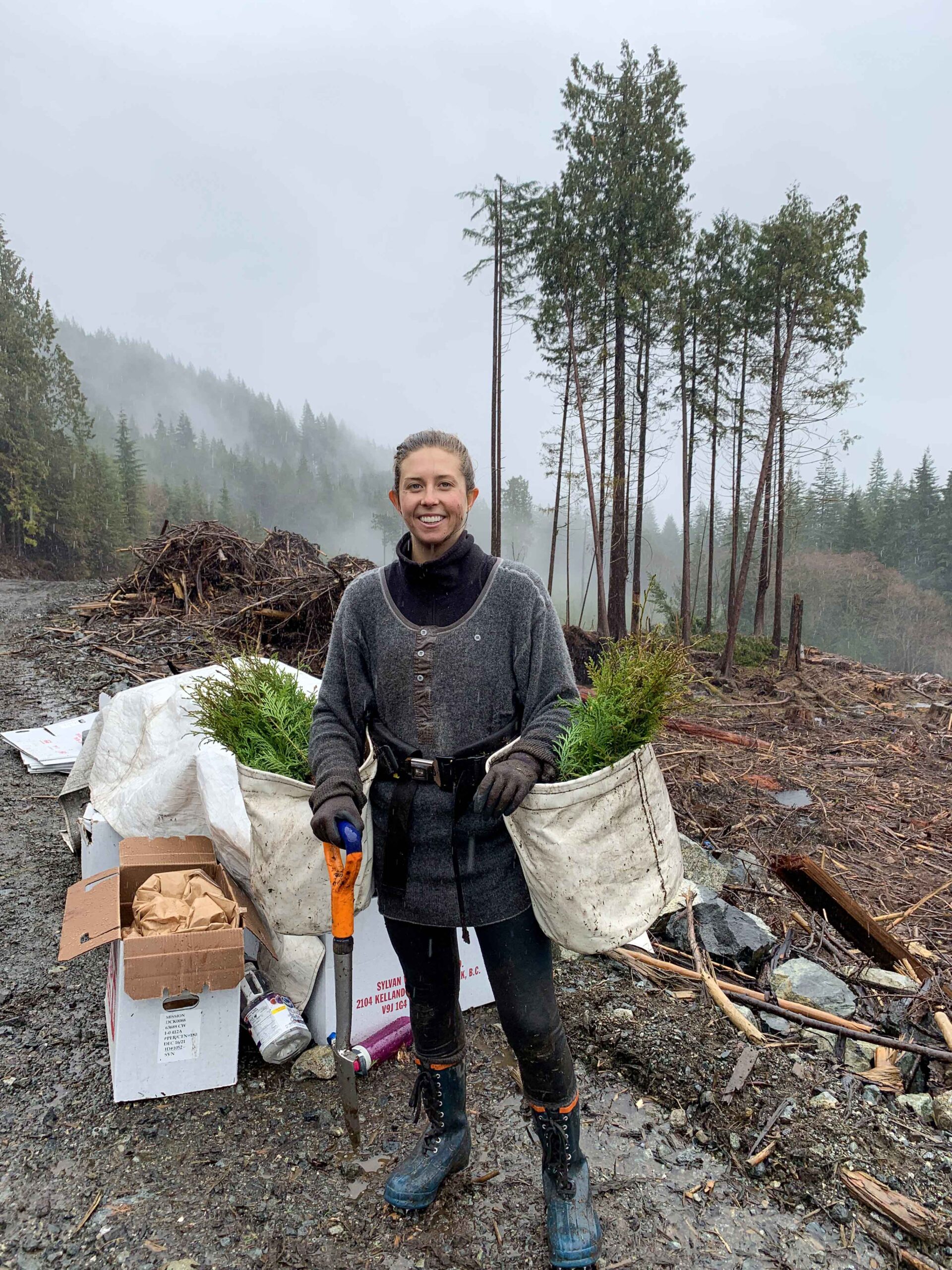 Early last September, firefighters were in the final stages of containing a 33,000-hectare wildfire complex in Alberta’s Jasper National Park. Elsewhere, park workers were already replanting the first batch of trees in the recently scorched earth. The Douglas firs were chosen because they resist fire better than other conifers, according to Marcia DeWandel, vegetation restoration specialist for Parks Canada. However, replanting so soon after a fire is much more exception than rule. Replanting is typically expensive, time consuming, labour intensive — and doesn’t always work. …In most cases, it can take years for replanting to begin after a fire. …”It’s actually really important not to speed and just go right after a fire,” says Jess Kaknevicius, CEO of Forests Canada, one of the organizations supporting Ogoki’s replanting. …In some replanted areas, ensuring survival is easier said than done, especially when dealing with other effects of climate change.
  TORONTO — Canada’s 2025 wildfire season is now the second-worst on record. The latest figures posted by the Canadian Interagency Forest Fire Centre suggest the fires have torn through 72,000 square kilometres, an area roughly the size of New Brunswick.That surpasses the next worst season in 1989 and is about half the area burned during the record-setting 2023 season, according to a federal database of wildfire seasons dating back to 1972. Climate change, driven by the burning of fossil fuels, has made Canada’s fire season longer and more intense, scientists say. The last three fire seasons are all in the 10 worst on record. “We really need to do a lot more to manage our forest, to reduce the impact of climate change and better prepare the communities that are at risk,” said Anabela Bonada, managing director of climate science at the Intact Centre on Climate Adaptation at the University of Waterloo.
 BARRIE, ON – As Canada faces rampant wildfires, non-profit charity Forests Canada and forestry consulting firm Cariboo Carbon Solutions are partnering to help private landowners and First Nations communities restore their forests. They supported the planting of 100,000 trees in North Shuswap and Criss Creek, British Columbia in response to the 2023 Bush Creek East wildfire and will plant 2.2 million in other areas of the province over the next five years. “Canada is facing a devastating wildfire crisis,” Elizabeth Jarrett, Chief Operating Officer, Forests Canada, says. “This new partnership will enable us to support restoration efforts.” In regions across British Columbia, Cariboo Carbon Solutions is providing private landowners and First Nations communities that have been devastated by wildfires with professional reforestation services for their properties. After the successful planting of 100,000 trees in North Shuswap and Criss Creek this spring, the organization is looking to support other communities in BC.
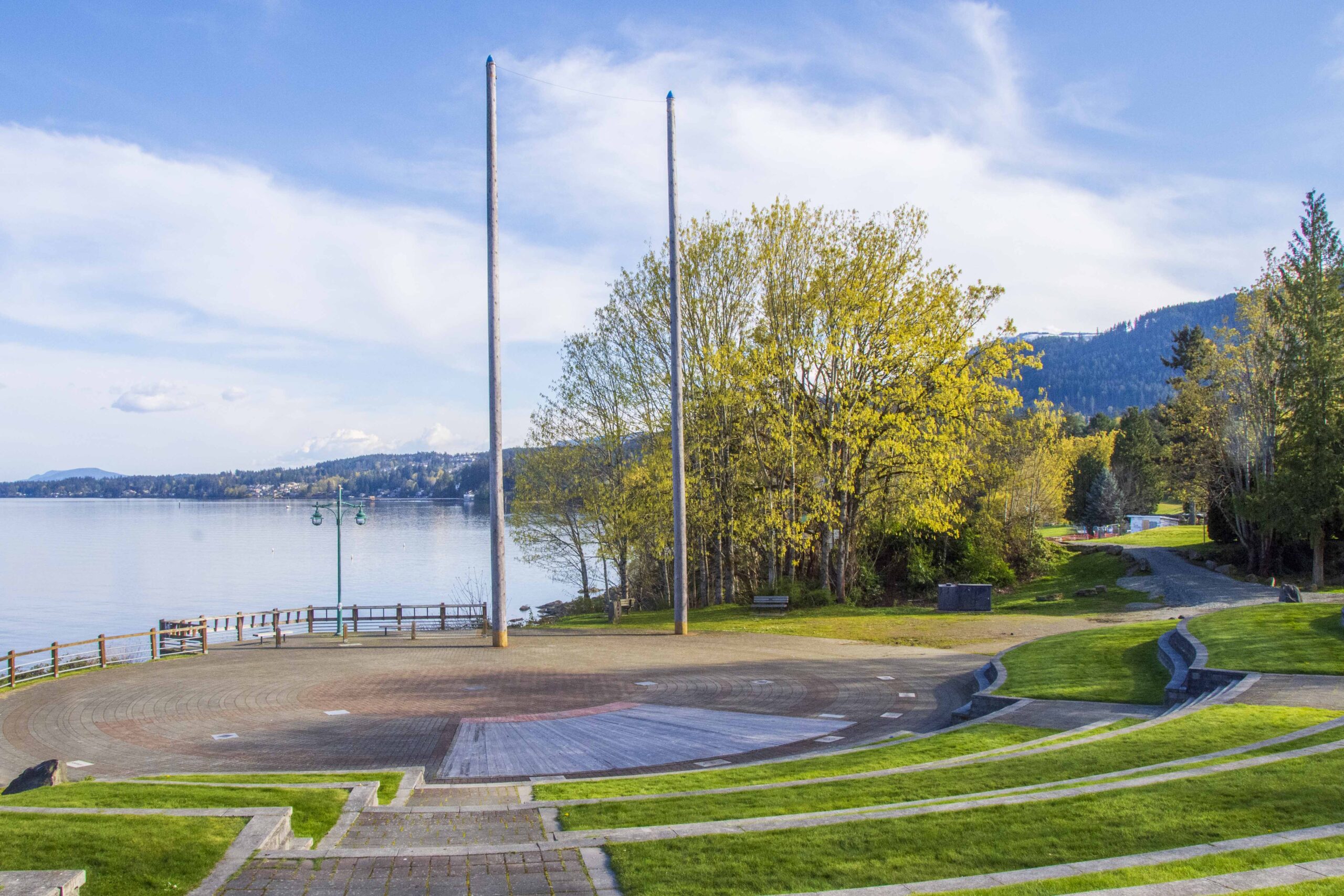 …It’s a rare sight today to see a spar tree in a timber harvesting area, but you can see them at any loggers’ sports shows. This year locals will have a chance to see climbers in action on Sunday, Sept. 14 at the Transfer Beach Amphitheatre. Just a couple of weeks ago the state of the two spar poles at the amphitheatre was in question. …Dave MacLeod from Husky Forest Service, a professional tree climber as well as a loggers’ sports tree climber, said instead of destroying the trees, they could be taken out to find out where the rot ends. His suggestion was accepted and the trees were taken out by RKM Cranes on July 30 and laid down to be examined. MacLeod did tests at various lengths of the trees and it was determined that the rot was up 10 feet from the bottom, so 11 feet was cut off.
 The human side of forestry is often overlooked but always present. Seeing the forest for the trees in this case means connecting the dots between the many ways that people interact with, benefit from and shape natural spaces, and the consequences these activities are having on everything from environmental sustainability to community wellbeing. In this issue, we delve into the social sciences of forestry, highlighting how the academic work, career paths and actions taken by our UBC Forestry community are shaping the future for the sake of humans and the planet.
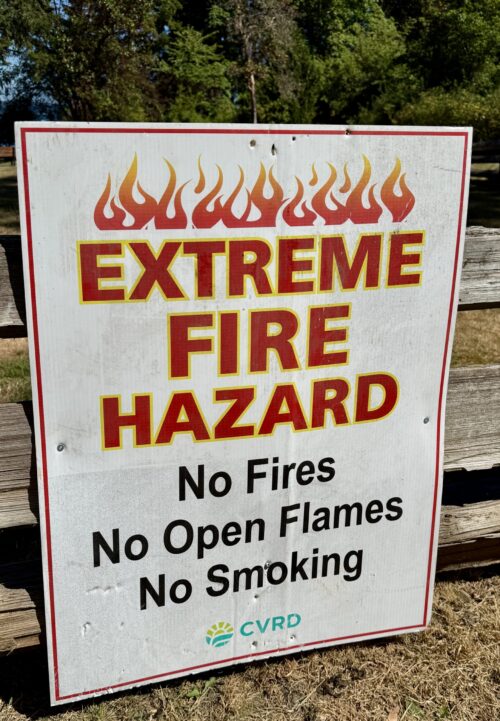 …as climate change fuels more frequent and intense wildfires, governments can reduce the damage and protect lives with proactive, targeted actions. That means strengthening policies that guide where and how we build, investing in land and fuel-management strategies, supporting Indigenous leadership and stewardship, expanding emergency-response capacity and accelerating emissions reduction. The solutions are within reach, but they require governments to lead with urgency, coordination and commitment. …Here are five key actions governments can take to reduce wildfire risk — noting that no single strategy can solve the problem by itself: Stop encouraging building in harm’s way; Make new development fire-resilient; Manage forests and reduce wildfire fuel; Strengthen firefighting capacity; and Cut carbon pollution to avoid runaway risk. Governments at all levels face a clear choice: continue with business as usual and see fire seasons grow worse or take bold action to reduce risk, protect people and ensure public resources are spent wisely.
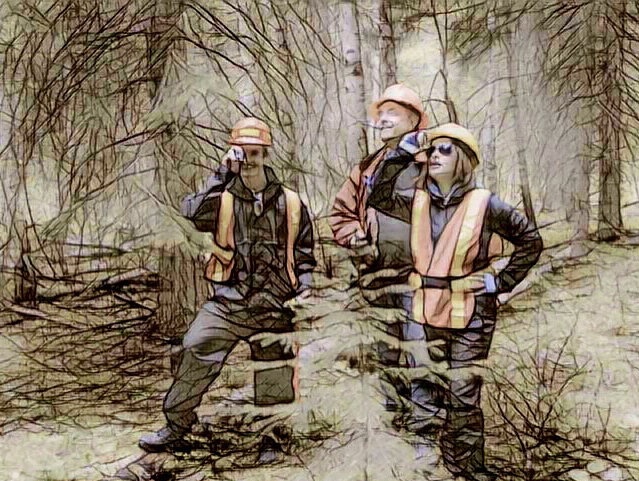 CNC’s Applied Research team received a $170,775 Applied Research Tools and Instruments (ARTI) grant through the Natural Sciences and Engineering Research Council of Canada (NSERC) for the creation of a state-of-the-art remote sensing lab. …The grant allows for the acquisition of terrestrial LiDAR scanners, allowing researchers to capture, analyze and better understand individual tree characteristics, forest structure, and wildfire hazards, among other forest attributes. CNC research fellow Dr. Pablo Crespell will lead research activities related to remote sensing lab purchases and operation, including drones, LiDAR sensors and scanners, multispectral sensors, software applications, and computer hardware. Grant funds will also be used to support the costs of relevant training for CNC research staff, such as drone pilot training and new analysis approaches.
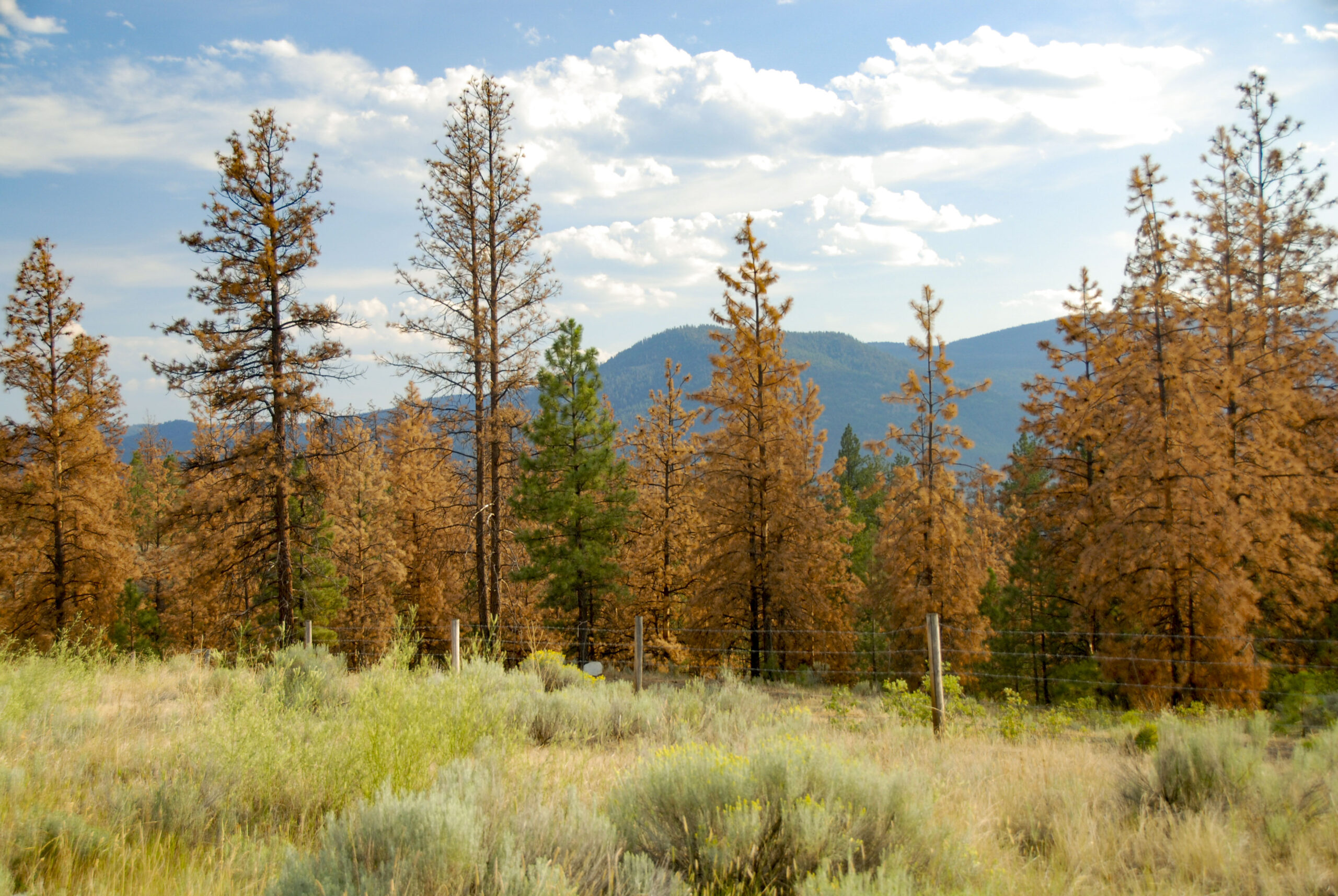 Ottawa is offering $45.7 million for projects in B.C. and across Canada that advance knowledge about wildfires. The projects will be focused on protecting Canadians from the growing threat of wildfires, strengthening wildfire risk assessments, and improving mitigation and adaptive forestry practices. …The Vancouver-based Métis Wildfire Community Research Initiative is among the funding recipients. “Our approach is different because we are building strong relationships with local people.” said Joe Desjarlais, Director of Research for the B.C. Metis Foundation. “We’re training them to do wildfire research, to recover their own knowledge for their own benefit, to give them a voice.” …Natural Resources Canada said annual national costs for fighting wildland fire total over $1 billion. It says fire-suppression costs could double by 2040.
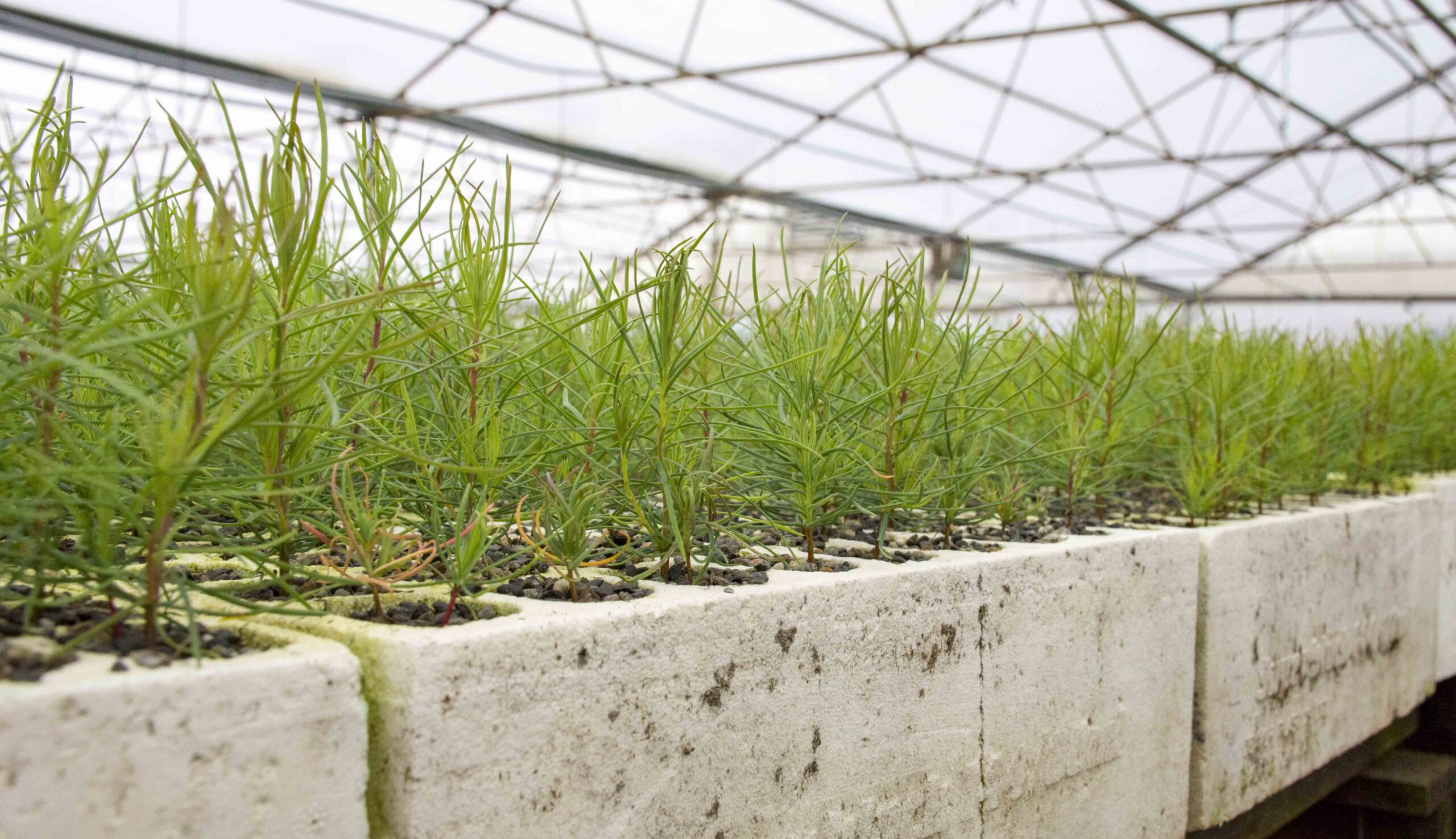 The number of trees planted in British Columbia is set to decline for a third year in a row, falling a combined 135 million seedlings short of a B.C. government’s election promise to increase planting amid a string of devastating wildfire seasons. In B.C., the logging industry is legally required to reforest after harvesting. But as harvest levels have dropped, so too has tree planting. The province planted 281 million tree seedlings in 2024. But by the end of the 2025 season, that number is expected to drop to 238 million, according to the Ministry of Forests. By the end of 2026, projections from the Canadian Tree Nursery Association (CTNA) suggest the number could fall even further to 226 million — far short of the 300 million trees promised by the NDP government in the last election.

 SMITHERS – The Forest Practices Board has released the results of its investigation into a complaint about logging in the Lemieux and Gardner Creek watersheds, 30 kilometres southeast of Smithers. A resident alleged that over-harvesting had dried up creeks and wells, and that logging proceeded without proper public consultation. Board investigators examined recent harvesting, road construction and maintenance by three licence holders: BC Timber Sales (BCTS), Kyah Development Corporation (KDC) and the holder of woodlot licence W0104. Investigators assessed whether licensees met legal requirements for water management and public review. All three licensees complied with requirements for public review. BCTS and KDC exceeded requirements by voluntarily sharing operational-planning information with stakeholders. BCTS and KDC also met all water- management requirements.
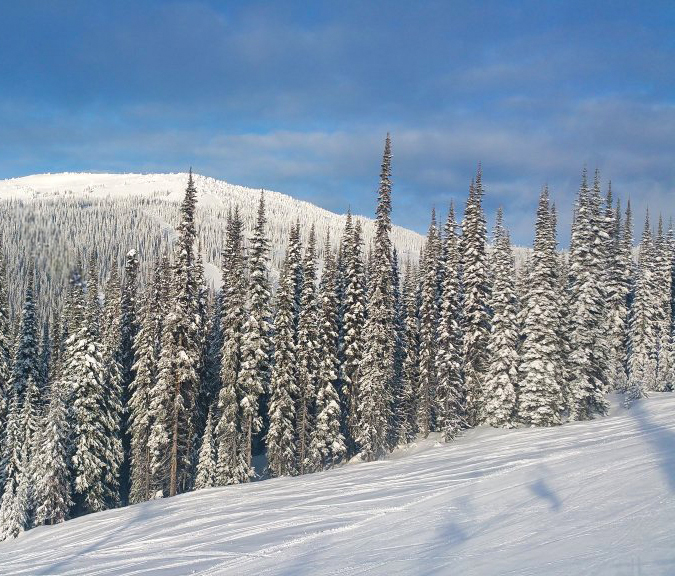 One of Revelstoke’s most popular mountains for Nordic skiing and cycling has reappeared on the map for B.C.’s lumber licensee, raising questions of how recreationists’ favourite routes could be impacted. Within the last year, BC Timber Sales (BCTS) issued a Forestry Operations Map outlining plans for Mount MacPherson, home to the Revelstoke Nordic Ski Club (RNSC) and various Revelstoke Cycling Association trails. Currently, several dozen hectares in the Wetask-Mt. MacPherson area are licensed for cut blocks, while several hectares more are mapped for retention areas and roads. …Operations are indicated to run until 2027, and all six cut block licenses have a planned development date of last Jan. 15. In a statement the Ministry of Forests said one of its recent licences was auctioned last spring and will be harvested this fall or winter. Another licence currently sits in the development stage, slated for auction next summer.






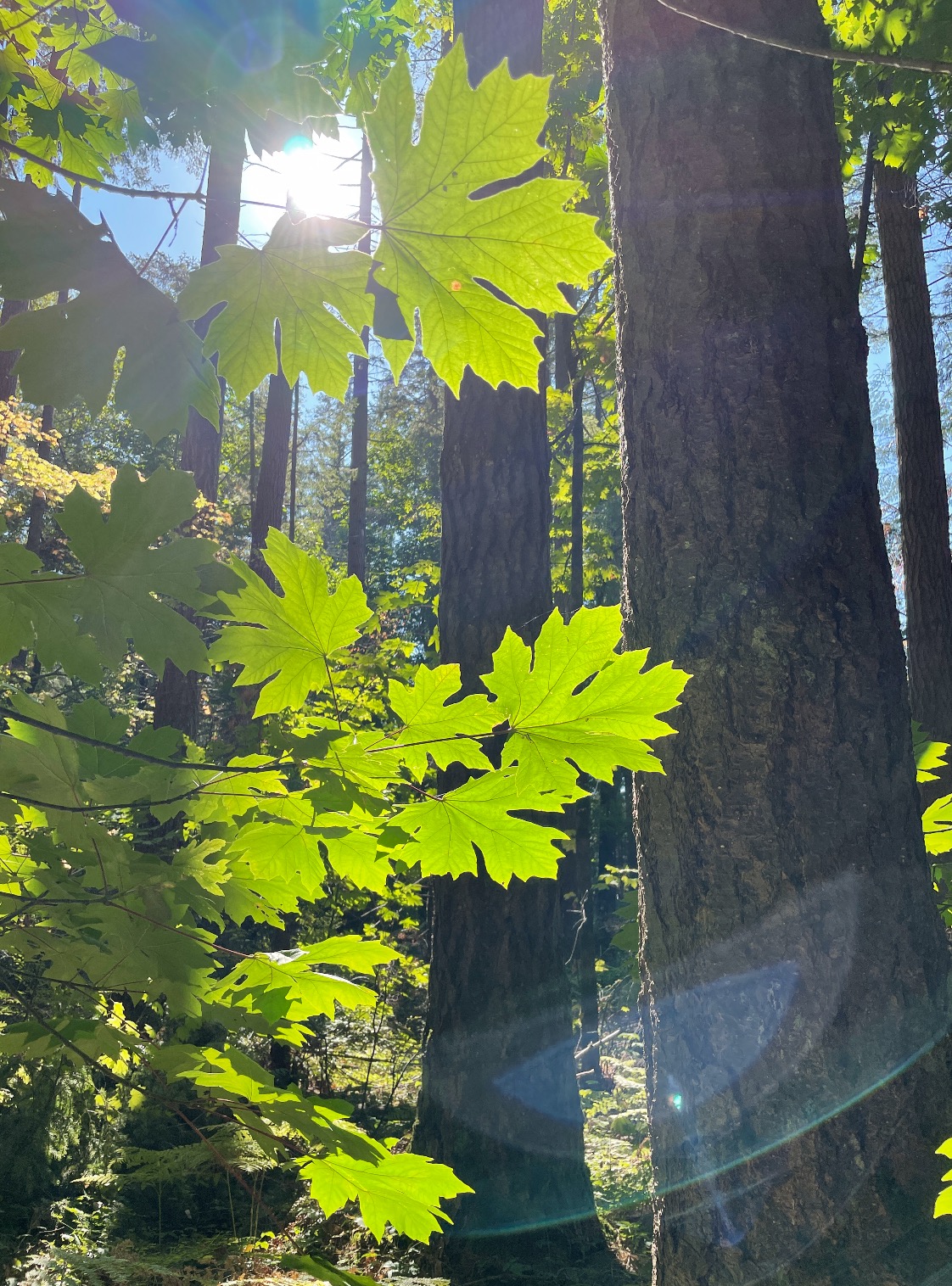 Photographs of forests in the western U.S. from the mid-1800s show a starkly different reality compared to today, says Paul Hessburg, an ecologist at the University of Washington. …Today, many of these forests are overgrown and dominated by younger trees. Back then, they were typically more open — “park-like”. …Fire played an integral role — perhaps the integral role — in shaping these ecosystems. …Hessburg and others see the rejection of active management in part as a response to the “legacy” of commercial, industrial-scale logging of natural forests. Those rampant harvests often took the oldest and largest trees in the U.S., before a mix of science, policy and advocacy for species like the northern spotted owl caused a shift away from the practice in the 1990s. …“We created a climate that’s hostile to people and health and forests,” he says. What’s critical now is finding ways to adjust, for both ourselves and our forests.

 HELENA, Mont. — U.S. Forest Service Chief Tom Schultz and Montana Governor Greg Gianforte signed a historic Shared Stewardship Memorandum of Understanding, establishing a new framework between the U.S. Forest Service (USFS) and the State of Montana to advance forest restoration and reduce wildfire risk across the state. Montana’s Shared Stewardship Agreement expands collaborative efforts to accelerate active forest management, safeguard communities, and support sustainable timber production. “This agreement is exactly the kind of forward-leaning, state-driven leadership that President Trump and USDA have championed since day one,” said U.S. Secretary of Agriculture Brooke Rollins. “By cutting burdensome, unnecessary red tape and empowering Montana to lead, we’re proving that through real partnership, conservation and economic growth can go hand-in-hand. This partnership is just another example of our shared commitment to protect lives, livelihoods, and our forest resources — while creating opportunities for hardworking Americans.”
 In May, the White House Office of Budget and Management sent Congress President Trump’s proposed budget for discretionary spending for upcoming fiscal year 2026. Among the budget’s many cuts is a proposal to eliminate all funding for the Collaborative Forest Landscape Restoration Program, designed to make timber projects run more smoothly. The Collaborative is a decades-long experiment to get conservationists, the timber industry and U.S. Forest Service back to the proverbial table after the timber wars of years past. Collaboratives have been widely credited with incorporating conservationist’s environmental concerns in the design of timber harvests and, consequently, reducing environmental litigation known to slow down harvests. The CFLRP has been lauded by some for helping implement forest thinning and restoration projects meant to both reduce wildfire risk and increase timber production and jobs in rural communities.

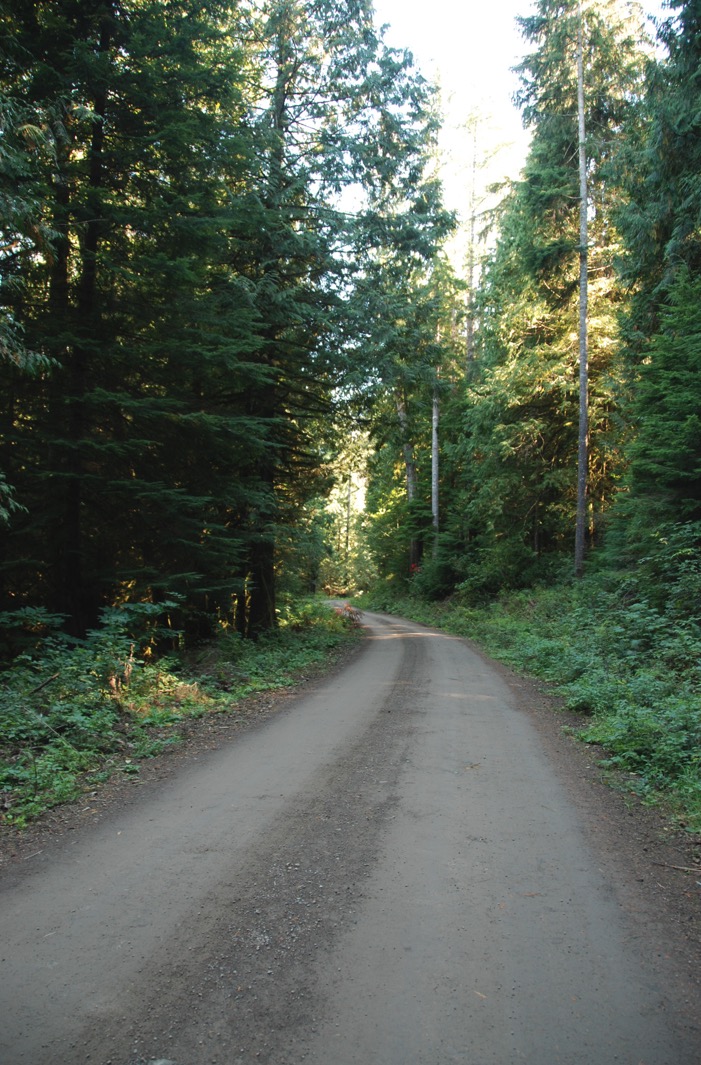 Pointing to several recent closures that caused major traffic disruptions on Highway 97, Okanagan MPs and MLAs are urging the provincial and federal governments to work together on a solution. The group of six politicians gathered outside Okanagan Lake West-South Kelowna MP Dan Albas’ office on Tuesday (Aug. 12) to offer their own idea — pave 201 Forest Service Road (201 FSR) between Kelowna and Penticton so it can be used during emergency closures of Highway 97. “People are going to be taking that road, as we’ve seen reported by local journalists, and they’re getting lost,” Albas pointed out. “So this is going to happen whether or not the federal and provincial governments decide to act, but we can’t tolerate that.” The 201 FSR is a long and winding route that many Okanagan residents use during extended closures of Highway 97.
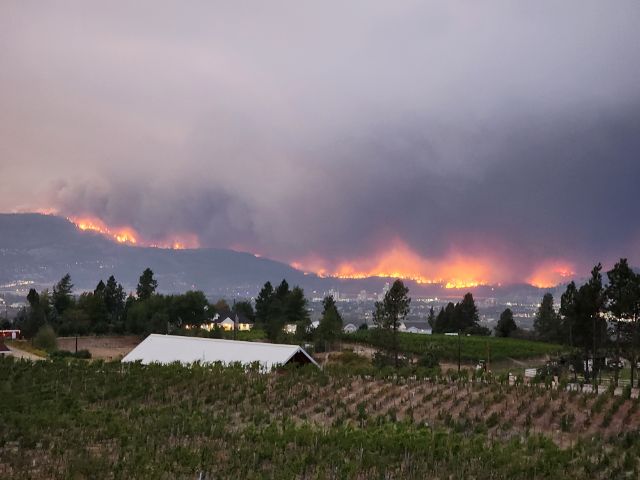 The smoke from the Los Angeles wildfires smelled like plastic and was so thick that it hid the ocean. Firefighters developed instant migraines, coughed up black goo and dropped to their knees, vomiting and dizzy. Seven months later, some are still jolted awake by wheezing fits in the middle of the night. …Fernando Allende, a 33-year-old whose U.S. Forest Service crew was among the first on the ground, figured he would bounce back from his nagging cough. But in June, while fighting another fire, he suddenly couldn’t breathe. …doctors discovered blood clots in his lungs and a mass pressing on his heart. They gave him a diagnosis usually seen in much older people: non-Hodgkin lymphoma, an aggressive cancer. It would be unthinkable for urban firefighters to [work] without wearing a mask. But people who fight wildfires spend weeks working in toxic smoke and ash wearing only a cloth bandanna, or nothing at all.
 FREMONT, Neb. — The U.S. Chemical Safety and Hazard Investigation Board (CSB) has opened a formal investigation into the July 29 explosion and fire at the Horizon Biofuels facility in Fremont that killed three people, officials announced Thursday. The blast fatally injured 32-year-old Dylan Danielson and his two young daughters who were inside the plant at the time. “This horrific incident should never have happened,” CSB Chairperson Steve Owens said in a statement. “We want to prevent a terrible tragedy like this from occurring again.” …The independent federal agency, whose members are appointed by the president and confirmed by the Senate, does not issue citations or fines but makes safety recommendations to companies, industry groups, labor organizations and agencies such as OSHA and the Environmental Protection Agency.




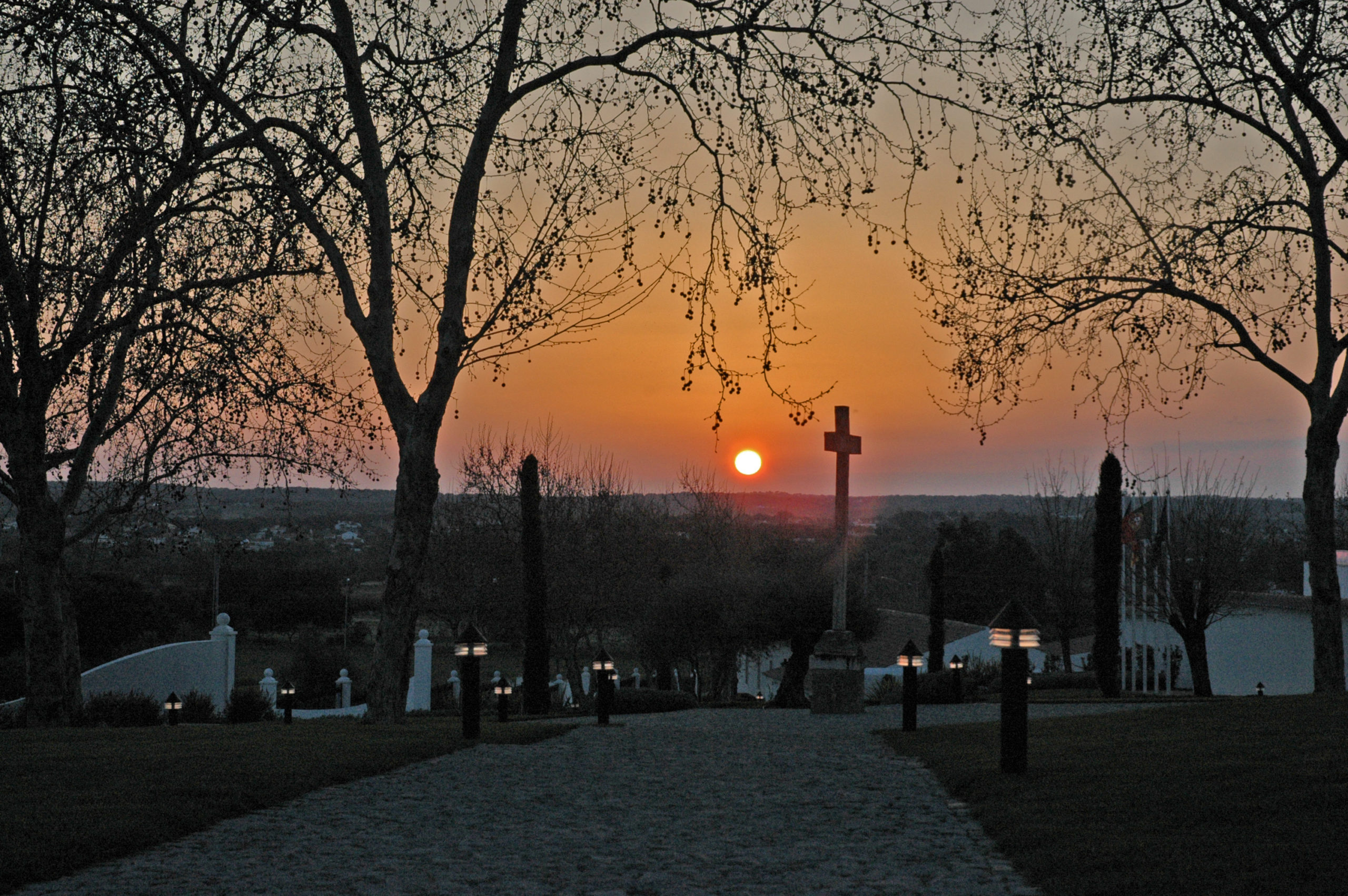 Spain has sent 500 more troops to fight raging wildfires, bringing the total deployed to 1,900, as the death toll from the blazes has risen to four. On Sunday, a firefighter died after an accident during firefighting efforts when his truck fell down a steep hill, the Castile and León regional government said. Spain’s Prime Minister Pedro Sanchez expressed “sadness” and “desolation” on X at the latest death. In neighbouring Portugal, where fires are also blazing, another firefighter was killed on Sunday in a “tragic” traffic accident, President Marcelo Rebelo de Sousa said. Fires have also broken out in Greece, France, Turkey and the Balkans as a heatwave has scorched swathes of southern Europe. Several large fires are still burning in the northwest and west of Spain, where 27,000 residents are currently evacuated from their homes.
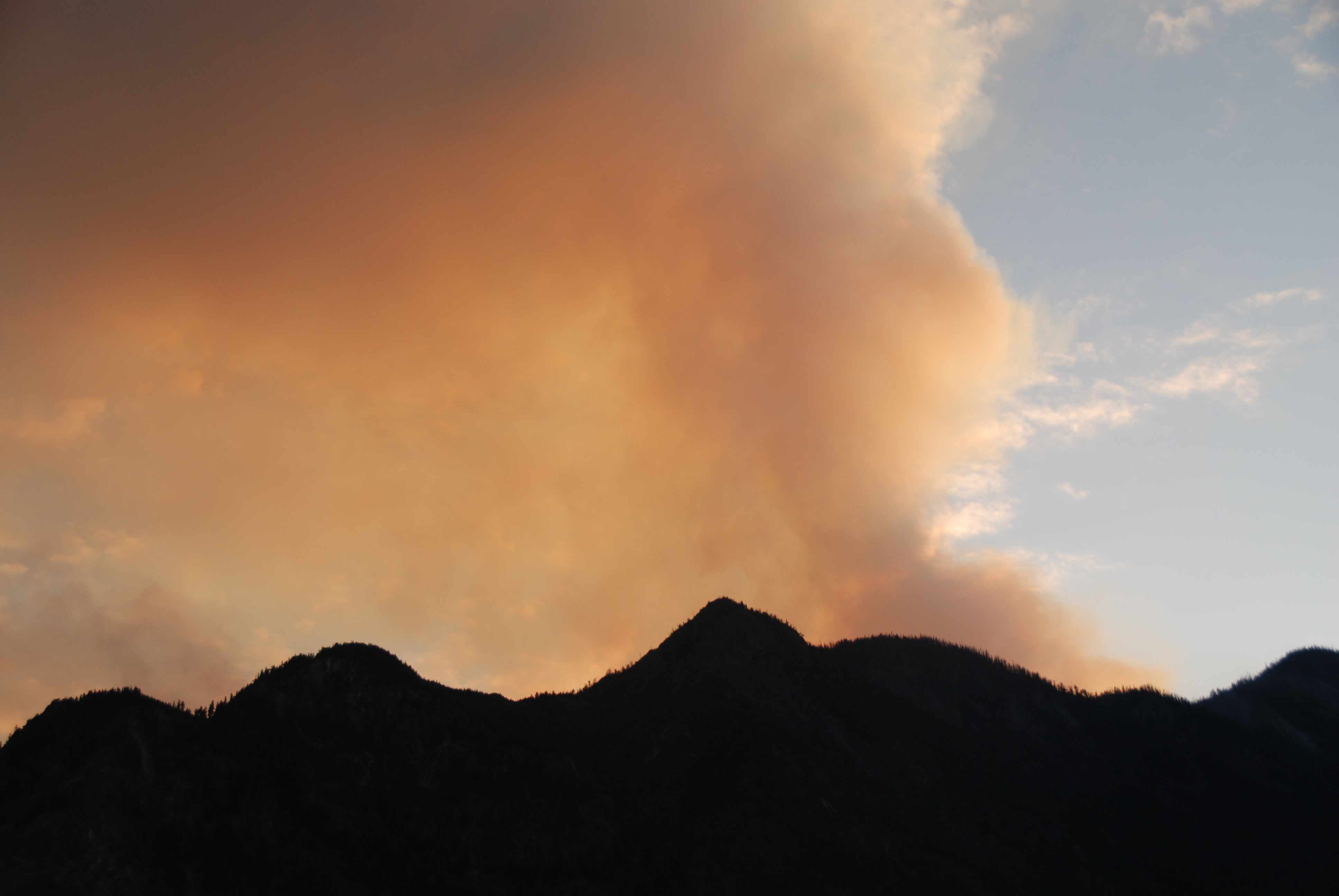 Spain is deploying a further 500 soldiers to battle wildfires that have torn through parched woodland during a prolonged spell of scorching weather, Prime Minister Pedro Sánchez said Sunday. The decision to add to the more than 1,400 troops already on wildfire duty came as authorities struggled to contain forest blazes, especially in the northwestern Galicia region, and awaited the arrival of promised aircraft reinforcements from other European countries. …Spanish national weather agency said on Saturday, the maximum temperature was 44.7 degrees Celsius in the southern city of Cordoba. …Portugal is set for cooler weather in coming days after a spate of severe woodland fires. …In Turkey, where recent wildfires have killed 19 people, parts of the historic region that includes memorials to World War I’s Gallipoli campaign were evacuated Sunday as blazes threatened homes in the country’s northwest. …Turkey has been struck by hundreds of fires since late June, with record-breaking temperatures.
 PATRAS, Greece,/MADRID – Wildfires caused by arsonists or thunderstorms and fanned by a heatwave and strong winds wreaked destruction across southern Europe on Wednesday, burning homes and forcing thousands of residents and tourists to flee. Fire has affected nearly 440,000 hectares in the eurozone so far in 2025, double the average for the same period of the year since 2006… Authorities ordered residents of a town of about 7,700 people near Patras to evacuate on Tuesday and issued new alerts on Wednesday, advising residents of two nearby villages to leave. On the Greek islands of Chios, in the east, and Cephalonia, in the west, both popular with tourists, authorities told people to move to safety as fires spread. In Spain, a volunteer firefighter died from severe burns and several people were hospitalised as state weather agency AEMET warned that almost all of the country was at extreme or very high risk of fire.