
The Trump administration public comment period on rescinding the US Roadless Rule sparks ENGO opposition. In related news: a US House delegation visits Alaska; and a federal court allows White Mountain National Forest logging to proceed. Meanwhile: Drax faces UK probe into biomass sourcing; Sweden debates paying forest owners to store carbon; UBC Forestry expands its Combined Heat and Power Academy; UBC’s Melissa McHale earns a Wall Fellowship for climate resilience research; and Mississippi State University names its first endowed professor in innovative wood design.
In Business news: US railroads pursue mega-mergers while CPKC and BNSF reject consolidation; Arkansas’s Two Rivers Lumber gets a federal grant; South Carolina’s timber sector faces uncertainty; lumber futures approach bear market territory; and wood-framed homes market share rose in 2024. In Health & Safety news: Canadian wildfires erase years of air quality progress; mechanization reshapes logger health risks in the US Northeast; New Zealand releases new guidelines for forest safety; and the latest news from the BC Forest Safety Council.
Finally, 350 endangered Mountain Yellow-legged Frogs leap back into California’s wild.
Kelly McCloskey, Tree Frog News Editor

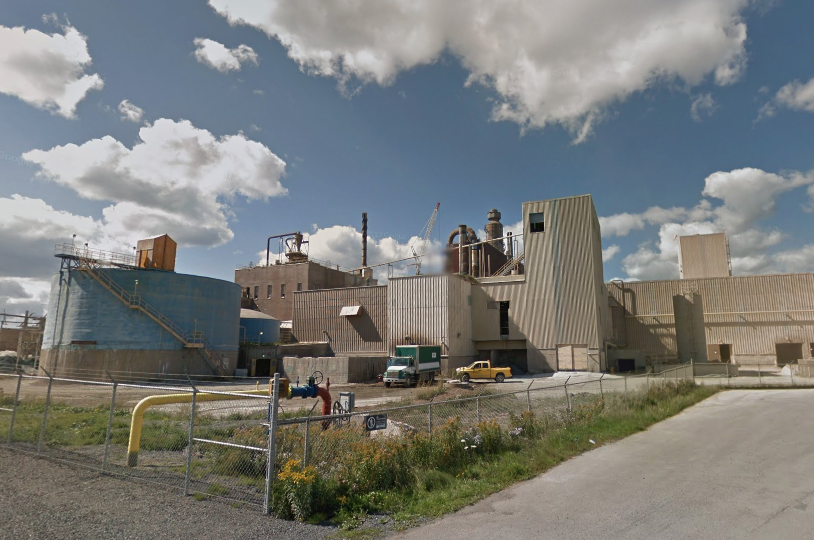 A B.C. Supreme Court justice has authorized the process that will ultimately lead to the sale of the Nova Scotia timberlands, Crown land leases and a nursery controlled by Northern Pulp. Justice Shelley Fitzpatrick approved a $104-million baseline bid for the assets by Macer Forest Holdings on Thursday. Macer’s bid, known as a stalking horse agreement, positions the Ontario-based company to pick up the …Pictou County pulp mill assets unless other interested parties come forward. If other bidders are identified by Nov. 20, an auction would be held using the stalking horse price as the starting point. …If Macer is not successful at auction, it would receive compensation of up to about $3.1 million. …Proceeds of the asset sale are to go toward Northern Pulp’s debts, including money its parent company, Paper Excellence, has lent it for the creditor protection process, the cost of winding up company pension plans and some of what is owed to the Nova Scotia government for previous loans.

 A fire at a lumber yard inside Quesnel city limits is being managed by West Fraser Mills and was expected to be completely extinguished on Monday, Aug. 25, the city’s fire chief said. The 500-square-foot fire at BC Eco Chips on Pinecrest Road was first spotted around 4 a.m. on Saturday, Aug. 23, leading to a response from six fire departments in the Cariboo Regional District, BC Wildfire Service and personnel from West Fraser Mills. Reached by phone on Aug. 25, Quesnel Fire Chief Ron Richert said that the fire departments and wildfire service withdrew from the scene around 8 p.m., leaving West Fraser Mills in charge of managing the scene. At that point, the chief said, there were still “significant flames” but it was fully contained. …Richert confirmed that there were no structured damaged or people hurt by the fire. The cause of the fire has yet to be determined.
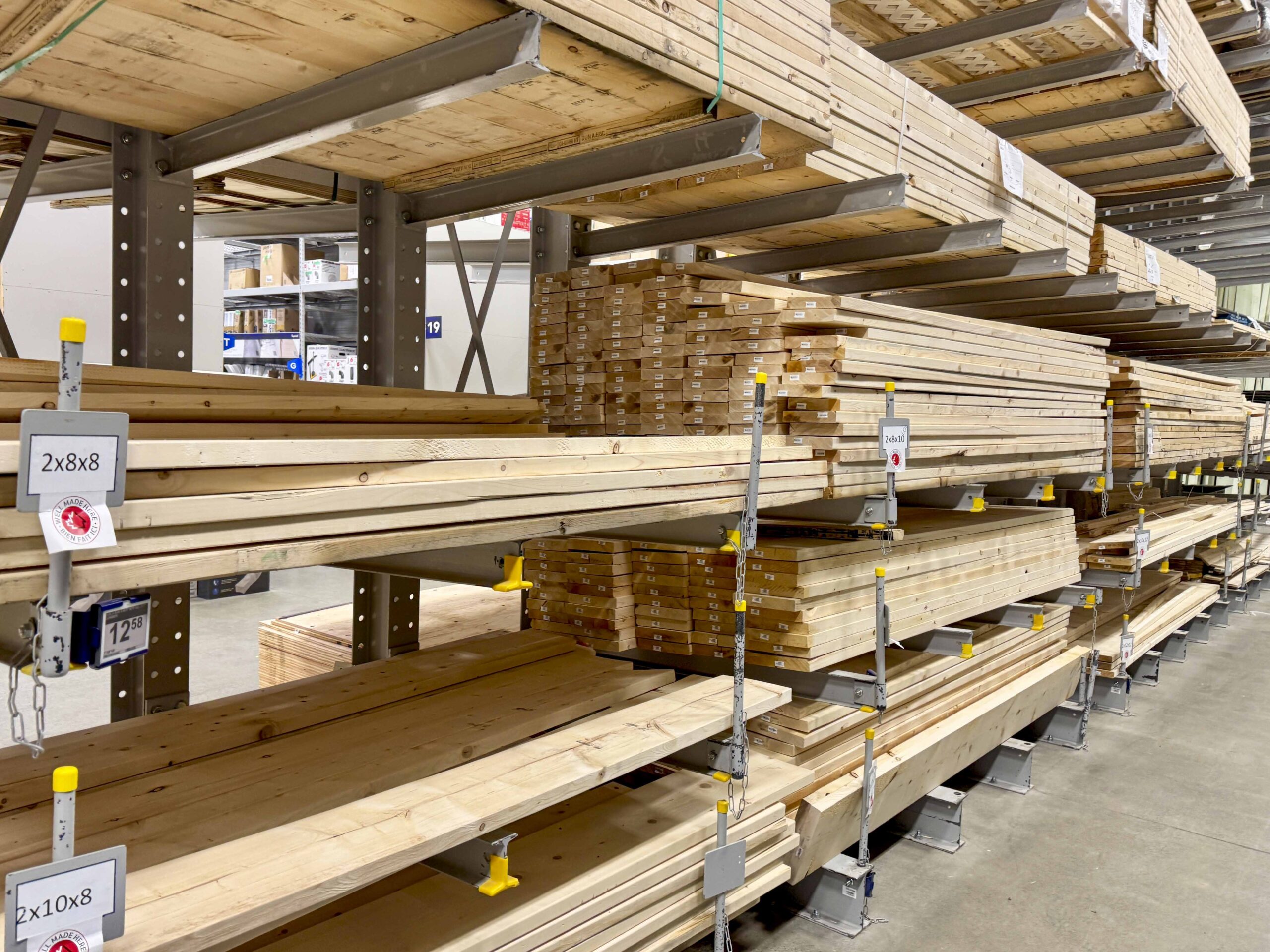 Canadian business owners are sharing growing fears that things could go from bad to worse if the U.S.-imposed trade war doesn’t end soon. New data from the Canadian Federation of Independent Business (CFIB) shows those business owners are being hit the hardest, particularly in B.C. “Two-thirds of B.C. businesses import or export directly to the United States, and when you look at those who do so indirectly, so they buy from importers or exporters, that number jumps up to 80 per cent of all businesses exposed to trade with the United States. So, that’s a huge number,” Ryan Mitton, director of Legislative Affairs in B.C. at the CFIB said. He adds that the situation appears even more grim for hard-hit industries like steel and lumber. “…one in five in BC have been impacted by softwood lumber tariffs, and that’s the highest rate of all the provinces in Canada,” he adds.
 HAMILTON — The Ontario government is delivering on its plan to protect Ontario workers by investing $70 million in expanded training and employment services for those affected by U.S. tariffs and policies. This funding includes support for the province’s
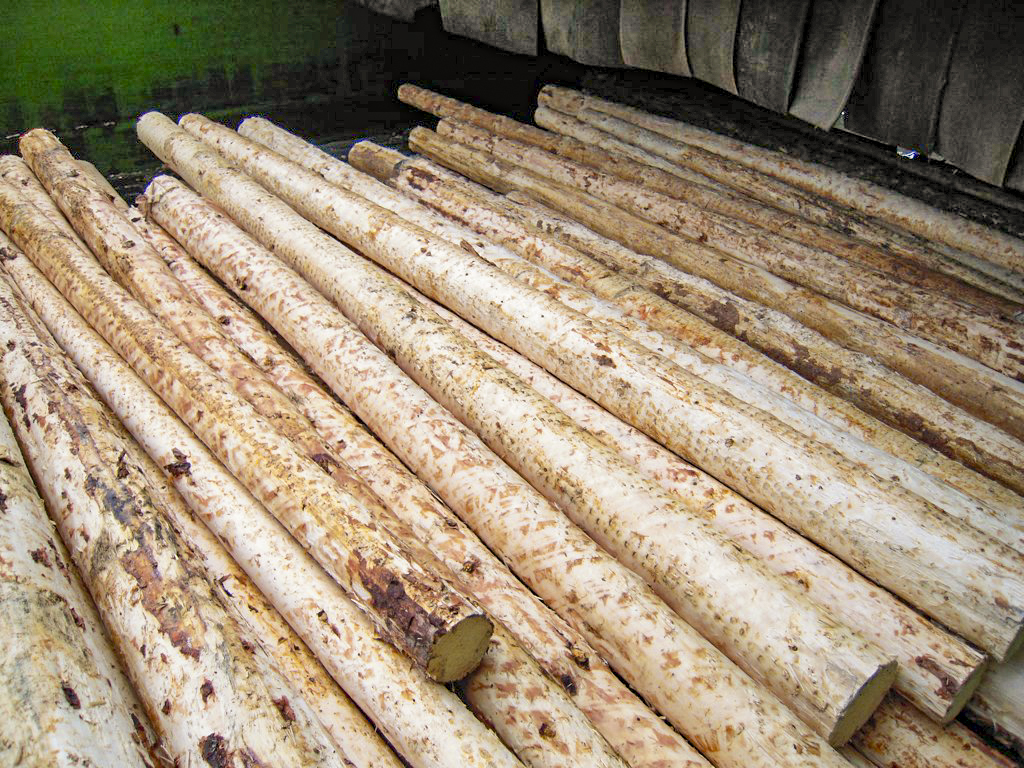 The timber industry, a cornerstone of South Carolina’s economy, is grappling the closure of several key mills. The recent shutdowns of mills in Darlington and Estill have sent ripples through the local supply chain, affecting forest management and the livelihoods of many in the industry. …The timber industry in South Carolina is struggling with significant challenges after major mill closures, including the International Paper Mill in Georgetown, the WestRock Plant in Charleston, the International Paper in Savannah and the Containerboard Mill in Riceboro. Michael Campbell, president and CEO of the South Carolina Timber Producers Association, highlighted the broader economic impact. “It’s a widespread county thing because the loggers tend to haul up to 100 miles away from the mill, so within 100 miles of that mill everything’s impacted,” he said. Despite some new mill announcements, Campbell said they are insufficient to compensate for the lost wood volume.
 The Headlines
 The lumber and sawmilling sector demands skilled leaders who combine technical expertise with sound business acumen. BCIT now offers two Associate Certificates, designed to be completed part-time and fully online in just 12 months, enabling working professionals to advance without leaving the industry. The Associate Certificate in the Business of Sawmilling (starting October 2025) focuses on the operational, financial, and strategic aspects of modern sawmill management. Topics include production planning, quality optimization, supply chain considerations, and market dynamics. Graduates are equipped to contribute to profitability and long-term competitiveness. The Associate Certificate in Industrial Wood Processing (IWP) (starting January 2026) emphasizes the science and technology of wood conversion. With courses in wood properties, manufacturing processes, quality control, and technical problem-solving, the program prepares participants to step into supervisory roles with confidence. Both programs are tailored for career advancement in the North American lumber industry.
 SLB-Funded NYC Mass Timber Studio Expands With Landmark Projects: Building on the success of its first round of projects in 2024, the NYC Mass Timber Studio announced a second cohort of selected projects this month to help catalyze deployment of wood construction throughout New York City. … After supporting successful accelerator programs in Boston, Georgia, and New York City, the SLB is now exploring collaborations with cities in Arizona, California, Colorado, Pennsylvania, Oregon, and Texas.
 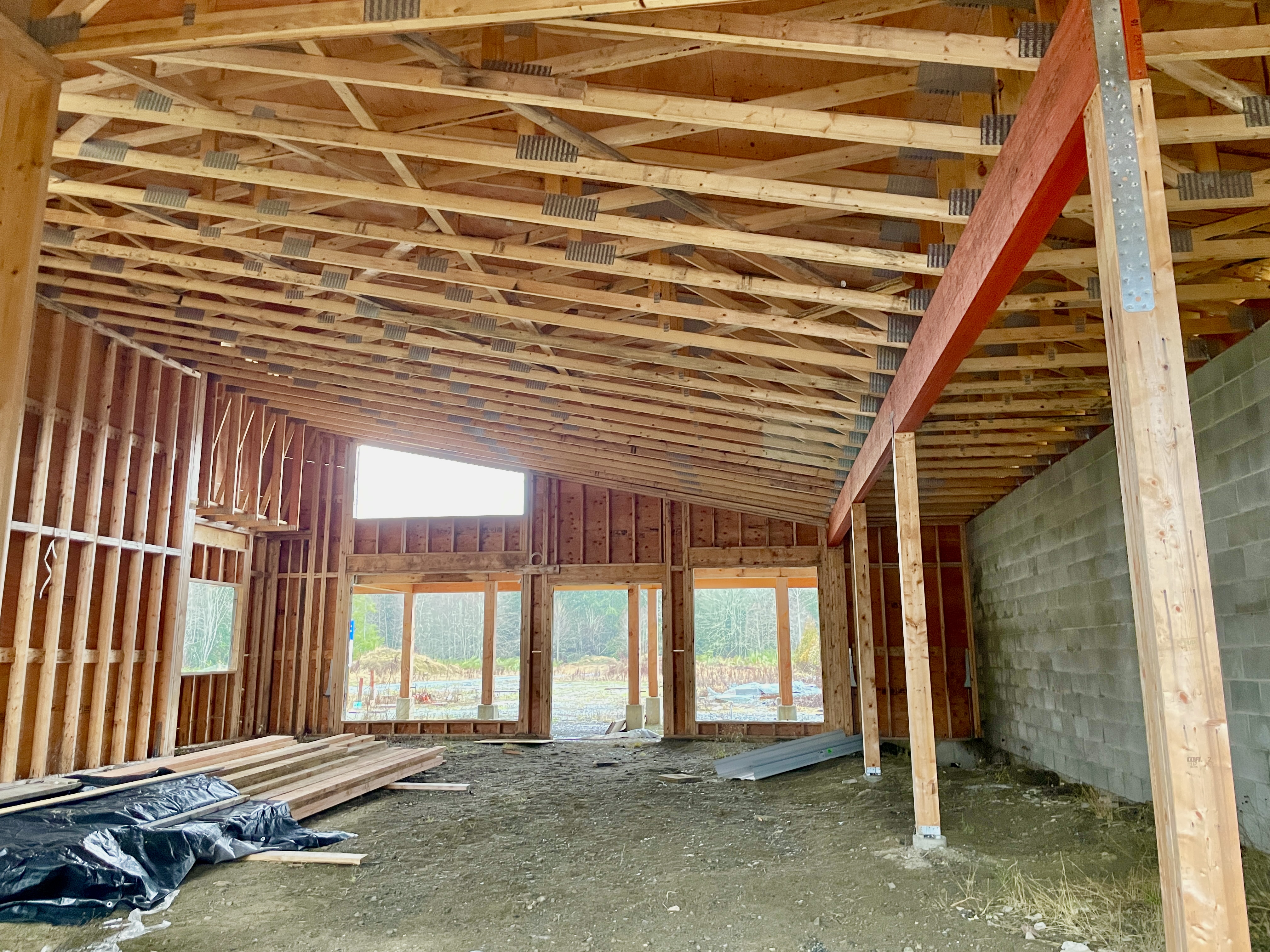 Timber roof trusses have the lowest climate impact across all measured span lengths when compared to concrete, steel, and glulam options. A study conducted by Zeina Alasadi and Selma Bergström Denizoglu at Chalmers University of Technology, Sweden, shows that nail plate connected timber trusses consistently outperform other materials in reducing CO₂ emissions, even when more timber units are required to match the span coverage of a single truss made from concrete or steel. The analysis covered trusses with spans from 6 to 26 meters and focused exclusively on emissions from the production phase, using life cycle assessment (LCA) data corresponding to stages A1–A3. The timber trusses were evaluated using verified environmental product declarations (EPDs) from Derome, which supplied design specifications and material volumes. Timber trusses with spans of 6, 8, 12, and 20 meters generated CO₂ emissions of 59.72 kg, 78.5 kg, 145.15 kg, and 352.5 kg respectively when scaled to match standard center distances.
 …calls are growing for Canada to change how it prepares for, reacts and responds to the natural disasters. Experts say Ottawa needs to rethink how it deals with wildfires… Ken McMullen, the president of the Canadian Association of Fire Chiefs, which represents municipal firefighters, has been calling for the creation of a national fire administration. …When asked by CBC News if the federal government will create a new entity or program to improve wildfire response, federal Emergency Management Minister Eleanor Olszewski said it is one idea under consideration. …While suppression is critical, Yolanda Clatworthy, the interim director of the Mitigating Wildfire Initiative, argues that it does not address the root cause of the wildfire crisis. …She said mitigation and prevention work can include choosing where homes are built, how communities are protected, how forests are managed, as well as supporting Indigenous fire stewardship and moving away from fossil fuel expansion.
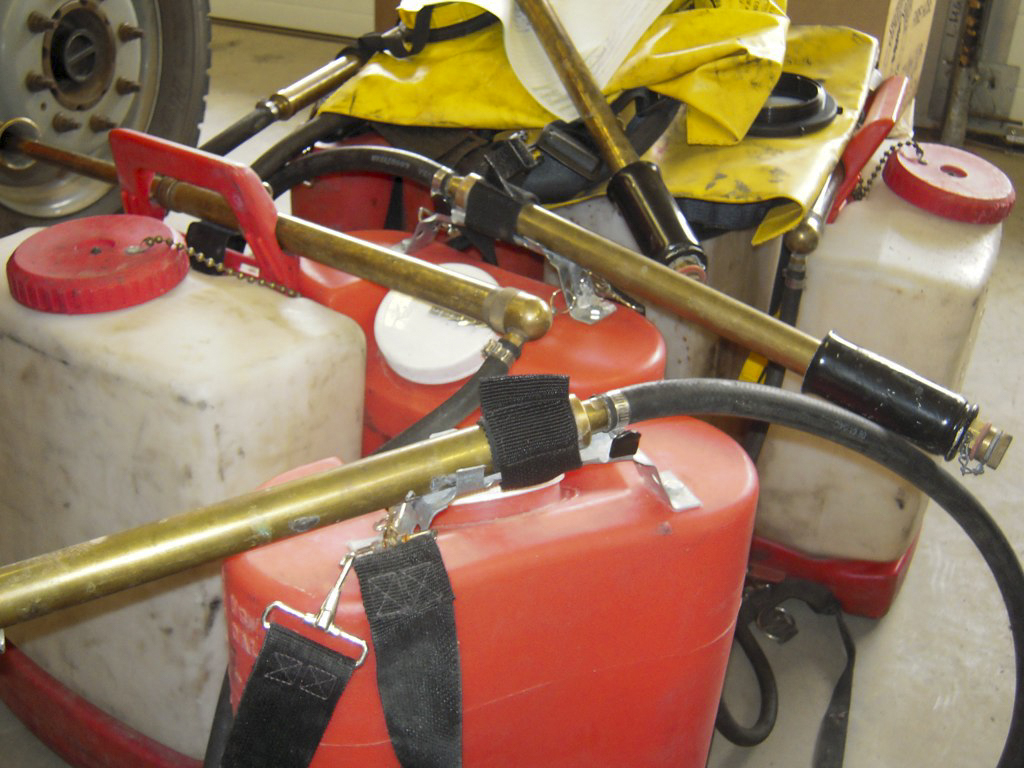 Both Canada and Australia have experienced megafires in the past few years, the size and severity of which have been unprecedented. It has been suggested that Canada needs to “fight fire with fire” in order to solve the problem, and follow Australia’s lead in tackling this national environmental issue. Wrong. Rather, it is critically important that Canada does not repeat the mistakes that Australia has made. The widespread application of prescribed burning or hazard-reduction burning has been proposed as a way to protect people and property in Canada. Prescribed burning to reduce fire hazards has been employed throughout large parts of Australia. Yet robust scientific evidence showing that it is effective is remarkably limited. In some places, prescribed burning can reduce fire severity and restrict fire spread for a few years, but afterwards the regrowing vegetation becomes more flammable – an increased fire-risk effect that can last for many decades. That is: short-term gain, but long-term pain.
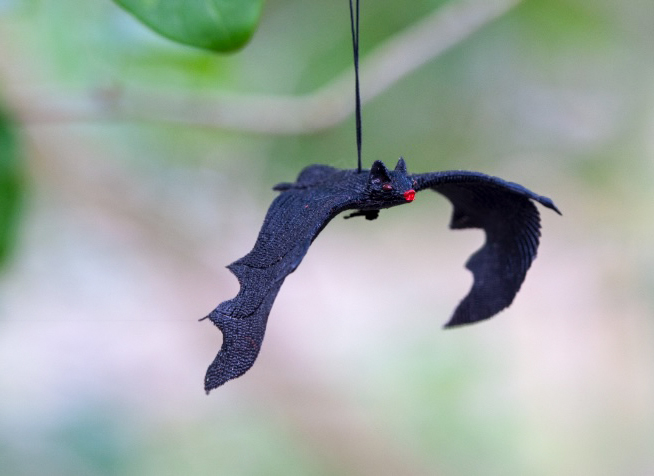 An international research project in the northern is taking a hard look at the decline of keynote bat populations in a bid to help area ecosystems survive and thrive. Efforts to preserve a population of northern myotis – an endangered bat species that used to be found throughout eastern B.C., but whose range has been contracting to the central Interior – are under way near Kinbasket Lake, north of Revelstoke and Golden. Researchers with the Wildlife Conservation Society … are planting fake bark to mimic the old-growth trees where the northern myotis roosts, and on the north side they are using radio detectors to determine how many of the bats are present in logged areas. Logging may not be an automatic death sentence to bat populations, Lausen says, but it needs to stay within the limits of what northern myotis colonies can sustain. One of the project’s goals is to identify those limits.
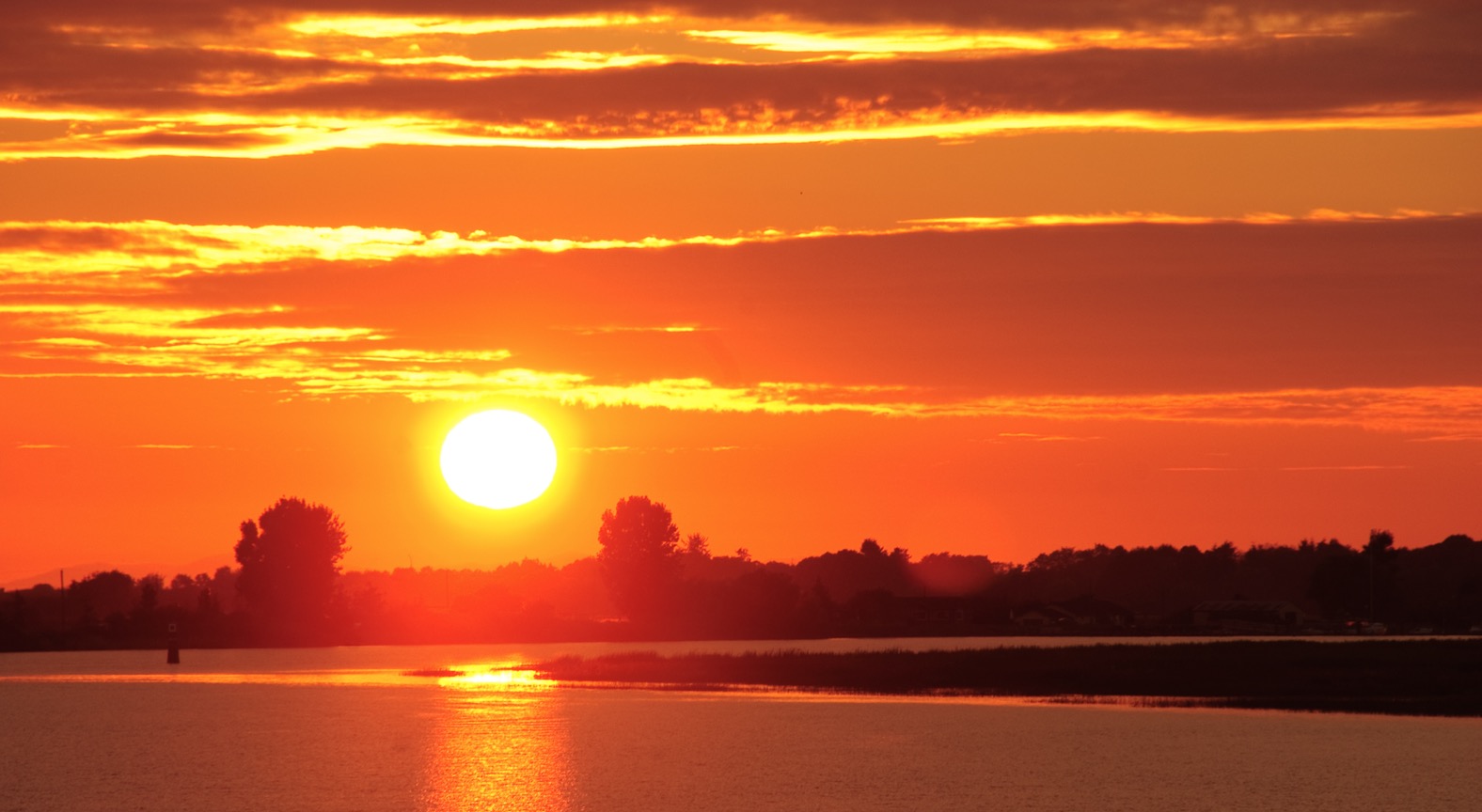 On the heels of record-breaking daily high temperatures, Vancouver Islanders face warmer than usual weather this week. Temperatures will continue to “remain well above seasonal” into mid-week for east and inland Vancouver Island with cooler temperatures overnight, according to an Environment Canada statement issued early Aug. 26. The extra warm conditions are expected to persist from inland Greater Victoria, up the east coast from Nanoose Bay to Fanny Bay. Cloud cover is expected Thursday. The Malahat area broke the newest record on the Island, hitting 30.2 C, topping the 29.8 daily record set in 2022. Nanaimo tied the oldest record, hitting a high of 33.3 set in 1958. Campbell River, Courtenay and Comox all flirted with 2016 records, with Campbell River shading the old 30 C temperature, hitting 30.2. Comox and Courtenay both tied the 2016 record of 30.3. The heat coincided with a new wildfire discovered Aug. 24 south of Nanaimo. The 8.6-hectare fire was classified as being held as of Tuesday morning.
 A prolonged heat wave gripping British Columbia has already toppled more than 20 daily high-temperature records, with forecasters warning the sweltering conditions are set to persist through mid-week. Environment Canada has extended heat warnings to large parts of the province, including Fraser Canyon, South Okanagan, and South Thompson, where highs in the upper 30s are expected to continue. Inland sections of the north and central coasts are forecast to reach up to 29C, while four special weather statements remain in effect for Vancouver Island. …Even as air quality improves, wildfire officials warn the soaring heat and dry air are fuelling dangerous conditions. The B.C. Wildfire Service said low relative humidity is making forest fuels highly susceptible to ignition… For insurers, the intensifying fire risk underscores a costly pattern. …Another active fire season … adds further pressure to an industry already grappling with rising catastrophe exposures in B.C.
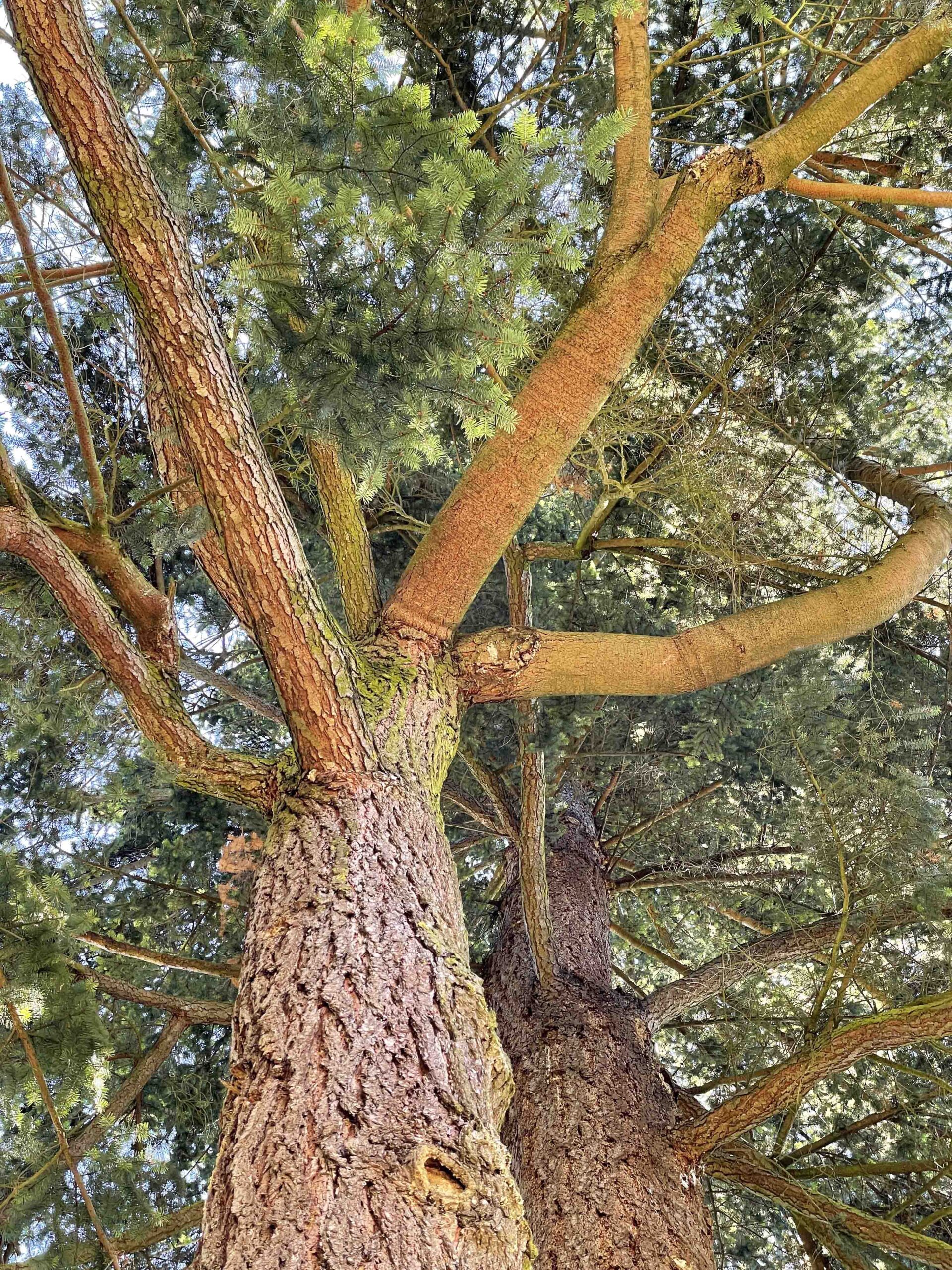 Peter Constabel, a professor in the biology department at the University of Victoria said that several years of repeated drought in B.C. mixed with heat stress has increased the likelihood of branches breaking off, it could even happen on a “perfectly calm day” without any breeze. The consequences can be tragic. Constabel, who specializes in tree health said, “it’s the drought that specifically causes this, and somehow it stresses the tree and drops the branch, or the branch falls. If you get cumulative droughts, of course, it weakens the tree overall”. …Dry spells can leave trees in a weakened state, Simon Fraser University biological sciences professor Jim Mattsson said, reducing photosynthesis and growth, cutting their energy or sugar reserves, and lowering production of chemical defences. All of these can cause a chain reaction increasing trees’ susceptibility to insects and fungal diseases, causing trees to rot inside, weaken and potentially topple over.
 In the Summer Almanac you’ll find these headlines and much more:
 Global warming is predicted to drive one of the greatest declines in caribou populations in the last 21,000 years, with British Columbia’s herds expected to see declines of up to 61 per cent by 2100 if high rates of warming go unchecked, a new study says. Caribou — also known as reindeer in Europe and Asia — have survived several spells of Arctic warming in the past. Their presence across the planet’s tundra, forests and mountains have long supported Indigenous populations while acting as ecosystem engineers, disturbing the soil and trampling vegetation in a way that promotes new plant growth. …Human disturbance of those landscapes — from logging to road building — has already led to a two-thirds decline in the global population over the past 30 years. New
 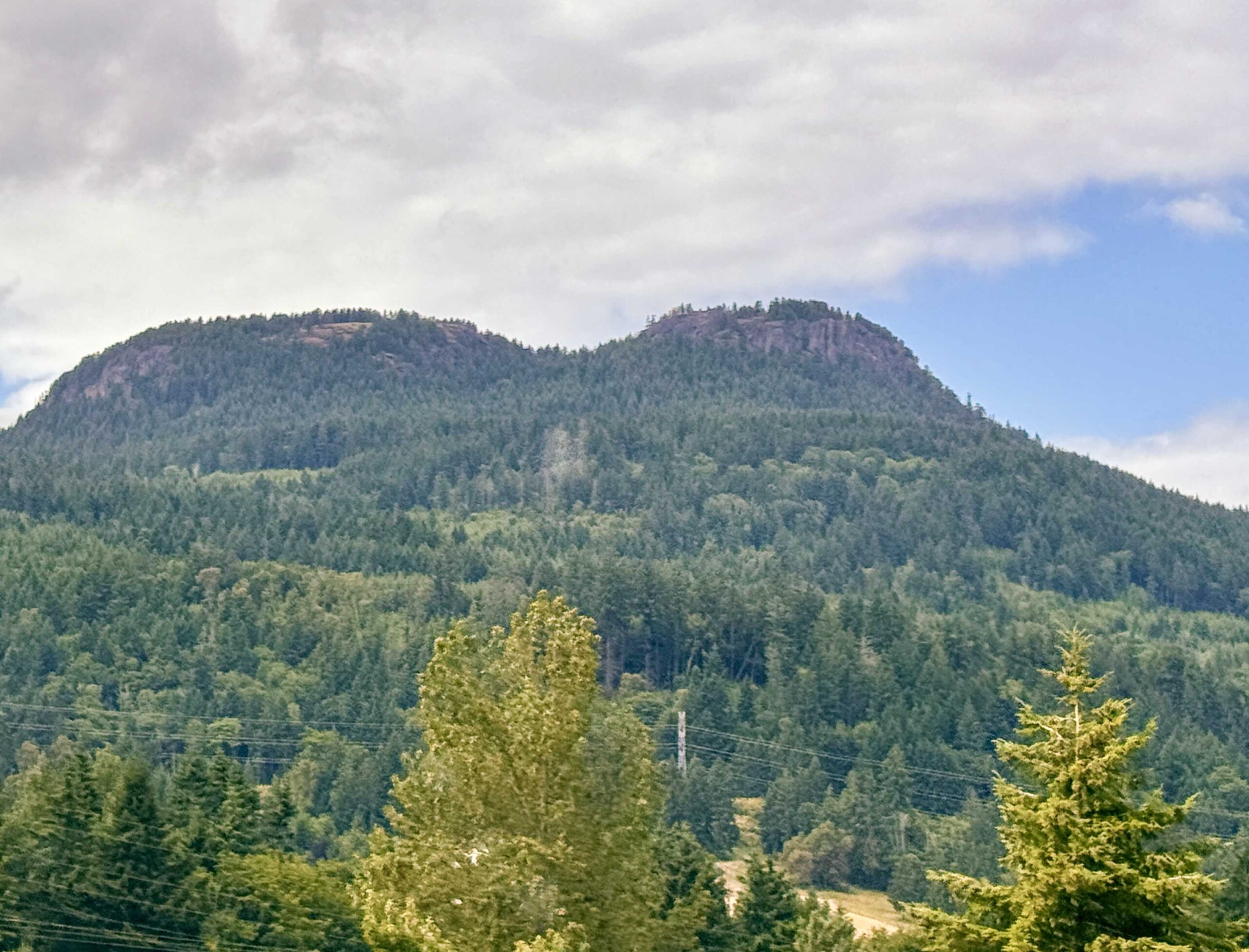 The Cowichan Valley Citizen has published two letters to the editor referencing the North Cowichan Municipal Forest Reserve
 A powerful documentary that addresses BC’s escalating wildfire crisis and the urgent need for solutions will be shown tonight in Williams Lake. “BC Is Burning” was written and produced by retired forester Murray Wilson who has over 4 decades of experience in wildfire suppression and forest management. “In August 2024 I started filming mainly around the Interior of BC.” Wilson said, ” I didn’t do any filming in the Williams Lake area but Central Chilcotin Rehabilitation Ltd. had some excellent videos and they very graciously gave me some of their footage from around the Williams Lake area as well as Percy Guichon who is also in the documentary.” …So far the documentary has been shown in Kelowna, Vernon, Merritt, Kamloops, and Williams Lake tonight (August 19) then it will be in Nakusp and on to Castlegar. A 20 minute Q & A with Wilson and Josh Prestie, Regional Executive Director for the Ministry of Forests will follow the Williams Lake show.
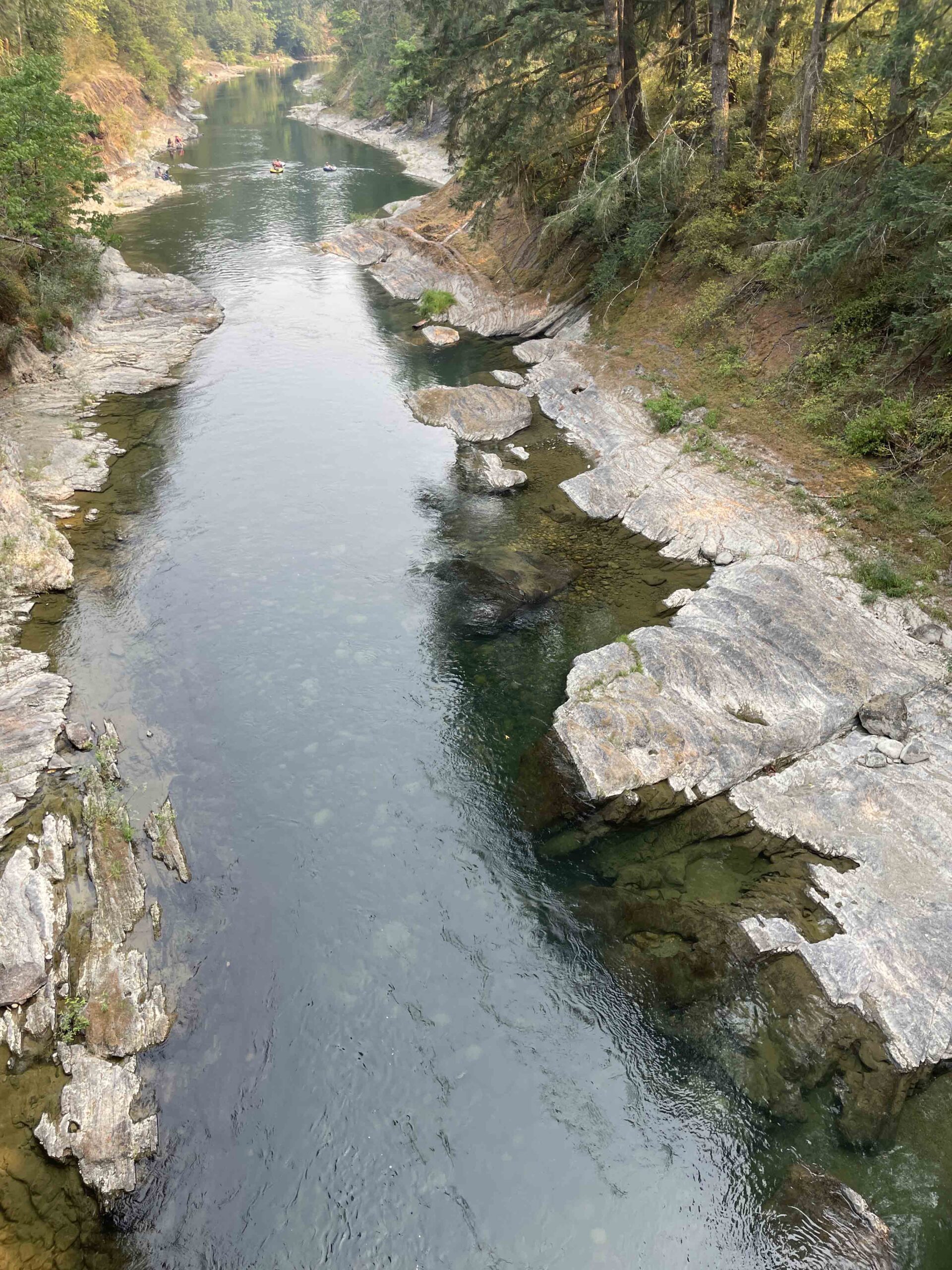 Cowichan Lake had just 16.5 per cent water storage capacity as of Aug. 13 as the recent hot spell, which saw temperatures in the region go above 30C, began to die down. Brian Houle, environment manager at the Domtar Crofton mill, which owns and operates the weir at Lake Cowichan, said the regulators of the watershed decided to reduce water flows from the lake over the weir to 4.5 cubic metres per second beginning on Aug. 13. He said the flow reduction will be done in two stages, dropping to 5.0 cms on Aug. 13 and then to 4.5 cms on Aug. 14 and that flow will hold until the rainfall returns this fall. …Houle said that, as water flows are reduced to the river, Domtar will have qualified professionals in the river helping to salvage fish stranded in pools, as well as measuring water quality.
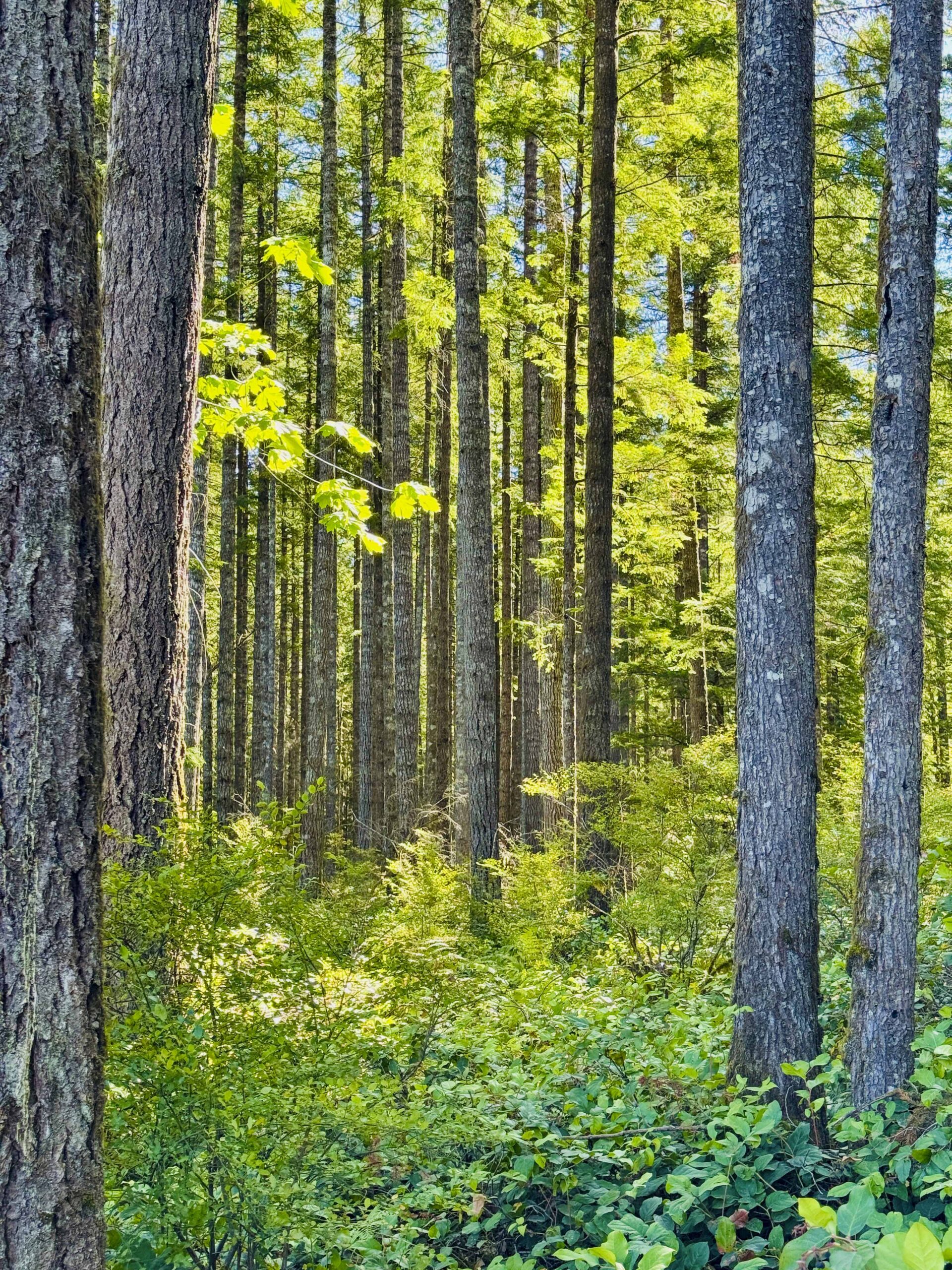 Interfor says it won’t proceed with its plan to spray forests in northern Ontario with a herbicide critics say is harmful. While the province said it was safe, First Nations and some municipalities were opposed to the plan to spray glyphosate over Crown land near Elliot Lake, Blind River, Espanola and other forest management areas in the north. Andrew Horahan, executive vice-president of Interfor’s Canadian operations, confirmed it won’t be conducting the aerial spray of the herbicide, at least for now. “Interfor is committed to responsible forest management and to maintaining open, constructive dialogue with our stakeholders and the communities in which we operate,” Horahan said in a statement. “The use of herbicide sprays is a carefully regulated and widely accepted industry practice, overseen by relevant authorities. For 2025, Interfor has chosen not to proceed with an herbicide application in the Pineland, Spanish and Northshore forests.”
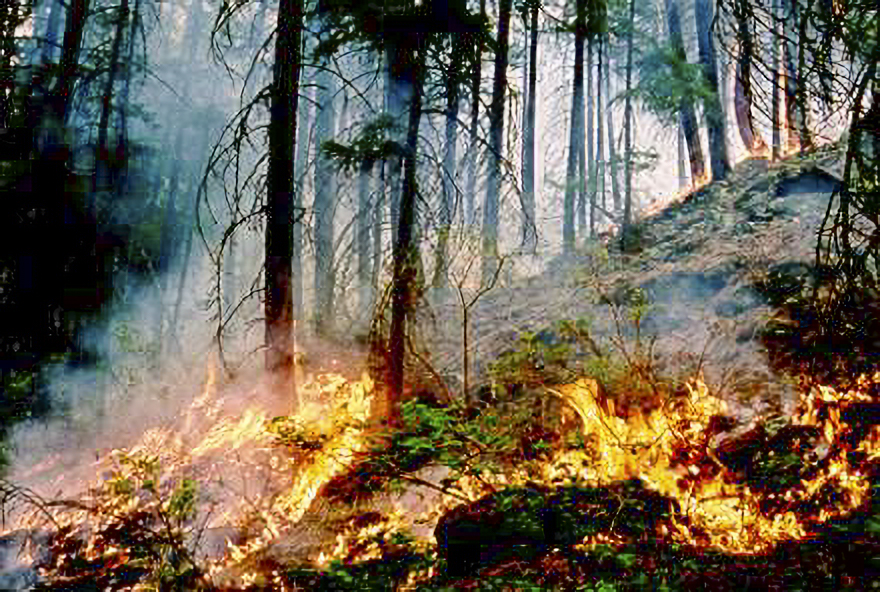 The historic wildfires that ripped through Quebec in 2023, destroying millions of hectares of forest and impacting thousands of people, is estimated to have cost over $8 billion. That’s according to a new provincially funded study published Wednesday by Nada Conseils — a climate action consultancy firm — highlighting the impacts and collective costs of the fires on citizens, governments, businesses and ecosystems. According to SOPFEU, the agency responsible for wildfire prevention and suppression in Quebec, the 2023 wildfire season was the worst in over 100 years with 713 fires — 99.9 per cent of which were caused by lightening — burning 4.3 million hectares of forest. …For governments, much of the costs incurred stemmed from firefighting operations, emergency services including evacuations and housing evacuees, and financial assistance programs. …The report notes that some of the most significant costs for citizens were linked to property damage, as well as financial impacts related to lost income and increased expenses.
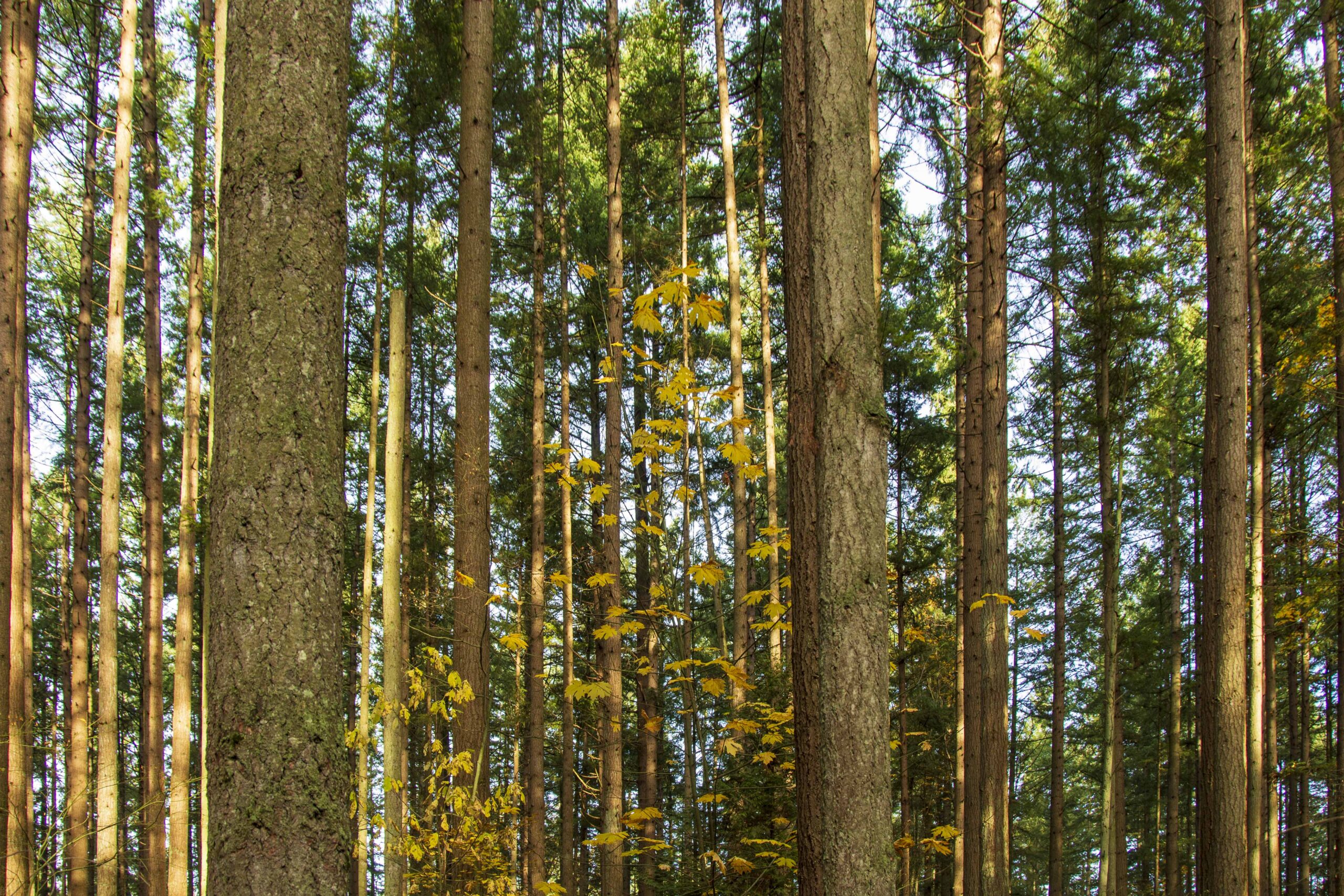 The odds of high-severity wildfire were nearly one-and-a-half times higher on industrial private land than on publicly owned forests, a new study found. Forests managed by timber companies were more likely to exhibit the conditions that megafires love—dense stands of regularly spaced trees with continuous vegetation connecting the understory to the canopy. The research, led by the University of Utah, University of California, Berkeley, and the United States Forest Service, is the first to identify how extreme weather conditions and forest management practices jointly impact fire severity. Leveraging a unique lidar dataset, the authors created three-dimensional maps of public and private forests before five wildfires burned 1.1 million acres in the northern Sierra Nevada, California. …Although the study demonstrates that private industrial lands fare worse, both private and public agencies have much room for improvement to protect our nation’s forests.
 The Northwest Forest Plan (NWFP) was developed in 1994 for the 24 million acres of federal land within the range of the northern spotted owl… A network of large reserves for the spotted owl across its range (late successional reserves (LSRs)) were created in the NWFP along with a system of riparian buffers to protect streamside areas. …The Forest Service is currently updating the NWFP and chartered a committee under the Federal Advisory Committee Act to help advise on amending the plan. …We strongly endorse this proposal for widespread restoration treatments in dry forests inside and outside of the LSRs. Reducing stand densities in these forests while retaining all trees over 150 years of age is essential to owl survival, as is reintroduction of fire as a regular management tool. …Integrating forest restoration in dry forests with spotted owl conservation is one of the biggest challenges in updating the NWFP.
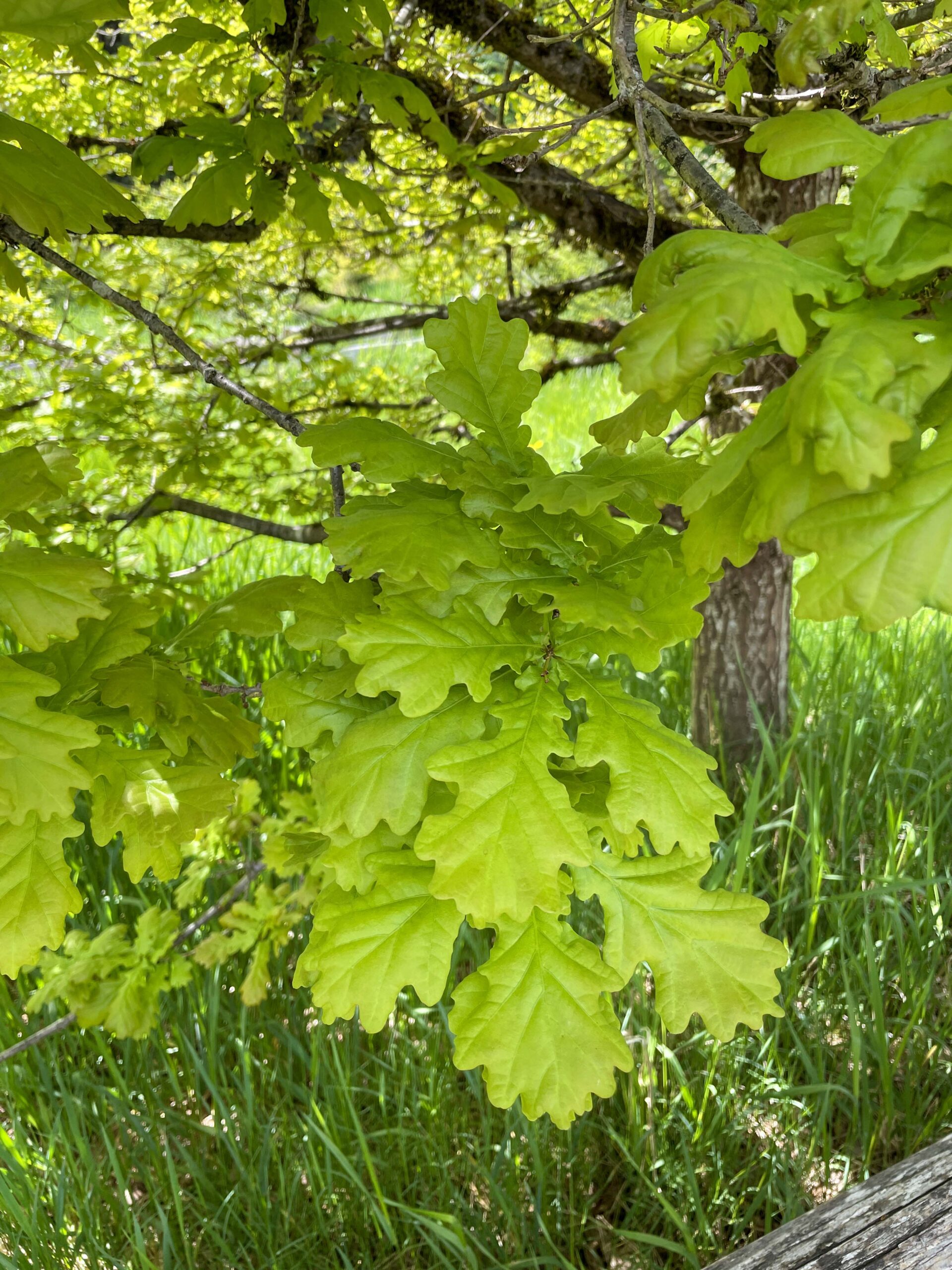 PORTLAND, Oregon — The USDA Forest Service and the Oregon Department of Forestry are investing $750,000 to restore oak habitat and reduce wildfire risk in the southern Willamette Valley. The project will reduce the risk of uncharacteristic wildfire and restore fire-adapted oak ecosystems that are important to wildlife, water quality, and rural communities. Work includes treating 150 acres of hazardous fuels while supporting partner efforts to treat an additional 1,200 acres — for a total of 1,350 acres restored. Landowners will receive assistance to implement oak management activities, including hazardous fuels mitigation, that promote resilient and fire-adapted forests. This investment is part of the Forest Service’s Landscape Scale Restoration (LSR) program, a nationally competitive grant program that supports collaborative, science-based projects across state, tribal, and private forestlands. The Forest Service invested $7 million to fund 19 projects nationwide, including $300,000 to this project in Oregon.

 ATLANTA — The U.S. Department of Agriculture’s Forest Service announced it is investing more than $2.1 million in four projects across nine states in the Southern Region to restore state and private forestlands. These investments directly support the agency’s efforts to reduce wildfire risk, increase timber production, and expand rural economies, while providing critical support to landowners across management jurisdictions as they work to promote healthy, productive forests that benefit rural communities. The investments, totaling more than $7 million nationwide, are being delivered as competitive grants through the Landscape Scale Restoration program. Of the total funding, $600,000 will support two projects for federally recognized tribes. …In the Southeast, protecting wildlife habitat and restoring important forest ecosystems such as longleaf pine and oak are important priorities to ensure continued economic productivity of rural working lands.
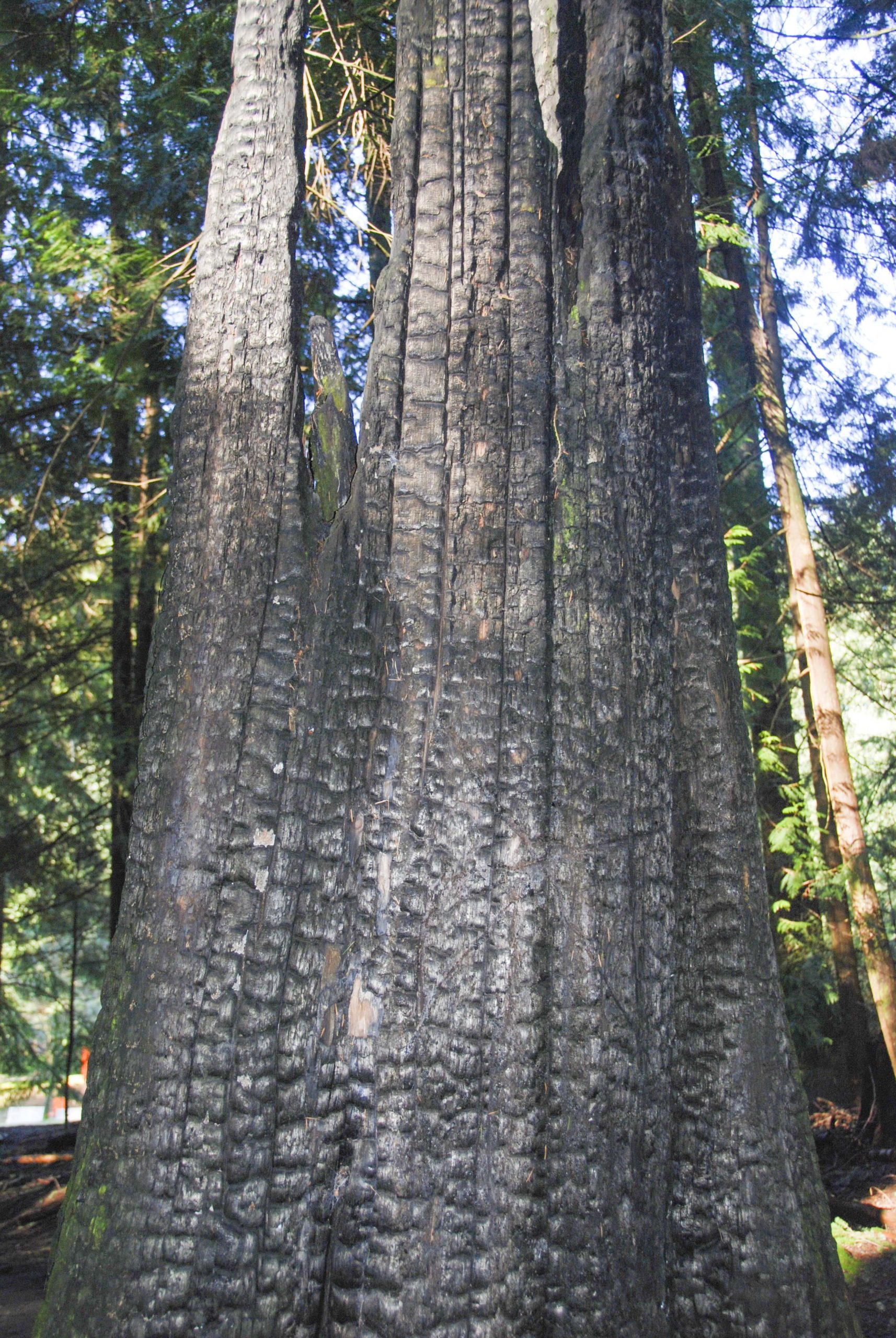 …a University of Delaware professor has found that there is something of value to be learned from what’s left behind in the remnants of a wildfire. The charred debris left in the wake of wildfires … is known as wildfire char. UD’s Pei Chiu, professor of civil, construction and environmental engineering, studies wildfire chars and the ways they just might prove useful in reducing methane, a powerful gas that traps heat in the atmosphere. Methane emissions come from many different sources, ranging from livestock manure to landfills and wastewater treatment plants. This work also informs his research on biochar — man-made chars created from leftover wood chips, rice husks, corn stover and other agricultural biomass — that can be used in soil amendments, stormwater treatment and other applications. Chiu shares five important facts about char — both natural (wildfire char) and manmade (biochar).
 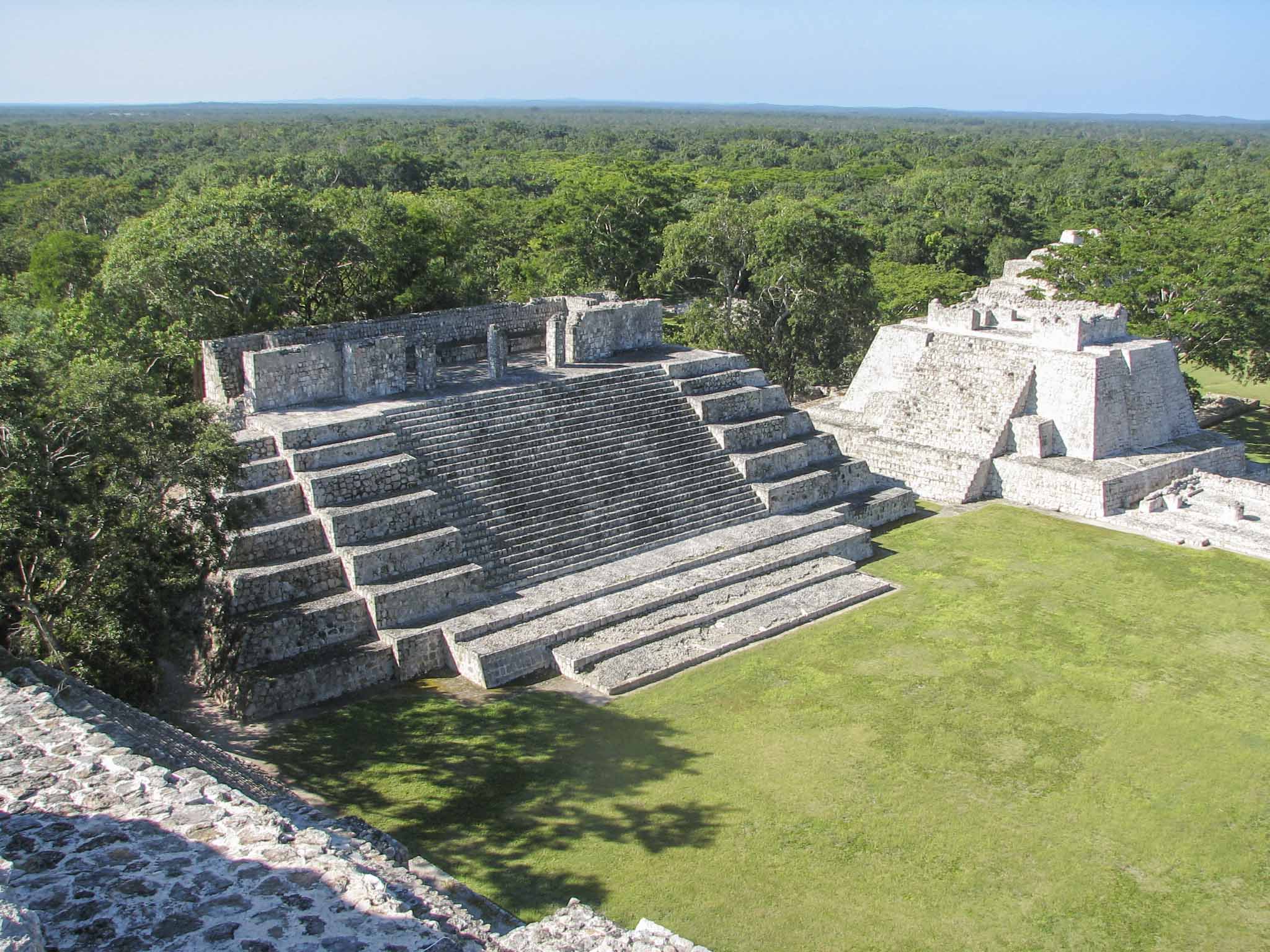 Three nations joined forces Friday to establish what will become the second-largest nature reserve in Latin America. Mexico, Guatemala, and Belize announced the creation of a massive tri-national protected area spanning 14 million acres (5.7 million hectares) across the heart of the ancient Maya forest. The announcement came during a summit in Calakmul, where Mexican President Claudia Sheinbaum stood alongside Guatemalan President Bernardo Arévalo and Belize Prime Minister Johnny Briceño to reveal plans for the Biocultural Corridor of the Great Mayan Forest. “This is one of Earth’s lungs, a living space for thousands of species with an invaluable cultural legacy that we should preserve with our eyes on the future,” Sheinbaum said during the joint press conference. She called the move “historic.” The new reserve will encompass 50 existing protected areas across the three countries.
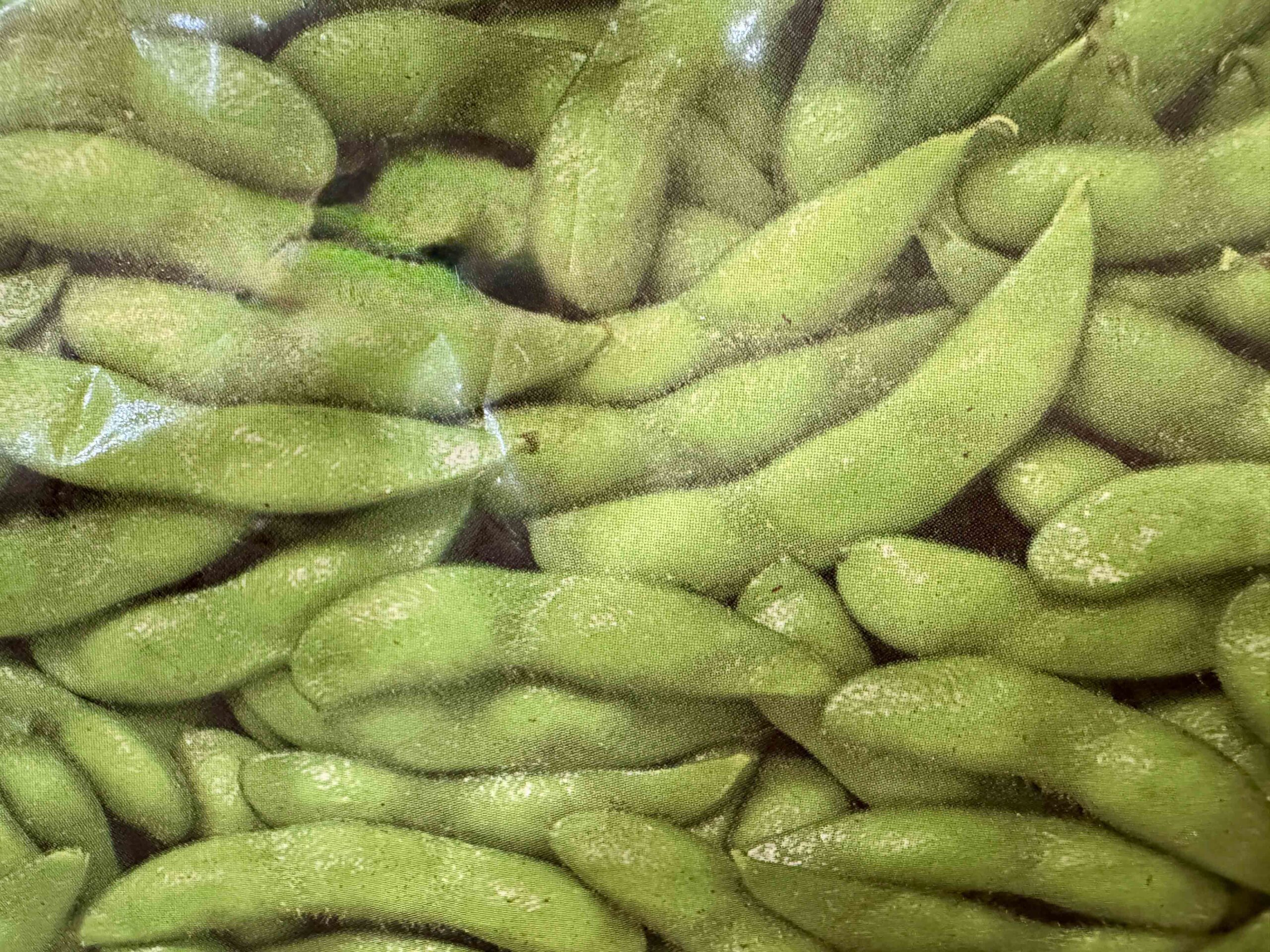 One of the key agreements for Amazon rainforest protection – the soy moratorium – has been suspended by Brazilian authorities, potentially opening up an area the size of Portugal to destruction by farmers. Coming less than three months before Brazil hosts the Cop30 climate summit in Belém, the news has shocked conservation groups, who say it is now more important than ever that consumers, supermarkets and traders stand up against Brazilian agribusiness groups that are using their growing political power to reverse past environmental gains. Brazil is the world’s biggest soya bean exporter. The legume … posed a huge deforestation threat to the Amazon rainforest until stakeholders voluntarily agreed to impose a moratorium and no longer source it from the region in 2006. …Greenpeace Brazil called the move a “terrible mistake”, which was the result of political pressure from the “regressive wings of agribusiness”…
 The Forest Stewardship Council has allowed Asia Pulp & Paper — “one of the world’s most destructive forestry companies” — to resume its remedy process toward regaining certification it lost in 2007 for deforestation and land conflicts. Watchdog groups say the decision is premature because a legal review of APP’s links to Paper Excellence/Domtar, the biggest pulp and paper company in North America, is still unfinished. Critics warn the move could erode trust, enable greenwashing, and expose communities in conflict with APP-linked companies to further harm. NGOs are calling for the remedy process to be paused until the review is completed and for full transparency on corporate ownership and compliance.
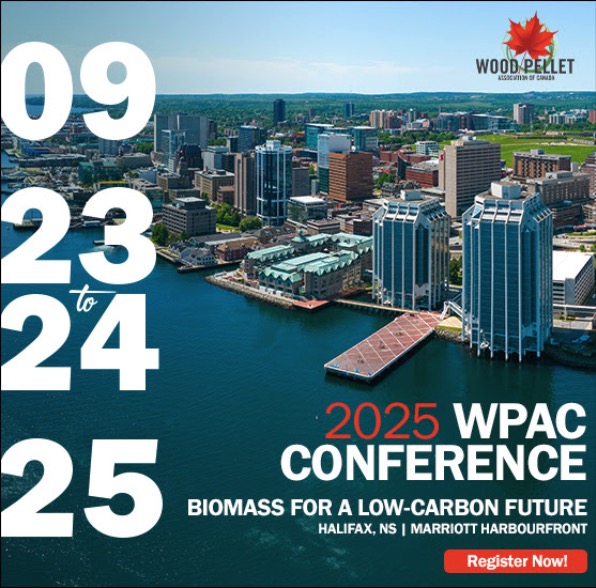 The Wood Pellet Association of Canada’s annual conference is just around the corner! Register now for one of the biggest draws of the WPAC annual event: the tour. This time it’s the day before the conference, when we’ll learn more about the people, facilities, and communities behind the sector. Depart from Halifax Marriott Harbourfront Hotel around 8:30 am and enjoy a scenic drive to Hardwood Lands, where you will see the Shaw Renewables pellet plant. From there, we will make our way back to Halifax, stopping at an installation or for a scenic break. We will tour the Port of Halifax in the afternoon and return to the hotel by 4:00 pm. Don’t miss this chance to be inspired by those in our sector who are committed to producing clean, renewable and responsible energy from Canadian wood pellets. Space is limited. Cost: $124/person
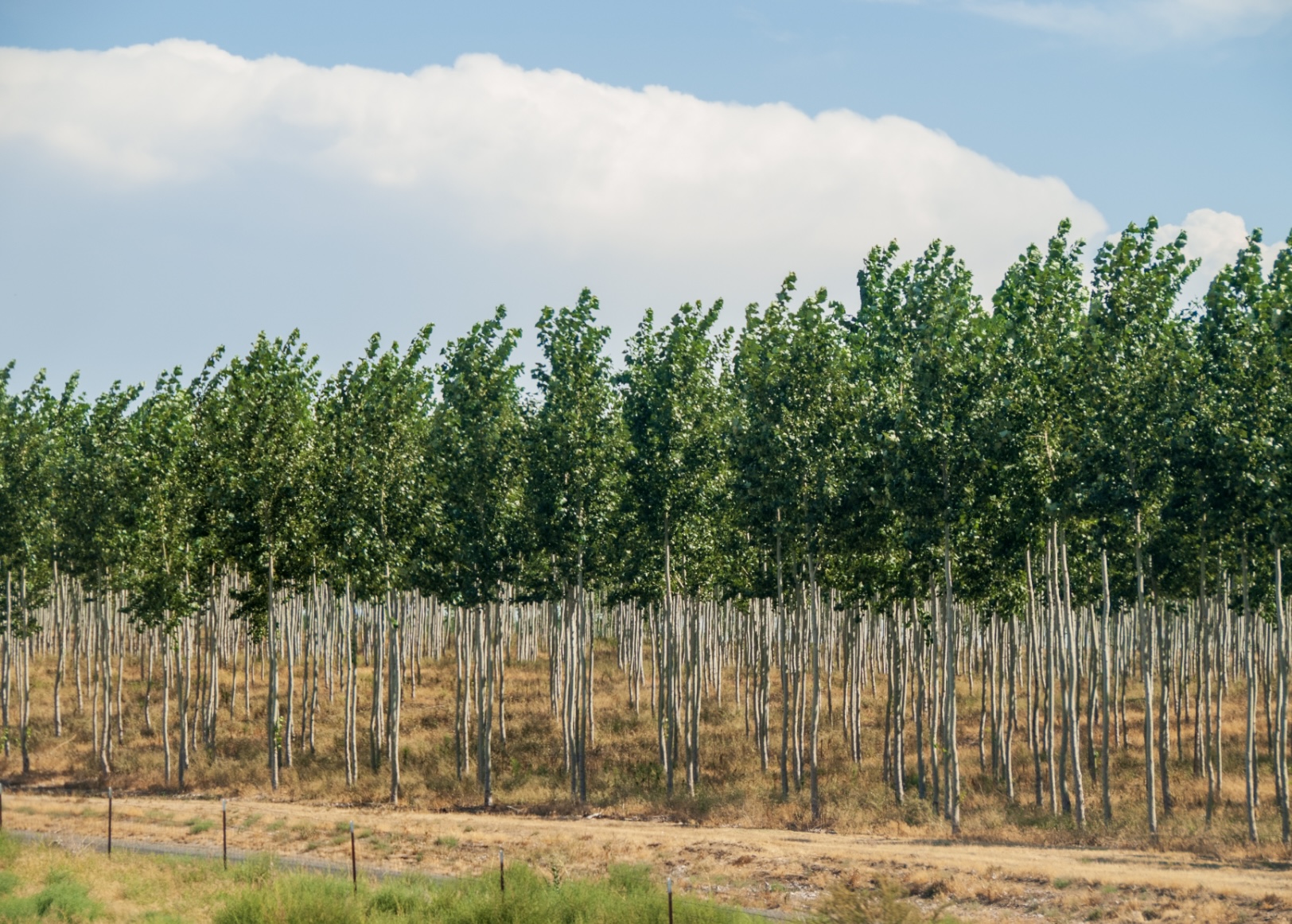 A new study, led by the University of Missouri, has uncovered how poplar trees can naturally adjust a key part of their wood chemistry based on changes in their environment. This discovery … could help create better biofuels and other sustainable products. The study, “Factors underlying a latitudinal gradient in S/G lignin monomer ratio in natural poplar variants,” was published in the journal Proceedings of the National Academy of Sciences. …”Understanding how plants make lignin could help us improve its conversion into high-value biomaterials and improve the competitiveness of U.S. biorefineries,” Jaime Barros-Rios, an assistant professor of plant molecular biology, said. Poplars are used in the paper and pulp industry. Now, they’re being explored as a source of bioenergy—fuels, plastics and other bioproducts. They are useful for scientific research because their genome has been fully mapped.
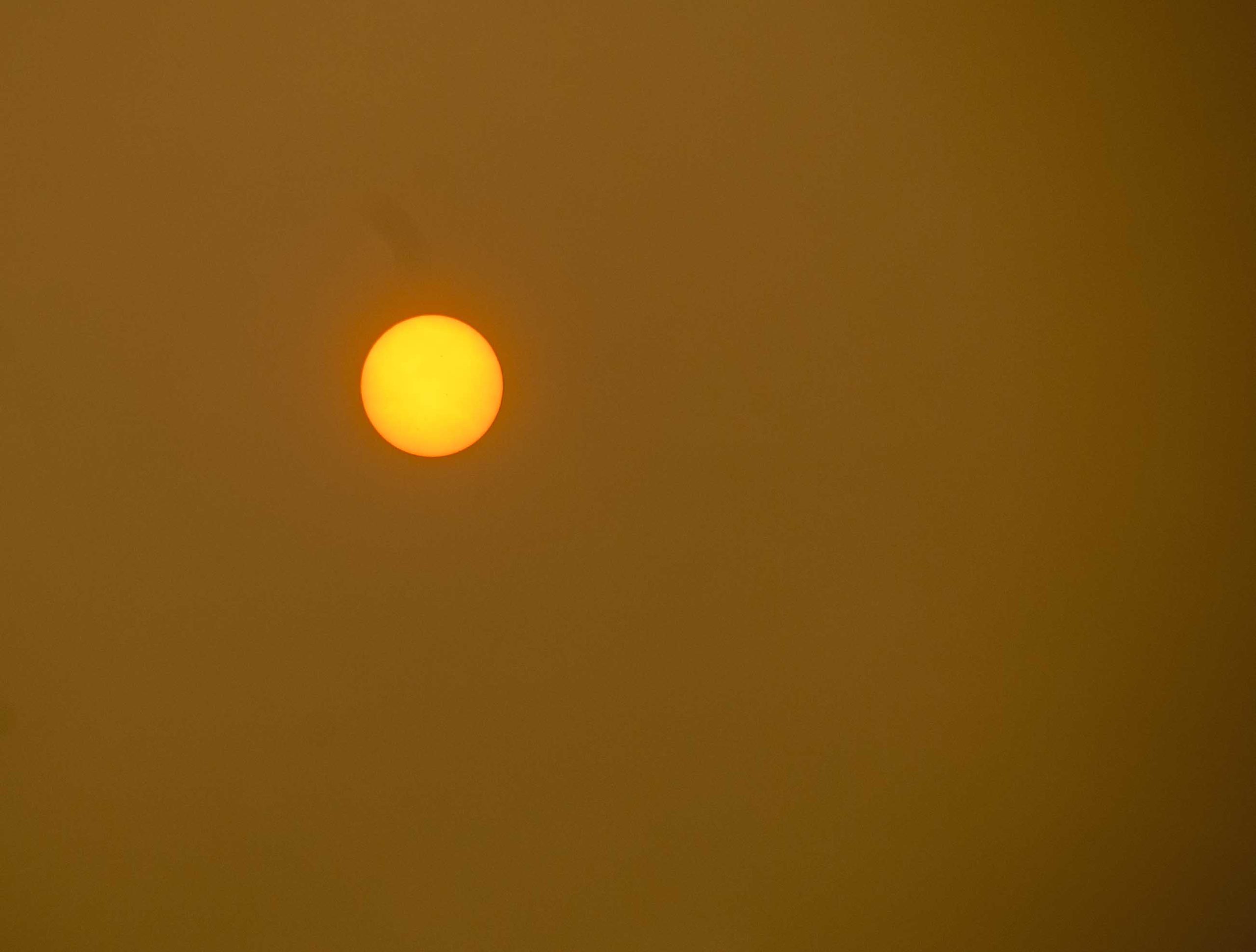 Climate-heating emissions from wildfires in the European Union have surged to record levels this year as flames have engulfed over 1 million hectares of land – equal to 13 times the size of New York City – since January. Blazes sweeping through the continent – with major hotspots in Spain and Portugal – have so far released 38.37 million tonnes of carbon dioxide (CO2) emissions into the atmosphere, more than the annual CO2 emissions of Sweden, according to data from the European Forest Fire Information System (EFFIS). That’s more than double the average historical CO2 emissions recorded during the same months over the last 20 years. …Forests act as important carbon sinks, but when they burn, they release back into the atmosphere the carbon stored in the trunks, branches and leaves of their trees as well as in the soil. …Scientists have warned of the emergence of a ‘feedback loop’ between climate change and fires.
 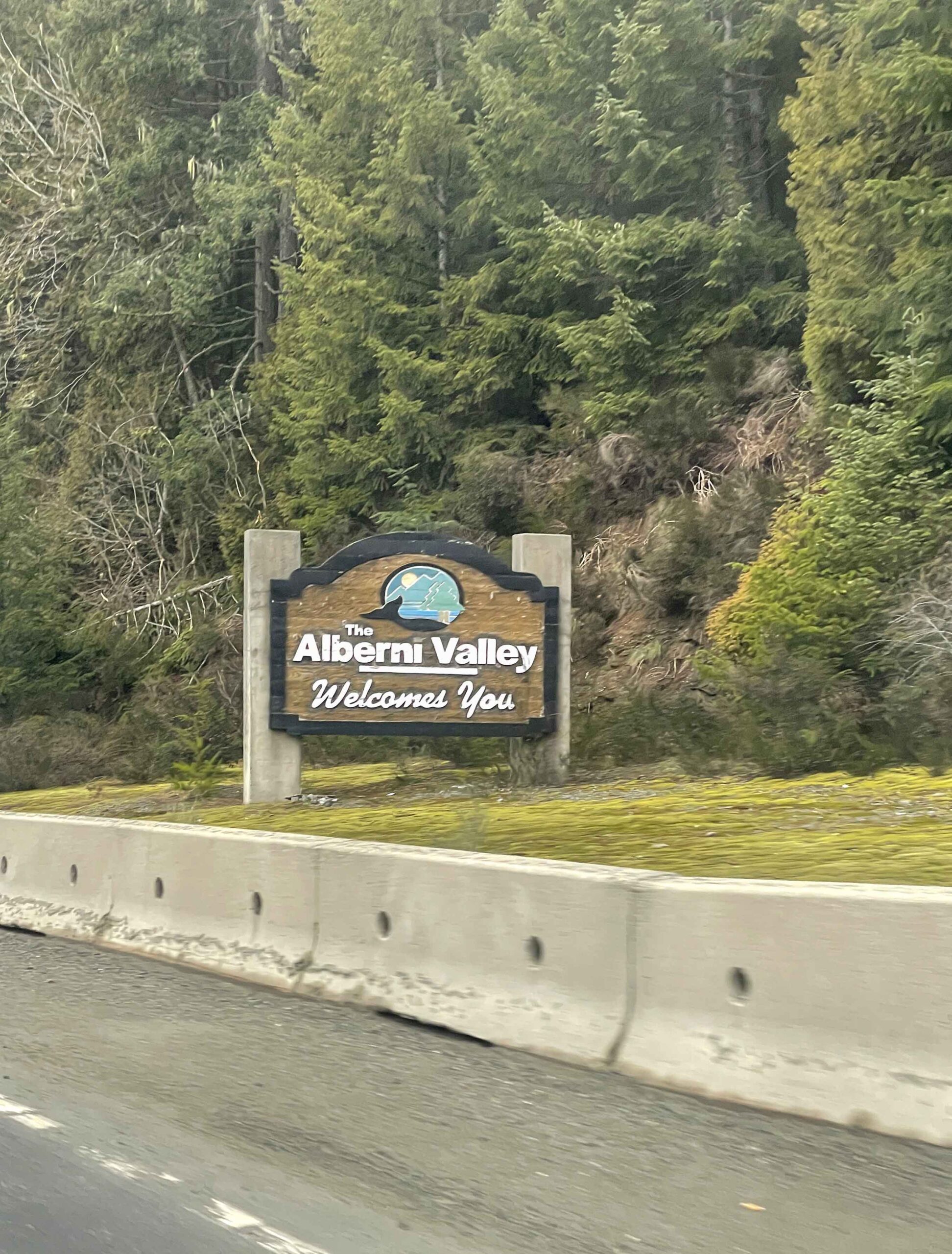 There are fresh calls for an alternative route to the west coast of Vancouver Island after it emerged the main route between Port Alberni and Bamfield, B.C., is closed indefinitely. …The only alternative is a logging road detour through Youbou in the Cowichan Valley. …Ditidaht First Nation Chief Councillor Judi Thomas said she hopes the province will go further and redesignate the forest service industrial road as a provincial road and fast-track investment. But the Ministry of Transportation and Transit said, “there is mixed ownership of the road(s) in this area, but all are private industrial roads, and the ministry has no plans to take over the ownership”. …The province says it’s working with Mosaic Forest Management, which is responsible for maintaining 15 kilometres of Bamfield Road, to beef up maintenance on the detour road . …D’Arcy Henderson, Mosaic’s chief operating officer, said it was working with stakeholders on maintaining that detour route.
 The Province of B.C. is lending its expertise to Mosaic Forest Management as it develops plans to reopen the Bamfield Main Road, sections of which were rendered unsafe due to the Mt. Underwood wildfire. “We recognize the importance of Bamfield Road to the Huu‑ay‑aht First Nation and area residents,” said Mike Farnworth, Minister of Transportation and Transit. “There is substantial work necessary … to reopen Bamfield Road. Ensuring the safety of the travelling public is the top priority, and the Province will continue to support to Mosaic throughout this process.” Initial engineering assessments have determined a section of the Bamfield Road managed by Mosaic is unsafe for all traffic, prompting Mosaic to close the route with a section of the road being defined as a No Work Zone by BC Wildfire Services. Falling rocks, dangerous trees and a fire-damaged slope are presenting exceptionally challenging conditions, and there is no timeline for reopening the road in its current configuration.
 Don’t miss the August WorkSafeBC Health and Safety News:
 The Occupational Health and Safety Regulation provides that, except as otherwise determined by WorkSafeBC, an employer must ensure no worker is exposed to a substance exceeding the Threshold Limit Values (TLVs) prescribed by the
 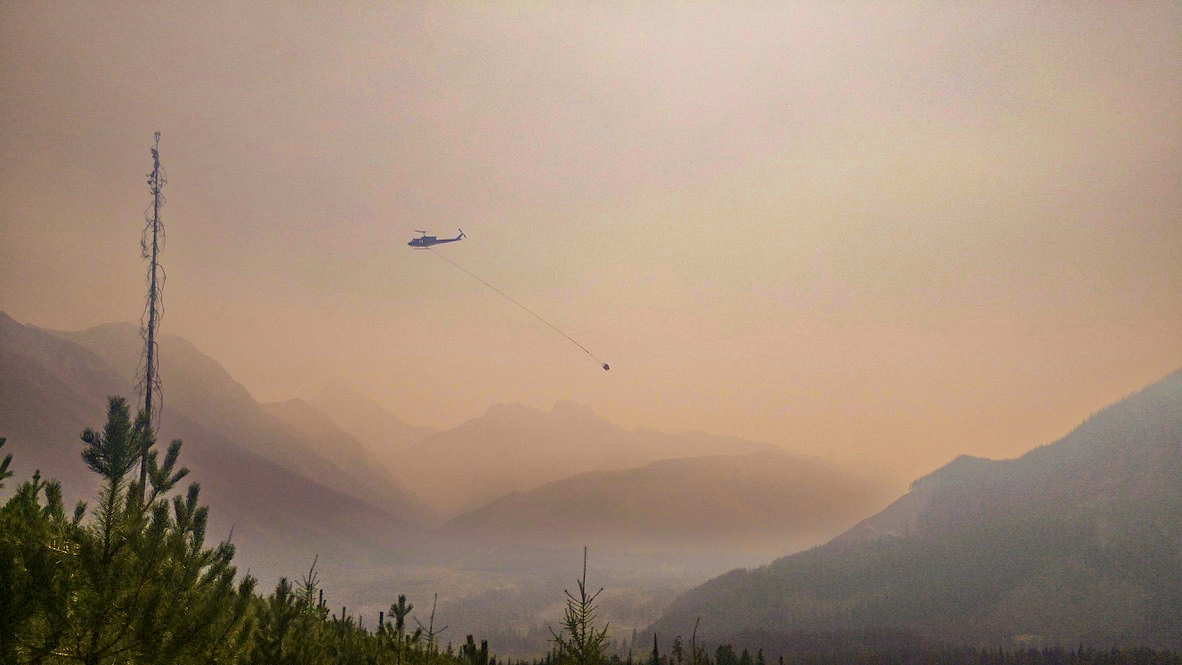 As Saskatchewan experiences one of its worst wildfire seasons on record, smoke continues to prompt air quality alerts for the public. …however, less than five per cent of personnel working the wildfires in Saskatchewan are wearing masks, and despite the health risks, that’s not likely to change any time soon. “Saskatchewan Public Safety Agency (SPSA) personnel have access to N95 masks if they wish to wear them on the fire line, but most choose to wear bandannas,” the SPSA wrote in an email to paNOW. Structural firefighters within urban centres are required to wear self-contained breathing apparatus (SCBA) to protect them from smoke inhalation and exposure to harmful airborne contaminants, but in Saskatchewan, using facial protection is voluntary for wildland firefighters, and there is no provincial protocol to use them. …N95 masks can help reduce exposure to fine particles, but don’t filter out harmful gases. Bandannas offer little to no protection.
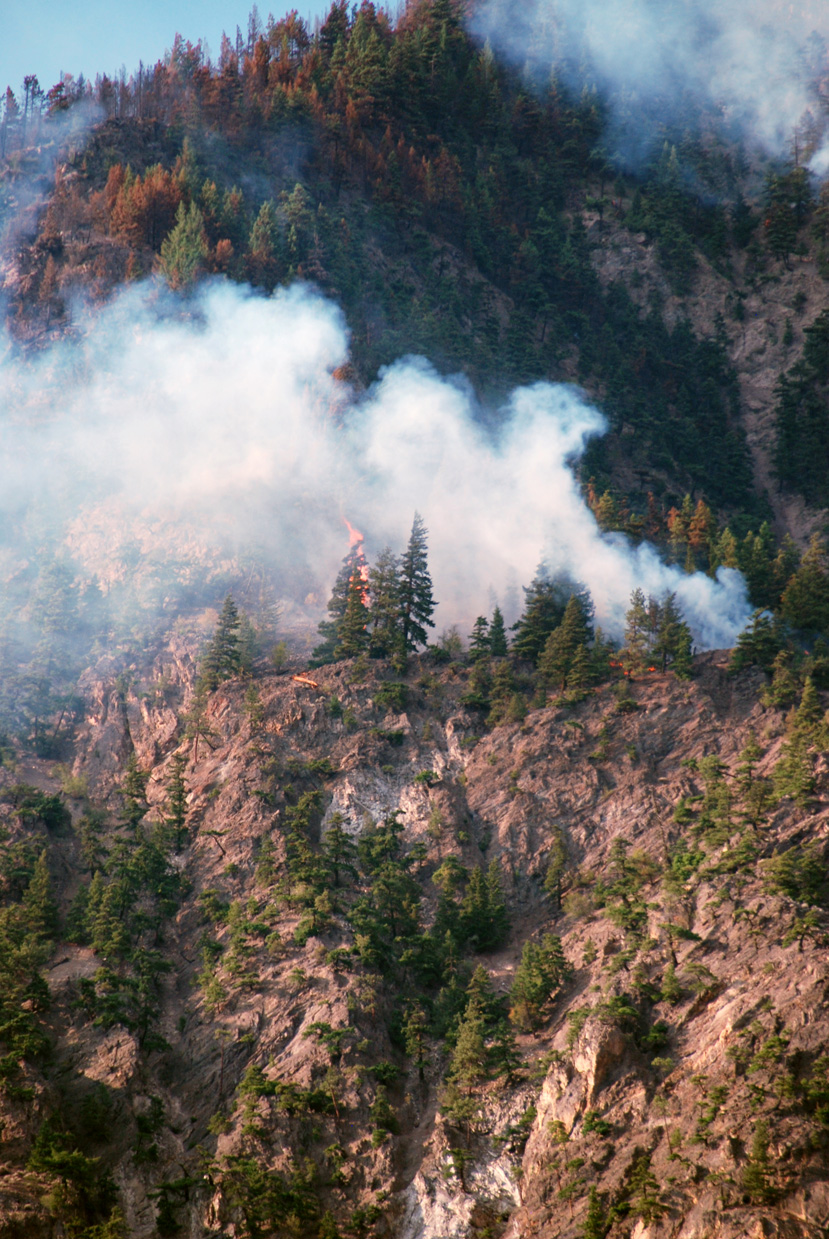 Choking smoke spewed by wildfires is far more dangerous than previously thought, a new study has found, with death tolls from short-term exposure to fine particulates underestimated by 93%. Researchers found that 535 people in Europe died on average each year between 2004 and 2022 as a result of breathing in the tiny toxic particles known as PM2.5 that are released when wildfires rage. Under standard methods, which assume PM2.5 from wildfires is as deadly as from other sources, such as traffic, they would have expected just 38 deaths a year. The study comes as wildfires ravage southern Europe, and new data from EU fire monitors shows that 895,000 hectares (2.2m acres) have burned so far in 2025, breaking records for this time of year. “Our paper shows the health impact for the same amount of particles is stronger for wildfire particles,” said Prof Cathryn Tonne, an environmental epidemiologist and co-author of the study.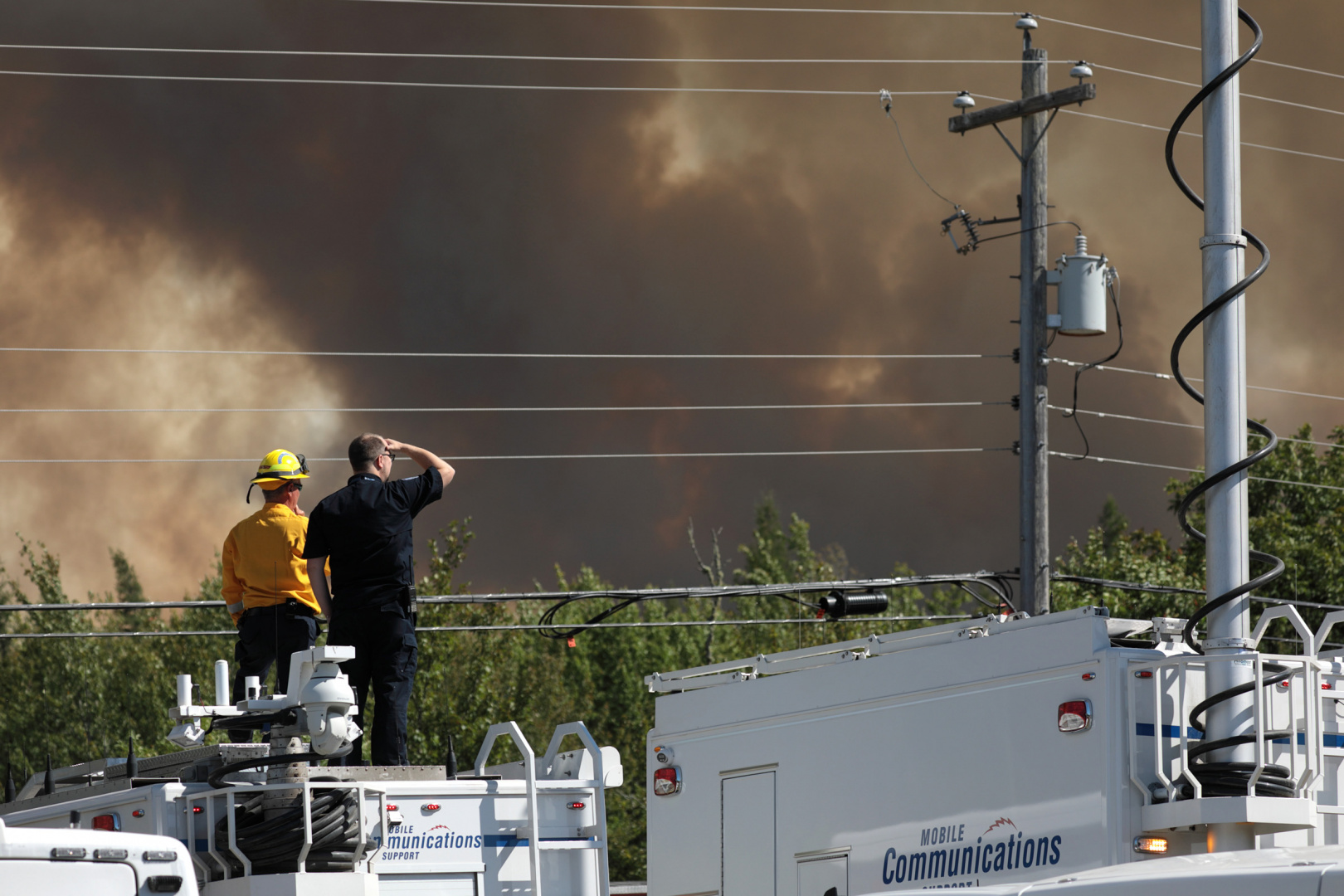


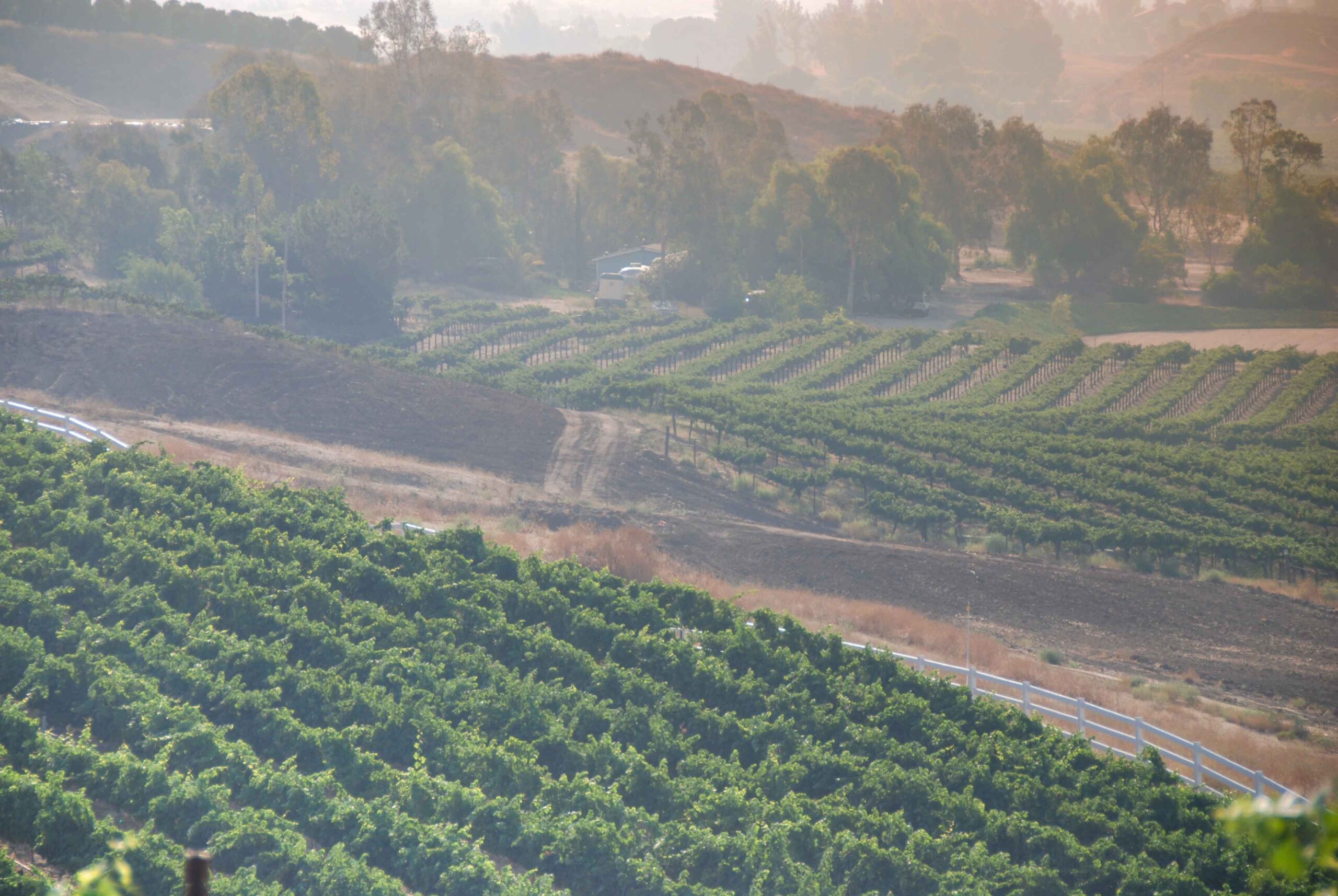 A wildfire that destroyed four homes in central Oregon was starting to stabilize on Monday, authorities said, while a blaze in Northern California wine country has so far spared some of the state’s most famous vineyards. Moisture helped the 1,200 firefighters battling Oregon’s Flat Fire, but more work needed to be done. Dry, hot weather had fueled a rapid expansion of the blaze across 34 square miles of rugged terrain in Deschutes and Jefferson counties since the fire began late Thursday. …Officials said firefighters had protective lines of some sort around the entire fire, including roads, but the fire remained at 5% containment. …Meanwhile, the Pickett Fire in Northern California has charred about 10 square miles of remote Napa County, known for its hundreds of wineries. It was 15% contained on Monday. …western United States have been sweltering in a heat wave … with temperatures hitting dangerous levels in Washington, Oregon, Southern California, Nevada and Arizona.
