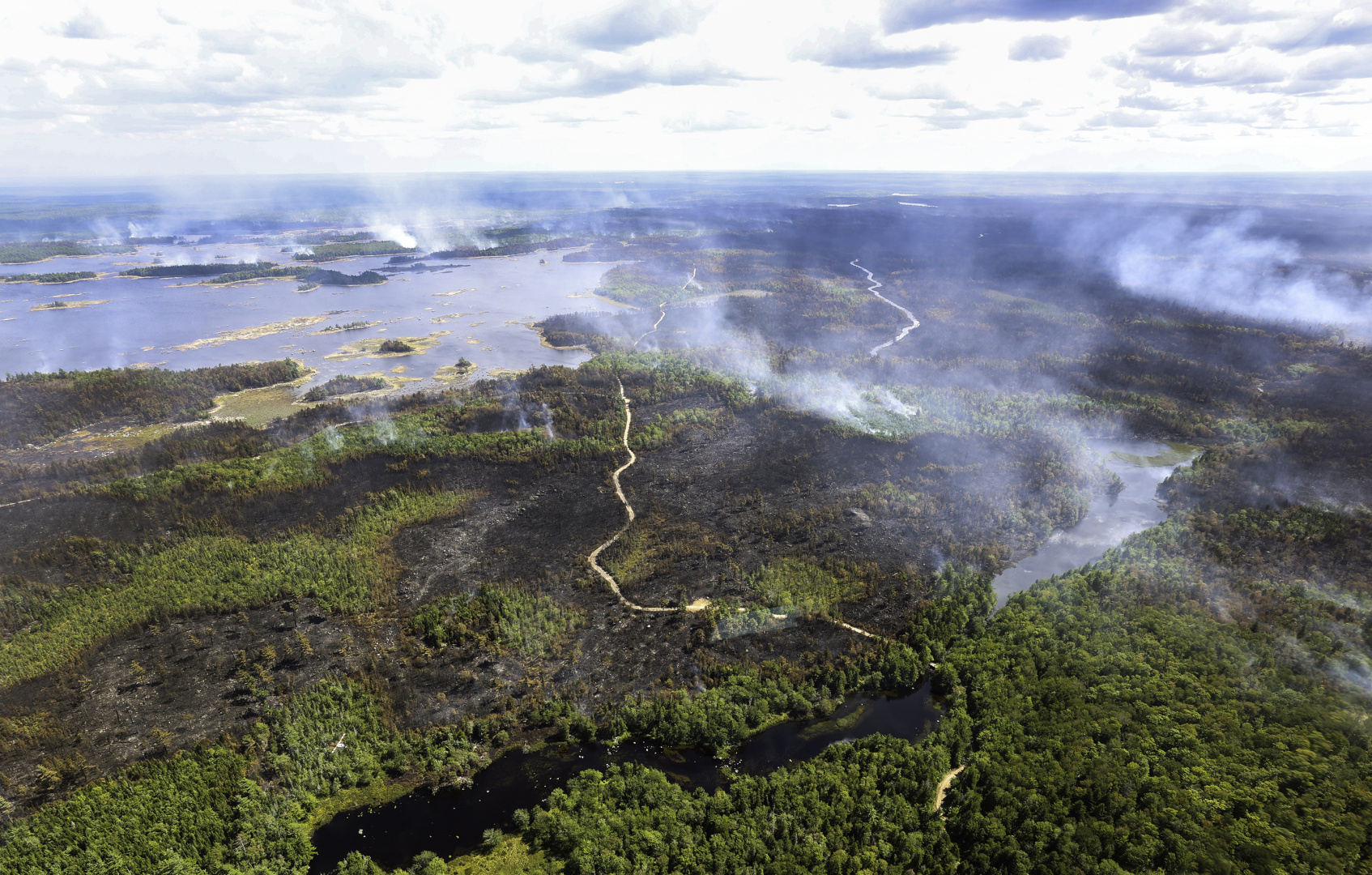
US forest organizations ask Trump to act on crisis threatening America’s timber supply, rural economies, and energy security. In related news: Trump’s proposed change to the Roadless Rule gets pushback from Patagonia’s Ryan Gellert; former US Forest Service chief Mike Dombeck; and Alaska-based renewable energy expert Ariel Hasse-Zamudio; and researchers say boosting timber harvests won’t solve America’s wildfire problem.
North of the 49th: Prime Minister Carney’s Build Canada Strong announcement includes $3.5M for forestry in Northern Ontario; BC Forest Minister Ravi Parmar and BC Wood Chair Kelly Marciniw celebrate the Global Buyers Mission; Tsawak-qin Forestry seeks removal of Walbran Valley protesters; a logging blockade heats up in Cape Breton, Nova Scotia; and ENGOs raise glyphosate concerns in northeastern Ontario.
Elsewhere: Pixelle Specialty Solutions appoints Julie Schertell CEO; Georgia Pacific acquires Anchor Packaging; and Metsä Group’s carbon capture pilot plant is now online.
Finally, a new study says climate change makes lightning-sparked wildfires more frequent.
Kelly McCloskey, Tree Frog News Editor
 BC Wood is set to welcome delegates and buyers from British Columbia and around the world to the 22nd Annual Global Buyers Mission (GBM), kicking off tomorrow in Whistler, BC. This signature event brings Canadian wood manufacturers together with pre-qualified international buyers in an exclusive, business-focused environment. The GBM opens with a welcome breakfast, where Premier David Eby will address participants and officially launch the trade show. His presence underscores the critical role of BC’s wood and forestry sector in driving innovation, sustainability, and economic growth. Nearly 800 attendees are expected, a testament to the GBM’s significance in connecting Canadian producers with global markets.
 Ottawa — Forest Products Association of Canada (FPAC) welcomes the federal government’s announcement of new measures to support trade-exposed Canadian businesses and employees and to enable economic transformation. The measures announced today — ranging from the Strategic Response Fund to procurement reforms, tariff-response financing, workforce supports, and biofuels incentives — if well executed, can provide hope for the future for Canada’s forest sector and its 200,000 employees. In addition to the measures announced today, FPAC continues to call on the federal government to extend Clean Investment Tax Credits (ITCs) to include biomass for heat and electricity generation as part of Budget 2025. Introducing the biomass ITCs will create new jobs, improve energy security, lower carbon emissions, and help reduce wildfire risks. …“While a negotiated agreement on softwood lumber is the sector’s number one priority, today’s announcement is about trying to create stability as we modernize and innovate for the future,” said FPAC President and CEO Derek Nighbor.
 WASHINGTON – Canada’s government joined the Canadian lumber industry in seeking a trade panel review over certain softwood lumber products from Canada under the USMCA, according to a U.S. government notice posted online on Monday. The two requests were filed with the U.S. Department of Commerce’s International Trade Association following the departments July 29 decision following its investigation into the matter, the notices posted to the Federal Register said.

 Western is proud to launch a refreshed brand that better reflects who we are, where we’re going and what our customers, communities, and partners expect from us. Our refreshed brand is rooted in our belief that wood plays a vital role in building a more sustainable future. Wood has always been part of everyday life – in the homes we live in, the furniture we use and the warmth and comfort we seek in natural materials. At Western, we are proud to carry that legacy forward by helping meet today’s demand for beautiful, low-carbon building materials. This brand refresh is grounded in our long-term strategy and shaped by the people who make Western what it is. It reflects our continued commitment to quality, sustainability and stewardship. Explore the rest of our site to see how our refreshed brand reflects the care we put into everything we do, from forest to finished product.
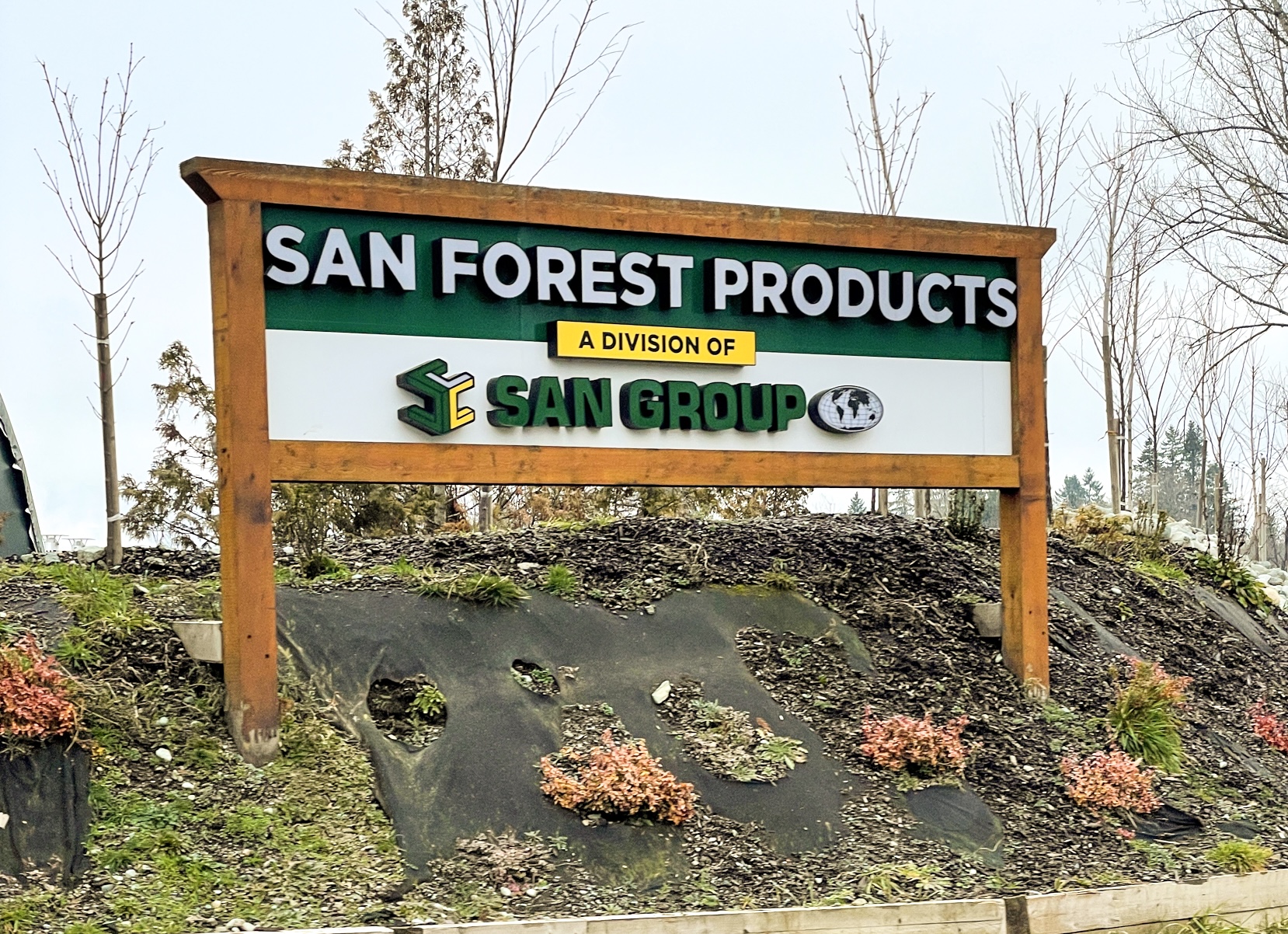 The monitor overseeing the credit-protection process for San Group, a Langley-based forestry company with debts in excess of $150 million, has applied to the courts for an extension of the process in order to complete the sale of the company’s assets. Deloitte Restructuring has asked the courts to extend the process to Oct. 31. It currently expires Sept. 5. …According to the monitor’s ninth report to the courts, filed this week, the sale of three San Group properties has now closed, and only a Langley farm remains of the major assets. The sale of the Coulson Mill in Port Alberni closed June 20 with proceeds of $12.06 million, the Langley mill site closed July 15, netting $12.37 million, and the Port Alberni value-added facility sale closed July 29, netting $8.25 million. On top of that, Tradewest Asset Solutions has now completed the sale of all of San Group’s remaining inventory, which resulted in $1.178 million being added to the pile.
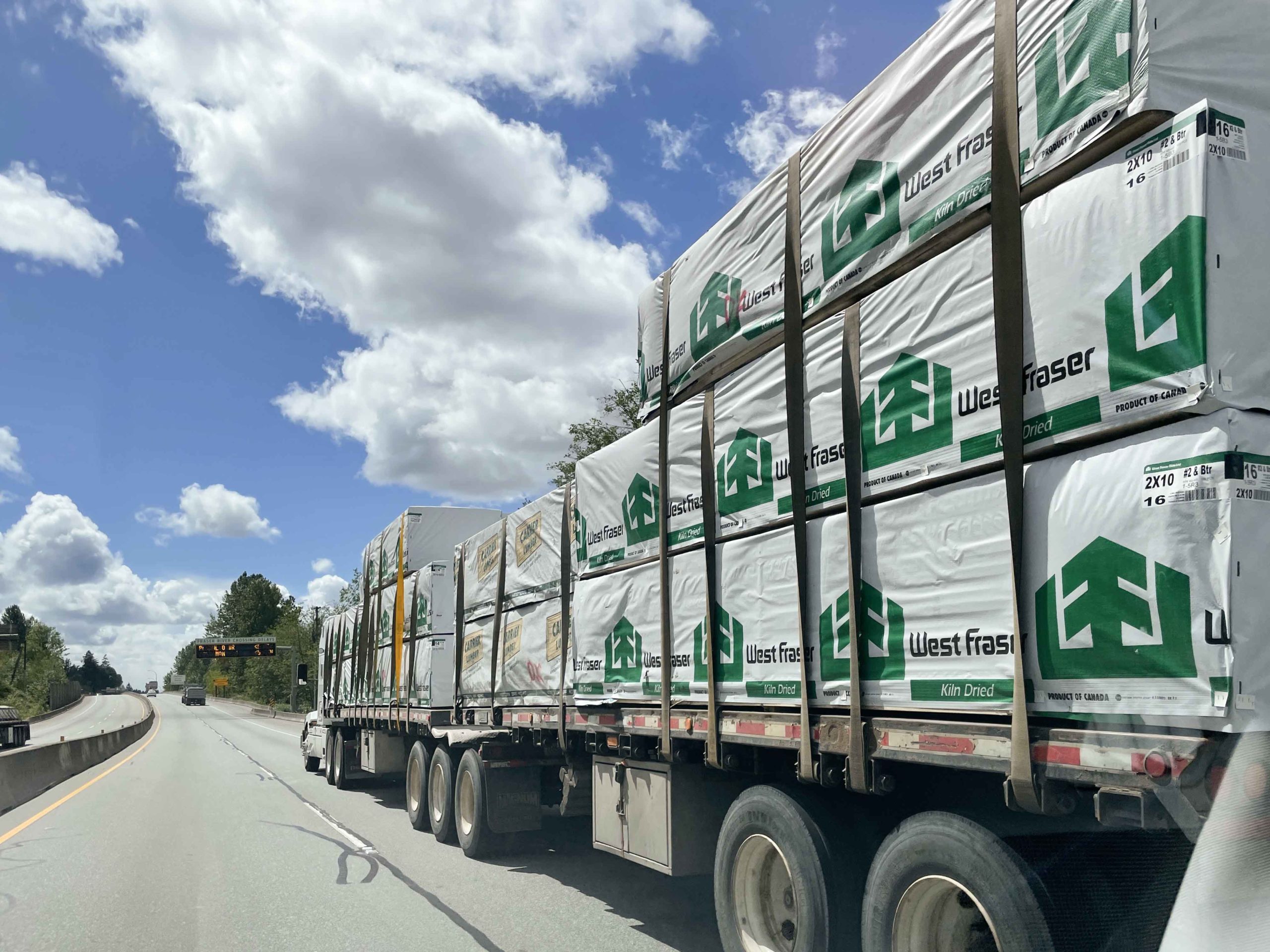 West Fraser Timber is continuing to succeed in this ever-changing world, despite a lower second quarter. …Sales were up slightly from Q1 — $1.532 billion, compared to $1.459 billion. However, earnings were nearly cut in half — $24 million compared to $42 million in the first quarter. “Demand for many of our building products slowed in the second quarter as spring building activity fell short of our expectations,” said Sean McLaren, West Fraser’s President and CEO. “This was more acute in our North America Engineered Wood Products segment, which experienced further easing of demand as the quarter progressed [with] softer U.S. new home construction.” …West Timber’s director of communications, Joyce Wagenaar, told Black Press Media that this year has been a challenge economically. “2025 has brought a number of changes, most notably sluggish demand for building products in Canada and the U.S. due to challenging economic conditions, leading to a slowdown in new home construction,” said Wagenaar.
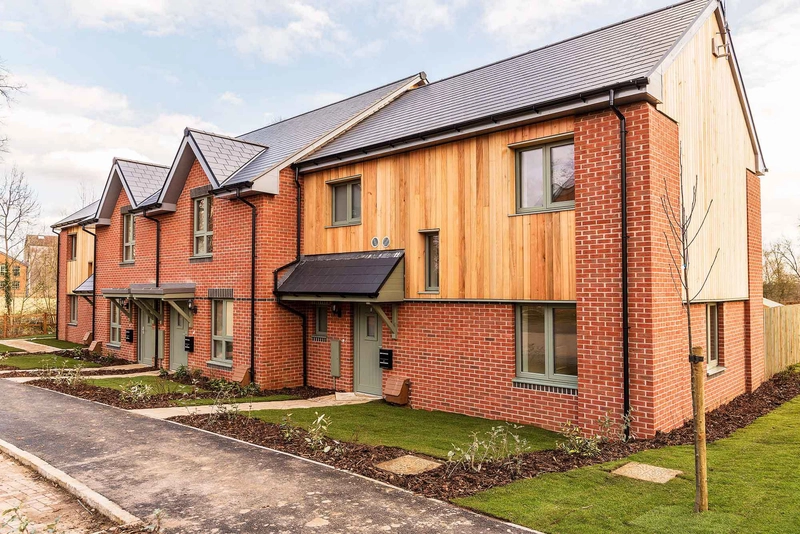

 The Canada Wood Group Newsletter includes these headlines and more:
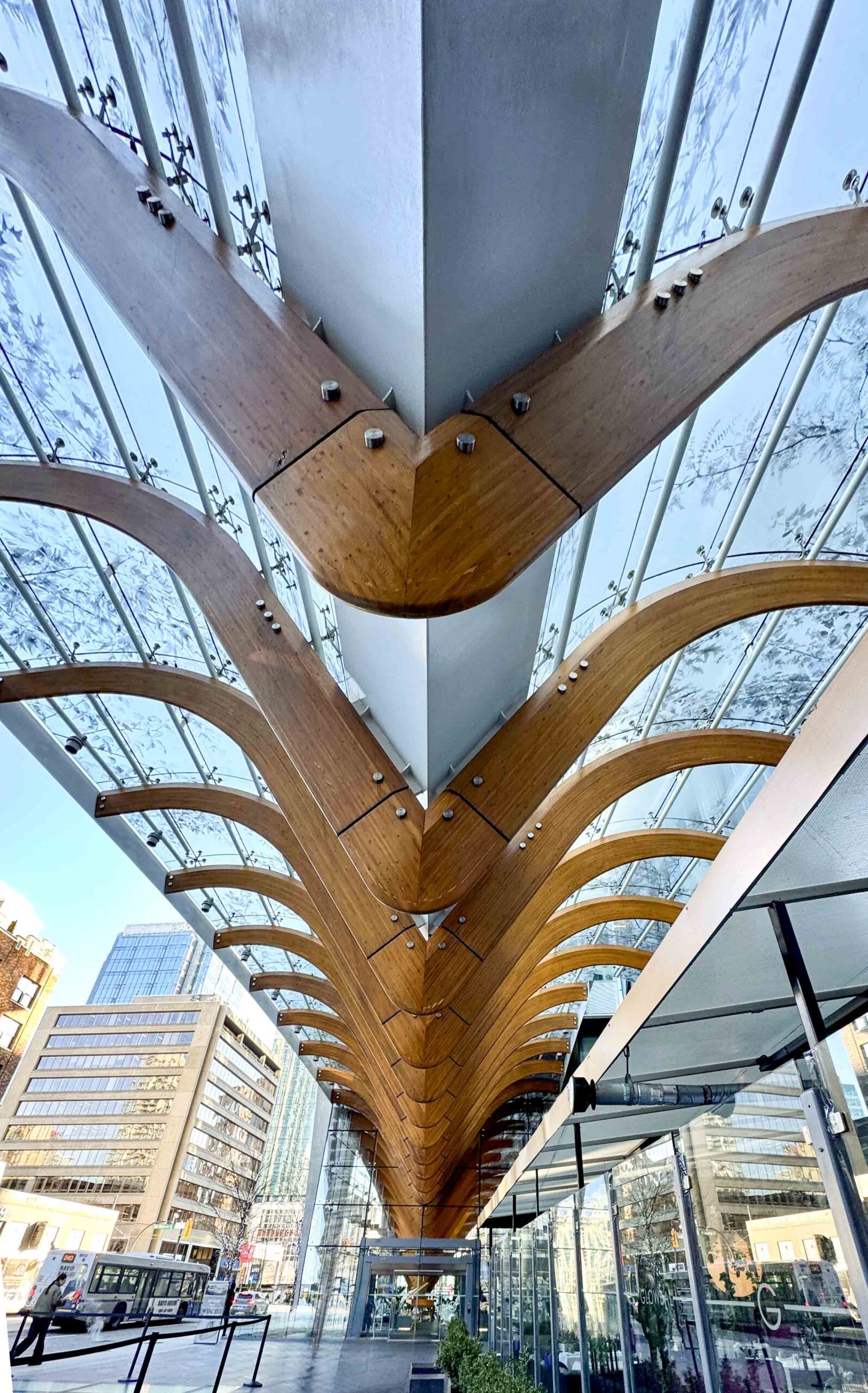 This overview traces the modern history of wood science and technology, particularly from the European perspective. It begins with the early forestry schools in 18th-century Germany, which influenced the founding of similar institutions worldwide. These schools introduced technical subjects, including wood physics, to meet industrial demand, especially from the mining sector. Before formal studies began, early research on wood properties, including moisture relations and strength, appeared in encyclopaedias. With the Industrial Revolution, interest in wood as a construction material grew, linking wood research to engineering and materials science. In the early 20th century, dedicated wood technology institutes marked the birth of wood science as a distinct discipline. …The future of wood science lies in sustainability and the efficient use of resources. As interest in renewable, bio-based alternatives to steel and concrete grows, further research on wood functionalisation and modification will be vital.
  In the September newsletter, you’ll find these stories and more:
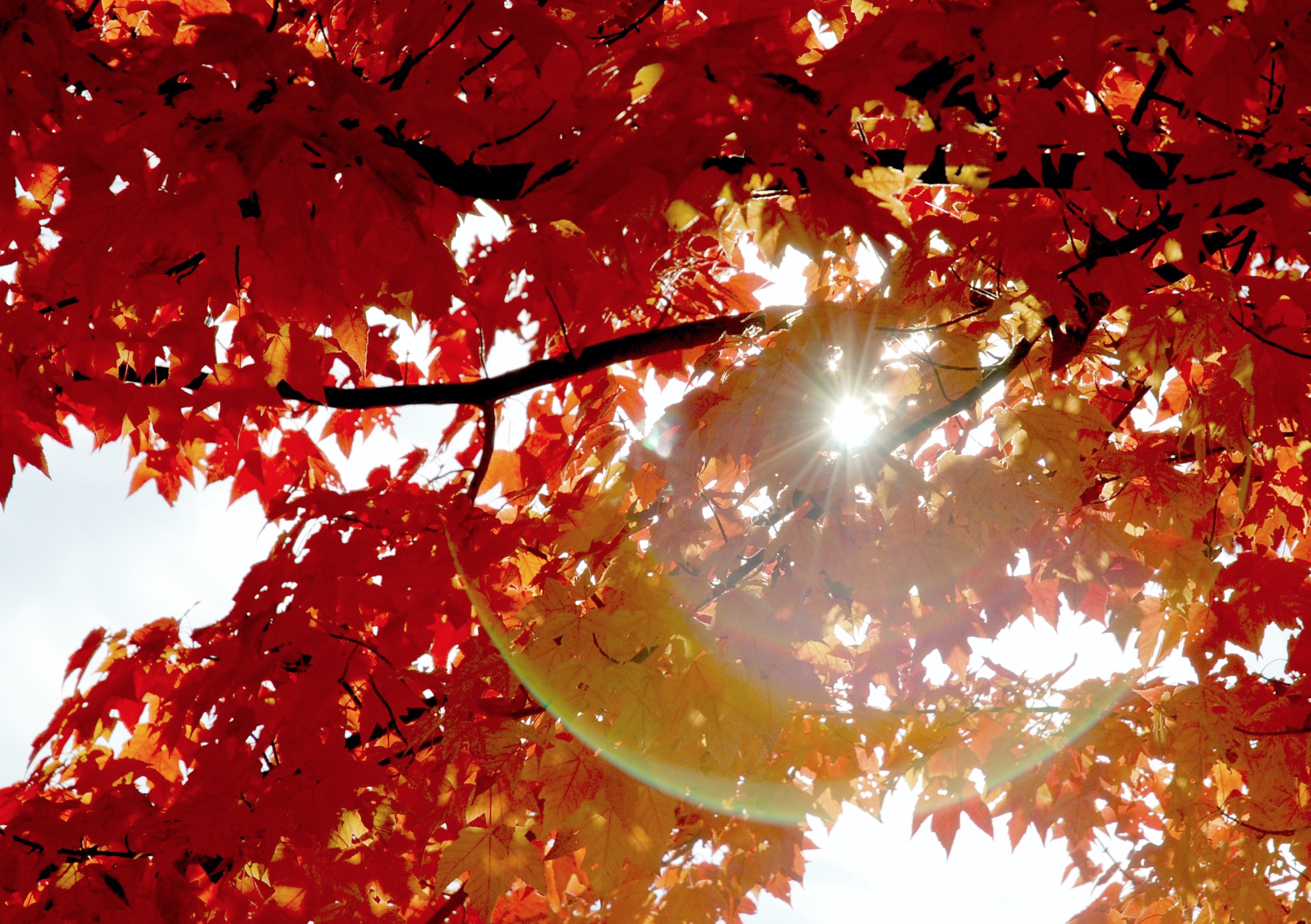 Professor Susan Dudley at McMaster University in Ontario says drought-stricken parts of Canada could be in for some underwhelming fall foliage if stressed trees lose out on the energy needed to generate some of the season’s most brilliant colours. Dudley says trees in dried out parts of the country could see their leaves die off rather than turn red. As the days shorten, green chlorophyll in tree leaves starts to break down and reveals the yellow and orange pigments underneath. Yet Dudley says some trees, such as maple, oak and sumac, synthesize a pigment in the autumn responsible for turning their leaves into the reds and purples associated with the most brilliant foliage. If a tree is too stressed … the leaves may die off before that new pigment can fully develop and give off its most vibrant colour, leaving brown leaves associated with rapid stress-induced death…
 As severe drought conditions continue to affect river levels in the Thompson Okanagan region, fish-population protection orders will protect endangered chinook salmon in the Salmon River and Bessette Creek by temporarily restricting water use for forage crops and identified industrial purposes. The Salmon River and Bessette Creek have seen persistent low streamflows that are threatening the survival of spawning chinook populations. The fish-population protection orders will help restore water-flow levels and protect the salmon run. Effective Monday, Sept. 8, 2025, 490 surface-water and groundwater licences and transitioning groundwater users in the Salmon River and Bessette Creek watersheds within the assessed curtailment area are affected by the orders to stop using water for forage crops, which include grass for hay, alfalfa and forage corn. Irrigation of forage crops is one of the most water-intensive agricultural water uses.
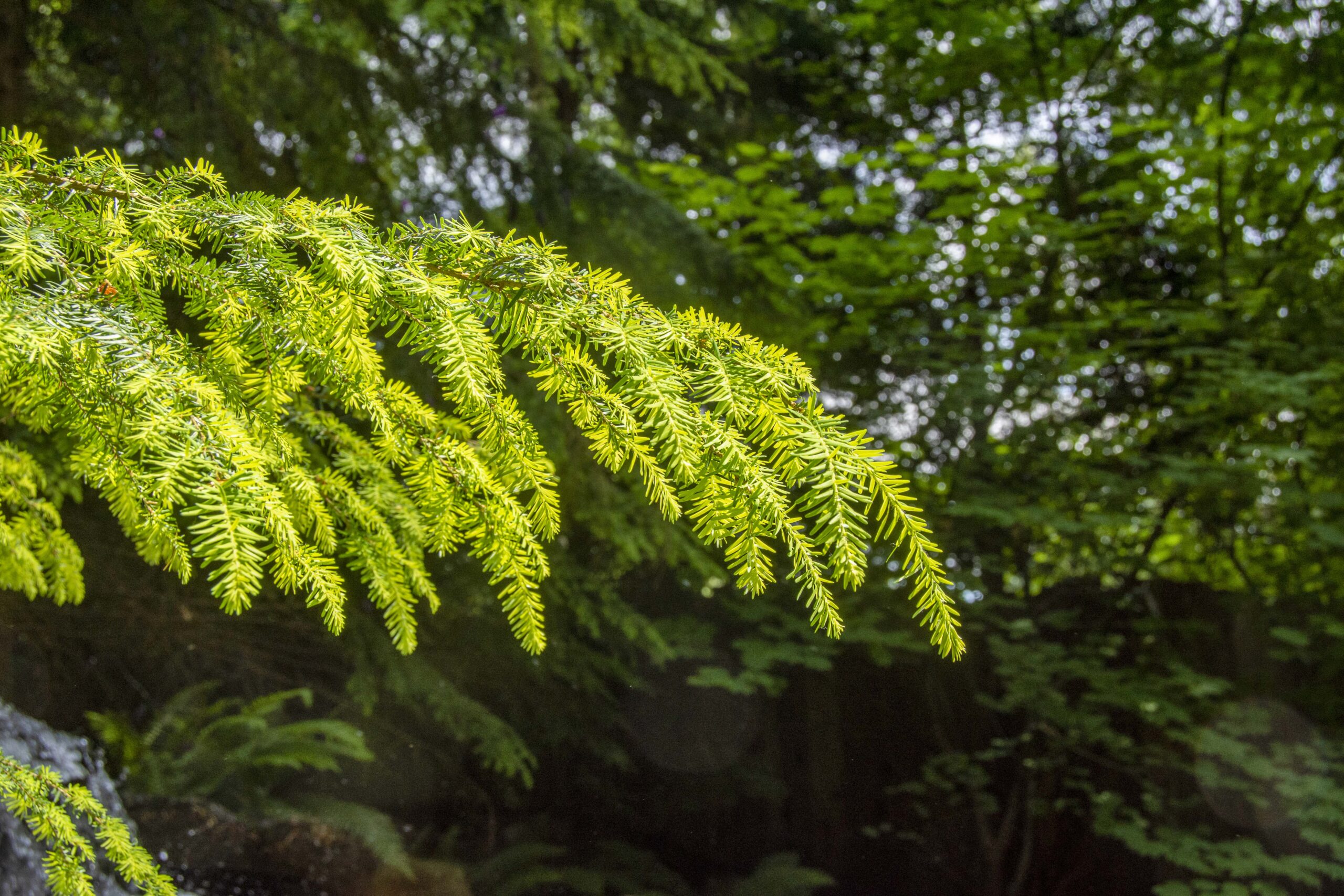 Five years after the release of the Old-Growth Strategic Review report, the BC NDP’s momentum towards a “new, holistic approach” to the management of old-growth forests has slowed almost to the point of regression. “Rather than the ‘paradigm shift’ we were promised, we’ve seen Premier Eby’s government doubling down on its prioritization of timber and industry profits over all other values,” said Eddie Petryshen, Wildsight Conservation Specialist. After its public release on September 11, 2020, the BC NDP government promised to enact all 14 recommendations made in the landmark Old-Growth Strategic Review (OGSR). The goal: to shift its focus towards ecosystem health, rather than timber. Since then, temporary logging deferrals have been put in place in high-risk old-growth stands in some parts of the province, and a 2023 Draft Biodiversity and Ecosystem Health Framework was released for public review.

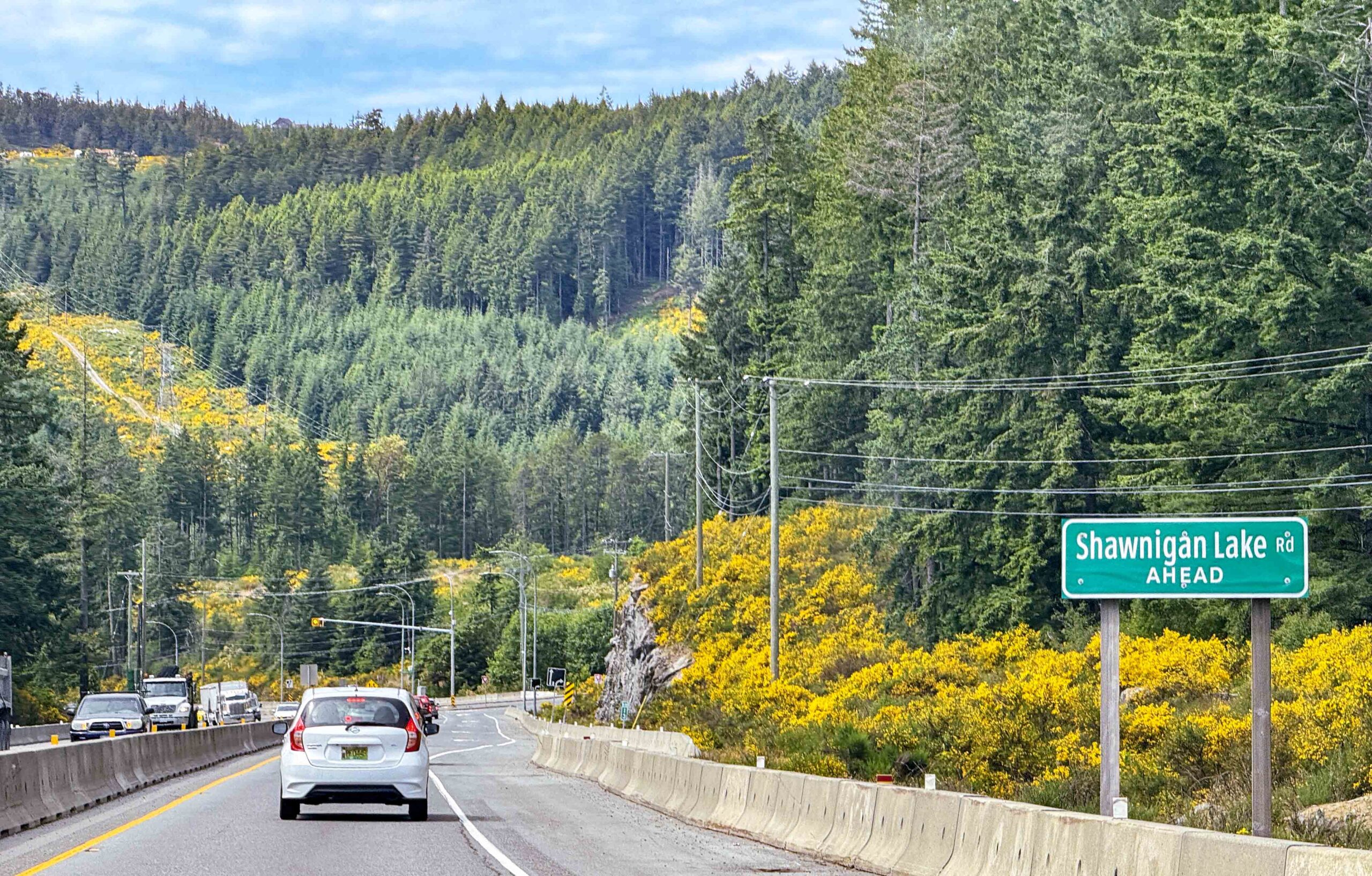 A reader wrote The Discourse recently with a question about why the BC Wildfire Service protects privately-owned forest land on Vancouver Island. It was an interesting question, but it hinted at a bigger one: What are forestry companies doing to prevent and mitigate wildfires from happening in the first place? Recent major wildfires on Vancouver Island have been on a mix of Crown land and private land owned by or under license of forestry companies. This includes the fire from early this week on Block 290 near Mount Benson that was recently transferred to Snuneymuxw First Nation. A recent special investigation by the BC Forest Practices Board on
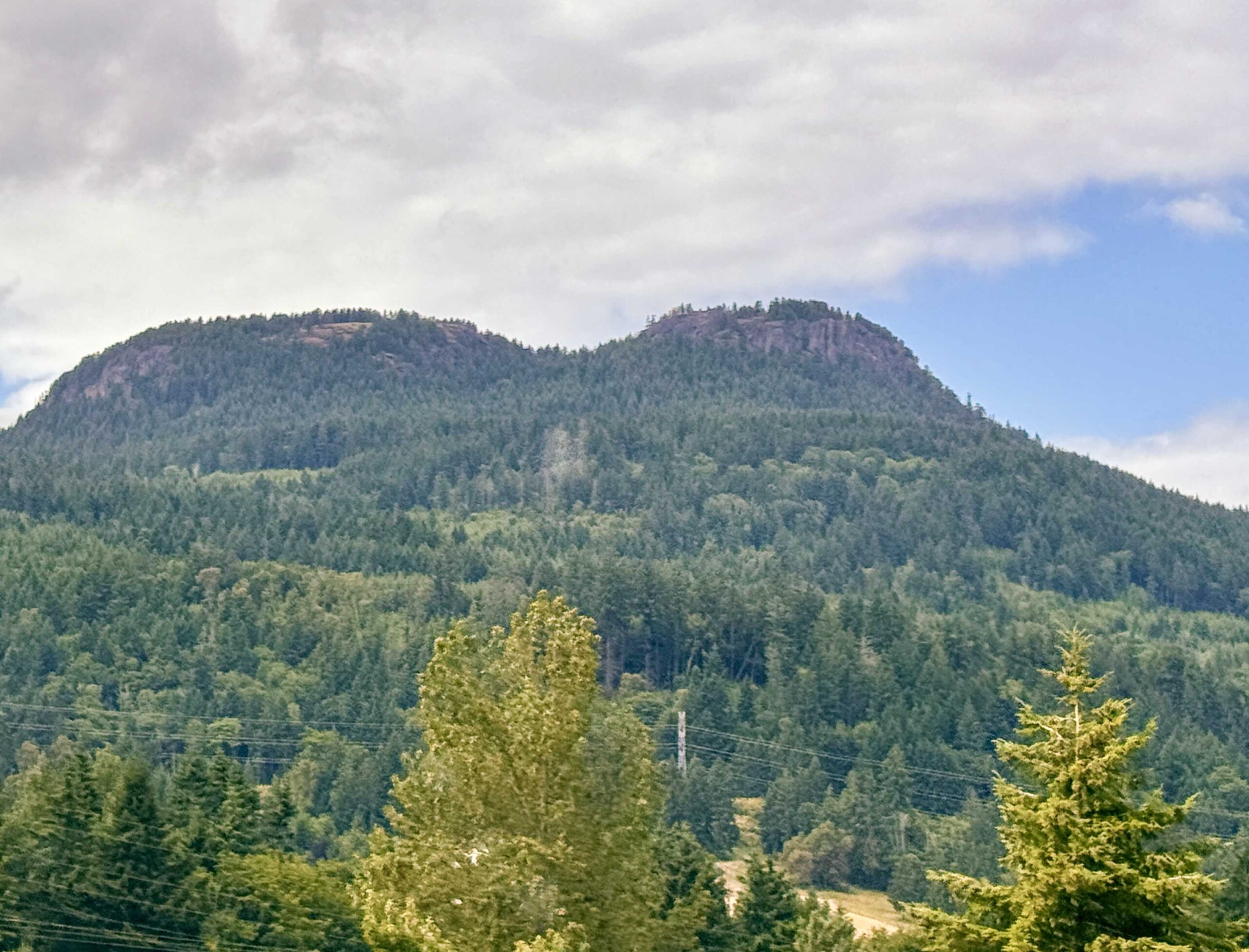 North Cowichan council has voted to make logging in the municipal forest reserve a strategic priority, despite warnings from some councillors and staff that the move could jeopardize years of work with the Quw’utsun Nation on a forest co-management framework. Timber harvesting in the roughly 5,000-hectare public forest has been on pause since 2019 to allow for public engagement, consultation with local First Nations and advice from experts on how to manage the publicly-owned woodland. Surveys found a majority of residents preferred conservation over harvesting — with 67 per cent of telephone respondents and 76 per cent of online respondents supporting either limiting timber harvesting … or not harvesting timber at all. In 2021, North Cowichan signed a memorandum of understanding with the Quw’utsun Nation… While it could take years before harvesting resumes, some around the council table warned that exploring harvesting options could negatively impact progress made towards a co-management framework with the Quw’utsun Nation.
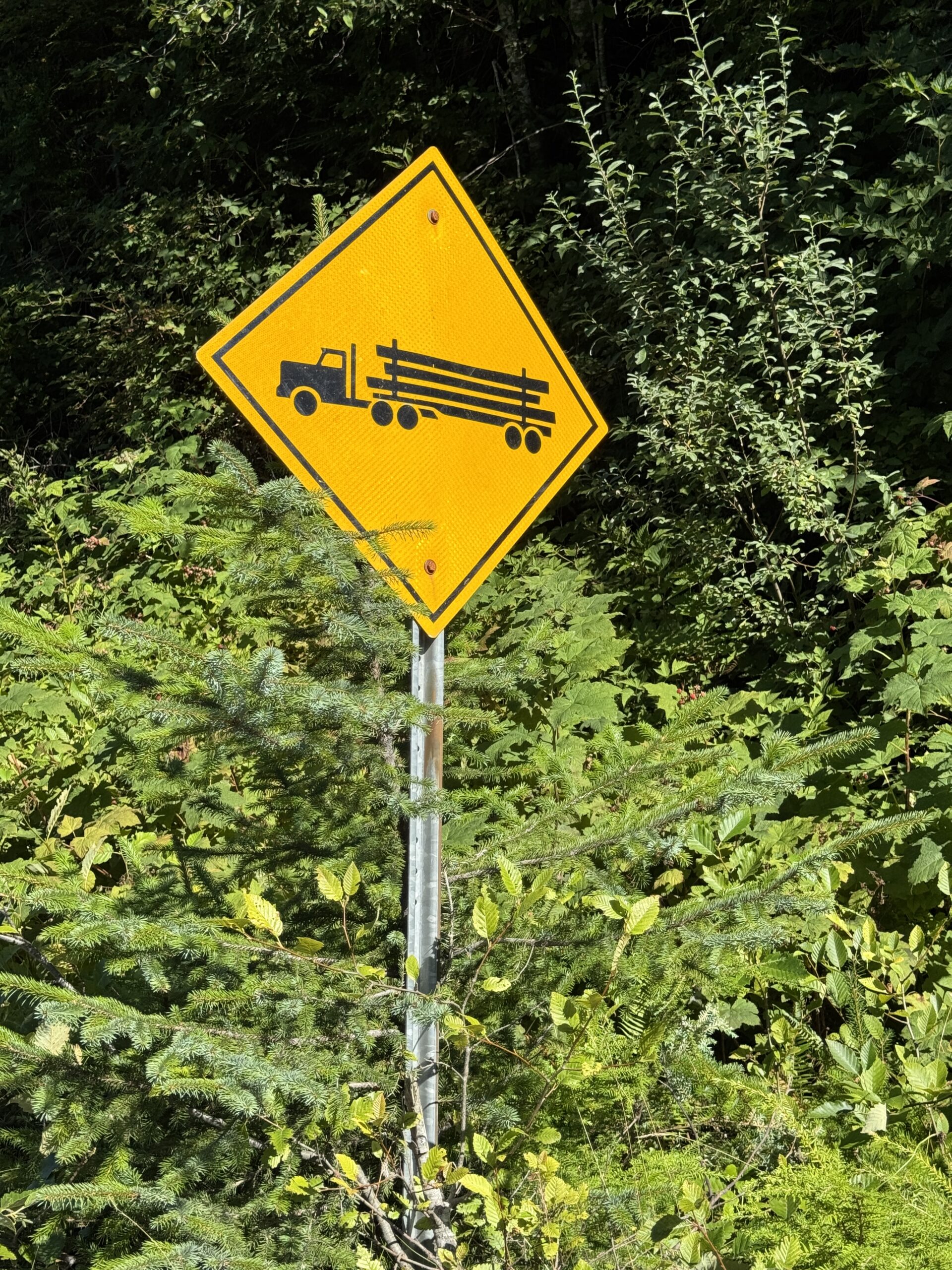 Bikers should take note that end-of-summer logging operations are kicking into gear at Revelstoke’s Mount MacPherson for a month starting next week, but minimally impacting recreational trails, according to a local cycling group. In a Facebook post on Wednesday afternoon, Aug. 27, the Revelstoke Cycling Association (RCA) advised that forest harvesting begins at the mountain’s upper trail network on the weekdays following the Labour Day weekend. This comes one week later than previously indicated in RCA’s trail report. Logging will run from 3 a.m. to 5 p.m. weekdays through most or all of September, with no activity planned for weekends, according to the association.
 In this edition of our newsletter you’ll find these headlines and more:
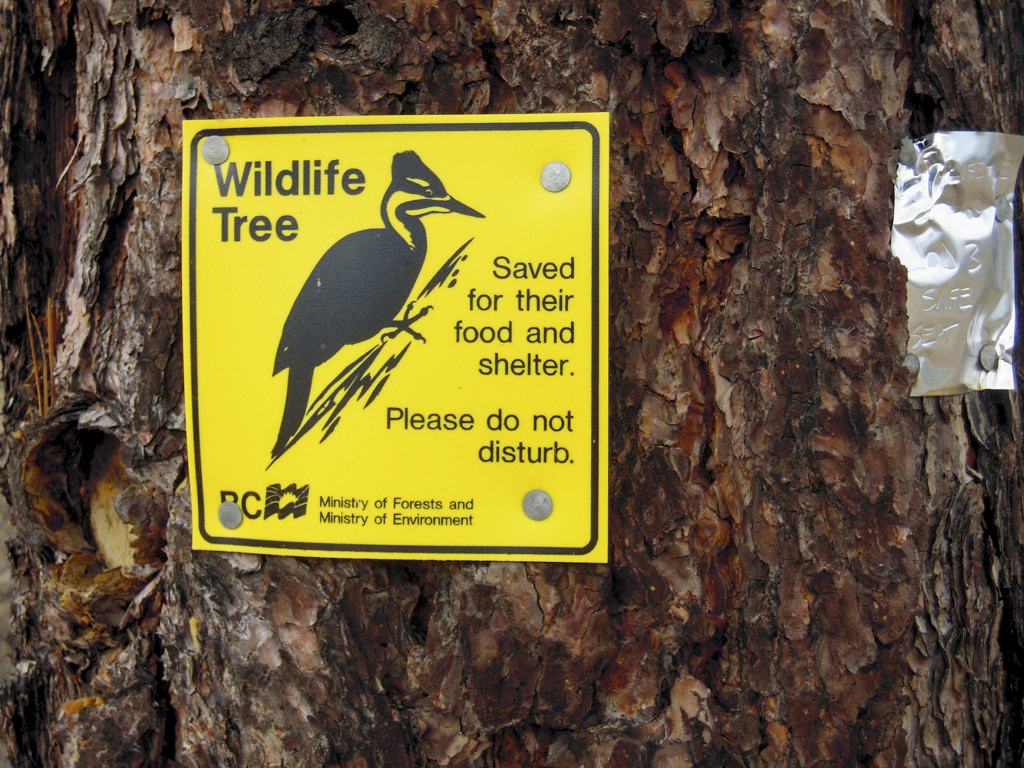 As wildfires tear through New Brunswick’s forests at record rates this year, researchers say the resulting damage is reshaping bird habitats — displacing some species while creating new opportunities for others. “With every disturbance in a forest, you have winners and losers,” says Joe Nocera, a forestry and environmental management professor at the University of New Brunswick. In this case, the winners will be woodpeckers. Wildfires, while destructive, are a natural part of forest ecosystems, said Amy-Lee Kouwenberg, an associate director at Birds Canada explained. They clear out underbrush and create habitats that support a wider range of species, boosting biodiversity in the long run. Woodpeckers thrive in burned areas, and the resulting tree cavities they leave behind are used as nesting sites that other birds rely on. …Species like the Canada warbler, wood thrush and Bicknell’s thrush — all of which depend on dense, mature or shrubby forests — are particularly vulnerable .
 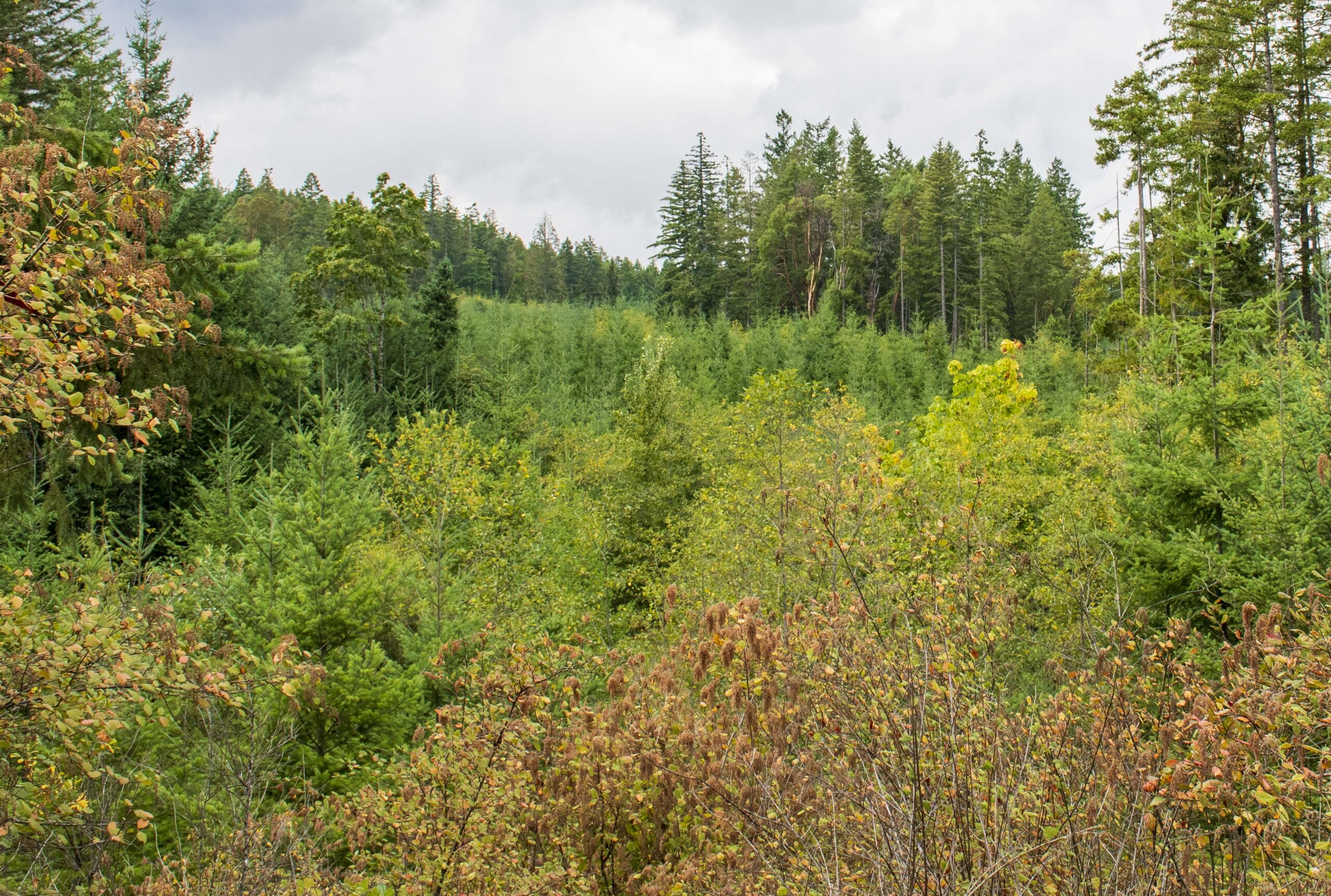 Activists are pushing for more information about where aerial spraying of glyphosate is happening after the Nova Scotia government has stopped releasing the locations for spraying of the herbicide by forestry companies. However the forestry sector says the use of the herbicide gets unfair attention, and identifying the locations draws protesters who block access to woodlots. Glyphosate is used by some woodlot owners to …reduce competition for more profitable softwood species… Previously, the provincial government provided premises identification (PID) numbers for where aerial sprays were approved. That didn’t happen when four approvals for spraying were issued in August. “We don’t have to tell everyone where these PIDs are, because it attracts people who don’t know the full story about forest management to show up roadblock your private woodlot, and prevent you from managing it as you see fit,” said Todd Burgess, executive director of Forest Nova Scotia.
 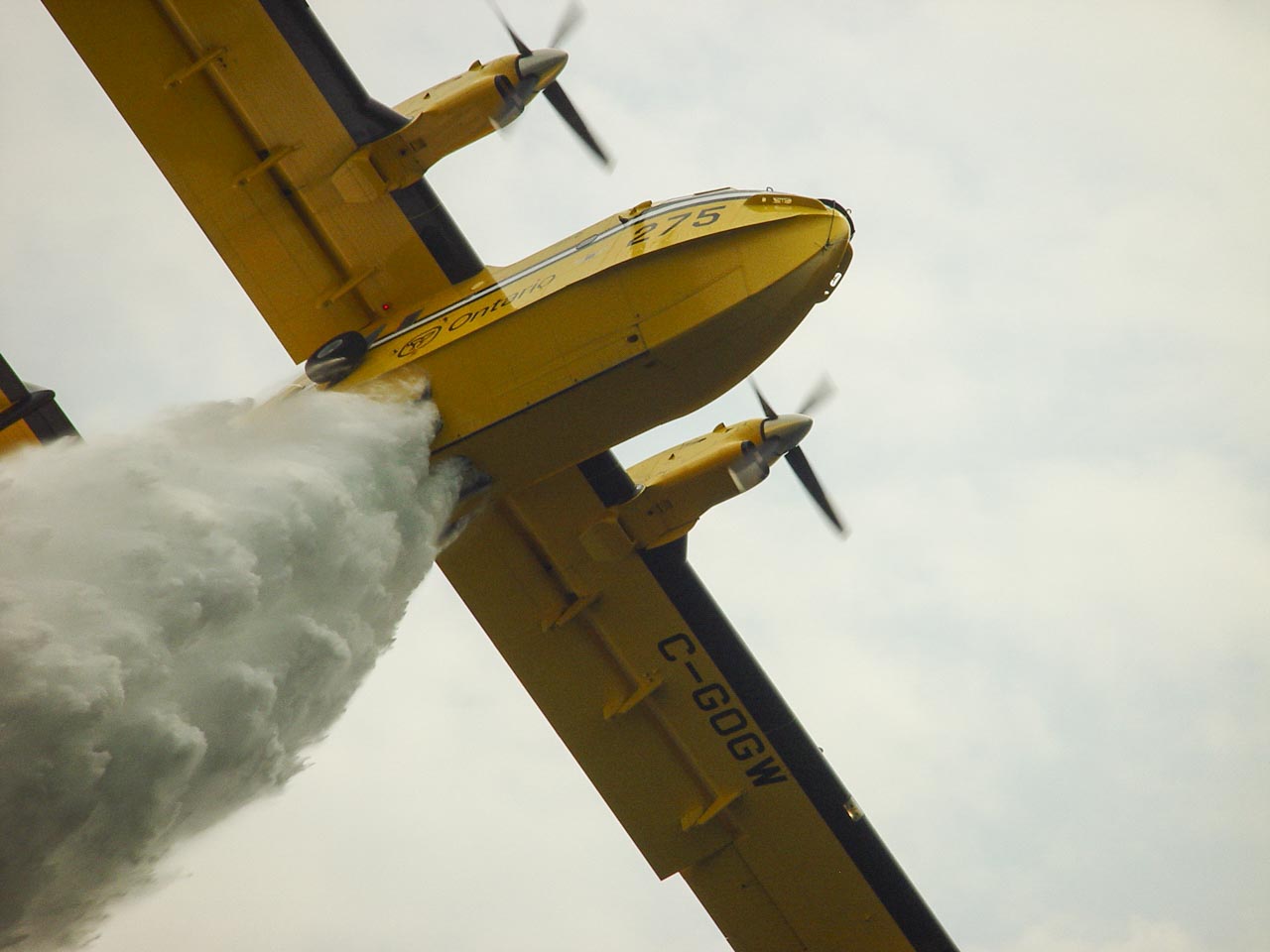 Air quality warnings are becoming a feature of Ontario summers, but for most, the source has felt far away. As southern Ontarians stayed indoors … under air quality warnings this summer, fires closer to home ignited. In July and August, the province experienced a number of wildfires in places including the Kawarthas, a couple hours northeast of Toronto, and near the town of Huntsville, in the cottage country region of Muskoka. Farther north, First Nations communities like the Pikangikum First Nation and North Spirit Lake First Nation were evacuated due to wildfires and smoke… How do wildfires in southern Ontario stack up to the massive fires farther north, and what can be done? Here’s what you need to know. …fires in southern Ontario are different for two main reasons: the forest type and the many, many people here.

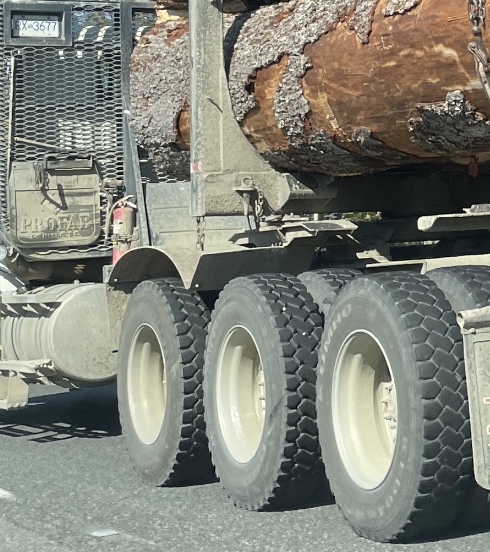 Colorado’s state-specific rule for largely protecting roadless areas in its national forests will be spared from a Trump administration effort to remove such protections on a broader basis. Agriculture Secretary Brooke Rollins said in a news release on Wednesday that a public comment period is opening on her previously announced proposal to do away with the 2001 national roadless rule. But the Agriculture Department also said in the news release that state-specific rules in Colorado and Idaho won’t be affected by the proposal. Altogether, the proposal would apply to nearly 45 million acres, the release said. Eliminating the rule would open roadless areas to road-building. The existing rule has limited activities such as logging in those areas, and was instituted at the end of the Clinton administration.
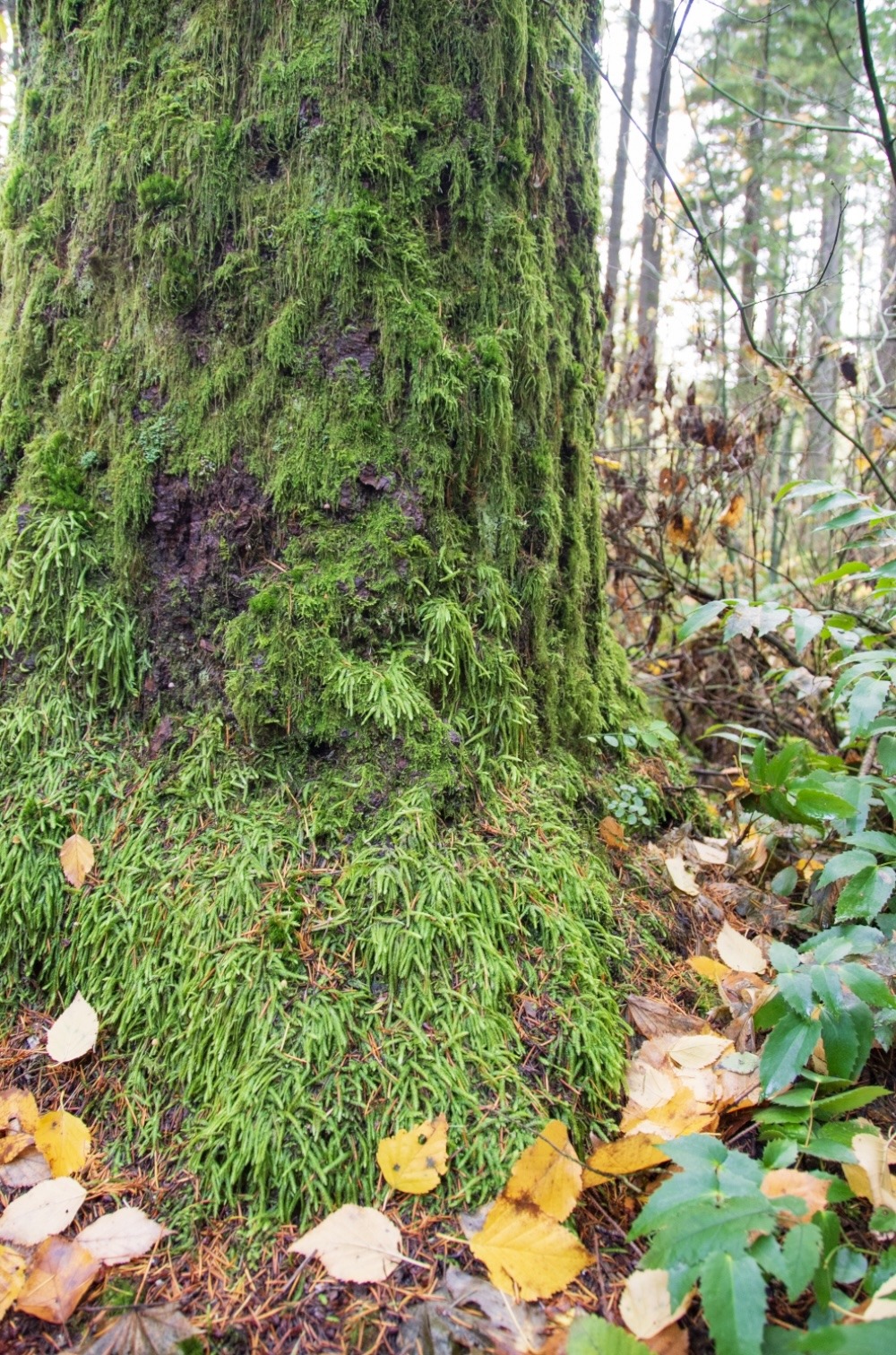 For a small but growing number of Oregon forestland buyers, timber output is no more than a potential byproduct. Their purchases are driven less by a desire for logs than for clean, drinkable water. …city governments have long drawn their drinking water from surrounding forests, but experts say more are now actually buying the tracts encompassing those crucial streams and rivers. …The prospect of hotter, drier weather diminishing summer stream flows — even as populations keep growing — is spurring cities to assert more control over their water supplies, experts say. …Apart from water quality considerations, cities are buying forested watersheds to encourage old growth characteristics, with the intent of actually boosting water supplies over the long term, experts say. …Though municipal ownership of forest watersheds is intended to pre-empt disputes between cities and timber operators, the arrangement can still lead to tension over management decisions.
 The US Department of Agriculture (USDA) announced it would invest more than $8 million in five new projects, including one in North Carolina. These projects will improve forest health by reducing wildfire risk and improving water quality. …North Carolina has two primary wildfire seasons, one in the spring and one in the fall. …The five new projects include efforts across several states to restore and protect essential landscapes. The National Forest is launching the “Alabama Chattahoochee Fall Line Restoring Longleaf” project in Alabama. Colorado and Wyoming will see work in the Medicine Bow-Routt National Forest through the “Headwaters of the Colorado” initiative. Montana’s Lolo National Forest is beginning the “Blackfoot River Valley Landscape Mosaic” project, while North Carolina’s National Forests are moving forward with “Uwharries to Sandhills, Phase 2.” Finally, Oregon’s Mt. Hood National Forest will focus on “Hood River Wildfire and Watershed Resilience.”

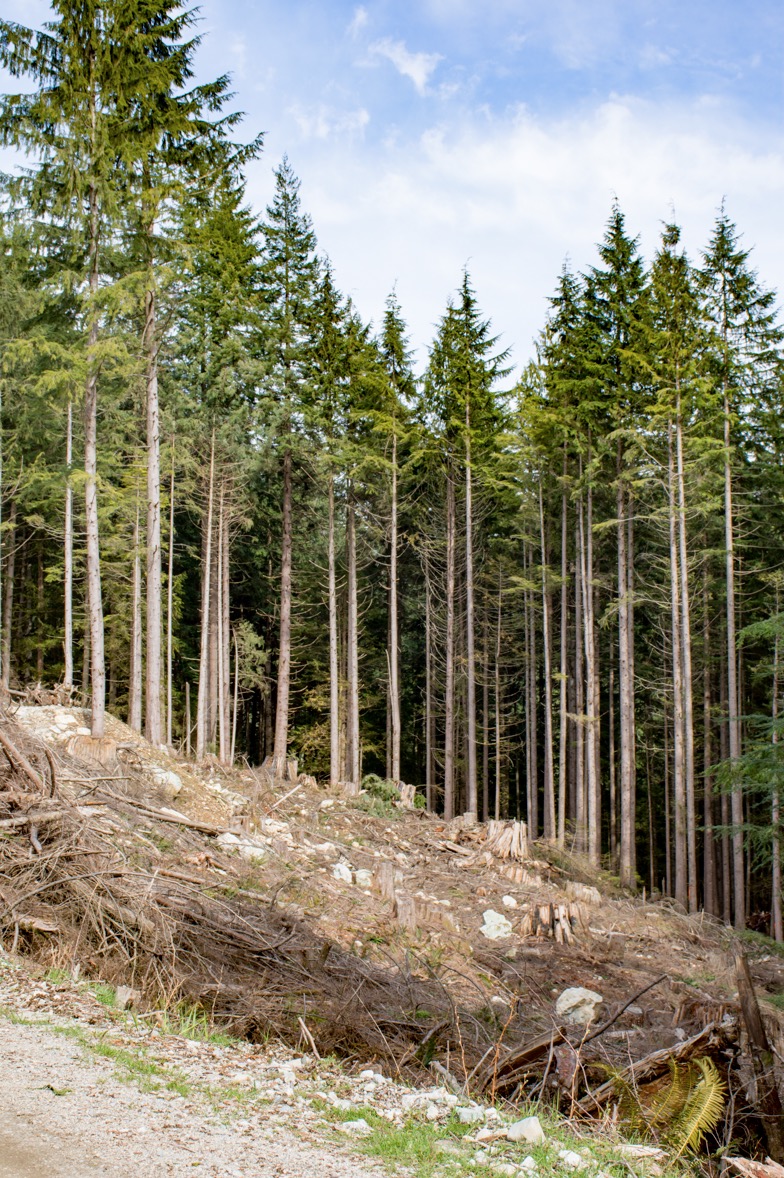 The occurrence and fate of microplastics in forest ecosystems is a recognized knowledge gap. In this paper, we used an aligned extraction method to quantify microplastics (>20 µm) in organic and mineral forest soil horizons and throughfall deposition. Calculation of forest soil microplastic stocks and throughfall fluxes allowed an estimation of throughfall contribution to microplastic accumulation in forest soils back to 1950. We identified a short-term microplastic enrichment in decomposed litter horizons followed by an accumulation in lower mineral soil caused by litter turnover processes. Similar microplastic features in soil and throughfall deposition indicate that microplastics entering forest soils primarily originate from atmospheric deposition and litter fall, while other sources have a minor impact. We conclude that forests are good indicators for atmospheric microplastic pollution and that high microplastic concentrations in forest soils indicate a high diffuse input of microplastics into these ecosystems.
 …Sweden, like Canada, sits atop vast boreal forests — part of the same great green belt circling the Northern Hemisphere. These forests act as planetary lungs, storing more carbon than even the Amazon. But the Swedish government’s latest forestry inquiry, En robust skogspolitik för aktivt skogsbruk, is heading in a troubling direction: grow more trees, cut them faster, and burn or export more biomass in the name of “green energy.” It sounds like a climate solution. But here’s the problem: forests are not factories. Most of the carbon in a boreal forest isn’t stored in the trees at all. It’s locked underground — in roots, fungi, humus, and delicate microbial networks built up over thousands of years. When forestry is intensified — shorter harvest cycles, heavier machines, wider clear-cuts — that underground bank of carbon is steadily drained. The trees grow back, yes, but the soil can take centuries to recover, if it recovers at all.

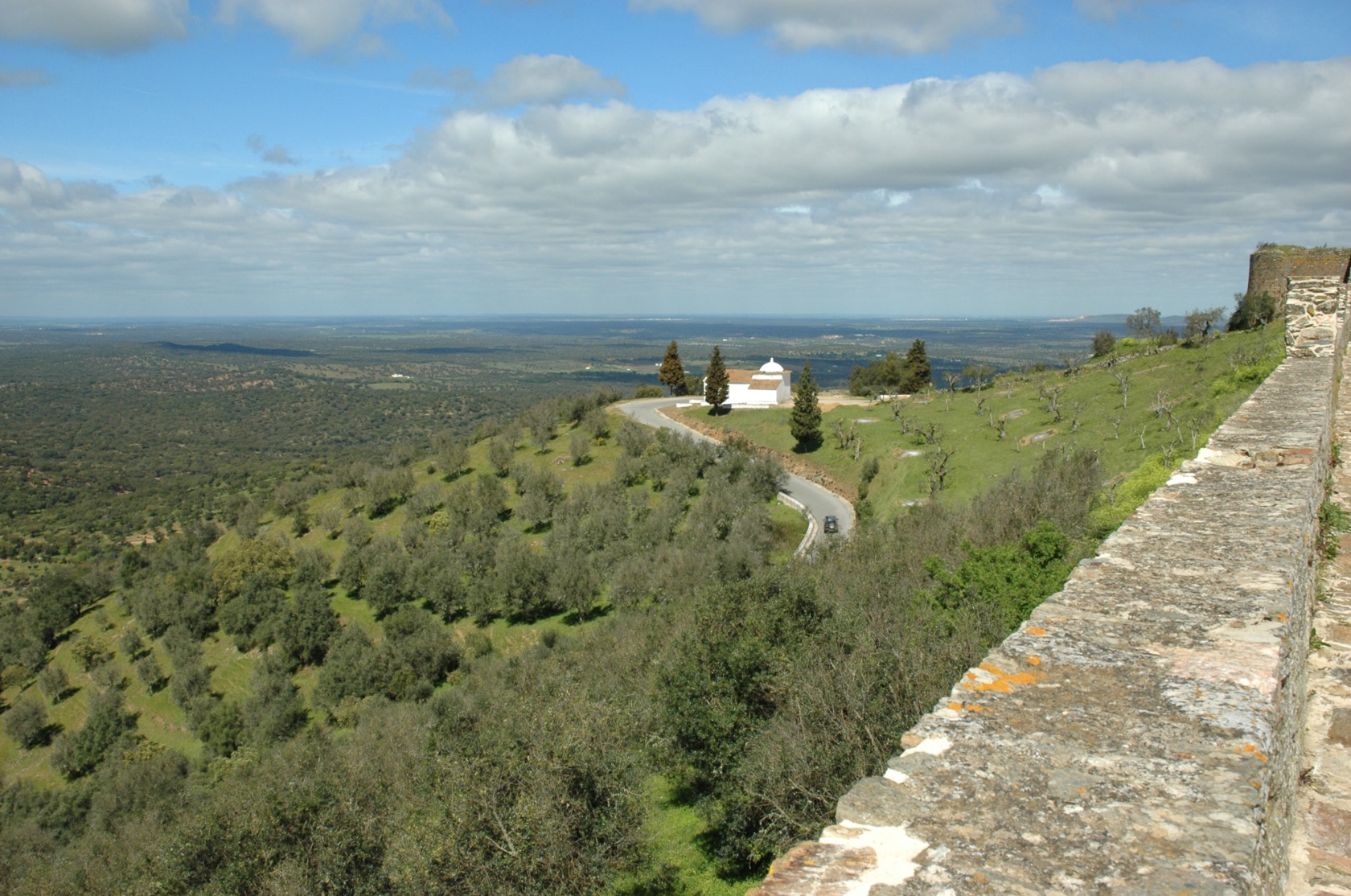 Researchers warn that simultaneous fires across Europe are overwhelming firefighting resources. Climate change made weather that fuelled Portugal and Spain’s deadly wildfires this summer around 40 times more likely, new research has found. Blazes in the Iberian Peninsula broke out at the end of July. Fuelled by temperatures above 40°C and strong winds, the flames spread extremely rapidly. The area burned by these wildfires has now broken records across Spain and Portugal. A new super rapid scientific analysis by World Weather Attribution (WWA) has found that these hot, dry and windy conditions were made more likely and more intense by human-caused climate change. Dr Clair Barnes, researcher for the Centre for Environmental Policy at Imperial College London, warns that the “astonishing” size of these fires is a “sign of what is to come” with hotter, drier, more flammable conditions becoming more severe with climate change.
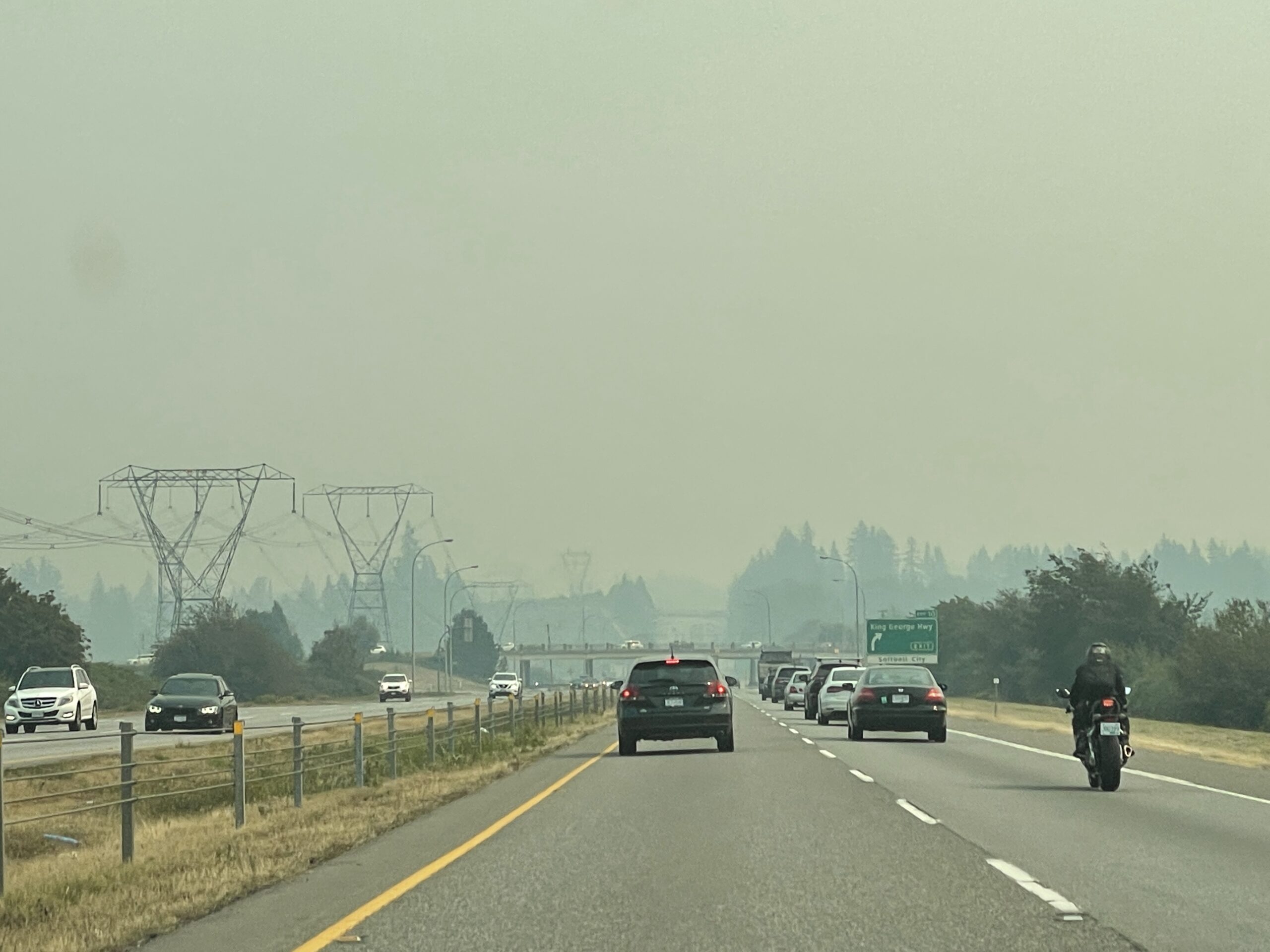 It’s hard not to forget the 2023 Canadian wildfire season, when more than 16 million hectares of forest were lost, thousands were displaced and smoke suffocated cities across both Canada and the U.S. And it turns out Canada experienced its worst air pollution levels that year since 1998, according to a new report released today by the University of Chicago’s Air Quality Life Index (AQLI). At the same time, the report found that pollution levels didn’t change much for the rest of the world in 2023. If those levels continued for a person’s lifetime, the average Canadian would lose roughly two years of their life expectancy, according to the report. Efforts have been made around the world, including in Canada, to curb harmful emissions of fine particulate matter with a diameter of less than 2.5 micrometres, also known as PM 2.5. But wildfires are reversing those advances — with serious health consequences.
 WorkSafeBC will be holding a virtual public hearing on
  In this edition of Forest Safety News you’ll find these stories and more:

 It’s been a summer of blue skies for British Columbia’s Lower Mainland, but that’s changed with a wave of wildfire smoke rolling into the region. The Metro Vancouver Regional District has issued an air quality advisory for Metro Vancouver and the Fraser Valley due to elevated levels of fine particulate matter causing hazy conditions across the region. At a Wednesday briefing, B.C. Forests Minister Ravi Parmar said conditions were expected to worsen, with much of Southern B.C. to be affected in the days to come. “We should expect to see wildfire smoke come south in the days ahead. Weather forecasters are saying that the smoke is going to be a major factor in the next 24 to 72 hours,” Parmar said. “There are already reports of smoke hitting communities. We do expect more smoke to arrive in the central and southern interior tonight or tomorrow, and reach Abbotsford and the coast by Friday.”
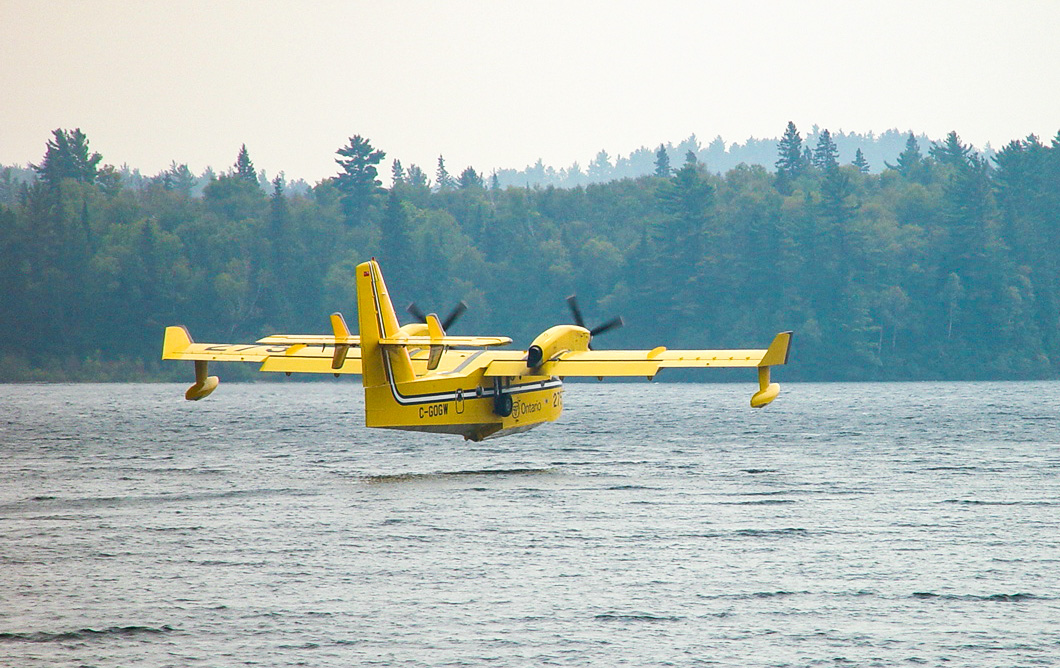 Three new wildfires were confirmed today in the Northeast Region, one is out and two are burning out of control, according to the latest report from Aviation, Forest Fire and Emergency Services. North Bay 14 is on the north side of French River, about 4.5 km south of Sandy Island on Lake Nipissing. This fire is 1.5 hectares and not under control. Haliburton 26 is 0.5 hectares and located on Coo-ee Island on Kahshe Lake. The fire is also not under control. Chapleau 14 was 0.1 hectares and located on the south side of Bunting Lake, approximately 2.6 kilometres west of Perth Lake, and 1.1 kilometres south of Nackawic Lake. It is out. There are six active fires in the Northeast region; one is under control, two are not under control, and three are being observed.
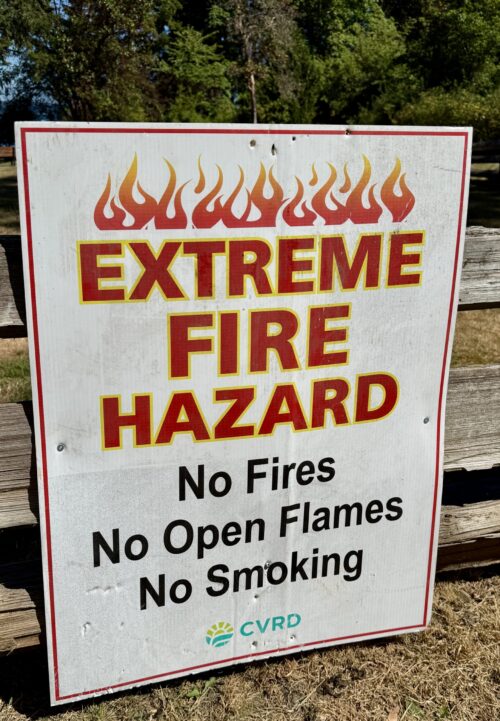 The number of active wildfires in British Columbia has leapt by more than a dozen following several days of hot, sunny weather. B.C. Wildfire Service (BCWS) figures Thursday morning show 81 active blazes, up from 68 on Wednesday, with 19 new starts and seven fires declared out over the past 24 hours. There are now 17 fires classified as burning out of control, up from four on Monday, including a cluster of new starts in the northwestern part of the Cariboo region. The wildfire service’s map also shows three new blazes detected Thursday in conservancy areas northwest of Whistler. BCWS says hot, dry conditions have left fuels across much of the province highly susceptible to ignition and spread. …The wildfire service says thunderstorms in the south are bringing a risk of lightning to the Coastal and southern Interior fire centres, and while those storms could help moderate temperatures slightly…
 The local service district of Lethbridge, N.L., is partially evacuated after a wildfire started in a bark pile and its adjacent forest outside Sexton Lumber late Sunday afternoon. The evacuation zone includes the areas of Oldford’s Hill to Southwest Bridge and Bayside Drive and Forest Drive, where the saw mill is located. Anthony Paddon Elementary in Musgravetown has been converted into a reception centre for impacted residents. In a social media post, the school announced that it will be closed to students on Monday, as it supports the efforts of emergency responders. The elementary school in Lethbridge, Hertiage Collegiate, is closed as well. In a social media post the school says more updates will be provided at 10:30 a.m. N.T. Route 233 remains impassible in both directions to all traffic. As of Sunday, three water bombers and ground crews were working the fire, and crews remained on the scene overnight to monitor conditions.
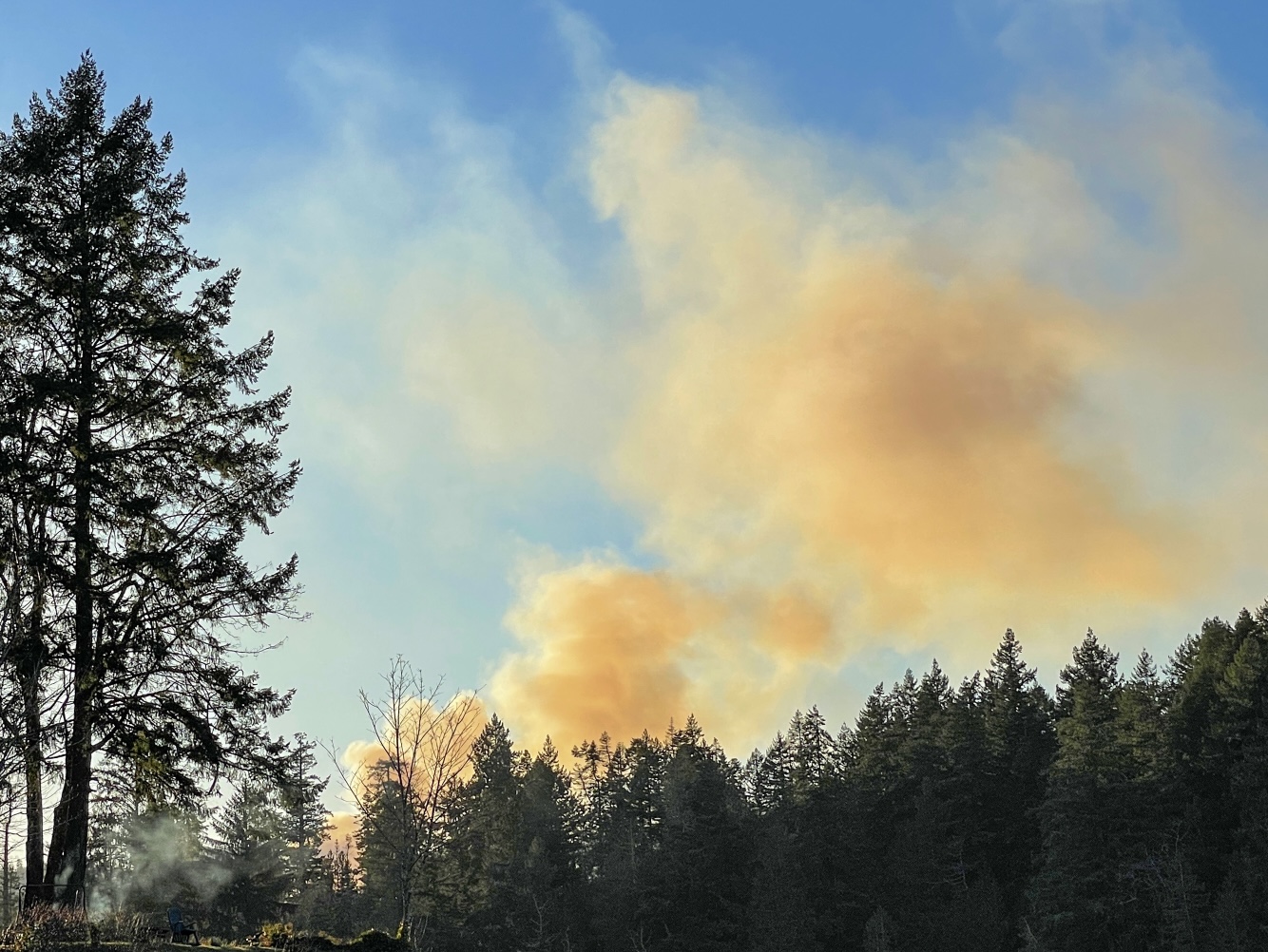 The Nova Scotia government has confirmed 20 homes were destroyed last weekend in the Annapolis County wildfire, which remains out of control and is estimated at 8,234 hectares — or more than 82 square kilometres. According to a news release on Thursday, the residences were destroyed Sunday on West Dalhousie and Thorne roads. Not all of the residences were primary structures. “Our hearts are broken for residents in the West Dalhousie community who’ve lost their homes,” Premier Tim Houston said in a news release. “It’s overwhelming to get that news, it will be a long road to recovery, and I know residents will find comfort through this strong, tight-knit community. The wildfire in the West Dalhousie area of Nova Scotia is still burning out of control and has destroyed 20 homes. The Long Lake fire, which started on Aug. 13, is estimated to be 8,234 hectares in size (or more than 82 square kilometres), as of 11:30 a.m.